All News - Page 123 of 1713 - Good News Network
Home Blog Page 123

“If you fell down yesterday, stand up today.” – H. G. Wells

By Irudayam, CC license

Quote of the Day: “If you fell down yesterday, stand up today.” – H. G. Wells

Photo by: Irudayam (CC license)

With a new inspirational quote every day, atop the perfect photo—collected and archived on our Quote of the Day page—why not bookmark GNN.org for a daily uplift?

By Irudayam, CC license

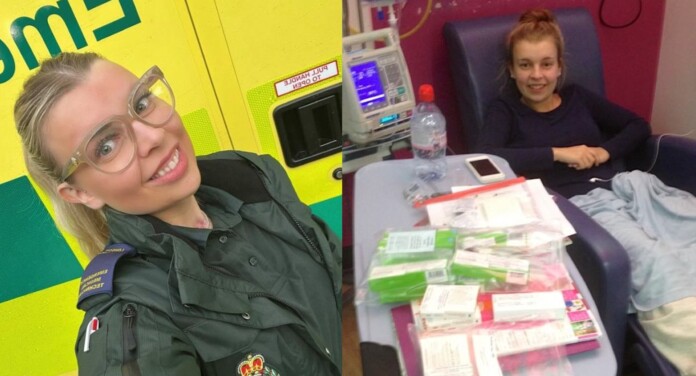
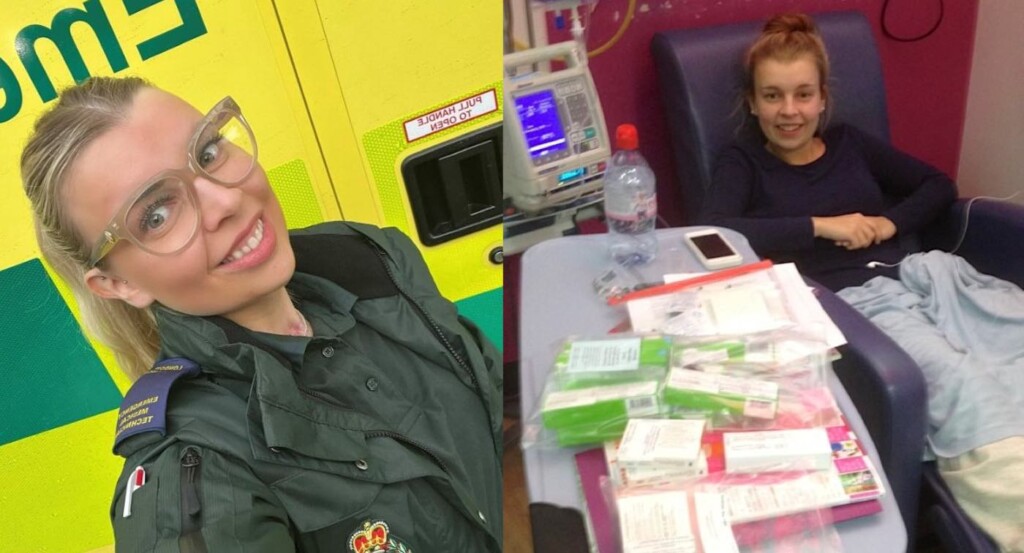
She Beat Cancer Three Times and it Inspired Her to Become a Paramedic to Give Back

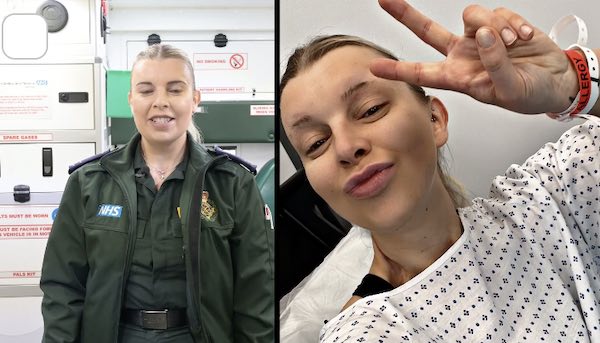
Katherine Murrell beats cancer and becomes paramedic – SWNS

A young woman who has survived cancer three times has become a paramedic so she can ‘give back’ to the National Health Service in England, and serve other patients who are going through the same thing.

Katherine Murrell was first diagnosed with cancer when she was just 16. She underwent six months of daily chemotherapy before being given the all-clear—but years later received two more diagnoses.

Now 27, Katherine is finally cancer-free and says her experience with the NHS is what inspired her to join the London Ambulance Service.

“I’ve spent 11 years going to regular hospital appointments. When you get that used to it, you want to give something back,” said the Essex resident.

Since battling stage four lymphoma—a blood cancer that affects the immune system—she’s undergone a double mastectomy to decrease her risk of further cancer, after undergoing so much radiation therapy.

Fortunately, Katherine has been cancer-free for over a year and wants to share how her experience inspired her to become a paramedic—especially because all the medical care interrupted her opportunity to go to university.

Being rushed to the hospital as a teenager sparked her interest in emergency medicine.

“The staff were so incredible. It really hit me that the medic crew was amazing and how cool it would be do something like that.

“I now know that was just in a day’s work for them, but the care they gave has really stuck with me. They gave me exactly what I needed.”

SWNS

Katherine trained to become an emergency medical technician (EMT) in the London Ambulance Service and believes her cancer diagnoses has made her more empathetic and better able to relate to her patients.

MORE GIVING BACK: Little Boy With Leukemia Returns to Hospital to Deliver 400 Christmas Gifts to Kids Stuck There for Holidays (LOOK)

Now, months after the last diagnosis she’s seen how her chosen career has been enhanced by the cancer.

“It has made me acutely aware of my abilities, my empathy, and compassion – it’s given me that skill,” she told news agency SWNS.com.

“It’s a connection I have with these patients – an emotional connection of course, but more than that I have a real understanding of the physical aspects of what they are going through, like the hair loss and everything else.

“When I go to patients like that, that’s when the penny drops for me that I’m in the right job. I get this wave of happiness that I’m in the right place, I’m where I belong.

CANCER BREAKTHROUGH: Belgian Boy is the First Child in the World to Have Been Cured of Brain Stem Glioma, a Brutal Cancer

“I come away and I feel like I’ve been able to give someone a little bit of positivity about what they are going through.”

Katherine explained how she has “reframed” what happened to her in positive light—and is currently thriving in her career.

“People would assume that the time I spent sitting in a hospital getting treatment was just horrible. But I got so much exposure to medicine and clinical pathways in that time, I use that knowledge gained from those experiences every day now.

INSPIRING IDEA: Chinese Couple Created ‘Cancer Kitchen’ in Their Alley to Let Family Members Cook for Loved Ones in Nearby Hospital

“So now I use it as a superpower and I’d advise anyone going through a similar situation to try to do the same.”

INSPIRE AMBULANCE DRIVERS EVERYWHERE By Sharing On Social Media…

Scientists Find the Natural Vegetable Antioxidant Luteolin Could Prevent Gray Hair

Getty Images for Unsplash+

Graying hair is a hallmark of aging and often considered an inevitable part of growing older. However, recent research from Nagoya University in Japan suggests that an antioxidant might suppress this process.

Researchers Masashi Kato and Takumi Kagawa identified luteolin, an antioxidant found in vegetables, as being a potential anti-graying agent. Their findings pave the way for potential applications in human hair care.

The study focused on three antioxidants—luteolin, hesperetin, and diosmetin—to assess their anti-graying effects in mice that were bred to go gray like humans.

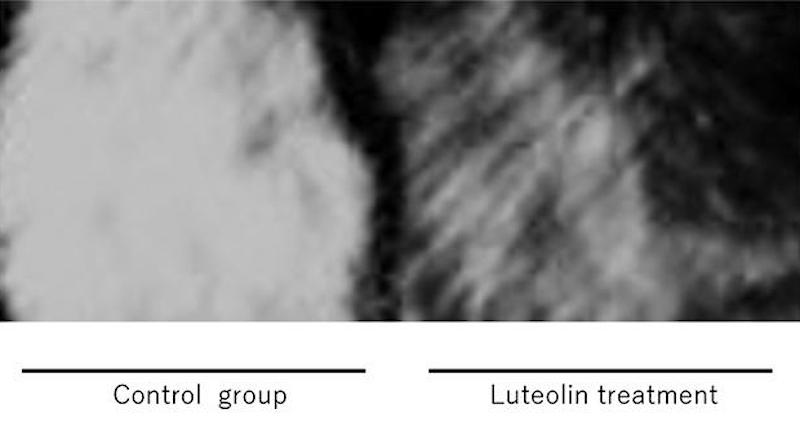
The difference was “startling”, the mice that received luteolin retained their black fur, even as their cage mates’ fur turned gray, regardless of whether the luteolin was given externally or internally.

“This result was surprising,” Professor Kato said. “While we expected that antioxidants may also have anti-graying effects, only luteolin—not hesperetin or diosmetin—demonstrated significant effects. This finding suggests that luteolin may have a unique medicinal effect that prevents graying.”

Found in celery, broccoli, carrots, onions, and peppers, luteolin’s anti-graying effects are closely linked to its influence on endothelins—proteins that play a crucial role in cellular communication.

RELATED: Stress Can Accelerate Grays, But Hair Color Can Be Restored When Stress is Eliminated, Scientists Find

In the study published in MDPI, luteolin treatments preserved the expression of endothelins and their receptor. This preservation supports healthy signaling pathways, preventing the decline in melanocyte activity that typically accompanies graying.

Credit: Masashi Kato

“Interestingly, luteolin had limited effects on hair cycles, indicating that its primary impact is on pigmentation rather than hair growth or shedding,” Professor Kato said. “This targeted action makes luteolin particularly intriguing.”

The similarities between the hair graying processes in the model mice and humans offer encouraging prospects for translating these findings into human applications, according to a press release.

ALSO CHECK OUT: Method of Stopping Hair From Going Gray Might Finally Have Been Discovered

As well as vegetables, luteolin is already available as a supplement for topical and oral use, making it a viable candidate for further development as an anti-graying treatment. As research progresses, this antioxidant could become a key ingredient in hair care regimens, helping individuals preserve their natural hair color as they age.

Building on these results, Dr. Kagawa hopes to conduct broader research to see if luteolin’s anti-aging effects could also be applicable to balding.

SEND THESE SHADES OF GRAY to Aging Friends On Social Media…

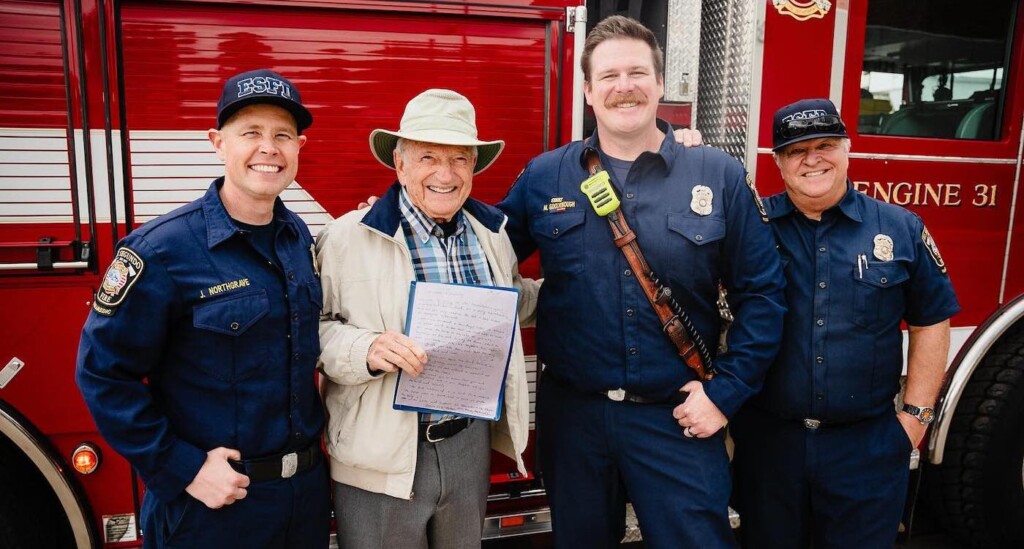
Man Finds Heartfelt Note in Mailbox From Firefighters Who Saved His Home During Palisades Fire (LOOK)

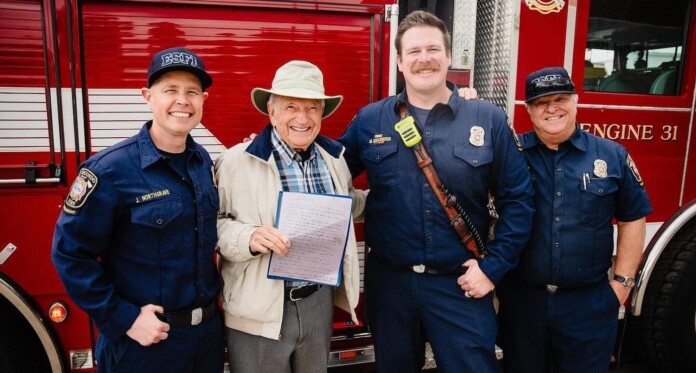
Tony Nesburn with El Segundo firefighters who left note after saving his house – By Consuelo Althouse
Tony Nesburn with El Segundo firefighters who left note after saving his house – By Tony’s cousin Consuelo Althouse

Following the California wildfire last month, a Pacific Palisades resident anxiously awaited an opportunity to return to his home and examine the damage after the January fire that devastated his neighborhood.

Tony Nesburn’s home overlooking the ocean held priceless memories of his wife, Cristina Kenney, who had sadly passed away a year ago.

The belongings she left behind carry deep sentimental meaning for Tony—and he prayed they were saved from the fires. Soon, his whole family felt overwhelming relief when they learned that Tony and Crissie’s house was miraculously saved.

Upon returning home January 24, Tony discovered a heartfelt letter left in the mailbox by four heroic firefighters explaining how they saved his home.

“We are so sorry for the devastation your neighborhood has endured. It is truly heartbreaking, and we can only imagine the toll it has taken on everyone affected.

“When we returned a few days later it brought us great relief to see that we were able to save your house. The house to the right of you was completely on fire and burning the fence, about to catch your house on fire.

“We stopped the fire from burning through your side door and kept the fire from your deck and roof.

“Since then, our amazing team has found solace on your deck, gazing out at the beautiful Pacific Ocean. It has offered a moment of calm amidst the chaos.

“The pink ribbon, if it is still there, means the house was a save—and it gave us pride to hang it!

“We want you to know that you and your neighbors are in our thoughts as you rebuild and recover.”

With love and support,
El Segundo Fire Dept. Engine 31 “C” Platoon
Levi, Steve, Matt and Jason

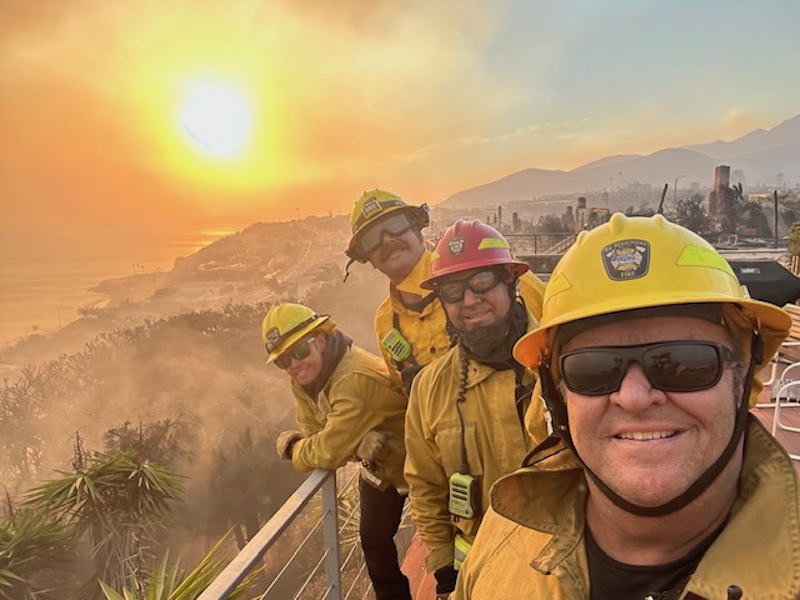
El Segundo firefighters take selfie at home of Tony Nesburn after saving it – Courtesy of Levi, Steve, Matt and Jason

Tony and his family soon contacted the firefighters in El Segundo and learned they had taken selfies of themselves from Tony’s deck.

And the five met for the first time during a public ceremony in the Los Angeles beach town to honor the local heroes. (Watch the heartwarming video below…)

Tony’s cousins told GNN that words could not express how important it was that all of his late wife’s things had been preserved.

“He is still really mourning her loss,” wrote Ana de Luna. “It really did feel like a miracle.”

“We all said Crissie was helping the firefighters from the afterlife.”

ALSO WATCH: Hero Surgeon and Son Save 5 Malibu Homes From Wildfire Through Preparation and Sheer Will (WATCH)

Keep the tissues handy for this uplifting video of the reunion from KTTV in Los Angeles…

SHARE THIS INSPIRING VICTORY With Everyone Who Needs a Hero On Social Media… 

Baby Thriving After Doctors Removed Womb for Spinal Surgery–Then Put it Back Inside Mom at 26 Weeks

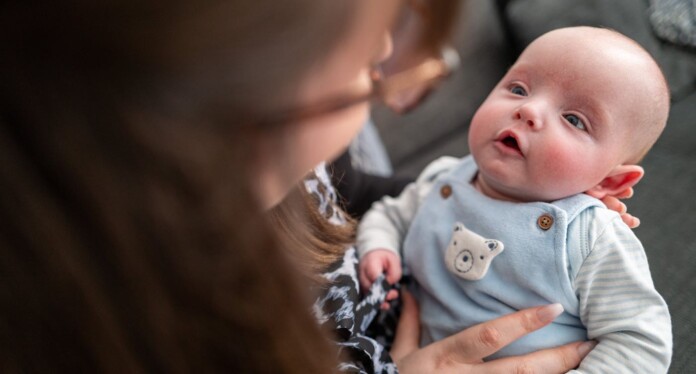
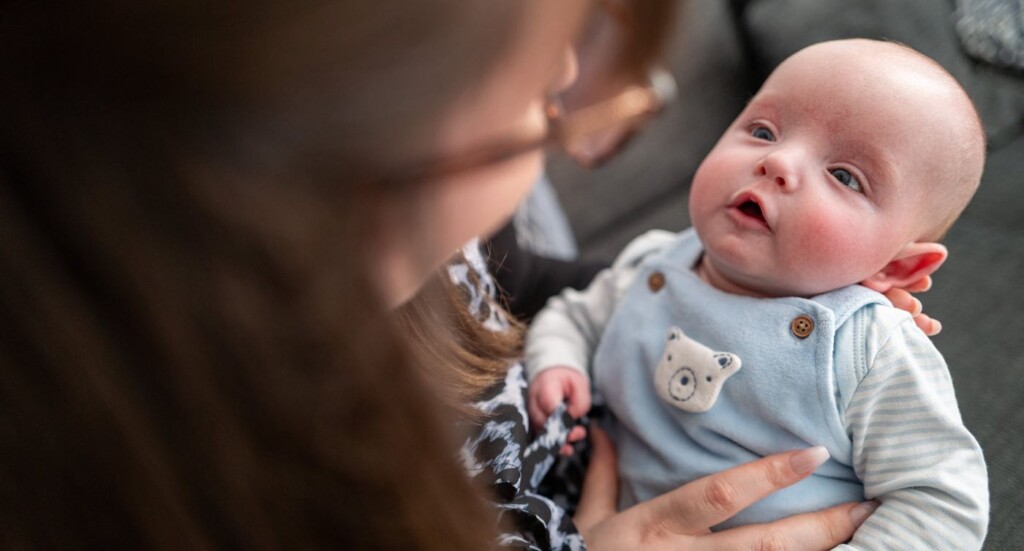
Tommy with his mom Selena Bown – SWNS
Tommy with his mom Serena Bown – SWNS

A baby survived an incredible operation when doctors performed spinal surgery inside the womb after it was temporarily removed from his mom’s body at 26 weeks—and now both are thriving.

Englishwoman Serena Nye was relieved to see her newborn son kick his legs after the complex keyhole surgery was completed inside her womb.

The 24-year-old was told during her 20-week pregnancy check-up last year that her unborn son had spina bifida. Because of the way his spine was growing, and a cyst that was developing at the base of his spine, they were warned that it would likely cause him to be severely disabled, with a high risk of paralysis.

Serena and her partner were given the choice to continue or terminate the pregnancy or have fetoscopic surgery. So six weeks later doctors took Serena’s womb out of her body to operate on her unborn son’s spine—and three hours later her womb and baby were stitched up back inside her body until it was time to give birth.

At the 31 week mark, Tommy Bown was born—and was able to feed normally and kick his legs, thanks to the surgery.

He spent four weeks in the hospital before doting parents Serena and Chris Bown brought him home to East Sussex.

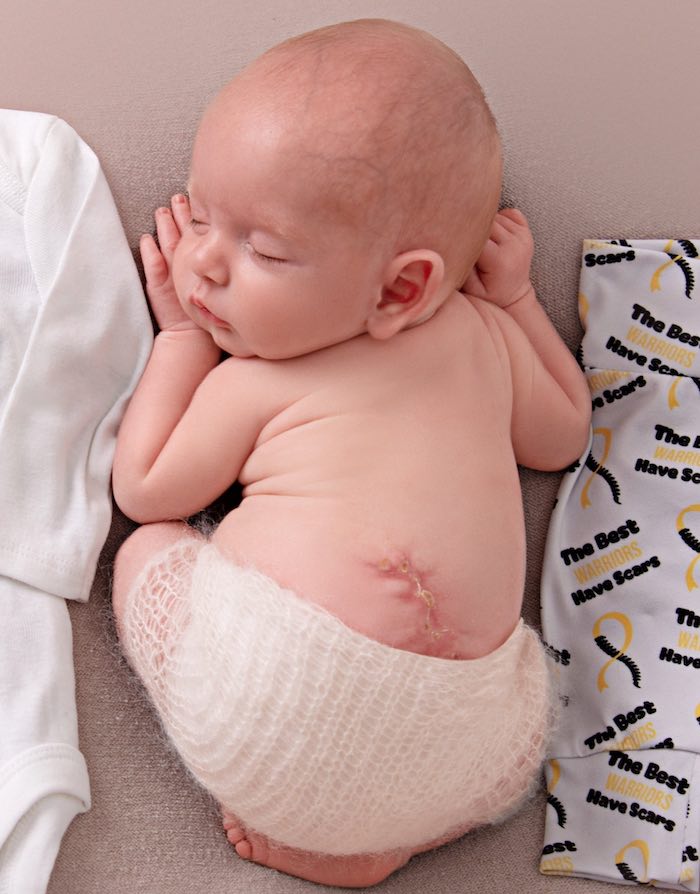
The tot, now three months old, is hitting all his milestones, and a scar on his back from the surgery is the only evidence of his operation.

Baby Tommy Bown – SWNS

ALSO SUCCESSFUL: First of its Kind Brain Surgery on Baby Inside the Womb has Successfully Prevented Heart Failure

“When we found out he had spina bifida, we were in shock. We heard all these stories. We thought he would never walk, or eat on his own.

“A few weeks later Tommy was born. I saw him in the incubator, and he was so tiny—but his legs were moving!

“After weeks in the NICU, it was a massive relief to bring him home,” Serena told news agency SWNS.com, “with his scar on his back as a crazy reminder of what happened.”

“Now, I look down at my baby and I think, ‘you have no idea what you’ve been through already’.”

“Leading up to the surgery, I was so nervous. We knew there were risks, but the positives were still higher.

The surgery took place at King’s College Hospital, and everything went smoothly.

“We had no idea what he would be capable of when he was born, even though he showed good signs during pregnancy.

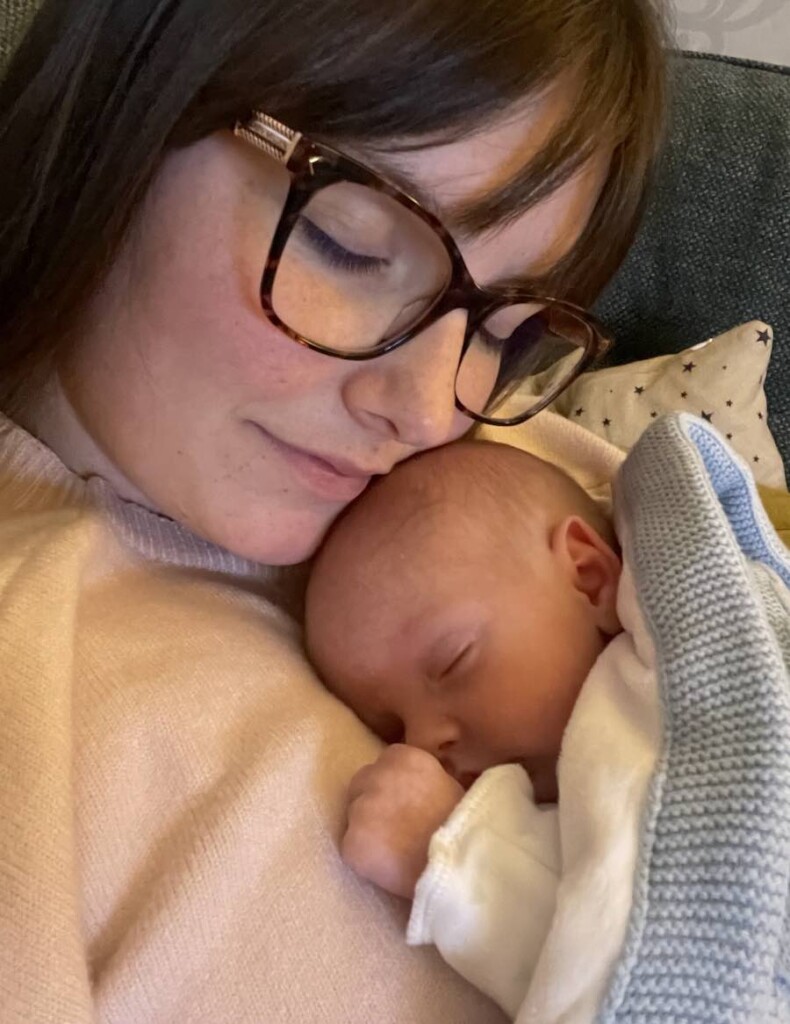
Serena and Tommy – SWNS

Tommy was finally taken home on October 19, and has been growing stronger and hitting milestones ever since.

“I can’t wait to sit him down and tell him what he went through when he’s older.

LOOK: Tiny Baby That Fit Inside Mom’s Hand is Home Laughing After 181 Days in Hospital Not Expected to Survive

“The next steps are waiting for him to crawl (but) for now, nobody can believe how well he is doing.”

SHARE THE HEARTWARMING STORY On Social Media…

“There are years that ask questions and years that answer.” – Zora Neale Hurston

Quote of the Day: “There are years that ask questions and years that answer.” – Zora Neale Hurston

Photo by: Austin Human

With a new inspirational quote every day, atop the perfect photo—collected and archived on our Quote of the Day page—why not bookmark GNN.org for a daily uplift?

Researchers Defang Deadly Hospital Superbugs Using a Pinch of Turmeric

Superbug illustration by Tanner Konarik for Texas A&M

A new study evaluated a low-cost yet effective way to combat bacterial resistance using curcumin–the natural yellow plant compound in turmeric.

In 2017, a tragic death in a Nevada hospital was linked to a new strain of bacteria that had developed a resistance to 26 different antibiotics. Called ‘superbugs’, such antibiotic-resistant bacteria (including MRSA) remains a pressing public health threat.

Now researchers at Texas A&M University have shown that curcumin, the compound that gives turmeric its characteristic bright yellow color, can be used to reduce this antibiotic resistance.

They showed that when curcumin is intentionally given to bacteria as food, and then activated by light, it can trigger deleterious reactions within these microbes, eventually killing them. They demonstrated that this process reduces the number of antibiotic-resistant strains and renders conventional antibiotics effective again.

The results of the study were published this week in the journal Scientific Reports.

“We need alternative ways to either kill the superbugs or find a novel way to modify natural processes within the bacteria so that antibiotics start to act again,” said Dr. Vanderlei Bagnato, professor in the Department of Biomedical Engineering and senior author on the study.

Photodynamic inactivation, a technique that has shown promise in combating bacterial resistance, uses light and light-sensitive molecules, called photosensitizers, to produce reactive oxygen species that can kill microorganisms by disrupting their metabolic processes.

In the new experiments, the team used curcumin, which is also a natural food for bacteria. They tested this technique on strains of Staphylococcus aureus (MRSA) that are resistant to amoxicillin, erythromycin, and gentamicin.

The researchers exposed the bacteria to many cycles of light exposure and then compared the minimum concentration of antibiotics needed to kill the bacteria after light exposure versus those that did not get light exposure.

“When we have a mixed population of bacteria where some are resistant, we can use photodynamic inactivation to narrow the bacterial distribution, leaving behind strains that are more or less similar in their response to antibiotics,” Bagnato told Texas A&M News.

“It’s much easier now to predict the precise antibiotic dose needed to remove the infection.”

MORE PROGRESS ON SUPERBUGS:
The Humble Potato Could Hold Key to Beating Hospital Superbugs and Crop Diseases
Compounds in Amber Could Help Fight Drug-Resistant Bacteria Superbugs, Say Scientists
When Antibiotics Failed, She Found a Natural Enemy of the Superbug to Save Husband’s Life

The team noted that photodynamic inactivation using curcumin has tremendous potential as an adjuvant or additional therapy with antibiotics for diseases, like pneumonia, caused by antibiotic-resistant bacteria.

“Photodynamic inactivation offers a cost-effective treatment option, which is crucial for reducing medical expenses not only in developing countries but also in the United States,” said Dr. Vladislav Yakovlev, professor in the Department of Biomedical Engineering and author on the study. “It also has potential applications in military medicine, where this technology could be used to treat battlefield wounds and prevent the development and spread of antimicrobial resistance, a significant concern in combat situations.”

DON’T RESIST: Share The Alternative Medicine News On Social Media…

Contributors to the research—funded by São Paulo Research Foundation, National Council for Scientific and Technological Development, Cancer Prevention and Research Institute of Texas, Governor’s University Research Initiative, the Air Force Office of Scientific Research, and the National Institutes of Health—include Dr. Jennifer Soares, who is the primary author on the paper, and Dr. Kate Blanco from Institute of Physics of São Carlos, University of São Paulo, Brazil.

Stranger Pays Family’s Breakfast Bill and Writes Heartfelt Note Praising Dad

Dr J. Mack Slaughter’s breakfast bill was paid with a compliment – SWNS
Dr. J. Mack Slaughter’s breakfast bill was paid with a compliment – SWNS

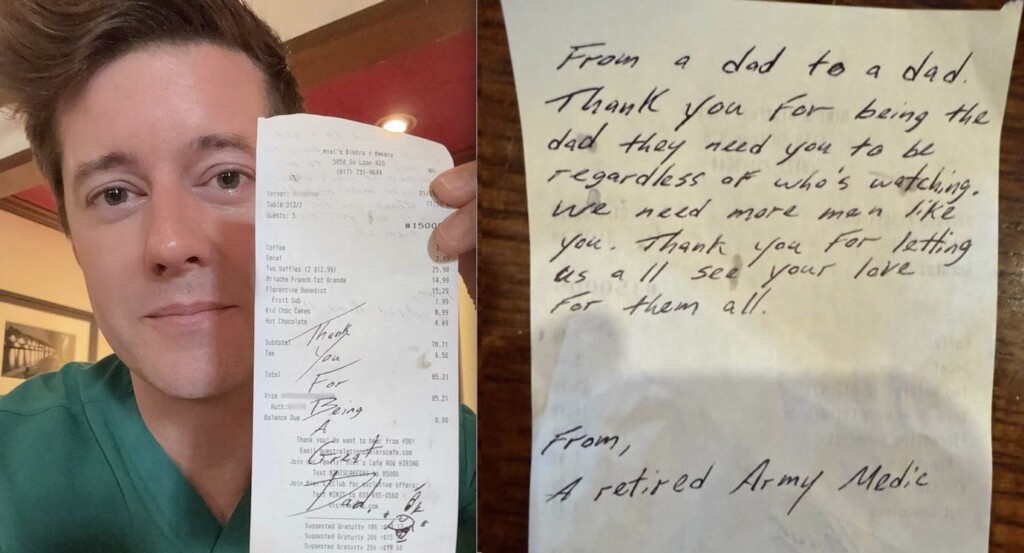
A father in Fort Worth, Texas, was left in tears after a stranger paid for his family’s breakfast and wrote a heartfelt message on the receipt.

The 41-year-old was enjoying a morning out for breakfast with his wife and three children at Mimi’s Cafe when he earned the shout-out from a secret admirer.

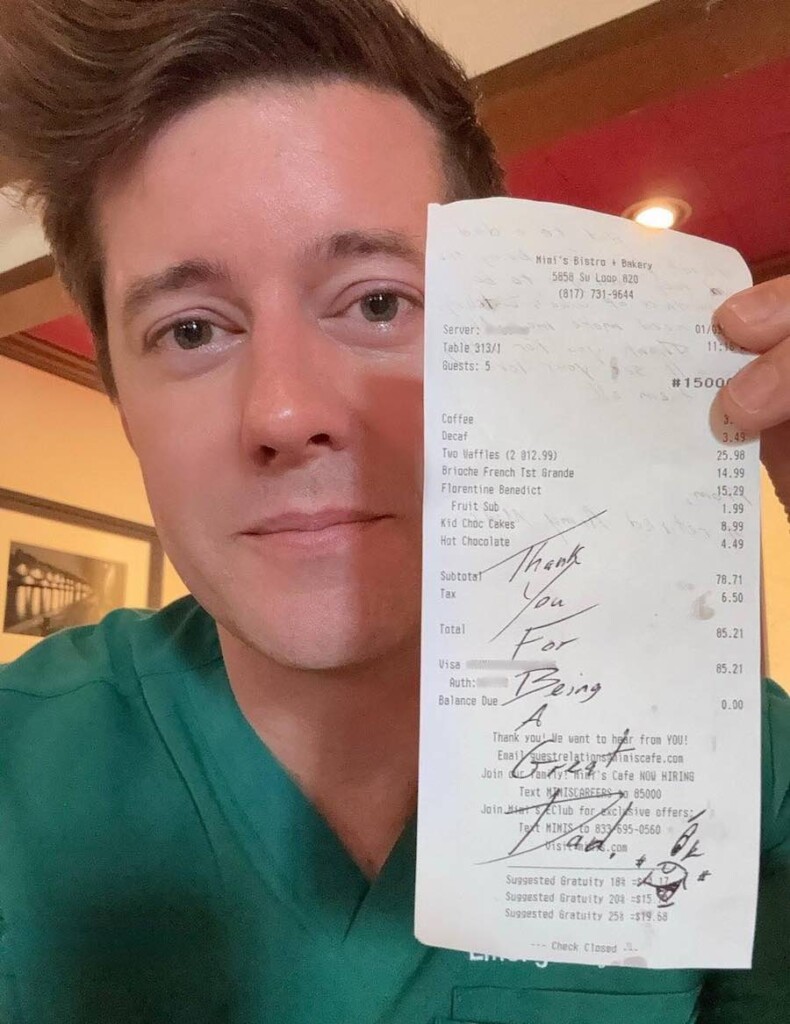
As they were getting ready to pay, the waitress unexpectedly told Dr. J. Mack Slaughter that their $85 bill had already been settled.

She handed him the receipt and he was stunned to find a handwritten note on the bill which said ‘Thank you for being a great dad’.

When he flipped the receipt over, J. Mack found another message from the stranger, rich with compliments:

“From a dad to dad.

“Thank you for being the dad they need you to be regardless of who’s watching.

“We need more men like you. Thank you for letting us all see your love for them all.”

It was signed, ‘from, a retired Army Medic’.

Dr. J. Mack Slaughter with restaurant bill – SWNS

The Emergency Room physician told news agency SWNS.com, “I immediately welled up.”

“I couldn’t control my tears.

“There was nobody watching for my reaction—(as) the person was already gone. It was just pure kindness.”

The dad, who was wearing his hospital scrubs, had been playing a simple dot game with his kids at the café and had no idea someone was observing him.

After regularly witnessing tragic events at work, he said the act restored his faith in humanity.

“I see some of the most terrible things in the world but this reminded me that complete strangers can do miraculous, beautiful things when you least expect it.

SURPRISE! Woman Looking for Birth Parents Learns That Dad is a ‘Friend’ on Facebook

“It was just $85 to them, but to me it was so much more.

“These random acts of kindness are so powerful; they remind us that despite all the bad in the world, there’s so much good, too.

WATCH: Mom Runs Wholesome Hair Workshops for Dads to Learn How to Style Daughters’ Hair

“It just restores your faith in people,” he concluded.

INSPIRE MORE FAITH By Sharing the Heartwarming Story On Social Media…

Playing Classical Music to Babies in the Womb Can Stimulate Development, Affect Heart Rate and Nervous system

Credit: AIP via SWNS

Scientists have found evidence that classical music can calm the heart rate of unborn babies, potentially providing developmental benefits.

The American Institute of Physics published research from a multi-disciplinary team in Mexico studying the effect of classical music on a fetal heartbeat. They used mathematical analysis tools to identify patterns in heart rate variability.

Typical measures of heart rate are an average of several beats across multiple seconds, whereas ‘heart rate variability’ measures the time between the beats.

The research team explained that the measure can provide insight into the maturation of the fetal autonomic nervous system, with greater variability often indicating healthier development.

To test the effects music can have on fetal heart rate, the team recruited 36 pregnant women in Mexico and played a pair of classical pieces for their unborn babies — The Swan by French composer Camille Saint-Saëns and Arpa de Oro by Mexican composer Abundio Martínez.

By attaching external heart rate monitors, the research team could measure the fetal heart rate response to both songs. And, by employing nonlinear recurrence quantification analysis, they could identify changes in heart rate variability during and after the music was played.

MUSIC MAGIC: Classical Music Lifts Our Mood by ‘Synchronizing’ Parts of the Brain, Says Study of Patients with Depression

“Overall, we discovered that exposure to music resulted in more stable and predictable fetal heart rate patterns,” said Dr. Claudia Lerma, of the National Institute of Cardiology in Mexico, who co-authored the published study.

“This momentary effect could stimulate the development of the fetal autonomic nervous system.”

For expectant parents at home, the researchers suggest that classical music could help promote fetal development.

“Our results suggest that these changes in fetal heart rate dynamics occur instantly in short-term fluctuations, so parents might want to consider exposing their fetuses to quiet music,” explained study author Professor Eric Abarca-Castro.

“Parents who play soothing music may stimulate and benefit the fetal autonomic system.”

INSPIRING: Preemie Given 10% Chance of Survival Defies the Odds and is Now ‘a Genius’ Who Outsmarts His Teachers (WATCH)

The authors plan to continue to explore this effect, looking at different genres and types of music to further their understanding.

“To ascertain whether rhythmic or cultural variations elicit distinct fetal cardiac responses, we intend to increase the size of our sample and expand our investigation to include a variety of musical styles beyond classical pieces,” says co-author Dr. José Reyes-Lagos.

MORE: Water Births ‘Provide Clear Benefits’ For Moms and Newborn Babies, Large Analysis Shows

INSPIRE PREGNANT FRIENDS By Sharing On Social Media…

Your New Weekly Horoscope from ‘Free Will Astrology’ by Rob Brezsny

Our partner Rob Brezsny, who has a new book out, Astrology Is Real: Revelations from My Life as an Oracle, provides his weekly wisdom to enlighten our thinking and motivate our mood. Rob’s Free Will Astrology, is a syndicated weekly column appearing in over a hundred publications. He is also the author of Pronoia Is the Antidote for Paranoia: How All of Creation Is Conspiring To Shower You with Blessings. (A free preview of the book is available here.)

Here is your weekly horoscope…

FREE WILL ASTROLOGY – Week of February 8, 2025
Copyright by Rob Brezsny, FreeWillAstrology.com
AQUARIUS (Jan. 20-Feb. 18):
Born under the sign of Aquarius, Clyde Tombaugh discovered the heavenly body known as Pluto in 1930. This was years before he earned advanced degrees in astronomy. His early education was primarily self-directed. The telescopes he used to learn the sky were built from tractor parts and old car components from his father’s farm. During the coming months, I surmise there will be elements of your life resembling Tombaugh’s story. Your intuition and instincts will bring you insights that may seem unearned or premature. (They’re not!) You will garner breakthroughs that seem to be arriving from the future.
PISCES (Feb. 19-March 20):
One of the world’s deepest caves is Veryovkina in the nation of Georgia. At its lowest, it’s 7,257 feet down. There are creatures living there that are found nowhere else on earth. I propose we make it your symbolic power spot for now. In my astrological opinion, you will be wise to dive further into the unknown depths than you have in quite some time. Fascinating mysteries and useful secrets await you. Your motto: “Go deeper and deeper and deeper.”
ARIES (March 21-April 19):
The world’s largest mirror isn’t an actual mirror. It’s Bolivia’s Salar de Uyuni salt flat, a vast area that’s almost perfectly flat. After a rain, a thin layer of calm water transforms the surface into a perfect reflector that can be used to calibrate observation satellites. In these conditions, it may be almost impossible to tell where the earth begins and the sky ends. I foresee metaphorically similar developments for you during the coming weeks. Boundaries between different aspects of your world—professional and personal, spiritual and practical—might blur in interesting ways. A temporary dissolution of the usual limits may offer you surprising insights and unexpected opportunities for realignment. Be alert for helpful clues about how to adjust the way you see things.
TAURUS (April 20-May 20):
From day to day, glaciers appear static. But they are actually slow-moving rivers of ice that have tremendous creative power. They can make or reshape valleys, moving tons of dirt and rock. They pulverize, grind, and topple trees, hills, and even mountains. New lakes may emerge in the course of their activity. I invite you to imagine yourself as a glacier in the coming months, Taurus. Exult in your steady transformative power. Notice and keep track of your slow but sure progress. Trust that your persistence will ultimately accomplish wonders and marvels.
GEMINI (May 21-June 20):
In recent weeks, have you stirred up any dynamic fantasies about exotic sanctuaries or faraway places or mercurial wild cards? Have you delivered enticing messages to inspiring beauties or brave freedom-fighters or vibrant networkers? Have you been monitoring the activities of long-shots or future helpers or unification adepts who might be useful to you sooner than you imagine? Finally, Gemini, have you noticed I’m suggesting that everything important will arise in threes—except when they come in twos, in which case you should hunt for the missing third? PS: When the wild things call to you, respond promptly.
CANCER (June 21-July 22):
Archaeologists found two 43,000-year-old flutes in Germany. Constructed of mammoth ivory and bird bone, they still produce clear notes with perfect pitch. They were located in a cave that contains ancient examples of figurative art. Some genius way back then regarded art and music as a pleasurable pairing! I propose we make these instruments your power symbols for the coming weeks, Cancerian. May they inspire you to resuscitate the value of your past accomplishments. May you call on the help of melodies and memories that still resonate—and that can inspire your future adventures! Your words of power are regeneration, revival, and reanimation.
LEO (July 23-Aug. 22):
It’s your unbirthday season, Leo—the holiday that’s halfway between your last birthday and your next. During this interlude, you could benefit from clarifying what you don’t want, don’t believe, and don’t like. You may generate good fortune for yourself by going on a quest to discover rich potentials and stirring possibilities that are as-yet hidden or unexpressed. I hope you will be bold enough to scan the frontiers for sources of beauty and truth that you have been missing. During your unbirthday season, you will be wise to gather the rest of the information you will need to make a smart gamble or daring change.
VIRGO (Aug. 23-Sept. 22):
Austrian playwright Elfriede Jelinek won the Nobel Prize for Literature in 2004, and Romanian-German author Herta Müller earned it in 2009. But garnering the world’s most prestigious award for writers did not provide a big boost to their book sales. In some markets, their famous works are now out of print. In 2025, I hope you Virgos do in your own spheres what they only half-accomplished in theirs. I would love for you to gather more appreciation and attention while simultaneously raising your income. According to my reading of the astrological omens, this is a reasonable expectation.
LIBRA (Sept. 23-Oct. 22):
By day, Libra-born Forrest Bess (1911–1977) worked as a commercial fisherman in Texas. By night, he created visionary paintings inspired by symbols that appeared to him in states between sleeping and waking. Other influences in his art came from alchemy and the psychological philosophy of Carl Jung. His life was living proof that mystical exploration and mundane work could coexist. I’m hoping he might serve you as an inspirational role model. You are in a phase when you have the power to blend and synergize seemingly opposing aspects of your world. You would be wise to meditate on how to find common ground between practical necessity and spiritual aspiration. Are there ways you can unite the desires of your head and heart? Of your need for safety and your longing for adventure? Of your craving for beauty and your fondness for usefulness?
SCORPIO (Oct. 23-Nov. 21):
The first emperor of China, Qin Shi Huang, arranged for himself to be buried after death with an army of 8,000 soldiers made from terracotta, which is a clay ceramic. Joining the gang below the earth’s surface were 770 horses and 130 chariots. For over 2,000 years, this assemblage was lost and forgotten. But in 1974, farmers digging a new well found it accidentally. In this spirit, I am predicting that sometime in the next five months, you will make interesting discoveries while looking for something other than what you find. They won’t be as spectacular as the terracotta army, but I bet they will be fun and life changing.
SAGITTARIUS (Nov. 22-Dec. 21):
Author Zora Neale Hurston said, “There are years that ask questions and years that answer.” I will adjust that counsel for your use, Sagittarius. According to my astrological analysis, the first half of 2025 will ask questions, and the second half will answer them. For best results, I invite you to gather and polish your best questions in the next five months, carefully defining and refining them. When July begins, tell life you are ready to receive replies to your carefully wrought inquiries.
CAPRICORN (Dec. 22-Jan. 19):
Hemoglobin is an iron-bearing protein that’s crucial to most life. It enables the transportation of oxygen in the blood. But one species, the icefish of the Antarctic seas, lacks hemoglobin. They evolved other ways to obtain and circulate enough oxygen in the frozen depths, including larger hearts and blood vessels. The system they’ve developed works well. So they are examples of how to adjust to an apparent problem in ways that lead to fine evolutionary innovations. I suspect you’re now in the midst of your own personal version of a comparable adaptation. Keep up the good work!

WANT MORE? Listen to Rob’s EXPANDED AUDIO HOROSCOPES, 4-5 minute meditations on the current state of your destiny — or subscribe to his unique daily text message service at: RealAstrology.com

(Zodiac images by Numerologysign.com, CC license)

SHARE The Wisdom With Friends Who Are Stars in Your Life on Social Media…

“Happiness and moral duty are inseparably connected.” – George Washington

Quote of the Day: “Happiness and moral duty are inseparably connected.” – George Washington

Photo by: Wesley Tingey for Unsplash+

With a new inspirational quote every day, atop the perfect photo—collected and archived on our Quote of the Day page—why not bookmark GNN.org for a daily uplift?

Wesley Tingey for Unsplash+

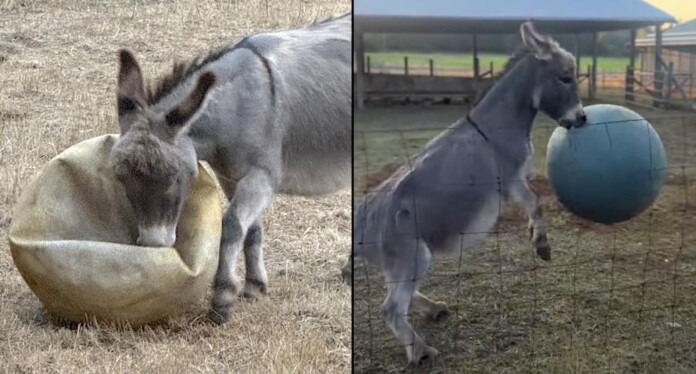
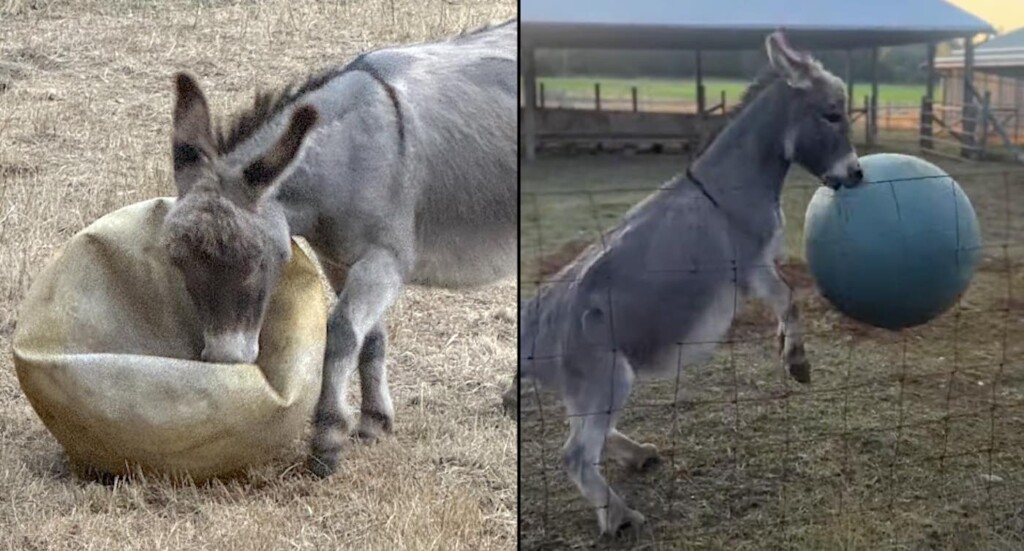
After His Beloved Yoga Ball Deflates, Downhearted Donkey Now Has Dozens of Donated Balls from Canadians

Earl Grey the donkey – Credit: Home for Hooves Farm Sanctuary (via Facebook)

From Canada comes the story of a lonely donkey who fell in love with a yoga ball.

Captivating thousands with his videos of pushing the yoga ball around his paddock, Earl Grey the donkey received donations of dozens of yoga balls after his first one deflated.

Homes for Hooves animal rescue shelter in British Columbia took in a rescue donkey in 2024 that had lived its whole adult life alone, which for a herd animal can be extremely detrimental.

“His original name was Eeyore,” Michelle Singleton, owner of Homes for Hooves, told CTV News. “Which kind of tells you he was a sad, lonely donkey.”

Scheduling play dates with other animals didn’t go well, but what turned things around was a chance encounter with a yoga ball. After that, Eeyore and the ball became inseparable—and he became so happy, he needed a name change.

“The excitement was just pure joy for him,” Michelle said. “He just had the time of his life, he had so much fun.”

Day after day he would exhaust himself pushing, biting, and kicking the yoga ball across his enclosure, until one day the inevitable happened: a hole, a rush of air, and stillness.

Singleton put out a call to action, hoping that because many people opt to make donations to her shelter in cash, perhaps others were storing unwanted yoga balls in their closets and would gladly donate them.

Donated balls arrived from across the province until Earl Grey was left like a kid in a candy store; with more balls than he knew what to do with.

The donations which totaled more than 40 yoga balls were followed by the arrival of three rescue donkeys, the chance at regaining a herd which Singleton always hoped would come for the once depressed animal.

MORE RESCUE ANIMALS: Bald Eagle Finally Becomes Foster Dad After Trying to Incubate a Rock for Weeks

Having been separated from his kind for his whole adult life, he didn’t know how to behave or what was acceptable, and it took 6 months for him to get the hang of, well, ‘donkeying.’

The CTV News report concludes with Earl finally being accepted into the herd. Singleton has been left with only one concern—can the new donkeys keep up with Earl’s ball skills, and will they form a ball team?

SHARE This Cute Donkey And His Beloved Yoga Balls On Social Media…
Amid Great Chase, Tiger and Boar Call a Truce After Falling into Well and Waiting for Rescuers

Credit: Pench National Park via Instagram

A tiger and a boar were recently rescued from the depths of a well in rural India.

Located near the Pench National Park and Tiger Reserve, authorities said the pair fell in during the former’s hunting of the latter.

Rescuing an animal from the hazards of human civilization is hardly newsworthy, but remarkable video footage of the animals in the well leads one to consider that maybe a truce was struck between them.

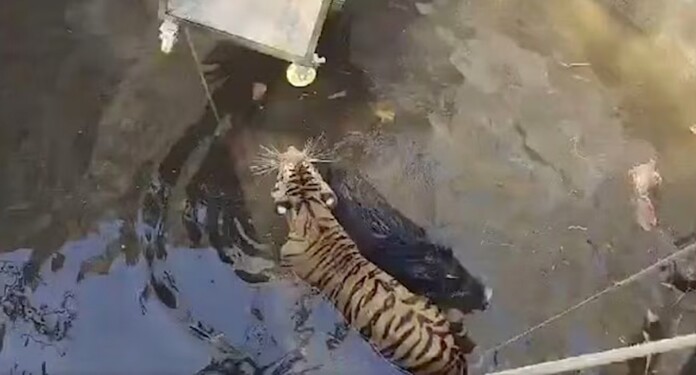
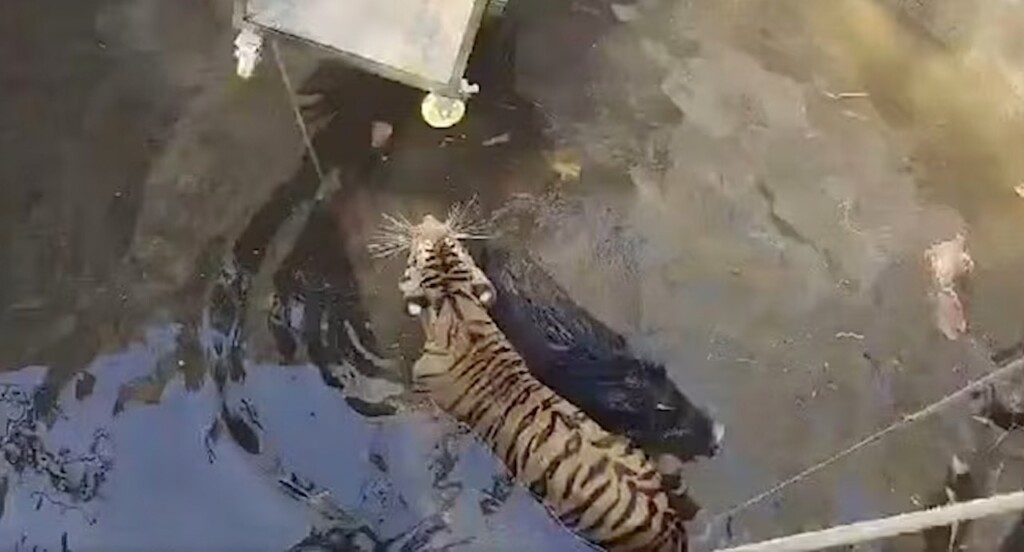
Thrashing around in the water, separate footage shows the tiger pawing at the boar, but not striking.

Located in a village in the central Indian state of Madhya Pradesh, the young tigress was hunting the boar when the two fell down the well. The villagers called park wildlife authorities and watched as the two animals hopelessly treaded water down below.

Arriving on the scene, rescuers lowered a cot to form a makeshift platform the animals could climb onto. Using a crane they also lowered a steel cage, as bringing the tigress up unrestrained was simply too dangerous.

At first, the animals are wary of the platform, but gradually the tigress climbs on, while the boar, virtually using her back as an assist, mounts the cot and sits fur-to-fur with its would-be predator.

OTHER UNLIKELY DUOS: ‘Walking Dead’ Star Gives Happy Ending to Emu and Donkey That Refused to Be Separated

The tigress slowly enters the cage, and the door slides down trapping her inside to the celebrations of the crowd of onlookers above.

ODD COUPLES: Man Became Friends With a Fish and the Pair ‘Meet’ Every Summer in the Same Wisconsin Lake

Both animals (and their tails) were released separately back into the forest, after, if GNN were forced to hazard a guess, the tigress offered the boar a 3-day headstart.

WATCH the video below… 

SHARE This Remarkable Wildlife Behavior And The Rangers’ Successful Rescue…

Flinders Island to Rid Vermin and Become an Ark for Marsupial Species Recovery in Australia

Tobin and Jonas Woolford on Flinders Island - credit South Australia Tourism Board
Tobin and Jonas Woolford on Flinders Island – credit South Australia Tourism Board

A family of shepherds is turning their land on Flinders Island over to the Australian government for a total rewilding project that will see it become an “ark” for endangered marsupials.

The aptly named Woolford family has been pasturing sheep for the wool market since 1979 on Flinders, Australia’s 4th largest territorial island. Shifting prices during the early 2000s eventually made pasturing on the island too expensive, and the operations ceased very quickly, leaving behind a century of destructive changes.

Mr. Jonas Woolford’s vision is now to restore the island’s natural ecosystem, for which the state and federal governments have put together an AUD$4.8 million rewilding project that will look to eradicate the introduced rats, cats, and mice.

First charted in 1802 by explorer Matthew Flinders, the roughly 8,800-acre island was abundant in marsupials, which Flinders described as “miniature kangaroos.” The tammar wallaby and southern brown bandicoot lived on the island, but they all died out as wave after wave of human visitors saturated the island with invasive species.

“There’s black rats which came off of the Kapara shipwreck in 1942 when it ran aground,” Mr. Woolford told ABC News Australia. “Even from 1826, when the sealer Bill Bryant was out there … we know that he was hunting the wallabies along with the seal skins.”

Woolford added that mice came later, and sheep farmers who worked on the island before the Woolfords probably brought the cats to hunt the rodents, which ended up hunting the bandicoots and lizards as well. Camera traps have put the number of feral cats at around 180 – 210 on the island.

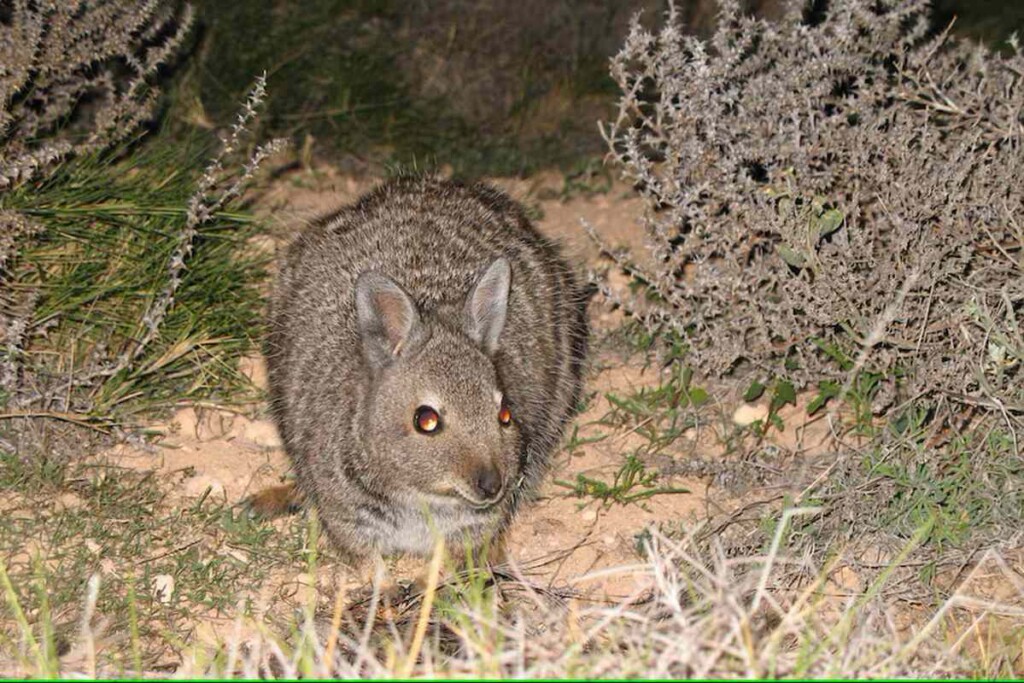
The banded hare-wallaby is a species that may be bred on Flinders Island – credit Supplied Environment Department South Australia

The multi-million rewilding project is slated to begin in May—outside normal seabird nesting season. Helicopters will drop poisoned rodent chow while drones will sweep the island with thermal vision seeking the cats. Experts from New Zealand and Tasmania are coming in to help on the project.

The island will have to be confirmed free of invasive species for a year before endangered wallabies and bandicoots will be returned, where they can breed unmolested by the mainland’s invasive species.

Unlike other infested islands, 75% of Flinders is still covered by native vegetation, and the project members are excited to see what will happen when these are allowed to recolonize in peace.

AUSTRALIAN ISLANDS FLOURISHING: Cloud Forest Species Thrive After Invasive Rodents Eradicated on Lord Howe Island–A World Heritage Site

“We should actually see a real rebound in native species such as invertebrates and insects, reptile species, and the shorebirds,” said Woolford. “Hopefully, it might be like it was back in February 1802 when Matthew Flinders and his crew first landed on Flinders Island.”

Already a National Marine Park, Flinders is seen as a major ecotourism opportunity along South Australia state’s coastline.

MORE STORIES LIKE THIS: Native Wildlife Flourishing Again After Another Caribbean Island Banishes Invading Rodents

“The Flinders Island Safe Haven project is vital because there are few places in Australia which provide such a unique opportunity for us to protect our important native wildlife as we strive for zero extinctions,” Environment Minister Tanya Plibersek told ABC.

GNN has reported extensively on the successes across the world in island rewilding. Conservationists have more than a decade of documented success stories eradicating invasive animals like rats and mice, and hundreds of species across dozens of islands around the world are benefiting from this trend.

SHARE This Positive News For Australian Wildlife With Your Friends… 

Good News About Potential Upcoming Asteroid Colliding with Earth: We’ve Deflected Them Before and Can Do So Again

NASA / JPL
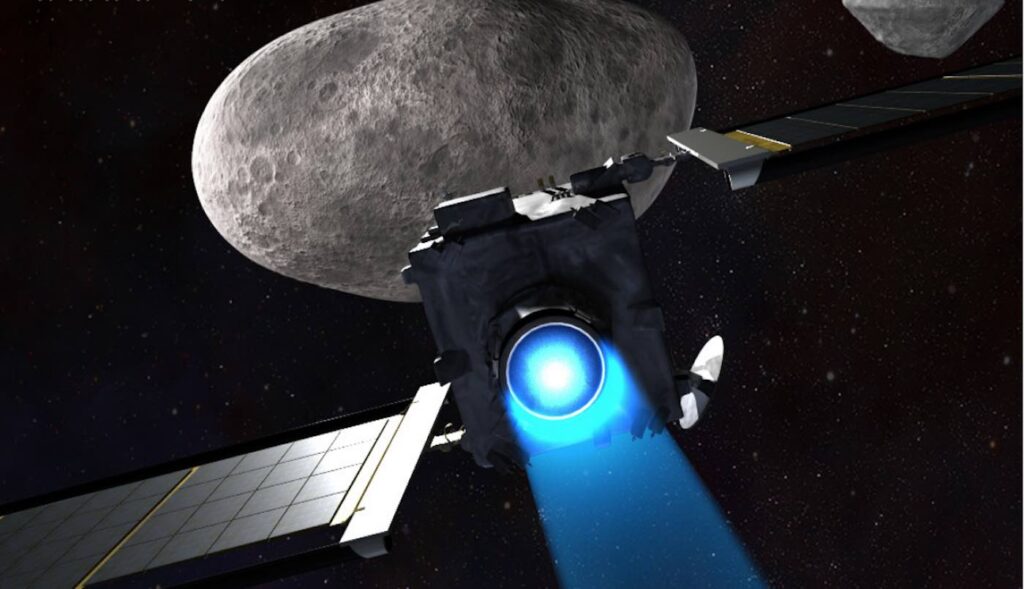
An illustration of the DART spacecraft – credit: NASA / JPL

You may have seen headlines this week about an asteroid with a slight chance to strike Earth in 2032, but don’t worry! Humanity has a secret weapon.

As GNN reported three years ago, a vital space test was conducted by NASA called the Double Asteroid Redirection Test (DART) which proved that as long as we have advanced notice, we can send out a simple satellite to redirect any potentially hostile asteroids.

On January 29th, NASA concluded its analysis of the orbit of the object ‘2024 YR4’ and found it has a more than 1% chance of impacting Earth. Measuring between 130 and 300 feet in length, an asteroid of this size would impact with a force of between 10 and 20 megatons, or around the same force as the Castle Bravo thermonuclear warhead, the largest weapons test ever conducted by the US during the Cold War.

It was detected by the NASA-funded Asteroid Terrestrial-impact Last Alert System (ATLAS) station in Chile, which has found potentially destructive asteroids in our neighborhood before, but what typically happens is that as more data is collected, the risk of impact is perceived at first as higher, before eventually sinking back toward 0%.

Even if 2024 YR4 should remain hovering around 1%, should humanity choose to, we have already proven we can nudge asteroids out of their collision course with Earth.

INTERACTING WITH SPACE: SpaceX Lands its Rocket On a Dime– So it Can Be Reused and Launched Back into Orbit

The Double-Asteroid Redirection Test, or DART, was sent far into the solar system to strike an asteroid called Dimorphos which orbited a larger rock called Didymos, neither of which will ever pose a threat to Earth, but were the perfect testing candidates.

The researchers expected the impact to shorten Dimorphos’ orbit around Didymos by about 1%, or roughly 10 minutes, which if applied to an asteroid with the potential to strike Earth, would be many times more of a correction than would ultimately be necessary considering the size and distances of outer space.

GLOBAL UNDERTAKINGS: Father-Daughter Duo Won the Race to Decode an Extraterrestrial Message–Sent from Mars to Test Humanity

DART was the first mission of NASA’s Planetary Defense Coordination Office, a division that exclusively works to defend Earth from objects that could send us the way of the dinosaurs.

“Planetary Defense is a globally unifying effort that affects everyone living on Earth,” said Thomas Zurbuchen, associate administrator for the Science Mission Directorate at NASA Headquarters in Washington at the time of the impact.

“Now we know we can aim a spacecraft with the precision needed to impact even a small body in space. Just a small change in its speed is all we need to make a significant difference in the path an asteroid travels.”

COUNTER Mainstream Media Fearmongering By SHARING This Positive Story…

“Wherever there is a human being, there is an opportunity for kindness.” – Lucius Annaeus Seneca

Quote of the Day: “Wherever there is a human being, there is an opportunity for kindness.” – Lucius Annaeus Seneca

Photo by: Getty Images via Unsplash+

With a new inspirational quote every day, atop the perfect photo—collected and archived on our Quote of the Day page—why not bookmark GNN.org for a daily uplift?

Getty Images via Unsplash+

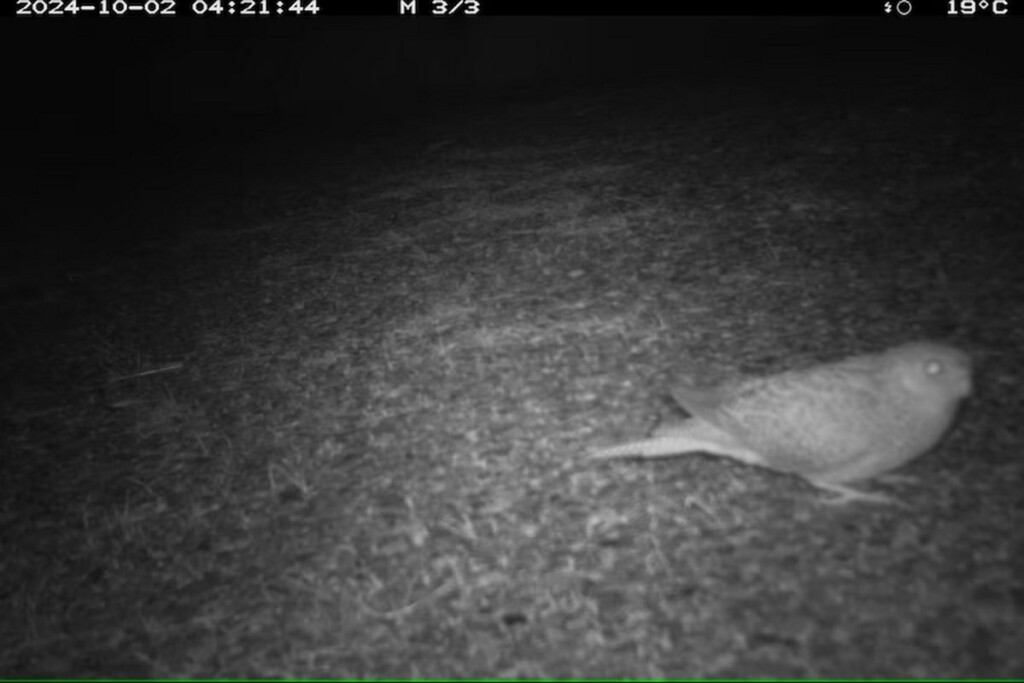
Second-Ever Elusive Night Parrot Egg Discovered in Australia Where it Had Been ‘Extinct’ for 100 Years

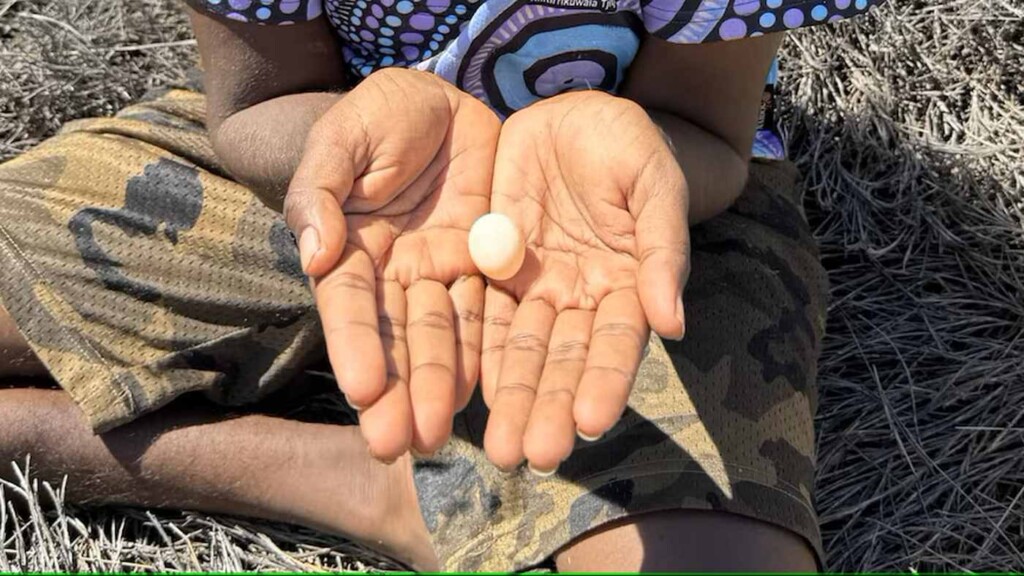
Ngururrpa Ranger Lucinda Gibson gently holding the unfertilised night parrot egg - credit: supplied by Ngururrpa Rangers.
Ngururrpa Ranger Lucinda Gibson gently holding the unfertilised night parrot egg – credit: supplied by Ngururrpa Rangers.

Though it was unfertilized and therefore never destined to become an animal, the discovery of a night parrot egg in Western Australia has jolted the nation’s indigenous conservation community into excitement and action.

Discovered last September in a vast and remote area called the Kimberly in Western Australia state, it’s hoped the egg can reveal some information about the bird’s breeding habits—of which virtually nothing is known.

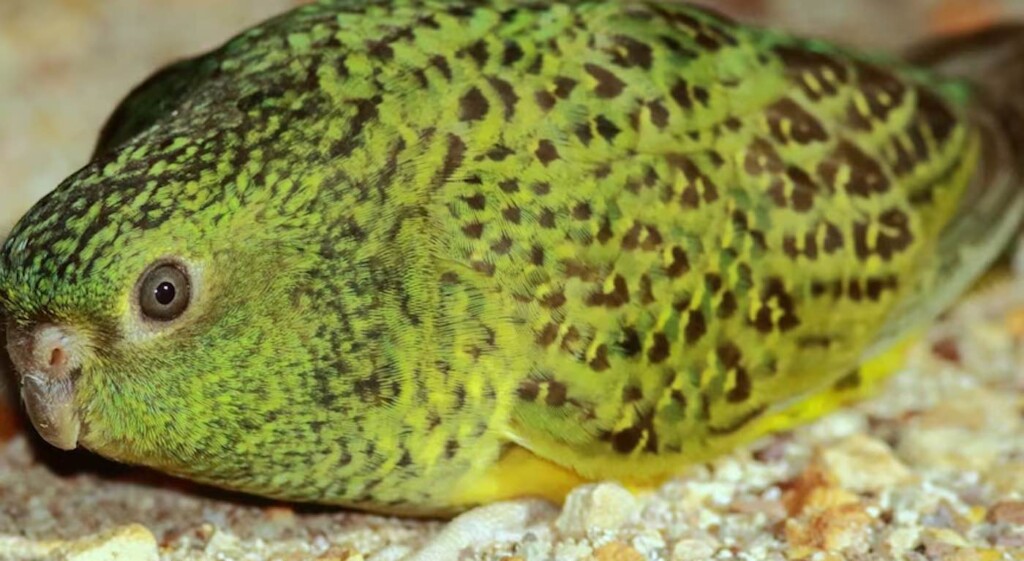
Adult night parrots are ground-dwelling birds that fly – Photo by Steve Murphy

The night parrot is one of the great natural enigmas left in the world: a parrot that flies but lives in burrows; that’s nocturnal, and virtually unobserved by modern science.

Indigenous communities like the Kiwirrkurra and Ngururrpa, on whose lands night parrots have been confirmed to survive, have a sight-unseen relationship with the night parrot, identifying it by its calls across the deserts and drylands of Western Australia and Queensland.

In 2013 a wildlife photographer captured video footage of a live bird in Queensland, confirming its existence for the first time in almost a century. Since then, they’ve been identified by their calls in two Indigenous Protected Areas (IPA) managed by the two communities mentioned above.

The Ngururrpa Rangers which manage the land on which the egg was found set up monitoring cameras in the burrows to see if it were part of an active nest. One thing that is known about these parrots is a young female’s first egg clutch is often infertile, as is common among many birds.

After ascertaining that no parents were returning to incubate the egg, the rangers used a “candle” test to see if it were fertilized or not.

“You can hold it up to the light and look through it, and if it’s fertile there’s a little baby bird growing on the inside. You can see dark shapes,” said Ngururrpa IPA coordinator Christy Davies, who confirmed to ABC it was infertile.

MORE RARE BIRD DISCOVERIES: Hawaiian Crow That Went Extinct in the Wild Decades Ago Now Released on Maui

The Ngururrpa IPA is home to the largest-known population of night parrots—about 50 it’s estimated, and it’s where one can find Nick Leseberg, one of the nation’s only night parrot experts.

A night parrot discovered on an overnight monitoring camera set up by Ngururrpa Rangers – credit: supplied Ngururrpa Rangers

“You’ve really got to understand their breeding biology, like what triggers breeding? When does it happen? What are they vulnerable to?” Leseberg told ABC News Australia. 

It’s hoped the egg will be able to help Leseberg and others answer some of these questions.

MORE NEWS FROM AUSTRALIA: Cloud Forest Species Thrive After Invasive Rodents Eradicated on Lord Howe Island–A World Heritage Site

In December 2023, GNN reported that, for only the fifth time, a night parrot’s call had been recorded—this time by a Kiwirrkurra ranger team in the Gibson Desert of Western Australia.

The calls are extremely valuable conservation data points, as they help define the bird’s current habitat areas. Once enough of these recordings have been taken, scientists studying the night parrot will be able to recommend specific spaces for conservation measures.

SHARE This Great Development From A Fascinating And Rare Bird… 

England’s Largest Bird Sanctuary Grows by 30%: ‘It’s incredible, the place just swarms with birdlife’

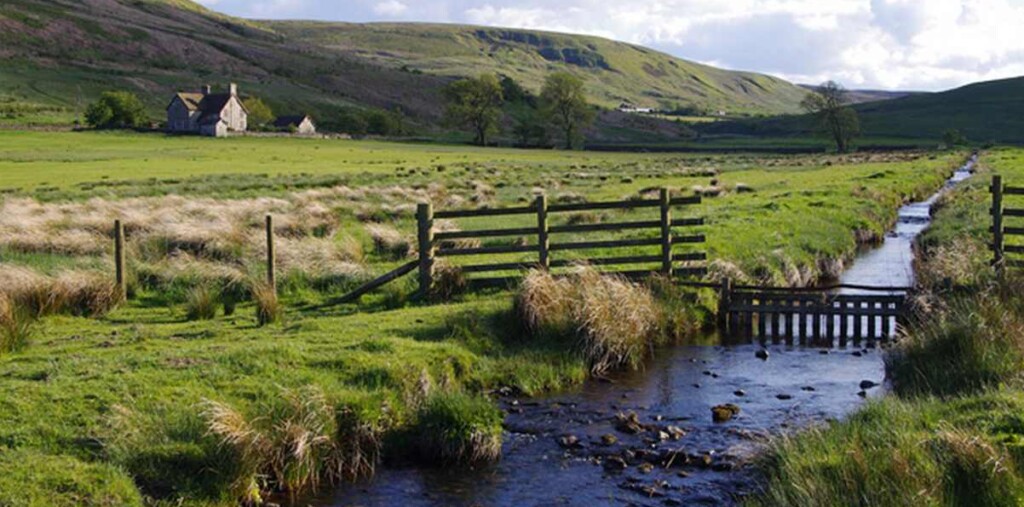
RSPB Geltsdale Reserve - credit: Ian Taylor CC 2.0.
RSPB Geltsdale Reserve – credit: Ian Taylor CC 2.0.

The British equivalent of the Audubon Society has just announced that what was already England’s largest bird reserve will be increased by 33% after a recent land purchase.

Described as a place that “swarms” with life, the Geltsdale Reserve in the North Pennines range of Cumbria, northern England, will now cover 13,590 acres of moorland, meadows, blanket bog, and woodland.

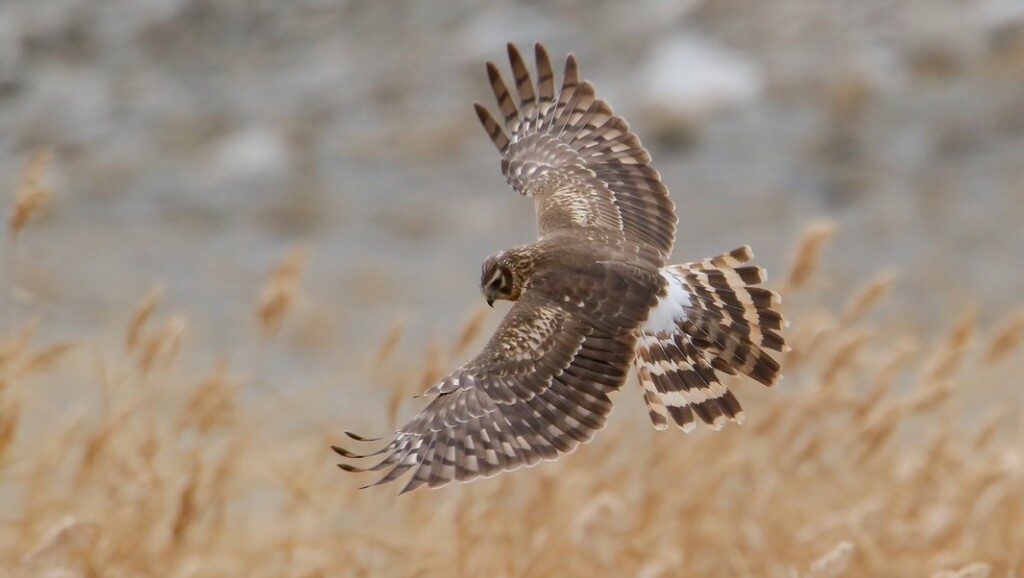
Owned and operated by the Royal Society for the Protection of Birds (RSPB), Geltsdale is one of the last places in Britain where one can see the hen harrier in its natural habitat. Birds of every description and conservation status inhabit the reserve, and it’s also a UNESCO Geopark for its unique geological formations.

“This is going to be a reserve on a different scale from many of our other sites in England,” said Beccy Speight, the RSPB’s chief executive.

“We are going to achieve an abundance of species and a size that will be unmatched for bird reserves elsewhere. It is going to demonstrate what is possible when it comes to rewilding and protecting birds.”

A hen harrier in Baltisan, Pakistan – credit Imran Shah CC 2.0.

For birdwatchers reading, Geltsdale abounds in black grouse, redshank, nightjar, snipe, whinchat, curlews, ospreys, short-eared owls, and lapwings, dispersed across a vertical rise of 650 meters from an achingly green valley bottom up stately moorland and pasture at an elevation similar to the lower-peaks of the Appalachian range.

“Geltsdale is now the biggest in England,” said Speight. “And that size makes such a difference. When you walk through the reserve during breeding season, it is incredible. The place just swarms with birdlife.”

While Geltsdale is by appearance a slice of old-fashioned and natural England, the RSPB says it has some hi-tech solutions in mind for tackling conservation challenges like vagrant livestock grazing.

GOOD NEWS FOR ENGLAND: UK Aims for ‘Moonshot’ Goal of Restoring Nature Across Area the Size of Greater London

Speaking with the Guardian, Dave Morris, the RSPB’s area operations manager for Cumbria and Northeast England, said that the society will work with local ranchers whose properties overlap with the reserve to implement a GPS-monitored ‘invisible’ fencing system.

Because traditional wooden fencing is actually a hazard for low-flying birds like black grouse, cattle and calves will be fitted with collars that emit a high-pitched tone if the animal comes too near a boundary line.

GOOD NEWS FOR BIRDS: Asia’s Extraordinary Jumping Bird Now Thriving in Captivity–a Hopeful Halt to Population Slide

The closer the animal comes, the louder the tone will grow until eventually, the cattle will receive a low-level electric shock.

Additionally, a lot of age-old practices such as heather burning and moorland draining have been halted to ensure the area can get back to its absolute natural best.

WATCH a mini-doc about RSPB’s work in Geltsdale… 

SHARE This Great News For The Birds Of England With Your Friends Who Love Nature…

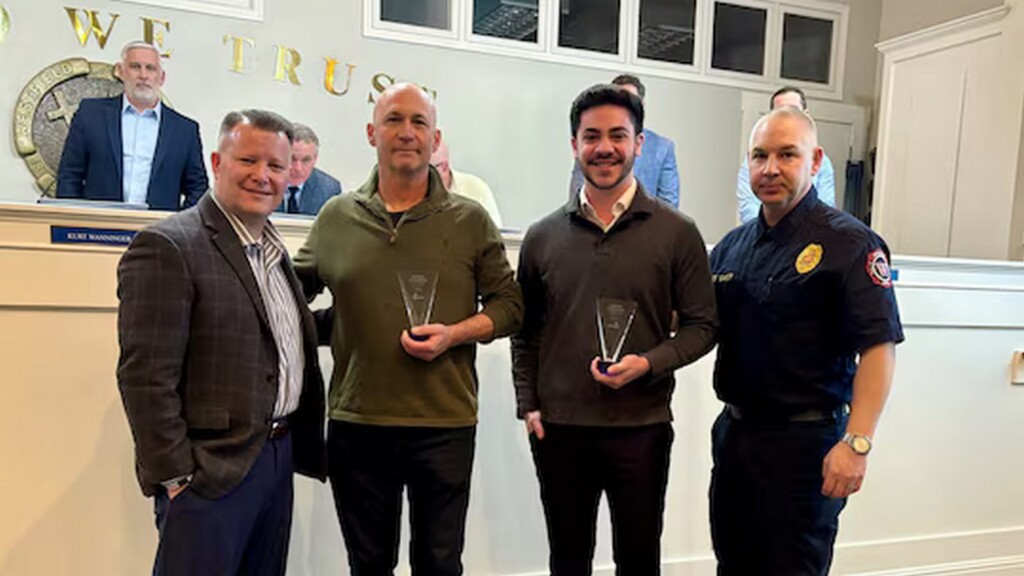
World-Record Jump-Roper Uses His ‘Double-Dutch’ Jump Ropes to Save Teen in Icy Pond

David Fisher doing 'Rump Jumps' during a performance in the 90s - credit David Fisher, supplied
David Fisher doing ‘Rump Jumps’ during a performance in the 90s – credit David Fisher, supplied

A famous jump-roper recently saved a young man from drowning after falling through the ice on a frozen lake by using his jump ropes like safety lines.

During the 80s, 90s, and 00s, David Fisher became so famous for jumping rope that he authored a pair of children’s superhero books in which he’s portrayed as “The Rope Warrior” who battles aliens by jumping rope so fast he creates a force field around himself.

Used to performing for groups at schools and sporting events, Fisher never imagined getting the chance to be a real hero of any kind, but when The Rope Warrior was needed, he answered the call as all good heroes do.

The story begins in mid-December near Fisher’s home in Westfield, Indiana. His son Felix was getting ready to drive to university, when he heard what sounded like two people intensely arguing about what to do in the face of an urgent situation, per the Washington Post.

A woman and her teenage son seemed to be debating what to do to recover their dog who had run out onto the ice of a frozen lake. Felix went inside to tell his father about it, when suddenly the sound turned from argument into shrieks of alarm. The woman was running to the house asking for help: her son had fallen in trying to retrieve their dog.

Felix called 911, while the 61-year-old Fisher instinctively grabbed two long cloth ropes he uses for Double Dutch jumping and ran out to the lake, leaving one on the shore for Felix to use, and taking another with him out onto the ice.

David Fisher (left center) receiving the Lifesaving Hero Award with his son (center right) – credit City of Westfield

His cast fell short but the teen had strength yet to swim a few feet and grab the end of the jump rope. Hauling him up onto the ice, he collapsed through again after trying to stand up too quickly. A second attempt, when he remained on his belly until he was well clear of the breach, saw him make it back to the shore.

MORE FROZEN LAKE RESCUES: Firefighters Crawl Across Frozen Lake and Save Stranded Deer Using a Curling Technique–WATCH

“It’s kind of like Indiana Jones and the whip,” Fisher told the Post. “And so in my head, there have always been different scenarios where a rope could be used to defend or save someone, you know?”

“You couldn’t ask for a better tool to get somebody out of an ice pond,” he added.

SPORTSMEN TURING SAVIORS: Olympic Kite Surfer Saves Drowning Woman in Dramatic Video – WATCH

Typically, that tool is being wheeled around his body at high speeds during a career in performance jump-roping that has seen him perform for millions of school children, on over 100 national television broadcasts, and before the eyes of two US presidents, plus Boris Yeltsin. He holds a large number of world records for jump-roping, including the most “rump jumps” performed consecutively.

While The Rope Warrior who battles aliens may be a fiction, the real Rope Warrior was recognized for his rescue by the Westfield mayor, who presented Fisher and Felix with the Lifesaving Citizen Award.

WATCH one of David’s performances below…

While Czech Region is Busy Planning Hydro-Project, Beavers Do it For Them–Saving Millions

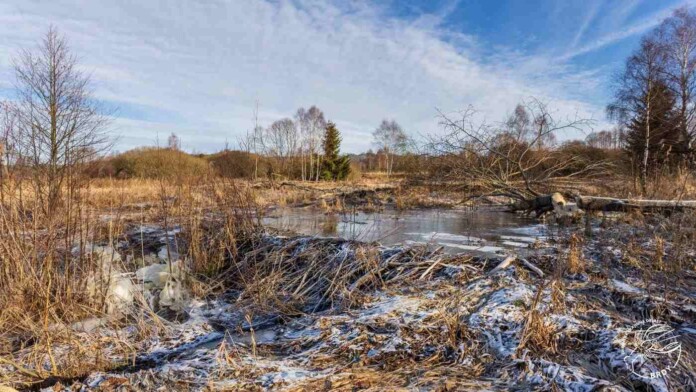
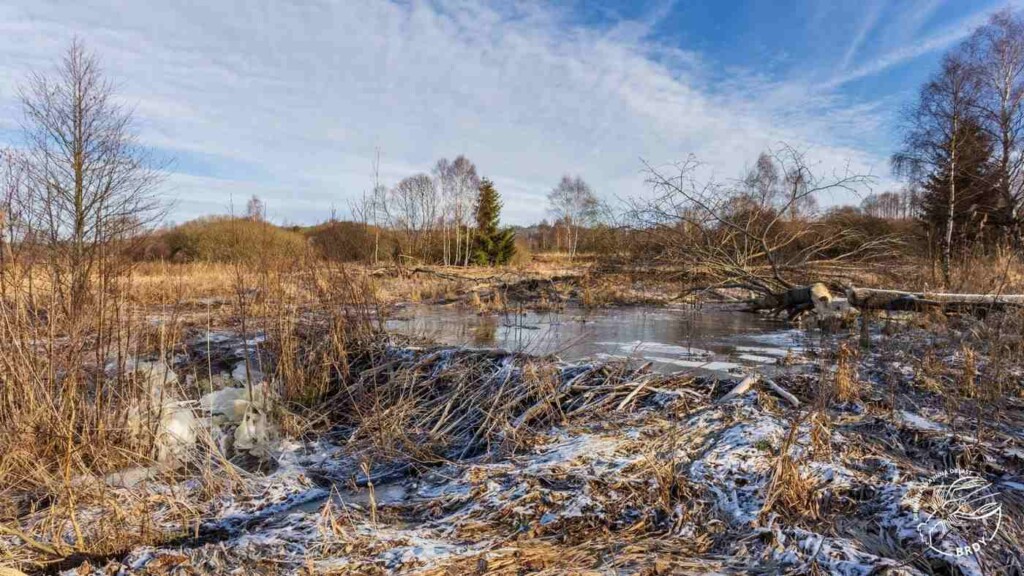
Natural dams created by beavers in Brdy Landscape - credit: Nature Conservation Agency of the Czech Republic
Natural dams created by beavers in Brdy Landscape – credit: Nature Conservation Agency of the Czech Republic

Gnawing through tree trunks and bureaucratic red tape alike, a colony of Czech beavers recently built a dam exactly where local administrators needed it.

Conservationists often talk about species or landscapes performing “ecosystem services” that benefit human civilization. These beavers in the Brdy Protected Landscape demonstrated this phenomenon to a stunning degree, saving the local government 30 million Czech crowns—around $1.2 million.

Management staff in Brdy were looking for planning permission for a dam and reservoir project from the Vltava River Basin authorities, but the process was lagging. That’s when local beavers built their dam in the proposed location virtually overnight. When the staff woke up, their problems were seemingly solved.

“They could not have chosen their location better,” according to Daniela Lazarová at Radio Prague International, “erecting the dams on a bypass gully that was built by soldiers in the former military base years ago, so as to drain the area.”

Beavers are said to be second only to humans in their ability to transform the ecosystems in which they live, and the colony is believed to consist of just 8 animals. Despite their numbers, they are remarkable engineers.

“The Military Forest Management and the Vltava River Basin were negotiating with each other to set up the project and address issues regarding ownership of land,” Bohumil Fišer, head of the Brdy Protected Landscape Area Administration, told Radio Prague.

ALSO CHECK OUT: Armed with Backpacks of Seeds, Local Pooches Enlisted to Help Rewild Urban Nature Reserve

“The beavers beat them to it, saving us CZK 30 million. They built the dams without any project documentation and for free.”

Ecologists inspecting the dams said they will last a long time and do the job of draining the area well, while offering good conditions for the rare stone crayfish, frogs, and other species that thrive on wetlands.

OTHER BEAVER WONDERS: Beavers Saved From Euthanasia Transform and Replenish Rivers in the Utah Desert

“Beavers always know best. The places where they build dams are always chosen just right—better than when we design it on paper,” said Jaroslav Obermajer, head of the Central Bohemian office of the Czech Nature and Landscape Protection Agency (AOPK).

SHARE These Adorable Problem Solvers Overcoming Government Inefficiencies