










All News - Page 144 of 1714 - Good News Network
Home Blog Page 144

United Pilot Orders 30 Pizzas to Feed Passengers After Emergency Landing for Medical Care

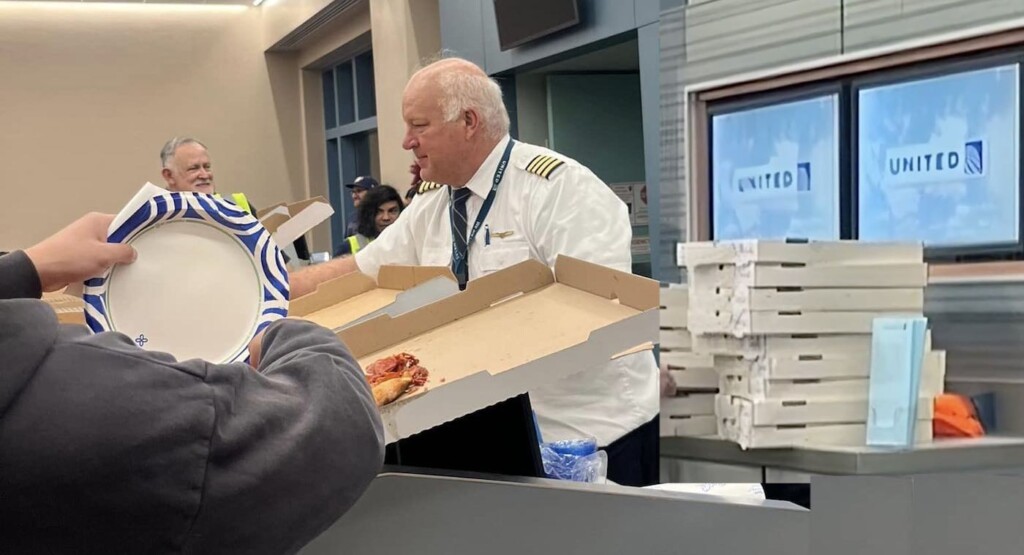
United Pilot Scott Wardle buys pizza for passengers – By Tanya Stamos via FB

A United Airlines pilot has become a social media sensation after personally overseeing the order and distribution of 30 pizzas to 155 passengers on his flight.

Now monikered the “Pizza Pilot,” Scott Wardle says that after 30 years of piloting for the Air Force and as a civilian, he knows what it feels like to be stuck at the airport, and that he just “had to do something to show we care.”
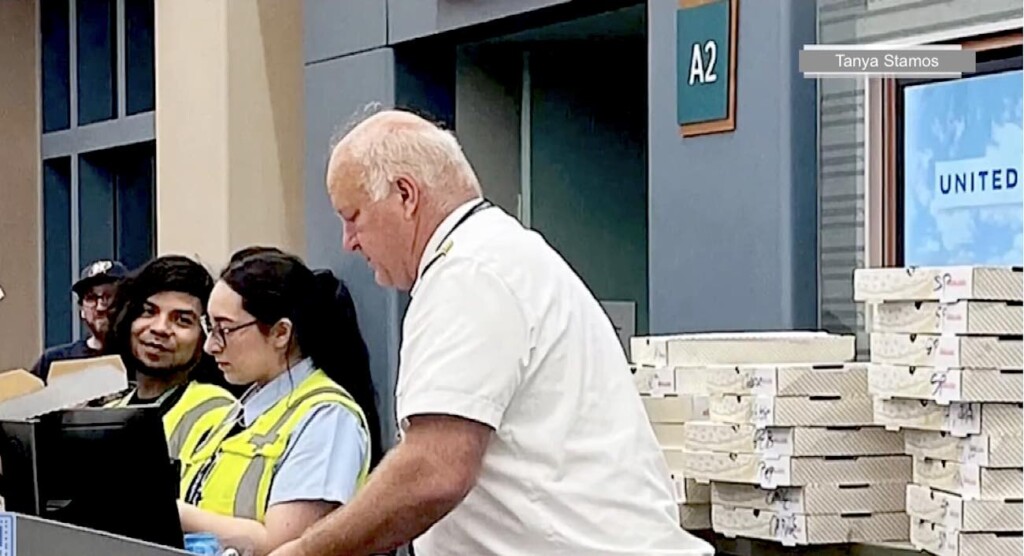
United Pilot Scott Wardle serving dinner he bought for passengers – Tanya Stamos via FB

Well that care took off, with posts and photos of Wardle handing out pizzas using the check-in counter at the gate as a kitchen counter going viral.

The story began when the Boise-based Wardle was all set for a flight to Phoenix via Houston, but about 45 minutes into the trip, he received a call from the flight crew that a patient had fallen unconscious.

Though there were two nurses and a medic on board, Wardle felt he couldn’t take any chances, and came in for an emergency landing at Albuquerque at 11 p.m. just as the food court was shutting down.

Hoping to get the passage back underway as soon as possible, he suddenly received word that his cabin crew had maxed out their hours, meaning he had to wait for a new set of attendants.

“I made sure to confirm they were on the way with the company, and then I thought, I got to do something with all these people,” Wardle told KTVB 7. “So, I started exploring some options at that point for what I want to do. I came up with the idea of doing pizza for everyone. It’s an easy thing, most people like pizza.”

Wardle says he loves his job, and the only burden he felt during the whole ordeal was compassion and sympathy for the passengers. He picked up the phone and started ordering dozens of pizzas.

PILOTS GOING BEYOND THE CALL OF DUTY: Airline Pilot Reunites 9-Year-Old with Her Beloved Doll Lost Half a World Away

As he began passing them around with plates and napkins, the passengers took notice.

The viral photos and videos reached virtually every corner of Wardle’s social life, with old Air Force buddies and even his graduation class of 1984, and phoning him to say they saw him serving pizza in his pilot uniform.
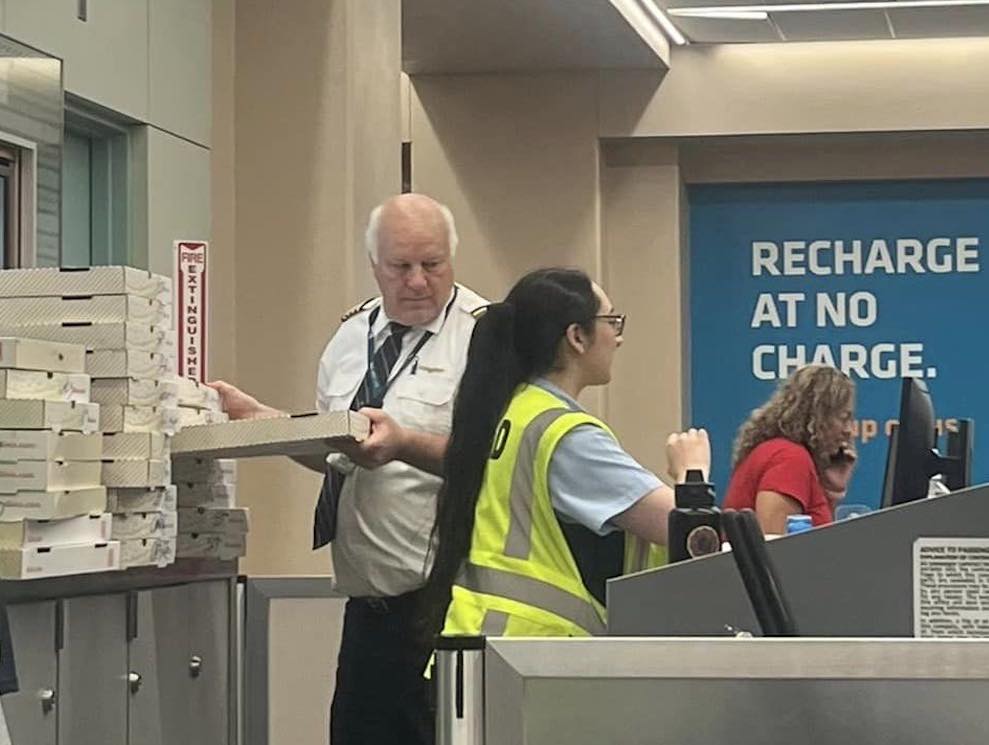
Pilot Scott Wardle ‘recharges with pizza for free’ – Tanya Stamos via FB

MORE STORIES LIKE THIS: Southwest Airlines Workers Looked After a Passenger’s Pet Fish for 4 Months After it was Banned From Flight

“I didn’t think it was that big of a deal, I just did my thing,” Wardle said. “Many pilots in our company do this sort of thing, I just happened to get my picture taken.”

United Airlines insisted on reimbursing him for the pizzas, and applauded a hero of the friendly skies, who waited until every passenger had a slice in their hands before sitting down himself for a pie.

WATCH the video below from KTVB 7…

SHARE This Fantastic Story About A Pilot Who Cares With Your Friends… 
8-Year-old Heart Transplant Patient Craved Pickles so Hospital Chef Taught Her How to Make Them

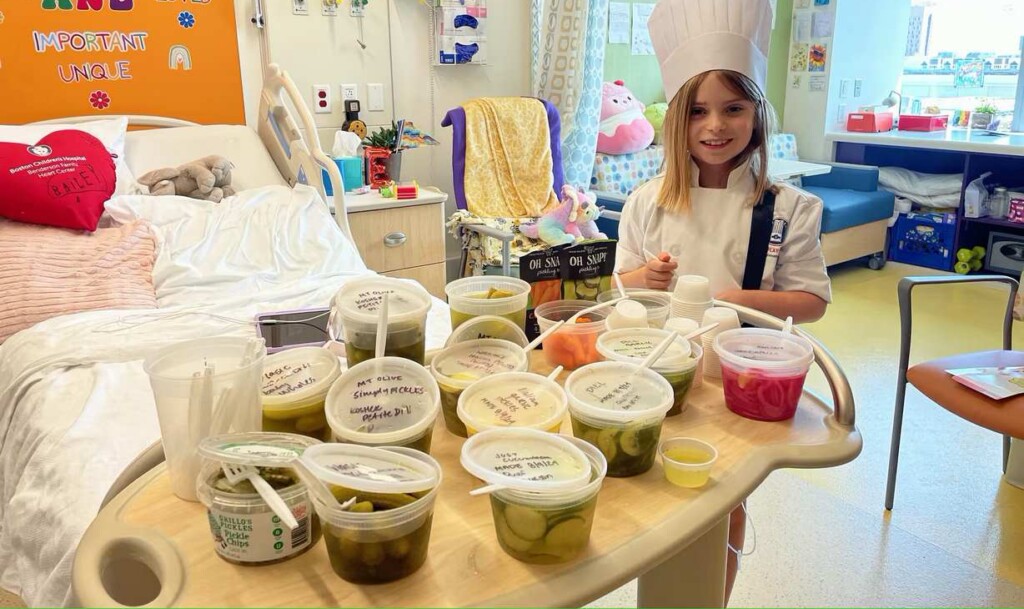
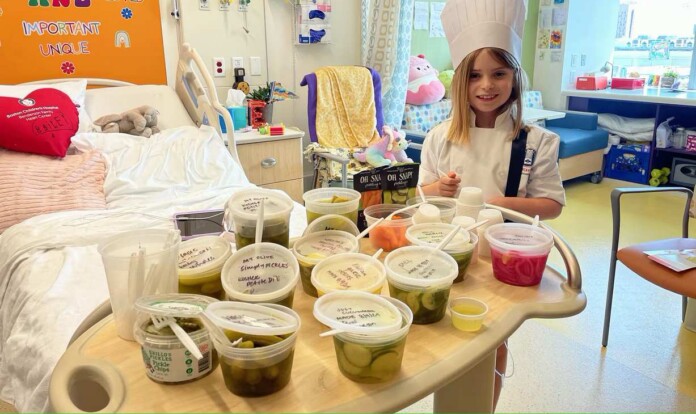
Emerson Bayse, 8, and her homemade pickles at Boston Children's Hospital - released by the Bayse Family
Emerson Bayse, 8, and her homemade pickles at Boston Children’s Hospital – released by the Bayse Family

An 8-year-old girl awaiting a heart transplant had the time of her life when a hospital affiliate came and taught her how to make her favorite food.

But that didn’t involve sprinkling cheese over a pizza or smearing icing on cupcakes—it involved dipping vegetables in herbs and brine: pickling.

Emerson Bayse, a transplant patient at Boston Children’s Hospital (BCH), is undergoing fluid restriction as is common with cardiac patients, which also has the common side effect of making them crave salty foods.

She had always loved pickles, but never knew how they were made.

Chef and program manager of culinary services, Sarah Bryce, who describes herself as a child life specialist and who works with the Association of Child Life Professionals, has often used cooking as a dual-use therapy of sorts for kids like Bayse.

“I’ve worked in these rooms and I’ve seen what a difference it is for a child to eat — just trying to get them to eat something,” Bryce told TODAY. “It sounds so simple, right? But it really can be a huge difference.”

To brighten up a child’s day, she’s often making junk food because it’s someone’s favorite, but when she heard Bayse’s preference for pickles, she had a great idea.

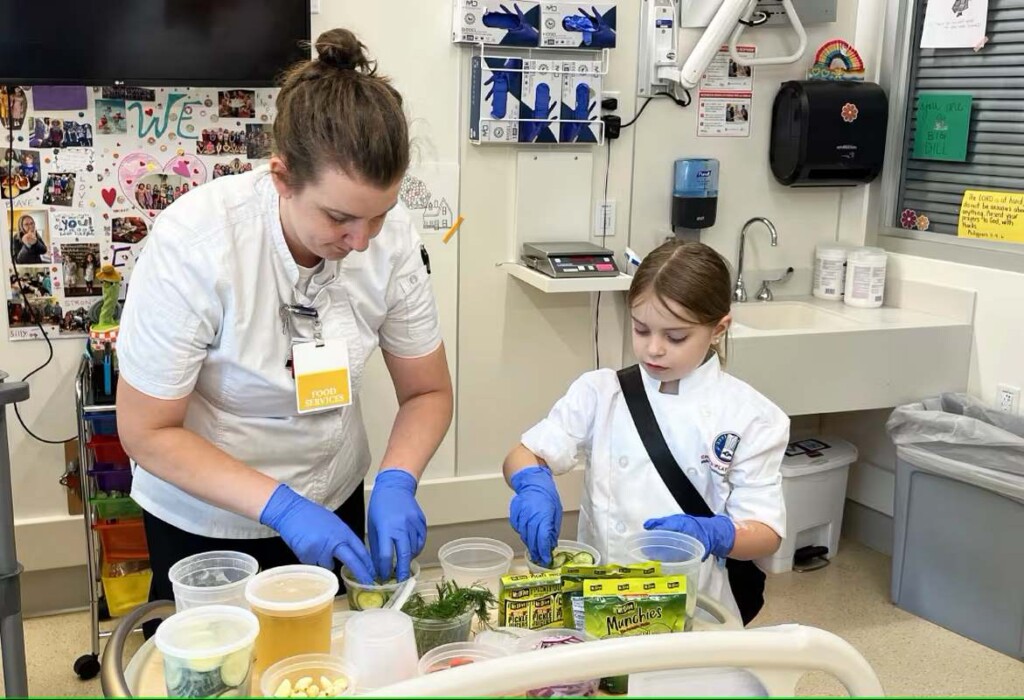
Bryce (left) teaching Bayse (right) how to pickle – released by the Bayse Family

Bryce asked Bayse if she knew how pickles were made.

“She said, ‘No! I would have never thought about it,’ and I said, ‘What if we made some together?’” Bryce recalls. “Her eyes lit up and she was like, ‘We can do that?’”

INSPIRING HOSPITAL ACCOMODATIONS: 600 More Hospitals Get Free LEGO MRI Scanners – to Reduce Anxiety in Young Patients 

And so they spent a whole morning pickling various vegetables in various brine mixtures, including dill, garlic, and even Ken’s Italian Dressing. They pickled cucumbers, but also onions, carrots, and watermelon.

– released by the Bayse Family

Bayse said her mouth was watering through the whole process.

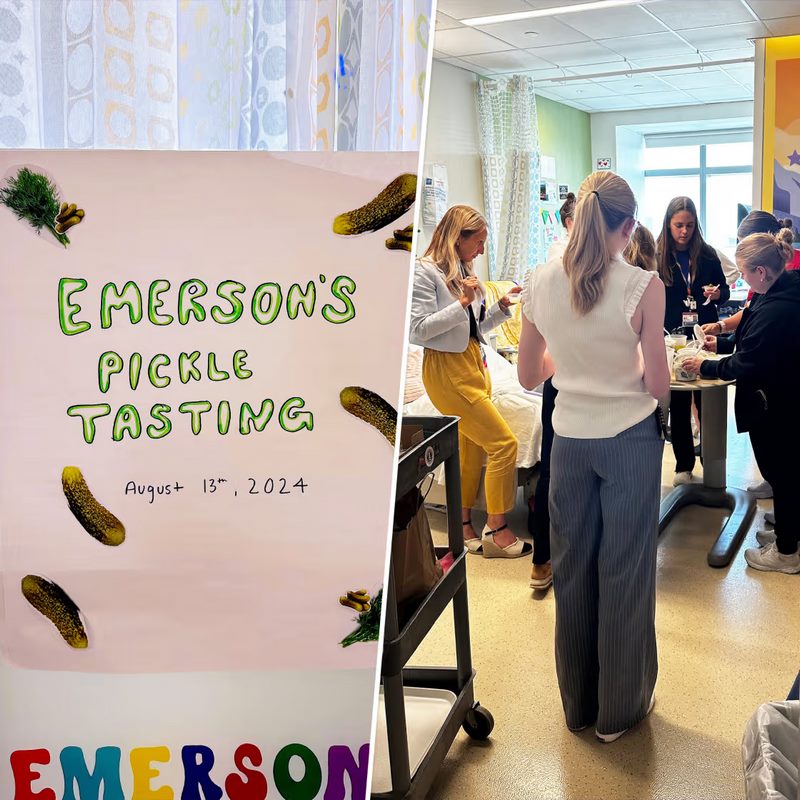
After the first taste test, the duo decided to throw a pickle party, inviting anyone in the hospital who wanted to try one to come and enjoy a briny bite. Bryce prepared lemonade with pickle juice ice cubes to serve to visitors from multiple BCH departments who stopped by, and remarked it was the best 2 hours of her life.

ALSO CHECK OUT: Chinese Couple Created ‘Cancer Kitchen’ in Their Alley to Let Family Members Cook for Loved Ones in Nearby Hospital

Bryce had an in-patient stay as a child at BCH, and wanted to give back to other kids in ways similar to how she remembers being impacted during interactions and meaningful moments with the staff.

Bayse’s mom tells TODAY that the hospital really goes the extra mile to try and make children feel comfortable in the environment of the hospital.

“The fact that they’re so supportive of just knowing what the kids are interested in and like to do and then just going with that idea, they’ve really normalized the experience for Emerson here at Children’s Hospital,” Allison Bayse, the patient’s mom.

SHARE This Sweet (And Salty) Story With Your Friends On Social Media… 

Son Surprises Dad with Dream Car He Gave up for Diaper Money 41 Years Ago

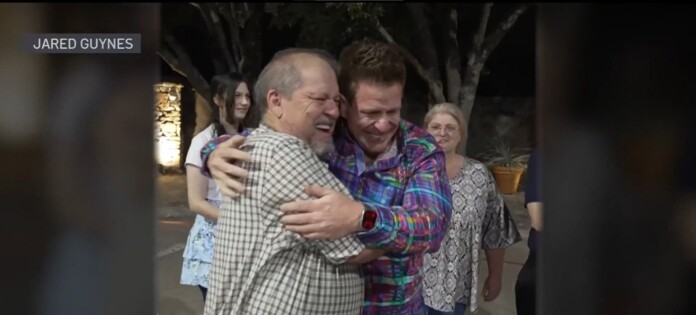
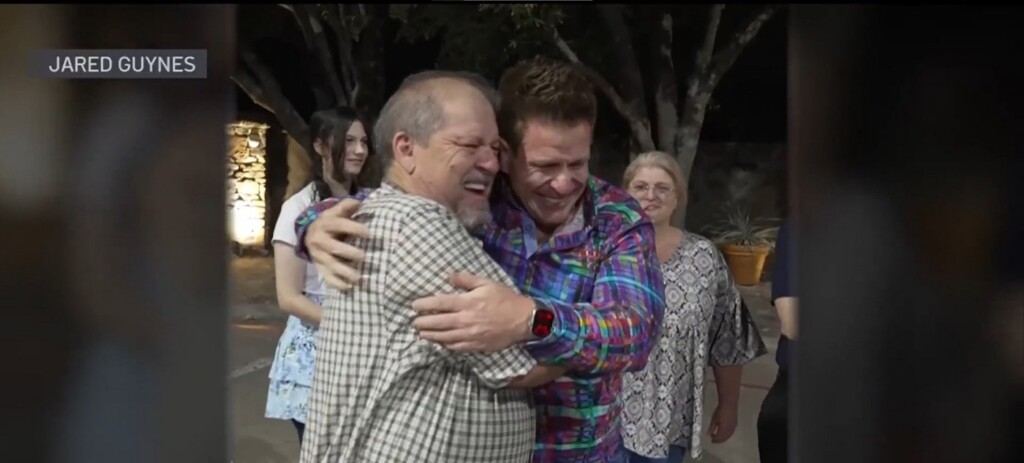
credit - Jared Guyness.
credit – Jared Guyness.

From Texas comes the beautiful story of love and appreciation between a son and a father—a father who gave up his dream car in order to be a good dad.

It was Earl Guynes’s 65th birthday, and he unexpectedly found himself on a car lot being spoken to by a magician. Suddenly, his son held up a pair of keys, and told him they fit inside the ignition of a 1967 Chevrolet Camaro that was sitting just over his shoulder.

It was a car Earl knew very well.

It was a car he sold 40 years ago so he could pay for diapers.

An automotive industry worker, Earl was working in parts as a 22-year-old in Mesquite, and an employee came in one day with a ’67 Camaro that made Earl’s eyes light up.

It was loud, he told NBC 5, the kind of car that had everyone looking out of the corner of their eyes as it passed down the block. He had a few good years with the Camaro, but after marrying his wife Mona and having their son Jared, he did what any responsible dad would do and trade in the dream of youth for the sake of the future.

“I used to tease Jared quite a bit. ‘I used to have a car like that one over there.’ And I said, ‘Yeah, I let it go for diaper money,'” Earl told NBC. “‘You needed diapers and so that’s what happened to that car.’”

Jared joked that he never believed his father, but gradually the fixation on the Camaro he left behind rubbed off on his son, who came to know it better than his father did.

“It’s a 1967 Marina blue Camaro SS with a 350 small-block V8, an automatic 3-speed transmission. Crager chrome 15-inch mag wheels with white letters on the tire, small 1969 style cowl hood on the front, a small little whale tail on the back, and a black interior,” said Jared.

He always imagined what a great thing it would be to get that car back in the family, and then in 2021, he had a great business year. Instead of paying down debt or doing something “responsible” he did “what any Guyness man would do” and started looking at a cool car.

MORE FATHER-SON STORIES: He Found His Dad’s 1930s Car at An Auction–and Got it Working Again (LOOK)

Finding a ’67 Camaro exactly like his father once owned, Jared bought it and began secretly restoring it—like any old muscle car there was ample need for TLC.

“Wanting dad to really understand how much I love him and how important he is to me and how good of a job he did being a dad, I wanted to find the biggest, most symbolic most outrageous, way to help him understand how much. And I’m like, what is the greatest thing possible? And it was the Camaro. It was always the Camaro,” he said.

MORE STORIES JUST LIKE THIS: Grandson Surprises Grandpa by Restoring 1954 Pickup Sitting Broken for 40 Years: ‘I never thought I’d live to see that’

Shared with NBC, the video of the surprise, when Jared showed his dad what he had done, warms the heart, and the news outlet said that Jared replaced many of the old systems for new, safer, more refined ones.

WATCH that video below…

SHARE This Heartmelting Story Of A Pair Of Greasemonkeys With Your Friends…

“Real riches are the riches possessed inside.” – B. C. Forbes

Quote of the Day: “Real riches are the riches possessed inside.” – B. C. Forbes

Photo by: Molnar Balint

With a new inspirational quote every day, atop the perfect photo—collected and archived on our Quote of the Day page—why not bookmark GNN.org for a daily uplift?

These Tiny Snails Are Breeding in the Wild for the First Time in 40 Years in French Polynesia

© Paul Pearce Kelly
© Paul Pearce Kelly

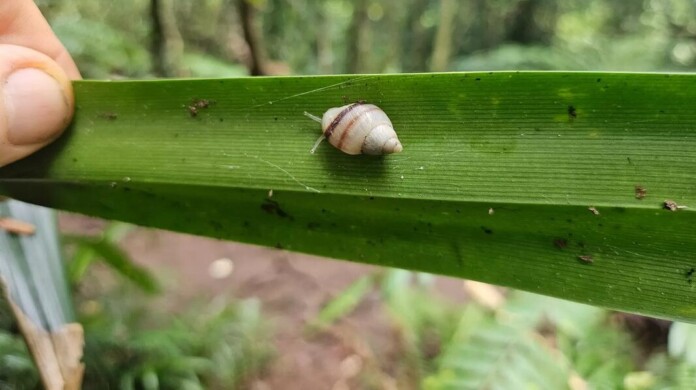
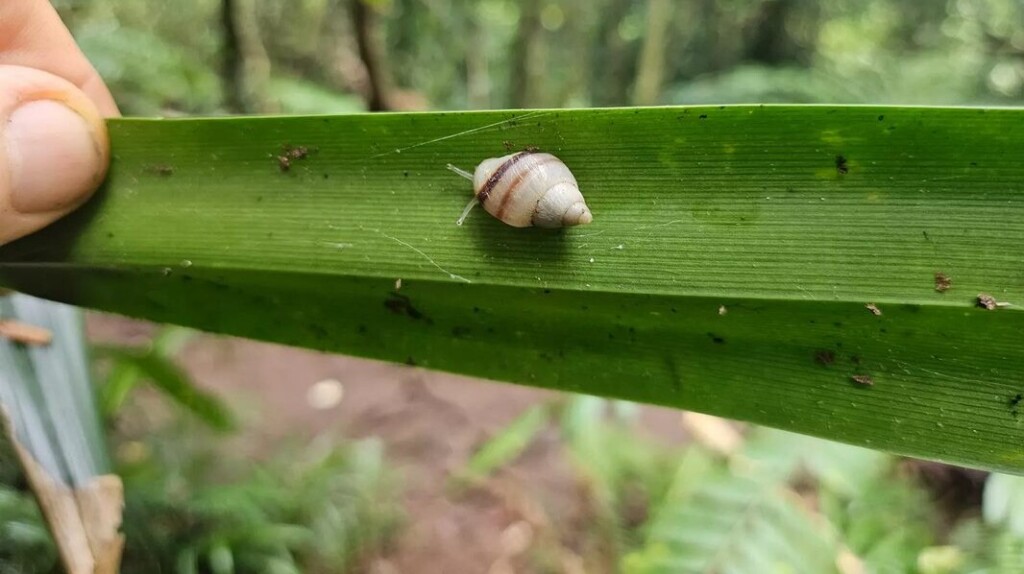
A global conservation effort to reintroduce a tiny snail to the wild is celebrating a momentous milestone, as for the first time in 40 years, conservationists have found adult members of the species born in the wild.

This means the precious mollusks called Partula tohiveana have successfully established themselves in French Polynesia.

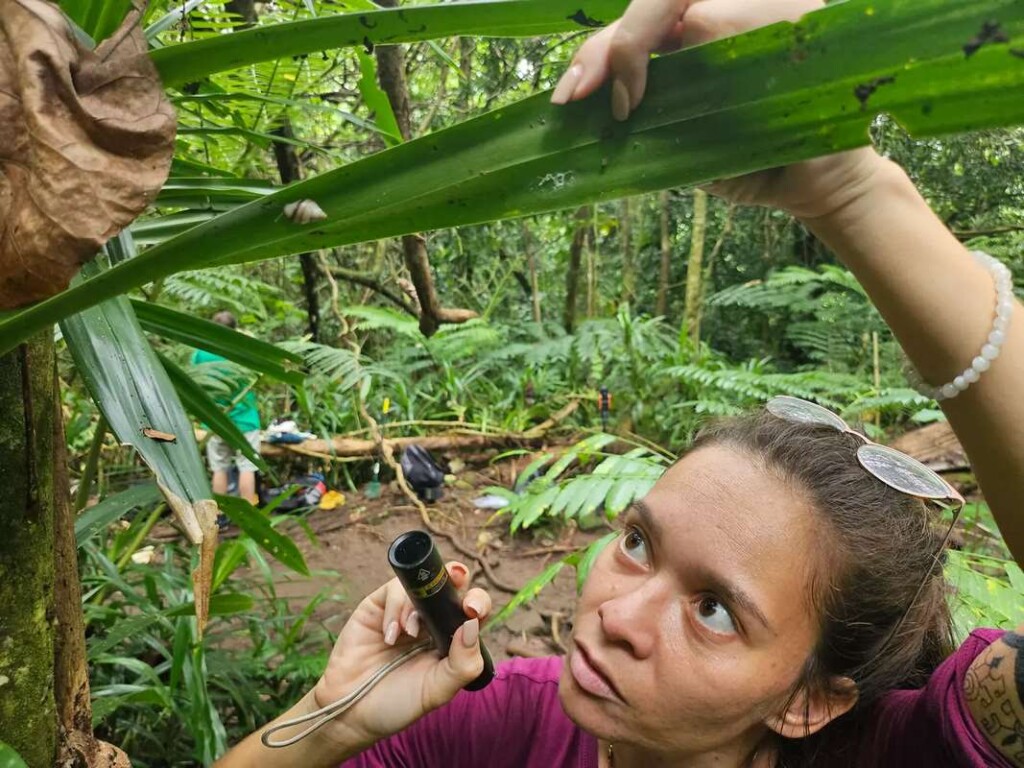
The London Zoo, and others coordinating around the world, have been releasing captive P. tohiveana into the wild for years on Moorea island. This year, Senior Curator of Invertebrates & Fish Paul Pearce-Kelly, found unmarked Partula tohiveana: proof that previously reintroduced snails have successfully bred in the area.

The discovery means Partula tohiveana can now be considered fully established on the island and perhaps others—an incredibly rewarding result for 40 years of dedication and collaboration.

Conservationists will now begin the process of downlisting the snails from ‘Extinct in the Wild’ to ‘Critically Endangered’ on the IUCN’s Red List.

Ten species and sub-species of the tropical snails, reared at Zoos across Britain, the United States, and from Schwerin, Germany, traveled more than 9,000 miles to Tahiti at the beginning of September.

Before making the two-day journey to the islands of Tahiti, Moorea, and Huahine, the incredibly rare snails, which each measure a tiny 1-2 centimeters in length, were individually counted and marked with a dot of yellow UV reflective paint. The ‘snail varnish’ glows under UV light, helping conservationists in the field to spot and monitor the nocturnal snails at night, when they’re most active.

© Paul Pearce Kelly

“Though little, these snails have great cultural, scientific, and conservation value,” said Pearce-Kelly. “Partula snails have always been part of Polynesia’s rich cultural heritage and play an important role in the ecological health of their forest habitats. Most recently, they’re providing a valuable conservation model for helping hundreds of endangered island species.”

“This collaborative conservation effort is playing a crucial role in saving these species from extinction. It’s a powerful example of how conservation zoos can combat biodiversity loss.”

Partula snails, also known as Polynesian tree snails, eat decaying plant tissue and fungi, and so play an important role in maintaining forest health. Returning these rare snails back to the wild helps restore the ecological balance in these islands that has been disrupted by invasive species.

ALSO CHECK OUT: Remarkable Sea Slug Found Among Monterrey Bay’s Lightless Depths is Nicknamed ‘Mystery Mollusk’

Conservation zoos are working with the French Polynesian Government’s Direction de l’environnement, to save Partula snails from extinction. In the 1980s and early 1990s, these snails faced a critical threat after the invasive rosy wolf snail (Euglandina rosea) was introduced to control the African giant land snail (Lissachatina fulica). Unfortunately, the predatory species targeted the native snails instead, leading to the extinction or near-extinction of many Partula species across the region.

In the early 1990s, the last remaining individuals of several Partula species were rescued by us together with Edinburgh Zoo, launching an international conservation breeding program. This collaboration between 15 zoos cares for 15 species and subspecies, most of which are classified by the IUCN as Extinct in the Wild. These rescued snails, along with those already being studied at universities in the UK and North America, became the foundation for reintroducing the species back onto their native island homes.

SNAIL CONSERVATION: Photographer Unites With Cuban Scientists to Save the World’s Most Beautiful Snail

“After decades of caring for these species in conservation zoos and working with the Direction de l’environnement to prepare the islands, we started reintroducing Partula snails back into their lowland tropical forests almost 10 years ago,” said Pearce-Kelly. “Since then, we’ve reintroduced over 30,000 snails, including 10 Extinct in the Wild species and subspecies, with this year’s release being the largest so far.”

Coordination of the Partula snail reintroduction project is made possible due to funding from supporters including the Players of the People’s Postcode Lottery, who have enabled London Zoo to continue bringing species back from the brink of extinction.

WATCH this snail expert passionately explain the meat of this story… 

ESCARGO To Social Media And Share This Story… 

A Waiter in Canada is Learning Cree to Better Serve Customers: ‘Immediately People Would Light Up’

Submitted to CBC by Adam Rieger

Allegedly, there is a saying among the Cree Nation that goes “listen or your tongue will keep you deaf.”

For Adam Rieger, a waiter at a cafe in Saskatchewan, it was his listening that opened up a world of human connection when he decided he should learn the language of his customers.

Smitty’s Restaurant in Prince Albert, Sask. sees its fair share of tribal members, and the personable Rieger found it difficult to connect with them.

According to an interview with CBC News, Rieger explained that when he lived in Edmonton, he made the effort to serve diners in French, something the French-speaking Canadians warmly appreciated.

Despite the obvious challenges in learning a language beyond Latin, Rieger decided to listen so as not to be deaf to the hearts and culture of his customers. He began learning Cree to take orders and welcome guests, and helped break the ice by asking tribal customers to help him with certain words.

“He has positive energy, and then when he came back to us, that’s when he told me that he’s been trying to learn Cree,” Natasha Wolfe, a Cree Nation member told CBC’s Louise BigEagle.

Wolfe shared a video of him doing his job in Cree on social media to alert Tribal members of his compassion and interest in their language.

GNN reported earlier this year on a famous polyglot Youtuber visiting Cree Nation lands and surprising the people there by speaking Cree with semi-fluency. According to the Youtuber, going by the handle Xiaomanyc, Cree is difficult even among native languages, and for this reason there is a real concern it will die out in the coming generations.

NATIVE LANGUAGES RESCUED: 89-year-old had to ‘Speak Up’ to Save Believed-Extinct Language of Indigenous People Who Revered Silence

Rieger is exactly the kind of messenger that keeps languages alive—their use in day-to-day activities.

He said his Cree is still basic, but he will keep trying to learn. He said he finds some parts of Cree challenging, like learning the written language and the alphabet. Along with speaking to the customers, Rieger, watches YouTube lessons by Cree member Simon Bird, who the waiter says is able to communicate the phonetics of the language perfectly.

MORE LANGUAGES FROM THE AMERICAS: Two Scholars Reveal Incredible Insights Into Floridian Natives Through Long-Lost Language Translations

“Once I started doing this and I started seeing people’s reactions, it completely changed my perspective… immediately people would light up and they would start talking and be excited,” Rieger said. “I could see that it’s almost like the purpose of my job now became to reach people and to express love for them.”

WATCH a separate radio interview with CBC and hear from the man himself…

SHARE This Kind And Considerate Waiter’s Work On Behalf Of His Neighbors…

In 10 Seconds, an AI Model Detects Cancerous Brain Tumors Often Missed During Surgery

A University of Michigan Health neurosurgical team performing an operation - credit Chris Hedly, Michigan Medicine.
A University of Michigan Health neurosurgical team performing an operation – credit Chris Hedly, Michigan Medicine.

Researchers have developed an AI-powered model that can determine in 10 seconds during surgery if any part of a cancerous brain tumor that could be removed remains.

The technology, called FastGlioma, outperformed conventional methods for identifying what remains of a tumor by a wide margin, according to the research team led by the universities of Michigan and California and the paper they published.

“FastGlioma is an artificial intelligence-based diagnostic system that has the potential to change the field of neurosurgery by immediately improving comprehensive management of patients with diffuse gliomas,” said senior author Todd Hollon, a neurosurgeon at University of Michigan Health.

“The technology works faster and more accurately than the current standard of care methods for tumor detection and could be generalized to other pediatric and adult brain tumor diagnoses. It could serve as a foundational model for guiding brain tumor surgery.”

When a neurosurgeon removes a life-threatening tumor from a patient’s brain, they are rarely able to remove the entire mass. What remains is known as a residual tumor.

Commonly, the tumor is missed during the operation because surgeons are not able to differentiate between healthy brain and residual tumor tissues in the cavity where the mass was removed.

Neurosurgical teams employ different methods to locate that residual tumor during a procedure, which may include MRI imaging, which may not be available in the hospital, or a fluorescent imaging agent to identify tumor tissue, which is not applicable for all tumor types.

These limitations prevent their widespread use.

In this international study of the AI-driven technology, neurosurgical teams analyzed fresh, unprocessed specimens sampled from 220 patients who had operations for low or high-grade diffuse glioma.

FastGlioma detected and calculated how much tumor remained with an average accuracy of approximately 92%.

In a comparison of surgeries guided by FastGlioma predictions or image and fluorescent-guided methods, the AI technology missed high-risk, residual tumor tissues just 3.8% of the time—compared to a whopping 25% miss rate for conventional methods.

To assess what remains of a brain tumor, FastGlioma combines microscopic optical imaging with a type of artificial intelligence called foundation models. These are AI models, such as GPT-4 and DALL·E 3, trained on massive, diverse datasets that can be adapted to a wide range of tasks.

To build FastGlioma, investigators pre-trained the visual foundation model using over 11,000 surgical specimens and 4 million unique microscopic fields of view.

AI MAKING A DIFFERENCE FOR GOOD: AI Safety System Stops Train After Detecting Elephants Crossing the Tracks Ahead

“FastGlioma can detect residual tumor tissue without relying on time-consuming histology procedures and large, labeled datasets in medical AI, which are scarce,” said Honglak Lee, Ph.D., co-author and professor of computer science and engineering at the University of Michigan

Full-resolution images take around 100 seconds to acquire, while a “fast mode,” lower-resolution image takes just 10 seconds. Even so, researchers found that the fast mode achieved an accuracy of 90%, just 2% lower than the full resolution.

“This means that we can detect tumor infiltration in seconds with extremely high accuracy, which could inform surgeons if more resection is needed during an operation,” Hollon said.

AI IN RADIOLOGY: After Studying Mammograms, AI Can Detect More Breast Cancers Than Humans–With Fewer False Positives

Over the last 20 years, the rates of residual tumor after neurosurgery have not improved.

Residual tumor tissues can lead to worse quality of life and earlier death for patients, but it also increases the burden on a health system that anticipates 45 million annual surgical procedures needed worldwide by 2030.

Not only is FastGlioma an accessible and affordable tool for neurosurgical teams operating on gliomas, but researchers say, it can also accurately detect residual tumor for several non-glioma tumor diagnoses, including pediatric brain tumors, such as medulloblastoma and ependymoma, and meningiomas.

AI IN CANCER TREATMENT: Artificial Intelligence ‘Can Help Spot Early Signs of Cancer in Chest X-Rays’

“These results demonstrate the advantage of visual foundation models such as FastGlioma for medical AI applications and the potential to generalize to other human cancers without requiring extensive model retraining or fine-tuning,” said co-author Aditya S. Pandey, chair of the Department of Neurosurgery at UM Health.

“In future studies, we will focus on applying the FastGlioma workflow to other cancers, including lung, prostate, breast, and head and neck cancers.”

SHARE This Positive Use Of AI With Your Friends… 

Officials Applaud Canadian Woman Who Saved Boy from Drowning in Frozen River

Ice on Sucker River Credit: Elaine Ratt (released)

In northern Saskatchewan Province in Canada, a woman has been hailed as a hero for risking death in an icy river to save a child.

Falling through whilst playing, the boy’s friend rushed to the Sucker River Community Store where Elaine Ratt was just clocking in for her shift.

The member of the Lac La Ronge Band of Indians was probably expecting a normal day on the job, but as soon as she saw the child’s face, she knew something was dreadfully amiss.

“The fear in [his] eyes scared me,” Ratt said, running down to the Sucker River.

When she arrived at the edge of the river she began calling repeatedly for him to keep his head above water, but seconds later she was inching herself along, hearing the cracking of the ice beneath her.

“By the time I was getting toward him, he was already starting to float down underneath the water,” she told CBC News.

Elaine Ratt, right, and her 12-year-old daughter – Elaine Ratt/Submitted

As soon as she was close enough to perhaps help the boy, the worst happened and the ice gave way beneath her, leaving them both treading in the frigid water.

It wasn’t long until she got him to a patch of solid ice and hoisted him up. Even in his state of shock, he remembered that if one finds themselves in that situation, never try to stand up, but always keep the lowest center of gravity possible to avoid breaking the ice anew. The boy rolled like a seal onto the bank.

MORE STORIES LIKE THIS: Two Hours After Being Trained, Rescuers Save Drowning Skier From Frozen Lake Using Handy Local Invention

But Ratt was heavier and every time she tried to pull herself out, the ice kept breaking away. Eventually, in shock, she too escaped.

“So I carried him, with all my soaking clothes and his soaking clothes. It was more of a reflex. I don’t want to see this little boy down the river or something worse happening to him,” Ratt said. “So I would rather we risk my life than his.”

At the community store, first responders were there to rush the boy to the hospital where he eventually regained a normal body temperature.

HERO STORIES: For 3 Hours Doctors Continued CPR on Toddler with No Pulse–Until Life Returned

Meanwhile, Ratt went home to get a change of clothes. When she returned, the emergency crews were still around, and when she stepped out of her truck, erupted in applause for her heroism, moving the Lac La Ronge member to tears.

JOIN In On The APPLAUSE: Share This Story On Social Media…

“If I can stop one heart from breaking, I shall not live in vain.” – Emily Dickinson

Quote of the Day: “If I can stop one heart from breaking, I shall not live in vain.” – Emily Dickinson

Photo by: adrianna geo

With a new inspirational quote every day, atop the perfect photo—collected and archived on our Quote of the Day page—why not bookmark GNN.org for a daily uplift?

Man Turns Old Mobile Home into a Log Cabin with Just $13k–and DIY Charm (LOOK)

Benn Berkeley next to his caravan - SWNS
Benn Berkeley next to his caravan – SWNS

What would you prefer to live in, a trailer or a log cabin? An out-of-work English filmmaker picked the latter over the former by way of his own two hands and a few tons of lumber.

Benn Berkeley lost all his work prospects as a freelance filmmaker in 2020 due to business closures and other restrictions arising in the wake of the pandemic’s arrival in Great Britain.

In August 2020, his brother took over a farm that had a static trailer and asked Berkeley if he wanted it.

Berkeley leaped at the opportunity despite admitting it was a “fixer-upper” and started working on gutting out the trailer in September all on his own.

“I had zero experience in building and DIY but there was an opportunity to do it up and live in it so I jumped in head first,” he told English news media outlet SWNS. “Everything we learned was through YouTube, it was a really amazing and empowering experience.”

He upended only about $13,000 (£10,000) in savings to finish the project, doing everything apart from the electrics and plumbing himself.

credit – Benn Berkeley, via SWNS

“It’s 44ft by 10ft. We had to support one of the walls as it was caving in—the first job was to make it safe,” he remembered. “We changed the windows and then we realized there was a damp issue so we ripped all of the walls out. From there we had free reign to do what we wanted, originally it was two bedrooms with a bathroom and kitchen.”

“All of that went, we now have a double bedroom, bathroom, corridor, and open plan living and kitchen space.”

GREAT DIY STORIES: Aussie Man Invents Weapon in War Against Invasive Asparagus Fern–The ‘Asparagus Assassin’

Berkeley said he was shocked how much of a resource YouTube proved to be, from basic to technical skills, and from installing retaining walls to planning and building a kitchen, remarking that “it was all there for me.”

Since moving into the cabin, Berkeley has taken the place off-grid. He heats his home with a wood stove, uses gas bottles for his oven, and his electricity comes from solar panels on the farm.

MORE LIFE-CHANGING INITIATIVE: Dad Attracts Diners from Across the Globe After Building $22k Greek Taverna–in His Backyard

“It is a very simple lifestyle which I think we have lost,” he said. “I can govern myself a lot more, I am not pressed into working a certain amount of hours a week as I know my outgoings each month.”

SHARE This Great Makeover Idea For Anyone You Know Who Has A Trailer Lying Around… 

Little Boy Meets the Stranger Who Saved Him by Donating Her Liver (WATCH the Touching Video)

- Cleveland Clinic, via Storyful
Organ donor Sandy with Sonny-by Cleveland Clinic Children’s Hospital-SWNS

In a tear-jerking video released by the Cleveland Clinic, a woman is seen reuniting with a boy whose life she saved through organ donation.

Becoming a living donor by giving up a piece of her liver, Sandy Flash gave the now-one-year-old Sonny the chance to recover from biliary artesia.

A disease with an unknown cause, biliary artesia is defined by the NIH as a scarring of the bile ducts that prevents bile from exiting into the intestines, resulting in lethal liver damage.

It’s treatable with a surgery called the Kasai procedure, which by now has become so advanced that between 80 and 90% of infants diagnosed with this disease now survive to adulthood. However, it requires a piece of a donated liver, which is where Flash came in.

Her husband was saved by a liver donation in 2022, and inspired to return the favor, she signed up for donor status and was appropriately matched with young Sonny.

“Sandy gave a piece of herself to save my baby’s life. Organ donation is truly an unconditional gift,” Sonny’s mother, Katie White, told Good Morning America.

MORE STORIES LIKE THIS: After Childhood Cancer Diagnosis, Donor Bone Marrow from Little Sister Sends it into Remission

Flash admitted that after bringing her own children into the world, it was the most fulfilling thing she’s ever done.

The Cleveland Clinic said that Sonny has caught up to the normal developmental milestones for a 1-year-old.

WATCH the video below, but keep the tissues close… 

SHARE This Beautiful Story Of Selflessness, Love, And Survival… 

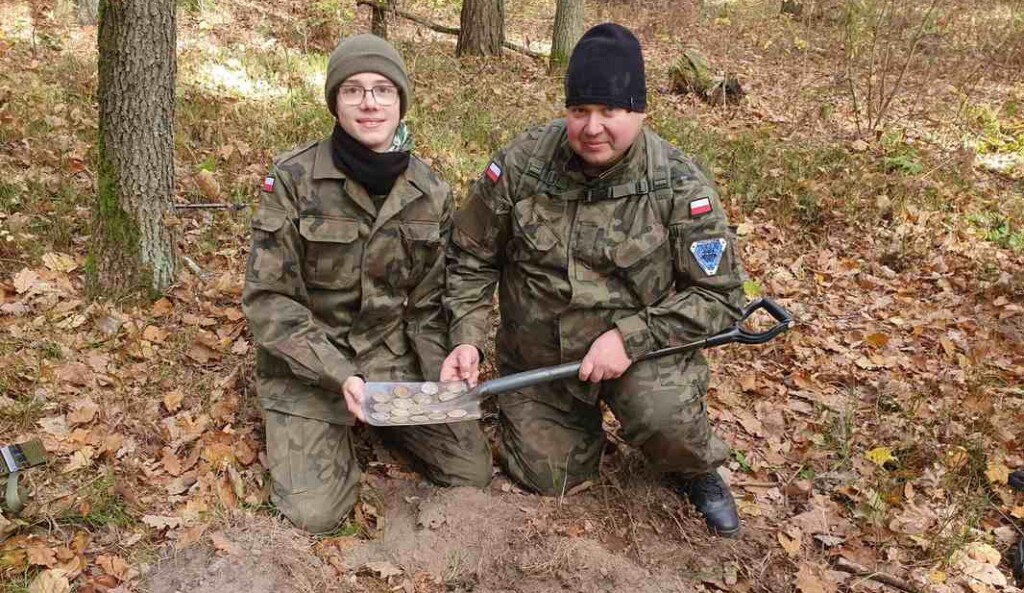
Father-Son Were Trying to Find Roman Road But Found a Shovelful of 16th C. Silver Coins Instead

- credit, Polish "Husaria" Treasure Hunters Association, supplied.
Sławomir Milewski and his son Szymon – credit, Polish “Husaria” Treasure Hunters Association, supplied.

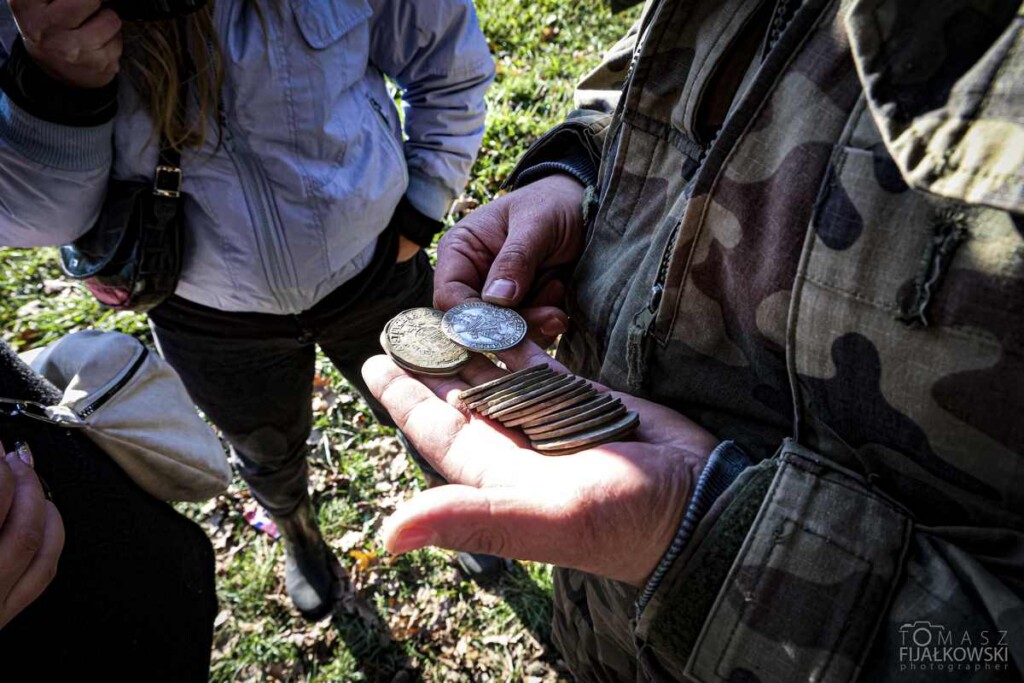
In the Polish forests north of Warsaw, a father and son were out with a local historical society when they found 17 pre-modern coins which may be worth around $120,000.

They were supposed to be looking for the remains of a Roman road, but the metal detectors found the coins instead.

Credit: Polish “Husaria” Treasure Hunters Association, supplied

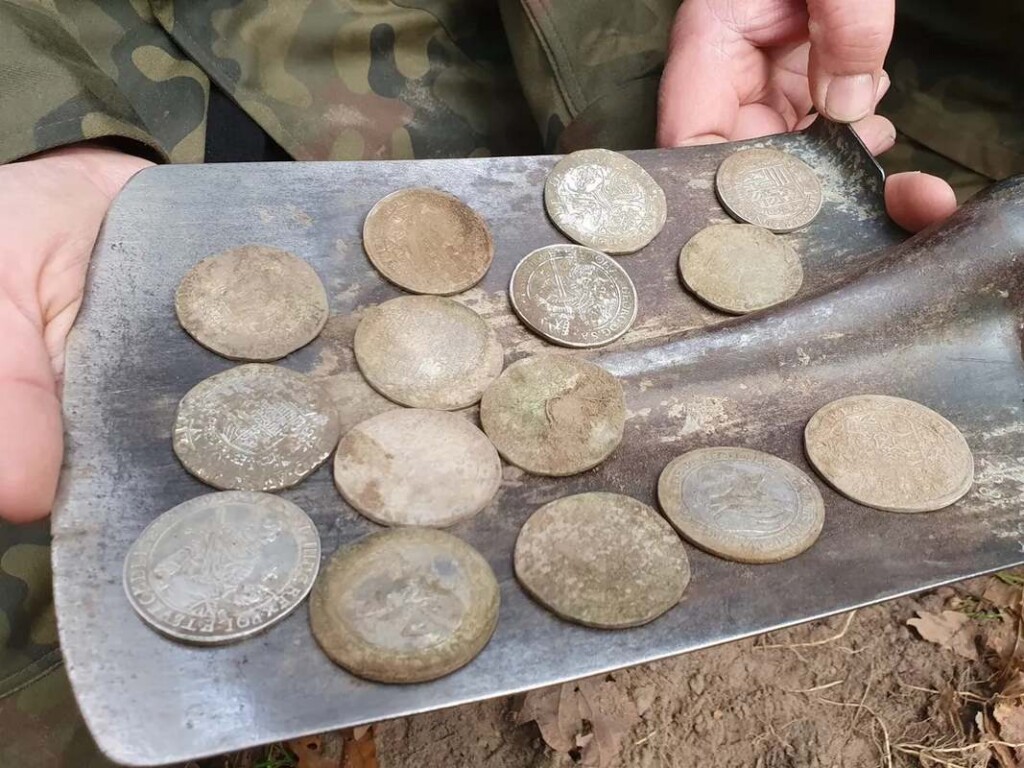
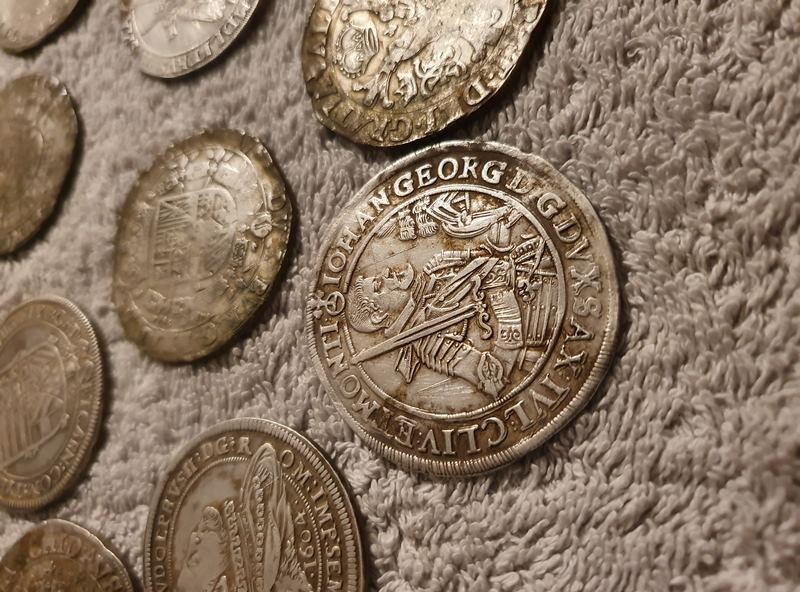
The treasure was discovered by Sławomir Milewski together with his son Szymon Milewski and contains 17 silver coins: 9 thalers and 8 patagons. The oldest coin dates from 1587 – 1564 CE, and the youngest is 1641.

Members of the Triglav Historical and Research Association and the Polish “Husaria” Treasure Hunters Association gathered around the boy and his father to marvel at the treasure, especially because they never ended up finding the road.

Minted by several different political entities, they give a lovely cross-sectional insight into the monetary customs and details of northern Europe.

Thalers were silver coins used throughout Europe for centuries, and the word “dollar” is derived from them. Several of the thalers found were minted in Austria by Rudolf II in 1604; Frederick I, perhaps 20 years later; and Leopold V in 1620.

Two were minted by the Saxony ruler Johann Georg I in 1612 and 1624, another from Zweibrücken in a German proto-state called the Palatinate, and one was minted in the kingdom of South Tyrol of northern Italy-southern Austria.

ALSO CHECK OUT: Largest Anglo-Saxon Gold Coin Hoard Discovered in English Field

Only one was minted by the Polish king Sigismund III, and the patagons were all minted in the Spanish Netherlands. These identifications were provided by the “Husaria” Treasure Hunters Association, who admit they are not experts in numismatics, but all in all the hoard is a snapshot of the inter-commercial activity of Poland in the early 17th century.

© Tomaz Fijalkowski, supplied to GNN.
– courtesy of Mateusz Sygacz.

The coin minted in Zweibrücken may be of particular interest for historical collections, as per a Facebook post from “Husaria” these thalers were minted with different patterns every year, making identification of them virtually hopeless.

As Sonja Anderson of Smithsonian Magazine notes, many of the minting dates match up to the period of the Thirty Years’ War when the monarchs stamped onto the coins were engaged in one of the most brutal conflicts in European history.

HOARD STORIES: Hoard of 1,000-yo Coins Unearthed in Farmer’s Field Nets Millions for Metal Detecting Friends–and Treasure for UK

Such years of instability dissuade people from carrying around large sums of money, and buried treasure, from Turkey to Kentucky, often date to such periods.

“Another assumption is that the burial was made by a merchant who wanted to hide his property from potential robbers—there was an inn about a kilometer away [during] the 16th century, and we know from earlier discoveries of similar deposits that it was a common practice to hide valuables before visiting an inn,” Mateusz Sygacz of the “Husaria” Treasure Hunters Association told All That’s Interesting.

SHARE This Wonderful Discovery With Your Friends… 

Scientists Discover ‘World’s Largest’ Coral –the Size of 5 Tennis Courts

Courtesy of Manu San Félix / National Geographic Pristine Seas (cropped)

On an expedition to the Solomon Islands, divers affiliated with National Geographic have found the world’s largest single coral colony ever recorded.

It’s longer than the largest blue whale. At 34 meters (111 feet) in length, and with a width of 32 (105) meters, it could sit corner to corner across 5 tennis courts.

Experts believe it has been growing for between 300 and 500 years.

The mammoth coral was discovered by scientists from National Geographic’s Pristine Seas Initiative, which aims to gather scientific data to inform conservation measures in places where marine life is bountiful. During an expedition to the Three Sisters island group in the Makira-Ulawa Province of Solomon Islands, they thought at first its massive shadow under the water was a shipwreck.

“At a time where we can observe every square inch of the land with satellites and drones, the ocean below the surface continues to hold mysteries like this one,” said National Geographic explorer in residence Enric Sala. “It was like finding the world’s tallest tree.”

Sala hopes the coral and its presentation—agonizingly short of being able to feature at the sixteenth annual conference of the parties to the Convention on Biodiversity, (COP16)—will nevertheless help spur future marine protection by demonstrating the breadth of underwater life that exists which we don’t yet know about.

Courtesy of Manu San Félix / National Geographic Pristine Seas (cropped)

ABC News Australia spoke with expedition scientist Molly Timmers, who 20 years ago dove down to see the “Big Momma” coral in American Samoa, the largest coral thought to exist until the discovery of the Solomon Islands specimen.

“While Big Momma looked like a huge scoop of ice cream plopped down on the reef, this newly discovered coral is as if the ice cream started to melt, spreading forever along the seafloor,” she said.

GOOD CORAL STORIES: 

Belonging to the Pavona clavus species of stony corals, it is considered a species of Least Concern by the IUCN.

It’s mostly brown, but with patches of bright yellow, blue, and red growth. Coral is the anchor of shallow marine ecosystems, and just like trees in a forest biome, the larger and older they get, the more the ecosystem benefits. For example, the larger the coral colony, the greater its fecundity, meaning the reefs around this mega coral will benefit from a more stable reproductive cycle.

Along with providing places to hide and breed, many species of fish eat algae that grow on corals, and others eat corals themselves. Large fish like manta rays are more likely to visit the corals to get a clean, from a group of fish known as cleaners, that also clean coral reefs.

ABC News reports that this giant coral sits out of the major storm corridors in the Southern Seas, which may be one of the contributing factors to its age.

SHARE This Wonder Of Underwater Nature With Your Friends… 

“Somewhere inside of all of us is the power to change the world.” – Roald Dahl

Quote of the Day: “Somewhere inside of all of us is the power to change the world.” – Roald Dahl

Photo by: Kuzzat Altay (cropped)

With a new inspirational quote every day, atop the perfect photo—collected and archived on our Quote of the Day page—why not bookmark GNN.org for a daily uplift?

Canadian Spa Hopes Hair-Freezing Contest Can Continue for Another 12 Years – SEE the Hilarious Winners

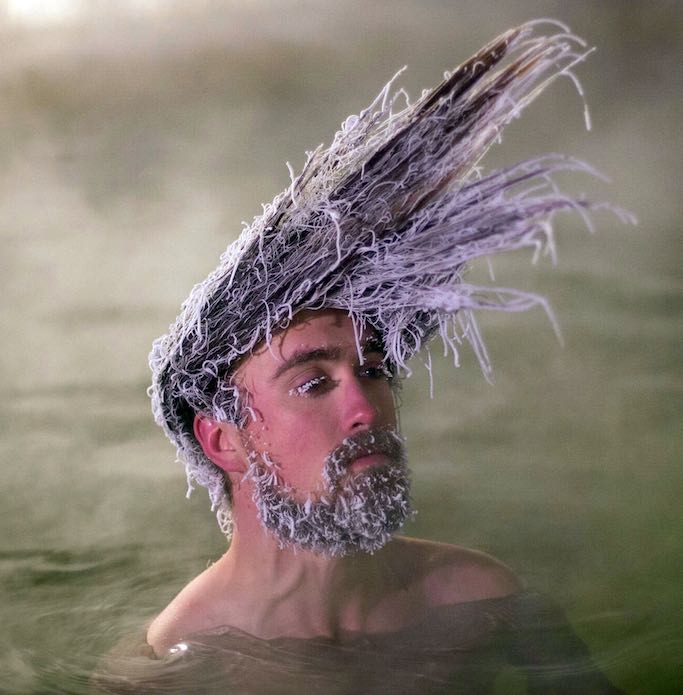
Winner from previous hair-freezing contest at Eclipse Nordic Hot Springs / SWNS

Hot springs enthusiasts are hoping for Arctic temperatures in Canada so an annual hair-freezing contest can go forth later this winter.

The yearly competition began in 2012, launched by a spa in the Yukon territory that has since produced some hair-raisingly hilarious pictures.

In the town of Whitehorse, a 10-hour drive from Juneau, Alaska, bathers dip into the naturally warmed waters at Eclipse Nordic Hot Springs. If the outdoor temps are cold enough, people can make their hair freeze into wacky shapes.

Temperatures need to drop below -4°F (-20°C) for an extended period to get the best frozen hairstyles that could win the $2,000 prize money.

Contest categories include best female and male, best group, best facial hair, and a people’s choice award, and every category winner receives a $2000 cash prize.

“We kick off the Hair Freezing contest as soon as the temperature drops to -20°C or lower,” said Satyam Jain, a spokesperson for the Hot Springs.

“We usually keep an eye on the forecast to see how long the cold temp will last and start the contest anytime between December and March.”

Previous winner from hair-freezing competition at Eclipse Nordic Hot Springs / SWNS

Last winter, it didn’t stay cold enough for long enough so they postponed the contest until this year.

“We took some photos last year but there wasn’t enough for a proper contest.”

“If we get a consistent temp in November we can also start the contest in November too.”

“The colder it is, the better and faster the freezing effect. The best results I’ve seen are at -22°C, and below (minus 7°F).”

LOOK: Photographer Captures Jaw-Dropping Mysterious Spiral Hanging Over the Aurora Glow

Entrants from previous year’s hair-freezing contest at Eclipse Nordic Hot Springs / SWNS

Their contest’s website includes instructions on how to freeze hair:

  1. Dip your head in the hot springs and wet your hair completely. Don’t worry- freezing your hair won’t damage it.
  2. Allow the cold air to slowly freeze your hair. Keep your ears warm by periodically dipping them into the hot water. Be patient–all wet hair will eventually freeze, this includes eyebrows and even eyelashes.
  3. Once your hair has become pure white with lots of frost and ice buildup, ring the bell near the pool entrance and have our staff come out to take your photo!
Winner from previous hair-freezing contest at Eclipse Nordic Hot Springs / SWNS

Canadian government statistics showed that in 2016, most of Yukon had average temperatures that were more than 3 degrees Celsius higher than those of thirty years ago, according to Environment and Climate Change Canada. That’s a rise of 5.4°F.

SUNDAY FUNNIES: Couple Orders a Cake Replica of Their Dog But it Was So Realistic They Couldn’t Cut it

But everyone is hoping for a cold winter in 2024 so the spa can continue the 12-year run of contests, and for more fun to be enjoyed by visiting bathers.

SHARE THE FREEZING FUN With Friends And Family On Social Media…

Caterpillar Fungus Used in Chinese Medicine Slows the Growth of Cancer Cells, Shows New Study

Caterpillar infected with Cordyceps militaris the pretty orange fungus that produces Cordycepin - By Daniel Winkler, Mushroaming (released)
Caterpillar infected with Cordyceps militaris the pretty orange fungus that produces Cordycepin – By Daniel Winkler, Mushroaming

British researchers have discovered one of the secrets behind a traditional Chinese medicine made from an orange caterpillar fungus, and are touting its potential for combating cancer.

The mechanism that triggers anti-inflammatory and other health benefits within the compound called cordycepin were not understood in western medicine—until now.

New research into the chemical produced by the caterpillar fungus has revealed how it interacts with genes to interrupt the very cell growth signals that drive uncontrolled cancer growth.

Learning how it interrupts the cell growth signals that are overactive in cancer is an important step towards developing new drugs that could be less damaging to healthy tissues compared to many available treatments.

Scientists from the University of Nottingham’s School of Pharmacy have been studying how the parasitic fungi could affect a range of diseases, and published their research in the journal FEBS Letters.

Cordycepin, the compound produced by the Cordyceps militaris fungus that infects caterpillars and is sold as a health supplement, has shown promise as a cancer medicine in a range of studies, but until now it has been unclear how it works.

Using high-throughput techniques the research team measured the effects of cordycepin on the activity of thousands of genes in multiple cell lines. The research compared the effects of cordycepin with those from other treatments deposited in databases and showed that it works by acting on the growth inducing pathways of the cell in all cases.

HONEY CAN HELP, TOO: Manuka Honey Reduces Breast Cancer Cell Growth by 84% in Human Cells and Mice

By studying what happens to cordycepin inside the cell, the team confirmed that cordycepin is converted to cordycepin triphosphate, an analogue of the cell’s energy carrier ATP. Cordycepin triphosphate was shown to be the likely cause of the effects on cell growth, and therefore the molecule that can directly affect cancer cells.

“We have been researching the effects of cordycepin on a range of diseases for a number of years and with each step we get closer to understanding how it could be used as an effective treatment,” said Dr. Cornelia de Moor in the University’s School of Pharmacy, who led the research.

“One of the exciting things to have been happening is that it has become easier and less expensive to do these very large experiments, so we were able to examine thousands of genes at the same time.

The data confirms that cordycepin is a great starting point for novel cancer medicines and explains its beneficial effects.

NATURE’S MEDICINE: Eating Pomegranates Can Help Alzheimer’s Patients Alleviate Symptoms, Study Says

For instance, derivatives of cordycepin could aim to produce the triphosphate form of the drug to have the same effect. In addition, the data will help with monitoring the effects of cordycepin in patients, as our data indicates particular genes whose activity reliably responds to cordycepin, which could for instance be measured in blood cells.”

SHARE THE FUNGI NEWS With Chinese Medicine Fans on Social Media…

The Politician Who Picked Up Trash in the Capitol Wins Campaign For U.S. Senate

Congressman Andy Kim (NJ)
New Jersey Congressman Andy Kim

Congressman Andy Kim won his campaign for the US Senate seat in New Jersey last week—a result that left many GNN fans cheering.

The 42-year-old became a fan favorite for his selfless and humble act caught on film four years ago.

It was 1:00 in the morning following the gruesome attack on the US Capitol on January 6, 2021, when Rep. Kim got down on his knees and began picking up trash left strewn around the building’s rotunda.

Andy had been finally headed home after a late-night vote that certified Joe Biden as winning the presidential election when he saw officers assigned to the grim duty of cleaning up the hallways of his beloved democratic institution.

The three-term congressman who represented central New Jersey, felt a “heightened kind of patriotism” and grabbed a trash bag—still dressed in his suit and tie— to sort through the broken furniture and garbage left by the unruly mob.

He later donated the blue suit he was wearing in the now-famous photo shot by photojournalist Andrew Harnik to the Smithsonian Institution, which was collecting items from the riot.

FAIRNESS IN VOTING: 2 Conservatives on Supreme Court Seal Historic Decision to Preserve Voting Rights in Alabama Gerrymandering Case

Raised by Korean immigrants in New Jersey, Kim lives with his wife with two sons down the street from his childhood home. Now he’s made history, becoming the first Korean-American to be elected to the US Senate, beating his Republican opponent handily, 53-44% during an election year when most other races were close.

BRINGING BACK UNITY: Man is Bringing Voters of All Stripes Together to Agree to Disagree Over ‘Dinner and a Dialogue’

Kim’s credentials are impressive. Before becoming a US congressman, the Rhodes Scholar was a diplomat, serving as the Iraq director for the National Security Council under Obama, and in a similar role previously with the Pentagon.

When he launched his campaign, Kim vowed to restore trust and integrity in government—and perhaps because of the iconic photo, most voters believed him.

GREEN VOTERS WIN: Voters Agree in a Landslide to Invest in the Environment–Backing Green Bond by 3:1 Margin in Rhode Island

In his victory speech, Kim said, “I wanted… to pay tribute to my parents, to my family, to the state—for giving a kid like me a chance to be able to dream; for giving me the tools through public education and a kind community.”

And he challenged Americans to contemplate the upcoming 250th anniversary of their country’s independence as “a reminder that the greatness of America is not what we take from this country but what we give back.”

SHARE THE INSPIRING ELECTION NEWS With Gloomy Friends on Social Media…

How Americans are Reinventing ‘The Village’ It Takes to Raise a Child: New Poll

Getty Images / Unsplash+

A new poll shows that today’s parents are reinventing the definition of their “village” when it comes to raising their children.

The survey results gathered from 2,000 parents of kids under 7, showed that 86% believe they have a different type of support system today than their own parents did.

78% agreed that the definition of a village—or support system—is, indeed, different today than when they were growing up.

Respondents recall spending most of their time growing up with grandmothers (60%), grandfathers (41%), aunts (51%) and uncles (41%) as well as their parents’ best friend (38%).

In total, they can remember an average of eight different people being regularly involved in their lives as children—and fully 86% are still in contact with their formative ‘village’ people.

But as parents themselves, they are relying less often on relatives.

Mothers (54%) and fathers (34%) still represent the biggest support beam for parents today, but one-third are most often likely to lean on their friends—with just 29% leaning on aunts or uncles.

24% of parents surveyed said their ‘inner circle’ includes the friends they made after having children, and 83% recalled times when their child made a new friend which resulted in a friendship between their parents.

Conducted by Talker Research on behalf of The Goddard School, the survey revealed that 43% believe parenting today is more difficult than it was for their parents.

Maybe that’s why 47% are choosing to lean on their family more often than their own parents did, but the biggest reason (chosen by 41% of those) was their desire for a deep family connection.

– Tyler Nix

On the flip side, over a quarter in the survey (27%) said they rely less often on family members for support than their parents did—for several reasons:

• not having a close relationship with their family (33%)
• family members with responsibilities may be too busy to help (32%)
• making the conscious decision to do things differently and lean on their family less (25%)

Others (31%) turn to parents because they and their partner work full-time, while 29% admit they rely on mom or dad because it is more cost-effective.

The good news is that children are still reaping the benefits of their villages. The vast majority (87%) believe their support system has improved the development of their child’s social and emotional skills.

The added support also enables parents to spend more quality time with their child (36%), complete tasks like cooking, cleaning or errands (33%), and be a better, more present parent (31%).

“Raising children today is like steering a ship through a storm; it can be tumultuous and unnerving, and without a compass to guide your ship—or a strong support system to help with parenting—it’s easy to lose your way,” said Dr. Lauren Loquasto, senior vice president and chief academic officer at The Goddard School.

“I encourage all parents to take full advantage of their entire network, including their school and childcare provider, to help them navigate their parenting journey.”

“Pain is important: how we evade it, how we succumb to it, how we deal with it, how we transcend it.” – Audre Lorde

Susan G. Komen 3-Day

Quote of the Day: “Pain is important: how we evade it, how we succumb to it, how we deal with it, how we transcend it.” – Audre Lorde

Photo by: Susan G Komen 3-Day

With a new inspirational quote every day, atop the perfect photo—collected and archived on our Quote of the Day page—why not bookmark GNN.org for a daily uplift?

Susan G. Komen 3-Day

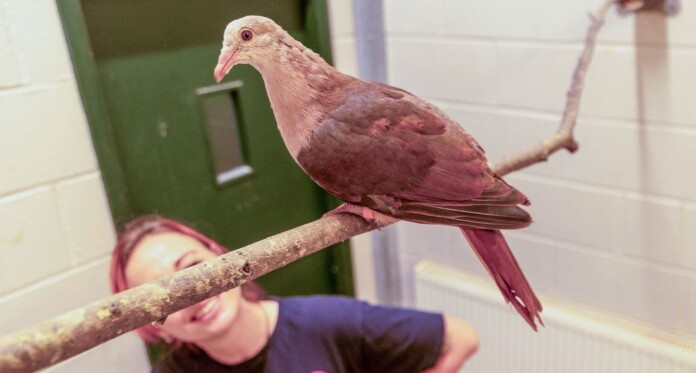
Rare Pink Pigeon Hand-Raised at UK Zoo for First time – a Milestone After Species Dropped to Just 10 Birds in the Wild

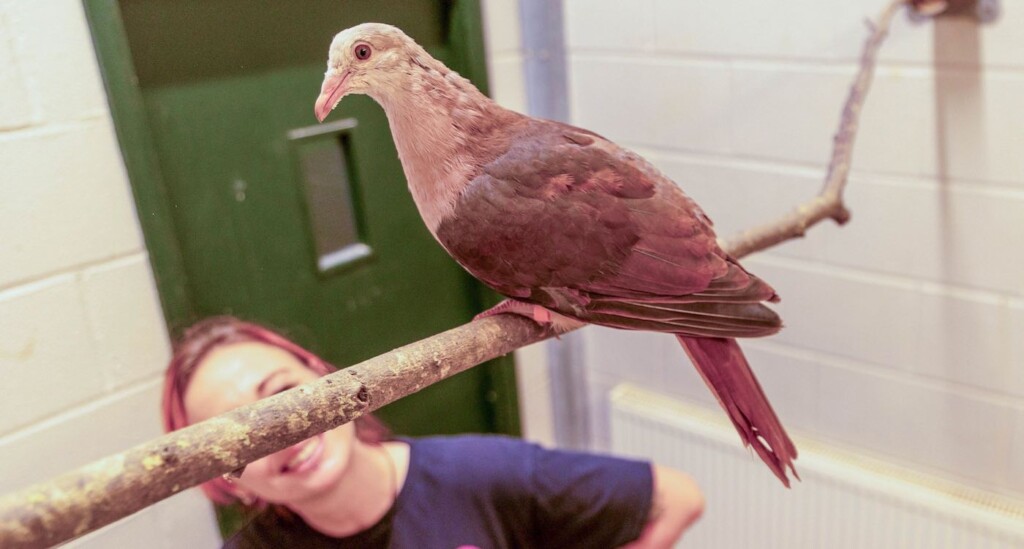
The pink pigeon at Paignton Zoo in England – SWNS
The pink pigeon fully grown at Paignton Zoo in England – SWNS

A rare pink pigeon has been hand-reared at a UK zoo for the first time, using an innovative method for feeding baby birds.

Found in the wild only on the island nation of Mauritius in the Indian Ocean, pink pigeons have been on the endangered ‘red list’ for both the IUCN and BirdLife.

On the brink of extinction in 1991, their numbers were thought to have dropped to a low of just nine individuals left in the wild.

But, dedicated conservation efforts have significantly boosted their population—including those from Tom Tooley and his colleagues at Paignton Zoo in Devon, England.

Tom, who has worked as a bird keeper at the zoo for 27 years, developed an innovative technique for hand-rearing the baby birds, known as squabs, if they’re ever abandoned or orphaned by their parents. He has now been teaching the unique hand-rearing method to others.

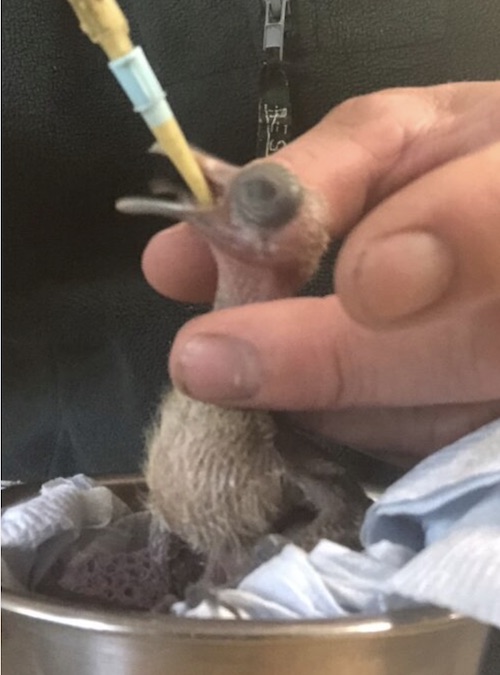
Instead of using conventional metal crop tubing, he developed a method that involves attaching a carefully-sized catheter to a syringe which can be gently placed on the squab’s tongue so they can eat more naturally.

“This approach allows the squabs to naturally consume the hand-rearing formula, eliminating the need for crop tubing, which can be stressful and harmful to the birds.”

Feeding a pink pigeon using the innovative technique from Paignton Zoo

Pink pigeons are part of the European Endangered Species Program, an international breeding program established to maintain healthy captive populations that safeguard genetic diversity. The goal is to ensure the long-term survival of threatened species through collaboration among zoos and organizations, like the Mauritian Wildlife Foundation.

LOOK: Hundreds of Brits Flock to Quiet Backyard After Bird from America Is Blown Off Course by Hurricane

The Foundation is the largest non-governmental organization in Mauritius dedicated exclusively to protecting the nation’s threatened plant and animal species, including the endemic pink pigeon.

In 2014, Tom was invited to assist their conservation efforts for pink pigeons, to train staff in his special hand-rearing technique to increase the chances of pink pigeon squab survival. He has returned a number of times since then and looks forward to jetting off again in early November.

“It’s been a fantastic year for our bird breeding programs,” said Stephen Kings, CEO at Wild Planet Trust.

BIRDING GIFT: These Bird Feeders Have Onboard Cameras That Deliver Close-Ups and Live Streaming of Feathered Friends

“Tom’s skilled approach to hand-rearing this squab, along with the collaborative efforts of our dedicated bird team, is yet another testament to our zoo-based expertise for wildlife conservation.”

Such conservation efforts have boosted the pink pigeon numbers to around 500 individuals as of 2011, which allowed it to fly off the IUCN’s Critically Endangered list and be reclassified as Vulnerable in 2018, which demonstrates how zoos and conservation groups—like Wild Planet Trust, the nonprofit charity of Paignton Zoo—can work together to save a species.

HIGH FLYING KINDNESS: After Building Causes 1,000 Bird Deaths, $1.2M Window Makeover Shows Chicago How to Beak Kind

FLY THE GOOD NEWS Over to Bird Lovers On Social Media…