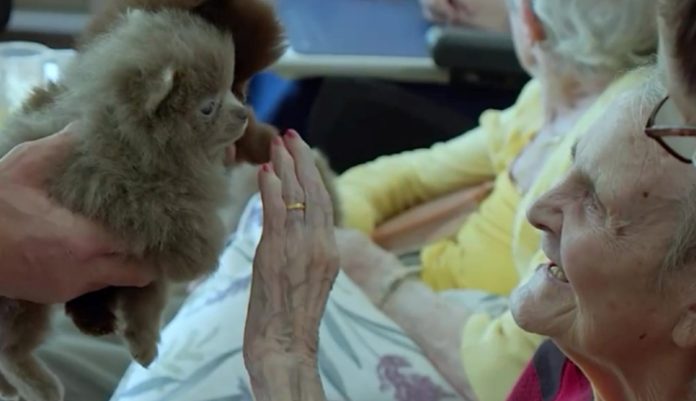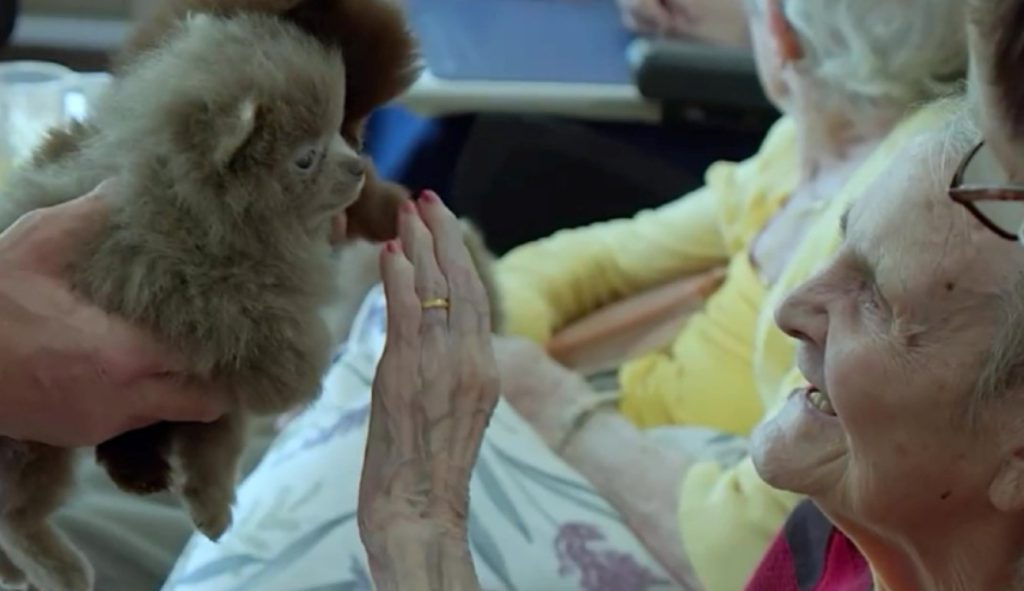











Quote of the Day: “Everyone carries with them at least one piece to someone else’s puzzle.” – Lawrence Kushner
Photo: by Mon-Œil – CC license
With a new inspirational quote every day, atop the perfect photo—collected and archived on our Quotes page—why not bookmark GNN.org for a daily uplift?
Sadio Mané in 2018 by Екатерина Лаут - CC license on Wikipedia
For the first time in their country’s history, the talented footballing nation of Senegal has taken home Africa’s finest sporting prize: The African Cup.
Sadio Mané in 2018 by Екатерина Лаут – CC license on Wikipedia
They won The African Cup of Nations in thrilling overtime fashion, defeating Egypt 4-2 on penalties after extra time in the final.
Their success throughout the prestigious AFCON tournament has been marked with scenes of extreme joy and inspiration—but also generosity.
The President of Senegal declared Monday a national holiday and a parade of tens of thousands turned out to meet the team as they returned home from the tournament in Cameroon.
Senegal’s top goal-scorer Sadio Mané was named The Player of the Tournament. He scored 3 goals and assisted on two others—and scored the penalty to win the shoot out.
And it couldn’t have happened to a nicer man.
A Premier League and Champions League winner playing for Liverpool, Mané has taken every opportunity to use his world-class paycheck for acts of generosity, both at home in England and more recently during the AFCON.
During the tournament, he personally paid for airline tickets so that 50 Senegalese fans could fly to Cameroon to watch the games.
After the first knock-out round game against Cape Verde, Mané was hospitalized with a concussion and, whilst being treated, discovered that a local boy arrived in critical condition after being struck by a motorcycle. After Mané heard the story, he paid the boy’s entire bill, which the parents were unable to afford.
This was not the first time Mané has lent a helping hand in West Africa. He has donated more than $1 million to build a school, a hospital, and soccer academy in his home village of Banbali, where he grew up playing soccer bare-footed.
He regularly shows up on social media in videos being helpful and kind—assisting roadies in loading the team bus, giving fans his jerseys, and even cleaning the toilets at his local Liverpool mosque.
“Why would I want 10 Ferraris, 20 diamond watches, or 2 planes?” says the man who will become a forever-legend in African football. “I built schools, a stadium, we provide clothes, shoes, food for people who are in extreme poverty. I prefer that my people receive a little of what life has given me.”
The Senegal national football team had already reached the final in the last continental Cup in 2018—so, as they say in the sporting world, “demons were exorcized” with this victory. Furthermore, Senegal’s strategy to retain their team’s head coach, Aliou Cissé, after his failure to win the last tournament, has paid off.
African football analysts are describing it as a case of Africa “trusting one of its own.” History has seen the continental teams rarely experience success unless lead by European or Latin American coaches. Cissé is one of a few yet growing number of successful African bosses.
“I think this man deserves all the success he gets because he is the most criticized coach I have ever seen in my life, but he never gives up,” said Mané after Senegal beat Burkina Faso 3-1 in the semi-final.
“We would like to win for our country and for him because he deserves it after everything he has been through as a player and now as a coach.”
Cissé reached the AFCON final as a player and captain in 2002, but missed his penalty in the shoot out that year, which cost his team the title. In the 2002 World Cup, he captained Senegal to beat the previous world champions France 1-0, before taking the team all the way to the quarter finals, becoming only the second African team to progress that far.
“Since independence we have been running to catch up. Now we too have a star on our shirt,” said Cissé before his players swamped him at his press conference.
The victory of Cissé, Mané, and Senegal as a team, and as a nation, wraps up some beautiful narrative sporting screenplays, and epitomizes why soccer is known as “the beautiful game.”
SHARE on Social Media And Score a Kindness Goooooal…

Playing video games can actually help people make new friends.
@JESHOOTS
The average American has made five new online friendships through playing video games over the last 18 months, according to a new poll.
The survey of 2,000 adults found that 39% has seen an increase in their online friend list since the pandemic began, with the average gamer becoming so close with their new pals that they’d invite four of them to their wedding.
Aside from friendships, nearly half of gamers (46%) believe it is important that their “significant others’ play video games and 43% had dated someone they met through online gaming.
Sixty-four percent of respondents said they cherished their video games because they helped them feel less lonely and connected them with other people.
Just as many respondents said buying a new video game makes them feel like they’re allowing themselves to be happier.
Commissioned by World of Warships and conducted by OnePoll, the survey also revealed that video games have helped six in 10 people learn more about the real world.
75 percent of gamers have done some kind of real-world research on the games they play, and 57% consider themselves experts on the topics they research, thanks to video games.
Real-world passions lead many to play video games that depict their hobbies — such as racing games (12%), boxing games (9%) and simulation games (9%).
Additionally, six in 10 (62%) said games had led them to explore new goals in their lives.
“Regardless of your interests, everybody can find a game that resonates with their passions and engage with it,” said Artur Plociennik, regional publishing director at World of Warships. “If you have an interest in a certain topic, like naval history, for instance, chances are that playing a naval history game enables you to immerse yourself even further while giving you the chance to be a part of a vibrant community.”
A third of gamers (35%) prefer games that offer authentic representations of the real world and 36% said they want a plot based on realism, while 22% enjoy a more imaginative, fantasy world—a world different than their own.
TOP 10 GAMING GENRES
Racing games
Boxing games
Simulation games
Rhythm/music games
Football games
Basketball games
Historical strategies or shooters
Visual novels
Soccer games
Baseball games
Have you made any new friends this way? Let us know in the comments…
FREE WILL ASTROLOGY – Week of February 12, 2022
Copyright by Rob Brezsny, FreeWillAstrology.com
AQUARIUS (Jan. 20-Feb. 18):
Actor Leelee Sobieski was mourning her romantic adventures—or rather the lack of romantic adventures. She said, “If only I could find a guy who wasn’t in his 70s to talk to me about white cranes, I’d be madly in love.” The good news is that Sobieski knows *precisely* what she wants, and it’s not all that complicated. The bad news is that there are few men near her own age (38) who enjoy discussing the fine points of the endangered bird species known as the white crane. I bring her predicament to your attention, Aquarius, in the hope that you’ll be inspired to be as exact and lucid as she is in identifying what you want—even as you cheat just a bit in the direction of wanting what is actually available.
PISCES (Feb. 19-March 20):
I’ve never offered you the wisdom of actor Natalie Portman, but her idealistic attitude about relationships is exactly what I think you should aspire to in the coming months. She said, “I always ask myself, would I want someone to do something that wasn’t comfortable for them to do just to please me? And the answer is no.” What do you think, Pisces? Do you suspect it might be interesting to apply that principle to your closest alliances? I hope so. If you do, the planetary energies will conspire to deepen your intimate bonds.
ARIES (March 21-April 19):
“Real love is a pilgrimage,” declared author Anita Brookner. “It happens when there is no strategy, but it is very rare because most people are strategists.” That’s the bad news, Aries. The good news is that you have more potential than ever before to free your love of strategic maneuvering and manipulation. For the foreseeable future, I invite you to drop all romantic agendas and simply make yourself extra receptive to love’s teachings. Are you ready to learn what you don’t even realize you need to know?
TAURUS (April 20-May 20):
In the near future, I’ll be pleased if you dole out lavish praise to allies who enchant you. I will celebrate if you deliver loving inspirations and lush invitations to those who help you fulfill your reasons for being here on the planet. To get you in the mood, here are some suggested provocations. 1) “Your body makes mine into a shrine; holy, divine, godtouched.” –Ramona Meisel; 2) “Your luster opens glories on my glowing face.” –Federico García Lorca; 3) “All night long if you want. We’ll tell our secrets to the dark.” –Gayle Forman; 4) “I’ll let you be in my dreams if I can be in yours.” –Bob Dylan; 5) “We are each other’s harvest. We are each other’s business. We are each other’s magnitude and bond.” –Gwendolyn Brooks.
GEMINI (May 21-June 20):
In Gemini author Orhan Pamuk‘s novel Snow, the main character Ka asks a woman named Ipek, “What is the thing you want most from me? What can I do to make you love me?” Ipek’s answer: “Be yourself.” In the coming days, Gemini, I would love you to engage in similar exchanges with those you care for. According to my understanding of the astrological omens, now is a favorable time for you and your best allies to shed all fakery and pretense so that you may be soulfully authentic with each other—and encourage each other to express what’s most raw and genuine.
CANCER (June 21-July 22):
Are you in the mood to make extravagant gestures in behalf of love? Are you feeling an urge to move beyond your habitual approaches to intimate togetherness as you dare to engage in fun experiments? Now is a good time for such behavior with allies you trust. To spur your imagination, immerse yourself in the spirit of this poem by Nizar Qabbani: “I abandon my dictionaries to the flames, / And ordain you my language. / I fling my passport beneath the waves, / And christen you my country.” Your homework: Dream up and carry out a playful and audacious venture that will energize one of your close relationships.
LEO (July 23-Aug. 22):
I’ve created a list of splashy titles for stories or poems or songs or artworks or dances that you could compose for lovers or people you want to be beloved allies. I hope my list inspires you to get gushy and lyrical. I hope you’ll be creative and marvelous as you express your passionate appreciation. Here are the titles: 1. Glistening Passion. 2. Incandescent Rapture. 3. Succulent Dazzle. 4. Molten Luminosity. 5. Splashy Fire Bliss. 6. Shimmering Joy Beams. 7. Opulent Delirium. 8. Wild Soul Synergy. 9. Sublime Friction. 10. Fluidic Gleam Blessings. 11. Throbbing Reverence. 12. Sacred Heart Salvation.
VIRGO (Aug. 23-Sept. 22):
Author Eve Ensler tells us, “You have to give to the world the thing that you want the most, in order to fix the broken parts inside you.” This is perfect counsel for you to carry out in the coming weeks, Virgo. Life will conspire to help you heal yourself, in dramatic and even semi-miraculous ways, as you offer the people and animals you care for the same blessings that you crave to receive. I foresee an influx of restorative karma flowing in your direction. I predict the fixing of at least some of your broken parts.
LIBRA (Sept. 23-Oct. 22):
In Michael Chabon‘s novel The Mysteries of Pittsburgh, the character named Arthur says to the character named Cleveland, “Love is like falconry. Don’t you think that’s true?” Cleveland replies, “Never say love is like anything. It isn’t.” I propose we make that your meditation during this Valentine season, Libra. In accordance with astrological omens, you will be wise to purge all your preconceptions about love. Use your ingenuity to revive your innocence about the subject. Cultivate a sense of wonder as you let your imagination run wild and free in its fantasies about love and sex and intimacy.
SCORPIO (Oct. 23-Nov. 21):
I’ll love it if sometime soon you create a situation in which you tell an ally words similar to what author Jamaica Kincaid spoke to her lover: “To behold the startling truths of your naked body frees me to remember the song I was born from.” Do you think you can make that happen, Scorpio? The astrological indicators at play in your life suggest that it would be right and sacred for you to do so. And if there is no such ally, then I hope you will deliver the same message to your naked self. And by the way, what is the song you were born from? (PS: There has never been a better time than now to learn treasured truths about yourself through your connections with others.)
SAGITTARIUS (Nov. 22-Dec. 21):
I’m afraid I must be downright practical and mundane in my oracle for you. Don’t hate me! I’m only reporting what the planetary omens are telling me. They say that now is a favorable time for you to practice, practice, and practice more the fine arts hinted at by author Ivan Goncharov: “A close, daily intimacy between two people has to be paid for: It requires a great deal of experience of life, logic, and warmth of heart on both sides to enjoy each other’s good qualities without being irritated by each other’s shortcomings and blaming each other for them.” Be diligently positive, Sagittarius, as you work through the demanding daily trials of togetherness.
CAPRICORN (Dec. 22-Jan. 19):
I’ll offer you a radical idea about love from author Hélène Cixous. Although it’s not always true for everyone, it will have special meaning for you in the coming months. She wrote, “It is easy to love and sing one’s love. That is something I am extremely good at doing. But to be loved, that is true greatness. Being loved, letting oneself be loved, entering the magic and dreadful circle of generosity, receiving gifts, finding the right thank-you’s, that is love’s real work.” How about it, Capricorn? Are you up for the challenge? Are you willing to expand your capacity to welcome the care and benevolence and inspiration coming your way from others?
WANT MORE? Listen to Rob’s EXPANDED AUDIO HOROSCOPES, 4-5 minute meditations on the current state of your destiny — or subscribe to his unique daily text message service at: RealAstrology.com
A Seychelles giant tortoise named Jonathan recently was named by the Guinness Book of World Records to be the oldest land animal—at 190 years old.
YouTube
Living on the island of St. Helena’s with other giant tortoises, he was brought there as a gift to the island’s governor Sir William Grey-Wilson in 1882.
Thought to be born in the year 1832, Jonathan’s advanced age is really only a guess, based on the fact that he was fully mature when he arrived, making him at least 50 in 1882. The Guinness folks say, in all likelihood, he’s been alive for more than two centuries.
He was around for two world wars, the invention of trains and automobiles, and the end of slavery. He’s lived through the rise and fall of both fascism and communism, and he predates the light bulb, the photograph, the telephone, and the Eiffel Tower.
The old timer is part of an endangered species, but one that is famous for its longevity. An Aldabara giant tortoise named Adwaita, which was presented to the British East India Company, was thought to be 255 when he died in a Calcutta zoological garden.
As for Jonathan, he is still eating and mating, though he needs a little help from his caretakers.
“The Veterinary Section is still feeding him by hand once a week to boost his calories, vitamins, minerals and trace elements, as he is blind and has no sense of smell,” according to a statement from the Plantation House, the governor’s residence.
“His hearing, though, is excellent and he loves the company of humans, and responds well to his vet Joe Hollins’ voice, as he associates him with a feast.”
Indeed, his reported activities have changed little, even while society raced by. 31 governors have president over the Plantation House during his life, over the same span where 39 U.S. presidents have been inaugurated.
“While wars, famines, plagues, kings and queens and even nations have come and gone, he has pottered on, totally oblivious to the passage of time,” Veterinarian Joe Hollins reports.
“Jonathan is symbolic of persistence, endurance, and survival and has achieved iconic status on the island.”
Back in his homeland on the Seychelles islands, the conservation program Nature Protection Trust of Seychelles has produced a new generation of critically-endangered native giant turtles, raising 160 juveniles so far, and introducing them into the wild.
Quote of the Day: “Remember that at any given moment there are a thousand things you can love.” – David Levithan
Photo: by Laura Ockel
With a new inspirational quote every day, atop the perfect photo—collected and archived on our Quotes page—why not bookmark GNN.org for a daily uplift?
A decades-old fusion reactor project in England recently broke its own record for highest-ever sustained energy from fusing atoms together.
Providing just over 11 megawatts of energy over a five-second period using the same process as what powers our Sun, the researchers have laid a foundation for far bigger achievements in the future.
The Joint European Torus (JET) tokamak in Oxford, UK, created a spinning plasma controlled by superconducting magnets which fused hydrogen isotopes together into helium. The neutrons given off as energy during this process generated 59 megajoules of energy, around twice as much as what JET produced the last time it ran this experiment in 1997.
“These landmark results have taken us a huge step closer to conquering one of the biggest scientific and engineering challenges of them all,” said Ian Chapman, who leads the Culham Centre for Fusion Energy (CCFE), where JET is based, in a statement.
When the enormous tokamak nuclear reactor ITER comes online in southern France in 2025, it will be the world’s largest fusion reactor—a comically-large conglomeration of the most complicated engineering components costing $22 billion. But before this massive facility begins testing, the much smaller JET will be able to give the data behind this recently-broken record to ITER’s operators to act as a yardstick, since JET is essentially the same machine only smaller.
Nuclear fusion could mean unlimited clean energy for the world if only scientists can create a reactor that creates more power than it uses.
ITER is expected to produce around 10-times as much as it uses. While JET, a one-tenth mock up of ITER, generated only 0.33% electricity where 1% is breakeven, the same modeling that achieved this result states that ITER will work.
ITER will be powered by two hydrogen isotopes called deuterium and tritium. The former is more easily found, and is used along with seawater in other nuclear fusion tests. The latter is rare in nature and usually only obtained through nuclear fission reactors, that is, normal nuclear power plants. The entire world’s supply of tritium is 20 kilograms, reports Science.
The last time these two isotopes were used to create a plasma was the last time JET set a record for energy produced back in 1997.
“JET really achieved what was predicted. The same modeling now says ITER will work,” fusion physicist Josefine Proll at Eindhoven University of Technology, told Nature. Proll, who was not involved in JET’s research, added that a 5-second plasma containment is “really, really impressive.”
“It’s a really, really good sign and I’m excited.”
In December, the US Department of Energy’s National Ignition Facility set a different fusion record, using laser technology to produce the highest recorded fusion power output relative to power input. The burst beat JET’s 1997 record, but the event lasted less than one second and produced just 1.3 megajoules.
This article is written by Enrique Ortiz and has been reprinted with permission from Mongabay.
California Condor. Photo by Enrique Ortiz
A few years ago, alone on the top of a mountain in Zion National Park, in Utah, USA, I had an almost mystical experience that immediately transported me to the Illescas Peninsula, in Piura, Peru. Out of nowhere, a California Condor appeared with a number written on a plastic plate attached to its wing, perching a few feet from me.
It was an extraordinary event because, one, it is a very rare species which “miraculously” was saved from extinction. And two, was that back in the early 1980s, Illescas and I were directly involved with its survival mission. It was as if that condor had come to greet me… and whisper something in my ear.
By the late 1970s, it was clear that the California Condor was on its way to disappearing, as a result of poisoning, hunting, and habitat destruction. The annual censuses showed a significant drop in numbers.
At the time, there was a bitter discussion about what to do. Some said that extinction was inevitable, and, as a matter of respect, we should let the species go in peace. Others, practical and stubborn, believed that they could be saved and that it was necessary to act quickly and radically. When only 22 of them remained in the wild, flying freely in the skies of North America (in addition to some in captivity), the U.S. Fish and Wildlife Service (USFWS) decided to act. With the technical support of scientists, led by the San Diego Zoo, they proceeded to capture them all. None were left free. It was all or nothing.
The Illescas peninsula: a surreal place
In the 1980s, the Illescas peninsula was one of those almost inaccessible places, with a surreal air about it. It was the only known site on the coast where the Andean Condor nested. What made it even more appealing was that, from that point of the northern coast where the Humboldt current flows away from the mainland in the direction to the Galapagos Islands, there were no towns or roads to or from the nearest city, Chiclayo. Just a stretch of 200 kilometers of a completely pristine beach, the longest in Peru. To get there you had to be very well equipped.
Furthermore, feral populations of donkeys and goats, introduced animals of unknown origin, were known to exist there. The mountains, rising at the edge of a sea with colonies of sea lions and whale bones stranded in time, in the middle of a desert full of attractive animals, such as the tiny Sechura foxes and coral snakes, were the dream of a young biologist.
A bold, but risky plan to save the California condor
Andean Condor. Photo by Enrique Ortiz
The California Condor, beyond being the largest North American bird, has a religious and magical significance for the ancestral and modern cultures of its country. The idea of catching them seemed risky and bold.
The plan was to reproduce the California Condor in captivity, and while the causes that led to their near extinction were corrected, they would be re-introduced into the wild to repopulate their original territories. Very little was known about them, and at the time, no one had experience with such a program. Those biologists were literally putting their necks on the line, but they did have high hopes and an appropriate budget. Though captive breeding techniques had already been developed, reintroducing birds to the wild was more difficult, even more so for a bird of that size and wide flight range. And, if successful, would they survive in freedom? Would the effort have served any purpose?
Experimenting with the techniques this endeavor demanded was a great challenge, and such a limited number of California Condors could not be put at risk in testing them. A substitute was needed. Voila!
The Andean Condor is the closest and most similar relative to that of the California Condor, and therefore, it had to help to save it. The plan also needed a safe place where it could be carried out, one with wild condors and free from human interference. And this is how we got to the Illescas Peninsula in Peru, the perfect place for it.
An existing captive population of Andean Condors in the United States, probably of Peruvian origin, was chosen for the task, and their chicks were the focal point. The chicks, born and cared for in captivity at the San Diego Zoo, were fed for more than a year with puppets in the same way as their parents would (even imitating their caring sounds), and totally isolated so that they would not get imprinted with people. Can you imagine the patience of the technicians? Something like this can only be done with a lot of love and dedication.
Field testing the plan
With the support of both governments, these Andean condor chicks, already fledged and ready to fly, were brought to Peru in the early 1980s, and carefully taken to the Illescas peninsula. Such an important cargo demanded major efforts without making it news to anyone. They were released in places that may once have been nests and then monitored around the clock, 24/7.
At the same time, several wild Illescas condors were caught and tagged, to monitor the local population and to learn about their social life, critical information for the program. Each Andean Condor, imported and native, carried on its wing an individual identification, and a transmitter of location data.
In addition, these carried a small solar panel that powered the devices. Everything had to be very small and light, and at the time, it was like science fiction. Those were the beginnings of a satellite tracking technique widely used today. The condors were permanently followed to find out about their movements, or… if they were alive. As a field research assistant, I was one of those dedicated trackers.
The experience of living 24 hours a day for months, without Sundays or holidays, wandering with a telescope through the desert and the mountains, alone, and in special dune buggies for the program, was unforgettable. I remember being awakened at night— from the holes I made in the sand to sleep—by feral donkeys, who were more surprised than I by the encounter. And for the condors, my dearest extra-large chicks, I developed an almost paternal affection. While sometimes my only entry for the day was that “at 3:42 pm one of them had scratched its butt,” it was never boring.
Other times I witnessed wild condors—adults totally alien to the Peruvian-North American chicks—coming to feed them as adoptive parents. The community cared for the young! That time was undoubtedly one of the most spectacular in my life.
Applying lessons from Peru to California
Making a long and rich history short, there in Illescas, techniques were developed that later were used to save the California Condor. Thanks to its brother, the Andean Condor, scientists learned (and put into practice) what was the proper care to be taken, the times and dependency factors, the gear to be used, and above all, about the sociability of these wonderful animals.
Well, coincidentally now, it is a tremendous joy that that place where all this happened is about to be declared as the “Illescas National Reserve.” This beautiful place is finally being categorized and protected for its own biological and geological attributes. It is one of the westernmost continental points of Peru, with the last remnant (to the north) of the old coastal Cordillera (mountain range).
These conditions created the environment where species unique to Illescas flourished, and a mixture of warm and cold environments, with mangroves, fog Loma vegetation, penguins, dozens of migratory bird species, as well as a healthy population of the endangered Andean Condor. All this thanks to SERNANP (the Peruvian Park Service), the Piura authorities, and the Sechura desert peoples.
Hours later, already recovered from the encounter with the wild Condor in Utah, I relayed my experience to a park ranger, and he probably thought I was under the influence of a hallucinogen. Well no. See the photo that proves it.
Ten years after Illescas, the California Condors were reintroduced to the wild in various places in the United States, and today there is a growing population of about 350 flying freely. They were spared from joining the list of confirmed extinct species, which includes the massive Ivory-billed Woodpecker, among other unfortunate creatures.
Thanks to the Andean Condor and the future Illescas National Reserve, the California Condor was saved. Ahh, condor friend from Utah, you’re welcome!
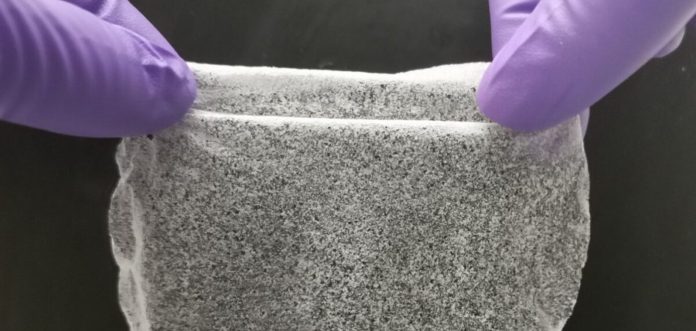
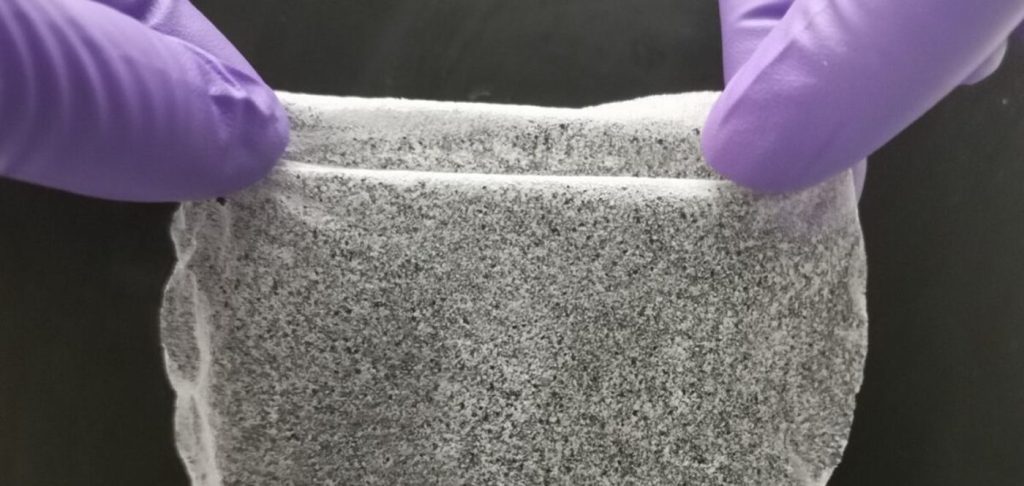
released polymer film courtesy of the researchers; Christine Daniloff, MIT
Polymer film courtesy of the researchers; Christine Daniloff, MIT
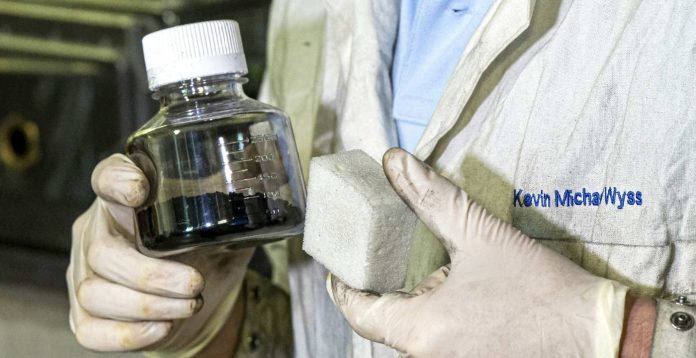
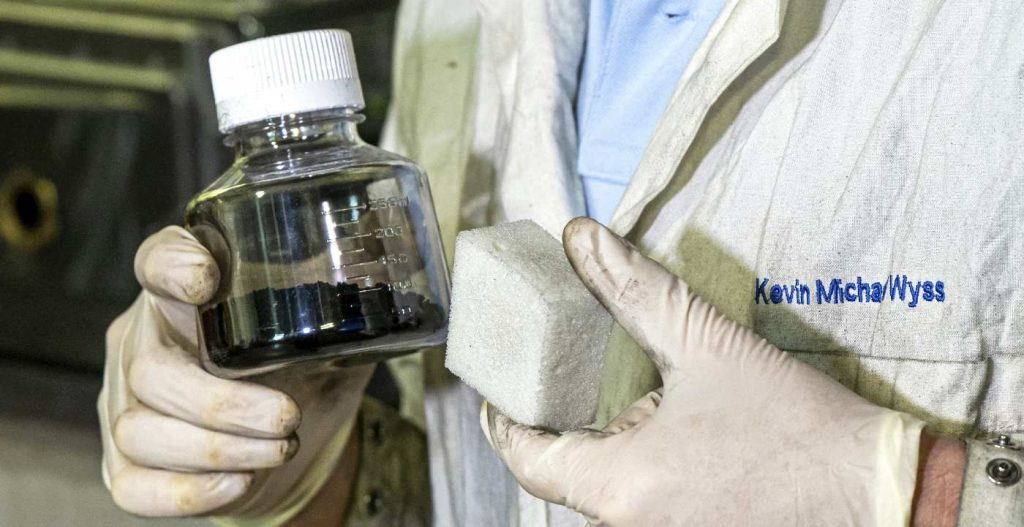
Using a novel polymerization process, MIT chemical engineers have created a new material that is stronger than steel and as light as plastic, and can be easily manufactured in large quantities.
The new material is a two-dimensional polymer that self-assembles into sheets, unlike all other polymers, which form one-dimensional, spaghetti-like chains. Until now, scientists had believed it was impossible to induce polymers to form 2D sheets.
Such a material could be used as a lightweight, durable coating for car parts or cell phones, or as a building material for bridges or other structures, says Michael Strano, the Carbon P. Dubbs Professor of Chemical Engineering at MIT and the senior author of the new study.
“We don’t usually think of plastics as being something that you could use to support a building, but with this material, you can enable new things,” he says. “It has very unusual properties and we’re very excited about that.”
The researchers have filed for two patents on the process they used to generate the material.
Two dimensions
Polymers, which include all plastics, consist of chains of building blocks called monomers. These chains grow by adding new molecules onto their ends. Once formed, polymers can be shaped into three-dimensional objects, such as water bottles, using injection molding.
Polymer scientists have long hypothesized that if polymers could be induced to grow into a two-dimensional sheet, they should form extremely strong, lightweight materials. However, many decades of work in this field led to the conclusion that it was impossible to create such sheets. One reason for this was that if just one monomer rotates up or down, out of the plane of the growing sheet, the material will begin expanding in three dimensions and the sheet-like structure will be lost.
However, in the new study, Strano and his colleagues came up with a new polymerization process that allows them to generate a two-dimensional sheet called a polyaramide. For the monomer building blocks, they use a compound called melamine, which contains a ring of carbon and nitrogen atoms. Under the right conditions, these monomers can grow in two dimensions, forming disks. These disks stack on top of each other, held together by hydrogen bonds between the layers, which make the structure very stable and strong.
“Instead of making a spaghetti-like molecule, we can make a sheet-like molecular plane, where we get molecules to hook themselves together in two dimensions,” Strano says. “This mechanism happens spontaneously in solution, and after we synthesize the material, we can easily spin-coat thin films that are extraordinarily strong.”
Because the material self-assembles in solution, it can be made in large quantities by simply increasing the quantity of the starting materials. The researchers showed that they could coat surfaces with films of the material, which they call 2DPA-1.
“With this advance, we have planar molecules that are going to be much easier to fashion into a very strong, but extremely thin material,” Strano says.
Light but strong
The researchers found that the new material’s elastic modulus—a measure of how much force it takes to deform a material—is between four and six times greater than that of bulletproof glass. They also found that its yield strength, or how much force it takes to break the material, is twice that of steel, even though the material has only about one-sixth the density of steel.
Another key feature of 2DPA-1 is that it is impermeable to gases. While other polymers are made from coiled chains with gaps that allow gases to seep through, the new material is made from monomers that lock together like LEGOs, and molecules cannot get between them.
“This could allow us to create ultrathin coatings that can completely prevent water or gases from getting through,” Strano says. “This kind of barrier coating could be used to protect metal in cars and other vehicles, or steel structures.”
Strano and his students are now studying in more detail how this particular polymer is able to form 2D sheets, and they are experimenting with changing its molecular makeup to create other types of novel materials.
Every musician hopes for an attentive audience—but how about if that audience consists of a wild and curious fox?
Colorado’s Andy Thorn loves nature and music, and recently decided to take his banjo out to his yard in the foothills above Boulder for sunset. What happened next was a curious meeting that feels straight out of the classic children’s book The Little Prince.
He told the Kelly Clarkson Show, “One day the fox wandered over and we thought ‘oh wow I think he’s really loving the music’, and then another day I was on a rock in the yard and he literally came and sat right next to me and just stared at me as I played banjo. It was the coolest thing.'”
Thorn’s new friend has since become the inspiration behind his new collection Fox Songs and Other Tales From the Pandemic.
Quote of the Day: “Happiness is a perfume you cannot pour on others without getting a few drops on yourself.” – Og Mandino
Photo: by Laura Chouette
With a new inspirational quote every day, atop the perfect photo—collected and archived on our Quotes page—why not bookmark GNN.org for a daily uplift?
Rafflesia arnoldii flower with buds – By Raphaelhui, CC license / Wikipedia
Rafflesia arnoldii flower with buds/Raphaelhui; CC license
What scientist wouldn’t be drawn to try and save the world’s largest flower, especially when it, Rafflesia, is their country’s national flower?
However when you add in the fact that the world’s largest flower is also the world’s foulest, and that its life cycle is unlike any other plant species on Earth, then suddenly the “panda of the plant world” begins to look more like a headache than the remarkable organism it is.
Sofi Mursidawati, a Ph.D. in agriculture at the Bogor Botanical Gardens on the island of Java, is one of the world’s foremost experts on this strange flower, and her efforts to build a body of knowledge that will allow for the cultivation of the ‘corpse flower’ into the future could save it from extinction.
Rafflesia, also known as the corpse flower, or the giant padma, is a parasitic specimen that has no leaves, roots, or stems, but rather only one giant, one meter-long, 20-pound bloom that smells like rotting meat. Found only in the rainforests of Sumatra and Borneo, its artificial cultivation in the face of habitat loss is problematic, because for more than 70 years of attempts, no botanist has ever successfully created a Rafflesia nursery.
With seeds the size of sawdust grains, pollinated flowers infect a genus of vines called Tetrastygma, before slowly growing over many months into an enormous cabbage-sized bulb. The curiosities don’t end there. In fact, it barely qualifies as a plant.
It branched away from having genetics that code for photosynthesis millions of years ago, and relies entirely upon its host for energy. Furthermore, and unlike most flowers that have pollinating and pollination equipment, Rafflesia blooms are sexually monomorphic, which means that even after taking a year to grow a flower once it’s time to reproduce, it can only succeed if there is another flower of the opposite sex within the same territory of the carrion flies attracted to the scent of rot from its nectar.
Just as it’s difficult to get pandas to breed, Rafflesia are a pain in the neck, as the blooms last only a week, giving precious little time for coordination.
Tender patient hands
Rafflesia arnoldii flower with buds/ma_suska; CC license
“I don’t think there was anybody who was willing to work with Rafflesia because of the difficulties,” Mursidawati, who started a nursery for Rafflesia patma in 2004, told National Geographic. “Everybody also told me that it was impossible.”
After collecting Rafflesia seeds, and a variety of Tetrastygma vines, both cuttings and whole plants from the mountains of Pangandaran Nature Reserve, in West Java, it took her four years to welcome the first stinking flower into the Bogo Botanical Gardens.
A decade later and the work was still slow going. In fact, Manchester United F.C. won as many trophies over the same period as Mursidawati managed to raise flowers from bud to bloom. The bud mortality rate is around 90%, and so many don’t make it to adulthood.
However the cultivation is doing one thing very well: creating specimens to send to botanic gardens around the world, creating what will likely be the strange flower’s greatest chance for survival—in the form of interest in Indonesian eco-travel.
“It doesn’t really matter where it grows, as long as it promotes conservation of that organism,” Jeanmaire Molina, a biologist at Long Island University who studied Rafflesia told National Geographic.
Nat Geo was also detailing how anywhere conservationists finds Rafflesia, they are beginning to immediately campaign for local and federal protection, due to a growing understanding of the unique, if stinky, blessing the rainforests of Malaysia, and of the Indonesian islands, have in the form of the world’s largest flower.
SHARE This Hopeful Conservation News With Flower-Loving Friends…
The incredible world-first moment a chimpanzee mom applies an insect to her son’s wound has been caught on video.
Researchers watched chimps in the wild in Gabon applying insects to their wounds and the wounds of loved ones.
Suzee the chimp was captured on camera inspecting a wound on her adolescent son Sia’s foot before catching an insect out of the air, putting it in her mouth, pressing it between her lips, and applying it to the wound as her daughter Sassandra watches on.
Scientists say it shows the primates can show love and empathy for each other just like humans.
The footage was captured in November 2019 by volunteer biologist Alessandra Mascaro in Loango National Park in the West African country.
Researchers from the Ozouga Chimpanzee Project had been studying the group of chimps for seven years but had never seen anything like this before.
After they made the discovery, they started looking for more evidence of this wound-tending behaviour, and over the next 15 months they unearthed 76 examples of the same group applying insects to their own and each other’s wounds.
Later they recorded their findings in a study published today in the journal Current Biology.
It is not the first time animals have been seen treating themselves for ailments- researchers have reported examples of bears, elephants and bees doing similar things before.
However, applying insects to wounds has never been seen in animals before and the researchers say it is remarkable the chimps apply the tiny creatures to others as well as themselves.
The academics say it is a very clear example of empathetic ‘prosocial behaviour’ which is also seen in humans.
It is not yet clear why insects are used to treat illness and which creatures are being used.
The scientists say the unique behaviour may be a way of relieving pain.
Ms Mascaro said, “In the video, you can see that Suzee is first looking at the foot of her son, and then it’s as if she is thinking, ‘What could I do?’ and then she looks up, sees the insect, and catches it for her son.”
Study author Dr Simone Pika said, “This is, for me, especially breathtaking because so many people doubt prosocial abilities in other animals.
“Suddenly we have a species where we really see individuals caring for others.
“Humans use many species of insect as remedies against sickness—there have been studies showing that insects can have antibiotic, antiviral, and anthelmintic functions.”
Study author Dr Tobias Dreschner said, “Studying great apes in their natural environments is crucial to shed light on our own cognitive evolution.
“We need to still put much more effort into studying and protecting them and also protecting their natural habitats.”
One of the flyers Kimball hung in his neighborhood to invite community members to the event. (Curtis Kimball) family photo
A nervous and self-conscious San Franciscan was looking to make new friends, and in hosting a Saturday morning pancake party he ended up starting a new neighborhood tradition.
Figuring that while there are many differences between individuals‚some might enjoy sport, while others might much prefer a book club, for example—no-one would say no to free homemade pancakes.
Curtis Kimball, owner of The Crème Brûlée Cart, put up comical flyers around his San Fran neighborhood which read “My wife says I’m getting weird. She says I need to make friends. So I’m making pancakes.”
It was a huge hit, surprising the nervous Kimball.
“I actually didn’t know what to expect at all and I was terrified setting up for it. Even putting up the flyers made me nervous and self-conscious,” Kimball told TODAY Food.
“Like, this could be a really dumb idea and everyone might hate it. But the first people showed up right away, they lived two doors down and they were very excited.”
Kimball documented the event, to which people brought their kids and dogs, and said it was a major relief from “the last two years (six years really)” noting San Francisco’s struggles with homelessness, crime, rising cost of living, and other civic challenges.
San Francisco is in a bad way. Vibes are all effed up. I can’t do much to solve the problems here, but I can make pancakes. So I hung up fliers all over the neighborhood and made pancakes. Over 75 people came and over 125 pancakes were eaten. Here’s what I learned: 👇 pic.twitter.com/EnGKW8tL7g
It was such a hit among the neighbors that Kimball will be replicating it, and hopes to do so in other neighborhoods around SF to expand his social circle beyond his own zip code.
His dream, Yahoo reports, is to have Saturday morning pancake parties across the country.
Reprinted with permission from World At Large, a news website of nature, politics, science, health, and travel.
Star Trek creator Gene Roddenberry died in 1991, then six years later some of his ashes were launched into deep space by an outer-spatial funerary company called Celestis in what most people found a fitting end for the science-fiction titan. Now his wife, Majel Barrett Roddenberry, who passed away in 2008, will join her husband’s ashes floating around space when hers are launched aboard a “Vulcan” rocket.
Celestis’ Enterprise Mission reflects most of what’s great about the modern space industry, and science-fiction fans. As well as being sent up to space with the ashes of Star Trek actor, James “Scotty” Doohan and those of other die-hard Trekkies, the mission will also be sporting a state-of-the-art moon lander designed by Astrobotics for payload missions to the moon.
In total 150 ash-containing capsules will be launched into space, along with DNA samples should the odd spacefaring alien race happen upon them, as well as messages from other Star Trek fans. Altogether the payload is one that celebrates fiction and fact, as well as the unquenchable enthusiasm of spacebound firms and sci-fi fans, two groups that largely intersect. Evidenced by the fact that the rocket is called a Vulcan, and the mission is called Enterprise.
“We’re very pleased to be fulfilling, with this mission, a promise I made to Majel Barrett Roddenberry in 1997 that one day we would fly her and husband Star Trek creator Gene Roddenberry together on a deep space memorial spaceflight,” said Celestis Co-Founder and CEO Charles M. Chafer. “The mission is named Enterprise in tribute to them.”
It’s the funerary company’s 20th flight, and with costs starting at $12,500, it’s more than competitive with traditional funerary services. Furthermore, it sponsors launches for which Celestis hires the services of the United Launch Alliance (ULA) whose rockets have carried missions to the Sun, Moon, and every planet in the solar system. Companies like Astrobotic can hire space on the ULA rockets then, to develop their own equipment.
In this case the lander in question will be the backbone of a Lunar delivery service called the Peregrine lander. This small spacecraft can deliver equipment onto the Lunar surface, orbit, and even with a rover, in case a scientist needs a particular delivery in a particular area, all for the low low price of just $1.2 million per kilogram for the lander, and $4.5 million per kilo for the rover.
Their 2022 ride with ULA will be the Peregrine’s first ever mission, the first commercial lander to touch down on the moon, and the first U.S. lander to do so since the final Apollo mission. Peregrine will carry a diverse suite of scientific instruments, technologies, mementos, and other payloads from six different countries, dozens of science teams, and hundreds of individuals.
Among these will be five NASA spectrometers. One is to search for near-surface water and ice, another for monitoring radiation, another two for finding volatile molecules that can be used as rocket propellent or other resources, and one for looking into the near near-infrared spectrum of light.
Peregrine will also be carrying three mini rovers. One from British firm Spacebit, another from the company Dyno in Japan, and a third from the Carnegie Mellon University.
NASA will also be deploying prototypal advanced solar energy cells to test their capacity to provide electricity for Lunar projects including a future base, and the Mexican Space Agency will put the first Latin-American anything on the surface of the moon in the form of a suite of instruments for data collection.
LAUNCH This Story Over to More Star Trek Fans; Share It…
Quote of the Day: “What men and women need is encouragement. Instead of always harping on a man’s faults, tell him of his virtues. Hold up to him his better self.” – Eleanor H. Porter (Pollyanna)
Photo: by Count Chris
With a new inspirational quote every day, atop the perfect photo—collected and archived on our Quotes page—why not bookmark GNN.org for a daily uplift?
Possessing parallel tracts of stunning and unspoiled lands, Canadian healthcare practitioners are joining onto an American movement to prescribe national parks to improve their patients’ physical and mental health.
PaRx Canada now consists of over 1,000 physicians, nurses, and other medical professionals in B.C., Manitoba, Saskatchewan, and Ontario who can prescribe the annual Adult Parks Canada Discovery Pass from the Canadian parks authority—which is normally $72.25 annually for adults aged 18-64 and $61.75 for seniors (65+).
The pass gives people free entrance to over 80 national parks, national historic sites, and national marine conservation areas—and the nature prescription program is expected to spread across every province and territory by the end of 2022.
A growing movement
As a growing body of evidence began to find that being in nature can have a profound influence on our health and well-being, Park Prescriptions America began as a grassroots movement in the United States over a decade ago, and has now spread to countries around the world.
In the States, the program allows physicians to use zip codes to find nearby parks to prescribe to patients. Once a script has been written, through a simple software it’s easy for physicians to send reminders to fulfill it, and to track how many times a patient has visited the prescribed park.
Park Prescriptions Canada, founded in 2020, is the first such organization in the Great White North.
“There are no costs to patients for participating in our program,” a spokesperson for PaRx told GNN. “Participating healthcare providers have the opportunity to prescribe an Adult Parks Canada Discovery Pass, which provides free admission to over 80 locations,” they said, adding that various park-like spaces within major cities, such as the University of British Colombia Botanical Gardens, will also be free under the program.
“We are very lucky in Canada to have a world of beautiful natural spaces at our doorstep to enjoy healthy outdoor activities. Medical research now clearly shows the positive health benefits of connecting with nature. This exciting collaboration with PaRx is a breakthrough for how we treat mental and physical health challenges, and couldn’t come at a better time… ” said Steven Guilbeault, Minister of Environment and Climate Change and Minister responsible for Parks Canada in a statement.
A University of Saskatchewan student, speaking with CBC news, described the idea that nature should be looked at as the “fourth pillar” of health, alongside diet, exercise, and sleep.
Dr. Melissa Lem, a Vancouver-based family physician who launched PaRX in Canada with the BC Parks Foundation, has described being proud to help grow Canada’s first national, evidence-based nature prescription program.
She told reporters that PaRX is hoping to expand the nature prescription to include transportation options that stop at or include parks on their transit lines. This way those inside major cities, or people who may not have access to a car, can share in nature’s benefits.
(WATCH the CBC video for this story below.)
GIVE This News That’s a Breath of Fresh Air to Friends; Share It…
A good night’s sleep helps cut appetite by up to 500 calories a day, according to a new study.
Getting enough sleep could save millions of people from putting on unwanted weight, say scientists.
It is estimated that two out of every three men and six out of 10 women in England are either obese or overweight.
Obesity increases a person’s chances of suffering from mental health problems and has been linked with heart conditions, diabetes, and cancer, all leading causes of death.
Now scientists at the University of Chicago Medicine have come up with a simple solution which many people are likely to welcome; that’s getting more snoozing in.
Author Dr Esra Tasali said, “Over the years, we and others have shown that sleep restriction has an effect on appetite regulation that leads to increased food intake, and thus puts you at risk for weight gain over time.
“More recently, the question that everyone was asking was, ‘Well, if this is what happens with sleep loss, can we extend sleep and reverse some of these adverse outcomes?’”
The researchers recruited 80 young, overweight adults, who would usually only sleep for six and half hours a night.
They were asked to wear a sleep monitor and given counseling sessions to bring their shut eye up to eight and half hours per night.
This way, participants were able to continue sleeping in their own beds and did not have to change their diets.
Dr Tasali said, “Most other studies on this topic in labs are short-lived, for a couple of days, and food intake is measured by how much participants consume from an offered diet.
“In our study, we only manipulated sleep, and had the participants eat whatever they wanted, with no food logging or anything else to track their nutrition by themselves.”
Participants increased their average sleep duration by over an hour a night after just one counseling session.
To track their calorie intake, the researchers used a special urine test called the “doubly labelled water method.”
It involves giving participants water where the hydrogen and oxygen atoms have been replaced with less common harmless substances.
Senior author Professor Dale Schoeller said, “This is considered the gold standard for objectively measuring daily energy expenditure in a non-laboratory, real-world setting and it has changed the way human obesity is studied.”
People who get more sleep reduce their calorie intake by an average of 270 kcal per day, with some even cutting out 500, the researchers found.
This translates to roughly 12 kg [26 lbs] of weight loss over three years, provided the effects were maintained over a long term.
Dr Tasali said, “We saw that after just a single sleep counselling session, participants could change their bedtime habits enough to lead to an increase in sleep duration.
“We simply coached each individual on good sleep hygiene, and discussed their own personal sleep environments, providing tailored advice on changes they could make to improve their sleep duration.
“Importantly, to blind participants to sleep intervention, recruitment materials did not mention sleep intervention, allowing us to capture true habitual sleep patterns at baseline.”
The study lasted four weeks, with the first two being dedicated to finding out how many hours participants enjoyed.
Dr Tasali said, “This was not a weight-loss study.
“But even within just two weeks, we have quantified evidence showing a decrease in caloric intake and a negative energy balance—caloric intake is less than calories burned.”
A healthy sleep pattern could therefore be used to combat obesity, which affects around 13 percent of the world’s population.
Dr Tasali said, “If healthy sleep habits are maintained over longer duration, this would lead to clinically important weight loss over time.
“Many people are working hard to find ways to decrease their caloric intake to lose weight —well, just by sleeping more, you may be able to reduce it substantially.”
Marine biologists have found that $8 green LED lights affixed to fishermen’s gill nets were enough to dissuade huge amounts of sea animals like turtles, rays, and sharks from ever swimming toward the nets.
Originally tested by the National Oceanic and Atmospheric Administration on sea turtles off the coast of Hawai’i, they are proving even more effective on squid and the elasmobranch family, which contains sharks and rays.
Gill nets are indiscriminate, and fishermen end up catching marine life without meaning to, after they get entangled and sometimes killed in the nets.
Jesse Senko, a biologist at the State University of Arizona’s School of Life Sciences, found that just a few green lights reduced the amount of elasmobranch and squid caught in fisherman’s nets by 95% and 81% respectively.
The endangered loggerhead sea turtle also fared well, with the green glowing nets reducing their incidence of bycatch by 51%.
Furthermore, even non-game species of fish steered clear of the green light more than in the unlit control nets. Overall, the lit nets reduced all bycatch by 63%.
“We were stunned with our findings,” one researcher told Reuters.
In their study published in Cell, Senko and the rest of the research team compared 5,000 lit nets to 5,000 unlit nets off the coast of the Baja Peninsula in Mexico, where several species of sharks and rays are declining due to bycatch, including the devil and manta rays.
Somehow, even though regular non-game fish were reduced, there was no difference statistically in the amount of game species caught in the lit and unlit nets, meaning there was no change to fishermen’s income.
“Regardless, the increased operational efficiency and reduction in total bycatch could justify the costs to fishers that convert to illuminated nets. In cases of high biodiversity and conservation importance, governments and NGOs could subsidize their adoption,” Senko wrote.
“In other gillnet fisheries, net illumination has been estimated to cost as little as $16 to $34 to prevent a sea turtle bycatch event. We encourage conservation practitioners, fishery managers, and other stakeholders to work with industry to develop new technologies, domestically manufacture LED lights, and seek new methods to increase efficiency and availability.”
One of the unexpected and rather cool reactions of reducing this bycatch was the amount of time it took to haul in and untangle nets, saving an average of 63 minutes per trip.
SHARE This Good News From the Ocean With Your Buddies…
The Helbig Family_ALEX HARTMAN:ADA COMMUNITY LIBRARY family photos
(L) ALEX HARTMAN:ADA COMMUNITY LIBRARY; (R) The HELBIG FAMILY
Just because a book’s not on the bestseller list doesn’t mean it can’t be the most popular read in town. At one library in Boise, Idaho there’s a years-long waiting list for one title. You’d think they’d order another copy, right?
Well, they can’t because, technically speaking, the book’s never been published.
Its author, an 8-year-old second-grader named Dillon Helbig, surreptitiously slipped his hand-written, 81-page, self-illustrated masterpiece into the stacks of the children’s section of his local library because he simply wanted to share the holiday-themed story he’d created with other kids.
Dillon, a regular patron, was on a visit to the Ada Community Library’s Hazel Branch when he deposited the lone copy of The Adventures of Dillon Helbig’s Crismis (signed “by Dillon His Self”) between some other picture books on the shelves. His random act of literature went unnoticed at the time… but not for long.
When Dillon got home, he confessed the day’s exploits to his mom, Susan. She wasn’t surprised by what he’d done. She knew Dillon had long harbored a hankering to add his name to the ranks of the library’s authors.
“I’ve been wanting to put a book in the library since I was 5,” Dillon told KTVB-7 News.
Concerned that Dillon’s book would be discarded or lost, Susan contacted the library to see if they’d found it and would hold onto it for them. She was in for a bit of a surprise.
Not only had the staff found it, they thought it was pretty exceptional and even though the circumstances were unusual, they felt it would be a perfect addition to their collection. (The fact Branch manager Alex Hartman’s 6-year-old son Cruzen gave the fantastical tale that includes Santa Claus, an exploding Christmas tree ornament, time travel, and a giant turkey an enthusiastic thumbs up probably didn’t hurt.)
“Dillon is a confident guy and a generous guy. He wanted to share the story,” Hartman told The Washington Post. “I don’t think it’s a self-promotion thing. He just genuinely wanted other people to be able to enjoy his story… He’s been a lifelong library user, so he knows how books are shared.”
With an official bar code and labels affixed to its distinctive red cover, Dillon’s wish of earning a place in the library’s card catalog came true. Before long, The Adventures of Dillon Helbig’s Crismis proved so popular, it had one of the longest waiting lists in the library’s history.
For his efforts, the library awarded Dillon its inaugural Whoodini Award for Best Young Novelist. Named for the library’s owl mascot, it was a category created just for him.
While readers as far away as Texas had hoped to have the chance to borrow the coveted title through an exchange program, with only one copy, that wasn’t possible. To meet the demand, Hartman and Dillon’s mom are exploring options for an e-book version so the book can be loaned out to a broader audience.
Flush with success, Dillon isn’t resting on his laurels. He’s already working on his next opus. “It’s about a jacket-eating closet,” he told TODAY.
With his boundless imagination combined an unstoppable determination, at 8, Dillon Helbig is already a literary force to be reckoned with. We can hardly wait to see what he accomplishes when he grows up.
HELP Pals See the World Through a Child’s Eyes; Share This Sweet Story…