Many Revolutionary War heroes were honored with gold medals by the Continental Congress after the war, and one such medal has just broken a record at an auction house after being lost for more than 200 years.
Sold on the 4th of April at Stack’s Bowers auction house for $960,000—it’s a stunning end to a saga of hands-changing going back to the founding of the U.S.A.
General Daniel Morgan was awarded the ComitiaAmericana, a special one-off series of military accolades for his victory at the Battle of Cowpens, one of several turning points in the war. The series contained 133 medals, but Morgan’s is considered the most visually stunning, as it depicts him riding into battle on horseback amid explosions.
After he died in 1802, Morgan’s grandson secured the medal in a Pittsburgh bank vault, only to see it stolen by burglars in 1818.
Congress agreed to strike a replacement medal and presented it to Morgan’s great-grandson in 1841, which the auction house reports makes it the only gold medal ordered to be struck by two separate acts of Congress.
Around 1885, financier J.P. Morgan offered to buy the medal, believing himself related to Daniel Morgan, and following the closure of the sale experts believed it would never be seen again.
But testament to gold’s permanence, the medal resurfaced when someone put it up for auction at Stack’s Bowers, an auctioneer that specializes in coins, medals, and other currencies/tokens.
Struck from newly-made dies from Paris that were based on the original that struck the first medal in 1789, it is truly one of a kind—and unmistakable according to examinations. It even arrived at the auctioneer in its original red leather U.S. mint case, with crushed purple velvet inside.
In five minutes, the price went from $300,000 to $800,000, which after figuring in a 20% buyer’s fee, makes it the most expensive price ever paid for a U.S. military medal at auction. The auction house stated that the anonymous buyer is a safe and good home for the American treasure.
SHARE This Golden Auction Story With Pals Who’ll Love It…
Scientists from Australia and Britain are planning to take a 9,400-mile road trip through some of the most remote regions of the world in a Tesla, all the while charging the batteries by unrolling a plastic solar panel sheet.
Called the Charge Around Australia project, the team is getting Australians to think about ways that energy can become more sustainable.
The inventor of the roll-up solar panel, Paul Dastoor, says these parts of Western and Central Australia are probably the most remote in the world—with scorching temperatures, vast distances, and a lack of water that prohibits comfortable human habitation.
Tackling these miles in a Tesla is a big undertaking, but it has the benefit of putting the solar panels immediately under the most extreme conditions imaginable, where dirt and dust, daily rolling and unrolling, high heat, and repeated use will provide the ultimate test of their merit.
Aside from the price point, the biggest hesitancy among consumers to buy electric cars is “range anxiety” and a lack of charging stations near them. Some companies are inventing mobile charging packs, but they’re slow, expensive, and vulnerable to theft.
Printed by a machine used to make wine labels, these solar panels address all these problems, as they cost around $3.33 per square foot. They consist of a transparent solar electrode laminated in PET plastic. Dastoor’s wine-label appropriated technology allows his team to print around a third of a mile, or half a kilometer of solar cell strips every day.
The 84-day journey will include stops at around 70 schools to give talks on the technology, how it can help prevent climate change, and what everyone around the world can do as well.
The team’s hope is that Tesla founder Elon Musk will think the project was really cool for “showing how our innovative technology is now combining with his developments to develop new solutions for the planet”, Dastoor told Reuters.
(WATCH the Reuters video below to see more details…)
POWER Up the Good News; Share This Story From Down Under…
Quote of the Day: “It was optimism that made science take off, because they are convinced that the problem is soluble and the situation can be improved.” – David Deutsch
Photo by: Joel Filipe
With a new inspirational quote every day, atop the perfect photo—collected and archived on our Quotes page—why not bookmark GNN.org for a daily uplift?
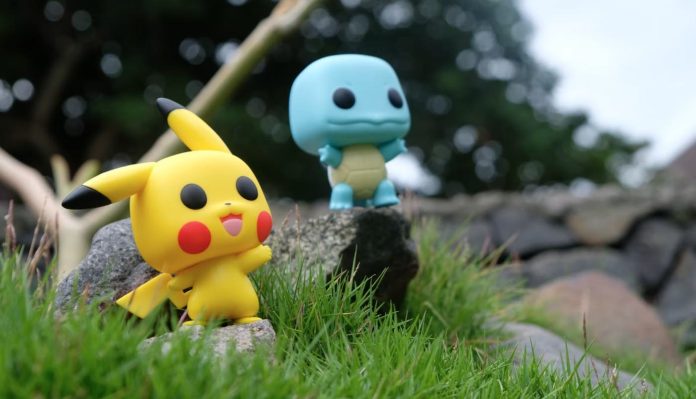
Playing location-based games, such as the popular augmented reality game Pokémon GO, may alleviate non-clinical forms of mild depression, a new study has found.
In the new study from the London School of Economics and Political Science (LSE) has, the researchers examined the effect of location-based mobile gaming on local depression trends.
Location-based games are those that revolve and progress around a player’s physical location. This is often monitored using GPS technology.
Using the introduction of Pokémon GO as a case study, the researchers exploited the staggered release of the game over 50 weeks in 2016 into 166 regions in 12 English-speaking countries. This created a natural “control” group of locations where the game had not yet been released enabling the researchers to compare depression levels in these locations with areas where it was available.
The authors measured local depression levels using Google Trends data to calculate internet searches for depression related terms such as “depression”, “stress,” and “anxiety”. The use of internet search data is a well-established mechanism for measuring mild depression in medical and public health literature.
They found the release of Pokémon GO was associated with a significant short-term decrease in depression-related internet searches, suggesting location-based mobile games may decrease the prevalence of local rates of depression.
The authors argue that playing location-based games may alleviate mild depression in users as they encourage outdoor physical activity, face-to-face socialization and exposure to nature. Factors which have all been documented as having a positive impact on mental health.
These LSE findings underscore the mental health opportunities of location-based games and highlight how they can be designed to help vulnerable groups. Due to their ease of use, relatively low cost and high accessibility, the researchers argue location-based games could be attractive subsidy targets for policymakers.
In the paper, published in the Journal of Management Information Systems, the authors were keen to stress that their findings only relate to those suffering from mild depression—not chronic or severe depressive disorders.
CATCH All That Positive News, and Share it With Friends… (Featured image by Michael Rivera 🇵🇭)
People may come and go, but moms are forever friends. In fact, seven in 10 Americans said their mom is their best friend.
A survey of 2,000 adults asked them how they show their appreciation toward the women in their lives who are mothers and found that three in five believe every day should be Mother’s Day (60%).
A whopping 86% of respondents said these women are the most hardworking people they know, but 69% agree that moms don’t get enough credit for all that they do.
Seven in 10 Americans said their mom is their best friend, and 63% said their mom is a superhero who can take on any challenge and resolve it with grace.
The average person would spend about $300 on a gift for their special day to show these moms their appreciation, but two in three agree that you don’t have to break the bank to show mom love.
Conducted by OnePoll on behalf of Angara, the survey found that those who always pamper their moms with presents prioritize shopping every year to find the perfect gift (84%).
That may be because a similar percentage love seeing their mom’s face light up after opening a present (82%).
Finding the right gift can be tricky, but 64% are confident they know what their moms would enjoy as presents; still, three-quarters of respondents make sure they’re on the right track by asking them what they want (76%).
And sometimes moms get so excited that three in four survey-takers admitted they have to hide the presents so the surprise isn’t ruined.
The top presents people prefer getting their moms are personalized items like photo frames or blankets (37%), edible gifts like chocolate or fruit arrangements (36%), or household niceties like a new TV or wine glasses (36%).
And to avoid gifting mishaps from their partners and kids, 74% of moms said they don’t mind letting them know what they want in advance.
Moms also weighed in on the kind of gifts they like, with most admitting they expect a gift from their significant other and/or kids (82%). They also revealed how their personalities might influence what they hope to get.
“Foodie moms” (who loves to eat, snack and try new foods) would unsurprisingly be happiest with edible gifts (29%) but would also love a getaway or gift card/certificate (27%, each).
In contrast, “soccer moms” (who are sporty, takes her kids to sporting events and practices) are not shy about letting their families know what they want in advance (96%). They also prefer homemade (31%) or household gifts (29%).
And “wine moms” (who loves an occasional glass of wine after a long day) also have a preference for heartfelt homemade gifts (35%) or ones they can munch on (27%).
“When it comes to getting mom a gift she’s going to love, personalization is key,” said Ankur Daga, CEO of Angara. “A custom piece always feels more thoughtful to let them know that you’re always thinking of what they want and what’s best for them.”
Some of the best Mother’s Day presents moms recalled they’ve received are having the house cleaned and dinner made, a handwritten poem and a “beautiful yellow vase that contains porcelain roses.”
On the other hand, 62% of moms admitted had received a present they pretended to like in the past, such as a plant, mud flaps for their car and dish towels.
Still, 88% of moms said no matter what their kids and/or significant other get them for Mother’s Day, they always value the thought behind the gift more than the gift itself.
When it comes to safe choices, a fifth of moms also agree that jewelry is always an option they appreciate (22%).
“Jewelry is a timeless gift,” Daga added. “She can wear it daily as a reminder that she is loved and then pass it on to someone she loves just as much when the time comes. A good piece of jewelry is an investment at first but lasts forever.”
WHAT DO MOMS LOVE GETTING FOR MOTHER’S DAY?
Homemade gifts
Personalized gifts
Chocolate, fruit arrangements or other edible gifts
Gift cards/certificates
Flowers
Jewelry
Electronics
Household gifts
Clothing/shoes
Getaways/vacations
SHARE This Poll With Your Loved Ones – and Best Friends…
As we all know, 66 million years ago an asteroid struck the Earth, causing a worldwide extinction of the dinosaurs.
Now a dinosaur mass grave is revealing the crucial details of the global cataclysm, as scientists believe they have found evidence of its exact moment.
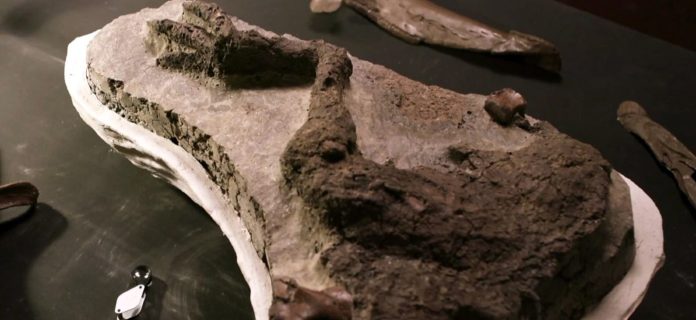
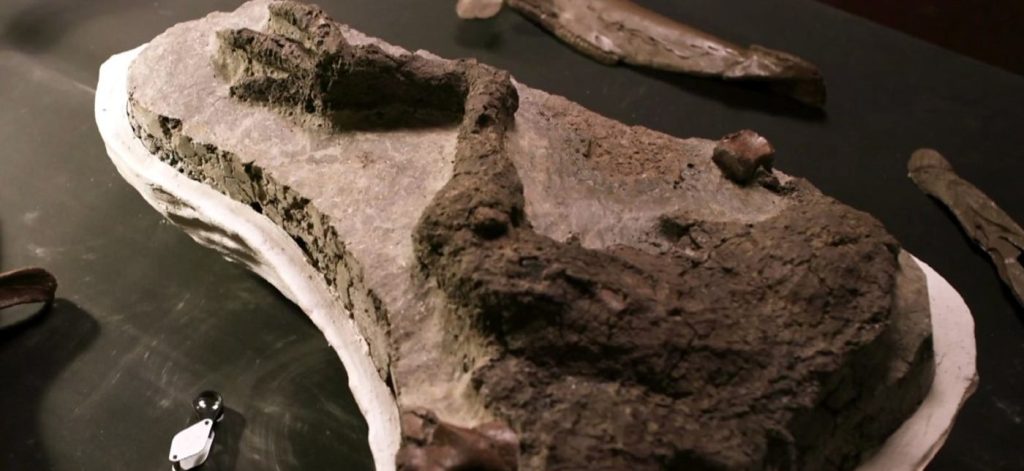
Among the finds are dinosaurs that suffered what appear to be grave, near instantaneously-inflicted injuries; there are fish and other aquatic animals mixed up with the land-dwellers, a fossilized pterosaur embryo, a sea turtle that has bizarrely been impaled by a wooden stake, and even what paleontologists believe to be a shard of the asteroid itself.
“We’ve got so many details with this site that tell us what happened moment by moment, it’s almost like watching it play out in the movies. You look at the rock column, you look at the fossils there, and it brings you back to that day,” Robert DePalma, the University of Manchester grad student who leads the Tanis dig, told the BBC, who are featuring a special documentary hosted by Sir David Attenborough called Dinosaurs: The Final Day.
The Tanis dig refers to Tanis, North Dakota where the site was found. The hypothesis of the overall happenings preserved by the fossils is that a water surge created by earthquakes following the impact struck Cretaceous North Dakota, and that this was the cause for the chaotic mess of animal bodies.
Armageddon, as near as makes no difference.
Cretaceous North Dakota was actually the site of a large inland sea, and a massive upsurge in the water level would have devastated the surrounding environment.
UC Berkeley described Tanis as a “fossilized graveyard” of “fish stacked one atop another and mixed in with burned tree trunks, conifer branches, dead mammals, mosasaur bones, insects, the partial carcass of a Triceratops, marine microorganisms called dinoflagellates and snail-like marine cephalopods called ammonites.”
To consult on the site, DePalma called Walter Alvarez, a UC Berkeley Professor who 40 years ago first described the meteorite impact hypothesis.
“…We have this magnificent and completely unexpected site that Robert DePalma is excavating in North Dakota, which is so rich in detailed information about what happened as a result of the impact,” Alvarez said. “For me, it is very exciting and gratifying!”
One of the calling cards of the impact were tiny spherules of molten rock called tektites embedded in the gills of sturgeon and paddlefish found at Tanis. The tektites were catapulted into the atmosphere by the size and force of the meteorite, before setting down across the Western Hemisphere. As they reached bodies of water, they were clearly inhaled by the fish.
The tektites chemically and radiometrically match those recovered from the impact crater on the Yucatán Peninsula.
“We were able to pull apart the chemistry and identify the composition of that material. All the evidence, all of the chemical data, from that study suggests strongly that we’re looking at a piece of the impactor; of the asteroid that ended it for the dinosaurs,” explains Professor Phil Manning, who is DePalma’s PhD supervisor at Manchester. “It’s absolutely bonkers,” he said to BBC Radio 4’s Today program.
The BBC hired several independent experts in various specializations of dinosaur examination to try and verify the claims that these deaths were caused directly from the meteorite impact.
As is widespread in paleontology, there is a serious skepticism about the claim, but some of the hired experts told the BBC that some of the finds—the pterosaur egg in particular, are so wonderfully unique that whether their deaths were completely connected to the impact is, at the moment, of minor importance compared to the astonishments of the discovery itself.
(WATCH the BBC video for this story below.)
LET Exciting Discoveries Like This One Strike Pals; Share this Story…
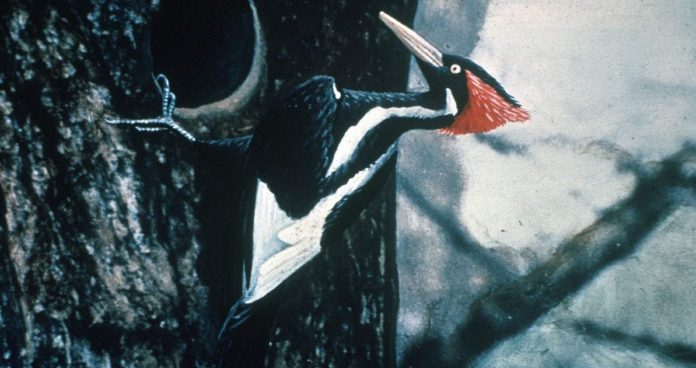
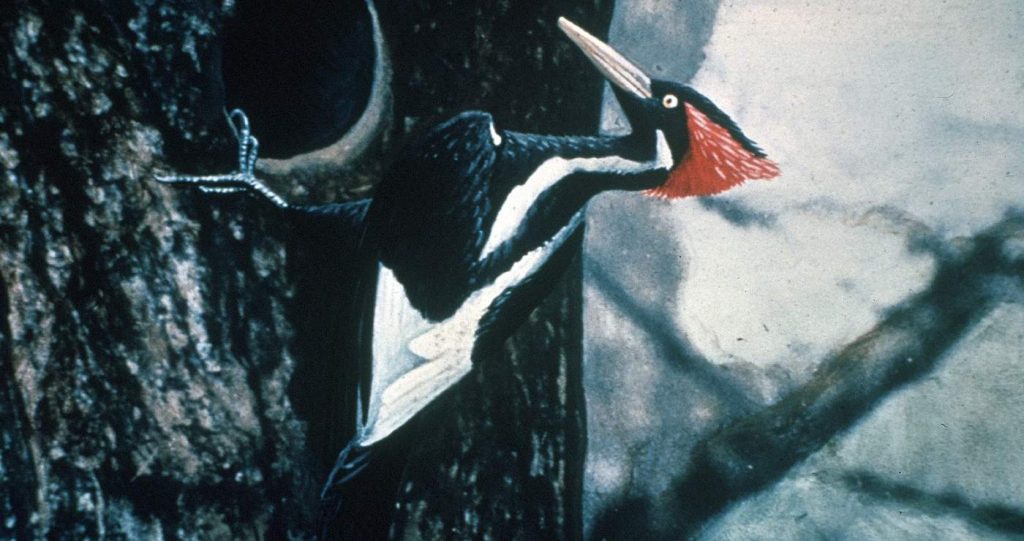
woodpecker wikimedia commons Original photo by Arthur A. Allen, 1935 [1], watercolored by Jerry A. Payne, USDA-ARS
Original photo of ivory-billed woodpecker by Arthur A. Allen, 1935, watercolored by Jerry A. Payne, USDA-ARS
The largest woodpecker on the continent, the ivory-billed woodpecker was proposed to be extinct last year after more than 70 years without a sighting.
New findings, including trail and drone camera images, presented by conservationists at the National Aviary, aim to refute this claim and secure protection for lowland forests in Louisiana where the woodpecker would live.
Americans love their birds, and it seems premature to propose the species extinct, when since 1944 there have been 200 reported sightings, including from game wardens, ornithologists, and field biologists. Furthermore, observations have included both photographic and audio evidence, and even feathers.
For example, Tim Gallagher of the Cornell Lab of Ornithology and avid birder Bobby Harrison visited the Cache River National Wildlife Refuge in next-door Arkansas in 2005 after sightings of the bird were reported there.
Their team of volunteers spent 4,750 hours searching; they recorded a grainy video, five convincing images, and a characteristic audio recording that prompted the U.S. Dept. of Agriculture and the Nature Conservancy to both jump in with millions of dollars to preserve the surrounding area.
As far as birds go, woodpeckers are pretty easy to find and identify. In North America, most species of woodpecker are black, white, and red—while clinging to tree trunks rather than perching on branches mean they are almost never camouflaged, and in profile they are immediately noticeable, especially the ivory-billed which is the largest in the family on the continent.
Further still, the calls of woodpeckers are very loud, very different from song birds, and very easy to trace back to the source.
With all these calling cards, it’s no surprise that a professional field survey conducted over ten years from 2012-2021 has a lot to say about whether the ivory-billed is extinct or not.
On a white saddle
Picking out prime ivory-billed habitat, the team of Steven Latta, Mark Michaels, and eight other members and collaborators from the National Aviary’s Project Principalis—named after the scientific name of the woodpecker—looked for dying trees or trees that had evidence of woodpecker activity based on local knowledge.
After finding one believed ivory-billed on a sweetgum tree in October of 2019, the team heavily surveyed it and any suitable nearby trees for the next two years. Using evidence from 6-19 camera traps, as well as a video-camera-armed drone hovering at around 400 feet above the treetops, the team put together a series of comparisons with other woodpeckers in a paper awaiting peer-review, which they believe conclusively demonstrates the ivory-billed’s continued survival.
For example, taken on the same tree, cameras reveal the size difference between visiting woodpeckers by imaging a pileated, red-headed, and a third woodpecker which was much bigger than both—a good sign, as the ivory-billed woodpecker is the largest in North America.
A reference photograph taken in 1939 reveals the characteristics of the bird: most notably the “white saddle” or patch of white-colored feathers in the small of its back.
Comparisons to the pileated woodpecker are key. Not only do they look very similar, but they are both large birds. In one sequence of trail cam photos, a family group of large woodpeckers was spotted foraging together. This is terrific evidence that these were ivory-billed woodpeckers, as not only do pileated woodpeckers forage quite differently, but they are also extremely territorial, and don’t forage alongside other males.
Further drone footage found large flying woodpeckers in the area with white saddles, and white on the hindwing quarters.
“As a group, we are confident in our results,” state the National Aviary. “We look forward to our data informing management and conservation of bottomland forests for this species and for others that share the habitat. The continuing survival of Ivory-billed Woodpeckers in Louisiana has conservation management implications not only in that state, but also widely within the historic range of the species, which encompasses much of the southeastern United States.”
TWEET the Spectacular News By Sharing on Social Media…
Quote of the Day: “Life is about growth and exploration, not achieving a fixed state of balance. You have a very limited time on earth to experience all that you can.” – Mel Robbins
Photo by: Mona Eendra
With a new inspirational quote every day, atop the perfect photo—collected and archived on our Quotes page—why not bookmark GNN.org for a daily uplift?
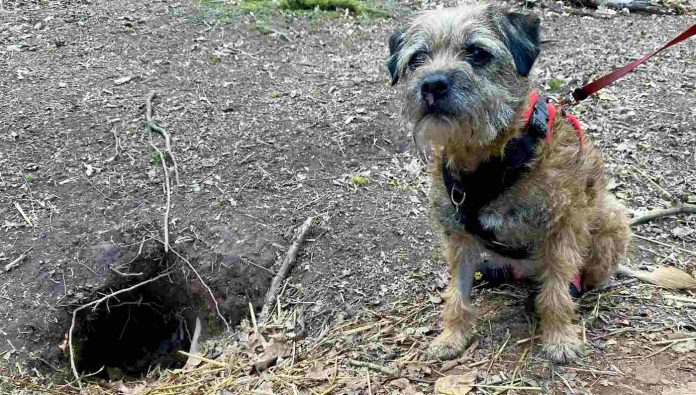
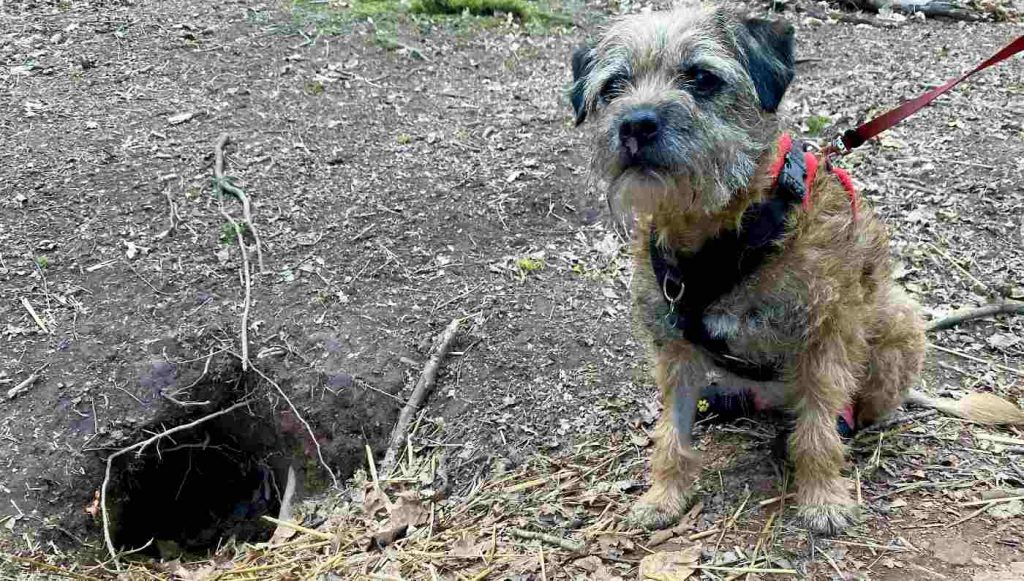
A miracle dog survived 12 days trapped down a badger sett after her owner refused to give up hope and camped out in the woods waiting for her safe return.
46-year-old Victoria Hogan was left devastated when her border terrier Freda became trapped underground after darting down the hole during a walk.
Victoria carried out an eight-day vigil by setting up camp at Lickey Hills Country Park, near Birmingham in England, in the vague hope she would emerge.
She even attempted to coax her beloved pet out by cooking bacon and blowing the aroma down the hole using a leaf blower but to no avail.
Incredibly, 12 days later the six-year-old pooch remerged and was found by three students by a roadside.
Freda was rushed to Blacks Vets’ veterinary hospital in Dudley, for urgent treatment for dehydration, malnutrition, pressure sores, and cuts and scrapes.
She is now back at her home in Lickey, Worcestershire with owners Victoria, husband Brian, and their other terrier Bert after recovering from the dramatic ordeal.
SWNS
Victoria, who works alongside her husband at the same vets, said, “I camped out for eight days in the hope that Freda would somehow miraculously re-emerge.
“The Badgers Trust and RSPCA really supported us, while Hereford and Worcester fire service even used specialist listening devices and cameras to try to locate her, but there was no trace.
“On day eight, I just said to myself, ‘I have to give up and begin to grieve’ and went back home, although I did leave her blanket and bowl behind in the park just in case.
“Then, on day 12, I was told three students had found Freda collapsed at the side of a nearby road and I initially feared the worst… When I was told she was alive it felt like a miracle and I ran out of the house to find her.
“She was very weak and bedraggled but she was alive, so we rushed her to Blacks Vets 24/7 emergency hospital in Dudley where my husband Brian is based.
“They were so supportive and accommodating from the moment it happened… By the time we arrived the nurses and emergency team had already organized a heated bed, had fluids and pain relief ready, and were all geared up to treat her wounds.
“Some of our colleagues even came in to help, even though they were not on duty.
“They were all fabulous and I now fully realize just how important it is for a vets to provide a 24/7 emergency service that can make the difference in cases such as Freda’s.”
Brian, who is the clinical director of Blacks Vets, added, “I’ve been a vet for almost 30 years but Freda’s story is one of the most incredible I’ve ever known.
“She was severely malnourished and dehydrated and had some significant pressure sores as a result of being trapped and wedged underground for so long but, thankfully, nothing that she could not overcome.
“She was hospitalized for two days here at Blacks for treatment and then allowed home to be reunited with her brother Bert and the rest of the family, which was obviously a very happy occasion indeed.”
A nanoscale rendering of two materials that are crucial to the new transistor released University of Nebraska
A nanoscale rendering of two materials that are crucial to the new transistor; University of Nebraska
Inside nearly every piece of electronic equipment, there’s a transistor—a simple component that receives a current and sends it in one or more other directions.
It’s one of those things that deserves an expression like “a new mousetrap,” because if someone were to invent a better one, that would change the industry immediately, to the inventor’s great fortune.
Now that very thing has happened, and a new transistor design could cut the entire world’s energy usage by around 5%, by reducing the number of individual transistors needed to store data by three-quarters.
Millions of transistors line the surface of every modern microchip, which itself is manufactured in staggering numbers around the world, reaching into the trillions. However, the microchip is now reaching the limit of how small it can be made—and with that, how much heat can be dispersed from the electronic demands of modern computing by something that’s only 25 silicon molecules-thick.
Physicist Peter Dowben, the Charles Bessey Professor of physics and astronomy at Nebraska University, has created a new design that to understand requires putting one’s thinking cap on.
How things work
Binary code is the language of computing, and consists of sequences of 1s and 0s. The arrangement of a code segment is determined by the flow of electrons between two of the terminals, known as the gate and the source, on a silicon transistor. Depending on the voltage applied between them, there will be created either a buildup or absence of electrons, forming a 1 or a 0.
A constant current is required to form this binary, but Dowben and his colleagues have created a new transistor that creates this binary using “spin” to dictate whether a terminal reads a 1 or a 0. Spin is a magnetism-related property of electrons that points either up or down.
They swapped silicon for a robust material called graphene, which can be as thin as one molecule thick. Then they lined it with chromium-oxide, a magneto-electric material, which means that electrons on its surface can be flipped to spin up or down based on the application of a meager amount of current.
Applying positive voltage causes the electrons’ spin to flip them up, while a negative charge flips them down.
“This potentially gives you huge fidelity at very little energy cost,” Dowben explains to his university press. “All you did was apply voltage, and it flipped.” Dowben explained that there are other materials that can be overlaid with chromium, not just graphene, and entrepreneurs and designers will all begin, now that the demonstration of a post-silicon transistor has been shown to be superior, try to find the optimal material.”
Moving forward
“Now that it works, the fun begins, because everybody’s going to have their own favorite 2D material, and they’re going to try it out,” Dowben said. “Some of them will work a lot, lot better, and some won’t. But now that you know it works, it’s worth investing in those other, more sophisticated materials that could.
“Now everybody can get into the game, figuring out how to make the transistor really good and competitive and, indeed, exceed silicon.”
The team received support from the National Science Foundation’s Established Program to Stimulate Competitive Research, which funded the $20 million Emergent Quantum Materials and Technologies collaboration at Nebraska.
Replacing the silicon transistor is like replacing the backbone of the computing revolution. What comes next, whether graphene or something else, means that we will be moving into a totally new paradigm.
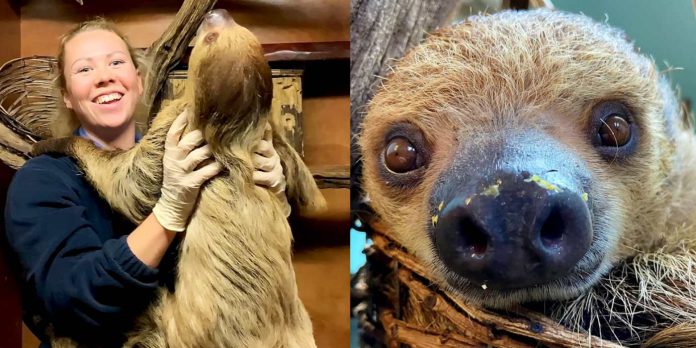
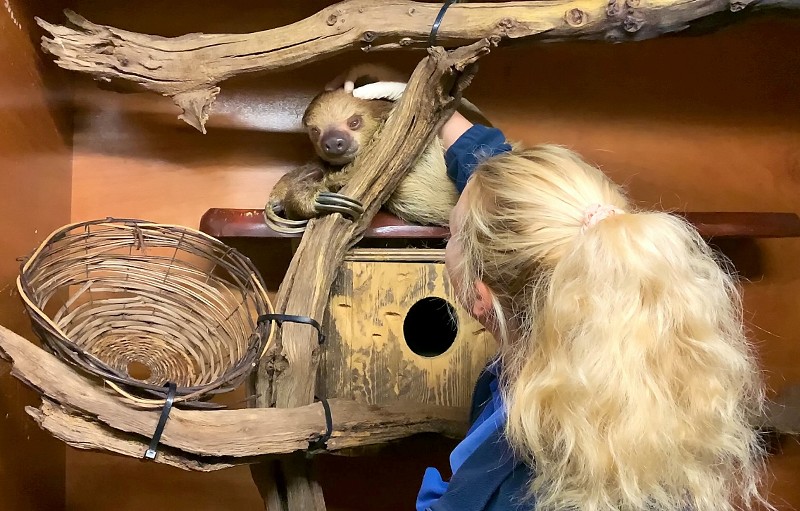
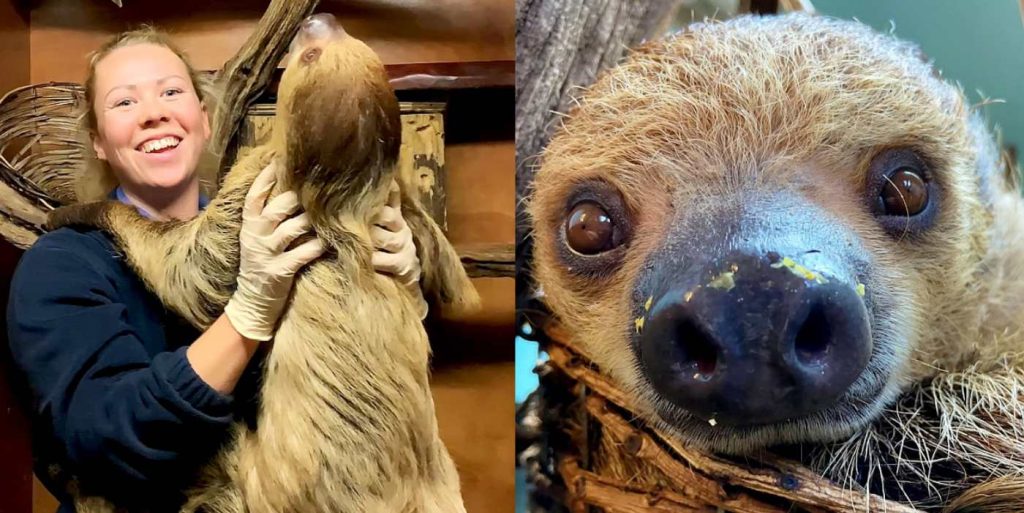
A sloth has formed an adorable relationship with its keeper and refuses to get out of bed until they’ve had their morning cuddles—and a zoo tour.
Gordon the sloth, from Drusillas Park in Sussex, took a particular liking to Amelia Jones when the pair first met two years ago.
The unlikely friends started their companionship, when Gordon began behaving differently around Amelia than he did with all the other keepers.
Amelia’s nerves around working with sloths are what she believes encouraged Gordon to show affection towards her in an attempt to make her feel at ease.
From there, their relationship blossomed and now Gordon won’t even get out of bed until he’s ‘been cradled like a baby’ by his favorite zoo keeper.
Their routine doesn’t stop there, as Gordon then expects Amelia to take him on a spin around the zoo so they can maximize their time together.
SWNS
Amelia said, “When I first started working with our sloths, I was actually a little bit intimidated by sloths, they are powerful animals and I used to keep my distance.
“Gordon lives with our hand-reared sloth, Flash, and Flash is very confident around humans and often acted like the boss with me.
“However, Gordon took a very gentle approach with me, like he knew I was nervous, and would slowly come to where I was, peer at me sweetly, and patiently watch me work.”
Gordon is now at the point where he’ll pick up a bucket and sponge as if helping Amelia clean his cage.
Although it is not without expectation, and he gets very grumpy if she doesn’t have time for their special routine.
“The day I realized I had accidentally created a routine with him, was one morning when I was in a rush and only had time to walk him quickly to his enclosure,” Amelia said.
“When I put him down, he started pawing at me and pulling my t-shirt and acting really grumpy. And he stayed in a grumpy mood with me the rest of the day. That’s when I clocked that he’d expected his normal tour and was very unhappy it didn’t happen!”
Gordon and Amelia’s special bond continues to grow, and their morning cuddle and zoo tour are now a firm fixture on the daily to-do list.
Amelia said, “Gordon is a really special, sweet boy and it’s a great privilege to work with sloths, so to experience the unique relationship we have developed is a real honor.”
Zhen Xu,Professor of Biomedical Engineering at the University of Michigan (left) and Tejaswi Worlikar, Biomedical Engineering PhD student discuss the 700kHz, 260-element histotripsy ultrasound array transducer they use in Prof. Xu’s lab. Image credit: Marcin Szczepanski, Michigan Engineering
Zhen Xu and Tejaswi Worlikar with histotripsy ultrasound array transducer; Marcin Szczepanski, Michigan Engineering
Noninvasive sound technology developed at the University of Michigan breaks down liver tumors in rats, kills cancer cells, and spurs the immune system to prevent further spread—an advance that could lead to improved cancer outcomes in humans.
By destroying only 50% to 75% of liver tumor volume, the rats’ immune systems were able to clear away the rest, with no evidence of recurrence or metastases in more than 80% of animals.
“Even if we don’t target the entire tumor, we can still cause the tumor to regress and also reduce the risk of future metastasis,” said Zhen Xu, professor of biomedical engineering at U-M and corresponding author of the study.
Results also showed the treatment stimulated the rats’ immune responses, possibly contributing to the eventual regression of the untargeted portion of the tumor and preventing further spread of the cancer.
The treatment, called histotripsy, noninvasively focuses ultrasound waves to mechanically destroy target tissue with millimeter precision. The relatively new technique is currently being used in a human liver cancer trial in the United States and Europe.
A breakthrough
In many clinical situations, the entirety of a cancerous tumor cannot be targeted directly in treatments for reasons that include the mass’ size, location or stage. To investigate the effects of partially destroying tumors with sound, this latest study targeted only a portion of each mass, leaving behind a viable intact tumor. It also allowed the team, including researchers at Michigan Medicine and the Ann Arbor VA Hospital, to show the approach’s effectiveness under less than optimal conditions.
“Histotripsy is a promising option that can overcome the limitations of currently available ablation modalities and provide safe and effective noninvasive liver tumor ablation,” said Tejaswi Worlikar, a doctoral student in biomedical engineering. “We hope that our learnings from this study will motivate future preclinical and clinical histotripsy investigations toward the ultimate goal of clinical adoption of histotripsy treatment for liver cancer patients.”
Liver cancer ranks among the top 10 causes of cancer related deaths worldwide and in the U.S. Even with multiple treatment options, the prognosis remains poor with five-year survival rates less than 18% in the U.S. The high prevalence of tumor recurrence and metastasis after initial treatment highlights the clinical need for improving outcomes of liver cancer.
Where a typical ultrasound uses sound waves to produce images of the body’s interior, U-M engineers have pioneered the use of those waves for treatment. And their technique works without the harmful side effects of current approaches such as radiation and chemotherapy.
“Our transducer, designed and built at U-M, delivers high amplitude microsecond-length ultrasound pulses—acoustic cavitation—to focus on the tumor specifically to break it up,” Xu said. “Traditional ultrasound devices use lower amplitude pulses for imaging.”
The microsecond long pulses from UM’s transducer generate microbubbles within the targeted tissues—bubbles that rapidly expand and collapse. These violent but extremely localized mechanical stresses kill cancer cells and break up the tumor’s structure.
Quote of the Day: “Whatever you’re meant to do, do it now. The conditions are always impossible.” – Doris Lessing
Photo by: Icons8 Team
With a new inspirational quote every day, atop the perfect photo—collected and archived on our Quotes page—why not bookmark GNN.org for a daily uplift?
Do you like sour candy more than other flavors? It’s likely you might be an extrovert.
That’s just one takeaway from a new survey of 2,000 candy lovers: a person’s preference for certain sweets may speak volumes about their personality or lifestyle choices.
In addition to being extroverted (59%), a majority of sour candy connoisseurs also identified themselves as “eccentric”, “funny”, and “sarcastic”.
Meanwhile, chocolate lovers overwhelmingly described themselves as “optimistic” (76%) and “shy” (67%). Fans of mint, by a majority of 78%, said they were “thoughtful”.
Conducted by OnePoll on behalf of Jelly Belly candy company, the poll also dug deeper into the habits and beliefs of sweets lovers.
People who eat candy every day were more likely to identify as “night owls” instead of “early birds” (43% vs. 17%).
Overall, three of four sweet tooth respondents eat candy at least once a week, and 27% report eating it every day.
The poll also asked the 2,000 adult respondents to pick their all-time favorite jelly bean flavor and found additional fun personality traits.
Sour lemon jelly bean fanatics mirrored their stark taste preferences in their personality, with 69% identifying as “honest.”
The age factor showed up when it was revealed that one in five baby boomers reported that licorice was their favorite (20%), compared to just six percent of Gen Z.
For pear jelly bean lovers, “eccentricity” is a common personality type. Close to six in 10 align with that description, putting them alongside cherry (68%) and buttered popcorn (59%) fans as the most likely to consider themselves eccentric.
Two-thirds of the orange jelly bean lovers liked to volunteer in their free time (67%)—of those who liked cherry flavor the best, 79% identify as introverts.
“No two personalities are alike and no two flavor preferences are alike, either,” said Rob Swaigen, a Jelly Belly vice president. “We currently offer over 100 jelly bean flavors, so there is something for everyone…regardless of palette and taste.”
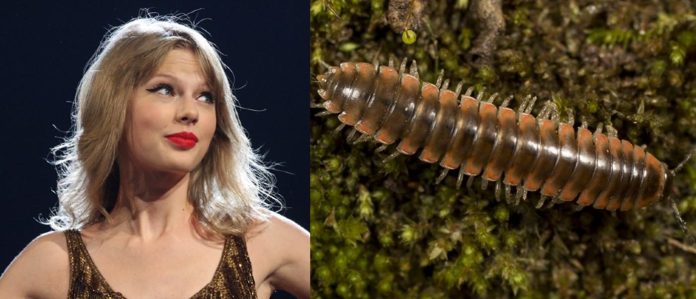
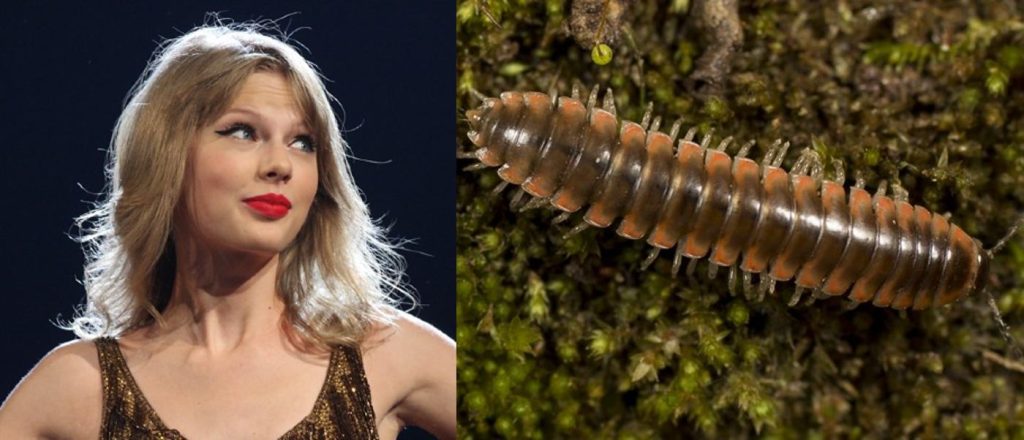
taylor swift cc license wikimedia commons eva rinaldi: millipede released dr derek hennen
(L) Taylor Swift; Eva Rinaldi, CC license; Nannaria swiftae; released, Dr Derek Hennen
Taylor Swift, U.S. singer-songwriter known for hits such as Shake It Off and You Belong With Me, has earned a new accolade—she now has a new species of millipede named in her honor.
The twisted-claw millipede Nannaria swiftae joins 16 other new species described from the Appalachian Mountains of the United States.
These little-known invertebrates have a valuable role as decomposers: breaking down leaf litter, they release their nutrients into the ecosystem. They live on the forest floor, where they feed on decaying leaves and other plant matter, and in fact, they are somewhat tricky to catch, because they tend to remain buried in the soil, sometimes staying completely beneath the surface.
Scientists Derek Hennen, Jackson Means, and Paul Marek, at Virginia Tech, U.S., describe the new species in a research paper.
Because of their presence in museum collections, scientists long suspected that the twisted-claw millipedes included many new species, but these specimens went undescribed for decades.
To fix this, the researchers began a multi-year project to collect new specimens throughout the eastern U.S. They traveled to 17 US states, checking under leaf litter, rocks, and logs to find species so that they could sequence their DNA and scientifically describe them.
Looking at over 1,800 specimens collected on their field study or taken from university and museum collections, the authors described 17 new species, including Nannaria marianae, which was named after Hennen’s wife.
They discovered that the millipedes prefer to live in forested habitats near streams and are often found buried under the soil, exhibiting more cryptic behaviors than relatives.
The newly-described millipedes range between 18 and 38 mm long, have shiny caramel-brown to black bodies with white, red, or orange spots, and have white legs. The males have small, twisted and flattened claws on their anterior legs, which is the basis for their common name.
The lead author of the study, Derek Hennen, is a fan of Taylor Swift.
“Her music helped me get through the highs and lows of graduate school, so naming a new millipede species after her is my way of saying thanks,” he says.
The new species is described in a research paper published in the open access journal ZooKeys.
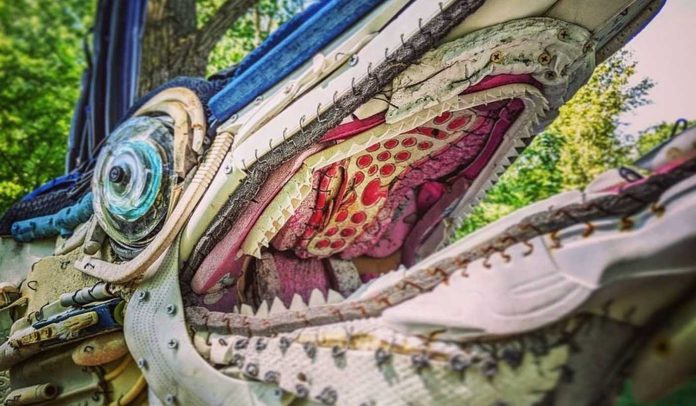
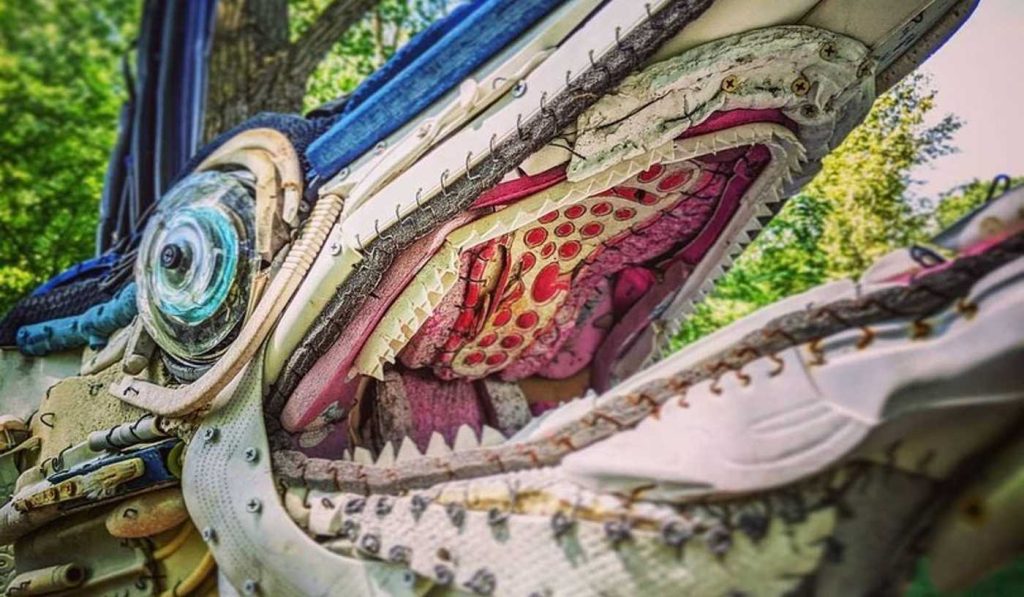
Gorgeous sculptures of colorful marine animals are traveling across America—and every bit of the body of the artwork was once trash along the Oregon seashore.
All the Pacific Ocean plastic was picked up and sorted by volunteers, and, finally, formed by artists into charming installations that are currently touring in Tennessee, Michigan, and elsewhere.
The Washed Ashore Project is trying to communicate the message of ocean conservation through art—saving beauty by creating beauty.
The Project first began in 2010, and since then they have cleaned 300 miles of beaches, and processed 60,000 pounds of trash all to create 86 charismatic works of art, like Flash the Blue Marlin, Gertrude the Penguin, Chompers the Shark, Stanley the Sturgeon, and the American Sea Star.
“It’s an ugly problem with a beautiful solution,” says Brad Parks, a director at Washed Ashore.
More than 14,000 people have volunteered for Washed Ashore’s sponsored beach cleanups. Many of these volunteers are involved not only in the beach combing, but also cleaning, and sorting the plastic waste based on size and color.
The process of collecting the trash is often how the artists go through the creative process, envisioning how the haul could be turned into something.
That was the case with a long-horned cowfish sculpture, which was seen after a large yellow buoy and hard hat were found. A giant penguin was made almost entirely from black flip flops, which are one of the most easily spotted pieces of waste in the sculptures, and are used for penguin and eagle feathers, salmon stripes, and the leathery skin of sea turtle flippers.
The Artula Institute for Arts & Environmental Education first enabled and supported Washed Ashore, with an artist-in-residency program on the Pacific Ocean in Bandon, Oregon. Since then the institute has repeatedly supported efforts of Washed Ashore to take their sculptures on the road.
At the moment the traveling exhibitions can be seen on the National Mall, at the Smithsonian National Museum of American History—Sant Ocean Hall, and in 2022 will be arriving at the Tennessee Aquarium, Metropolis at Metro town (for another 12 days), the John Ball Zoo, the Lincoln City Cultural Center, and the Wichita Botanic Gardens.
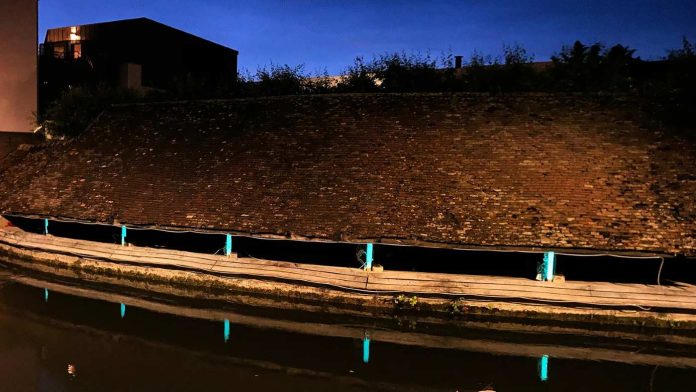
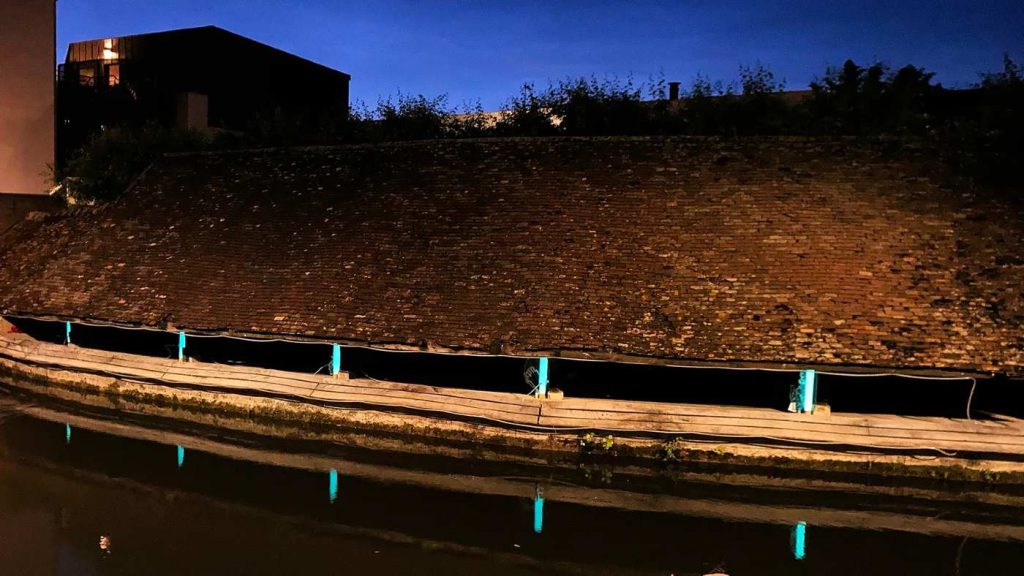
A French design startup wants to reimagine public lighting by introducing—much like in a fantasy or sci-fi story—bacterial and fungal bioluminescence to street lights.
One of the most fascinating phenomena in nature, all kinds of animals, plants, and fungi utilize enzymes to glow in the dark, whether in an enchanting woodland, the bottom of the sea, or even in the town of Rambouillet, 35 miles outside of Paris.
“Our goal is to change the way in which cities use light,” Sandra Rey, founder of the French startup Glowee, which is behind a public project in Rambouillet, told BBC. “We want to create an ambiance that better respects citizens, the environment and biodiversity—and to impose this new philosophy of light as a real alternative.”
Critics say that bacterial bioluminescence produces less than a quarter of the light from the lowest acceptable public lighting LED bulbs; Rey says they’re missing the point, that glowing green fungi in public flower boxes, or tubes of saltwater filled with the blue glow of billions of tiny organisms offer the chance to reimagine what public lighting could be.
The future of public lighting?
Glowee
Rambouillet city hall offered €100,000 in grant money to Glowee, who themselves have already been given €12,000 by the Paris Innovation Grand Prix in 2015, to turn their town into a “full-scale bioluminescence experiment.”
Small tubes contain billions of individuals from a marine bacterium collected off the coast of France called aliivibrio fischeri, which glow a gentle blue. A small mix of basic nutrients is added to the football-sized tubes, which give off around 15 lumens of light, and a small mechanism pulls oxygen into the tank which the enzyme in the bacteria’s cells called “luciferase” needs to create light. To turn off the light, one simply stops circulating the oxygen.
The EU has laws for minimum allowable street light illumination, for which Glowee remains 75% off mark. However sustainability opens all doors on the continent, and BBC reports that Glowee has received €1.7 million from the EU to develop its technology, since it is carbon-neutral.
The company has a long way to go. As of now they provide the light for Rambouillet, and event lighting, but nothing else, although a spokesperson said they have 40 city-lighting projects in the works in countries across Europe.
Other firms and scientists are investigating fungi and plants, which also contain versions of luciferase, to see if flower boxes of glowing mushrooms or twinkling tabacum plants are brighter and more effective than bacteria.
LIGHT UP Those News Feeds With This Fascinating Story…
Quote of the Day: “I believe in some blending of hope and sunshine, sweetening even the worst lots.” – Charlotte Bronte
Photo by: Majestic Lukas
With a new inspirational quote every day, atop the perfect photo—collected and archived on our Quotes page—why not bookmark GNN.org for a daily uplift?
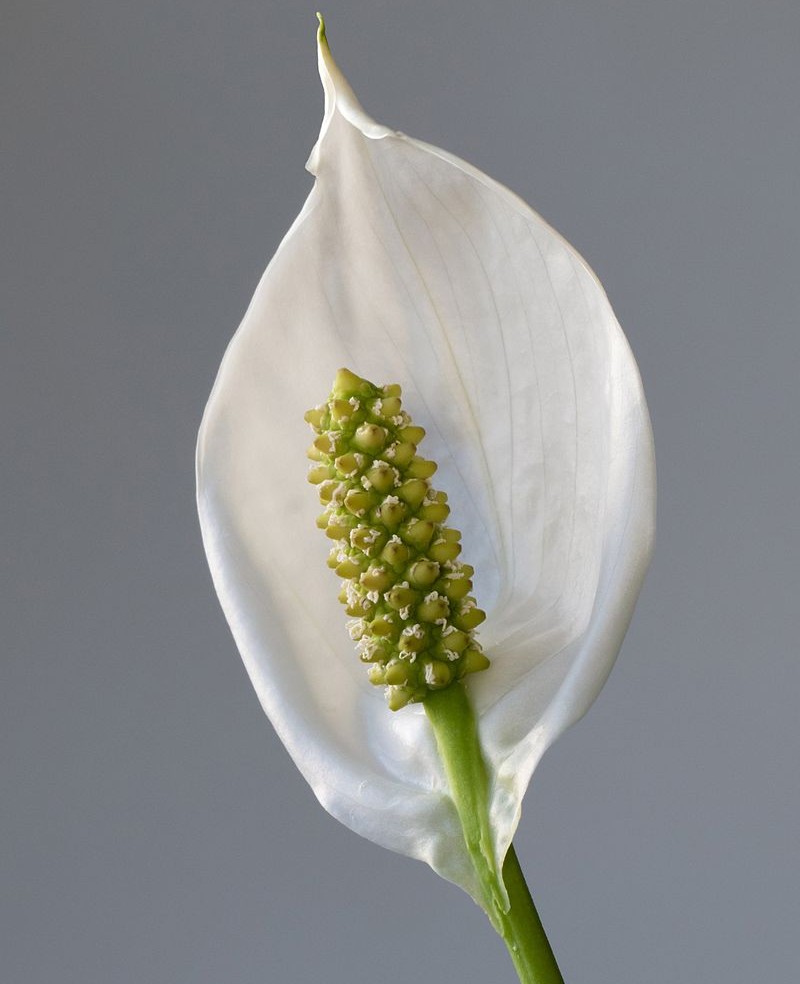
Peace Lily (Spathiphyllum wallisii) by Rui Silvestre
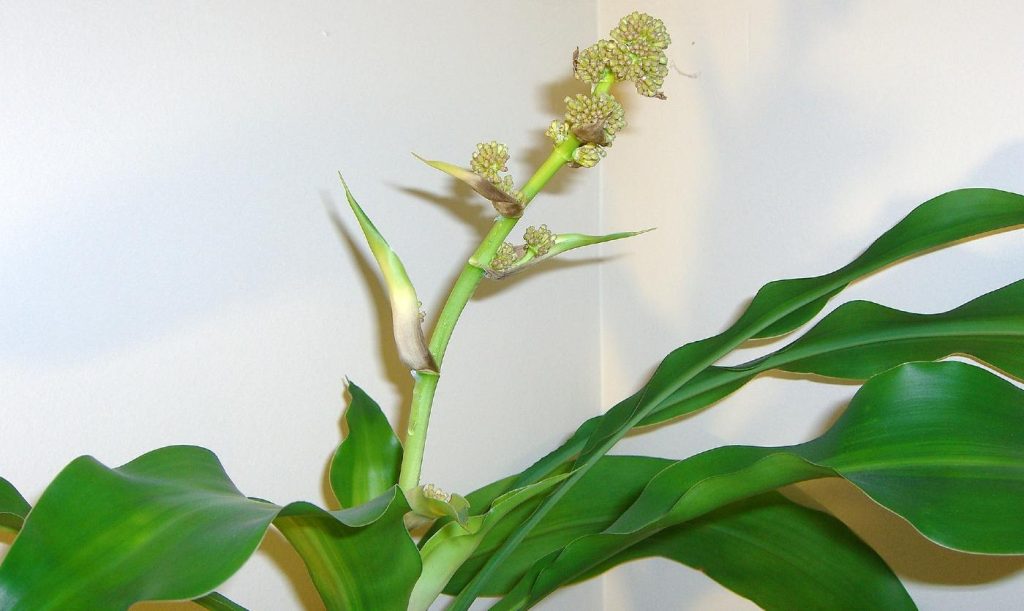
Corn plant (Dracaena fragrans); Massangeana, CC license
Ordinary potted house plants can potentially make a significant contribution to reducing air pollution in homes and offices.
That’s according to new research led by the University of Birmingham and in partnership with the Royal Horticultural Society (RHS).
During a series of experiments monitoring common houseplants exposed to nitrogen dioxide (NO2)—a common pollutant—researchers calculated that in some conditions, the plants could be able to reduce NO2 by as much as 20 percent.
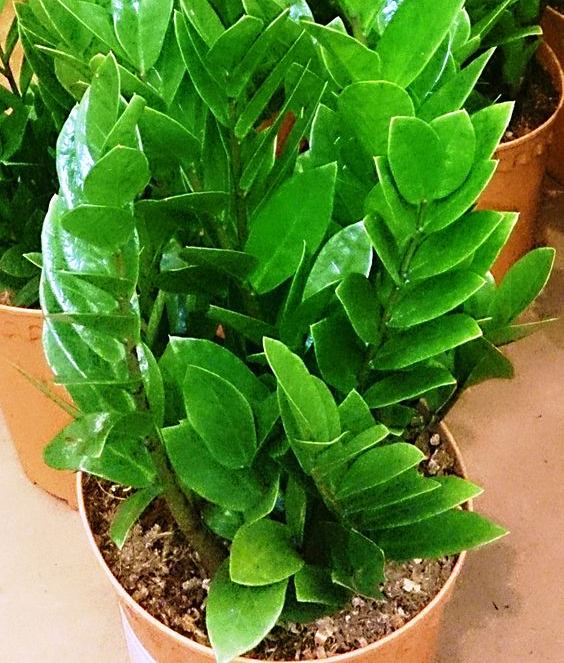
The researchers tested three houseplants commonly found in homes, easy to maintain and not overly expensive to buy. They included the peace lily (Spathiphyllum wallisii), corn plant (Dracaena fragrans), and fern arum (Zamioculcas zamiifolia).
[Note that, according to the ASPCA, all three plants are toxic if consumed by dogs or cats.]
Each plant was put, by itself, into a test chamber containing levels of NO2 comparable to an office situated next to a busy road.
Over a period of one hour, the team calculated that all the plants, regardless of species, were able to remove around half the NO2 in the chamber. The performance of the plants was not dependent on the plants’ environment, for example whether it was in light or dark conditions, and whether the soil was wet or dry.
Peace Lily (Spathiphyllum wallisii) by Rui SilvestrePeace lily W.carter, CC license
“The plants we chose were all very different from each other, yet they all showed strikingly similar abilities to remove NO2 from the atmosphere,” said lead researcher Dr. Christian Pfrang. “This is very different from the way indoor plants take up CO2 in our earlier work, which is strongly dependent on environmental factors such as night time or daytime, or soil water content.”
The team also calculated what these results might mean for a small office (15 sq-meters) and a medium-sized office (100 sq-meters) with different levels of ventilation. In a poorly ventilated small office with high levels of air pollution, they calculated that five houseplants would reduce NO2 levels by around 20 per cent. In the larger space, the effect would be smaller— 3.5 per cent, though this effect would be increased by adding more plants.
While the effects of the plants in reducing NO2 are clear, the precise mechanism by which they do this remain a mystery. Dr. Pfrang added, “We don’t think the plants are using the same process as they do for CO2 uptake, in which the gas is absorbed through stomata— tiny holes—in the leaves.
There was no indication, even during longer experiments, that our plants released the NO2 back into the atmosphere, so there is likely a biological process taking place also involving the soil the plant grows in—but we don’t yet know what that is.”
“Understanding the limits of what we can expect from plants helps us plan and advise on planting combinations that not only look good but also provide an important environmental service,” said Dr. Tijana Blanusa, principal horticultural scientist at the RHS and one of the researchers involved in the study published in Air Quality, Atmosphere & Health.
Fern arum (Zamioculcas zamiifolia); Mokkie, CC license
In the next phase of the research, the team will be designing sophisticated tools for modeling air quality indoors encompassing a much wider range of variables.
The new project, funded by the British Met Office, will use mobile air quality measuring instruments to identify pollutants and test their effects in both residential and office spaces, producing a wealth of data to inform the tool’s development.
All in all, it sounds as though—if you haven’t yet joined in on the potted plants trend, maybe it’s time you tried?
GROW the Good News – and the Clean Air – Share This Story…
Researchers have designed a textile called Plant Armor that forces insects to navigate a maze-like path if they want to reach a farmer’s crop.
Based on their findings, North Carolina State University researchers said the Plant Armor could provide a more effective alternative for insect protection—one that is chemical-free.
“We found it’s possible to use this new technology to protect against insects we didn’t think we could protect against,” said the study’s first author Grayson Cave, a doctoral candidate at NCSU. “We’ve shown we can use a mechanical barrier that will protect against tobacco thrips and possibly other insects, allowing the plant to grow and thrive underneath.”
Previously, plant covers have been designed to exclude insects based on size alone—like a window screen—researchers said. However, that strategy can be problematic for trying to keep out insects as small as tobacco thrips, which are about the size of a pencil point.
“To exclude insects that are really small using traditional textile cover designs, the size of the openings would have to be so small that it would also prevent water, air and moisture from penetrating,” said the study’s senior researcher Mike Roe, William Neal Reynolds Distinguished Professor of Entomology at NC State. “We had to come up with another way of excluding the insects other than just based on pore size.”
To that end, the researchers designed a three-layer, 3D cover knitted using clear yarn in the outermost and innermost layers. The yarn, which can be made from recycled plastic, still allows sunlight to pass through, but restricts insects from reaching plants. A knitted inner layer is sandwiched perpendicular to the two surrounding layers, creating a maze-like structure within the Plant Armor.
“With our design, the insect has to figure out how to get through the maze to get to the plant on the other side,” Roe said. “The tortuosity makes it more challenging to get through. The insect has a certain amount of time to find food or it will die. That time is relatively fast for a young insect.”
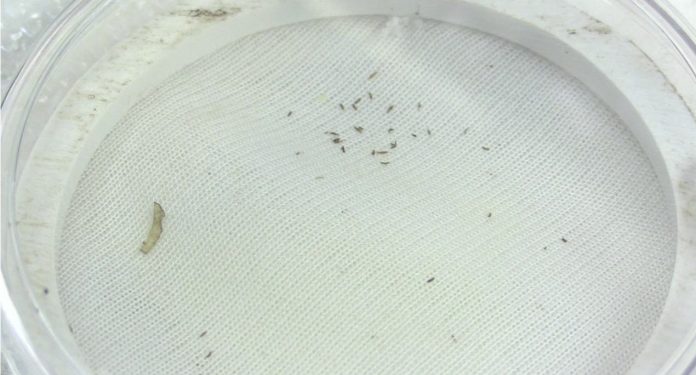
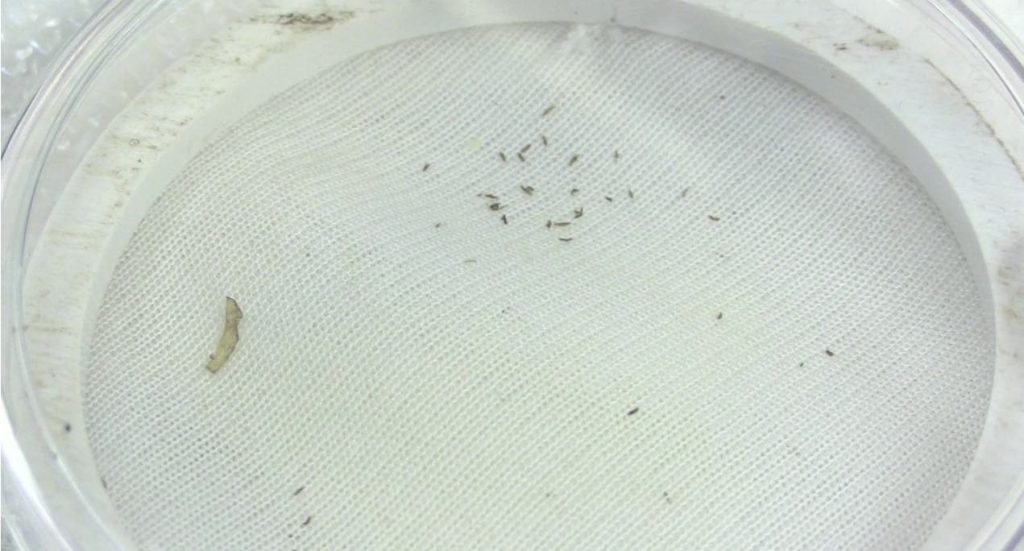
In the first of three experiments, researchers found it took significantly longer for insects to penetrate the Plant Armor. They placed a cabbage leaf and 10 tobacco thrips inside a Petri dish, separated by the Plant Armor or another crop cover. It took approximately three hours for five of the thrips to make it through the Plant Armor, while it took only 12 minutes for them to cross a commercially available, single-layer crop cover. In the same experiment with young, unfed caterpillars, their design was nearly 90% effective at preventing unfed young caterpillars from crossing the Plant Armor in 12 hours.
“In real life, the insect has a lot of other choices of where to go to find food; this was a worst-case scenario where they had only one place to go,” Roe said. “So we expect in the natural environment, the protection is going to be much greater.”
Higher yields
When researchers tested how well they could protect potted cabbage plants inside a cage with unfed caterpillars, uncovered plants were infested and almost completely eaten, while plants covered and sealed with Plant Armor were not. They did not find a single caterpillar on the covered plants after 10 days.
Their last experiment was a three-month, outdoor field trial testing how well the Plant Armor worked when they used it like a greenhouse cover. The researchers found plants covered with Plant Armor were larger on average; the weight of cabbages under the Plant Armor was almost three times larger than the control.
Researchers said more work is needed to determine whether they successfully excluded insects due to the thickness, pore size or maze-like structure of the inner layer. However, their work provides evidence that their chemical-free design can work against tiny critters.
“Thrips are extremely tiny,” Cave said. “If we could keep them out, we think we have a good chance of keeping other, larger insects out. And as for the neonate caterpillars—they have to feed immediately, and they’re the tiniest stage of caterpillars. This gives us some good, preliminary data that this would work toward being protective against other caterpillars too.”
Researchers think their crop cover could be a good alternative for high-value crops like grapes. In future research, they also want to explore whether the cover could be used to help protect plants in extreme conditions—and as the climate changes.
“Part of what we’re doing is finding new, smart textiles,” said study co-author Andre West, associate professor of textile, apparel and technology management at NC State and director of Zeis Textiles Extension. “We think this design could help farmers in extreme environments or where crop production is limited in certain areas. It could also be an alternative for organic farmers. Not only is the product itself made with some recycled materials, but it could also be recycled again.”