Owners of a nature resort in British Colombia have put renovations on hold to open up the stunning 81-acre property exclusively for housing Ukrainian refugees.
With their goal of hosting 100 people, the owners and operators of The Grouse Nest on Vancouver Island see the fleeing masses as equivalent to their own people, since Brian’s family comes from Ukraine.
“We’ve got 19 people booked to be coming in about two to three weeks,” Brian told Global News Canada. “We’re in a position, in a place, in a time where we could help make a bit of a difference. And I thought, you know, it’s time to stand up and be counted.”
And, wow. The 15,000 square-foot resort, which they were renovating into an event space and gallery, is nestled into a beautiful pine forest and surrounded by a crystal clear lake. The Holowaychuks decided to even reverse some of the work, in order to ensure a livable space for as many people as possible.
They’ve renamed their Grouse Nest property “Ukrainian Safe Haven”, and are now leasing the property for $1 a year to a new organization which a local law firm, McConnan Bion O’Connor & Peterson, helped format into a 501(c)3 nonprofit free of charge.
Ukrainian refugees will be provided with food, education, transportation, and assistance with the settlement process to help get families back on their feet. They are invited to stay as long as they like.
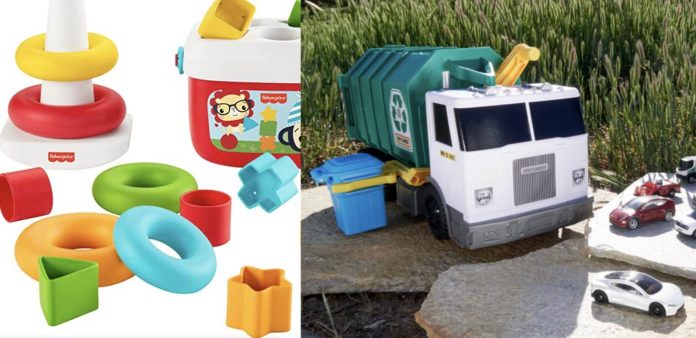
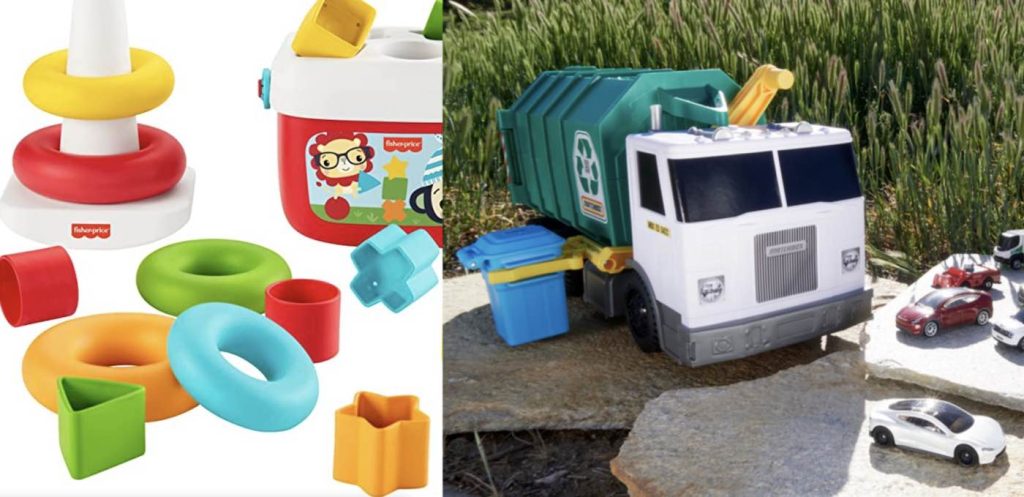
Mattel plant based baby toys, carbon-neutral truck and recyclable Matchbox Tesla
Mattel plant based baby toys, carbon-neutral recycling truck, and Matchbox Tesla made of recycled materials
We all know that plastic toys may be unnecessary or end up in the landfill, but it’s good to know that huge companies like Mattel are now using bioplastic and making their products more sustainable.
They debuted new certified CarbonNeutral toys this week from their popular MEGA BLOKS line for tots, and recently released a Matchbox Tesla Roadster, its first die-cast vehicle made from 99% recycled materials, which is currently sold out.
These are moves toward the company’s goal to achieve 100% recycled, recyclable, or bio-based plastic materials in all its toys and packaging by 2030.
The MEGA BLOKS Green Town collection for preschoolers is the first-ever toy line available at mass retailers to be certified CarbonNeutral. Just in time for Earth Month, four new Green Town building sets are made for helping teach green living strategies to ages 1 and up.
Each playset, like the Eco House or Grow & Protect Farm, are made from a minimum of 56% plant-based materials and a minimum of 26% ISCC certified “bio-circular plastics”.
They achieved the CarbonNeutral product certification, by purchasing carbon offsets (less than 500 metric tons of carbon dioxide equivalents) from the Darkwood Forests Conservation project in Canada. Packaging is created with 100% Forest Stewardship Council certified paper or paperboard, plus soy-based inks and water-based varnishes to enhance recyclability, says the company.
[See the toys in action, but please note: GNN does not endorse ads that may appear before the Reuters video below.]
Sustainable Barbie, UNO cards, and baby toys
Mattel also launched Barbie Loves the Ocean, its first fashion doll line (which includes curvy and diverse dolls) made from recycled ocean-bound plastic; the Fisher-Price Baby’s First Blocks and stacking rings, made from plant-based plastics; and the first fully recyclable UNO deck without cellophane packing materials; as well as three previously released MEGA Bloks sets made from bio-based plastics.
Future products designed to have less impact on the environment, include new Matchbox EV models from brands like BMW, Nissan, Honda; and more products designed for recyclability, such as those with easy-to-remove and recycle e-waste electronics in their new Recycling Truck and other toys.
MEGA and Matchbox are also part of an innovative toy takeback program called Mattel PlayBack, launched last year in the U.S., Canada, France, Germany, and the UK—designed to recover and reuse valuable materials from old Mattel toys.
SHARE the Toy Ideas With Parents and Friends on Social Media…
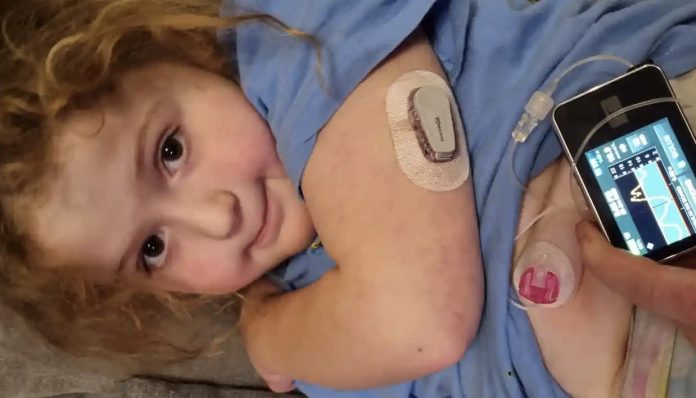
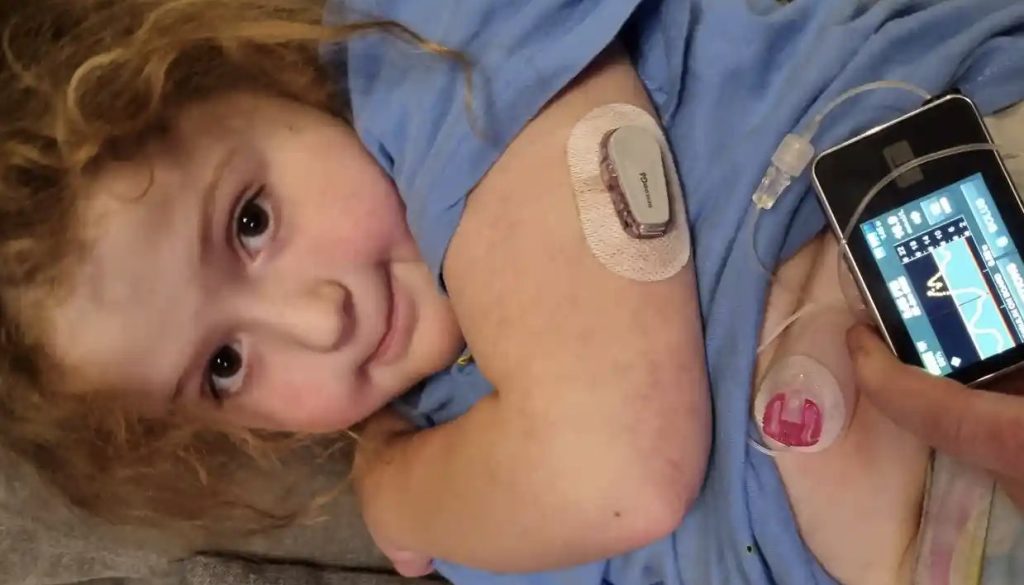
Charlotte Abbott-Pierce with her artificial pancreas - NHS
Charlotte Abbott-Pierce with her artificial pancreas – NHS
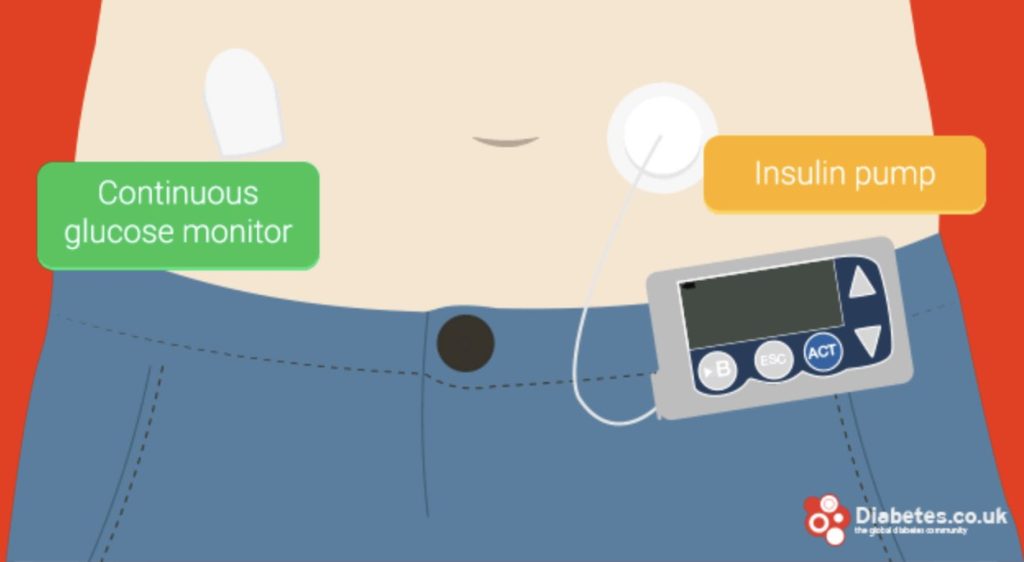
A sensor that is inserted under the skin to take a reading of blood glucose and then send the information to an insulin pump to adjusts body levels sounds simple enough.
In reality though, this could be a life-changing revelation for 400,000 people living with type-1 diabetes in the UK, where this new artificial pancreas technology has been pioneered.
It’s the first country where such equipment has been tested, and it’s allowing some people to get on with large chunks of the day without worrying about their blood sugar levels. Among these is 6-year-old Charlotte from Lancashire—just one of 200 children now using this new system—and Yasmin Hopkins, 27, from London.
“I wake up now and I can do a normal day’s work, or go on a dog walk without being concerned,” Yasmin told the BBC. She was diagnosed with type-1 diabetes 15 years ago, and along with being disrupted constantly during the day, she was always worried.
Developed by the NHS, 875 people have so far received the artificial system, and their results, as part of a long-term trial, will inform an assessment conducted by the National Institute for Health and Care Excellence about how and where to roll out more of these devices in the future.
But new research presented this week at the Diabetes UK Professional Conference 2022 revealed that flash monitoring not only helps to improve blood glucose levels in people with type 1 diabetes, but also has a positive effect on their quality of life.
“Before I started using a flash glucose monitor, I carried my blood glucose testing kit with me everywhere and would have to test up to eight times per day,” said 25-year-old Olivia, who was diagnosed with type 1 when she was 7. “I was pricking my finger and testing my blood sugar before breakfast, before lunch, before dinner and before bed. Before driving in the car, and after driving for two hours—endless testing!”
“Growing up with diabetes, I’d never dreamed that a device like a flash glucose monitor would be developed in my lifetime—and when I first started using one, I couldn’t quite believe something so small had such a big impact,” she told the NHS. “It’s helped me have more confidence and improved my mental well-being.”
It’s not a totally automated system, in that the amount of carbohydrates eaten at meals has to be entered into a smartphone app to ensure the insulin levels don’t go too high.
But, Charlotte’s parents have said it allowed her to get back to something she loved to do but hasn’t been able to do for sometime: be a kid again.
“She loves days out with her friends and sleepovers, but we had to stop these as soon as she was diagnosed because other people couldn’t manage her diabetes,” Ange Abbott, Charlotte’s mother, told the BBC.
“Now we can allow her to go out for these social occasions when we’re not there.”
SHARE the Innovation With Diabetes-aware Friends on Social Media…
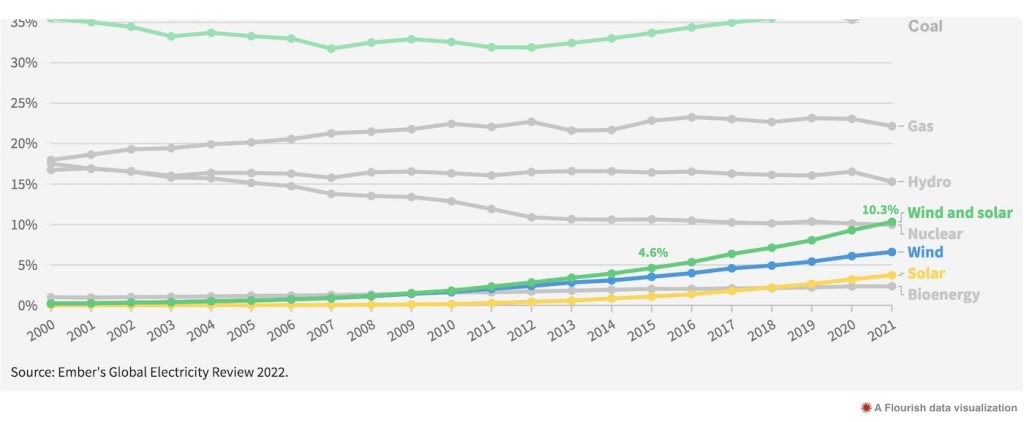
Wind and solar generated over a tenth of global electricity for the first time last year.
The milestone is more than double the number calculated when the Paris agreement was signed in 2015.
Wind generation rose by 14% and solar power increased by 23% since last year. Combined, they rose by 17% overall worldwide.
Taken together, wind and solar are now the fourth largest source of electricity in the world with its 10.3% market share.
Nuclear energy and bioenergy stayed mostly level in 2021, while hydro’s share dropped. Together, those three sources were responsible for around 28% of global electricity.
50 countries now above 10%
Fifty countries had more than one-tenth of their electricity coming from wind and solar in 2021, up from 43 nations in 2020 and 36 in 2019.
Achieving that landmark for the first time were China (which topped 11.2%), Japan, Mongolia, Viet Nam, Argentina, Hungary, and El Salvador (which reached 12.0%).
Significantly, all 5 of the world’s largest economies have reached this landmark: the U.S., China, Japan, Germany and the UK. Europe leads the way with nine of the ten top countries.
Three countries have even exceeded 40% of their electricity from wind and solar. In 2021, Denmark, Luxembourg and Uruguay achieved 52%, 43% and 47% respectively, leading the way on technology for high renewable grid integration.
Not surprisingly, oil-producing juggernaut Saudi Arabia’s electricity is still less than 1% wind and solar, and Egypt and the UAE create just 3%.
Which countries evolved the fastest over last 2 years?
From 2019 through 2021, the Netherlands, Australia, and Viet Nam have switched 8% of their total electricity demand to wind and solar—and those sources directly replaced fossil fuels.
In the Netherlands, the share of wind and solar rose from 14% to 25% in just two years, whilst the share of fossil fuels fell from 78% to 63%.
In Australia, wind and solar rose from 13% to 22%, whilst the share of fossil fuels fell from 79% to 70%.
In Viet Nam, the share of wind and solar rose from 3% to 11%, whilst the share of fossil fuels fell from 73% to 63%.
If these trends can be replicated next year—and sustained—the power sector would be on track to achieve the ultimate goal of global warming reduction as calculated by the UN’s IPCC Panel for The Paris Agreement, cutting by 1.5C compared to pre-industrial levels.
The report was recently published by Ember, an independent energy think tank that “uses data-driven insights to shift the world from coal to clean electricity”.
– Reprintable under Creative Commons License (CC BY-SA 4.0)
Quote of the Day: “Do I contradict myself? Very well, then, I contradict myself; I am large—I contain multitudes.” – Walt Whitman
Photo by: Rostyslav Savchyn
With a new inspirational quote every day, atop the perfect photo—collected and archived on our Quotes page—why not bookmark GNN.org for a daily uplift?
Game developers are raising money for Ukrainians both inside and outside of the besieged company, with donations rivaling the grants from the U.S. government.
Ahead of the release of their new gaming season, Fortnite developers Epic Games announced that all the proceeds would go to a variety of organizations providing aid and relief to Ukraine—and in the first day they raised $36 million, growing to $144 million in two weeks.
Epic has said that the money will go to Direct Relief, the United Nations High Commissioner for Refugees, the United Nations Children’s Fund, and the World Food Program.
Gamers and the video game industry are renowned for being extraordinarily generous, and other game companies are also pitching in millions.
Microsoft (the creators of the Xbox); League of Legends developer Riot Games; and the Humble Bundle, a company that organizes themed collections of various games at a discount price to help charities, have all announced donations. Net proceeds of those recent sales—totaling more than $26 million—will also go toward Ukrainian relief.
Humble Bundle’s pay-what-you-want model for their game, book, and course bundles have raised more than $200 million through 12 million purchases—benefitting charities such as Make a Wish, One Tree Planted, the ACLU, Girls Who Code, and Charity: Water.
Notably, the Breast Cancer Research Foundation’s record donation belongs to Blizzard Entertainment, makers of World of Warcraft. Sales generated within their Overwatch game, where a premium in-game cosmetic item was available for purchase, reached $12.7 million and was dedicated to the Foundation, becoming the largest single donation the charity had ever seen.
Photo by Trond Larsen / Conservation International
In September, a Virginia nonprofit made a $500 million commitment to preserve biodiversity and, six months later, the Rainforest Trust and its partners have already protected more than one million acres of habitat so far in 2022.
Since 1988, Rainforest Trust has safeguarded more than 38 million acres of vital habitat by establishing protected areas in partnership with local communities—all through public donations.
Studies show that protected areas are one of the most cost-effective ways to safeguard nature and vulnerable Indigenous populations.
Acres protected this year include projects in Belize, Ecuador, Guatemala, Bangladesh, and Myanmar.
Dozens of endangered species live in these protected areas, including:
• In Belize, they worked with partner Re:Wild to protect the Maya Forest Corridor, where the critically-endangered Central American river turtle is the last species in its scientific family.
• In Ecuador, they helped protect acres in the Bigal Biological and Rio Canandé Reserves, which contain more than 350 different bird species, the critical Mache Cochran frog, and the largest surviving population of Brown-headed Spider Monkeys—listed as one of the 25 most endangered primate species on earth.
• In Guatemala, they’ve protected important habitat for the Guatemala spikethumb frog, and endangered Yucatán black howler monkey and Geoffroy’s spider monkey.
• In Bangladesh, they helped establish marine protection areas along the Teknaf Coast and St. Martin Island—a total of nearly 430,000 acres, home to sea turtles, the critically endangered Ganges shark and Staghorn coral, as well as the endangered Irrawaddy Dolphin.
• In Myanmar, Rainforest Trust worked with Friends of Wildlife to establish Zalontaung National Park and Maharmyaing Wildlife Sanctuary, for a combined total of over 350,000 acres protected.
Most importantly, 99 percent of the forests protected by Rainforest Trust remain standing today—and the nonprofit is well on its way to protecting 125 million more acres by 2025.
PRESERVE Some Hope for the Planet By Sharing on Social Media…
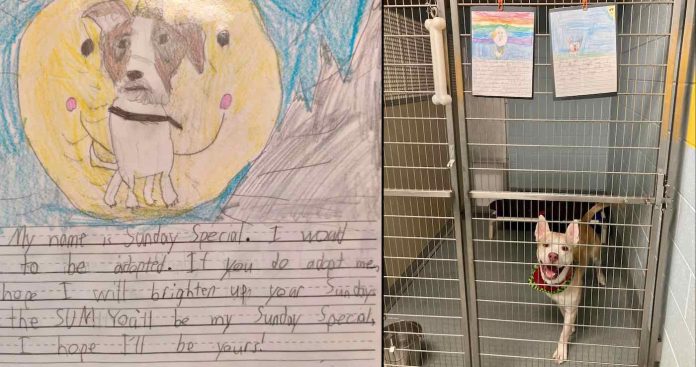
The persuasive words of an 8-year old written in crayon cracked open the hearts of potential dog adopters to empty the kennel crates of a local shelter.
Their hand-written personalized notes resulted in skyrocketing adoption rates for the pooches least likely to get adopted in the Virginia capital.
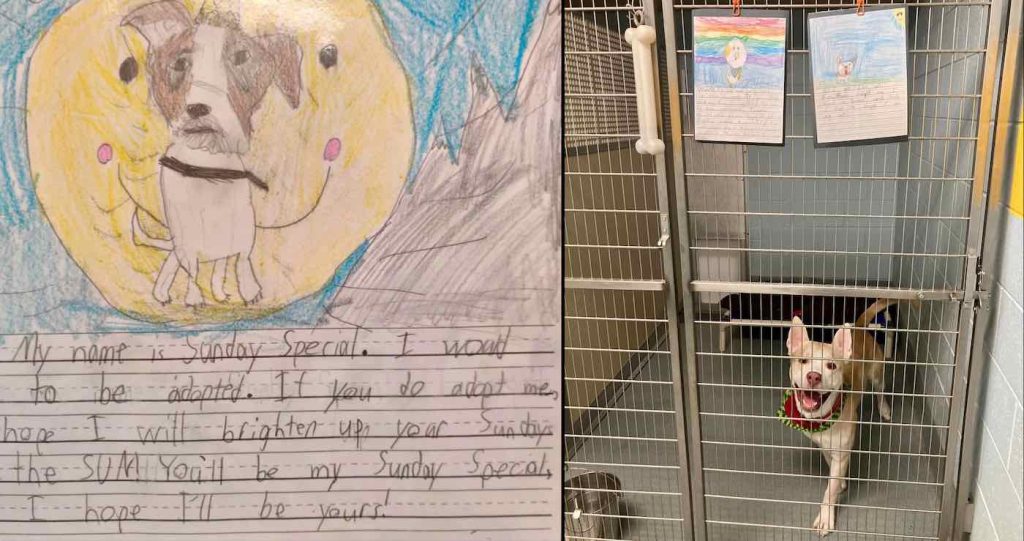
No human could resist a plea like, “If you do adopt me, I hope I will brighten up your Sundays like the sun. You’ll be my Sunday Special, and I hope I’ll be yours!”
Kensey Jones, a second-grade teacher at St. Michael’s Episcopal church in Richmond, is also a volunteer at Richmond Animal Care and Control. She needed to come up with an idea for a writing assignment, and had the idea to try and boost adoption rates by giving the dogs their own advocacy voice.
“The idea just came to me to connect persuasive writing with these adoptable pets that need a forever home,” Jones told the Washington Post, adding that it was “a way that I could make their writing real for [the students], and actually make an impact on the world and our Richmond community.”
She pitched the idea to the shelter’s manager Christie Peters, who thought it was wonderful. This particular shelter sees a high adoption rate of about 3 weeks. Animals with medical problems can take much longer, and face being euthanized if the problem is serious enough.
According to Jones, the kids nearly cheered at the news that their new assignment would be focused on helping 23 dogs and 1 cat get adopted.
“Hi, my name is Cody. I would love to be adopted,” one student wrote. “I would like a loving, caring family with a big fenced-in yard. Please be my owner!”
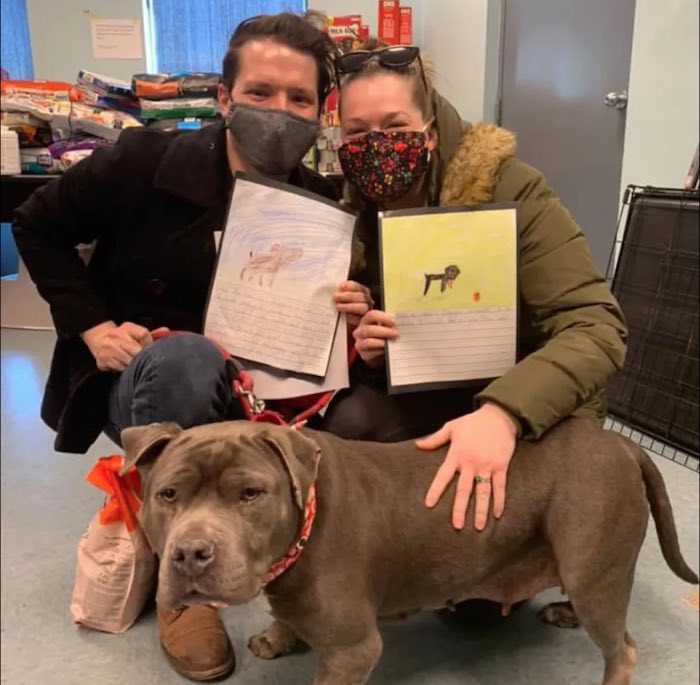
This kind of representation, pinned in colorful drawings and letters to the animals’ crates, was a huge success, and 21 of the 24 hard-to-adopt animals found new homes before long.
“All dogs deserve a loving home,” a St. Michael’s second-grader Danielle Petrosk, told the Post. “I am so very happy to be able to help neglected animals find great forever families.”
Watch the sweet video below from ABC News…
SEND This Great Idea to Teachers Around the World By Sharing on Social Media…
The Lesson: No demographic factor can get in the way of a life improved by doing good for yourself and others, and GNN’s friend Emmanuel Kelly is a perfect example of that. As an orphan abandoned in a cardboard box on an Iraq battlefield, half dead, and with no identification of any kind, it’s a miracle that this child of Ugandan-Korean ancestry should be not only alive today, but thriving.
Notable Excerpt: “As a human I’ve made a lot of mistakes and there’ll be a lot of mistakes I’ll have to rectify in the next years and forever in my life, but only probably in the last year, I’ve been able to really define the person I want to be and the person that I can become, and to find my purpose in my own life. Now others define me as the way I want to define myself.”
The Guest: Artist and singer Emmanuel Kelly was a teenage contestant on Season 3 of the X Factor Australia. For 10 years he has toured with Coldplay as a special guest, opened for Snoop Dogg, performed with David Foster, and legendary DJ Paul Oakenfold. Under the tutelage and label of Coldplay’s Chris Martin, his first album will be released later this year. Along with his musical pursuits he is the founder of The Outlier Group, which aims to enable the world differently.
The Podcast: Livin’ Good Currency explores the relationship of time to our lives. It gives a simple, straight-forward formula that anyone can use to be present in the moment—and features a co-host who knows better than anyone the value of time (see below). How do you want to spend your life? This hour can inspire you, along with upcoming guests, to be sure you are ‘Livin’ Good Currency’ and never get caught running out of time.
The Hosts: Good News Network fans will know Tony (Anthony) Samadani as the co-owner of GNN and its Chief of Strategic Partnerships. Co-host Tobias Tubbs was handed a double life sentence without the possibility of parole for a crime he didn’t commit. Behind bars, he used his own version of the Livin’ Good Currency formula to inspire young men in prison to turn their hours into honors. An expert in conflict resolution, spirituality, and philosophy, Tobias is a master gardener who employs ex-felons to grow their Good Currency by planting crops and feeding neighborhoods.
Quote of the Day: “I want excitement, and I don‘t care what form it takes or what I pay for it, so long as it makes my heart beat.” – F. Scott Fitzgerald
Photo by: Dylan Alcock
With a new inspirational quote every day, atop the perfect photo—collected and archived on our Quotes page—why not bookmark GNN.org for a daily uplift?
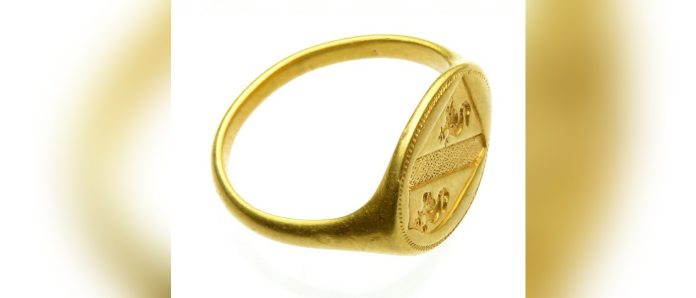
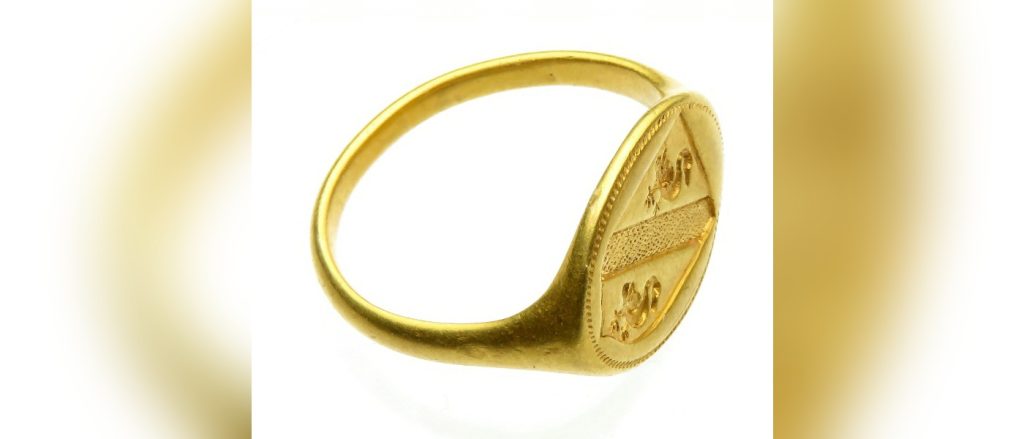
A 350-year-old ring belonging to the Sheriff of Nottingham is set to fetch thousands at auction after being unearthed by a metal detectorist in a find ‘worthy of Robin Hood’.
The ancient, high-carat gold signet ring was uncovered by chance by a lucky detectorist on farmland in Rushcliffe, Nottinghamshire, last summer.
The treasure once belonged to Sir Matthew Jenison, who served as High Sheriff of Nottingham between 1683 and 1684 and looked after trees in Sherwood Forest.
His family were known for gleaning wealth from a hoard of valuables left in their safekeeping during the English Civil War which were never reclaimed.
The ring, which displays the coat of arms of the Jenison family, was sent to be examined by experts from the British Museum’s Portable Antiquities Scheme.
Once it was verified as authentic, it was sent back to the finder, who is now set to make a good amount from his incredible discovery.
The historic ring is expected to fetch between £6,000-£8,000 ($7,800-$10,500) when it goes under the hammer at Hansons Auctioneers.
The find has been described as one the ‘legendary outlaw Robin Hood would have loved’ by auctioneers ahead of its sale.
Hansons’ consultant valuer Adam Staples said, “The ring has survived in near perfect condition and the front face bears a detailed engraving of the Jenison family arms, two swans separated by a diagonal bend.
“This would have been pressed into melted wax in order to seal the family crest on important letters and documents.
“As a boy I wandered through Sherwood Forest, daydreaming of Robin Hood and his legendary adversary—the Sheriff of Nottingham.
“The ring we are selling is related to a later Sheriff, as tales of Robin Hood emerged in English folklore as early as the 13th and 14th centuries.
“Nevertheless, this find still evokes those memories and gives us a glimpse back into Nottinghamshire life during the turbulent times of the 17th century.”
Born in 1654, Sir Matthew was knighted in 1683 and acted as a commissioner to examine decaying trees in Sherwood Forest while serving as High Sheriff of Nottingham.
Thereafter, each generation served as aldermen, and, after the 1626 charter, as mayors.
Adam added, “Though the family business had been in apothecaries, local legend has it that the Jenisons gleaned great wealth from valuables left in their safekeeping during the Civil War which were never reclaimed.
“This theory was seemingly corroborated when a buried hoard of Civil War silver coins was unearthed from the very same field where the ring was found.
“It’s such a pleasure to be involved with the sale of this ring.”
SHARE This Fascinating Ancient Find on Social Media..
Photos by Jonathan Platts (right) and Miguel Teirlinck (left)
Photos by Jonathan Platts (right) and Miguel Teirlinck (left)
We’re often told to follow our dreams, well one person in Nova Scotia has done just that after building a wetland paradise for animals in the spirit of his lost love.
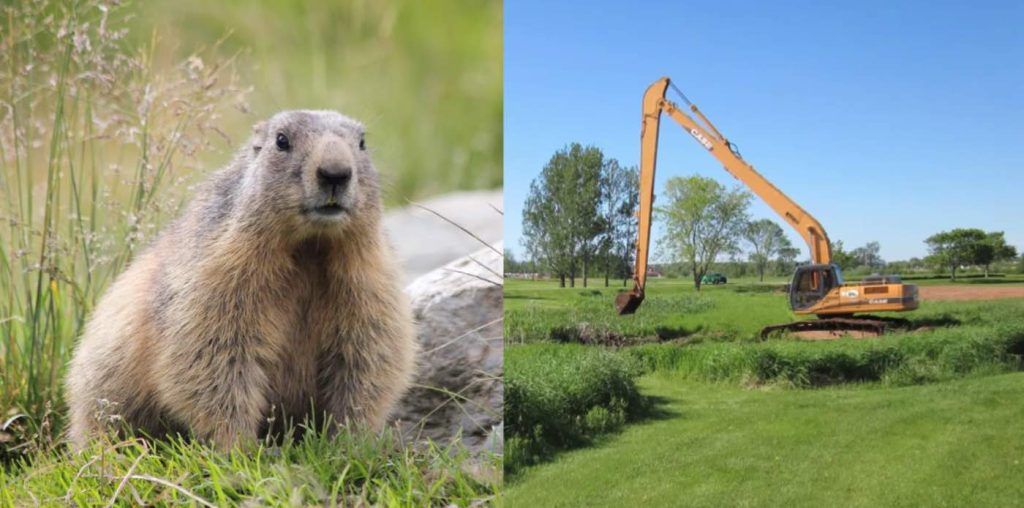
In his own backyard no less, the eight water features which Robert Perkins dug into the ground are now a sanctuary for herons, frogs, snapping turtles, and beavers, in the middle of suburban development.
In 1974, Perkins met a woman whom he calls Rhonda on the sidewalk, and the two of them hit it off. They both loved animals, and she always dreamed of having a place where they could live in harmony with the land. Rhonda, whom Perkins stayed with all his life, had had a difficult life, and a traumatizing childhood.
She committed suicide in 2006, after which Perkins resolved to forge an earthly paradise where her spirit could dwell in peace.
Renting an excavator, and ignoring planning departments and neighbors alike, Perkins began digging large holes and trenches for water to flow. Over the course of nine years his property went from being a neighborly headache to a haven for wildlife.
“I just seen a better way to do it,” Perkins told CBC news. “When we build our subdivisions we clear all the trees, we dry the hills, drive all the water down to the lakes, all the pollution… The beavers hold it back, filter it.”
Wetland habitats of all sorts are not only magnets for wildlife, but probably offer the most complete package of ecosystem services, including preventing erosion, sequestering carbon, enriching the soil, and supporting game populations.
Flooding in straightened canals or waterways can often occur in mere minutes, and be incredibly damaging. Natural water features slowly overflow, dumping water in more even and random distributions around them. This serves to greatly increase the amount of rainwater an area can take before flood problems arrive, and also to irrigate large sections of forest and meadow that might dry up without the ponds, rivers, and marshes.
Perkins bought the land and did it himself, but when building backyard water features it’s important to consider the soil characteristics. Rocky soil drains fast, while soil rich in clay will act as a natural sealant, aggregating soil particles together and preventing drainage.
He said he doesn’t need to wonder what Rhonda might think of the place, he feels her presence whenever he walks alone among the trees, the reeds, and the ponds, looking at birds, beavers, or reptiles, and listening to the songbirds and frogs.
“Is it painful? Sometimes,” said Perkins. “But I couldn’t walk away from her… If I’m here, she’s here.”
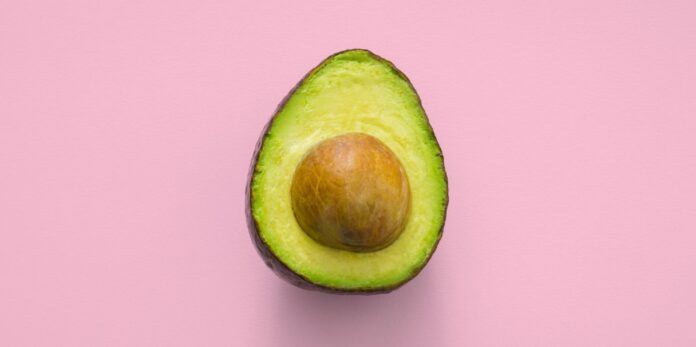
Eating two or more servings of avocado weekly was associated with a lower risk of cardiovascular disease, and substituting avocado for certain fat-containing foods like butter, cheese, or processed meats was associated with a lower risk of cardiovascular disease events, according to new research.
Avocados contain dietary fiber, unsaturated fats especially monounsaturated fat (healthy fats), and other favorable components that have been associated with good cardiovascular health. Clinical trials have previously found avocados have a positive impact on cardiovascular risk factors including high cholesterol.
Researchers believe this is the first, large, prospective study to support the positive association between higher avocado consumption and lower cardiovascular events, such as coronary heart disease and stroke.
“Our study provides further evidence that the intake of plant-sourced unsaturated fats can improve diet quality and is an important component in cardiovascular disease prevention,” said Lorena S. Pacheco, Ph.D., M.P.H., R.D.N., lead author of the study and a postdoctoral research fellow in the nutrition department at the Harvard T.H. Chan School of Public Health in Boston.
“These are particularly notable findings since the consumption of avocados has risen steeply in the U.S. in the last 20 years, according to data from the U.S. Department of Agriculture.”
For 30 years, researchers followed more than 68,780 women (ages 30 to 55 years) from the Nurses’ Health Study and more than 41,700 men (ages 40 to 75 years) from the Health Professionals Follow-up Study.
All study participants were free of cancer, coronary heart disease and stroke at the start of the study and living in the United States. Researchers documented 9,185 coronary heart disease events and 5,290 strokes during more than 30 years of follow-up. Researchers assessed participants’ diet using food frequency questionnaires given at the beginning of the study and then every four years.
They calculated avocado intake from a questionnaire item that asked about the amount consumed and frequency. One serving equaled half of an avocado or a half cup of avocado.
Heart health
The analysis found:
After considering a wide range of cardiovascular risk factors and overall diet, study participants who ate at least two servings of avocado each week had a 16% lower risk of cardiovascular disease and a 21% lower risk of coronary heart disease, compared to those who never or rarely ate avocados.
Based on statistical modeling, replacing half a serving daily of margarine, butter, egg, yogurt, cheese or processed meats such as bacon with the same amount of avocado was associated with a 16% to 22% lower risk of cardiovascular disease events.
Substituting half a serving a day of avocado for the equivalent amount of olive oil, nuts and other plant oils showed no additional benefit.
No significant associations were noted in relation to stroke risk and how much avocado was eaten.
The study’s results provide additional guidance for health care professionals to share. Offering the suggestion to “replace certain spreads and saturated fat-containing foods, such as cheese and processed meats, with avocado is something physicians and other health care practitioners such as registered dietitians can do when they meet with patients, especially since avocado is a well-accepted food,” Pacheco said.
The study aligns with the American Heart Association’s guidance to follow the Mediterranean diet—a dietary pattern focused on fruits, vegetables, grains, beans, fish and other healthy foods and plant-based fats such as olive, canola, sesame and other non-tropical oils.
“These findings are significant because a healthy dietary pattern is the cornerstone for cardiovascular health, however, it can be difficult for many Americans to achieve and adhere to healthy eating patterns,” said Cheryl Anderson, Ph.D., M.P.H., FAHA, chair of the American Heart Association’s Council on Epidemiology and Prevention.
“We desperately need strategies to improve intake of AHA-recommended healthy diets—such as the Mediterranean diet— that are rich in vegetables and fruits,” said Anderson, who is professor and dean of the Herbert Wertheim School of Public Health and Human Longevity Science at University of California San Diego.
“Although no one food is the solution to routinely eating a healthy diet, this study is evidence that avocados have possible health benefits. This is promising because it is a food item that is popular, accessible, desirable and easy to include in meals eaten by many Americans at home and in restaurants.”
Having recently had time called on its 15 years of service, an Airbus A380 just completed some trial flights powered by cooking oil.
The largest passenger jet in the world, a double-decker behemoth just flew a three-hour intra-French test flight on Sustainable Aviation Fuel, or SAF for short.
Hydroprocessed Esters and Fatty Acids (HEFA)—SAF’s key ingredient—are definitely not what your doctor would label as a healthy cooking oil, but for powering the Rolls Royce Trent 900 engine on board, it proved successful on March 25th on a French flight from Toulouse to Toulouse, and in a second on March 29th from Toulouse to Nice.
Far from being an introductory step, Airbus craft are already certified under both the FAA and the European Aviation Safety Agency (EASA) to fly commercially with a blend of 50-50 SAF and kerosene. Nevertheless, the company hopes to achieve 100% SAF authorization by the end of the decade.
“Increasing the use of SAF remains a key pathway to achieving the industry’s ambition of netzero carbon emissions by 2050,” said Airbus in a statement.
First getting paint jobs in 2006, the A380 wasn’t as successful as the company had imagined, and the €25 billion total investment was never recouped over the 251 unit sales Airbus managed. However the 853-seater aircraft completed 800,000 flights over 7.3 million block hours with no fatalities and no hull losses.
They’re also using the discontinued craft to test out three new experimental green hydrogen propulsion systems. SAF is more or less finished as a technology, and requires little adaptation aboard existing passenger jets. Hydrogen, however, would provide a much greater reduction in flight emissions, something the Airbus brass are very interested in investigating.
“I strongly believe that the use of hydrogen—both in synthetic fuels and as a primary power source for commercial aircraft—has the potential to significantly reduce aviation’s climate impact,” Guillaume Faury, chief executive for Airbus, said in February.
(WATCH the sustainable aviation video presentation from the company below.)
Quote of the Day: “Every part of your body is adorable and incredible… a thousand tiny deities the size of molecules worshipping and protecting each tiny particle of your body.” – Jason Hine
Photo by: Aiony Haust (croppped)
With a new inspirational quote every day, atop the perfect photo—collected and archived on our Quotes page—why not bookmark GNN.org for a daily uplift?
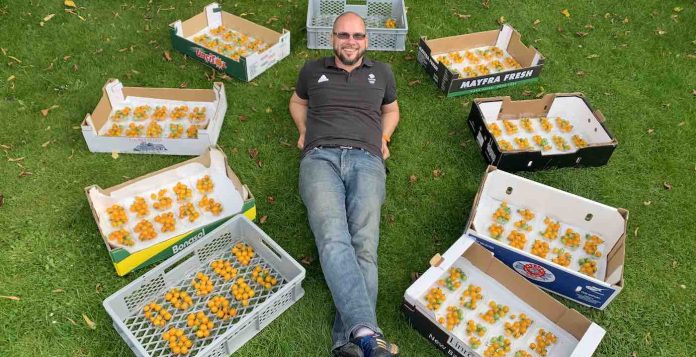
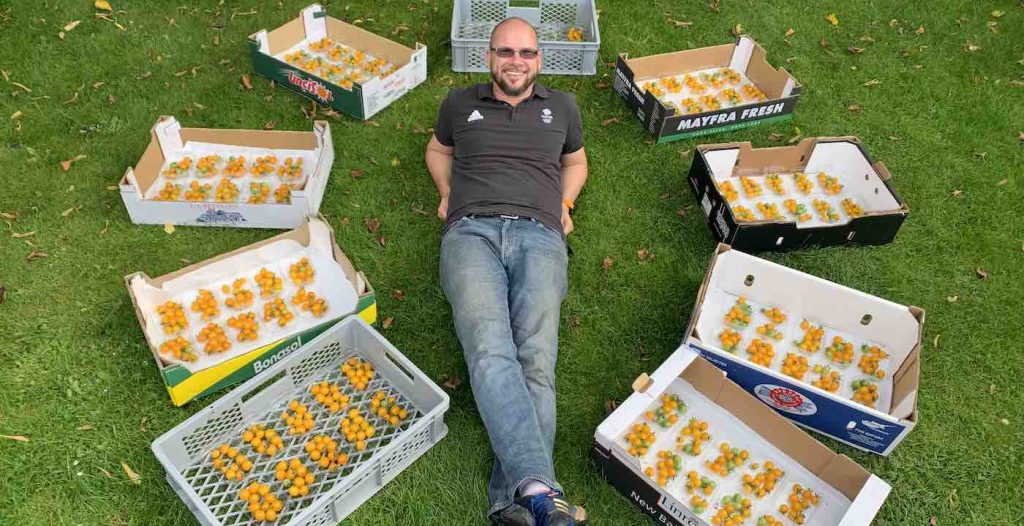
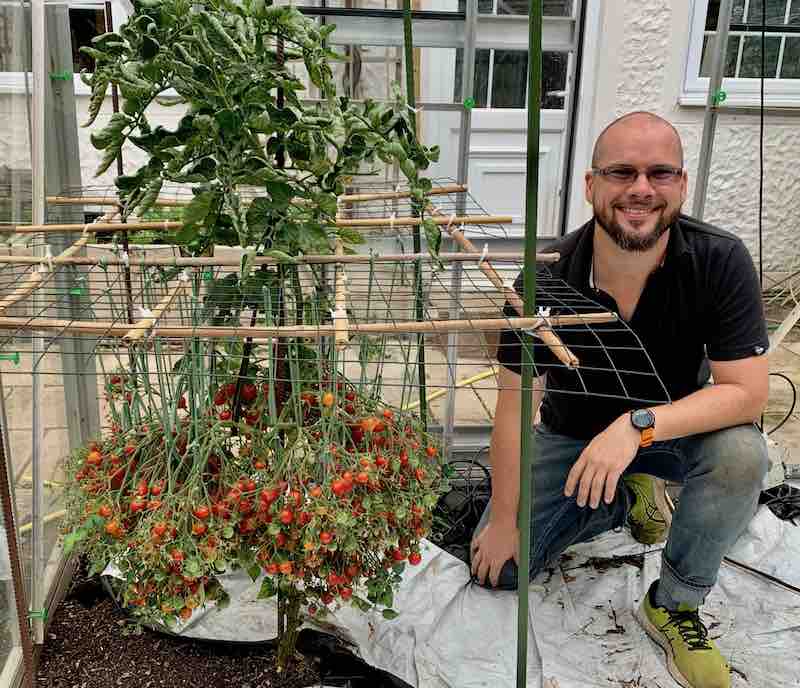
A gardening dad has been named a champion for the second time, after claiming another title for harvesting 1,269 tomatoes from a single stem.
Douglas Smith previously hit headlines in 2020 when he grew the UK’s tallest sunflower of 2020—at 20-foot, it towered over his family home.
This time, the 43-year-old grew almost 14 lbs of red tomatoes weighing (6.2 kilos) which earned him official recognition by Guinness World Records last week.
Commenting on his latest world record, Douglas said he was “really pleased” with the “amazing” tomato harvest.
According to SWNS news service, the previous record for the most tomatoes on a single truss was 488, achieved by a Shropshire man in 2010.
Douglas, of Stanstead Abbotts, Herts, has explained how he spent hours poring over scientific research papers to perfect his cherry tomato growing techniques.
“You have to make sure the environment is well set up,” he said.
He sent samples of soil to labs to make sure the plants had exactly what they needed.
“I spent three or four hours a week tending to the tomatoes in an 8×8 foot greenhouse in my back garden.”
The IT manager says this summer he plans to tackle two more world records, starting with the one for the most tomatoes on a single plant—a record currently at 1,355 claimed by a Coventry man in 2013.
Most of us know someone affected by hearing loss, but we may not fully appreciate the hardships that lack of hearing can bring. Hearing loss can lead to isolation, frustration, and a debilitating ringing in the ears known as tinnitus. It is also closely correlated with dementia.
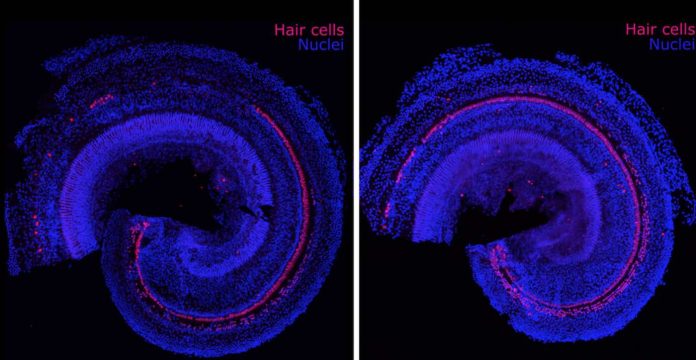
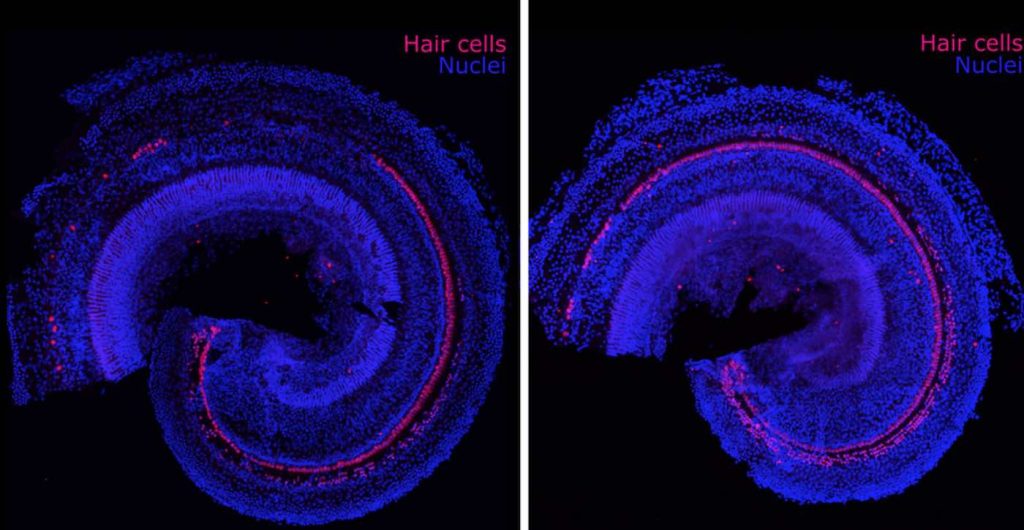
The biotechnology company Frequency Therapeutics is seeking to reverse hearing loss—not with hearing aids or implants, but with a new kind of regenerative therapy that uses small molecules to program progenitor cells, a descendant of stem cells in the inner ear, to create the tiny hair cells that allow us to hear.
Hair cells die off when exposed to loud noises or drugs including certain chemotherapies and antibiotics. Frequency’s drug candidate is designed to be injected into the ear to regenerate these cells within the cochlea. In clinical trials, the company has already improved people’s hearing as measured by tests of speech perception — the ability to understand speech and recognize words.
“Speech perception is the No. 1 goal for improving hearing and the No. 1 need we hear from patients,” says Frequency co-founder and Chief Scientific Officer Chris Loose PhD.
In Frequency’s first clinical study, the company saw statistically significant improvements in speech perception in some participants after a single injection, with some responses lasting nearly two years.
The company has dosed more than 200 patients to date and has seen clinically meaningful improvements in speech perception in three separate clinical studies.
Now, Frequency is recruiting for a 124-person trial from which preliminary results should be available early next year.
They believe they’re making important contributions toward solving a problem that impacts more than 40 million people in the U.S. and hundreds of millions more around the world.
“Hearing is such an important sense; it connects people to their community and cultivates a sense of identity,” says Harvard-MIT Health Sciences and Technology affiliate faculty member Jeff Karp, who is also a professor of anesthesia at Brigham and Women’s Hospital. “I think the potential to restore hearing will have enormous impact on society.”
From the lab to patients
At MIT in 2005, Lucchino was an MBA student and Loose a PhD candidate in chemical engineering when MIT Institute Professor Robert Langer introduced the two aspiring entrepreneurs, and they started working on what would become Semprus BioSciences, a medical device company that they later sold for $80 million.
Eight years after playing matchmaker for Lucchino and Loose, Langer began working with Karp to study the lining of the human gut, which regenerates itself almost every day.
With MIT postdoc Xiaolei Yin, who is now a scientific advisor to Frequency, the researchers discovered that the same molecules that control the gut’s stem cells are also used by a close descendant of stem cells called progenitor cells. Like stem cells, progenitor cells can turn into more specialized cells in the body.
Progenitor cells reside in the inner ear and generate hair cells when humans are in utero, but they become dormant before birth and never again turn into more specialized cells such as the hair cells of the cochlea. Humans are born with about 15,000 hair cells in each cochlea. Such cells die over time and never regenerate.
In 2012, the research team was able to use small molecules to turn progenitor cells into thousands of hair cells in the lab. Karp says no one had ever produced such a large number of hair cells before. He still remembers looking at the results while visiting his family, including his father, who wears a hearing aid.
“I looked at them and said, ‘I think we have a breakthrough,’” Karp says. “That’s the first and only time I’ve used that phrase.”
The advance was enough for Langer to play matchmaker again and bring Loose and Lucchino into the fold to start Frequency Therapeutics.
The founders believe their approach—injecting small molecules into the inner ear to turn progenitor cells into more specialized cells—offers advantages over gene therapies, which may rely on extracting a patient’s cells, programming them in a lab, and then delivering them to the right area.
“Tissues throughout your body contain progenitor cells, so we see a huge range of applications,” Loose says. “We believe this is the future of regenerative medicine.”
Advancing regenerative medicine
Frequency’s founders have been thrilled to watch their lab work mature into an impactful drug candidate in clinical trials.
“Some of these people [in the trials] couldn’t hear for 30 years, and for the first time they said they could go into a crowded restaurant and hear what their children were saying,” Langer says. “It’s so meaningful to them. Obviously more needs to be done, but just the fact that you can help a small group of people is really impressive to me.”
Karp believes Frequency’s work will advance researchers’ ability to manipulate progenitor cells and lead to new treatments down the line.
“I wouldn’t be surprised if in 10 or 15 years, because of the resources being put into this space and the incredible science being done, we can get to the point where [reversing hearing loss] would be similar to Lasik surgery, where you’re in and out in an hour or two and you can completely restore your vision,” Karp says. “I think we’ll see the same thing for hearing loss.”
“You always hope your work will have an impact, but it can take a long time for that to happen,” Karp says. “It’s been an incredible experience working with the team to bring this forward. There are already people in the trials whose hearing has been dramatically improved and their lives have been changed. That impacts interactions with family and friends. It’s wonderful to be a part of.”
(Reprinted with permission of MIT News; Edited for length)
MAKE Sure Your Friends HEAR the News by Sharing on Social Media…
Tarleton State University researchers have demonstrated that food-grade plant extracts, especially those from okra, have the power to remove microplastics from wastewater.
The health effects of ingesting microplastics are unclear, but studies suggest that people unintentionally consume thousands of particles every year.
They can be released from your clothing in the washing machine and end up in the city water treatment facility
In the typical wastewater treatment process, microplastics are removed from water by adding flocculants, or sticky chemicals that attract microplastics and form large clumps. The clumps then sink to the bottom of the water and can be separated from it.
Dr. Srinivasan, the Endowed Munson Research Professor of Chemistry at the Texas university, and her team have been investigating more healthy alternatives to the commonly used flocculant, polyacrylamide.
“We think that microplastics by themselves may not be much of a health hazard, but anything they get into or any type of toxic substance that gets attached to them could go inside our bodies and cause problems,” said Associate Professor Dr. Rajani Srinivasan, the principal investigator for the project.
She has studied the use of food-grade plant extracts as non-toxic flocculants to remove textile-based pollutants from wastewater. “I was working with the removal of microorganisms and things like that, and I thought, ‘Why not try microplastics?’”
So she and a team of undergraduate and environmental science master’s students tested polysaccharide extracts from 7 plants: fenugreek, cactus, aloe vera, okra, tamarind, and psyllium. They tested compounds from the individual plants as well as in different combinations.
They found that polysaccharides from okra worked the best. Paired with fenugreek extract, microplastics could be removed from ocean water, and the okra paired with those from tamarind worked best for freshwater samples.
Overall, the plant-based polysaccharides worked better than, or as well as, the traditional flocculant polyacrylamide.
Importantly, the plant-based flocculants can be implemented in existing water treatment processes.
“The whole treatment method with the non-toxic materials uses the same infrastructure,” said Dr. Srinivasan. “We don’t have to build something new to incorporate these materials for water treatment purposes.”
She and her team will continue tailoring the ratios and combinations to optimize removal of different microplastic types from a variety of water sources. They also plan to scale up the removal process in field studies outside the lab.
Ultimately, they hope to commercialize the method and remove microplastics from water on an industrial scale.
The study and its results, funded by the National Science Foundation and a water development district in Lubbock, were presented at the March 20-24 spring meeting of the American Chemical Society, according to the University.
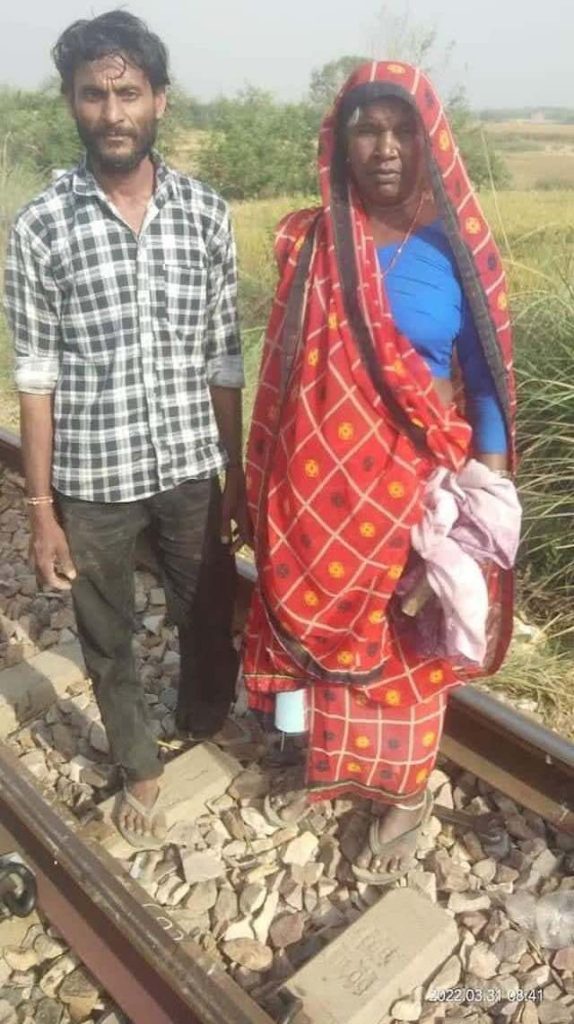
A brave woman may have saved hundreds of lives in India by waving her red sari to stop a train—after spotting broken tracks further down the line.
Omvati Devi waved the flowing red garment in front of an approaching train after noticing part of the line was faulty.
Spotting the woman, the driver was able to stop the train just in the nick of time, avoiding potential disaster.
Omvati’s quick-thinking benefitted between 150 to 200 passengers aboard the train in Uttar Pradesh, India.
The woman, who’s been praised for her heroic actions, was quoted in a SWNS report as saying, “I was on my way to the land for routine work and it was then when I stumbled to found a broken track.
“I was quick to realize that this could result in a massive tragedy. Well, I had heard a lot that red stands for danger.
SWNS
“I used my sari to tie it around the track to thwart any untoward incident which luckily did work when the driver applied brakes.
SWNS
The driver offered her 100 rupees, but she turned it down.
Quote of the Day: “Be kind whenever possible. It is always possible.” Dalai Lama
Photo by: Josh Appel
With a new inspirational quote every day, atop the perfect photo—collected and archived on our Quotes page—why not bookmark GNN.org for a daily uplift?