While nations announced pledges to do more to prevent climate change, one announcement at COP26 was rather more playful.
An inflatable bouncy castle, or what we Americans refer to as a moon bounce, was debuted as a means to clean the air of CO2 and provide hours of entertainment in the process.
Within the inflatable tubes that make up the structure of the moon bounce are microscopic algae that feed on carbon and other minerals in the air. The algae actually create a biomass which can be used to make plastic-like material for manufacturing, or fuel for certain kinds of electricity production.
The pump that continuously inflates the moon bounce pulls in the CO2 in the air, and the children’s bouncing movements channel it into the algae chambers.
It was tested in Poland, and went on display early on at the 2021 United Nations Climate Change Conference happening in Glasgow.
Featured on the BBC, this technology could give climate change the most formidable enemy it has yet faced: the relentless energy of a play-hungry schoolkid.
Quote of the Day: “Always tell what you feel; do what you think.” – Gabriel García Márquez
Photo: by Claire Fischer
With a new inspirational quote every day, atop the perfect photo—collected and archived on our Quotes page—why not bookmark GNN.org for a daily uplift?
Dogs may be man’s best friend, but let’s not forget that a faithful fetching stick is a dog’s other best friend if you don’t have a tennis ball at hand.
So when 59-year-old Andrew Taylor noticed that there was a lack of good sticks at his local park, he decided to take matters into his own hands.
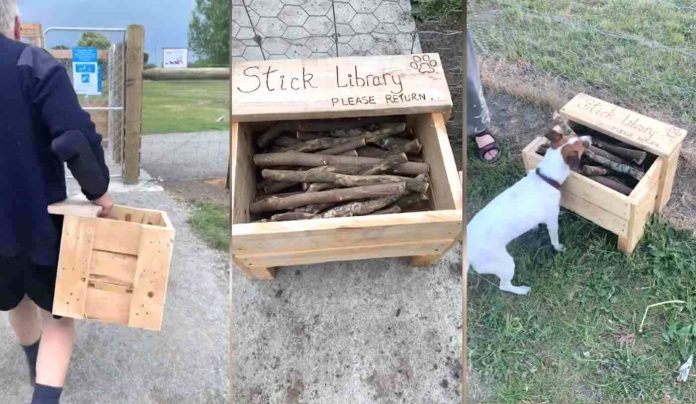
The dad from Kaiapoi, New Zealand had been chopping off excess branches from some trees in his yard when he decided to make them into a “Stick Library” for all the local pups.
After chopping up the branches into several dozen conveniently-sized pieces, he put them into a hand-crafted box emblazoned with the words “Stick Library: Please Return” and brought it to the park.
Since Taylor and his daughter hosted a small neighborhood inauguration party for the Stick Library, more than 50 dogs and their owners have enjoyed a game of fetch with the sticks.
“As people started to arrive, there was a disbelief of how simple the idea was, but it’s one of those ideas no one had thought of,” said Taylor’s daughter Tayla Reece. “All the dog owners appreciate it, as they all have experienced the ‘good stick search’, which isn’t always fruitful. It’s an idea that just makes sense to them.”
(WATCH the pawesome video below)
Be Sure And Share This Fetching Story With Your Friends On Social Media…
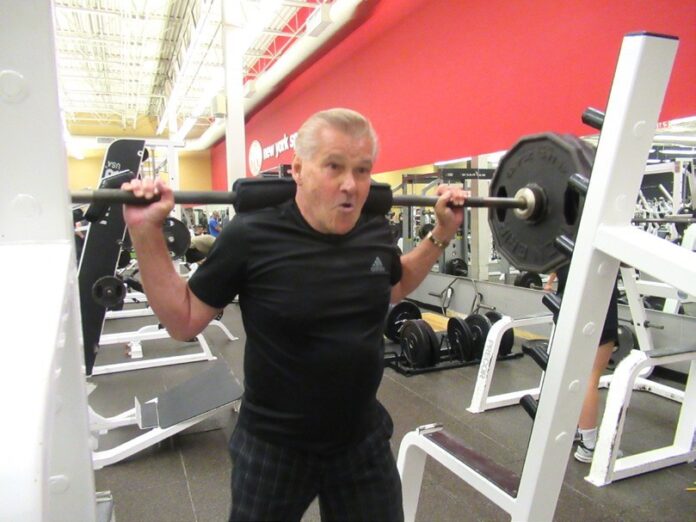
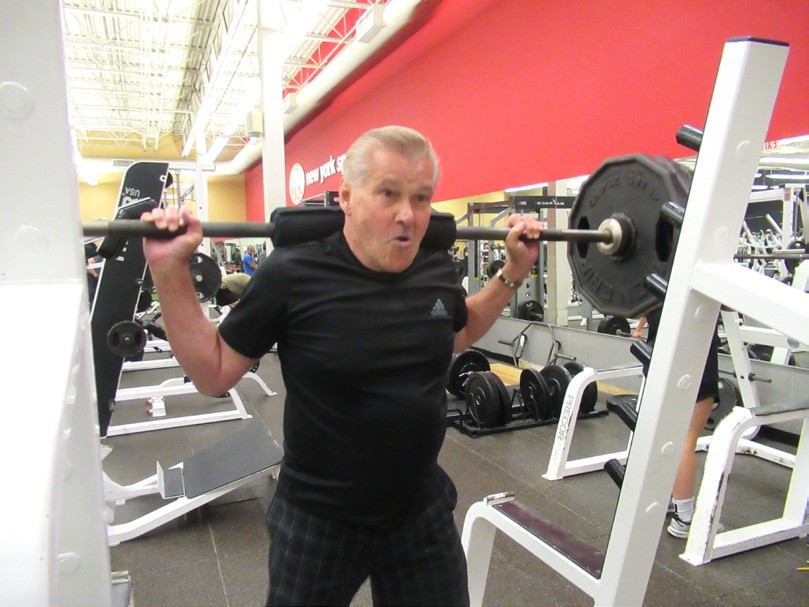
Mike Palen has practiced Olympic-style weightlifting since he was 12, and 68 years later, he’s still going strong—800 lbs. strong, to be precise.
The 80-year-old has been keen to get back in his local New York Sports Club after the easing of lockdown restrictions, wanting to resume training two to three times a week—as he has done since Kennedy was in the White House.
“What I lifted yesterday happened to be 765 (lbs.), and that’s my own technique,” Palen told GNN in an interview. He’s working towards a higher number in his custom lift, which is in a simple half-squat position and using a rack, but we can’t specify the number because he doesn’t want his wife to find out he’s going back to the “heavy stuff.”
GNN has reported on silver-haired lifters before, such as a 100-year old great-great-grandmother who set a Guinness World Record after completing a 150-pound deadlift, and a World War II veteran who took out the bench press record for his 91-year old age group with a 187-pound press, but for the moment at least Mike is on another level.
Mike Palen’s fitness journey began, like so many others, under the shadow of an athletic big brother—but where his brother Steve took to football, Mike was drawn to the “heavy stuff.”
A fitness journey
“My dad was making a bench in the open lot next to our house… and left some of the remaining cement pillars that held the bench up. They made perfect dumbbells, and I saw immediate results,” says Palen, whose love of the competitive rush of completing a lift led to Olympic aspirations as a young adult.
“I felt I could compete in the Olympics; probably in the late 50s, early 60s,” he said. “I got up to 315 in the clean and jerk, 265 in the military press, and the snatch was a tough lift, but I did a total of 235. And that was up there; that was a lot of weight for those days.”
Tommy Kono, a Japanese-American Gold-medalist weightlifter who is often considered the greatest Olympic lifter America ever produced, was posting world-record numbers which Mike was approaching. In 1953, Kono won the National Weightlifting Championship with a world-record 280 in the snatch, and 350 in the clean and jerk.
Palen’s Olympic ambitions were cooled after he married his wife Sandy and had children, but he never stopped lifting 2 to 3 times a week, even through a host of injuries.
“That’s why I don’t let myself get old”
A member of the SilverSneakers senior fitness program, the New York state resident now offers immediate inspiration to all those around him, particularly as they watch him continually slide plates onto the bar.
It wasn’t all smooth sailing, and like so many heavy lifters he had problems with his knees.
“When I flexed it a certain way, the tissue would go in between my knee, and you can imagine what that does, I was on crutches for awhile,” says Palen. “Eventually that went away, and my knees have returned and that’s why I immediately went back to heavy squats in my late 70s.”
“My legs are still what they used to be, I like to think. They [doctors] told me eventually when you get old…and that’s why I don’t let myself get old—you’re going to feel like you’ve got problems, but I still have that strength. I still ski.”
There’s truth in Mike’s iron-headedness. Intense exercise stimulates the production of chemicals in the brain, such as brain-derived neurotrophic factor, which promotes neuroplasticity—the speed which the brain can create new connections, and neurogenesis—the creation of new neurons.
Perhaps more important than a muscular physique, weightlifting helps maintain bone density, which begins to decline at a relatively early age, and accelerates in one’s silver years. Bone density loss is a leading factor of morbidity, and is why something like a fall can be so dangerous for a senior, when for a younger person it’s pretty harmless.
SilverSneakers offers virtual classes at pretty much every fitness level, and access to 22,000 fitness centers across the country.
“Our whole mission is to help older adults live happier, healthier lives, and the classes promote physical activity social connection and mental enrichment,” said Debbie Jacobson, from SilverSneakers. “Not everybody’s Mike, not everybody can do what he’s doing, but we have classes for all levels.”
“I’m a member of SilverSneakers and I have to say honestly, it should be offered to everybody that’s getting old, because it keeps us off the insurance liability!” adds Mike. “Better health, maintained, is better than the alternative, it puts us on a different course.”
It’s not only seniors he wants to inspire, he left GNN with a message for the youth as well.
“Time flies by so fast, and before you know it you’re 80. [Let] an exercise of your choice be your vehicle to good health. If for some reason you quit always return as soon as possible.”
GOOD News Never Ages—Share Mike’s Story With Mates…
There is no link between exercise and developing arthritis in the knee, according to new research from the University of Oxford.
Terry Shultz
In the UK approximately one in 10 adults have symptomatic clinically-diagnosed osteoarthritis, the knee being the most common.
A meta-analysis of six global studies of more than 5,000 participants—with and without knee osteoarthritis—were followed for 5-12 years. It showed that for these adults, over 45 years old, recreational activities are mostly free of risk.
While this study found that recreational exercise like running, cycling or swimming or sport has little to no impact on the knee, any occupation that involves heavy physical work load, kneeling, whole body vibration and repetitive movements is still risky.
The Oxford researchers said this was the first study which assessed the relationship between examining physical exercise and looking at calories burned during the activity and knee osteoarthritis.
Osteoarthritis is more common in women and people in older age groups, with obesity also being another common risk factor.
Dr Thomas Perry, of the University of Oxford, said, “These findings suggest that physical activity as defined by whole-body, physiological energy expenditure during sport/walking/cycling activities is not associated with knee osteoarthritis.
“Likewise, time spent in recreational physical activity is not associated with incident knee osteoarthritis.
“Knowing that the amount of physical activity and time spent doing it is not associated with the development of knee osteoarthritis is important evidence for both clinicians and the public who may need to consider this when prescribing physical activity for health.”
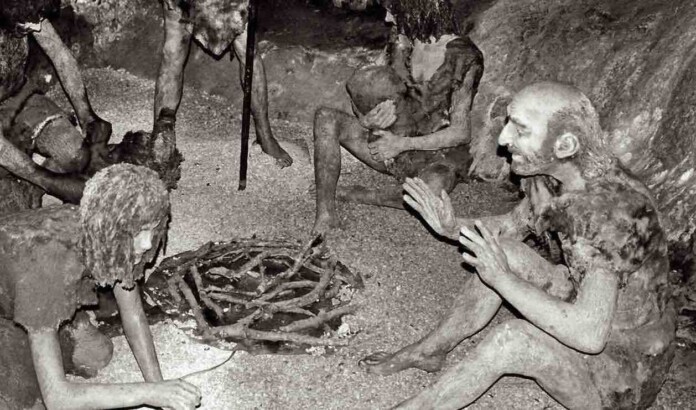
Neanderthals museum exhibit by Yuliya S. / CC license (black and white)
As it turns out, the Out of Africa walk our human ancestors took left behind not one, not two, but three ex-fiancés in the process—the third of which represents a species science has never seen before.
This so-called “Ghost Ancestor” is the focus of a new dimension of early hominid research, created using the help of artificial intelligence and the fibula of a 13-year old girl who lived 50,000 years ago whose mom was a Denisovan and whose dad was a Neanderthal.
Using a deep learning algorithm called Bayesian Inference, geneticists were able to parse out that present in the large cross-continental variety of the human genome—derived from multiple gene projects—was an early ancestor from a lineage that is totally different from anything we’ve seen before. It indicated that the puzzle of human evolution is far from being solved.
“About 80,000 years ago, the so-called Out of Africa occurred, when part of the human population, which already consisted of modern humans, abandoned the African continent and migrated to other continents, giving rise to all the current populations,” said Jaume Bertranpetit from the Universitat Pompeu Fabra in Spain, who later added that we know homo sapiens interbred with both Denisovans and Neanderthals.
“As it happens, if you subtract the Neanderthal and Denisovan parts, there is still something in the genome that is highly divergent,” she said.
“This population is either related to the Neanderthal-Denisova clade or diverged early from the Denisova lineage,” the researchers wrote in their paper, published in Nature, adding that it was probably a descendant mixture of the two that had a long independent history.
A Harvard geneticist, David Reich, described the 2018 paper of the 13-year-old teenager as a breakthrough, and that it represented a definite third inter-breeding event which happened at some point in South Asia.
The remains of the teen girl from over 50,000 years ago “with strange uniqueness” that seemed to be a ‘hybrid’ ancestor was a clue to mating dalliances on the road out of the African continent millennia ago.
It is the first time that deep learning has been used successfully to explain human history, paving the way for this technology to be applied in other questions in biology, genomics, and evolution.
Reich added that he would not be surprised to see more ghost ancestors show up in future studies.
EVOLVE Those News Feeds By Adding This Fascinating Finding to Them…
Quote of the Day: “There are two paths you can go by, but in the long run, there’s still time to change the road you’re on.” – Stairway To Heaven – lyrics by Robert Plant (released 50 years ago today on Led Zeppelin’s fourth album)
With a new inspirational quote every day, atop the perfect photo—collected and archived on our Quotes page—why not bookmark GNN.org for a daily uplift?
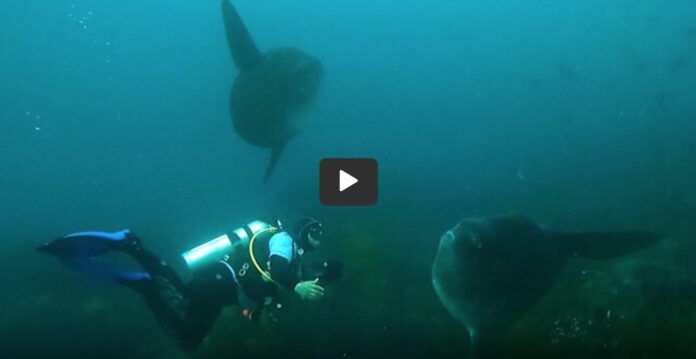
This scuba diver cannot contain his joy when he finds himself among some of the world’s most elusive and unusual fish.
These ocean sunfish are commonly called Mola Mola. They resemble giant heads with fins, as they have no tails.
They drift slowly on the current, although they are capable of impressive speeds for very short distances to avoid predators.
Small Mola Mola are often prey to a variety of sharks, tuna, sea lions, and many types of large fish, but once they reach full size, their thick skin makes them difficult to eat.
Mola Mola can reach sizes of over 10 feet in length and a mass of more than 5,000lbs (2300kg). Once they reach this size, only orcas, large sharks, and sea lions pose a threat to them.
They often seek food at deeper temperatures which causes them to lose a significant amount of body heat. It is believed that this why they can often be seen lying flat on the surface, basking in the sun.
Mola Mola lay more eggs than any other fish, with a mature female laying as many as 300,000,000 at one time.
These fish are a rare sight for scuba divers and this man was thrilled to be swimming among a group of these strange animals which seemed unconcerned with his presence around the remote islands of the Galapagos in Ecuador.
SHARE the Fun Animal Facts With Your School of Friends on Social Media…
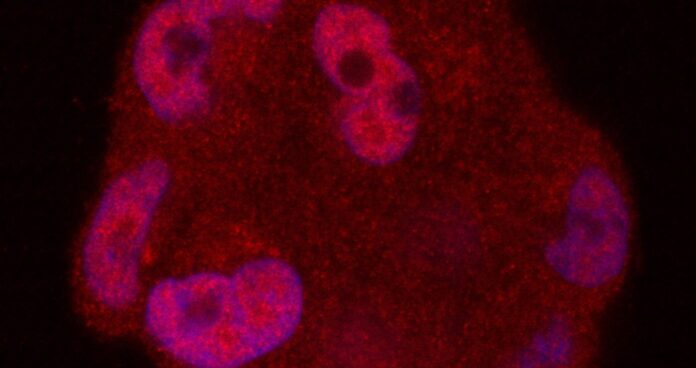
The androgen receptor shown in dark red – University School of Medicine in St Louis
Many patients with prostate cancer are treated with drugs to which they quickly develop resistance.
Now, a new study from Washington University School of Medicine in St. Louis has identified an RNA molecule that suppresses prostate tumors.
The scientists found that prostate cancers develop ways to shut down this RNA molecule to allow themselves to grow. However, when they implanted mice with human prostate tumor samples, the new treatment restored this so-called long noncoding RNA—and they’ve hailed it as a new strategy to treat the cancer which has developed resistance to hormonal therapies.
“The drugs that we have to treat prostate cancer are effective initially, but most patients start developing resistance, and the drugs usually stop working after a year or two,” said senior author Nupam P. Mahajan, PhD, a professor of surgery.
“At that point, the options available for these patients are very limited. We are interested in developing new therapies for patients who have developed resistance—and we believe the RNA molecule we’ve pinpointed may lead to an effective approach.”
About one in eight men will get prostate cancer—making it the most common male cancer. It mainly affects people over age 50.
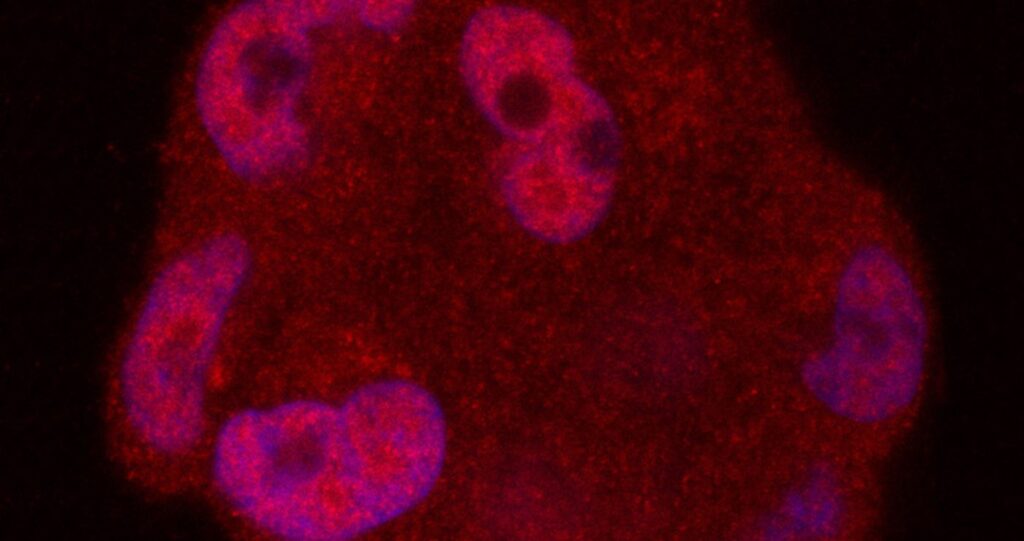
The key protein that drives prostate tumor growth, the androgen receptor, binds to testosterone and stimulates cancer growth. Studying the stretch of DNA that codes for the androgen receptor, the researchers discovered that a section of the DNA molecule next to the androgen receptor produced a molecule called a long noncoding RNA. They found that this long noncoding RNA plays a key role in regulating the androgen receptor and vice versa. Because of its position next to the androgen receptor in the genome, the researchers dubbed it NXTAR (next to androgen receptor).
The androgen receptor shown in dark red – University School of Medicine in St Louis
“In prostate cancer, the androgen receptor is very clever,” said Mahajan, who is also a research member of Siteman Cancer Center at Barnes-Jewish Hospital and Washington University School of Medicine.
“Our research shows that it suppresses its own suppressor; essentially it binds to NXTAR and shuts it down. This means that in all the prostate cancer samples that we study, we rarely find NXTAR, because it is suppressed by the heavy presence of the androgen receptor in these types of tumors. We discovered NXTAR by using a drug that my lab developed that suppresses the androgen receptor. When the androgen receptor is suppressed, NXTAR starts to appear. When we saw this, we suspected that we had discovered a tumor suppressor.”
The drug, called (R)-9b, was developed to attack a different aspect of prostate cancer biology, knocking down expression of the androgen receptor overall rather than just blocking its ability to bind to testosterone or reducing overall testosterone levels in the body, as currently approved drugs do. But in this study, (R)-9b ended up serving as a tool to reveal the presence and role of NXTAR.
In the study, published Nov. 5 in Cancer Research, a journal of the American Association for Cancer Research, the researchers showed that restoring NXTAR expression caused the tumors to shrink. They also showed that they didn’t need the entire long noncoding RNA to achieve this effect. One small, key section of the NXTAR molecule is sufficient for shutting down the androgen receptor.
“We are hoping to develop both this (R)-9b drug and NXTAR into new therapies for prostate cancer patients who have developed resistance to the front-line treatments,” Mahajan said. “One possible strategy is to encapsulate the small molecule drug and the key piece of NXTAR into nanoparticles, perhaps into the same nanoparticle, and shut down the androgen receptor in two different ways.”
The (R)-9b inhibitor has been licensed to a biotechnology startup company called TechnoGenesys. Mahajan and co-author Kiran Mahajan are co-founders of the company and have applied for a patent.
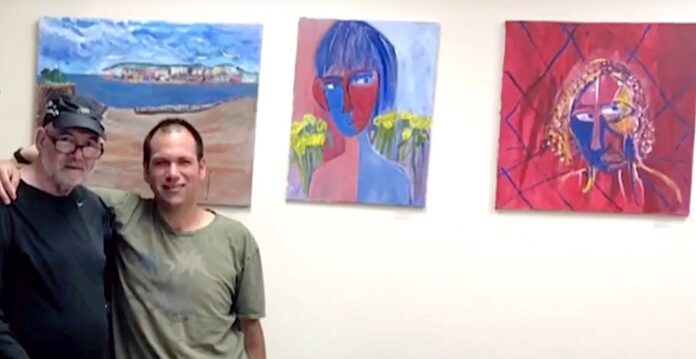
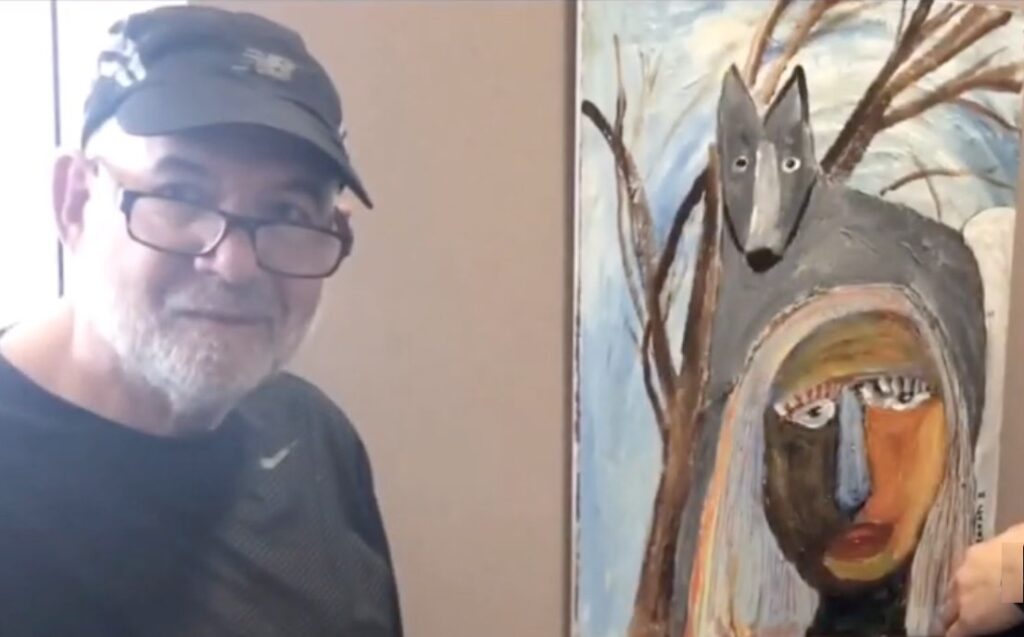
13 years ago, after being diagnosed with Parkinson’s disease, a 65-year-old military veteran and social worker, decided he would turn his dark diagnosis into a positive opportunity to fulfill a lifelong dream.
Now, Norman Greenstein is known as ‘The Parkinson’s Painter’.
In high school he was a prolific doodler, but the dean of an art school told him he would never make it as an artist.
“I showed him my work and he said, ‘The problem with modern art is you can spit on a canvas and call it art’—that’s what he thought of my artwork, so I didn’t do it.”
Norman put his dream aside, and supported his wife and three children with devotion.
He flirted with his passion over the years, but ‘reality’ and responsibilities always overtook his longing for creative expression.
After Norman was diagnosed with Parkinson’s, he talked to his son about finally embarking aboard life as a painter.
“My father has continued to fight through the burdens and struggles of his afflictions in order to continue to paint,” his son Gabe Greenstein told GNN.
“Inspired by this, my brother, Steven, and I, started what would become a project involving our whole family, in order to help spread awareness of our father’s work, his experience, and his mission to help others with Parkinson’s.”
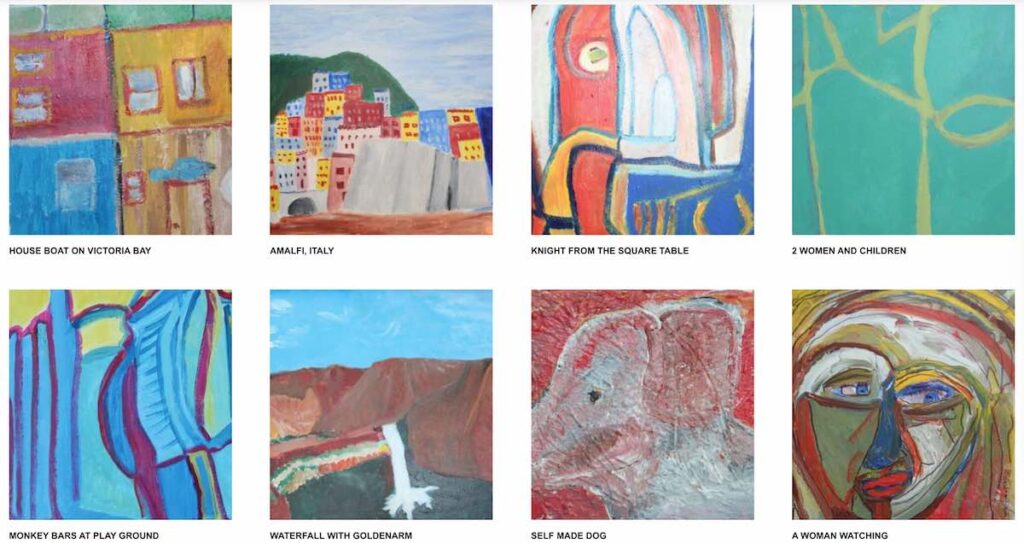
In 2018, Norman, who lives in Hartford, Connecticut, began selling his first paintings, with galleries exhibiting his work.
The team is also working on releasing Norm’s first digital NFT art collection. 20% of all sales is being donated to two Parkinson’s research foundations.
Watch the video segment from the TODAY show below—and see more of his artwork at ParkinsonsPainter.com.
MULTIPLY the Good by Sharing the Inspiring Story on Social Media…
Quote of the Day: “The cave you fear to enter holds the treasure you seek.” – Joseph Campbell
Photo: by Nicolas Häns
With a new inspirational quote every day, atop the perfect photo—collected and archived on our Quotes page—why not bookmark GNN.org for a daily uplift?
Michelle Valberg / for Raincoast Conservation Foundation
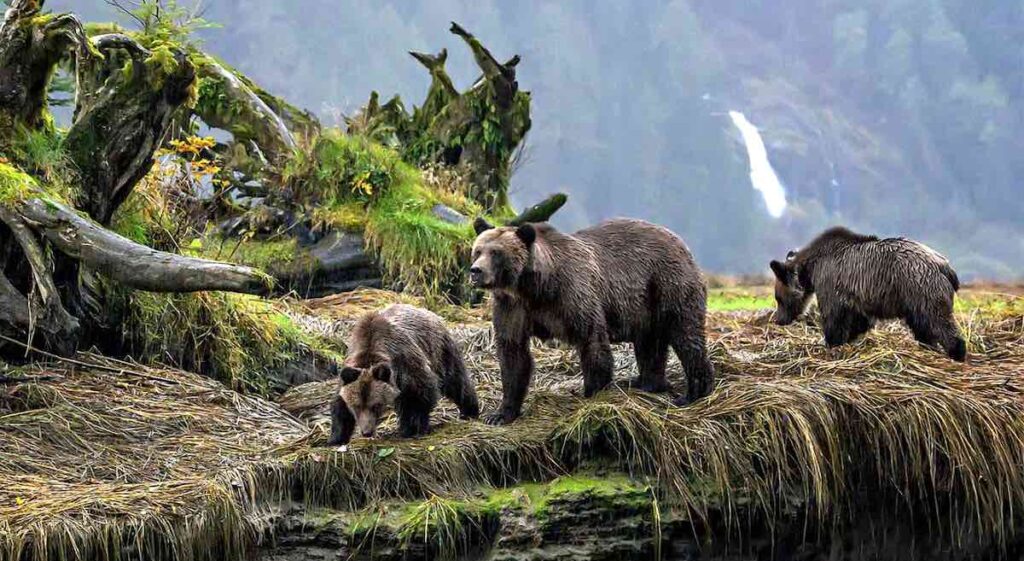
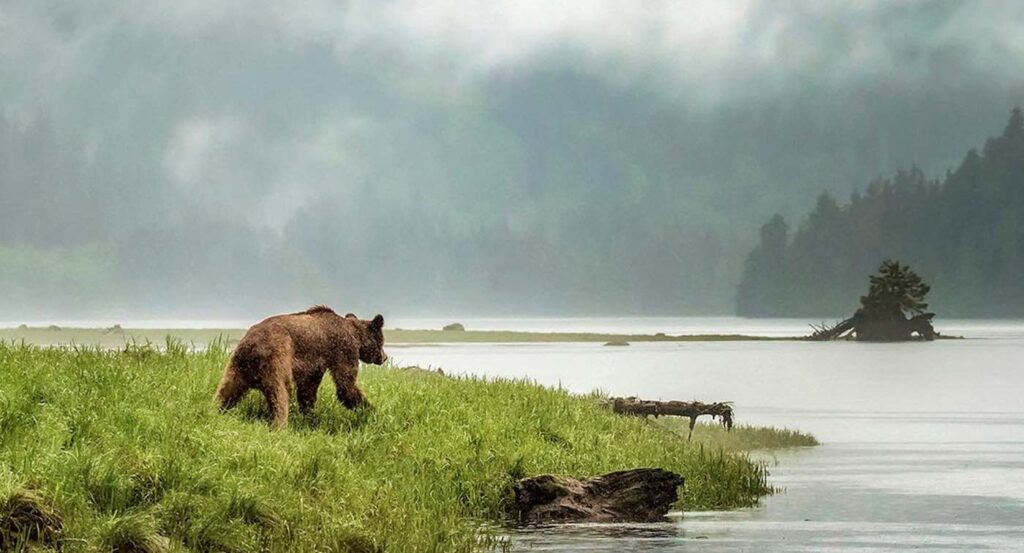
Indigenous humans living along the west coast in British Columbia have been culturally connected to grizzly bears for millennia, sharing the same dense forests of Canada.
Michelle Valberg / for Raincoast Conservation Foundation
Now research reveals the grizzlies here belong to three distinct genetic groups—and they align strikingly well with the three local Indigenous language families.
From a collaboration of First Nations with scientists at the University of Victoria and the Raincoast Conservation Foundation a newly identified link emerged in this relationships between grizzlies and the Tsimshian, Northern Wakashan, and Salishan Nuxalk peoples.
The explanation the partnership favors is that the landscape has shaped bears and humans in similar ways.
How exactly the three areas differ—likely in constraints and opportunities for foods and movement—remains a mystery. However, we do know that bears and people have long shared resources and space on this landscape, emphasizing the potential for a parallel response to variation in these resources that reflects this long-term relationship.
The striking finding was as unexpected as it was surprising.
“The study was originally motivated towards understanding if genetic discontinuity might exist across the landscape, an important consideration in management,” offered Lauren Henson, Raincoast Fellow and PhD student at UVic.
Henson used bear hair samples that researchers had collected over the course of 11 years, according to Science.org, which reported that the group collected samples from 147 bears over 23,500 square kilometers—an area roughly the size of Vermont.
“Grizzly bears sampled within an area represented by a given language family were significantly similar to those sampled within that language family and significantly divergent to those sampled outside the language family. This spatial co-occurrence suggests that grizzly bear and human groups have been shaped by the landscape in similar ways, creating a convergence of grizzly bear genetic and human linguistic diversity.”
Michelle Valberg for Raincoast Conservation Foundation
But, don’t assume that “shaped by the landscape” refers to rivers, or obvious physical barriers that would keep them apart—because there were none. The genetic groupings didn’t fall in areas bordered by waterways or rugged peaks.
Henson infers that the bears remain genetically distinct not because travel is restricted, but because the region is so bountiful (with an unending supply of salmon, for instance) that they never needed to stray to meet their needs.
Most important to modern conservationists, the geographic configuration of the genetic groups does not align with how grizzlies are currently spatially managed by the local provincial government.
For William Housty, of the Heiltsuk Integrated Resource Management Department and co-author, results like these highlight the importance of locally-led monitoring for management.
“Our investments in research across our territories allow us to make informed management decisions that draw not only from our own knowledge, but also new scientific evidence like this,” said Housty.
Send the Fascinating News to Your Tribe on Social Media…
FREE WILL ASTROLOGY – Week beginning November 5, 2021
Copyright by Rob Brezsny, FreeWillAstrology.com
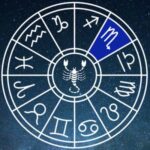
SCORPIO (Oct. 23-Nov. 21):
To encourage young people to come to its shows, the English National Opera has offered a lot of cheap tickets. Here’s another incentive: Actors sing in English, not Italian or French or German. Maybe most enticing for audiences is that they are encouraged to boo the villains. The intention is to make attendees feel relaxed and free to express themselves. I’d love to give you Scorpios permission to boo the bad guys in your life during the coming weeks. In fact, I would love it if you were extra eloquent and energetic about showing your true feelings. In my view, this is prime time for you to show the world exactly who you are.
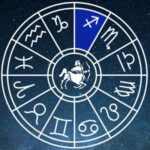
SAGITTARIUS (Nov. 22-Dec. 21):
“If we’re not careful, we are apt to grant ultimate value to something we’ve just made up in our heads,” said Zen priest Kosho Uchiyama. In my opinion, that’s a problem all of us should always be alert for. As I survey my own past, I’m embarrassed and amused as I remember the countless times I committed this faux pas. For instance, during one six-month period, I devoted myself to courting a woman who had zero interest in a romantic relationship with me. I bring this to your attention, Sagittarius, because I’m concerned that right now, you’re more susceptible than usual to making this mistake. But since I’ve warned you, maybe you’ll avoid it!
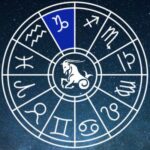
CAPRICORN (Dec. 22-Jan. 19):
Capricorn author Asha Sanaker writes, “There is a running joke about us Capricorns that we age backwards. Having been born as burdened, cranky old people, we become lighter and more joyful as we age because we have gained so much practice in wielding responsibility. And in this way we learn, over time, about what are our proper burdens to carry—and what are not. We develop clear boundaries around how to hold our obligations with grace.” Sanaker’s thoughts will serve as an excellent meditation for you in the coming weeks. You’re entering into a ripe new phase of embodying the skills she articulates.
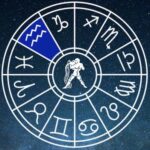
AQUARIUS (Jan. 20-Feb. 18):
As author Denise Linn reminded us, “The way you treat yourself sends a very clear message to others about how they should treat you.” With that advice as your inspiration, I will ask you to deepen your devotion to self-care in the coming weeks. I will encourage you to shower yourself with more tenderness and generosity than you have ever done in your life. I will also urge you to make sure these efforts are apparent to everyone in your life. I am hoping for you to accomplish a permanent upgrade in your love for yourself, which should lead to a similar upgrade in the kindness you receive from others.
PISCES (Feb. 19-March 20):
You have at your disposal a prodigiously potent creative tool: your imagination. If there’s a specific experience or object you want to bring into your world, the first thing you do is visualize it. The practical actions you take to live the life you want to live always refer back to the scenes in your mind’s eye. And so every goal you fulfill, every quest you carry out, every liberation you achieve, begins as an inner vision. Your imagination is the engine of your destiny. It’s the catalyst with which you design your future. I bring these ideas to your attention, dear Pisces, because November is Celebrate Your Imagination month.
ARIES (March 21-April 19):
Are you still hoping to heal from psychological wounds that you rarely speak about? May I suggest that you consider speaking about them in the coming weeks? Not to just anyone and everyone, of course, but rather to allies who might be able to help you generate at least a partial remedy. The moment is ripe, in my opinion: Now is a favorable time for you to become more actively involved in seeking cures, fixes, and solace. Life will be more responsive than usual to such efforts.
TAURUS (April 20-May 20):
“The delights of self-discovery are always available,” writes author Gail Sheehy. I will add that those delights will be especially available for you in the next few weeks. In my view, you’re in a phase of super-learning about yourself. You will attract help and support if you make it your quest to explore mysteries that have eluded your understanding. Have fun surprising and entertaining yourself, Taurus Make it your goal to catch a new glimpse of your hidden depths every day.
GEMINI (May 21-June 20):
Gemini novelist and philosopher Muriel Barbery says, “I find this a fascinating phenomenon: the ability we have to manipulate ourselves so that the foundation of our beliefs is never shaken.” In the coming weeks, I hope you will overcome any tendency you have to manipulate yourself in such a way. In my view, it’s crucial for your mental and spiritual health that you at least question your belief system—and perhaps even risk shaking its foundation. Don’t worry: Even if doing so ushers in a period of uncertainty, you’ll be much stronger for it in the long run. New, more robust and complete beliefs are on the way.
CANCER (June 21-July 22):
In her book Mathilda, Frankenstein novelist Mary Shelley (1797–1851) has the main character ask, “What had I to love?” And the answer? “Oh, many things: there was the moonshine, and the bright stars; the breezes and the refreshing rains; there was the whole earth and the sky that covers it.” I bring this to your attention in the hope of inspiring you to make your own tally of all the wonders you love. I trust your inventory will be at least ten times as long as Mathilda’s. Now is a favorable time for you to gather all the healing that can come from feeling waves of gratitude, even adoration, for the people, animals, experiences, situations, and places that rouse your interest and affection and devotion.
LEO (July 23-Aug. 22):
Our memories are always changing. Whenever we call up a specific remembrance, it’s different from the last time we visited that same remembrance—colored by all the new memories we have accumulated in the meantime. Over time, an event we recall from when we were ten years old has gone through a great deal of shape-shifting in our memory—so much so that it may have little resemblance to the first time we remembered it. Is this a thing to be mourned or celebrated? Maybe some of both. Right now, though, it’s to be celebrated. You have extra power to declare your independence from any memories that don’t make you feel good. Why hold onto them if you can’t even be sure they’re accurate?
VIRGO (Aug. 23-Sept. 22):
In 1962, astronaut John Glenn became the first American to orbit the Earth in a spacecraft. His flight happened to be the first time that NASA, the agency in charge of spaceflight, had ever used electronic computers. Glenn, who was also an engineer, wanted the very best person to verify the calculations, and that was Virgo mathematician Katherine Johnson. In fact, Glenn said he wouldn’t fly without her involvement. I bring this to your attention, Virgo, because I believe the coming months will be a favorable time for you to garner the respect and rewards that Katherine Johnson got from John Glenn. Make sure everyone who needs to know does indeed know about your special aptitudes and skills.
LIBRA (Sept. 23-Oct. 22):
According to an Apache proverb, “It is better to have less thunder in the mouth and more lightning in the hand.” If you act on that counsel in the coming weeks, you will succeed in doing what needs to be done. There is only one potential downfall you could be susceptible to, in my view, and that is talking and thinking too much about the matter you want to accomplish before you actually take action to accomplish it. All the power you need will arise as you resolutely wield the lightning in your hands.
WANT MORE? Listen to Rob’s EXPANDED AUDIO HOROSCOPES, 4-5 minute meditations on the current state of your destiny — or subscribe to his unique daily text message service at: RealAstrology.com
What once was brown now has turned green, thanks to a special collaboration between the Dutch Lottery, the UN, and a group of humanitarian Lutherans.
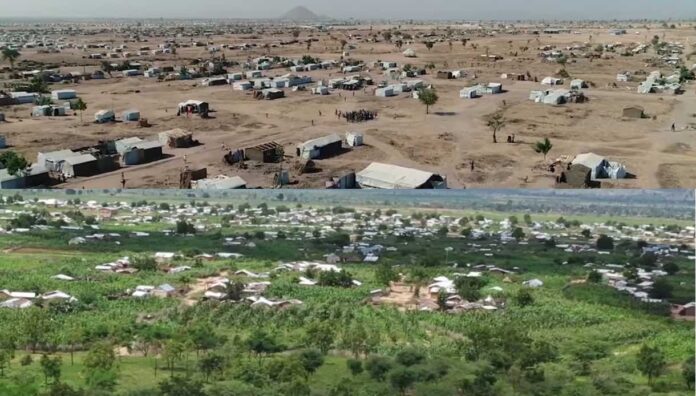
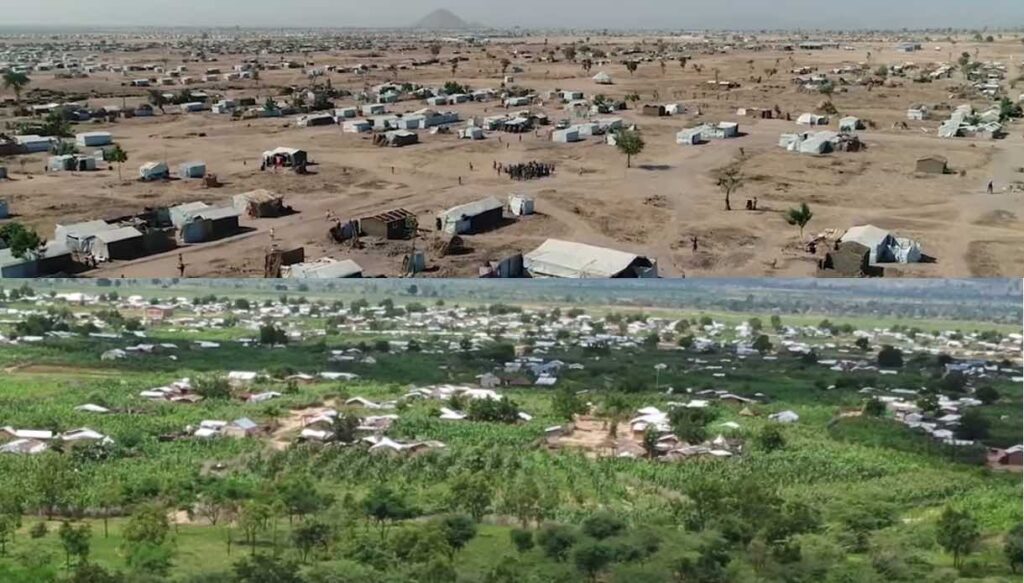
In 2014, Minawao began hosting at least 60,000 refugees in Cameroon who fled violence linked to the Boko Haram insurgency in neighboring Nigeria. An arid region already dusty brown, the refugees’ arrival accelerated the desertification process as they cut down all the surrounding trees for firewood and cooking.
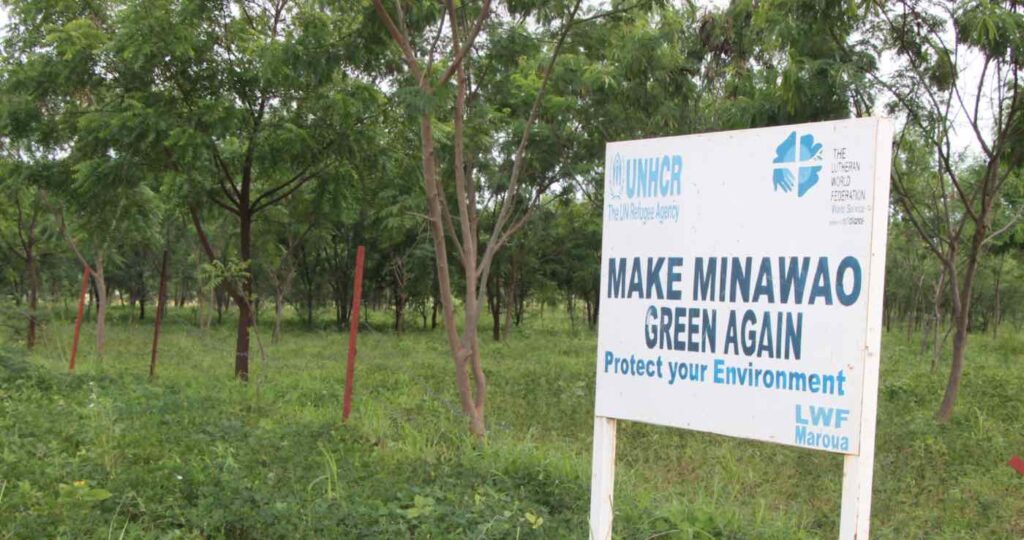
But, in a few years, the Lutheran World Federation (LWF) and the United Nations Refugee Agency (UNHCR) were able to empower the refugees to transform the region into a thriving young forest.
In this very harsh climate, rivers dry up during the summer months and planting and harvesting is difficult. Already, 95% of the people living in this far north region cooked and heated with firewood—additionally, the refugee camp grew to become its own city needing its own supplies.
Before the Nigerians arrived, the local population had enough firewood and “you couldn’t see anyone within 100 meters”. After their arrival, the environment was destroyed and became “treeless for miles,” said Boubakar Ousmary, who governs the canton bordering the camp.
The price of wood rose considerably, causing community conflicts. Faced with this ecological and human disaster, UNHCR and LWF launched its unique program in 2017 that would reverse deforestation and tackle the problem from two ends, including the promotion of renewable energies.
Now the communities are working together, to restore and protect the environment.
Minawao camp project-by Lutheran World Federation / N. Toukap Justin
“Everywhere we look is green now,” says Luka Isaac, president of the Nigerian refugees in Minawao. “The trees have grown, we have shade and we will have enough trees to make our environment beautiful and healthy. Before, the air was very dusty. Now the air we breathe is very good.”
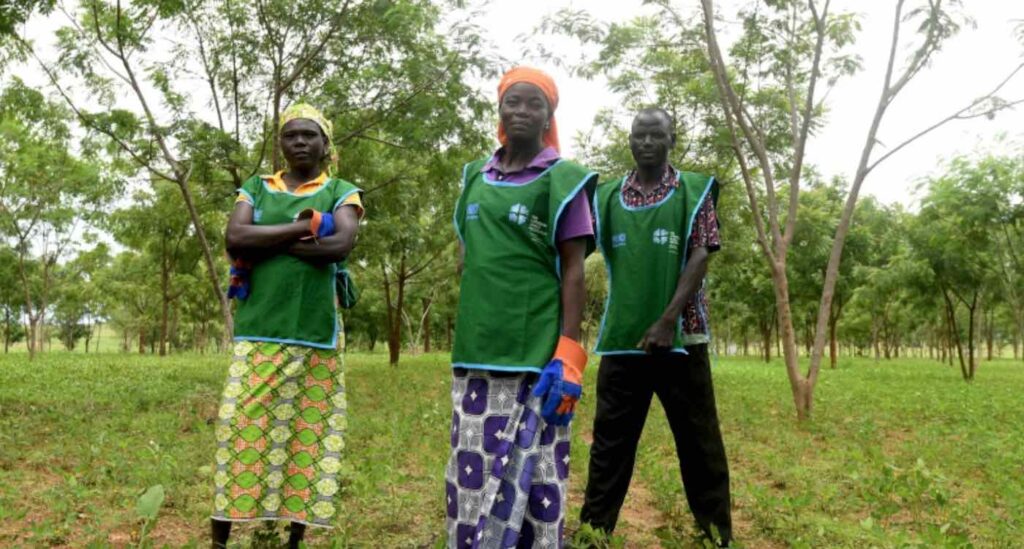
LWF grows fruit trees in nurseries, with the help of refugee volunteers, then distributes the saplings to the camp administrators, schools, mosques, churches, and households.
Refugees received training on how to use “cocoon technology”, developed by Land Life Company, to give seedlings the best chance of survival in the harsh environment. It involves burying a doughnut-shaped water tank made from recycled cartons that surrounds the plant’s roots and feeds it using a string that connects to the young shoot.
Now, four years later, 360,000 seedlings have been grown in the nursery on the outskirts of the camp—and planted throughout 294 acres (119 hectares). And, they are recording 90% survival rates.
Fruit trees, acacias, cashews, or moringas will provide fruit, medicine and much more. A five-year planting and harvest cycle ensures material for firewood, as well as vines for the construction of roofs. After three years, some trees are big enough to be pruned for firewood.
The trees also break the wind, reduce erosion, and provide shade—enough for families to grow crops, something that was not possible previously.
“The trees bring us a lot,” Nigerian refugee Lydia Yacoubou told UNHCR. “First, they provide the shade necessary to grow food. Then, the dead leaves and branches can be turned into a fertilizer for cultivating. Finally, the forest attracts and retains water. Rainfall has even increased.”
At the same time, the project is providing new livelihoods, while cutting carbon emissions from the burning of wood.
Alternative energy empowers women and girls
To make sure the new forest is not cut down immediately, the production of energy-efficient stoves was launched, along with two centers for ‘ecological charcoal’ production.
The households in the camp send their waste from crops to the charcoal center where it is sorted, dried, carbonized, and compacted into briquettes by trained refugees, which are then used in specially adapted cook stoves. LWF says it has trained more than 5,500 households in the production of ecological charcoal and has distributed a whopping 11,500 energy-efficient stoves.
300 people are employed in the production of charcoal and stoves, the majority of them women. Having their own income has empowered them and improved their positions in the families. Since charcoal became the main source for fuel, young girls have more time available to study for school.
Fibi Ibrahim, a refugee and mother of five who has lived in Minawao since 2016, is one of the workers.
“The money I make selling charcoal briquettes allows me to buy soap, seasoning, and meat to supplement the family’s rations,” says Fibi. “I hope that soon, when I have saved enough money, I can start my own shop in the camp and fully meet the needs my household.”
Funded by a $2.7 million donation from the Dutch Postcode Lottery, the Cameroon program is part of the Great Green Wall initiative that aims to grow an 8,000-kilometre swath of vegetation and trees to combat desertification and drought along the border of the Sahara.
Seen from the sky, the evolution of the site in a few years is striking. Video footage shot in 2018 showed vast stretches of sand surrounding buildings and shelters. Now the land is covered with vegetation.
Watch the video from Reuters below…
GROW This Good News By Planting it on Social Media…
After hurricane-force winds hit New England last week, one-half million homes were without power.
Many people turned to generators to supply electricity, and one such instance almost turned deadly, were it not for the actions of a 9-year-old hero.
In Brockton, Massachusetts, Jayline Barbosa Brandao heard her father screaming and saw her mother unconscious, passed out from breathing too much carbon monoxide coming from the generator.
Soon, her father was overtaken, too, as the odorless gas continued to fill the home.
Jayline jumped into action, trying to use her father’s phone to call for help—but it was locked.
Staying calm, she told a Boston WFXT-TV reporter what happened next.
“I unlocked it by using my dad’s face.”
She then dialed 911—and she even called neighbors.
“I unlocked it by using my dad’s face” 9-year-old hero Jayline Brandao of Brockton knew her mom & dad were in trouble. Fatal levels of carbon monoxide filled her family’s home, she unlocked her dads phone, dialed 911 & even called neighbors! Her amazing story ➡️6pm➡️@boston25pic.twitter.com/S6yfAR7D8K
Quote of the Day: “My happiness grows in direct proportion to my acceptance, and in inverse proportion to my expectations.” – Michael J. Fox
Photo: by McFotoSFO
With a new inspirational quote every day, atop the perfect photo—collected and archived on our Quotes page—why not bookmark GNN.org for a daily uplift?
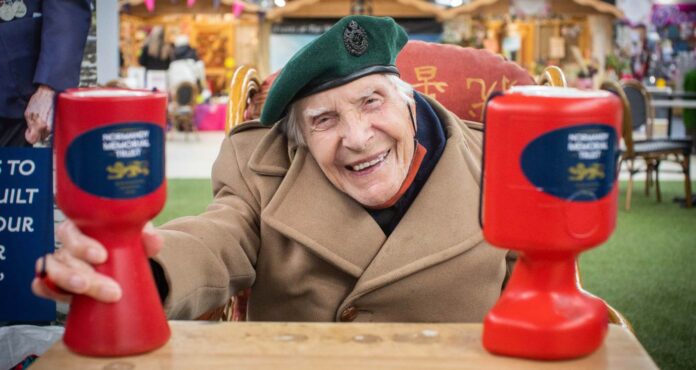
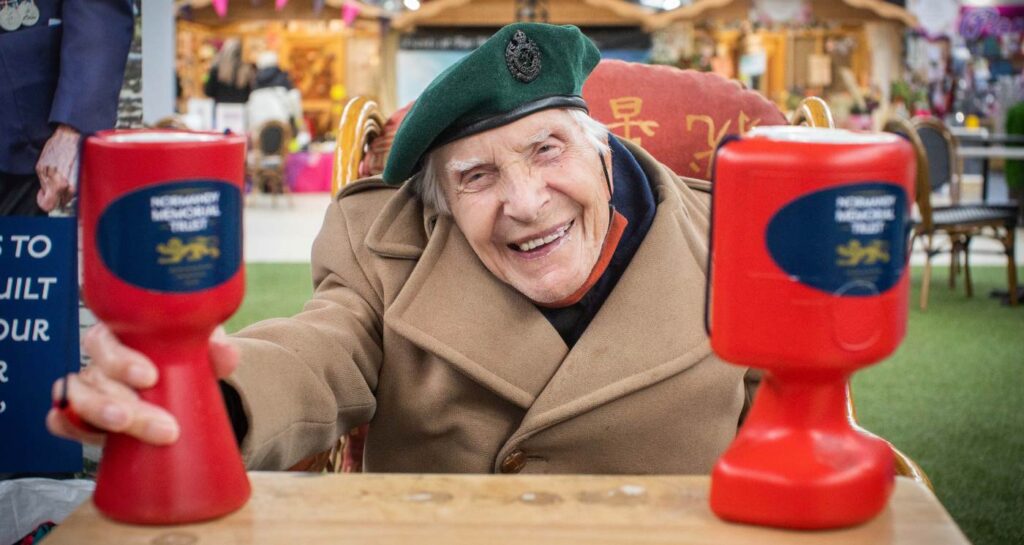
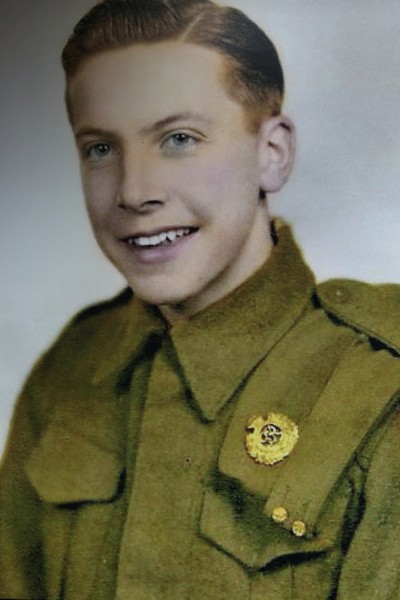
One of Britain’s last surviving D-Day heroes returned home from France after completing his ‘final mission’—and got straight back out collecting for the 68th consecutive year.
96-year-old Harry Billinge has completed what he described as his ‘last duty’ to pay tribute to his fallen friends who died on the Gold Beach during the landings in 1944.
He traveled back across the Channel to support a tribute recording the names of all 22,442 service personnel who died under British command on D-Day and the Battle of Normandy.
And after collecting at least £50K ($67k) towards the construction of the memorial, he said he was incredibly moved to see the names of his fallen friends carved in stone during the unveiling last month.
But instead of coming home to St Austell, Cornwall, to put his feet up—Harry has already been out collecting again to help maintain it and build an education center on the site.
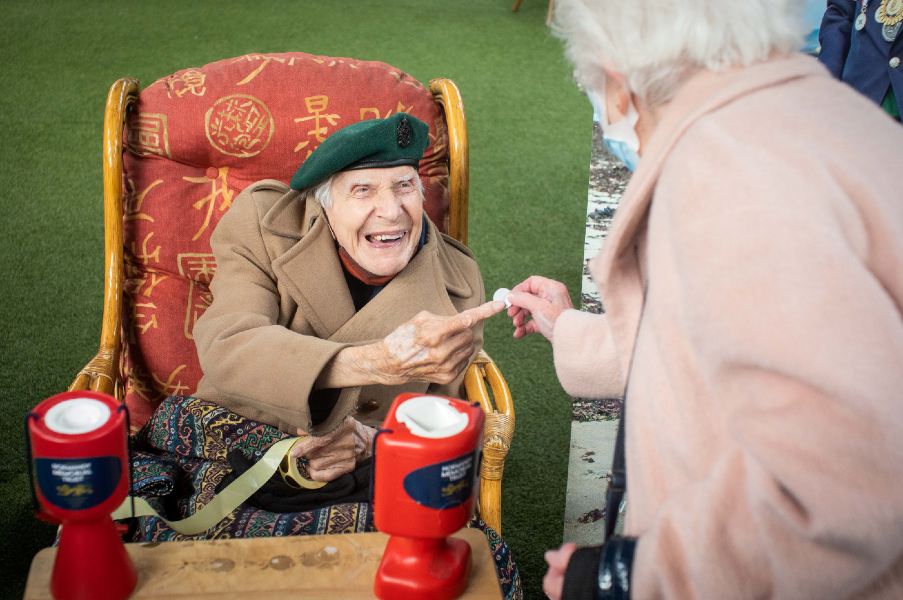
He has now spent an incredible 68 years raising money for military charities—and said his new-found ‘celebrity status’ meant people were queuing this week to put money in his tin.
SWNS
Harry was a former chair of the Cornwall branch of the Normandy Veterans Association, President of the Royal Engineers Association, and collected for the Royal British Legion Poppy Appeal for 64 years.
“It was very, very moving for me, and it still moves me now. I had a wonderful time because everyone there knows me now in Normandy.”
Harry was just 18 in 1944, serving with the 59th Independent Squadron of the Royal Engineers when he was part of the first wave on Gold Beach.
SWNS
At the memorial—which cost nearly £30 million ($40 million) and was funded by the British government and private benefactors—Harry recounted how overwhelmed he was to see the name of his friend, a brother in arms who died on Gold Beach that day.
“I found a couple of my mate’s graves there, namely a man called Leeds, he had a three-week-old baby at the time when he died.
“He died in my arms.
“My generation saved the world”.
“Everything I’ve done has been for the memorial… I’m not a proud man,” he said, “pride is a deadly sin, but I am very happy that I was able to collect money and do my bit.”
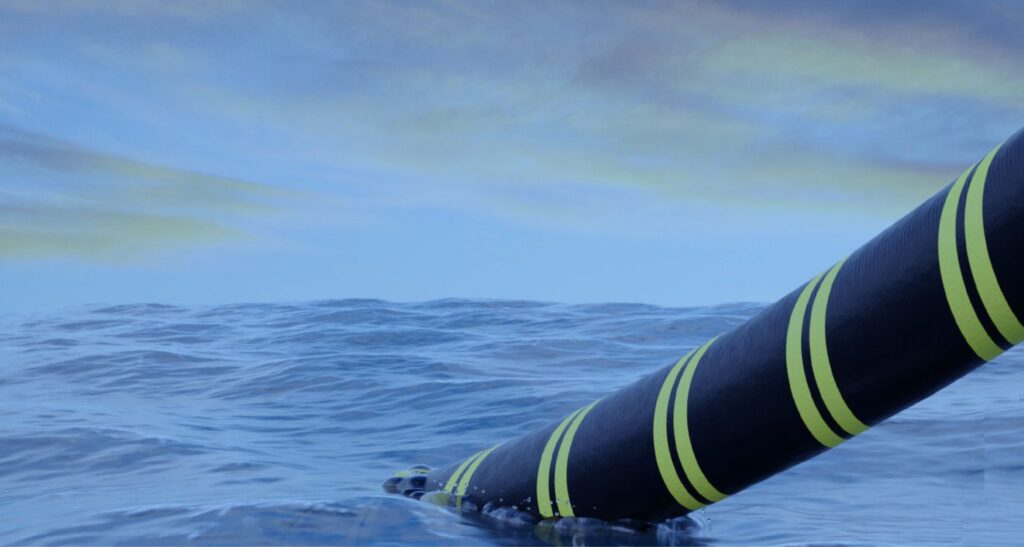
A tiny English village is to become the center of a ”revolution” in the global energy industry and be connected to Morocco—with the world’s longest undersea cable.
The scheme will see Alverdiscott in Devon, population 286, at the end of a line attaching it to North Africa.
The Xlinks Morocco-UK Power Project says it will import enough sun and wind-generated energy to the UK to supply seven million homes by 2030.
The plan would see 3,800km (2,361 miles) of subsea cabling connect Morocco’s renewable energy-rich Guelmim Oued Noun region with little Alverdiscott, near Barnstaple.
An agreement has already been reached with the National Grid for voltage source convertor stations to be set up in the English village, which has a population of 286.
The man behind the huge project is former Tesco groocery store chain boss Sir David Lewis.
The new electricity generation facility, entirely powered by solar and wind energy combined with a battery storage facility, would cover about 1,500 square kilometers (579 square miles) in Morocco and then be connected to Britain via four HVDC (high voltage direct current) sub-sea cables.
These would plug into Alverdiscott which would host two 1.8GW connections.
Convertor stations in Morocco will change the high voltage alternating current (HVAC) power at the generation site to HVDC (High Voltage Direct Current).
Solar panels in Morocco -SWNS
This is then sent through the subsea cable to the converter station in North Devon which changes it back to high voltage power, ready to be injected into the British transmission network.
In total, four cables will form the twin 1.8GW HVDC subsea cable systems.
They will follow the shallow water route from Morocco to Alverdiscott, passing Spain, Portugal, and France.
A technical feasibility study has already been completed to validate the reliability and cost of the project.
The former Tesco boss is also raising £800 million ($1,080 million) to build three UK production facilities to tap into growing demand for the electric cables used for offshore wind farms and undersea interconnectors.
A spokesman for Xlinks said, “This ‘first of a kind’ project will generate 10.5GW of zero carbon electricity from the sun and wind to deliver 3.6GW of reliable energy for an average of 20+ hours a day.
Once complete, the project will be capable of supplying 8% of Great Britain’s electricity needs.
“Alongside the consistent output from its solar panels and wind turbines, an onsite 20GWh/5GW battery facility provides sufficient storage to reliably deliver each and every day, a dedicated, near-constant source of flexible and predictable clean energy for Britain, designed to complement the renewable energy already generated across the UK.” That’s exciting news indeed.
POWER the Good Green News Over to Those Social Feeds…
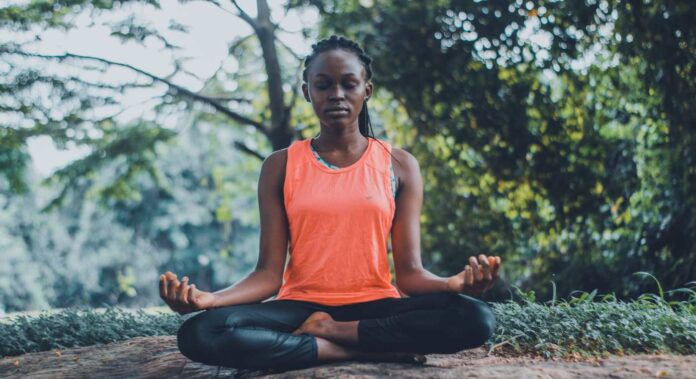
Meditation training does reduce long-term stress; that’s what scientists in Germany have discovered by analyzing hair.
The amount of cortisol in hair provides information about how much a person is burdened by persistent stress. Earlier positive training effects at Max Planck Institute for Human Cognitive and Brain Sciences (MPI CBS) had been shown in acutely stressful situations or on individual days—or were based on study participants’ self-reports. The current study thus provides the first objective evidence that mental training reduces physical signs of long periods of stress.
According to a study, 23 percent of people in Germany frequently suffer from stress. This condition not only puts a strain on the well-being of those affected, but it is also linked to a number of physiological diseases, including diabetes, cardiovascular diseases, and psychological disorders such as depression, one of the world’s leading causes of disease burden.
Therefore, effective methods are being sought to reduce everyday stress in the long term.
One promising option is mindfulness training, in which participants train their cognitive and social skills, including attention, gratitude, and compassion, through various meditation and behavioral exercises.
Various studies have already shown that even healthy people feel less stressed after a typical eight-week training programme. Until now, however, it has been unclear how much the training actually contributes to reducing the constant burden of everyday stress.
The problem with many previous studies on chronic stress is that the study participants were usually asked to self-assess their stress levels after the training. However, this self-reporting by means of questionnaires could have distorted the effects and made the results appear more positive than they actually were.
The reason for such a bias: The participants knew they were training their mindfulness, and a reduction in stress levels was a desired effect of this training. This awareness alone has an impact on subsequent information.
“If you are asked whether you are stressed after a training session that is declared as stress-reducing, even addressing this question can distort the statements,” explains Lara Puhlmann, doctoral student at MPI CBS and first author of the study.
Factors such as social desirability and placebo effects played a role here. Unlike pharmacological studies, for example, in which the study participants do not know whether they have actually received the active substance or not, so-called blinded studies are not possible in mental training. “The participants know that they are ingesting the ‘antidote’,” says Puhlmann. “In mindfulness research, we are therefore increasingly using more objective, i.e. physiological, methods to measure the stress-reducing effect more precisely.”
The answer in hair
The concentration of cortisol in hair is considered a suitable measure of exposure to prolonged stress. Cortisol is a hormone that is released when we are confronted with an overwhelming challenge, for example. In that particular situation, it helps put our body on alert and mobilize energy to overcome the challenge.
The longer the stress lasts, the longer an increased concentration of cortisol circulates around our body—and the more it accumulates in our hair. On average, hair grows one centimeter per month. To measure the study participants’ stress levels during the 9-month training, the researchers, in cooperation with the working group of Clemens Kirschbaum at the University of Dresden, analyzed the amount of cortisol every three months in the first three centimetres of hair, starting at the scalp.
The mental training itself was developed as part of a large-scale longitudinal study on the effects of mental training. This 9-month mental training programme consisted of three 3-month sessions, each designed to train a specific skill area using Western and Far Eastern mental exercises.
The focus was either on the factors of attention and mindfulness, on socio-affective skills such as compassion and gratitude, or on so-called socio-cognitive skills, in particular the ability to take perspective on one’s own and others’ thoughts. Three groups of about 80 participants each completed the training modules in different order. The training lasted up to nine months, 30 minutes a day, six days a week, and the corresponding paper was published in Psychosomatic Medicine.
Less stress, less cortisol
And it really showed: After six months of training, the amount of cortisol in the subjects’ hair had decreased significantly, on average by 25 percent. In the first three months, slight effects were seen at first, which increased over the following three months. In the last third, the concentration remained at a low level. The researchers therefore assume that only sufficiently long training leads to the desired stress-reducing effects. The effect did not seem to depend on the content of the training. It is therefore possible that several of the mental approaches studied are similarly effective in improving the way people deal with chronic everyday stress.
In an earlier study from the ReSource project with the same sample, the researchers had investigated the effects of training on dealing with acute stressful situations. In this study, the participants were placed in a stressful job interview and had to solve difficult maths problems under observation. The results showed that people who had undergone socio-cognitive or socio-affective training released up to 51 percent less cortisol under stress than those who had not been trained. In this case, they did not measure the amount of cortisol in the subjects’ hair, but instead acute cortisol surges in their saliva.
Overall, the researchers conclude that training can improve the handling of acute particularly stressful social situations as well as chronic everyday stress. “We assume that different training aspects are particularly helpful for these different forms of stress,” says Veronika Engert, head of the research group “Social Stress and Family Health” at MPI CBS.
“There are many diseases worldwide, including depression, that are directly or indirectly related to long-term stress,” explains Puhlmann. “We need to work on counteracting the effects of chronic stress in a preventive way. Our study uses physiological measurements to prove that meditation-based training interventions can alleviate general stress levels even in healthy individuals.”
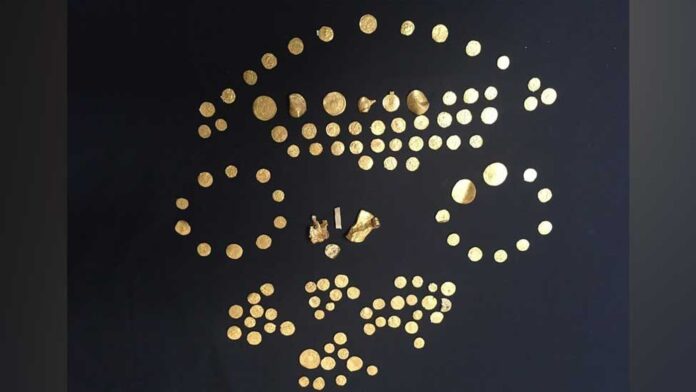
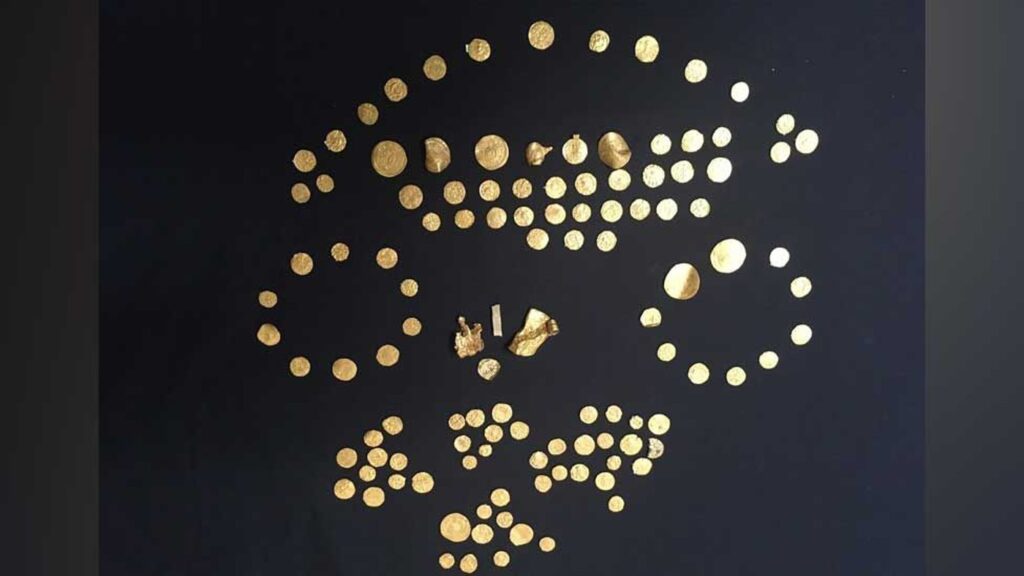
It’s official: 131 gold coins found in a field in Norfolk, England represent the largest Anglo-Saxon gold coin hoard ever discovered, a find which is being described as one of “international importance.”
With the first coin found in 1991, and the rest found in 2014, the hoard was long undergoing “Treasure Review” by the appropriate antiquities authority. A stamped pendant, gold ingot, and two unidentified pieces accompanied the coins, which shed golden light on not only the wealth enjoyed by pre-Viking East Anglian society, but the reach and value of their trade routes, and the development of widespread minting in Europe.
Dated to around 610 CE, it’s thought they were buried together in a funeral barrow, and scattered across a field through centuries of plowing. Ten of the coins arrived in England from the Byzantine Empire, or at least someone who had trade with them, while the other 120 were made in France during the Merovingian Dynasty.
“It may well be that the hoard was assembled by someone traveling through Frankia in the course of trade,” writes numismatist Dr. Adrian Marsden, who told the BBC, “all the coins were minted on the continent, as we didn’t have gold coins of our own then.”
Indeed, Anglo-Saxon hoards of multiple thousands have been found containing silver coins, but as the yellow metal is extremely rare in English earth, the find is of unique importance. The marks of 54 separate “moneyers” or mints, were found on the coins by Marsden.
The Norfolk hoard gained some fame in 2017 when one of the two amateur detectorists who found it was handed a 16-month jail term after it was found he had sold ten of the coins to an antique dealer.
Norfolk Identification and Recording Service
Today, having been declared officially as treasure, the Norwich Castle and Museum hopes to acquire it for their collection.
Norwich Castle and Art Gallery curator Tim Pestell described the hoard as a globally important find that “reflects the wealth and continental connections enjoyed by the early Kingdom of East Anglia.”
SEND This Treasure to All Your Gold Seeking Friends on Social Media…