












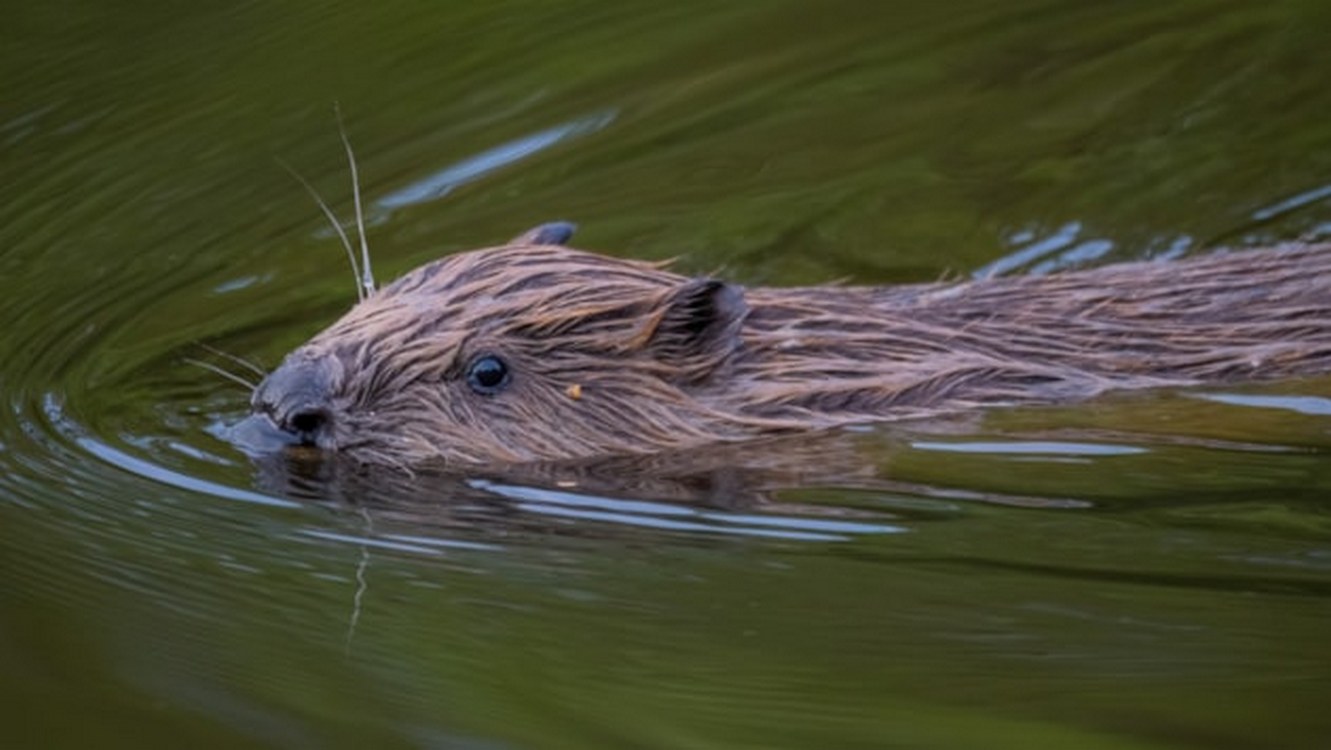
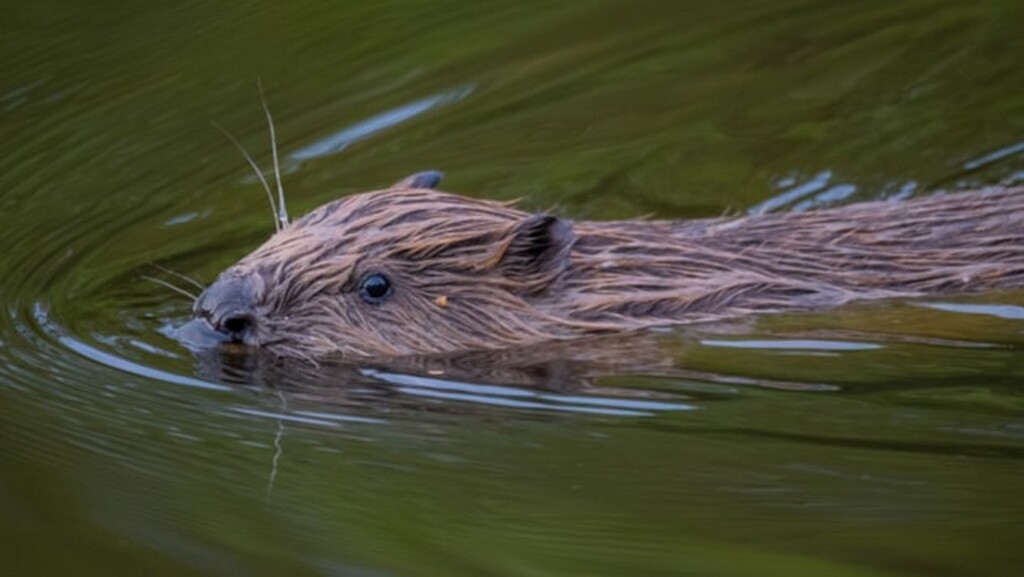
Loch Ness is about to welcome a new monster.
This beastie is not to be trifled with: it has razor-sharp teeth and can easily knock down a fully-grown tree.
Beavers were last sighted in the area around Scotland’s most famous lake between 1526 and 1527. Now, literally 500 years later, these key ecosystem engineers will be reintroduced to the local environment.
The news came on October 30th, when the national conservation authority NatureScot granted a license to a pair of nonprofits, Trees for Life and the Beaver Trust, to release up to 15 beaver families over 3 years in the River Ness catchment area, which includes the lake.
The application was assessed in line with the Scottish Code for Conservation Translocations, which considers a range of issues including site suitability, animal welfare, and potential impacts on neighboring and community interests.
NatureScot’s statement detailed that the assessment concluded beavers could significantly boost biodiversity in the catchment, with the landscape at low risk of negative impacts from beaver activity.
Responses to the consultation process between the nonprofits and the community were positive, with more than 73% of respondents expressing support afterwards.
“Beavers can bring many benefits for nature and people, creating habitats such as ponds and wetlands where other species thrive, as well as moderating water flows in times of flood and water scarcity,” said Robbie Kernahan, NatureScot Director for Wildlife Management.
BEAVER BITES: After 500 Years, the Beaver Is Back in Portugal and Ready to Give a Dam
“Some concerns have been raised by land managers and residents through the consultation process and we take these seriously. We have assessed the monitoring and mitigation plans set out by the applicants and believe that, along with our existing Beaver Mitigation Scheme, any potential conflicts that may arise can be resolved.”
Beavers have again lived wild in Scotland since they were reintroduced in 2009. Since then, they have gradually reclaimed various ancestral waterways.
THE CRAIC: Tiny Scottish Island’s Little Historical Society Makes Massive Discovery
The nonprofits have said that translocations could begin in the following weeks. Qualifying animals will typically be taken from other locations in Scotland where they are having a deleterious impact on prime agricultural land, or are not settling well into the area they were released.
The next time you see a long, thin object moving over the lake and assume its Nessie, make sure to double check it isn’t a log in the jaws of the new kid on the loch.