













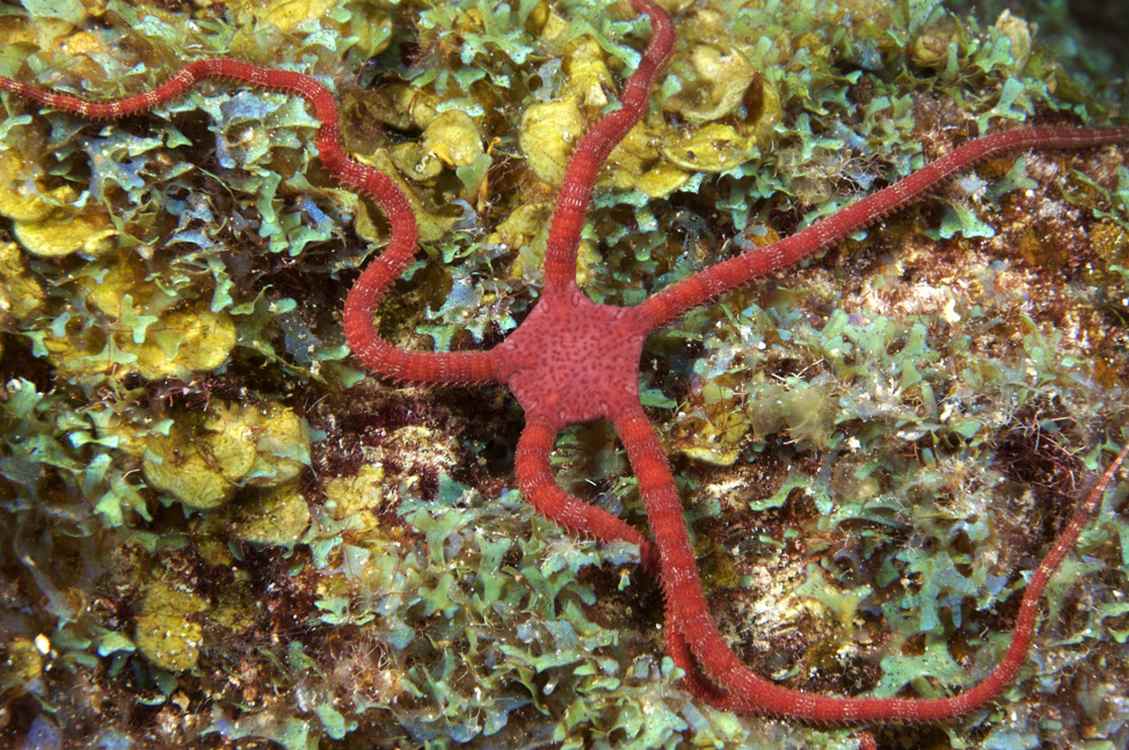
A decade after Scotland banned bottom trawling and dredging there are flourishing populations of no less than 1,500 species critical for seabed integrity.
The news came via a survey which compared the South Arran Marine Protected Area with nearby fished zones, in which scientists identified twice as many species, and thrice as much abundance of life.
“These seabeds may appear empty, but they are anything but,” said a lead researcher on the survey, Dr. Ben Harris from the University of Exeter.
“They can recover when protected, but much more slowly than fish communities in protected areas. That means long-standing, well-enforced protection is needed to realize their full ecological and biodiversity benefits.”
Harris helped lead the team from Convex Seascape Survey in studying not only the marine life they found, but the integrity of the muddy seabed. Though once thought of as barren areas, such muddy depths contain not only a wealth of wildlife, but significant carbon reserves trapped underneath them as part of the marine component in the global carbon cycle.
Marine life was capable of recolonizing the area comparatively quickly, as seen in both the diversity and abundance of life recorded in the survey. The carbon stocks, however, were estimated to have been disturbed in such a way that may require substantially more time to rebuild.
The scientists hope that their survey can be a catalyst for broader adoptions of marine seabed protection, as a small fraction of the 17% of EU territorial waters that have been protected extend those protections down to the seabed.
SHARE This Explosion Of Sea Life In Protected Waters With Your Friends…