














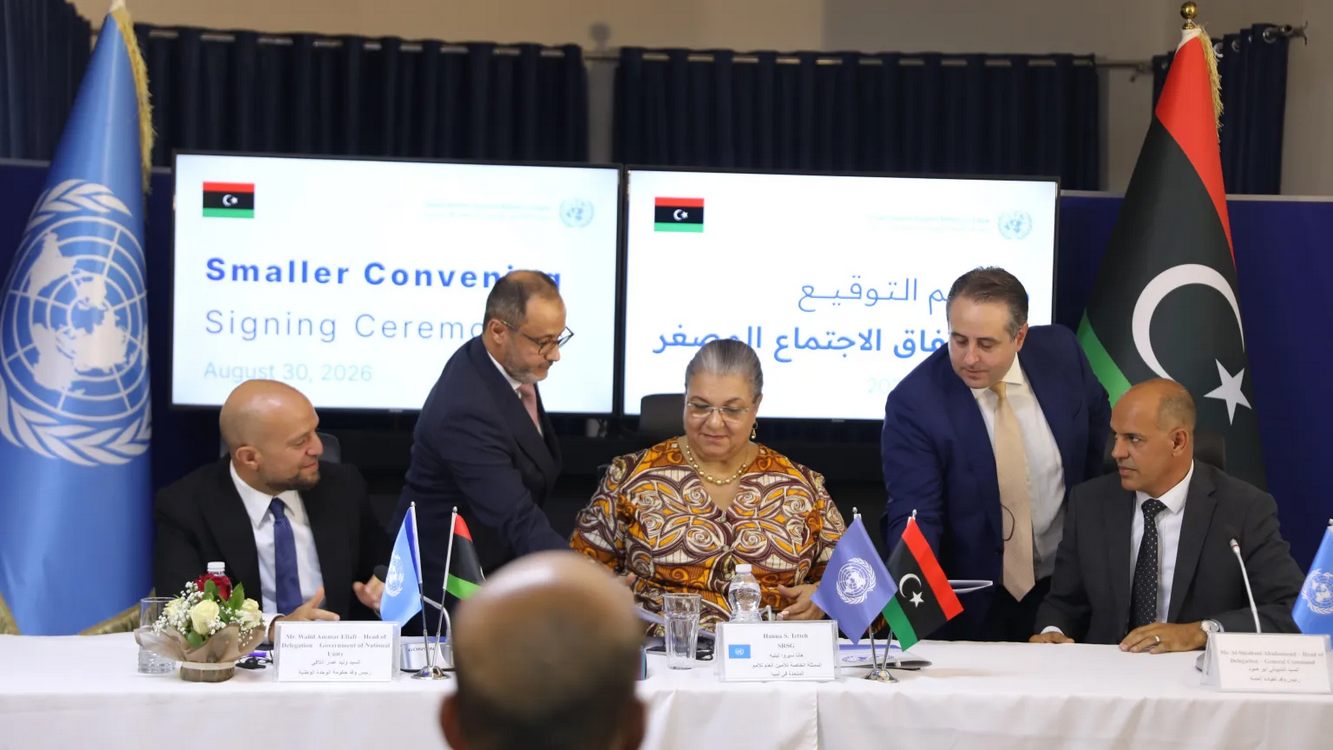
A civil war, military standoff, and a state experiencing double-government are all hopefully set to end after Libya’s rival factions agreed to hold elections.
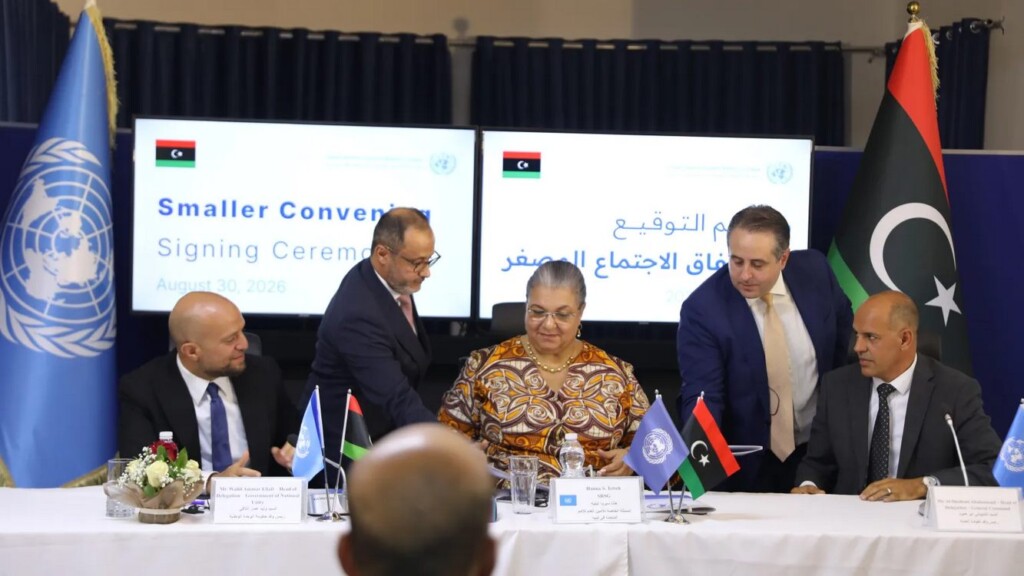
The breakthrough occurred in a signing ceremony Sunday at the United Nations Support Mission to Libya in Tripoli, and follows a period of tireless negotiations by the UN lasting over 2 years.
Following a NATO-backed insurrection which toppled the government in 2011, rival political and rebel factions succumbed to a civil war that lasted from 2014 to 2020. In 2021, negotiations on national elections collapsed, leaving the country split between the UN-recognized government in Tripoli, and the forces of the army under General Khalifa Haftar in the eastern city of Tobruk.
Though Tripoli maintained international recognition, the state of its own political and military structure was precariously balanced between a coalition of parties and factions who weren’t always on the same side.
Mercifully, the guns have been silent for the last 6 years, leading to the Sunday’s breakthrough which saw a date set for future elections in 2 years’ time, during which contentious issues involving electoral law, the eligibility of candidates, and the national elections body are to be resolved.
“Today’s signing represents an important step in overcoming the political and institutional impasse that has delayed Libya’s electoral process,” UN Special Rep. for the Secretary General, Hanna Tetteh said in her remarks at the signing ceremony. “The agreement demonstrates what can be achieved when Libyans constructively engage in dialogue and seek practical and implementable solutions to outstanding issues.”
MORE DIPLOMACY SUCCESSES: Nobel-Worthy Prime Minister Attempts to End Century of Ethnic Hatred for Armenians
A potential elections framework suddenly seemed possible after the UN held a series of discussions that involved two representatives of Libya’s 4 existing political institutions: the Government of National Unity (UN recognized), the Libyan National Army (General Haftar’s side), the High Council of State, and the House of Representatives.
Shibani Abu Hamoud, head of the army’s general command, said this forum would work with the UN’s mission “to develop a framework within one month of the signing of the agreement to follow up on all matters related to its implementation.”
NORTH AFRICA NEWS: Timbuktu’s Medieval Manuscripts Return Home After a Decade Away Safe from Insurgents
The agreement signed on Sunday includes a provision that if Libya’s House of Reps. and the High Council of State fail to achieve a breakthrough in this one-moth period, the parties will move forward towards the elections with “a constitutional document,” the New Arab reported, with support from the UN Security Council.
All major Libyan political players have called for elections repeatedly over the last 6 years, and economic re-development and internal security in the country has rapidly improved.
SHARE This Huge Change For Peace And Democracy In A Troubled Nation…