














[Stephen Beech | SWNS news]
Cavemen used mammoth tusk patterns to create unique art, reveals new research.
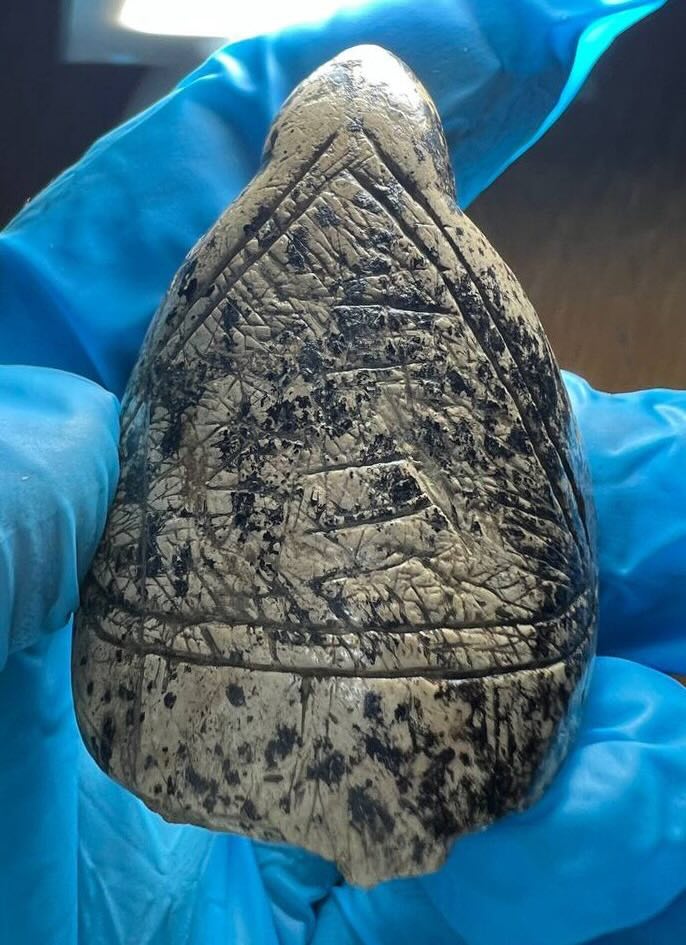
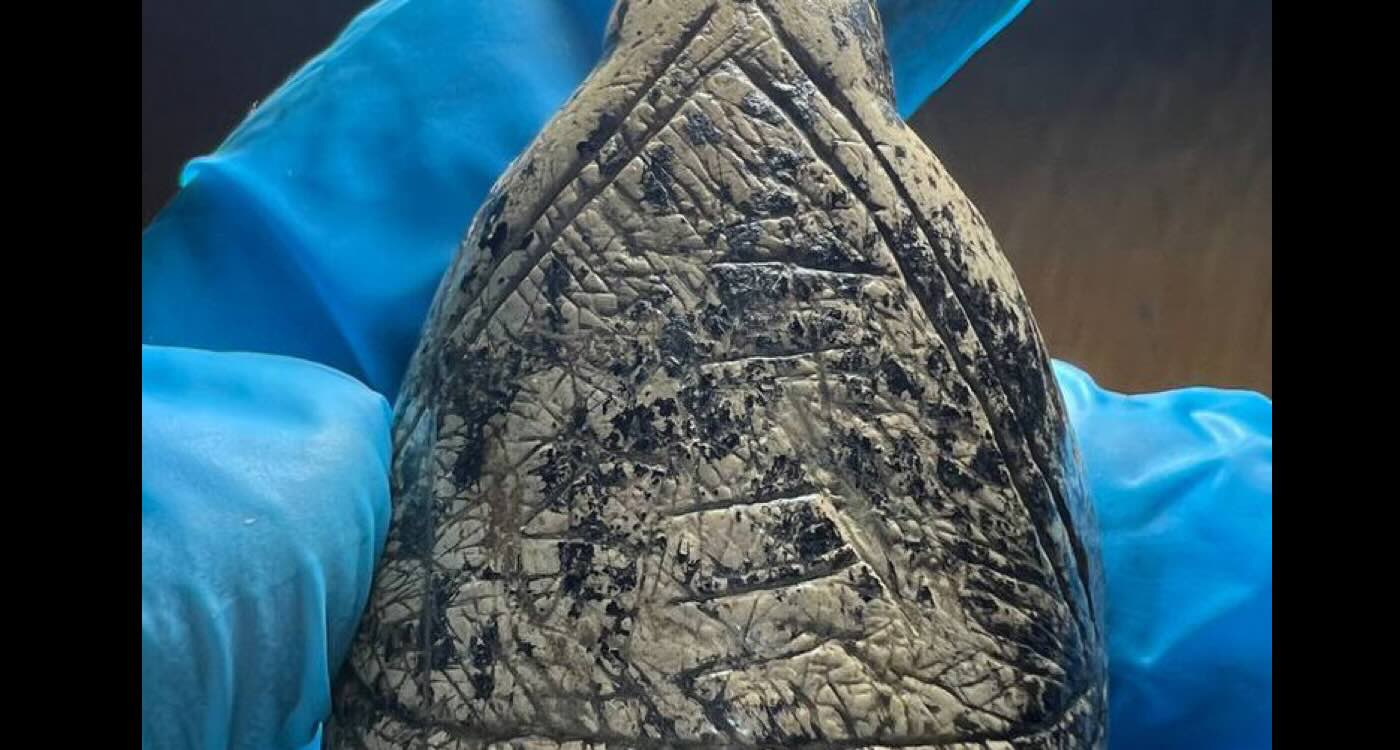
Intricate designs engraved on the surface of 18,000-year-old female figurines carved from mammoth ivory were inspired by “distinctive” growth patterns visible in the tusks, say scientists.
An analysis of 18 “Venus” figurines found at Mizyn in Ukraine shows that Ice Age craftspeople carefully observed and mimicked the natural lines of the ivory, using them to structure their artistic engravings.
The discovery was made possible using high-resolution microscopic analysis and 3D digital modeling.
The artifacts were recorded as part of urgent heritage preservation efforts led by Ukrainian NGO Archaic.
Researchers from the UK, Germany, Norway and Ukraine found that the carvers explicitly incorporated Schreger and Owen lines – the natural growth rings found in mammoth tusks – into the surface patterns of the figures.
The team say their findings, published in the journal Heritage Science, challenge traditional views on how Stone Age art evolved across Europe.
“This discovery offers an extraordinary window into how Paleolithic peoples perceived and engaged with their material world,” said Dr. Aimée Little, from the University of York’s department of archaeology.
“Identifying visual evidence of how mammoths were integrated into artistic traditions, both through the use of their ivory and the deliberate inscription of its natural patterns, represents a genuine breakthrough in our understanding of prehistoric art and material culture.”
She said access to the physical artifacts at the National Museum of History of Ukraine in Kyiv was limited due to the ongoing Russian-Ukrainian war, making digital scanning essential to ensure their preservation and study into the future.
The analysis highlights a significant gap of 1,000 to 3,000 years in the creation of human figurines across Europe, coinciding with the Last Glacial Maximum – the coldest peak of the last Ice Age.
“When figurine-making re-emerged around 18,000 years ago, it began earlier in Eastern Europe than in the West,” explained her university colleague Dr. Andrew Needham.
“While later Western European styles also featured abstracted female forms, none reproduced the internal tusk patterns seen at Mizyn.
“This indicates that Ice Age artists in Eastern Europe forged their own independent artistic path rather than simply following trends from Western Europe.”
The research team said there are several theories regarding the spiritual or ritualistic purpose of Stone Age “Venus” figurines.
But their findings reveal the crucial elements of its artistry.
“We are optimistic that our future digital research will shed more light on the emergence and development of artistic expression in Europe, showing an even more complex, and intriguing picture than we have now,” said Dr. Simon Radchenko, from the University of Stavanger, Norway.
Dr. Dmytro Kiosak, from the Leibniz Centre for Archaeology in Germany, believes their findings challenge the long-held assumption that ancient art simply evolved in a straight line from basic to complex forms.