













With an eye towards making room for native wildlife, a pair of golf courses are looking an awful lot more green.
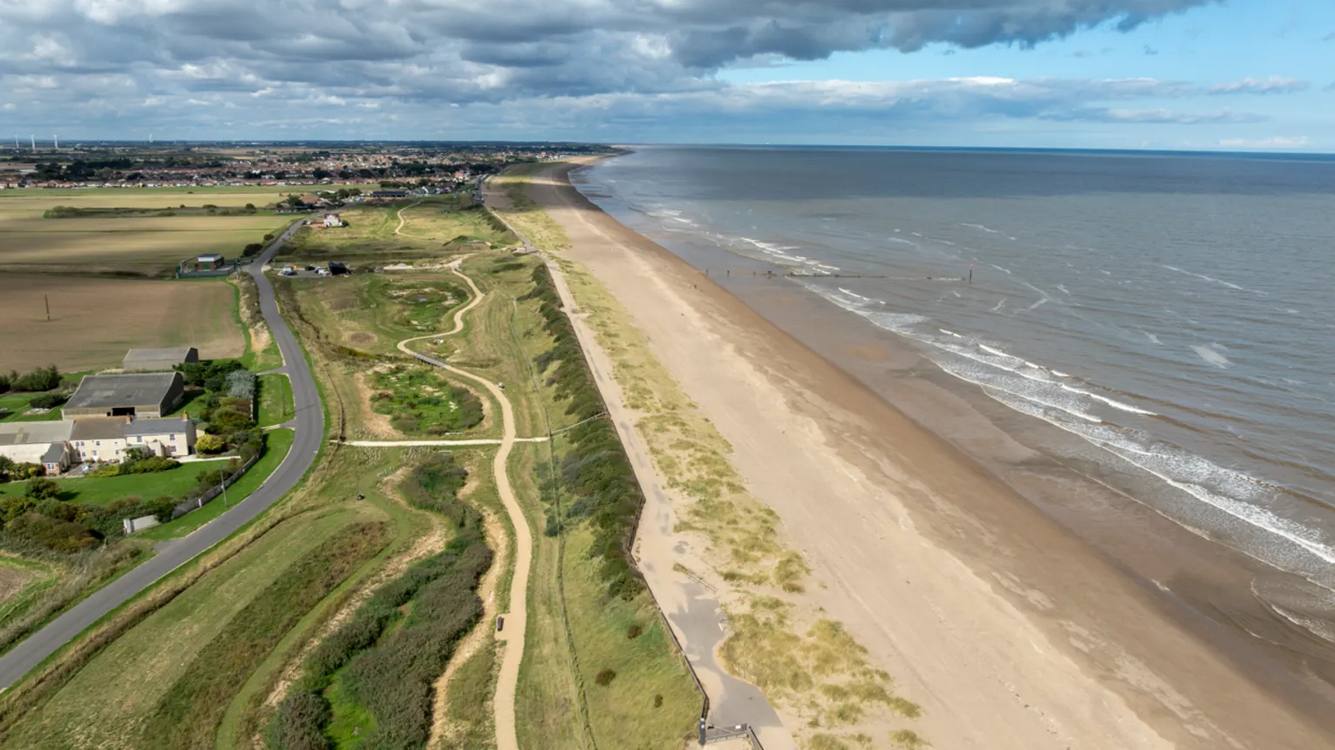
Along England’s coastline, a golf course has been transformed into a wetland nature reserve that’s home to plovers, terns, avocets, and lapwings even before it was open to the public.
Called National Trust Sandilands, this Lincolnshire fairway was bought by the Trust in 2020. Workers dug up space for a new wetland ecosystem stretching across the equivalent of 45 football fields—none of which will ever see a drop of pesticide or public water again.
Golf courses cover vast acreages around the world, and have become infamous as copious consumers of water resources, pollution hotspots, and biodiversity dead zones for the use of non-native plant species and pesticides that harm bees and butterflies.
Paradoxically, they’re also magnets for wildlife attracted to the large stretches of green. While this lent itself to Sandilands becoming a full-fledged nature reserve, other golf courses are merely adopting a greener mindset in managing their green.
Stateside, the CommonGround Golf Course in Aurora, Colorado, has adopted a regenerative model for managing its green with help from the Denver Botanic Gardens. Much of the foliage and decorative elements have been replaced with native wildflowers, while the use of potable water has been replaced with grey water for irrigating the green.
“We’re using recycled treated wastewater… and it’s interesting to note about 33% of Colorado’s golf courses utilize recycled wastewater, and that’s significantly higher than the national average,” said Mitch Savage, CommonGround’s golf superintendent, to Colorado Public Radio.
“It’s something we’re pretty proud of—golf courses aren’t taking away valuable drinking water from residents.”
GOLFING GREENER: Abandoned Ohio Golf Course Being Rewilded into Public Land with Native Fish and Wildlife Returning
The use of native plants and the elimination of pesticides have led to a rise in the number of birds nesting and dwelling between the holes, with 40 species of birds recorded on CommonGround’s green in a single day. Being away from cars, from powerlines, from electromagnetic radiation, tall buildings, and city noise, golf courses are perfect bird havens: something that the National Trust’s team at Sandilands have noted.
“Many of the species we’ll see at Sandilands are endangered or rare and depend on places like this to rest, feed, and breed,” said Sandilands area ranger, Katie Scott.
SPORT AND NATURE: Family-Owned Vermont Ski Resort Offers the Common Man 1,200 Acres of Powder for $100
“Even before the project was officially complete, nature had begun to return. This year avocets and oystercatchers successfully nested and bred, while little ringed plover chicks were recorded on site for a second consecutive year.”
USDA data examined by Bloomberg found that 2.24 million acres in the US are used for golfing, an area larger than Delaware. Applying changes like those on CommonGround could make a massive difference in supporting local wildlife.
DRIVE This Good Green News Over To Your Friends’ Social Medias…