














From CNN’s travel desk comes the story of a miracle passion project that goes down smooth—and tastes great with a bagel.
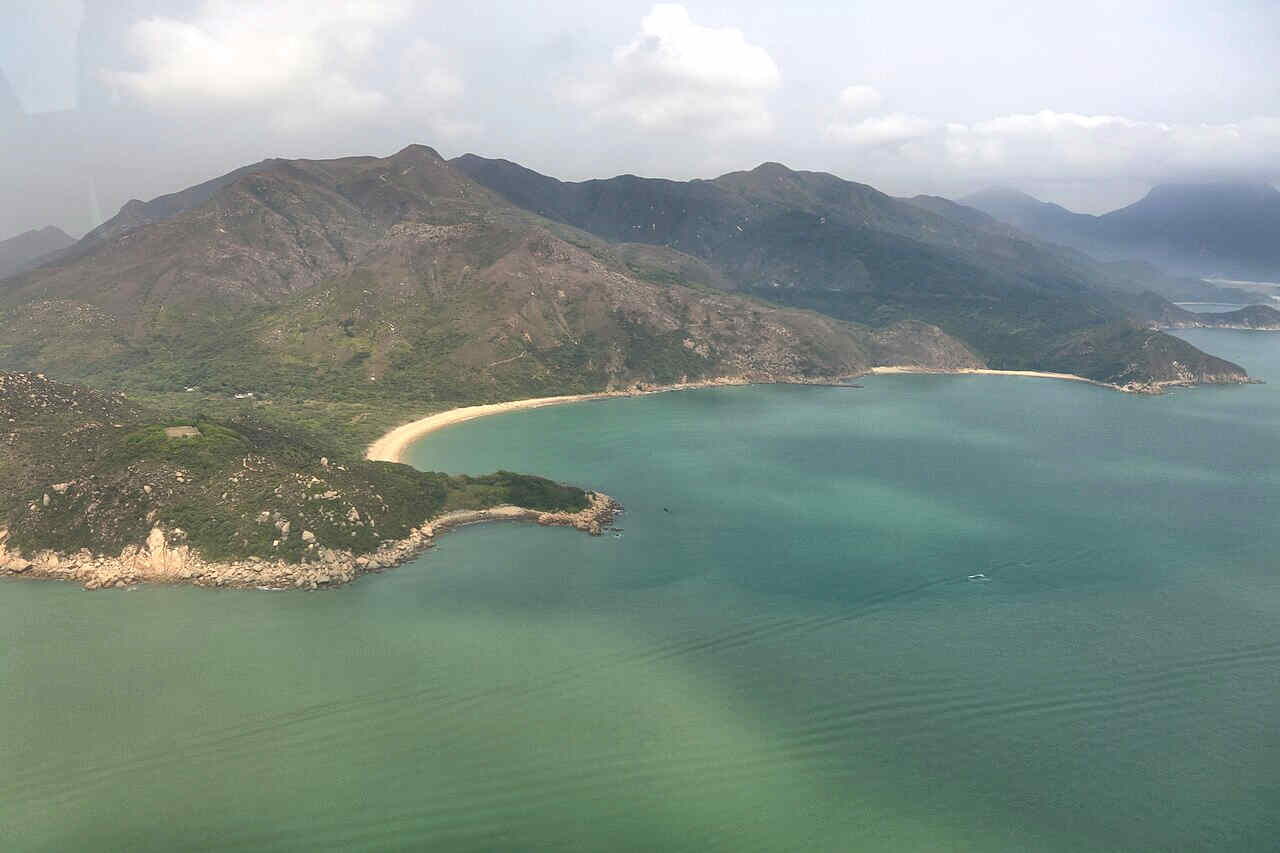
At the center of Hong Kong, it might seem a preposterous notion that anyone is engaged in agriculture in the world’s densest city, but on the relative frontier of the city-state’s Lantau Island, a remarkable experiment is being undertaken: coffee growing.
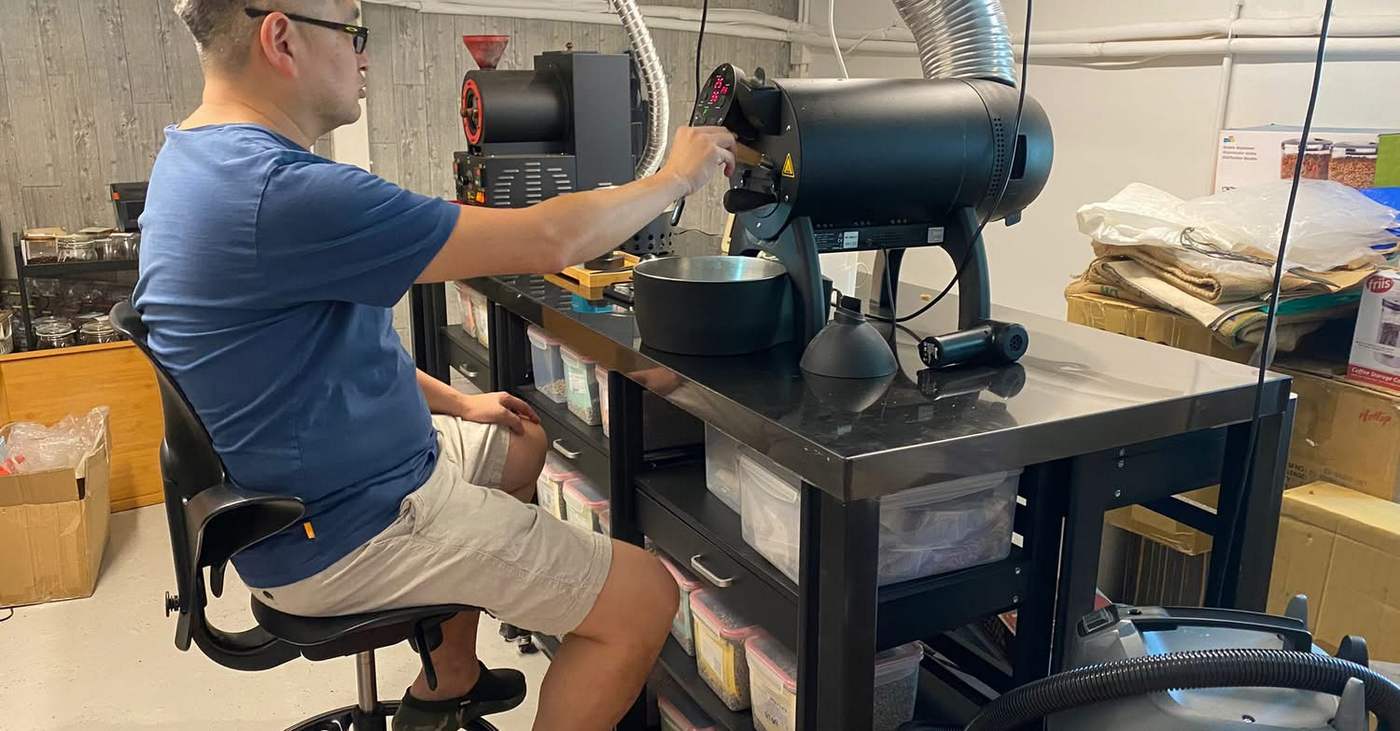
Despite lacking altitude and space, some intrepid java jockeys have managed to cultivate an Arabica coffee bean on Lantau Island. The island is about the only place you can find anything describable as “rural” in Hong Kong; it’s also where you will find LCC Roastery, and its owner Ringo Lam.
This rock star of coffee is part of the sales division of the Lantau Coffee Co-Op, an effort to produce something of real value and pride in a city where practically everything is imported. Despite the archipelago’s highest point being less than 1,000 meters, the kind of altitude where premium Arabica is grown, coffee can and does grow.
Katie Chick, assistant director at the University of HK’s Center for Civil Society and Governance, helps run one of the co-op’s coffee farms on Hong Kong itself. The islands sit 22 degrees north of the Equator—perfect coffee latitude. Chick’s farm yields around 50 kilograms of coffee beans from 800 trees.
The operation started when Lam, a former tech entrepreneur, visited Panama and was given 100 coffee seeds. Back on Lantau, he planted them and 80 or so sprouted, after which he began to look for farmers who’d be willing to cultivate them. 5 agreed, which turned into 25, while the 80 seeds would multiply into 400 shrubs.
Last year, these 400 shrubs yielded 10 kilograms of coffee, or 22 pounds, the largest harvest yet. CNN reports the coffee they thusly produce lacks the depth and nuance of Arabica coffee grown at altitude, but was still smooth and enjoyable.
Lam and Chick routinely meet with other growers and brainstorm ways about how to refine and evolve growing techniques, including through different washing methods that might stimulate changes in the plants which result in more complex flavor.
COFFEE GAZETTE:
- Portland Coffee Shop Raises Over $87,000 to Feed People Losing Benefits as Government Shuts Down
- Ethiopians Brew Success as Coffee and Cash Pile Up Thanks to Transformational Sustainable Forestry Program
- Joyous New York City Coffee Shop Hires and Trains People with Autism and Down Syndrome
They’ve also come up with interesting ways of using the coffee to improve lives and attitudes.
One grower uses her coffee farm as a sort of gardening therapy service; another enters it in tasting contests around the city’s 700 coffee shops to show that coffee can grow in Hong Kong. Lam actually runs workshops on producing Lantau beans for roasting, which gives residents a taste of the sweaty, dirty labor involved in producing the product they drink every day.
“We won’t have enough land to [grow coffee at scale], but at least after going through this workshop and exercise, they will be more connected to the origin,” Lam told CNN.
SHARE The Story Of These Passionate Growers And Brewers With Your Friends…