















Farmers in Ethiopia are slashing their growing costs, increasing food production, and protecting the environment thanks to solar-powered irrigation systems introduced through the Nature-based Solutions for Sustainable and Inclusive Development program led by the international nonprofit Farm Africa.
In a country famous for its “13 months of sunshine”, Ethiopia has enormous potential to harness solar energy.
While the country has abundant water resources and millions of acres of irrigable land, most small farmers still rely on rainfall to grow their crops—leaving them vulnerable to drought and erratic weather patterns.
Even for those with irrigation systems, extreme shortages and rising fuel prices sparked by the Iran war are disrupting production and cutting into farmers’ profits.
Reliable climate-friendly irrigation arrived, thanks to funding from Farm Africa and the Sida Swedish Development Agency, introduced solar-powered water pumps in Central Ethiopia and around the capital city Addis Ababa.
The technology replaces diesel and petrol-powered pumps that are expensive to run, difficult to fuel and contribute to greenhouse gas emissions.
Solar-powered irrigation systems provide a cost-effective and environmentally friendly alternative, helping to improve agricultural productivity, food security, and household incomes.
The impact is already clear
In Akaki Kality, a vegetable-growing cooperative made up of 25 members previously relied on diesel-powered pumps to irrigate their land, using 2,300 liters of fuel during a single three-month growing cycle.
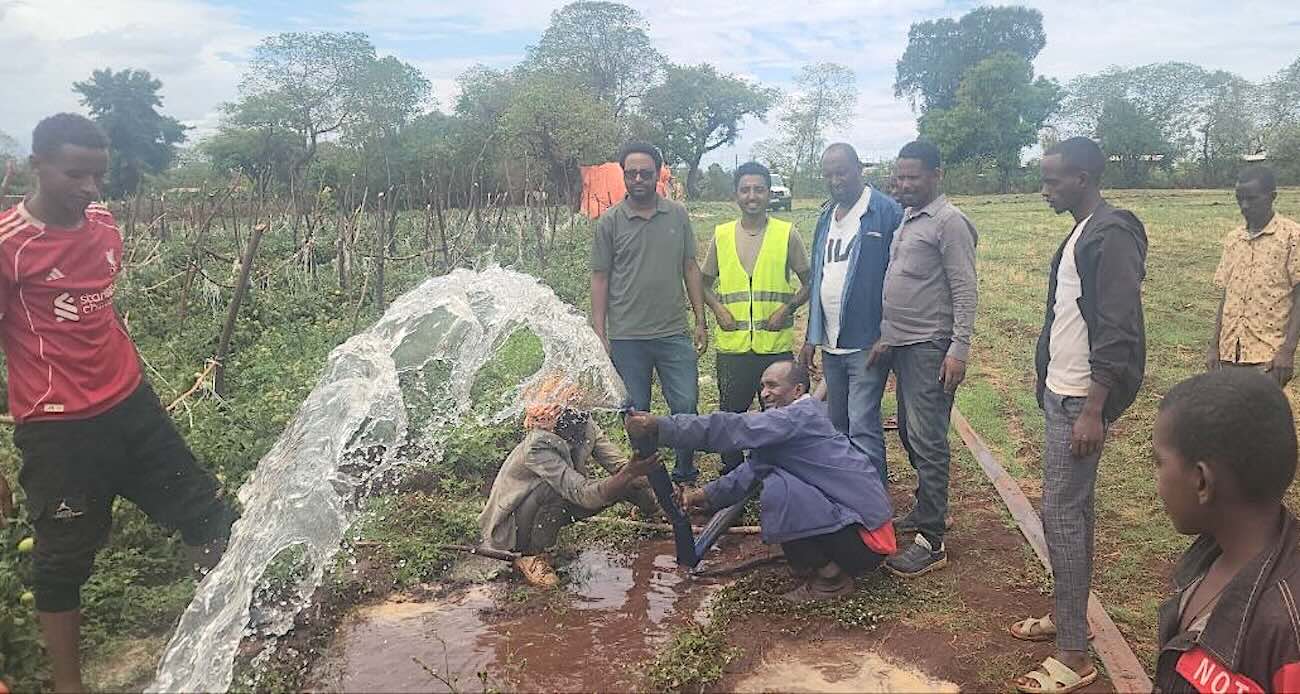
Switching to solar-powered irrigation is expected to save the cooperative almost $6,000 in fuel costs alone.
For other farmers in the rural Oromia Region, regularly obtaining fuel was not only costly but time-consuming, often requiring lengthy journeys and administrative approvals before fuel could be purchased.
By switching to solar irrigation, the entrepreneurs have eliminated their use of diesel—and their worry over fluctuations in fuel prices and shortages.
In addition to providing financial savings of thousands, reliable solar-powered irrigation enables the farmers to continue producing crops during extended drought patterns.
“Farmers have had to wait in queues for hours to purchase fuel, costing precious time that should be spent farming. The impact on productivity has been severe.”
By eliminating the need for fossil fuels to power irrigation, solar pumps reduce greenhouse gas emissions and support more environmentally sustainable farming systems.
And it has transformed rural livelihoods for many. (Learn more from the website.)
“Solar irrigation is a clean energy source that can deliver a powerful double dividend: lower costs for farmers and a healthier planet for future generations,” says Farm Africa Program Manager Ayele Feleke.
SPREAD THE IDEA Among Master Gardeners on Social Media…