














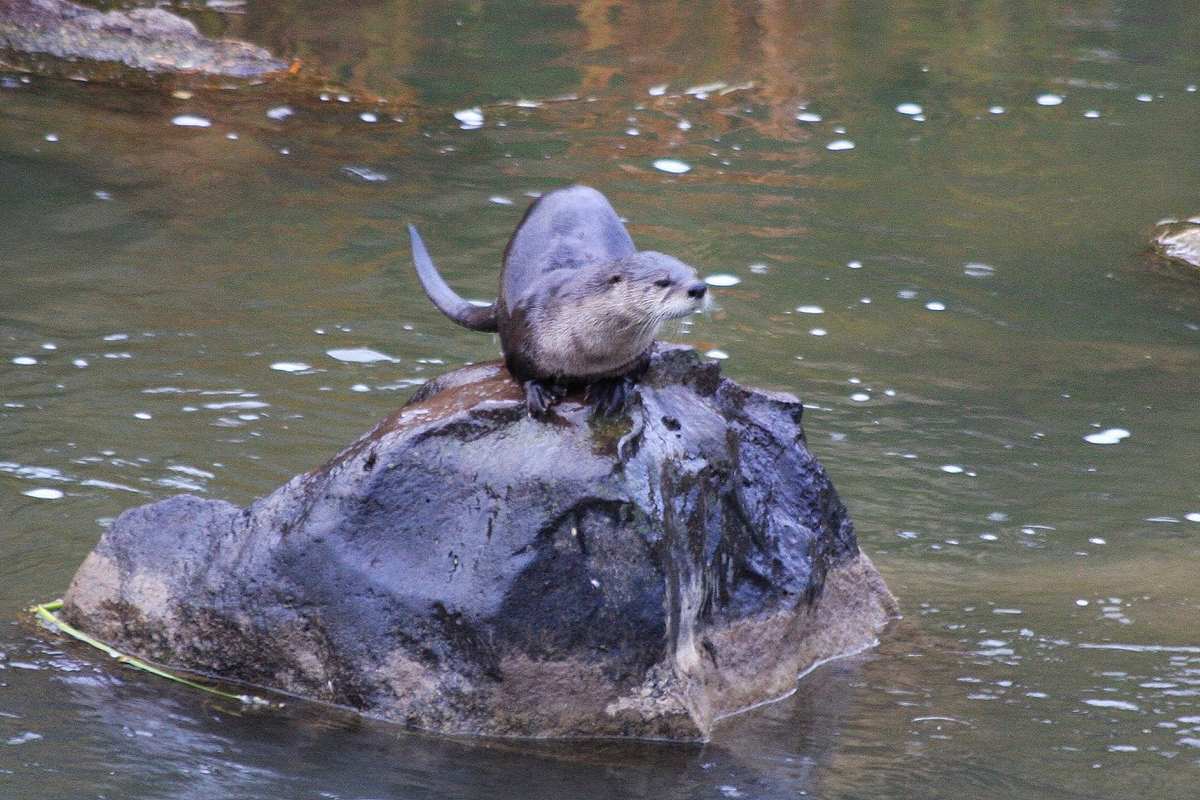
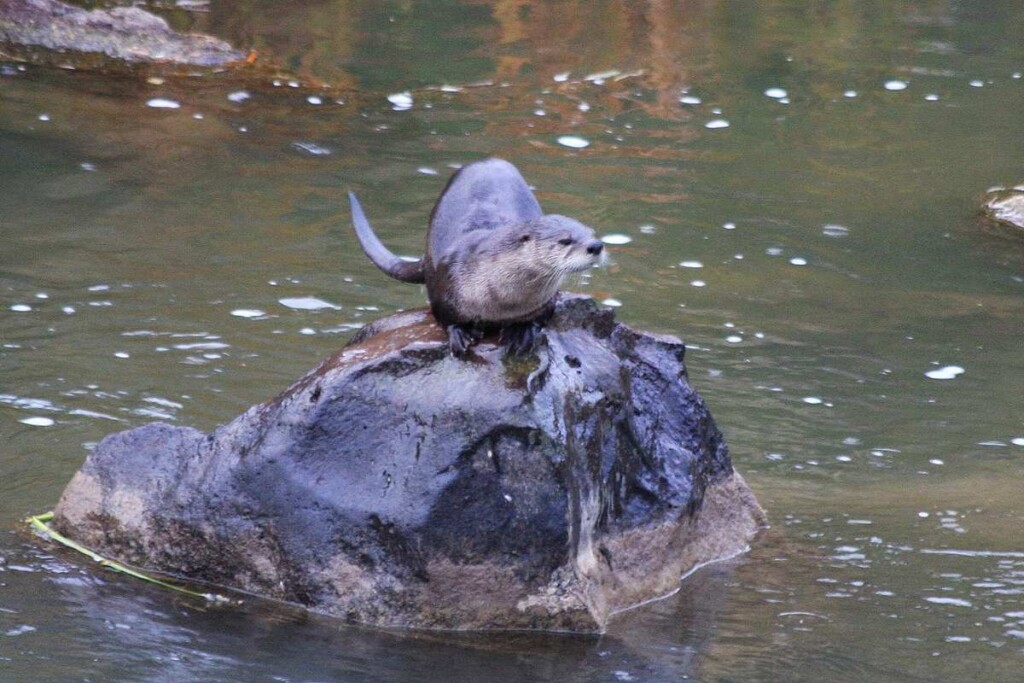
In 1986, Ohio’s Department of Natural Resources began reintroducing North American river otters to the rivers, creeks, and shorelines of the Great Lakes ecosystem.
40 years later, these adorable apex predators have recolonized much of their former aquatic acreage in Ohio, New York, Michigan, and Ontario, fastening the food chain at the top while ecosystem restoration programs have anchored it at the bottom.
The Great Lakes region holds one-fifth of the world’s fresh water. It’s a massive ecosystem that supports tens of millions of people, tens of billions in industry, and thousands of animal and plant species.
Unfortunately for the otter, an apex predator needs a vast and intact ecosystem to thrive, and as industrialization ate away at its prey species and den habitat, hunters reduced their numbers in pursuit of their pelts.
In 1980, an examination conducted on US river otter populations determined they were locally extinct in 11 states, and lost significant population in 9 other states.
It’s a story all-too-familiar the world over, but one that seems now to have had a happy ending.
After the Ohio DNR began releasing river otters from southern states like Arkansas and Louisiana, New York state began a mirrored effort of relocating otters from the Adirondacks, the Hudson Valley, and Catskills to the tributaries of the Great Lakes in the western part of the state.
“All of these efforts were bolstered by the 1972 Great Lakes Water Quality Agreement, a landmark US–Canada treaty that pushed both countries toward reducing toxic discharges and restoring damaged habitats,” writes Timothy Mihocik at Rewilding Magazine.
SIMILAR STORIES:
- Sea Otters Returned to a Degraded Coastline Ate Enough Crabs to Restore Balance and Cut Erosion by 90%
- Pollution in the Mississippi River Has Plummeted Since The 1980s, New Study Says
- Once Biologically Dead, London’s River Thames Rebounds – With Seahorses and Seals
Gradual waterfront revitalization and de-industrialization has allowed the otter to go beyond mere sheltered streams in protected areas back into the heart of the Great Lakes ecosystem, a return that also heralds cleaner, uncontaminated water, richer fish stocks, and more biodiverse riverbeds.
GNN has reported over the years that the character of several Midwest rivers, once so polluted they’d catch fire, has now changed. In Toronto, Ohio, and Chicago, rivers are now swimmable and fishable again, and otters stand hugely to benefit from that.
Still, North American river otters have remained rare or absent in the southwestern United States. Water quality and development inhibit recovery of populations in some areas, but here too, otters are returning, with the New Mexican population tripling in the last few years.
SHARE This North American Icon Swimming Again In Our Lakes…