














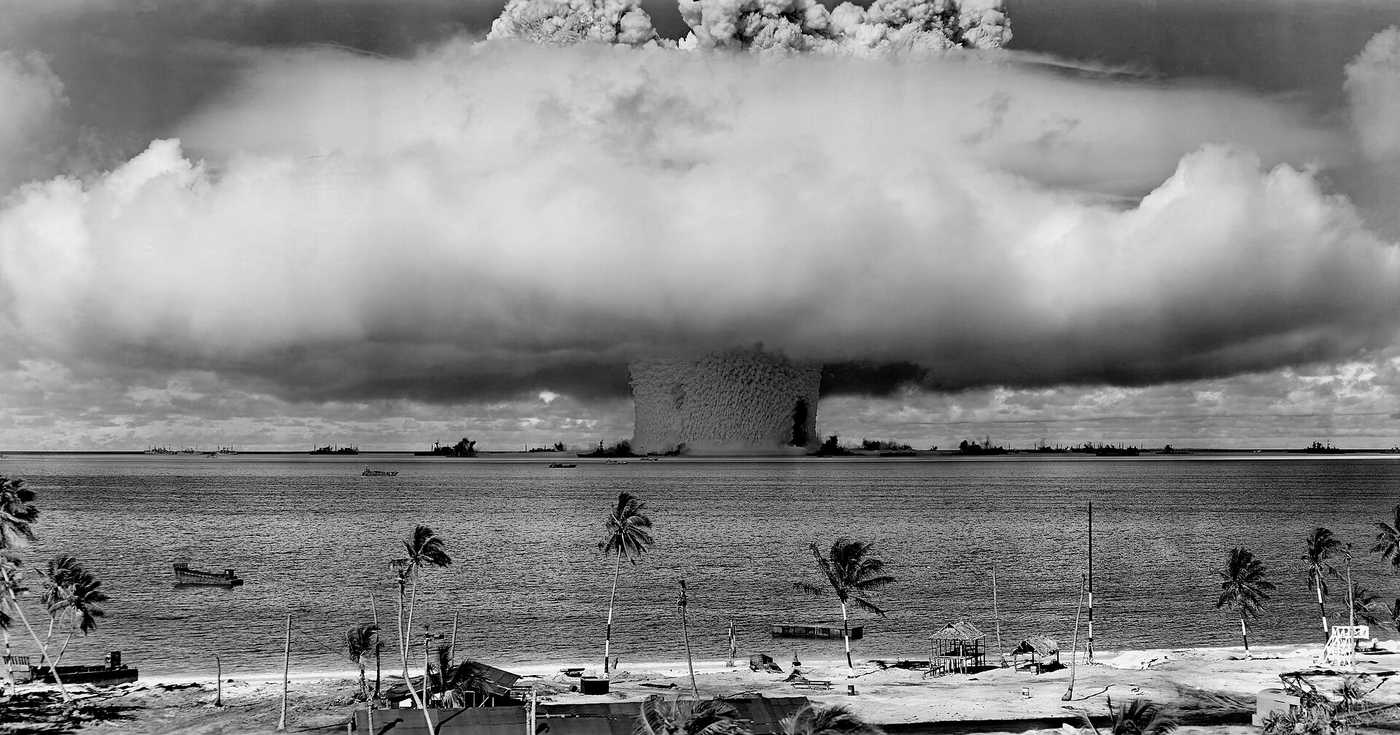
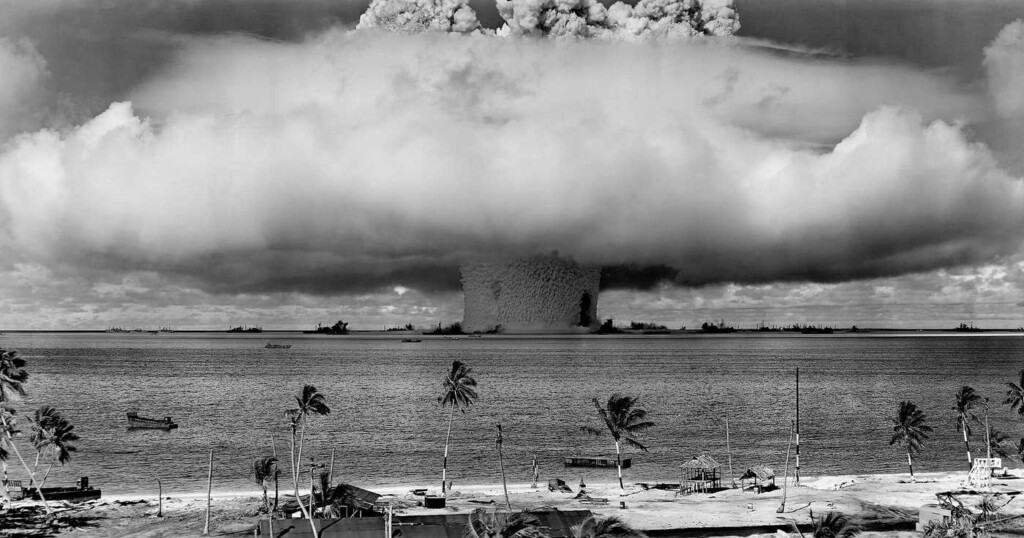
8 years, 4 months, and 29 days—that’s how long it’s been since the last nuclear weapon was detonated on Earth—and it’s also the longest such timespan since the nuclear age began.
Since that fateful day in the sands of America’s southwest in 1945, it’s actually rather mind-boggling how many nuclear weapons have been donated.
Dylan Spaulding, a senior member at the Union of Concerned Scientists who saw fit to mark this long, inter-detonation period with a blog post, explained that since the Trinity test, 2,000 nuclear weapons have been detonated by 8 nations.
Being that the 21st century has been largely explosion-less, that means that some of those early Cold War Years would have seen over a hundred nuclear test explosions in a single year; two did, in fact.
Yet January 14th marked the longest period humankind has gone without one or another part of the whole exploding one of these deadly weapons, stretching back to the last North Korean test in September, 2017. All other nuclear armed states conducted their last nuclear tests between 1990 and 1998 when Pakistan ceased its nuclear testing.
“In 1996, the Comprehensive Test Ban Treaty (CTBT) opened for signatures and has since been signed by 187 nations and ratified by 178—an overwhelming global majority,” reports Spauling, describing the result of the CTBT as creating one of the strongest “taboos” in modern statecraft.
An actor (North Korea being the only such example) who violates the test ban treaty is labeled a rogue state and excluded from the vast majority of world affairs. Though the United States has signed, but never ratified the treaty, it nevertheless has maintained the ban on supercritical testing of any kind.
Any potential benefits from posturing or technical expertise gained from a nuclear test is certain to be outweighed by the detriment to national reputation and future diplomatic leverage against developing or aspiring actors.
When discussing nuclear weapons policy, it’s important to keep a long frame of mind. Today, despite this long period without a detonation, there are many reasons to be fearful of nuclear exchanges between armed states. That has always been the fear because then, as now, there were plenty of reasons to be thusly fearful.
There was more than one occasion, if the mind permits the thought, when nuclear war between the USSR/China and NATO was a reality that stood just minutes away, or was separated by the mere click of a single button, by a chance malfunction, or by the split second decision-making of a stressed-out commanding officer.
EFFORTS TO IMPROVE THE WORLD:
- Nobel-Worthy Prime Minister Attempts to End Century of Ethnic Hatred for Armenians
- These Trees Survived Hiroshima: Group Plants Their Seeds Worldwide to Preserve Their Memory
- A Tribute to Mikhail Gorbachev – The Man Who Ended The Cold War (1931–2022)
The world is never that far from those days, but substantial progress has been made, and more still could be made if—just as back in the day—cooler heads prevail.
As for nuclear testing and the documented, deleterious health effects that accompany it, every day that goes by can be celebrated as a new record, and a new reason to continue to hope that cooler heads can, will, and someday—perhaps ultimately—prevail.
SHARE This Great Reason To Be Hopeful About The Future…