



More than 400 years after the Pilgrims first explored the Cape Cod area, land belonging to Native Americans was returned to Indigenous ownership.
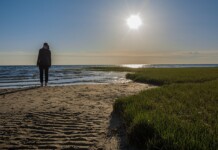
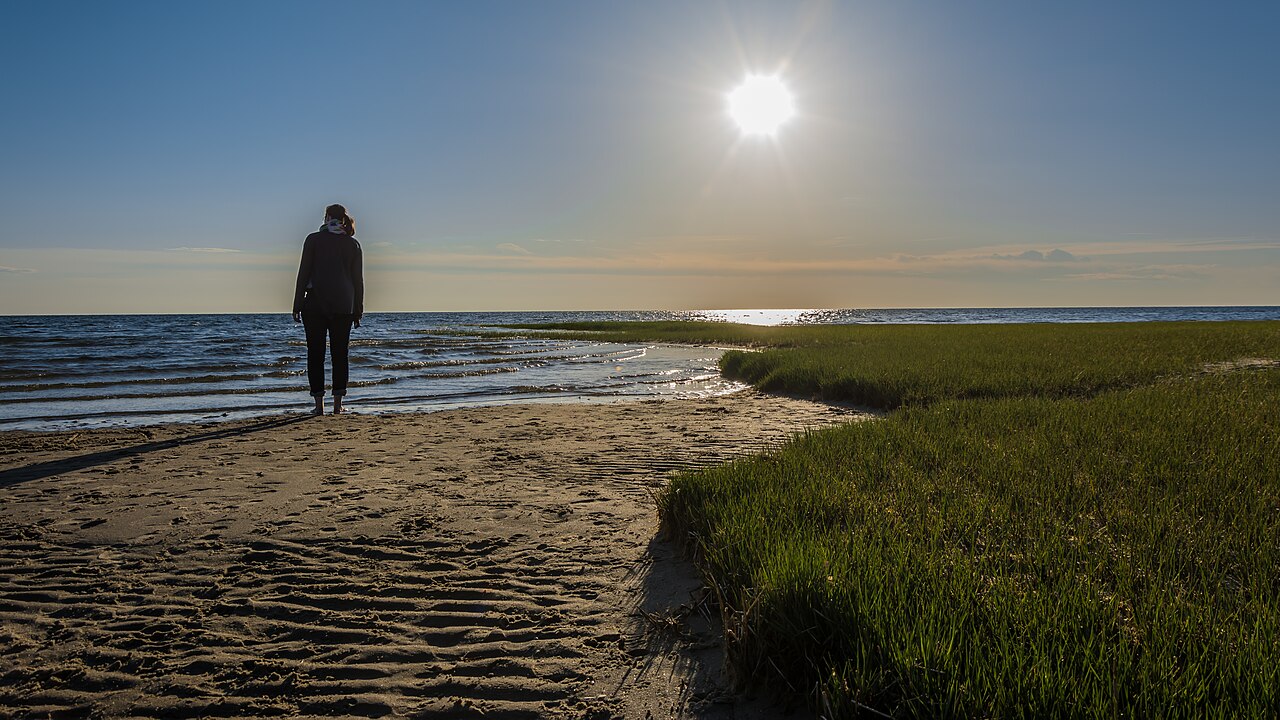
On October 30, The Nature Conservancy gave roughly 126 acres of salt marsh and natural habitat in Eastham, Massachusetts to the Native Land Conservancy, an Indigenous-led nonprofit based in Mashpee. The land sits right next to a 20.4-acre parcel the Conservancy bought earlier in the year for $3 million, linking them into a larger protected area that looks out over First Encounter Beach.
“This place holds so many stories that were buried and are ready to be unearthed,” Ramona Peters, founder and board president of the Native Land Conservancy and a member of the Mashpee Wampanoag Tribe, said in a published statement. “Long before the first encounter, Native people lived here and took care of this land.”
The Forgotten History of the ‘First Encounter’
In December 1620, not long after the Mayflower arrived, an exploring party led by Myles Standish traded arrows and gunfire with Nauset warriors near what’s now called First Encounter Beach, named for the first hostile meeting between the Pilgrims and a native people.
The fight came after colonists had taken corn and disturbed graves. “Our ancestors weren’t just standing around. They were protecting their families, and taking care of this land lets us tell that story the right way,” R. Peters said.
The First Encounter with the Nauset on Cape Cod happened before the better-known harvest feast with the Wampanoag at Plymouth in 1621, but even that meeting lacked context. The Wampanoag were never invited; 90 warriors arrived and were invited to stay as an act of diplomacy after responding to celebratory musket fire from the colonists.
“The Thanksgiving holiday overlooks a myriad of sins. The backstory to colonization includes enslavement of Native men, the introduction of a devastating plague, the theft of corn and disturbance of graves of the Nauset people, and an alliance that robed the Wampanoag of their sovereignty and land,” Paula Peters, communications and program director at the Native Land Conservancy, said.
More Than A History Lesson
The salt marsh and nearby uplands also give a home to vulnerable animals, including diamondback terrapins that nest along the coastal bluffs. The 20.4-acre property next door—bought in June 2026 with help from the Eastham Conservation Foundation and local neighbors—has been named T8nupâhs Uwatuhshât, which means “at the turtle’s nest” in the Wôpanâak language.
Conservation rules stay in place on parts of the land so it won’t get developed, while still allowing traditional uses like aquaculture. There are also plans to remove invasive species and restore native plants for traditional cultural, ceremonial and ceremonial purposes.
“This land is new to our care. It is our way to listen to the land – discover what she needs and wants…..We plan to invite our tribal families to come to the land and forage, fish, have ceremony, and for recreation,” P. Peters said.
With this addition, the Native Land Conservancy now holds more than 20 properties totaling several hundred acres across Massachusetts, including spots on Martha’s Vineyard and in Plymouth.
The transfer is part of a growing land-back movement where conservation groups and private landowners are putting ancestral lands back under Indigenous care. “Returning this land to Indigenous ownership is historical and an act of resilience after four centuries of dispossession,” R. Peters said.
Ramona Peters started the Native Land Conservancy in 2012. It’s the first Indigenous-led land conservation group east of the Mississippi, and is led by an intentionally diverse Indigenous board of directors who represent seven different tribes. The goal is to protect natural places for every living thing while helping Indigenous people reconnect with ancestral lands.
For the Native Land Conservancy, whose families have known these shores for more than 12,000 years, the land near First Encounter Beach isn’t just a history lesson anymore. It’s once again in the hands of the people who have always belonged to it.
Related Stories: