











A Scottish island is now confirmed to have been one of earliest centers of Christian evangelism in the British Isles thanks to a small-town historical society.
The massive discovery puts the tiny island on the historical map in a big way, as the archeological patrimony uncovered there points to the early medieval monastery being a center of crafts as well as faith.
At 9 miles across, Lismore Island in the Inner Hebrides gets its name from a historical center of monasticism connected with the early Christianization of Britain called Lios Mòr.
Contemporaries to it include the church at Iona, famously one of the oldest Christian religious centers in Western Europe, which led a surge in monasticism in the Gaelic-speaking kingdom of Dál Riata that encompassed nearby Argyll, most of the Hebrides, and even part of County Antrim in Northern Ireland.
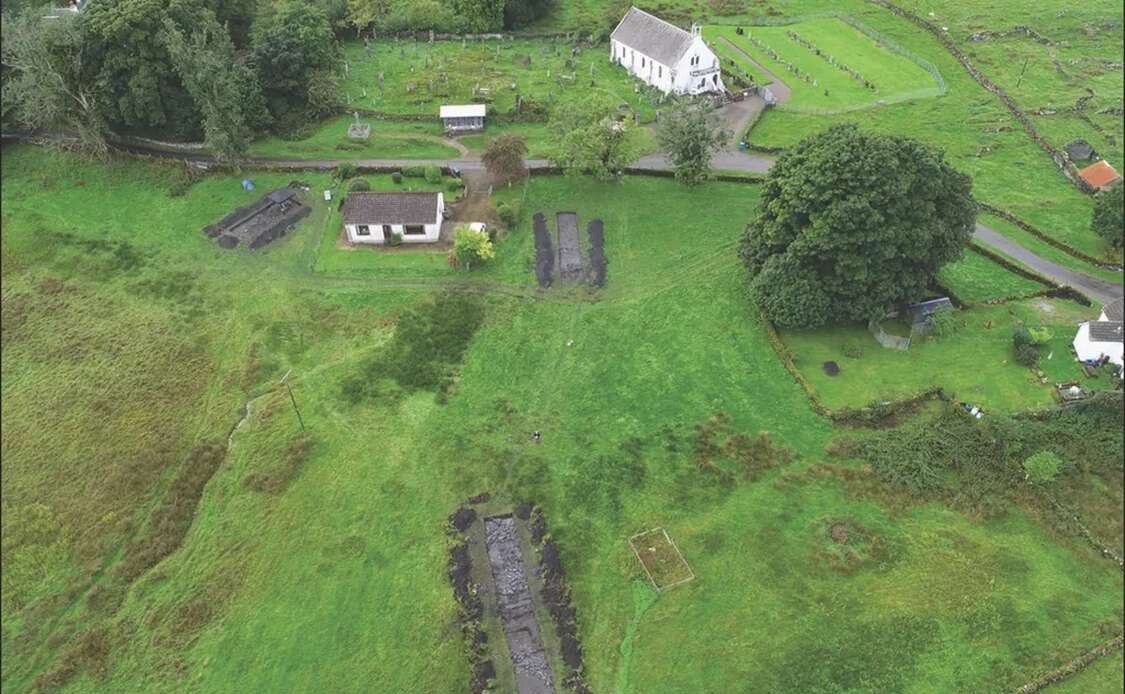
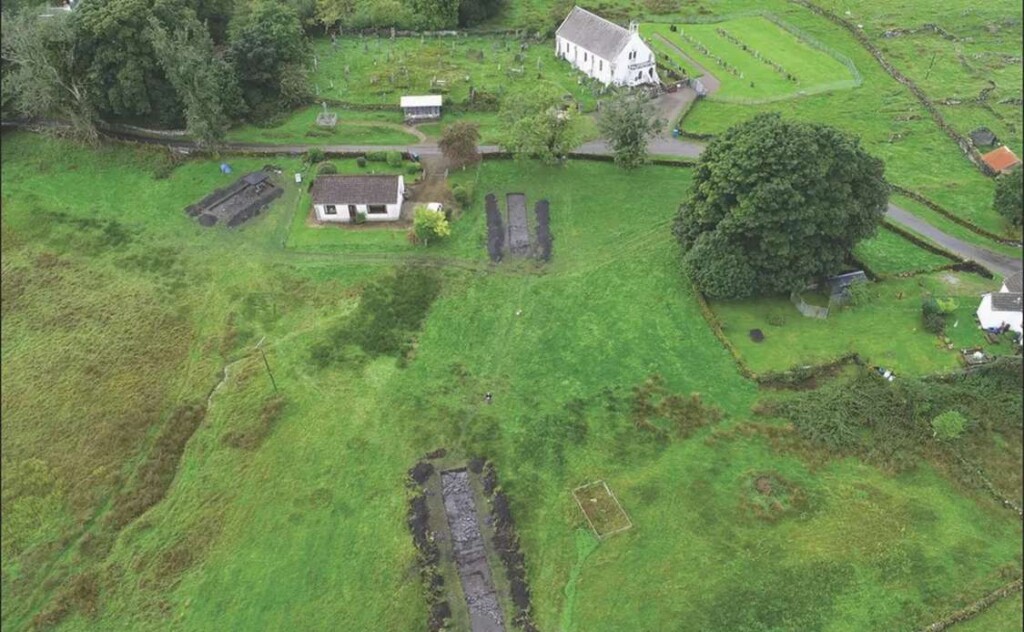
Recently, the Lismore Historical Society launched an investigation of the island’s 13th century cathedral. A sizable portion of the island’s 170 residents crowdfunded these excavations, and were rewarded with 3 huge discoveries that all-but confirm the importance of Lios Mòr as being an equal to Iona, and one of the most important in the history of the Church in Northern Europe.
“Lios Mòr, founded by Saint Mo Luóc in the 6th century, was known from historical records, place-name evidence, and local tradition, but there was very little archaeological evidence to confirm its character, extent, or significance,” Dr. Clare Ellis of Argyll Archaeology, who led the excavations having been hired by the Lismore Historical Society, said in a statement.
“The research aimed to determine whether the site of the later medieval cathedral at Lismore was also the location of Mo Luóc’s early monastery, and to assess the scale, nature, and status of the settlement,” Clare stated.
Excavation and geophysical survey uncovered extensive burial grounds, high-status craftworking areas, early buildings, and rare evidence for precious-metal working, demonstrating that Lismore was far more than a small island church.
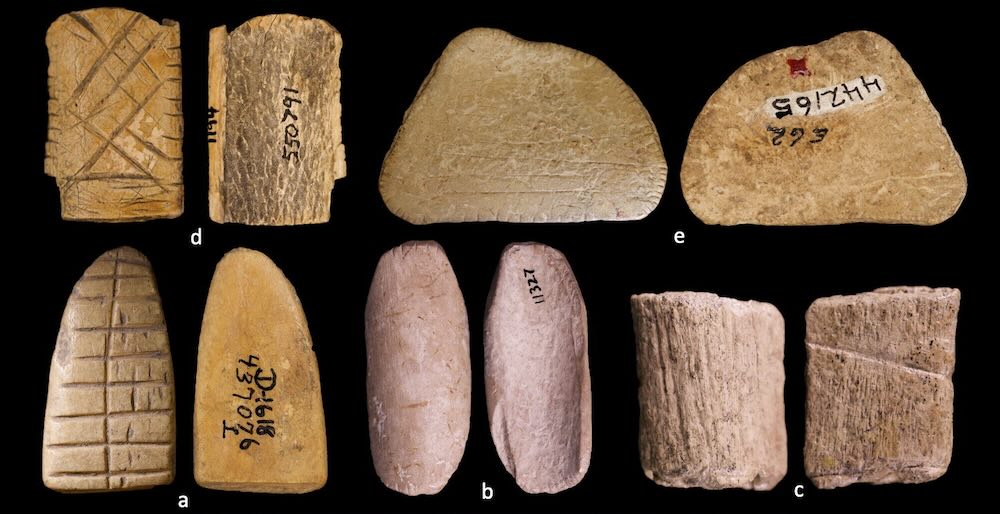
In greater granularity, 6 burials dated to between 650 and 1040 CE were found among large, carved stone cross fragments. In another location, remnants of craftwork, handmade pottery, and toolmaking were identified amid an oval-shaped building with a limestone-paved foundation.
The third set of excavations cut a trench across the ground and turned up 1,000 pieces of debris that points to precious metalwork. More evidence was found among the soil in the form of small crucibles where metal—likely copper, silver, and gold, would have been melted down and poured into casts, which were also found in the trench.
FROM AROUND BRITAIN: A ‘Stonehenge Prototype’ Aligned with the Solstices Is a Once in a Lifetime Find for These Archaeologists
“For centuries, Lismore’s early monastery was known mainly from written records and local tradition. We can now see that it was a thriving center of worship, craftsmanship and learning, whose importance may have rivalled some of the best-known monasteries in early medieval Britain,” co-author of the corresponding research paper, Professor Gordon Noble from the University of Aberdeen, said in a statement.
In their paper, published in Antiquity, Noble, Claire, and their colleagues wrote that the productive activity was presumably being carried out within the monastic enclosure, though there may have been a secular influence or presence given the production of items like brooches.
They wrote further that in Ireland around this time, there was monastic production of secular items for trade, from which evidence for economic interaction between elite secular and ecclesiastical centers is clear.
DIG SCOTLAND: Scotland May Have Had a Western King–A Forgotten Medieval Island Castle Tells a Story
“The discoveries at Lismore demonstrate the value of community-led archaeology in advancing academic research,” concludes Bob Hay, a former island resident who organized the funding and volunteers.
“Local volunteers and the Lismore Historical Society played a central role in investigating the site, helping to uncover evidence that has fundamentally changed understanding of one of Scotland’s most important early Christian centers.”
SHARE The Scoop On This Big Dig Up In Scotland With Your Friends…