














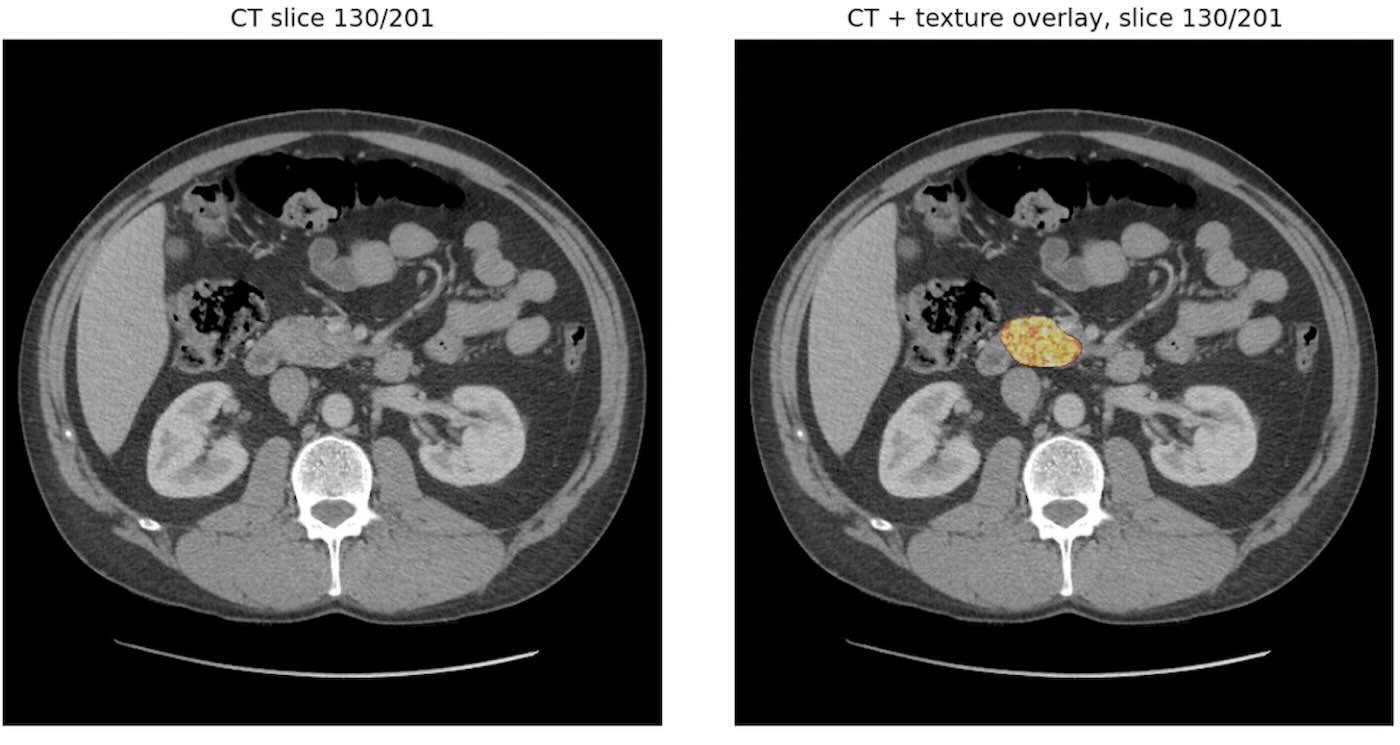
An artificial intelligence model developed by the Mayo Clinic can help specialists detect pancreatic cancer on routine abdominal CT scans up to three years before clinical diagnosis, according to a new study.
The AI can identify subtle signs of disease before tumors are visible, when curative treatment may still be possible. The findings, published last week in Gut, mark a milestone in Mayo Clinic’s multiyear research into earlier detection of one of the deadliest cancers.
Pancreatic cancer remains one of the deadliest cancers because it rarely causes detectable signs in its earliest stages. More than 85% of patients receive a diagnosis after the disease has already spread, with survival rates below 15%, according to the National Cancer Institute.
The study validates this AI model using data and workflows that mirror clinical practice, including CT scans from multiple institutions, imaging systems, and protocols.
Researchers used it to analyze nearly 2,000 CT scans, including scans from patients later diagnosed with pancreatic cancer — all originally interpreted as normal. The system, called the Radiomics-based Early Detection Model (REDMOD), identified 73% of those prediagnostic cancers at a median of about 16 months before diagnosis — nearly double the detection rate of specialists reviewing the same scans without computer assistance.
The advantage was even greater at earlier time points. In scans obtained more than two years before diagnosis, the AI identified nearly three times as many early cancers that would otherwise go undetected.
“The greatest barrier to saving lives from pancreatic cancer has been our inability to see the disease when it is still curable,” says Ajit Goenka, M.D., the study’s senior author, and a Mayo Clinic radiologist and nuclear medicine specialist.
“This AI can now identify the signature of cancer from a normal-appearing pancreas,” explained Dr. Ajit Goenka. “And it can do so reliably over time and across diverse clinical settings.”
GOOD CANCER NEWS:
• Groundbreaking Bowel Cancer Trial Had Zero Relapses for Patients After 33 Months
• 10 Minutes of Intensive Workout Can Trigger Powerful Anti-Cancer Effects: New Study
REDMOD measures hundreds of quantitative imaging that describe tissue texture and structure, capturing faint biological changes as cancer begins to develop. The model is designed to analyze CT scans already obtained for other reasons—particularly in high-risk patients, such as those with new-onset diabetes—and flag elevated risk before any visible mass appears.
The team validated the model across CT scans from multiple institutions, imaging systems and protocols, demonstrating consistent performance.
In patients with multiple scans, the AI produced consistent results months apart, supporting its use for longitudinal monitoring and early detection.
Researchers are advancing this work into clinical testing through Artificial Intelligence for Pancreatic Cancer Early Detection, or AI-PACED. This prospective study evaluates how clinicians can integrate AI-guided detection into care for patients at elevated risk. The study combines AI analysis of routine imaging with long-term follow-up to assess false positives and clinical outcomes.
This research, supported by the National Institutes of Health, is part of Mayo Clinic’s Precure initiative, which aims to predict and prevent disease by identifying the earliest biological changes in the body before symptoms begin.
TELL FRIENDS AI STANDS FOR AMAZING INSTRUCTIONS–Share This on Social Media…
That is great news about such a horrific cancer!