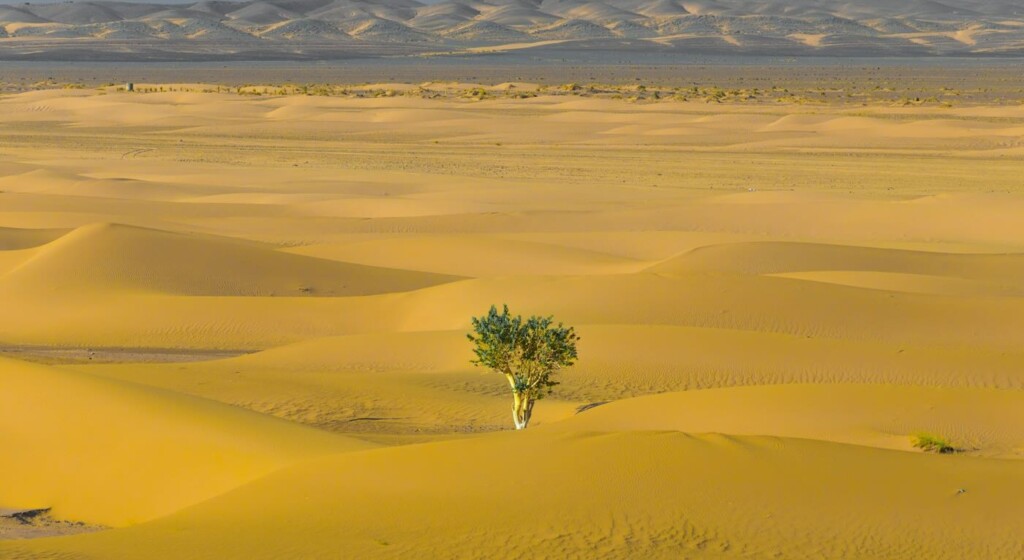
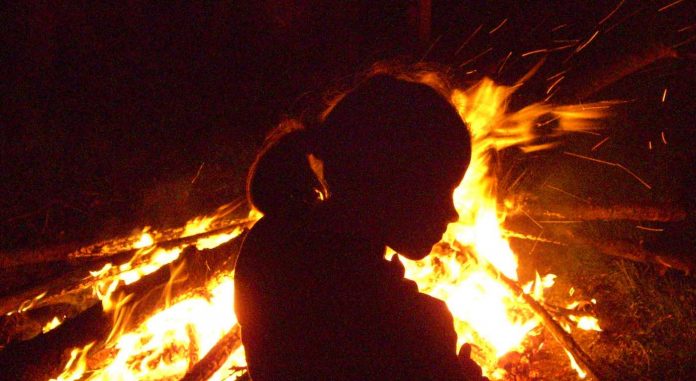
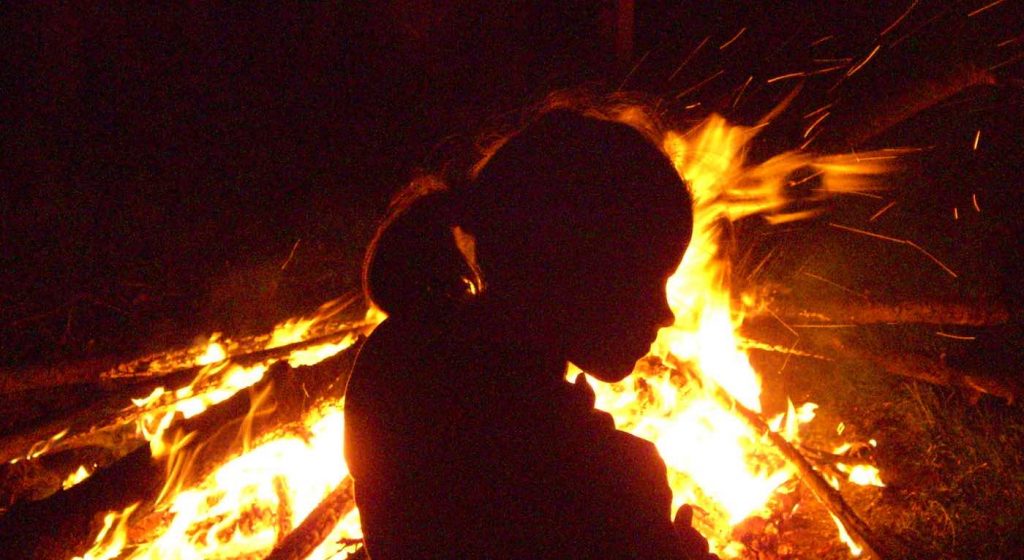
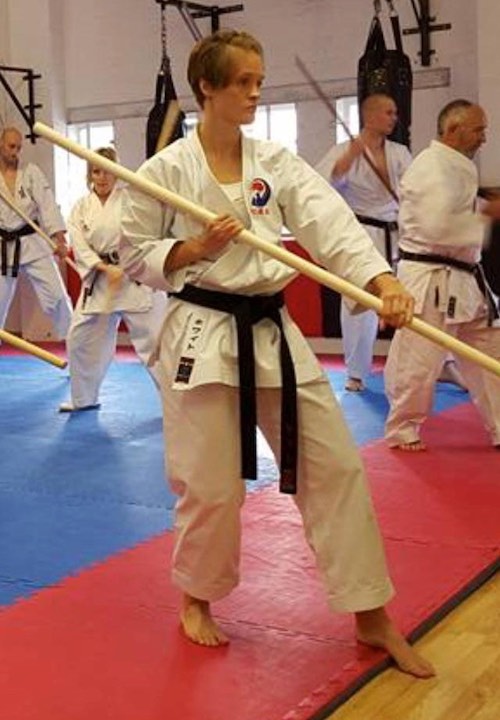
Quote of the Day: “Resilience means you experience, you feel, you fail, you hurt. But you keep going.” – Yasmin Mogahed
Photo by: Karim MANJRA (public domain)
With a new inspirational quote every day, atop the perfect photo—collected and archived on our Quote of the Day page—why not bookmark GNN.org for a daily uplift?
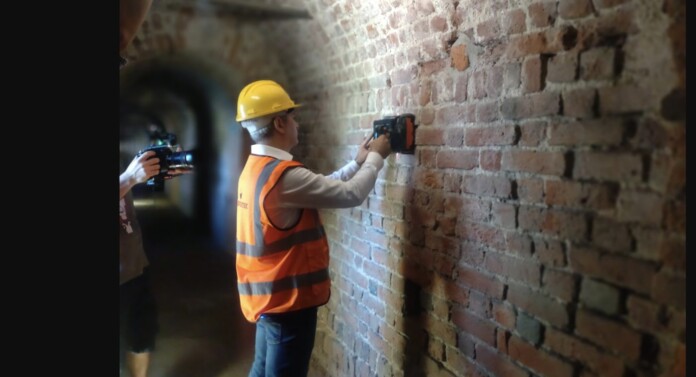
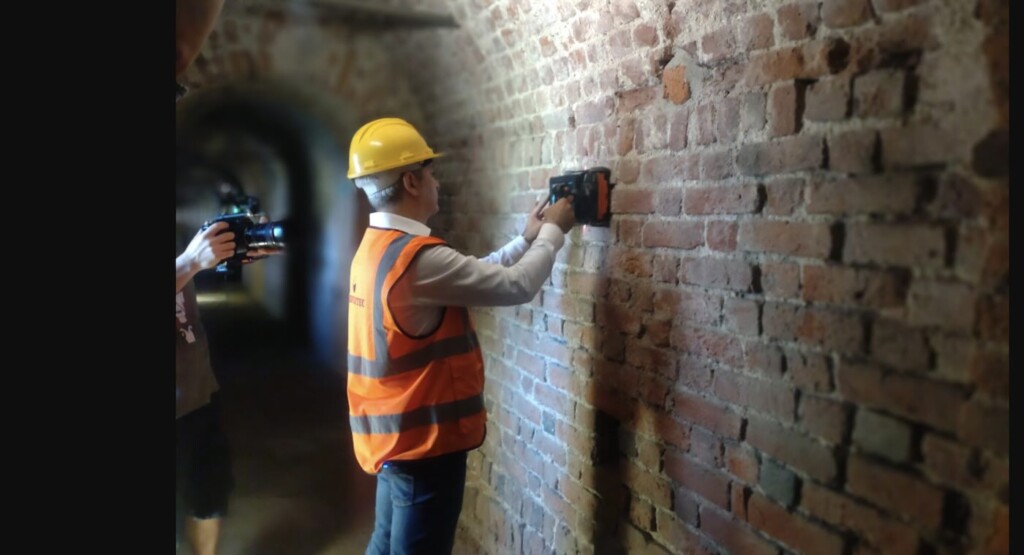
Ground-penetrating radar reveals secrets under Milan Castle – Credit Politecnico di Milano
Ground-penetrating radar reveals secrets under Milan Castle – Credit Politecnico di Milano
A long-rumored network of secret tunnels associated with the Renaissance legend Leonardo da Vinci has been uncovered in Italy.
Italian researchers from Polytechnic University of Milan recently discovered the secret passageways beneath Sforza Castle—using radar, laser scanners, and other groundbreaking technology to verify their hunches.
Construction of the castle in Milan began in 1358, but the landmark was damaged during political unrest and was not finished until a renovation was completed about a hundred years later. Da Vinci was one of several artists eventually hired by the Duke of Milan to decorate the castle’s walls.
During that time period, Da Vinci also created sketches of secret passages underneath a castle. The drawings became famous, generating centuries of speculation. (See images of sketches, which are copyrighted, in a video below…)
Are there secrets buried beneath the castle? Do those passages actually exist?
Now, more than 500 years later, researchers have seemingly verified their accuracy.
“The results were far more significant and intriguing than we had anticipated,” wrote Polytechnic University architectural historian Francesca Biolo, in a recent article on Live Science. “We uncovered rooms on a second underground level and an additional passage running parallel to the known one.”
Da Vinci’s sketches, which date back to the 1490s, featured defensive fortifications below a structure that strongly resembled the silhouette of Sforza Castle.
The building has an extensive network of known underground passageways. One of the tunnels allowed Duke Ludovico to visit the Basilica of Santa Maria delle Grazie, where his late wife who died during childbirth was buried. (That church also contains Da Vinci’s mural of The Last Supper). Some of the Sforza Castle passageways are still accessible today.
However, Biolo and her team of researchers believed the castle was still holding numerous secrets and thought that further exploration would reveal additional discoveries.
They were right.
Just one or two feet below ground
The researchers collaborated with Sforza Castle authorities and the engineering company Codevintec Italiana to conduct their surveys. Hoping to locate passageways or castle spaces that were either inaccessible or not previously identified, they used laser scanning, GPS, 3D ground-penetrating radar, and photogrammetry, which uses numerous photographs to construct a virtual 3D model.
Their efforts discovered a new passageway and additional subterranean rooms – some of which were just 1-2 feet below ground. Soldiers could have used this hidden tunnel to defend the castle in the event of an attack. The study also identified areas for further exploration in the future.
But perhaps the greatest byproduct of the Polytechnic University exploration is that it provides a little more clarity on a mystery that has prevailed for centuries.
“This passageway is immortalized in Leonardo’s drawings and has long been the subject of legends and considerable speculation,” according to a press release. “But now, thanks to technology, it seems that its existence can be confirmed.”
REVEAL THE RENAISSANCE SECRETS For Art-Lovers By Sharing On Social Media…
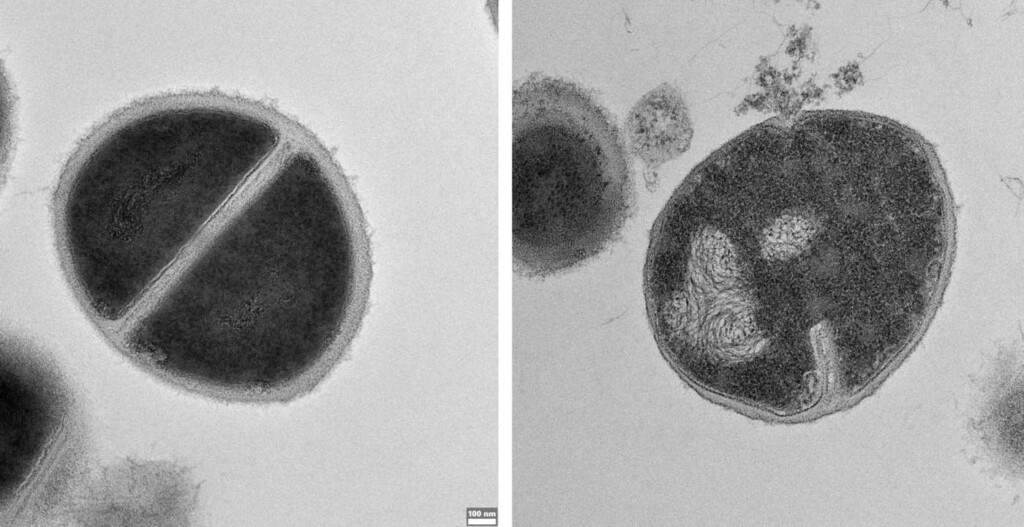
Staphylococcus bacteria, one healthy on the left and one being destroyed as its outer layer is torn open by antimicrobials made by the proteasome - credit Weizmann Institute of Science
Staphylococcus bacteria, one healthy on the left and one being destroyed as its outer layer is torn open by antimicrobials made by the proteasome – credit Weizmann Institute of Science
Most adults, especially considering what happened 5 years ago, now understand at least a little of how the human immune system works.
But a new study out of Israel has demonstrated that even after 120 years of research, there was a whole new component of that system which is now being theorized as a “gold mine” of potential antibiotics.
Inside each of our cells, the discovering team explains in their study, a tiny structure called a proteasome recycles damaged and dead proteins to make new ones, a vital and normal function of cellular repair and maintenance. However, the proteasome has another responsibility that immunologists have never identified: fighting off bacterial infections.
When infected by a bacteria like Salmonella for example, the proteosomes start turning those damaged proteins into weapons—immune compounds that rip into the external membrane of bacterial cells and kill them.
“We discovered a novel mechanism of immunity that is allowing us to have a defence against bacterial infection,” Professor Yifat Merbl, from the Weizmann Institute of Science, told the BBC’s James Gallagher on his team’s discovery. “It’s happening throughout our body in all the cells, and generates a whole new class of potential natural antibiotics.”
Once the team identified the proteasome’s immune function, they tested the compounds it made on mice with pneumonia and sepsis. They found results similar to some established antibiotics. If their proteasome were inhibited, the mice were easier to infect with Salmonella.
Dr. Lindsey Edwards, a senior lecturer in microbiology at King’s College London told the BBC that because these proteasome-derived antimicrobials are made within us, any trials to test antibiotics based on these compounds would likely achieve safety requirements much faster.
Antibiotic resistant bacteria are one of the greatest challenges facing modern medicine, and they are likely to grow greater still.
“In previous years it’s been digging up soil [to find new antibiotics], it is wild that it’s something we have within us, but comes down to having the technology to be able to detect these things,” Dr. Edwards said.
SHARE This Wild Medical Surprise With Your Friends On Social Media…
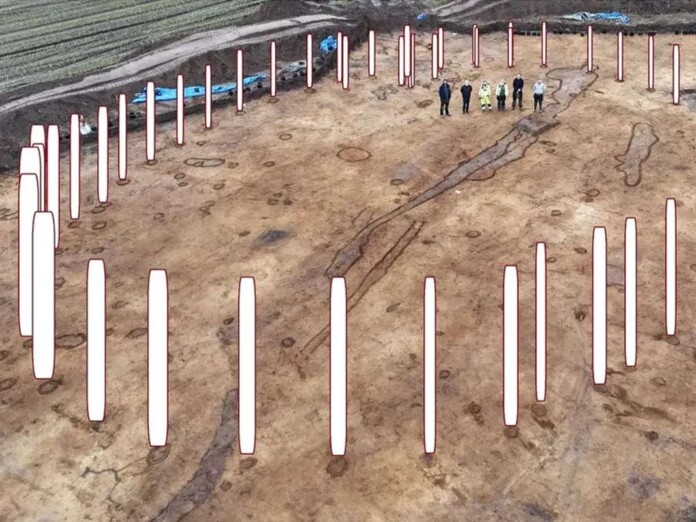
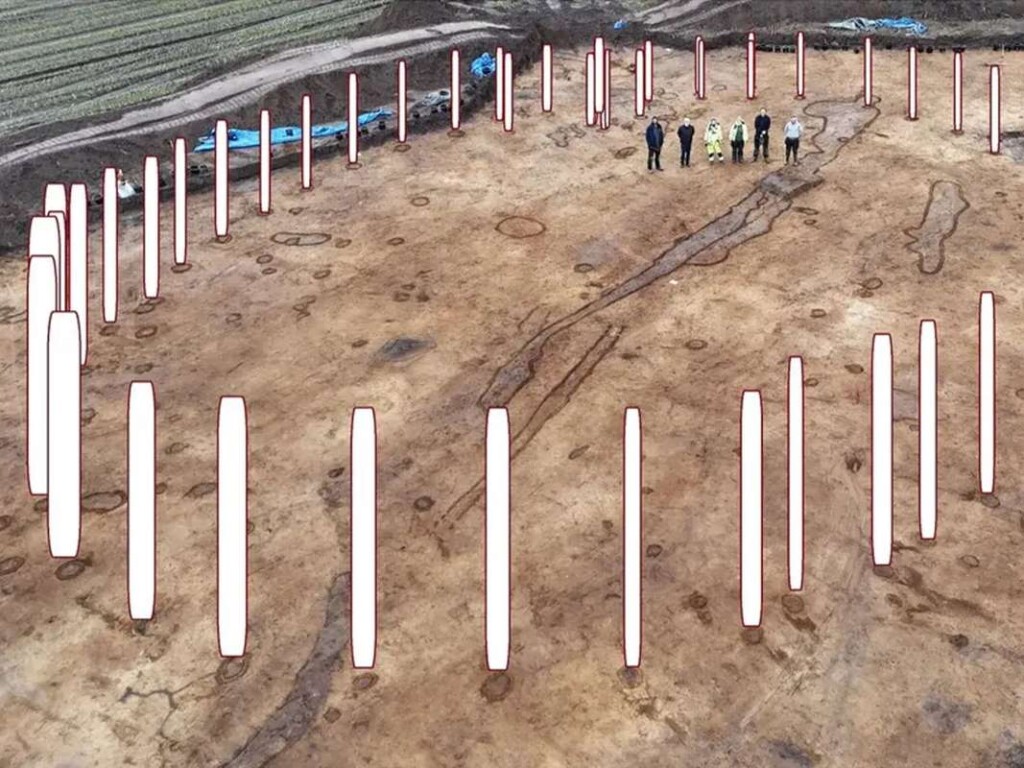
The circle was found during construction in a small town in northern Denmark -credit Vesthimmerlands Museum
The circle was found during construction in a small town in northern Denmark -credit Vesthimmerlands Museum
In Denmark, the remnants of a ritual circle henge of wooden posts has archaeologists very excited.
Its connection with existing Neolithic structures in the vicinity—and further—to its similarities with henges in Britain, points to inter-connected Northern European beliefs and even organization.
Dating back 4,000 years to the late Neolithic, early Bronze Age period, it was found in the town of Aars during recent construction work. 45 timber posts once formed a circle that may have been aligned with celestial events, but they’ve long disintegrated.
In their place, a circle of post holes hint at their presence, as well as the possibility there may have been later modifications to the site.
“This is an extraordinary find,” says Sidsel Wåhlin, a curator at the Vesthimmerland Museum in Aars, in a statement. “The timber circle provides valuable insights into the ritual practices and social structures of this internationally connected prehistoric society. It is a testament to the rich archaeological heritage of Denmark.”
The timber circle is located in a ritual landscape that includes one of the few already known woodhenges from Denmark, 1.2 miles to the northwest, a significant burial ground with burial mounds from the late Neolithic and several settlements from the same period.
This context reinforces the significance of the discovery and suggests a complex and connected ritual and social environment in the area around Stenildgaard and Vesthimmerland.
“The timber circle is a window into the past, giving us an insight into the ceremonial and ritual activities of our ancestors,” said Andreas Bo Nielsen, excavation manager at the site.
As well as sharing similarities with other Danish woodhenges, there is also a striking parity with a known woodhenge in England, near Wiltshire.
“It shows us that [prehistoric Britons and Danes] are sharing the same worldviews … on how to be farmers, how society connects with the supernatural,” Wåhlin told the Guardian.
The henge in Wiltshire is believed to have served the same purpose for local people as that which Stonehenge provided for the Neolithic Britons on the Salisbury Plain—a center for ceremony, perhaps festivities, and funerals.
It’s well known that Stonehenge was built to align with the Summer solstice, and other henges, both stone and wood, are believed to be constructed to similar standards, although official research and excavation of the Aars henge only began on February 24th.
Along with more precise dates, they hope to answer outstanding questions including whether the henge was enlarged at some point and whether the posts had been decorated.
SHARE This Story With Your Friends Who Love Learning About The Ancients…
Bus driver Larry Farrish Jr. with Levi (Jefferson County Public Schools)
Bus driver Larry Farrish Jr. with Levi (Jefferson County Public Schools)
A bus driver in Kentucky went far above and beyond the call of duty when he saw one of his regular riders in distress.
A child named Levi was crying when driver Larry Farrish Jr. arrived at his stop.
“Normally when I pull up, he’s standing there waiting for me with a big smile, but on this day, he was sitting on the ground with a jacket over his head,” Farrish Jr., 35, tells TODAY.com. “I asked him, ‘Hey buddy, what’s going on? What’s wrong?’”
It turned out that today was Pajama Day at Engelhard Elementary School, but Levi didn’t have any, so he was going to miss out on all the fun. He told Farrish Jr. the predicament he found himself in before he slunk to the back of the bus away from his friends.
“I thought, ‘I gotta fix this,” Farrish Jr. said, adding that he went to Family Dollar and picked up two pairs before rushing back to Engelhard and surprising Levi in class.
“I said, ‘You were hurting this morning, you were crying, so I got you these pajamas,” Farrish Jr. recalls. “He was so excited — you should’ve seen how his face lit up.”
Levi hugged the pajamas close to his chest and thanked his bus driver warmly, saying that he “did a happy cry.”
Jefferson County Public Schools – released
TODAY reports that Farrish Jr. had been both a truck driver and correctional officer but has found his calling with driving children to school. The school, located in Louisville, shared the story on their Facebook page, leading to a flood of Pro-Larry comments—with all agreeing the world could use more of him.
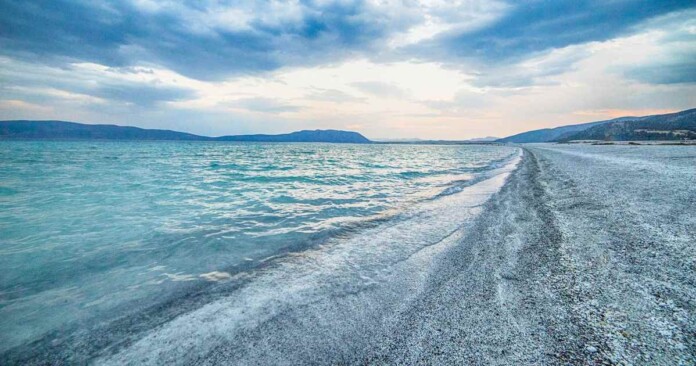
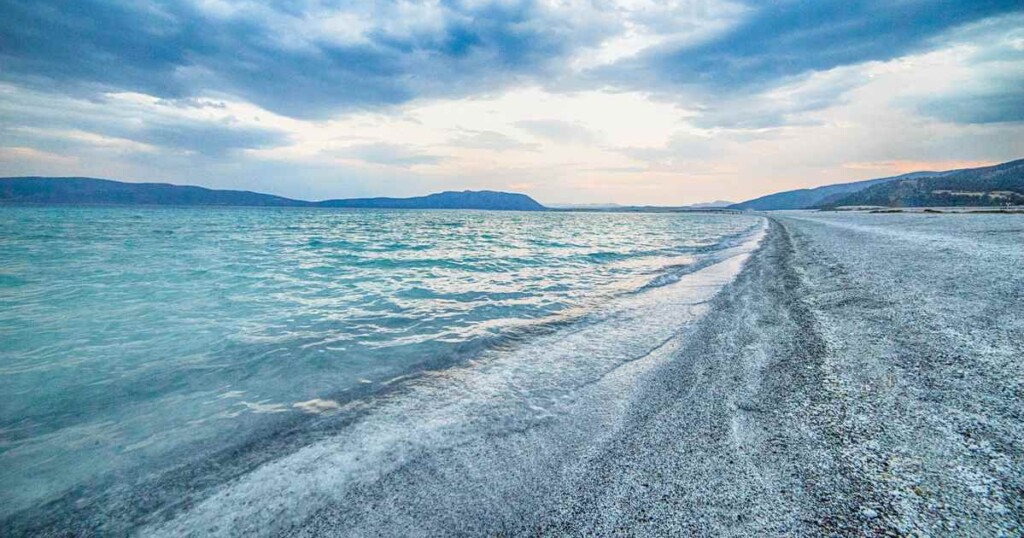
Lake Salda in Turkey - credit Shanti Alex, CC 4.0. BY-SA
Lake Salda in Turkey – credit Shanti Alex, CC 4.0. BY-SA
In southwest Turkey, about 2 hours by car from Antalya, a mirror of turquoise water shimmers under the Anatolian sun that excites both the traveler and the scientist.
Lake Salda is the only known place on Earth that is analogous to the lake that once filled Mars’ Jezero Crater, and NASA’s Perseverance Rover team actually visited Lake Salda in the lead-up to its launch to study it.
Briony Horgan, a professor at Purdue University’s Earth, Atmospheric and Planetary Sciences Department, traveled with the NASA team to Lake Salda, and after studying the area, said she felt as if she were looking at the ancient Jezero Crater lake.
Salda is “of that composition that was created at the bottom of an ocean when the oceanic crust ripped apart and made new crust straight out of the interior of the Earth,” which makes it a “planetary analog” to Mars, Horgan told CNN Travel.
Surrounded by green hills and beige rock, Lake Salda sits in what tour companies like to call the Turkish Lake District, and is a great place for hiking and enjoying nature. The area is home to 30 species of water bird, and the lake, with its enticing color, is great for responsible swimming.
Nearby are two ancient cities, Kibyra and Sagalassos, pending UNESCO World Heritage status, and the whole thing can be reached from Antalya with a short scenic drive through the countryside.
All three of these destinations may be in the background of the region’s most famous site, Paumakkale. Looking like something out of Yellowstone, the terraces of pearl white rock formations bubbling with geothermally heated water bring tourists from all over the world to bathe in it and marvel at the geology of the place.
But Lake Salda is equally worthy of geological esteem and the protections it should afford. In fact, the International Commission on Geoheritage (IUGS) announced the inclusion of Lake Salda on its list of the world’s Top 100 geological sites.
In recent years, environmentalists have called for greater protections on the lake and the surrounding ecosystem that grew up with it. Even though it is protected by Turkish law as a national conservation area, disturbances to the surrounding ecosystem, shrinking water levels, and pollution are still affecting it.
Horgan described it as “a wonderful location that I hope many people get to see. But it’s the kind of place we should make sure we appreciate responsibly.”
Visitors can start by considering that the lake has no outflow, so any pollution or waste that enters it, remains. They can also steer clear of the exposed, coral-like structures of microorganisms that took millions of years to build up, some of which now stand exposed above the water level.
There are no replacing these in any of our lifetimes, so if your son or a friend goes to snap a piece off to take home, explain to them that if every visitor did the same, what took millions of years to build would all be gone in just two or three.
SHARE This Little Corner Of The World And The Wonders It Contains…
With a new inspirational quote every day, atop the perfect photo—collected and archived on our Quote of the Day page—why not bookmark GNN.org for a daily uplift?
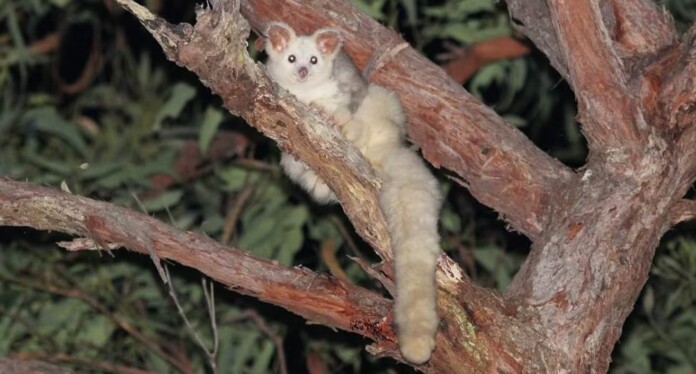
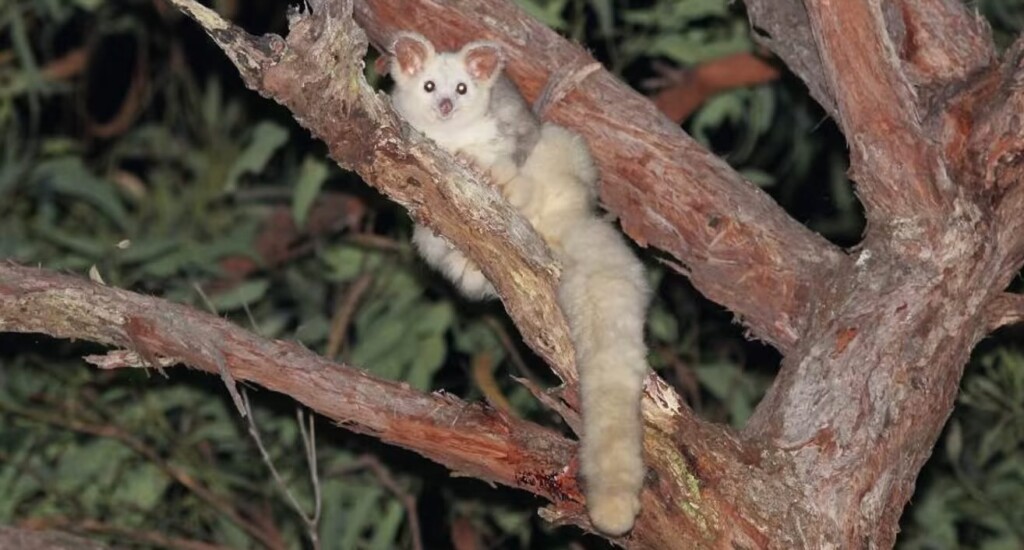
On the heights of a mountain range just 30 miles west of Sydney’s Central Business District, the population of a charismatic marsupial was found to be ballooning despite recent fires.
Recorded at 45% higher than before Australia’s drought-wildfire combo of 2019, it was described as “nothing short of remarkable.”
The greater glider is an arboreal marsupial that can glide the distance of a football field using a long skin membrane that stretches between its arms and legs. With a diet composed exclusively of eucalyptus leaves, a lack of trees means a lack of gliders, and in the Blue Mountains, parts that were only lightly burned are positively full of these animals.
“It’s been fantastic to see greater gliders bounce back to well above pre-fire, pre-drought levels in the best and most lightly burnt habitat,” said Dr. Peter Smith, an experienced glider biologist, and author of the study that included the new population estimates. “Because of their low reproductive rate, we didn’t think that they’d be capable of making such a strong recovery. The rapid increase in numbers is extraordinary.”
On one night, he and his co-author/wife Judy used powerful flashlights to spot 59 gliders overhead in a single corridor located by the southern edge of the Blue Mountains National Park and near the adjoining Mares Forest National Park and Wombeyan Karst Conservation Reserve.
Gliders are not just vulnerable to logging and wildfires, they carry a mere one joey per year, and so have been assumed to be far more at risk than similar marsupials with greater fecundity.
Other surveys proved less-joyful, though. In some areas where the eucalyptus had not recovered from the 2019 fires, there were no gliders at all. Another way to look at that might be: provided eucalyptus trees can be restored to degraded habitats, gliders can take care of themselves.
“That’s why the remaining greater glider strongholds are so important,” Dr. Smith told WWF Down Under. “The forests in Mares Forest National Park and the southern end of Blue Mountains National Park now support exceptional numbers of greater gliders and are vital for the species’ recovery in this region.”
As to why this species might have been so much more well-stocked, Smith reckoned it was because of the increased rainfall in recent years, driving more heavy vegetation among the trees this flying possum calls home.
WATCH a video to learn how Australia is helping their glider population…
SOAR Over To Your Friends Social Media And Let Them Know The Good News…
The science of epigenetics, or the adaptive changes to DNA in response to life stressors, may have uncovered a new and dynamic antimalarial medication.
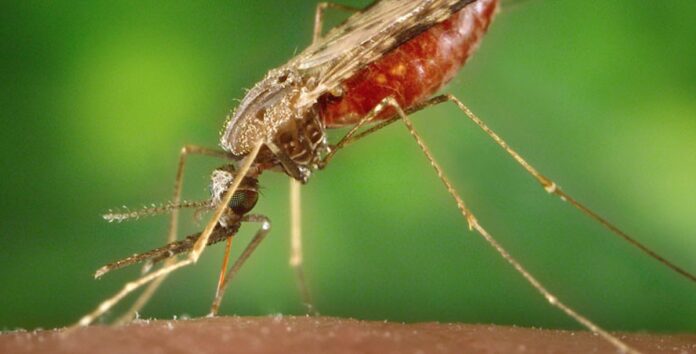
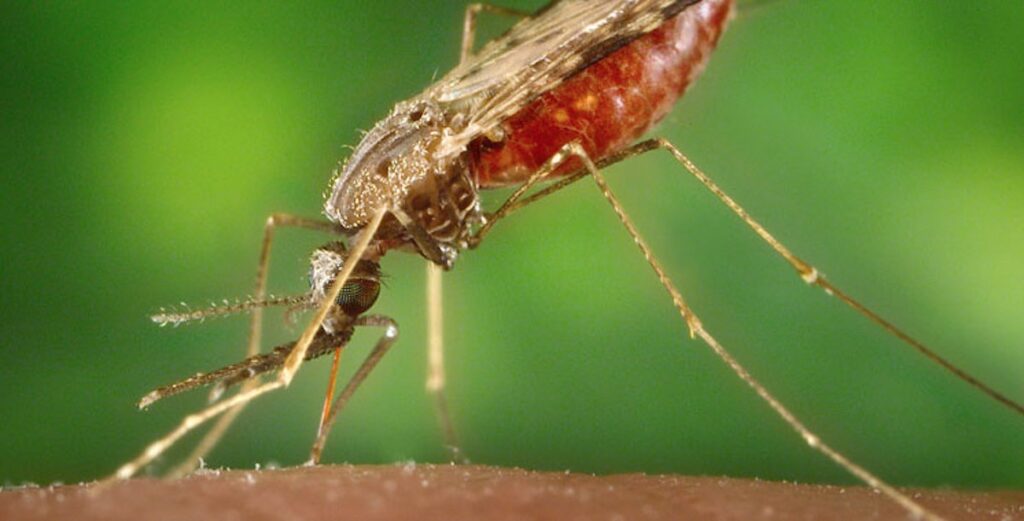
Plasmodium falciparum, aka malaria, remains the most deadly infectious disease faced by man, a position it has maintained for thousands of years as it causes hundreds of thousands of deaths annually.
Malaria vaccines, malaria medication, and targeted mosquito treatments have allowed for remarkable progress in the control of this complex, multi-stage parasite, including eradication from countries inside the malaria belt such as Egypt and Cape Verde.
Now though, a multinational team has uncovered a feature in the epigentics of the malaria parasite that controls for a suite of genes. Called a chromatin remodeler, with the abbreviation PfSnf2L, the team believes it could lead to a whole new class of antimalarial medication.
Epigenetics are one of life’s primary drivers of adaptations. They are why human beings who live at high altitude have more oxygenated blood than lowlanders, and why traditional divers and fishermen have greater lung capacities than others of the same ethnic background.
They are in effect, a defense mechanism against stress.
Professor Markus Meißner from LMU Munich and Professor of Biochemistry Gernot Längst from the University of Regensburg led the study team, which found how PfSnf2L is essential for P. falciparum to dynamically adjust gene expression.
“The unique sequence and functional properties of PfSnf2L led to the identification of a highly specific inhibitor that only kills Plasmodium falciparum,” explains Längst.
“This inhibitor represents a new class of antimalarials, potentially targeting all life cycle stages,” adds Professor Meißner.
Längst described malaria as one of the most “adaptable diseases we face,” and its potential to develop resistance to existing treatments presents the threat of a severely demoralizing impediment to reducing the malarial burden in world society.
“Future work will focus on testing small molecules that inhibit the parasite’s epigenetic machinery and exploring their effectiveness in preclinical models,” concludes Meißner.
SHARE This Interesting Future Angle Into Malaria Research…
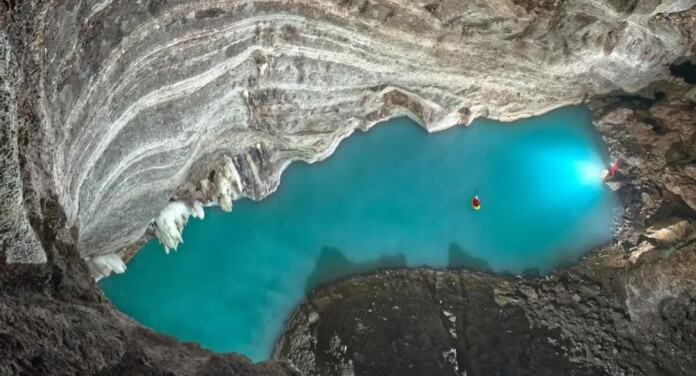
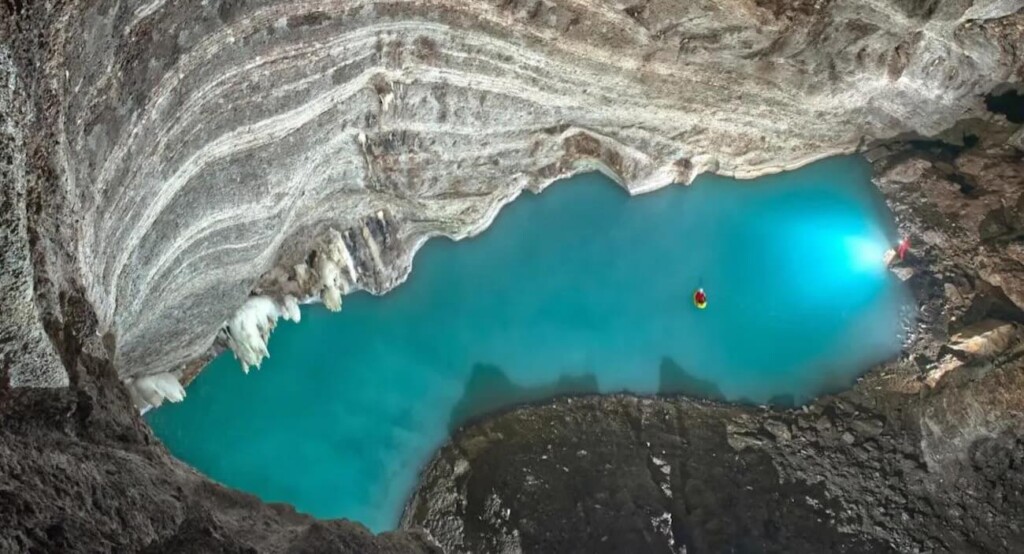
Largest-known underground thermal lake, Albania – Credit: Neuron Foundation
Largest-known underground thermal lake, Albania – Credit: Neuron Foundation
The little country of Albania was recently discovered to be harboring a giant secret: the largest geothermally-heated underground lake in the world.
Discovered in 2021 by Czech scientists, geopolitical troubles on the border region with Greece saw them depart before a proper investigation of the cave could be made.
What they did find though was a massive column of steam rising out of the hills in an area around the town of Leskovik. Approaching it, they encountered a massive abyss descending 330 feet (100 meters) under the Earth. Exploring down, they found this massive lake of turquoise water that was geothermally heated.
Funded by a research grant from the Neuron Foundation, which supports pioneering scientists in Czechia, the team was able to return in 2024 for a proper study.
The scientists used state-of-the-art technologies during the expedition, including a mobile LiDAR scanner, which allowed for detailed mapping of the underground spaces. Precise geodetic measurements created a comprehensive map of the Atmos Cave and other nearby caves, such as Sulfur, Breška, and Kobyla, which were already discovered in 2021.
“It’s something that could have a huge impact on understanding underground ecosystems and geological processes,” Marek Audy, a caver and scientist in the research team, told Nat Geo CZ. “We want to look at other parts of the cave, learn more about the geology and biology of this area.”
The LiDAR survey produced a total size of 454 feet (138 meters) of length and 138 feet (45 m) of depth. With over 8,000 cubic meters of water, it contains more 3.5 Olympic swimming pools of water volume, making it larger than the previously-recognized subterranean heated lake in the world in Hungary.
They named it Lake Neuron after the foundation that funded them.
“I am incredibly proud that we could support Czech scientists in such a groundbreaking project,” Monika Řasa Vondráková, director and co-founder of the Neuron Foundation, said in a statement.
“This achievement underscores the importance of supporting scientists directly in the field, where their expertise and dedication lead to new discoveries. Expeditions like these are vital for advancing science and expanding our understanding of the world around us.”
SHARE This Story With Your Friends Who Think The World Has No More Secrets…
HONOR's deepfake detector - credit, HONOR released
HONOR’s deepfake detector – credit, HONOR released
A Chinese smartphone manufacturer is preparing to debut a new deepfake detection software, which it says uses AI to detect AI.
Embodying the schoolyard concept of it takes one to know one, the company says it analyzes the millions of individual pixels on a phone screen to look for things like faceswaps or other AI artifacts.
The pixel-level flaws include issues with border compositing, irregularities between video frames, and unusual facial features like face-to-ear ratios or hairstyle anomalies.
Called the GUI for Graphic User Interface, it was developed by the Chinese smartphone operator HONOR, and is included in the company’s new Magic Pro 7 smartphone.
It’s preparing the device for a presentation at the Mobile World Congress in Barcelona next month, Reuters reports.
Quote of the Day: “We must embrace pain and burn it as fuel for our journey.” – Kenji Miyazawa
Photo by: rudis (CC license)
With a new inspirational quote every day, atop the perfect photo—collected and archived on our Quote of the Day page—why not bookmark GNN.org for a daily uplift?
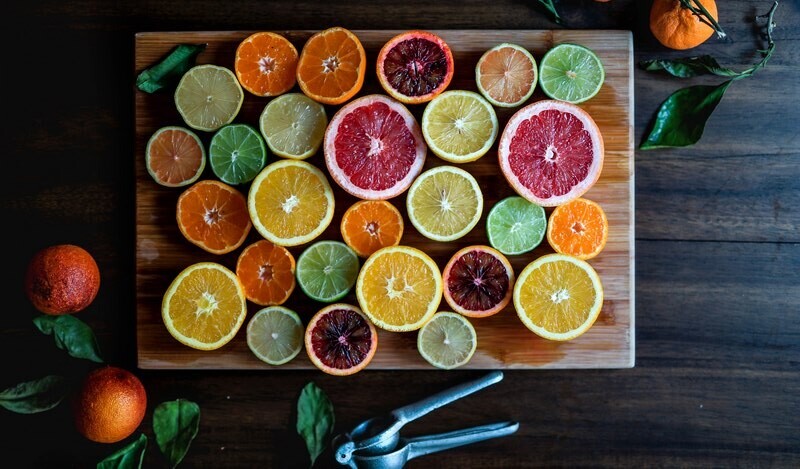
A new study has identified several corresponding lines of evidence which all point like a divining rod to citrus fruit being associated with lower risks of developing depression.
Clinical depression affects hundreds of millions of people worldwide, 70% of whom fail to respond to medication. The causes are varied and difficult to understand, but being that you can’t medicate your way out of a poor diet, one scientist thought he’d look for a dietary solution.
Dr. Raaj Mehta, an instructor in medicine at Harvard Medical School and a physician at Massachusetts General Hospital, has found evidence that just one medium-sized orange can reduce a person’s risk of developing depression by 20%.
“I was working with a fantastic postdoc named Chatpol Samuthpongtorn, who was reading through the literature on depression, looking for an interesting project to take on,” Dr. Mehta explained to the Harvard Gazette. “And he came across this one paper from 2016 that pointed to the possibility that citrus lowers the risk of depression.”
“That piqued our interest because we had access to a rich data set that we could use to follow up on this finding. It’s called the Nurses’ Health Study II (NHS2), and it began in 1989 with the goal of finding risk factors for major chronic diseases in women.”
“It involves over 100,000 women, and roughly every two years they provide researchers with detailed information about their lifestyle, diet, medication use, and health. So we decided to leverage these data to look for evidence that nurses who ate a lot of citrus had lower rates of future depression than those who did not. And that’s what we found!”
Dr. Mehta’s findings show that total fruit and vegetable consumption was not correlated with anything—citrus stood alone as a deciding factor, and it worked, he later hypothesized, by increasing the total amounts of a gut bacterial species F. prausnitzii. Citrus increased the population of this species in the guts of the nurses who consumed the most citrus.
Furthermore, because the NHS2 contained only women, he looked for the same parameters and gut microbes in men, and the findings remained: 20% reduced risk of depression, higher levels of F. prausnitzii.
When asked how this data might work to reduce depression, Dr. Mehta suggested the S-adenosyl-L-methionine cycle I pathway may be utilized by these bacteria as a way to influence human neurotransmitters dopamine and seratonin, produced by human cells in the gut.
“There’s so much evidence now suggesting a strong link between the gut and the brain that I was not surprised to find more,” he told the Gazette. “At the same time, I had not associated citrus with the brain before we got these results. You often hear that fish is ‘brain food,’ but nobody says that oranges are brain food.”
One future question would be whether the effect was unique to oranges. Could it be replicated with lemons, bergamot, grapefruit, tangerines, or limes?
SHARE This Sweet And Sour News With Your Friends Who Love A Nice Orange…
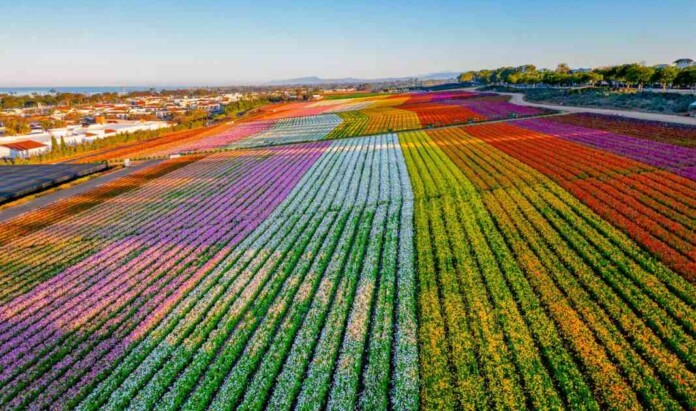
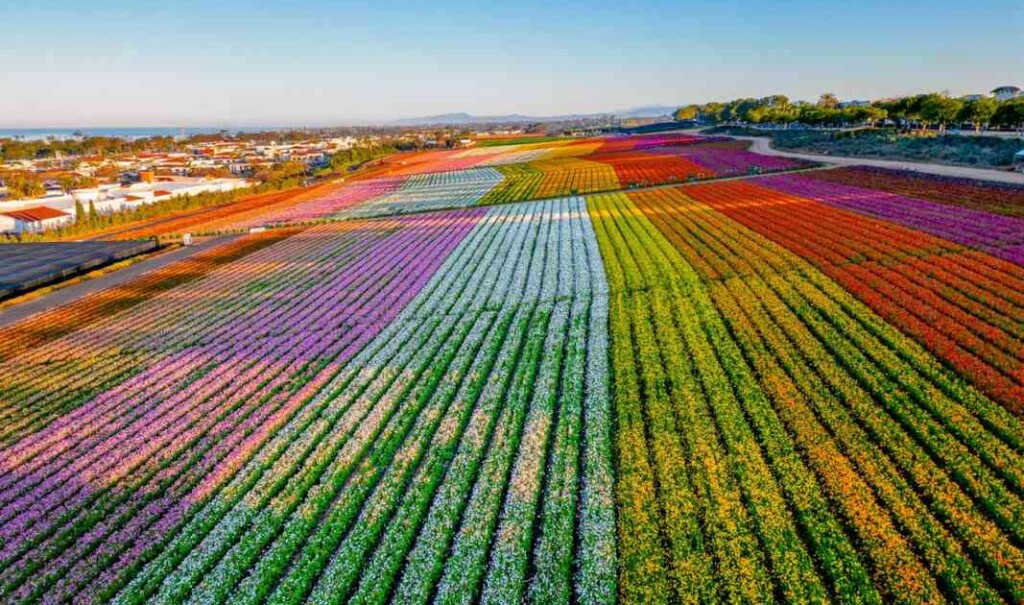
Along I-5 in Southern California, a beautiful bed of blooms stretches 55 acres across the landscape and is officially open for the season.
The Flower Fields at Carlsbad Ranch have been captivating Californians with their incredible panoply of ranunculus flowers for decades, but have added other activities as well.
Native to Turkey, ranunculus are also known as the Persian buttercup, and over a long career of dazzling drivers and day-trippers, pioneer Edwin Frazee and other local growers have created every color of the rainbow.
They’ve grown along the California coastline for 100 years, but it took more than half of that in dedicated horticulture to create this masterpiece that’s open every year in March. Visitors can see them in all their glory for the next five to seven weeks, with admission priced at $27 for adults.
The field is open from 9:00 am to 6:00 pm, with other activities including a “sweet pea” maze, tractor rides, a sea of sunflowers, a giant American flag grown from petunias, green house orchid and poinsettia displays, a sculpture garden, and a butterfly encounter area for children.
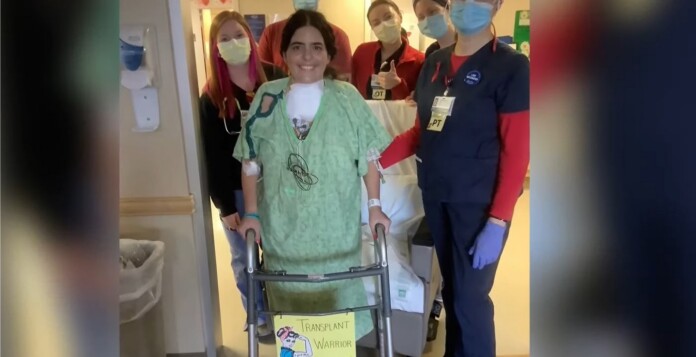
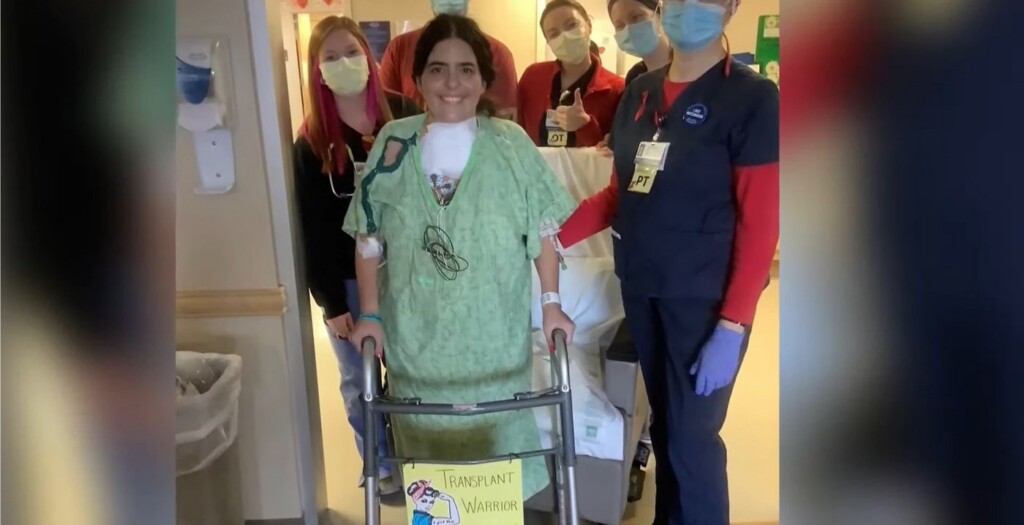
Jackie Dennis after her transplant - credit, released
Jackie Dennis after her transplant – credit, released
A special education teacher who received a double-lung donation recently led her class in making comfort blankets for donor families.
Jackie Dennis says that even though the donation she received made her joyful, grateful, and relieved that she’d be able to watch her daughter grow up, she knew in her heart it also represented the worst tragedy for someone else.
Dennis has taken that experience forward with her into a deep connection with the family of the girl whose lungs saved her life, and she hopes the blankets can act as warm, comfy bridges for others to do the same.
It was in 2020, during the pandemic when Dennis gave birth. Quickly thereafter her health deteriorated, and it wasn’t long in the hospital before her doctors had her on a waiting list for two lungs.
They were found, and the operation, a first for Henry Ford Health at the time, was successful. In the years that followed, she got to know the donor’s family, to a point where they enjoy a close connection.
“I’m lucky enough to have such a good relationship that I can send pictures of my daughter, I can send pictures of what my students are doing, and I get to show her the impact her daughter [the donor] has had on me—and her little sisters get to see that, and it’s so beautiful,” said Dennis.
Last week, the teacher at Huron High School in New Boston, Michigan, organized a workshop to make comfort blankets to send off to the families of donors. Dennis said it’s not unusual that a donor’s family has not contact with the person who received a donation, and that the blankets can go a long way towards helping them understand the gratitude and warmth a recipient has for them.
WATCH the story below from CBS news…
SHARE This Comfy, Heartwarming Story With Your Friends On Social Media…
William O'Shea's medals with new medals and a new clasp - credit, supplied to the media
William O’Shea’s medals with new medals and a new clasp – credit, supplied to the media
A New Zealand military chaplain recently recovered a fallen airman’s war medals and reunited them with the man’s next of kin.
It cost the chaplain a few hundred dollars to perform this good deed, one which has seen them restored and presented to the aviator’s grand-niece.
Dying during an RAF bomber raid over Hamburg in 1942 during Winston Churchill’s terror bombing campaign on Germany, New Zealand Sergeant William O’Shea’s medals were given to his Widow Ann, before the family lost track of them in 1990.
Royal Australian Air Force Chaplain Hayden Lea saw the collection of four authentic medals at an auction, and noticed that one was missing a ribbon clasp for bomber command units that were presented to airmen after the war. It’s absence meant that the man to whom the medals were issued had died.
Lea decided to buy the lot, replace the “tattered” ribbons, and see if he could get the bomber command clasp added to them.
“Once I’d purchased the medals and was able to look up a little bit more information about Billy, I was able to confirm that he didn’t have his other awards, so I contacted New Zealand honors and awards to be able to apply for that for him,” Chaplain Lea told ABC News Australia.
According to the Chaplain, part of his duty is to advocate for soldiers like O’Shea, and their families, which he considers his responsibility despite the man being dead for 80 years.
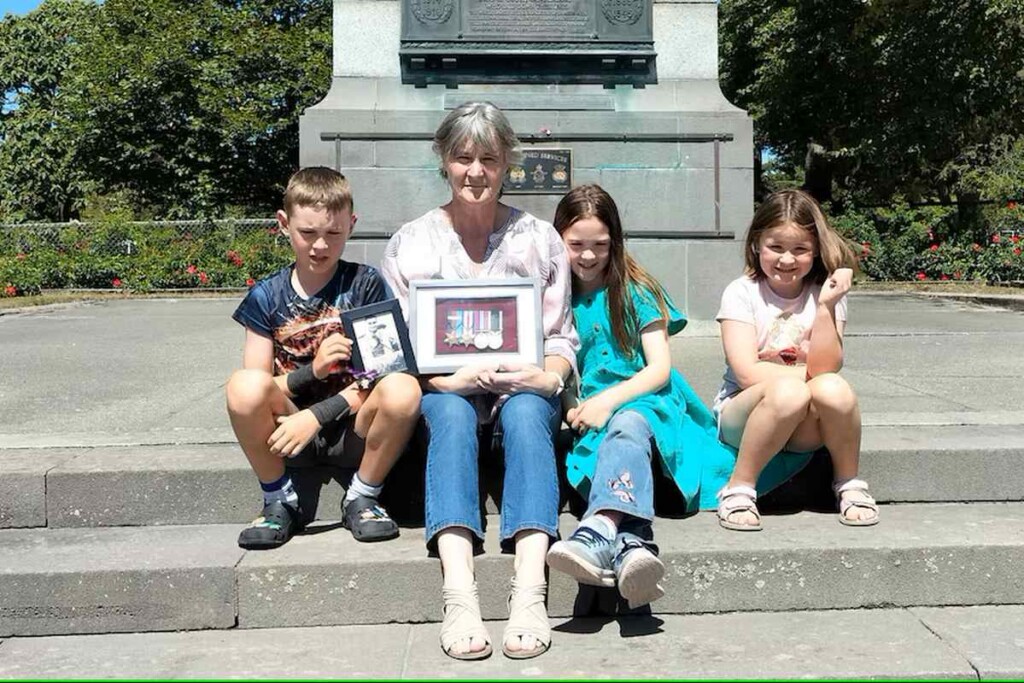
Karen Curtis with three of her grandchildren, and the returned medals – credit, supplied by the family
After obtaining the bomber clasp, he started to try and track down the family.
As it happened, O’Shea never met his grand-niece, Karen Curtis, who was born after his death. She had tried after the disappearance of the medals to get them re-issued, which the New Zealand authorities told her was not possible. During the process however, she made herself officially known as Billy’s next of kin, which meant that Lea was able to contact her.
Curtis said she and her family were still coming to terms about the amazing way in which the medals were returned.
“He died in 1942, but he was my father’s uncle and my father really looked up to him,” said Curtis. “And now I’ve got grandchildren who I’m teaching about the family history. They look so alike and looking at photos of Billy I could swear it was my dad.”
SHARE This Selfless Act On Behalf Of A Man Long Gone…
Quote of the Day: “They tried to bury us. They didn’t know we were seeds” – Dinos Christianopoulos (Greek poet)
Photo by: Kelly Sikkema
With a new inspirational quote every day, atop the perfect photo—collected and archived on our Quote of the Day page—why not bookmark GNN.org for a daily uplift?
Sarabeth Stine, Erinn Cottman, Kelly Holbin, and Kristi W. (via SWNS)
Sarabeth Stine, Erinn Cottman, Kelly Holbin, and Kristi W. (via SWNS)
Four women in their 40s who’ve been best friends for 17 years have all moved to the same street—and they now feel like they’ve built their own community.
Sarabeth Stine was delighted when her pal Kelly Holbin found a house just around the corner 10 years ago in Atlanta, Georgia.
Three years ago, when their buddy Erinn Cottman needed a new home, the girlfriends couldn’t believe their luck when the house across the street from Sarabeth became available.
And, one year later, Kristi W. surprised her friends by purchasing the house one door down.
Now the quartet are loving the fact that they live seconds from each other, so they can hang out whenever they want.
They also keep boundaries in place—so they can maintain individual lives and not overuse their welcome.
“Having people you can count on that are like family,” said the newest arrival. “That’s really important.”
“It’s a true blessing for me,” Kristi told SWNS news agency. “It feels like these girls are my sisters.”
Kristi has been friends with Kelly for 25 years after meeting her in college and becoming besties.
Kelly moved to Atlanta in 2008 and met Sarabeth and Erinn—and the group now has a strong 17-year bond.
Erinn Cottman and Kelly Holbin – via SWNS
“We all developed our own individual relationships, which fused the bond amongst the group,” said Erinn.
While Sarabeth and her family were the first ones in the neighborhood, she was suddenly surprised when Kelly spotted a house for sale and asked if it would be strange if she lived there.
“I text her to ask would it be weird if I lived in the same neighborhood. She was like ‘absolutely not’.”
Kelly moved in 2014 and has loved living round the corner from her friend. The pair goes to morning workouts and walks together.
“Three-and-a-half years ago Erinn needed a new home,” explained Sarabeth. “The house across the street became available.”
“At first she said it would be creepy, but then went for it.”
For Erinn and Sarabeth, it has meant their sons—eight and ten—have been able to grow up together.
“Our boys are a year and a half apart and they run back and forth between our houses,” said Sarabeth.
Sarabeth Stine, Erinn Cottman, Kelly Holbin and Kristi – SWNS
The friend that finally joined the group, after the pandemic, was Kirsti—when the house next to Sarabeth came up for sale.
Sarabeth had suggested to Kirsti: ”Please come and buy this house.”
Kirsti started thinking about it, then decided to go for it—but kept it a secret from the others, even going so far as disguising herself when she came for the home inspection.
Kirsti recalled: “I made up a story and said ‘would you guys come and look at a house – I really want your opinion?’
“We got in the car and pulled away and then I turned around as if I’d forgotten something.
“Then I told them I was buying the house.”
Sarabeth remembers, “That’s when we lost our minds.”
A component found in all fungi may provide a shield that prevents flu-related lung damage, according to a new Canadian study.
The preclinical trial uncovered how beta-glucan—which is found in all mushrooms, and also yeast, oats, and barley—can ‘reprogram’ immune cells to prevent lung inflammation.
A team of scientists at the Research Institute of the McGill University Health Centre, demonstrated that administering the compound to mice before their exposure to influenza, reduced lung damage, improved lung function and lowered the risk of illness and death.
The scientists led by Professor Maziar Divangahi discovered that a unique structure of this component can boost defenses against pathogens.
While most research focuses on stopping the virus from replicating, this study explored how to regulate the body’s immunity to infection, a concept known as “disease tolerance.” The researchers discovered that beta-glucan significantly enhanced flu survival rates by modulating immune responses and preventing severe lung inflammation, a common cause of fatality.
These results, published in Nature Immunology, highlight beta-glucan as a promising therapy for influenza, as well as other emerging viral pathogens.
“It is remarkable how beta-glucan can reprogram certain immune cells, such as neutrophils, to control excessive inflammation in the lung,” said first author Nargis Khan, who conducted this research at McGill and is now an Assistant Professor at the University of Calgary.
“Neutrophils are traditionally known for causing inflammation, but beta-glucan has the ability to shift their role to reduce it,” added co-first author Kim Tran, who recently completed her Ph.D. at McGill.
Most flu-related deaths aren’t caused by the virus itself, but by an overreaction of the immune system, said the researchers. This suggests the true danger lies in the host’s own immune response. However, how the immune system becomes so imbalanced remains poorly understood.
“Beta-glucan is found in the cell walls of all fungi, including some that live in and on our bodies as part of the human microbiome,” explained Divangahi.
“It is tempting to hypothesize that the levels and composition of fungi in an individual could influence how their immune system responds to infections, in part because of beta-glucan.”
With flu season underway and the looming threat of bird flu (H5N1), developing effective therapeutic strategies for respiratory diseases is more critical than ever, he added.
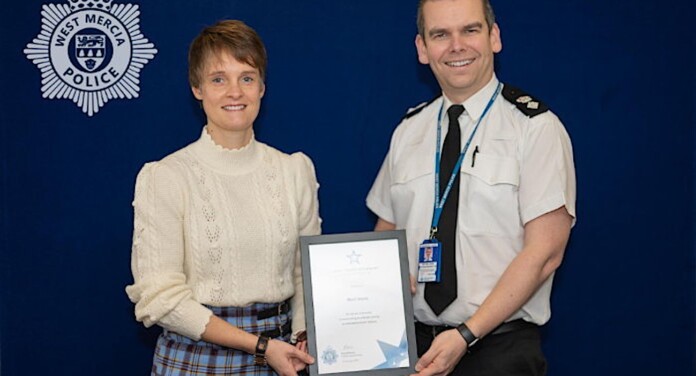
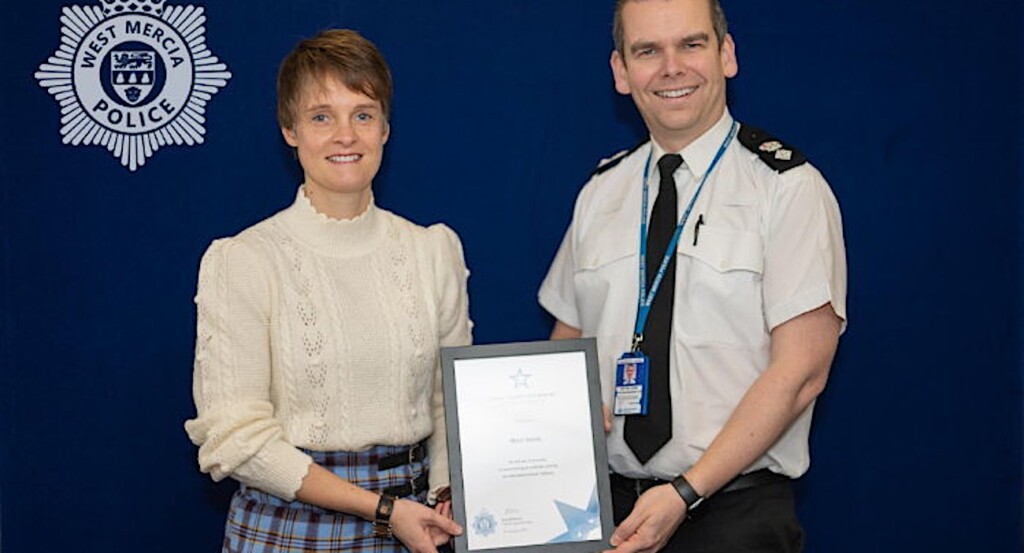
Mairi Kerin gets award for bravery from Chief Superintendent Edd Williams (Released)
Mairi Kerin gets award for bravery from Chief Superintendent Edd Williams (Released)
A woman with training in martial arts jumped into action sending a would-be robber scampering from a convenience store, after he threatened the shopkeeper.
Karate expert Mairi Kerin was at the counter buying chocolate treats for her nieces when the hooded man came into the LOCO store in Shropshire, England—and dramatic CCTV video captured the encounter.
But she had already noticed the suspicious man in the parking lot.
“As I got out of the car I noticed this person all covered up and thought ‘You look like you’re going to rob a shop’,” the 42-year-old told SWNS news agency.
But then she reminded herself, “You can’t think that about people, can’t pigeon-hole people like that… Maybe he’s just got a bike somewhere, he’s been out riding, or whatever.”
Mairi entered the store and spent a couple minutes shopping and was getting ready to pay the cashier when the man appeared.
“I heard the shopkeeper ask, ‘Why did you put something against the door?’, and I heard him reply, ‘Because I’m going to take your money’.
“He said it really cool, really calm.
“He stepped forward, I could see his pockets were full and I thought he had weapons, my eyes were glued to his pockets.
“When I saw his left hand still in his pocket I took the chance.”
She grabbed the would-be thief’s arm and delivered a couple of firm kicks to the shin causing him to run out of the store. (See the video at the end of the article…)
Mairi Kerin (via SWNS)
Mairi, who lives in Staffordshire, received a Commendation Award from the Police Chief Superintendent of West Mercia Police following her heroics on March 3.
She described how she didn’t think twice about jumping to the shopkeeper’s defense.
“We would later find out a knife and a firearm were involved but whatever was in the left pocket, for that moment it was not coming out.”
She said her John Wayne-style swagger on the CCTV footage was due to the pain of breaking in some heels for a new job.
“I was wearing new heels at the time and I was trying to break them in, I hadn’t worn heels since lockdown so I needed some practice.
“It makes me laugh when I watch it now.
Mairi said that her intervention wasn’t bravery. She credits it to self-belief after 20 years of martial arts training that has seen her represent England and the Republic of Ireland.
“The time was right, and I’m glad I was there. People have asked whether I was scared. No, I was not.
“I’ve trained with this type of event in mind (and) sparred in full-contact sessions with people far heavier than me.
“In my opinion this is not stupidity or bravado, it’s a reflection of self-belief.”
After the robber was caught and jailed for his involvement, Chief Superintendent Edd Williams praised Mairi’s intervention as “an inspiring act of bravery from an upstanding member of the public.”
“Her quick thinking meant that no one was harmed during this attempted robbery and no money or goods were stolen.” (Watch the video footage of the encounter below…)
SHARE THE INSPIRATION With Martial Arts Fans On Social Media…