The Sierra Club, its volunteers, supporters, and petitions, helped demand progress in conservation policies across the U.S. in 2009.
Here are some of the big successes by the numbers:
* 26 coal-fired power plants were abandoned or defeated * Congress protected two million acres of new parks, wilderness areas, and wild rivers * The grizzly bear earned greater protection * Tens of thousands of actions were taken leading to key climate-change rulings in DC, like tougher auto efficiency standards. * The Obama administration ruled that greenhouse gases threaten public health and should be regulated * The Sierra Club held nearly 1,000 house parties for the Coal Country documentary, and called for an end to mountaintop-removal coal mining. * The Sierra Club took 90,000 kids fishing, thanks to partnerships with the Federation of Fly Fishers and Trout Unlimited.
Watch the Sierra Club celebrate the 2009 successes in this video via YouTube…
A southern California solar startup has become the first company to sign a deal with China to build solar thermal power plants — and it’s a huge deal: 2,000 megawatts, or enough to power several million Chinese homes.
ESolar Inc. of Pasadena signed an agreement Friday to build a series of solar thermal power plants for China, in one of the largest renewable energy deals of its kind.
Coming four months after an Arizona company, First Solar, secured a contract to build an equally large photovoltaic power plant in China, the ESolar project with a total capacity of 2,000 megawatts, signals China’s emergence as a major market for renewable energy.
“They’re moving very fast, much faster than the state and U.S. governments are moving.”
South Sudan on Saturday marked five years of peace as it pushed for full implementation of the deal that ended 21 years of war.
Sudan is expected to hold its first democratic elections in 25 years in April to be followed by a referendum in January 2011 to decide on whether south Sudan should become an independent country.
South Sudan Head of Mission to Kenya John Andruga Duku said south Sudan had achieved a lot in the political, economic and cultural fields since the Comprehensive Peace Agreement was signed.
Former students at Delft University of Technology in the Netherlands are transforming incinerator waste into marketable and eco-friendly raw materials.
Incinerator ash consists of metals—copper, aluminum, zinc, iron, lead, tin and gold—which, if properly recovered, retain their value.
The two are perfecting a technology that sorts out these precious metals for recycling into construction materials. Incineration firms pay them for the recycling services, sell the recovered metals to the contruction industry and voila, a waste stream becomes a revenue stream.
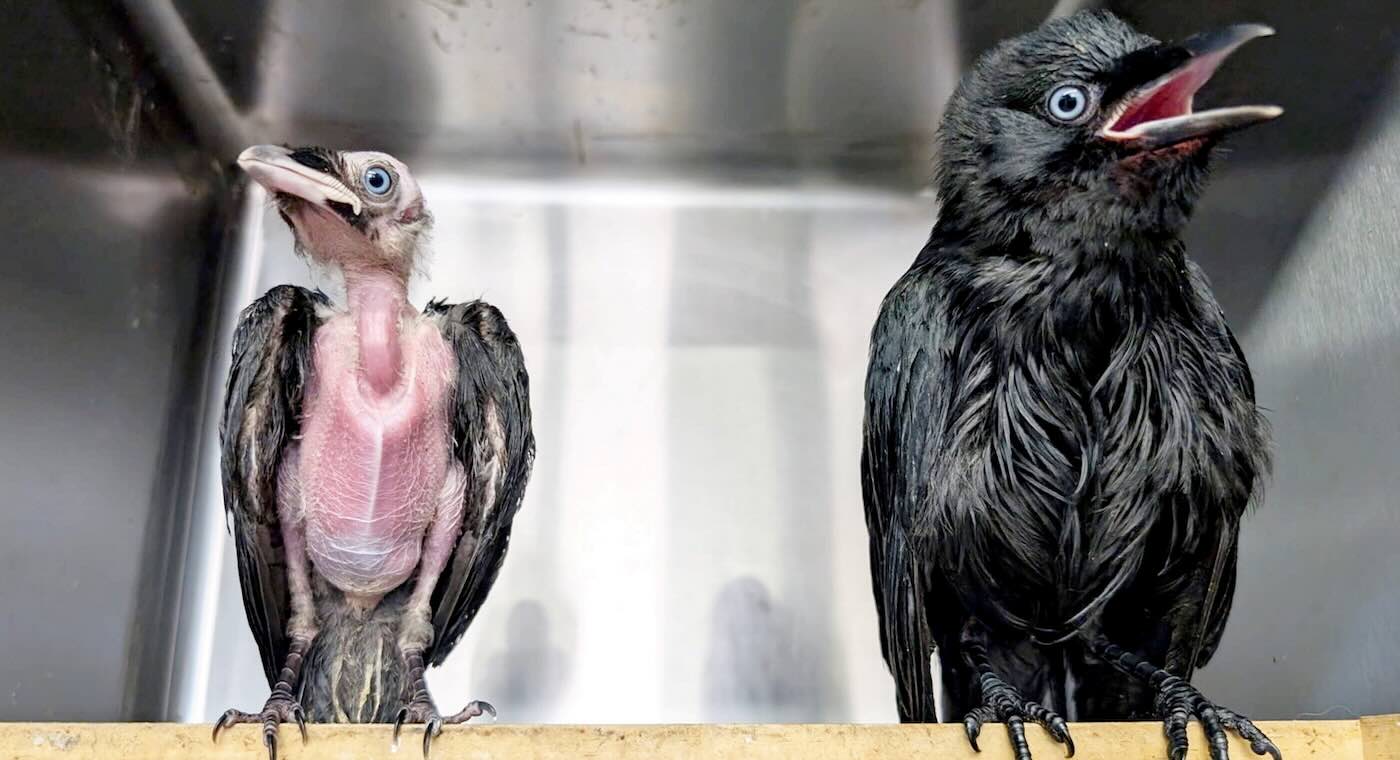
Fierce as they are, Tasmanian devils cannot beat a contagious cancer that threatens to wipe them out. Now scientists think they’ve found the disease’s origin, good news in the race to save Australia’s snarling marsupial.
The furry black animals spread a fast-killing cancer when they bite each other’s faces. Since the disease’s discovery in 1996, their numbers have plummeted by 70 percent. Last spring, Australia listed the devils as an endangered species.
An international research team picked apart the cancer’s genes, and discovered that it apparently first arose in cells that protect the animals’ nerves.
Hollywood actor Will Smith and his wife Jada Pinkett-Smith are raising funds to help the United Nations World Food Program tackle hunger in Haiti by auctioning a special piece of art decorated and signed by musical artists and the Smith family at the Nobel Peace Prize concert they co-hosted in Oslo last month.
The artwork selling on eBay, is a colorful map of world hunger decorated with personalized silhouettes drawn by Will, his family, and the artists who performed at the concert.
The auction, with five days left, currently shows a top bid of $200. All proceeds will go towards providing meals to school children in Haiti, where WFP already provides food to more than 500,000 school children.
Gary Ribble would not be able to read this story if not for people like you. Ribble, who has chronic lymphocytic leukemia, needed new eyeglasses last spring but couldn’t afford them after losing a job he’d held for more than 40 years.
Then he found out about the Modest Needs Foundation. The grass-roots charity pools thousands of small donations to help people get through short-term financial crises. Donors direct their dollars to the requests they want to fund.
A 92-year-old great-grandma has written more than two thousand letters to troops over the past two years. Each letter is four pages long and unique to each soldier.
Her letter-writing to servicemen began more than one half century ago.
With a sharp decline in inmate population over the past month, Gwinnett County Sheriff Butch Conway plans to devote a portion of the county jail to save dogs’ lives.
The jail will serve as a foster home for the Society of Humane Friends, a pet rescue agency.
The dogs will have access to a fenced grassy area for exercise, Conway said, and trainers will come in to work with the inmates on grooming and training the animals.
“These dogs will be the dogs that would have been put down,” Conway said. “They will be saved at the last minute.”
Here are the Top Ten Innovations from 2009 that will lead us, with chin up, into the next decade. From new technologies that strip pollution from our oceans and air, to household devices that cut carbon emissions; from a possible cure for honeybee colony collapse, to a breakthrough on Alzheimer’s, these bright innovations will ignite hope in even the most cynical. All these stories appeared on the Good News Network in 2009:
A biotech firm in Washington recently announced an overwhelmingly positive response to compounds from a rain forest botanical for treating Alzheimer’s Disease, along with its intention to safeguard the very forests that provide such a remarkable pharmacopeia. In talking with Advana Science CEO Peter Leighton, I realized he just might have the hoped-for promise that millions were seeking — a natural compound that could disrupt the amyloid proteins and prevent them from binding. What’s more, nature was pulling off what drugs could not. The plant compound was so complex in its polysaccharide constituents that it could never be duplicated by any drug. (www.megjordan.com)
An Israeli company has developed a revolutionary new drug that could solve the problem of Colony Collapse Disorder, the disturbing syndrome that has been wiping out bee communities and threatening agricultural production all over the world. The drug, Remembee, which was developed by Beeologics, has completed successful clinical trials on millions of bees in North America. Not only has it proved effective in maintaining bee health, but it also improved the longevity of bees and increased the honey in the hives. Based on Nobel prize-winning RNAI technology, the drug helps bees overcome IAVP virus, which has been associated with colony collapse.
Inventor and water-treatment expert Michael Pritchard was inspired after the devastating Asian tsunami and hurricane Katrina, which left so many without clean drinking water, to develop the Lifesaver bottle. The revolutionary water-filtration method could drastically reduce the suffering worldwide due to the lack of access to clean water.
The Dow Chemical Company today unveiled its line of DOW Powerhouse Solar Shingles, revolutionary photovoltaic solar panels in the form of solar shingles that can be integrated into rooftops with standard asphalt shingle materials. Putting the power of solar electricity generation directly and conveniently in the hands of homeowners, Dow will distribute the shingles in limited quantities by mid-2010, and broaden their availability in 2011.
Sir James Dyson, the inventor who revolutionized the bagless vacuum cleaner, revealed his latest invention: a fan with no blades. The Dyson fan works very differently to conventional fans. With no blades or grill, it’s completely safe, effortless to clean. It uses Air Multiplier™ technology to draw in air and amplify it 15 times, producing an uninterrupted stream of smooth air that doesn’t cause unpleasant buffeting. (Video)
A variety of new technologies are gearing up to grab climate-warming carbon right out of the air. This is different from trapping carbon dioxide as it comes out of pollution sources like factories and power plants. University of Calgary climate change researchers say they are close to figuring out how to commercialize the capture of carbon dioxide directly from the air with a simple system that could be set up anywhere in the world. Chemicals giant BASF and glass and ceramics firm Corning are also working with a team at Columbia University on a company called Global Thermostat to develop a similar device.
An innovative new anti-pollution ship has hit the high seas off western France. The ‘Catamar’ can collect debris and more importantly help clean up oil slicks, straining several hundred cubic meters of oil per hour from the water.
More than 40 smaller boats have already been purchased to help clean up lakes. The company hopes larger boats will soon be mopping up the open seas. (AFP Video)
Trials by companies including Panasonic and Toyota are underway at 3,000 homes throughout Japan, to bring mini hydrogen power plants into backyards that will provide heat and power while emitting a fraction of the carbon dioxide of normal energy sources by using a hydrogen fuel cell to convert natural gas into electricity. It’s called a fuel cell cogeneration system.
A cancer drug that destroys the deadly cells which give birth to tumors has been developed by U.S. scientists. It has already worked against breast cancer and offers hope to those with cancer of the prostate, skin or bowel. The drug selectively kills cancer stem cells which help tumors grow and spread the disease through the body. Unlike other cancer cells, stem ‘mother’ cells are resistant to radiotherapy and chemotherapy, allowing cancer to return after treatment. In laboratory tests, the new drug, salinomycin, was 100 times more effective at destroying stem cells than the powerful chemo treatment Taxol. The U.S. researchers believe dozens of drugs with similar properties could be developed over the next few years. The treatment is around a decade away from the market.
A new solar-powered stadium designed not only to power, cool and water itself, but also to withstand the island’s typhoons and earthquakes. The world’s first completely solar-powered stadium, located in Taiwan, is set to be completed in time for July’s World Games. Every inch of the massive roof is covered in solar panels — enough to power the structure’s 3,300 lights, two huge TV screens, and maybe sell some electricity back to the grid. It even incorporates the ancient art of Feng Shui. (AP Video)
Here are the Top Ten Innovations from 2009 that will lead us, with chin up, into the next decade. From new technologies that strip pollution from our oceans and air, to household devices that cut carbon emissions; from a possible cure for honeybee colony collapse, to a breakthrough on Alzheimer’s, these bright innovations will ignite hope in even the most cynical. All these stories appeared on the Good News Network in 2009:
A biotech firm in Washington recently announced an overwhelmingly positive response to compounds from a rain forest botanical for treating Alzheimer’s Disease, along with its intention to safeguard the very forests that provide such a remarkable pharmacopeia. In talking with Advana Science CEO Peter Leighton, I realized he just might have the hoped-for promise that millions were seeking — a natural compound that could disrupt the amyloid proteins and prevent them from binding. What’s more, nature was pulling off what drugs could not. The plant compound was so complex in its polysaccharide constituents that it could never be duplicated by any drug. (www.megjordan.com)
An Israeli company has developed a revolutionary new drug that could solve the problem of Colony Collapse Disorder, the disturbing syndrome that has been wiping out bee communities and threatening agricultural production all over the world. The drug, Remembee, which was developed by Beeologics, has completed successful clinical trials on millions of bees in North America. Not only has it proved effective in maintaining bee health, but it also improved the longevity of bees and increased the honey in the hives. Based on Nobel prize-winning RNAI technology, the drug helps bees overcome IAVP virus, which has been associated with colony collapse.
Inventor and water-treatment expert Michael Pritchard was inspired after the devastating Asian tsunami and hurricane Katrina, which left so many without clean drinking water, to develop the Lifesaver bottle. The revolutionary water-filtration method could drastically reduce the suffering worldwide due to the lack of access to clean water.
The Dow Chemical Company today unveiled its line of DOW Powerhouse Solar Shingles, revolutionary photovoltaic solar panels in the form of solar shingles that can be integrated into rooftops with standard asphalt shingle materials. Putting the power of solar electricity generation directly and conveniently in the hands of homeowners, Dow will distribute the shingles in limited quantities by mid-2010, and broaden their availability in 2011.
Sir James Dyson, the inventor who revolutionized the bagless vacuum cleaner, revealed his latest invention: a fan with no blades. The Dyson fan works very differently to conventional fans. With no blades or grill, it’s completely safe, effortless to clean. It uses Air Multiplier™ technology to draw in air and amplify it 15 times, producing an uninterrupted stream of smooth air that doesn’t cause unpleasant buffeting. (Video)
A variety of new technologies are gearing up to grab climate-warming carbon right out of the air. This is different from trapping carbon dioxide as it comes out of pollution sources like factories and power plants. University of Calgary climate change researchers say they are close to figuring out how to commercialize the capture of carbon dioxide directly from the air with a simple system that could be set up anywhere in the world. Chemicals giant BASF and glass and ceramics firm Corning are also working with a team at Columbia University on a company called Global Thermostat to develop a similar device.
An innovative new anti-pollution ship has hit the high seas off western France. The ‘Catamar’ can collect debris and more importantly help clean up oil slicks, straining several hundred cubic meters of oil per hour from the water.
More than 40 smaller boats have already been purchased to help clean up lakes. The company hopes larger boats will soon be mopping up the open seas. (AFP Video)
Trials by companies including Panasonic and Toyota are underway at 3,000 homes throughout Japan, to bring mini hydrogen power plants into backyards that will provide heat and power while emitting a fraction of the carbon dioxide of normal energy sources by using a hydrogen fuel cell to convert natural gas into electricity. It’s called a fuel cell cogeneration system.
A cancer drug that destroys the deadly cells which give birth to tumors has been developed by U.S. scientists. It has already worked against breast cancer and offers hope to those with cancer of the prostate, skin or bowel. The drug selectively kills cancer stem cells which help tumors grow and spread the disease through the body. Unlike other cancer cells, stem ‘mother’ cells are resistant to radiotherapy and chemotherapy, allowing cancer to return after treatment. In laboratory tests, the new drug, salinomycin, was 100 times more effective at destroying stem cells than the powerful chemo treatment Taxol. The U.S. researchers believe dozens of drugs with similar properties could be developed over the next few years. The treatment is around a decade away from the market.
A new solar-powered stadium designed not only to power, cool and water itself, but also to withstand the island’s typhoons and earthquakes. The world’s first completely solar-powered stadium, located in Taiwan, is set to be completed in time for July’s World Games. Every inch of the massive roof is covered in solar panels — enough to power the structure’s 3,300 lights, two huge TV screens, and maybe sell some electricity back to the grid. It even incorporates the ancient art of Feng Shui. (AP Video)
Fifty-five percent of U.S. teenagers volunteered during a recent year, led by the nation’s education system where 68 percent of kindergarten through 12th-grade schools now offer or recognize community service opportunities for students.
Want to encourage your own kids to volunteer?
It’s not just people in need who benefit: Experts say helping others can offer young people a host of rewards, from a stronger sense of community to improved self-esteem. Plus, volunteering can help bulk up a college application or a résumé.
So how can you persuade your children to volunteer? Here are some tips from the Huggable Heroes program, via the North American Precis Syndicate.
A Norwegian teenager, Magnus Carlsen, has become the youngest chess grandmaster ever to top the world rankings.
Called the ‘Mozart of Chess,’ the 19-year-old can think 20 moves ahead. He reached the top of the World Chess Federation’s rankings on January 1, under the tutelage of Gary Kasparov, who once earned the same crown at age 20.
Maryland farmer John Helmstetter thought his life was ruined after a fire destroyed his barn and a third of his cattle. But he regained the “American Spirit” when his neighbors and local Amish banded together to help.
Hundreds of Amish men worked for three days to raise the building that provided John with his livlihood.
A 12 year-old girl who had beaten cancer when she was younger, annually designs holiday cards to help raise money for pediatric cancer research.
The card she created this year was given to the two men who haul trash, along with ten dollars.
On that day, the garbage truck pulled over to a stop, while the men inside talked about the girl whose name was listed on the back of the card, along with her picture.
Then, after a few minutes, they returned to the family home. They had something for her.
A man whose boat had capsized in 10-20 foot waves off the North Carolina coast in storm conditions, set about swimming in a last ditch effort to save himself. That’s when he bumped into one of several life boats that had been dropped upwind via parachute by a Coast Guard helicopter in hopes one might reach the man before divers from a Navy ship arrived.
The Missouri man, Dennis Clements, captain of the Gloria A Dios, was finally rescued by sailors from the aircraft carrier USS Dwight D. Eisenhower, who were called in to help when conditions were too severe for the Coast Guard.
Watch the video from WVEC below…
Watch an interview with Clements via the Coast Guard YouTube channel…
A beggar has never been given respect in society, but this one from Bihar has received plaudits and has emerged as a harbinger of hope for his dedication towards social service.
So far, he has conducted marriages of 78 destitute orphans, spending money that he collected during 25 years of begging. His achievement is all the more matchless because he is blind by birth.
His beautiful singing — in buses, trains, village squares and market places — earn alms in return, but unlike others who spend the money on themselves, Yakoub spends most of his alms restoring smiles on the faces of villagers.
A three-part series ends tonight on PBS that explores improving social relationships, learning to cope with depression and anxiety, and becoming more positive, resilient individuals.
Harvard psychologist and best-selling author of Stumbling on Happiness, Professor Daniel Gilbert hosts ‘This Emotional Life’ and talks with experts about the latest science on what makes us “tick” and how to find emotional support for the issues we face.
Each episode weaves together the compelling personal stories of ordinary people and the latest scientific research along with revealing comments from celebrities like Chevy Chase, Larry David, Alanis Morissette, Robert Kennedy, Jr., and Richard Gere. The show’s website also features resources for those interested in learning more: www.pbs.org/thisemotionallife.
Even as a teen while Kenneth lived in a homeless shelter on the destitute streets of Skid Row, he dreamed of attending Harvard to become a neurosurgeon.
When Nnamdi Asomugha, the Oakland Raiders’ All-Pro cornerback worth $45 million, saw Kenneth’s story on CNN, he wanted to help. He runs a foundation, the Asomugha College Tour for Scholars, that takes talented inner-city kids on tours of college campuses they otherwise would never be able to see. He’s helped get 25 teens into college over the last four years.
Kenneth, an honors student and president of his class, will be among the 16 students traveling in the spring to visit schools in Washington, D.C.
Nearly 60,000 books prized by historians, writers and genealogists, many too old and fragile to be safely handled, have been digitally scanned as part of the first-ever mass book-digitization project of the U.S. Library of Congress (LOC), the world’s largest library. Anyone who wants to learn about the early history of the United States, or track the history of their own families, can read and download these books for free.
“The Library chose books that people wanted, but that were too old and fragile to serve to readers. They won’t stand up to handling,” said Michael Handy, who co-managed the project, which is called Digitizing American Imprints.
“Many of these books cover a period of Western settlement of the United States — 1865–1922 — and offer historians a trove of information that’s otherwise tough to locate,” he said. Books published before 1923 are in the public domain in the United States because their U.S. copyrights have expired.