










All News - Page 155 of 1691 - Good News Network
Home Blog Page 155

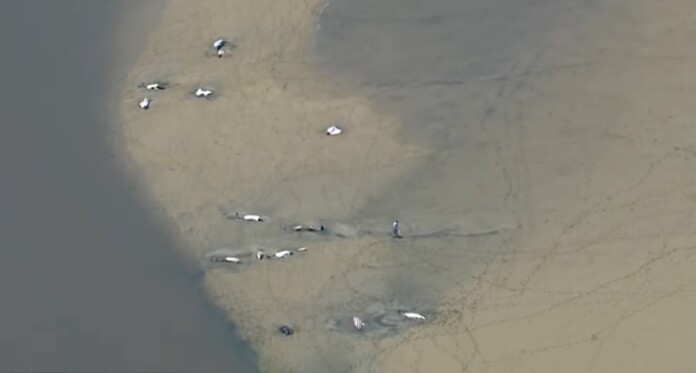
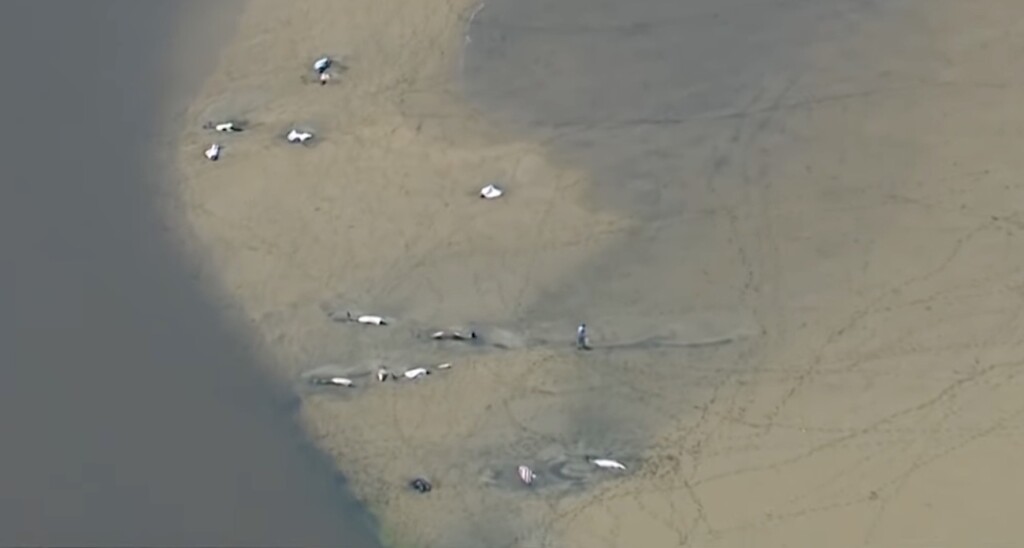
Over 100 Dolphins Saved from Historic Mass Stranding in Cape Cod

Credit: WCVB / YouTube screenshot

125 dolphins became stranded in shallow mud flats off Cape Cod, Massachusetts in what one rescue organization calls its largest single mass stranding event in decades.

The first report was initially understood to be 10 Atlantic white-sided dolphins close to shore off Wellfleet early Friday morning, triggering an overwhelming response from local marine conservation groups.

AmeriCorps of Cape Cod, Whale and Dolphin Conservation, the New England Aquarium, the Center for Coastal Studies, and the Wellfleet Harbormaster, led by the International Fund for Animal Welfare (IFAW)

However as rescuers arrived on the scene, they eventually identified a total of 125 animals, the largest single mass stranding in IFAW’s 26-year history on Cape Cod, to group said in a press release.

“We arrived to what appeared to be 80 to 100 dolphins on the shallow mud flats of Wellfleet’s Herring River ‘Gut,’ a global epicenter for mass strandings,” said Misty Niemeyer, stranding coordinator for IFAW.

“We were able to provide supportive care, help those that were struggling, and keep them comfortable and ready for the incoming tide.”

The dolphins were herded in a highly coordinated response effort to encourage their movement back to deeper waters, first on foot and then switching to boating efforts as the water returned to high tide at 4:56 pm. Two IFAW vessels and the Wellfleet Harbormaster continued their efforts until sunset at 8:15 pm.

The Herring River ‘Gut’ is a frequent stranding location due to its hook-like shape, and extreme tidal fluctuations.

“This rescue had many challenges due to the number of dolphins, the large size of many of the animals, how spread out they were over a large area, the difficult mud conditions, and the complicated locations from which we could reach them,” said Niemeyer. “It was a 12-hour exhausting response in the unrelenting sun, but the team was able to overcome the various challenges and give the dolphins their best chance at survival.”

RESCUING ANIMALS: Hero Surfer Rescues Stranded Deer in Ocean – Photographer Captures Moment

As daylight fell, most of the dolphins seemed to have found their way to deeper waters offshore. A dozen or more remained swimming in the inner harbor at sunset Friday night.

The entire effort on Friday involved over 150 people, including at least 25 IFAW staff, and 100 trained volunteers.

ALSO CHECK OUT: Washed up Hi-Tech Tracker Buoys Brilliantly Redeployed to Protect Turtles from ‘Ghost Nets’

At first light Saturday morning, an IFAW team was on the water to find 10 of the dolphins swimming in a dangerous area, and efforts have been successful to herd them towards deeper water.

The US National Oceanic and Atmospheric Administration states that stranding can occur if the dolphins become disoriented by underwater noise pollution.

WATCH the story below from AP…

SHARE This Heroic Rescue Efforts For Our Saltwater Kin On Social Media… 

“Genius is the ability to renew one’s emotions in daily experience.” – Paul Cezanne

Credit: Julian Hochgesang

Quote of the Day: “Genius is the ability to renew one’s emotions in daily experience.” – Paul Cezanne

Photo by: Julian Hochgesang

With a new inspirational quote every day, atop the perfect photo—collected and archived on our Quote of the Day page—why not bookmark GNN.org for a daily uplift?

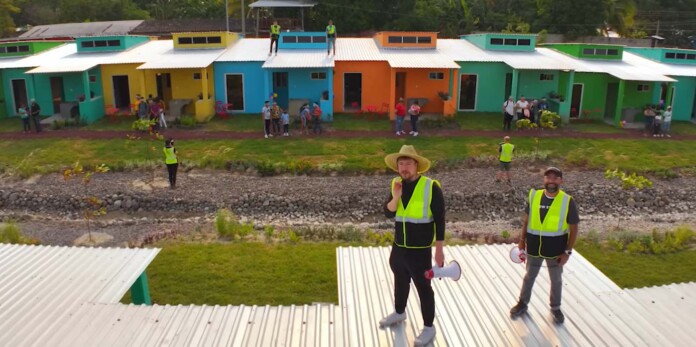
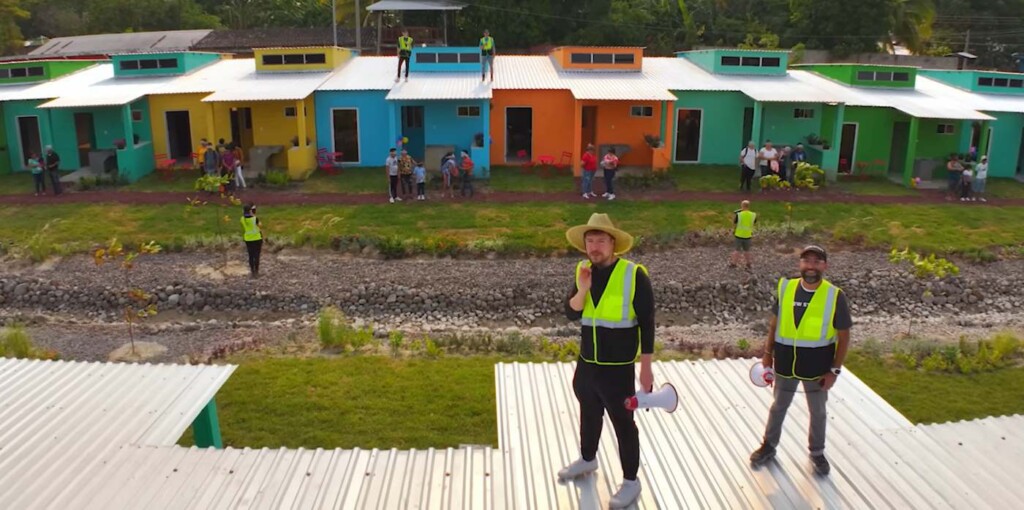
World’s Most Popular YouTuber Builds 100 Homes for South Americans in Disaster Areas

credit - MrBeast, screengrab
credit – MrBeast, screengrab

In a video entitled ‘I Built 100 Houses And Gave Them Away’ the world’s most popular YouTuber continued to demonstrate that his channel is for more than crazy videos.

James Donaldson, aka ‘MrBeast’ has 300 million subscribers, and they tune in to watch him perform crazy stunts, and in general do crazy things, like shredding a half-million-dollar Lamborghini and hiring a real assassin to try and hunt him down.

But the revenue from these wanton acts of viral content goes to more than just filming expenses—MrBeast has spent millions and millions on philanthropic causes.

Taking his ‘Beast Philanthropy’ series to Central and South America, the YouTuber targeted areas where natural disasters had left people homeless.

In Jamaica, a family living in a rural mountainous area lost their home in a landslide—they got a new modern home, as did another family whose house was flooded every time there were heavy rains.

In El Salvador, MrBeast paid for the construction of row housing a safe distance from a river that had recently flooded and washed a small community away. He also built a soccer pitch for the kids to play on, and paid for brand-new soccer equipment, shirts, and cleats for all the kids.

At this point, he had given away 50 family homes.

In Argentina, he and his partners transformed 15 structures in low-income housing areas into ones that were comfortable, weather-resistant, and had all basic amenities. By the time he had finished doing the same in Mexico, he had given away 83 houses.

In Colombia, in an area that had been dismantled by tornadoes, 17 families got new furnished houses.

ALSO WATCH: YouTube Star Known For Kindness Celebrates 20 Million Subscribers by Funding the Planting of Millions of Trees

All the families’ reactions to the classic blindfold reveal were caught on camera for a 9-minute montage of tears, jumping for joy, and celebrating in Spanish.

PHILANTHROPIC HEROES: Christian Bale Breaks Ground on 12 Foster Homes to House Hundreds of Transitioning Teens in California

This is just the latest installment in MrBeast’s philanthropic activities—some of which go to projects on his subchannel Beast Philanthropy. He’s dug wells for villages in Africa, helped 1,000 kids and young people get cochlear implants, and held several massive fundraisers for feeding families, constructing solar power stations, and more.

WATCH the whole video below… 

SHARE This Incredible Philanthropic Deed With Your Friends Who Think YouTube Is For Conspiracy Theories… 

U.S. Marshals Find 200 Missing Children Across the Nation During 6-Week Special Operation

photo by US Federal Marshall's Bennie J. Davis III
photo by US Federal Marshall’s Bennie J. Davis III

The U.S. Marshals Service (USMS), along with federal, state, and local agencies led a six-week national operation that resulted in finding 200 critically missing children, which includes endangered runaways and those abducted by noncustodial persons.

This is the second rendition of this coordinated effort, and so it was called Operation We Will Find You 2 (WWFY2). Running from May 20 to June 24 it focused on geographical areas with high clusters of missing children.

WWFY2 resulted in the recovery and removal of 123 children from dangerous situations. An additional 77 missing children were located and found to be in safe locations, according to law enforcement or child welfare agencies. The vast majority of these were runaway children, one case was a family abduction, and one was a non-family abduction.

The “dangerous situations” involved human trafficking, captivity by family relations, or situations of sexual exploitation, some involuntarily and others violently.

“One of the most sacred missions of U.S. Marshals Service is locating and recovering our nation’s critically missing children,” said USMS Director Ronald L. Davis on completion of the case. “This is one of our top priorities as there remain thousands of children still missing and at risk.”

Some of the most notable and frightening cases can be read on the USMS release of the operation, and included kidnapping in Michigan, human trafficking in Miami-Dade, sex trafficking in Arizona, familial kidnapping in Oregon, and potential infanticide in North Carolina.

SIMILAR NATIONWIDE BUSTS: Significant Blow to the Illegal Pet Trade: Big Bust Rescues Dozens of Lemurs and Tortoises

The Justice for Victims of Trafficking Act of 2015 enhanced the USMS’ responsibility in locating missing children by removing the need for there to be an offender or fugitive known to be connected to the case.

YOU MAY ALSO LIKE: FBI Cracks Down on Rental Price-Fixing Scheme, Raiding Company That Uses Software to Raise Cost of Housing

“There are no words to describe the terror felt by missing children, their families, and their communities,” said Attorney General Merrick B. Garland. “I am grateful to the dedicated professionals of the U.S. Marshals Service and the National Center for Missing and Exploited Children who worked to find 200 critically missing children during this six-week operation.

SHARE The Great Success Of Operation We Will Find You 2 On Social Media… 

Washed up Hi-Tech Tracker Buoys Brilliantly Redeployed to Protect Turtles from ‘Ghost Nets’

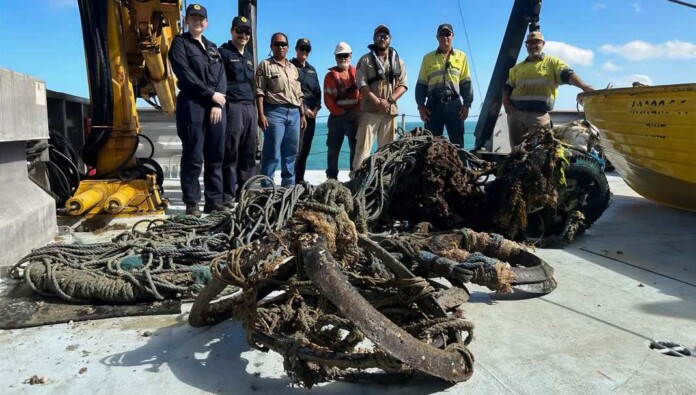
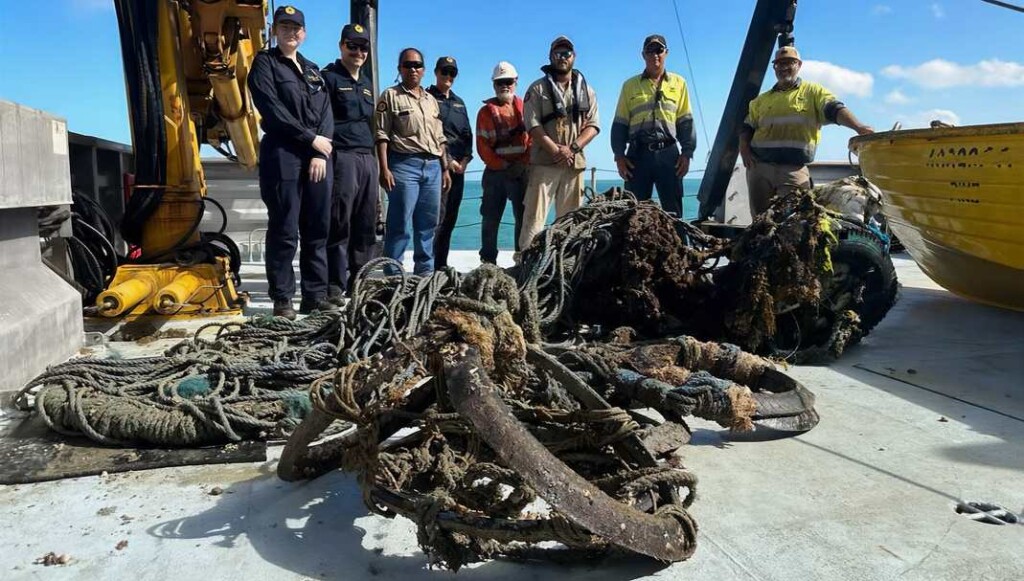
A Project ReCon commercial fishing parter crew poses with a ghost net they pulled from the water - credit Project ReCon-Satlink
A Project ReCon commercial fishing partner crew poses with a ghost net they pulled from the water – credit Project ReCon-Satlink

Hi-tech GPS-tracking buoys washing up on Australian beaches were a strange find during a litter clean-up for the non-profit Tangaroa Blue.

On a normal day of operations for the marine debris prevention group, large numbers of these buoys were discovered on Cape York coast near Australia’s northeastern tip manufactured in Spain by a company called Satlink.

Rather than taking them to the dump and putting them in the e-waste dumpster, Tangaroa Blue founder Heidi Tait has secured permission from the Spanish company to put them to use tracking ‘ghost nets’.

These abandoned fishing nets drift unknowingly through ocean waters snaring turtles and other sea life. They’re typically left behind by fishermen after being snagged on a reef or rock outcrop, or when a weather event moves them from where the fishermen left them.

In either case, they’re deadly, multi-tonne pieces of marine debris that need large fishing vessels with hydraulic equipment to haul them in. Even if they are found, many fishing boats lack this expensive machine.

So Tait has gathered together a coalition of Australian mariners, from national park staff, Indigenous rangers, commercial fishermen, and charter boats, and handed out the derelict GPS-tracking buoys with a simple instruction—find a ghost net, hook the buoy to it.

Heidi’s partner, Brett, told Hakai Magazine’s Clare Watson that it really helps the organization clear two hurdles in one jump because trackers are “such a high-tech piece of equipment.” They’re obviously not cheap, and for them to go to a landfill “seemed like such a waste.”

The result was Project ReCon, a partnership between Satlink, Tangaroa Blue, and around 100 commercial fishing vessels representing 22 international companies. Project ReCon has also gained the support of two other major environmental organizations, The Nature Conservancy and The Pacific Community, as local partners. By the end of December, the project has extended its reach to a total of eight countries.

Tangaroa Blue volunteers pose with GPS buoys found in a recent beach clean-up – credit Tangaroa Blue, retrieved from X.

Tait can find and track the Satlink buoys with enough precision to be able to ask properly equipped boats to go and collect them.

MORE OCEAN CLEAN-UPS: Nonprofit Diverts an Ocean Plastic Tide, Removing 2 Million Pounds of Trash From Waterways

So far, 3 ghost nets have already been removed by Tait and her coalition, including one that weighed over 3 metric tons.

In another instance, a 150-foot-long mooring rope that had been tangled up in a reef was retrieved—after being tagged with one of the Satlink buoys.

MORE STORIES LIKE THIS: Massachusetts Innovators Aim to Turn Ocean Plastic into Fuel–Right Onboard the Ship

The story is a reminder that in all things, but especially beachcombing, one man’s trash, is another man’s treasure.

SHARE This Great Reuse Case Cleaning Australia’s Oceans…

Look Out World: 12-year-old ‘Prodigy’ Finishes High School and Heads to College for Double Major

Suborno Bari- released by the family to the media.

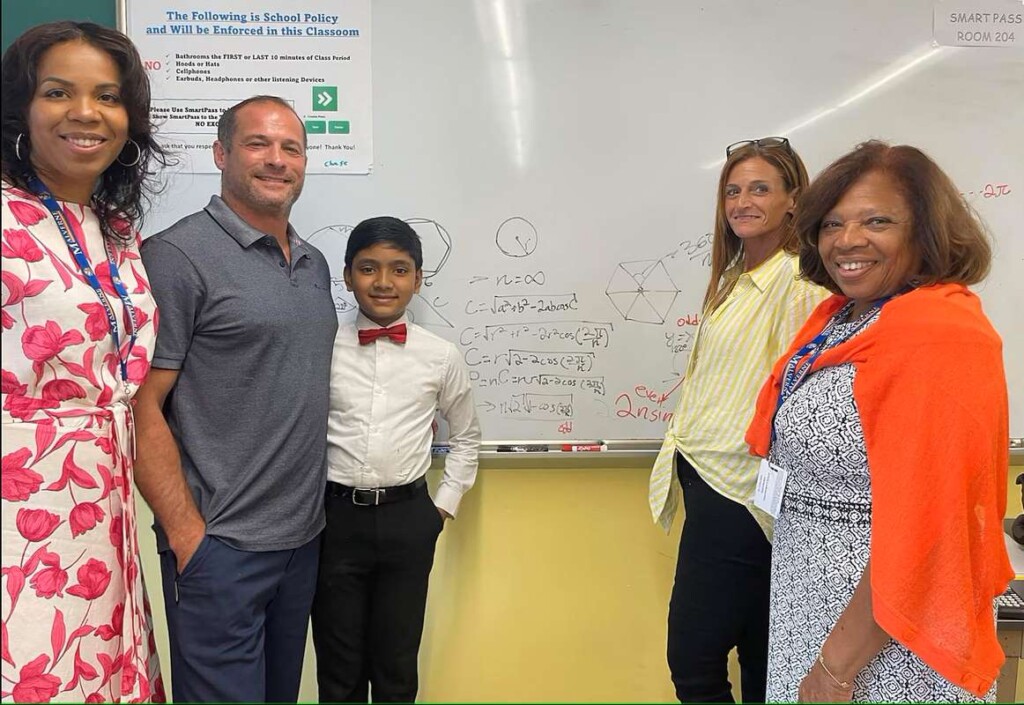
12-year-old Suborno Bari has graduated from high school, completing just grades 10 and 12 when all was said and done, skipping 5th, 6th, 7th, 9th, and 11th grades in the process.

He is the youngest-ever scholar to graduate from Malverne High School in Malverne, New York, but despite his stratospheric intelligence, he says his peers have always embraced him.

Suborno’s family designed his education so that he would spend the majority of school hours socializing with kids his age to ensure he developed like everyone else. He might spend the morning taking core classes at an 8th-grade level in the local middle school, and then hop on a bus and spend the rest of the school day in the 5th-grade classroom on electives and after-school activities.

Rebecca Gottesman, the director of K-12 school counseling at Malverne Union Free School District said she first met Suborno in 4th grade, and that even after 25 years in education, he was the most impressive student she had ever seen.

“Every year, school counselors are asked on behalf of the students that are applying to these colleges to answer the question, ‘Is this one of the most exceptional students that you’ve ever seen in your career?’ … and I can say without any doubt that Suborno is the most exceptional student I’ve ever met academically,” Gottesman told ABC’s ‘Good Morning America.‘ “He’s really a prodigy.”

Suborno Bari with family and teachers – released by the family to the media.

The young man said that even though other students were aware of his talents, they always treated him like he was just another friendly face, like any other student.

BE INSPIRED: Secret Donor Gives and Gives for 25 Years–$2.3 Million to Fund Education and Support for Poorer Families in China

Scoring 1500 on the SAT, 34 on the ACT, and taking 5 AP classes, Suborno said he’s ready for college.

In the late summer, he’ll be heading off to New York University on a scholarship where he hopes to double major in physics and math—but not for the reasons you might think.

MORE IMPRESSIVE GRADS: 24 Prison Inmates Get College Degrees, Graduate Together Thanks to UC Program: ‘I literally feel free’

“Many people are doing it only because their parents said so or because engineers just make the most profit, not because they actually love what they’re doing. So I hope to fix that and help other people understand math and science and love it in all its beauty,” Suborno said.

SHARE This Inspiring Student Ready To Conquer University With Your Friends…

“America is another name for opportunity.” – Ralph Waldo Emerson (Happy 248th Birthday, America!)

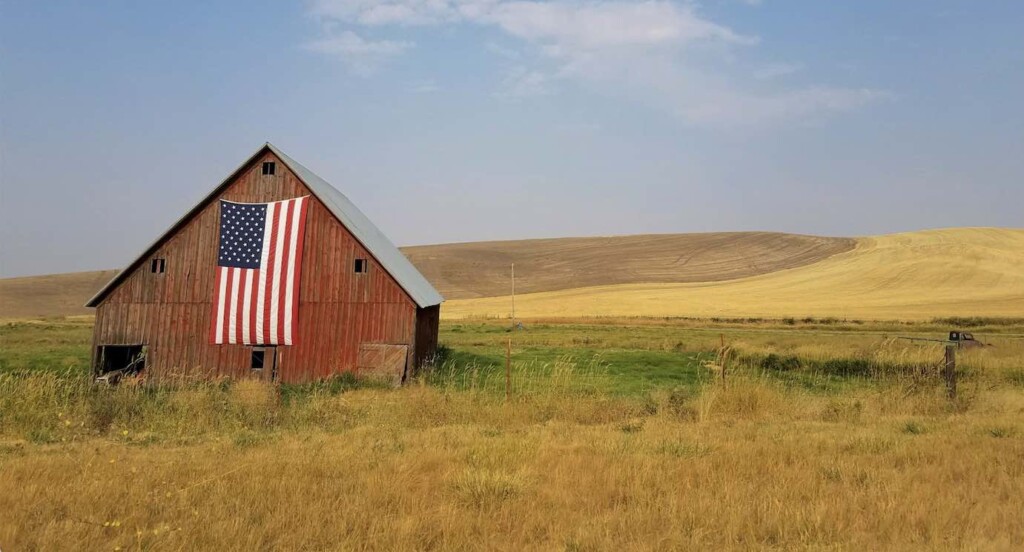
old barn with american flag and Midwestern crops

Quote of the Day: “America is another name for opportunity.” – Ralph Waldo Emerson  (Happy Independence Day to the United States of America—born 248 years ago today.)

Photo by: specphotops

With a new inspirational quote every day, atop the perfect photo—collected and archived on our Quote of the Day page—why not bookmark GNN.org for a daily uplift?

old barn with american flag and Midwestern crops

Scientists Studying Asteroid Sample Say it Could Have Come from Ocean World

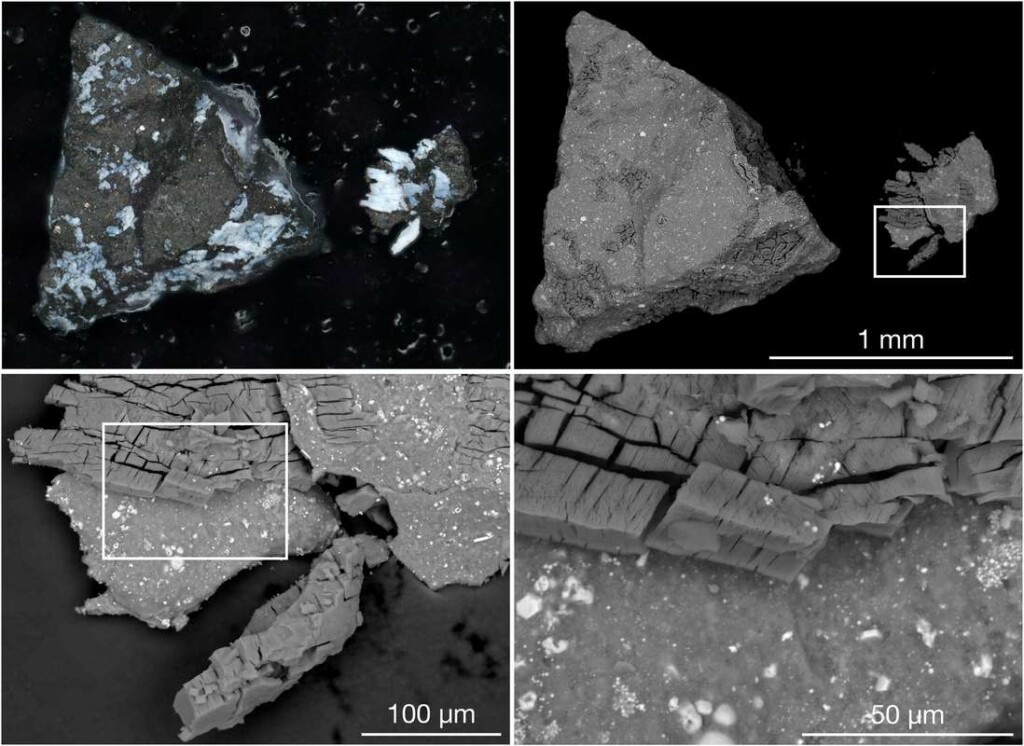
A tiny fraction of the asteroid Bennu sample returned by NASA’s OSIRIS-REx mission, shown in microscope images - From Lauretta & Connolly et al. (2024) Meteoritics & Planetary Science, doi10.1111maps.14227.
A tiny fraction of the asteroid Bennu sample returned by NASA’s OSIRIS-REx mission, shown in microscope images – From Lauretta & Connolly et al. (2024) Meteoritics & Planetary Science, doi10.1111maps.14227.

Among the possible origins for the asteroid Bennu, which recently became the first asteroid ever sampled by a NASA mission, a surprising indication is that it may have come from a water world.

The development arose after researchers analyzed the mixture of rocks and dust from bodies beyond Earth, collectively called ‘regolith’, scooped up from Bennu by NASA’s OSIRIS-REx mission in 2020.

A spacecraft was able to extract the sample and carry it 200 million miles back to Earth.

Scientists had hoped the 4.3-ounce (121.6-gram) sample would hold secrets of the solar system’s past and the prebiotic chemistry that might have led to the origin of life on Earth.

An early analysis study of the sample, published in Meteoritics & Planetary Science, documents compounds found that are the components of biochemistry for all known life on Earth today.

The OSIRIS-REx Sample Analysis Team discovered that Bennu contains the basic building blocks for all life. The regolith is rich in carbon and nitrogen, as well as organic compounds, all of which are essential components for life as we know it.

This composition offers a glimpse into the early days of our solar system over 4.5 billion years ago. These rocks have retained their original state, having neither melted nor resolidified since their inception, affirming their ancient origins.

However, the sample also contains magnesium-sodium phosphate, which was a surprise to the research team, because it wasn’t seen in the remote sensing data collected by the spacecraft at Bennu.

Its presence in the sample hints that the asteroid could have splintered off from a long-gone, tiny, primitive, ocean world.

“The presence and state of phosphates, along with other elements and compounds on Bennu, suggest a watery past for the asteroid,” stated Dante Lauretta, co-lead author of the paper and principal investigator for OSIRIS-REx at the University of Arizona, Tucson.

ASTEROID DISCOVERIES: Critical Discovery Highlights Weaknesses of Asteroids, Should Earth Ever Need to Destroy One

“Bennu potentially could have once been part of a wetter world. Although, this hypothesis requires further investigation.”

Recently, scientists working with the James Webb Space Telescope spotted what they believed to be an ocean world called K2-18b, which lies 120 light years away from Earth in the constellation Leo, where it orbits the habitable zone of a red dwarf star called K2-18.

MORE SOLAR SYSTEM SECRETS: This Tiny Moon of Saturn Is the Smallest Case of a Subsurface Ocean Ever Found in the Solar System

Believed to be 8.6 times larger than Earth, the abundance of methane and carbon dioxide, and shortage of ammonia detected on the planet supports the hypothesis that there may be a water ocean underneath a hydrogen-rich atmosphere.

Classed as a “sub-Neptune” meaning one which shares its characteristics but that is smaller than the planet of its namesake. Such planets are believed in some circles to be the most common type of rocky exoplanet.

SHARE This Surprising Origin Story With Your Friends Who Love Space… 

‘Give Nature Space and it Will Come Back’: Rewilding Returns Endangered Species to UK Coast

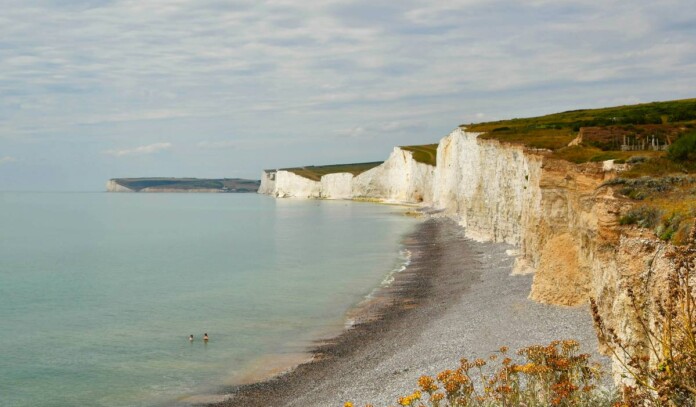
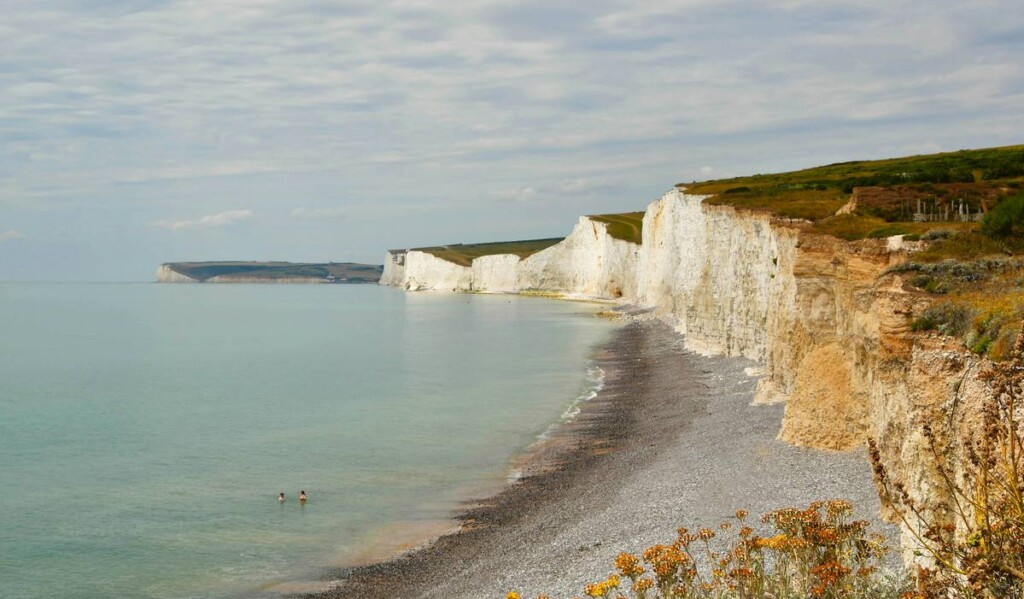
The Sussex coast, credit Tim Broadbent, unsplash

A broad coalition of natural trusts, farmers and businessmen, and conservationists are looking to turn the southern English coastline and the lands beyond into a biodiversity hotspot—and success can be seen and felt in the numbers of aquatic species that are returning to the Sussex coast.

The effort follows two major turning points for English nature—one on land and one at sea.

In 2022, a ban on trawling in Sussex Bay that had long been campaigned for was passed after decades of this unsustainable fishing practice destroying mussel beds, oyster reefs, kelp forests, and other anchors of the marine environment.

While that trawling was doing the damage at sea, two rogue landowners were looking to reverse what industrial agriculture had done on a lordly estate called Knepp. GNN reported on the Knepp rewilding project after the fact, and though for years surrounding farmers looked at the manor and grounds like a pariah state, their success in restoring a pre-agricultural slice of wild England has become the finest example in the country.

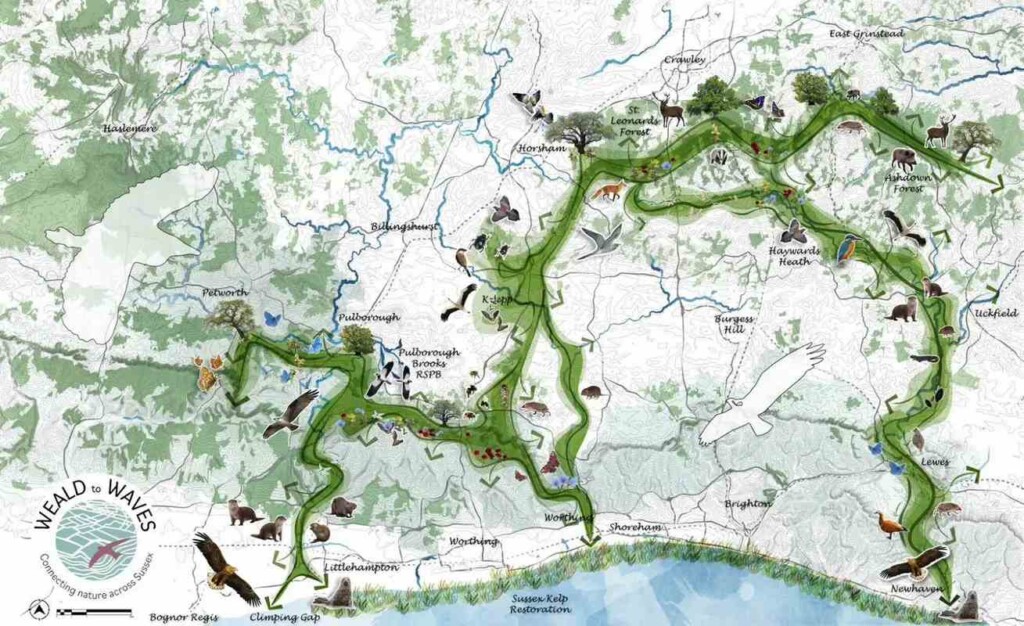
Now farmers all across Sussex are looking to create conditions and corridors through and around their farms that will allow the biodiversity concentrated on the 3,500 acres of Knepp to spill over. The project is called Weald to Waves, and aims to create 10,000 hectares (24,710 acres) of nature-friendly land in corridors running from the rolling hills of the South Downs along the valleys of the rivers Arun and Adur until they reach the sea.

It’s founder, James Baird, owns the last piece on undeveloped coastline in Sussex, and working with the Knepp Estate, he plans to allow their manor lands and the beasts and visitors thereupon to have access through natural environments all the way to the ocean.

credit – Weald to Waves

Another half of Weald to Waves is the reduction in farming practices that produce agricultural runoff, to help improve coastal water quality.

It’s already had a big effect, as the divers and marine biologists at Sussex Bay initiative are seeing every link in the marine food web coming back. They’re seeing beaches rich with signs of life—cuttlefish bones, kelp, and whelk eggs.

“We’ve had the biggest bed of mussels stretching from Lancing to Brighton,” Eric Smith, of Rewilding Britain who is engaged in the initiative, told the Guardian.

CONTRARY TO COMMON BELIEF: Giving Bits of Farmland Back To Nature Does Not Reduce Crop Yields, Landmark Study Shows

“I saw an electric ray last year and an angel shark, which is critically endangered. First one I’ve seen since 1966. Also the bream are coming back. They are very vulnerable to bottom trawling—and one of the species targeted by the vessels.”

Dolphins and porpoise sightings have gone up two years in a row.

“Previously, we’ve had reports of cetaceans offshore over winter and inshore between May and September,” says Thea Taylor, managing director of Sussex Dolphin Project. “Now we are starting to see them inshore all year round.”

ENGLISH COASTS: 10,000 Native Oysters Released on Homemade Reef off England’s Coast to Filter Pollutants, Block Storm Damage

Sussex Bay and Weald to Waves are working together so that the coast is a shining mirror to the South Downs National Park, where people can visit, walk for miles inland through biodiverse native habitats and then arrive at the sea which is filled with life. The two groups expect the collaboration, if successful, to be an effective driver of ecotourism, bringing in millions from hikers, ramblers, divers, and others.

WATCH a video explainer below… 

SHARE This Incredible Opportunity And Drive To Rewild Southern England…

Toddler Saved from Train Tracks After Falling Seconds Before it Thundered Past

SWNS
SWNS

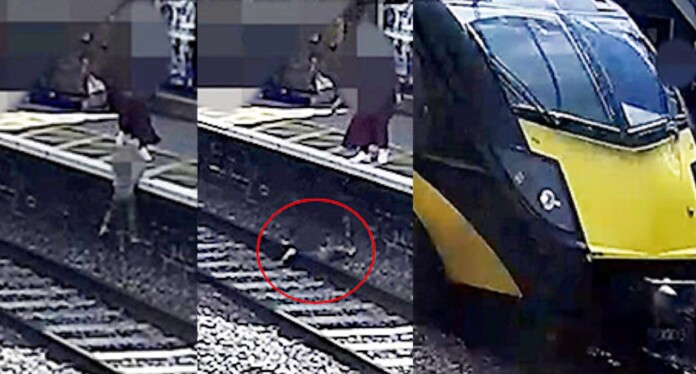
This is the heart-stopping moment a toddler was saved by a hero commuter after falling onto a railway line seconds before a high-speed train thundered past.

CCTV footage captured the dramatic near-miss at Newark Northgate railway station in Nottinghamshire last month.

The 36-second clip shows the three-year-old boy walking behind two adults before running to the edge of the platform.

He appears to lower himself over the edge before tumbling backwards onto the track.

A man who was with the child is seen sprinting across the platform while a hero bystander leaps onto the line and lifts the boy to safety.

ALSO WATCH TO INSPIRE: All His Training Pays Off: Slackliner Wins Carnegie Medal for Ski Lift Rescue Over Cables

Just 22 seconds later a train speeds through the station without stopping.

“I think the fact a train came through the station at speed just seconds after emphasized just how awful the outcome could have been,” said station customer services assistant Olivia Timms, who saw the incident. “Thankfully, everyone made it home safely that day and we want to make sure that happens every day.”

The footage of three such incidents was released by London North Eastern Railway (LNER) as part of Rail Safety Week.

MORE TRAIN-TRACK RESCUES: Mother Protects Children After they Fall on Tracks as Train Rushes into Station (Watch)

In a second incident, passengers are seen leaving a train when a child falls through the gap between the train and the platform next to a station guard. A crowd gathers as the guard desperately pulls the young passenger to safety.

Already this year, eight safety incidents involving children have been recorded at LNER stations.

WATCH the near-miss at Newark below… 

SHARE These Bystanders React Like Heroes To A Potential Disaster… 

88-year-old ‘Proud’ Foster Mom Retires After Raising Over 40 Children

Foster mom family photo supplied to media

Special recognition has been paid to a senior foster mom from Maryland: senior because she’s 88 years old, and senior because she’s one of the most experienced long-term foster moms in the American foster home system.

Since opening her home in Montgomery County in the 1980s, she’s fostered over 40 children, and was recently presented with an award for her services to the youth of her state after announcing that she would finally retire from foster care.

Interviewed by ABC News as part of their ‘America Strong’ segment, Emma Patterson said she first became involved when the two children she birthed started to occasionally bring other kids home with them who needed help.

Whether it was food, warm clothes, or a place to safely spend time after school, the two siblings knew their mom was the right person to offer help.

At the time, Patterson had just separated with her children’s father, and along with working at a local university, also had a retail job that offered a discount she used to get the children, hers and not hers, what they needed.

This led her to registering herself and her home in White Oak, Maryland, into the Montgomery County foster home system, where she would occasionally foster infants—born drug-addicted babies who couldn’t go home with their parents—where she would foster up to nine kids at a time—where some would stay with her until they were adults.

MORE MIRACULOUS FOSTER PARENTS: Couple in Their 80s Have Fostered More Than 150 Children–No Plans to Stop Accepting Babies

Patterson is one of the foster parents in the county who has housed the most children long-term and one of the longest-serving foster parents, a Montgomery County spokesperson confirmed to ABC News.

“This wasn’t something that I ever thought anybody paid attention to. You know, I didn’t do it for the purpose of anybody, give me any recognition,” Patterson told ABC News. “It was always a situation where it was just a boy or girl that didn’t have anybody to care anything about them. And they needed a place to sleep or something to eat.”

KEEPING FAMILIES TOGETHER: Single Foster Dad Adopts 5 Siblings So They Won’t Have to Be Apart Like He Was in His Childhood

“I’m very proud of all of the children because, you know, they all have just turned out to be just wonderful human beings.”

WATCH the story below from ABC News… 

SHARE This Amazing Woman’s Work With Your Friends On Social Media… 

“Many of life’s failures are people who did not realize how close they were to success when they gave up.” – Thomas Edison

Quote of the Day: “Many of life’s failures are people who did not realize how close they were to success when they gave up.” – Thomas A. Edison

Photo by: Sara Darcaj

With a new inspirational quote every day, atop the perfect photo—collected and archived on our Quote of the Day page—why not bookmark GNN.org for a daily uplift?

New Safer RNA Insecticide Can Target Only the Devastating Potato Beetles and No Other Bugs

Photo by Lumin Osity on Unsplash

A genetically specific pesticide has shown to be lethal to the destructive Colorado potato beetle while leaving all other tested species, even the beetle’s close relatives, unharmed.

Every year, this native of the Rocky Mountains causes $500 million or more in damages across the Northern Hemisphere—all across which it’s now found as an invasive species.

The company GreenLight Biosciences has developed a spray marketed as Calantha in the USA that uses RNA interference technology to target a gene called PSMB5 that codes for part of the cellular machinery that removes damaged proteins. If removed or inhibited, these dead or broken proteins build up and the larvae die within 6 days.

The potato beetle, which despite its name also damages eggplant, tomatoes, and bell peppers, has already developed immunity to 50 pesticide formulas.

Much like bacteria developing immunity to antibiotics, crop pests have gradually developed resistance or immunity to many kinds of pesticides, keeping pharma and agri-science companies forever at the drawing board figuring out how to combat different worms, beetles, and moths that ravage crops worldwide.

“They were chewing through treated plants like it was nothing,” Andrei Alyokhin, an entomologist at the University of Maine, told Science Magazine’s Erik Stokstad of the moment in 2001 when farmers in Maine noticed the then-new class of pesticides, neonicotinoids, were no longer effective.

RNA interference is considered the Holy Grail of this science, described as both way safer by researchers in the field, and innocuous to insects outside the potato beetle’s genetic relatives, including pollinators, lacewings, and ladybugs.

BAD PESTICIDES REMOVED: California Vineyards That Once Used Only Toxic Chemicals to Protect Vines Now Use Nesting Owls

“You can … hit the insect you want to kill with precision,” said Subba Reddy Palli, an entomologist at the University of Kentucky, also to Stokstad. “You cannot get anything better than this.”

Produced in large batches at around $1 per gram, Calantha was approved by the United States FDA for use after it was found to be harmless to non-target species. In safety trials, GreenLight checked bioinformatics databases to see how different the version of PSMB5 found in the potato beetle was from the same in other insects. Four closely related beetle species had similar copies of PSMB5, and of those four, two were affected.

These two were both agricultural pest species.

YOU MAY ALSO LIKE: Indian Region Just Won Top UN Prize for Being World’s First 100% Organic State With 66,000 Farmers

The pesticide research community is so excited about Calantha that they are already devising strategies and precautions to prevent the potato beetle from developing immunity to it. GreenLight has also applied for FDA approval on a Calantha variant for the varroa mite, a plague species on honeybees, which can resist almost all available pesticides.

Environmental groups have demanded that lessons should be taken from past examples and that Calantha trials should be made to include many other species that share the habitat of a potato farm. Furthermore, the formula that keeps the RNA stable inside the spray is confidential, and having spent decades seeking compensation for glyphosate poisoning, they are unlikely to be easily satisfied, and neither should they be.

SHARE This Potentially Revolutionary Change To Pest Control Science… 

The Vatican Goes Green: Pope Francis Announces New Suburban Solar Plant to Power Vatican City

Vatican City - Photo by DAVID ILIFF. License CC BY-SA 3.0
Vatican City – Photo by DAVID ILIFF. License CC BY-SA 3.0

There’s no country anywhere on Earth that’s entirely powered by renewable energy every day, but that’s soon to change.

In a letter released on June 21 entitled “Brother Sun” Pope Francis announced his intention to transition Vatican City onto 100% renewable energy using solar panels.

The apostolic letter issued “motu proprio,” or on his own initiative, detailed the pontiff’s plan to use the Vatican’s multi-purpose land holdings 11 miles outside of Rome in an area called Santa Maria di Galeria.

Here, along with some agriculture, is the infrastructure needed for broadcasting Vatican Radio, and the area is large enough to accomodate enough solar panels to power the whole of the Holy See.

For many years the Pope has urged nations to take the climate crisis more seriously. In 2022, the Vatican joined the United Nations Framework Convention on Climate Change, a global agreement among nations to address “dangerous human interference with the climate system,” but he has been more vocal individually than as the head of state of the world’s smallest country.

MORE VATICAN NEWS: Pope Auctions Gift Worth $250K For Christian Communities Destroyed by ISIS

“The pope identifies the burning of fossil fuels as the primary driver of climate change…” The New York Times reported in 2023. “He dismisses those who deny the crisis, and accuses wealthy individuals, corporations and countries of selfishly turning a blind eye.”

Brother Sun was released on the Solstice, a day which ironically saw rain and clouds over much of Italy, particularly the north.

SHARE This News With Your Catholic Friends… 

Researchers Test Use of Nuclear Technology to Curb Rhino Poaching in South Africa

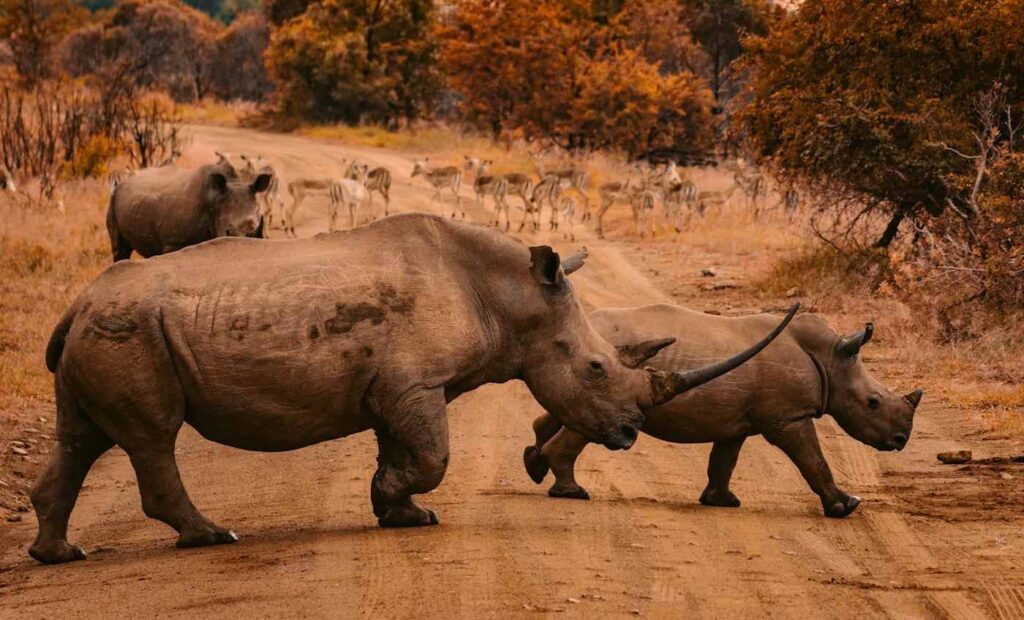
In South Africa, biologists and scientists have developed a novel way of disincentivizing poaching that will allow rhinos to keep hold of their horns.

Previously it was widespread practice to capture and de-horn rhinos to disincentivize poachers from killing them, but the lack of a horn deeply interfered with the animals’ social structures.

Instead, rhinos at a nursery in the northern province of Limpopo have had radioactive isotopes embedded into their horns. The idea is that the radiation given off by these isotopes will mark out anyone at any border crossing as having handled a rhino horn.

It’s a superior form of tracking because even if the tracker is removed the radiation remains on the horn, as well as anything that touches it.

Nuclear researchers at the University of the Witwatersrand’s Radiation and Health Physics Unit in South Africa injected 20 live rhinos with these isotopes.

“We are doing this because it makes it significantly easier to intercept these horns as they are being trafficked over international borders because there is a global network of radiation monitors that have been designed to prevent nuclear terrorism,” Professor James Larkin who heads the project told Africa News. “And we’re piggybacking on the back of that.”

Larkin adds that innovation in poaching prevention is urgently needed, as all existing methods have limitations, and South Africa still loses tens of rhinos every year.

MORE ANTI-POACHING SCHEMES: Rather Than Taking Jobs in Tech, 2 Young Software Engineers Use Talents to Crush Poaching in India

Professor Nithaya Chetty, dean of the science faculty at Witwatersrand, said the dosage of the radioactivity is very low and its potential negative impact on the animal was tested extensively.

While poaching elephants for their ivory yields a unique material for sculpture and craft, rhino horn is trafficked to criminal groups in Asia who sell it for the incorrect belief that it contains therapeutic properties.

WATCH the story below from Africa News… 

SHARE This Story With Your Friends Who Care About Combatting Poaching…

Eight Puppies Abandoned in Sweltering Texas Heat Rescued by Deputies and Ready for New Homes

Tarrant County Sheriff's Office, retrieved from Facebook
Tarrant County Sheriff’s Office, retrieved from Facebook

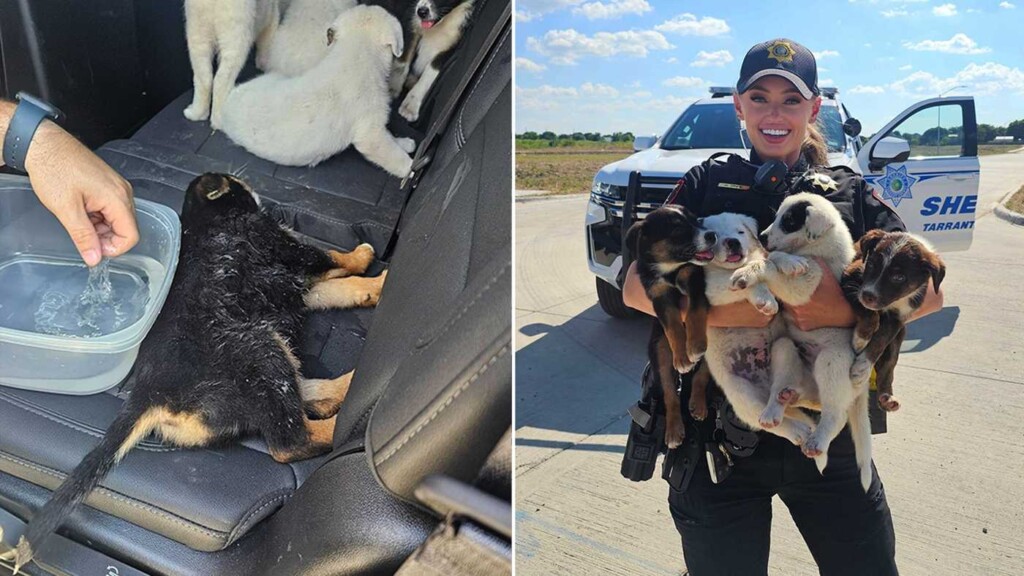
In Fort Worth, a derelict litter of puppies was rescued by police officers from roasting in the heat of a 100-degree day.

Left by their previous owner closed in a carrier without water, they were fortunate enough to be found by a good Samaritan who called the authorities. Tarrant County police and animal control arrived to take custody and get some fluids into the pups.

The police noted that the parking lot where the puppies were found lacked the necessary security camera coverage to ascertain the identity of whatever pathological owner left them there.

“The puppies that were rescued from a carrier in 100-degree weather by Tarrant County Sheriff’s Office are doing much better,” the department shared on Facebook, complete with a picture of Officer Haley Drew smiling with her arms overloaded with furballs.

The puppies are currently recovering at Chuck & Brenda Silcox Animal Care and Adoption Center, according to another post, and will be ready for adoption, they believe, in a week’s time.

Officer Drew’s colleague on the scene, Collin Stephenson, has already expressed his interested in adopting one.

MORE PET RESCUES: Woman Opens Her Home to 97 Rescue Dogs to Protect Them From Hurricane Dorian

Silcox Center believes the puppies to be some kind of shepherd mix, and named each one after a famous chip brand, including Frito, Dorito, Ruffles, Cheeto, Lays, Pringle, and Itz.

ALSO CHECK OUT: How a Tiny Injured Kitten Kickstarted an Entire Sustainability Initiative to Eliminate Plastic

Abandonment of a non-livestock animal in Texas is classed as a third-degree felony, punishable by a $10,000 fine and 2-10 years in prison.

KNOW ANYONE Looking For A Rescue Dog? SHARE This With Them…

“Hope is being able to see that there is light despite all of the darkness.” – Desmond Tutu

Shashank Sahay

Quote of the Day: “Hope is being able to see that there is light despite all of the darkness.” – Desmond Tutu

Photo by: Shashank Sahay

With a new inspirational quote every day, atop the perfect photo—collected and archived on our Quote of the Day page—why not bookmark GNN.org for a daily uplift?

Kindness of Strangers Buoys a Family Caring for Their Terminally Ill 6-year-old Girl

Ashlee Wallace, Justin Wallace, and their daughter Audrey (right) - supplied by the family to ABC News
Ashlee Wallace, Justin Wallace, and their daughter Audrey (right) – supplied by the family to ABC News

A saga in Australia’s news media has come to a head in the best possible way, as a struggling family and their terminally ill 6-year-old daughter are being moved into special housing ’round the clock care.

ABC News Down Under originally broke the story on June 23rd that 6-year-old Audrey Wallace, who was born with treatment resistant epilepsy, had entered palliative care after a bout of pneumonia saw her condition weaken considerably to the point where she could no longer swallow food or control well her left side.

The doctors aren’t sure how long she has left, but father Justin and mother Ashlee are determined to make the most of it—with a visit to the zoo, or at least a unicorn fairy princess party at home.

Entitled to financial support and assistance in adding accommodations for Audrey’s medical requirements from Australia’s National Disability Insurance Agency, (NDIA) the family’s care team ran straight into a slow “reactive” bureaucracy.

Their duplex apartment wasn’t wheelchair accessible, and the hallways were too narrow for Audrey to be wheeled to her bedroom or the bathroom. Additionally, the hospital care team said it was unsafe to travel in a normal car, but the family cannot afford a wheelchair accessible one.

According to ABC, the NDIA only approached Audrey’s request on June 6th, nearly a month after the initial worsening of Audrey’s condition. It took until the 17th for the department to receive all the necessary medical records to make an evaluation. It wasn’t until the 24th that a meeting and review could take place, which Mr. Wallace wasn’t good enough.

“We feel everyone is reactive instead of proactive… and we feel that this has taken a lot of time away from Audrey and time is something we don’t have,” Mr. Wallace told ABC.

MORE STORIES LIKE THIS: UK Boy Has Brain Implant Fitted to Control Epilepsy Seizures in World First

But sunnier days lie ahead for the Gold Coast family, starting when couple Donna Moore and Erica Breitzke read the June 23rd report and offered to loan a wheelchair-accessible van, which they had previously planned to sell, to the Wallaces.

Ms. Moore told the outlet that she had epilepsy as a child, and was moved by Audrey’s plight.

“It’s going to open up so much freedom, just being able to do normal things like take her out to the shops,” Mrs. Wallace said about the van. “It just allows us to have our life back.

ALSO READ: Justin Timberlake Buys Wheelchair-Accessible Van for Teen With Cerebral Palsy: ‘It’s a blessing’

Then, after persistent inquiries from ABC News, the NDIA and the Queensland Department of Housing investigated the case and approved a disability-accessible home on the Gold Coast with 24-hour nursing assistance.

The family are busy packing.

“We can actually sit back and be parents, and not be all the hats,” said mom Ashlee. “Now we can focus on her unicorn party that’s happening at the end of July, to give her the best time ever.”

SHARE This Relatively Happy Ending To A Relatively Tragic Story… 

Crowds Awed by Floating Baby in Colossal Art Installation Over Lake Michigan

Photo by: Brian Slawson Photography

This week, a giant, 112-foot-long sleeping infant floated above the shores of Lake Michigan.

It wasn’t a collective hallucination—it was “Baby You,” a breathtaking art installation that captured the imagination of Milwaukeeans over the Summer Solstice.

The spectacle celebrated the U.S. launch of Przekrój, an iconic 75-year-old Polish magazine. Known for observing the world with a “kind and playful eye” (and its tagline: Hard to spell, easy to read), Przekrój chose this whimsical installation to symbolize both its rebirth in America and its editorial mission to unleash the untapped potential in American readers.

Needless to say, the awe-struck crowd loved it, with Milwaukee Record reporter Bert Lauderdale calling it “the best thing I saw all year”, one fan telling CBS 58, “I don’t think any of us have seen anything like this before,” and an Instagrammer posting, “I really want them to make The Giant Baby an annual thing.”

Przekrój was a revolutionary Polish magazine that served as a cultural lifeline to the West during the Cold War. To celebrate the launch of its U.S. English-language online edition, they launched a massive, 112-foot-long baby-shaped balloon over the shores of Milwaukee’s Lake Michigan.

Przekrój’s editorial mission is embodied in “Baby You,” a spectacular sculpture of a newborn floating in the air—symbolizing the untapped potential within all people: unlimited, and waiting to be awakened.

READ ALSO: Make Yourself Happy: Watch a Pair of Giant Rubber Duckies Floating in Hong Kong Harbor

Meaning “to cut through,” Przekrój (pronounced p-SHEH-crooy) got its name from the fused pages characteristic of older magazine binding techniques which required the reader to cut through and separate the pages with a letter opener. It has run for 80 years.

Photo by: Brian Slawson Photography

“We share knowledge because we believe in the unlimited potential within each of us,” said Tomek Niewiadomski, the chairman of the board of the Przekrój Foundation, which publishes Przekrój. “Our goal is to support every reader on their path of personal growth and self-discovery, whether they are searching for the meaning of life or simply seeking to find joy, relax, and appreciate the present moment.

YOU’LL GET A KICK OUTTA THIS: Paris Will Soon Host the World’s Largest Picnic on the Champs-Élysées

Building “Baby You” took—aptly—nine months of work with a crew of engineers, designers, and sewers across Europe. Przekrój Foundation partnered with artist Bart Van Peel to troubleshoot the aesthetic, technical, and aeronautical elements needed to make the large balloon airworthy.

New techniques were developed to distribute air throughout the baby’s internal structure, the most challenging being the head. The tan fabric balloon’s colors change with the light, reflecting the many hues of human skin.

WATCH the baby’s inaugural flight below…

SHARE This Dramatic Entrance On American Shores With Your Friends… 

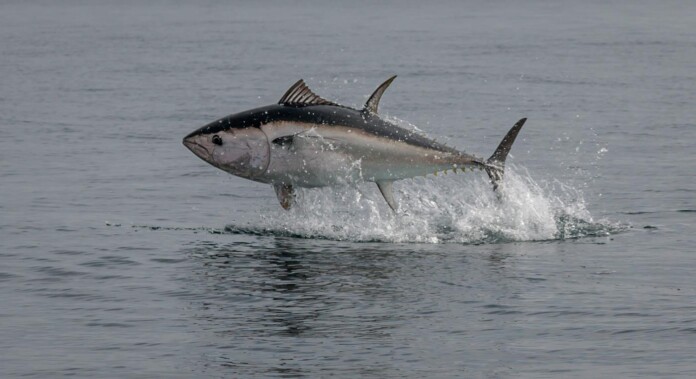
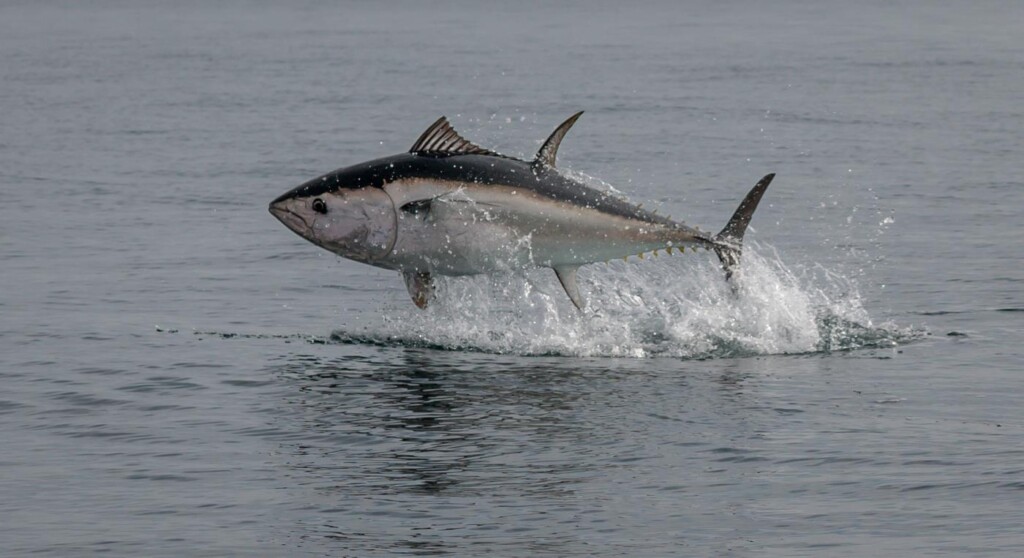
Recovery of the Bluefin Tuna Achieves Major Goals A Decade Ahead of Schedule

Ray Harrington, unsplash

One of the culinary world’s most prized fish, and one of the sea’s fastest most accomplished predators, has left regulators stunned at the power of its recovery.

A target for the pan-Pacific stock of bluefin tuna has already been reached a decade in advance, with one federal fisheries policy analyst suggesting the world isn’t far away from abundant harvests and perpetual population growth at the same time.

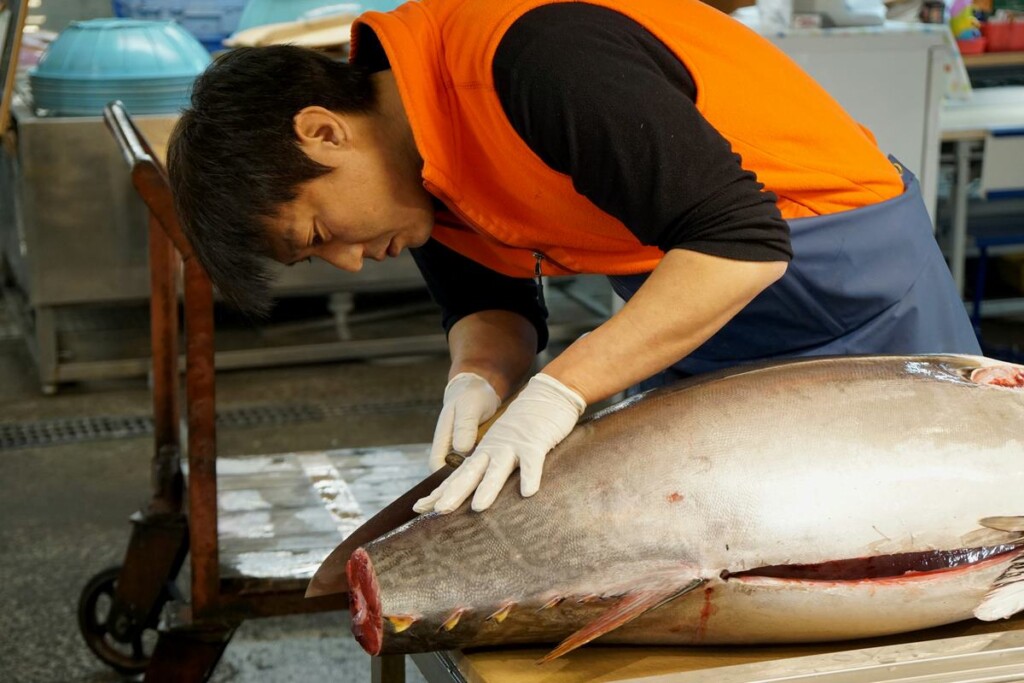
Coveted for its richness, combination of fattiness, firmness, and ability to hold a sear, bluefin tuna is the most desired of its genus. When caught by fishermen and brought to harbor in Japan, mature bluefins are auctioned right there on the wharf, with prices ranging from $40 a pound to $4,900 a pound.

In fact, the “Ferrari of Tuna” as it’s sometimes called, has set auction records of $1.8 million for 489-pound adult fish in 2013, and an astounding $3 million for a 612-pound fish in 2019.

One of the fastest fish in the sea, these accomplished predators who spawn in the Pacific between Japan and the Philippines but grow up along the coasts of Mexico and the Western United States, can migrate back to the Indo-Pacific waters—a distance of 6,000 miles—in just 55 days of swimming.

In 2022, a coalition of national fisheries managers and intergovernmental agencies conducted a survey of the population of Pacific bluefin tuna measured by their ‘unfished spawning stock biomass’—the theoretical amount of fish there would be in the absence of fishing.

These included the American National Oceanic and Atmospheric Administration, (NOAA) the Inter-American Tropical Tuna Commission, (IATTC) and the International Scientific Committee for Tuna and Tuna-Like Species in the North Pacific Ocean (ISC).

MORE GOOD FISHY NEWS: The Long-Lost ‘Legend’ Leopard Fish Found Again in Turkey’s Rivers Confirming the Stories from Locals

The NOAA reports that overfishing in the late 1990s and 2000s reduced the estimated bluefin biomass to a historic low of 2% of its potential unfished level in 2009–2012.

credit – Beth Macdonald – Unsplash

At first the goal was to rebuild to at least 20% of the spawning stock biomass by 2034. In 2016, the NOAA Fisheries bureau received a petition to put the bluefin tuna on the Endangered Species List because of this collapse, but opted not to, reasoning that the 1.6 million fish were enough to prevent extinction.

This allowed fishing of the Ferrari of Tuna to continue, and during a recent population assessment, it was found that the 2034 target of spawning stock biomass had already been reached and exceeded. The number of spawning bluefin reached 23.2% of the potential unfished spawning stock.

“There is a point where you can find a balance between abundant harvest while also allowing the stock to grow in perpetuity, and we’ve now exceeded that point,” said Celia Barroso, a Fishery Policy Analyst at the NOAA Fisheries West Coast Region.

Now in July, this coalition is set to meet in Japan to decide tuna catch and recovery targets up to 2025 and beyond, armed with the knowledge that the nearly 500 million people between the US and Japan can continue to enjoy this fish long into the future.

“The recovery of Pacific bluefin tuna shows what we can achieve when scientists, managers, and the fishing industry work together in the international arena in pursuit of a common objective,” said Ryan Wulff, Assistant Regional Administrator for the NOAA Fisheries West Coast Region. “We’ll continue this effort to ensure the sustainable harvest of bluefin for decades to come.”

OCEANS IMPROVING ALL THE TIME: Analysis Shows We’ve Been Overestimating the Amount of Plastic in Oceans by 30x

GNN has reported recently on several other fishing stocks that have seen significant recoveries. The number of overfished stocks in salt and freshwaters in the US has reached all time lows, for starters, led by mackerel and snapper.

The Mediterranean stock of hake—a species that for Spanish cuisine is a must but which is rather absent on American plates—has returned to sustainable levels, with both population and catch limits growing in tandem.

In 2021, GNN reported that 4 other tuna species had had their classifications on the International Union for the Conservation of Nature improved. This included albacore and yellowfin tuna moved from Threatened to Least-Concern, and Atlantic bluefin tuna moved from Endangered to Least Concern.

SHARE This Amazing News About A Species Long Threatened From Overfishing…