In a fairly rare cosmic occurrence this month, two annual meteor showers will appear to ‘peak’ at the same time on the night of July 30th.
Both will appear in the southern sky, and though they will radiate out from different constellations, it will be difficult to tell which shooting stars belong to which constellation.
The first and much grander of the two is the Southern δ-Aquariid meteor shower, believed to be the tailings of the comet 96P Machholz.
At its zenith, some writers are suggesting you should be able to see 25 shooting stars per hour under a clear sky. To see them, look to the southeast region of the sky toward the constellation Aquarius.
However, Aquarius is a very difficult constellation to find, and even with this 12-minute YouTube guide, the host said she needed “years” before she felt comfortable finding it.
On the bright side, you don’t have to identify the Water Bearer to see the shooting stars, if you find Capricornus, Aquila, or Pices—all surrounding Aquarius and easier to find—you’re looking in the right direction.
On the same night, the α-Capricornid shower will also peak, and as just mentioned, Aquarius and Capricornus sit beside each other. The Capricornids should produce an additional 5 per hour for a total viewing pleasure of around 1 every two minutes—perhaps just enough to keep the attention of a young child.
The best viewing will come from either the Southern Hemisphere, or the southerly latitudes of the of the Northern Hemisphere.
FIND A FRIEND TO WATCH WITH, And SHARE This Story…
Quote of the Day: “Education is the movement from darkness to light.” – Allan Bloom
Photo by: Rubén Rodriguez
With a new inspirational quote every day, atop the perfect photo—collected and archived on our Quote of the Day page—why not bookmark GNN.org for a daily uplift?
Howard Wicks wrote a book despite having locked-in syndrome – SWNS
Howard Wicks wrote a book with just his eyes – SWNS
An Englishman living with rare locked-in syndrome has completed a 50,000 word autobiography, using just his eyes.
Howard Wicks suffered a serious stroke as a teenager in Devon, leaving every muscle in his body paralyzed, except for his eyes.
The book chronicles the years leading up to and after his stroke, and was completed using an Eyegaze computer, a machine that tracks his eye movements.
The software allows the 29-year-old to communicate with others and to write his novel, which took 18 months to complete.
“It was a cathartic experience,” said Howard using the Eyegaze device. “I enjoyed writing it especially the parts I personally enjoyed living myself.
But, like for many authors, it soon became an all-consuming and challenging experience.
“It became a source of stress, as I felt I couldn’t truly enjoy myself until the book was completed.”
“The initial chapter introduces the reader to my life before the stroke, allowing them to understand who I was,” he told the BBC. “The book concludes with my transition from the hospital setting to community life.”
This stroke was a gift, not a curse. You’ve just got to shut out all the negativity and see out the heartbreak, then own what happens next. – excerpt from Howard Wicks
Howard hopes that the book will raise awareness for the nonprofit he founded in 2020, dedicated to supporting other people suffering from locked in syndrome.
“I have established a charity called the Locked in Trust dedicated to empowering individuals in a locked-in state to embrace the fullest potential of their lives,” said Howard.
But, in its first four years, the charity hasn’t achieved the reach or impact he envisioned, which was another motivation behind completing the book—“to propel the charity to the forefront of society.”
The global pandemic plunged the entire world into economic free fall and societal unrest. Since then, one notable country has emerged successfully to stabilize global markets and calm fears—it’s the United States, which has maintained the lowest inflation rate of any major nation.
Let’s look at measurements from ten major metrics that demonstrate how the American Recovery has benefited the lives of millions since the pandemic.
1. WAGE GROWTH IS RISING FASTER THAN INFLATION
Incomes for workers are at an all-time high and have been rising for four years. Last year marked the largest average wage increase in recorded US history, with salary increases exceeding inflation for the first time since 2020, according to the US Bureau of Labor Statistics.
Employers reported an average salary increase of 4.4% in 2023, during a year when annual inflation rose 3.1%—and they plan to give raises of 4.0% this year, while many experts predict inflation will dip below 3%.
Another notable trend was uncovered by the Economist, which recently exclaimed in a headline that “Gen Z are now wealthier than any previous generation.”
2. ‘MADE IN THE USA’ – A MANUFACTURING BOOM
A manufacturing boom is taking hold across America: in two years, companies have announced hundreds of billions of dollars in manufacturing investments—many in technology and renewable energy—which are bringing back supply chains from overseas and creating good-paying jobs, many of which don’t require a four-year degree.
Since 1990, the US went went from producing nearly 40% of the world’s semiconductor chips to near 0 percent in 2022. Thanks to investments in the bipartisan CHIPS and Science Act of 2022, that global share could rise to 28% in eight years.
When the pandemic shut down the semiconductor chips factories overseas, the prices of so many products went up because these chips power so much of our lives—from smartphones to dishwashers and cars. That semiconductor shortage drove one third of the surge in inflation in 2021, according to the White House, and caused long wait lines for all kinds of products—which is why the Democrats in Congress joined Republicans in passing the CHIPS and Science bill.
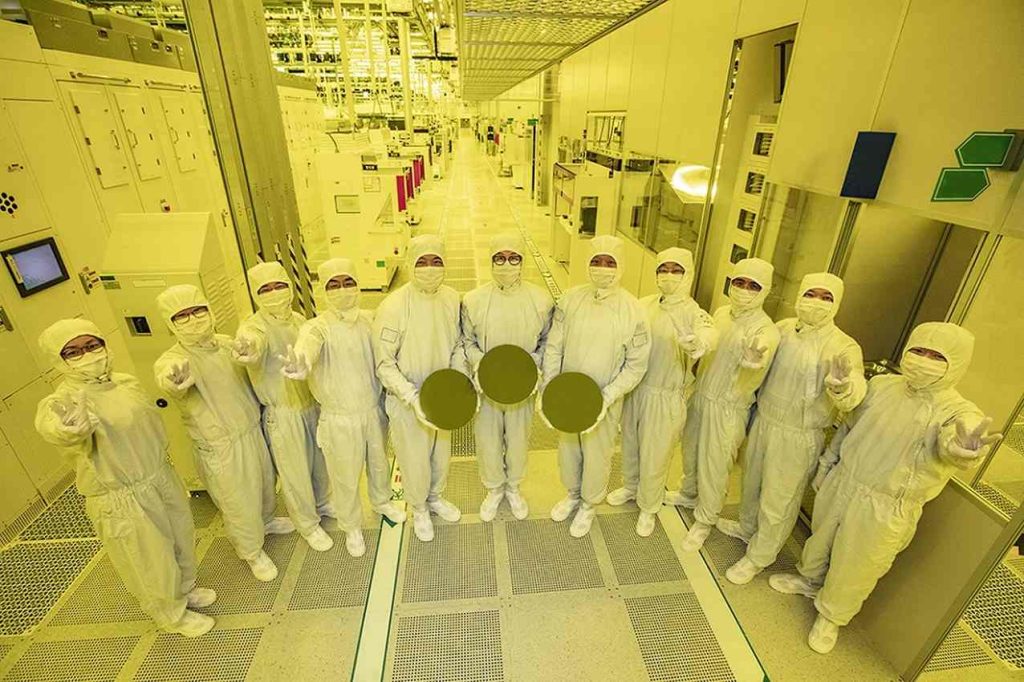
The leaders of Samsung Foundry Business and Semiconductor R&D Center / Samsung. Released
$825 billion in private-sector investments have been pledged to U.S. semiconductor manufacturing, advanced packaging facilities, and creating a chipmaking ecosystem. [Micron is building factories in New York and Idaho; in Arizona, TSMC is building in Phoenix; Samsung is building in Taylor and Austin, Texas; Intel is building in Arizona, Ohio, New Mexico, and Oregon; Global Foundries will expand in New York and Vermont; Microchip Technology is erecting in Colorado and Oregon; Polar Semiconductor is expanding in Minnesota—and BAE Systems is springing up in New Hampshire.]
3. LOWEST UNEMPLOYMENT IN HALF-CENTURY
The unemployment rate has stayed below 4 percent for two years straight, the best such record since the 1960s.
The Bipartisan Infrastructure Investment and Jobs Act of 2021 invested $300 billion into repairing and rebuilding America’s roads and bridges—the largest investment since President Eisenhower—which contributed to the total of nearly 15 million jobs created since 2021, including 750,000 manufacturing jobs.
4. CRIME DROPS TO HISTORIC LOWS
Crime in the US has been falling fast—all kinds of crime—and nearly all over the country. Recent FBI Uniform Crime Reporting surveys show rates of murder and rape have dropped by more than 25% in 2024—and property crime also decreased by over 15 percent in data collected from more than 18,000 city, county, state, tribal, university and federal law enforcement agencies.
For instance, Detroit is on pace to have the fewest murders since 1966, and Baltimore and St Louis are tallying the fewest murders in each city in nearly a decade. Chicago was also hailing double-digit percentage declines in the number of homicides and shootings. More broadly, in more than 180 cities murder was down around 20% in 2023, compared to the previous year.
5. STOCK MARKET BREAKING RECORDS
Millions of Americans have invested their savings and retirement pensions in the stock market—which keeps breaking all-time records. The Dow Jones Industrial Average in December broke 37,000 for the first time, and today it’s over 39,000. One analyst described it as “33% percent higher than any sustained peak in US history—and 5-10 times higher than where it was for most of the last half century.” The S&P 500 broke 32 all-time records this year, while the Nasdaq also climbed to a record high, reaching 17,000 for the first time in June—and it keeps surging.
6. HEALTH AND PRESCRIPTION DRUG COSTS
Despite the absence of universal health care, the US has managed to slash its uninsured rate to 7.7 percent, the lowest in its history and a steep decline from 14.5% in late 2020. And now the government is muscling down drug prices.
For the first time, Medicare is negotiating the price of certain high-cost drugs. Another improvement is that Medicare beneficiaries now pay $0 out-of-pocket for recommended adult vaccines like the shingles shots. Also in 2024, Medicare seniors’ out-of-pocket expenses at the pharmacy will be capped at $2,000 per year, for the first time ever.
A month’s supply of insulin for seniors is now capped at $35 nationwide—and inhalers are now capped at $35—saving everyday people hundreds of dollars per month.
7. CONTINUOUS BUSINESS GROWTH
America’s economy has been the “envy of the world”, and in 2023 was growing faster than any other county. As inflation keeps falling, healthy consumer spending—almost 70% of nominal GDP—is continuously supported by real wage growth.
Another sure sign of its strong economy is the unprecedented small business boom. A record number of small business applications in the past three years have seen an unprecedented number of entrepreneurs open up shop in their homes or on Main Streets across America.
U.S. Census Bureau data, which has tracked business formations since 2004, showed that nearly 16 million new business applications recorded since the start of 2021, the most ever counted in a multi-year period.
8. OPTIMISM AND VIBES
And people are starting to feel the good vibes. Americans are feeling better about the economy for the first time in four months.
US consumer sentiment rose markedly toward the end of March, supported by strong stock-market gains and expectations that inflation will continue to ease.
The University of Michigan’s sentiment index climbed to 79.4 from 76.5 earlier in the month, reaching the highest since 2021.
Citizens in Southern border states may become more optimistic, now that the flow of undocumented immigrants over the Mexican border has dramatically slowed. The U.S. Customs and Border Protection reported that the number of undocumented migrants crossing into the U.S. dropped by 50% in January. And in the three weeks since the new White House executive order took effect, the Border Patrol’s 7-day encounter average has decreased more than 40% to under 2,400 encounters per day.
9. RENEWABLE ENERGY IS SURGING
With new projects coming online this year, solar power generation is expected to increase 75% this year, with wind power growing by 11%.
In 2023, renewable energy sources—wind, solar, hydro, biomass, and geothermal—accounted for 22% of the total electricity generated, and surpassed coal generation for the first time in 2022.
“More records were broken in March as wind plus solar produced more electricity than either nuclear power or coal—and solar was on the verge of overtaking hydropower,” executive director Ken Bossong of the nonprofit SUN DAY Campaign, told Electrek. “The mix of renewables provided almost 30% of US electrical generation in March and seems likely to surpass that level in the coming months.”
A win-win for job creation, the Department of Energy reports there are just over 8 million jobs in renewable energy today, and in 2021 and 2022, energy jobs grew faster than overall U.S. employment.
10. HIGH SCHOOL RATES OF GRADUATION UP, SMOKING AND PREGNANCY DOWN
And, finally, despite challenges, today’s youth in America are making some good decisions.
The high school graduation rate is the highest ever recorded.
Compulsive eating and obesity may be triggered by a specific gut bacteria, suggests a new study—and the breakthrough may lead to new treatments to address the problem of food addiction.
The bacteria identified by an international research team is associated with both humans and mice developing an addiction to food that can lead to obesity. They also identified bacteria that play a beneficial role in preventing food addiction.
“A number of factors contribute to food addiction, which is characterized by loss of control over food intake and is associated with obesity, other eating disorders, and alterations in the composition of bacteria in the gut microbiome,” said Professor Elena Martín-García, of Pompeu Fabra University, Spain.
“Until now, the mechanisms underlying this behavioral disorder were largely unknown.”
Professor Rafael Maldonado, who leads the university’s Laboratory of Neuropharmacology, said: “These results from our study may allow us to identify new biomarkers for food addiction and, most importantly, to evaluate whether the beneficial bacteria could be used as potential new treatments for this obesity-related behavior, which, at present, lacks any effective therapeutic approaches.
“Potential new treatments could involve using beneficial bacteria and dietary supplementation.”
The team used the Yale Food Addiction Scale to diagnose food addiction in both mice and humans. It contains 35 questions for people to answer, and these can also be grouped into three criteria for use in mice: persistent food-seeking, high motivation to obtain food, and compulsive behavior.
Within the gut bacteria of mice that were and were not addicted to food, researchers found an increase in bacteria belonging to a group called the Proteobacteria phylum and a decrease in bacteria belonging to the Actinobacteria phylum in the food-addicted mice.
Those mice also had a decrease in the amount of another type of bacteria called Blautia from the Bacillota phylum.
88 patients were classified into those who were addicted or not addicted to food. Similar to the findings in mice, decreases in Actinobacteria phylum and Blautia were seen in humans who were food-addicted, along with increases in Proteobacteria phylum.
Prevention on the horizon
“The findings in both mice and humans suggested that specific microbiota could be protective in preventing food addiction,” said Prof. Martín-García. “In particular, the strong similarities in the amount of Blautia underlined the potential beneficial effects of this particular gut bacteria.”
“Therefore, we investigated the protective effects of oral administration of lactulose and rhamnose, which are non-digestible carbohydrates known as ‘prebiotics’ that can increase the amount of Blautia in the gut.
“We did this in mice and found that it led to an increase in the abundance of Blautia in mice feces—in parallel with dramatic improvements in food addiction.
“We saw similar improvements when we gave the mice a species of Blautia called Blautia wexlerae orally as a probiotic.
“The gut microbiota signatures in both mice and humans suggest possible non-beneficial effects of bacteria (belonging to the Proteobacteria phylum) and potential protective effects of increasing the abundance of Actinobacterial and Bacillota against the development of food addiction.”
Prof. Martín-García says the findings show how bacteria in the gut influence brain function and vice versa.
“We have demonstrated for the first time a direct interaction between the gut composition and brain gene expression, revealing the complex and multifactorial origin of this important behavioral disorder related to obesity.
“Understanding the crosstalk between alterations in behavior and bacteria in the gut constitutes a step forward for future treatments for food addiction and related eating disorders.”
The crucial link between the gut and the brain
Prof. Martín-García also described work investigating how microRNAs (miRNAs) – small, single-stranded molecules that regulate gene expression and contribute to almost any cellular process – are involved in food addiction.
She says changes in the expression of miRNAs may be involved in the mechanisms underlying the disorder. And the researchers used a technique called Tough Decoy to inhibit specific miRNAs in the medial prefrontal cortex (mPFC) of brains of mice in order to produce mice that were vulnerable to developing food addiction.
They explained that part of the prefrontal cortex is the part of the brain that is involved in self-control and decision-making.
They found that inhibition of miRNA-29c-3p promoted persistence of response and enhanced the vulnerability of the mice to develop food addiction. Inhibiting another miRNA called miRNA-665-3p promoted compulsive behavior and vulnerability to food addiction.
“These two miRNAs could act as protective factors against food addiction,” said Prof. Maldonado. “This helps us to understand the neurobiology of the loss of eating control, which plays a crucial role in obesity and related disorders.
“To understand these mechanisms further, we are now exploring how the gut microbiota and miRNA expression in the brain interact in mice.”
Professor Richard Roche, of Maynooth University, who was not involved in the research, welcomed the new information about food addiction.
“There are many factors that contribute to it, in particular the environment that people live in and the availability of certain types of food. However, we’ve known for some time that there are probably contributing factors for eating disorders.”
The research, which opens the way to developing potential new treatments, was presented on Thursday at the Federation of European Neuroscience Societies Forum in Austria, and published in the journal Gut.
SHARE THE GUT REVELATIONS With Struggling Food Addicts On Social Media…
A Los Angeles man was overwhelmed with emotion after hearing voices clearly for the first time, thanks to a cochlear implant.
Aric Hoffmann has lived with hearing impairment since he was a boy, after contracting meningitis when he was just six months old.
Up until now, the 28-year-old had to communicate by reading lips and using sign language.
As he got older his hearing worsened, pushing him to get a cochlear implant.
“Socializing with people was the most challenging for me before getting my implant because sometimes I don’t understand what people are saying.
“I’m now so excited to hear people talking so clearly, without asking to repeat and be able to keep the conversations going.
“I was very happy, crying, and overwhelmed to hear the sounds that I had never heard so clearly. I felt like a very emotional moment of my life had begun.”
In the video below, his eyes welled up with tears after his audiologist asked him how he was feeling.
“I tried to say something to express how I felt but the words wouldn’t come.”
Immediately after getting his implant on on May 31st, Aric planned to visit one of his favorite places, Disneyland.
“When the Walt Disney Tiki Room show started, I was amazed how animatronic birds and tropical sounds came into my implants. I was happy to hear the whole show and it made me realize what I was missing out on.”
Aric is still adapting to all the new sounds he can hear, especially in his work as a movie entertainment facilities assistant because he hears so many background sounds while someone is talking.
Quote of the Day: “If you don’t think every day is a good day, just try missing one.” – Cavett Robert
Photo by: Jordan Donaldson
With a new inspirational quote every day, atop the perfect photo—collected and archived on our Quote of the Day page—why not bookmark GNN.org for a daily uplift?
This infrared image from NASA’s James Webb Space Telescope was taken by the Near-Infrared Camera for the JWST Advanced Deep Extragalactic Survey program – Credit: NASA, ESA, CSA, STScI, Brant Robertson (UC Santa Cruz), Ben Johnson (CfA), Sandro Tacchella (Cambridge), Phill Cargile (CfA)
This infrared image from NASA’s James Webb Space Telescope was taken by the Near-Infrared Camera for the JWST Advanced Deep Extragalactic Survey program – Credit: NASA, ESA, CSA, STScI, Brant Robertson (UC Santa Cruz), Ben Johnson (CfA), Sandro Tacchella (Cambridge), Phill Cargile (CfA)
For two years, an international team has been exploring what astronomers refer to as the Cosmic Dawn—the period in the first few hundred million years following the Big Bang where the first galaxies were born.
Using NASA’s James Webb Space Telescope (JWST), they’ve now discovered two of the earliest and most distant galaxies yet confirmed.
Dating back to just 300 million years after the Big Bang, these galaxies mark a major milestone in the study of the early universe, according to University of California-Santa Cruz astronomer Brant Robertson, who co-led the team working in JADES (the JWST Advanced Deep Extragalactic Survey).
“This discovery is completely unanticipated and is likely to be seen as the most significant extragalactic discovery with JWST to date,” said Robertson, an astronomy and astrophysics professor who sits on the JADES steering committee. He is the lead author on the first of three papers reporting various aspects of the discovery.
In one paper, the authors concluded: “With high-redshift galaxy populations now established fewer than 300 million years after the Big Bang, we have extended our reach into the cosmic past by 40% during the first eighteen months of JWST operations.”
“Redshift” refers to an effect caused by the expansion of the universe, where the wavelength of light from distant galaxies stretches as it travels. In these newly discovered galaxies, the effect is extreme—stretching by a factor of 15, and moving even the ultraviolet light of the galaxies to infrared wavelengths where only JWST has the capability to see it.
Modern theory holds that galaxies develop in special regions where gravity has concentrated cosmic gas and dark matter into dense lumps known as “halos.” These halos evolve quickly in the early universe, merging into more and more massive collections of matter. This rapid development is why astronomers are so eager to find yet earlier galaxies: Each small increment moves our eyes to a less developed period, where brighter galaxies are even more distinctive and unusual.
“This galaxy is truly a gem, and it points at more hidden treasures in the early universe,” said Professor Robertson.
Found in a region near the Hubble Ultra Deep Field, the new galaxies, which have been confirmed spectroscopically, are now known as JADES-GS-z14-0 (the more distant one) and JADES-GS-z14-1.
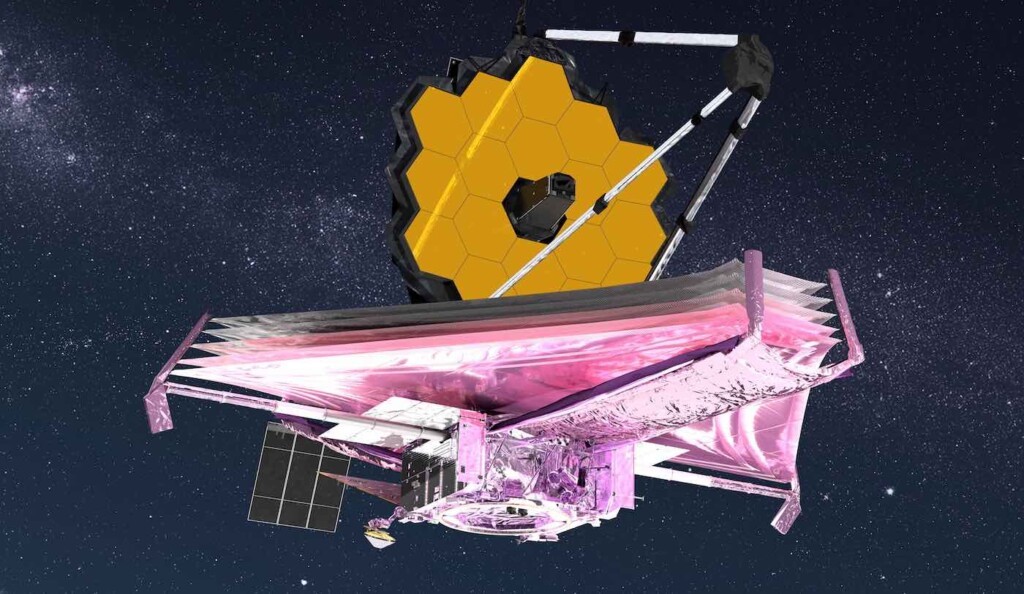
Artist’s impression of the James Webb Telescope – SWNS
According to NASA, in addition to being the new distance record holder, JADES-GS-z14-0 is remarkable for how big and bright it is. JWST measures the galaxy at over 1,600 light-years in diameter. Many of the most luminous galaxies produce the bulk of their light via gas falling into a supermassive black hole, producing a quasar. But the team says the large size of JADES-GS-z14-0 means that the light must be produced by young stars.
And yet, the massive galaxy was a puzzle for the JADES team when they first spotted it over a year ago, as it appears close enough on the sky to a foreground galaxy that they couldn’t be sure that the two weren’t neighbors. But in October 2023, the JADES team conducted even deeper imaging—five full days with the JWST Near-Infrared Camera on just one field—to form the “JADES Origins Field.” With the use of filters designed to better isolate early galaxies, confidence grew that JADES-GS-z14-0 was indeed very distant.
In addition, the galaxy happened to fall in a region where the team had conducted ultra-deep imaging with the JWST Mid-InfraRed Instrument. These combined imaging results convinced the team to include the galaxy in what was planned to be the capstone observation of JADES, a 75-hour campaign to conduct spectroscopy on faint early galaxies. The spectroscopy confirmed their hopes that JADES-GS-z14-0 was indeed a record-breaking galaxy—and that the fainter candidate, JADES-GS-z14-1, was nearly as far away.
The combination of the high luminosity and the stellar origin makes JADES-GS-z14-0 the most distinctive evidence yet for the rapid formation of large, massive galaxies in the early universe.
“We could have detected this galaxy even if it were 10 times fainter, which means that we could see other examples yet earlier in the universe—probably into the first 200 million years,” Robertson added.
Robertson’s May 30 paper, Earliest Galaxies in the JADES Origins Field: Luminosity Function and Cosmic Star-Formation Rate Density 300 Myr after the Big Bang, is accepted for publication in the Astrophysical Journal.
SHARE THE COOL ASTRO NEWS With Space Geeks On Social Media…
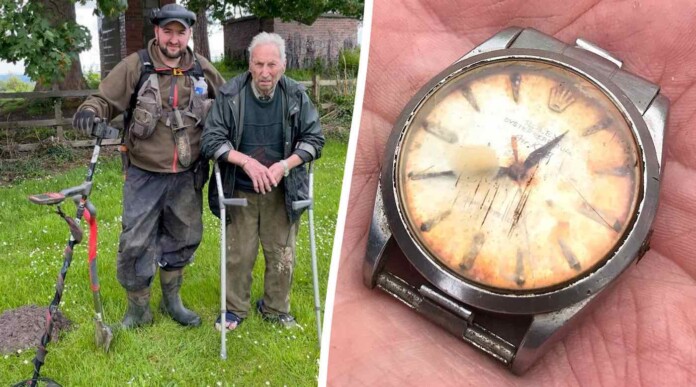
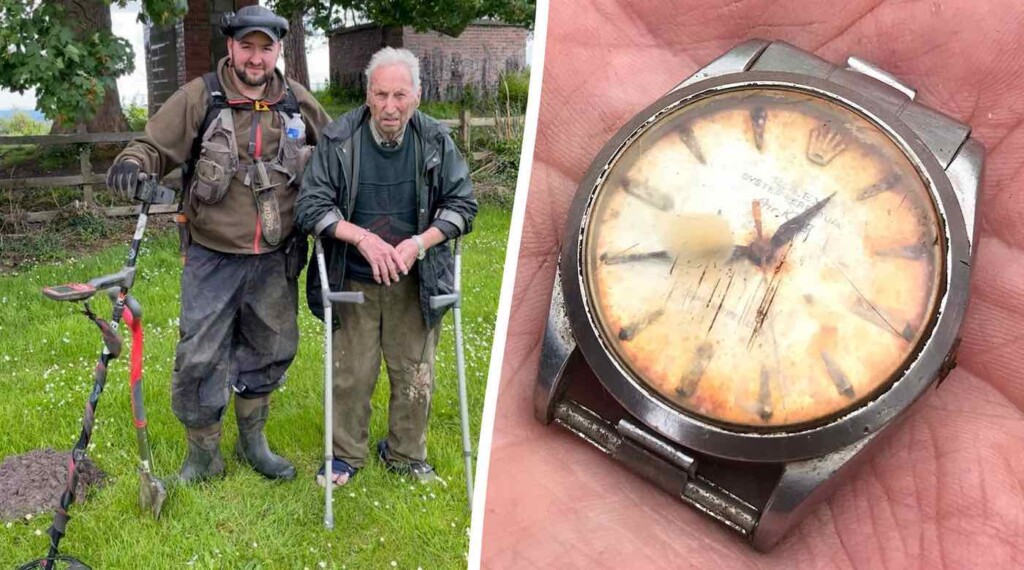
Farmer James Steele with metal detectorist Liam King – SWNS
Farmer James Steele with metal detectorist Liam King – SWNSanimal
A metal detective unearthed a farmer’s Rolex watch in rural England—50 years after it was eaten by a cow.
James Steele lost the treasured timepiece in the early 1970s when the strap broke while he was tending his cattle. The farmer searched the field at his dairy farm in Shropshire, but there was no sign of the watch.
Incredibly, half-a-century later the 95-year-old has been reunited with it after metal detective Liam King found it buried in the mud. Now they’ve surmised that a cow swallowed the watch, and it ended up in a cow pile.
“The cow could have eaten it with a mouthful of grass, said the veteran. “It was an amazing stroke of luck for it to turn up again after all this time lost in the earth.
“I was really pleased because I never thought I would see the watch again.
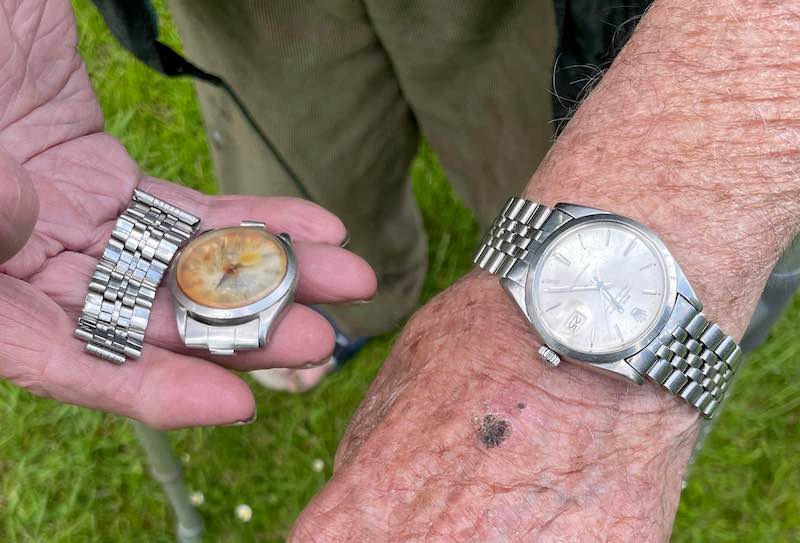
The face now has a greenish color but it has not rusted up.
“It shows how well made it was to survive 50 years under a field.
Steele’s son, who runs the farm with his dad, told the metal detective he could come onto the land to look for coins. He didn’t uncover any, but did find the Rolex, pictured below.
Farmer James Steele, circa 1950, wearing the Rolex watch purchased after his 21st birthday – SWNS
“I’m most grateful to Liam who found the watch. He could have quite easily not owned up to his discovery.”
Mr. Steele, who bought the watch on his 21st birthday for £100 in 1950—which is £4,500 / $5,700 in today’s money—will not bother repairing the Rolex, because of the expense, but says, “It’ll make a lovely keepsake.”
“I remember my neighbor had a very smart Rolex and I really fancied having one myself. I saved up and dug deep in my pockets for it—and wore it all the time.”
“I remember the day I lost it, I’d been out early with the cows. It was very cold so I’d had my hands in my pockets but at some point I must have been feeding a cow and it had slipped off or the strap had broken.
“We looked everywhere but I already knew it was gone and had probably been eaten by one of the cows.
James Steele’s old Rolex and the newer one -SWNS
“I was gutted but I saved up again and bought another one.”
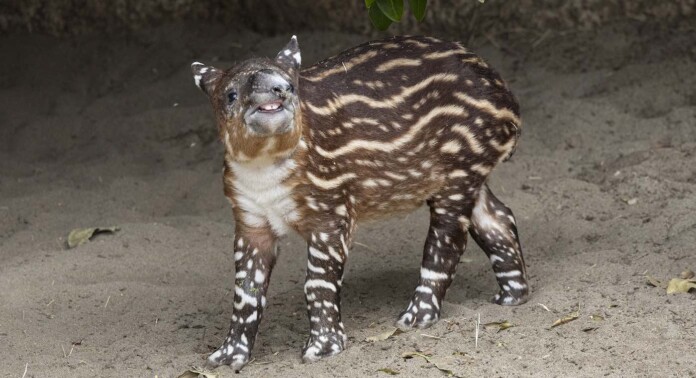
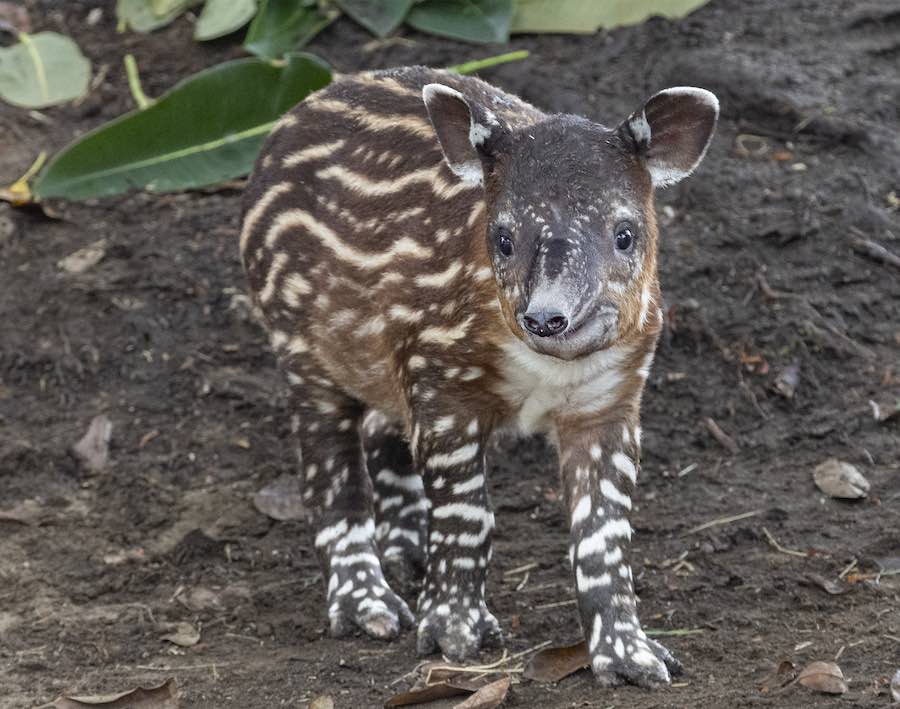
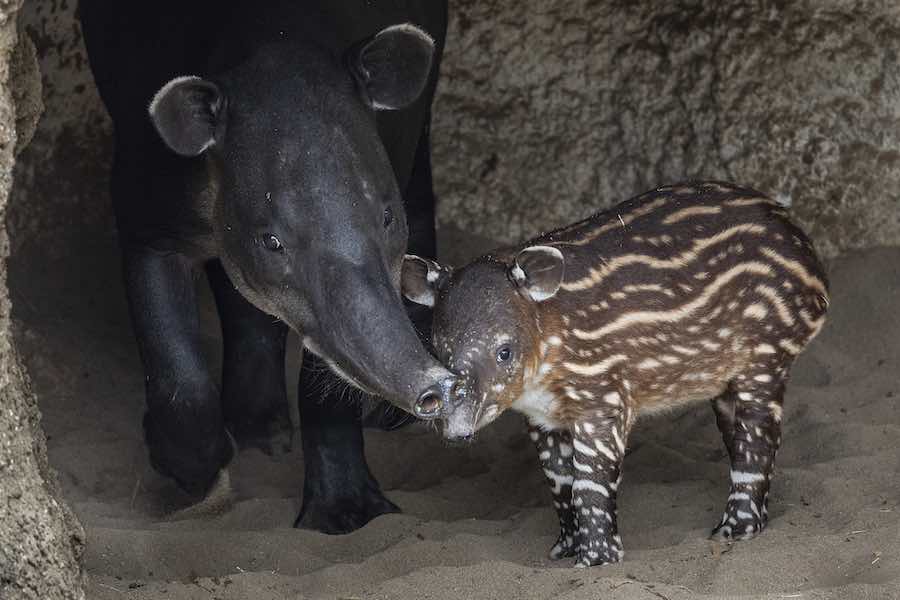
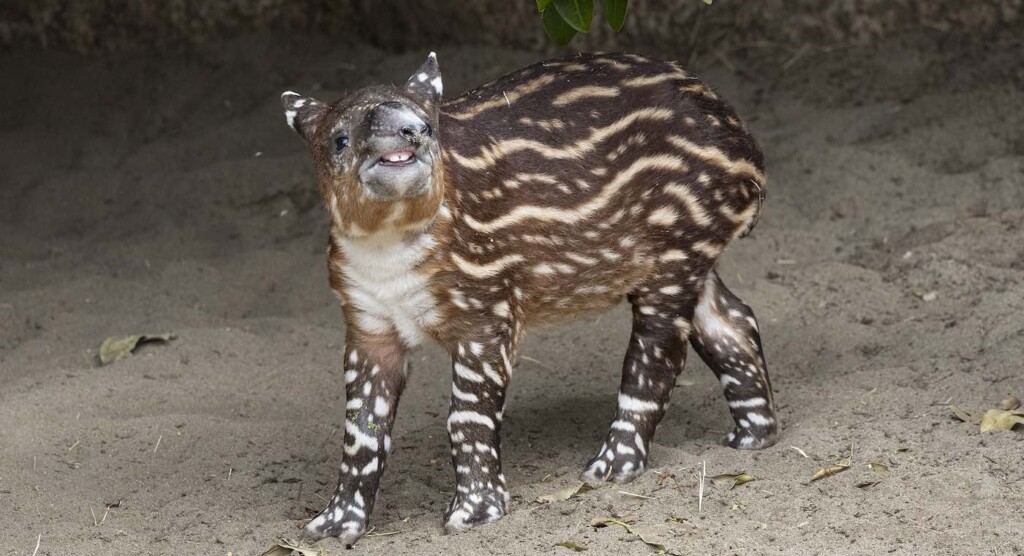
The San Diego Zoo excitedly welcomed an adorable baby Baird’s tapir this month—bolstering an endangered species that faces multiple challenges in the wild.
The female calf and her mother named Luna can now be seen bonding at the zoo’s elephant compound, sharing space with the capybaras.
Tapir newborns come into the world with patterns that provide excellent camouflage in the wild. In fact, baby tapirs are often left hidden while their mothers forage.
Luna, however, has been grooming and nursing the calf, vocalizing toward her, and keeping her close at all times.
The zoo says the calf is “starting to get the zoomies” and likes to play with leaves and food even if she’s not eating it.
When they grow into adults, tapirs’ coats change to a dark solid color, with a white chest, chin and ear fringes. They play a crucial role in maintaining the biological diversity of tropical forests.
Luna with calf – San Diego Zoo Wildlife Alliance
As essential seed dispersers, they contribute significantly to their ecosystems in Mexico, and Central and South America, by helping fertilize the forest floor. This process promotes the growth of new plants, which in turn provide food and shelter for a variety of other species.
Conservationists needed to protect the species because it was being hunted for sport in Costa Rica and threatened by habitat loss due to farming, cattle grazing, and palm oil and rubber plantations, which ultimately reduces their food supply.
Efforts are underway to protect tapir habitats and promote them as flagship wildlife that could encourage tourism. This approach can create jobs beyond farming and logging and inspire people to help protect this unique animal.
FREE WILL ASTROLOGY – Week of June 29, 2024
Copyright by Rob Brezsny, FreeWillAstrology.com
CANCER (June 21-July 22):
You are entering a phase when you will be wise to question fixed patterns and shed age-old habits. The more excited you get about re-evaluating everything you know and believe, the more likely it is that exciting new possibilities will open up for you. If you are staunchly committed to resolving longstanding confusions and instigating fresh approaches, you will launch an epic chapter of your life story. Wow! That sounds dramatic. But it’s quite factual. Here’s the kicker: You’re now in prime position to get vivid glimpses of specific successes you can accomplish between now and your birthday in 2025.
LEO (July 23-Aug. 22):
How many different ways can you think of to ripen your spiritual wisdom? I suggest you choose two and pursue them with gleeful vigor in the coming weeks. You are primed to come into contact with streams of divine revelations that can change your life for the better. All the conditions are favorable for you to encounter teachings that will ennoble your soul and hone your highest ideals. Don’t underestimate your power to get the precise enlightenment you need.
VIRGO (Aug. 23-Sept. 22):
Border collies are dogs with a herding instinct. Their urges to usher, steer, and manage are strong. They will not only round up sheep and cattle, but also pigs, chickens, and ostriches—and even try to herd cats. In my estimation, Virgo, border collies are your spirit creatures these days. You have a special inclination and talent to be a good shepherd. So use your aptitude with flair. Provide extra navigational help for people and animals who would benefit from your nurturing guidance. And remember to do the same for your own wayward impulses!
LIBRA (Sept. 23-Oct. 22):
We have arrived at the midpoint of 2024. It’s check-in time. Do you recall the promises you made to yourself last January? Are you about halfway into the frontier you vowed to explore? What inspirational measures could you instigate to renew your energy and motivation for the two most important goals in your life? What would you identify as the main obstacle to your blissful success, and how could you diminish it? If you’d like to refresh your memory of the long-term predictions I made for your destiny in 2024, go here.
SCORPIO (Oct. 23-Nov. 21):
Scorpio-born Gary Hug was educated as a machinist and food scientist, but for many years he has worked primarily as an amateur astronomer. Using a seven-foot telescope he built in the backyard of his home, he has discovered a comet and 300 asteroids, including two that may come hazardously close to Earth. Extolling the joys of being an amateur, he says he enjoys “a sense of freedom that you don’t have when you’re a professional.” In the coming weeks, Scorpio, I encourage you to explore and experiment with the joys of tasks done out of joy rather than duty. Identify the work and play that feel liberating and indulge in them lavishly.
SAGITTARIUS (Nov. 22-Dec. 21):
Your power spots will be places that no one has visited or looked into for a while. Sexy secrets and missing information will be revealed to you as you nose around in situations where you supposedly should not investigate. The light at the end of the tunnel is likely to appear well before you imagined it would. Your lucky number is 8, your lucky color is black, and your lucky emotion is the surprise of discovery. My advice: Call on your memory to serve you in amazing ways; use it as a superpower.
CAPRICORN (Dec. 22-Jan. 19):
Happy Unbirthday, Capricorn! It’s time to celebrate the season halfway between your last birthday and your next. I hope you will give yourself a fun gift every day for at least the next seven days. Fourteen days would be even better. See if you can coax friends and allies to also shower you with amusing blessings. Tell them your astrologer said that would be a very good idea. Now here’s an unbirthday favor from me: I promise that between now and January 2025, you will create healing changes in your relationship with your job and with work in general.
AQUARIUS (Jan. 20-Feb. 18):
While sleeping, my Aquarian friend Janelle dreamed that she and her family lived in a cabin in the woods. When dusk was falling, a strange animal put its face against the main window. Was it a bear? A mountain lion? Her family freaked out and hid in a back bedroom. But Janelle stayed to investigate. Looking closely, she saw the creature was a deer. She opened up the window and spoke to it, saying, “What can I do for you?” The deer, who was a talking deer, said, “I want to give you and your family a gift. See this necklace I’m wearing? It has a magic ruby that will heal a health problem for everyone who touches it.” Janelle managed to remove the necklace, whereupon the deer wandered away and she woke up from the dream. During subsequent weeks, welcome changes occurred in her waking life. She and three of her family members lost physical ailments that had been bothering them. I think this dream is a true fairy tale for you in the coming weeks, Aquarius.
PISCES (Feb. 19-March 20):
A psychologist friend tells me that if we have an intense craving for sugar, it may be a sign that deeper emotional needs are going unmet. I see merit in her theory. But here’s a caveat. What if we are currently not in position to get our deeper emotional needs met? What if there is at least temporarily some barrier to achieving that lovely goal? Would it be wrong to seek a partial quenching of our soul cravings by communing with fudge brownies, peach pie, and crème brûlée? I don’t think it would be wrong. On the contrary. It might be an effective way to tide ourselves over until more profound gratification is available. But now here’s the good news, Pisces: I suspect more profound gratification will be available sooner than you imagine.
ARIES (March 21-April 19):
This may sound weird, but I think now is a perfect time to acquire a fresh problem. Not just any old boring problem, of course. Rather, I’m hoping you will carefully ponder what kind of dilemma would be most educational for you—which riddle might challenge you to grow in ways you need to. Here’s another reason you should be proactive about hunting down a juicy challenge: Doing so will ensure that you won’t attract mediocre, meaningless problems.
TAURUS (April 20-May 20):
Now is an excellent time to start learning a new language or to increase your proficiency in your native tongue. Or both. It’s also a favorable phase to enrich your communication skills and acquire resources that will help you do that. Would you like to enhance your ability to cultivate friendships and influence people? Are you interested in becoming more persuasive, articulate, and expressive? If so, Taurus, attend to these self-improvement tasks with graceful intensity. Life will conspire benevolently on your behalf if you do. (PS: I’m not implying you’re weak in any of these departments; just that now is a favorable time to boost your capacities.)
GEMINI (May 21-June 20):
Barbara Sher and Barbara Smith wrote the book I Could Do Anything If I Only Knew What It Was: How to Discover What You Really Want and How to Get It. I invite you to think and feel deeply about this theme during the coming months. In my experience with Geminis, you are often so versatile and multi-faceted that it can be challenging to focus on just one or two of your various callings. And that may confuse your ability to know what you want more than anything else. But here’s the good news. You may soon enjoy a grace period when you feel really good about devoting yourself to one goal more than any other.
WANT MORE? Listen to Rob’s EXPANDED AUDIO HOROSCOPES, 4-5 minute meditations on the current state of your destiny — or subscribe to his unique daily text message service at: RealAstrology.com
Quote of the Day: “Friendship is certainly the finest balm for the pangs of disappointed love.” – Jane Austen
Photo by: James Nilsson
With a new inspirational quote every day, atop the perfect photo—collected and archived on our Quote of the Day page—why not bookmark GNN.org for a daily uplift?
Imagine if every sound you heard was 30% more acute—that’s what it’s like to be a dog when fireworks start going off.
Because of the festive nature of fireworks, many dogs don’t get exposure to them during their critical learning windows as a puppy.
By the time they start going off on the 4th of July or the 1st of January, they may have never experienced anything like the sudden sound and vibrations of the explosions.
There are ways, however, that one can ensure their dog(s) aren’t left feeling like the sky is falling this Fourth of July, from desensitizing them to the sounds early in their life, to providing a quiet, secluded space with white noise.
Matt Popovich
Tips—plan ahead
“Train long before the fireworks are due, and… counter-condition and desensitize by creating a positive association and a gradual exposure to fireworks,” said Ali Smith, a professional dog trainer, to National Geographic.
This can sometimes be done even if your dog is already grown by associating the loud explosions with something positive like a treat. YouTube videos of fireworks, with the volume gradually increased, can help them become accustomed to the noise profile of fireworks.
Another tip given to Nat Geo was to make sure they get plenty of exercise in the daytime hours. Play and exercise can help a dog remain calmer for longer, so there’s no reason why this wouldn’t work in regards fireworks. One study comparing various methods of stress reduction in dogs during fireworks displays found this to be the most effective.
Lastly, consider making a safe house for your dog with drawn curtains, dimmed lights, their favorite toys, and plenty of treats, so if they do decide to run and hide, they’re going somewhere that’s going to be secure and comforting.
Products
“Humans can detect sounds at 20,000 times per second, while dogs can sense frequencies of 30,000 times per second,” says Dr. Ruth MacPete, veterinarian and author of the award-winning children’s book Lisette the Vet.
This very real distress for dogs has inspired a number of products to help them cope with fireworks displays.
Some involve pressure and weight, as dogs feel they’re being cuddled even when you’re not there to do it. These include the ThunderShirt and weighted dog blankets.
The ThunderShirt is a wrap that applies gentle pressure around your dog’s torso that has the similar effect of swaddling an infant. Some users on Amazon report it being effective, but others recommend conditioning dogs to associate the ThunderShirt with something positive before using it in advance of fireworks.
A weighted dog blanket like this one basically works in the same way, and is perhaps preferable if your dog likes to hide under things.
For sound reduction products, one could use a pair of dog earmuffs or a white noise machine.
Several white noise machines are designed for infants, dogs, and adults with difficulties sleeping—making them a decent investment if two or more of these entities are in your household.
With over 3,500 ratings totaling an average of 4.7 stars, the YogaSleep Dohm White Noise Machine has been reported by users to be effective at calming their dogs. A machine like this is also perfect to add to your dog’s safe house.
Earmuffs typically come in two forms—hard cups or a compression sleeve. The compression sleeves seem to get better reviews on Amazon.
“My dog is a rescue and living in NY has him stressed. He is constantly scarred of loud noises all day every day,” said the reviewer of the Nanaki Dog Hoodie. “Last week he was hiding after a fireworks and I knew I needed to find something, [and] I do believe we found our solution. Eureka! The price is easy on the wallet, it’s adjustable and it’s washable. He seems comfortable and doesn’t mind it at all.”
SHARE These Great Ideas For A Dog In Need Of Some Relief This 4th…
credit - Dr. Jakub Dziegielowski, released to the media.
credit – Dr. Jakub Dziegielowski, released to the media.
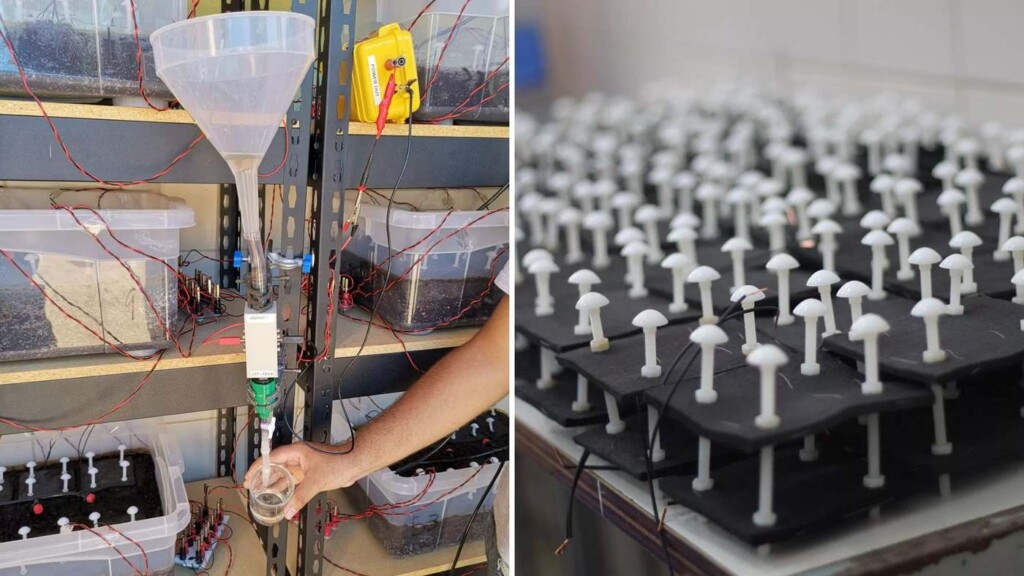
A UK ag-tech firm is pioneering bacterial batteries that they hope will allow farmers in the future to collect precise data about soil conditions with computing equipment powered by the soil itself.
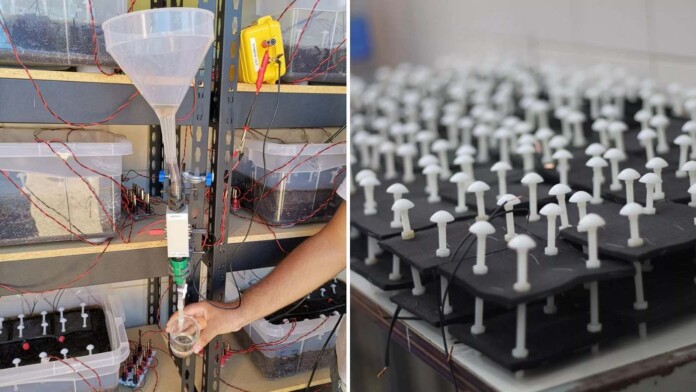
Designed to be installed and forgotten about, the batteries absorb power through bioelectrochemical processes that occur within soil microbes. Collecting these electrons via a cheap array of electrodes, the idea is that the resulting power can be used to run sensors and computers that help farmers monitor moisture content and other key markers to maximize yield.
The firm is called Bactery, and their bacteria-powered batteries build on ‘soil microbial fuel cells’ (SMFCs) that were developed in 2019 to power a water filtration system in Brazil.
Dr. Jakub Dziegielowski was part of the research team that developed SMFCs, and over the last 5 years of research and development, he and his colleagues have improved the design, allowing it to actually “stimulate” bacterial processes and maximize energy collection.
“[W]e’ve learned a whole lot more about the different bioelectrochemical processes, and grasped a better understanding of the roles both bacteria and the soil play in this complex equation,” Dr. Dziegielowski tells Euronews Green.
Existing apparatus for collecting soil data has drawbacks for farmers looking to leverage technology on their farms. Sensors and internet-connected devices require power, which means either a battery system that has to be recharged and replaced, a generator that consumes fuel, or the installation of solar panels which may not be viable for certain farms at certain times of the year.
Bactery’s soil-powered batteries cost just $29.00 and come without maintenance requirements.
“Farmers are increasingly valuing the importance of data to make informed decisions towards resource-efficient agricultural practises,” Professor Mirella Di Lorenzo, one of Bactery’s directors, told Euronews. “We are removing the barrier to generating that data by creating a sustainable way to power sensors, and making them always-on, cheap, low-maintenance and low-impact.”
SHARE This Innovative Idea For Power Generation—Using The Very Soil…
Chagyrskaya Cave in the Alta Mountains of southern Siberia / an artist’s impression of a Neanderthal man and child.
Archaeologists examining finds dug up in a Spanish cave network in 1989 found skull fragments of a 6-year-old Neanderthal, which would have been exciting on its own, but the skull carried two major surprises.
The first is that an analysis of the inner ear canal showed signs of Down Syndrome, the earliest-known evidence of the genetic condition.
The second is that the child survived until 6, indicating compassion and willingness to bear extra work on behalf of individuals in a group who couldn’t take care of themselves. It gives a new perspective on the instincts for kindness and caring among our earlier ancestors.
Discovered in the Valencia region’s cave complex known as Cova Negra, Homo neanderthalensis activity at the site was dated to between 273,000 and 146,000 years ago.
An analysis of fragments that made up the individual’s temporal bone, which protects the inner ear canal, showed alterations only known in those with Down Syndrome. Other abnormalities include a smaller cochlea, the main hearing component of the audio organ, and irregularities in the formation of the semicircular canals, three small tubes that govern balance and sense head position.
“The pathology which this individual suffered resulted in highly disabling symptoms, including, at the very least, complete deafness, severe vertigo attacks and an inability to maintain balance,” said Mercedes Conde-Valverde, a paleoanthropologist at the University of Alcalá in Spain.
The lead author of the study of the bone fragments, published in the journal Science Advances, told the Guardian that the sex of the individual is unknown, but they call it Tina for short.
“Given these symptoms, it is highly unlikely that the mother alone could have provided all the necessary care while also attending to her own needs. Therefore, for Tina to have survived for at least six years, the group must have continuously assisted the mother, either by relieving her in the care of the child, helping with her daily tasks, or both,” Conde-Valverde added.
It’s taken many years for scholars to agree that Neanderthals had virtually the same capacities for what we might call ‘humanity’ as their cousins Homo sapiens.
It’s been discovered that they created art using pigments, used symbolic objects and perhaps even a spoken language, engaged in group hunting methods, and demonstrated tolerance and reciprocity.
SHARE This Uplifting Perspective On Our Earlier Ancestors…
The Phoenix Hall at Byodoin Temple - Martin Falbisoner CC 4.0.
The Phoenix Hall at Byōdō-in Temple – Martin Falbisoner CC 4.0.
At a famous Buddhist temple in Japan, pots of lotus flowers augment the already breathtaking scenery of the temple—but they’re more than what they seem.
The lotus is a foundational part of Buddhist iconography, but the plants sitting in front of the UNESCO World Heritage Site of Byōdō-in Temple in Uji were grown from seeds found buried in a layer of dirt from a pond dug by monks there over 200 years ago.
The seeds were recovered when the pond was excavated 25 years ago, and are now bearing a special kind of lotus flower variety—Byōdō-in Temple Lotus. Milky white and diaphanous, the monks say they are pleasing to look at during a moment of stillness.
The flowers are quite similar to those depicted on the ancient murals of the temple’s Pheonix Hall, called Hou-ou-do in Japanese, reports NKH World.
The fact that after 200 years the seeds were still capable of growing into a plant epitomizes the true nature of the lotus plant—not as a dainty ornamental, but as a hardy survivor; anyone familiar with lotuses know they continue to bloom even if the water is filthy and contaminated.
Temple officials, who place around 50 pots of lotus plants around the temple every season, said the flowers began to bloom last week. They added that many buds are being formed and the color of the flowers appears good. They will last until mid-July.
WATCH the story below and see the flowers…
SHARE This Beautiful Flower And The Amazing Story Of Its Rebirth…
Quote of the Day: “You win and you lose, and if you don’t know how to lose, you don’t know how to live.” – Tony O’Reilly (RIP, Ireland’s first billionaire)
Photo by: James Nilsson
With a new inspirational quote every day, atop the perfect photo—collected and archived on our Quote of the Day page—why not bookmark GNN.org for a daily uplift?
For thirteen years this poor fellow has suffered from treatment-resistant epilepsy, but thanks to a cutting-edge brain implant, is able to look forward to days without seizures.
Oran Knowlson is the first person in the world to receive this implant, part of a human trial pilot study on treating Lennox-Gastaut syndrome, a rare form of epilepsy that can result as many as 100 seizures a day.
The 13-year-old from Somerset, England, needed around-the-clock attention and care since the age of 3, as some of the seizures were so strong they’d stop his heart and require him to be resuscitated.
After receiving the brain implant, his mother declared to the Guardian “I definitely now have a teenager” remarking on Oran’s newfound ability to ignore his mother.
“The future looks hopeful, which I wouldn’t have dreamed of saying six months ago,” she said.
“For Oran and his family, epilepsy completely changed their lives and so to see him riding a horse and getting his independence back is absolutely astounding,” said Martin Tisdall, a consultant pediatric neurosurgeon at Great Ormond Street Hospital, London, where Oran was treated. “We couldn’t be happier to be part of their journey.”
During the surgery, Tisdall and the operating team inserted two electrodes deep into Oran’s brain to a region called the thalamus. Wires were then run up to a neurostimulator on the underside of Oran’s cranium.
Designed by Amber Therapeutics, it delivers constant neurostimulation to help suppress the seizures by blocking the signals that cause them from reaching the thalamus. The device can be recharged by a pair of wireless headphones.
Oran is one of three kids who were part of the pilot study, which is looking to recruit another 22 with Lennox-Gastaut syndrome.
“Deep brain stimulation brings us closer than ever before to stopping epileptic seizures for patients who have very limited effective treatment options,” Dr. Tisdall added.
“We are excited to build the evidence base to demonstrate the ability of deep brain stimulation to treat pediatric epilepsy and hope in years to come it will be a standard treatment we can offer.”
CELEBRATE This Young Man’s New Chance At A Normal Life…
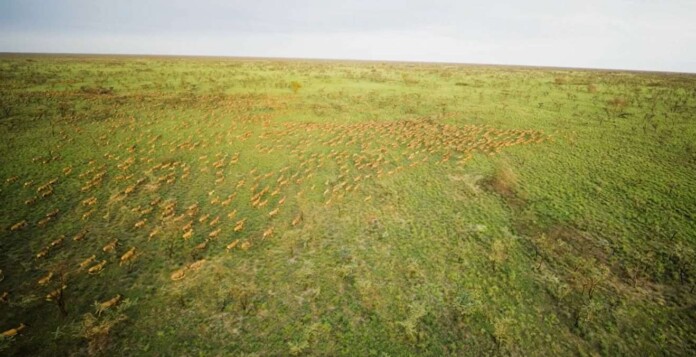
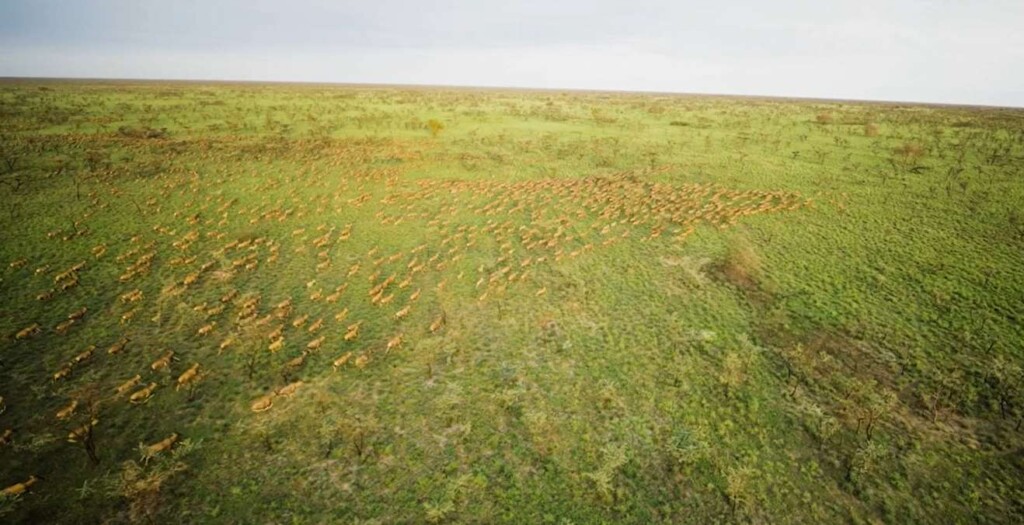
Antelope migrating across South Sudan in the dry season - credit African Parks, screengrab.
Antelope migrating across South Sudan in the dry season – credit African Parks, screengrab.
“The greatest conservation opportunity on the planet,” isn’t in the Amazon, the Andes, Australia, or anywhere else you’d likely imagine. It’s in South Sudan.
In a story that truly demonstrates how much there is left to explore in the world, the world’s largest migration of land mammals is now understood to take place in South Sudan, and the government, with the help of African Parks, is rushing to protect it.
Ecologists have long known the migration through South Sudan’s “No Man’s Land” exists, but didn’t really understand how it worked, or the scope of it. Unlike the caribou migrations across Canada, or the wildebeest migrations in Kenya’s Mara grasslands, No Man’s Land is filled with all manner of migrating species, including Mongalla gazelle, bohor reedbuck, white-eared kob, and tiang—all of which are antelope species.
Believing that the protection of these migration routes and the 6 million animals they play host to are the most significant opportunities for conservation anywhere on Earth, African Parks and the government of the Republic of South Sudan signed a 10-year agreement for the management of the No Man’s Land, currently located within Boma National Park and Bandingilo National Park, totaling 12,700 square miles, or four times the size of Yellowstone.
The 20-year civil war between what is now Sudan and South Sudan seems, according to African Parks, to have steered entirely clear of this massive area.
To start management and implement modern protections, African Parks, a non-profit that manages national parks for conservation across Africa, including in conflict zones, embarked on the largest GPS collaring survey of large animals ever undertaken, including 12 species at 126 GPS trackers.
Together with aerial surveys and assistance from members of the 17 different ethnic groups that live primitively in the areas, African Parks began to unravel the mystery of this massive movement of animals. The antelope moved in a wide circle, altering course to intercept any rainfall.
“We flew for the first 30 to 40 minutes, and we didn’t see anything. I was like, ‘Oh, no, maybe it’s over. Maybe the wildlife has already disappeared,'” David Simpson, park manager for African Parks, told ABC News, sharing his insights from being aboard an aircraft for one of the surveys.
“Then we get out there and we start hitting one, two, three, four. Then we start hitting hundreds and then we start hitting thousands, and then tens of thousands, then hundreds of thousands.”
For the indigenous peoples, the migration is a symbol of abundance and balance in the natural world. They hunt, and so rely on the beasts for food, clothing, medicine, and shelter materials.
In order to help preserve their traditional life, African Parks has brought many of the people there on board to educate and work with them in their role in conserving the ecosystem for posterity.
WATCH the story below from African Parks…
SHARE This Great News From Africa With Your Friends Who Love Wildlife…
Kronk the rat in his car - credit, @emperorsofmischief, instagram
Kronk the rat in his car – credit, @emperorsofmischief, instagram
Two Canadians are delighting animal lovers on Instagram with videos of their pet rats driving around in little cars.
While they were contemplating a dog, Kendal Crawford and Shaun Stephens-Whale ended up adopting two rats from the local animal shelter in their home in British Colombia. They recall being impressed upon by the ragged rescued rats’ curiosity with them, even from within their cage at the shelter.
Having at first decided to sleep on it, the couple didn’t even make it down the block before turning around and adopting ‘Kronk and Kuzko,’ and it took them less than a day to realize they made the correct choice—when after their baths the rats seemed to snuggle right up to the humans in their bed that night.
Like all social animals adapted to live in human society, domesticated rats are very smart, but they need stimulation to thrive. They began to teach them all manner of tricks and activities, with each one more impressive than the next.
While doing research, Crawford came across a certain study from the University of Richmond about how enriched environments affect stress responses in rats.
In it, scientists taught rats to drive tiny cars and found the experience of learning and acquiring mastery over a new skill decreased their stress hormones. Crawford’s father ended up providing Kuzku and Kronk with the two little electric cars, each with three levers to allow the rats to control their direction.
It took one day for the two rats to learn they could use the middle lever to go forward, and after a week, they also mastered turning the little car with the levers on the sides.
“Their ability to conceptualize where they are just as humans do when they’re driving is pretty incredible,” Shaun told BC TV News, after demonstrating how they could drive their way in random directions across the living room and park in front of a treat hanging from a string.
“I’m in awe,” Kendal adds. “Their experience of the world is so much deeper than we realize.”