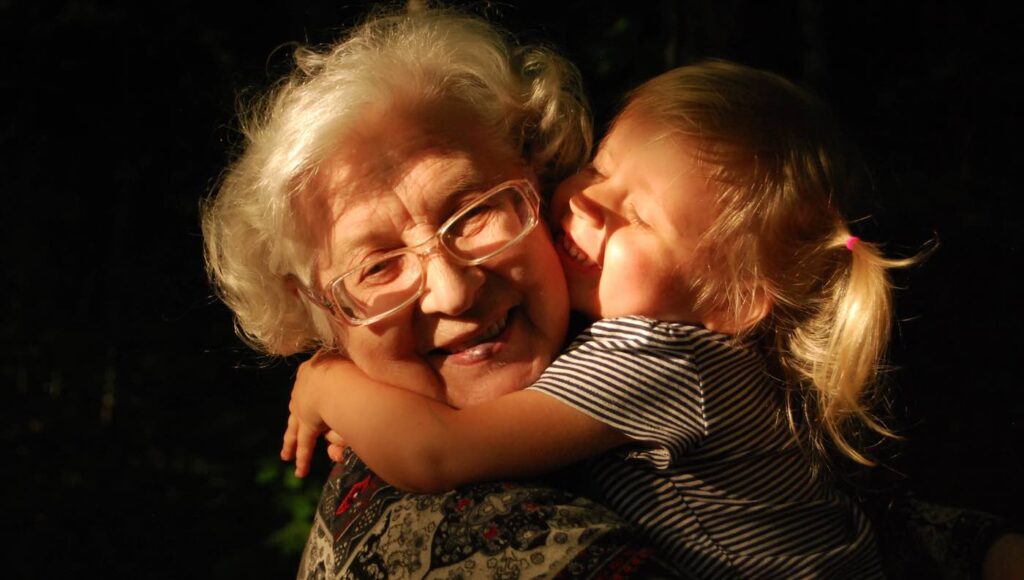
Quote of the Day:Happy belated Grandparents Day! Helping kids get into mischief they haven’t thought of yet: “When they enter the door, discipline flies out the window.” – Ogden Nash
President Carter officially proclaimed the day in 1979 after decades of lobbying from Jacob Reingold and Marian McQuade, the West Virginia woman who persuaded her state to become the first one to celebrate and honor grandparents with a special day—the first Sunday after Labor Day.
Photo by: Ekaterina Shakharova
With a new inspirational quote every day, atop the perfect photo—collected and archived on our Quote of the Day page—why not bookmark GNN.org for a daily uplift?
A boy scout and his family were volunteering at a local food pantry when he realized the outdoor seating was in need of a little TLC.
Looking for a project to help get him nearer to his title of Eagle Scout, and despite having little experience in carpentry, 14-year-old Simon Starnes got to work.
Sister BJ’s Pantry, run by Sister Barbara Joseph Foley, offers free meals to the homeless with a special community emphasis on Friday and Sunday mornings, when these less fortunate patrons come to sip free coffee and take a long breakfast on the days when the nearest food bank isn’t open.
“I went to volunteer there for the Sunday mission, which is making breakfast for the homeless and then handing it out to them. But as I was doing it, I saw the tables were in bad shape and a lot of them were warped and splintering,” Starnes, part of Boy Scout Troop 21, told the Oklahoman.
“I kind of wanted to help fix that. I thought that if I built those (tables), it could definitely help make the experience a lot better for them,” he said.
Having never built a table, he asked around his troop for advice and discovered that another prospective Eagle Scout was the architect of the original picnic tables, and another member of his troop had done the landscaping.
Together with his father Scott, a friend, and three troop members, Starnes built 4 brand new picnic tables to the exact same dimensions as the originals.
The new picnic benches at BJ’s Pantry – released by the family.
Sister BJ opened the pantry in 2006, and says she has leaned heavily on the community and members of local church parishes.
“All my support all these years have come from private donations, and then, help within the Oklahoma City community,” she said. “That, in itself, is a good feeling. I love having all of the community support.”
SHARE This Quaint Community Story Of Volunteering To Help Others…
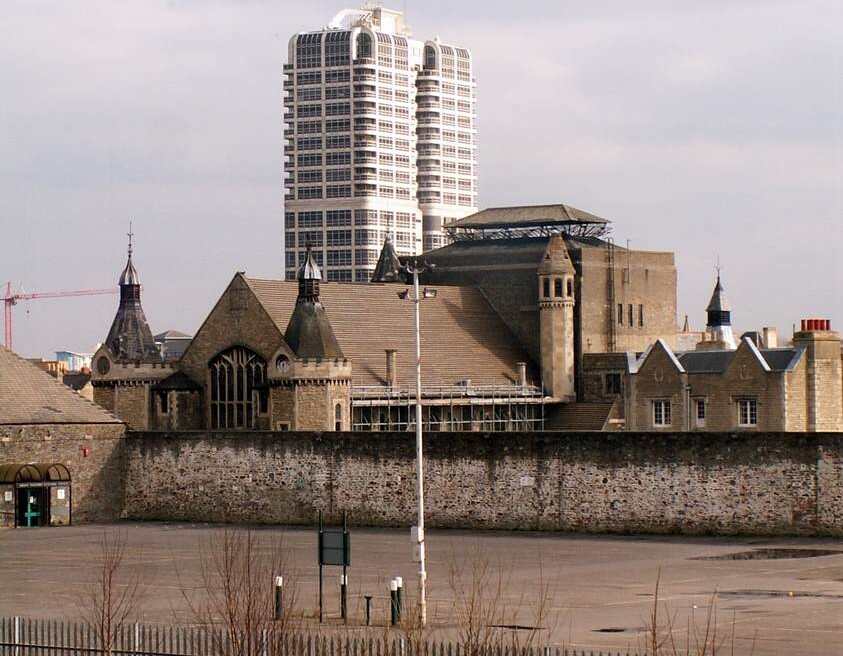
HAZ Railway Village – Credit Swindon Council (Swindon.gov)
A major restoration project in lower England has seen one of the world’s largest railworks turned into a modern celebration of this industrial heritage.
See all these pitched roofs and block houses? Once upon a time, they were homes provided for the workers of the Swindon Railway Village, where mechanics and laborers lived and worked near what was the railway engineering complex in the world at one point.
Between 1841 and 1842, the Great Western Railway (GWR) transformed what was a sleepy market town that had changed little since its inclusion in the Domesday Survey of the Normans in 1066 CE, into a hub of steam and enterprise organization.
Isambard Kingdom Brunel, arguably the greatest engineer Britain ever produced, established the ‘Swindon Works’ to construct and maintain steam locomotives that served the railways. This brought with it pioneering amenities such as the UK’s first modern public library and a ‘cradle-to-grave’ healthcare center that was later used as a blueprint for the National Health Service.
It also contained a whole village built to house and entertain the workers and their families, but over time, as the GWR lost its luster, the Swindon Works became largely obsolete, and until recently was the most dangerous neighborhoods in the city.
“I was robbed and mugged here, it was a no-go area”, said a 91-year-old former railway blacksmith, Jack Hayward, surveying the GWR Park in Swindon. “What they’ve done to transform it is remarkable.”
The Swindon Heritage Action Zone (HAZ) was launched in June 2019, as an ambitious five-year plan to revitalise the town’s unique railway heritage. As a partnership between Historic England, Swindon Borough Council, and other organizations, the HAZ has renewed, repurposed, and refurbished a large area including more than 300 historic buildings.
Historic heart, modern beat
The original Swindon Works designed by Isambard Brunel came with a large park that contained a cricket pitch and a pub for cricketers. The pub, which has been boarded up for decades, has been restored as a community hub and visitors center to the whole area, while the park has been expanded, cleaned, beautified, cloaked in flowers, and ornamented with trees along the borders of the original park plan.
Streets that had been altered have been returned to their original courses and dimensions according to photographs made of the Swindon Works during their heyday, and special bronze plates embedded in the cement sidewalks denote when you are walking on the heritage roads.
Cherry blossom trees have been planted in the gardens of the workers’ cottages, and plaques containing information and images on the history and landmarks of Works have been placed throughout the village.
Three notable buildings: the railway works, the health center, and the Mechanics Institute, have all been renovated. The health center was built in 1892, and contained a pool and other amenities for the workers. A full restoration of the engineering and interior spaces of the pool room and changing areas was carried out.
The Carriage Works, an eleven-unit building where train carriages were repaired, received £7 million “to repair the external stonework and guttering and to repair, reglaze and redecorate the windows and doors,” the Swindon local government said in a page on its website.
The ‘Health Hydro’ building – credit, Swindon.gov released.
Unit 11 is now occupied by the Royal Agricultural University’s new Cultural Heritage Institute which is delivering postgraduate courses to train the next generation of heritage managers and professionals. What could be more appropriate?
Far from just being a museum, several of the units are now opening to modern businesses for lease.
The Mechanics Institute was built resembling a church and included a covered market back in its day when it was producing the best-educated mechanically-inclined laborers in perhaps all Europe.
After the Institute closed in 1986, and after succumbing to both vandals and arsonists, it was saved from demolition by the council. A local creative collective, twelve local artists, eleven local schools, and some willing volunteers created a series of murals around the Institute. The murals tell the story of the Swindon Works with a modern artistic flair, but under private ownership, the institute building itself—such a key landmark in the area—is no closer to being renovated.
The Mechanics Institute – public domain.
An underpass that allows pedestrians to pass under major roadways, and which was once dubbed “muggings underpass,” has been completely transformed with modern lighting, plants, benches, and more murals from the groups that did the ones near the institute.
“They’ve done a great job of revitalizing the area. I’m hoping the 150-year history of Swindon railway works will not be lost,” said Mr. Hayward.
WATCH a beautiful virtual tour with narration from Swindon Town Council…
SHARE This Amazing Restoration Of English Engineering And Civil Heritage…
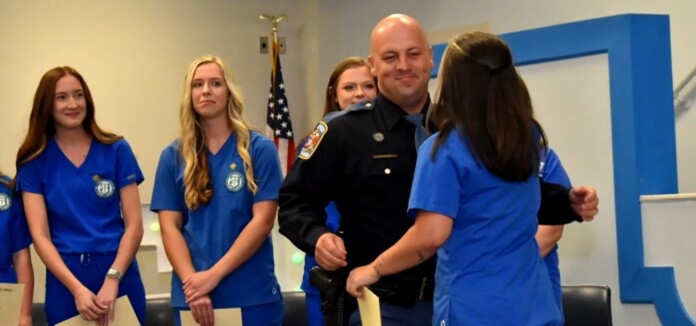
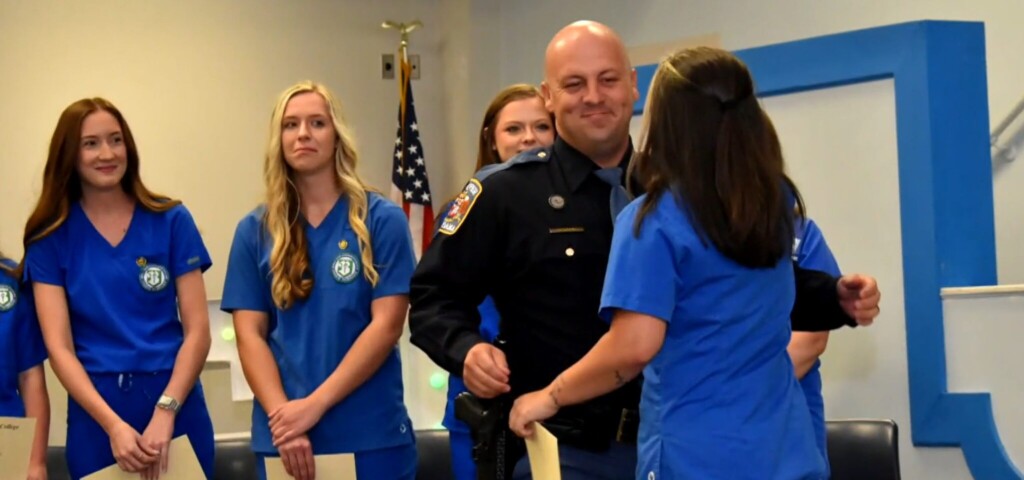
Abbie Rutledge embraces Trooper Brown at her graduation - credit, released to CBS.
Abbie Rutledge embraces Trooper Brown at her graduation – credit, released to CBS.
Two years ago, Alabama’s Abbie Rutledge was driving on her way to work when she saw the blue lights flashing behind her.
But what she didn’t know as she pulled over to the side of the road, heart beating up in her ears with anxiety, is that it would be one of the best things that ever happened to her.
Alabama state trooper J.T. Brown noted that Rutledge was speeding. The 20-year-old replied that she was sorry, didn’t have the money to pay a speeding ticket, and was stuck in a dead-end job.
Most people have a story about talking their way out of a ticket, and Trooper Brown has probably heard it all before. His response?
“How about we talk about it then?” he asked.
Rutledge told Steve Hartman of CBS News that the ‘talk’ went on for about 10 to 15 minutes, just sitting in the car talking about different career choices.
The conclusion, if one can believe it, was that the state trooper convinced Rutledge to enroll in nursing school.
Two years later and Rutledge is a surgical technician at the University of Alabama Hospital. She loves her job, and credits Trooper Brown with her accomplishment.
She invited Brown to her graduation, showing him that she still has the citation from that fateful traffic stop, listed as $0.00, and including the handwritten message: “Promise me you’ll go into scrub or nursing school & slow down, and I won’t give you a ticket.”
Hubble Space Telescope image of the Triangulum Galaxy, also known as Messier 33, which is the third-largest galaxy in our Local Group of galaxies.
Hubble Space Telescope image of the Triangulum Galaxy, also known as Messier 33, which is the third-largest galaxy in our Local Group of galaxies – credit, NASA, ESA, M. Boyer (STScI), and J. Dalcanton (University of Washington)
One of our closest and largest neighbors, the Triangulum Galaxy, was recently imaged by the Hubble Space Telescope, proving it’s still useful in the face of the James Webb Telescope’s incredible infrared resolution.
Located within the triangle-shaped constellation Triangulum and about half the size of our Milky Way, this galaxy called Messier 33, or M33 for short, is the third-largest member of our local group of galaxies after the Andromeda galaxy (M31) and the Milky Way.
M33 is known to be a hotbed of star birth, forming stars at a rate 10 times higher than the average of its neighbor Andromeda. Interestingly, M33’s neat, organized spiral arms indicate little interaction with other galaxies, so its rapid star birth is not fueled by galactic collision, as is the dramatic case in many other galaxies.
M33 contains plenty of dust and gas for churning out stars, and numerous ionized hydrogen clouds, also called H-II regions, that give rise to tremendous star formation. Researchers have offered evidence that high-mass stars are forming in collisions between massive molecular clouds within M33.
This image captures reddish clouds of ionized hydrogen interspersed with dark lanes of dust. The apparent graininess of the image is actually swarms of countless stars. M33 is one of less than 100 galaxies close enough for telescopes like Hubble to resolve individual stars, as evident here.
This inset image shows Hubble’s view of the center of galaxy M33 – credit, NASA, ESA, M. Boyer (STScI), and J. Dalcanton (University of Washington)
M33 is known to lack a central bulge, and there is no evidence of a supermassive black hole at its core.
This is considered strange since most spiral-shaped galaxies have a galactic center of densely concentrated stars, and most large galaxies have supermassive black holes at their centers. Galaxies with this type of structure are called “pure disk galaxies,” and studies suggest they make up around 15-18% of galaxies in the universe.
M33 may lose its streamlined appearance and undisturbed status in a dramatic fashion―it’s on a possible collision course with both the Andromeda galaxy and the Milky Way. This image was taken as part of a survey of M33 in an effort to help refine theories about such topics as the physics of the interstellar medium, star-formation processes, and stellar evolution.
SHARE This Dreamy Image Of Stars And Dust With Your Friends On Social Media…
Quote of the Day: “Nature never did betray the heart that loved her.” – William Wordsworth
Photo by: Inspa Makers
With a new inspirational quote every day, atop the perfect photo—collected and archived on our Quote of the Day page—why not bookmark GNN.org for a daily uplift?
San Diego Zoo is celebrating the birth of a Sumatran tiger cub, a subspecies of which only 600 give or take one-third, remain in the wild.
The cub was born August 23rd to first-time mother Jillian. This birth is an important step in San Diego Zoo Wildlife Alliance’s ongoing work to conserve Sumatran tigers.
Newborn Sumatran Tiger Cub, Credit: San Diego Zoo
Wildlife care specialists are closely monitoring mother and cub, and they report Jillian has quickly taken to being a mom and has been demonstrating all the expected and correct maternal behaviors.
The cub has shown attachment to Jillian and has been very active and vocal as they explore and grow.
“We are thrilled at the birth of this very special tiger cub at the San Diego Zoo Safari Park,” said Lisa Peterson, senior vice president and executive director of the park. “This birth adds Jillian’s incredibly important genes into the pool of the population, furthering the genetic diversity and health of the Sumatran tiger subspecies.”
“Jillian’s care team has done an exceptional job monitoring her and her cub throughout this process, and it has been a joy for them to watch her enjoy motherhood. We hope this cub will allow our guests to gain a greater understanding of this incredibly special subspecies and the importance of conserving their natural habitats.”
The birth is a result of a breeding recommendation through the Association of Zoos and Aquariums’s Sumatran Tiger Species Survival Plan (SSP) Program. Each SSP Program, overseen by conservationists nationwide, ensures genetic diversity and healthy, self-sustaining assurance populations of threatened and endangered wildlife.
The smallest tiger subspecies, Sumatran tigers are extremely threatened, and are the only tiger subspecies left in the Sunda Islands, with the Bali, Bornean, and Javan tigers extinct, (though the latter may still be alive).
Sumatran Tiger with her Newborn Cub – Released by San Diego Zoo
Tigers face many challenges, including loss of habitat, human-wildlife coexistence, and poaching. People can help protect tigers by avoiding products made with non-sustainable palm oil, an industry that harms tiger habitats, and by refusing to purchase items made from endangered wildlife.
Jillian and her cub will remain in her den for several weeks. This window of time is crucial, as it allows the youngsters to bond with and learn from their mother. When Jillian is ready, she will bring her cub out of the den, where they will have access to a specially designed maternity habitat.
As of 2013, there were 375 Sumatran tigers kept in zoos all around the world as a means to safeguard and grow the diversity and numbers of this subspecies. Any hope that Indonesian ecologists may have for maintaining intact ecosystems on their largest islands in the future would in theory require tigers, especially Sumatra, but also Java, Bali, and Borneo where they were once native.
WATCH the little guy in his earliest days…
SHARE This Wonderful Reason To Go To The Zoo With Your Family And Friends…
Artistic rendering to promote Form Energy’s battery tech. The company has also received DOE demonstration project funding elsewhere -credit Form Energy, released to the media.
Artistic rendering to promote Form Energy’s battery tech. The company has also received DOE demonstration project funding elsewhere -credit Form Energy, released to the media.
In northern Maine, a company is planning the largest battery ever made by humans with 8,500 megawatt-hours of storage.
The purpose is to store renewable energy like solar and wind, produced but not needed, for times when the Sun isn’t shining and the wind isn’t blowing.
The batteries store and discharge energy via a novel process called “reverse rusting.” Inside the battery is iron, and as the battery stores electricity, it takes in oxygen from the air turning the iron inside into iron oxide—or rust. When it discharges, the oxygen is released and the oxide is removed, leaving the iron pure again.
While unusable for everyday electronics, this method works at scale and is around one-tenth of the running and manufacturing costs of using lithium-ion batteries.
Form Energy, the firm behind the project, received over $380 million in grants from the Department of Energy for projects all over the North Atlantic, of which $147 will go to the Maine battery project.
With 8,500 megawatt-hours of power at maximum capacity, the battery bank could power up to 85,000 homes for 100 hours. The battery system will have the most energy capacity of any announced in the world, Mateo Jaramillo, CEO and co-founder of Form Energy, said in a statement.
The amount of power it contains would allow an electric car to circumnavigate the world 1,288 times. The batteries stand 3 feet tall, are about the size of a side-by-side washer-dryer unit, and 50 will make them the station, according to Live Science.
SHARE This Big Project In Renewables With Your Friends…
splitscreen released by CBS and Turner respectively
images released by CBS and Turner respectively
NBA Hall of Famer Charles Barkley has donated $1 million to an academy in New Orleans that just produced two groundbreaking young mathematicians.
The story begins last year when GNN reported on the success of two high school teens 2,000 years in the making.
Calcea Johnson and Ne’Kiya Jackson from St. Mary’s Academy in New Orleans said they had solved the Pythagorean Theorem using trigonometry. Classical Greek brainiac Pythagoras created a theorem that goes like this.
The area of the square whose side is the hypotenuse (the side opposite the right angle) is equal to the sum of the areas of the squares on the other two sides. It is written as a2+b2=c2.
One of the interesting things about this bedrock mathematical equation is that for 2,000 years, no mathematician has been able to demonstrate the truth of it without simply using the equation itself as proof; what is called circular logic, and not accepted as true evidence of proof.
Johnson and Jackson reference Elisha Loomis’s The Pythagorean Proposition, a book investigating this concept, which “flatly states that ‘there are no trigonometric proofs because all the fundamental formulae of trigonometry are themselves based upon the truth of the Pythagorean Theorem,’” the girls wrote.
Following up on this 2,000-year-old conundrum, the two young women presented findings of the ‘Law of Sines,’ which they say proves fundamental truths in trigonometry without relying on the trigonometric equations themselves as evidence.
This accomplishment, which was featured on CBS’ 60 Minutes, piqued the inspiration of Charles Barkley, who announced that he would give the academy a $1 million grant to help the institution continue to hone the talents of students like Jackson and Johnson.
“[Barkley] has a love and passion for what the academy stands for and how it is shaping the lives and futures of young girls in New Orleans,” a representative of the academy said, according to Nola.
“This transformative gift will assist students as they excel and achieve whatever dream they create within the walls of St. Mary’s Academy,” the academy’s president Pamela Rogers, said in a press release.
Barkley, who will be donating $100K every year for ten years, recently made GNN headlines for turning down broadcasting contracts totaling $100 million that would have required him to leave TNT Sports after it lost the rights to broadcast the NBA.
Entering the last year of NBA coverage, Barkley stayed on to ensure that all the staff who produce his television work keep their jobs until the end of the 2024-2025 NBA season.
“I love my TNT Sports family,” Barkley said in a statement released by Turner. “My #1 priority has been and always will be our people and keeping everyone together for as long as possible.”
SHARE This Generous Man And These Genious Young Women With Your Friends…
With a new inspirational quote every day, atop the perfect photo—collected and archived on our Quote of the Day page—why not bookmark GNN.org for a daily uplift?
A crown-like device has been relieving patients of pain and depression in clinical trials, and has the authors excited.
Called the Diadem, named for a crown-like adornment worn by sovereigns across time, it sends therapeutic sound waves to targeted regions of the brain with millimeter precision.
These sorts of non-pharma treatments can raise eyebrows with some, as for the last generation, the prescription of SSRIs for depression has been widespread and nearly universal among American clinicians.
But the paper’s lead author Tom Riis, a postdoctoral researcher in the Department of Biomedical Engineering at the University of Utah, reports rave reviews among his team.
“We’ve been blown away by the positive results so far,” Rise told New Atlas. “After just a single 40-minute stimulation session, patients are showing immediate, clinically substantial improvements in symptoms.”
“While it should be kept in mind that not every participant saw drastic improvement, in the ones that did the change could be quite remarkable,” he added. “For several, you could just see it in their eyes—coming out of the session, their mood and behavior were a total 180 from when they had walked in. They were noticeably at ease, less burdened, more present.”
The paper on the device was conducted during phase 2 clinical trials, and the authors, blown away by the results as they admitted, are quickly looking to advance to phase 3.
In the phase 2 results, among 20 people who were treated with the Diadem, 60% of the patients reported a 33% reduction in pain immediately following treatment. When tested on those with clinically significant depression, 10 of 14 reported remission one week later after just one session with the device.
The Diadem works by sending ultrasonic frequencies to specific areas of the brain like the anterior cingulate cortex which is partly the center of pain and emotional regulation in our minds.
Thanks to the device’s sophistication, the research team was able to penetrate the skull with the sound waves and reach the cortex to a millimeter level of precision.
One patient reported it felt like their brain had “woken up” while another one shared an anecdote of walking around the supermarket: “I was walking around the grocery store and just felt so clear. I was wondering, is this what normal people feel like?”
Labradors Eric and Flo assist the staff at 900-year-old Tewkesbury Abbey in Gloucestershire, England – SWNS
Labradors Eric and Flo assist the staff at 900-year-old Tewkesbury Abbey in Gloucestershire, England – SWNS
Meet Eric and Florence who became official staff members at an historic English abbey—even though they are dogs.
The black Labradors belong to the lay minister who assists with every aspect of the Tewkesbury Abbey in Gloucestershire—and they became regulars due to a sudden scheduling conflict.
As the head “verger” of the church, Chris Skepper was left in a quandary last year when his wife and daughter went away from home for an extended period of time leaving him alone with the two dogs.
He decided to seek permission to bring Eric and ‘Flo’ to work with him, so they would not be left on their own for long stretches.
They now arrive like clockwork at Tewkesbury Abbey every Tuesday, Wednesday, Thursday and two Sundays a month—having been dubbed official ‘assistant vergers’.
The pair are also acting as therapy dogs for anyone who visits the Abbey—and they even don their own name badges.
“People absolutely love them—staff and visitors alike,” said Chris.
“They have added to the positive atmosphere here at the abbey and have had such a warm welcoming.”
“It was agreed initially that the dogs were allowed to come in temporarily for those three weeks, as long as they were well behaved and didn’t interfere.”
Eric and Flo at the Tewkesbury Abbey – SWNS
“But they got such a positive reaction from members of staff and visitors that they were allowed to stay.”
Eric and Flo now come to work with Chris and follow him around the Abbey. During services, they lie quietly on their mats in the side aisle.
On their working days, Chris asks visitors at the door if they would like to meet the dogs, which are 9 and 10 years old.
He has worked at the historic property since 2019, and has cared for the two black Labs since they were puppies.
He explains how the dogs provide a welcoming reception to people who may not be familiar with the Church.
“If you are involved in the Church, you forget how daunting it can be for non-church people to come into the building. There are these big dark doors, and people are not always sure what is going to happen when they go in.
“But then they come in, see the dogs, and think, ‘oh that’s ordinary! They can relate and it breaks down barriers.”
“Even if they don’t want to interact with the dogs, it puts a smile on their face.”
Chris says lots of people want to interact with the dogs, and he reports that they are very obedient with tasks and requests.
“Labradors are bred for a job, and they want to be with you and please you. As long as you give clear direction, they know their purpose.”
Chris explains how a verger is responsible for doing all the ‘behind the scenes preparation’ for the Abbey–including preparing for all the services, moving chairs, polishing, and cleaning.
Chris says the Labradors are especially brilliant at their new jobs.
“I can tell, when I bring them to work and they hop out the car and I put their lanyards on, that they they know what they’re doing—and their tails are wagging away!”
*EMBARGOED UNTIL 19.00 BST, THURS SEPT 5 (14.00 ET)*
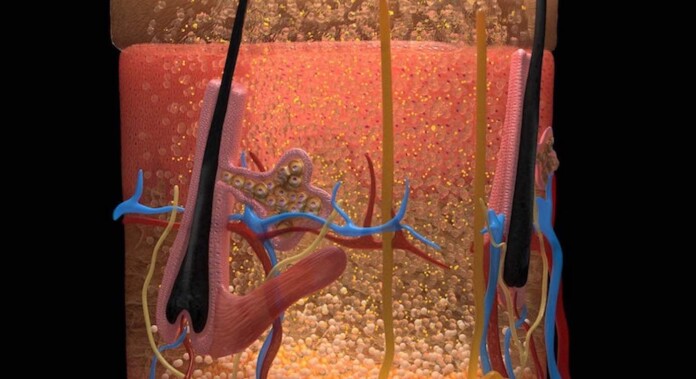
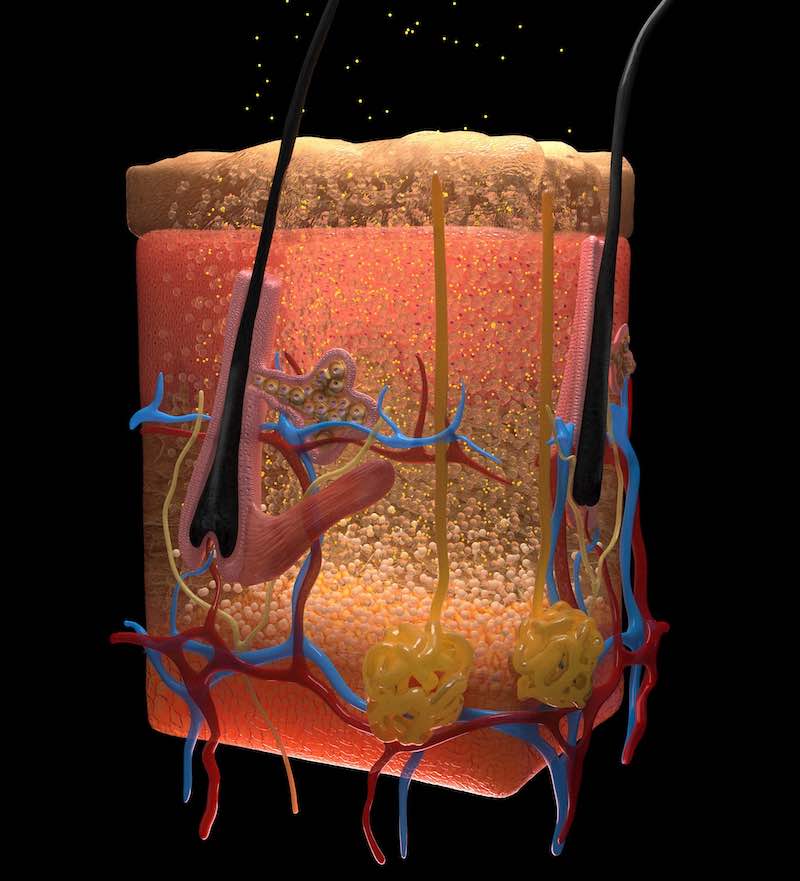
Illustration of skin tissues rendered transparent following saturation by FD & C Yellow 5. Release date September 5 2024. A revolutionary new technique uses food dye to provide a "window" into the body by making skin transparent. Researchers made the skin on the skulls and abdomens of live mice see-through by applying a mixture of water and a common yellow food colouring called tartrazine. The ground-breaking technique, described in the journal Science, gives medics a new way to see organs within a body by rendering overlying tissues transparent to visible light. It is yet to be tested on humans as food dyes as food dyes can be harmful. But the process was reversible in tests with animals, and scientists say it may ultimately apply to several medical uses - from locating injuries to monitoring digestive disorders and identifying cancers.
Illustration of skin tissues rendered transparent following saturation with food dye – via SWNS
A revolutionary new technique uses food dye to provide a “window” into the body by making skin transparent.
By applying a mixture of water and a common yellow food coloring called tartrazine, researchers made the skin on the skulls and abdomens of live mice see-through.
The ground-breaking technique, described in the journal Science, gives medics a new way to see organs within a body by rendering overlying tissues transparent to visible light.
Also known as Yellow Dye #5, the technique needs to be tested on humans, as certain food dyes have negative side effects.
But the process was reversible in tests with animals, and scientists say it may ultimately apply to several medical uses—from locating injuries to monitoring digestive disorders and identifying cancers.
“Looking forward, this technology could make veins more visible for the drawing of blood, make laser-based tattoo removal more straightforward, or assist in the early detection and treatment of cancers,” said Dr. Guosong Hong, of Stanford University who helped lead the work.
“For example, certain therapies use lasers to eliminate cancerous and precancerous cells, but are limited to areas near the skin’s surface. This technique may be able to improve that light penetration.″
The researchers developed a way to predict how light interacts with dyed biological tissues. The predictions required a deep understanding of light scattering, as well as the process of refraction, when light changes speed and bends as it travels from one material into another.
The team explained that scattering is the reason we cannot see through our body. Fats, fluids within cells, proteins, and other materials each have a different refractive index, a property that dictates how significantly an incoming light wave will bend.
In most tissues, those materials are closely compacted together, so the varied refractive indices cause light to scatter as it passes through. It is the scattering effect that our eyes interpret as opaque and colored.
The researchers realized if they wanted to make biological material transparent, they had to find a way to match the different refractive indices so light could travel through unimpeded.
Building on fundamental insights from the field of optics, the researchers realized dyes which are the most effective at absorbing light can also be “highly effective” at directing light uniformly, through a wide range of refractive indices.
One dye the researchers predicted would be particularly effective was tartrazine. When dissolved into water and absorbed into tissues, tartrazine molecules turned out to be perfectly structured to match refractive indices and prevent light from scattering—resulting in transparency.
The research team first tested the technique on thin slices of chicken breast. As tartrazine concentrations increased, the refractive index of the fluid within the muscle cells rose until it matched the refractive index of the muscle proteins—and the slice became transparent.
The researchers then gently rubbed a temporary tartrazine solution on mice.
First, they applied the solution to the scalp, rendering the skin transparent to reveal blood vessels criss-crossing the brain.
Then they applied the solution to the abdomen, which faded within minutes to show contractions of the intestine and movements caused by heartbeats and breathing.
When the dye was rinsed off, the tissues quickly returned to normal. The tartrazine did not appear to have long-term effects, and any excess was excreted in waste within 48 hours.
The researchers suspect that injecting the dye should lead to even deeper views within organisms, with implications for both biology and medicine.
“We combined the yellow dye, which is a molecule that absorbs most light, especially blue and ultraviolet light, with skin, which is a scattering medium,” said study lead author Dr. Zihao Ou, Assistant Professor of physics at The University of Texas, Dallas.
“Individually, these two things block most light from getting through them. But when we put them together, we were able to achieve transparency of the mouse skin.”
“For those who understand the fundamental physics behind this, it makes sense; but if you aren’t familiar with it, it looks like a magic trick.
“In addition, it’s very inexpensive and efficient; we don’t need very much of it to work.”
The researchers have not yet tested the process on humans, whose skin is about 10 times thicker than a mouse’s. They don’t know how much would be necessary to penetrate the entire thickness.
Human medicine today includes ultrasound technology to look deeper inside the living body—but the expense makes it inaccessible to a broad audience, while a method based on food dye would not be.
“Our research group is mostly academics, so one of the first things we thought of when we saw the results of our experiments was how this might improve biomedical research.
“Optical equipment, like the microscope, is not directly used to study live humans or animals because light can’t go through living tissue.
“But now that we can make tissue transparent, it will allow us to look at more detailed dynamics. It will completely revolutionize existing optical research in biology.”
GIVE YOUR FRIENDS A PEEK By Sharing the Amazing Research on Social Media…
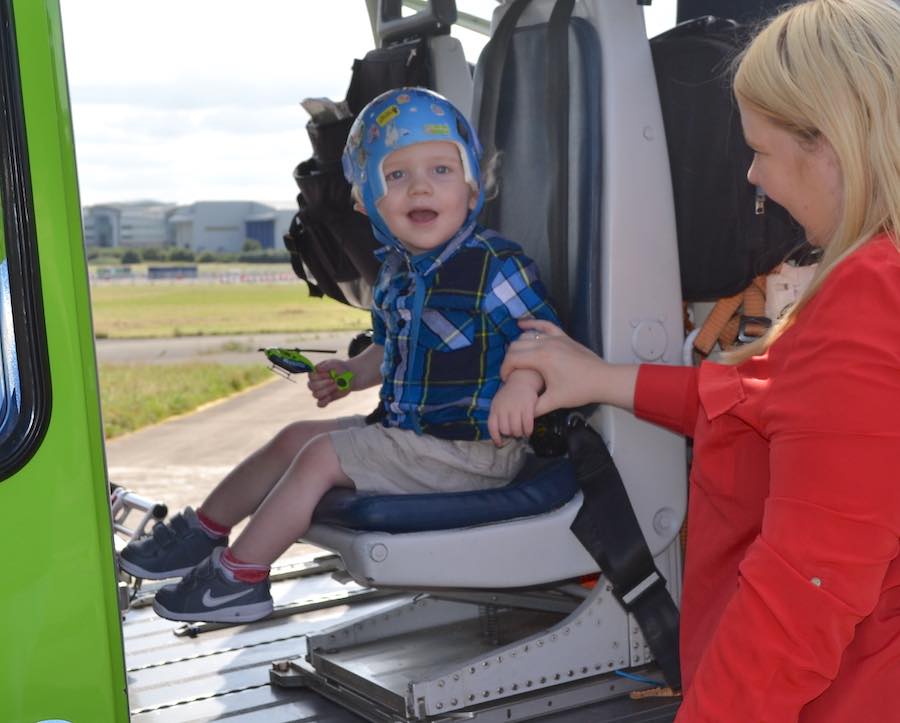
A boy who nearly died after he was shot in the head as a baby is now set to walk a 5k for the hospital that saved him.
Harry Studley was just 18-months-old when a 24-year-old neighbor was cleaning his air rifle in 2016 and aimed it at the crying toddler, saying he thought it was unloaded. The pellet lodged in Harry’s brain causing a displaced skull fracture, as well as swelling and bleeding on the brain.
Harry was given a one percent chance of survival, but pulled through. He was left with serious conditions, though, and still suffers epilepsy, partial blindness, weakness, and some cognitive issues.
Now nine, Harry and his dad Ed will take part in the Grand Walk for the Grand Appeal on Sunday, September 15th, raising money for Bristol Royal Hospital for Children in England.
“Five kilometers may not seem like a lot to some, but for Harry it’s a huge challenge as he still struggles with his mobility and gets very tired.
“The Bluebell Ward at Bristol Children’s Hospital is a neurosurgery unit. Without the amazing care and hard work by the staff on that ward, Harry wouldn’t be here today.
“In 2016, Bluebell was our home for 4 months after Harry was shot in the head with a air rifle. He was given a one percent chance of survival, but with the determination of our family and the great work and care from the Bluebell staff Harry survived.
Little Harry Studley being reunited with the paramedics who saved him – SWNS
Reprinted via EarthTalk®, From the Editors of E – The Environmental Magazine
How can homeowners make their homes greener and more efficient to cash in on rebates and incentives available under Biden’s Inflation Reduction Act?
The White House’s 2022 Inflation Reduction Act created $8.8 billion in tax credits and rebates to help lower- and middle-income homeowners contribute to the country’s emission reduction goals.
Federal tax credits
The bulk of these incentives come from federal tax credits which, like the act’s state-based rebates, are available through September 2031, and can be applied retroactively to purchases or installations after August 2022.
The Residential Clean Energy Tax Credit covers up to 30 percent of installation costs for alternative energy sources including solar panels, small wind turbines, geothermal heat pumps and battery storage systems.
The $3,200 Energy Efficient Home Improvement Credit, on the other hand, covers upgrades to existing energy sources. The credit can be applied with a cap of $1,200 to new windows and skylights (up to $600), new doors (up to $500), and improvements to insulation (up to 30 percent).
Rebates in your state
Out of the 23 total states that have applied for funding to provide their residents with rebates, eight have recently been approved: Arizona, California, Hawaii, Indiana, Maine, New Mexico, Rhode Island and Washington. Two more, New York and Wisconsin, have already begun distribution of the rebates and The Department of Energy expects that several states will join later in 2024.
The Home Efficiency Rebate Program (HOMES), offers rebates of up to $8,000 and $4,000 respectively for low- and middle-income households that can cut energy usage by 35 percent or more.
The Home Electrification and Appliance Rebate boasts a cap of $14,000 in rebates per household and is expected to follow implementation of HOMES. Under HEAR, low and middle income homeowners can expect 50-100 percent point of sale coverage on several appliances including up to $8,000 for electric heat pumps; $1,600 for insulation and air sealing; $2,500 for electric wiring; and $840 for electric stoves, ovens and heat pump clothes dryers.
Cut emissions and save money
Energy upgrades have the potential to save homeowners money year after year, beyond rebates from installation, because a more efficient home will reduce your energy bills.
Furthermore, green homes can qualify for benefits such as a $5,000 tax credit if they meet the Department of Energy Zero Energy Ready Home standards. A qualified home energy auditor can help homeowners looking to cash in on the myriads of incentives determine which upgrades fit best with their homes and budgets.
As with prior legislation, this law defines lower- and middle-income Americans as those making 150 percent or less of their Area Median Income, or the midpoint of their local area’s income distribution.
Plan ahead to file your taxes next year to include the Residential Energy Credits—even if you did the upgrades on your home last year. Use Form 5695, which you can learn about here.
EarthTalk® is produced by Roddy Scheer & Doug Moss for the 501(c)3 nonprofit EarthTalk. See more at emagazine.com. To donate, visit Earthtalk.org. Send questions to: [email protected].
Quote of the Day: “If all the cars in the United States were placed end to end, it would probably be Labor Day Weekend.” – Doug Larson
Photo by: Aleksandr Popov
With a new inspirational quote every day, atop the perfect photo—collected and archived on our Quote of the Day page—why not bookmark GNN.org for a daily uplift?
A miracle IVF baby has tied the knot with a woman who was born steps away from him in the same hospital on the same day.
Newborn Ross Watson made headlines when he was born on August 21, 1994—and the headlines are continuing 30 years later.
Last month he celebrated his 30th birthday alongside his new bride Annika and his family, which had previously believed the special occasion might not ever happen.
His mother Carol had been told she would never have children. But, thanks to the newest fertility treatment, Ross proved to be the lucky IVF embryo—after it was frozen for 14 months.
Carol and husband Alan spent almost $10,000 (£8,000) on IVF treatment and, forever afterward, Ross was considered a miracle baby.
It was the last chance for his parents to have a baby, and it culminated in Ross being born at Wordsley Hospital near Stourbridge, England—completely unaware his future wife was arriving into the world that same morning.
Years later Ross met Annika while studying at the same college—and they soon realized they had the same birthday.
They got another surprise when they discovered the incredible coincidence they had been born in exactly the same hospital, only two hours apart.
Ross and Annika became husband and wife in June on the Greek island of Skiathos and spent their 30th birthdays honeymooning together in Italy.
“My parents didn’t talk a lot about that time when I was growing up,” said Ross. “But I was fully aware of what they had gone through and I’ll always be thankful for what they had to go through.
“After going through IVF so many times, they both agreed it would be the last time as they couldn’t face the heartbreak of it not working again, so I was their last chance and a bit of a miracle.
“I’ll also always be thankful for the time, energy, and money that they went through to bring me into this world.
At college, Annika and Ross met through mutual friends, but it took seven years before they got together.
“We always knew we shared a birthday, but it was only after we got together that we were looking at our passports and saw we were both born in Wordsley.
“So we both stopped and said where we were born and we realized we were born at Wordsley Hospital.
“We’ve also spoken to our parents and they said that it’s entirely possible that they could have been in the same room at the same time, although they wouldn’t have known each other, but it’s quite nice to know that we’ve found our way together.”
Ross’ said that while he doesn’t believe in fate, he couldn’t deny there was something strange about the way things had come together.
“In terms of my relationship with Annika, it’s very unusual sometimes, and the wavelength we run on.
“We are extremely different as people, because Annika is really outgoing and I’m a bit more reserved—however, we often think in the same way and say things out of the blue at exactly the same time and it almost feels like telepathy.”
“I don’t tend to reflect on things too much (but) it’s something to sit back and reflect on that fact that the chances of being brought into this world the way I was were extremely unlikely—and the steps my parents went through is kind of a feat in itself.
“To be having this conversation is very nice as it’s let me look back and think about how lucky I was to be brought into the world, meet my soulmate, and live my life.”
Annika added: “Being an IVF baby, his parents were very excited and there’s loads of videos. We’ve watched them back to see if we can spot my parents but you can’t.
“He was a month premature, so I often say he stole my birthday.”
IS IT FATE OR LUCK? Ask Your Friends On Social Media…
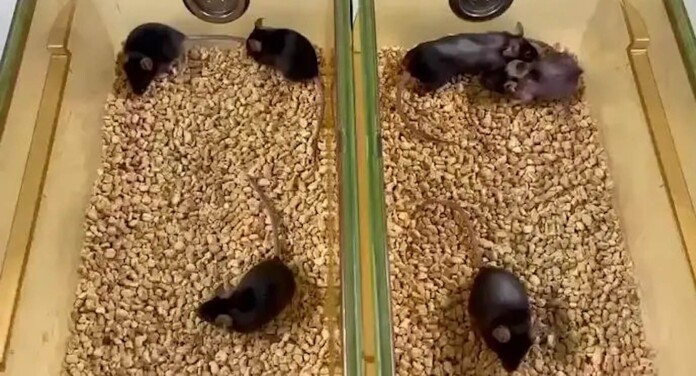
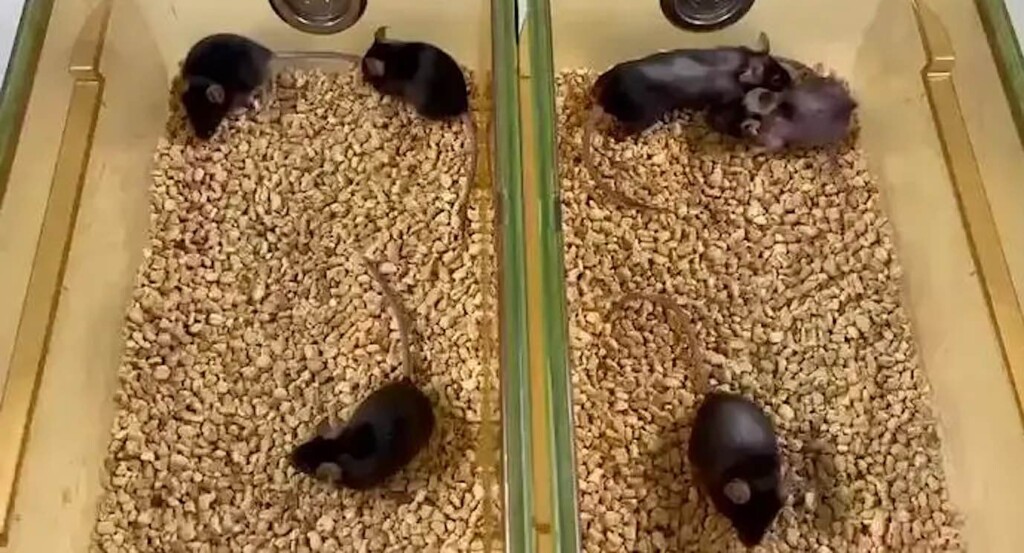
Credit: MRC Laboratory of Medical Science / Duke-NUS Medical School
Mice on the right display graying and hair loss – Credit: MRC Laboratory of Medical Science / Duke-NUS Medical School
Scientists have discovered that ‘switching off’ a protein called IL-11 can significantly increase the healthy lifespan of mice by almost 25%.
The UK researchers at Medical Research Council Laboratory and Imperial College London, worked with colleagues at Duke-NUS Medical School in Singapore to test the effects on mice that had the interleukin 11 gene deleted, which extended the lives of the mice by over 20% on average.
They treated 75-week-old mice—equivalent to the age of about 55 years in humans—with an injection of an anti-IL-11 antibody, a drug that stops the effects of the IL-11 in the body.
The results were dramatic, with mice given the anti-IL-11 drug from 75 weeks of age until death having their median lifespan extended by 22.4% in males and 25% in females. The mice lived for an average of 155 weeks, compared with 120 weeks in untreated mice.
The treatment largely reduced deaths from cancer in the animals, as well as reducing the many diseases caused by fibrosis, chronic inflammation and poor metabolism, which are hallmarks of aging. There were very few side effects observed.
“These findings are very exciting,” said Professor Stuart Cook, a co-author of the July paper published inNature.
“The treated mice had fewer cancers, and were free from the usual signs of aging and frailty, and we also saw reduced muscle wasting and improvement in muscle strength.”
“While these findings are only in mice, it raises the tantalizing possibility that the drugs could have a similar effect in elderly humans. Anti-IL-11 treatments are currently in human clinical trials for other conditions, potentially providing exciting opportunities to study its effects in aging humans in the future.”
After investigating IL-11 for many years, the researchers in 2018 were the first to show that IL-11 is a pro-fibrotic and pro-inflammatory protein, overturning years of incorrect characterization as anti-fibrotic and anti-inflammatory.
Assistant Professor Anissa Widjaja, who was co-corresponding author, explained how the project began back in 2017. “A collaborator of ours sent us some tissue samples for another project. Out of curiosity, I ran some experiments to check for IL-11 levels. From the readings, we could clearly see that the levels of IL-11 increased with age and that’s when we got really excited!”
“We found these rising levels contribute to negative effects in the body, such as inflammation and preventing organs from healing and regenerating after injury. Although our work was done in mice, we hope that these findings will be highly relevant to human health, given that we have seen similar effects in studies of human cells and tissues.
Previously, scientists have wondered whether IL-11 was an evolutionary hangover in humans, because while it is vital for limb regeneration in some animal species, it is thought to be largely redundant in humans.
However, after around age 55 in humans, more IL-11 is produced and past research has linked this to chronic inflammation, fibrosis in organs, disorders of metabolism, muscle wasting (sarcopenia), frailty, and cardiac fibrosis—all signs associated with aging.
When two or more such conditions occur in an individual, it is known as multi-morbidity, which encompasses a range of conditions including lung disease, cardiovascular disease, diabetes, vision and hearing decline, and a host of other conditions.
“The IL-11 gene activity increases in all tissues in the mouse with age,” continues Professor Cook, “causing loss of function across the whole body, ranging from eyesight to hearing, from muscle to hair, and from the pump function of the heart to the kidneys.”
Currently, no treatment for multi-morbidity is available, other than to try to treat the separate underlying causes individually.
FREE WILL ASTROLOGY – Week of September 7, 2024
Copyright by Rob Brezsny, FreeWillAstrology.com
VIRGO (Aug. 23-Sept. 22):
In all of world history, which author has sold the most books? The answer is Agatha Christie, born under the sign of Virgo. Readers have bought over 2 billion copies of her 70-plus books. I present her as a worthy role model for you during the next nine months. In my astrological opinion, this will be your time to shine, to excel, to reach new heights of accomplishment. Along with Christie, I invite you to draw encouragement and inspiration from four other Virgo writers who have flourished: 1. Stephen King, 400 million in sales from 77 books. 2. Kyotaro Nishimura, 200 million in sales from over 400 books. 3. Leo Tolstoy, 413 million from 48 books. 4. Paul Coelho, 350 million from 28 books.
LIBRA (Sept. 23-Oct. 22):
Centuries before the story of Jesus Christ’s resurrection, there was a Greek myth with similar themes. It featured Persephone, a divine person who descended into the realm of the dead but ultimately returned in a transfigured form. The ancient Festival of Eleusis, observed every September, honored Persephone’s down-going and redemption—as well as the cyclical flow of decay and renewal in every human life. In accordance with astrological omens, I invite you to observe your own version of a Festival of Eleusis by taking an inventory: What is disintegrating and decomposing in your own world? What is ripe for regeneration and rejuvenation? What fun action can you do that resembles a resurrection?
SCORPIO (Oct. 23-Nov. 21):
The coming weeks will be an excellent time to take inventory of your community and your network of connections. Here are questions to ask yourself as you evaluate whether you already have exactly what you need or else may need to make adjustments. 1. Are you linked with an array of people who stimulate and support you? 2. Can you draw freely on influences that further your goals and help you feel at home in the world? 3. Do you bestow favors on those you would like to receive favors from? 4. Do you belong to groups or institutions that share your ideals and give you power you can’t access alone?
SAGITTARIUS (Nov. 22-Dec. 21):
“Progress was all right. Only it went on too long.” Sagittarian humorist James Thurber said that—and now I’m conveying it to you. Why? Well, I am very happy about the progress you’ve been making recently—the blooming and expanding and learning you have been enjoying. But I’m guessing you would now benefit from a period of refining what you have gained. Rather than even more progress, I feel you need to consolidate and integrate the progress you have so robustly earned.
CAPRICORN (Dec. 22-Jan. 19):
The people of Northern Ireland have over 70 colorful slang terms for being drunk. These include splootered, stonkied, squiffy, cabbaged, stinkered, wingdinged, bluttered, and wanked. I am begging you, Capricorn, to refrain from those states for at least two weeks. According to my reading of the omens, it’s important for you to avoid the thrills and ills of alcohol. I am completely in favor of you pursuing natural highs, however. I would love you to get your mind blown and your heart opened through epiphanies and raptures that take you to the frontiers of consciousness.
AQUARIUS (Jan. 20-Feb. 18):
Beginning 11,000 years ago, humans began to breed the fig. It’s the world’s oldest cultivated food, preceding even wheat, barley, and legumes. Many scholars think that the fig, not the apple, was the forbidden fruit that God warned Adam and Eve not to munch in the famous Biblical passage. These days, though, figs rarely make the list of the fruits people love most. Their taste is regarded by some as weird, even cloying. But for our purposes, I will favorably quote the serpent in the Garden of Eden: “When you eat the fig, your eyes will be opened and you will be like God.” This is my elaborate way of telling you that now may be an excellent time to sample a forbidden fruit. Also: A serpent may have wise counsel for you.
PISCES (Feb. 19-March 20):
The coming weeks would be an excellent time to file lawsuits against everyone who has ever wronged you, hurt you, ignored you, misunderstood you, tried to change you into something you’re not, and failed to give you what you deserve. I recommend you sue each of them for $10 million. The astrological omens suggest you now have the power to finally get compensated for the stupidity and malice you have had to endure. JUST KIDDING! I lied. The truth is, now is a great time to feel intense gratitude for everyone who has supported you, encouraged you, and appreciated you for who you really are. I also suggest you communicate your thanks to as many of your personal helpers and heroes as you can.
ARIES (March 21-April 19):
In 2015, a large earthquake struck Nepal, registering 7.8 on the Richter scale. It was so powerful, it shrunk Mt. Everest. I mention this, Aries, because I suspect you will generate good fortune in the coming months whenever you try to shrink metaphorical mountains. Luckily, you won’t need to resort to anything as forceful and ferocious as a massive earthquake. In fact, I think your best efforts will be persistent, incremental, and gradual. If you haven’t gotten started yet, do so now.
TAURUS (April 20-May 20):
We don’t know the astrological sign of Egyptian Queen Cleopatra, who ruled from 51 to 30 BCE. But might she have been a Taurus? What other tribe of the zodiac would indulge in the extravagance of bathing in donkey milk? Her staff kept a herd of 700 donkeys for this regimen. Before you dismiss the habit as weird, please understand that it wasn’t uncommon in ancient times. Why? Modern science has shown that donkey milk has anti-aging, anti-bacterial, and anti-inflammatory qualities. And as astrologers know, many of you Tauruses are drawn to luxurious and healing influences that also enhance beauty. I recommend you cultivate such influences with extra verve in the coming days.
GEMINI (May 21-June 20):
In two trillion galaxies stretched out across 93 billion light years, new stars are constantly being born. Their birth process happens in stellar nurseries, where dense clouds of gas coalesce into giant spheres of light and heat powered by the process of nuclear fusion. If you don’t mind me engaging in a bit of hyperbole, I believe that you Geminis are now immersed in a small-scale, metaphorical version of a stellar nursery. I have high hopes for the magnificence you will beget in the coming months.
CANCER (June 21-July 22):
The planet Mars usually stays in your sign for less than two months every two years. But the pattern will be different in the coming months. Mars will abide in Cancer from September 5 to November 4 and then again from January 27 till April 19 in 2025. The last time the red planet made such an extended visit was in 2007 and 2008, and before that in 1992 and 1993. So what does it mean? In the least desirable scenario, you will wander aimlessly, distracted by trivial battles and unable to decide which dreams to pursue. In the best scenario, you will be blessed with a sustained, fiery devotion to your best and most beautiful ambitions.
LEO (July 23-Aug. 22):
Famous rock musicians have on occasion spiced up their live shows by destroying their instruments on stage. Kurt Cobain of the band Nirvana smashed many guitars. So did Jimi Hendrix, who even set his guitars on fire. I can admire the symbolic statement of not being overly attached to objects one loves. But I don’t recommend that approach to you in the coming weeks. On the contrary, I believe this is a time for you to express extra care for the tools, machines, and apparatus that give you so much. Polish them up, get repairs done, show them you love them. And if you need new gizmos and gear to enhance your self-expression, get them in the near future.
WANT MORE? Listen to Rob’s EXPANDED AUDIO HOROSCOPES, 4-5 minute meditations on the current state of your destiny — or subscribe to his unique daily text message service at: RealAstrology.com