All News - Page 178 of 1704 - Good News Network
Home Blog Page 178

Revolutionary Portable Airdrop Hospital Unveiled in India Quickly Deploys to Treat 200 People During Disasters

BHISHM airdropped hospital debuts in India–released Ministry of Information and Broadcasting and IAF / SWNS

Developers showed how the mobile hospital, named the BHISHM Cube, can quickly fall to the ground and allow on-the-spot treatment for patients during mass casualty incidents and other emergencies.

This cube is a part of the broader initiative named “Project BHISHM” – Bharat Health Initiative for Sahyog, Hita and Maitri – and is tailored to treat up to 200 casualties simultaneously, emphasizing rapid response and comprehensive care.

It incorporates advanced medical equipment, AI, and data analytics to improve the efficiency and coordination of medical services.

The Indian air force tested the device in Agra, Uttar Pradesh, on May 14, and upon landing, the hospital was operational within 12 minutes.

“It positions India as a key player in international aid efforts, showcasing its capability to extend assistance beyond its borders in times of need, fostering goodwill and partnerships globally,” said the project in an announcement.

The robust, waterproof, and lightweight unit consists of 72 components that can be easily transported by hand, cycle, or drone, demonstrating unparalleled flexibility.

BHISHM cube portable hospital – India’s Ministry of Information and Broadcasting / IAF
BHISHM cube portable hospital contents – India’s Ministry of Information and Broadcasting / IAF

Each of the cubes weighing 1,500-lb (720kg) includes solar-powered equipment like x-ray machines, and ventilators, along with blood testing devices and provisions for treating a wide range of injuries such as gunshots, burns, fractures, and major bleeding.

Project Bhishma was launched in February 2022, following which the Defense Ministry set up a task force towards this initiative.

MORE INDIA GOOD NEWS: He Saved One of the Largest Forests in India from Coal Mining–and Was Honored With 2024 Goldman Prize

Watch a video from India’s public broadcaster DD India…

SHARE THE EMERGENCY NEWS With Paramedics and Friends on Social Media…

Unforgettable Commencement Speaker Surprises Each Graduate With $1,000 Cash–Asking Them to Give Away Half (WATCH)

Students surprised with cash at graduation from UMass Dartmouth

The commencement speaker at a Massachusetts university turned the gray rainy weather into a bright sunshiny day when he announced a surprise gift for every graduating student.

Robert Hale Jr., the founder and CEO of Granite Telecommunications, accepted the UMass Dartmouth Chancellor’s Medal for his philanthropy work in the community—and, at the end of his speech, his generosity revealed itself once again.

Hale began the commencement speech telling the crowd about his career, including losing $1 billion nearly overnight, and urged them not to let failure define them, using his own life as an example of resilience and perseverance.

Before the undergraduate degrees were handed out, Hale came forward and let the graduates know he had more than advice to offer them.

Two large duffle bags were brought on stage by security—and they were packed with envelopes full of cash.

He then announced that each graduate who crossed the stage would be given two envelopes containing $1,000 in cash. The shocked Class of 2024 was told that one envelope with $500 was theirs to keep as a gift.

They would also receive a second $500 envelope to give to someone in need, or a charity or cause close to them.

He described that for him and his wife Karen, “the greatest joys we’ve had in our life have been the gift of giving.”

“These trying times have heightened the need for sharing, caring, and giving,” Hale concluded. “Our community and our world need our help now more than ever.”

Watch the surprise moment in the UMass Dartmouth video below…

LOOK: Grandson Surprises Grandpa by Restoring 1954 Pickup Sitting Broken for 40 Years: ‘I never thought I’d live to see that’

DON’T FORGET TO HAIL MR. HALE by Sharing the Inspiration on Social Media… 

“Every good garden may have some weeds.” – Thomas Fuller

Quote of the Day: “Every good garden may have some weeds.” – Thomas Fuller

Photo by: Gaetano Cessati

With a new inspirational quote every day, atop the perfect photo—collected and archived on our Quotes page—why not bookmark GNN.org for a daily uplift?

When Does a Trip Turn Into a Vacation – Survey Reveals the Difference to Most Americans

By Luis Hernandez (CC License)

For most Americans (80%), there is a distinct difference between a ‘trip’ and a ‘vacation’. That’s according to a survey of 2,000 U.S. adults with travel plans this summer.

The majority of respondents agreed that a vacation is defined as ‘travel for relaxation’.

A trip was defined as travel for a purpose—such as a special event or going somewhere nearby.

Arriving at the destination and getting the first breath of ocean air are two indicators that “vacation mode” is turned on, agreed 60% of those polled.

Conducted by OnePoll on behalf of Motel 6, results revealed that for their summer getaways, overall, travelers are attending events such as family or friend reunions (48%), while others look to explore a new city (36%) or simply kick back and relax (60%).

Whether on vacation or taking a trip, three-fifths (60%) are opting to drive to their destinations this year and 23% are doing so because they’re hoping to spend more time bonding with their travel companions.

ARE YOU A PLANNER? One in 5 Americans ‘Always’ Think About Planning Their Next Vacation–While On Vacation

Taking that a step further, nearly eight in 10 (77%) of those who are planning to travel by car said driving to their destination makes their travel experiences more enjoyable.

Americans are contributing to their travel adventures by taking on various roles, such as “trip coordinator” (28%), “activities and excursion guide” (22%) or simply a “relaxation reminder” (23%).

“Whether you’re the planner or just along for the ride, there’s nothing better than to relax, enjoy the journey and focus on creating memories,” said Julie Arrowsmith, President of G6 Hospitality, which owns Motel 6 and Studio 6.

For their getaways, most summer travelers will stay at a hotel (61%), followed by rental homes (27%) and family member’s homes (22%).

When considering the cost, almost nine in 10 (87%) travelers said that cost will impact their travel plans this summer, with 40% saying discount codes or other deals which can offset prices are important. Nearly a quarter of those polled said they aim to plan trips in advance to find the best deals.

RELAX IN NATURE: Why Americans Are Craving Outdoor Time More Than Ever

“Summer trips should be memorable, but they shouldn’t have to break the bank,” added Arrowsmith. “For those paying closer attention to their budget this year, you can still book an exciting trip for yourself or with loved ones, and affordable accommodations as well as rewards programs are a great place to start.”

HOW RESPONDENTS DEFINE A TRIP
● Traveling for a purpose or event — 32%
● Getting out of my city/town — 30%
● Somewhere I can drive to — 18%
● When I will only be away for two days or less — 15%

HOW RESPONDENTS DEFINE A VACATION
● Traveling for relaxation — 53%
● Spending more than three days away from home — 36%
● Completely disconnecting from work — 25%
● Getting out of my city/town— 17%

The Science on CBD for Pets: Scientists Hope it Can Help 4-Legged Patients with Arthritis, Allergies and Anxiety

Credit: Honest Paws
Credit: Honest Paws

(Originally published by Knowable Magazine – Written by Ula Chrobak)

Though studies are still mixed, and products inconsistent, many scientists have hope that cannabidiol can help dogs and other furry patients suffering from arthritis, allergies and even anxiety.

A13-year-old Norwich terrier, previously limping and stiff, able to enjoy walks again. A toy poodle with epilepsy, finally relieved from seizures. In case reports, these and other dogs had their ailments eased with CBD — cannabidiol — after scant success with conventional treatments.

Evidence is growing that CBD, a non-psychoactive ingredient of cannabis, is potentially effective in treating various pet maladies, from pain and itching to seizures, says Chie Mogi, lead veterinarian of the Animal CBD Research Society in Japan, who has reported such cases in veterinary publications.

The positive reports also extend to more rigorous trials with placebos. “This was exciting to me because, quite honestly, I was worried that, despite the hype, it wouldn’t show a difference when studied more objectively,” says veterinary neurologist Stephanie McGrath of Colorado State University, coauthor of a review of CBD for dogs and cats in the 2023 Annual Review of Animal Biosciences.

Though the evidence for effectiveness is still mixed, and pet owners and researchers must contend with inconsistent ingredients, many scientists have hope that CBD can expand the therapeutic options for furry patients.

The CBD boom follows relaxed cannabis regulations over the past decade that opened the door both for the cannabis industry and research. In 2018, the US Farm Bill legalized hemp containing 0.3 percent or less THC (tetrahydrocannabinol, the cannabinoid mainly responsible for marijuana’s high). Companies could now sell products consistent with that guideline, including supplements containing CBD. Since then, hemp pet products have proliferated, and the global market is expected to hit $3.05 billion by 2025.

Although CBD does not create a high, it does interact with numerous receptors in the brain, providing a rationale for therapeutic effects. Plus, CBD is processed more slowly in dogs and cats than in people, making any effects last longer, says Cornell University veterinarian Joseph Wakshlag, who also serves as the chief medical officer for ElleVet Sciences, a pet CBD company. Surveys suggest many owners have tried treating pets with CBD, mostly for issues related to pain, sleep, anxiety and seizures.

Husky gets Hemp extract oil – Credit: R+R Medicinals

Only recently have a few states passed laws explicitly allowing veterinarians to recommend CBD products, leaving prescription of hemp products a gray legal area in other parts of the country. Although many vets remain skeptical, recent research has shown benefits for specific conditions.

Two 12-week clinical trials, totaling 30 dogs, reported that CBD eased symptoms of epilepsy, picking up the slack in cases where other drugs haven’t adequately helped. In both trials, dogs that were already taking anti-seizure medication were dosed twice daily with CBD — one study with 2 milligrams per kilogram of body weight, the other 2.5 milligrams. Compared with placebo treatments in which dogs received only the regular medicine, CBD-dosed dogs, on average, experienced about 30 percent fewer seizures over the course of the trial.

Some dogs and cats are very itchy, seemingly allergic to the world, and sometimes even veterinary diets and medications don’t make much impact. In one 2021 study, 24 kenneled shelter dogs were dosed with up to 4.5 milligrams (per kilogram of body weight) of CBD daily for three weeks. The canines wore activity monitors on their collars that logged how long they spent walking, running, shaking their head, scratching and resting. The study reported that dogs given CBD scratched up to 50 percent less, though some of the results did not reach statistical significance.

Another report documented reduced skin redness and hair loss in eight dogs with atopic dermatitis, or chronic skin irritation. Cannabinoids may be able to protect against inflammatory responses in the skin — and thus itchiness, other research has suggested.

IMPORTANT NEWS FOR HUMANS: White House Issues Unprecedented Pardons After FDA Finds Cannabis to Be More Like Tylenol Than Heroin

Some studies have reported a benefit in arthritic dogs, though the results are mixed. In one paper, 16 dogs with osteoarthritis were given CBD oil twice a day for four weeks. At two weeks and four weeks, owners responded to surveys about their dog’s pain and activity levels. Compared with a placebo treatment, owners reported greater decreases in their pets’ pain, alongside increases in activity, while taking CBD. In one measurement, a subjective rating scale with a maximum score of 40, pain ratings went down from an average of 21 to an average of 14. “Dogs that jump in the car again … they climb the stairs, they jump on the bed — all these things are what the owners notice,” says Wakshlag, a coauthor on the paper.

But another pain study reported no improvement in arthritis in 23 CBD-dosed dogs. In this report, the researchers relied on veterinary assessments of mobility, which included having the dogs walk on a treadmill-like device that measured the force of their paws — making it possible to detect subtle differences in gait, such as reduced limping.

Credit: Enecta – Cannabis extracts

Testing CBD’s effectiveness in calming pets has also produced mixed results. In a 2020 study during which 16 dogs listened to an audio track of fireworks, CBD showed no effect on signs of stress such as blood cortisol levels and tail-tucking. But in a more recent study, dogs taking CBD showed fewer stress signs on car trips, including lowered cortisol and less frequent lip-licking and whining.

Conflicting results don’t necessarily mean that CBD is ineffective. For one thing, every measurement method and protocol has limitations, says Pernille Holst, a veterinary oncologist at the University of Copenhagen. Doses used in studies also vary widely — in the car-trip study, for example, dogs received doses nearly three times higher than did dogs in the firework-noise study.

Even the chemistry of the hemp product used may make a difference, says Wakshlag. Full-spectrum hemp extracts that contain cannabinoids in acid forms may act differently than do CBD isolates.

CHECK OUT: Study Links Recreational Cannabis Use to Lower Risk of Cognitive Decline and Dementia-Related Diseases

More research could clear up these questions and also help fill in the CBD picture for cats, for which research is especially scarce. But large-scale clinical trials are not cheap, and pet CBD companies don’t have the same resources as human pharmaceutical companies, says animal science researcher David Harmon of the University of Kentucky, who coauthored the firework-noise study. “There’s no conglomerate with large capital to accomplish these things,” he says.

Further complicating matters for owners is the fact that pet cannabis companies have little oversight and sometimes produce questionable products. In one study of 29 hemp products, more than half were outside the advertised range of CBD by 10 percent or more. In four products, researchers detected heavy-metal contamination. “I wish there was more oversight and regulation to ensure the labels match the product, but currently there is not,” says McGrath.

A good bet for pet owners is to buy from companies that participate in voluntary programs such as the National Animal Supplement Council, Wakshlag says. Some of them may be sold on Amazon.

Kris Paige, a retired veterinary technician, enrolled her dog Purdy in a Colorado State University clinical trial for CBD treatment after the Anatolian shepherd began having grand mal seizures about every three weeks. Over the six-month trial, Paige observed Purdy’s seizure frequency go down — albeit not as much as she’d hoped — to an average of one every four weeks. These days, she no longer gives Purdy hemp oil daily but only after a seizure, which appears to lessen the dog’s confusion and anxiety.

Paige is glad Purdy participated in the research. “While the results weren’t what we were hoping for,” she says, “it added to the knowledge.”

Knowable Magazine, a new digital magazine from Annual Reviews. (PRNewsfoto/Annual Reviews)

This article originally appeared in Knowable Magazine, a nonprofit publication dedicated to making scientific knowledge accessible to all. Sign up for Knowable Magazine’s newsletter.

New Temperate Planet That Could Support Human Life Discovered in Pisces Constellation by UK Scientists

Artist’s concept of Gliese 12 b with a thin atmosphere – Credit: NASA/JPL Caltech/IPAC by R. Hurt

Scientists have discovered a new Earth-sized planet 40 light years away which could potentially support human life.

The planet, named Gliese 12 b, was spotted by astronomers at the University of Warwick who made the exciting discovery using NASA satellites.

With an estimated surface temperature of around 42°C (107°F), experts say it is one of the few known rocky planets where humans could theoretically survive (if the transportation existed).

Scientists are still unsure of the composition of the atmosphere of Gliese 12 b, but it has a similar depth to the one on Venus.

In a report published Thursday, the team, from universities in the UK and US, described Gliese 12 b as “the nearest transiting temperate, Earth-sized planet found to date.”

It confirmed the planet’s existence and characteristics like its size, temperature, distance from Earth, and that it orbits its ‘Sun’ every 12.8 days.

“This is a really exciting discovery and will help our research into planets similar to Earth across our Galaxy,” said Warwick Professor of physicist Thomas Wilson.

“Thrillingly, this planet is the closest Earth-sized and temperature planet we know.

“The light we are seeing now is from 1984 (40 years ago)—that’s how long it has taken to reach us here on Earth.

“Planets like Gliese 12 b are very few and far between, so for us to be able to examine one this closely and learn about its atmosphere and temperature is very rare.”

Artist’s concept of Gliese 12 b compared to Earth – Credit: NASA/JPL Caltech/IPAC by R. Hurt

The scientists are part of an international team who have worked with NASA to discover the planet using data from NASA’s TESS (Transiting Exoplanet Survey Satellite).

At first, they discovered the planet’s sun, called Gliese 12—a cool red dwarf located in the constellation Pisces. That star is about one-quarter of our Sun’s size, with about 60 percent of the surface temperature. And the distance separating Gliese 12 and the new planet is just 7 percent of the distance between Earth and our Sun.

BIG STAR STORY: Astronomers Discover Hundreds of Mysterious Filaments Pointing Towards Our Milky Way’s Massive Black Hole

The planet receives 1.6 times more energy from its star as Earth does from the Sun.

“We know of only a handful of systems to date that are both close enough to us and meet other criteria needed for this kind of study, called transmission spectroscopy,” said Michael McElwain, a research astrophysicist at NASA’s Goddard Space Flight Center, and a co-author of the paper.

“To better understand the diversity of atmospheres around temperate planets similar to Earth, we need more examples like Gliese 12 b.”

NASA said in a statement, “One important factor in retaining an atmosphere is the storminess of its star. Red dwarfs tend to be magnetically active, resulting in frequent, powerful X-ray flares”, but both teams concluded that Gliese 12 shows no signs of such extreme behavior.

CHECK OUT THIS NEW PLANET: Ringed Planet That Defies Known Physics Discovered in Outer Reaches of Our Solar System

“This is a unique candidate for further atmospheric study that may help unlock some aspects of our own solar system’s evolution,” said Larissa Palethorpe, co-lead of the study and doctoral student at the University of Edinburgh and University College London. “Earth remains habitable, but Venus does not due to its complete loss of water. Gliese 12 b’s atmosphere could teach us a lot about the habitability pathways planets take as they develop.”

The report also states the discovery will help astronomers “find our own place in the Universe”.

“Gliese 12 b also represents one of the best targets to study whether Earth-like planets orbiting cool stars can retain their atmospheres, a crucial step to advance our understanding of habitability on Earth and across the Galaxy.”

“Further analysis of the Gliese 12 system will allow us to understand evolutionary and compositional trends, which is important as we try to infer the number of true-Earth analogues on our journey to understanding our own place in the Universe.”

AIM A TELESCOPE On This Story By Sharing it on Social Media…

Your Weekly Horoscope – ‘Free Will Astrology’ From Rob Brezsny

Our partner Rob Brezsny, who has a new book out, Astrology Is Real: Revelations from My Life as an Oracle, provides his weekly wisdom to enlighten our thinking and motivate our mood. Rob’s Free Will Astrology, is a syndicated weekly column appearing in over a hundred publications. He is also the author of Pronoia Is the Antidote for Paranoia: How All of Creation Is Conspiring To Shower You with Blessings. (A free preview of the book is available here.)

Here is your weekly horoscope…
FREE WILL ASTROLOGY – Week of May 25, 2024
Copyright by Rob Brezsny, FreeWillAstrology.com
GEMINI (May 21-June 20):
When I first got my job writing a horoscope column, I wasn’t looking for it. It found me. My bike had been stolen, and I was looking for a new one in the classified ads of the Good Times, the local Santa Cruz newspaper. There I serendipitously spied a “Help Wanted” ad. The publisher of the *Good Times* was hiring a new astrology writer to replace Robert Cole, who had just quit. I quickly applied for the gig and got it. Ever since, Robert Cole has been a symbol for me of an accidental and unexpected opportunity appearing out of nowhere. I mention this, Gemini, because when I meditate on you lately, I see the face of Robert Cole.

CANCER (June 21-July 22):
In myths and legends, the consummate spiritual goal has various names: the Holy Grail, philosopher’s stone, pearl of great price, nirvana, alchemical gold, key of life, and many others. I appreciate this profusion of sacred symbols. It encourages us to not be too literal about identifying the highest reward. The old fables are equally equivocal about where the prize can be found. Is it in an empty desert or dark forest? In the deepest abyss, on a mountaintop, or in the backyard? I bring these thoughts to your attention, Cancerian, because the coming months will be an excellent time to conduct a quest for the marvelous treasure. What do you need most right now? What’s the best way to begin your search?

LEO (July 23-Aug. 22):
I have good news for any Leos who are devoted to pragmatism and rational analysis. Just this once, my horoscope will offer no lyrical teasers or mystical riddles. Your pressing need for no-nonsense grit has moved me to offer straightforward, unembellished counsel. Here it is, dear: Cultivate connections that will serve your passionate ambitions. Make vigorous use of your network and community to gather information that will serve your passionate ambitions. Meditate on what course corrections might be necessary to serve your passionate ambitions.

VIRGO (Aug. 23-Sept. 22):
For many of you Virgos, your health seems chronically unsettled. You may be constantly hyper-vigilant about the next glitch that could possible affect your well-being. There’s a problem with that approach: It may intensify your fear of frailty, which in turn saps your vigor. But I’m happy to report that in the coming months, you will have an enhanced power to break out of this pattern. To get started, try this: Every morning for four minutes, picture yourself overflowing with vitality. Visualize every part of your body working with joyful heartiness. Send streams of love and gratitude to all your organs. Do this for the next 21 days.

LIBRA (Sept. 23-Oct. 22):
Many people regard the word “faith” as referring to delusional hope or wishful thinking. But I ask you to rethink its meaning—and consider the possibility that it could be an empowering force in the coming months. How? Imagine a faith that’s earthy and robust. You actually feel it vibrating in your heart and gut. It literally alters your brain chemistry, fortifying your natural talents and attracting needed resources. It liberates you to feel pragmatically excited as you pursue your goal of fulfilling your soul’s code.

SCORPIO (Oct. 23-Nov. 21):
When I was born, my parents gave me the name “Robert.” It’s derived from an Old North French word meaning “shining” and “bright with glory.” In Middle English, though, “robert” was a designation for “a wastrel, a marauder, a good-for-nothing.” I use this dichotomy as a reminder that my own nature is a mix of brightness and darkness. A lot of me is shining and inspirational, but there’s also a part that’s ignorant and confused. And what’s true about me is true about everyone else, including you: We are blends of the best and the not-so-best. Now is a good time to draw strength and wisdom from meditating on this reality. Your shadowy aspects have important and interesting truths to reveal to your brilliant aspects—and vice versa.

SAGITTARIUS (Nov. 22-Dec. 21):
Here are some meditations on emotions. They are as key to our intelligence as our thoughts! But it’s crucial that we distinguish between emotions generated by delusions and emotions that are responses to true perceptions. Let’s say I get angry because I imagine a friend stole money from my room while visiting, but then later I put on my vest and find the supposedly stolen cash in the vest pocket. That is a delusional emotion. But if I am sad because my friend’s beloved dog is sick, that is emotion based on an accurate perception. I bring this to your attention, Sagittarius, because I believe it is essential that in the coming weeks you discern between the two types.

CAPRICORN (Dec. 22-Jan. 19):
As an adjunct to the Ten Commandments, I have formulated the Ten Suggestions. Here’s Suggestion #1: Wash your own brain at least three times a year. I’m speaking metaphorically, of course. What I mean is that like me and everyone else, you are always accumulating junky thoughts and useless feelings. Some are generated by our old, conditioned responses, and some pour into us from the media and entertainment industries. And it’s best to be proactive about the toxic build-up—not allow it to become monumental. In my astrological opinion, now is an excellent time for a regular mind cleanse.

AQUARIUS (Jan. 20-Feb. 18):
So many writers have said terrible things about our existence on planet Earth. “Life is a disease,” wrote George Bernard Shaw. “Life is a bad dream,” declared Eugene O’Neill. Life is “a vast cold junkpile,” says Stephen King. There are thousands more of these unnuanced disparagements. Why? Here are the facts, as I see them: As tough as it can be to navigate through problems and pain, being alive in our miraculous bodies with our dazzling awareness is a sublime gift. We are all blessed with a mysterious and fascinating destiny. In accordance with the astrological omens, Aquarius, I invite you to celebrate being alive with extra gratitude and ebullience. Begin the jubilee by feeling amazement and awe for your mysterious and fascinating destiny. Second step: Identify five sublime gifts in your life.

PISCES (Feb. 19-March 20):
In the coming weeks, I ask you to refrain from indulging in extreme nostalgia. On the other hand, I encourage you to explore the past and sift through memories with the intention of clarifying what really happened back then. Pluck new lessons from the old days that will help you forge smart decisions in the near future. Use your history as a resource while you redefine the meanings of pivotal events. For extra credit, create a new title for the book you may someday write about your life story.

ARIES (March 21-April 19):
In the coming weeks, you will experience uncomfortable weirdness if you do the following: 1. Meander without focus or purpose; 2. give yourself permission to postpone, procrastinate, and engage in avoidance behavior; 3. ignore the interesting though challenging truths that are right in front of you; 4. hang out with people with mediocre ambitions. But you will experience healthy, uplifting oddness if you do the following: 1. Trust your instincts and intuitions; 2. authorize your spontaneity to invigorate and guide you; 3. take the straightforward path that gets you to the destination most efficiently; 4. be crisp and nimble.

TAURUS (April 20-May 20):
Mysterious energies will soon begin healing at least some of the wounds in your financial genius. As a result, I predict new powers of attraction will awaken in you, making it likely you will add to your wealth in the coming months. To synergize these happy developments, I recommend you give yourself permission to have joyous fun as you lust for more cash. More good news: I will supplement your good fortune by casting a benevolent spell to boost the flow of riches into your bank account.

WANT MORE? Listen to Rob’s EXPANDED AUDIO HOROSCOPES, 4-5 minute meditations on the current state of your destiny — or subscribe to his unique daily text message service at: RealAstrology.com

(Zodiac images by Numerologysign.com, CC license)

SHARE The Wisdom With Friends Who Are Stars in Your Life on Social Media…

“Tears of joy are like the summer rain drops pierced by sunbeams.” – Hosea Ballou

Quote of the Day: “Tears of joy are like the summer rain drops pierced by sunbeams.” – Hosea Ballou

Photo by: dspindle (CC license)

With a new inspirational quote every day, atop the perfect photo—collected and archived on our Quotes page—why not bookmark GNN.org for a daily uplift?

Take a Trip to the Earth’s Quietest Room Where You Can Hear Yourself Blink

The inside of the anechoic chamber, credit - Julian Walter
The inside of the anechoic chamber, credit – Julian Walter

If you were asked where the most silent place on Earth is, you might respond Antarctica or somewhere in the Sahara Desert, but you’d actually be wrong.

It’s in Minnesota—where among the many buildings of Orfield Laboratory lies the Anechoic Chamber, a place so scientifically configured to absorb sound, that a mere blink becomes deafening.

The ambient noise inside the Anechoic Chamber is at negative decibels—minus-24.9 dBA to be exact—which is a Guinness World Record and so quiet that it’s actually below the threshold of human hearing. With zero sound of any kind, visitors, who sometimes can hardly stand the silence, report hearing their body’s minute functions like blood pumping and eyes blinking.

“When it’s quiet, ears will adapt,” Steven Orfield, the lab’s founder, told the Daily Mail’s Ted Thornhill in 2012. “The quieter the room, the more things you hear. You’ll hear your heart beating, sometimes you can hear your lungs, hear your stomach gurgling loudly. In the Anechoic Chamber, you become the sound.”

Part of what creates ambient sound is the reflection of it on walls and glass—the typical stuff rooms are made out of. If one steps into a foam-lined recording booth, they may notice the audible sound levels drop or seem significantly muffled: that’s because the foam is inhibiting the reflection of soundwaves; but some are still able to bounce off and create sound.

The Anechoic Chamber is a steel box suspended on springs inside a larger steel box. The interior box is lined with brown fiberglass ridges of different sizes that completely neutralize soundwaves of all different frequencies coming from any direction. These ridges even cover the floor, and so visitors stand on a suspended mesh.

MORE COOL PLACES IN THE US: Some of the Best National Parks Where You Can Avoid the Summer Crowds

Orfield says that some people, probably city dwellers, can’t take it for long. The typical tour is 90 minutes, 20 of which are in the chamber. He claims that what most people don’t realize is their coordination of movement is deeply informed by subtle sounds, and removing them entirely means that some people have difficulties even walking.

“You take away the perceptual cues that allow you to balance and maneuver,” he said. “If you’re in there for half an hour, you have to be in a chair.”

OTHER WEIRD ATTRACTIONS: Bee Therapy Retreat Where Vibrations From Bees and Scent of Honey Believed to Be Healing

Some companies have used the chamber to test various things, for example, Harley Davidson used it to chill out the engine noise on a recent model, while NASA has used it to help astronauts get accustomed to the vacuum of space.

It’s a rather unique attraction for those visiting the Minneapolis area, and a whole hour with up to four people in the chamber costs $400.

WATCH the Action Lab Explore the Anechoic Chamber, especially at 3:00 when they pop a balloon inside… 

SHARE This Amazing Place To Visit With Your Friends From Minnesota… 

Pennsylvania School Official Fulfills Dying Marine’s Last Wish

Marine veteran Richard Remp gets High School diploma from Superintendent Justi Glaros – Family photo

When a dying veteran’s last wish was to receive a high school diploma, a superintendent teamed up with an American Legion Outpost commander to make it happen.

Thanks to their tireless effort on behalf of a man who had given his all and more for the country’s armed forces, his final moments would be those of pride and joy as he was handed the honorary education he never received.

At Sharon School District in Pennsylvania, Superintendent Justi Glaros got a call from Legion Post 247. The caller, 247’s second vice commander, James Cappuccilli, explained that a marine who had given up higher education to fight in WWII, Korea, and Vietnam, was hoping to receive an honorary diploma.

The marine, Richard Remp from Sharon, but who then lived in Poolesville, MD, had watched when another elderly marine was presented with a diploma, and thought he might like to have one too. Glaros did some research and found out that it was a simple procedure provided that the veteran had fought in one of those three wars.

Remp had fought in all three, but he had attended a neighboring high school, making it a longer chore for Glaros to get everything in order.

In the meantime, Remp suffered a fall, and when he was brought to the hospital it was discovered he had stage 4 prostate cancer that was aggressively attacking his liver. The prognosis was not much time.

MORE NEAR-DEATH EXPERIENCES: Oklahoma Teen Wins Volkswagen Beetle After Attending a Stranger’s Funeral: ‘Perfect winner was drawn’

The neighboring school needed a month to fulfill the order for the honorary diploma, at which point Glaros jumped into action. Summoning the schoolboard, she explained the situation and got the go-ahead to print a diploma from their own high school.

“I’m blessed to be in the position to be able to do it for this man,” Glaros said. “The opportunity to give the diploma to him is what I wanted.”

HONORING VETERANS: Military Veterans Who Lost Limbs Receive Mortgage-Free Homes to Honor Their Service

It was an opportunity she had to hurry to take, driving four-and-a-half hours down to Remp’s home and delivering the diploma by hand as part of a graduation ceremony last weekend in the man’s living room.

“The last thing he remembers is the fact that she came down and gave him the diploma,” American Legion Post 247 Commander Julian Singh told the Sharon Herald. “That was his last waking moment.”

Remp passed away Sunday at the age of 98. He had received a combat commendation ‘V’ for valor.

Astronaut Training Pays Off at 90: Ed Dwight Finally Reaches Space, Making History as Oldest to Ever Do it

Photo of Ed Dwight by Blue Origin

60 years after passing Air Force selection as a candidate to be the first African-American astronaut, Edward Dwight fulfilled that dream by blasting off with Blue Origin on Sunday for a short trip into space.

Riding aboard the New Shepherd rocket from Amazon founder Jeff Bezos’ private space company, Dwight flew into space for a 10-minute jaunt above the Kármán Line, the imaginary barrier that separates Earth’s atmosphere from outer space.

“Fantastic! A life-changing experience. Everyone needs to do this!” Dwight told NPR. “I didn’t know I needed this in my life, but now I need it in my life.”

Beating out Star Trek actor William Shatner to become the oldest person ever to enter space at 91 years of age, Dwight nearly fulfilled the ambitions and dreams of a generation of black Americans when, during the Kennedy Administration, it was announced that NASA was keen on sending a black man to space, and that Dwight was the best-trained candidate to do so.

Recalling those days to Smithsonian Magazine, Dwight said he used to get 1,500 pieces of mail a week, all addressed to ‘Astronaut Dwight, Kansas City.’ By then, he had spent 6 years quickly climbing through the Air Force’s ranks to become a captain while accruing 9,000 hours of flight time, 2,000 of which came in high-performance jets.

Holding an aeronautics degree from Arizona State University and enough flying hours to qualify for the flight test school at Edwards Air Force Base in the Mojave Desert, Dwight was one of 136 people who applied for NASA’s Astronaut Group 3, and one of 26 specifically recommended by the Air Force.

The Kennedy Administration, Air Force Chief of Staff Curtis LeMay, and others felt that a black astronaut would be a fantastic public relations and political demonstration of the country’s progress. By April 1961, the USA had already lost out to the Soviets in the race to put a man in space, but putting the first black man in space, they thought, would be maybe even more inspirational.

OTHER PRIVATE SPACE FLIGHT: Japanese Startup to Launch Public Space-Viewing Balloon Flights to Rival SpaceX

“Why don’t we put the first non-white man in space?” Edward R. Murrow, a former broadcast journalist who had become Kennedy’s director of the United States Information Agency, wrote to NASA administrator James Webb “…we could retell our whole space effort to the whole non-white world, which is most of it.”

Unfortunately, it wasn’t to be. Dwight wasn’t selected, but rather proceeded to have a long and prosperous career as an artist and sculptor until a group of deep pockets paid for his seat aboard the New Shepherd launch in honor of his service and inspiration to the country.

MORE INSPIRING AFRICAN AMERICANS: All-Black Climbing Team Makes History Reaching Top of Everest, Inspiring Diverse Adventurers

Feeling like now he has “bragging rights,” Dwight has no plans to stop pursuing the stars even at his advanced age. Compared to his training back at Edwards, he said the separation of the capsule from the rocket was “more dynamic” than he expected.

“I want to go into orbit. I want to go around the Earth and see the whole Earth. That’s what I want to do now,” he told NPR, which has a board member who helped pay for Dwight’s ticket.

SHARE This Man’s Long-Awaited Lift-Off With Your Friends On Social Media… 
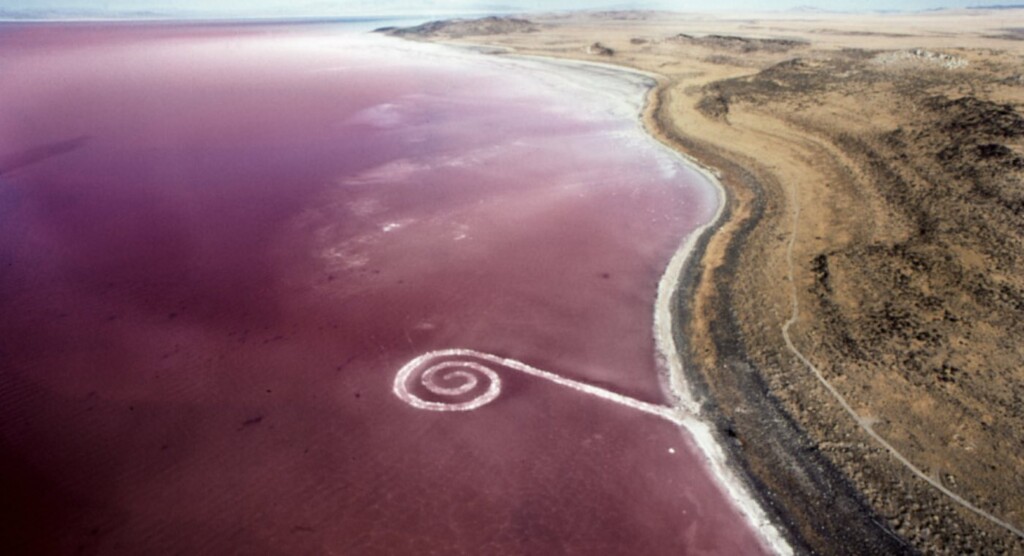
Tiny Indian Ocean Island Shows How Quickly Seabirds Recover When Invasive Predators Are Removed

Pair of brown noddies (by Phil Guest, CC license); and red-footed booby (by Gregg Yan, CC license)

18 years after rats were eradicated, Tromelin Island off the coast of Madagascar is a thriving colony of seabirds once again.

The same story happened over and over during the age of exploration: Europeans brought rats or rabbits on board their ships and dumped them on delicate, pristine island ecosystems.

Hundreds of islands became desolate wastelands this way, damage that has for the most part been reversed, as GNN has reported, in one of the greatest conservation stories ever told.

Now, this small teardrop of sand, rock, and palm trees in the southern Indian Ocean, is the most recent example of conservationists being able to completely rewild a landscape back to a period before European contact.

Spanning just 1 square kilometer, Tromelin Island is now home to thousands of breeding pairs of 7 seabird species like the masked and red-footed boobies.

By 2013, these two species had doubled in number from the precarious, rat oppressed lows of just a handful in 2004. In the subsequent 9 years, white terns, brown noddies, sooty terns, wedge-tailed shearwaters, and lesser noddies all came back on their own initiative.

ISLANDS RETURNING: The Greatest Conservation Story Ever Told Isn’t Really Being Told

Matthieu Le Corre, an ecologist at the University of Reunion Island, told Hakkai Magazine how, in some cases, restoring seabird populations can be a tricky thing based on the particular species’ nesting habits.

MORE STORIES LIKE THIS: Endangered Seabirds Flourishing on Island for First Time in Decades as Invasive Rabbits Removed

On other islands where Le Corre has worked, they’ve had to install robotic bird calls and life-size replicas to convince the birds the island is a safe place to nest again. But Tromelin Island needed no such help, since these terns, noddies, and boobies are much more dispersed in their nesting patterns.

“In terms of conservation, it’s a wonderful success,” Le Corre says.

SHARE Yet Another Island Returned To Normal With Your Friends… 

“Imagination is the eye of the soul.” – Joseph Joubert

Quote of the Day: “Imagination is the eye of the soul.” – Joseph Joubert

Photo by: Jr Korpa

With a new inspirational quote every day, atop the perfect photo—collected and archived on our Quotes page—why not bookmark GNN.org for a daily uplift?

Flabby Feline Has Taken to Swimming Lessons for Losing Weight–And it’s Working

Avonvale Veterinary Centres via SWNS

A fat cat that weighs more than double his healthy size has been thrown into the deep end on a mission to lose weight by swimming.

Moses, who weighs as much as a French bulldog, started the unusual hydrotherapy sessions in a bid to slim down in much the same way that people with bad knees, a bad back, bad hips, or too great a body mass index use pools to start exercising.

The nine-year-old cat piled on the pounds after refusing to go outside or exercise despite his owner putting him on countless diets.

At Avonvale Veterinary Centre in Wellesbourne, Warwickshire, staff say that his weight loss mission is going ‘swimmingly.’

“When he first came to us, Moses was nearly 10kg in weight,” said Olivia Stokes, veterinary hydrotherapist, meaning 22 pounds. “His owner said he had been on diets and been encouraged to exercise before but had still not been able to lose weight.”

“So, we decided to try a different approach with hydrotherapy. I have been in the industry for five years and a qualified hydrotherapist for almost two years, and I have never experienced hydro with a cat before, so Moses was a first for me.”

Obviously this was because Moses didn’t like water, as is true for so many cats. Stokes tried a variety of toys and treats to get Moses started but eventually switched to tougher methods, including starting him on a moving treadmill before adding water.

Now she says that Moses sits and waits on the treadmill for the water level to come up before starting.

OTHER FAT LOSS STORIES FROM THE ANIMAL KINGDOM: Obese Dog Who Weighed Three Times More Than Healthy Pup Has Made a Radical Transformation

“Once he has been walking for 13 minutes, I then lift him up, raise the water level further, and swim him for a couple of minutes to give him a full body workout,” she added.

Moses is now starting to shape up, and as well as losing weight has become far more active and livelier at home. He is already down 2.2 pounds, and the vets see an increase in muscle tissue as well.

Avonvale Veterinary Centres via SWNS

“That’s a loss in body weight of almost four percent in about six weeks, which is perfect as we don’t want to lose the weight too quickly,” said Stokes. “The important thing is that his body shape is clearly changing as he loses the fat and builds back muscle.”

ALSO CHECK OUT: Minnesota Cat Sanctuary Unveils New Outdoor Playground for Feral Rescues: ‘People care about them’

“I am very proud of Moses’ progression; he’s even walking with the incline on the treadmill now.”

Moses’ owner Jenna Joshi is thrilled with her pet’s progress.

“I could see a difference almost straight away,” she remembers. “After his first hydro session, he came through the cat flap, which he hadn’t done in a long time.”

“We are still having regular weight checks, still doing hydrotherapy, and making good progress. It was difficult at first but now he doesn’t complain and knows exactly what he needs to do when he goes for his sessions.”

The best treatment for overweight animals is to monitor their food intake and don’t let them get fat in the first place. It can take far more time for a housepet to lose weight than even a semi-determined human being, but fortunately Moses has a strong will and a determined human.

If This Cat Can Lose Weight, Your Friends Can Too: SHARE This Story With Them…

Scientists Grow Micro-Diamonds ‘from Scratch’ in 15 Minutes Thanks to Groundbreaking New Process

Diamonds made with the new technique are mostly pure — but they're too tiny to fit on your finger. (Image credit Institute for Basic Science)
Diamonds made with the new technique are mostly pure — but they’re too tiny to fit on your finger. (Image credit Institute for Basic Science)

In South Korea, chemists have recently developed a way to grow artificial micro-diamonds in minutes, rather than days.

Furthermore, the technique doesn’t require high temperatures or intense pressure, and are made “from scratch” with the potential to revolutionize the diamond industry by providing unlimited micro-diamonds for polishing and cutting uses.

Gemstones are formed typically by intense heat, intense pressure, natural catalysts, or some combination of the three. Diamonds require an awful lot of the first two to manufacture artificially, but Rodney Ruoff, a physical chemist at the Institute for Basic Science in South Korea, has eliminated the need.

Instead of gigapascals of pressure and temperatures as high as 2,700 degrees Fahrenheit (1,500 degrees Celsius), Ruoff and his colleagues needed graphene, silicon, gallium, iron, and nickel—and that’s it.

“For over a decade I have been thinking about new ways to grow diamonds, as I thought it might be possible to achieve this in what might be unexpected (per ‘conventional’ thinking) ways,” Ruoff told Live Science by email.

Ruoff started with gallium, which had been shown in a previous, unrelated paper to catalyze the formation of graphene. Graphene is pure carbon, just like a diamond, but the chemical structure is straight and flat rather than the latter’s tetrahedral formation.

At that point, the experiment met its most expensive component—a home-built chamber designed by co-author Won Kyung Seong—that could house the gallium-nickel-iron mixture in a graphene crucible and withstand the introduction of hot methane gas. When all these elements came together—with a pinch of silicon—diamonds were formed in 15 minutes at sea level pressures inside the chamber.

MORE DIAMOND SCIENCE: Huge Black Diamond Sold for $4.3 Million–and No One Knows Where it Came From or How it Was Formed

The chemical minutiae of how the experiment succeeded is still murky, and it will be at least another few years before the scientists or others working with similar methods will know for sure whether Ruoff’s process can produce diamonds for jewelry, because the ones described in their study were thousands of times smaller than lab-grown diamonds used for jewelry.

CAN YOU BELIEVE THIS: Rare Diamond Within a Diamond Is Unearthed in India and Dubbed ‘The Beating Heart’

However, the ‘film’ of micro-diamonds could very well serve to take the place of larger diamonds for the purpose of being crushed into powder. Because diamond is the hardest substance known, diamond dust is the tool by which diamonds are polished, and Ruoff’s 15-minute micro-diamonds (copyright available) may save jewelers thousands of dollars in the cost of diamond dust.

SHARE This Awesome Experimental Chemistry With Your Friends… 

Grandson Surprises Grandpa by Restoring 1954 Pickup Sitting Broken for 40 Years: ‘I never thought I’d live to see that’

Grandpa sees truck restored – Blake Kincheloe / YouTube
credit – Blake Kincheloe CC 3.0. ND-SA

A son recently surprised his grandfather by repairing his 70-year-old pickup truck to a fully functioning automobile, and the video will bring a tear to your eye.

“50 dollars and a hog” is what Richard Kincheloe’s mother paid for a red, 1954 International Harvester pickup truck, which Richard, now a grandfather, drove around for years until it broke down.

His grandson Blake Kincheloe, grew up thinking of the International as his own little truck, even giving it the nickname “Cannonball”, however it has served as a multi-ton paperweight and spider hotel, sitting broken and idle on Richard’s property.

Coming of age, Blake contemplated what a swell idea it would be to have the old truck up and running again.

Taking it into C&J’s Classic Cars, he first planned for nothing more than a set of modern brakes, but soon a full restoration was ongoing, adding parts all over the car from brake lights, which the original didn’t have, to a bathroom door latch because the door handle mechanism was unsalvageable.

MORE STORIES LIKE THIS: He Found His Dad’s 1930s Car at An Auction–and Got it Working Again (LOOK)

Then came the big day; when Blake and his father would drive Cannonball down Richard’s driveway for the first time in 45 years.

ALSO CHECK OUT: Teens Step in to Rebuild a Jeep After Sentimental Family Project Stalled With Dad’s Death

“What’s that pappa?” a female voice can be heard asking Richard in a video made by Blake and other family/friends as the truck approached. “Well, I’ll be danged!” he exclaimed.

As for his priceless response, it’s best to listen for yourself (NOTE: Some word choices may not be for children.)

WATCH the short USA Today video below (with ad), OR the longer original video at the bottom… 

SHARE This Charming Family Video With Your Friends Who Love The South… 

France Celebrates Baguette on Scratch-and-Sniff Stamp, Honoring the World Heritage-Declared Food

Baguette stamp - credit La Poste
Baguette stamp – credit La Poste

The French postal service has released a scratch-and-sniff stamp that will fill your letter room or office with the aroma of freshly baked bread as it honors the classic baguette.

The best thing since sliced bread, the baguette was recently honored by UNESCO with the status of ‘Intangible Cultural Heritage,’ or in other words, a standout element in the story of humanity that can’t be pinned down to the words on a page, the outcome of a battle, or the bricks making up a monument.

The stamp was unveiled last Thursday by La Poste on the occasion of Sant-Honore’s feast day—the patron saint of bakers.

“The baguette, the bread of our daily lives, the symbol of our gastronomy, the jewel of our culture”, La Poste says on its website.

It will cost €1.96 and run for a limited time with just under 600,000 copies set for printing. It depicts a baguette wrapped in blue and white ribbons.

The stamp’s ink is coated in microcapsules that burst when the customer scratches it, releasing the scent. La Poste purchases the special ink pre-made, and the smell is derived from a collection of bakeries.

STAMP THIS STORY: 12 Famous American Waterfalls Are Looking Gorgeous on New Stamps From USPS

“And the difficulty for us is to apply this ink without breaking the capsules, so that the smell can then be released by the customer rubbing on the stamp,” Damien Lavaud, printer at Philaposte, was quoted as saying by France Bleu, according to France24.

MORE SIMILAR HONORS: Iron Maiden Wins Royal Mail Seal of Approval With 12 New Stamps

UNESCO attempts to summarize the value and uniqueness of baguettes over other breads with the following description.

Baguettes require specific knowledge and techniques: they are baked throughout the day in small batches and the outcomes vary according to the temperature and humidity.

They also generate modes of consumption and social practices that differentiate them from other types of bread, such as daily visits to bakeries to purchase the loaves and specific display racks to match their long shape.

SHARE This Charming Celebration Of The Greatest Of France’s Modest Achievements… 

“Love begins by taking care of the closest ones, the ones at home.” – Mother Teresa

Quote of the Day: “Love begins by taking care of the closest ones, the ones at home.” – Mother Teresa

Photo by: Kelly Sikkema (cropped)

With a new inspirational quote every day, atop the perfect photo—collected and archived on our Quotes page—why not bookmark GNN.org for a daily uplift?

Scientists Buzzing After Unique Native Bee Colonies Discovered Right on Their College Campus

Colletes mining bee on Washington College campus – Credit Pamela Cowart-Rickman

In a charming coincidence, a pair of bee and insect specialists from Washington College are buzzing with excitement about a unique and newly documented population of native bees right on their very own campus.

Although the large group of ground-nesting bees has been noticeable on one corner of the campus for years, recent identification of at least five different species all using the same area has sparked interest from researchers.

The section of the college green located in front of East and Middle Halls is a hotspot for these vital pollinators, with ground-nesting ‘mining’ bees from the Andrena and Colletes genera thriving on the hill at the base of the halls.

Recently, thanks to her keen eye and love of insects, photographer Pamela Cowart-Rickman realized that the area has multiple species of native mining bees all nesting together, something that has not been well documented.

Cowart-Rickman, who studied biology at WC as an undergrad and developed a love of insects has tentatively identified five different species that are all sharing the same nesting grounds. They include four different Andrena (mining bees), one Colletes (cellophane bees), and likely three cuckoo bees in the genus Nomada.

“The Washington College site provides rare nesting habitat for multiple native bee species, several of which are uncommon and unidentified,” said Sam Droege from the US Geological Survey’s Bee Lab.

“We always talk about providing plants to support native bees and other pollinators, but we rarely think about providing adequate nesting habitat for their survival. These native bees provide beneficial pollination to fruiting trees and plants, not only on the College campus, but also the Chestertown community.”

“They have been nesting amongst and on top of each other for several years in this same location,” said Cowart-Rickman of the bees she has spotted. “The various Andrena have the largest nesting area and emerge first in late February. The Colletes have a smaller area and emerge later in late April.”

Several of the species present on Washington College campus – credit Pamela Cowart-Rickman

Cowart-Rickman devotes her free time to photographing insects and has been helping researchers identify and track populations. She has found and documented several species for MD Biodiversity, BugGuide, iNat, and researchers at the Canadian National Collection of Insects.

When she realized what she had stumbled upon right outside her own office building on campus, she reached out to Dr. Beth Choate, deputy director of the Washington College Center for Environment and Society. Choate, who has published research on the abundance of wild bee populations in urban and rural gradients, was also intrigued by the nesting sites Cowart-Rickman had found. The two decided to investigate further.

“On a nice day in the spring, you can see the male bees hovering right at grass level. There were hundreds of these males searching for a female to mate when we were out there,” said Choate.

MORE INSECT INSPIRATION: Spiders Use Their Webs as Giant Microphones to Hear What’s Going on Around Them, Says New Research

Females create a small burrow in the ground for rearing young and a ball of pollen and nectar is placed in each to feed the larval bee when it emerges from the egg, Choate explained. Once the males and females mate, the female returns to her nest and lays the egg in the carefully constructed burrow to develop.

The area of the campus where the bees have been found nesting together – credit Matt Lester

“Ground-nesting bees need bare, minimally covered ground in order to dig into the soil. They also prefer sunny and well-drained soil, but it will be interesting to learn what is unique about the soil in this space and why the aggregation has become so large,” said Choate.

“Since ground-nesting bees are solitary and do not form colonies, they generally aren’t as noticeable as this aggregation. Females often create nests near one another; however, an aggregation this large is unique.”

YOU MIGHT ALSO LIKE: Australian Scientists Manage to Identify 1,100 Species in their Backyards, Highlighting Value of Urban Biodiversity.

After seeing one of Cowart-Rickman’s nesting bee photos on iNat, and realizing the rarity of the site, Dr. Jordan Kueneman, a researcher with Project GNBee who is working on tracking ground-nesting bees at the Danforth Lab at Cornell University, reached out to Cowart-Rickman about possibly providing further research samples and information.

“We were very excited to learn about the ground-nesting bee aggregations at Washington College, for a myriad of reasons,” said Kueneman. “First, the size of the aggregation is substantial, and multiple species are utilizing areas of the overall site to nest. This scenario is ideal for understanding nesting requirements for bees and how those vary by species.

“Second,” Kueneman continued, “intermixed aggregations of nesting bees are particularly interesting to study from an ecological perspective, as the cost/benefits of varying nesting strategies and behavior can be more easily studied, particularly in the context of phenology, nest architecture, and risk of parasitism.”

BEE STORIES: Bumblebees Share Knowledge Like Humans and Chimpanzees, Suggesting the Hive Mind Is More Personal

He noted that due to its location, the Washington College aggregation can easily provide the opportunity for students and the public to learn about the biology of ground-nesting bees and the value they provide to the environment. He is also hopeful that knowledge of the history of the area and the site’s management can help inform how ground management practices on campus have impacted the population in the past and provide opportunities to explore how current management will impact this population in the future.

Research and monitoring of the aggregation will continue as teams from both schools work together to study what makes this site so appealing to multiple species of bees.

SHARE This Fascinating Bee Behavior With Your Friends On Social Media… 

Mushroom Hunters Stumble Upon Mysterious Stone Sculpture in Thai Forest

Officials investigating the stone carving – Thailand’s Department of National Parks, Wildlife and Plant Conservation

Three Thai villagers were out looking for mushrooms when they came across this boulder depicting a woman in breathtaking detail.

“Went mushroom hunting and found this,” Pramul Kongkratok, one of the locals, wrote on social media according to the Nation Thailand. “I’ve lived here for so long, but just learned we have this around here. It’s a blessing.”

Showing admirable responsibility, Mr. Kongkratok called the Department of National Parks, Wildlife, and Plant Conservation to investigate, who in turn we’re told contacted art and antiquities authorities to ascertain how old the carving might be.

Some theories, however, have quickly emerged: notably that it could have been made in the 6th century during the flourishing of a kingdom called Dvaravati, which was located in modern-day Thailand near the border with Cambodia, exactly the place where the carving was found.

However, the carving style is not really comparable to other examples of Dvaravati reliefs like this one of musicians seated in a row.

Another theory is that it depicts the mother of Lord Buddha, Maya Devi. In part this is because the woman figure is holding a branch of the Bodhi tree, or pipal in Hindi, the tree under which Prince Siddharta Gautama meditated for 7 days and attained Enlightenment.

Rarely depicted alone, and if so, typically lying down in order to illustrate the story of Buddha’s birth—when his mother dreamt the spirit of a white elephant entered her womb, many are as skeptical of the Maya Devi claim as the claim of Dvaravati origin.

DELIGHTFUL MYSTERIES: Dozens of Strange 12-Sided Objects from Roman Times Have Been Found—No One Knows What They’re For

In general, the artists living during the golden age of Buddhist kingdoms in South Asia kept significantly conformist carving styles, while this discovery doesn’t.

MORE ARTISTIC DISCOVERIES: Danish Artist Hides Enormous Trolls in Forests Around the World Using Recycled Wood—LOOK

Smithsonian reports that a Wat, or Thai Buddhist monastery, inhabited by a group of artistically inclined monks, is located less than a mile from where the carving was found in Dong Yai Wildlife Sanctuary.

Whatever the origin, it’s a beautiful carving and a delightful reminder that the world is full of surprises.

SHARE This Delightful Mystery With Your Friends Who Love Asia…