All News - Page 2 of 1732 - Good News Network
Home Blog Page 2

Thousands Donate to Help Nebraska Ranchers Who Couldn’t Feed Their Herds After Wildfires Burn Every Acre

Credit: Josh Withers

A few months ago the largest wildfire in Nebraska history burned a thousand square-miles of ranch land.

It burned every foot of grass on Mike and Kayla Wintz’s 11,000-acre ranch.

But when they and their neighbors faced the threat of losing their livelihoods, something remarkable happened.

Thousands of anonymous donors stepped up from across the U.S.

The Wintz ranch alone was gifted $80,000 worth of hay—from mostly anonymous donors.

“No one asked for this help,” reported Steve Hartman on CBS Evening News. “It just came…”

It came from thousands of farmers and ranchers and truck drivers, from as far away as South Carolina.

It came from the Nebraska Cattlemen Disaster Relief Fund, which raised over a million dollars, going directly to affected cattle owners. And, to cover the staggering fuel costs required to transport these hay conveys across vast Midwestern states, the South Dakota Cattlemen’s Foundation matched thousands of dollars in donations they raised from the public.

BLESSINGS AFTER DISASTER: Town Devastated by Wildfires Wins Half-a-Billion Christmas Lottery: ‘Something has fallen from the heavens’

Watch the heartwarming video from Steve Hartman, below…

SHARE THE AMERICAN SPIRIT of Generosity on Social Media…

“What a man takes in by contemplation, he pours out in love.” – Meister Eckhart

Credit: HaPe Gera (CC license)

Quote of the Day: “What a man takes in by contemplation, he pours out in love.” – Meister Eckhart

Photo by: HaPe Gera (CC license)

With a new inspirational quote every day, atop the perfect photo—collected and archived on our Quotes page—why not bookmark GNN.org for a daily uplift?

Credit: HaPe Gera (CC license)

Good News in History, June 14

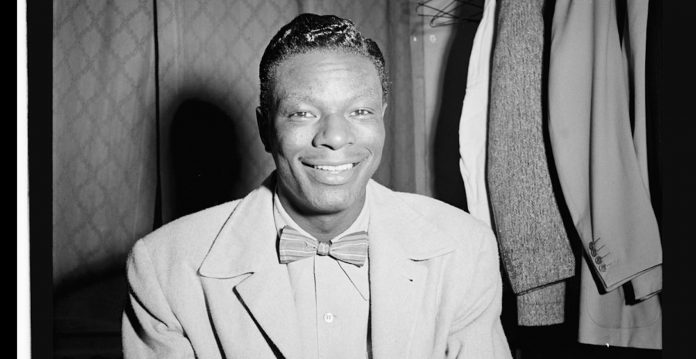
80 years ago today, sumptuous singer Nat King Cole recorded The Christmas Songwritten by Mel Tormé and Bob Wells, for the first time. It is still today, lo-fi be darned, one of the most preferred versions of this icon of iconic yuletide tunes. While it’s a little early in the year for Christmas songs, YouTube has the man singing the song on his short-lived variety show, The Nat King Cole Show. READ more and watch the video… (1946)

Father and Son Break Three World Records in 18,000 Mile Cycle Around the World

- credit, Joel Chant / Platinum Live / SWNS
– credit, Joel Chant / Platinum Live / SWNS

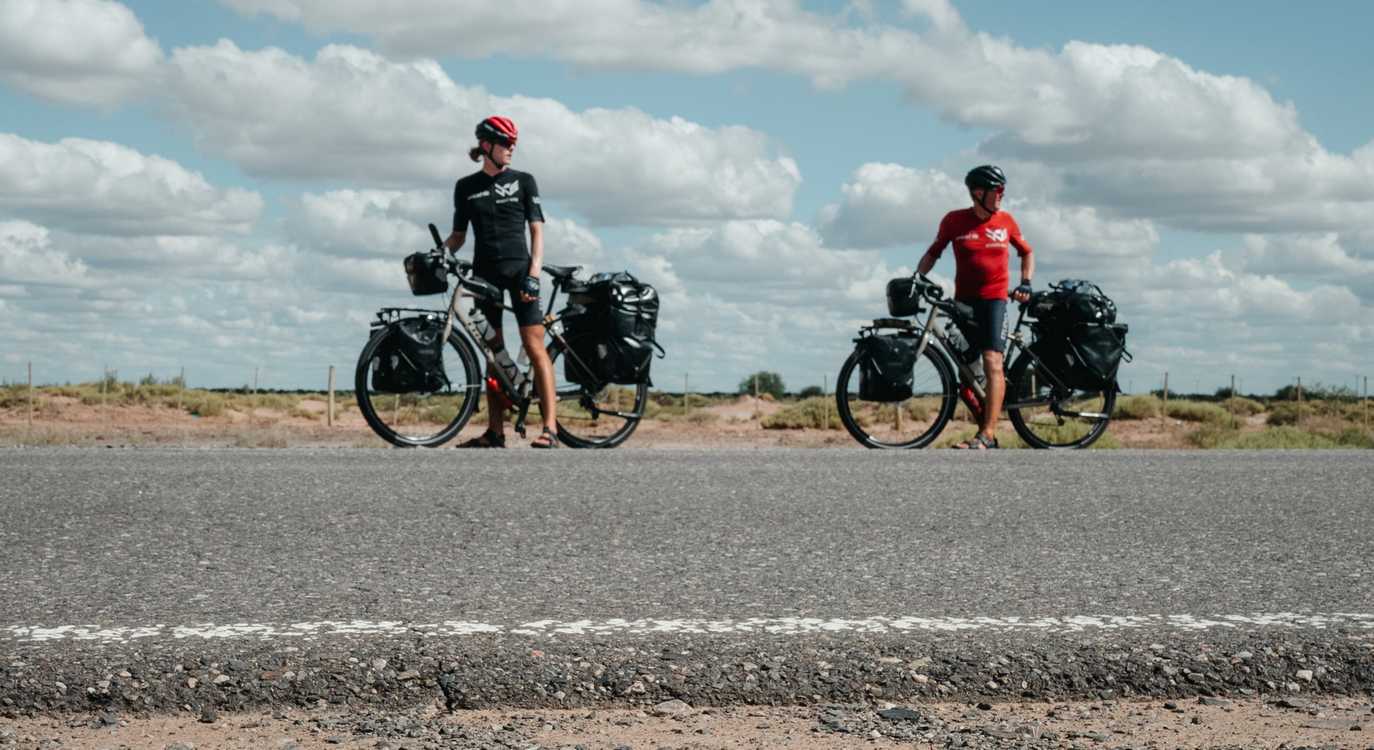
A father and son broke 3 world records after spending a year cycling around the world.

George Kohler and his 23-year-old son Josh set off on their mammoth challenge on March 29th, 2025, from their home near Norwich in the UK.

In total, the duo traveled 18,000 miles and 14 months as they crossed Asia, Australia, South America, and Europe, arriving, as Ivan Goncharov wrote, to the right of their front door, having departed to the left.

When they arrived home, the all-conquering pair were presented with world record certificates for the fastest bicycle circumnavigation, the longest bicycle journey, and the most countries visited in a continuous bicycle journey, by a father and son.

Josh spoke with Southwest News Service in the UK about their trip.

“There were thousands of highlights on this trip,” he said.

“One standout moment is when we were cycling through a remote part of Turkey. We heard a shout on the hillside, and a shepherd was standing, beckoning us over. We walked up to him, and he offered to share his breakfast with us.”

George and Josh in Australia – credit, Joel Chant / Platinum Live / SWNS

“He had a pot on the campfire. We had eggs, bread and cheese, and we sat there. We wouldn’t speak Turkish, and he couldn’t speak English, but we had this incredible interaction with him.”

The Kohlers started long-distance cycling voyages when Josh was in High school, going the distance of the UK in 2021, and coast-to-coast in the US in 2022.

“We had to learn to get our bodies used to doing long cycles.”

2 years later, Josh proposed to his 57-year-old dad that they should cycle around the world. His dad, George, a chimney sweep, had a simple response: “Perfect, why not?” The pair were on their way.

From their home, the pair headed to South America, Australia, Asia, and Europe before arriving home after 400 days.

SON AND DAD DUOS: He Found His Dad’s 1930s Car at An Auction–and Got it Working Again (LOOK)

“We definitely had a full range of experience over the year,” Josh said. “Our bodies were tested day in day out, we were expecting the mental side of things to be tough as we anticipated long sprints.”

George and Josh Kohler with their Guinness World Records – credit, Joel Chant / Platinum Live / SWNS

“One thing we weren’t prepared for was the emotional challenges, when you are with someone for so long, disagreements do happen frequently. We had one unwritten rule that we would never go to sleep on an argument.”

OTHER CIRCUMNAVIGATIONS: British Adventurer Sets Sail to Become First Person to Circumnavigate the Globe by Land, Air and Sea

The duo said there were many highlights on the way, whether it was having lunch with a local in Serbia or being welcomed by monks offering them food and drink.

“The final day was extremely emotional seeing friends and family,” said George. “People that I haven’t seen for years and years were there to welcome us.”

CYCLE This Story Over To Your Friends On Social Media…

Woman Who Rescued Injured Crow Keeps Getting ‘Thank-you Gifts’ from Other Birds

Credit: Athanasios Papazacharias

In a story that will make your beak drop, a Canadian woman has received a series of ‘thank you’ presents from a whole murder of crows after she took the time to rescue one from a gutter.

As Leah Wilson walks down the street, the superstitious among the neighbors might draw their blinds. Her steps herald the beating of black wings, as the carrion birds follow her every move.

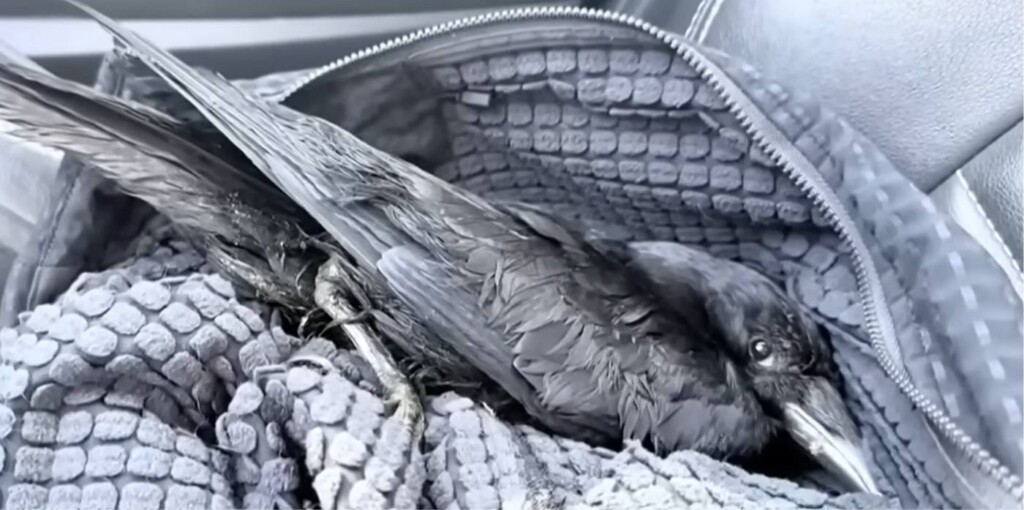
But Wilson is no witch, she’s a hero to their clan after she came to the rescue of a young crow who was stuck inside the roof gutter of a nearby house.

The injured crow in Wilson’s car – credit, Leah Wilson

Wilson, a member of the Métis indigenous peoples, knew she had to do something, and as it just so happened there was a fire truck parked nearby.

“I was like, ‘Hey! You look like you want to save a crow today,’” Leah recalls to CTV with a laugh. The firefighters agreed, and brought the ladder over to reach the crow. Once the animal was free, they left it up to Wilson to take it to the wildlife veterinarian.

That’s just what she did, and the crow assured her it would never forget.

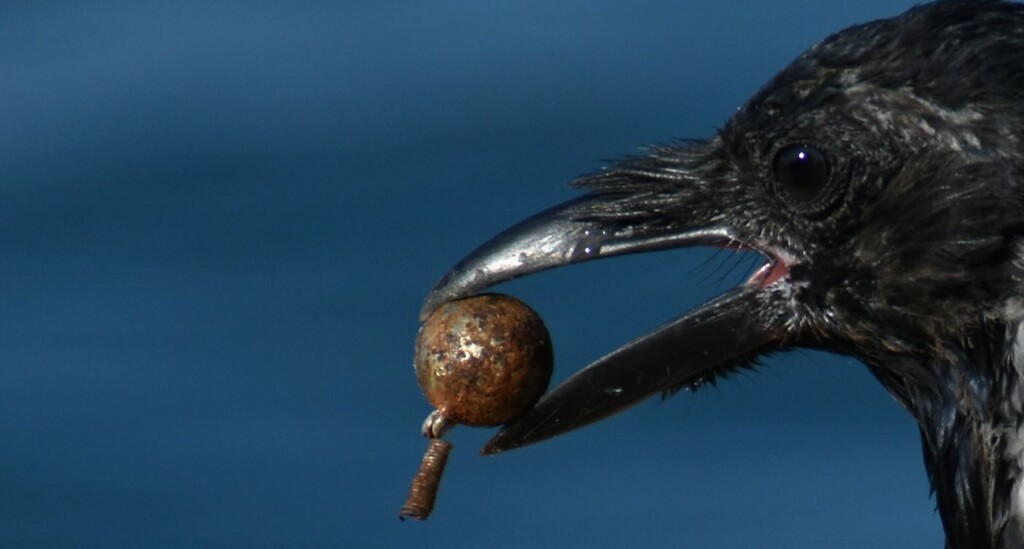
“He latched on to my finger and held on, that was life-changing,” she said, without knowing just how life-changing it would be. “I was going for a walk with my dog, [and] a crow flew down and dropped this beautiful, feathered bundle at my feet.”

The first thank you present she received – credit, Leah Wilson

That was the first of several little “thank you gifts” she received from the local murder.

Today, she is as described above: a crow-friend, and every time she goes out for a walk, the animals circle around her in what she described as the “highlight” of her day.

MORE STORIES LIKE THIS: 

The best part is when the crow she rescued comes to say hi. He’s easy enough to spot thanks to the band on his leg from when he was released back into the wild.

Her Métis upbringing always gave her a sense of how important it is to have a relationship with the natural world—and what a relationship that’s turned out to be.

She’s part of the flock.

WATCH the story below…

SHARE This Amazing Connection With One Of The Natural World’s Smartest Creature…

French Polynesia Protects Biodiverse Ocean Area Twice the Size of Arizona Teeming with Life

- credit, Hannes Klostermann
– credit, Hannes Klostermann

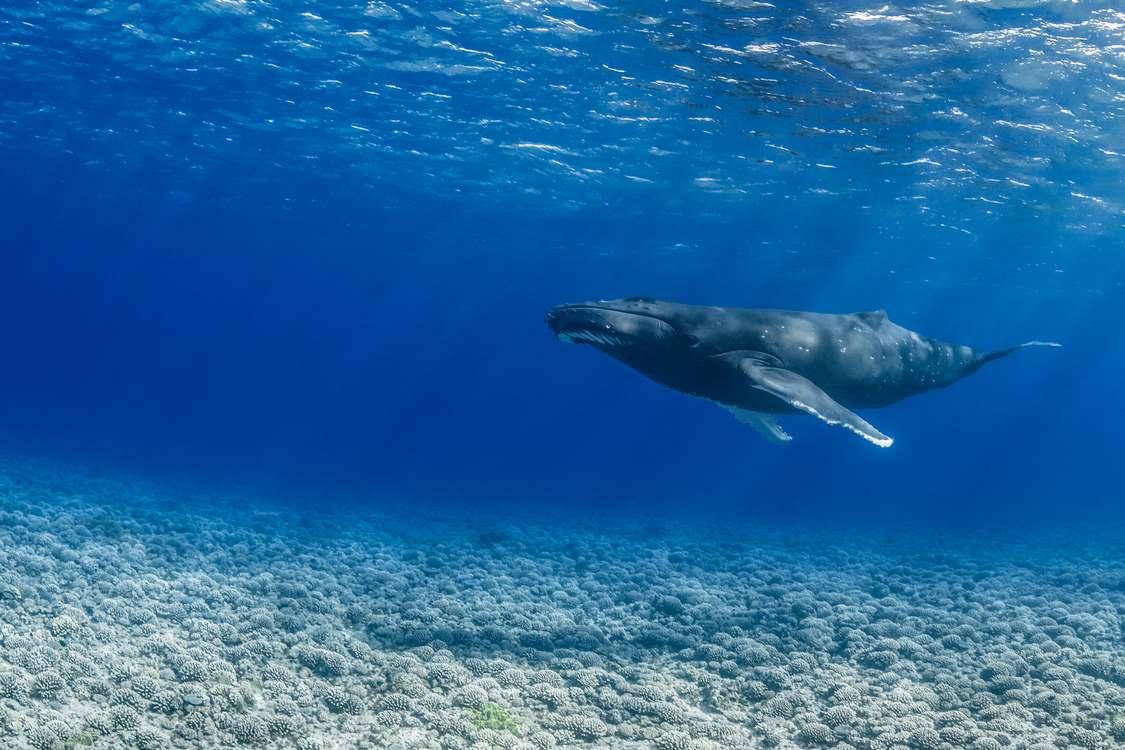
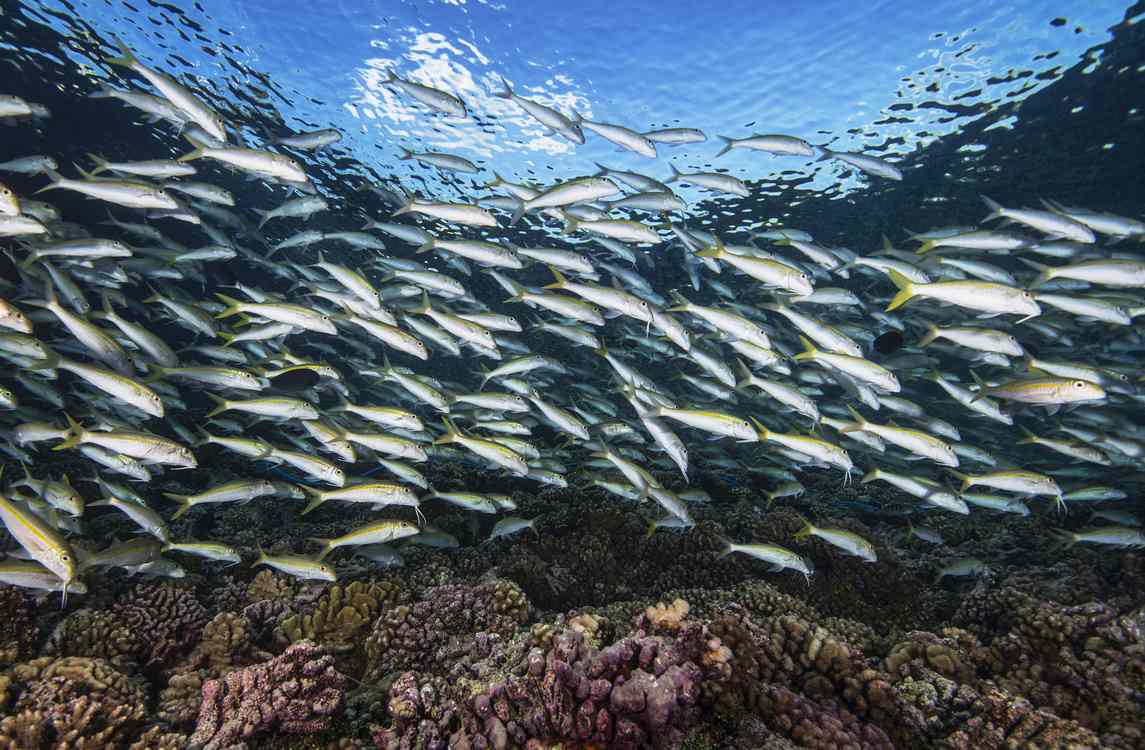
The French Polynesian government recently announced it will fully protect 200,000 square miles of ocean, an area about twice as large as Arizona that’s teeming with ocean life.

Located near the Austral, Marquesas, and Western Society islands, this new marine preserve, called the Te Tai Nui a Hau Marine Protected Area, will take the total of the nation’s conserved ocean territory to around 540,500 square miles—twice the size of Texas.

Last year, French Polynesia fully protected a total of approximately 350,000 square miles around the Gambier and Society islands, while also designating several thousand miles of artisanal fishing zones.

Fishing in these zones is limited to single pole-and-line catch from boats less than 12 meters (39 feet) in length, allowing local people to continue fishing in traditional ways that sustain their community.

Across this new preserve network, there have been 3,088 square miles of artisanal fishing zones added in the waters surrounding the Austral Islands, and nearly 7,336 square miles around the Marquesas, covering coastal areas and nearby seamounts.

French Polynesia’s waters are home to exceptional marine biodiversity—including seabirds, sharks, whales, and species found nowhere else on Earth—and serve as important migration routes and breeding grounds for marine life.

– credit, Jayne Jenkins

Once the protections are implemented, 30% of French Polynesia’s waters— in total, an area twice the size of Texas—will be protected from all extractive activities, and other human uses will be limited.

The hope for French Polynesian President Moetai Brotherson is that the decision will serve as a model for large-scale ocean conservation rooted in local leadership and traditional stewardship while helping to meet the global goal of protecting at least 30% of the ocean by 2030 (known as “30 by 30”).

In a statement, the Pew Bertarelli Ocean Legacy, one member of a large coalition that assisted the French Polynesian government in planning, financing, and executing the new reserve, wrote that the final announcement is just the culmination of more than a decade of work led by Polynesian communities and local leaders and was supported by partner organizations.

NOW HEAR ABOUT PAPUA NEW GUINEA: Papua New Guinea Sets Up Protected Ocean the Size of UK–Over 77,000 Square Miles

“Communities across the Austral and Marquesas islands have spent years shaping a collective vision for conserving their ocean that reflects both their cultural traditions and their future needs,” explained Donatien Tanret, who leads Pew Bertarelli Ocean Legacy’s work in French Polynesia.

“From the start, that vision included coastal protected zones around the islands and their seamounts, where artisanal fishing can continue for the local people who depend on it.”

Partners include the Becht Foundation, Bezos Earth Fund, Bloomberg Ocean Fund, Blue Marine Foundation, Blue Nature Alliance, Oceans 5, and the Wyss Foundation. These international philanthropic partners work with the government and local communities to support the establishment of long-term financing mechanisms, along with governance, scientific monitoring, and the capacities needed for the effective management of the marine protected areas.

MORE MARINE PROTECTIONS: Marine National Park Bigger Than Texas Created by Departing Chilean President Around Pacific Islands

“This announcement reflects French Polynesia’s commitment to protecting our ocean for future generations while supporting the communities that depend on it,” said Taivini Teai, French Polynesia’s Minister of Agriculture, Marine Resources, and Environment.

By combining large-scale conservation, traditional stewardship, and sustainable use, we aim to lead by example and demonstrate that ambitious ocean protection and local livelihoods can go hand in hand.”

CELEBRATE French Polynesia Reaching The 30 X 30 Goal With Massive Ocean Protections…

Your Weekly Horoscope – ‘Free Will Astrology’ by Rob Brezsny

Our partner Rob Brezsny, whose latest book is Astrology Is Real: Revelations from My Life as an Oracle, provides his weekly wisdom to enlighten our thinking and motivate our mood. Rob’s Free Will Astrology, is a syndicated weekly column appearing in over a hundred publications. He is also the author of Pronoia Is the Antidote for Paranoia: How All of Creation Is Conspiring To Shower You with Blessings. (A free preview of the book is available here.)

Here is your weekly horoscope…

FREE WILL ASTROLOGY – Week of June 13, 2026
Copyright by Rob Brezsny, FreeWillAstrology.com

GEMINI (May 21-June 20):
“Dear Oracle: Why do we always have to start at the beginning? I’d much prefer just jumping into the middle of things. Right now, I would love to bypass all the tedious baby steps I’m being forced to take as I try to get some momentum going. Please slip me a few clues about how to fast-forward directly to the fun stuff. —Bored with the Groundwork.” Dear Bored: Your timing is perfect. The planetary omens say you are now authorized to vault over the preludes and prologues and dive right into the heart of the action.

CANCER (June 21-July 22):
Restoration ecologists work to revive damaged prairies. They’ve discovered that seeds of many native plants can lie dormant in the soil for years, waiting for the right conditions to germinate. If they remove invasive species and restore the land’s natural cycle of controlled fire, wildflowers long absent from the landscape spring back to life. With this metaphor in mind, Cancerian, consider what dormant possibilities may lie buried in your own psyche. What seeds did you plant long ago and then forget? What dreams or talents are waiting for you to clear away the choking overgrowth and create space for them to emerge? Old potentials may be patient, not dead.

LEO (July 23-Aug. 22):
Better than any other sign, you understand that ego and generosity can be collaborators rather than enemies. Your charismatic radiance is often a public service. When you express your interesting beauty, you give others permission to tap into their own luminosity. The world always craves your unique flavor of audacious joy, and especially now. The rest of us need your intense insistence that flair and flamboyance are forms of resistance against the forces that would diminish life’s splendor.

VIRGO (Aug. 23-Sept. 22):
Many people struggle with what could be called “imagined ugliness,” a condition clinicians refer to as body dysmorphic disorder. It usually involves fixating on a supposed physical defect, or even on a flaw that exists only in one’s mind. I suspect that almost everyone carries a trace of this tendency, including you and me. The good news, though, is that the current astrological climate is ideal for you to at least partially shatter its spell. You are poised to transform your self-image so vigorously that you begin to regard yourself as a flawless exemplar of quirky, one-of-a-kind beauty.​

LIBRA (Sept. 23-Oct. 22):
The Golden Gate Bridge, which is a few miles from my home, is painted continuously. Painters start at one end, work their way across, and by the time they reach the other side, it’s time to start over. The job is never finished; maintenance is the permanent condition. Some people find this depressing, but I find it oddly liberating. It means the bridge doesn’t have to achieve some final, perfect state. It just has to be tended. Similarly, you don’t have to fix everything once and for all, Libra. The relationships, projects, and internal states you’re concerned about aren’t meant to reach completion. You shouldn’t worry about trying to finish what’s meant to be an ongoing practice. Just keep starting the cycle again.

SCORPIO (Oct. 23-Nov. 21):
Innovative theater director Viola Spolin was a Scorpio. She taught that the best scenes emerge when the actors avoid trying to control outcomes. Instead, they fully commit to the reality they’re creating together. Spontaneous responses are their gold standard. Let’s make this a keynote for you in the coming weeks. Your assignment is to give yourself heartily to improvisation. The most interesting magic will happen as you relax into the collaborative process, trusting it to guide you toward beauty and meanings none of you could have scripted alone.

SAGITTARIUS (Nov. 22-Dec. 21):
Musicologists distinguish between “perfect pitch” and “relative pitch.” A person with perfect pitch can sing or identify a specific note without hearing any other music beforehand. Relative pitch is the ability to recognize musical notes in relation to other notes. In the coming weeks, Sagittarius, relative pitch will be a more useful metaphor for you than perfect pitch. Don’t insist on perfect clarity about what’s right and wrong, beautiful and ugly, worthy and unworthy. Instead of obsessing on fixed standards, practice relational discernment. How does this choice feel compared to that one? How does a person behave in this context versus another? For you right now, truth lives in the intervals and connections.

CAPRICORN (Dec. 22-Jan. 19):
The best way to eliminate a bad habit is to replace it with a good one. Now is an excellent time to acquire more expertise in this art. Start by choosing a specific habit that drains your energy, time, or self-respect. Then identify what that habit is secretly trying to give you, like comfort, distraction, or a sense of control. Your mission is to find a healthier behavior that offers a similar payoff without the damage. For example, maybe you go online and binge-scroll through bad news because you imagine it soothes your anxiety. Instead of that, read an uplifting book or listen to serene music for a while. Be concrete: When the itchy habit hits, what exactly will you do as an alternative?

AQUARIUS (Jan. 20-Feb. 18):
In 1905, 26-year-old Albert Einstein worked full-time as a clerk in a Swiss patent office. During his off-hours, he wrote four audacious papers that fundamentally changed how physics understood space, time, light, and matter. He accomplished his revolution without the sponsorship of a renowned university or laboratory. His example suggests that we can perhaps re-imagine and recreate the world even if we’re not supported by glamorous circumstances. I suspect this principle applies to you these days. Breakthrough insights and earth-shaking realizations may arrive while you’re doing ordinary tasks. Be alert for the flashes that arise in seemingly routine and modest situations.

PISCES (Feb. 19-March 20):
For linguists, “untranslatable” words are concepts that exist in one language but have no equivalent in others. One example is mono no aware, which in Japanese refers to the tender poignance and appreciation you feel in the presence of fleeting beauty, like cherry blossoms falling. I bring this to your attention, Pisces, because I suspect that you, too, are untranslatable right now. My advice is to forget about trying to get others to grasp what’s going on with you. Here’s a suggestion that might help: Find soulful artists and emotionally intelligent creatives who speak the language of your mystery.

ARIES (March 21-April 19):
Many of you have a fraught relationship with discipline. You recognize you need it if you want a life rich with epic adventures. Yet you sometimes resist planning ahead or organizing your resources, fearing it might dampen your immediate pleasures. The problem is that when you skip the planning and organizing, the short-term fun you default to may turn out to be unsatisfying. That’s the challenging news. The encouraging news is that you’re now in a cycle when you can transform how you relate to discipline. I bet you can render some of those old patterns obsolete.

TAURUS (April 20-May 20):
Gemologists evaluate opals less for flawless uniformity than for their mesmerizing play‑of‑color. They study how light interacts with a stone’s microscopic internal structure to produce vivid, shifting hues. The most prized opals aren’t necessarily the most perfect in shape, but the ones whose internal pattern and rainbow-like displays are most vibrant, varied, and alive. This is a marvelous metaphor for you in the coming weeks. I hope you don’t obsess on consistency or smooth away your complications. Let the world see your play-of-color.

WANT MORE? Listen to Rob’s EXPANDED AUDIO HOROSCOPES, 4-5 minute meditations on the current state of your destiny — or subscribe to his unique daily text message service at: RealAstrology.com

(Zodiac images by Numerologysign.com, CC license)

SHARE The Wisdom With Friends Who Are Stars in Your Life on Social Media…

“Each one of us has a story to tell, and the telling of that story is a spiritual act.” – Imago Dei Church

Quote of the Day: “Each one of us has a story to tell, and the telling of that story is a spiritual act.” – Imago Dei Church

Photo by: Forja2 Mx

With a new inspirational quote every day, atop the perfect photo—collected and archived on our Quotes page—why not bookmark GNN.org for a daily uplift?

Credit: Forja2 Mx

Good News in History, June 13

A half-scale model of Hayabusa - credit, Pavel Hrdlička CC BY-SA 3.0.

16 years ago today, the Japanese spacecraft Hayabusa, containing particles of the asteroid 25143 Itokawa, which it landed on in November 2005, returned to Earth. Hayabusa was the first spacecraft designed to deliberately land on an asteroid and then take off again, and indeed was the first to ever do so. It was also the first one ever to bring back a sample of the asteroid it visited. READ what the samples contained… (2010)

After Wandering Field All Day He Discovers 16th C. Diamond Ring Using his Metal Detector

Stuart Jones and the 16th-century ring he found with a metal detector - SWNS
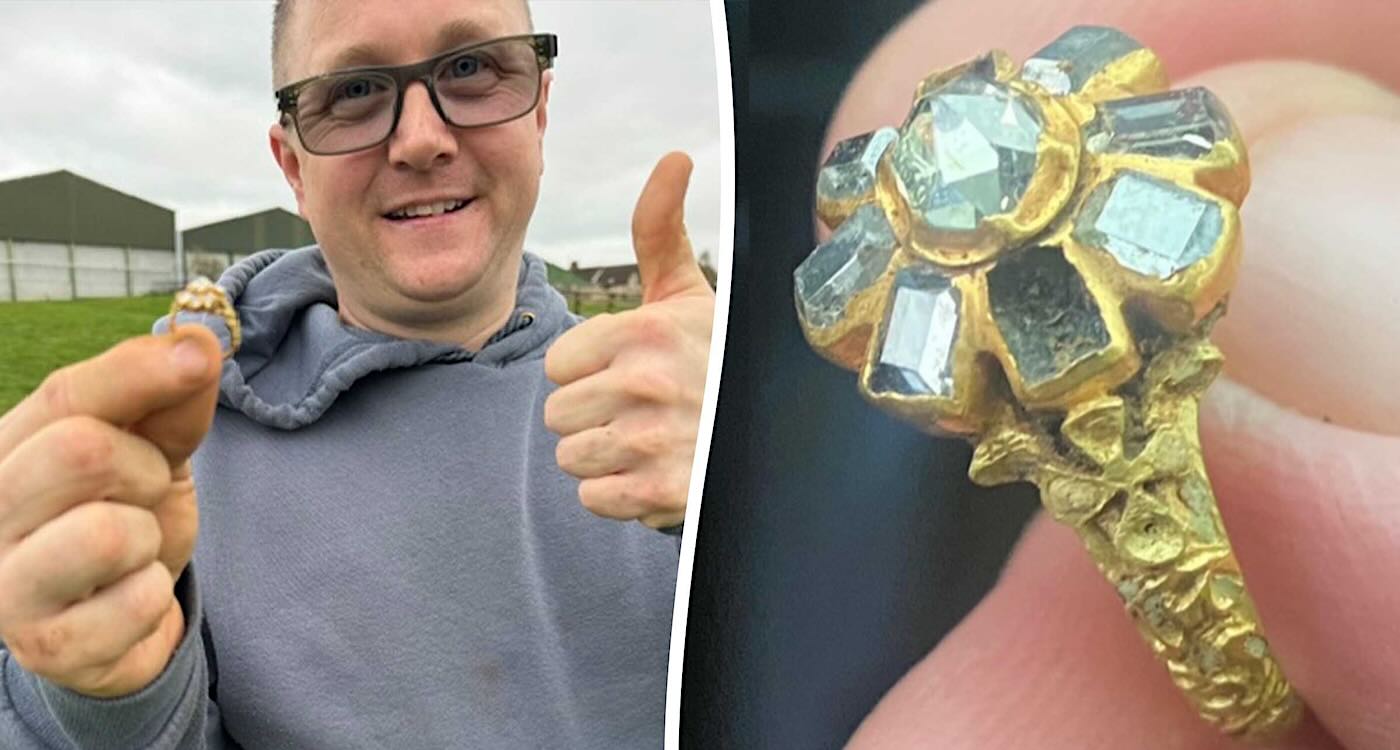
Stuart Jones and the 16th-century ring he found with a metal detector – SWNS

At the end of a long day, a metal detector enthusiast in England unearthed a 16th-century ring with eight diamonds.

Stuart Jones uncovered the stunning “once in a lifetime find” in the village of Wormington, Gloucestershire.

“When I recovered the ring, I was absolutely overwhelmed with joy. I was over the moon.

“Everyone around me was congratulating me and taking photographs.

“Without any doubt, the ring is the best find I have ever made.

“Like many detectorists, I have always dreamed of finding something truly special, but I never imagined I would discover an item of this significance.

“I know I may never find anything that surpasses this discovery, but that is part of what makes it so special.”

The 16th-century ring – Noonans via SWNS

The ring, which was examined by the British Museum, is expected to attract bids of up to $20,000 at auction (with Noonans of Mayfair conducting the sale on June 23). And all money earned at the auction will be shared equally with the landowner.

FABULOUS FIND: Despite Faulty Metal Detector, Treasure Hunter Unearths Largest Gold Nugget Ever Found in England

“Whatever happens at auction, finding the ring has already been an unforgettable experience and a moment that I will treasure for the rest of my life.”

Luckily, as he pulled the ring from the soil, one diamond came loose and fell into his hand. A second jewel was also missing—but he gathered the surrounding dirt and managed to find the missing stone.

“Early 17th century baroque tastes required grand rings to make an impression from a distance,” reported Noonans Jewelry Specialist Laura Smith, “groups of stones arranged in decorative patterns: rosettes, pansies, crosses, fleur-de-lys, etc.”

“This ring has a flowerhead bezel composed of a cluster of eight ‘hogback’ diamonds, which is very rare.

LUCKY BOYThe First Time a 10-Year-old Boy Uses His Birthday Metal Detector, He Unearths a Centuries-Old Sword

“The gold is testing as 19.2-carat, 80% pure gold.”

SCHEDULE A DATE WITH FRIENDS By Sharing This on Social Media…

New Solar Method Turns Ocean Into Drinking Water, While Extracting Valuable Lithium Without Waste

Vials of (left to right) seawater, salt water, nickel sulfate, copper chloride wastewater, and desalinated water with recovered salts - Credit: University of Rochester / J. Adam Fenster
Vials of (left to right) seawater, salt water, nickel sulfate, copper chloride wastewater, and desalinated water with recovered salts – Credit: University of Rochester / J. Adam Fenster

A new energy-efficient desalination system produces fresh water without chemical additives and transforms leftover salts into useful materials.

Communities from California to the Middle East currently rely on desalination plants to convert ocean water to fresh water. But, common desalination techniques—such as reverse osmosis and thermal distillation—are energy-intensive, require chemical water treatment, and leave behind a concentrated saltwater byproduct called brine, which wreaks havoc on sea life if it’s deposited back into the ocean by raising the salt content and lowering oxygen levels.

Now, a novel approach developed at the University of Rochester offers a way to overcome these drawbacks. Their new solar-thermal desalination process does not leave behind brine and requires no chemical additives to pre-treat the water, according to the paper published in Light: Science & Applications.

The technology uses solar panels made of black metal etched with femtosecond lasers to make the surface super light-absorbing and super-wicking, extremely attractive to water.

The panels have a laser-treated active region that pulls a thin layer of water across the surface, absorbs nearly all solar radiation, distills the water, and deposits the leftover salts and minerals into the panel’s untreated sides, leaving the active region unclogged for continuous desalination.

A team led by senior scientist Chunlei Guo, a professor of optics and physics at the university, says other researchers have developed solar-thermal desalination techniques that only work well in lab experiments—using simulated seawater made of only water and sodium chloride. The real ocean is much more complex, and these systems tend to encounter problems when used in the field.

Unlike sodium chloride, many other components in seawater, such as magnesium- and calcium-based materials, crystallize in a crusty and non-porous fashion on the solar panel’s surface—and water can’t seep through anymore. This is the same phenomenon as your shower head clogging over time, except that seawater contains hundreds of times more salts than your tap water.

The ‘coffee ring effect’ makes it self-cleaning

To keep their solar panel surface from gumming up, Guo’s team etched the black metal’s grooves so the various salts and minerals in ocean water would simply slough off. They also leveraged a physical phenomenon java-lovers have encountered for centuries: the coffee ring effect.

“If you drop coffee on a surface, eventually the water evaporates, and there’s a ring left at the outer edge that is the concentrated coffee particles,” says Prof. Guo. “We use that same principle to advance the salts to the passive region.”

Testing their solar-thermal desalination technique using samples of water from the Pacific, Atlantic, and Indian Oceans, Guo and his team were able to make the surface self-cleaning.

Old and new desalination systems – Credit University of Rochester / J. Adam Fenster

It extracted freshwater and directed the remaining salts to where they could be collected without reducing the panel’s efficiency.

Turning waste into resources – like lithium

Another distinct advantage is that instead of leaving behind brine that must be disposed of or processed, it extracts nearly 100 percent of the salts in solid form. This could not only produce an abundant supply of table salt, but it could also be used to extract more precious minerals, including lithium, which helps power electric vehicles and electronics.

BREAKTHROUGH: Batteries That Use Sodium Instead of Lithium Could Be Low-Cost Rival to Tesla’s

“Mining lithium from the earth has proven to be very taxing from an energy and environmental standpoint, so pulling lithium directly from saltwater could be a very important future route,” says Guo.

In a related paper in the Journal of Materials Chemistry, Guo and his colleagues showed how they can use the same super-wicking solar panels to separate lithium from the rest of other salts in desalination.

Embedding nanoparticles made of hydrogen titanate in the tiny grooves of the black metal surface isolates the lithium from other salts and minerals.

Using water samples from Great Salt Lake, the researchers extracted about 50 percent of the lithium from the salts left behind by the desalination process.

Guo sees the technology as inherently scalable, capable of improving global access to drinking water while building a more sustainable supply of precious minerals.

“Mining lithium from the earth has proven to be very taxing from an energy and environmental standpoint, so pulling lithium directly from saltwater could be a very important future route.”

RESOURCE WONDER: Lithium Discovery in Crater in Nevada Could Be Biggest Deposit Ever Found

See how the process works in the university video, below…

(The work was funded by the National Science Foundation, the Bill & Melinda Gates Foundation, and Worldwide Universities Network.)

Dog Rescued After Being Swept Out to Sea on Inflatable Kayak Headed Toward Norway

Dog rescued at sea in inflatable kayak - Serenity Farne Island Boat Tours / SWNS
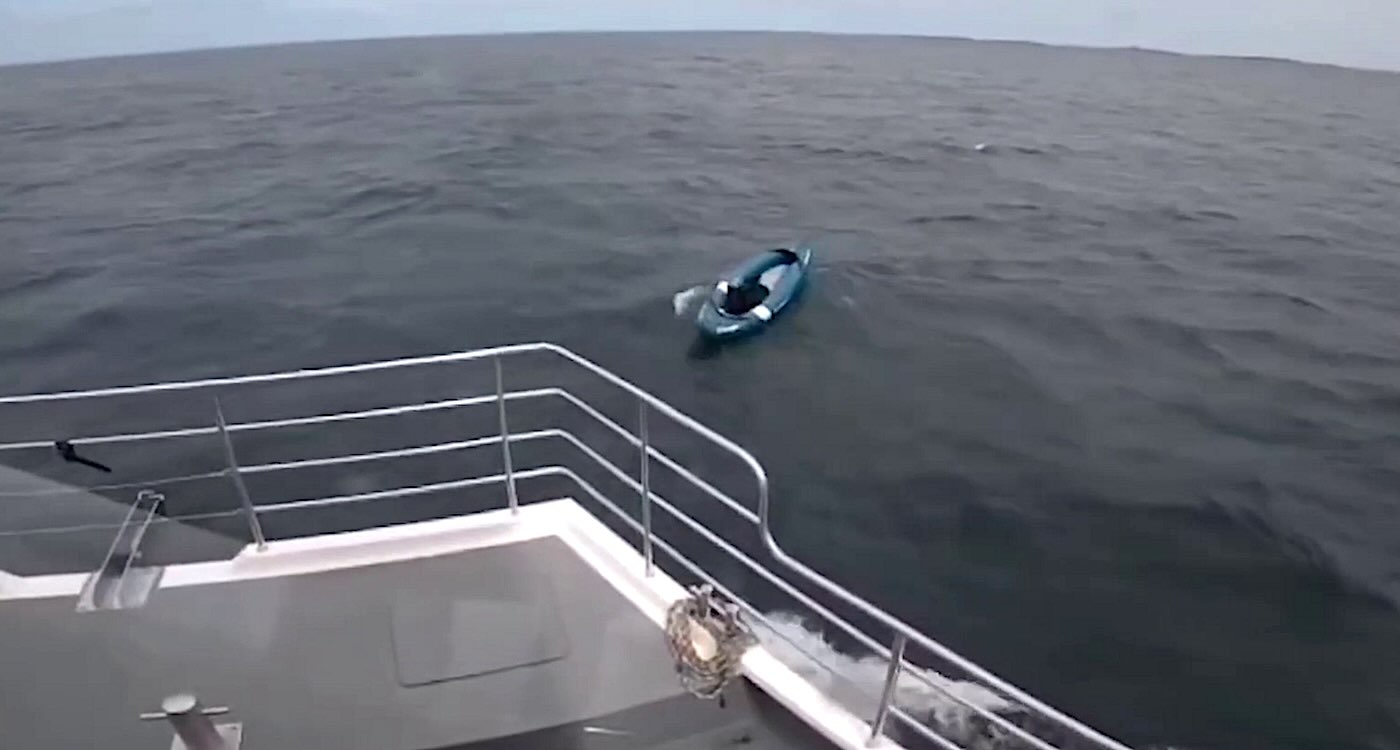
Dog rescued at sea in inflatable kayak – Serenity Farne Island Boat Tours / SWNS

A tour boat joined the search for a dog that had floated three miles out to sea in a kayak.

After two hours of searching, they spotted the inflatable boat on the horizon but couldn’t see if the pooch was still aboard. As tension mounted, they young men captured the moment on video when they confirmed that large black pup was safe.

Bruce the Alsatian was playing in the waves when his owner put him in an inflatable boat to swim beside him.

But a gust of wind dragged the kayak away from the shore of Northumberland, in North East England—and Bruce was suddenly washed out to sea.

His panicking owner raised the alarm and coast guard crews from the nearby town of Seahouses scrambled to search for him last Sunday afternoon.

Video from the two-man crew of Serenity Farne Islands Boat Tours shows the moment Captain Jimmy Reid spotted the kayak floating in the North Sea.

“My emotions definitely got the better of me when I finally spotted Bruce inside the boat,” he told SWNS news.

“I had a heart-wrenching fear the dog was going to go in the water and stay there.

“When we actually got him on board and knew he was safe and knew the hard bit was over, we were both ecstatic.”

AMAZING RESCUE: 18 Rescue Workers Toil for 6 Hours to Save Dog Trapped Underground (Watch Her Joyful Release)

Crewman Aaron and Captain Jimmy Reid with Bruce – Serenity Farne Island Boat Tours / SWNS

The crew leapt into action after hearing the alert come through their radio as they made their way back after a tour of the Farne Islands.

Bruce’s owner had desperately tried to swim after the boat as it was blown out to sea, but had been forced to turn back.

“Bruce did the right thing by turning round,” Jimmy said. “It could easily have been a multi-casualty thing if he had kept going.

“When we found the boat we tried to get a harness around Bruce but it just slipped off and he fell into the water.

“Luckily my crewman Aaron reached down and grabbed him by the scruff of the neck and hauled him on board.”

CLEVER GIRL: Grandmother Gets Help From Her Dog While Gardening: She Points and He Digs

Bruce was hypothermic but the crew wrapped him in towels to warm him up before sailing back to the shore where he was reunited with his relieved owner.

Watch the rescue below…

SHARE BRUCE’S GOOD NEWS With Dog Lovers On Social Media…

France Salutes America, Flying Over Statue of Liberty–Launching Month of Celebrations for 250 Years of Friendship

The Patrouille de France flies over Statue of Liberty – Credit: Official page of the Embassy of France in the U.S. via FB

The skies over New York City turned red, white, and blue on Tuesday as France launched Mission #Liberté250 to celebrate America’s 250th anniversary—and to honor the enduring alliance between sister nations.

The flyover by the French Air Force’s precision aerobatics team—the Patrouille de France—kicks off a historic month-long tour along the East Coast in a tribute to 250 years of French-American friendship.

The official social media page of the Embassy of France in New York shared video and photos on Facebook, thrilling anyone who missed the spectacle from the riverbanks of the Hudson.

“What a symbol,” said French President Emmanuel Macron. “250 years of shared history.”

That history goes much further back than the gift of a bronze Lady Liberty from Paris in July 4, 1884, to commemorate the centennial of U.S. independence.

France, in fact, was the primary reason the Declaration of Independence was written and signed 250 years ago in 1776. The document was fundamentally designed as a ‘call to arms’ for France’s King Louis XVI, signaling that the colonies were permanently breaking from Britain.

King Louis XVI made it clear they would not openly intervene in a civil war between Britain and her colonies, and had no interest in backing a rebellion that might be temporary and end in a peaceful reconciliation, leaving France exposed to British wrath.

Thomas Paine publicized this exact geopolitical reality in his January 1776 bestseller Common Sense, arguing that France and Spain would never lend aid until a manifesto of independence was dispatched to foreign courts. So, the Continental Congress had to formally declare themselves a separate, sovereign nation.

By issuing the Declaration on July 4, Congress transformed their movement from an illegal domestic insurrection into a legitimate war between sovereign states.

France made moves to ensure the American Revolution prevailed

But France had already been actively making the quiet, monumental moves that ensured the American Revolution survived its infancy. Before the colonies ever signed the Declaration, France was setting up the covert supply chains that kept George Washington’s army alive:

May 2, 1776: King Louis XVI officially authorized one million livres to purchase munitions for the Americans.

June, 1776: The French government backed a playwright’s idea to establish a fictitious trading firm—a ‘front company’ that allowed France to secretly channel gunpowder, muskets, tents, and uniforms to the Continental Army while maintaining official neutrality to avoid immediate war with Britain.

So critical was France’s secret aid that an estimated 90% of American troops at the pivotal first Battle of Saratoga carried French firearms and were entirely dependent on French gunpowder. Without the logistical support shipped overseas 250 years ago this summer, the revolution likely would have collapsed. (See the calendar of events for Liberté250 at the bottom…)

Lafayette, a French hero who forced the British surrender

The Marquis de Lafayette began working with George Washington in 1777, four years before the British surrender at Yorktown. The 19-year-old French aristocrat immediately impressed Washington with his unusual humility; unlike other foreign officers who demanded high pay and immediate command, Lafayette offered to serve without pay and volunteered to start as a basic staff member.

In his very first combat experience under Washington, Lafayette was shot in the leg while trying to rally retreating American soldiers in the 1777 Battle of Brandywine. Washington was deeply moved by the young Frenchman’s bravery and ordered his personal army surgeons to care for Lafayette as if he were his own son. Later that year, the Frenchman stayed by Washington’s side during the brutal winter at Valley Forge, sharing the same harsh, freezing conditions as the regular troops, which cemented a lifelong father-son relationship between the two men.

16 months later, with Washington’s blessing, Lafayette returned to France as a military hero—and lobbied the French king for massive reinforcements. He sailed back to America in 1780 and told Washington the ultimate good news—a French expeditionary force of 6,000 soldiers under General Rochambeau was on its way to fight under Washington’s direct command.

This deep, four-year foundation of trust is exactly why Washington bestowed upon a 23-year-old Lafayette the independent command of Virginia in 1781, setting the stage for a blockade that outmaneuvered British Lord Cornwallis, trapping him in Yorktown for the final victory.

After the war: Lafayette and Washington at Mount Vernon in 1784 – by Louis Rémy Mignot and Thomas Prichard Rossiter

Outnumbered nearly 4-to-1, Lafayette used a “cat-and-mouse” strategy, retreating north to Fredericksburg to preserve his forces while teasing Lord Cornwallis into chasing him deeper into the Virginia wilderness.

Mistakenly believing Lafayette’s army was broken, Cornwallis marched his troops to the port of Yorktown to establish a naval base for reinforcements by sea. But. Lafayette quickly moved his forces south, sealing off the land exits of the Yorktown peninsula and trapping Cornwallis against the water—sending a dispatch to Gen. Washington: “The British army is cornered.”

In October of 1781, Washington arrived along with French Gen. Rochambeau and the French fleet to launch the Siege of Yorktown. Cut off from land—by Lafayette’s troops—and by sea—thanks to French ships—Cornwallis formally surrendered, effectively winning the war for American independence.

And the Patrouille de France jets will be flying in formation over that very spot next Monday…

RELATED TO THE REVOLUTION:
This Year Is the 250th Anniversary of the First Battle of the American Revolution, But it Ended in a Standoff
Perfectly Preserved 250-Year-old Cherries Found in George Washington’s Cellar at Mount Vernon

Check out other Liberté250 events and flyovers scheduled for the next month below… (Note: New events may pop up on their website.)

  • June 13 and 14: The Ocean City Air Show in Maryland
  • June 15: The Patrouille de France will stage ceremonial flyovers over Yorktown, Williamsburg, and the Chesapeake Bay
  • June 20 and 21: Fly over at the Naval Air Station Patuxent River Airshow
  • June 22: The French aerial detachment will conduct flyovers over the National Mall in Washington, DC, Arlington National Cemetery, and Mount Vernon.
  • June 24–30: The French Navy will participate in Sail250 in Baltimore, Maryland, alongside an international flotilla of tall ships and military aircraft.
  • June 27 and 28: The Sail250 and Baltimore Air Show
  • Fourth of July: The Patrouille de France will fly over Washington, DC

SHOW YOUR GRATITUDE By Sharing The Special History on Social Media…
“Overthinking is your imagination misused. If you can overthink the worst, why can’t you overthink the best?” – Jennifer Cohen

Credit: Nathan Dumlao

Quote of the Day: “Overthinking is your imagination misused… If you can overthink the worst, why can’t you overthink the best?” – Jennifer Cohen
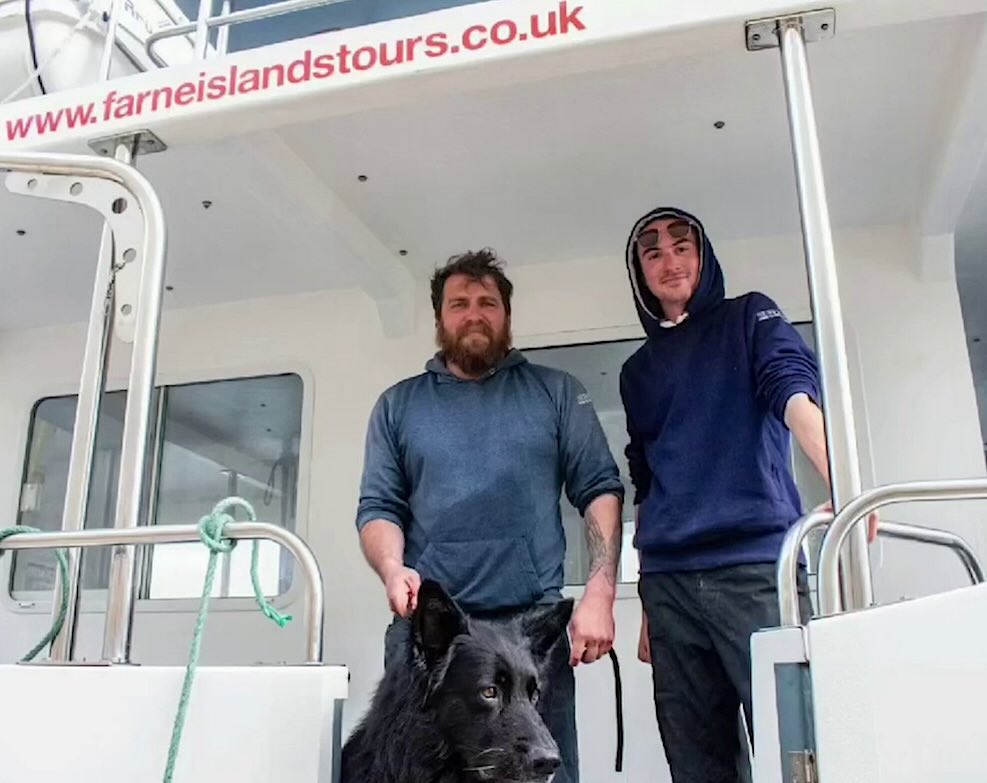
Photo by: Nathan Dumlao

With a new inspirational quote every day, atop the perfect photo—collected and archived on our Quotes page—why not bookmark GNN.org for a daily uplift?

Credit: Nathan Dumlao

Good News in History, June 12

250 years ago today, Virginia’s colonial legislature became the first to adopt a Bill of Rights. Known as the “Virginia Declaration of Rights,” it formed the basis and foundation of government in Virginia at the time, and a slightly updated version may still be seen in Virginia’s Constitution, making it legally in effect to this day. READ more, such as who wrote it… (1776)

Therapy Donkeys Prove Such a Balm of Calm to Psychiatric Hospital That Organizers Look to Expand

- credit Getty Images for Unsplash +
– credit Getty Images for Unsplash +

An animal therapy program at a psychiatric hospital in France is providing major improvements in care outcomes for patients.

This is reported by the patients themselves, observed by hospital staff, and presented by the program organizers, who now want proper research done into the practice to help standardize it and allow it to be available more broadly across the country.

Compared with the horse, the donkey definitely suffers from stereotyping across human culture and folklore. But it’s fair to say this is a pretty unjustified rap, since the donkey has been with us far longer than its taller, rangier cousin the horse.

Domesticated two-thousand years or more before a horse ever felt the tug of a rein, donkeys are often used as therapy animals because of their gentle, social, and intelligent natures—owed perhaps to this long history of cooperation with humans.

Every Friday at Ville-Evrard hospital complex, in Neuilly-sur-Marne, near Paris, patients suffering from psychiatric disorders, anxiety, loneliness, and other ailments get to visit the hospital’s wooded farm sanctuary for a therapy session with a therapy donkey.

Donkeys were bred to bear tremendous burdens over long distances—the anxiety or even schizophrenia of the patients is no sweat for equines like Nono, Pitou, Oscar, Manolo, or Malraux, who will pull some of the patients around in carts, offer their hooves for a nice cleaning to those who are a bit more confidant, or just quietly nuzzle others who need a good nuzzling.

Patients attend free of charge, and several described it as a valuable change of scenery which brings “relief.”

“Talking with people, taking part in activities I wouldn’t normally do, it helps me in my daily life,” said a patient, 52-year-old Jérôme. “It helps you break away from the routine of treatment and medication. Staying at home isn’t good for me.”

ALSO CHECK OUT: Depressed Cow ‘Overjoyed’ to Be Reunited With Therapy Goat Stolen From Their Paddock

Married couple Ermelinda and François Hadey launched the project for Ville-Evrard, and the first donkeys trained by François arrived in 2016. Ermelinda, a psychiatric therapy nurse, strongly believed in animal therapy. The couple determined that donkeys would be the perfect choice, but the program has grown to include all kinds of critters, including goats, turtles, rabbits, guinea pigs, chickens, and doves.

Alicia Fabi, an 18-year-old nursing student, told the Associated Press that the activity gives patients a chance to leave the hospital environment.

THERAPY ANIMALS TO THE RESCUE: Tiny Therapy Horses Have Big Impact on Hurting Humans

“Every time we come back from the activity, they say they feel good, calm and relaxed, and that they enjoyed the outing. That’s really positive,” she said.

The hospital and the Hadeys are looking to have proper scientific research performed on the donkey therapy program. Their hope is that it can be offered more broadly across the country.

WATCH the story from Euronews… 

BRAY About This Brilliant New Standard Of Care With Your Friends…

7-11 Owner Pays Forward Kindness from Decade Ago with Viral Signs Offering Shelter from Scorching Heat

- credit, みんなやさしくなあれ retrieved from Facebook
– credit, みんなやさしくなあれ retrieved from Facebook

Okay, so you can’t read Japanese, but you’ll want to keep scrolling to see what this “almost too kind” 7-Eleven owner had to say to his customers.

Located in several cities in Niigata Prefecture, western Japan, signs inviting customers to come in and cool off suddenly popped up at 3 such convenience stores.

“If you feel unwell and think it may be heatstroke, please don’t push yourself — come inside and cool off,” the friendly notice, devoured by social media, read. “There is no need to purchase anything out of courtesy. Please focus solely on recovering your strength.”

The words weren’t written originally by 63-year-old store and franchise owner Tatsuya Takahashi, but he adopted them after seeing a similar notice online during last year’s scorching summer. He was at the time wondering what he could do to help his community.

The first viral post of the notice appeared on X where half a million people liked it, and was shared in translated versions by overseas accounts.

As the 90-degree days turned into bitterly cold winters, Mr. Takahashi switched out the friendly signs with new ones.

“You must be tired of driving on snowy roads. Then, please don’t hesitate to come inside and warm up,” the new sign read with a similar assurance that no purchases need be made.

“We pray for your safety” it concluded. The response to the sign was especially enthusiastic at the Ozumi Parking Area near the city of Nagaoka, which is an area known for heavy snowfall where truck drivers often sleep in their cabs.

MORE STORIES LIKE THIS: Wichita ‘Taco Hero’ Gets Year of Free Tacos for ‘Mind-Blowing’ Kindness After Card Reader Went Down

Shared by the Mainichi Shimbun, the longest running English-language daily in Japan, Takahashi explained that his goal was to “pay forward” the kindness which he received while traveling a decade ago.

Suffering heatstroke, he sought refuge in a restaurant where the owners took care of him until the recovered. He never forgot the simple acts of giving him cold water and leading him to the coolest seat, and hopes that others may likewise recover in one of his convenience stores.

JAPANESE CHARACTERS: Trading Cards Starring Middle-Aged Men Go Viral in Japanese Town, Boosting Volunteerism and Respect for Elders

“Even small acts of kindness can come full circle,” Takahashi told the paper.

Equally inspired by the man’s kind signs, Japanese 7-Eleven launched a “cool share” campaign at locations around the country inviting people to come in and do just the same.

SHARE This Nice Japanese Man Paying Forward Kindness In His Community… 

Inventor’s Microfiber Laundry Filter Is Already Keeping Tons of Fossil-Fuel Fibers Out of the Environment

Adam Root (center) and his microplastic filter - credit, Matter Industries
Adam Root (center) and his microplastic filter – credit, Matter Industries

An English inventor has partnered with home appliance giant Bosch to produce a laundry machine filter for artificial microfibers, the world’s most significant source of microplastic pollution.

You’ve got to be a bit eco-conscious to fork over the $250 or so to buy the food-processor sized device that hooks right up to a home washing machine, but the home market is just one direction that inventor Adam Root is pursuing.

Microplastic pollution may be the world’s largest public health threat. The tiny fragments are found everywhere in the world a scientist has cared to look, including in every human organ and tissue, from the brain to the placenta.

Scientists aren’t aware of all their potential health consequences, but research has concretely demonstrated that microplastics dysregulate hormones at least, and are linked to a variety of other conditions including stunted growth, reduced fertility, and stomach, kidney, and liver problems.

Many people will equate the plastic bottle floating in the sea to the pollution, but the largest source are microfibers and come from two sources: artificial clothing and textiles, and tire tread wear.

Root says that every load of home laundry will ultimately shed about 1 gram of tiny fossil fuel-based thread filaments, and that these are typically washed out of the machine and into the sewage system, to join rivers and eventually the sea.

That’s why Root is working to pioneer his easy-to-install, self-cleaning, and filterless device at scale to textile plants and industrial washing operations.

“The most common thing we hear is: ‘I cannot believe how much material is coming out of the washing machine,’” Root told the Guardian. “Somebody sent me [photos of] dinner-platefuls.”

Additional benefits is the filtering out of normal fabric fibers that are chock full of synthetic dyes and other chemicals that do our biology no favors either.

Root and his company Matter Industries which makes the filter device aren’t waiting around for the citizens of the world to all miraculously find $250 to spend on something that will have no measurable effect on the benefit of their lives, and is instead going right to the source: to the factories that make artificial textiles.

ANOTHER INSPIRING INVENTIONS: 3 Teens Win Earth Prize for Asia Inventing Tamarind Powder That Easily Removes Microplastics

Part of the manufacturing process for these textiles is dyeing and washing which will release 360 metric tons of microfibers in one year in a single factory. These large industrial washing operations are prime targets for filtration.

Root has additionally campaigned in the UK to get a version of his filtration device on wastewater treatment plants that will handle discharge from home washing machines.

MORE HOME SOLUTIONS: Lampshades Are Turned into Indoor Air Purifiers by Applying “Clever” New Coating

German manufacturing giants Bosch and Siemens have already teamed up with Matter to expand Root’s efforts, and $20 million in fundraising has already seen him and his team take big steps towards getting the technology out into the world.

In 2025, Matter Industries finished as a finalist of the Earthshot Prize, and since the launch of its product line in June, enough of the home devices have been shipped out to capture  4.6 tons of microfibers over their operational lives.

SHARE This Big Impact Already From One Man On A Mission To Help The World…

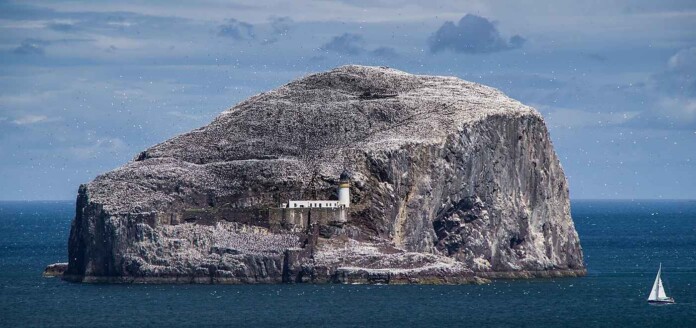
Family That Owned This ‘Wildlife Wonder of the World’ for 300 Years Sells Bass Rock to Protect 100,000 Seabirds

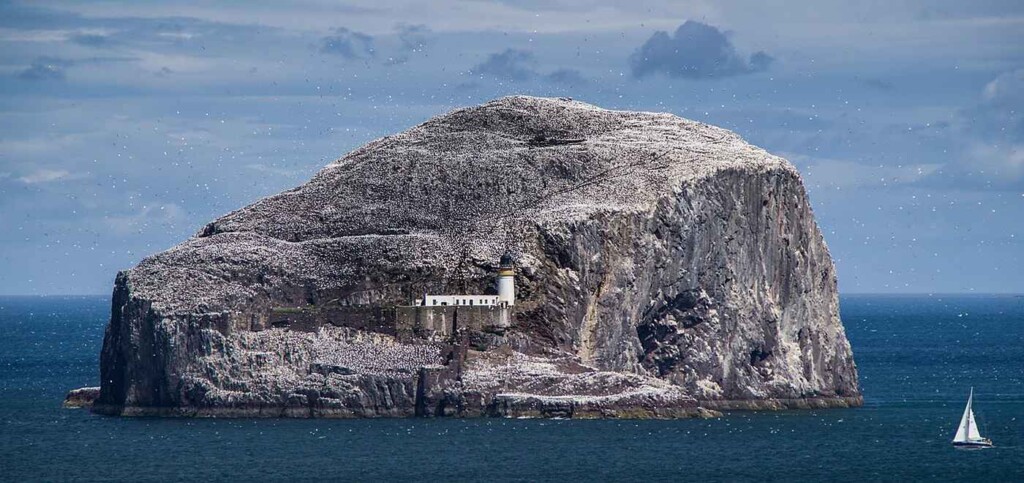
Bass Rock with its castle walls and lighthouse - credit CC Ben Clarke 4.0. BY-SA
Bass Rock with its castle walls and lighthouse covered in Gannets – credit CC Ben Clarke 4.0. BY-SA

A globally-important colony for seabirds has been sold to the Royal Society for the Protection of Birds to ensure the 100,000 gannets and 10,000 puffins that live there will benefit from top-notch conservation management.

Owned by the Scottish noble Dalrymple family for 320 years, Bass Rock and the neighboring uninhabited island of Craigleith have long been famous worldwide for the epic colony of gannets which nest there.

Located in the Firth of Forth, the gannets live among the remains of a 14th century castle and a 17th century prison dubbed “Scotland’s Alcatraz.” The ‘Rock’ has been a figure of inspiration in song and literature for generations.

Sir David Attenborough described it as one of the “12 wildlife wonders of the world.”

Today though, the royals have decided to call time on their stewardship of the island after rising numbers of Scottish seabird fatalities brought Sir Hew Dalrymple around to the idea that conservationists will be better able to protect the magnificent colony with unfettered management of the island.

“I made the decision to do this because of the risk these birds are now facing,” Sir Dalrymple told reporters from the island. “I thought an organization like the RSPB would be better equipped to protect the islands and their wildlife than a private individual.”

“Hence, we have been in discussions and I am glad to say, although with some emotional regret, they are now custodians of these two islands.”

The Dalrymple family had long collaborated with the Scottish Seabird Centre to carry out conservation measures on Bass Rock, which The Scotsman credited with supporting the growth of the island’s puffin colony to 5-figure numbers, and with eliminating an invasive tree species.

ROYAL STORIES: 

However with a massive offshore wind farm being recently approved nearby that is estimated to have an impact on the gannet colony, the decision was made to sell.

RSPB bought the islands for around $680,000 worth of British pounds with the help of the National Heritage Memorial and Lottery funds.

“For the Memorial Fund, this is a once in a lifetime opportunity to secure the islands for the public and ensure that, with RSPB Scotland and the Scottish Seabird Centre at the helm, their role as seabird sanctuaries is protected for the future,” said Simon Thurley, chairman of both funds for the National Trust.

SHARE This Story Of Royals Choosing Wildlife Protection Over Possession… 

“Children are the keys of paradise.” – Eric Hoffer

Credit: Andrea Tummons

Quote of the Day: “Children are the keys of paradise.” – Eric Hoffer

Photo by: Andrea Tummons

With a new inspirational quote every day, atop the perfect photo—collected and archived on our Quotes page—why not bookmark GNN.org for a daily uplift?

Credit: Andrea Tummons