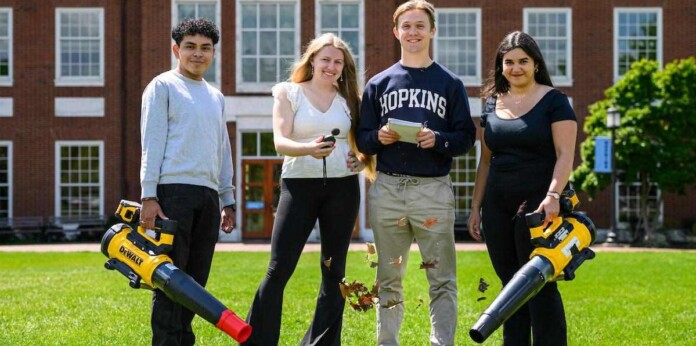
Michael Chacon, Madison Morrison, Andrew Palacio, and Leen Alfaoury - credit WILL KIRK JOHNS HOPKINS UNIVERSITY
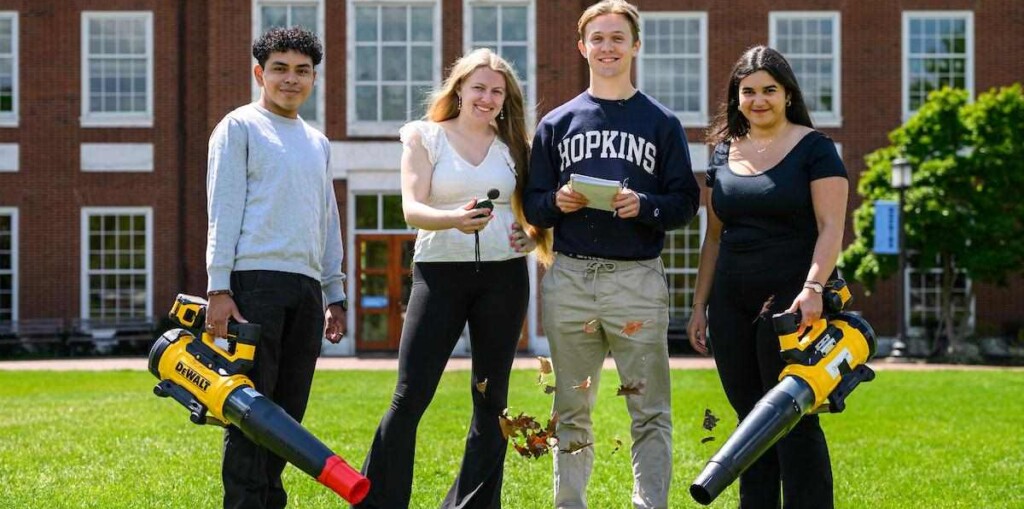
Michael Chacon, Madison Morrison, Andrew Palacio, and Leen Alfaoury – credit WILL KIRK JOHNS HOPKINS UNIVERSITY
Engineering students at Johns Hopkins have created a silencer module for the campus leaf blowers, reducing the overall noise pollution of the devices by 37%, while they succeeded in almost completely removing the high-pitched whining that annoyed them the most.
The design is patent-pending and Stanley Black & Decker, who sponsored the students, expects to be selling them in two years.
It’s not uncommon for leaf blowers to be banned by homeowners associations or following apartment tenant protests—their endless, up-and-down caterwauling of various frequencies is the delight of no one, and worse, landscapers often use them in the early morning to avoid the heat of the day.
“The sound that comes out of this leaf blower is very complicated and it contains a lot of different frequencies,” said team member Andrew Palacio. “A lot of different notes on a piano would be a good analogy.”
At the moment, the Johns Hopkins campus uses battery-powered leaf blowers which are already quieter than gasoline-powered ones. Since last September, Palacio and his team members Michael Chacon, Leen Alfaoury, and Madison Morrison have been examining the devices in depth—how many sounds are there, and what is causing them.
Overall they workshopped more than 40 versions of a leaf blower silencer. Many of them worked but diminished the power of the air coming out. They eventually came up with an easy-to-secure suppressor that functions much like the ones fitted to firearms.
“Our product takes in a full blow of air and separates it,” Alfaoury told Johns Hopkins. “Some of that air comes out as it is, and part of it comes out shifted. The combination of these two sections of the air makes the blower less noisy.”
“It ultimately dampens the sound as it leaves, but it keeps all that force, which is the beauty of it,” adds Chacon.
It’s one thing to come up trumps in a class project, but this invention isn’t designed to win them any science fairs, but rather for going on the shelves of Home Depot or Lowe’s.
“It’s not just some cool theoretical thing that will sit on a shelf and never be heard from again—this is ready to be mass manufactured,” said Nate Greene, senior product manager at Stanley Black & Decker, who graduated from Johns Hopkins in 2017 with an engineering degree. “This is a really rare and dramatic level of success.”
WATCH the story below from JH University Press…
SHARE These Intrepid Inventors And Their Noise Cancelling Device…
Quote of the Day: “If you don’t love me, it does not matter… I can love for both of us.” – Stendhal
Photo by: Paola Chaaya
With a new inspirational quote every day, atop the perfect photo—collected and archived on our Quote of the Day page—why not bookmark GNN.org for a daily uplift?
With lung cancer being the leading cause of cancer-related deaths worldwide, news of the unprecedented success of a new drug is sure to be celebrated.
The five-year results of a phase III trial present the longest progression-free survival data ever reported when treating non-small cell lung cancer (NSCLC) with a single targeted intervention.
Called lorlatinib, the drug is from a class of pioneering medications known as anaplastic lymphoma kinase inhibitors or ALK-inhibitors. ALK is a protein that can be utilized by tumor cells to help lung cancers, including NSCLC to spread, and is present in about 3 to 5% of cases—typically in young people with little or no smoking history. ALK-positive NSCLC is also more aggressive.
Lorlatinib is a third-generation ALK-inhibitor that was recently tested in a trial at the Peter MacCallum Cancer Center in Melbourne, Australia, of 296 patients with previously untreated, advanced ALK-positive NSCLC.
New Atlas called the findings remarkable, while the study lead author Ben Solomon told the Guardian they were unprecedented.
Five years after treatment, 60% of patients given lorlatinib were still alive without signs of disease progression, compared to 8% of patients in the control group who were given crizotinib, a first-generation ALK-inhibitor.
“This updated analysis shows that lorlatinib helped patients live longer without disease progression, with the majority of patients experiencing sustained benefit for over five years, including nearly all patients having protection from progression of disease in the brain,” Solomon told the press at the Peter Mac Center.
“These improvements in outcomes for patients with ALK-positive NSCLC represent a remarkable advancement in lung cancer.”
The most recent paper extends the follow-up window to 5 years, and consistent with the findings of the 2-year follow-up, lorlatinib is associated with a higher rate of non-cancer adverse health events than crizotinib, which is hypothesized to be a result of the drug increasing triglycerides and cholesterol.
However, adverse cardiovascular events are the same between the two, and it was found that the increase seen in lorlatinib could be eliminated by reducing the dose—all without reducing the effect it had on the NSCLC.
SHARE These Unprecedented Results In Fighting Off Non-Smoking Lung Cancer With Your Friends…
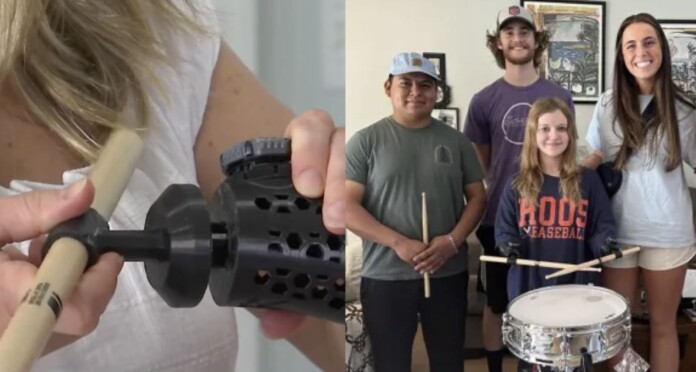
Tennessee Tech students create prosthetics for 12-year-old drummer Aubrey Sauvie
Tennessee Tech students create prosthetics for 12-year-old drummer Aubrey Sauvie
12-year-old Aubrey Sauvie never let her lack of hands interfere with the pursuit of her interests, whether that was Tae Kwon Do, art, or doing her own makeup.
Born a triple congenital amputee and missing both arms from below the elbows and several toes on one of her feet, it was from a very early age that she demonstrated to her family that there’d be very little necessity to accommodate her.
“It’s just one part of me,” Aubrey Sauvie told WKRN. “It doesn’t make me, me. It definitely was a challenge to learn, but as time went on, it became easier and easier until it wasn’t difficult at all.”
Indeed the family photo album is packed with pictures of her in dance competitions, breaking boards with a flying side-kick, or lined up in front of her snare drum with her school band, the drumsticks stuck in the creases of her elbows.
But that’s where even her dexterity and determination couldn’t succeed in producing the results she wanted—the sound of the snare just wasn’t right.
Aubrey’s middle school band teacher recommended her as a candidate for the Tennessee Tech University program, Engineering for Kids, where 10 students decided to make it a class project to create a pair of custom prosthetics so the firebrand could play the drums.
“So she plays the drums; does she also play the mallets?” Tennessee Tech mechanical engineering student Zakary Henson told the ABC affiliate as he recalled his thought process. “Does she play a xylophone? Something like that. So like is it going to have to have different handles? How is it going to be secured to the hand? All of these are questions we are thinking through.”
The solution as they saw it was a 3D-printed pair of durable yet flexible customized prosthetics with interchangeable grips, something which Tennessee Tech Professor of Mechanical Engineering Stephen Canfield said was a one in a million shot.
The students proceeded to work the entire semester taking measurements and testing prototypes before their one in a million shot turned out to be a home run—startling them as much as it delighted Aubrey.
Now the young drummer gets to hear the nice hard snap of a proper snare hit, which now has her envisioning a full drum kit.
WATCH the story below from WKRN News 2…
SHARE These Hard Working Students And Their Brilliant Work For Aubrey…
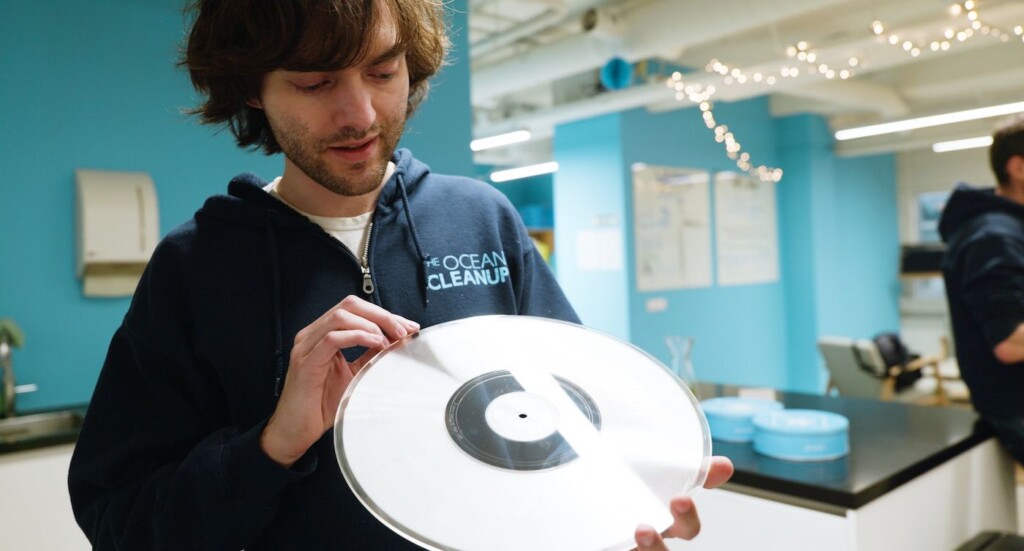
Boyan Slat with Coldplay album made of river plastic - THE OCEAN CLEANUP
Boyan Slat with Coldplay album made of river plastic – THE OCEAN CLEANUP
Coldplay has a new album announced: Moon Music, and in keeping with both the rise in conscious consumerism and the vinyl revival, there’s a limited edition record made using plastic removed from Rio Las Vacas in Guatemala.
The eco-conscious band has collaborated with Dutch non-profit The Ocean Cleanup, who have a mission to rid oceans and waterways of plastic. Much of their most publicized work takes place around the Great Pacific Garbage Patch in the Pacific Ocean.
However the organization is also deeply active in the world’s river systems, deploying floating barricades and special boats to trap and collect dumped plastics and prevent them from entering oceans in the first place.
Their Interceptor 006 floating barricade system was deployed in the Rio Las Vacas in 2023 to stop plastic emissions into the Gulf of Honduras.
“Interceptor 006 made significant impact and captured large quantities of plastic—which has now been sorted, blended, tested, and used to manufacture Coldplay’s limited edition physical release,” stated The Ocean Cleanup.
The final product, dubbed the Notebook Edition LP, consists of 70% river plastic intercepted by The Ocean Cleanup and 30% recycled waste plastic bottles from other sources.
The Interceptor 006 floating boom barricade system operating near the Gulf of Honduras – SWNSThe Ocean Cleanup’s River-going Interceptor – SWNS
Coldplay provides financial support for the non-profit’s cleaning operations, sponsors Interceptor 005 in the Klang River, Malaysia, and shared The Ocean Cleanup’s mission with millions of their fans during their record-breaking Music of the Spheres tour.
“Coldplay is an incredible partner for us and I’m thrilled that our plastic catch has helped bring Moon Music to life,” said Boyan Slat, Founder and CEO of The Ocean Cleanup.
“Ensuring the plastic we catch never re-enters the marine environment is essential to our mission, and I’m excited to see how we’ll continue innovating with Coldplay and our other partners to rid the oceans of plastic—together.”
Coldplay’s Moon Music album is set for release on October 4th.
SHARE This Story With Anyone You Know Who Enjoys Coldplay…
At the beginning of 2023, Colorado began enforcing a 10-penny charge on all single-use plastic and paper bags at major retailers in the hope it would encourage the use of reusable ones. This hope sprung into a massive success.
A report from 9News claims that Colorado used 1.5 billion fewer plastic or paper shopping bags since the implementation of the Plastic Pollution Reduction Act of 2021 that entered into force at the beginning of last year.
The 10-cent charge amounted to $5 million in revenue for the state, which was spent on a variety of programs including the free distribution of durable reusable shopping bags and educational resources for community groups.
Only stores with three or more locations were required to charge the bag fee.
“It took many years to get it passed, but we have become now a leader in the nation,” said Randy Moorman director of policy and community campaigns at Eco-Cycle, the non-profit advocacy group that came up with the 1.5 billion figure.
“…We’ve seen dramatic change in how we as customers go into our stores and use products like this. It’s become a pretty easy and regular change that we have accepted.”
Eco-Cycle finds that the usespan of your average plastic grocery store bag is about 12 minutes, while the petroleum-based plastic material takes hundreds of years to biodegrade, all while releasing harmful chemicals into whichever environment it is left in.
Even whilst celebrating the success of last year, Moorman and Eco-Cycle hope to see similar results with another part of the Plastic Pollution Reduction Act that went into effect this year—a ban on polystyrene (Styrofoam) products used as containers for ready-to-eat food and drinks will be banned.
GNN reported that such a ban was also implemented this year in Washington, where polystyrene is a hazard to the state’s rich coastal wildlife.
“I think it’s just phenomenal that we have been able in a relatively short amount of time make some dramatic changes that are not only going to have an impact on the day-to-day in our environment and health but on future generations, so that’s really exciting,” Moorman said.
SHARE These Awesome Results With Your Friends On Social Media…
Quote of the Day: “Hope is the only bee that makes honey without flowers.” – Robert Green Ingersoll
Photo by: Art Rachen
With a new inspirational quote every day, atop the perfect photo—collected and archived on our Quote of the Day page—why not bookmark GNN.org for a daily uplift?
Rachel Burns, 22, and her daughter Kaeyla, 1 - retrieved from GoFundMe
Rachel Burns, 22, and her daughter Raeya, 1 – retrieved from GoFundMe
A Northern Irishwoman was able to watch her beautiful healthy girl celebrate her first birthday just before receiving expected news: she had just 4 months, give or take, left on this Earth.
After experiencing persistent dizziness and eye irritation, Rachel Burns was told she had an advanced-stage brain tumor with a rare and aggressive mutation, and probably not more than 4 months to live.
Just 22 years old, one can scarcely imagine what the young mother must have been feeling, being that her daughter, Raeya, had just turned 1, she busied herself writing birthday cards for all the birthdays she presumed she would be missing.
“I left that appointment with no real hope and I didn’t know how to tell my mum and the rest of the family, I didn’t want them to get upset. It felt like everything had just been taken away from me at that point,” Burns told Belfast Live.
But if a slim hope of dodging death remains, it’s because Burns and her partner acted fast—setting up a GoFundMe to pay for a trip to Germany for an experimental treatment called ONC201.
Discovered in the last decade when scientists screened for compounds that would induce expression of the gene encoding tumor necrosis factor-related apoptosis-inducing ligand (TRAIL) in tumors and thus cause an autocrine or paracrine-induced death in tumor cells, ONC201 may give Burns years more to live.
The results were immediate and dramatic—in just 24 hours the fundraiser had accumulated £30,000, and six days on donations have continued to arrive.
As it stands, the couple have raised £48,000 of their £60,000 goal.
“I spoke with the doctor yesterday and now we are able to start making plans to go over,” said Burns.
“Belfast is such a small place but you never think that people from all over would show as much kindness as they have done for me and my family. It is a scary time to be going through all of this but this has given me more hope that I can spend some more time with my family.”
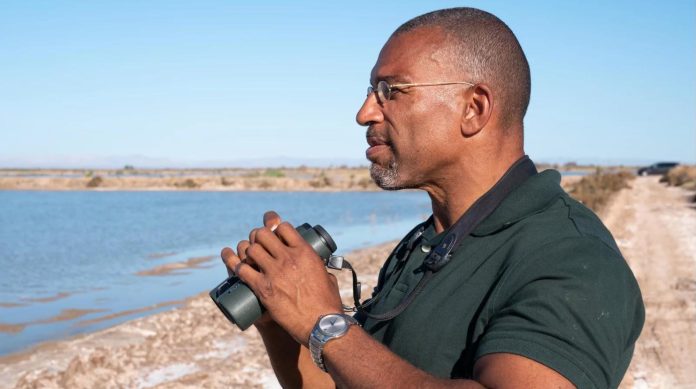
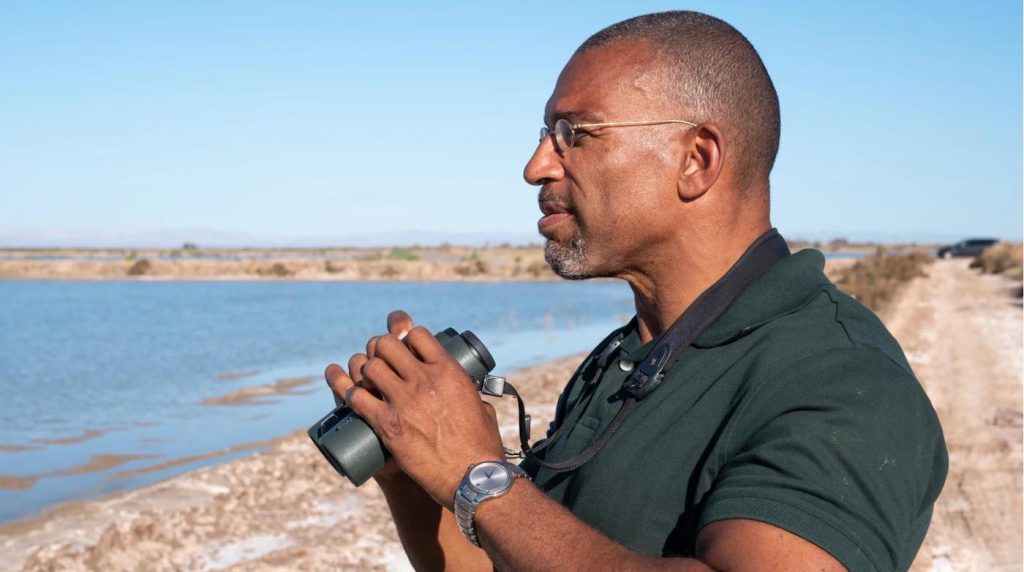
A devoted birdwatcher who landed a show on National Geographic after making headlines during a racial profiling incident has turned his fame into an Emmy Award after overcoming adversity.
It’s a beautiful culmination of four years of creative work spawned in the wake of the “Central Park Karen” incident, that has seen Mr. Christian Cooper produce a book, television show, and graphic novel series.
To readers for whom the 24-hour news cycle has swept this story under the rug, in 2020 Christian Cooper was in a wooded area of NYC’s Central Park called The Ramble, enjoying his lifelong passion for birdwatching when a woman threatened to call 911 on him after he asked her to put her dog back on its leash, as per the park rules.
Becoming irate, the woman called the police and said there was an African-American man threatening her life, all while the Harvard-educated Cooper recorded the dreadful stunt on his smartphone.
By posting it on social media, it became national news, and Cooper was asked to host a birding show on Nat Geo, while the woman was fired from her job as an investment manager.
On June 8th, he became a Daytime Emmy Award winner in the Outstanding Daytime Personality category for his show, Extraordinary Birder, which took viewers all over the Western Hemisphere exploring the nature and character of birds and Cooper’s lifelong hobby.
An artist's impression of star system WL20 - credit, U.S. NSF/ NSF
NRAO/B. Saxton.; NASA/JPL-Caltech/Harvard-Smithsonian CfA
An artist’s impression of star system WL20 – credit, U.S. NSF/ NSF NRAO/B. Saxton.; NASA/JPL-Caltech/Harvard-Smithsonian CfA
Astronomers were thrilled when they received the news that they were expecting twins—stars that is, after their telescopes recorded dramatic jets erupting from a faraway star system.
To preface the thrilling discovery, most of the Universe is invisible to the human eye because the building blocks of stars are only revealed in wavelengths outside of the visible spectrum of light our eyes can perceive.
Astronomers recently used two very different, and very powerful telescopes to discover two separate disks pierced by jets erupting from two separate young stars in a binary star system. This discovery was unexpected, and unprecedented, given the age, size, and chemical makeup of the stars, disks, and jets. Their location in a known, well-studied part of the Universe adds to the thrill.
Observations from the U.S. National Science Foundation’s (NSF) National Radio Astronomy Observatory’s (NRAO) Atacama Large Millimeter/submillimeter Array (ALMA) and NASA’s James Webb Space Telescope’s (JWST) Mid-Infrared Instrument (MIRI) were combined for this research.
ALMA and JWST’s MIRI observe very different parts of the electromagnetic spectrum. Using them together allowed astronomers to discover these twins, hidden in radio and infrared wavelengths in star system WL20, located in the nearby rho Ophiuchi molecular cloud complex, over 400 light years away from the Earth.
“What we discovered was absolutely wild,” shares astronomer Mary Barsony. “We’ve known about star system WL20 for a long time. But what caught our attention is that one of the stars in the system appeared much younger than the rest. Using MIRI and ALMA together, we actually saw that this one star was two stars right next to each other.”
“Each of these stars was surrounded by a disk, and each disc was emitting jets parallel to the other,” she adds.
ALMA spotted the discs, while MIRI found the jets. Co-author Valentin J.M. Le Gouellec of NASA retrieved and reduced ALMA archival data to reveal the discs’ composition, while Lukasz Tychoniec of Leiden Observatory provided high-resolution images, revealing the discs’ massive size, approximately 100 times the distance between the Earth and the Sun.
“So if it weren’t for MIRI, we wouldn’t even know that these jets existed, which is amazing,” Barsony adds.
Another remarkable thing about this discovery is that it may never have had the opportunity to happen. JPL scientist Michael Ressler explains that when he had command of the JWST for a brief moment, he decided to reconnect with an old flame.
“A lot of the research about binary protostars focuses on a few nearby star-forming regions. I had been awarded some observing time of my own with JWST, and I chose to split it into a few small projects,” Ressler said.
“For one project, I decided to study binaries in the Perseus star-forming region. However, I had been studying WL20, which is in the rho Ophiuchus region in nearly the opposite part of the sky, for nearly 30 years, and I thought, ‘why not sneak it in? I’m never going to get another chance, even if it doesn’t quite fit with the others.’ We had a very fortunate accident with what we found, and the results are stunning.”
By combining multi-wavelength data from ALMA and JWST, these new findings shed light on the complex processes involved in the formation of multiple star systems.
A hunter in Northern California stumbled upon a queer sight while out in the Cache Creek Wilderness—a donkey that had seemingly been adopted by a herd of elk.
The video he posted on his Instagram channel marks the first update on the status of Diesel, a local donkey separated from its owners back in 2019.
When out hiking with Dave Drewry, a local of Clear Lake, something spooked Diesel sending him running off into the woods. Drewry and his wife Terrie looked all over the nearby territory on foot, in their car, and even with drones, but could not locate their beloved donkey.
Over the years, the family was always saddened at the mention of their lost family member, believing that he didn’t have the minerals to survive in the wild.
Now five years later, triathlon and hunter Max Fennell posted a video on Instagram of a healthy adult donkey right in the middle of a herd of cow elk.
“I bumped into a herd of elk that have adopted a donkey. I can’t get over seeing it and I’m amazed that the donkey looks happy and healthy!” he wrote alongside the video.
The discovery made its way through the airwaves to Terrie and Dave, who said it was “amazing” to see him.
“He’s living his best life,” Mrs. Drewry told CBS News Sacramento. “He’s happy. He’s healthy, and it was just a relief.”
Despite her and her husband’s nerves about his chances, Diesel was originally a feral donkey adopted by the Drewrys through a program run by the Bureau of Land Management that allows the public to take custody of wild horses, donkeys, and mules they find on America’s landscapes.
The Drewrys have since adopted new donkeys, and they said there is no intention on their part to try and capture Diesel. By Terrie’s reckoning, Diesel would be 8 years old, with about three-quarters of his life ahead of him if he could stay abreast of the wolf’s jaws and winter’s cold.
“To catch him would be next to impossible,” Terrie said. “He is truly a wild burro now.”
With a new inspirational quote every day, atop the perfect photo—collected and archived on our Quote of the Day page—why not bookmark GNN.org for a daily uplift?
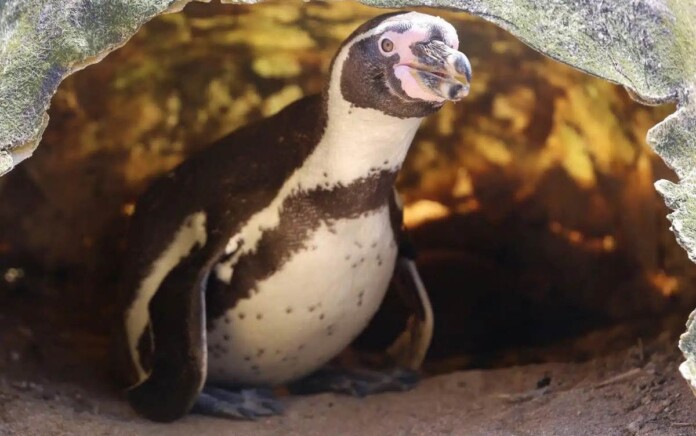
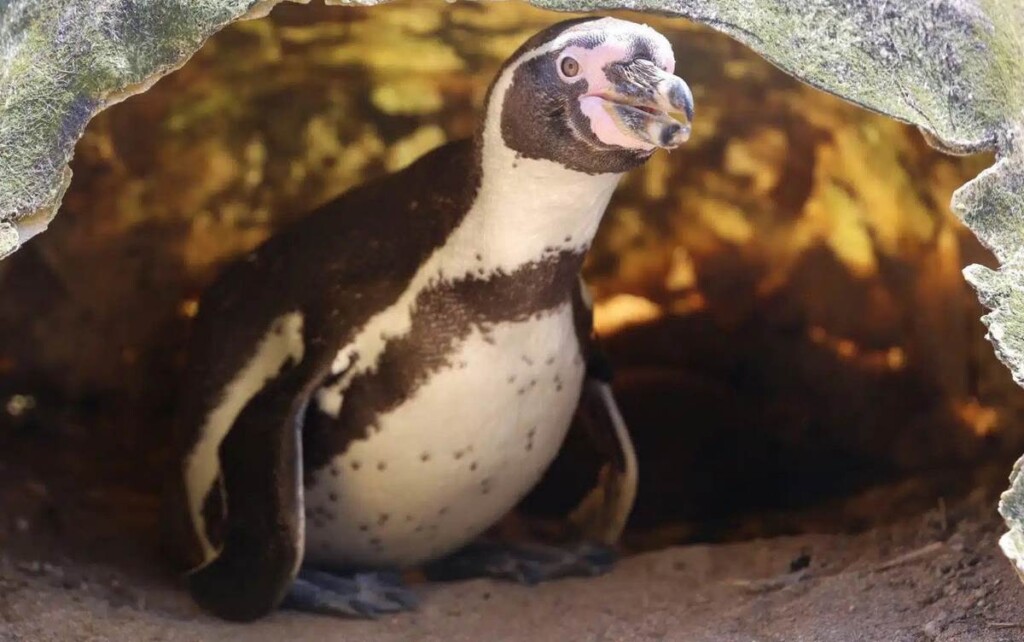
A great-great-great grandmother Humboldt pengiun in England’s blustery eastern coast has brought a member of yet another generation into the world after she shacked up with a bird 20-plus years her junior.
Windy surprised everyone at the zoo when during the last breeding season she paired with 4-year-old Nacho. A pairing doesn’t guarantee that mating will occur.
But despite the fact that Windy’s first egg was laid before Y2K had been disproven, and Nacho had only recently reached adulthood, the two produced a healthy young chick.
Windy has produced 23 offspring, but for Nacho it’s the first time.
Due to the success of her descendants through the European breeding program in 2023, she claimed the title of great-great-great grandmother to a chick hatched in Schwerin Zoo, Germany.
Even more remarkable about this pairing is that Windy might be the oldest penguin parent in the world.
Penguins—including Humboldt penguins—usually only live to around 30 years old in captivity. But Windy is proving to be as capable a mother as ever to her latest chick.
“Windy was paired up with male penguin, Jet, for a long time, and produced more than 20 chicks together,” said Dan Trevelyan, Senior Bird Keeper at Newquay Zoo in Cornwall.
”When Windy lost her partner, we didn’t necessarily expect her to pair up with another penguin, but Nacho started courting Windy last year, and the two have been devoted to each other ever since.”
“They had a clutch of eggs last spring, but neither of them were successful, so we are really happy that the pair have had a healthy chick this breeding season.”
SHARE This Great Great-Great-Great Pengiun Momma With Your Friends…
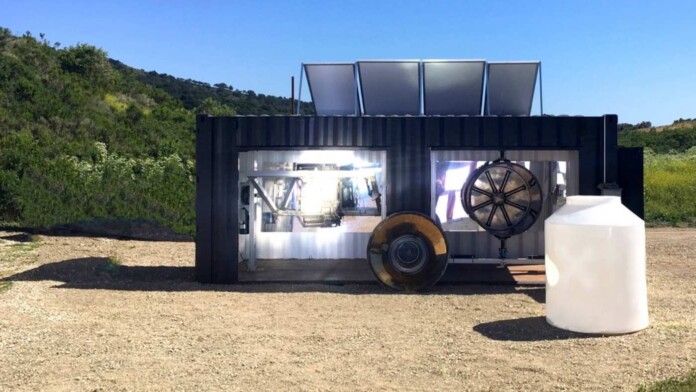
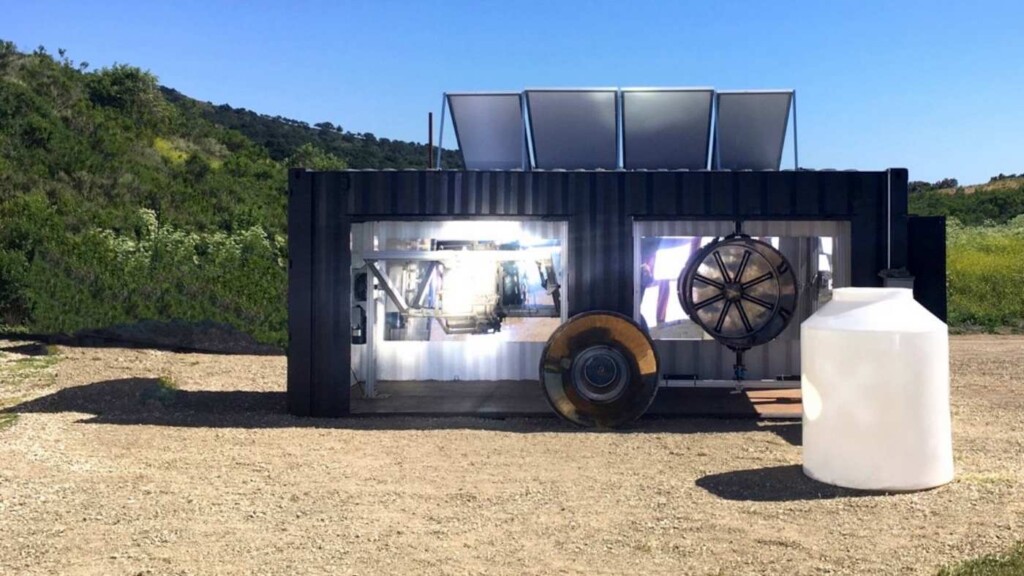
The molding system exposed to concentrated sunlight - credit Light Manufacturing
The molding system exposed to concentrated sunlight – credit Light Manufacturing
A startup has found a way to create high-quality plastic products like water tanks, boat frames, and more, all using the power of the sun, and has created a portable factory that can be transported anywhere in the world via shipping containers.
The speed and flexibility of the factory system make it an incredible asset for firms or governments operating in numerous environments and situations from disaster relief to rural development.
Called Light Manufacturing, the technology is known as Solar Rotational Molding (SRM), and in layman’s terms involves putting raw plastic into a mold and blasting it with a beam of sunlight concentrated via a bank of 30 special mirrors called heliostats that automatically adjust to keep shining on the mold as the sun moves across the sky.
Karl von Kries, founder of Light Manufacturing and inventor of SRM, used to work for a Massachusettes-based company that used rotational molding for flight cases, and started on his entrepreneurial journey after seeing the company’s energy bills, and watching An Inconvenient Truth.
“Back then I found it strange that we were paying for a lot of natural gas, but in the summer months, the roof of the factory was well over 130 degrees Fahrenheit,” he told GNN. “I wondered if there was some way to capture that solar heat.”
“I assumed that this idea had been tried before, and was found impractical. But I couldn’t find anything in the literature about solar rotational molding, so I set up a new company to ‘prove the idea would NOT work’ so I could get on with my career.”
Then a strange thing happened, solar molding “failed to fail.”
“We made some pretty low-quality parts at first, but we kept iterating, and by 2014 we were molding high-quality plastic parts and had landed several critical patents,” said Von Kries, who sees one of the best ways to utilize SRM technology as furnishing rural areas in poor countries with critical plumbing equipment like pipes and rainwater catch tanks.
“Currently our biggest system, the SRM4, can mold tanks up to 2,000 gallons / 7,500 liters. Each system can mold thousands of tanks a year… and of course, smaller tanks can be molded as well.”
The mold system is fitted on a rotational axis inside a shipping container, along with all control panels and electrical parts. No foundation or base is needed apart from one single acre of flat, cleared ground.
“All costs accounted for, our systems are one-tenth the cost of deploying a traditional molding system in a factory building,” Von Kires says.
With just a two-person crew, operating costs are very low, while finished product cost is 20-30% less than products made with traditional means because the system doesn’t require natural gas for heating.
Currently, Von Kries and Light Manufacturing have a system deployed already in Hawaii.
WATCH the system in action…
WATCH This Awesome Solar Powered Innovation With Your Friends…
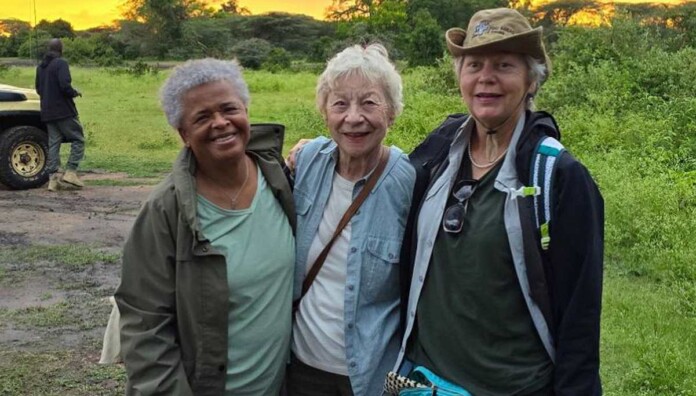
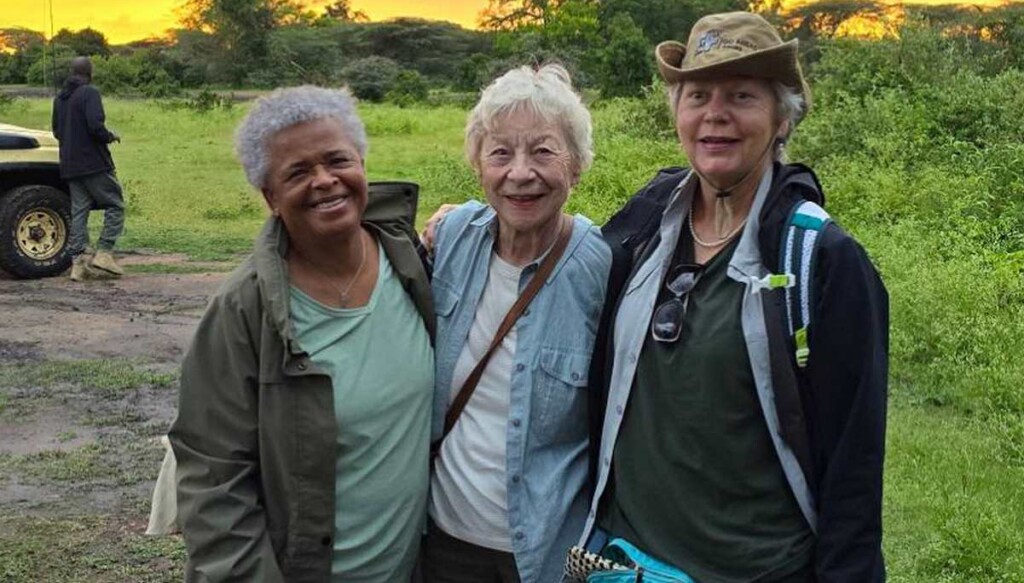
Trudy Veenstar, 81, (center) with people she befriended - SWNS
Trudy Veenstar, 81, (center) with people she befriended – SWNS
Trudy Veenstar never doubted the possibility of having a life beyond the end of a long marriage after her dearest partner passed away, she just never imagined it would come so soon.
81-year-old Veenstar spent the most memorable moments of her life traveling around the world with her husband, Auke Veenstar, who died at age 89 in April of last year. She preparing to carry the torch of their marital legacy onto the African continent, where the two either rarely or had never visited, when, in a turn quite unexpected, she fell in with a group of ladies who would become dear friends.
She decided to book a two-and-a-half-week safari around Kenya in February 2024. She had hardly concluded the first day when she hitched her lone wagon to a group of tourists and forged a special bond with them, most of all with Melisa Boddie, a TV executive from Denver who was also on the safari.
“As much as I missed including my husband in the planning, I am a traveler and I have always had it in me; I was so ready to get back out traveling,” Veenstar said. “The 32-hour flight was daunting but as I say ‘no pain, no gain’.”
Veenstar and her husband traveled extensively around the world, hitting Nepal, Bangkok, Myanmar, and Cambodia in Southeast Asia, and also South America and Europe.
As curious as she was to see what solo travel was like, she didn’t get to experience it for long. After just a few short hours, she met Boddie.
“I was eating breakfast and a woman asked if I minded her sitting with us for breakfast. That is when we learned that her husband died a year prior and this was her first trip without him,” Boddie told the British news outlet SWNS.
“We ended up meeting other people in the group, much older than me in their 70s and 80s. Trudy is a lovely woman, she is so funny and so lovely.”
During the trip, the group of friends who have nicknamed themselves the ‘Kenyan cousins’ visited all the national parks and saw much of the wildlife there.
Trudy said she did not expect to leave with a group of friends but she is happy she has.
“I never expected to leave with such a close group of friends, never expected to form such a bond with them.”
They are also trying to arrange another group holiday together but as Trudy is so well-traveled they are finding it difficult to find a place she hasn’t yet been to.
Olympus Mons seen here in an image from the Trace Gas Oribter with frost on its summit. PC ESA DLR FU Berlin University of Berlin.
Olympus Mons seen here in an image from the Trace Gas Orbiter with frost on its summit. PC ESA DLR FU Berlin University of Berlin.
Reprinted with permission from World At Large, a news website of nature, politics, science, health, and travel.
Yet more evidence for liquid water on Mars has been uncovered by a European space probe in the form of thousands of gallons of frost within the calderas of Martian volcanoes.
These patches of water frost were described by the international astronomy team as a “significant” first after being identified on the volcanoes of the Tharsis region.
They say their discovery, described in the journal Nature Geoscience, challenges previous assumptions about the Martian climate and is a major breakthrough in the search for lifeforms on other planets.
In a separate discovery by a different probe, another of Mars’ volcanic features has come to light as a potential goldmine of knowledge about the planet. A series of mysterious holes about 10 feet across that were recently reexamined are believed to be skylights—where the regolith of Mars collapsed down into a lava tube.
The images were taken by the Univ. of Arizona’s High-Resolution Imaging Science Experiment, or HiRISE camera, back in 2022 but when one of them surfaced on an image of the day feature, it reignited speculation about the origin of the mysterious holes found on the Arsia Mons volcano—also in the Tharsis region.
Frost to frost
150,000 tons of water swaps between the surface of Olympus Mons and the atmosphere each day during the cold seasons—the equivalent of around 60 Olympic-size swimming pools.
This is possible because Olympus Mons is the largest volcano in the solar system, and rises 3 times the height of Mount Everest, and from lee-to-windward, it’s as wide as France.
Discovered by the Color and Stereo Surface Imaging System (CaSSIS) onboard the European Space Agency’s Trace Gas Orbiter, The study suggests that the frost is present for only a few hours after sunrise before it evaporates in sunlight.
“We thought it was improbable for frost to form around Mars’ equator, as the mix of sunshine and thin atmosphere keeps temperatures during the day relatively high at both the surface and mountaintop—unlike what we see on Earth, where you might expect to see frosty peaks,” said study leader Dr. Adomas Valantinas, of Brown University, Rhode Island.
“What we’re seeing may be a remnant of an ancient climate cycle on modern Mars, where you had precipitation and maybe even snowfall on these volcanoes in the past.”
The research team proposes that the way the air circulates above these mountains creates a “unique” microclimate that allows the thin patches of frost to form in very thin layers, about the width of a human hair.
They believe modeling how the frost forms could allow scientists to reveal more of Mars’ remaining secrets, including understanding where water exists and how it moves, as well as understanding the planet’s complex atmospheric dynamics, which is essential for future exploration and the search for possible signs of life.
To that end, Dr. Valantinas now plans to look at ancient hydrothermal environments that could have supported microbial life on Mars.
These pits on Mars can be around 10 feet across, according to Space.com, but it’s anyone’s guess on how deep they go or where they lead. NASA, JPL, U. Arizona.
Mole Martians
These holes discovered by the HiRISE camera are believed to be a function of the ground caving into a lava tube below.
Underground lava tubes are strange places on Earth, but on Mars, it’s believed they could offer a readymade shelter from radiation that astronauts may be able to avail themselves of in future missions during solar storms.
“There’s more than one of these [pits] on Mars that we’ve seen,” Brandon Johnson, a geophysicist at Purdue University, told Business Insider. “But they’re really interesting because they’re places where astronauts might be able to go and be safe from radiation.”
Because of this shelter, they might also be a promising place to look for signs of microbial life. Lacking any significant or total magnetosphere, the barrier that protects life on Earth from solar radiation, the bosom of the Martian interior would be the only source of natural protection available.
Furthermore, while the surface of Mars can plunge into temperatures from minus 80 to minus 160 degrees Fahrenheit, living underground may help lifeforms avoid freezing to death. On Earth, the underground environment is essentially always 63°F, no matter where you go in the world.
On Mars, Johnson explains that it’s not known what the underground temperature would be, but it’s not a stretch to imagine something similar.
Propositions are forming to send a specialist rover to Mars to drop down into these skylights with the aim of studying the environment therein. While rovers have been until this point limited in scope to wheeled vehicles, testing is ongoing of serpentine rovers that ‘spiral’ across the ground rather than roll; allowing them to travel up and down walls, over the most uneven terrain, and even on ice. They’re being designed primarily for a hypothetical expedition to Saturn’s icy moon of Enceladus, but there’s no reason why snake probes couldn’t be used to explore lava tubes on Mars—it would probably be a simpler place to start anyway. WaL
SHARE These Amazing Mars Insights with Your Friends…
Quote of the Day: “Life appears to me too short to be spent in nursing animosity, or registering wrongs.” – Charlotte Bronte
Photo by: Anton Darius
With a new inspirational quote every day, atop the perfect photo—collected and archived on our Quote of the Day page—why not bookmark GNN.org for a daily uplift?
An Arizona woman held a ‘FUN-eral’ to celebrate her late husband’s life, complete with a bouncy castle, his favorite food, and ‘party bags’ for guests to take home, among the many good vibes.
Katie Young suddenly lost her husband, Brandon, after he suffered a stroke at the age of 39 and passed away a few weeks later on May 17.
The couple had three children together and Katie didn’t want them to have “horrible memories” of their dad’s send-off.
“I was thinking about my children and how the day would be, and it felt so wrong.
“All we were going to do was have these horrible memories. It didn’t feel true to Brandon.”
Instead of holding a traditional service and wake, the 40-year-old widow set out to make it a FUN-eral – ensuring the day would be a celebration of Brandon’s life—for her kids (aged 8-12) and the hundreds of guests.
She featured his favorite foods—chips and dips—and displayed his artwork and vast record collection so everyone could take home a goodie bag of items that would keep his memory alive. Crafting tables were even set up for people to make their own art.
Some of the art and goodies at the FUN-eral of Brandon Young – Katie Young / SWNS
“Every time I started thinking about planning a traditional funeral, I did not want to do it,” said the shop owner from Gilbert, Arizona.
She became adamant about holding a celebration that her husband of 16 years would have enjoyed.
“I have so many happy memories of Brandon. We loved to cook together (and) he taught me to have fun in the kitchen. I would follow a recipe and he would make things up.
Katie said she knew the day was “perfect” when she looked over at their children and they all had smiles on their faces.
Lights of different wavelengths have been studied for years for their wound-healing properties.
Now, low-level light therapy appears to positively affect healing in the brains of people who suffered significant brain injuries, according to a study published last month in Radiology, a journal of the Radiological Society of North America.
Researchers at Massachusetts General Hospital conducted low-level light therapy on 38 patients who had suffered moderate traumatic brain injury—an injury to the head serious enough to alter cognition or be visible on a brain scan. They all received light therapy within 72 hours of their injuries through a helmet that emits near-infrared light.
“The skull is quite transparent to near-infrared light,” said study co-lead author Rajiv Gupta, M.D., Ph.D., from the Department of Radiology at Mass General. “Once you put the helmet on, your whole brain is bathing in this light.”
The researchers used an imaging technique called functional MRI to gauge the effects of the light therapy. They focused on the brain’s resting-state functional connectivity, the communication between brain regions that occurs when a person is at rest and not engaged in a specific task.
The researchers compared MRI results during three recovery phases: the acute phase of within one week after injury, the subacute phase of two to three weeks post-injury and the late-subacute phase of three months after injury.
Of the 38 patients in the trial, 21 did not receive light therapy while wearing the helmet. This was done to serve as a control to minimize bias due to patient characteristics and to avoid potential placebo effects.
Patients who received low-level light therapy showed a greater change in resting-state connectivity in seven brain region pairs during the acute-to-subacute recovery phase, compared to the control participants.
“There was increased connectivity in those receiving light treatment, primarily within the first two weeks,” said study coauthor Nathaniel Mercaldo, Ph.D., who noted the next step is to study long-term effects.
The precise mechanism of the light therapy’s effects on the brain is also still to be determined. Previous research points to the alteration of an enzyme in the cell’s mitochondria (often referred to as the “powerhouse” inside each cell), Dr. Gupta said. This leads to more production of adenosine triphosphate, a molecule that stores and transfers energy in the cells. Light therapy has also been linked with blood vessel dilation and anti-inflammatory effects.
The 810-nanometer-wavelength light used in the study is already employed in various therapeutic applications. It’s safe, easy to administer and does not require surgery or medications. The helmet’s portability means it can be delivered in settings outside of the hospital.
It may have applications in treating many other neurological conditions, according to Dr. Gupta.
“There are lots of disorders of connectivity, mostly in psychiatry, where this intervention may have a role. PTSD, depression, autism: these are all promising areas for light therapy.”
One thing is true. The role of light therapy will only expand, as more study results come in
(SOURCE: Radiology, published by the Radiological Society of North America–RSNA)
SHARE THE NEWS With Brainiacs and Healers on Social Media…
According to a new poll, small moments of joy can turn even the most routine and ordinary day into memorable family time.
The survey of 2,000 American millennial parents found that moms and dads, on average, try to have fun with their kids outside the normal schedule, five days out of the week.
Commissioned by Hostess and conducted by Talker Research, the study found that 86% feel confident in their abilities to make small moments of joy for their family throughout the average day, and 91% believe finding moments of joy can have a positive impact both on their own and their kid’s wellbeing.
The parents were asked what makes their days feel more joyful: over half said making their kids laugh, or being silly with their kids; 46% said cuddling; and 43% also want to do something spontaneous and fun.
And when they feel like they’re stuck doing mundane tasks, parents said they like to make it more joyous by singing along to music (63%), generally being silly (46%) or dancing with their kids (43%).
The average parent said they try to surprise their kids with fun activities three times per week.
In fact, 68% like treating their kids to some sort of spontaneous activity, such as giving them a special treat or snack (59%), buying them something new (58%), or playing games together (57%).
Meanwhile, 78% of parents said they actually prefer planning fun activities for their kids ahead of time. They like to schedule visits to local parks (60%), plan family activities (51%), and half of the parents surveyed said they plan ahead to reward their kids for good grades.
“Following a daily routine can be beneficial for families and helps everyday life run smoothly, but it can also become repetitive and monotonous,” said Chris Balach, a VP at The J.M. Smucker Co. “A small break away from a typical day to find and appreciate moments of joy makes a big difference.”
Over seven in 10 parents prefer weekends for creating spontaneous moments of joy because they are able to spend more time relaxing with family without worrying about school or work.
But, nine in 10 are certain the more time their family plays together, the happier and more closely knit they will feel. And, 88% believed it’s important to have family outings outside the home at least once per week.
“Whether it’s planning a trip to the park or having an impromptu karaoke session at home, breaking away from the daily routine can encourage parents and kids to create lasting memories and appreciate those special moments of joy together,” added Balach.
TOP 10 WAYS PARENTS SAY THEY CAN MAKE THE DAY MORE JOYFUL
– Making my kid(s) laugh – 52%
– Being silly with my kid(s) – 48%
– Cuddling with my kid(s) – 46%
– Having nice weather – 43%
– Doing something spontaneous and fun – 43%
– Spending more time with my kid(s) at home – 43%
– Experiencing something for the first time with my kid(s) – 40%
– Spending time outdoors – 39%
– Learning new things alongside my kid(s) – 36%
– Finding a new mutual interest or hobby with my kid(s) – 33%