












All News - Page 241 of 1716 - Good News Network
Home Blog Page 241

Portland’s New Airport Built with Local Tribal Timber is Inherently Fire Resistant and Less Carbon-Intensive

Port of Portland - released
Port of Portland – released

Oregon is famous for forests, and so it makes sense that the new “Port of Portland” airport terminal is going to be built almost entirely of state-of-the-art timber.

Cross-laminated timber (CLT) also known as “mass-timber” is taking the construction world by storm with its incredible durability, robust fire resistance, low carbon footprint, and beautiful aesthetic. In Europe, CLT has been used to build skyscrapers, aka “plyscrapers.”

But CLT is not plywood, and is instead made of long boards pressed together cross-ways with glue and high temperatures, making it strong but also flexible.

In Portland’s new terminal, a giant roof for the main atrium—9 acres in area, is being built with CLT made from Douglas fir, hemlock, and southern yellow pine sourced entirely from within 300 miles of its location, all from either Oregon landowners or Tribal nations.

“The process was so exacting, the architects knew every board that frames the skylights above the 26 Y-columns came from the Yakama Nation, and all the double beams in the six massive oval skylights came from the Coquille Indian Tribe,” writes Patrick Sisson from Fast Company. 

“The Portland project has almost created a market across the country,” Dean Lewis, director of mass timber and prefabrication for Skanska, the company that is handling construction, told the magazine. “We’re getting calls from Atlanta and New York asking about the kinds of timber we can get within 300 miles of the city. ‘Can we do that here?’ They all want that local story.”
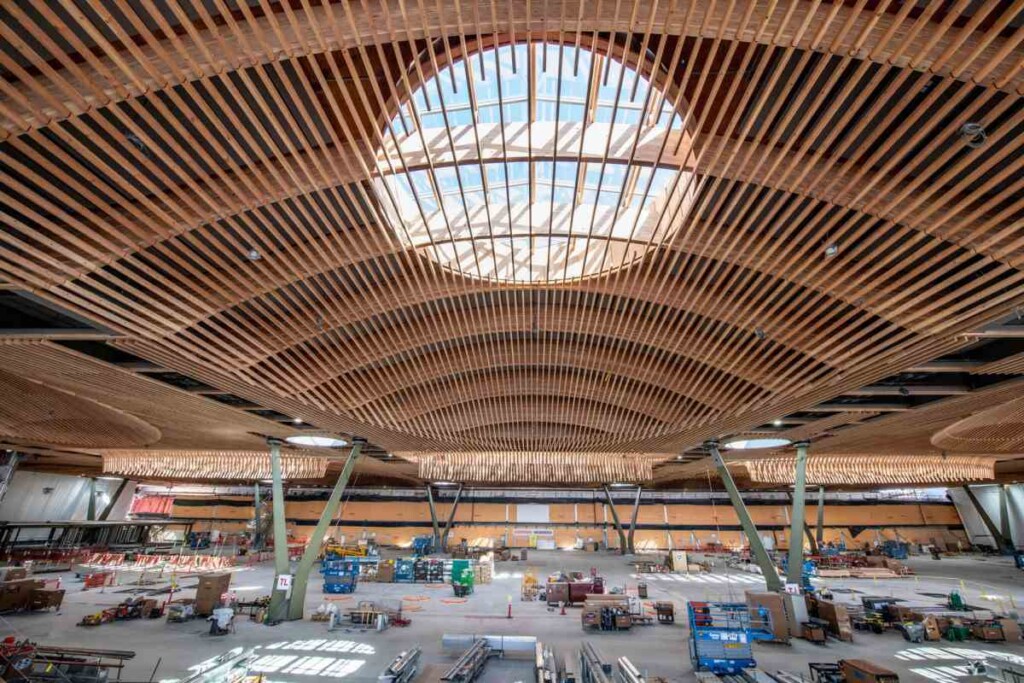
Port of Portland at its current state of construction – released

Along with being a beautiful place to embark and disembark, the terminal is envisioned as a huge flexing of the muscles of the American mass timber market, which internationally is mainly controlled by other countries like Sweden and Canada.

SWEDEN’S MASS TIMBER MARKET: Sweden Is Trying to Build a Whole City Borough Out of Wood to ‘Show What is Possible’

Mass timber is also, despite the chopping down of the trees, a low-carbon building solution. Concrete manufacturing is one of the three largest emitters of greenhouse gases in the world economy, and part of the appeal of mass timber is that by the time the tree is of the right age for building, the carbon absorbed in the tree is not only significant but removed from the global carbon cycle when it’s turned into mass timber.

MORE ALTERNATIVE BUILDS: World’s Tallest ‘Hempcrete’ Building in South Africa Captures More Carbon than it Emits

If, as is so often the case on timber plantations, trees die of natural causes, their decomposing releases that carbon into the atmosphere anew.

SHARE This Beautiful All-Oregon Airport With Your Friends From The Northwest…

Double Whammy of Pleiades and Leonid Meteor Showers Arrive Together This Month in November Sky

The Pleiades - Davide Simonetti, CC 3.0.
The Pleiades – Davide Simonetti, CC 3.0.

This month’s night sky will feature two wonderful celestial phenomena appearing in the sky together under a very small moon—leaving nearly nothing to dampen their splendor.

The Pleiades is one of the most regal star clusters visible from Earth with the naked eye, and a source of endless fascination among our ancient ancestors.

The Pleiades has many names: the Seven Sisters, Messier 45, or Mul Mul in ancient Mesopotamia, where it was found inlaid of gold on the Nebra Sun Disk from 1,600 BCE.

It is arguably the most famous deep-space object, located about 440 light-years away in the constellation Taurus and consisting of thousands of stars, though 7 stand out in particular.

Around midnight on November 18th, the Pleiades will be in a great spot for viewing—overhead towards the equator. Depending on the light pollution in your area, you won’t need a pair of binoculars, but with them, the Seven Sisters are truly stunning to behold.

It’s also on that night that Earth will pass the peak of the Leonid Meteor Shower, named for the constellation Leo. Leo will be lounging in the northeastern sky for most people, according to Valerie at Space Tourism Guide, and if you can spot the Big Dipper/Plough, you’re in the right part of the sky to spot some shooting stars.

There should be around 15 per hour—a good clip for what should be a pretty cold night. Ideal for this situation, the moon will be only 6 days old.

In other stargazing news, on November 2nd (tonight) Jupiter will be in perfect opposition to the Sun from the Earth’s perspective, meaning it will be lit up and visible in detail for those with telescopes and binoculars.

On the night of November 12th, the Taurid Meteor Stream will peak at around 10 meteors per hour under the complete darkness of a New Moon—optimal time for some star photography.

On November 27th, a full “Frost” or “Beaver” moon will reach opposition at 4:16 a.m. US Eastern Time. The Anishinaabe People of the Northern US/Canada called this “Little Spirit Moon” and was recognized as a time of healing.

SHARE These Great Opportunities To Go Outdoors For Some Stargazing… 

“Nature… is nothing but the inner voice of self-interest.” – Charles Baudelaire

Quote of the Day: “Nature… is nothing but the inner voice of self-interest.” – Charles Baudelaire

Photo by: Nathan Anderson

With a new inspirational quote every day, atop the perfect photo—collected and archived on our Quotes page—why not bookmark GNN.org for a daily uplift?

11th c. Monastery Gets Back Statues from Two US Museums–And Discovers Hundreds of Treasures in the Process

Intricate carvings and bronzes on display outside the monastery – Pranab Joshi/Courtesy Itumbaha

A Buddhist monastery in Nepal is experiencing a true renaissance following a series of museum repatriations that brought about an increased interest in the monastery’s 900-year history.

The revival in interest led to a hidden trove of Buddhist artifacts being discovered “buried in layers of dust and dirt and mud and sand,” the earliest of which date from the 13th century.

First established in the Nepalese capital of Kathmandu in the 11th century, the Itumbaha Monastery was a collection of warrens, shrines, and columned halls that gradually accumulated many treasures of the Saha world, including ornate halos and swords, golden crowns, mini stupas, and statues of deities, all collected there by kings and abbots.

The story of art theft and black market antiquities trade in Nepal is long and tragic, but as seen in Cambodia, West Africa, and Indonesia, museum curators are more ready than ever to make amends for the crimes of the past, and several priceless pieces have already been returned to Itumbaha.

These include a 13th-century wooden temple carving of a deity called “salabhinka,” from the Met in New York, and two carvings from the Rubin Museum, one of which was taken from Itumbaha, and another from a nearby temple complex.

CNN, reporting on the opening of the new Itumbaha museum, details that up until 1951, foreigners were not permitted into Nepal. After the country opened up, large amounts of religious artworks and artifacts were stolen while the country fought a long civil war.

Two decades ago, the World Monuments Fund, one of the largest non-profits in the world dedicated to preserving cultural heritage, began restoration work on the monastery—known in Sandskrit as a “vihara,” when workers and temple stewards came across a trove of hundreds of artifacts that had not been stolen, but instead had been hidden in forgotten storehouses and covered in dust.

The vihara was helped to properly inventory and digitize its collections by the Rubin Museum, perhaps as a bid to “make merit,” as the Buddhists say, for being the endpoint of the stolen religious artwork.

MORE MUSEUM REPATRIATIONS: Stolen Trove of Angkor Royal Jewelry Returned to Cambodia After Resurfacing in London

“It is our hope that through this collaboration we can create further awareness around the cultural importance of historic collections held in religious institutions like our own and the need to document and protect them,” said Pragya Ji, president of the Ithum Conservation Society which takes care of the vihara, in a statement announcing its partnership with the Rubin.

Executive director of the Rubin Museum, Jorrit Britschgi, told CNN over a phone call that the museum’s number one priority beyond its own operations is a doubling-down in efforts to look at its own collections and those of other institutions for artifacts that could have come from the vihara and others like it.

MORE WORLD MUSEUM NEWS: German Museums Work Year-Round to Find Rightful Heirs to Hundreds of Stolen Jewish Silver Pieces

Now, the vihara has its own museum of 500 pieces, 150 of which are on display at any given time. But being that Itumbara is a place where religious activities are held daily, the museum is “open” and the objects retain their roles in rites and festivals. Locals can touch, examine, and honor them if they wish, and it’s a far cry from climate-controlled rooms full of glass, cameras, and whispers like one would find in the Met.

“It’s entirely up to that community what they want to do with these objects, and most of the time they’re (put) back into the temple and shrines, and they will be worshipped,” Roshan Mishra, founding member of the non-profit Nepal Heritage Recovery Campaign, told CNN.

SHARE This Monastery’s Glory Days Restored With New Museum…

Ocean Lover Saves 1,000 Seals off Britain–and Even Built Them a Hospital

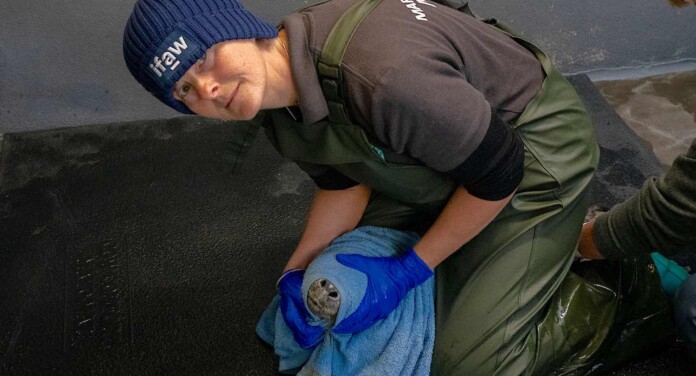
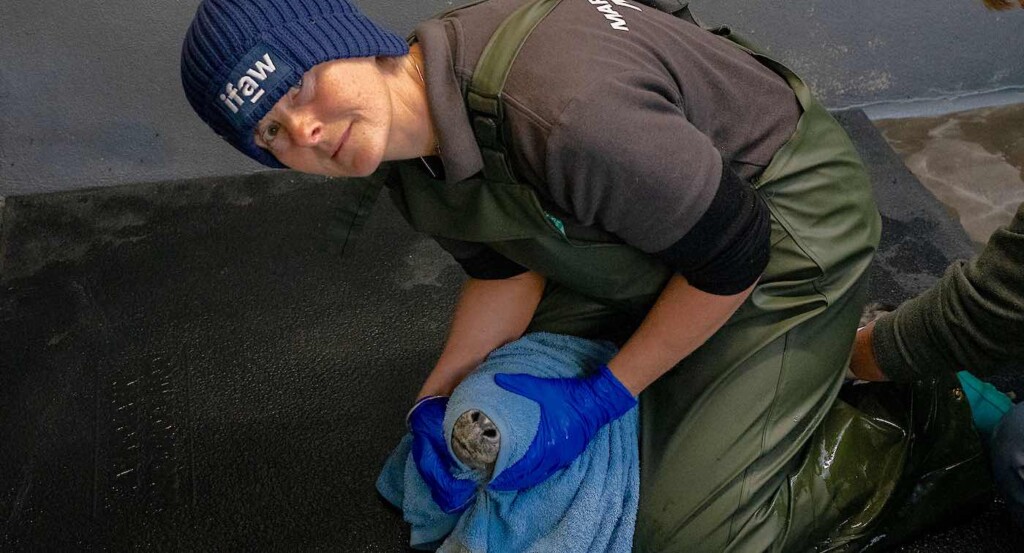
Lizzi Larbalestier at British Divers Marine Life Rescue Hospital givinG medication to a seal - SWNS
Lizzi Larbalestier at British Divers Marine Life Rescue Hospital giving medication to a seal – SWNS

In the beautiful, blustery seaside city of Cornwall, a woman runs a hospital for injured seals amid volunteer work rescuing all kinds of sea life, and was recently awarded the Animal Action Award for her heroic work.

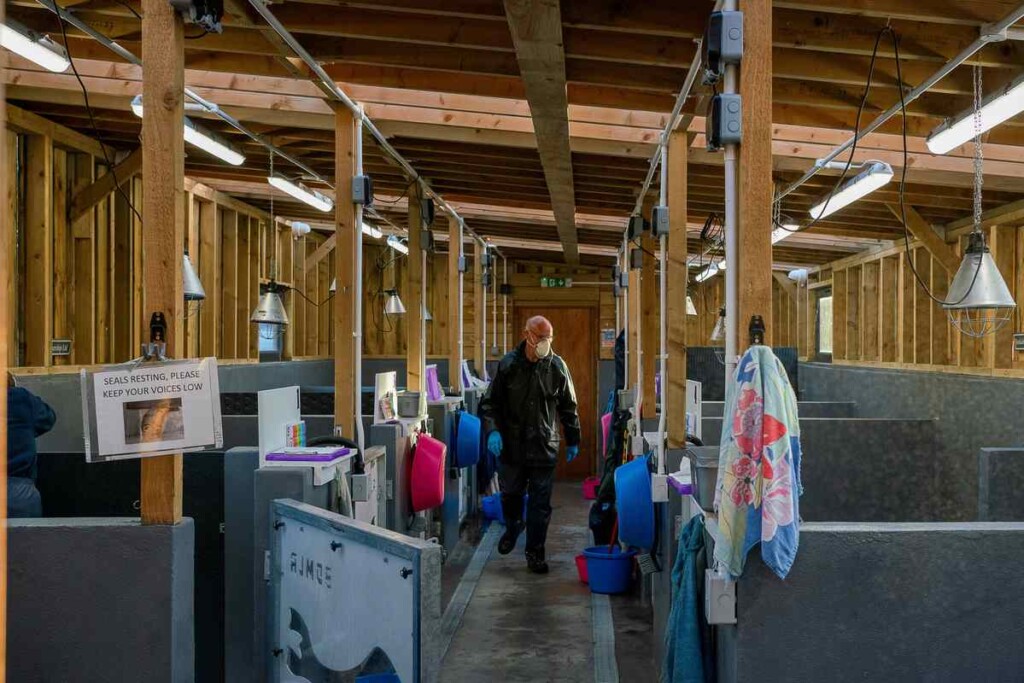
Lizzi Larbalestier is a volunteer for British Divers Marine Life Rescue (BDMLR) who spent nine months caring for injured seals after she turned her Airbnb into a makeshift animal hospital. After determining it simply wasn’t enough, she, her husband, and other volunteers have built a fully functioning seal hospital from the ground up in Cornwall.

The new facility has ten pens, while the couple’s home facility had just six. Now in their third birthing season of operation, Larbalestier is expecting around 100 seals to come for rehabilitation each year, after last year saw 3,000 calls to respond to injured or displaced sea life.

Some need first aid and are brought in after suffering a wound from boats or fishing equipment. Others are pups that get separated from their parents, and still others are juveniles who weren’t successful hunters and would have otherwise died because they became too malnourished.

And just as the reasons for a seal’s arrival in Larbalestier’s hospital may vary, their time spent there also varies between a simple check-up, first aid, a disentanglement from a fishing net, or an entire foster and rehabilitation program that will usually see them shipped off to a larger facility.

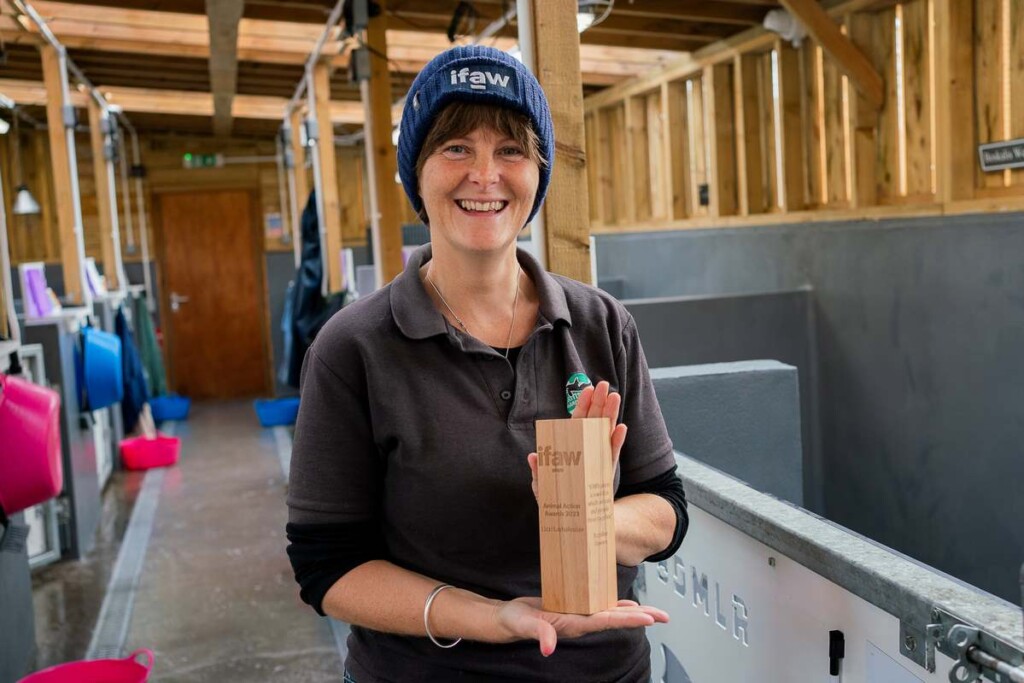
Larbalestier is also a member of the Surfer’s Against Sewage campaign and Ghostnetbuster, and as a result of all her dedicated environmental work, she received the prestigious Animal Action Award from the International Fund for Animal Welfare (IFAW), presented in London, this week.

A volunteer at work in Larbalestier’s new hospital – SWNS

Lizzi emphasizes the day-to-day work is shared by all of their team, and each volunteer is ‘crucial’ to BDMLR’s marine conservation efforts.

“The pups get rescued by any one of us volunteer medics and, if necessary, get brought into the hospital where a vet will check them over and create a treatment plan,” she said. “We have clear protocols to ensure pups get the very best care, it is a real team effort.”

“We offer critical care for these animals post-rescue, [and] this stabilizes the pups and prepares them to move to larger rehabilitation centers.

Larbalestier with her award – SWNS

After the hospital treatment, the pups in Cornwall are transferred to the Cornish Seal Sanctuary or West Hatch RSPCA facility, prior to their release out into the wild.

OTHER GREAT OCEAN HEROES: Remarkable Man Averts Oil Tanker Disaster by Crowdfunding to Remove Crumbling Ship From Red Sea

Despite their main rescue efforts involving seals, Larbalestier says the team of volunteers at BDMLR are called out on all sorts of marine wildlife including whales, dolphins, and porpoises.

Recent ones have included responding to a turtle that came into Perranporth (which she relayed to Newquay Blue Reef Aquarium for specialist care), and a rescue operation for eight dolphins who were stranded in the mud at Mylor Bridge.

MORE MARINE RESCUE LIKE THIS: Look at The Trouble Taken to Return Rehabbed Manatees into Home Waters

“I have been lucky to be involved in several successful refloats of stranded dolphins,” she said, reflecting on her career. “It is so important if anyone comes across a stranded marine mammal that they call for trained responders.”

“The Animal Action Awards are our long-standing commitment to honor and herald the animal heroes that make an impact,” stated Azzedine Downes, President and CEO, IFAW, on the occasion of the presentation of the award to Lizzi. “I’m thrilled we are now able to showcase inspiring people from all across the globe – from all different walks of life.

WATCH the story below from British news…

SHARE This Hero Of The British Sea With Your Friends… 

‘Cat-ching Criminals’ Just Became a Lot Easier Thanks to New Method for Analyzing Cat Hair

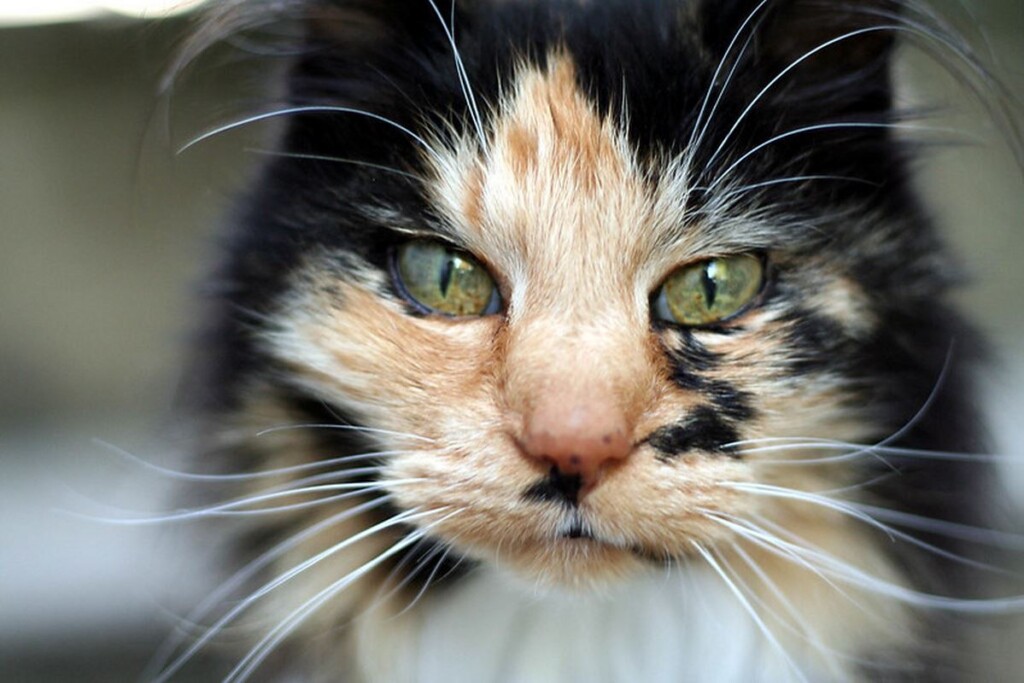
Credit - Tom Szymanski - CC 4.0.
Credit – Tom Szymanski – CC 4.0.

There are some people who will say that for home defense, you’re better off having a dog. Well, it turns out almost every cat has a unique DNA mutation detectable in their hair, and it’s offering CSI detectives an almost sure-fire way to put criminals at the scene of their crimes or their homes, provided there was a cat there.

Anyone who of course has a cat will know that it’s almost impossible to get out of their house without cat hair stuck somewhere on their clothes. Thanks to an innovative DNA analysis technique developed at the University of Leicester, this has already been used to place a murderer at the scene of their cat.

While any perpetrator will take pains to not leave any of his own DNA behind, it’s unlikely that a burglar rummaging through your home possessions will be able to avoid every last strand of cat hair.

“Hair shed by your cat lacks the hair root, so it contains very little useable DNA,” said Emily Patterson, the lead author of the study published in Forensic Science Internationa and a Leicester Ph.D. student.

“In practice we can only analyze mitochondrial DNA, which is passed from mothers to their offspring, and is shared among maternally related cats.”

Patterson and her team however have now increased by ten-fold the detail with which they can analyze the mitochondrial DNA, and because virtually every cat has a rare DNA type, the test will almost certainly be informative if hairs are found.

The team tested the method in a lost cat case, according to the University of Leicester press, where DNA from the skeletal remains of a missing female cat could be matched with DNA from hair from her surviving male offspring.

MORE HELPFUL CAT FACTS: Cats and Dogs May Protect Owners From Memory Loss in Later Life, Study Finds

“In criminal cases where there is no human DNA available to test, pet hair is a valuable source of linking evidence, and our method makes it much more powerful,” said study co-lead, Professor of Genetics, Mark Jobling. “The same approach could also be applied to other species—in particular, dogs.”

Even while they were developing this new technique, Patterson and her team had used it in a previous murder case to identify the DNA of the perpetrator’s cat.

SHARE This Sure-Fire Way To Catch A Cat-Burglar With Your Friends… 

Abandoned Ohio Golf Course Being Rewilded into Public Land with Native Fish and Wildlife Returning

Nature takes back the Valley View Golf Course near Akron, Ohio. credit - Summit Metro Parks
Nature takes back the Valley View Golf Course near Akron, Ohio. credit – Summit Metro Parks

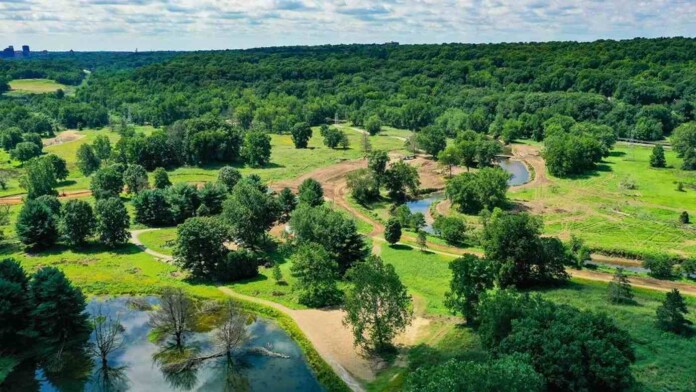
Near Akron, Ohio, an abandoned golf course has been rewilded into a splendid slice of natural Rustbelt nature that includes a restored section of the now nationally protected Cuyahoga River.

Golf courses around the country are being closed faster than they’re being opened, and the vast acreage of the fairway is often reclaimed by nature, but not always by native vegetation.

With vast tracks of non-native grass that’s heavily watered, mowed, and sprayed with pesticides covering gradient changes that may not necessarily be conducive to the growth of native species, they can easily become prey for invasive colonizer species.

That’s why Summit Metro Parks, when they acquired the Valley View Golf Course, knew they had to take an active role in returning the fairway to how it looked before settlers arrived.

“We had to undo the golf course before we could restore the landscape,” said Mike Johnson, chief of conservation at the Summit Metro Parks. “Golf courses are harsh environments, and to create them the vegetation used is usually non-native… It doesn’t have value for our local fish and wildlife.”

However big the job was, it offered the non-profit a tremendous opportunity to connect two of its existing properties into a single, 1,900-acre haven for fish, birds, and native plants.

Before the golf course, the river section had been channelized, and so earth-moving equipment had to be brought in to widen and bend the river back into its pre-industrialized, meandering course.

OHIO REWILDING STORIES: Acres of Toxic Chemicals and Rusting Cars Becomes National Park After Amazing Transformation

It being the Cuyahoga River, famous for catching on fire several times during the 20th century due to pollution, its status now as a naturally-flowing river that floods the surrounding wetlands during periods of intense rain, and already harboring near-perfect conditions for biodiversity is an inspiring site to native Ohioans.

“The response from wildlife has been huge,” Johnson told CNN. “Prior to our work, we documented about 200 species of plant and wildlife that were living on the golf course at the time we acquired it. Today we have documented over 900 species of fish and wildlife that have returned to this area.”

MORE OHIO PARKS: Little Known Ancient Site in Ohio Crowned by UNESCO–for Incredible Alignment with Moon and Sun

The golf course has now been attached via hiking and biking trails to the Cascades Valley Park, also owned and managed by Summit Metro. Located in the valley’s pre-glacial bedrock canyon, Cascades Valley contains a canopy of oak, American beech, sassafras, black cherry, and the endangered butternut tree.

WATCH the story below from CNN… 

SHARE This Perfect Rewilding Story With Your Friends From Ohio… 

“Nine-tenths of wisdom is being wise in the nick of time.” – Theodore Roosevelt

Quote of the Day: “Nine-tenths of wisdom is being wise in the nick of time.” – Theodore Roosevelt (paraphrased)

Photo by: Tolga Ahmetler

With a new inspirational quote every day, atop the perfect photo—collected and archived on our Quotes page—why not bookmark GNN.org for a daily uplift?

Deaf Children Are First Humans to Have Hearing Pathway Restored in Dramatic Demonstration of New Gene Therapy

Les Anderson

In China, a true medical breakthrough has been achieved in a human trial that had as many as 10 children born deaf have their hearing restored through a genetic therapy method.

MIT hailed it as China’s first domestic gene therapy breakthrough, as well as “the most dramatic restoration of a lost sense yet achieved.”

Much like other gene therapy treatments, children like Li Xincheng were injected with a reprogrammed virus that carried replacement DNA into the part of her body the scientists hoped to alter—in this case the location of the inner ear canal that detects vibrations and sends that information to the brain.

In less than a month, her mother, Qin Lixue, said she was hearing out of her treated ear for the first time in her 5 years of life, and repeating various rhymes and songs back to Lixue as she sang them with her hand over her mouth to prevent lip-reading.

It bears repeating that this, according to MIT Technological Review, has never happened before.

“We were careful, and a little bit nervous, because it was the first in the world,” says Yilai Shu, a surgeon and scientist at Fudan University in Shanghai, and part of the team who treated 5 children.

“Before the treatment, if you put them in a movie theater with the loudest sound, they wouldn’t hear it,” says Zheng-Yi Chen, an associate professor at Mass Eye and Ear, a Harvard-affiliated hospital in Boston, who helped design and plan the study. “Now they can hear close to normal speech, and one can hear a whisper.”

Of Shu’s five children, 4 recovered hearing, and one did not, which the team hypothesizes could be because the child already had a developed immune response to the virus that they used.

This new gene therapy is not a cure-all, as it was designed to correct a defect in a gene that produces a protein called otoferlin that is necessary to build the special hairs that vibrate to different frequencies in the inner ear and relay that information to the brain.

MORE GENE THERAPIES: New Hope For Babies Born Without Immune System as Gene Therapy Breakthrough Looks Like Cure

This is present in only 1% to 3% of those born deaf, amounting to 900 children a year in the world’s second-most populated country. But Lawrence Lustig, a physician at Columbia University who runs studies of hearing treatments, told MIT Tech Review that this dramatic success—allowing children to hear sound for the first time—may be a “gateway drug” that spurs funding toward more causes of deafness.

MORE STORIES LIKE THIS: Researchers Overcome ‘Major Hurdle’ in Reversing Deafness, Discovering Gene Responsible for Crucial Cells

Genetic therapy, such as CRISPR and other methods, has also had remarkable successes with blindness, including in 2021 of a Frenchman with retinitis pigmentosa, the degradation of photoreceptive cells in their eyes, another two patients from Portland, Oregon who had Leber congenital amaurosis, or LCA, a rare mutation in the retina, and another 10 with LCA who were treated at the Perelman School of Medicine in the University of Pennsylvania

SHARE This World First Incredible Medical Achievement With Your Friends… 

French Company Discovers Massive Reserve of Clean Hydrogen Gas that Could Start Renewable Revolution

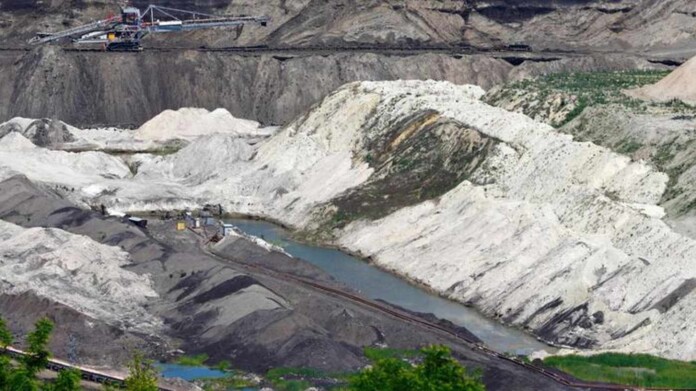
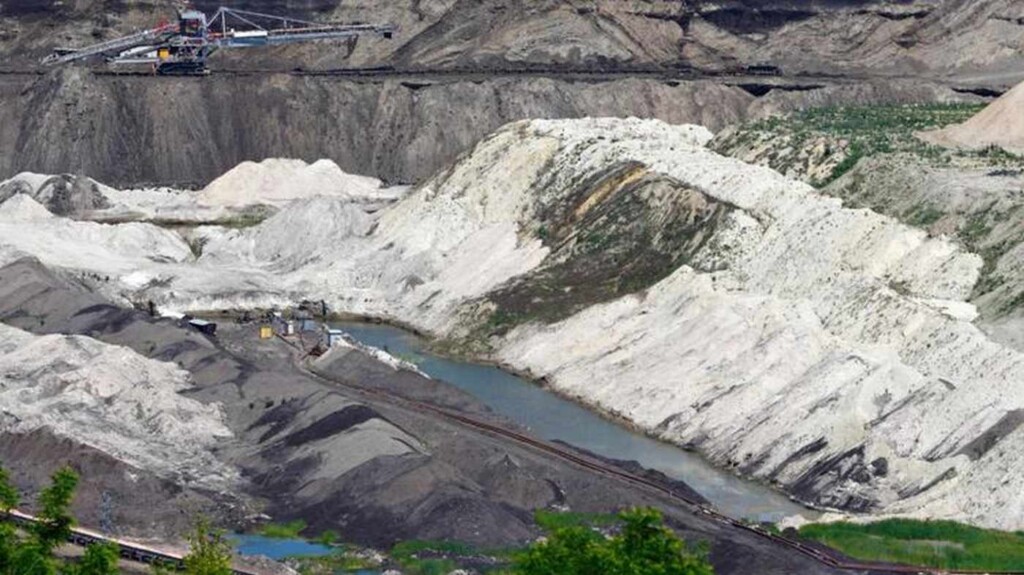
A mining pit in the Lorraine Basin - Hydrogen Fuel News
A mining pit in the Lorraine Basin – Hydrogen Fuel News

Millions of tons of pure hydrogen have been found underneath the earth in Northern France, prompting interest in a renewables gold rush of the rarest kind.

Despite being the most abundant element in the universe, hydrogen is almost always attached to something else (oxygen for example). Deep underground, geologic forces can create sometimes massive pockets of hydrogen gas that if extracted like shale gas, can be burned to power airplanes, trains, heavy machinery, and steel production, all with the only direct emission being water.

The story that is now sweeping international energy headlines began when Jacques Pironon and Phillipe De Donato, directors of research at France’s National Centre of Scientific Research, were out assessing methane stores using a state-of-the-art probe in France’s Lorraine Basin.

They realized they had reached a previously unknown hydrogen gas deposit when readings from the probe showed 20% hydrogen at 3,300 feet (1,100 meters) down—much higher than they would ever imagine finding in normal conditions.

CNN broke down the “rainbow” of colors used to describe hydrogen fuels. Brown hydrogen is produced from coal operations—so little climate friendly-value there. “Green” hydrogen is made through electrolysis, or water splitting, and powered by renewable energy, yet this kind of production is small-time and expensive.

Still, at the moment pure hydrogen is the best hypothetical solution for heavy machinery that requires high-octane fuels for long-distance transportation.

That’s why interest in geologic hydrogen like the kind found in France, known as both “white” and “gold” hydrogen, can reach feverish intensity: just look at Mali.

In 1987, in the village of Bourakébougou, a driller was left with burns after a water well unexpectedly exploded as he leaned over the edge of it while smoking a cigarette, reports CNN. The well was capped until 2012 when a village entrepreneur hired Chapman Petroleum to come and investigate the strange gas which in the daytime shone with a blue color like sparkling ocean water, and at night like golden dust.

Today, Bourakébougou is powered entirely by the hydrogen in this deposit which has a purity of 98%—the highest ever recorded.

Geoffrey Ellis, a geochemist with the US Geological Survey, has been studying hydrogen deposits ever since the discovery in Bourakébougou, but remained convinced that finding extractable deposits on land and shallow enough to reach was going to be almost impossible.

Following a paper published on the Bourakébougou site in 2018, scientists and entrepreneurs rushed to try and find deposits and more information about how they form and where best to look for them.

YOU MAY ALSO LIKE: After Fracking is Halted, the Site’s Drill Hole is Now A Source of Clean Geothermal Energy

Ellis believes based on estimates that there are tens of billions of tons of white hydrogen out there.

“Most of this is almost certainly going to be in very small accumulations or very far offshore, or just too deep to actually be economic to produce,” he told CNN. But if just 1% can be found and produced, it would provide 500 million tons of hydrogen for 200 years, he added.

MORE HYDROGEN NEWS: Chicken Feathers Can Replace ‘Forever Chemicals’ in Renewable Hydrogen Fuel Cells, Lowering Cost

In France’s Lorraine Basin, once a hotbed for European coal mining, De Donato and Pironon are preparing to drill down to 3,000 meters, or more than 2 miles underground, and assess the potential for white hydrogen extraction, specifically to find out how much is there. They already estimate that at that depth the purity could be as high as the wells in Mali.

The two are working alongside the energy company La Française de l’Énergie (FDE), which has existing wells, equipment, and operational licenses across a wide area of land in the Lorraine Basin’s Grand-Est Region. The company has already submitted an application for exclusive rights to use their shale gas wells to extract the white hydrogen if it is there, meaning it’s possible no new mining pits need be dug.

SHARE This Impressive Discovery In France On Social Media… 

Farmers Were Organized to Collect Eggs of Endangered Wildfowl, Which is Saving a Species in Australia

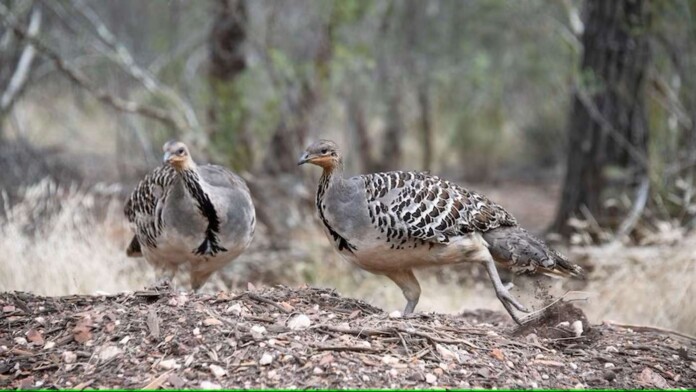
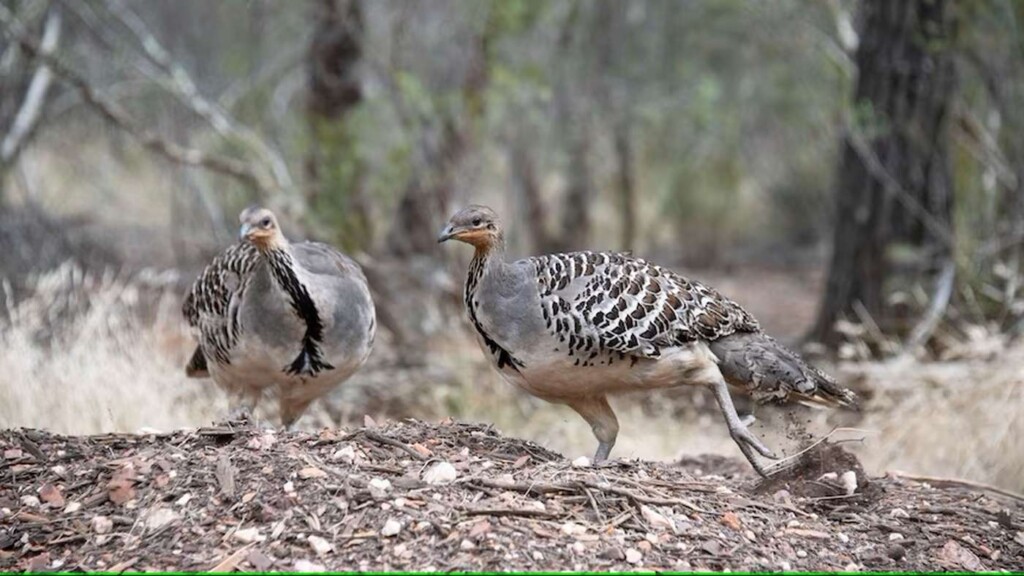
The endangered Malleefowl - Mal Carnegie
The endangered Malleefowl – Mal Carnegie

There are 25,000 Malleefowl left in Australia, but only 2,800 in the densely-populated state of New South Wales. But an unlikely group of heroes are stepping up to be the rescuers of these endangered birds: farmers.

Whatever natural balance existed in the ecosystem that these ground-nesting birds evolved into, the presence of feral cats and invasive foxes has greatly disrupted their survival and reproduction strategy, and the survival rate of Malleefowl chicks is less than 2% in the wild.

These interesting birds rely on intricate plumage for camouflage and are adept at staying hidden from all other creatures in their range. Malleefowl come from a family of Galliformes called “mound builders.”

In the winter, males select a spot of about 3 square yards typically in the shade of the mallee tree to build a nesting mound by raking sandy soil backwards with their feet. They will dig about 3 feet deep, and then spend the rest of the winter accumulating organic material around the depression until they have a mound that can be as tall as 2 feet.

For the past three years, farmers living and working in the Rankins Springs area, near West Wyalong have been collecting eggs from the birds’ nesting mounds and transferring them to a special incubation facility for release into a feral-free enclosed environment.

The initiative was organized by an Australian wildlife champion, Mal Carnegie, who founded the Lake Cowal Foundation to protect the unique ecosystem around that lake, and managed to squeeze an endowment from a nearby gold mining company to pay for it all.

Now working on behalf of the Malleefowl, he told ABC News AU that 10 juveniles have been spotted on cameras in the 140-acre (60-hectare) enclosure that they released about 12 months ago.

MORE GREAT AUSSIE CONSERVATION: Threatened Western Quolls Return to Western Australia After 100-Year Absence

“Once the chicks come out of the mound they are on their own, they are well adapted but obviously we have got predators like foxes and cats,” he said regarding the species’ low survival rate. “The average survival rate of chicks up to 12 months of age in the wild is very low, we are talking numbers up to 2%”

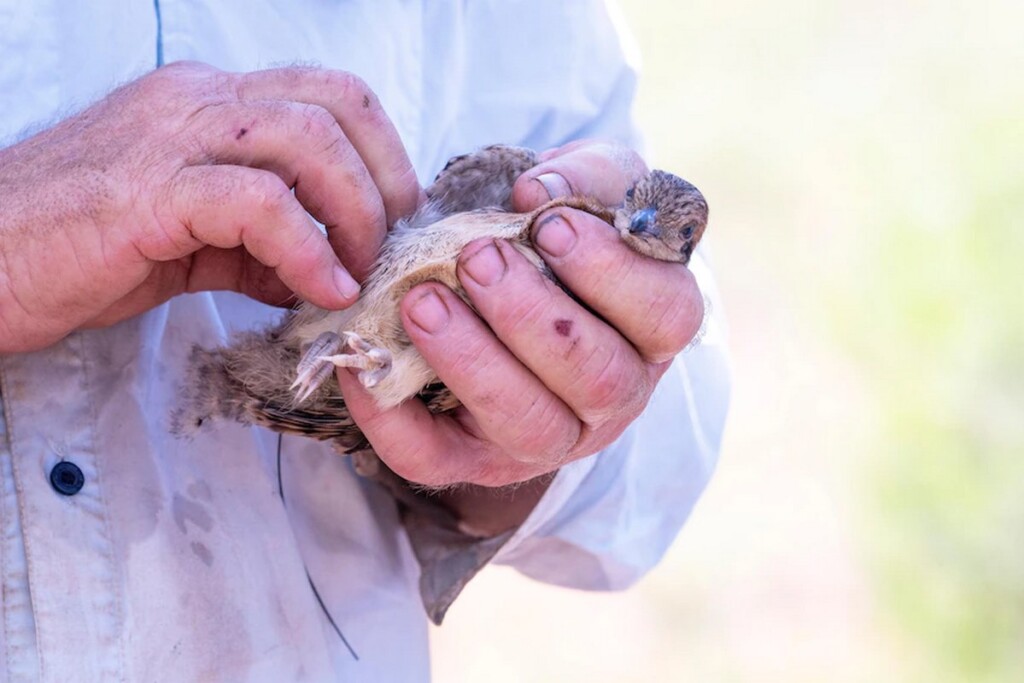
A Malleefowl chick being released into the wild 12 hours after hatching – Mal Carnegie

Through the catch, incubate, and release program, they’ve managed to increase the likelihood of reaching maturity tenfold.

Interestingly, before the farmers got involved in the species’ protection, this exact strategy had proven an unsuccessful one in the past.

MORE STORIES LIKE THIS: To Halt Ibis Extinction Austrian Man Shows Birds a New Migration Route With His UltraLight–And it’s Working

“They didn’t have a great deal of success but we have just put a bit of farmer logic into the whole process of incubation and releasing,” one farmer named Rodney Guest told ABC. He has spent the last 20 years clearing feral cats and foxes from his property all in order to help this bird.

“We have been picking up birds from the previous and current season, we are really over the moon with what we have achieved.”

SHARE These Interesting Birds And Their Heroic Farmer-Allies… 

National Park Bounces Back From California’s Biggest Single Fire: ‘There’s still beauty’

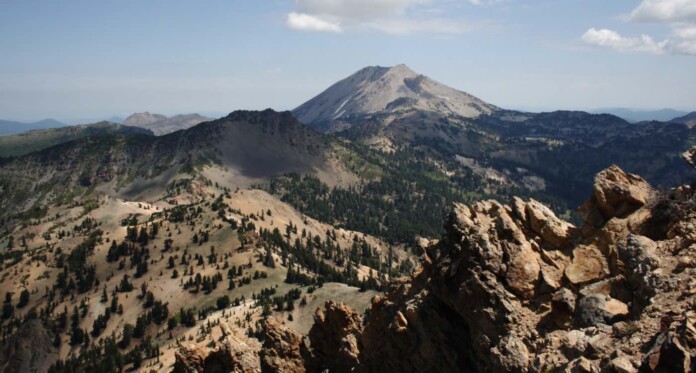
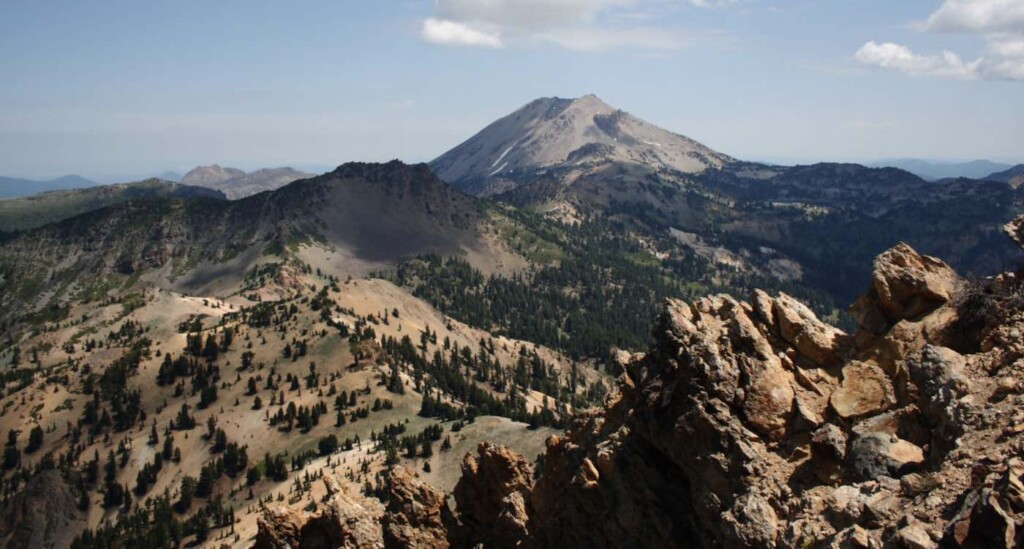
Lassen Volcanic National Park (Public domain)
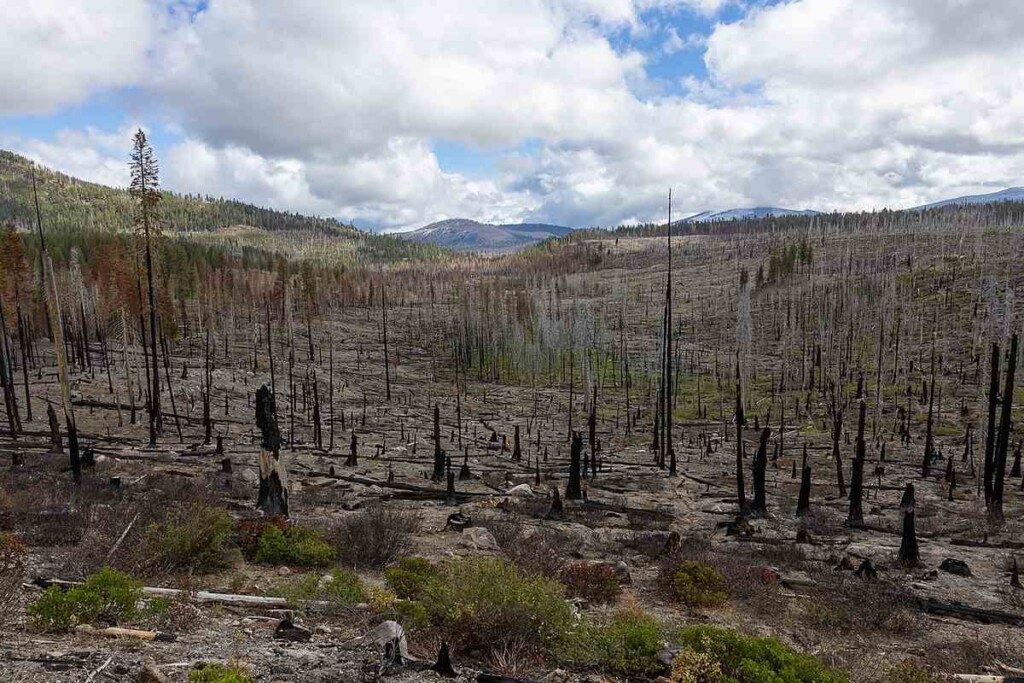
Dixie Fire Damage – Frank Schulenburg CC 4.0.

The Dixie Fire of 2021 was the largest single blaze in California’s history, but even this human-accelerated firestorm couldn’t tamp down the resilience of nature.

In August, it devastated Lassen Volcano National Park in Northern California, leaving parts of it reminiscent of “Mordor” yet in a feature piece from The Guardian, it’s clear nature is just a few steps behind restoring what was torched.

As the Dixie Fire came closer and closer to this remote National Park that receives only around 500,000 visitors a year, rangers, Forest Service employees, and firefighters strategized how to protect small communities living near the park as well as the park’s infrastructure.

A variety of controlled burns—used for centuries by Native Americans to reduce the risk of wildfires having too much dead and dry wood and scrub to burn—were set in vulnerable forests. Earth-moving equipment left bare earth surrounding the Kohm Yah-mah-nee visitor center.

In the moments before the Dixie Fire arrived, firefighters lit their own fires around key areas, perhaps hoping to consume the oxygen in the area just before the immense flames could use it to spread.

Their efforts paid off—the historic towns of Mill Creek, Mineral, and Old Station were all unscarred, and so was the Kohm Yah-mah-nee visitor center.

As for the rest of the park, the devastation that saw whole forests reduced to blackened stumps and toothpicks shocked visitors; but not the staff. Lassen Volcano was enshrined as the nation’s 17th national park after the eruption of the volcano in 1915 which saw incredible destructive forces unleashed on the forests there.

A land of changes

Between May 14th and 22nd, the southernmost volcanic peak in the Cascades Range sounded off a series of eruptions, including more than 180 steam explosions that blasted out a 1,000-foot-wide crater on the peak. The next day, Incandescent blocks of lava could be seen bouncing down the flanks of Lassen from as far away as the town of Manton, 20 miles to the west.

Lassen Volcanic National Park (Public domain)

According to the USGS, more steam explosions sent lava blocks flying onto a snow-covered slope which trigged an avalanche that wiped clean 4 miles of mountain terrain to the northeast, while a mudslide also triggered by meltwater from the lava devastated 7 miles of terrain to the northwest.

On May 22nd, the largest eruption sent a huge column of volcanic ash and gas more than 30,000 feet into the air, visible from as far away as Eureka, 150 miles to the west.

Pumice falling onto the northeastern slope of Lassen Peak generated a high-speed avalanche of hot ash, pumice, rock fragments, and gas, called a pyroclastic flow, that devastated a 3-square-mile area. The pyroclastic flow created another mudslide that followed the path of the previous one and rushed nearly 10 miles down Lost Creek to Old Station. This new mudslide released a large volume of water that flooded lower Hat Creek Valley a second time.

MORE GOOD DISASTER NEWS: Remarkable Man Averts Oil Tanker Disaster by Crowdfunding to Remove Crumbling Ship From Red Sea

When the mountain finally quieted back down, the result was, much like Dixie, a Mordor-like landscape.

“People say: ‘I’ve never seen it like this my entire lifetime that I lived here.’ In my lifetime, it’s all I see,” Park Ranger Russell Rhoads told The Guardian following the recent devastation. “Fire was suppressed during your entire lifetime, the fuels accumulated and now it’s just unmanageable.”

24 months and change since the Dixie Fires burned through, and parts of the landscape can be seen exploding with new growth. Pines that require fire to release their seeds are sprouting from the blackened Earth, and fields of wildflowers and native grasses cover hillsides of ravaged trees.

MORE GOOD NEWS AFTER DISASTERS: Texas Oak Tree Thought to Be Extinct Discovered in Big Bend National Park

Among the stumps and logs, seemingly devoid of life, rotting wood is home to grubs, beetles, and mushrooms, all of which provide food for woodpeckers, bears, and other animals.

Rhoads explained that the whole ecosystem of Lassen was birthed by fire and devastation, and has recovered many times over the eons. It may take a decade or more, but soon the Dixie Fires will just be a brief chapter in the region’s long history of change, destruction, and rebirth, while for the National Park Service, it was a proving ground for important firefighting strategies to employ for future wildfires.

SHARE This Inspiring Story Of Renewal And Resiliency Of American Nature… 

“One of the goals of life is to be comfortable in your own skin and in your own bed.” – Meg Wolitzer

Quote of the Day: “One of the goals of life is to be comfortable in your own skin and in your own bed.” – Meg Wolitzer 

Photo by: Yogendra Singh

With a new inspirational quote every day, atop the perfect photo—collected and archived on our Quotes page—why not bookmark GNN.org for a daily uplift?

Millionaire Builds 99 Tiny Homes to Cut Homelessness in His Community–He Even Provides Jobs On Site for Them

Courtesy of 12 Neighbours

After selling his company for eight figures to a competitor, one Canadian entrepreneur is using his profit to build a community of tiny homes for those who need it most.

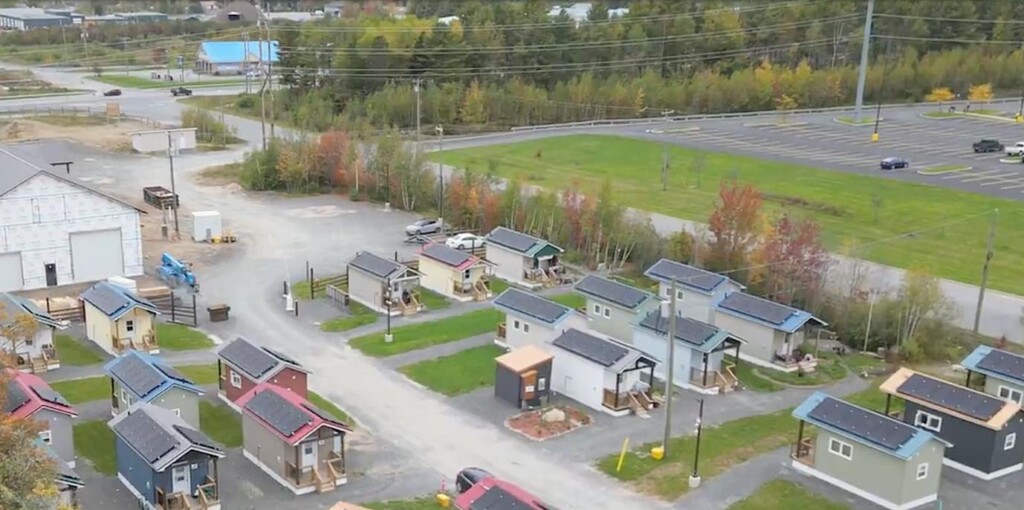
In the New Brunswick city of Fredericton, his factory is now churning out 1 tiny home every 4 business days in a bid to create the 12 Neighbours gated community of 99 homes and an enterprise center to give homeless Frederictonians a real second chance.

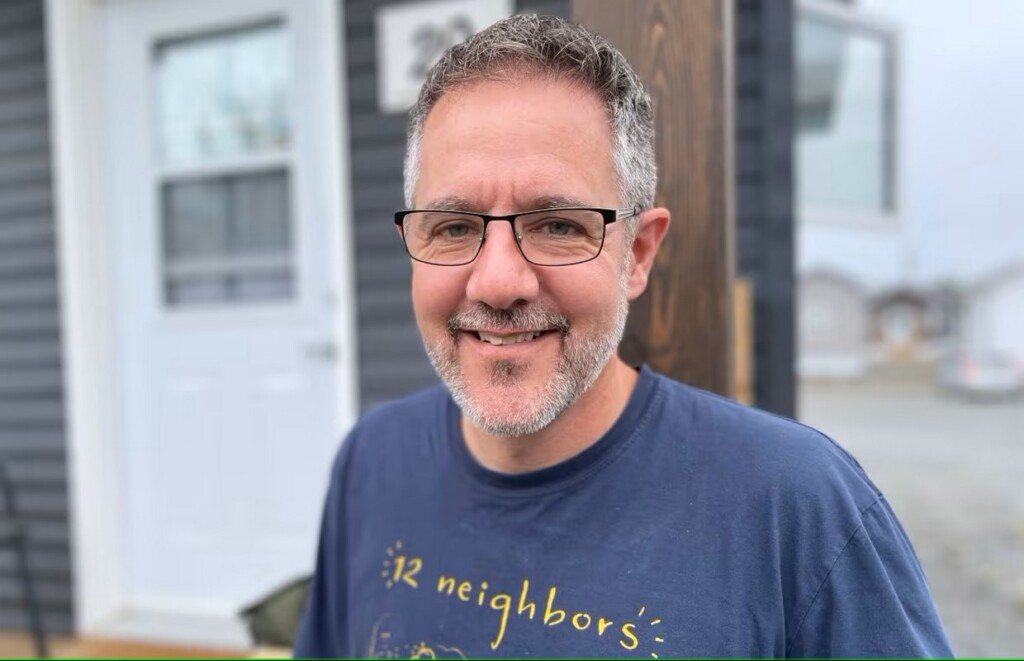
12 Neighbours founder Marcel LeBrun had a successful social media monitoring company which he sold to an American competitor, and is now putting his new money where his mouth was—every time he used to say something needed to be done about the homelessness problem in the city.

Around 1,600 people in New Brunswick found themselves homeless for at least a day last year, reported CBC.

“I see myself as a community builder, and really what we’re doing here is not just building a little community, but we’re building a community in a city, like how do we help our city be better?” LaBrun told CBC.

He has invested $4 million dollars of his own money on the project to build 99 homes, and he’s currently three-quarters of the way there. With grants and support from the provincial and national government, the 12 Neighbours community has received $12 million in total.

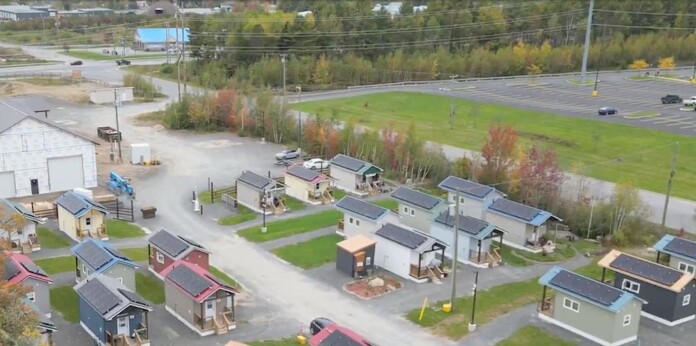
The tiny tomes have everything: a full-service kitchen, living and bedroom areas, and a full bathroom. They each have a small deck, solar panels on the roofs, and an aesthetically pleasing coat of paint.

Marcel LaBrun

They were pre-built in a warehouse in which LaBrun employs skilled volunteers to assemble the homes which are then moved by heavy machinery onto concrete blocks that make up the foundation.

HOMELESS SOLUTIONS AT HOME: Beautiful Homeless Shelters Get Radical Redesign to Impact Residents

While LaBrun believes the problem of tackling homelessness isn’t as hard as people make it out to be (for example, he suggests building a tiny house is a great start) he does have a particular strategy in mind—namely welcoming those who may suffer from any of the maladies that homelessness is generally accompanied by to a place where ownership of property can give them a new sense of responsibility, and a community of people who understand what they are going through.

LaBrun has critics who believe it’s better to introduce them back into a functional society rather than sequester them together.

In any case, the millionaire understands the baggage, emotional and societal, that some of the residents may bring along, so the 12 Neighbours community is equipped with state-of-the-art security and gates to stop unwelcome visitors.

MORE IDEAS LIKE THIS: Tiny Home Village for Salt Lake City‘s Homeless Gets Green Light for 430 Units

“I live right behind the security gates. There were cars coming in all the time, at three o’clock in the morning, waking me up,” said resident Samantha Seymour. “The gates have set boundaries.”

Along with the houses, the community comes with an enterprise center, where a coffee bar that will be run as a business by the residents is being put in, in addition to a “teaching kitchen,” and a silk printing business where Seymour has a job printing texts and graphics onto shirts and totes and things.

Part of the idea with the enterprise center is to make 12 Neighbours a community that Fredrictonians can and will visit—for a cup of coffee—for a good deal on shirt printing.

WATCH the story below from CBC News… 

SHARE This Generous Soul And His Solution To Homelessness In His City… 

Spy Satellite Photos Reveal Hundreds of Long-Lost Roman Forts, Challenging Decades-Old Theory

Courtesy Jesse Casana/Antiquity Publications Ltd

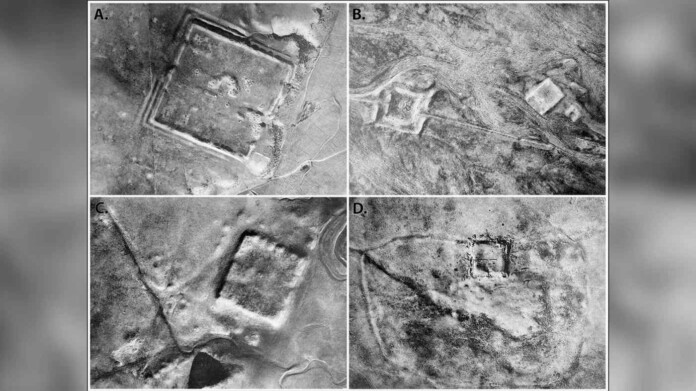
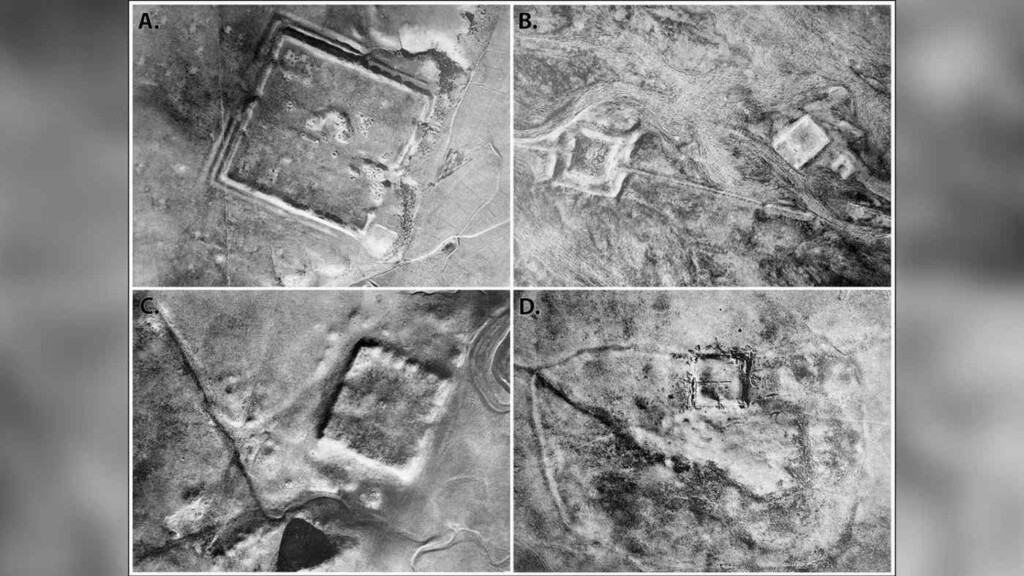
Declassified photos captured by United States spy satellites launched during the Cold War have revealed an archaeological treasure trove: hundreds of previously unknown Roman-era forts.

Corona and Hexagon were two satellite surveillance programs meant to support the Carter Doctrine of US dominance of the Middle and Near East, but now archaeologists are using their declassified aerial photos of landscapes long lost to map the presence and nature of the eastern border of the Roman Empire.

The research team from the Department of Anthropology, Dartmouth College, poured over the photographs and compared them to a map produced in 1934 by a Jesuit missionary named Father Antoine Poidebard, who was also an archaeologist.

His survey was the first to map the presence of Roman forts in the area from the sky, and it was a flawed yet monumental achievement that confirmed the existence of 116 Roman fortified structures that created the working theory that they represented a wall of men and forts to protect the eastern border.

Now however, the Hexagon and Corona photos are changing the narrative from one of security of the nation to the security of a dynamic and fluid border of trade routes and cultural interchange that the Romans relied on for import and export.

“Agriculture and urbanization have destroyed a lot of archaeological sites and features to a shocking degree,” Archaeologist Jesse Casana told CNN. “This old imagery allows us to see things that are often either obscured or no longer extant today.”

MORE ROMAN DISCOVERIES: Tiny Italian Town Dug Up an Extremely Rare Roman Temple while Trying to Build Supermarket

The forts were more or less simple to identify. The Roman soldier was a ferocious and disciplined warrior, but he had another special power: he was a talented and efficient construction worker. The building of standardized square forts of about 164 to 262 feet (50 to 80 meters) at regular intervals while on campaign proved across the long history of both the Republic and Imperial periods to be an invaluable strategy.

Poidebard’s map described the forts as making up a north-south line which looked to the Frenchman like a wall, but the satellite photos reveal those were more like the western garrisons of a fortified corridor with forts on either side of a massive area that stretched eastward all the way through Syria to the Tigris River in Iraq.

MORE MIDDLE EASTERN ARCHAEOLOGY: Stunning Ancient Artwork Found at Site Sacked by ISIS: Assyrian Depictions Not Seen For 2,600 Years–LOOK

The Corona and Hexagon photos revealed an additional 106 structures spanning approximately 116,000 square miles (300,000 square kilometers) from the Med to the Tigris.

Through this corridor would have moved valuable trade routes—indeed one of the Western termini of the Silk Road of the Han Dynasty.

Casana told CNN that it’s her reading of the archaeological litterature that even in places as developed and advanced as Rome, borders in this time period “were places of dynamic cultural exchange and movement of goods and ideas,” not barriers.

YOU MAY ALSO LIKE: Archaeologists Uncover ‘Complete Roman City’ From 1,800 Years Ago in Luxor–Including Pigeon Towers

After four-decades of American wars in this part of the world finally coming to something resembling an end, archaeologists like Casana might have opportunities in the near future to investigate some of these hundreds of sites, some of which may still have important details and artifacts to reveal.

The northern border fortifications of the Roman Empire are a UNESCO World Heritage Site jointly-managed across many countries. Could the eastern border be the same in the future?

SHARE This Amazing Discovery With Your Friends Who Love Rome…

Ancient Pear Tree Comes Back to Life After Being Felled to Make Way for High Speed Rail in UK

The Cubbington Pear being divided into cuttings - credit, H2S Rebellion
The Cubbington Pear being divided into cuttings – credit, H2S Rebellion

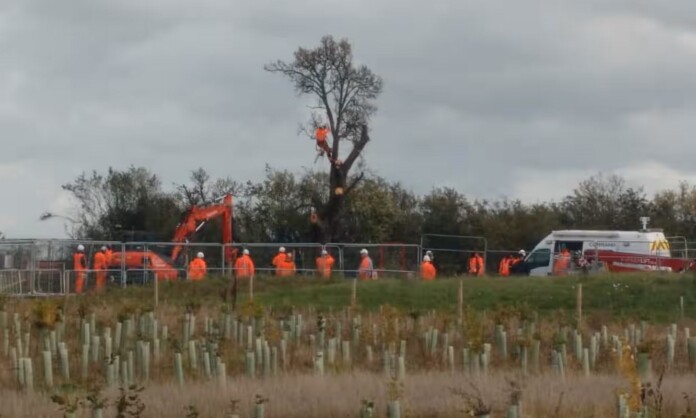
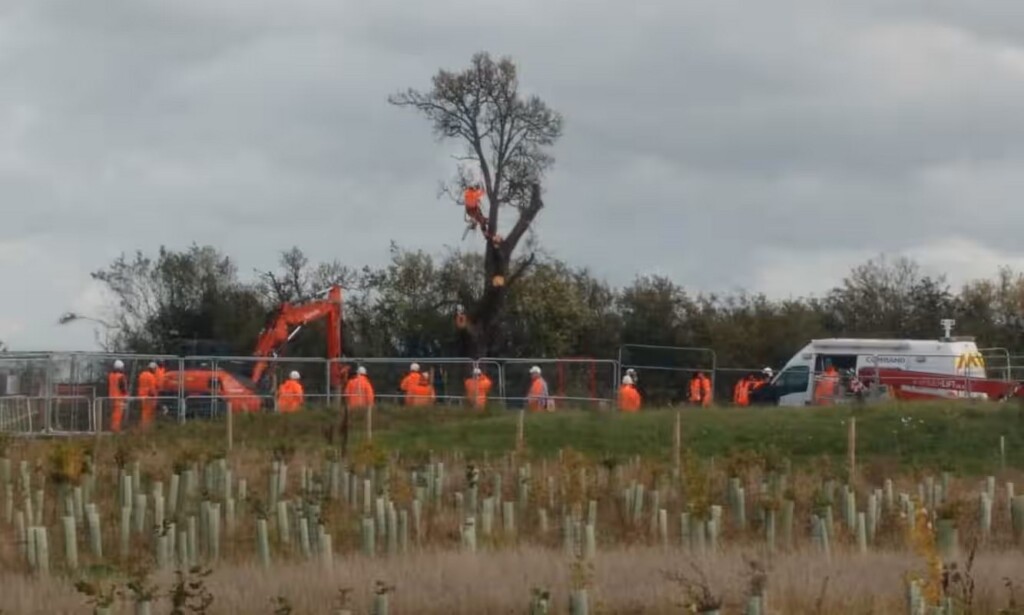
In a huge surprise and delightful resolution to a painful situation, the second-oldest pear tree in Britain is regrowing vigorously after being transplanted to make way for a high-speed railway line.

Known as the “Cubbington Pear” due to its location in a woodland near this town in Warwickshire, contractors working on the new HS2 low-carbon line were not deterred by the tree’s victory in Britain’s prestigious Tree of the Year contest in 2015, and in 2020, carefully chopped the pear down in order to transplant it.

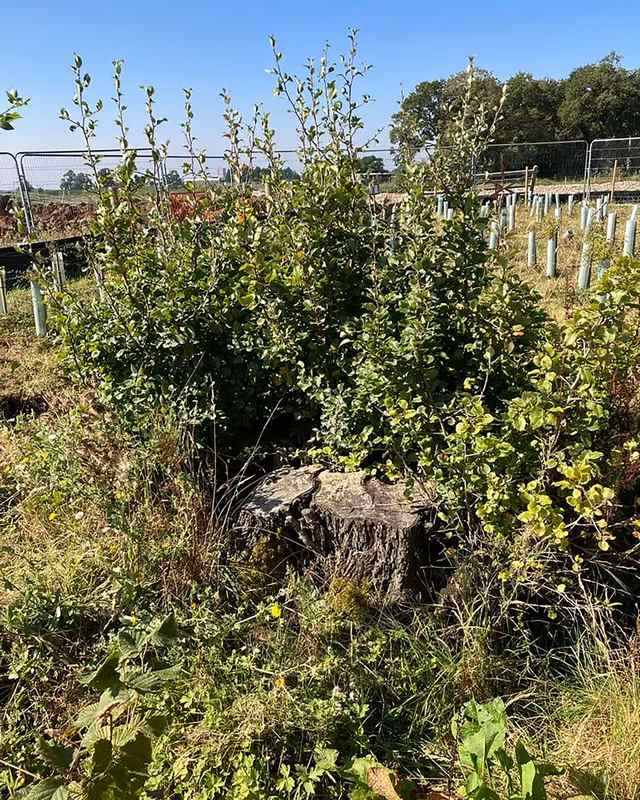
Located just 100 meters from its original location, the Cubbington Pear, believed to be 200 years old or more, is vigorously sprouting new shoots from the stump.

Landscape contractor Balfour Beatty Vinci replanted many of the elder pear trees that they were forced to move, and planted thousands of other trees to make up for those they couldn’t move, including two wildlife overpasses that will allow species to safely traverse the railway.

 “We’re thrilled that the Cubbington pear tree is living on in its new location, within one of HS2’s thriving new habitats for wildlife,” said company spokeswoman Amy Middlemist. “Regrowth has happened because the tree’s root system, with the right amount of nutrients, has stored some of the energy produced in photosynthesis and directed it into new growth.”

While the railway line through the old Cubbington Forest was opposed by conservationists and locals, they have made the most of the situation by taking other Cubbington Pear cuttings and grafting them in their village with the help of an expert grafter, turning the one ancient tree into 16 separate clones, with another 40 seedlings in a nursery in town.

Regrowth from the Cubbington pear tree stump. credit -Handout

However, locals speaking to The Guardian added that the survival of the original tree itself is a delightful bonus.

“We were very surprised and absolutely delighted, although of course it will never be the same again,” said Rosemary Guiot, a resident of Cubbington village.

MORE NEWS ON OLD TREES: Tree-Loving Brits Crowdsource a National ‘Ancient Tree Inventory’ – 200,000 Unique Trees

Ancient and elder trees are vital to the health of any ecosystem, and science has shown that the larger the numbers of these trees there are in a forest, the longer the forest survives and the greater the capacity it has to rebuild.

Having survived decades of heavy rain, strong winds, pest invasions, and fire, the genetic code of ancient and elder trees contains vital information on how to live long, which is passed on through its offspring.

SHARE This Great News Of Nature’s Resilience With Your Friends…

Cervical Cancer Trial Hailed as ‘Remarkable’ After 35% Reduced Death Rate Using Simple Intervention

- Golden Gate OBGYN
Golden Gate OBGYN

Sometimes the best drug for a disease is one that’s already on the shelf, and that was the finding of a British cervical cancer trial that looked to see if a chemotherapy drug given at a specific time could increase survival rates.

Indeed it could, with the 35% reduction in mortality rate hailed as ‘remarkable’ by Cancer Research UK which funded the trial presented at the recent ESMO medical conference in Madrid.

Not nearly as prevalent a risk as breast cancer, around 14,000 cases of cervical cancer will be diagnosed this year in the US, according to estimates from the American Cancer Society.

In the trial of 500 female patients aged between 26 and 72, the scientists randomized them into two groups that received either chemoradiation therapy alone, or induction chemotherapy with a combination of the chemo drugs carboplatin and paclitaxel followed by the same chemoradiation therapy in week 7.

“Timing is everything when you’re treating cancer,” said Dr. Iain Foulkes, from Cancer Research UK, in a statement. “A growing body of evidence is showing the value of additional rounds of chemotherapy before other treatments like surgery and radiotherapy in several other cancers.

“Not only can it reduce the chances of cancer coming back, it can be delivered quickly using drugs already available worldwide.”

At the end of a 5-year follow-up, 80% of the women who received the combination chemo-drug/radiotherapy were still alive, and in 73%, the cancer had not returned.

BETTER CANCER OUTCOMES: New Way of Treating Aggressive Prostate Cancer Shows ‘Promise’ in Cedars-Sinai Phase III Clinical trial

The conclusion of the trial was a bold one—that this combination of drugs and chemoradiation therapy should be established as the new standard of treatment.

Dr. Mary McCormack, lead investigator of the trial from University College London Cancer Institute said that this was the biggest improvement in survival/remission outcomes in this disease seen in the 21st century.

MORE NEWS LIKE THIS: Tumor-Destroying Sound Waves Treatment Coming to a Hospital Near You For Liver Cancer

“The important thing here is that if patients are alive and well, without the cancer recurring at five years, then they are very likely to be cured, so that’s what makes this very exciting,” McCormack told the BBC.

SHARE This Exciting Advancement In The Standard Of Care On Social Media…

“Miracles do not, in fact, break the laws of nature.” – C. S. Lewis

Quote of the Day: “Miracles do not, in fact, break the laws of nature.” – C. S. Lewis

Photo by: Ross Stone

With a new inspirational quote every day, atop the perfect photo—collected and archived on our Quotes page—why not bookmark GNN.org for a daily uplift?

Dog of War Finds Loving New Home After Cheating Death Twice in Ukraine Devastation, Thanks to British Charity

Blue Cross’s Ukraine Pet Welfare Fund / SWNS

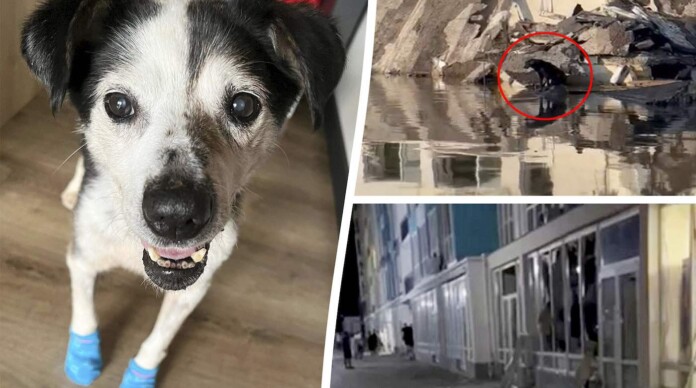
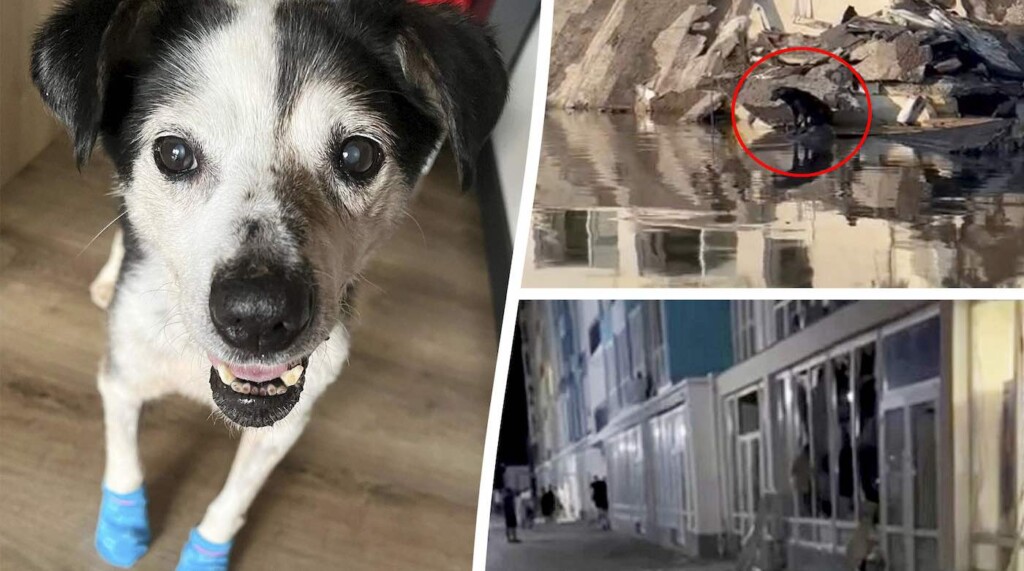
A dog which twice cheated death in Ukraine after being rescued from floods and surviving a Russian bombing has found a new home thanks to a British charity.

Heartbreaking footage captured the mixed breed pup, named Henry, clinging for life in the rubble of a building, after the Kakhovka dam in Kherson was destroyed.

The sound of missiles dropping can be heard in the background as rescuers made their way through flood water to rescue the stricken pooch in June.

To avoid drowning, brave Henry managed to doggy-paddle to the remains of a bombed-out building poking out of the flood waters.

Gregg Tully, Country Director for Save The Dogs, revealed how Henry was originally found “collapsed, exhausted and barely conscious”.

“After the dam in Kherson exploded, Henry was one of the dogs that was pulled out of the flood waters, covered in oil and sludge. There was a lot of toxic material at the bottom of the reservoir that washed out with the flood.”

“We thought this dog was all black, and then he was cleaned up and, actually, he’s more white than black.”

He was taken to a clinic in Odesa, Poland for round the clock treatment because the toxic sludge caused chemical burns to his skin.

But his ordeal didn’t end as shortly after his rescue, the animal clinic caring for him was bombed by the Russians. Despite the bombardment, Henry and the other animals escaped unharmed and he was moved to another clinic where he continued to receive treatment.

Just four months on and he is in a loving new home thanks to Save the Dogs and Other Animals, a charity supported by Blue Cross’s Ukraine Pet Welfare Fund.

“He obviously loves people and is a really happy dog.

Henry in his new home in Poland – SWNS / Blue Cross’s Ukraine Pet Welfare Fund.

“It’s been really inspiring after seeing the videos of him getting pulled out of the flood waters, and now he’s a happy, loving dog in a loving new home.

LOOK: A Teen Was Having a Stroke but His Dog Helped Save Him, Explains Doctor

“I won’t forget him – it was really amazing to see that.”

Liliana Pacheco, Director of Community Engagement at Save The Dogs, said Henry is now lives in Poland with new owner Anya where he continues to go from strength to strength.

Anya said: “When the Russians blew up the dam, I saw a video of Henry and my heart broke.

“I realized that no one would want to take him in, and he will never feel that someone loves him after this hell he went through. That’s why I started looking for him and I found the hospital where he was taken.”

Anna Wade, from national pet charity Blue Cross said, “The compassion and dedication of the charity partners on the ground to rescue pets and care for them day to day, is overwhelming and we’re doing all we can to support them and their vital work.”

LUCKY DOG: Stray Dog Escapes Animal Shelter 3 Times to Claim Sofa in Elderly Care Facility–Now He Calls it Home

The Blue Cross Ukraine Pet Welfare Fund, has raised over £500,000 to fund and provide support to cats and dogs left in Ukraine and for owners fleeing the country with their animals.

Gregg says Save the Dogs has sent almost 1,000 tons of food to dogs and cats in Ukraine and they’ve sterilized more than 1,300 animals to avoid a surge in strays on the streets.

Visit Their Website to Donate to the Charity’s Fund—And SHARE the Sweet Story on Social Media…

Chemistry Students Explode Pumpkins to Infuse Halloween With Science and Chemistry – WATCH

Washington College – Youtube

The Washington College held its annual exploding pumpkins bash, using science to infuse Halloween with excitement and inspire kids to be more interested in chemistry.

The Maryland school’s Chemistry Club delighted the crowd with their gourd detonation, reveling in science-based fun.

The event, which is conducted in conjunction with the American Chemical Society and a Chemistry Honor Society, draws students from Kent and Queen Anne’s County public schools, and combustion-loving Eastern Shore community members each year ahead of Halloween.

Students put together several experiments to test the best way to either explode designs into pumpkins to create unique jack-o-lanterns or generate emissions of various ooze and smoke to come out of unique designs.

This year, methods used to induce cool explosions and Halloween-themed demos included glow-in-the-dark luminol, color changing acid and base paired with dry ice, liquid nitrogen, and elephant toothpaste.

The oozing pumpkins caused a frenzy without any detonation, by using a foamy substance caused by the rapid decomposition of hydrogen peroxide, using potassium iodide or yeast and warm water as a catalyst. (Play Their Instagram Video Below–See More Videos at the Bottom…)

“We take immense pleasure in sharing the wonders of chemistry with our students and the promising leaders of tomorrow,” said Sarah Arradondo, Assistant Professor of Chemistry.

“For nearly a decade, our campus has eagerly anticipated in the annual tradition that unites the community through captivating autumn experiments and thrilling displays of chemical phenomena.”

Washington College

Washington College’s Chemistry department regularly conducts events and activities to engage the local community in the wonders of using science in an effort to encourage more interest in STEM (Science, Technology, Engineering and Math) related degrees and careers.

MORE HALLOWEEN FUN: Giant Halloween Sculptures in Architect’s Front Yard Get Better Every Year, From King Kong to an Egyptian Tomb—LOOK

How to create the oozing jack-o-lantern? Watch the science video below…

Watch last year’s exploding pumpkins from the college’s YouTube channel…

INJECT Some Science Excitement to Your Social Media Feed–SHARE for Halloween…