All News - Page 276 of 1715 - Good News Network
Home Blog Page 276

Survey Reveals Americans are Retiring Earlier Than They’d Expected

Americans are retiring earlier than they’d expected—that’s according to a new survey of 2,000 retirees.

The poll found that, on average, people initially expected to retire at 63.2 years old, but instead did so at 61.5 years old—beating the median point by almost two years.

One in three (32%) said that they “would have retired earlier if they’d had the chance.”

However, 51% admitted to having difficulties accepting the changes to their health as they age.

Conducted by OnePoll on behalf of ClearMatch Medicare, part of HealthPlanOne, the random double-opt-in survey found that 87% or retirees stayed out of the workforce after leaving it, while 22% reported it was difficult to let go of their previous employment.

Although 78% reportedly found fulfillment in their career, only 25% said they actively missed working. Half of respondents said they didn’t miss it at all.

Of the 13% that had returned to the workforce, 40% did so to occupy their time, while many did so to help family members, friends, or former employers, or for other reasons not outlined in the survey. Only one in four returned to work because the cost of living had increased.

RELATED POLL: Over 50s Say They’ve Become More Daring –Trying Skiing, Skydiving, Marathons, and Even Getting a Tattoo

“My company begged me to do consulting for them,” one respondent recounted in an open-ended response, while another said that their former boss “called me back twice.”

Despite this, 44% of those polled admitted that the amount of money they saved up for retirement wasn’t enough.

88% of those surveyed were currently enrolled in Medicare, available in the US for people over 65.

When asked to share their thoughts on the most common myths about retirement, 57% cited the belief that Social Security would totally cover their retirement, while almost half (51%) brought up their mistaken assumption that all healthcare costs would be covered under Medicare.

CHECK OUT: Adults 70 and Older Swear by These Activities to Keep Them Younger Than Their Age – ‘Stereotypes No Longer Apply’

Artist Transforms Drab City Streets Painting 130 Houses–Increasing Everyone’s Home Values Too (LOOK)

Aerial view of rainbow painted houses by Tash Frootko in Gloucester-SWNS
Aerial view of rainbow painted houses in Gloucester, England-SWNS

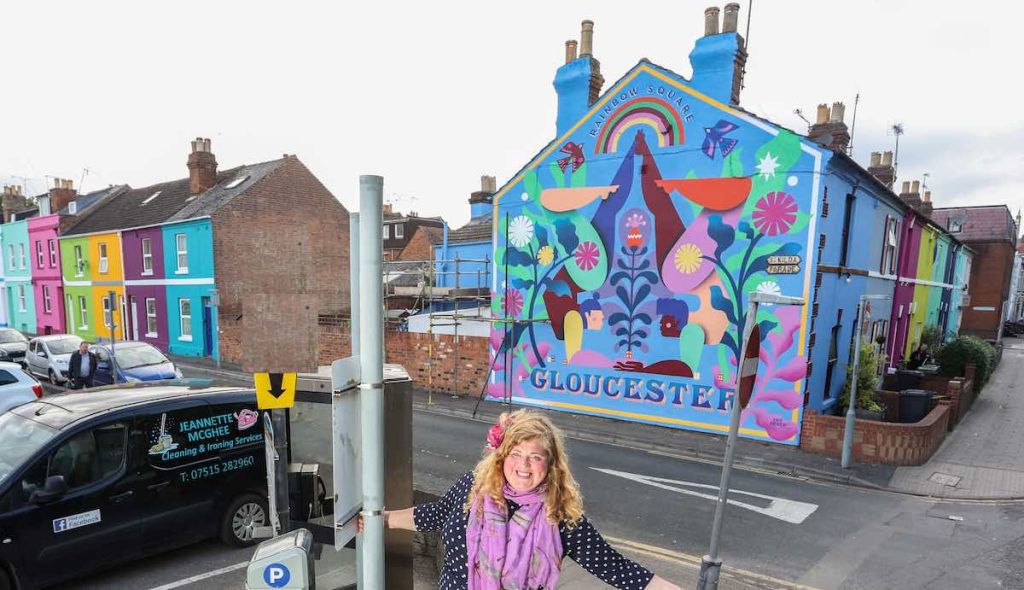
A year ago, we introduced you to an artist who began transforming an old neighborhood by painting the drab homes with vividly cheerful colors—and now she’s unveiled her latest street of 63 “rainbow homes”.

Tash Frootko has been painting houses in Gloucester since 2018, providing free makeovers for entire streets and several squares within the city in southwest England.

Locals say it has not only created a better atmosphere for positive living but has even pushed home values up by 30 percent—which is also great for Tash, who works as a property developer.

Now she has unveiled her fifth and largest project to date: 63 houses on Hopewell Street painted in bold and vivid colors.

The 44-year-old long-time Gloucester resident says her efforts demonstrate what an individual with a vision can achieve.

”I started these transformations because there was such negative morale about the appearance of the city.”

The response from the community has been overwhelmingly positive.

“It was like, Tash appeared from nowhere and turned our street into a work of art,” said Rob Wilks, who has lived here for 63 years.

SWNS license

“The tireless work she does behind the scenes to fix the issues of the street before adding her signature colors is admirable.”

Tash says the backdrop for her artistry has been there all the time. “It just needed a creative mind and a huge injection of color.”

”My projects get more exciting every time, and I seem to have a template and formula that works.

After self-funding the home make-overs for years, her success attracted funding this year from Gloucestershire County Council, which will cover some of the expenses.

”I will continue to work completely voluntarily so that every penny of funding goes towards making the area shine.”

LOOK AT HER: She Turns Old Leather Sofas into Chic $200 Handbags to Cut Down on Waste–And They’re Flying Out the Door

Tash Frootko SWNS

Brigitte Wurfel-Mathurin, who has lived on Barton Street for 37 years, described the change as “life-changing”.

“She has created a kaleidoscopic masterpiece here—and another landmark for Gloucester. It makes me feel so proud to say that I live in Barton and Tredworth.”

Some of the rainbow painted houses by Tash Frootko in Gloucester-SWNS

Tash’s project began five years ago when she painted the houses on a small street to “reinvigorate” the local area with creativity. Since then, 134 houses have been wrapped in her eye-popping color palette with over 1,300 liters of paint.

LOOK! Berlin Artists Transform Swastika Graffiti into Friendly Works of Street Art

She’s always envisioning new plans to transform other parts of the city using simple paint to create huge “outdoor art galleries.”

This year, the work included a huge floral mural by street artist Sophie Mess, murals by Stuart Doust, a quirky door installation, and a rainbow staircase.

“There is no end to this lady’s ability,” gushed Wurfel-Mathurin. “Her remarkable vision and drive is phenomenal and she takes the community on the adventure with her.

WATCH: Friendship on Street Corner When Artist Makes Incredible Puppet to Look Like Local Senior –MUST SEE

“She has bought love, fun, color and laughter to the street,” said Wilks. “We can’t thank her enough for that.”

Watch the wonderful video below…

PAINT SMILES on Your Friends’ Faces By Sharing The Inspiration on Social Media…

Sealed Vial Reveals the Smell of Ancient Rome With Patchouli Scents From Time of Jesus

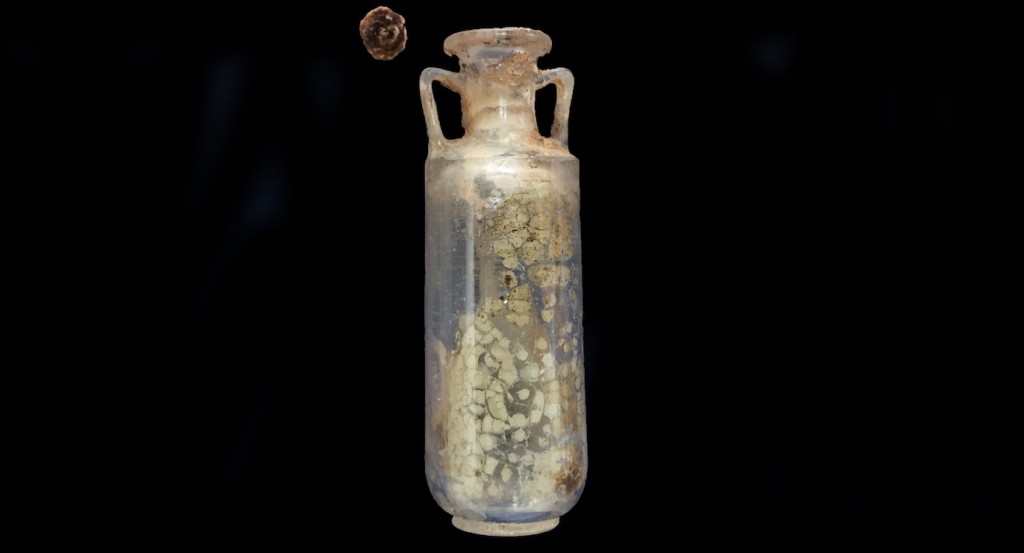
Bottle of 2,000 year old Roman perfume –University of Córdoba via SWNS

A real whiff of ancient Rome from 2,000 years ago was unleashed as a sealed vial of Roman perfume has been opened—and a whiff of patchouli oil wafted through the air once again.

The stopper, made of dolomite—a type of carbon, and a tight seal with bitumen enabled the contents of the tiny glass container to be “extraordinarily” preserved.

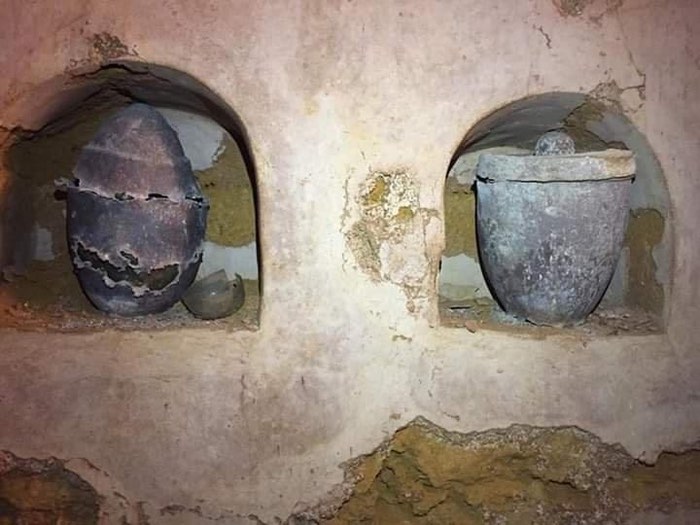
The vial was discovered with the ointment intact in a funerary urn in the Roman city of Carmo, today’s Carmona, near Seville in Spain.

It was discovered during an archaeological dig in a mausoleum that was found during the construction of a house on the Calle Sevillat.

It had been preserved, solidified, inside a vessel carved in quartz, which was still perfectly sealed.

It was a collective tomb, possibly belonging to an affluent family. In addition to numerous objects related to funeral rituals, the cinerary urns of six adult individuals—three women and three men—were found.

Location where the ointment where found – University of Córdoba via SWNS

In one of the urns, made of glass, over the cremated skeletal remains of a woman between 30 and 40 years old, a cloth bag had been placed containing three amber beads and a small quartz flask carved in the shape of an amphora, containing the ointment.

LOOK: Archaeologists Reveal Extraordinary Cave Art Carvings Beneath 2000 Years of Sediment in Alabama

The truly extraordinary aspect of the find was that, twenty centuries later, it was still perfectly sealed, and that the solid residues of the perfume had been preserved inside, which made it possible for researchers to test every component of the find.

Professor of Organic Chemistry at the University of Cordoba, José Rafael Ruiz Arrebola, was able to analyze the sample and the results were published in the journal Heritage.

To work out what was in the perfume, Prof. Arrebola and his team used X-ray diffraction and gas chromatography coupled with mass spectrometry.

POPULAR: The First Viking Ship Burial Found in Over 100 Years Reveals its Lost Secrets

Beyond identifying the airtight bitumen seal and the cylindrical stopper made of dolomite, two components of the perfume were identified.

The base or binder—which allowed for the preservation of the aromas, and the essence itself—was a vegetable oil, or possibly olive oil according to some indications reflected in the analysis.

The results of chemical analyses showed the essence itself was patchouli, an essential oil obtained from a plant of Indian origin that is used in modern perfumery.

CHECK OUT: Archeological Dig Starts at 5,000-Year-Old Tomb Linked to King Arthur

The monumental characteristics of the tomb and the valuable material used for the vessel containing the oil, suggests that it was a highly valuable product.

“To our knowledge, this is possibly the first time a perfume from Roman times has been identified,” said Arrebola.

“This is the first report on the use of bitumen as a sealing agent in an unguentarium with a dolomite stopper—another unique finding.”

MORE: 300 Epic Ancient Murals ‘Unique in the World’ Depict Creation Myths on Texas Rock: ‘Oldest Books in North America’

These findings constitute a breakthrough in the field of Roman perfumery, uncovering the use of patchouli as an essential oil.

SEND THIS Sweet Smell Around the World By Sharing on Social Media… 

Your Inspiring Weekly Horoscope From Rob Brezsny: A ‘Free Will Astrology’

Our partner Rob Brezsny provides his weekly wisdom to enlighten our thinking and motivate our mood. Rob’s Free Will Astrology, is a syndicated weekly column appearing in over a hundred publications. He is also the author of Pronoia Is the Antidote for Paranoia: How All of Creation Is Conspiring To Shower You with Blessings. (A free preview of the book is available here.)

Here is your weekly horoscope…

FREE WILL ASTROLOGY – Week of June 10, 2023
Copyright by Rob Brezsny, FreeWillAstrology.com
GEMINI (May 21-June 20):
“All the things I wanted to do and didn’t do took so long. It was years of not doing.” So writes Gemini poet Lee Upton in her book *Undid in the Land of Undone*. Most of us could make a similar statement. But I have good news for you, Gemini. I suspect that during the rest of 2023, you will find the willpower and the means to finally accomplish intentions that have been long postponed or unfeasible. I’m excited for you! To prepare the way, decide which two undone things you would most love to dive into and complete.
CANCER (June 21-July 22):
Cancerian author Denis Johnson had a rough life in his twenties. He was addicted to drugs and alcohol. Years later, he wrote a poem expressing gratitude to the people who didn’t abandon him. “You saw me when I was invisible,” he wrote, “you spoke to me when I was deaf, you thanked me when I was a secret.” Now would be an excellent time for you to deliver similar appreciation to those who have steadfastly beheld and supported your beauty when you were going through hard times.
LEO (July 23-Aug. 22):
Don’t make a wish upon a star. Instead, make a wish upon a scar. By that I mean, visualize in vivid detail how you might summon dormant reserves of ingenuity to heal one of your wounds. Come up with a brilliant plan to at least partially heal the wound. And then use that same creative energy to launch a new dream or relaunch a stalled old dream. In other words, Leo, figure out how to turn a liability into an asset. Capitalize on a loss to engender a gain. Convert sadness into power and disappointment into joy.

VIRGO (Aug. 23-Sept. 22):
At age nine, I was distraught when my parents told me we were moving away from the small town in Michigan where I had grown up. I felt devastated to lose the wonderful friends I had made and leave the land I loved. But in retrospect, I am glad I got uprooted. It was the beginning of a new destiny that taught me how to thrive on change. It was my introduction to the pleasures of knowing a wide variety of people from many different backgrounds. I bring this to your attention, Virgo, because I think the next 12 months will be full of comparable opportunities for you. You don’t have to relocate to take advantage, of course. There are numerous ways to expand and diversify your world. Your homework right now is to identify three.
LIBRA (Sept. 23-Oct. 22):
Most of us continuously absorb information that is of little or questionable value. We are awash in an endless tsunami of trivia and babble. But in accordance with current astrological omens, I invite you to remove yourself from this blather as much as possible during the next three weeks. Focus on exposing yourself to fine thinkers, deep feelers, and exquisite art and music. Nurture yourself with the wit and wisdom of compassionate geniuses and brilliant servants of the greater good. Treat yourself to a break from the blah-blah-blah and immerse yourself in the smartest joie de vivre you can find.

SCORPIO (Oct. 23-Nov. 21):
Over 25 countries have created coats of arms that feature an eagle. Why is that? Maybe it’s because the Roman Empire, the foundation of so much culture in the Western world, regarded the eagle as the ruler of the skies. It’s a symbol of courage, strength, and alertness. When associated with people, it also denotes high spirits, ingenuity, and sharp wits. In astrology, the eagle is the emblem of the ripe Scorpio: someone who bravely transmutes suffering and strives to develop a sublimely soulful perspective. With these thoughts in mind, and in accordance with current astrological omens, I invite you Scorpios to draw extra intense influence from your eagle-like aspects in the coming weeks.
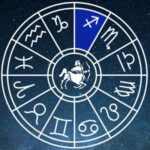
SAGITTARIUS (Nov. 22-Dec. 21):
“When I paint, my goal is to show what I found, not what I was looking for.” So said artist Pablo Picasso. I recommend you adopt some version of that as your motto in the coming weeks. Yours could be, “When I make love, my goal is to rejoice in what I find, not what I am looking for.” Or perhaps, “When I do the work I care about, my goal is to celebrate what I find, not what I am looking for.” Or maybe, “When I decide to transform myself, my goal is to be alert for what I find, not what I am looking for.”
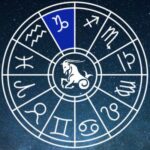
CAPRICORN (Dec. 22-Jan. 19):
Vincent van Gogh painted Wheatfield with a Reaper, showing a man harvesting lush yellow grain under a glowing sun. Van Gogh said the figure was “fighting like the devil in the midst of the heat to get to the end of his task.” And yet, this was also true: “The sun was flooding everything with a light of pure gold.” I see your life in the coming weeks as resonating with this scene, Capricorn. Though you may grapple with challenging tasks, you will be surrounded by beauty and vitality.
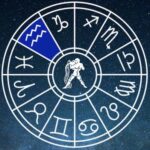
AQUARIUS (Jan. 20-Feb. 18):
I suspect that your homing signals will be extra strong and clear during the next 12 months. Everywhere you go, in everything you do, you will receive clues about where you truly belong and how to fully inhabit the situations where you truly belong. From all directions, life will offer you revelations about how to love yourself for who you are and be at peace with your destiny. Start tuning in immediately, dear Aquarius. The hints are already trickling in.
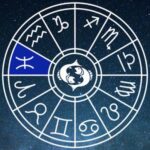
PISCES (Feb. 19-March 20):
The renowned Mexican painter Diego Rivera (1886–1957) told this story about himself: When he was born, he was so frail and ill that the midwife gave up on him, casting him into a bucket of dung. Rivera’s grandmother would not accept the situation so easily, however. She caught and killed some pigeons and wrapped her newborn grandson in the birds’ guts. The seemingly crazy fix worked. Rivera survived and lived for many decades, creating an epic body of artistic work. I bring this wild tale to your attention, Pisces, with the hope that it will inspire you to keep going and be persistent in the face of a problematic beginning or challenging birth pang. Don’t give up!
ARIES (March 21-April 19):
“Everything that irritates us about others can lead us to an understanding of ourselves,” said psychologist Carl Jung. What was he implying? That we may sometimes engage in the same behavior that bothers us about others? And we should examine whether we are similarly annoying? That’s one possible explanation, and I encourage you to meditate on it. Here’s a second theory: When people irritate us, it may signify that we are at risk of being hurt or violated by them—and we should take measures to protect ourselves. Maybe there are other theories you could come up with, as well, Aries. Now here’s your assignment: Identify two people who irritate you. What lessons or blessings could you garner from your relationships with them?
TAURUS (April 20-May 20):
In 1886, a wealthy woman named Sarah Winchester moved into a two-story, eight-room farmhouse in San Jose, California. She was an amateur architect. During the next 20 years, she oversaw continuous reconstruction of her property, adding new elements and revising existing structures. At one point, the house had 500 rooms. Her workers built and then tore down a seven-story tower on 16 occasions. When she died at age 83, her beloved domicile had 2,000 doors, 10,000 windows, 47 stairways, and six kitchens. While Sarah Winchester was extreme in her devotion to endless transformation, I do recommend a more measured version of her strategy for you—especially in the coming months. Continual creative growth and rearrangement will be healthy and fun!

WANT MORE? Listen to Rob’s EXPANDED AUDIO HOROSCOPES, 4-5 minute meditations on the current state of your destiny — or subscribe to his unique daily text message service at: RealAstrology.com

(Zodiac images by Numerologysign.com, CC license)

SHARE The Wisdom With Friends Who Are Stars in Your Life on Social Media…

“Be not simply good—be good for something.” – Henry David Thoreau

Quote of the Day: “Be not simply good—be good for something.” – Henry David Thoreau

Photo by: Ahmed Zalabany (cropped)

With a new inspirational quote every day, atop the perfect photo—collected and archived on our Quotes page—why not bookmark GNN.org for a daily uplift?

This 23-Year-Old Founder is 3D Printing Schools in Madagascar Aiming to be a ‘Stepping Stone’ for the Community

Photo courtesy of Geoffrey Gaspard

A young entrepreneur is using 3D printers to create cheap school campuses in rural Madagascar.

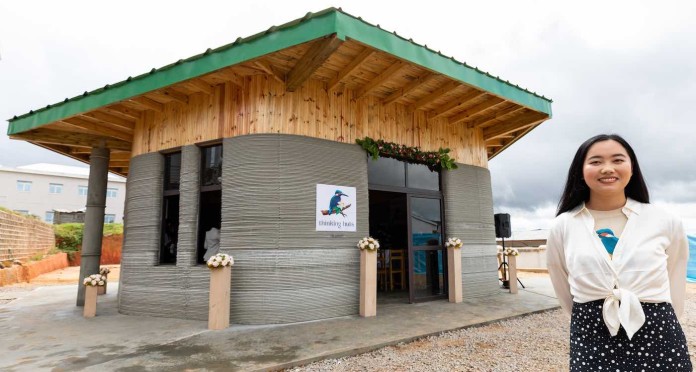
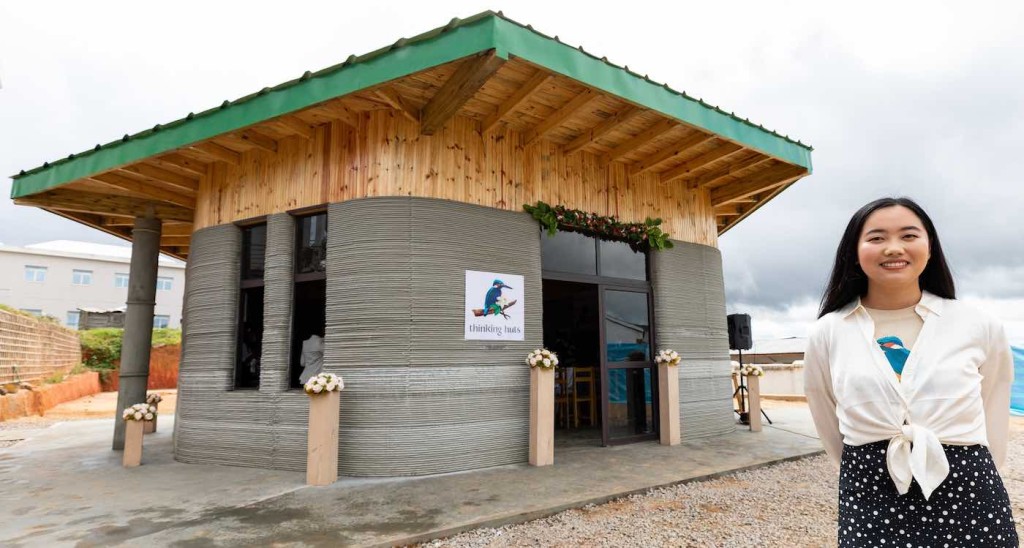
It takes just $40,000 and 18 hours to build a “Thinking Hut,” as they’re called, and founder of the project Maggie Grout is aiming to get the cost even lower before handing the reins over to local professionals.

GNN previously reported on Maggie Grout’s idea in 2021 during the pandemic. It was then that she and a San Francisco architect came up with the idea of making them honeycomb-shaped so that additional modules could be added seamlessly.

And indeed, the first completed campus is called the “Honeycomb.”

Madagascar is one of the most challenging places in Africa to develop, but also the most opportune owing to a lack of any armed conflicts and a government welcoming of foreign workers.

But extreme poverty, lack of infrastructure, terrible roads, and a delicate, priceless natural ecosystem all pose challenges to anyone seeking to implement large-scale development projects.

Instead, Grout brought her 3D printers over in a single shipping container and has now printed a school in the town of Fianarantsoa, a city in south-central Madagascar with 200,000 people.

“From that first project, I really learned how to streamline the logistics,” Grout told Fast Company. “I learned how to put together the supply chain when there’s not a lot of locally available materials. And then I learned how to work in harmony with the local people.”

OTHER 3D-PRINTING USES: World’s First 3-D Printed School Poised to Be Built in Madagascar For Half the Price of Traditional

Local people are the key—lack of institutional presence in rural areas means that almost any economic activity has a foundation built on years of trust between community individuals. When foreigners come in, building trust is often the biggest challenge to getting a project off the ground in Madagascar.

However, from the onset, Grout said she wanted to rely on the locals as much as possible. During the first project, she learned how to best manage a team of cross-cultural partners. She used local people to install traditional windows and doors, and worked with the Madagascar Ministry of Education to bring in teachers.

MORE MADAGASCAR NEWS: Tree Growing Nonprofit is Sprouting Entrepreneurs With Unique Training and Lots of Trees for Madagascar

“We do think through the holistic collateral impacts of what we’re doing,” Grout says. “We’re really just aiming to be a stepping stone for [the community] to be successful on their own… We don’t want them to be dependent on us.”

Her long-term goal is to establish Thinking Huts in many different countries.

WATCH Grout explain her project below… 

SHARE This Awesome Use Of 3D-Printing With Your Friends… 

Cancer Screening Could Predict Tumors Decades Before They Start Growing Thanks to This Discovery

Courtesy Flinders Foundation - via SWNS
Courtesy Flinders Foundation – via SWNS

After scientists identified a link between the risk of cancer and clusters of chemicals in an individual’s cells, a screening program that could detect tumors decades in advance is on the horizon.

The chemicals are called circular RNAs, and when they stick to DNA strands in great enough numbers they can cause tumors known as oncogenes.

The breakthrough offers hope of developing personalized vaccines for vulnerable patients.

“Environmental and genetic factors have long been believed as the major contributors to cancer,” explains lead author Professor Simon Conn, of Flinders University in Australia. “We call this revolutionary finding ‘ER3D’ —from endogenous RNA-directed DNA damage’. It ushers in an entirely new area of medical and molecular biology research.

“[It] opens the door for using these molecules as markers of disease at a very early stage, where the likelihood of curing cancers is much higher.”

The study compared neonatal blood tests, or ‘Guthrie cards’, of babies who went on to develop acute leukemia as infants.

One specific circular RNA was present at much higher levels at birth, prior to the onset of symptoms, compared to peers with healthy blood.

The findings suggest it’s the abundance of the circular RNA molecules which is a major determinant for why some develop these specific oncogenes and others do not.

“These specific circular RNAs can bind to DNA at many different locations across a range of cells,” said Dr. Conn. “By binding to the DNA at specific sites, these circular RNAs cause a number of changes culminating in the breakage of the DNA which the cell must repair in order to survive.

“This repair is not always perfect and this can result in small mutations, like a misspelled word within a book, or worse, very, very large and devastating mutations.”

Multiple circular RNAs appear to act in partnership causing breaks at multiple sites in the DNA.

“This process called chromosomal translocation, is a major problem for the cell as it results in gene fusions which can actually convert the cell from a normal cell into a cancerous cell,” said Dr. Vanessa Conn, Simon’s wife, and lead author on the paper.

MORE MEDICAL BREAKTHROUGHS: A Single Injection Reverses Blindness in Patient with Rare Genetic Disorder – Another RNA Success

“This was demonstrated in two different cell types and it was found that this drove the rapid onset of aggressive leukemia.”

Gene fusions arising from circular RNAs are at well-known ‘hotspots’ of mutation in leukemia, say the husband and wife team.

This is an important consideration in Australia which has the highest incidence in the world, with around 35,000 currently living with the disease.

MORE CANCER DEVELOPMENTS: Groundbreaking Myeloma Cancer Treatment Has 90% Success Rate: ‘Dramatic Results’

These gene fusions have been used by doctors around the world for many years in guiding treatment options as they are known to worsen the prognosis for the patient who carries them.

However, until now it was unknown how these mutations arose, even though more than 100 known fusions were found in patients.

The next step say the researcher partners is to see if these fusions are present in other cancers.

SHARE This Important Discovery in Leukemia On Social Media… 

10-year-old’s Backyard Discovery Reveals ‘Mind-blowing’ Interaction Between Plants and Insects

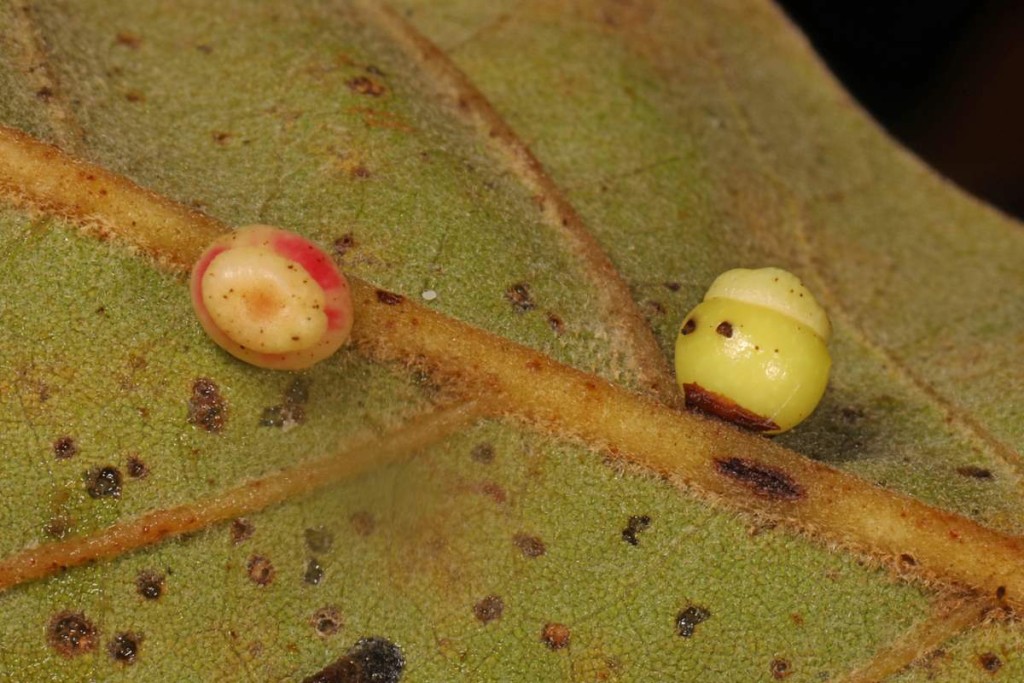
Cynipid gall wasp egg inside an oak gall, the foundation of a new radical multi-species interaction. CC 2.0. Judy Gallagher

2 years ago, little Hugo Deans from Pennsylvania found some red-colored seeds on the ground by an ant’s nest in his backyard.

Hugo was excited—he didn’t know ants collected seeds, and his excitement grew when he showed his father Andrew, an entomologist at Penn State, who didn’t know they did either.

The two bug enthusiasts didn’t know it at the time, but Hugo’s discovery was to prime a canvas on which was to be painted a scientific discovery of dramatic complexity—a co-dependent relationship between oaks, ants, and wasps that highlights the incredible interconnectedness of our planet.

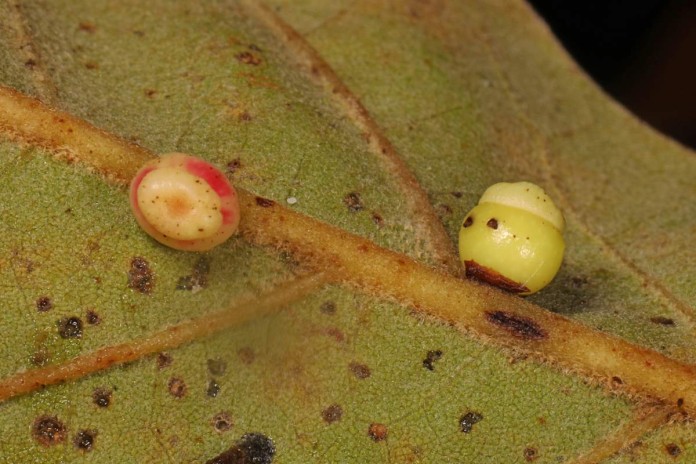
The discovery connects two separate plant-insect relationships, the first being cynipid wasp species inducing oak trees to create “galls” or small protective bubbles of leaf matter, around their eggs which they lay on the leaves—a clever trick that saves the wasp the hassle of nest-guarding.

The second is a phenomenon called myrmecochory, or seed dispersal by ants. Certain wild North American plants produce edible appendages on their seeds which attract ants who, in turn, bring the seeds back to their nests where they can germinate in safety.

What Hugo found, and Andrew recently elaborated in the journal American Naturalist, is that these two behaviors were linked, and that the Godfather-like wasps were not only manipulating the oaks, but the ants as well.

“First, we observed that, while these galls normally contain a fleshy pale-pink ‘cap,’ the galls near the ant nest did not have these caps, suggesting that maybe they were eaten by the ants,” Andrew Deans told Penn State press.

“Ultimately, this led us to discover that gall wasps are manipulating oaks to produce galls, and then taking another step and manipulating ants to retrieve the galls to their nests, where the wasp larvae may be protected from gall predators or receive other benefits. This multi-layered interaction is mind-blowing; it’s almost hard to wrap your mind around it.”

Among the experiments that supported this hypothesis was the introduction of ants to galls as food choices. The oak galls come in two parts, the squishy gall body, and a “kapello”—Greek for “cap.”

SIMILAR NEWS: Yale Honors Work of 9-Year-Old Girl Who is Stomping Out Extremely Invasive Bugs in New Jersey

The ants showed an interest in the kapellos, and the gall body + kapello, but showed none in a third choice containing just the gall body.

Why is this? Well, a colleague of Deans, John Tooker, also a professor of entomology, found that the kapellos contain fatty acids that mimic the dietary composition of dead insects, a scavenging ant’s most common prey.

MORE KIDS AND SCIENCE: College Kids Prepare to Send the First Private Lunar Rover to the Moon

“The fatty acids that are abundant in gall caps and eliosomes seem to be mimicking dead insects,” said Tooker. “Ants are scavengers that are out trying to find and grab anything that’s suitable to bring back to their colony, so it’s not an accident that the gall caps and the elaiosomes both have fatty acids typical of dead insects.”

Oak galls are so plentiful in American broadleaf forests that they were once used to fatten livestock. This led the team to hypothesize that ants began collecting them for the caps, and then other North American plants like bloodroot, which produce the “eliosome” interaction of seeds with edible appendages, evolved to take advantage of ants’ already-established behavior to pick up seed-sized fatty-acid-rich objects.

KIDS AND BUGS: Once Bullied For Her Love Of Bugs, 8-Year-old Co-Authors Scientific Paper

As to when the wasp entered the picture, that is something that the team, equipped with a new study grant, will continue working on. Hugo, now 10 years old, is proud he was able to contribute to such an important advancement.

“I bet other kids have made similar discoveries but never knew how important they might be,” Hugo said. “I feel really happy and proud to know I was part of an important scientific discovery. It’s weird to think just some ants collecting what I thought were seeds was actually an important scientific breakthrough.”

You can watch an animation of this remarkable multi-species interaction here on the Penn State University Press website.

SHARE Hugo And His Dad’s Great Discovery With Nature Lovers… 

Pufferfish Creating Beautiful Underwater Mandalas–A Scene of Pure Peace

Photo provided by Katsuki Oki to Mainichi.jp

Elaborate circles of sand and pebbles have been spotted off the coast of a Japanese island.

Prior to 2011, these strange, mandala-like circles found under the shallow sea were a mystery, and the identity of their architects was anything but expected.

They are constructed for an annual mating ritual by male white-spotted pufferfish, reports Japanese news. The 15-centimeter-long fish use their little fins to excavate the series of trenches during the mating season.

It takes the animal around 3 weeks to complete the sand mandala spawning nest, after which they escort the females there.

After this, they change professions from builders to protectors, guarding the eggs for 5 days until they hatch.

“We hope a great number of divers will be able to see the nests while following observation rules,” said Katsuki Oki, 52, head of the Amami Marine Life Research Association, who took excellent photographs of these nests on the Oshima Straight seabed off southwest Japan’s Amami-Oshima Island.

For centuries, whether with cooking implements or cars, the Japanese have been famous for their craftsmanship. Evidently, this trait extends to other branches of the tree of life on the famous islands.

WATCH how these fish make their nests, but be sure to see Oki’s video HERE...

SHARE This Incredible Little Undersea Builder With Your Friends… 

“Gratitude is the fairest blossom which springs from the soul.” – Henry Ward Beecher

Quote of the Day: “Gratitude is the fairest blossom which springs from the soul.” – Henry Ward Beecher

Photo by: Lena Albers

With a new inspirational quote every day, atop the perfect photo—collected and archived on our Quotes page—why not bookmark GNN.org for a daily uplift?

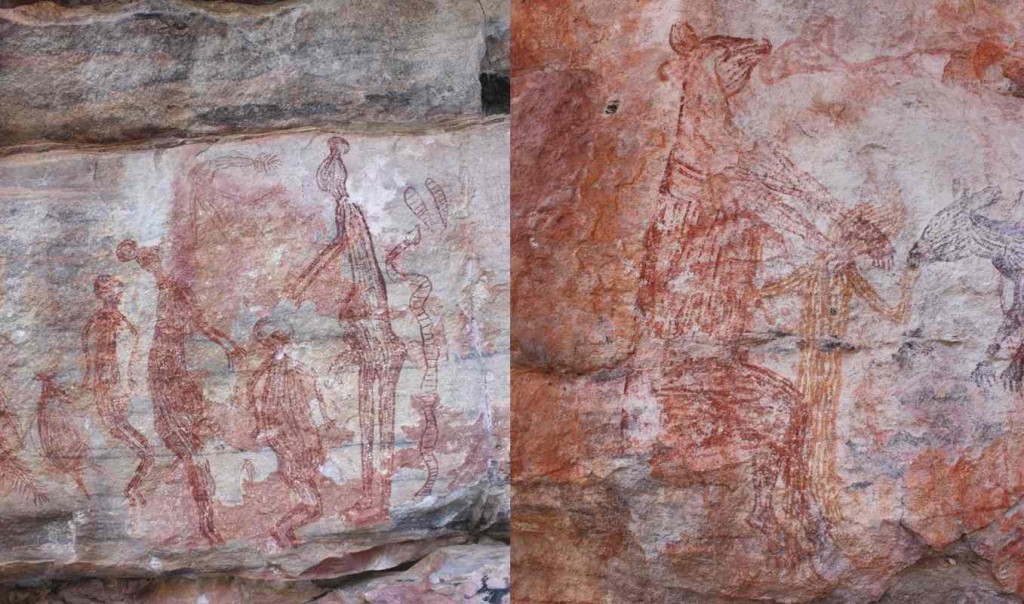
Newly Discovered Rock Art Panels Depict How Ancient Ancestors Envisioned Creation and Adapted to Change

Figures from the Maliwawa Style depict human/animal hybrids and animals interacting. Courtesy - Paul Tacon
Figures from the Maliwawa Style depict human/animal hybrids and animals interacting. Courtesy – Paul Tacon

Australia’s vast wildernesses are famous for many things, but rock art, specifically one of the largest concentrations of rock art known in the world, isn’t typically one of them.

West Arnhem Land in the Queensland Peninsula hosts an incredible painted record of Man’s relation to his planet, its changes, challenges, and bounty, but a completely new rock art style covering 4,000 years of history shows Aboriginal Australians adapting to the transformation of Arnhem land into the lush riverine environment it is today.

The total collection of painted rock art in West Arnhem Land has been dated to a span of 30,000 years, stretching from just a few centuries ago to back within the last ice age. However, the period between 8,000 BCE and 4,000 BCE was seemingly absent from the variety of images painted onto the sandstone.

Now, the Bininj, Mawng, and Amurdak Aboriginal people teamed up with archaeologists led by Paul Tacon of Griffith University to finally isolate the works from this hidden period. They show a land in flux, where sea level rise meant the coasts retreated backward 150 feet per year, where mangrove forests came to dominate the near-shore landscape, and increased rainfall fed already swollen rivers.

Using the local Mawng People’s language, one of Tacon’s Bininj Aboriginal collaborators has dubbed the new rock art style the Maliwawa Style. After 8 years of field surveying and work, the team has documented 572 Maliwawa paintings and is ready to share their story with the world.

“It was really exciting to find previously undocumented shelters with lots of Maliwawa figures on walls and ceilings, sometimes in scenes,” Tacon told Archaeology Magazine, where a reader can read their feature piece on the topic. “When we saw these paintings for the first time, there was a rush of adrenaline, much excitement, cheering, and lots of shouts to each other.”

16,000 years ago, paintings were simply images of animals, while 5,000 years later the style shifts to one depicting humans interacting with animals and the landscape with tools. Then there’s the 4 millenium gap recently filled by the Maliwawa Style, before Aborigines began using unique floral motifs around 4,000 years ago, and practicing anatomical drawings 2,000 years after that.

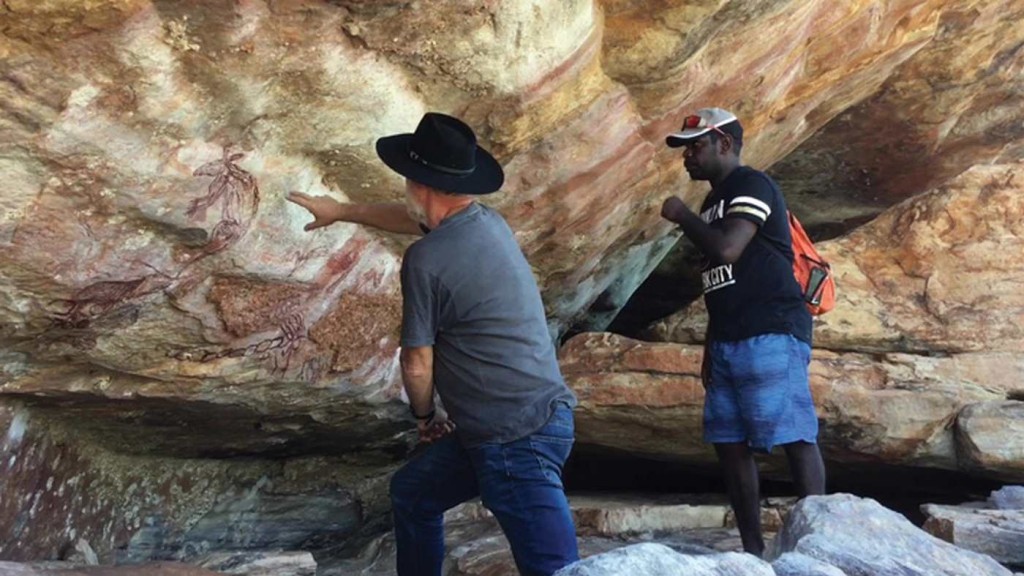
Maliwawa Style figures showcase people in dreamlike floating poses. Metamorphoses are common, with humans taking on the shapes of animals—like a kangaroo head. Furthermore, the interplay between human and animal is more intimate than any other style.

They also depict evidence of a changing climate, with the first-ever painting of a dugong found anywhere on Earth. Many snakes and reptiles are shown, perhaps because their burrows were being flooded routinely.

Archaeologist Paul Tacon (left) and Namunidjbuk Traditional Owner R. Lamilami’s son Patrick (right) examine a series of Maliwawa Style animals in a rock overhang. Courtesty – Fionna McKeague

Unlike the other rock art styles in Arnhem Land that portray the world through human eyes, Tacon and his Aboriginal collaborators find that animals are often the storytellers in Maliwawa art. Their hypothesis is that it was the ancients’ way of showing the degree to which every form of life was impacted by the dampening of their land.

MORE ARCHAEOLOGY NEWS: 300 Epic Ancient Murals ‘Unique in the World’ Depict Creation Myths on Texas Rock: ‘Oldest Books in North America’

There’s also significant variation in the Maliwawa works.

“Populations were becoming more regionally distinct, and this can be seen in the rock art across West Arnhem Land,” Tacon told Matt Stirn, writing in Archaeology Magazine. “The emergence of a few regionally distinct styles of rock art in northern Australia, including the Maliwawa Style, reflects this.”

While working alongside the Aborigines, Tacon was able to benefit from a “two-toolbox” approach, that showed how the more dramatic Maliwawa depictions are showing the “Dreaming”—the Bininj creation story when the world was made and spirits passed on information through art.

MORE ANTHROPOLOGY NEWS: Hi-Tech Archaeology Reveals Extraordinary Cave Art Carvings Beneath 2000 Years of Sediment in Alabama

“Some Maliwawa Style scenes seem to depict important Dreaming creation stories that are still important today,” says Tacon, “and aspects of the style, such as the back-to-back figures, are still painted in the context of important spirit beings. So the Maliwawa Style figures highlight long-term connections not only to the land, but also to the origin of key creation stories in a time of great change.”

The 21st century has seen some of the largest advances in the study of rock art in modern history. Large works, such as the so-called “Sistine Chapel of the Ancients” or the Pecos River Style, which is now being recognized as the “oldest book in North America,” show a level of community organization and depth of knowledge and theology long thought absence in hunter-gatherer society.

SHARE These Stunning Images With Your Friends…

Make Yourself Happy: Watch a Pair of Giant Rubber Duckies Floating in Hong Kong Harbor

- SWNS
– SWNS

A pair of giant yellow rubber ducks have been spotted in Hong Kong waters.

The bath toys are undergoing sea trials ahead of the exhibition Double Ducks by Dutch artist Florentijn Hofman.

Since 2007, Hofman has taken his 61-foot-tall monumental rubber duck on a world tour. On the 10th anniversary of its first visit to Hong Kong, the creative brand ARR has invited the rubber duck back, accompanied by a new friend.

Part of its tour included the Great Lakes in 2016, where it was floating at the annual spectacle alongside replica ships that include a Spanish Galleon and a Viking longboat.

The pair tested their swimming skills in Victoria Harbor near Tsing Yi island at the end of May, prior to the June 10th official exhibition opening.

Organiser ARR say the Double Ducks are “happiness icons” and aim “to spread the healing power of art and bring joy to everyone via this large-scale public art exhibition.”

“Hofman’s freewheeling imagination of childlike wonder has gained notice from the public,” said Hofman, “inspiring people to take a break from their mundane daily life and connect with one another.”

WATCH the ducks in the harber below… 

SHARE This With Any Hong Kongers You Know… 

Man’s Biological Clock Set Back 10 Years After 93 Days Living Under the Ocean in a Research Station

Credit @drdeepsea
Credit @drdeepsea

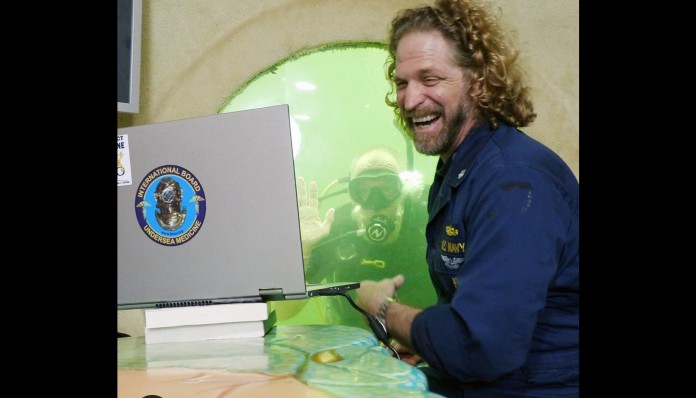
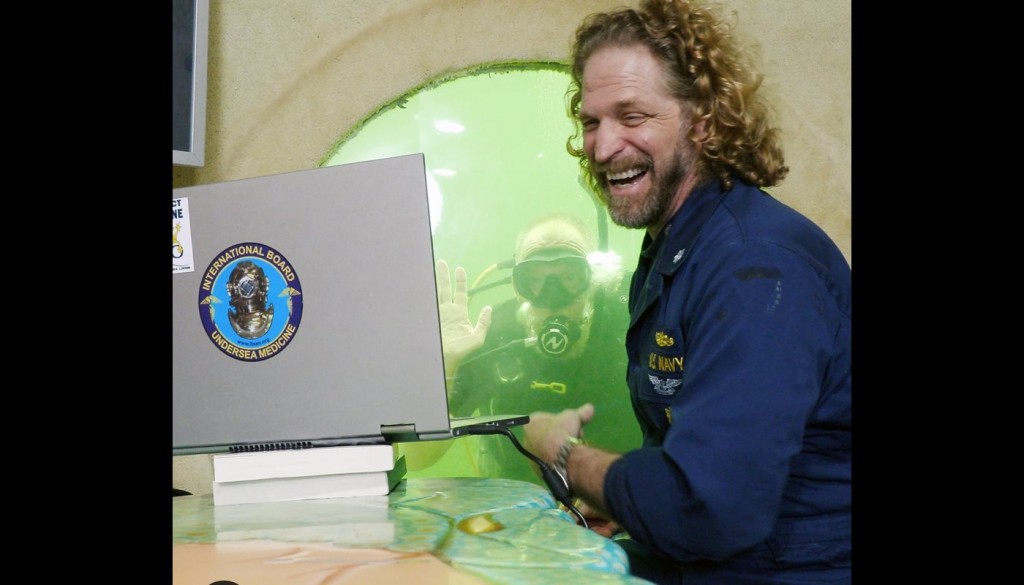
A man of science locked himself in a 592-square-foot underwater research station for 100 days to document the effects of pressurization on the human body.

Now, having emerged from his submerged experiment, scientists studying those effects have discovered a shocking change in the man’s body—he’s 10 years younger.

The man, Joe Dituri, a former US Navy diver and expert in biomedical engineering, had experienced a 20% growth in the lengths of his telomeres.

Without explaining the complex biology of the aging process, one of its hallmarks is the shortening of telomeres, which are found on the ends of strands of DNA and act a little like the fused plastic ring around the end of a shoelace—it keeps the fabric from splitting apart.

Telomeres shorten as we age, exposing the DNA to damage, and many longevity programs today focus on halting that loss.

Another major factor was likely his body’s natural stem cell count—which grew 1,000% higher from before he went under. He experienced a 60% increase in the duration of deep sleep, the truly restorative state of sleep we all need to maintain our health that typically makes up around 90 minutes of our sleep cycle.

Altogther it served to reduce his biological age clock by about 10 years.

As Science Alert reported, before going under Dituri was focused more on what negative effects would befall him under the sea, such as a reduced exposure to vitamin D, losses of bone and muscle mass, and a reimergence of already-beaten viruses due to a weakened immune system.

@drdeepsea Instagram video

However, pressure, such as is found within a therapeutic hyperbaric oxygen chamber, has been shown to have several benefits which living under the pressure of the waves seems to have replicated.

“You need one of these places that is cut off from outside activity,” Dituri told British media about his experience. “Send people down here for a two-week vacation, where they get their feet scrubbed, relax and can experience the benefit of hyperbaric medicine.”

OTHER MAD EXPERIMENTS: Scientists Achieve Milestone in Self-Sustaining Fusion Energy, Burning Plasma in U.S. Experiments for First Time

In the pod, he used exercise bands to complete around an hour of fitness work five days a week. This was probably substituted or supplemented by swimming, as he could go for a dive whenever he felt like it.

More research is needed to fully understand the biological effects of living under the sea. The idea of undersea spas and wellness retreats is quite a strange one, but at the moment the results are hard to argue with.

WATCH the story below from Inside Edition… 

SHARE This Incredible Discovery With Your Friends On Social Media… 

Magician Performs Tricks for Shelter Dogs So Their Enthusiastic Reactions get Them Adopted–Watch

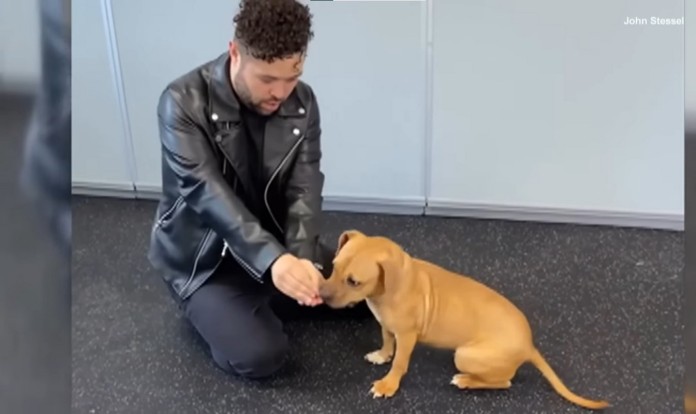
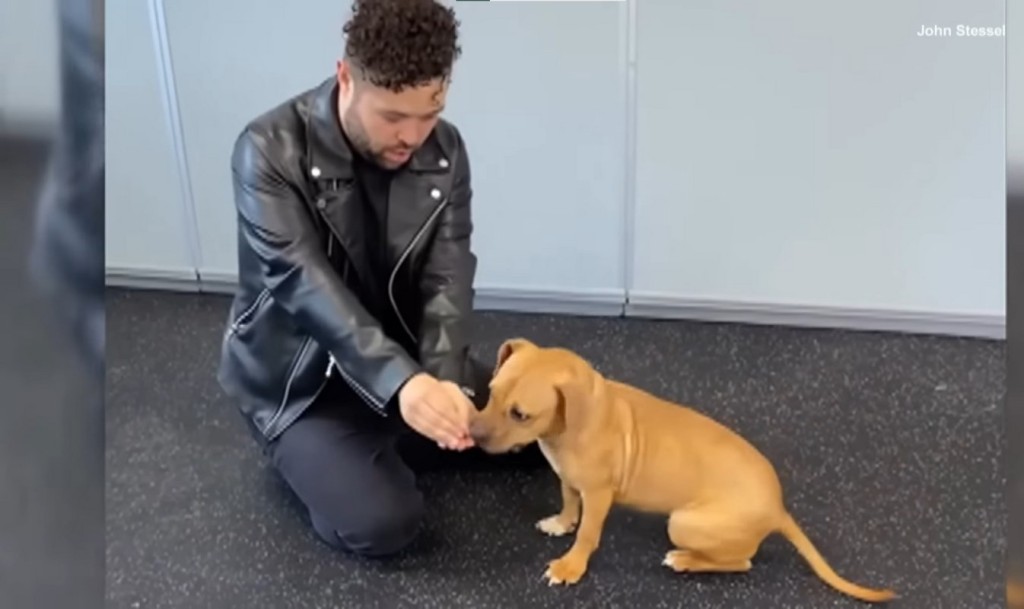
John Stessel, released

John Stessel normally performs his A-list magic show to adoring fans and celebrities, but he has found another, equally enthusiastic audience for his tricks.

Stessel routinely performs now for shelter dogs at the St. Hubert’s Animal Welfare Center in New Jersey, where their adorable reactions help to get them adopted.

Reactions to magic? Yeah, dogs are smart, and making treats and toys disappear before their eyes evidently leaves them flabergasted and determined to find out the secret.

“One of my small little superpowers is I can just help dogs show off in a way that they couldnt without me,” Stessel told Inside Edition. “Typically in the video the dogs just go nuts and they all have really different reactions.”

Stessel must take 4-5 antihistamines because, as it hapens, he’s frighteningly allergic to dogs. Hives are a common sight on set.

His work pays off, and most of the dogs in the video below have gone on to find permanent homes and loving families.

WATCH some of the pooches’ reactions…
SHARE This Inspiring And Compassionate Use Of Talent With Your Friends…

“The most satisfying thing in life is to have given a large part of one’s self to others.” – Teilhard de Chardin

Quote of the Day: “The most satisfying thing in life is to have been able to give a large part of one’s self to others.” – Pierre Teilhard de Chardin

Photo by: Kindel Media (cropped)

With a new inspirational quote every day, atop the perfect photo—collected and archived on our Quotes page—why not bookmark GNN.org for a daily uplift?

Fungi Could Be the Answer to Global Warming as They Store a Third of All Carbon Emissions

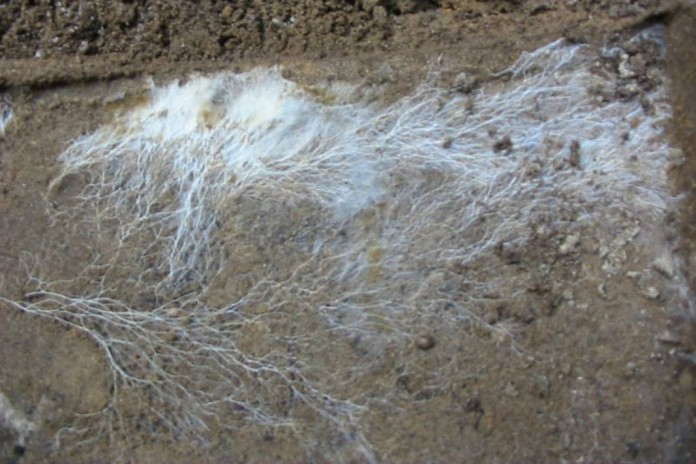
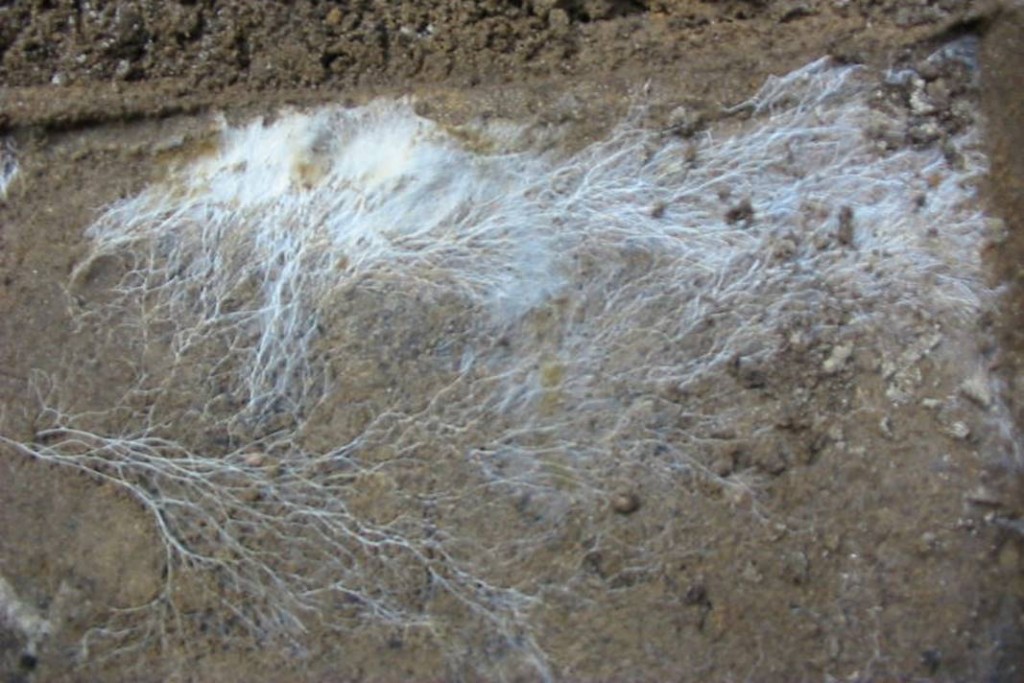
Mycelium - CC 3.0. Lex VB
Mycelium – CC 3.0. Lex VB

GNN is pro-fungus. We report on their value as medicines, building materials, and food, as well as the constantly evolving portrait of their interconnectedness with our world, and the organisms of the forest.

Their vast network of roots known as mycelia has now been shown hold a third—yes, a third, of the annually emitted carbon dioxide emissions on Earth.

The kingdom of fungi has been supporting life on land for at least 450 million years, and it may have produced the first large terrestrial organism in the form of fungal spires several meters high.

Now, an international team of researchers pooled data from hundreds of studies on plant-soil processes. Their calculations show that more than 13 gigatons of CO2 is transferred from plants to fungi annually, turning the soil beneath our feet into the biggest carbon sink in the world, bigger even then the oceans.

It offers a potential solution to managing fossil fuel emissions, and needs consideration in biodiversity and conservation policies, said the researchers.

Co-author Professor Katie Field, of Sheffield University described the find as a “blind spot” in global carbon modeling—one of many, and certainly not the first.

“The numbers we’ve uncovered are jaw-dropping. When we’re thinking about solutions for climate we should also be thinking about what we can harness that exists already,” said Dr. Field.

WOOD WIDE WEB NEWS: Research Suggests Mushrooms Talk to Each Other With a Vocabulary of 50 ‘Words’

It’s a good point. Mycelium can be grown extremely fast, while producing mushrooms as a food source. They could potentially be the best overall source of carbon storage available to humans at this moment.

Mycelia from different individual organisms form large, sometimes massive structures which have been fantastically termed the “Wood Wide Web.” Capable of holding up to 30,000 times their own mass in water and nutrients, they also act as conduits for medicinal substances for plants which they exchange in return for their sugars with the WWW.

MORE FUNGAL NEWS: Scientists Have Used Mushrooms to Make Biodegradable Computer Chip Parts

The largest known organism on the planet is a 2,000-year-old fungal mat that stretches over 2,000 acres across Oregon.

“More needs to be done to protect these underground networks—we already knew they were essential for biodiversity. Now we’ve even more evidence they are crucial to the health of our planet,” said Dr. Field.

Mycelium under 630x zoom of an fluorenscent microscope, the bright colors showing the high amount of cellular activity. CC 3.0. Christian Scheckhuber

“Understandably, much focus has been placed on protecting and restoring forests as a natural way to mitigate climate change,” added Dr. Heidi Hawkins of Cape Town University, adding that relatively little focus has gone into understanding mycorrhizal structures.

“We do know that it is a flux, with some being retained in mycorrhizal structures while the fungus lives—and even after it dies. Some will be decomposed into small carbon molecules and from there either bind to particles in the soil or even be reused by plants,” she said.

OTHER MYCELIUM USES: Tasty Burgers and Steaks Made of Mycelium Are New Healthy Food Alternative to Plant-Based Meats

The researchers are now investigating how long carbon is stored by the fungi and are seeking to further explore how it boosts ecosystems.

Together, they detail how there is still so much to learn about the full suite of roles which mycorrhizal structures, anchored with mycelia, play within global systems.

SHARE This Fantastic Fungi News With Your Friends… 

Hope for Tinnius Sufferers After Device Found to Reduce Ear Ringing by 60%

- credit Gerd Altmann
– credit Gerd Altmann

Tinnitus, the occasional ringing in the ear representing damage or impairment to the auditory systems, affects nearly 15% of all the adults in the US, but they might soon have the option of a simple at home treatment.

Susan Shore, Ph.D. in Michigan Medicine’s Department of Otolaryngology, conducted a trial with 99 patients in order to understand how the brain processes bi-sensory information, and how these processes can be harnessed for personalized stimulation to treat tinnitus.

The focus was on the combination of audio with “somatosensory” stimuli, meaning sensations which occur anywhere on the body such as warmth or pain. The idea to use the two together as a treatment arose from previous studies in mice.

“After enrollment, participants received a portable device developed and manufactured by in2being, LLC, for in-home use,” said Dr. Shore.

“The devices were programmed to present each participant’s personal tinnitus spectrum, which was combined with electrical stimulation to form a bi-sensory stimulus, while maintaining participant and study team blinding.”

80% of all those who suffer from tinnitus have a form known as “somatic tinnitus,” characterized by the ability to alter the pitch of the ringing in one’s ears by clenching the jaw or applying pressure to the forehead.

OTHER HEALTH NEWS: Interior Design of Human Cells is Mapped for the First Time, a Breakthrough That Could Revolutionize Healthcare

It was the spectrum of the pitches that was programmed to the devices.

The team found that when participants received the bi-sensory treatment, they consistently reported improved quality of life and significant reductions in tinnitus loudness. However, these effects were not seen when receiving sound-only stimulation.

MORE MEDICAL DEVICES: Winner of 2021 Dyson Award Goes to First Ever Device to Monitor Glaucoma Symptoms From Home

More than 60% of participants reported significantly reduced tinnitus symptoms after the six weeks of active treatment, but not control treatment.

“This study paves the way for the use of personalized, bi-sensory stimulation as an effective treatment for tinnitus, providing hope for millions of tinnitus sufferers,” said Shore.

KNOW Someone With Tinnitus? Help Them Hear This Great News… 

Tesla Model 3 Has a Life-Cycle Ownership Cost Equivalent to the Cheapest Car in America

Tesla Model 3 CC 4.0. Alexander-93

No one sees a Tesla or a Tesla owner and thinks “budgeter” but as it turns out, the total cost of ownership of the new Model 3 is about the same as the cheapest car in America.

This is according to the astute arithmetic of Paul Fosse writing for Clean Technica, who compared the most popular EV brand’s latest offering to the internal combustion-powered 2023 Mitsubishi Mirage, the cheapest car in America.

Using “Total Cost of Ownership” (TCO) meaning all the costs of owning and operating a vehicle spanning 5 years, Fosse shows that over the mid-term, a Tesla is actually an economy class car.

For starters, the 2023 Mitsubishi Mirage lists new for $16,245, while the Model 3 is twice as much up front, which is nothing to sneeze at and is usually the only cost relavent to car buyers selecting their prefered option.

From there, Fosse uses as a five-year TCO from Edmunds.com as a baseline measurement but found that their estimates of Tesla value depreciation, taxes, financing, and trade-in value to be significantly awry.

For starters, his own deep research has shown that Tesla cars, unlike high-end luxury or performance models, don’t depreciate nearly as fast—about 4% a year (or $6,066 after 5 years). Next, he predicts that the $7,500 electric vehicle tax credit will still be available in five years, and that buying a used EV still confers a $4,000 credit, allowing retailers to sell them used for more than before.

Then Fosse adjusts the taxes and financing costs to reflect the new up-front price that’s nearly $16,500 less than shown in the Edmunds estimate.

MORE EV NEWS: Citroen’s New Electric Family Car Could Also Help Power Your Home

While the cost of insurance is about 3 grand more, Tesla 3 owners would more than make up for it with reduced fuel (a variation depending on your zip code) and maintainence costs, (Teslas have 1 moving engine component) as well as the tax credit.

His totals show that despite being significantly slower and sparser, a Mistushibi Mirage has a 5-year TCO of $31,349, just $1,000 less than a brand new Model 3 Tesla, as well 200 more grams of CO2 per mile accounting for many metric tons more ove 5 years.

SHARE This Unlikely Conclusion With Your Friends… 

Watch Security Guards Save Choking Baby– ‘Divine Intervention’ Led to Right Place, Right Time

YouTube
YouTube

Two security guards are being hailed as heroes after assisting a mother whose infant son was choking.

It was just before noon that Joey Madrigal and Niko Nesbeth pulled into a gas station at a busy Beverley Hills intersection and saw a scene unfolding before them.

A mother with a baby in her arms was screaming if anyone was a doctor, and Nesbeth, a former marine, rushed to help despite the fact he wasn’t a doctor.

Before he knew what was happening, the mother practicaly threw the baby into Nesbeth’s arms, who convenes with his partner and, noticing the infant’s face is blue, immediately flipped him over to start patting his back to clear his airways.

“Then he tells me baby isn’t breathing. Right then and there, I then turn and one thing I’ve learned through training and everything is that you gotta slow down time, and you gotta realize and just get all the facts and put it all together because I was pretty much in charge of getting the rescue as fast as possible,” said Madrigal.

As private security guards for the company Covered 6, Madrigal used his private communication line to 911 to get an ambulance there immediately.

MORE BABIES RESCUED: For 3 Hours Doctors Continued CPR on Toddler with No Pulse–Until Life Returned

“It was the best feeling to feel that way: to assist a community especially a little child, that’s amazing,” Nesbeth said.

SIMILAR STORIES: Formerly Homeless Hero Stops Runaway Baby Stroller Moments Before it Rolls into Traffic

The whole incident was captured on the station’s security cameras, and the two men are being hailed as heroes whose quick and decisive actions saved the baby’s life.

Nesbeth and Madrigal believe it was a sort of divine intervention that saw them arrive on the scene at that moment.

WATCH the story below from Fox… 

“Don’t fight back. Fight forward.” – Ted Lasso

Quote of the Day: “Don’t fight back. Fight forward.” – Ted Lasso (Sam’s father in Season 3)

EDITOR’S NOTE: Have you watched the 3 seasons of Ted Lasso? We highly recommend it as one of the best ‘good news’ comedy/workplace dramas in history—and well worth subscribing to the Apple+ streaming service for a month or two, for the pleasure and inspiration it delivers.

Photo by: Apple TV+ / Jason Sudeikis – Ted Lasso (Fair use) 

With a new inspirational quote every day, atop the perfect photo—collected and archived on our Quotes page—why not bookmark GNN.org for a daily uplift?