All News - Page 348 of 1714 - Good News Network
Home Blog Page 348

“Any man’s finest hour is when he has worked his heart out in a good cause and lies exhausted on the field of battle—victorious.” – Vince Lombardi

Quote of the Day: “Any man’s finest hour is when he has worked his heart out in a good cause and lies exhausted on the field of battle—victorious.” – Vince Lombardi

Photo by: Quino Al

With a new inspirational quote every day, atop the perfect photo—collected and archived on our Quotes page—why not bookmark GNN.org for a daily uplift?

Scientists Finally Provide Relief For Depression By Locating Exact Target for Deep Brain Stimulation 

Fotolia licensed image

Although it was a small study on 10 patients, researchers at the University of Texas Health–Houston were able to achieve something long out of reach, locating the G-spot where brain stimulators can make a real difference for depression patients.

Deep brain stimulation (DBS) resulted in metabolic brain changes over the 12 months following implanting of the device, making it a strong potential therapy for treatment-resistant depression, according to the new study.

“This is something that people have been trying to do for a long time, but we have not always been very successful with using DBS for psychiatric illnesses,” said first author Christopher Conner, MD, PhD, a former neurosurgery resident at UT-Houston and current fellow with the University of Toronto.

“But this PET study shows that we’re altering how the brain is functioning long term and we are starting to change the way brain starts to organize itself and starts to process information and data.”

For years, DBS has been used to treat patients suffering from movement disorders such as Parkinson’s disease, tremor, and dystonia—but also has been studied as a possible treatment for patients with treatment-resistant depression.

In DBS, electrodes are implanted into certain brain areas, where they generate electrical impulses to affect brain activity.

However, finding what part of the brain needs to be targeted to treat depression long term has been challenging.

RELATED: Physical Activity During Depression Not Only Reduces Symptoms, But Increases Brain’s Ability to Change

The new method targets the superolateral branch of the medial forebrain bundle (MFB), which is linked to reward and motivation.

“We targeted a bundle of fibers that leave this small area in the brainstem to travel to other areas throughout the brain,” Conner said. “The PET scans indicated that this small target area has very diffuse downstream effects. It’s not one single effect because there’s not one single area of the brain linked to depression. The whole brain needs to be changed and through this one small target, that’s what we were able to do.”

Researchers performed an initial PET scan before the DBS procedure on the 10 patients in the study for a baseline image. They performed additional PET scans at six and 12 months to assess changes after treatment. Scans of 8 of the 10 patients showed a response.

“A responder to the treatment means that your depression potentially decreases at least 50%; you’re feeling much better,” said co-author João de Quevedo, MD, PhD, professor in the Department of Psychiatry and Behavioral Sciences at McGovern Medical School. “So, for patients with severe chronic treatment-resistant depression, decreasing our symptoms by half is a lot.”

RELATED: Eating Mushrooms Could Lower Risk of Depression, New Study Says

“It’s the difference between being disabled to being able to do something. Correlating with the PET image changes, our patients reported that their depression lessened after the treatment.”

De Quevedo, who is director of the Treatment-Resistant Depression Program, published the paper this week—with co-authors Dr. Jair Soares, MD and Albert J. Fenoy, MD—in the journal Molecular Psychiatry.

LIGHT UP the Hope on Social Media By Sharing the News…

Virtual Trip to Museum ‘Can Help People Stay Mentally–And Physically–Healthy’

By Chris Montgomery
By Chris Montgomery

Online virtual trips to a museum may benefit older people in surprising ways, suggests a new study.

Researchers identified an association between regular online museum visits and a reduction of frailty and cognitive decline.

The culturally enriching activity made seniors feel less isolated, which earlier studies have shown is linked to a range of health complications.

They also ended up with a better quality of life following the trips.

For the study, researchers in Canada teamed up with the Montreal Museum of Fine Arts and recruited 106 people over the age of 65 who lived in the city.

Half of them took part in weekly virtual museum visits for 45 minutes over a three month period. They also joined a 15 minute question and answer session with a museum guide at the end.

The other half of participants did not take part in any cultural activities at all.

The group that did the visits showed “significant” improvements in their social isolation, wellbeing, quality of life and frailty assessment scores when compared to the control group, the authors said.

RELATED: Want Students to Do Better in Class? Take Them on Culturally Enriching Field Trips

The biggest improvements were found in participants’ frailty scores, which refer to a “vulnerable condition exposing individuals to incident adverse health events and disabilities that negatively impact their quality of life and increase health and social costs”, according to the authors.

The art-based activity looked like an effective intervention, said corresponding author Professor Olivier Beauchet from the University of Montreal, who published the study in the journal Frontiers in Medicine.

“On a global scale, this participatory art-based activity could become a model that could be offered in museums and arts institutions worldwide to promote active and healthy aging.

“Health and social systems need to address the challenge of limiting frailty and its related adverse consequences in the aging population.”

An earlier study from the same museum in 2018, called “Thursdays at the Museum”, found art-based activities can improve older people’s wellbeing, quality of life, and health.

In fact, the success of that pilot study led to a three-year multinational study to further test the effectiveness of such art-based interventions. Now, the Research Centre of the Geriatric University Institute of Montreal, in collaboration with MMFA and the University of Montreal, is developing a new program marrying art and health called the Arts & Longevity Lab to develop, validate, and promote art-based interventions for older adults.

LOOK: Guess Who’s Curating New Exhibit at Baltimore Museum of Art? Their Staff of Security Guards

While schools, community centers and workplaces are suitable locations that reach a great number of people, there are other organizations that could be great partners in improving public health among the aging.

“Museums are aware of the need…and are consequently expanding the types of activities they offer,” said Prof. Beauchet.

WATCH: 81-Year-old Wows Nursing Home With Incredible Impromptu Performance of Righteous Brothers Classic

SHARE This With Museums in Your City to Encourage Health-Boosting Programs…

Hero Cat Saves Owner Who was Having a Heart Attack by Pounding its Paws on Her Chest

Sam Felstead with Billy / SWNS

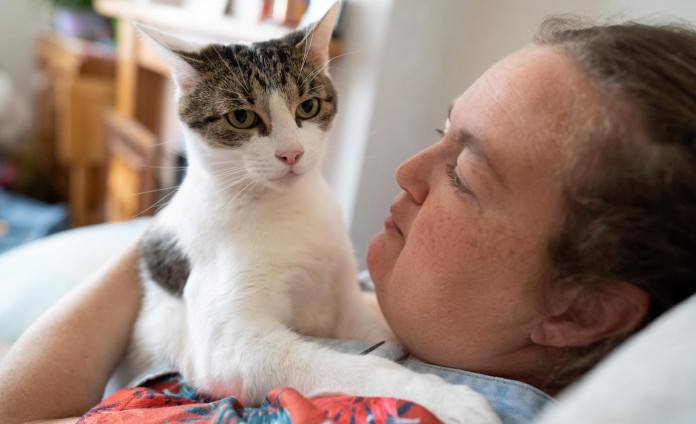
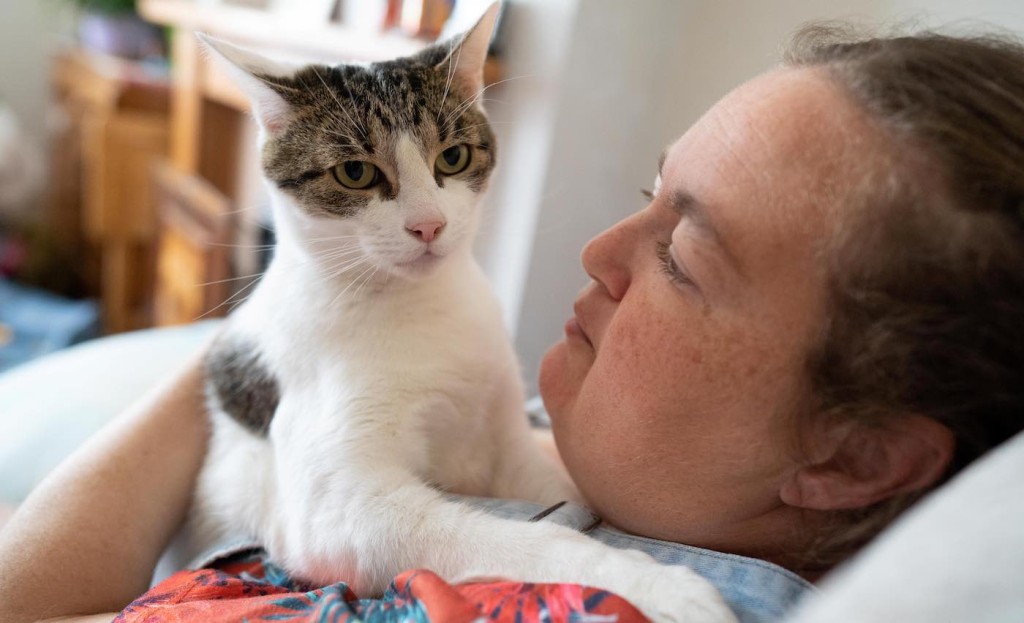
A hero cat saved his owner’s life by pounding his paws on her chest to wake her up after she suffered a heart attack.

Sam Felstead was asleep when she was woken by her seven-year-old cat Billy at 4.30am.

She realized she was unable to move her body and had a shooting pain down her right side so called out to her mom Karen for help.

Karen then rushed the 42-year-old to hospital where doctors told her she had suffered a heart attack in her sleep—and she believes Billy’s swift actions saved her life.

“I was a bit shocked, I went to bed and I felt fine. I’d even been out with the dogs—and I didn’t feel ill or have any pains whatsoever.

“Suddenly I woke up and Billy was on my chest and was meowing loudly in my ear hole.

“He was really meowing and he wouldn’t leave me. He doesn’t do that normally. He’s never woken me up before.

RELATED: Tiny Yorkshire Terrier Detects Breast Cancer in Woman, Jumping Up and Down on Her Chest in Alarm

“He’s not a lap cat… and he’s certainly not a cat that wants to be on your knee all the time. He likes to be alone.

Her mother, who is Billy’s favorite human, was quite surprised, too.

“I’m just glad he woke me up. Who knows…it could’ve been worse for me.”

Doctors found one of her arteries was blocked and used a balloon to open it back up again.

Sam spent three days in hospital before being discharged and was reunited with her beloved Billy, a British short-hair.

“I’m grateful for him as my alarm was set for another two hours so who knows if I would have woken up.

“The doctors said it was a good job I got to hospital in time.

“I do think he saved my life and so does everybody else around me.”

WATCH: Sneaky Cat Swings on Handle to Open Door For All His Friends

One cat behavior expert said Billy may have picked up on physiological changes in Sam.

“I do believe he probably did save her life, because that’s what enabled her to get medical help.”

LOOK: Incredible Maine Coon Cat is So Big People Mistake Him For a Dog

HAIL This Hero By Sharing With Cat-Loving Friends on Social Media…

Watch Elephant Give Back a Child’s Shoe That Fell Into Zoo Enclosure – SO SWEET

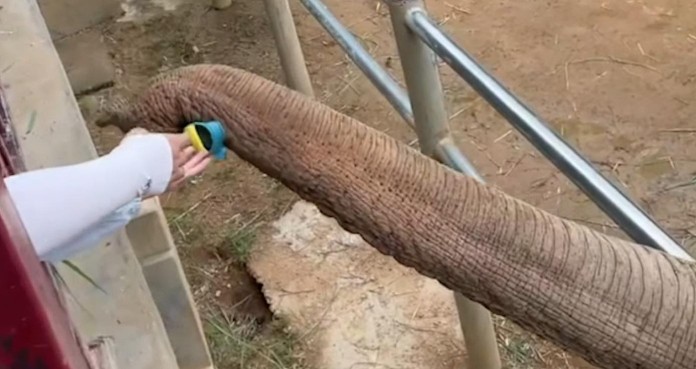
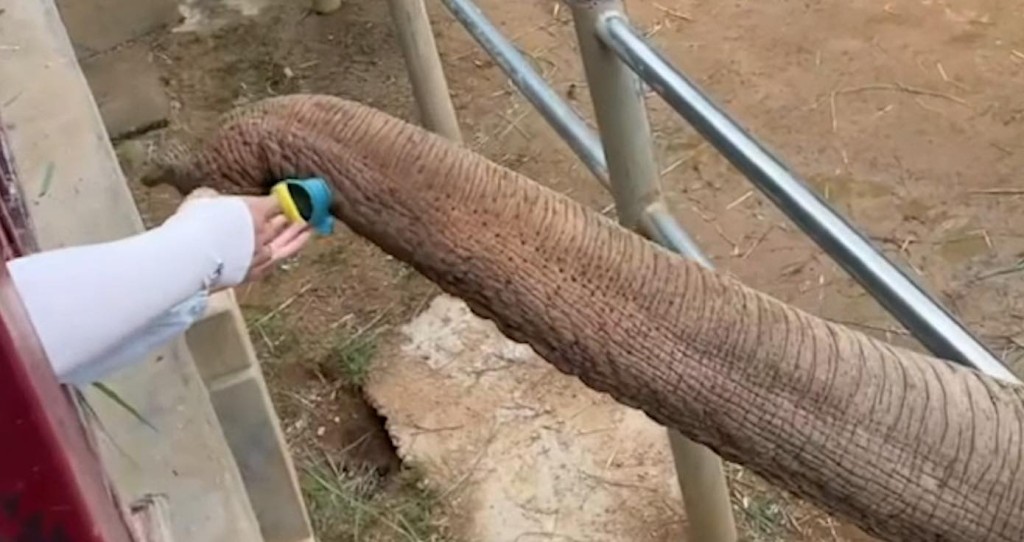
A video was captured showing the moment a helpful elephant picks up a toddler’s shoe to return it. 🐘❤️

The 25-year-old pachyderm used its trunk to grab the sandal from the dirt and reach up to the child after the little shoe fell into the zoo enclosure in Weihai, China.

SEND the Sweet Story to Friends Who Need to Smile on Social Media…

“Art is the act of triggering deep memories of what it means to be fully human.” – David Whyte

Quote of the Day: “Art is the act of triggering deep memories of what it means to be fully human.” – David Whyte

Photo by: Zalfa Imani

With a new inspirational quote every day, atop the perfect photo—collected and archived on our Quotes page—why not bookmark GNN.org for a daily uplift?

People Who Play Music While Studying More Likely to Have Higher GPA, Says New Poll

By Dollar Gill
By Dollar Gill

If picking a playlist was your first step when studying, you’re more likely to have earned a higher GPA, according to a new poll.

Of those that do listen to music while studying, 80% agree that it is therapeutic and 75% said it helped them absorb information.

The survey of 2,000 Americans looked at the tie between music and study habits and found those who played music were likelier to have a GPA above 3.2 (84% vs. 78%).

Results showed that half of respondents recall regularly listening to music while studying (49%), and 60% said they were able to study better with sound on in the background.

Of course, younger students are more likely to multi-task while jamming. Fifty-eight percent of 18-25-year-olds noted they listened to music while studying, compared to only 41% of 58-76-year-old respondents.

And this trend continues beyond the classroom and into the workplace. Currently, two in three Americans listen to music while working. Most of those respondents feel more productive at work when listening to music (89%), and said that it makes them look forward to working more (84%).

Similarly, 81% of those who listen to music while studying said it helps make their learning experience more enjoyable.

RELATED: Majority of Teachers and Parents Want More of This to Increase Student Engagement in Classrooms

Conducted by OnePoll on behalf of CSU Global, the survey found that classical music (31%), R&B (28%) and country (28%) are among the top genres people would recommend for a productive study session. But Rock and Oldies are not far behind, at 26%

Some students only listen to music, but others cited nature sounds (30%) and podcasts (24%) as favorite background sounds while studying.

Those who listened to music while studying were also more likely to use mnemonic devices, such as notecards or other tools to help them memorize information (52% vs. 36%).

This may be why music listeners felt they had an easier time taking tests (64% vs. 45%) and felt more prepared for class regularly (80% vs. 66%).

While the average person spent five and a half hours studying every week, those who enjoyed music were more likely to spend upwards of seven hours a week.

RELATED: Advice is Clear: College Teaches Important Life Lessons Beyond Coursework

“Listening to music while studying can be an extremely helpful tool for some students in improving their focus,” said Dr. Christina Agvent, program director of teaching and learning at CSU Global. “I encourage all to explore different genres or other sounds to discover what may be the best fit for them in aiding their educational experience.”

TOP GENRES CHOSEN FOR STUDYING:

Classical – 31%
R&B – 28%
Country – 28%
Rock – 26%
Old favorites – 26%
Gospel – 25%
Jazz – 23%
Hip hop – 22%
Pop/Top 100 – 21%
Instrumental soundtracks – 21%

SHARE the Poll With Students on Social Media… 🎶

Gold Could Hold the Key to Inflammatory Bowel Disease Treatment That’s Cheaper and Non-Invasive

Image credit: FEI WANG, CC license

Gold could hold the key to treating inflammatory bowel disease, according to new research.

The debilitating condition, which includes both Crohn’s and ulcerative colitis, has no cure, and can prove fatal in some cases.

The main treatments for the disease are drugs such as aminosalicylic acid preparations and corticosteroids, which can cause anaemia and intestine problems.

But researchers in China found that tiny gold particles can reduce inflammation in the intestine within just 24 hours.

Earlier studies have shown these tiny gold particles, or nanoclusters, effectively eliminate reactive oxygen species, which are the cause of damage to DNA, RNA, and proteins in a cell.

High levels of reactive oxygen species are often found in the intestines of people with inflammatory bowel disease.

The team found that administering the gold orally to mice suffering from colitis totally eliminated reactive oxygen species, boosted antioxidant levels, and helped stop inflammatory cytokines from emerging.

RELATEDMen Free of Prostate Cancer Had Guts Fortified By Microbes Found in Yogurt

Additionally, there were no obvious side effects.

The team found the gold particles are cheaper, more stable, and easier to use than existing treatments.

Image credit: FEI WANG, CC license

Their easy storage is not affected by pH, temperature, or the solution medium, and their physiological stability and resistance to acid meant they could target the inflamed part of the intestine.

“Au25 (gold) nanoclusters offer a promising strategy in the research field of nanomedicine therapy for inflammatory bowel disease,” said study author Fei Wang from The Seventh Affiliated Hospital of Sun Yat-Sen University in China.

“We believe this study demonstrates their value as a scientific basis and experimental basis for the clinical treatment of inflammatory bowel disease.

RELATED: Cannabis Oil ‘Significantly’ Improves the Symptoms of Crohn’s Disease in Small, First-of-its-Kind Study

“The fact that these nanoclusters can be administered orally means there is no need for invasive procedures.”

The findings were published in the journal Fundamental Research.

SHARE The Valuable Research With IBS Patients on Social Media…

Mom Installs 20 Defibrillators Around Town After She Loses Teen Son to Cardiac Arrest

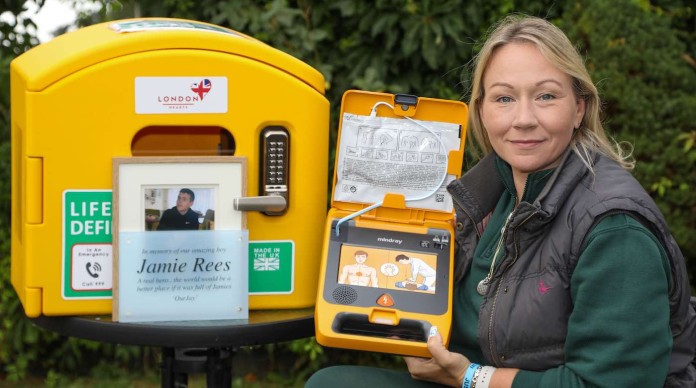
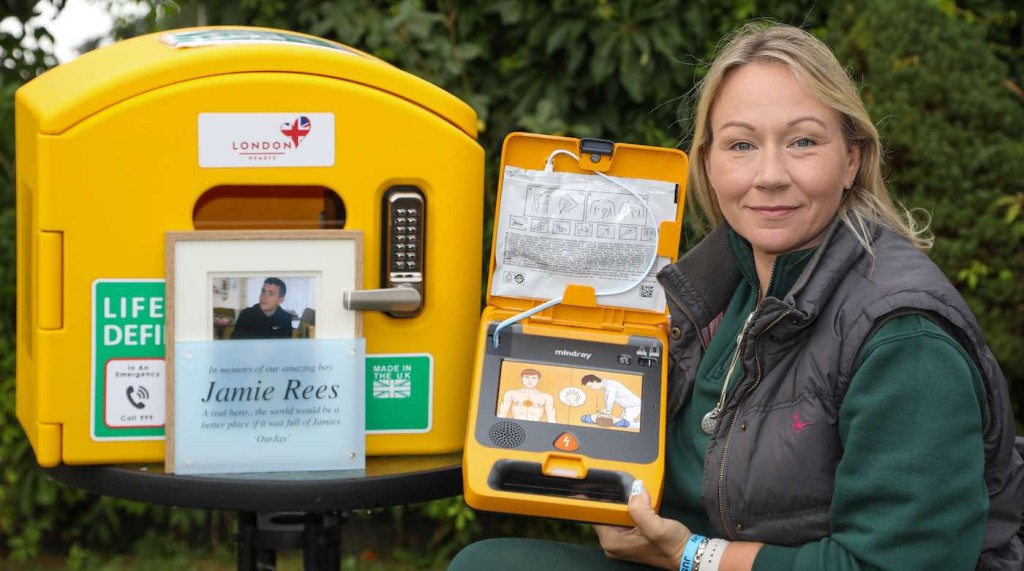
Naomi Issitt at home in Wolvey. See SWNS story SWTPdefib. The grieving mum of a teen who died when pals couldn't access a defibrillator after he went into cardiac arrest is campaigning to get the kit installed across their hometown. Jamie Rees, 18, died on New Year's Eve last year. He was at a party at a friend's house when he went into cardiac arrest. The nearest available ambulance crew was stationed nearly 15 miles away and failed to reach Jamie quick enough due to overstretched local NHS services.
SWNS

A British mother found a meaningful way to channel her grief. She’s getting 20 defibrillators installed across her hometown after her 18-year-old son went into cardiac arrest, and the nearest kit was locked away in a school.

Jamie Rees was at a friend’s house when he collapsed in the early hours of New Year’s Day. West Midlands Ambulance Service said the holiday was exceptionally busy, with three other emergency calls coming in directly before theirs.

Though his friends performed CPR, he did not get enough oxygen before paramedics arrived and he died in hospital on January 5.

His mom, Naomi Rees-Issitt, has since enlisted friends and family to raise enough money to equip Jamie’s hometown of Rugby with 20 defibrillators.

“There are defibs out there (but they) are locked in buildings,” said the 43-year-old.

“You can’t pre-plan your cardiac arrest. Defibrillators that are locked in buildings are pretty pointless.

“The ambulance pulled up to Jamie’s side in 19.5 minutes,” Naomi explained. “If you reach a person in cardiac arrest in seven minutes the chances of getting his heart beating again is 70%.”

The fundraising done by Naomi and the rest of the family has gone so well, that what started with just one defibrillator has now turned into 20 kits due to the overwhelming local support.

Naomi, a mother-of-two and manager for a charity decided to turn the fundraising operation into an official charity called the OurJay Foundation.

WATCH: Owl Visits 98-Year-old Grandma Every Week–And Family Believes it’s a Sign From Her Late Husband

“We started funding for money to set up a defibrillator outside the school. We started Jamie’s JustGiving campaign on January 26, and by the 27th, we’d raised £3,000. Jamie was a really loved by members of his college.”

They decided to keep going—and the amount donated has gone up and up, to its current peak of nearly $14,000.

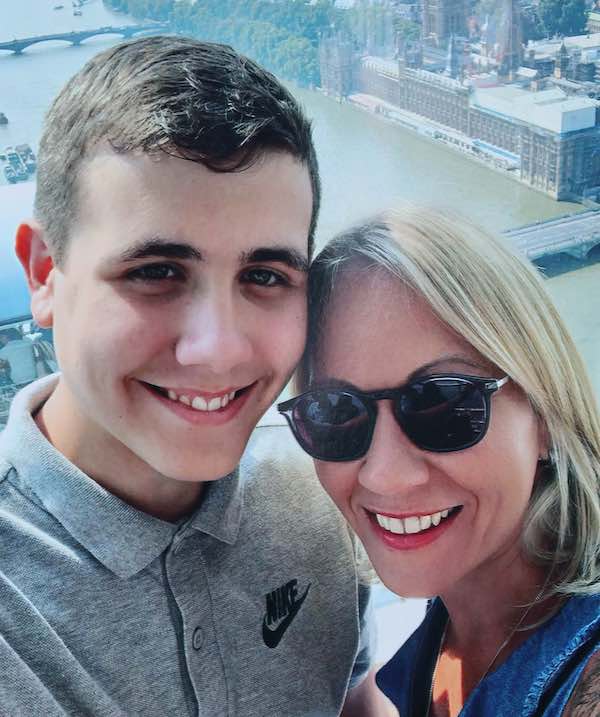
Jamie Rees at age 16 with his mom

A bingo night on August 5 raised £6,175, They canvassed local businesses to donate to a raffle, and they were able to give away 65 prizes, like holidays and dinners.

“We’ve had people with long hair being chopped off for it, and we have a skydive with my sister and her husband and the British Army Parachute regiment coming up, too.”

“We’re all pretty exhausted, but we’re hopefully giving something back to Rugby,” she says.

They will be installing the 20 defibrillators by January 5, 2023—the one year anniversary of her son’s passing.

POPULAR: Teen Finds Woman’s Purse and is Rewarded With $17,000 After He Delivers it to Her Door

“We can’t thank people enough. The support has been amazing.”

OurJay gets a special grant from London Hearts for all the defibs they purchase—what normally costs about $1,900 with the vandal-proof casing (£1,650), they get them for $1,450 (£1,237).

“It’s such a minor amount of money to save a life.”

Jamie has managed to give back to the community in other ways after his death. He previously told his family he wanted to be an organ donor—and signed the donor registry three times, to make sure they knew his wishes.

“He’s already saved five lives—five of his organs worked as a match, and one of them was a baby girl.

RELATED: 25-Year-Old Runs into Burning Home and Saves 5 Kids–Gets Rewarded With $500K and ‘New Lease on Life’

“We know Jamie is out there. He’s meant to be saving lives.”

SHARE The Great Idea With Your Community on Social Media…

Your Inspired Weekly Horoscope From Rob Brezsny: A ‘Free Will Astrology’

Our partner Rob Brezsny provides his weekly wisdom to enlighten our thinking and motivate our mood. Rob’s Free Will Astrology, is a syndicated weekly column appearing in over a hundred publications. He is also the author of Pronoia Is the Antidote for Paranoia: How All of Creation Is Conspiring To Shower You with Blessings. (A free preview of the book is available here.)

Here is your weekly horoscope…

FREE WILL ASTROLOGY – Week of August 20, 2022
Copyright by Rob Brezsny, FreeWillAstrology.com

LEO (July 23-Aug. 22):
“I’ve swung from ancient vines in the caves of Jamaica,” exults Hoodoo priestess Luisah Teish. “I’ve danced with delight around totem poles and pressed foreheads with Maori warriors. I’ve joked with the pale fox in the crossroads, then wrestled with the jaguar and won. I have embraced great trees between my thighs and spoken words of love to thunder while riding lightning bolts.” I offer Teish’s celebratory brag to inspire you as you formulate plans for the coming weeks and months. What exhilarating adventures will you give yourself? What expansive encounters will you learn from? What travels outside of your comfort zone will you dare? The time is right for upsurges and upturns and upgrades.

VIRGO (Aug. 23-Sept. 22):
In his poem The Pupil, Virgo-born Donald Justice speaks of how he spent “a whole week practicing for that moment on the threshold.” I advise you to do the same, Virgo. The goal is to be as prepared as you can be for the upcoming rite of transition—without, of course, being neurotically over-prepared. It’s fine and natural to honor the tension of anticipation, using it as motivation to do your best. One other thing: As you get ready, please have as much fun as possible. Visualize the sense of accomplishment you’ll feel when you’ve reached the other side of the test.

LIBRA (Sept. 23-Oct. 22):
“One is always at home in one’s past,” wrote author Vladimir Nabokov. But I encourage you to rebel against that theory, Libra. For now, find a way to NOT feel at home in your past. Question it, be curious about it, re-evaluate it. My hope is that you will then be motivated to change how your history lives in you. Now is an excellent time to reconfigure your life story, to develop a revised relationship with its plot twists and evolution. Revisit and update some of your memories. Re-evaluate the meanings of key events. Enchanting healings will materialize if you do.

SCORPIO (Oct. 23-Nov. 21):
Of all the signs in the zodiac, you Scorpios are most likely to regard that old pop tune by The Animals as your theme song. “I’m just a soul whose intentions are good,” croons lead singer Eric Burdon, “Oh, Lord, please don’t let me be misunderstood.” But you may have less motivation to express that sentiment in the coming weeks, dear Scorpio. I suspect you will experience record-breaking levels of being seen and appreciated for who you are. For best results, do this: 1. Inform your deep psyche that you have no attachment to being misunderstood. 2. Tell your deep psyche that you would very much like to be well understood.

SAGITTARIUS (Nov. 22-Dec. 21):
“Unless we are creators, we are not fully alive,” wrote Sagittarian author Madeleine L’Engle. She was referring to everyone, not just people in the arts. She believed that to be soulful humans, we must always make new things, generate fresh possibilities, and explore novel approaches. The restless urge to transform what already exists can be expressed in how we do our jobs, our parenting, our intimate relationships, and every other activity. You are now entering a phase, Sagittarius, when this initiatory energy will be especially available, needed, and valuable.

CAPRICORN (Dec. 22-Jan. 19):
In her poem Valentine, Capricorn poet Carol Ann Duffy tells a lover she won’t give her a “red rose or a satin heart.” Instead, her token of affection is an onion, a symbol of multi-layered complexity. “Its fierce kiss will stay on your lips,” Duffy writes, “possessive and faithful as we are, for as long as we are.” She adds that the onion will “blind you with tears like a lover.” OK. I understand the tough attitude expressed by Duffy. Romance isn’t a relentlessly sweet, sentimental romp through paradise. But I don’t recommend that you imitate her approach to your love life in the coming weeks and months. Appreciate the sometimes shadowy and labyrinthine convolutions, yes, but don’t make them more important than beauty and joy and love. How about invoking the symbol of a pomegranate? It represents fertility and rebirth out of the darkness.

AQUARIUS (Jan. 20-Feb. 18):
Be extra expressive with the people and animals you care about. Be even more amusing and generous than usual. Dare to be abundantly entertaining and engaging and empathetic. Make it your goal to draw out your allies’ dormant potentials and inspire them to love themselves even more than they already do. I’ll tell you about the endearing terms that author Vladimir Nabokov called his wife. Consider using them with your dear ones: “My sun, my soul, my song, my bird, my pink sky, my sunny rainbow, my little music, my inexpressible delight, my tenderness, my lightness, my dear life, my dear eyes, kittykin, poochums, goosikins, sparrowling, bird of paradise.”

PISCES (Feb. 19-March 20):
Sometimes, you may feel you’re under the influence of a debilitating spell or hindered by a murky curse. Pisceans are prone to such worries. But here’s a secret. More than any other zodiac sign, you have the power to escape from spells. Even if you have never studied the occult or read a witch’s grimoire, you possess a natural facility for the natural magic that disperses curses. From the depths of your psyche, you can summon the spiritual force necessary to cleanse the gunk and free yourself. Now is a perfect time to prove to yourself that what I’ve said here is true.

ARIES (March 21-April 19):
Aries filmmaker Andrei Tarkovsky wrote, “All my life, I’ve been going around waiting for something—as if I were waiting in a railway station. And I’ve always felt as if the living I’ve done so far hasn’t actually been real life but a long wait for it—a long wait for something real.” If I could speak with Tarkovsky right now, I would cheerfully tell him that his wait will soon be over. I’d say that in the coming months, Aries people who have been postponing and postponing, who have been standing by and holding on and biding time, will have an excellent chance to begin inhabiting their full, rich destiny. I invite you to imagine what that will feel like.

TAURUS (April 20-May 20):
Taurus poet Sherko Bekas wrote, “Each joy I wear, its sleeves are either too short or too long, too loose or too tight on me. And each sorrow I wear fits as if it were made for me wherever I am.” With this as our starting point, Taurus, I’m pleased to report some good news. In the next three weeks, you will have zero sorrows to try on and wear like a garment. And there will be at least three joys that fit just right. The sleeves will be the correct length, and the form will be neither too loose nor too tight.

GEMINI (May 21-June 20):
Tips on how to get the most out of the coming weeks: 1. Create a big spacious realization by weaving together several small hunches. 2. Keep a little angel on your right shoulder and a little devil on your left shoulder. Enjoy listening to them argue, and don’t get attached to anything they say. 3. Do the unexpected until it becomes expected. Then abandon it and try a new, unexpected experiment. 4. Meditate expansively on the question, “How many careers can I have in one lifetime?” 5. Enhance your home so it feels even more comfortable.

CANCER (June 21-July 22):
Be fluid and flexible while still being rooted and sturdy. Be soft and sensitive even as you are also firm and resolute. Be mostly modest and adaptable, but become assertive and outspoken as necessary. Be cautious about inviting and seeking out challenges, but be bold and brash when a golden challenge arrives. Be your naturally generous self most of the time, but avoid giving too much. Got all that, Cancerian? Carrying out the multifaceted assignments I just described might be nearly impossible for most of the other signs of the zodiac, but they are in your wheelhouse. You are a specialist in fertile complexity.

WANT MORE? Listen to Rob’s EXPANDED AUDIO HOROSCOPES, 4-5 minute meditations on the current state of your destiny — or subscribe to his unique daily text message service at: RealAstrology.com

(Zodiac images by Numerologysign.com, CC license)

SHARE The Wisdom With Friends Who Are Stars in Your Life on Social Media…

“Hope doesn’t make you a weak person. It’s hopelessness that makes you weak. Hope makes you stronger.” – Cecelia Ahern

Quote of the Day: “Hope doesn’t make you a weak person. It’s hopelessness that makes you weak. Hope makes you stronger.” – Cecelia Ahern

Photo by: Joshua Woroniecki

With a new inspirational quote every day, atop the perfect photo—collected and archived on our Quotes page—why not bookmark GNN.org for a daily uplift?

Couple Quit Jobs to Travel the World in Van They Renovated and Transformed for 25K – LOOK

- SWNS
– SWNS

Quitting jobs and traveling across the country in a camper van is not a dream that’s unique to Americans—as proven by England’s Helen Weedon and Tristan Young.

Together, they dumped their 9 to 5s, bought a 17-seater Ford Transit, and shelled out 25k turning it into a mobile home before hitting the highways of Europe and never looking back.

They started the project in late 2021 just weeks after purchasing the van, taking nine months to renovate whilst working full-time jobs and using their weekends and evenings to complete it.

The couple did everything themselves outside their home in Horsham, West Sussex. They built the walls, a kitchen, seating area, storage, a shower and lavatory, a full-sized fixed bed, gas, water and electrical systems all on their own.

“The build was definitely a lot harder and took so much longer than we’d anticipated,” said Helen, 29. “We did absolutely everything ourselves. The only thing was getting our electrics and gas checked over professionally to ensure it was all safe to use.”

“However, it’s probably one of the most rewarding things we have ever done, especially now that we’re able to travel around in it.”

The big “Why”

The “Stan the Van” project was inspired by Helen and Tristan’s love of travel. They wanted to explore Europe more, and reasoned a van was the best, and coolest way to do it.

As soon as the pair settled into a corporate routine, they both realized they wanted far more out of life than dreading work and only being able to travel on their very limited holiday leave.

READ ALSO: Young Woman Makes a Special Pouch For Her Cat to Take Him Traveling Around Italy – His Favorite Hobby

By June 2022 they had completed the renovation of their van, sold nearly everything they owned and quit their 9-5 jobs.

Helen, who is now a Freelance Virtual Assistant, and Tristian, a Freelance Website Designer, designed their van to be able to go off-grid for up to five days thanks in part to large rooftop solar panels, giving them freedom like never before.

“It was a really liberating thing to do and made us realize how few material things we actually need,” the pair said. “We put a few sentimental things into storage but otherwise everything we own is in the van.”

“Over the past 5 months, we’ve probably seen and experienced more than we could have over two or three years of doing different holidays and trips abroad.”

SIMILAR: Top Cities For Digital Nomads Looking to Work While Traveling the World

As of August 2022, the couple had taken their van, affectionately dubbed ‘Stan the Van’, around the UK and to Germany, Austria, Italy, Croatia, Hungary, Slovenia, and Montenegro.

The couple now run a travel blog called ‘Coconuts and Camels‘ and multiple social media accounts where they share the highs and lows of their travels.

They also share travel tips such as accommodation, clothing, food and drink options. Their current plan is to travel Europe for the next three years before one day shipping their van to Canada and the USA and road trip around North America.

WATCH their traveling highlights and get a tour of Stan the Van…

TRAVEL Over To Your Favorite Social Media And Share This Great Story…

Good Gardening Week 5: How do You Protect From Drought? Is it Bad Where You Are?

Photo (right) by Filip Urban

Welcome back to Good Gardening! In our Week 4 discussion, we wanted to know which zone our Good Gardeners were working from, and what were the risks and benefits associated with it. We took the conversation to social media and shared anecdotes.

Annie Chung posted all the way from Hong Kong! She told the group that there’s a tropical climate, but as an island with mountains nearby, the winds on Hong Kong can be fierce, and so protecting—especially young plants from the wind is vital.

Annie also sent in this incredibly complex plant map of China’s growing zones.

“Gardening is a popular hobby on the rooftop, in pots, indoor and actual farms. I have an indoor regrow garden as I am only here for weeks at a time,” she told us, adding in response to commenter Marianna that she lived in the Philippines as well, and has a garden there.

Michael Siler and Eileen Schurer wrote in from Zone 8 in the Pacific Northwest. Spring is too cold, wet, and filled with slugs, they explained, to do much gardening before May-June.

In contrast, Melissa Wold McCollum said she lives in 9B – Phoenix, Arizona, USA—and gets extreme heat, with an average of 9 inches of rain per year. “I need to water by hand and provide afternoon shade in the summer for many plants.” She’s also creating microclimates: “The main garden is where I get afternoon shade, and I put a fountain in that area to add a bit of humidity to the air, which is doing well. Then, I started planting fruit trees that could take full desert sun. They’ll provide some good shade in a few years, and then I’ll work on the next layer down. I use a temporary structure with shade cloth for the baby trees, until they get established. In the meantime, I’m growing plants that love the heat and sun against the back block wall, like loofah and roselle.”

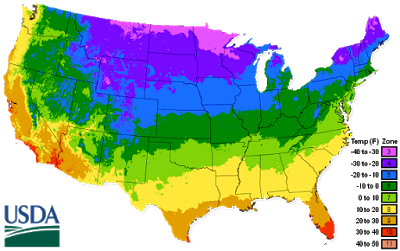
Here is a U.S. map of Garden Zones, in case you need to figure out what grows well near you…

Marianna Kokoreva from Zone 7 in New Jersey said she brings her mini roses inside during the winter. But warns that a Youtube video suggesting a homemade alcohol mix to deal with spider mites, was detrimental to the plant.

“If you have a garden and a library, you have everything you need,” — Marcus Tullius Cicero.

Topic Week 5: Drought and Environmental Challenge

Question 1: Seeing as most of Europe is burning and withering under record temperatures, we wanted to ask if you face drought where you live, and how do you combat it?

Question 2: If you don’t face drought, what other environmental hazards do you face?

Question 3: What are some noteworthy natural phenomena you and your garden have faced? Any infestations? (Some are encouraged by drought.)

Tell Us Here in The Comments… or, send your questions, tips, and photos to [email protected]Join our Facebook Good Gardens thread every Friday on the GNN Facebook Page

Good gardening rules

  • Green thumbs can help novice greenhorns.
  • Share your gardening photos and resources.
  • Garden jargon encouraged!

INVITE Friends to our Gardening Discussion on Social Media–And Share Your Photos and Tips!

A New Detection System Could Save Sperm Whales From Ship Strikes

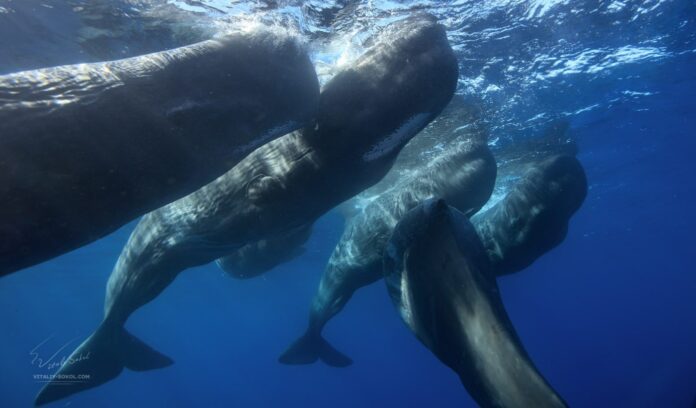
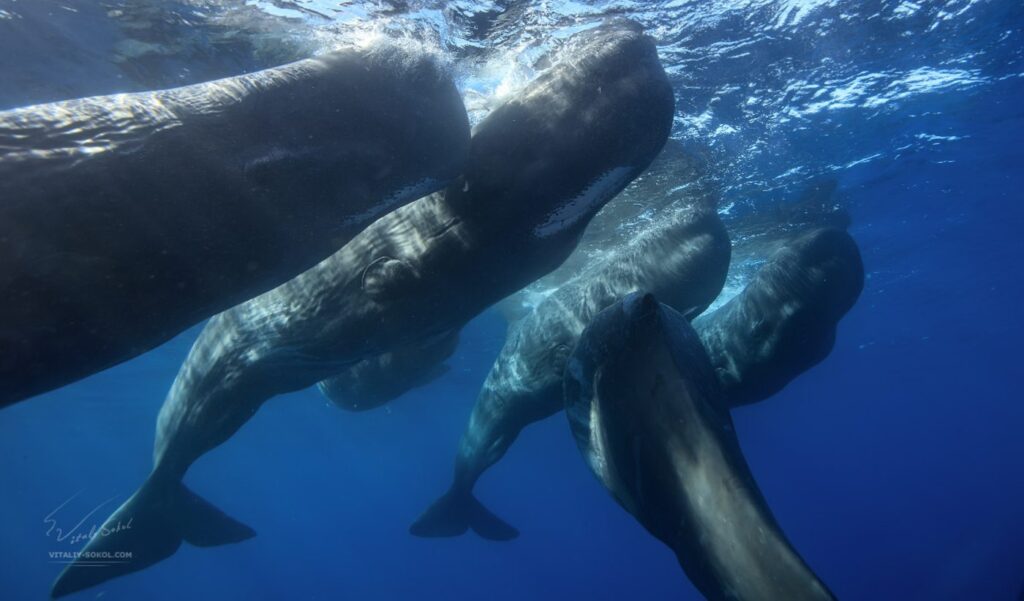
Will Falcon aka Vitaly Sokol, CC license

Greek scientists have developed technology to pinpoint a sperm whale’s location to within 40 meters of its 16 meter-long body by tracking the whale’s clicks.

Through the course of their work, they stumbled upon a fascinating phenomenon that allowed such technology to track their position in vertical, as well as horizontal marine space.

Ship strikes are responsible for half of all the deaths of Mediterranean sperm whales, a genetically-distinct population from those in the world’s oceans, and which are endangered.

Emmanuel Skarsoulis, research director of Greece’s Foundation for Research and Technology–Hellas, and his colleagues sought to reduce these ship strikes by creating an early warning system that would alert passing vessels if their course was going to intercept a surfacing whale.

Their answer was the “System for the Avoidance of Ship-Strikes with Endangered Whales” (SAvEWhales). It consists of a trio of buoys floating above the Hellenic Trench in the Mediterranean where whales love to dive deep in search of prey.

SIMILAR: ‘SharkCam’ Reveals Secret Breeding Life Of The Endangered Basking Shark Species

Suspended 100 meters below the buoys are hydrophones which pick up the clicking sound the whale’s use to locate prey. Based on the strength of volume, and the time it took for one click to reach each of the three hydrophones, Skarsoulis’ technology was able to estimate how far away the click originated.

But it was in the course of working on this software that Skarsoulis and his team realized something else—the clicks ended up constantly echoing off something, which they eventually discovered was the surface of the water.

RELATED: Believed to Be Solitary, Male Sperm Whales Actually Hang With the Boys – In Friendships That Can Last Years

Harnessing the characteristics of the echo gave the researchers a vertical and horizontal bearing of the whale’s click, greatly improving the positioning estimations to within 900 meters depth, and 10 kilometers in radius from the buoys.

SAvEWhales isn’t foolproof. It can’t differentiate between individual whales traveling together, nor can it pick up the location of singing whales like the Mediterranean fin whale which is also endangered and at risk of ship strikes. Finally the buoys are vulnerable to stormy weather.

Still, understanding that perfection shouldn’t be the enemy of usefulness, passive whale detection is a relatively inexpensive and can protect at least one of the endangered whale species from ships transiting across areas they are known to heavily frequent, such as the Hellenic Trench.

CLICK About This Good Whale-Saving Device On Social Media

Artist Draws Astounding Portraits with Both Her Hands and Feet at the Same Time –WATCH

- SWNS
– SWNS

With a brush in each limb, a Dutch artist is going viral for her ability to draw portraits with all four hands and feet simultaneously.

Rajacenna, an artist from Rotterdam, can complete up to six illustrations at the same time—two for each hand, and one for each foot.

“In 2019 the idea came to me to be more productive because I didn’t make any artworks for the previous years due to health issues,” said Rajacenna, who prefers to keep her surname and age confidential.

She started drawing at the age of 16 and soon became a published artist, eventually teaching herself how to draw with her feet and hands to stop herself from getting bored.

“I didn’t practice it at all and just started doing it.”

Rajacenna claims that the root of her talent lies in her brain, and that she once took an EEG scan which revealed extraordinary brain performance while drawing.

SIMILAR: Mesmerize Yourself by Watching This Turkish Artist Paint Dazzling Designs on the Surface of Water

“The connectivity between the left and right brain are totally connected and three times higher than normal,” she explained. “So they exchange information at a very fast speed.”

“It’s constantly multitasking between all the drawing that I’m working on. I switch my focus back and forth,” she added. “The latest pieces I created with pencils and paint. I don’t really think about the techniques I use.”

She often works with portraits, mostly public figures such as the Duke and Duchess of Sussex, Billie Eilish, or Justin Bieber, with a set needing around 40 hours of work.

“I always draw people that I love and inspire me, for my other work I love to create things from my imagination.”

WATCH the master at work…

SHARE This Four-Limbed Legend On Social Media…
Farmer Thrives by Growing Gluten-free Grain Needing No Water During Drought

What doesn’t need irrigation, requires no pesticides, and needs only a third of the fertilizer of wheat?

It’s a potential big-problem-solving grain called sorghum, which in France is growing strong while all other grain fields are withering and baking under record temperatures.

Farming is all about the input costs. Eudes Coutte, a sorghum farmer in France, expects around 3-4 tons per hectare under the current drought conditions compared to 5-6 under normal conditions. However Coutte believes he has a competitive advantage as he doesn’t need to fork over the additional input costs of irrigation, pesticides, and fertilizer.

Between 2016 and 2021, production of this gluten-free grain grew nearly 100% from 270k metric tons to 440 metric tons. It can be ground into gluten-free flour, or sold as grains which can be cooked like lentils.

SIMILAR: Amaranth is a Health Trend 8,000 Years Old That ‘Could Feed the World’

Grains like sorghum or amaranth may go from occupying niche market shares to standard issue grains as summer temperatures rise across Europe. European corn production fell 10% since last year, and 15 percent over five years, while wheat production was down 1% year over year, and 5% from 5 years hence.

There are other grains in the world capable of tolerating these kinds of drought conditions, and the future of agriculture may hinge on their drought-tolerant yields.

WATCH Coutte explain his sorghum crop…

IRIGATE Some Gluten Free News With This Good Ag Story On Social Media…

“Make visible what, without you, might never have been seen.” – Robert Bresson

Quote of the Day: “Make visible what, without you, might never have been seen.” – Robert Bresson

Photo by: DESIGNECOLOGIST

With a new inspirational quote every day, atop the perfect photo—collected and archived on our Quotes page—why not bookmark GNN.org for a daily uplift?

Innovation in Organic Solar Cells Promise Low-Cost, Bendable, and Efficient Panels

An organic solar cell - CC 4.0. Masaya Nogi, Makoto Karakawa, Natsuki Komoda, Hitomi Yagyu
An organic solar cell – CC 4.0. Masaya Nogi, Makoto Karakawa, Natsuki Komoda, Hitomi Yagyu

Korean researchers have created electrodes designed for use in all-organic solar cells using inexpensive zinc oxide, promising a dramatic upgrade in photovoltaic energy.

Organic solar cells (OSCs) are foreseen to be light weight, flexible, and of a high conversion efficiency. But, most OSC electrodes use indium tin oxide, which is too costly and fragile to enable the manufacture of flexible, large-area solar panels with OSCs.

If the indium tin oxide could be replaced, the cells could be not only be made more cheaply, but in many national cases, domestically. Even in an advanced country like South Korea, the production of indium tin oxide was so impracticable, that all such material was imported from abroad.

Organic solar cells have desirable features and massive commercial potential. Their light weight, flexibility, malleability, and, most importantly the high power-conversion-efficiency of any kind of light, whether natural or unnatural, direct or indirect, make them ideal for a wide range of applications.

Now, Dr. Hongkyu Kang and Prof. Kwanghee Lee from the Gwangju Institute of Science and Technology recently put forth a new method to create OSCs using inexpensive zinc oxide, the active ingredient in non-chemical sunscreen, that overcame the issues of cost and scalability without comprising the high power-conversion-efficiency inherent in organic solar cells.

READ ALSO: Solar Panels Built From Waste Crops Can Make Energy Without Direct Light

Most OSCs are produced using a technique called “spin coating”, which allows for high power conversion, but makes for poor scalability.

The team mapped a zinc oxide nanoparticle layer using a “blade coating” technique, which is a little like putting a screen protector on a phone; whereby a small about of liquid is deposited continuously through a small opening before a blade-like tool smooths it over the material in question.

Creating a uniform bilayer on an ultrathin silver-film electrode, the OSC maintained its flexibility and high energy conversion from sunlight.

“The ultrathin silver film electrode with [zinc] bilayer has the flexibility, wettability, and high surface energy of ITO but is not brittle or expensive,” said Dr. Kang. “This makes it easier to use ZnO for manufacturing organic solar cells and developing a printing technology for large-area solar cell technology.”

OSCs manufactured in this way demonstrated an efficiency of 7.67% for a module area of 0.5 square feet, which makes it the most efficient large-area OSC when compared to previous research.

Another advantage is that zinc is a byproduct of many separate mining operations for things like gold, silver, and copper, so existing established supply chains are available for future OSC producers.

SIMILAR: These Solar Shingles on Your Roof Could Be Producing Energy With Simple Installation

Kang and Lee’s research was part of an industry-university collaboration, and they transferred it to MSWAY Co., Ltd., a South Korea-based electronics company which had been entirely dependent on foreign imports as the domestic production of indium tin oxide didn’t really exist.

With the new technology, the pair expect that a value chain will be established for the commercialization of OSCs with construction and equipment companies.

“Our method opens doors to the commercial use of these OSCs, such as their integration into building walls and windows to realize self-sustaining buildings,” said Prof. Lee.

SHARE This Remarkable Innovation On Social Media… 

16-Year Old Becomes the Youngest to Circumnavigate Earth in an Airplane

- SWNS
Mack Rutherford in New York – SWNS

A 16-year old British boy is nearing the final leg of his five month adventure to become youngest person to fly around the world solo.

Mack Rutherford set off on the daredevil mission from an air base in Sofia, Bulgaria in March, and if successful he will become the youngest person to circumnavigate the world solo in an aircraft.

He would clinch a Guinness World record currently held by fellow Brit Travis Ludlow, who was 18 when he completed the mission last year.

His sister Zara Rutherford, 19, became the youngest woman to fly around the world solo when GNN reported that she finished a similar mission earlier this year and still holds the title.

After a period in New York, he set off from JFK Airport 2 days hence, and will land in the UK at Biggin Hill Airport on Monday the 22nd. The teen is looking, weather permitting, to return to his starting point in Bulgaria and complete his mission on the 24th.

RELATED: 19-Year-Old Just Set the Record for the Youngest Woman to Fly Solo Around the World

Over his five month trip, Mack headed from Bulgaria to Cagliari in Sardinia, on to Africa, visiting Congo, Madagascar and Mauritius.

He then headed north to UAE, to India, China, South Korea and Japan, before flying to Alaska and continuing along the west coast of America to Mexico.

Mack then flew north again along the east coast to Canada, crossing the Atlantic, and will now be stopping in Iceland before the UK.

Throughout his trip, Mack has faced sandstorms in Sudan, Dubai’s extreme heat, airport closures in India and electrical failures in the system which pumps his reserve fuel to the aircraft’s main tanks.

Mack, who qualified for his pilot license in September 2020, and has dual British-Belgian nationality, was born in a family of aviators. His father Sam is a professional ferry pilot, his mother Beatrice is a private pilot, and his sister Zara, as mentioned earlier, is also a pilot. Mack became the youngest pilot in the world, aged 15 years and two months.

“I have been fortunate to have had a family that has been able to help me progress in my flying,” said Mack, who lives on the outskirts of Brussels. “But no matter what background you have I believe it is never too early to work towards your dreams and you shouldn’t limit yourself by others’ expectations.”

Mack has flown hundreds of hours with his dad, who is a professional pilot. The flights included two Trans-Atlantic crossings, but ever since he became a pilot, he has been planning his solo flight around the globe.

Mack will also become the youngest person to circumnavigate the world in a microlight, the title held currently by his sister Zara, after which one images there would be a fair amount of simmering sibling rivalry in future missions.

READ ALSO: Idaho Man Breaks 52 World Records in 52 Weeks – Watch the Highlights of His Wild Year

Just like Zara, Mack has been flying a Shark, a high-performance ultralight aircraft manufactured in Europe.

It is one of the fastest ultralight aircraft in the world with a cruising speed reaching 300 km/h.

The aircraft had been specially prepared for such a long journey and ICDSoft, a hosting company and Mack’s main sponsor, has very kindly loaned him the plane for the attempt.

WATCH a February interview with Mack and his Sister… 

CELEBRATE Mack’s Final Stretch…. 

Cheap, Single-Dose Rabies Vaccine Passes Phase 1 Trials–Could Save Thousands of Lives

Steven Cornfield / Unsplash

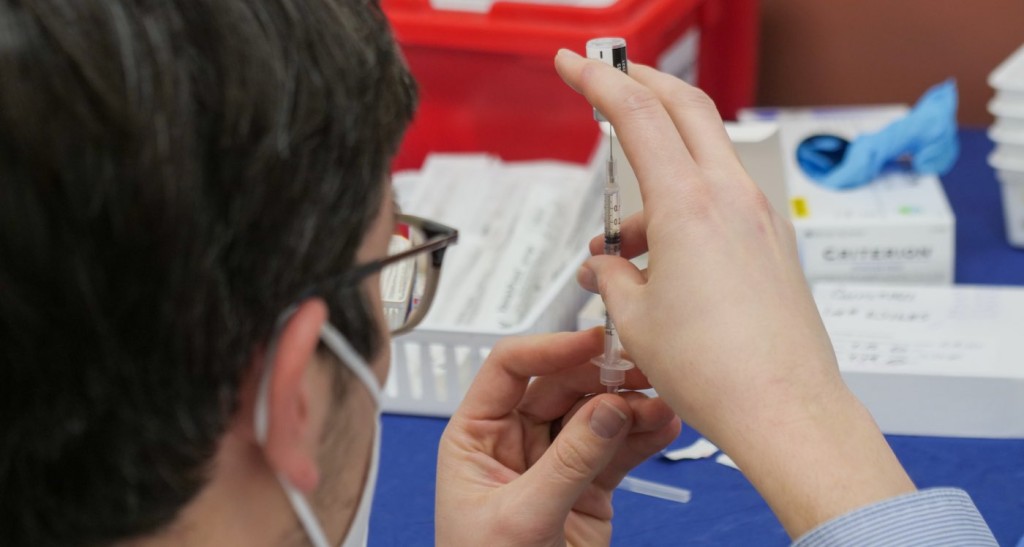
Researchers from the University of Oxford have today reported new findings from a Phase 1 clinical trial studying the immune response and safety of their newly-developed single-shot rabies vaccine, and the results look great.

12 volunteers were recruited into the study in total, with three receiving a low dose, three receiving a medium dose and six receiving a high dose of ChAdOx2 RabG, and strong immune responses against rabies were seen in all but the low dose trio.

Additionally, the researchers assessed longer term immune responses. Six of the seven middle and high-dose recipients who returned for an additional follow-up one year after vaccination maintained neutralizing antibody levels above the protective threshold set internationally by the WHO for rabies vaccines, demonstrating that the immune response from the vaccine persists over time.

All existing rabies vaccines are either 2 or 3 dose procedures, and despite these having been available for years, there are still around 60,000 deaths worldwide from rabies every year. Often patients in developing countries can afford only one, as each shot is expensive to manufacture.

SIMILAR: Landmark Malaria Vaccine is 77% Effective, Tackling One of World’s Biggest Killers of Young Children

Unlike the Covid vaccines, which weren’t vaccines in the traditional sense, and were more like targeted therapies only designed to identify the virus’ spike protein, ChAdOx2 RabG creates dead viruses that code for a rabies glycoprotein that allows the body’s immune-system to recognize the whole virus, and thusly destroy it.

“We’re absolutely delighted with these early results – the vaccine has performed even better than we had expected,” reported chief investigator on the trial Sandy Douglas.

“The problems with existing rabies vaccines are that they are expensive and require multiple doses. We’re very hopeful that expanded trials in countries affected by rabies will prove that this new vaccine could enable routine, affordable, single-dose vaccination against this devastating disease for people living in such areas.”

The results were published in Lancet Microbe.

READ ALSO: Yale Researchers Develop mRNA-Based Lyme Disease Vaccine

A phase two trial is going one with 200 participants in Tanzania, with results expected later this year.

BARK About This Good News On Social Media…