








All News - Page 359 of 1714 - Good News Network
Home Blog Page 359

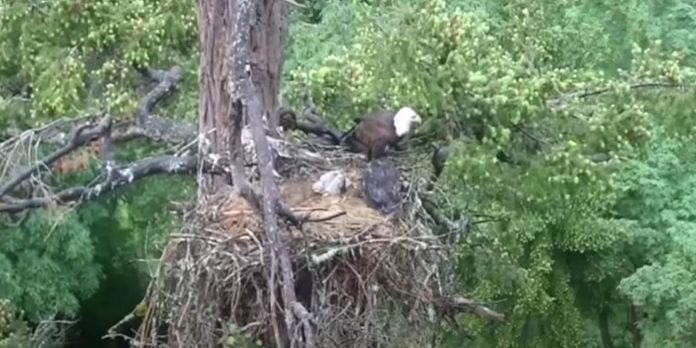
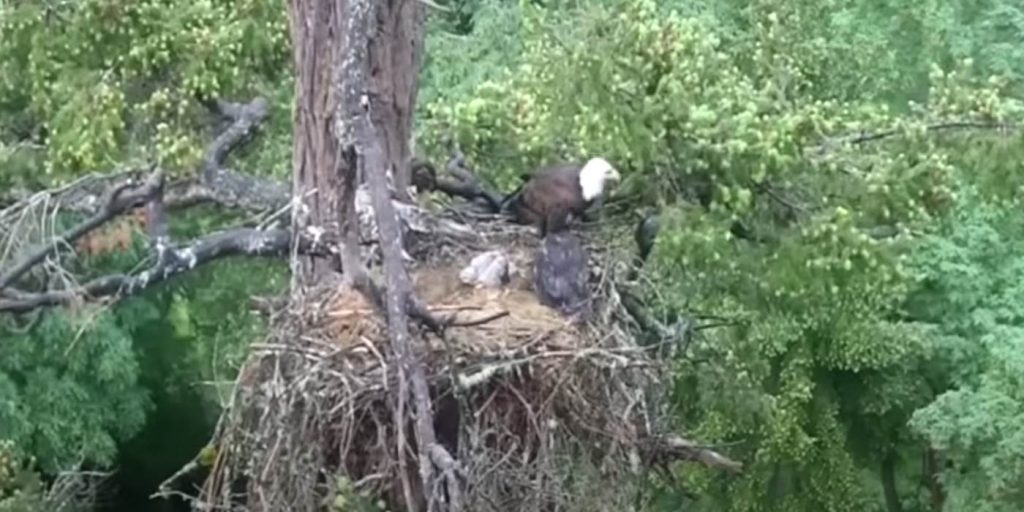
Eagle Decides He Wants the Hawk For a Sibling, Rather than a Meal – WATCH

- GROWLS.ca / Eagle Nest Cam Project
GROWLS.ca / Eagle Nest Cam Project

Is it dinner or is it family?

A camera pointed at a bald eagle’s nest caught a remarkable display of behavior recently when a mother eagle stole a baby hawk and presented it to her eaglet for dinner.

However the eaglet never shows any interest in eating hawk, and 32 hours later, the orphan was sheltering from the rain under mother eagle’s wings.

The Eagle Nest Project at the Gabriola Rescue of Wildlife Society, or “GROWLS,” is a network of property owners and environmentally minded citizens who monitor eagle nest activities on Vancouver and the Gulf Islands in British Columbia.

Pamichen, a GROWLS member, captured 14 minutes of incredible nest cam footage of the nail-biting phenomenon, when on several occasions it seems for all the world like the eagles are going to just start ripping this little fluffy red-tailed hawk baby to pieces.

CHECK OUT: Falconry Saves Man from Life of Crime, Now he Helps Birds and At-Risk Youth Take flight

But hour after hour, eaglet and baby hawk just continue to shift around in the nest, eating scraps of leftover food. Just before dark, “it really [seemed] like they were going to go in for the kill,” Pamichen can be heard saying in the video. But as darkness falls, the two babies crawl under mama’s wings, and the next afternoon, she even feeds her hostage.

It didn’t actually take that long for mother and child to decide to welcome the little thing into their family.

LOOK: Photographer Uses Lockdown to Snap Photos of Amazing Wild Birds in Garden –All From the Kitchen Window

One YouTube commenter has since given an update that the hawk has now fledged and goes back and forth between his new home.

“It’s amazing how often this actually happens,” another one said 3 weeks ago. “I’ve seen it documented in at least 4 different nests just from various nest cam channels.”

WATCH the GROWLS nest cam video below…

SPARE A Moment To Share This Video With Your Nest Mates…

60% of People Planning Reunions with Family and Friends This Summer

- Tyler Nix
– Tyler Nix

A cheery poll found that almost 60% of people are planning to spend their summer vacation on a reunion with family and friends. A further 65% said that spending time with family and friends brings them more joy than other vacation themes.

Now in the third summer since the pandemic began, 32% of respondents said they hadn’t seen extended family in 4-years. 68% said they’d be willing to travel further than ever before this summer to reconnect with family and friends.

CHECK OUT: The Values of Giving, Compassion and Family, Flourishing Across the World: Survey Shows

The majority of those surveyed said the ideal duration for a reunion would be 3 days, perhaps because 51% of respondents believe family reunions look different now than they did a few years ago.

For example, many respondents now look at out-group individuals more like family, saying that reunions will feature invites to friends (42%), significant others (39%), neighbors (34%) and pets (36%).

The majority (55%) of those surveyed said that, in terms of the theme of the reunion they planned to attend, they are focusing on a mixture of celebrating old family traditions, and starting new ones, with 64% of those polled saying they want to reconnect with family traditions.

SEE: Ohio Family Converts a 1903 Church Into Their Home – and it’s Pretty Amazing (Look)

Remarkably in terms of reunion activities 35% said they would like to make matching t-shirts, while more traditional activities like catching up with friends and family (24%) and having a family BBQ (20%) were also on the list.

In terms of getting there, 70% of people said they would drive, and 36% would opt for a hotel on their stay.

The poll was managed by OnePoll on behalf of Motel 6.

REUNITE With Your Friends Over This Heart-Warming Story On Social Media…

UK’s Largest Carbon Capture Project Will Turn 40,000 Tons of CO2 into Baking Soda

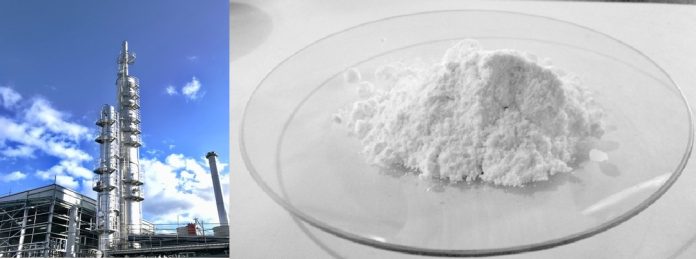
Tata Chemicals Europe Carbon Capture Plant, UK / released

Tata Chemicals Europe today opened the UK’s first industrial scale carbon capture and usage plant today, signaling a key milestone in the race to meet the UK’s, and the world’s, net zero targets.

The plant captures 40,000 metric tons of carbon dioxide each year—the equivalent to taking over 20,000 cars off the roads, and ten-times more than what GNN reported to be the world’s largest carbon capture factory just 10 months ago.

The $24 million (£20 million) investment has been completed by UK-based Tata Chemicals Europe, one of Europe’s leading producers of sodium carbonate, salt and baking soda, and they expect it to lower their carbon emissions by more than 10%.

The project will help unlock the future of carbon capture as it demonstrates the viability of the technology to remove carbon dioxide from power plant emissions and to use it in high end manufacturing applications.

RELATED: Decarbonization Tech Instantly Converts Carbon Dioxide to Solid Carbon

The party trick is that in a world first, carbon dioxide captured from energy generation emissions is being purified to food and pharmaceutical grade and used as a raw material in the manufacture of sodium bicarbonate (baking soda) which will be known as Ecokarb®. This unique and innovative process is patented in the UK with further patents pending in key territories around the world.

Ecokarb® will be exported to over 60 countries around the world. Much of the sodium bicarbonate exported will be used in hemodialysis to treat people living with kidney disease.

It will also be used to essential items like glass, washing detergents, pharmaceutical products, food, animal feed and in water purification.

POPULAR: Nightclub in Scotland Will Capture Energy From Dancers to Power the Venue

The carbon capture plant, which was supported with a £4.2m grant through the UK Department of Business, Energy and Industrial Strategy’s (“BEIS”) Energy Innovation Program, marks a major step towards sustainable manufacturing which will see Tata make net zero sodium bicarbonate and one of the lowest carbon footprint sodium carbonate products in the world.

“The completion of the carbon capture and utilization plant enables us to reduce our carbon emissions, whilst securing our supply of high purity carbon dioxide, a critical raw material, helping us to grow the export of our pharmaceutical grade products across the world,” said Martin Ashcroft, Managing Director of Tata Chemicals Europe.

“With the support of our parent company, Tata Chemicals, and BEIS, we have been able to deliver this hugely innovative project, enabling our UK operations to take a major step in our carbon emissions reduction journey. Since 2000 we’ve reduced our carbon intensity by 50% and have a clear roadmap to reduce this by 80% by 2030.”

CAPTURE Your Friends Attention With This Good News…

“Inner peace and wisdom require patience, allowing the unfolding of destiny to proceed at its won unhurried pace.” – Brian Weiss

By Free Walking Tour Salzburg

Quote of the Day: “Inner peace and wisdom require patience, allowing the unfolding of destiny to proceed at its won unhurried pace.” – Brian Weiss

Photo: Free Walking Tour Salzburg

With a new inspirational quote every day, atop the perfect photo—collected and archived on our Quotes page—why not bookmark GNN.org for a daily uplift?

Smells Like History: Academics Recreate the Lost Smells of Europe for Museums

- Institute for Sustainable Heritage / released
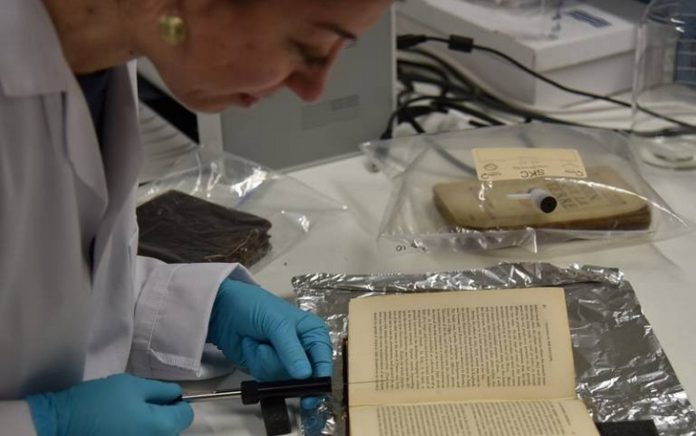
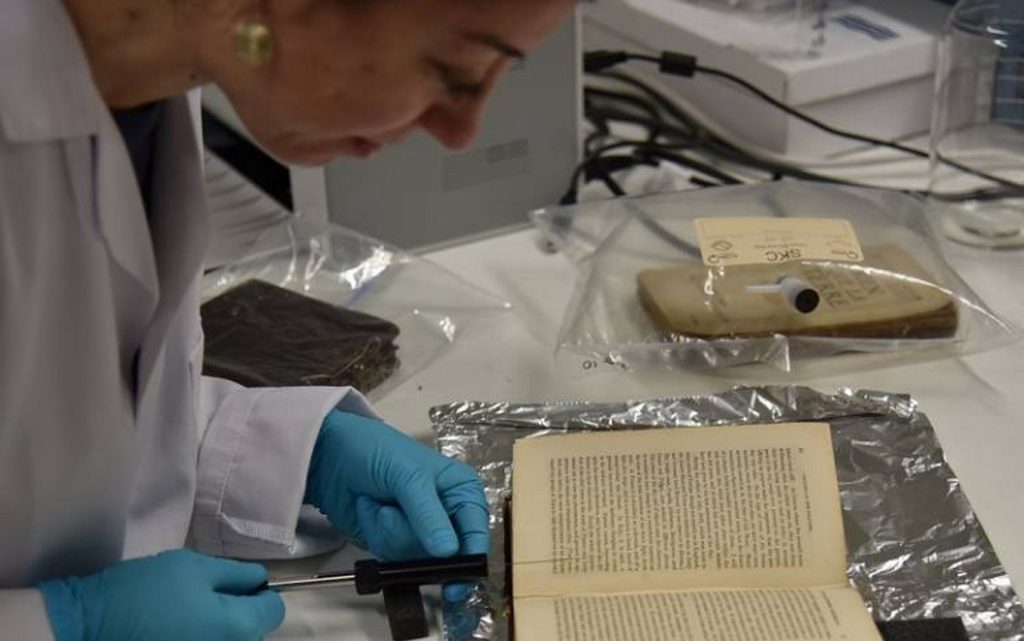
Old books are key places to look for old smells – Institute for Sustainable Heritage / released

Sometimes, the most powerful jolt of nostalgia one can feel is that which comes after picking up the scent of something iconic of one’s childhood.

Now, scientists are using artificial intelligence (AI) to research past and present smells of Europe to identify and trace their link to language, places, cultural practices and emotions, taking this concept from the individual to the societal level.

The goal of the project, called “Odeuropa” is to show that critically engaging our sense of smell and our scent heritage is an important and viable means of connecting and promoting Europe’s tangible and intangible cultural heritage.

READ MORE: This Inuk Woman Is Teaching Her Indigenous Language Online to Help Others Reconnect With Inuit Culture

Odeuropa will find references to smells such as disease-fighting perfumes, tobacco or the stench of industrialization in historic literature and paintings using AI techniques, aiming to teach the computer to see a smell.

The information gathered will be stored in a database called the European Olfactory Knowledge Graph, with academics from University College London’s (UCL) Institute for Sustainable Heritage (ISH) leading the work on olfactory heritage science, involving historic scent preservation and communication.

“From the perspective of heritage sites, it’s really interesting to focus on smells such as the smell of old books in the frame of Odeuropa,” said Professor Matija Strlic at the ISH. “Old smells or smells of objects tell us a lot about how those objects degrade, how they can be preserved and also how those smells can be conserved.”

Odeuropa, began with €2.8m ($3m) of funding from the EU Horizon 2020 program. Now in 2022, they’ve already put their Knowledge Graph to work at The Hague, with a special museum exhibit, called “Fleeting- Scents in Color” which conjures the smells of Amsterdam from the Dutch Golden Age, with a particular focus on the canals.

CHECK OUT: Africans Are Being Empowered to Write and Edit Wikipedia Articles About Their Own Countries and Culture

It’s difficult work, and it’s not clear exactly how the process should proceed, Odeuropa members explained recently to the Guardian.

“We are trying to decide if it matters academically whether we preserve authentic smells with the right chemicals or whether we simply try to evoke an experience by creating a similar effect today,” said Dr. Cecilia Bembibre a research associate at the ISH.

“We really want to engage communities,” Bembibre adds. “There are ‘nose witnesses’ alive now who can help us recreate smells from their childhoods or from trades that no longer exist.”

Computer linguistics expert Sara Tonelli (Fondazione Bruno-Kessler, Italy) explained in 2020 that their goal is “to develop a ‘computer nose’ able to trace scents and olfactory experiences in digital texts over four centuries and seven languages.”

The ISH team’s expertise in engaging with the heritage sector will be used to share the key scents of Europe in museums between 2021 and 2023, allowing everyone to experience the past through scents.

Give Your Friends A Whiff Of This Good News…

Fin Whales Are Feeding In Huge Numbers in Antarctica for First Time in 45 Years – WATCH

Fin whales near Elephant Island / Helena Herr / University of Hamburg / released

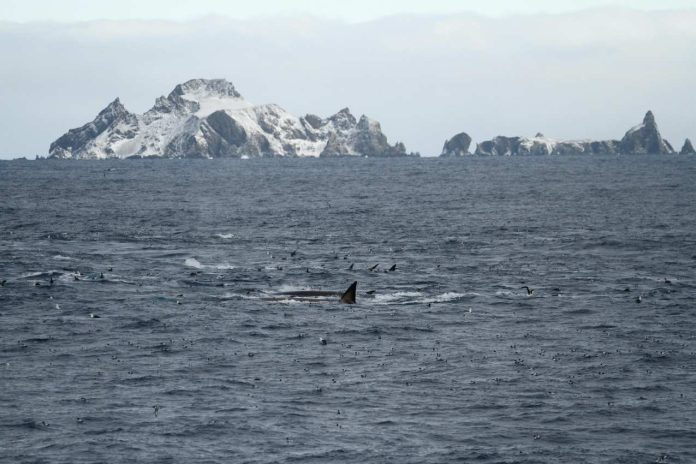
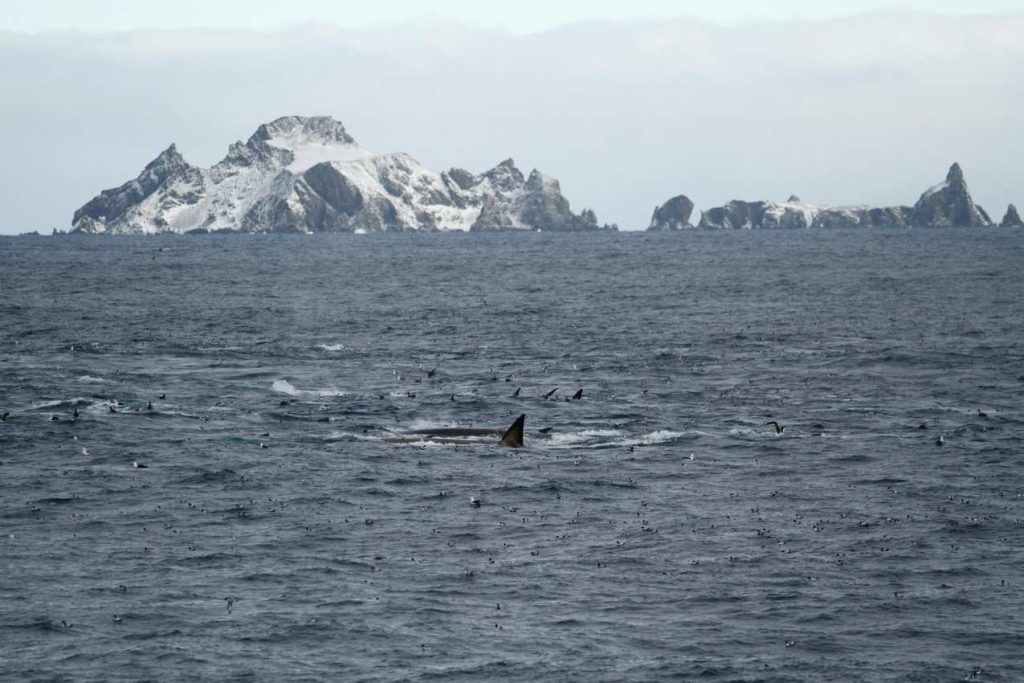
Southern fin whales have been documented feeding in large numbers in ancestral feeding grounds in Antarctica for the first time since hunting was restricted in 1976.

The authors estimate that fin whales could number just under 8,000 after video documentation captured a symphony of blowhole eruptions from the mammals in the ocean around Elephant Island.

They suggest that recovering fin whale populations could enrich the marine ecosystem of the Antarctic through nutrient recycling from whale feeding and excrement (known as the ‘whale pump’), and, in turn, support increasing growth of phytoplankton and greater krill populations.

Southern fin whales (Balaenoptera physalus quoyi) are a subspecies of fin whale that inhabits the Southern Hemisphere. They’re the second largest whale species after the blue whale and were extensively hunted during the nineteenth century, particularly around specific feeding grounds in Antarctica.

WATCH: See 1,000 Glorious Fin Whales Feeding Together: Share Their Comeback From Near Extinction

By the time fin whale hunting was banned in 1976, they were rarely seen in their traditional feeding regions.

Helena Herr and colleagues from the University of Hamburg estimated fin whale abundance based on all sightings of individuals and groups along 2,020-mile search tracks in expeditions in 2018 and 2019.

They recorded 100 groups of fin whale with group sizes ranging from 1 to 4 individuals, and 8 unusually large groups of up to 150 whales which appeared to be actively feeding, smashing previous maximums that numbered just 13.

WATCH: Penguin Leaps Into a Tour Boat to Avoid Being Eaten By Killer Whales – WATCH

The authors modelled fin whale population densities in Antarctica based on these sightings and predict a population of 7,909 fin whales for the total survey area, with a density 0.09 individuals per kilometer squared—three-times as high as fin whale populations in southern California (0,03).

The authors report a noticeable hotspot of fin whales around Elephant Island with a predicted abundance of 3,618 individuals, or 0.21 whales per kilometer squared.

WATCH the waterworks below…

SPOUT This Good News Out To Your Friends…

Scientists Discover Strange Carnivore Plant in Borneo that Traps its Prey Underground

Nepenthes pudica Photo by PřF UP / Palacky University

In the dark jungles of Borneo, a plant has adapted to an ecological niche that none of its kind or kingdom has ever entered before.

An international team led by Czech scientists confirmed that Nepenthus pudica is the first species of pitcher plant, or carnivorous plant in general for that matter, ever to be found laying traps under the soil.

Pitcher plants are a type of carnivorous plant that grow mainly in Southeast Asia. These climbing vines create ingenious traps for insects at the end of the leaves in the form of jugs with liquid, which are usually strikingly colored. 

Because of this, pitcher plants became popular, and in Europe these ornamental plants have been cultivated since the end of the 18th century. People can usually see them in greenhouses or in hobby markets.

CHECK OUT: This Wonder Tree is a Game-Changer for Rainforest Agriculture in Honduras And Deforested Sites Worldwide

“We have managed to discover a pitcher plant that behaves completely differently from all other known species,” said Martin Dančák from the Department of Ecology and the Environment of Palacky University.

“The newly discovered species placed its up to eleven centimeter traps underground. In cavities or directly in the soil, this little bug catches underground animals. Invertebrates, especially ants, various mites and beetles end up in its traps.”

In addition to above-ground shoots, this species also produces short underground stems, which usually grow into a cavity, in which it then produces leaves and the deadly pitchers. Containing a sweet liquid, the pitchers attract invertebrates inside, after which they can’t get out because the liquid is sticky, and the inside of the pitcher slick.

According to scientists, the carnivore hides its traps underground, apparently because narrow mountain ridges on which they grow can dry out relatively quickly. In the underground cavities, on the other hand, it is humid and teeming with food.

The scientists first found them hidden in a dark cavity under a tree.

“After that, we looked at more similar trees, near which the little ones were growing. We found out that this species of weevil actually directs its shoots underground and creates traps in the cavity on purpose,” explained Ľuboš Majeský.

RELATED: Precious Rainforests Are Being Preserved at Highest Rate in 30 Years, After Palm Oil Moratorium in Indonesia

Scientists assume that such a remarkable species of carnivore could help to protect the local forests. 

“This finding is significant for nature conservation in Indonesia, underscoring the importance of Borneo’s tropical rainforests and their extraordinary biodiversity,” added Wewin Tjiasmanto, another participant of the expedition from the Indonesian Center for the Protection of Wetland Biotopes.

“We hope that the discovery of this new carnivorous plant will help preserve the character of the local landscape and stop or slow down the further conversion of forests to oil palm plantations.”

WATCH the scientists excavate these little insectivores…
TRAP Your Friends In This Cool Story… 

UFO-Like Treehouse Hovers in the Highest Branches of Finnish Forest – LOOK

SWNS
KOJA micro space tree house – Dean Murray

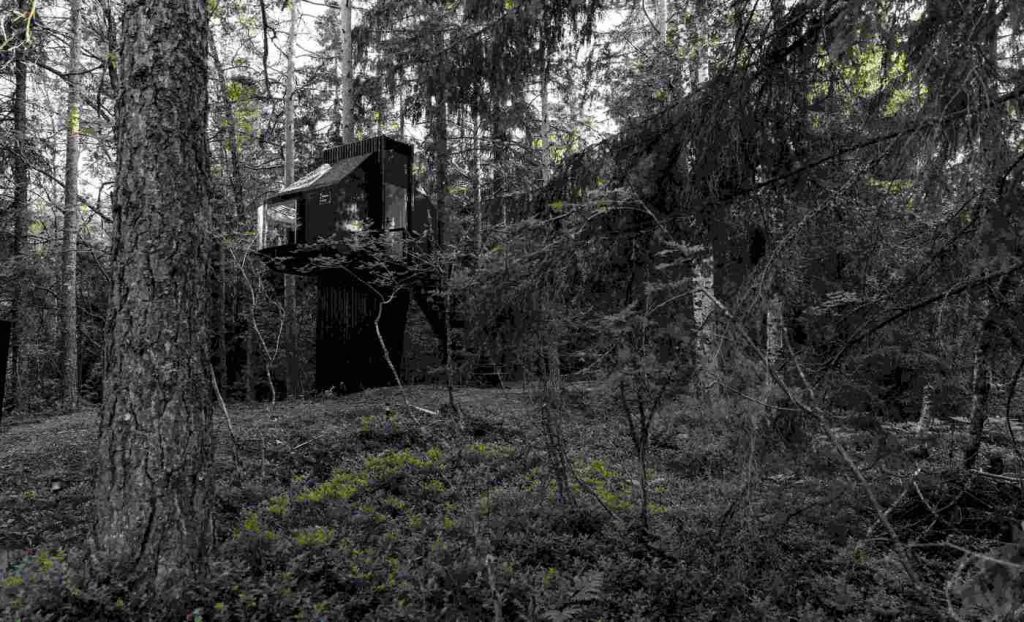
Built by a firm usually known for making high performance electric cars, a flying saucer-inspired treehouse could soon be rented for forest R&R in Finland.

Swedish company Polestar constructed the tree house, dubbed “KOJA,” in the 2021 Polestar Design Contest, for which it received an honorable mention. The company then decided to bring it to life to mark the launch of the 2022 contest.

Built in the village of Fiskars by Finnish designer Kristian Talvitie, KOJA is the first submission from the competition to be realized in full-scale.

A response to the contest theme of “progress”, KOJA is described as redefining sustainable travel by reducing the need for travel in the first place, yet still brings people closer to nature.

CHECK OUT: World’s Biggest Treehouse Resort Opening Near U.S. National Park is Gorgeous –LOOK

Koja is a Swedish word meaning “hut” or “den”, and the interior of the treehouse offers a simple space for hanging out in nature.

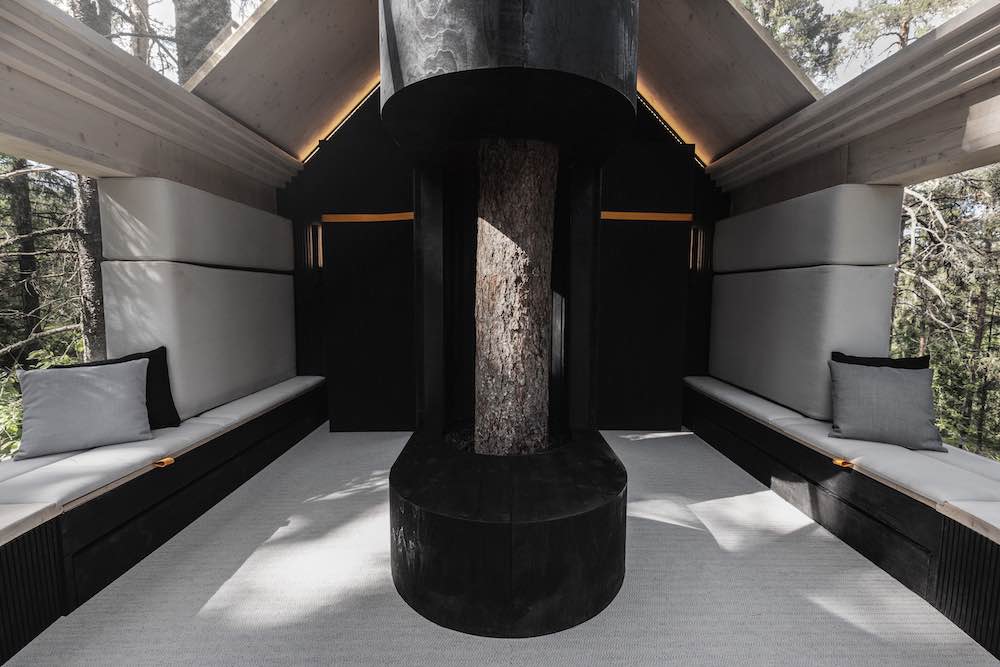
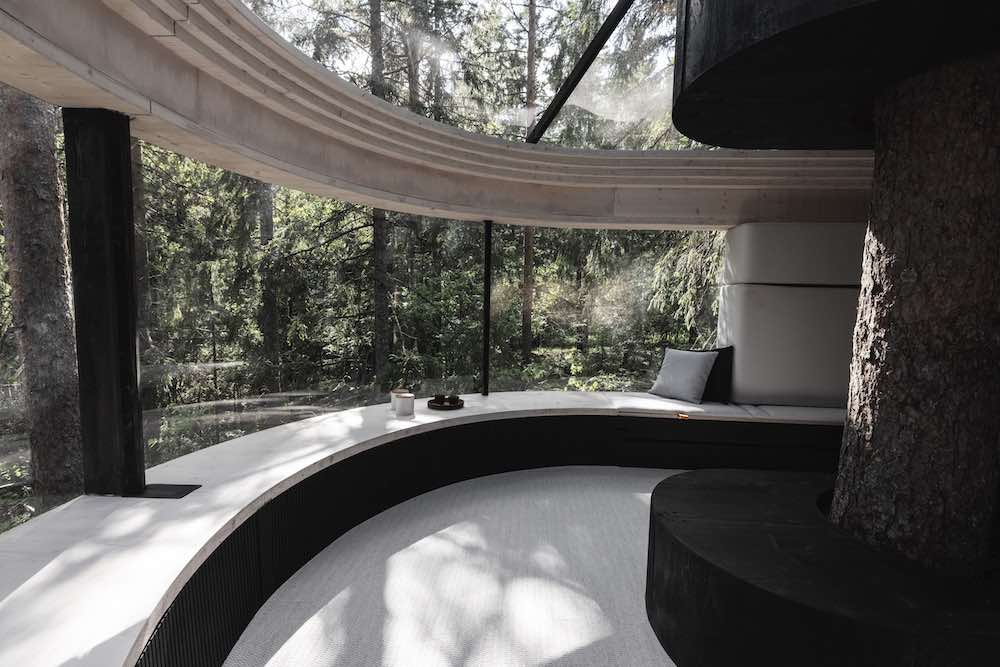
Attached to a tree trunk just below the canopy, the design maximizes the treetop view with a panoramic glazed façade. Accessed by a rear staircase, there is one room forming a U-shape around the tree trunk.

SWNS

Conceived as a lounge or basic sleeping area, there are no amenities, although users can visit a nearby standalone bathroom in the woods.

READ ALSO: Two-Thirds of Americans are More Interested in Staycations This Year to Feel Nostalgia

“We were so impressed that we decided to build it,” says Maximilian Missoni, Head of Design at Polestar.

Described as “a rich, immersive experience in a natural environment,” KOJA connects to the growing micro space trend and the tree house is accessible for people who would otherwise take a much longer trip to experience the wilderness.

“Most designers look at design from a user perspective,” says the designer of KOJA, Kristian Talvitie. “I also look at things from the environment’s perspective. There should be a symbiosis between the design and where it’s encountered.”

To translate the design into reality, Kristian Talvitie worked closely with the Polestar Design team in Gothenburg, Sweden, and with colleagues at Finnish design agency Ultra.

SWNS

Created from sustainable and durable materials such as locally sourced wood and wool, KOJA blends in with its natural environment and at the same time creates an eye-catching contrast.

KOJA is part of the ‘House by an Architect’ exhibition during the Fiskars Village Art & Design Biennale, open from May to September 2022.

WATCH An Inside-Outside Tour…

BEAM This UFO Treehouse To Your Friends’ Social Media…

“When was the last time you woke up and realized that today could be the best day of your life?” – Steve Maraboli

Quote of the Day: “When was the last time you woke up and realized that today could be the best day of your life?” – Steve Maraboli

Photo: David Mao

With a new inspirational quote every day, atop the perfect photo—collected and archived on our Quotes page—why not bookmark GNN.org for a daily uplift?

Wimbledon Sports a Huge Smiling face – And it’s Made of Tennis Balls

- The Wimbledon Foundation
– The Wimbledon Foundation

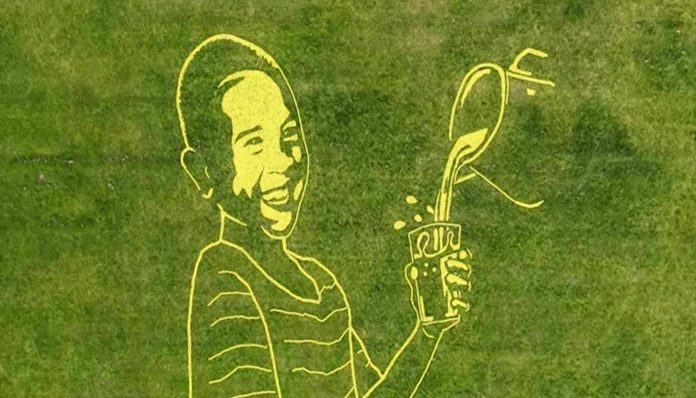
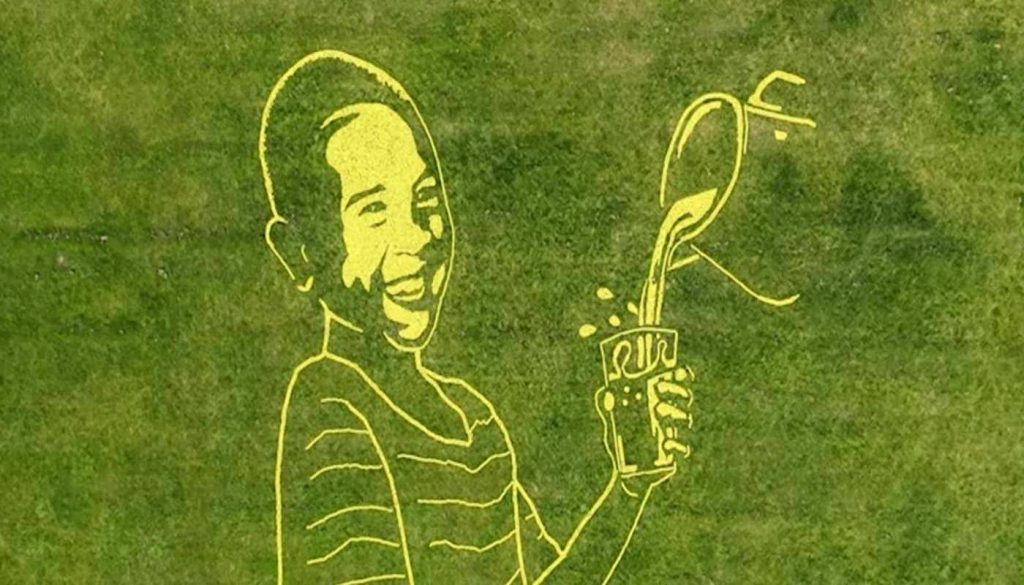
Outside of Court No.1 at Wimbledon, artists turned a photo of a happy boy from Madagascar named Tefy into a giant mosaic made entirely of tennis balls.

Smiling Tefy is there to remind the attendants and athletes at the Championships that through access to clean drinking water and safe and functioning toilets, thousands of children’s lives can be saved.

One in ten people around the world don’t have regular access to clean drinking water, and one in five don’t have a decent sanitary place to go to the bathroom.

The Wimbledon Foundation has been working in partnership with WaterAid since 2017 to help make clean water, decent toilets and good hygiene a normal part of daily life in healthcare centers and communities across Ethiopia, Madagascar, Malawi and Myanmar.

WaterAid primarily builds wells, solar panels, and rainwater catch tanks connected to taps and toilets.

CHECK OUT: Teen Girls Have Raised Over $1.5 Million for Clean Water Simply By Embracing Their Love of Origami

It took artists from Sand in Your Eye 12 hours to create the tennis-court-sized portrait near No.1 Court, showing 10-year-old Tefy from Antsakambahiny village in Madagascar who, with the help of WaterAid and partners including the Wimbledon Foundation, now has clean water at school and near his home.

“We no longer fetch water down the hill anymore since we have taps in our school,” Tefy said in a statement. “The water here is very clean and fresh. We can open the taps and drink water whenever we want. We can wash our hands at any time and even bathe here if we want.”

Former British No.1 tennis player Heather Watson is also supporting the partnership.

“Something as simple as turning on a tap and pouring a glass of water is not an option for millions of children globally,” stated Watson. “Many have no choice but to drink dirty water that can make them sick, or spend time walking to collect water instead of going to school, holding them back from reaching their full potential.”

WATCH the video Below…


SERVE This Inspiring Message Up To Social Media

Simple Marker Clues-In Scientists to Potential Cure For Asthma

NIAID, CC license
NIAID, CC license

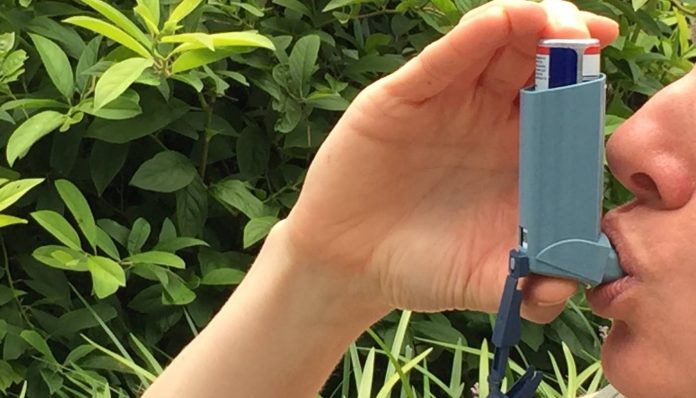
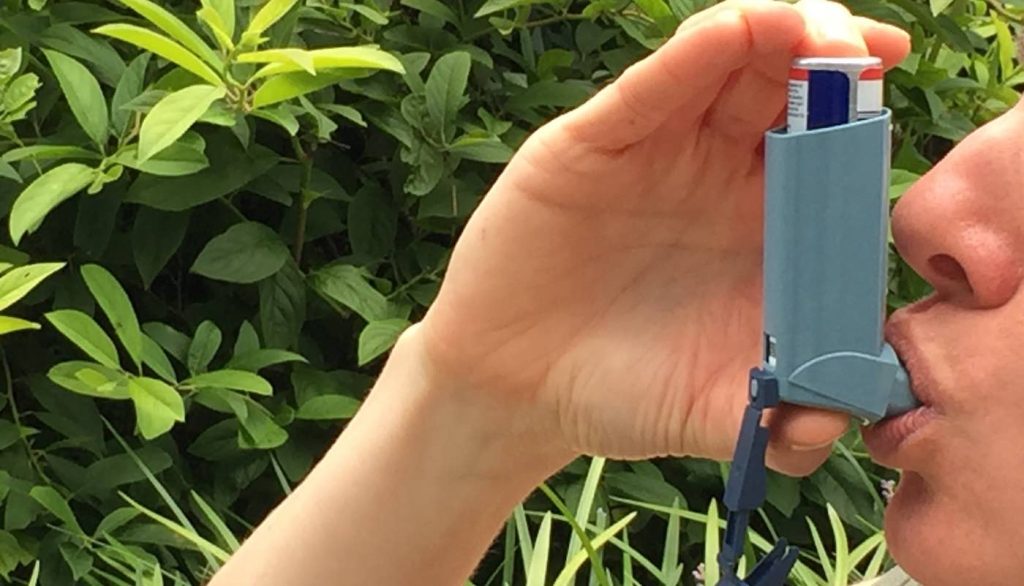
New research has made an important breakthrough that could lead to more effective treatments for the world’s 262 million asthma sufferers.

A study found severe asthmatics have a distinct metabolite profile detectable in their urine, compared to mild-to-moderate asthmatics and healthy individuals.

Researchers Dr. Stacey Reinke of Edith Cowan University, Australia, and Dr. Craig Wheelock of Karolinska Institute, Sweden, analyzed urine samples from more than 600 study participants across 11 countries as part of the U-BIOPRED study, a Europe-wide initiative to identify and better understand different sub-types of severe asthma.

“Asthma affects 2.7 million Australians and there were 417 asthma-related deaths in Australia in 2020,” said Dr. Reinke. “To identify and develop new treatment options, we first need to better understand the underlying mechanisms of the disease.”

READ ALSO: ‘High Hopes’ For Treating Severe Asthma After Scientists Identify Anti-Inflammatory Molecule

One way to do this is to examine the body’s chemical profile, or ‘metabolome’, which provides a snapshot of a person’s current physiological state and gives useful insight into disease processes.

“In this case, we were able to use the urinary metabolome of asthmatics to identify fundamental differences in energy metabolism that may represent a target for new interventions in asthma control,” Dr. Reinke said.

The research team discovered a specific type of metabolite, called carnitines, decreased in severe asthmatics. Carnitines play an important by the shuttling fatty acids into mitochondria for energy production. Deficiency is rare, and foods like beef, pork, cod, chicken, and milk easily provide the carnitine one needs.

CHECK OUT: As Coal Usage Declines, New Study Finds Dramatic Decrease in Asthma Symptoms and Hospitalizations

Further analyses found carnitine metabolism was lower in severe asthmatics. 20 different genetic defects involved in fatty-acid metabolism have been identified, some of which impact carnitine production.

These new findings will help enable researchers work towards new, more effective therapies for asthmatics, perhaps by investigating whether there is a link between severe-asthmatics and genetic defects related to carnitine. If so, special asthmatic carnitine supplementation could be an option.

Dr. Reinke said it can be difficult and invasive to investigate the lungs directly—but fortunately they contain a lot of blood vessels.

“Therefore, any biochemical changes in the lungs can enter the blood stream, and then be excreted through the urine,” she said. “These are preliminary results, but we will continue to investigate carnitine metabolism to evaluate its potential as a new asthma treatment target.”

SHARE This Good Asthma News on Social Media…

U.S. State Park Unveils New Trail Made of Illegally Dumped Tires

- tennesseestateparks / Instagram
– tennesseestateparks / Instagram

Officials from Tennessee State Parks, the Tennessee Department of Transportation (TDOT), and local leaders today cut the ribbon on a new hard-surface walking and biking trail in T.O. Fuller State Park that’s over 2.5 miles long—made from rubber crumbs derived from tires.

The tires had been illegally dumped in the area around the park, gathered by volunteers and local contractors, then transformed into crumbs by Patriot Tire Recycling in Bristol, the only facility in the state with the ability to recycle tires in such a way. It is one of the longest rubber-bearing trails in the U.S.

Once the tires were recycled into crumbs, the material was brought back to the park for construction of the trail.

The project, which began with collection in 2019, was funded by a Tire Environmental Act Program grant of $250,000, and near-equal amounts from other state department programs.

CHECK OUT: Woman Uses Old Tires And Turns Them Into Beautiful Playgrounds

“This is a quintessential example of recycling in full circle, collecting dumped material then converting it into positive use,” said David Salyers, commissioner of TN Dept. of Environment and Conservation.

“It’s exactly the kind of responsible environmental activity Tennesseans can be proud of, where an area can be cleaned up then have people enjoy the benefits in a new way.”

The trail largely replaces worn cart paths from an old golf course, with new connections making for a modern loop trail design.

Workers cleaned up over 24,000 dumped tires, including passenger, commercial truck and heavy equipment tires. The cleanup had 450 registered volunteers and saw 10,000 tires collected in one day.

“TDOT spends more than $19 million annually picking up litter and educating the public about the negative impacts,” said TDOT Interim Commissioner Joseph Galbato, III. “We are thankful for collaborative partnerships like the ‘Tires to Trails’ project which not only addresses the litter problem but turns it into a meaningful and positive long-lasting resource for the community.”

SEE: Denmark Is Cleverly Repurposing Old Wind Turbine Blades as Bike Shelters

Ecowatch reports that other states are utilizing waste tires this way.

Kentucky’s Department of Waste Management recently welcomed applications for projects that utilize rubber crumbs. In April, Alabama unveiled new roads and parking areas at Lake Guntersville State Park made up of recycled tires, and a recycled rubber walking trail at Obregon Park in east Los Angeles, California was installed back in 2014 for locals to enjoy, writes Paige Bennett.

WATCH The Ribbon Cutting Below…


SHARE This Good Earth Story With Social Media

Watch Women’s Intimate Encounter With Humpback Whale Flipping-on the Charm Near Vancouver

credit Lauren Lan
credit Lauren Lan

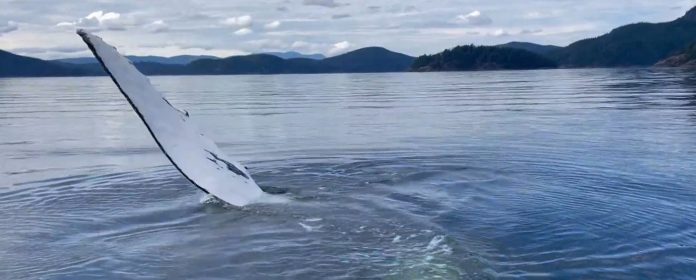
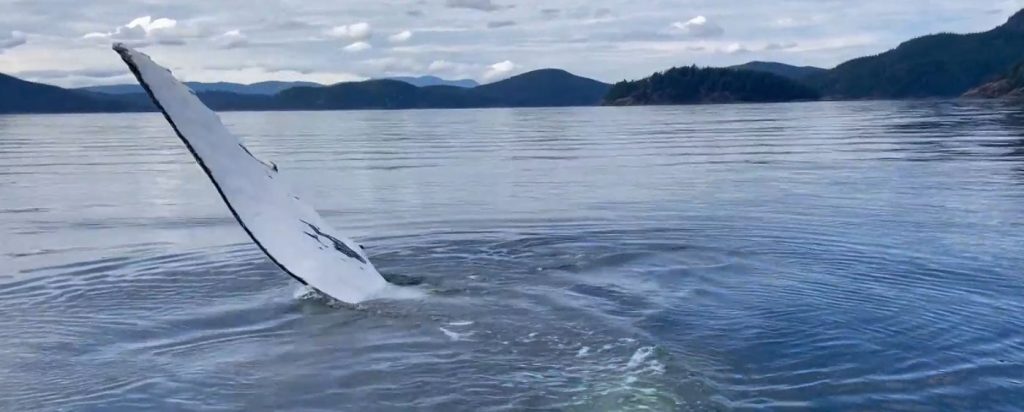
In British Colombia’s Georgia Strait, two recreational boaters had an intimate face to face moment with a humpback whale.

Caught on camera, the boaters were treated to several interesting, if a bit nerve-wracking, elements of whale behavior.

“It was really very cool to just look right beside the boat and see the whole length of the whale and see all the little barnacles up close,” Lauren Lan, the boat owner told CBC.

Rolling onto its side and slapping the water with its flipper was all good fun, but as it started to pass under the boat, Lauren and her friend Sonja became nervous.

ALSO WATCH: Friendly Humpback Whale Gives Woman the Experience of a Lifetime – WATCH

“Does he think we’re his girlfriend,” Sonja can be heard saying.

In the end, an incidental foot on the bilge pump made a mechanical racket that drove the whale away and out of sight.

CBC reports that 10 years ago this would have been unthinkable. Humpback whales, normally from Hawai’i or Mexico, rarely migrated that far north when their numbers were fewer. But over the last 50 years they’ve made a remarkable recovery.

The women called the gentle giant “stinky.”

“I don’t know how you would know this, you’re never really that close, but humpback whales stink,” said Lan.

This, scientists say, can be blamed on their diet of krill.

While guidelines for whale-watching prohibit coming within 100 meters of a whale, whales can’t read, and so sometimes break the rules. Up-close encounters are rare, but not unheard of, like for this diving couple who almost danced with them.

WATCH The CBC Video Below…

WATCH And Breach The Story On Social Media…

“Shallow breathing and uninspired posture are two of the most pervasive causes and effects of a stunted life.” – William Sebrans

Quote of the Day: “Shallow breathing and uninspired posture are two of the most pervasive causes and effects of a stunted life.” – William Sebrans

Photo: Carl Newton

With a new inspirational quote every day, atop the perfect photo—collected and archived on our Quotes page—why not bookmark GNN.org for a daily uplift?

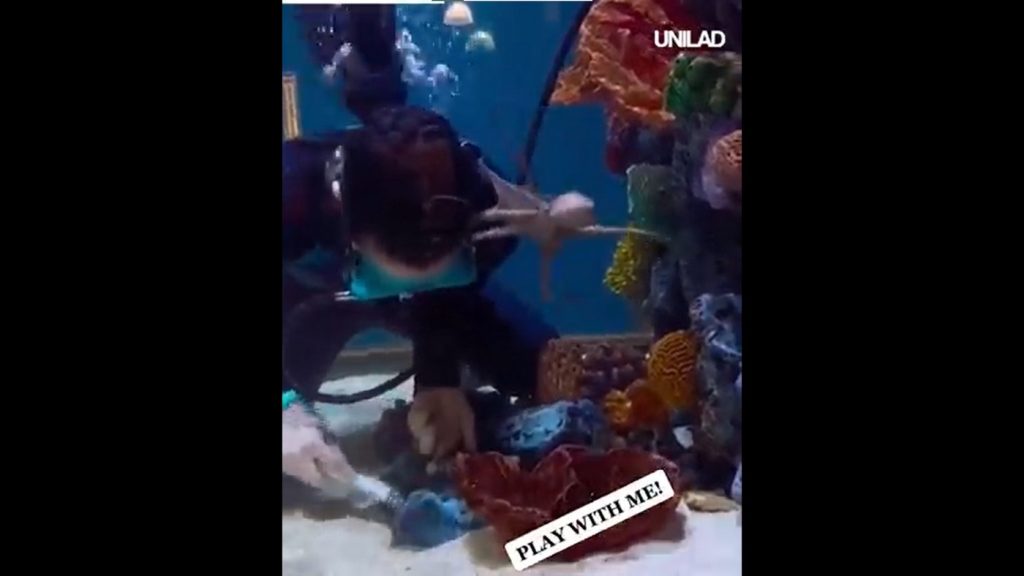
Watch Little Octopus Demand Endless Attention From Aquarium Worker Who Captures it All on Video

By madic_freespirit on TikTok
By MaddyC_Freespirit

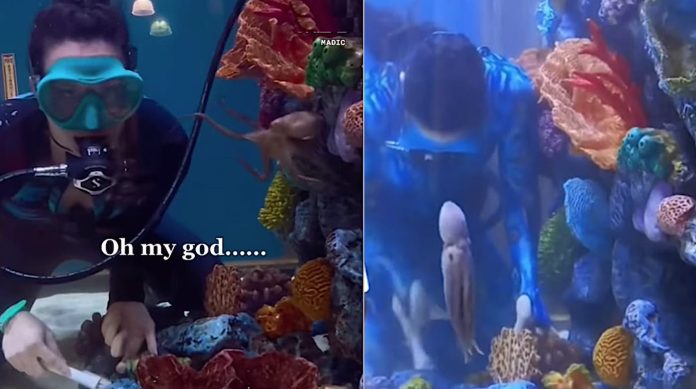
An intrepid TikToker has documented her experience working alongside an octopus or two at her job at an aquarium.

Maddy C. cleans the aquarium interior, and seems unable to escape the attention of the resident octopus. Putting closed captions in its beak, the octopus seems to clearly demonstrate its species’ immense intelligence, which some scientists reckon to be equal to a three-year old human child.

The TikTok video was picked up by Unilad, and viewed more than 23 million times on Facebook.

Everything from playing around, thievery, and a goodnight kiss, “Octavia’s” thirst for Maddy’s attention, interspersed with random cephalopod facts, makes for dynamite viewing, but be sure to watch until the end.

JOIN In The 8-Armed Play and Share With Your Friends on Social Media…

Machine Learning Shows How Each State of Sleep Contributes to Learning and Memory

Weird dreams may help the brain consolidate our experiences and learn from them, a new study has shown.

The importance of sleep and dreams for learning and memory has long been recognized, and that connection may be the crazy dreams that occur in rapid-eye movement (REM) sleep, the stage of sleep when the brain is most active.

“What we lack is a theory that ties this together with consolidation of experiences, generalization of concepts and creativity,” said Nicolas Deperrois, lead author of the study.

During the other phases of sleep, non-REM, the brain replays the sensory stimuli we experience while we are awake, which dovetail into spontaneous bursts of brain activity that produce vivid dreams in REM sleep.

To examine how each phase affects learning, the researchers used a machine learning technique called Generative Adversarial Networks (GANs) to create artificial dream states, before simulating the brain’s cortex activity by introducing unusual elements into the artificial dreams.

GANs is essentially two neural networks competing with each other to generate new data from the same dataset, in this case a series of simple pictures of objects and animals. The system produces new artificial images which look superficially realistic to humans.

Researchers then simulated the cortex during three distinct states: wakefulness, non-REM sleep and REM sleep.

During wakefulness, the model is exposed to pictures of boats, cars, dogs and other objects. In non-REM sleep, the model replays these pictures with some occlusions.

REM sleep creates new GANs, generating twisted but realistic versions and combinations of boats, cars, dogs, etc.

“Non-REM and REM dreams become more realistic as our model learns,” said senior author Dr. Jakob Jordan at the Department of Physiology, University of Bern. “While non-REM dreams resemble waking experiences quite closely, REM dreams tend to creatively combine these experiences.”

To see if they could alter the process, the researchers interrupted different sleep states. When REM sleep was suppressed in the model, the dreams were made less creative, and when non-REM sleep phase was removed the representations tended to be more sensitive to sensory fluctuations.

SEE ALSO: How Does the Brain Perceive Mountain Vistas or Passing Clouds as Beautiful?

According to this study, wakefulness, non-REM and REM sleep appear to have complementary functions for learning: experiencing the stimulus, solidifying that experience and discovering semantic concepts.

“We think these findings suggest a simple evolutionary role for dreams, without interpreting their exact meaning,” Deperrois said. “It shouldn’t be surprising that dreams are bizarre: this bizarreness serves a purpose.”

RELATED: The Weirdness Of Dreams May Be Why We Have Them, Says New Theory of Dreaming

“The next time you’re having crazy dreams, maybe don’t try to find a deeper meaning; your brain may be simply organizing your experiences.”

REM sleep also happens to be the final stage of sleep before waking. For people who can remember their dreams, it’s because the brain has reached that most active period, during which it may be going about this organization.

Many people report dreams often having several components that seem to be completely at odds with one another, and this could be because the brain is trying to solve a problem by experimentally combining disparate elements, such as the boat-dog hybrids made by the GANs.


DREAM Up Some Social Media Friends Who Might Like This Story

Airline Captain Writes Sweet Note to Tooth Fairy For Girl on Plane

Captain Josh - courtesy of Laura Larmon
Captain Josh – courtesy of Laura Larmon

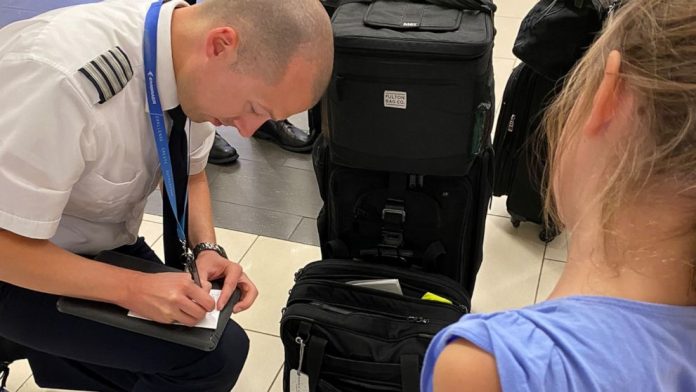
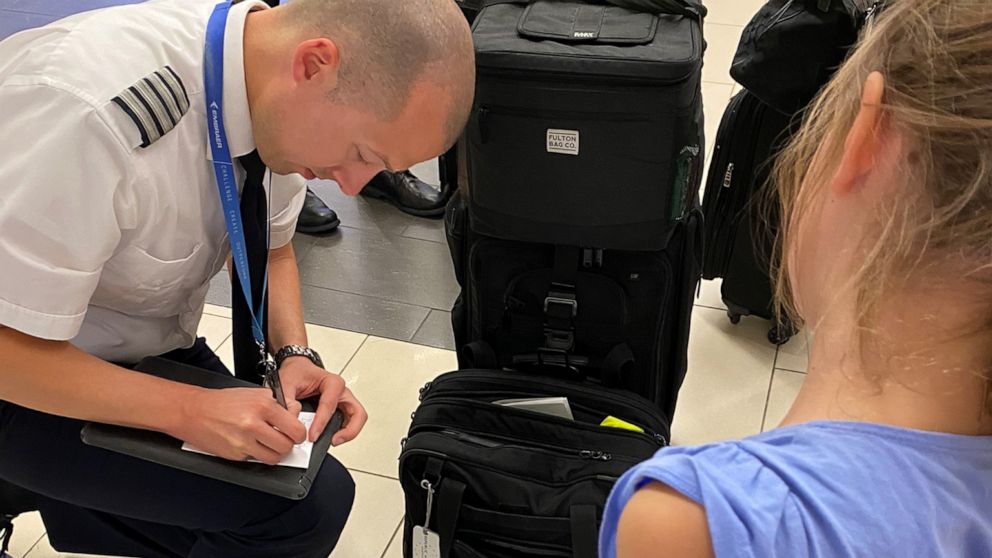
A 6-year-old who realized after disembarking that she had lost a tooth aboard a plane, was desperate to get it back.

Seeing this, a passing captain, with his jacket, cap, and epaulets, stepped in to write a note to the Tooth Fairy explaining the situation.

Lena and Laura Larmon were at the tail end of a long travel period, with a return leg from Norway to Greenville-Spartanburg Int. Airport, South Carolina, interrupted in New York with a 36-hour delay. Finally stepping off the plane must have felt like bliss, until at the baggage claim, when 6-year-old Lena realized she had lost a tooth.

“We tried to walk back to the airplane, but security was closed. It was 2 a.m.,” mom Laura told Good Morning America, adding that Lena was “crying and very emotional,” when she realized that, without the tooth to place under her pillow, there would be no corresponding visit from the Tooth Fairy.

WATCH: Watch Cute 4-Year-old Reassure His Frightened Sister at the Car Wash

That’s when United Airlines Captain Josh Duchow, seeing Lena’s distress, stepped in to help. With his captain’s bearing, and official uniform, there would be no doubt that a quick written explanation from “Captain Josh” would be an acceptable receipt for the Tooth Fairy’s records.

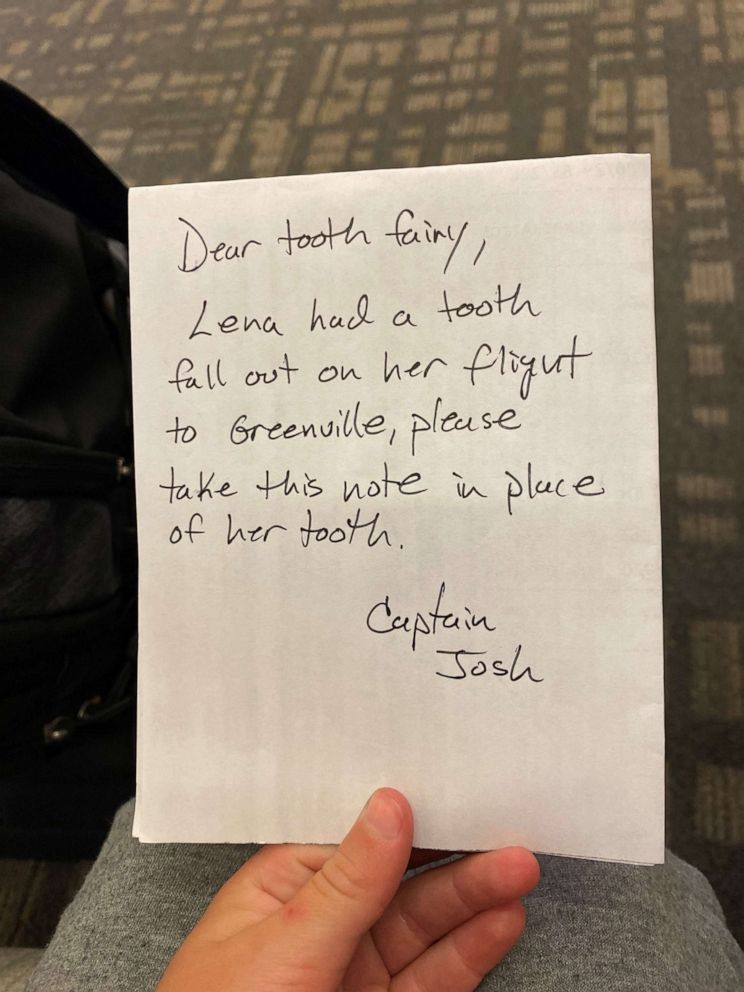
“Dear Tooth Fairy, Lena had a tooth fall out on her flight to Greenville,” wrote Duchow, who piloted the flight. “Please take this note in place of her tooth.”

Note to Tooth Fairy – courtesy Laura Larmon

Mother Laura later shared the story on Instagram and Facebook as a break from “a world of bad airline stories.”

United Airlines released a statement on Duchow’s part, declaring: “we’re proud to see moments like this that underscore our commitment to going above and beyond for our customers and creating an airline where Good Leads the Way.”


WRITE A Note To Your Friends To Read This Sweet Story

US Seeking to Protect Largest Underwater Canyon Off New York City For New Marine Sanctuary

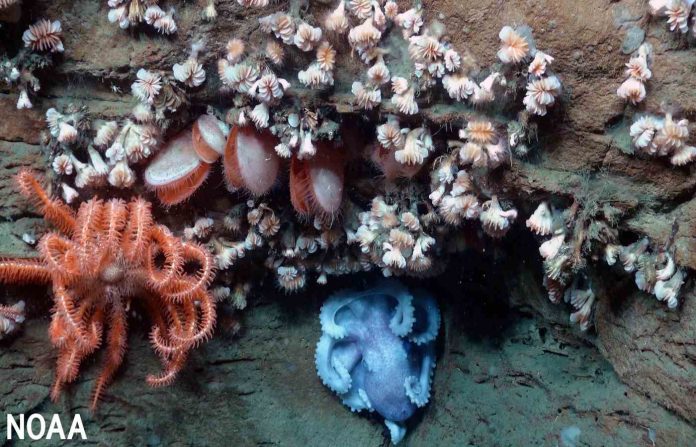
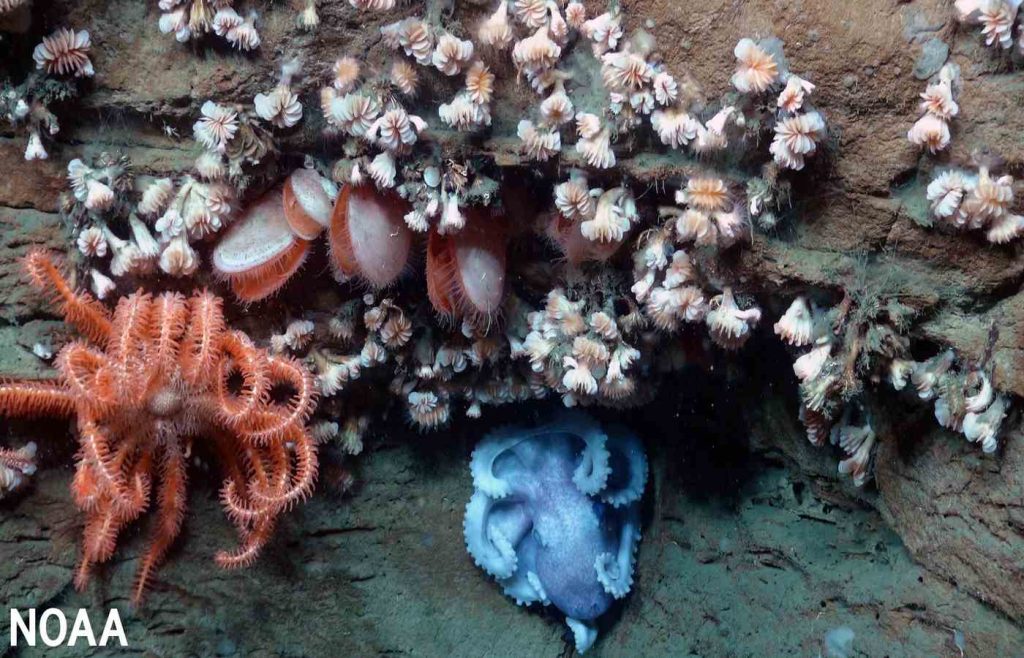
An octopus, sea star, bivalves and dozens of cup coral down in Hudson Canyon, a proposed Marine Sanctuary - NOAA
An octopus, sea star, bivalves and dozens of cup coral down in Hudson Canyon, a proposed Marine Sanctuary – NOAA

The National Oceanic and Atmospheric Administration (NOAA) is seeking public comment on potentially designating a new national marine sanctuary in Hudson Canyon off the coast of New York and New Jersey.

A sanctuary designation would help conserve the area’s rich marine wildlife and habitats, promote sustainable economic activities and create new opportunities for scientific research, ocean education and recreation.

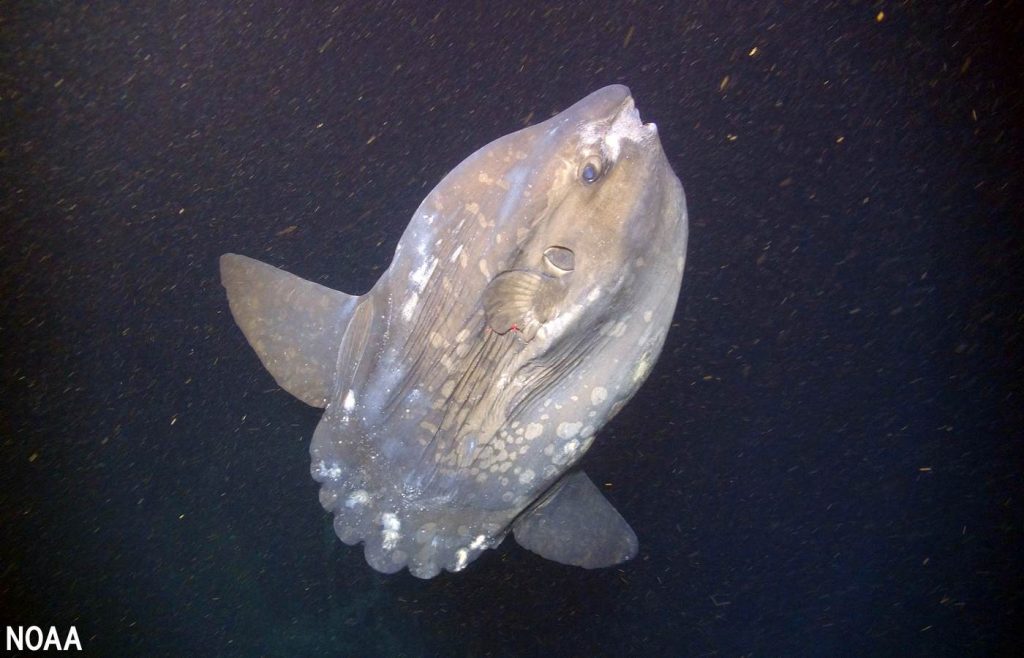
Hudson Canyon is the largest underwater canyon along the U.S. Atlantic Coast, and is about 100 miles out from New York and New Jersey shores. The canyon is 2.5 miles deep and up to 7.5 miles wide, and provides habitat for a range of protected and sensitive species, including sperm whales, sea turtles and deep sea corals.

The canyon’s rich biodiversity is integral to the region’s economy, underpinning commercial and recreational fisheries, recreational diving, whale-watching and birding.

READ ALSO: Conservation Groups Celebrate Dam Removal on Green River – Restoring Health of Fish and Humans After 70 Years 

Normally a job for the Congress, or a nature-loving president, the National Marine Sanctuaries Act allows NOAA to designate and protect areas of the ocean and Great Lakes with special national significance. The sanctuary would help President Biden to reach his 30×30 agenda to conserve 30% of territorial waters and lands of the U.S. by 2030.

“A sanctuary near one of the most densely populated areas of the Northeast U.S. would connect diverse communities across the region to the ocean and the canyon in new and different ways. It would also help advance the Administration’s commitment to conserve and restore special marine places, leaving a lasting legacy for future generations,” said Rick Spinrad, Ph.D., NOAA Administrator.

“As someone who grew up in New York City and went on to a career in ocean science, I am excited about how this amazing underwater environment can inspire shared interest in conserving our ocean.”

A molamola, or sunfish in Hudson Canyon – NOAA

The Wildlife Conservation Society submitted a nomination for a Hudson Canyon National Marine Sanctuary in November 2016,

Like almost all topics dealing with American wild places and things, NOAA is opening a public comment period to invite a range of management considerations, including options for the proposed sanctuary boundary, the potential name, information on the Indigenous and Tribal heritage of the area and other factors.

“The Mid-Atlantic region is already seeing shifts in marine species distributions, including some that are important to humans for food,” said Nicole LeBoeuf, director of NOAA’s National Ocean Service.

“Hudson Canyon could serve as a sentinel site for NOAA to monitor the impacts of climate change on submarine canyons and other deep sea benthic habitats, which are vulnerable to the effects of ocean acidification and oxygen depletion.”

RELATED: A 15 Million-Acre Protected Superhighway Near Galapagos Was Just Created to Preserve Marine Life

The public can comment on the proposed Hudson Canyon sanctuary designation until August 8, 2022, through the Federal eRulemaking Portal, www.regulations.gov. The docket number is NOAA-NOS-2022-0053.

Ocean-loving Americans can let their voices be heard, as public comment periods are often far more effectual means of participating in democracy than calling a federally-elected official.

SPREAD The Word To Your Friends And Help Protect Our Oceans

“Lovers continuously reach each other’s boundaries.” – Rainer Maria Rilke

Photo by Elliot Margolies, CC license

Quote of the Day: “Lovers continuously reach each other’s boundaries.” – Rainer Maria Rilke

Photo: Elliot Margolies, CC license

With a new inspirational quote every day, atop the perfect photo—collected and archived on our Quotes page—why not bookmark GNN.org for a daily uplift?

Livin’ Good Currency Ep. 16: Carter Reum Business Built on Foundations of Love for Family and the Journey

The Lesson: Being a good person, growing alongside one’s parents, enjoying the journey, not letting the highs be too high and the lows be too low, these are lessons for us all, but for serial entrepreneur Carter Reum, they have helped build a flourishing portfolio of profitable businesses, a strong personal foundation, and a life of gratitude.

Notable Excerpt: “I always say respect the process, but I think I’m going to add enjoy the process. It really is respect the process, meaning if you do the right things the right results tend to follow. But one of the things my brother and I learned from our first company was… that the highs are never that high, and the lows are never that low, and it’s really a defense mechanism… but by learning that muscle you tend to modulate it, and one of the things we found is that we actually don’t celebrate the highs enough.

“It is about the journey, and it is about enjoying it, but you’ve got to enjoy those good days. At M13, at our all-hands every week, we do gratitudes where we just stop and people can submit them and we read them, we do try to enjoy the journey, because win or lose at the end of the day you can have a lot of fun.”

The Guest: Carter Reum is a Partner and Co-Founder of M13, a venture capital platform that invests in and incubates cutting edge consumer technology businesses. M13 now has over $1 billion over 3 funds and is currently launching its 10th incubated business co-founded with Tony Robbins and Peter Diamondis. M13’s portfolio includes, Ring, Daily Harvest, FabFitFun,Transfix, Rothy’s, Lyft, Capsule, Shef, Thrive Market, Cue, Capsule, Rho, Shef, and many others.

An investment banker at Goldman Sachs, in 2019, Carter and his brother Courtney were appointed the first-ever Executives in Residence for the City of Los Angeles, created in an effort to merge the arts and entertainment industries by Los Angeles Mayor Eric Garcetti.

Carter and his brother are the authors of the national bestseller Shortcut Your Startup (Simon & Schuster) that shares business insights to empower the next generation of entrepreneurs.

The Podcast: Livin’ Good Currency explores the relationship of time to our lives. It gives a simple, straight-forward formula that anyone can use to be present in the moment—and features a co-host who knows better than anyone the value of time (see below). How do you want to spend your life? This hour can inspire you, along with upcoming guests, to be sure you are ‘Livin’ Good Currency’ and never get caught running out of time.

The Hosts: Good News Network fans will know Tony (Anthony) Samadani as the co-owner of GNN and its Chief of Strategic Partnerships. Co-host Tobias Tubbs was handed a double life sentence without the possibility of parole for a crime he didn’t commit. Behind bars, he used his own version of the Livin’ Good Currency formula to inspire young men in prison to turn their hours into honors. An expert in conflict resolution, spirituality, and philosophy, Tobias is a master gardener who employs ex-felons to grow their Good Currency by planting crops and feeding neighborhoods.