Quote of the Day: “The greatest challenge of the day is: how to bring about a revolution of the heart, which has to start with each one of us.” – Dorothy Day
Photo by: engin akyurt
With a new inspirational quote every day, atop the perfect photo—collected and archived on our Quotes page—why not bookmark GNN.org for a daily uplift?
By Darryl Leja / National Human Genome Research Institute, CC license
By Darryl Leja / National Human Genome Research Institute, CC license
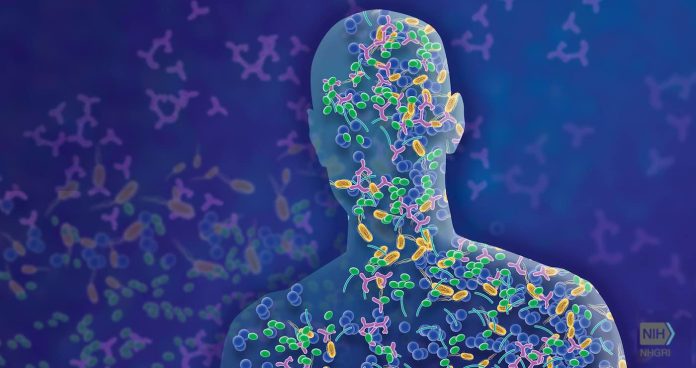
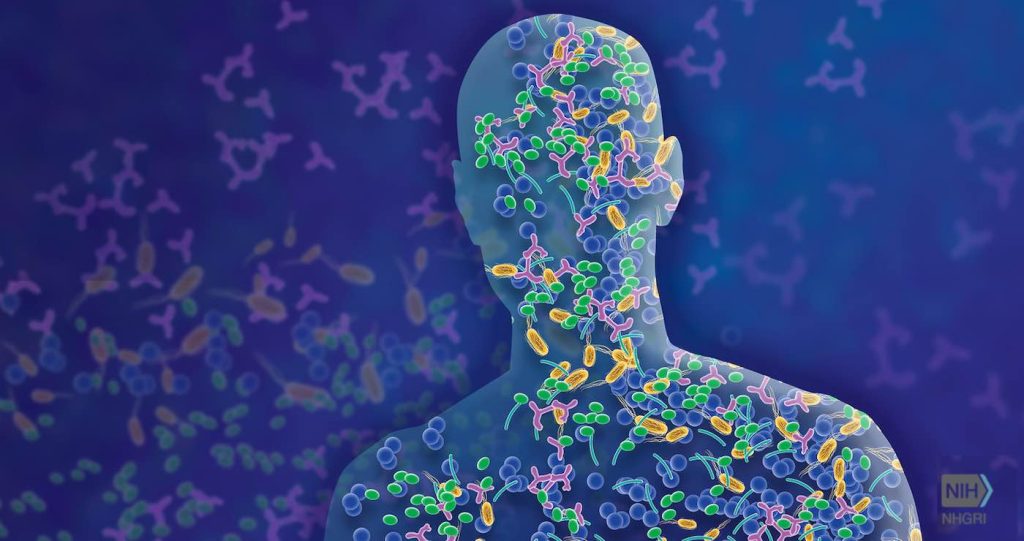
Experiments found microscopic organisms transplanted into mice stopped the progression of diabetes—and the technique could end the need for painful insulin injections for human patients in the future.
It involves engineering E.coli bacteria from stool samples, which also has the potential to treat a range of gut conditions— from obesity to irritable bowel syndrome.
Residing within the human gut are trillions of bacteria and other microorganisms that can impact a variety of chronic human ailments, including obesity, type 2 diabetes, atherosclerosis, and cancer.
Even in diseases that don’t involve the microbiome, gut microflora provide an important point of access that allows modification of many physiological systems—and their physical symptoms.
Such a dream has led to the development of live bacterial therapeutics (LBTs), engineering bacterial hosts to repair or restore healthy microbial function and diversity.
In the past, these attempts have focused on engineering common laboratory strains of E. coli, which cannot compete with the native gut bacteria already inside a living body.
Now, a team led by Professor Amir Zarrinpar, of the University of California–San Diego, collected E. coli from both human and mice gut microbiomes—and added a protein called BSH (bile salt hydrolase). It made them more robust, extending survival in the hostile gut environment long enough to treat disease.
“Bacteria in our body are adapted to each one of us specifically: the kind of foods we eat, the common stresses our body experiences or induces, and our genetic background,” explained Prof. Zarrinpar.
They have engineered these bacteria to become factories that can live in our microbiome and potentially produce medicines.
“We know E. coli can pick up pathogenic genes and cause disease, and now we are just realizing if we put a beneficial gene in, it can help us to treat chronic diseases, maybe even cure some of them,” said Zarrinpar, author of the August 4 paper in the journal Cell.
He likened BSH to a superhero: “We say to the bacteria: Hey, we will give you a new superpower, which you may not even benefit from, but we will put you right back into the environment that you thrive in.”
After a single treatment in mice, the E. coli were found throughout the entire gut, with activity retained for the entire lifetime of the host. It was able to positively influence diabetes progression in the rodents.
It is a significant improvement over similar treatments with non-native laboratory strains of engineered bacteria, where more than one treatment is often required. And they do not stay in the host’s gut for nearly as long as, or as consistently as, the native E. coli method identified by Prof. Zarrinpar and colleagues.
In addition to successfully influencing diabetes in mice, the group was also able to make a similar modification to E. coli extracted from human gut. Zarrinpar described the results as “substantial,” but there is more work to be done.
Engineering native bacteria comes with another set of challenges because they are very resistant to modifications; it is part of their innate defense mechanism. In the proof-of-concept study, the data suggested that inserting a gene into a native bacterium has about 100-fold lower success rate than doing so with lab strains. But the researchers are optimizing the process.
“There are many new genetic engineering tools available now that will allow us to engineer these bacteria more effectively,” Zarrinpar added.
The group is planning on using this technology to find ways to treat more diseases.
“This technology is something that can potentially open up the application of the microbiome therapy to influence so many different chronic and genetic diseases.”
“We are dreaming big.”
HAIL The Gut Breakthrough By Sharing it With Patients on Social Media…
The Perseid meteor shower is one of the best shows all year for “shooting stars”.
Though the Perseids have been active since July 14, the frequency of meteors hurtling through the sky is now heating up this week.
Scientists say the peak time to view this shower will be on the night of Thursday, August 11. The full moon that night may make it tougher to spot the meteors, so train your eyes toward the darker areas and watch closely.
This week is also one of the best times to see the ringed planet of Saturn in dramatic fashion.
On Sunday, August 14, the giant world will line up with the Earth and the Sun. The alignment is called an “opposition.”
Saturn will be closer to Earth than it has been in more than a year. If you want a peek at the planet, look for a golden yellow light shining steadily in the east after sunset.
With binoculars, you may even see the spectacular Saturn rings.
SHARE the Astronomy Alert With Stargazers on Social Media…
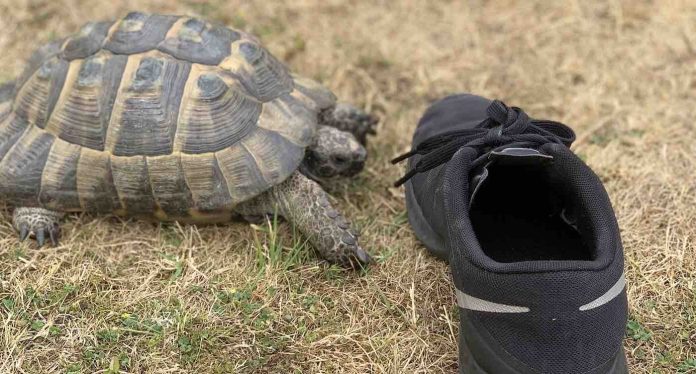
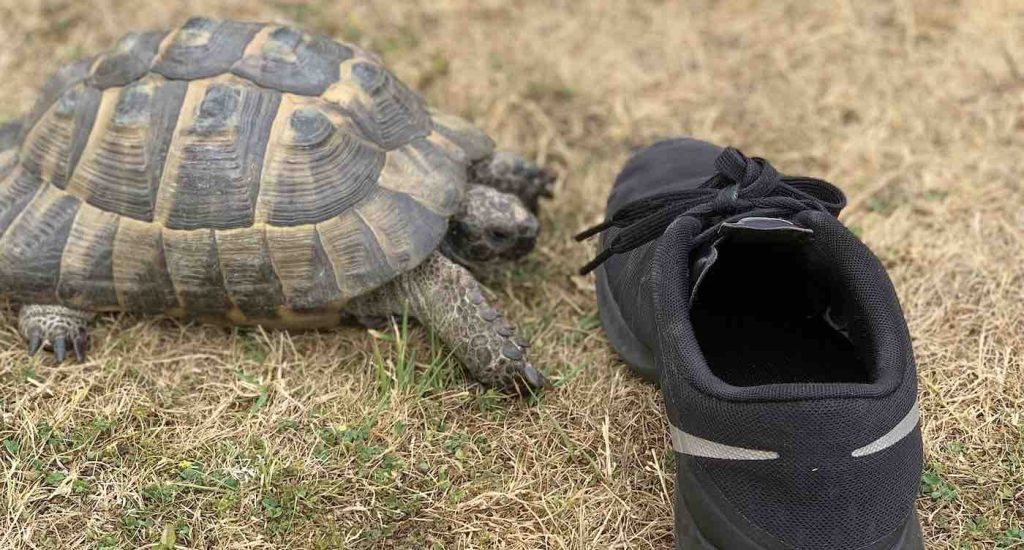
A tortoise refuses to let people wear black shoes at the house—bullying his owner’s baffled grandson into wearing other colors or face a ‘painful’ attack.
Tommy Shellby always makes a bee-line for anyone who dares to set foot on the property in black shoes. Whenever he sees one, he charges with a barrage of disapproving head-butts.
Harry Vines says he’s forced to either walk around his 82-year-old grandmother Daphne Woodcock’s yard bare-footed or in white shoes to avoid the reptile’s attacks.
The 24-year-old grandson believes Tommy might be a fashion-conscious reptile.
“Maybe he’s trying to tell me I look good in white shoes, so don’t be wearing black ones,” says Harry, from Cambridge, Cambridgeshire, UK.
Fascinating footage shows Harry wearing one black and one grey shoe, and Tommy walks over to forcefully bash his shell against the black one.
Others show him clambering over a pile of white shoes to reach the single black sneaker, while in another experiment Harry lines up black and non-black shoes for Tommy, which only bashes the black ones.
Harry admits it feels ‘strange’ to be conceding that he’s stopped buying black shoes to please the assertive pet.
Tommy, who is estimated to be at least 15 years old, has gone viral for his bizarre antics, earning almost one million followers since his first appearance in December.
“If he gets your ankle bone, it does hurt quite a bit. It’s more like a shell-bash,” he says. “I’ll only be buying white shoes now.
Harry began posting videos of Tommy shell-bashing black shoes after friends loved one clip and suggested he share more. His popular videos have now been liked more than 39 million times and his grandmother Daphne ‘can’t believe’ how viral her pet has become.
Quote of the Day: Like a deer that finds a quiet place to graze, seek seclusion to digest all that you have gathered. – Ancient Tibetan text
Photo by: Maria Rodideal
With a new inspirational quote every day, atop the perfect photo—collected and archived on our Quotes page—why not bookmark GNN.org for a daily uplift?
July 29 was Global Tiger Day—and Nepal had some roaring-good news, reporting that their wild tiger population is 40 percent higher compared to data from just 2015.
In fact, Nepal has nearly tripled the number of tigers in the wild, according to results of the National Tiger and Prey Survey released last week.
The historic 190 percent increase since 2009 is a result of the protection of key tiger habitats and corridors, partnership with local communities, and cracking down on poaching and illegal wildlife trade.
Prime Minister Sher Bahadur Deuba announced the historic increase in his nation’s tiger population, which has been recorded at 355 individuals during this ‘Year of the Tiger,’ which is the Chinese lunar symbol for 2022.
An extensive effort covering 18,928 sq. km—over 12 percent of the country—and 16,811 days of field staff time was invested to complete the survey. The results bring both great hope and reassurance about tigers’ long-term future in Nepal.
The target to double wild tigers worldwide, also known as Tx2, was set by governments in 2010 at the St. Petersburg International summit on tiger conservation.
WWF-Nepal was an implementing partner in the survey which was led by the Department of National Park and Wildlife Conservation.
“This conservation win is a result of political will and concerted efforts of local communities, youth, enforcement agencies, and conservation partners… the result of sustained effort over many years,” said Ghana Gurung, Country Director of WWF- Nepal.
“Nepal’s new tiger population estimate shows that it is possible to a save species from the brink of extinction and gives us a real reason to celebrate this Global Tiger Day,” said Ginette Hemley, Senior Vice President for Wildlife Conservation for WWF in the US.
Loggerhead sea turtle nesting in Georgia hit a new high this week as the big reptiles beat their modern-day best for most nests on the state’s Atlantic Ocean beaches.
With hatchings still surging, the nest count reached 3,960 on Wednesday—the largest count in 33 years, since surveys began in the U.S. state in 1989.
That total beat the previous record of 3,950 nests set in 2019, according to the Georgia Department of Natural Resources.
Even more impressive is the ten-fold increase in sea turtle nests since its lowest point of 358 nests in 2004.
“Loggerheads are a long-lived species that don’t reproduce until 30-35 years of age,” said Georgia Sea Turtle Program Coordinator Mark Dodd, a senior wildlife biologist with the DNR.
The region’s population of loggerheads—listed as threatened under the Endangered Species Act–has been increasing at approximately 4 percent annually since the early 1990s. But, based on current trends, Dodd predicts it will take at least another 20 years before recovery goals are reached.
The model also suggests loggerhead numbers will increase again, possibly reaching levels not seen since the late 1950s.
Weighing 300 pounds or more, female loggerheads crawl ashore on beaches, dig a hole at the base of the dunes and lay their eggs, usually at night, from May into August.
All sea turtle nests, including those of species that seldom nest here such as Kemp’s ridley and green, are marked, protected and monitored by the Georgia Sea Turtle Cooperative. The DNR-coordinated network of federally permitted volunteers, researchers, and agency employees have patrolled the beaches daily during nesting season for more than 30 years.
Georgians contribute to the program by purchasing special automobile license plates featuring wildlife, which cost only $25 more than a standard plate to buy or renew.
What You Can Do:
Minimize beachfront lighting during nesting season. Turn off, shield or redirect lights.
When walking the beach at night, don’t use flashlights and flash photography. They can deter turtles from coming ashore to nest or cause them to abort nesting.
If you encounter a sea turtle on the beach – including hatchlings – remain quiet, still and observe them only from a distance.
Leave turtle tracks undisturbed. Researchers use them to identify the species and mark nests for protection.
Protect beach vegetation: It stabilizes sand and the natural coastline.
When boating, stay alert and avoid turtles. Boaters who hit a sea turtle are urged to stand-by and immediately call DNR at 800-2-SAVE-ME (800-272-8363).
Also report any dead or injured sea turtles seen at 800-272-8363. (If the turtle is tagged, include the tag color and number in the report if possible.)
A hummingbird species was rediscovered in Colombia after scientists had recorded no documented sightings for over 13 years.
It was only the third time that a sighting of the Santa Marta sabrewing had been documented since it was first described by science in 1946.
The rare sabrewing was included on a list of the ‘top 10 most wanted lost birds’—and the recent sighting gives conservationists hope for the critically endangered species
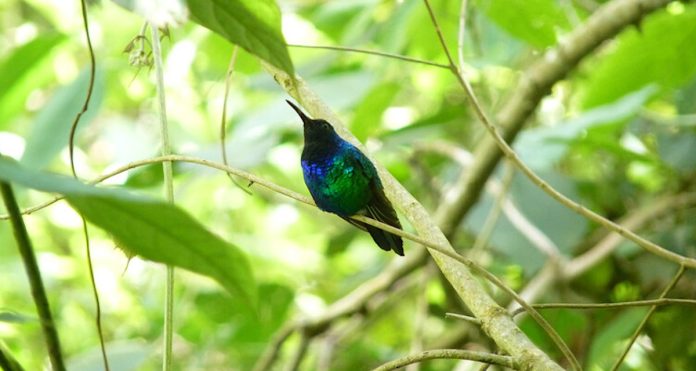
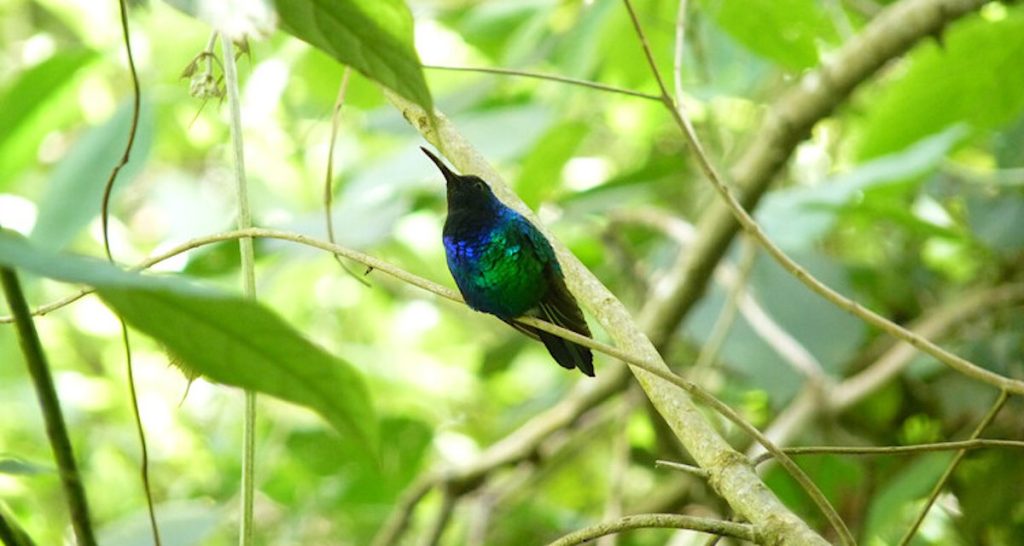
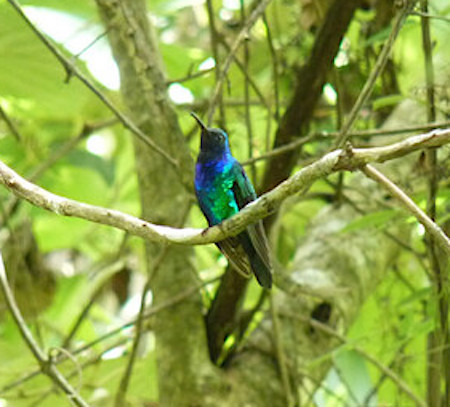
An experienced local birdwatcher in Colombia rediscovered the relatively large hummingbird (Campylopterus phainopeplus), a species only found in the country’s Sierra Nevada de Santa Marta mountains.
The last time the hummingbird had a documented sighting was in 2010, when researchers captured the first-ever photos of the species in the wild.
“This sighting was a complete surprise, but a very welcome one,” said Yurgen Vega, who made the rediscovery while working with SELVA, ProCAT Colombia and World Parrot Trust to study endemic birds in Sierra Nevada de Santa Marta. “As I was leaving the area where I had been working, a hummingbird caught my attention. I got out my binoculars and was shocked to see that it was a Santa Marta sabrewing, and in an incredible stroke of luck the hummingbird perched on a branch giving me time to take photos and video.”
The male hummingbird was instantly recognizable by its emerald green feathers, bright iridescent blue throat and curved black bill. The hummingbird was perched on a branch, vocalizing and singing, which scientists think is a behavior associated with defending territory and courtship. However, Vega did not see any other hummingbirds in the area, though there have been sporadic reports of Santa Marta sabrewing sightings during the past decade by other local birdwatchers.
Yurgen Vega | SELVA | ProCAT
The species is listed as critically endangered on the IUCN Red List of Threatened Species, though it was historically common in the south-eastern part of the mountains.
The Sierra Nevada de Santa Marta is the world’s tallest coastal mountain and home to rich communities of wildlife, including 24 species of birds that are found nowhere else on the planet.
“This rediscovery is tremendous, and it makes me hopeful that we will start to better understand this mysterious and threatened bird,” said Esteban Botero-Delgadillo, a director at SELVA: Research for Conservation in the Neotropics.
Scientists know very little about the Santa Marta sabrewing, except that it typically lives in humid neotropical forests at mid elevations between 4,000 and 6,000 feet (1,200-1,800 meters). Ornithologists believe that the hummingbird may be migratory, moving up to even higher elevations in the páramo—an ecosystem of grass and shrubs—during the rainy season in search of flowering plants. Much of the forest in the Santa Marta mountains has been cleared for agriculture, and scientists estimate that only 15% of the forest is still intact.
“Technology has made it much easier to gain and share knowledge about the Sierra Nevada de Santa Marta and its inhabitants,” said Diego Zárrate, director of conservation with ProCAT Colombia.
The rediscovery of Santa Marta sabrewing is being celebrated by ornithologists around the world, including those working as part of the Search for Lost Birds, a collaboration between Re:wild, American Bird Conservancy and BirdLife International—which curates the ‘top 10 most wanted lost birds’ list.
“It’s so incredible to see photos and video of the Santa Marta sabrewing,” said John C. Mittermeier, director of threatened species outreach at American Bird Conservancy. “It’s like seeing a phantom. When we announced the top 10 most wanted lost birds last year, we hoped that it would inspire birders to look for these species. And as this rediscovery shows, sometimes lost species re-emerge when we least expect it. Hopefully rediscoveries like this will inspire conservation action.”
FLY This Gorgeous Discovery to Bird Lovers on Social Media…
FREE WILL ASTROLOGY – Week of August 6, 2022
Copyright by Rob Brezsny, FreeWillAstrology.com
LEO (July 23-Aug. 22):
In the coming weeks, Leo, I urge you to always be confident that YOU ARE THE PARTY! Everywhere you go, bring the spirits of fun and revelry. Be educationally entertaining and entertainingly educational. Amuse yourself by making life more interesting for everyone. At the same time, be kind and humble, never arrogant or insensitive. A vital part of your assignment is to nourish and inspire others with your radiance and charm. That formula will ensure you get everything you need. I foresee bounty flowing your way! PS: Regularly reward your admirers and followers with your magnanimous Chesire-cat grin.
VIRGO (Aug. 23-Sept. 22):
In my Astrological Book of Life, here’s what I have inscribed about Virgos: You may not always find the perfect solution, but you are skilled at finding the best solution available. This will be an especially valuable knack in the coming weeks, both for yourself and others. I trust you will scan for practical but compassionate answers, even if they are partial. And I hope you will address at least some of everyone’s needs, even if no one is completely satisfied. You can be the master of creative compromise that we all need. Thanks in advance for your excellent service!
LIBRA (Sept. 23-Oct. 22):
Everyone knows that “balance” is a keyword for you Librans. However, there are many interpretations of what balance entails. Here’s how I define it for you during the coming weeks: 1. an openness to consider several different ways to capitalize on an opportunity, but to ultimately choose just one way; 2. the ability to see and understand all sides of every story, while also knowing that for pragmatism’s sake you must endorse a single version of the story; 3. the capacity to be both constructively critical and supportively sympathetic; 4. the facility to be welcoming and inviting while still maintaining healthy boundaries.
SCORPIO (Oct. 23-Nov. 21):
“Life is enchanting for me because I have so much control over what I think,” my Scorpio friend Daria told me. “If I decide to flatter myself with comments about how attractive I am, I can do just that. If I would like to imagine a good fairy visiting me while I sleep and giving me a dream of flying with my lover over the Serengeti Plains, I can.” I asked her about the times when worries gush forth unbidden from her subconscious mind and disturb her joy. She said, “I simply picture myself shoving those worries in a hole in the ground and blowing them up with an exploding rose.” I bring Daria’s mind-management expertise to your attention, Scorpio, because the coming weeks will be an excellent time for you to raise your mastery over what you think.
SAGITTARIUS (Nov. 22-Dec. 21):
People might impatiently advise you to relax and settle down. Others might tell you to stop dreaming such big visions and formulating such adventurous plans. Still others might give you the side-eye because they imagine you are having too much fun and brainstorming too wildly and laughing too loudly. If you receive messages like those, give the complainers a copy of this horoscope. It will tell them that YOU WILL NOT COMPLY WITH ANY INHIBITING DIRECTIVES. Your astrologer, me, authorizes you to be as vast and venturesome and enterprising and spontaneous as you dare. In doing so, I am speaking on behalf of the cosmic rhythms. Your plucky audacity has been heavenly ordained.
CAPRICORN (Dec. 22-Jan. 19):
In accordance with astrological omens, I hereby authorize you to worry, worry, and worry some more. Stew and simmer and ferment as you weigh all the options and mull the correct actions. But when the time is right, end your fretting with crisp decisiveness. Shake off any residual doubt that still clings to you. And then undertake robust action to transform the situation that provoked your righteous brooding. In my astrological opinion, what I have just described is your best plan for success in the coming days.
AQUARIUS (Jan. 20-Feb. 18):
“I was looking for a love unlike my parents’ love or my sister’s love or the love on a foreign kitchen floor,” writes Rebecca Dinerstein Knight in her novel The Sunlit Night. “I wanted to forgive my mother and father for their misery and find myself a light man who lived buoyantly and to be both his light and his dark.” I offer you her thoughts, Aquarius, in the hope of inspiring you to expand and deepen your ideas about the love you want. The coming weeks will be a favorable time to revise and reinvigorate your definitions of intimacy and togetherness. You will have extra power to see new truths about how best to create maximum synergy and symbiosis.
PISCES (Feb. 19-March 20):
“Even raw and messy emotions can be understood as a form of light, crackling and bursting with energy,” writes Jungian psychoanalyst Clarissa Pinkola Estés. For example, “We can use the light of rage in a positive way, in order to see into places we cannot usually see.” Likewise, confusion might be a healthy sign that a long-held misunderstanding is dissolving. Disappointment may herald the demise of an unrealistic expectation. So let’s unleash a big cheer for raw and messy emotions, Pisces! I suspect they will soon be your gateway to clarity and renewal.
ARIES (March 21-April 19):
Aries poet Ada Limón advises us to notice and love “the music of the world.” She says that praising and giving attention to the good things “are as important and necessary as witnessing and naming and holding the grief and sorrow that comes with being alive.” This is always a crucial principle to keep in mind, but it will be extra essential for you in the coming weeks. Your ability to attract the influences and resources you need most will thrive if you focus on and celebrate the music of the world. PS: I encourage you to sing more than usual, too.
TAURUS (April 20-May 20):
Here’s my hope for you in the coming months: You will cultivate a specialty for connecting people and situations that need to be affiliated but aren’t yet. You will regard your flair for blending as a gift you offer generously. Can you picture yourself doing that? I think it will be fun and will also benefit you in unexpected ways. So here’s my proposed plan: Conspire to heal fragmentation and schisms. Unite heavenly and earthly things. Keep the far side and the near side in touch with each other. Never let the past forget about the future, and vice versa. One more thing, Taurus: Be gleefully imaginative as you mix and conjoin and combine.
GEMINI (May 21-June 20):
In a play by Gemini philosopher Jean-Paul Sartre, a character says, “Hell is other people.” What did he mean by that? One interpretation is that our fellow humans always judge us, and their judgments rarely align with who we really are and who we imagine ourselves to be. Here’s my solution for that problem: Choose allies and companions whose views of you match your own. Is that so hard? I suspect it will be easier than usual for you in the coming months, Gemini. Take advantage of life’s natural tendency to connect you with cohorts who appreciate you. Be picky as you avoid the hell of other people.
CANCER (June 21-July 22):
The people most likely to succeed as entrepreneurs are those with a high degree of analytical intelligence. Right? Well, it’s more complicated than that. Reasoning ability and problem-solving skills are key skills, but not as important as emotional intelligence: the power to understand and manage feelings. I mention this, Cancerian, because the coming months will be a favorable time to advance your ambitions by enhancing and expressing your emotional intelligence.
WANT MORE? Listen to Rob’s EXPANDED AUDIO HOROSCOPES, 4-5 minute meditations on the current state of your destiny — or subscribe to his unique daily text message service at: RealAstrology.com
Quote of the Day: “To be spiritual is to be amazed.” – Abraham Joshua Heschel
Photo by: Felipe Galvan
With a new inspirational quote every day, atop the perfect photo—collected and archived on our Quotes page—why not bookmark GNN.org for a daily uplift?
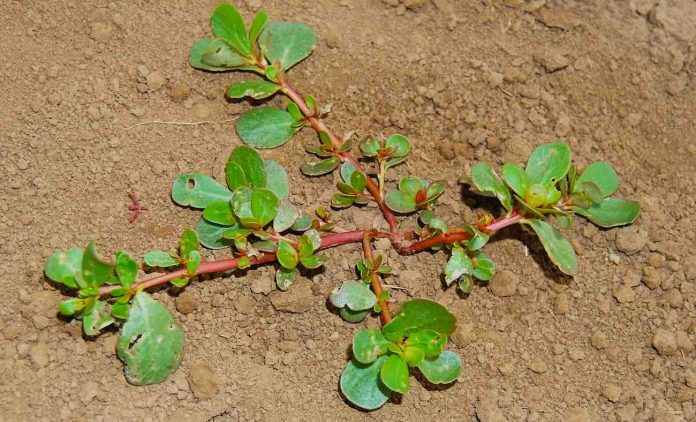
A drought-proof weed may hold the key to feeding the world, according to new research.
The common plant known as purslane, harbors important clues about how to create valuable drought-resistant crops.
Yale scientists describe how Portulaca oleracea integrates two distinct metabolic pathways to create a novel type of photosynthesis that enables the weed to endure drought while remaining highly productive.
“This is a very rare combination of traits and has created a kind of ‘super plant’ — one that could be potentially useful in endeavors such as crop engineering,” said Erika Edwards, Yale professor of ecology and evolutionary biology and senior author of the paper published today in the journal Science Advances.
Plants have independently evolved a variety of distinct mechanisms to improve photosynthesis. For instance, corn and sugarcane evolved what is called C4 photosynthesis, which allows the plant to remain productive under high temperatures.
Succulents such as cacti and agaves possess another type called CAM photosynthesis, which helps them survive in deserts and other areas with little water. Both C4 and CAM serve different functions but recruit the same biochemical pathway to act as “add-ons” to regular photosynthesis.
What makes the purslane plant unique is that it possesses both of these evolutionary adaptations — which allows it to be both highly productive and also very drought tolerant, an unlikely combination for a plant. Most scientists believed that C4 and CAM operated independently within leaves of purslane.
But the Yale team, led by co-corresponding authors and postdoctoral scholars Jose Moreno-Villena and Haoran Zhou, conducted a spatial analysis of gene expression within the leaves of purslane and found that C4 and CAM activity are totally integrated. They operate in the same cells, with products of CAM reactions being processed by the C4 pathway. This system provides unusual levels of protection for a C4 plant in times of drought.
(The plant is also one of the most nutritious greens you can eat, according to the National Institute of Health, which reported on its Omega 3 content. It is available in farmer’s markets, and Hispanic stores in the US by the name of Verdolaga. It’s also a delicacy in certain Middle Eastern cuisines. In Afghanistan, the leaves of the plant are cooked together with mung beans for a heart-healthy and delicious dish.)
The researchers also built metabolic flux models that predicted the emergence of an integrated C4+CAM system that mirrors their experimental results.
Understanding this novel metabolic pathway could help scientists devise new ways to engineer crops such as corn to help withstand prolonged drought, the authors say.
“In terms of engineering a CAM cycle into a C4 crop, such as maize, there is still a lot of work to do before that could become a reality,” said Edwards. “But what we’ve shown is that the two pathways can be efficiently integrated and share products. C4 and CAM are more compatible than we had thought, which leads us to suspect that there are many more C4+CAM species out there, waiting to be discovered.”
MAKE This Good News Spread Like a Weed By Sharing on Social Media…
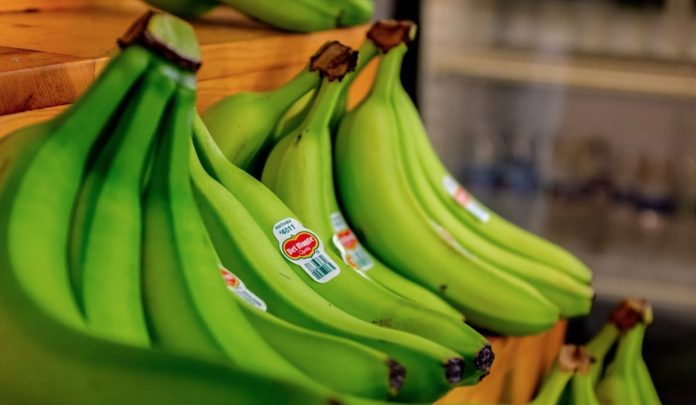
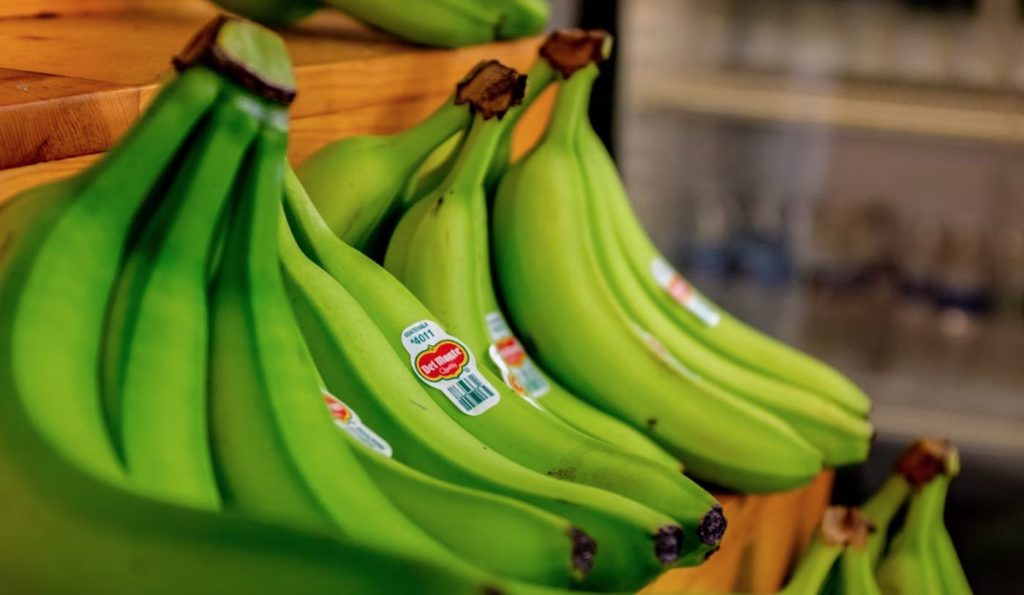
A study has identified a starch in unripe bananas that can reduce the risk of some cancers by more than 60 percent—and scientists say it’s the first trial that points to a diet supplement that may be able to prevent hereditary cancer.
The research involving people with high hereditary risk of a wide range of cancers has shown a major preventive effect from resistant starch, found in a range of foods such as oats and slightly green bananas.
The international trial—known as CAPP2—involved almost 1000 patients with Lynch syndrome from around the world. It revealed that a regular dose of resistant starch, also known as fermentable fiber, taken for an average of two years, reduced cancers anywhere except in the bowel by more than half.
This effect was particularly pronounced for upper gastrointestinal cancers including oesophageal, gastric, biliary tract, pancreatic, and duodenum cancers.
The astonishing effect was seen to last for 10 years after stopping taking the supplement, which can also be found in breakfast cereal, cooked and cooled pasta and rice, peas and beans.
“We found that resistant starch reduces a range of cancers by over 60%. The effect was most obvious in the upper part of the gut,” explained Professor John Mathers, professor of Human Nutrition at Newcastle University. “This is important as cancers of the upper GI tract are difficult to diagnose and often are not caught early on.”
The study, led by experts at the Universities of Newcastle and Leeds, was a planned double blind 10 year follow–up, supplemented with comprehensive national cancer registry data for up to 20 years in 369 of the participants.
Resistant starch can be taken as a powder supplement and is found naturally in peas, beans, oats and other starchy foods. The dose used in the trial is equivalent to eating a daily banana; before they become too ripe and soft, the starch in bananas resists breakdown and reaches the bowel where it can change the type of bacteria that live there.
“Resistant starch is a type of carbohydrate that isn’t digested in your small intestine, instead it ferments in your large intestine, feeding beneficial gut bacteria – it acts in effect, like dietary fibre in your digestive system,” says Mathers. “This type of starch has several health benefits and fewer calories than regular starch. We think that resistant starch may reduce cancer development by changing the bacterial metabolism of bile acids and to reduce those types of bile acids that can damage our DNA and eventually cause cancer. However, this needs further research.”
Previous research published as part of the same trial, revealed that aspirin reduced cancer of the large bowel by 50%.
Professor Sir John Burn, from Newcastle University and Newcastle Hospitals who ran the trial with Mathers, says, “When we started the studies over 20 years ago, we thought that people with a genetic predisposition to colon cancer could help us to test whether we could reduce the risk of cancer with either aspirin or resistant starch.
“Patients with Lynch syndrome are high risk as they are more likely to develop cancers so finding that aspirin can reduce the risk of large bowel cancers and resistant starch other cancers by half is vitally important.
“Based on our trial, NICE now recommend Aspirin for people at high genetic risk of cancer, the benefits are clear – aspirin and resistant starch work.”
Between 1999 and 2005, nearly 1000 participants began either taking resistant starch in a powder form every day for two years or aspirin or a placebo—a powder which looked like resistant starch but was inactive.
At the end of the treatment stage, there was no overall difference between those who had taken resistant starch or aspirin and those who had not. However, the research team anticipated a longer-term effect and designed the study for further follow-up.
In the period of follow-up, there were just 5 new cases of upper GI cancers among the 463 participants who had taken the resistant starch compared with 21 among the 455 who were on the placebo.
“The results are exciting but the magnitude of the protective effect in the upper GI tract was unexpected, so further research is required to replicate these findings,” said University of Leeds Professor Tim Bishop, who also ran the trial.
The team are now leading the international trial, CaPP3, with more than 1,800 people with Lynch syndrome enrolled to look at whether smaller, safer doses of aspirin can be used to help reduce the cancer risk.
The paper, published this week in the journal Cancer Prevention Research, was funded by Cancer Research UK, the European Commission, Medical Research Council and the National Institute for Health Research.
SHARE This Health Tip With Banana Lovers on Social Media…
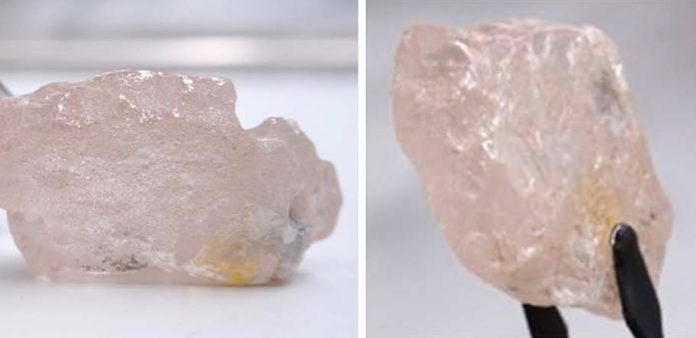
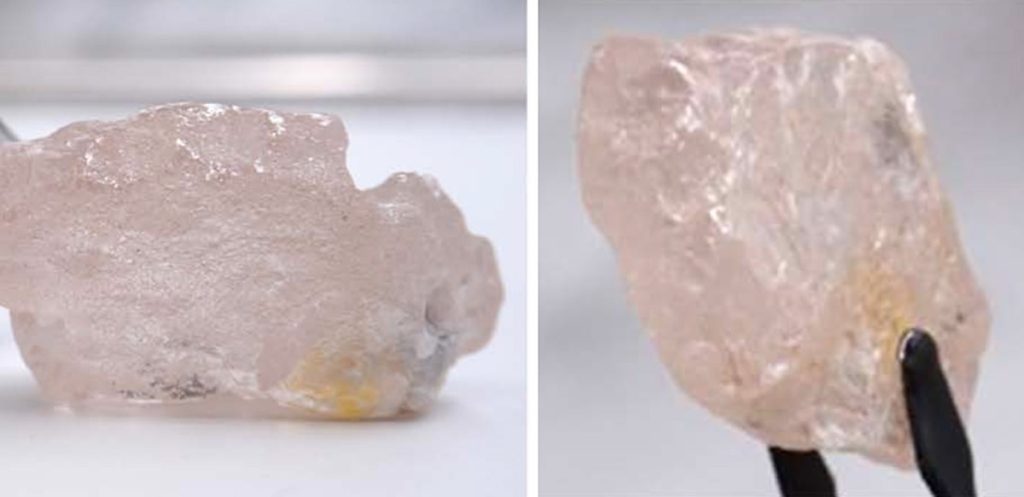
Miners in Angola have uncovered another giant pink diamond just seven years after they opened the mine in 2015.
The 170-carat stone is a historic find because it is believed to be the largest pink diamond recovered in the last three hundred years.
The diamond has been given the name “The Lulo Rose”, named for the mine itself, which has been extraordinary in its revelations.
So far, the Lulo mining project has uncovered 27 diamonds weighing more than 100 carats, including the largest diamond ever found in Angola: the 404-carat ‘4th February Stone,’ which sold for $16 million in 2016.
This historical pink diamond is the 5th largest diamond found in the Southern African nation.
The Lulo Rose will be sold by Sodiam E.P, the Angolan State Diamond Marketing Company.
“Lulo is truly a gift,” said Lucapa Diamond Company Managing Director Stephen Wetherall. “We are once again made very proud by yet another historic recovery.”
Quote of the Day: “It’s the people who never learn the word impossible who make history, because they’re the ones who keep trying.” – Leigh Bardugo
Photo by: Grégoire Hervé-Bazin
With a new inspirational quote every day, atop the perfect photo—collected and archived on our Quotes page—why not bookmark GNN.org for a daily uplift?
Southwest Airlines announced its first-ever mother/daughter pilot duo, after Captain Holly Petitt joined First Officer Keely Petitt in the cockpit.
Mother Holly Petitt started her aviation career fresh out of college as a flight attendant working for another carrier. After riding the jumpseat in the flight deck, she realized she wanted to learn to fly planes. She then got to work training and obtaining her certifications.
Holly also took care of her three kids while taking flight lessons. With the help of her husband and mom, she was able to pursue her dream of being a pilot.
Holly’s daughter, Keely, grew up around the Southwest Airline Family and later became an extension of it. At 14, Keely realized she wanted to follow in her mom’s footsteps and become a pilot. She earned her pilot’s license, and even landed an internship at Southwest in fall 2017—a runway for Keely to learn more about an aviation career.
“Southwest was always the end goal for me,” said Keely. “There was really never any other option.”
After working hard as the second generation, she and her mother became Southwest’s first mother/daughter Pilot duo.
“It’s been a dream come true,” said Holly. “First, I found this career and fell in love with it, and then that one of my kids fell into this and in love with this career too. It’s surreal.”
Not only are Holly and Keely making Southwest history, but also they’re breaking barriers and empowering women of all ages to pursue their dreams in aviation to reach for the skies.
UPLIFT People on Social Media With This Inspiring Duo…
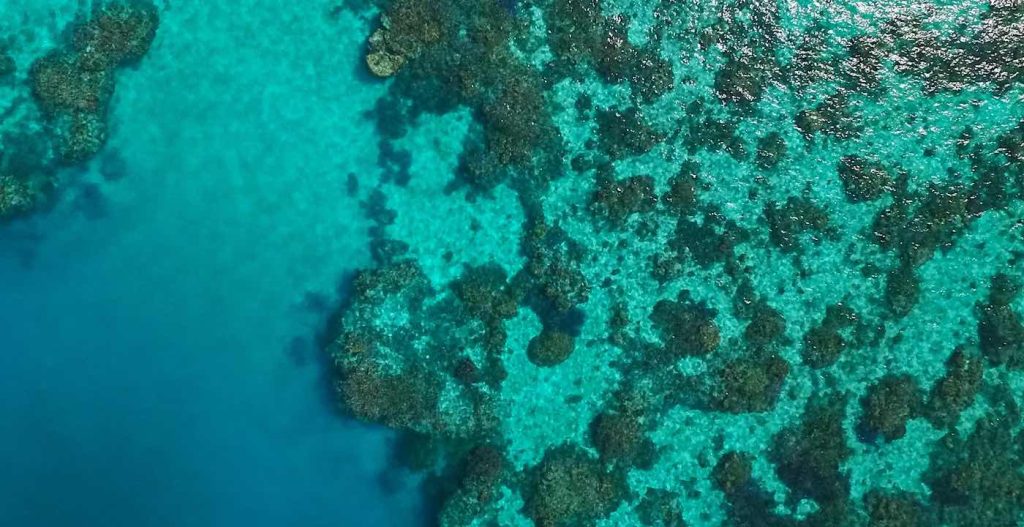
Australian Institute of Marine Science 2022 Report
Australian Institute of Marine Science 2022 Report
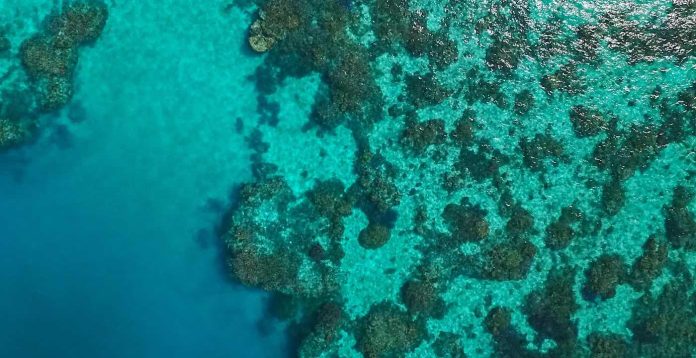
The northern and central Great Barrier Reef have recorded their highest amount of coral cover since the Australian Institute of Marine Science began monitoring 36 years ago.
Published today, the group’s Annual Summary Report on Coral Reef Condition for 2021/22 shows another year of increased coral cover across much of the Reef—with increases of 7-9 percent in several areas.
In the 87 representative reefs surveyed between August 2021 and May 2022 with a Long-Term Monitoring Program, average hard coral cover in the region north of Cooktown increased to 36% (from 27% in 2021) and to 33% in the central Great Barrier Reef (from 26% in 2021).
However, average coral cover in the southern region was down 4% in that same period.
AIMS CEO Dr. Paul Hardisty said the results in the north and central regions were a sign the Reef can recover, but warns about the increased frequency of coral bleaching events, which are a coral’s response to stressful conditions such as heat. A condition from which they still can survive.
Dr. Hardisty said their understanding of how the ecosystem responds to bleaching is still developing.
“The 2020 and 2022 bleaching events, while extensive, didn’t reach the intensity of the 2016 and 2017 events and, as a result, we have seen less mortality,” he said in a release.
These latest results demonstrate the Reef can still recover in periods free of intense disturbances.
AIMS monitoring program team leader Dr Mike Emslie said the 2022 results built on the increases in coral cover reported for 2021, with most of the increase continuing to be driven by fast-growing Acropora corals.
A third of the gain in coral cover recorded the previous year in the south was lost last year due to ongoing crown-of-thorns starfish outbreaks, according to the report, which is the largest, longest, and most comprehensive information source on the health of the Great Barrier Reef.
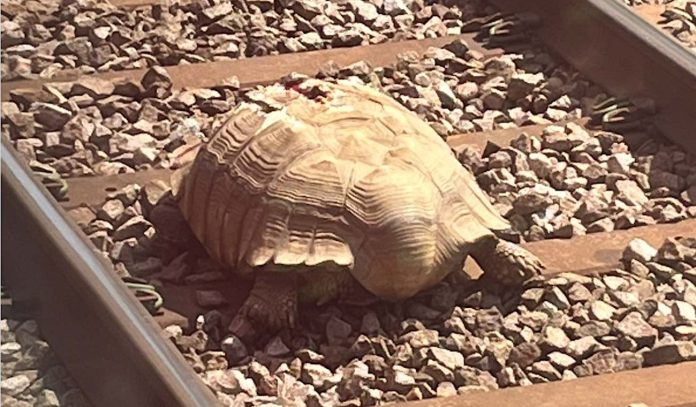
The August 1st incident caused four rail lines to be affected—with two trains being terminated early and another starting 20 minutes behind schedule.
The 140-pound animal was checked out by vets, but was only superficially affected when a 4-5 inch piece of its shell broke off. They said it should grow back over time, but all its organs are fine.
Quote of the Day: “This is the only perfection there is, the perfection of helping others. This is the only thing we can do that has any lasting meaning.” – Andre Agassi
Photo by: Sebastián León Prado
With a new inspirational quote every day, atop the perfect photo—collected and archived on our Quotes page—why not bookmark GNN.org for a daily uplift?
Just a small portion of Jarlsberg can help stop bones getting weaker without boosting cholesterol, according to new findings.
Researchers say health benefits are unique to the Nordic dairy product and aren’t found in other types of cheese.
Jarlsberg is a nutty, mild and semi-soft cheese with holes in that is made from cow’s milk.
It comes from a town of the same name in Eastern Norway.
The researchers hope that in future the cheese could stop osteoporosis and help prevent diabetes, but say more research is needed.
Earlier research had suggested it boosts levels of osteocalcin, a hormone that gives us strong bones and teeth.
It had not been clear whether this link was specific to Jarlsberg cheese or applied to all types of cheese.
To find out, the researchers studied 66 healthy women who were either given a 0.12 pound piece of Jarlsberg (57 grams) or a 50-gram portion of Camembert cheese every day for six weeks.
Participants were all healthy, of healthy weight and had an average age of 33.
Afterwards the group who had been munching on Camembert were told to nibble on Jarlsberg for six weeks.
Both cheeses have similar levels of fat and protein but Jarlsberg is also rich in vitamin K2 while Camembert is not.
One form of vitamin K2 is found in animal products such as liver while others come from bacteria and are found in fermented foods such as cheese.
Blood samples were taken from participants to check for important proteins, osteocalcin and a peptide (PINP)—which helps bones renew themselves and stay young.
Blood samples showed key signs of bones renewing themselves and of vitamin K2 had increased after six weeks among people who ate Jarlsberg.
Among people who ate Camembert, PINP levels stayed the same while those for other indicators of bone health fell slightly.
Levels of both PINP and the chemical and biological indicators rose significantly after they switched to Jarlsberg.
Blood fats increased slightly in both groups but cholesterol levels tumbled in people once they made the switch from Camembert to Jarlsberg.
The amount of glucose in red blood cells fell by three per cent in people who had eaten Jarlsberg but rose by two per cent in people who are Camembert.
Once they had switched to Jarlsberg the glucose levels fell again.
Calcium and magnesium levels which can weaken bones fell in people who ate Jarlsberg but remained unchanged in people who ate Camembert.
Bacteria in the cheese produce the substance DNHA which earlier studies have suggested could reduce bone thinning and increase bone tissue formation. They say this could explain the rise in osteocalcin.
“Daily Jarlsberg cheese consumption has a positive effect on osteocalcin, other markers of bone turnover, glycated haemoglobin, and lipids,’’ says author Dr. Helge Elnar Lundberg from the Skjetten Medical Centre in Norway, whose study was published in the journal BMJ Nutrition, Prevention and Health.
Professor Sumatra Ray, Executive Director of the NNEdPro Global Centre for Nutrition and Health which co-owns the journal said, ‘’This study shows that while calcium and vitamin D are known to be extremely important for bone health, there are other important factors at play such as vitamin K2, which is perhaps not as well known.
‘’Different methods of preparation mean there are key differences in the nutrient composition of cheese, which has often been regarded as a homogenous food item in dietary research to date.”
He cautioned that this is a small study in young and healthy people (and) the findings need to be interpreted with caution—not taken as a specific recommendation.
GET OUT the Cheese Board and Share the News With Friends on Social Media…
A sunken crown jewel hidden in The Bahamas since 1656—the shipwrecked remains of the Spanish galleon Nuestra Señora de las Maravillas (Our Lady of Wonders)—goes on display this week for the first time.
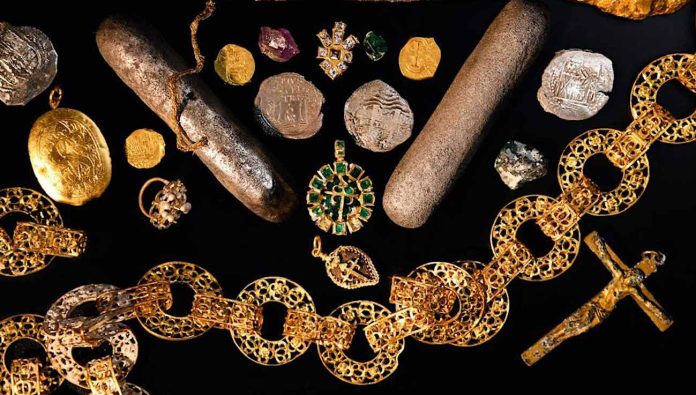
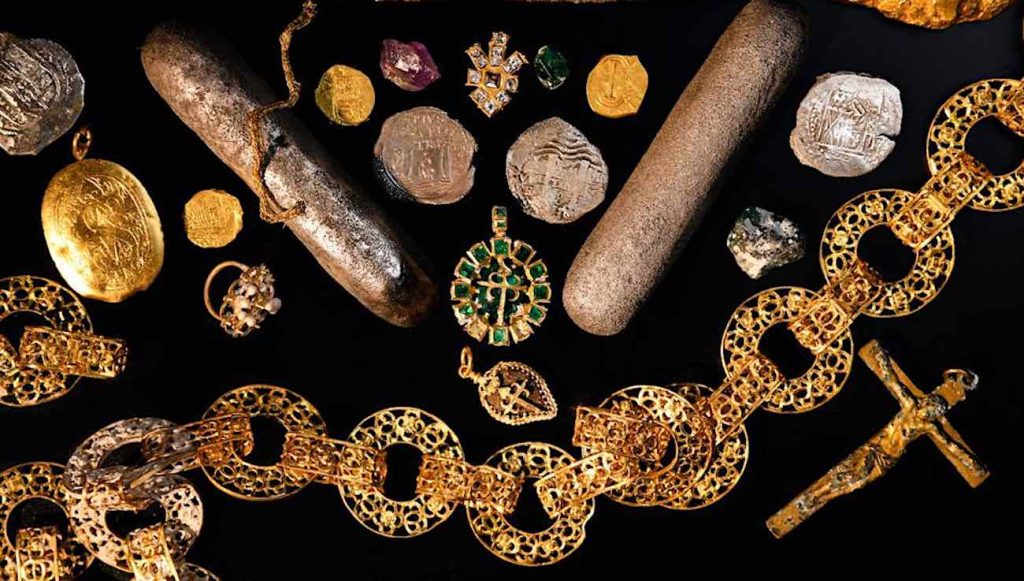
By BRENDAN CHAVEZ / ALLEN EXPLORATION
The huge ship was part of a fleet headed back to Spain from Cuba, loaded with royal and private consignments. Also onboard was a former Spanish cargo wrecked off Ecuador a year and a half earlier. The Maravillas ended up colliding with its fleet flagship, hitting a reef 30 minutes later and sinking.
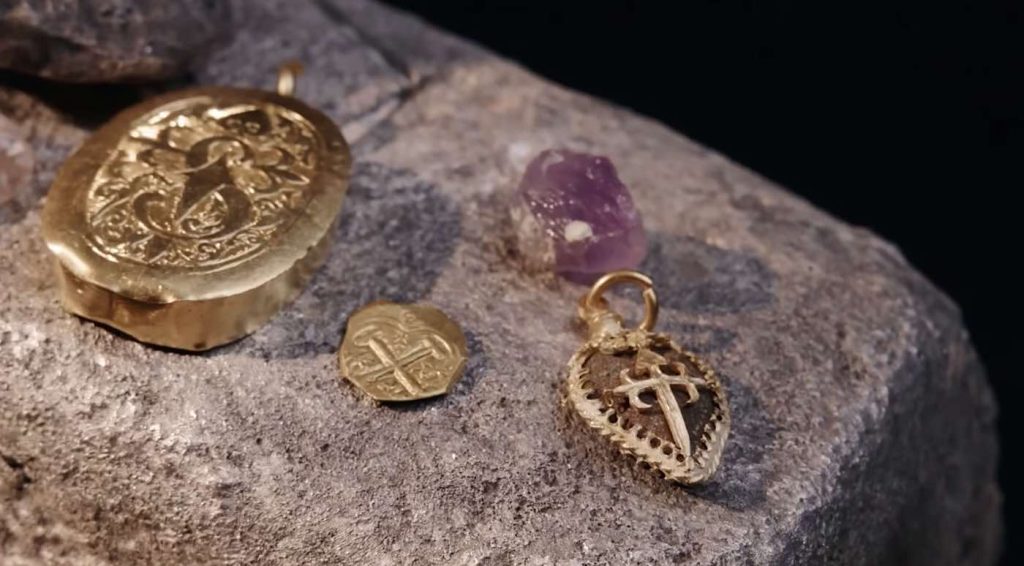
Treasure-seeking divers from Allen Exploration are currently exploring a trail of debris left behind by the ship, uncovering remarkable finds. Along with Spanish olive jars, Chinese porcelain, iron rigging, and gold and silver coins, the team has discovered a silver sword handle that belonged to the soldier Don Martin de Aranda y Gusmán.
Three gold chains have been saved, as well as four pendants worn by members of the sacred Order of Santiago, a religious band of knights deeply active in Spanish maritime trade. All these finds are unique among the world’s three million shipwrecks. “The Maravillas is an iconic part of The Bahamas’s maritime history,” says Carl Allen, entrepreneur, explorer, philanthropist, and founder of AllenX. “Some say the remains were ground to dust (but) using modern technology and hard science, we’re now tracking a long and winding debris trail of finds.”
The company was licensed by the Bahamian government to explore the Maravillas scientifically and share its wonders with everyone by sponsoring the first maritime museum in The Bahamas.
“The galleon was stuffed with contraband illegally greasing the palms of Spanish merchants and officials,” said Allen. Because contraband was rampant, nobody knows what actually went down on the Maravillas. “That’s part of its legend.”
Two years of fieldwork has exceeded expectations: “Sparkling finds: olive jars, the spikes that held the Maravillas together, the odd cannon and anchors. And then there are the lucky strikes. Scatters of emeralds and amethysts mined in Colombia, not registered on the manifest, are tell-tale proof of contraband trafficking.”
A stunning AllenX discovery is a 2-pound gold filigree chain (887 grams), 70 inches long, made up of 80 alternating circular flat and tubular links measuring 176 centimeters. They are decorated with four-lobed rosette motifs. No exact parallels exist from other excavations, in museum collections or are seen in Spanish portrait art. The Maravillas chain was intended for a wealthy aristocrat or even royalty. It was probably crafted in the Philippines from local gold, using Chinese craftsmen, and then exported to Spain by way of Mexico on a Manila galleon.
Jewels from Maravillas shipwreck – Carl Allen Explorations / Youtube
The star finds from AllenX’s exploration so far are the Order of Santiago jewels. A golden pendant with the Cross of Santiago (St. James) at its center, just 3.5 centimeters long, was designed in the form of a scallop shell. The pendant is reinforced on its back edge by what is seemingly an Indian bezoar stone, famous in Europe for its powerful healing properties.
(Scallops were picked up along the coast of Galicia and carried home by pilgrims who had visited the shrine of Santiago de Compostela, one of Europe’s most important pilgrimage centers, built by King Alfonso III in AD 899. The Basilica of St. James supposedly held the apostle’s bones. Knights of the Order of Santiago were charged since medieval times with protecting from attack the 800-kilometer pilgrim’s route stretching from the Pyrenees to Galicia.)
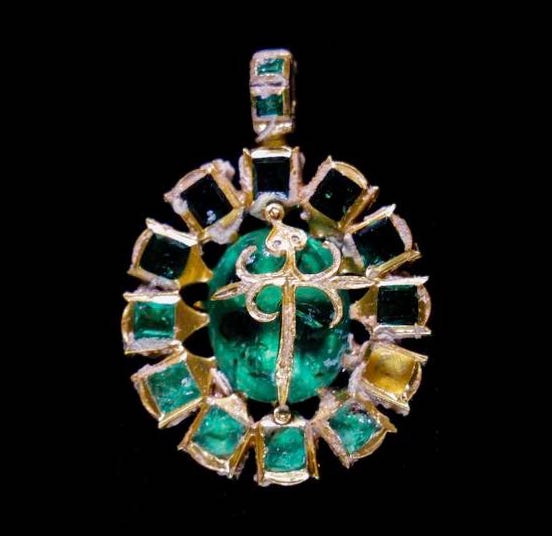
Emerald and gold pendant from Maravillas shipwreck, by NATHANIEL HARRINGTON / ALLEN EXPLORATION
A second golden pendant found on the Maravillas’ debris trail is oval in shape and 1.7 inches long (4.7 cm). At its center a gold Cross of St. James overlies a large green oval Colombian emerald. The outer edge is framed by 12 more square emeralds, perhaps symbolizing the 12 apostles. To these can be added the team’s discovery of a 2.2-inch (5.3 cm) majestic oval gold locket with an elaborate cross of St. James framed by swirling foliage incised on the back, and a tiny golden cross, probably fallen out of another pendant. All these artworks were crafted to an exquisite standard and are again unique among excavated remains, museum collections and portrait art.
“When we brought up the oval emerald and gold pendant, my breath caught in my throat,” says Mr. Allen, who built a highly successful plastics business over 35 years. “I feel a greater connection with everyday finds than coins and jewels, but these Santiago finds bridge both worlds. The pendant mesmerizes me when I hold it and think about its history. How these tiny pendants survived in these harsh waters, and how we managed to find them, is the miracle of the Maravillas.”
Unlike former projects that had a commercial focus, Allen Exploration is committed to keeping its entire collection together for public display in The Bahamas Maritime Museum. Nothing is being sold. Quite the opposite. Carl Allen is buying back past shipwreck material to return it to The Bahamas.
While searching for the missing Maravillas, Allen Exploration has so far discovered around 18 wrecks. There are hundreds more on the Little Bahama Bank and thousands spread across The Bahamas.
The new exhibit opens on August 8, in Allen Exploration’s Bahamas Maritime Museum in Freeport, Grand Bahama. In 2016, Carl sold his companies and went pro with Allen Exploration, eventually buying Walker’s Cay in 2018, the nearest island to the wreck site of the Maravillas, which he is revitalizing as a must-see tourist destination.
Allen Exploration’s team, made up of marine archaeologists, operations’ directors and local Bahamian divers, has plotted over 8,800 magnetometer targets across a search area measuring around 7.5 x 5 miles (12 x 8 km). The finds fit the profile of personal property that drifted miles away from the central wreck on broken sections of the wooden hull.
The 891-ton capacity ship featured two decks and three bilge pumps. The superstructure included three cabins with two galleries, two poop decks, a chapel for mass and an upper cabin. The Maravillas cut through the waves protected with a fearless golden lion as a figurehead. Devotional oil paintings adorned the stern. The ship’s crew was composed of seven officers, 100 soldiers, 71 marines, 35 gunners, 30 seamen and 11 apprentice seamen.
The 1654 fleet reached Cartagena in August 1654, but the following year received orders to return rapidly to Spain, only to be heavily delayed again by a strong presence of English warships. On January 4, 1656, the Maravillas’ navigator realized the water depth was getting increasingly shallow. In the darkness, the flagship, the Nuestra Señora de la Concepción, tried to turn, but smashed into the side of the Maravillas’ bows. In less than 30 minutes after the collision, the Maravillas violently struck a reef and sank. Enormous waves broke the ship into pieces. The majority of the 650 people on the galleon were never to be seen again. By sunrise, only 45 people had survived.
In 1992 the Government of The Bahamas enacted a moratorium on the issuance of licenses for shipwreck salvage. The seas stayed closed until 2019, when Carl Allen was awarded a new license to conduct exploration of a scientific and archaeological nature. Allen Exploration submits monthly written scientific reports to the government, presenting aims and results, including illustrations, distribution maps of finds and lists of discoveries.
SHARE the Jewels and Mystery With Treasure Hunters on Social Media…