











All News - Page 374 of 1736 - Good News Network
Home Blog Page 374

New DNA From a Tooth Confirms Famous Wild Ponies in Maryland Descended From Spanish Shipwreck

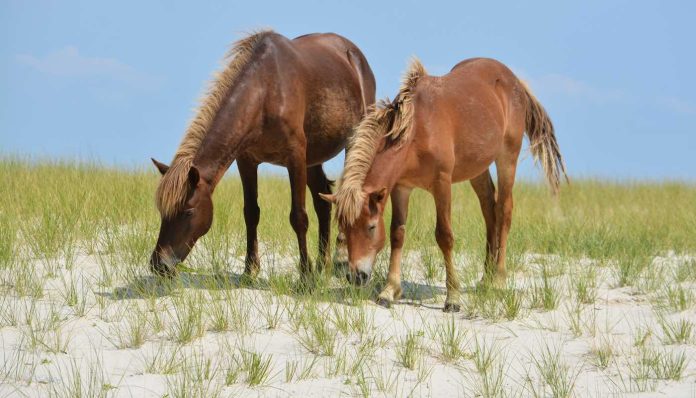
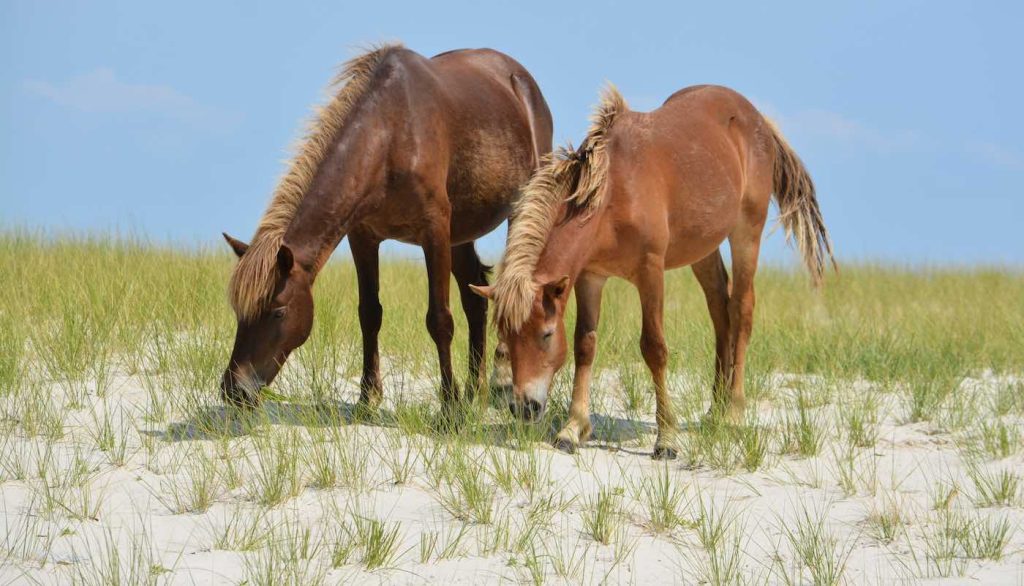
Chincoteague wild ponies: PHOTO BY THE NATIONAL PARK SERVICE-CCO (via UFL.edu)

Wild feral horses have roamed freely across an island off the coast of Maryland and Virginia for hundreds of years, but exactly how they got there has remained a mystery. Now, in a new study, ancient DNA extracted from a 16th century tooth suggest that the old folk tales claiming that horses were marooned on Assateague following a Spanish shipwreck are likely true.

An abandoned Caribbean colony unearthed centuries after it had been forgotten and a case of mistaken identity with the tooth—long thought to be from a cow—have conspired to rewrite the history of that barrier island 1,000 miles away.

Those seemingly unrelated threads were woven together when Nicolas Delsol, a postdoctoral researcher at the Florida Museum of Natural History, set out to analyze ancient DNA recovered from cow bones found in archaeological sites. Delsol wanted to understand how cattle were domesticated in the Americas, and the genetic information preserved in centuries-old teeth held the answer. But they also held a surprise.

“It was a serendipitous finding,” he said. “I was sequencing mitochondrial DNA from fossil cow teeth for my Ph.D. and realized something was very different with one of the specimens when I analyzed the sequences.”

The specimen in question, a fragment of an adult molar, wasn’t a cow tooth at all but instead once belonged to a horse. According to a study published last week in the journal PLOS ONE, the DNA obtained from the tooth is also the oldest ever sequenced for a domesticated horse from the Americas.

The tooth was excavated from one of Spain’s first colonized settlements. Located on the island of Hispaniola, the town of Puerto Real was established in 1507 and served for decades as the last port of call for ships sailing from the Caribbean. But rampant piracy and the rise of illegal trade in the 16th century forced the Spanish to consolidate their power elsewhere on the island, and in 1578, residents were ordered to evacuate Puerto Real.

LOOK: Willie Nelson Has Rescued 70 Horses Destined for the Slaughterhouse, So They Can Roam Free On His Farm

The remnants of the once-bustling port were inadvertently rediscovered by a medical missionary in 1975 and archaeological excavations of the site led by the Florida Museum were carried out until 1990.

Horse fossils are incredibly rare from the time period, primarily due to the way Spanish colonialists valued their livestock.

“Horses were reserved for individuals of high status, and owning one was a sign of prestige,” he said. “There are full-page descriptions of horses in the documents that chronicle the arrival of Cortés in Mexico, demonstrating how important they were to the Spanish.”

In contrast, cows were used as a source of meat and leather, and their bones were regularly discarded in communal waste piles called middens. But one community’s trash is an archaeologist’s treasure, as the refuse from middens often confers the clearest glimpse into what people ate and how they lived.

RELATED: Wild Horses Finally Return to Homeland 50 Years After They Vanished

The specimen’s biggest surprise wasn’t revealed until Delsol compared its DNA with that of modern horses from around the world. Given that the Spanish brought their horses from the Iberian Peninsula in southern Europe, he expected horses still living in that region would be the closest living relatives of the 500-year-old Puerto Real specimen.

IMAGE BY DELSOL IN PLOS ONE-CC

Instead, Delsol found its next of kin over 1,000 miles north of Hispaniola, on the island of Assateague off the coast of Maryland and Virginia. Feral horses have roamed freely across the long stretch of barrier island for hundreds of years, but exactly how they got there has remained a mystery.

According to the National Park Service, which manages the northern half of Assateague, the likeliest explanation is that the horses were brought over in the 1600s by English colonists from the mainland in an attempt to evade livestock taxes and fencing laws. Others believe the feral herds descended from horses that survived the shipwreck of a Spanish galleon and swam to shore—a theory popularized in the 1947 children’s novel Misty of Chincoteague. The book was later adapted to film, helping spread the shipwreck legend to an even wider audience.

MORE: 20-Year-old Horse Swept Away by Flood Returns Unscathed 13 Days Later

Until now, there has been little evidence to support either theory. Proponents of the shipwreck theory claim it would be unlikely that English colonists would lose track of valuable livestock, while those in favor of an English origin of the herds point to the lack of sunken vessels nearby and the omission of feral horses in historical records of the region.

The results of the DNA analysis, however, unequivocally point to Spanish explorers as being the source of the horses on Assateague.

The feral herds on Assateague weren’t the only horses to revert back to their wild heritage after arriving in the Americas. Colonists from all over Europe brought with them horses of various breeds and pedigrees, some of which bucked their bonds and escaped into the surrounding countryside.

Today, the U.S. Bureau of Land Management estimates there are roughly 86,000 wild horses across the country, most of which are located in western states, such as Nevada and Utah. Delsol hopes that future ancient DNA studies will help decode the complex history of equine introductions and migrations that occurred over the last several centuries and offer a clearer understanding of today’s diversity of wild and domesticated horses.

GALLOP This Mystery Story to Horse Lovers By Sharing on Social Media…

“Be strong, saith my heart; I am a soldier; I have seen worse sights than this.” – Homer, The Odyssey

Quote of the Day: “Be strong, saith my heart; I am a soldier; I have seen worse sights than this.” – Homer, The Odyssey

Photo by: Miguel Bruna

With a new inspirational quote every day, atop the perfect photo—collected and archived on our Quotes page—why not bookmark GNN.org for a daily uplift?


Stray Dog Crashes Couple’s Wedding – and Becomes Part of Their New Family

TAMÍRIS MUZINI - released
TAMÍRIS MUZINI – released

Douglas Robert and Tamíris Muzini were ready for their big day, when they would commit to celebrating happily ever after together, but Tamíris didn’t know there was someone else.

As the blushing bride arrived at the church, she noticed a wedding crasher had come by—a stray blonde dog that was mingling gently with guests.

Not putting paw nor tail out of place, the ceremony eventually commenced with the dog sitting down by the doorway to watch, as if he knew what was happening.

After it was all said and kissed, the beautiful couple made for the exit. That’s when the dog suddenly became excited.

“When he greeted us at the end, he asked: ‘Take me home. Take me,'” Muzini told The Dodo.

They decided in that very moment to make their happily ever after fit for three, adopting and naming the scrawny pooch Braiá Caramelo.

LOOK: Dog Sneaks Into Couple’s Home and Snuggles Her Way Into Their Bed During Storm

TAMÍRIS MUZINI – released

Scars abound suggests that his road to the door of the church that fateful day had not been an easy one, but that’s all behind him now.

READ MORE: Students Write Adorable Letters on Behalf of Shelter Animals to Boost Adoptions – And it Worked

“He’s so loving. Despite everything he’s been through, he still believes in the goodness of people,” Muzini added. “He gives us hope.”

Instagram posts suggest the three are doing very well, settling into a new lifetime together in stride.

WATCH the moment when the three of them got married… 

BARK About This Trio’s Newfound Love On Social Media…

Music Helps Reconnect Elderly Patients with their Memories in New Study

Getty Images for Unsplash+

When Paul McCartney wrote “Get Back,” he never would have predicted how useful or relevant the song would become for music therapists.

The song’s refrain—“Get back to where you once belonged”—might as well be a therapist encouraging a dementia patient to recall a distant memory. In new research, Psyche Loui, an associate professor of music, is attempting to do exactly that.

Loui found that for older adults who listened to some of their favorite music, including The Beatles, connectivity in the brain increased. Specifically, Loui—and her multi-disciplinary team of music therapists, neurologists and geriatric psychiatrists—discovered that music bridged the gap between the brain’s auditory system and reward system, the area that governs motivation.

“There’s something about music that is this functional connectivity between the auditory and reward system, and that’s why music is so special and able to tap into these seemingly very general cognitive functions that are suddenly very engaged in folks with dementia who are hearing music,” said Loui, who directs the Music Imaging and Neural Dynamics Lab, and whose paper was published in Nature’s Scientific Reports.

The original idea for this research came out of Loui’s own experiences playing music in nursing homes. She recalled how people who couldn’t finish a sentence or thought would suddenly harmonize and sing along to a song she was playing.

“[Music] seems to engage the brain in this way that’s different than everything else,” Loui said.

RELATED: Listening to Music With a Groove Actually Boosts Brain Function

The researchers had a group of older adults between the ages of 54 and 89 from the Boston area listen to a playlist for an hour every day for eight weeks and journal about their response to the music afterward.

Loui and the team would scan the participants’ brains before and after listening in order to measure their neurological response.

Playlists were highly personalized and featured a combination of the participants’ self-selected songs, which ranged from The Beatles to Bruce Springsteen, and a preselected mix of classical pieces, pop and rock songs and new compositions created by Hubert Ho, an associate teaching professor of music at Northeastern. Participants would then rate each song based on how much they liked it and how familiar it was.

“The most important lesson that we learned from the music therapist was that there is no one-size-fits-all for what kind of music works best,” Loui said.

What the researchers found was striking: music was essentially creating a channel directly between the auditory center and the medial prefrontal cortex, the brain’s reward center and one of the areas to lose its activity and functional connectivity in aging adults, especially in folks with dementia, Loui said.

Music that was both familiar and well-liked tended to activate the auditory and reward areas more. However, the music that participants selected themselves provided an even stronger connection between these two areas of the brain.

“This might be the central mechanism for what changes happen in the brain when you’re listening to music and when you’re consistently, persistently and mindfully listening to music over the course of an intervention,” Loui said.

Loui hopes this study, which is one of the first to document neurological changes from extended exposure to a music-based intervention, could have a significant impact in a field that has quickly risen in prominence.

The National Institute of Health is currently pushing initiatives around music therapy, and AARP’s Global Council on Brain Health recently convened a panel, which Loui served on, to examine evidence of music’s influence on brain health. The panel ultimately formed recommendations for how people ages 50 and over can incorporate music into their lives to promote mental wellness.

Music’s ability to calm older adults and people with mental illness is well-documented, Loui said; but what’s less known is how and to what extent music can help improve memory, cognition and executive function.

SIMILAR: Meditation and Music May Reverse Early Memory Loss in Adults

“That’s something we’re working on right now, and I think there might be something about the fact that music is an art that unfolds over time,” Loui said. “For example, you’re listening for a beat and then you can tap your toes to the beat. That kind of process engages the brain’s reward systems and cognitive systems in ways that might be beneficial for long-term cognitive functions.”

Moving forward, Loui hopes to extend her study to older adults who have cognitive and neurodegenerative disorders, people who might benefit even more from the effects of music therapy.

“We’re trying to design these new therapies to take advantage of the rhythmic properties of music and the rhythmic properties of the brain,” Loui said, “and the tuning of neural populations towards the acoustic signals of the music might be useful for improving cognition.”

Fungi Species New to Science Discovered in Scottish Highlands

/ Scottish Highlands. Dan Molter (shroomydan) at Mushroom Observer /
The rare violet coral fungus – Dan Molter (shroomydan) at Mushroom Observer. CC 2.0.

What happens when you take 216 teaspoons of dirt from 55 remote Scottish mountains? Discovery, that’s what.

Scientists doing a survey of soil-born microorganisms in Scotland’s Cairngorms National Park found a bounty of notable DNA strands, including a species of fungi that is entirely new to science, and two that are new to the UK.

In 2021 a team of volunteers working with conservation charity Plantlife, and the UK’s James Hutton Institute took soil samples from 55 of the 58 “Munros” or mountains, in the Cairngorms to see what effects climate change and air pollution was having on the soil life in these remote highlands.

DNA extracted from the soil revealed it contained 2,748 fungal taxa, including 2 which have never been found in the UK.

READ ALSO: Research Suggests Mushrooms Talk to Each Other With a Vocabulary of 50 ‘Words’

The pair were remarkable because Amanita groenlandica is found in Greenland or as far south as Scandinavia, and Acrodontium antarcticum, is from Antarctica. It’s the highlands’ unique cold and snowy weather that allows this circumpolar pair to live outside the polar regions.

Additionally, the team found an entirely new species from the fungal genus squamanita, and a super rare violet coral fungus—an superb indicator of grasslands health.

Yet the mystery for the team goes far deeper than a few cool notables to share with the public; their survey identified fungal DNA from which only 10% could be identified with a named species, so the work continues and more surprises may come-a-springing.

“Fungi are crucially important to the functioning of our alpine ecosystems, but because they are mostly hidden below ground, and because alpine ecosystems are remote and difficult to access, we know very little about the distribution and diversity of fungi in this iconic habitat,” said Andrea Britton, Ecologist at the James Hutton Institute.

RELATED: World’s Vast Networks of Underground Fungi to be Mapped for First Time to Protect Trillions of Miles

“Thanks to the hard work of volunteers and scientists coming together, the data from this survey will add significantly to our knowledge of this vital group and can be used to start identifying which habitats and locations are particularly important for conservation of fungal diversity.”

HIKE This News Of Rare Fungi To Your Friends On Social Media…

Playing Sports at School Makes People Grittier and Harder Working

Playing sports at school makes people “grittier” and harder working, boosts the chances of achieving long-term goals, and having successful careers, say scientists.

Oftentimes old fashioned notions about people arose from a collected experiential wisdom, and in this case, Teddy Roosevelt’s notion that sports hardens a young man seems correct.

A study looked at adults who took part in organized sports as children—such as football, baseball and basketball, and measured them for “grit.”

The trait was defined as a combination of passion, perseverance, courage, endurance, resilience, and conscientiousness.

How does one measure grit without Navy Seal training?

CHECK OUT:  Watch the Adorable Video of US Student Teaching Italian Kids to Play American Football

The Ohio State University team analyzed National Sports and Society Survey data on almost 4,000 men and women across the US and asked study participants to rate themselves on a scale of 1-5 on eight statements.

They included “I am diligent. I never give up” and “I am a hard worker.” None of the statements was directly related to sports.

34% of those who did sports as a youngster scored high on the grit scale, compared to 23% of peers who opted out or gave up. One in four of those who never played sports ranked low, compared to just 17% of those who did.

Lead author Dr. Emily Nothnagle said practicing drills on the field can improve pupils’ lives for decades, adding “the grit they develop playing sports can help them the rest of their lives.”

True grit

Those who participated in sports during the past year showed more grit than those who didn’t, said co-author Professor Chris Knoester.

“Adults who played youth sports but dropped out did not show higher levels of grit,” Prof. Knoester “They actually demonstrated lower levels of grit after we included a proxy measure of how sports mattered for the development of grit while growing up.”

The findings, published in the journal Leisure Sciences, were supported by more sophisticated statistical analyses that accounted for respondents’ demographic characteristics.

But it appears only children who keep at it—and play continually—get the benefit, say the researchers. Some may just be born with the grit to help them succeed at sports as a young person and then continue to benefit from that trait as an adult.

“Quitting could reflect a lack of perseverance, which is a crucial component of grit,” said Knoester. “It could also make quitting an activity, and not persevering, easier the next time.”

Adults who played sports as kids generally perceived the experience helped improve their work ethic, and that perception was linked to their grit scores as adults even though the researchers said people can gain or lose grit throughout life.

For instance adults who said they participated in sports regularly within the last year exhibited higher levels of grit.

READ ALSO: 73% of Kids Want to Spend More Time With Their Parents; And Here Are 20 Things They Want to Do

“This additional finding about sports participation in adulthood suggests that you can build and perhaps lose grit during different points in your life,” said Knoester. “It is not a static quality.”

Prof. Knoester added that sports offer a valuable place in society where one can work hard and practice and take it really seriously, but wherein it’s also not real life to some extent.

“Typically, sports are thought of as a separate sphere of life and the stakes in sports are not as far-reaching and extreme,” he said. “But you can take those lessons you learn and practice in sports, such as building grit, and apply them in your life outside of sports in very useful ways.”

“Good ideas are elusive and must be captured in flight…. Jot down a good thought the moment after it lights up your mind.” – Henry Hazlitt

Quote of the Day: “Good ideas are elusive and must be captured in flight…. Jot down a good thought the moment after it lights up your mind.” – Henry Hazlitt 

Photo by: Miquel Parera

With a new inspirational quote every day, atop the perfect photo—collected and archived on our Quotes page—why not bookmark GNN.org for a daily uplift?


7-Year-Old Massiah Is Hero After Rescuing a Drowning 3-Year-Old – All on His Own

Massiah Browne - released by Tiara Delvalle
Massiah Browne – released by Tiara Delvalle

A 7-year-old from Sacramento was the unlikely savior of a 3-year-old toddler who would have certainly drowned without help.

Last week 7-year-old Massiah Browne went down to enjoy the pool at the apartment complex where he lives when he noticed out of the ordinary.

“I was just playing in the pool and then I saw a boy at the bottom of the pool,” Massiah, a second-grade student, told “Good Morning America.” “And I went to go get him.”

Swimming down into 6 feet of water, he grabbed the arm of a 3-year-old toddler whose eyes and mouth were open, and managed to pull him to the surface, where a relative of Massiah’s, 9-year-old Savannah, helped them both out onto solid ground.

RELATED: Caught on Camera: Teen Hero Dives Into Bay to Save Drowning Woman From Sinking Car

Adults who had caught wind of what was happening had called 911 and raced down to help. According to ABC, Savannah’s mom performed CPR on the child who was helped to breathe again by the same Fire and Rescue arrived.

Massiah Browne and relative Savannah – released by Tiara Delvalle

“The child was transported in critical condition with advanced life support efforts provided by Sacramento firefighters,” a spokesperson for Sacramento Fire Department said.

Massiah’s father Marcus, an Olympic boxer who represented the United States at the 2012 Olympics in London, said his son loves the water and swims like “a fish,” but that despite the surprise, it really typed who Massiah is.

“He’s super empathetic so for him to do something like that, I mean, it’s really nothing out of the norm it’s just crazy that he’s 7-years-old and he’s doing something like that.”

WATCH Fox report on the story and hear from the family… 

CELEBRATE This Kid Hero Who Acted Before Anyone Else… 

Study Shows Duolingo Learning Outcomes Are Comparable to University Classes

A study found that, despite being a 1-week wonder-kind-of-habit, people who study languages on Duolingo perform as well as University students with years under their belts.

The most popular language-learning platform on Earth, Duolingo offers courses on more than 20 languages, but whether or not they materialize as useful is difficult to ascertain.

The experiment, published in Foreign Language Annals, demonstrated that Duolingo learners who completed five units in the Spanish or French courses performed as well on reading and listening tests as students who had completed four semesters of university language instruction.

What’s more is that Duolingo learners achieved four semesters of proficiency in reading and listening in less than half the time as their college counterparts.

“Our results indicate that learners who use Duolingo as a tool for self-directed study show substantial proficiency development,” said Dr. Xiangying Jiang, lead learning scientist at Duolingo and first author on the publication.

RELATED: Duolingo Has Created a Course for “High Valyrian” the Dragon Language From Game of Thrones

“We hope to have shed light on the potential effectiveness and comparability of Duolingo, as measured through standardized tests.”

Further research has shown no sign of plateauing, since Duolingo learners who completed seven units of the Spanish or French courses earned reading and listening scores comparable to five university semesters.

“It’s important for us to develop courses and teaching tools that deliver the highest-quality language education to all learners,” said Dr. Cindy Blanco, senior learning scientist at Duolingo. “This research represents real progress towards achieving our mission of providing high-quality education for everyone.”

As far as free apps go, it’s hard to top Duolingo. There’s a million ways to learn Spanish or French, but Duolingo includes courses on languages that may be harder to find free instruction for but that one might need for a vacation, such as Ukrainian, Vietnamese, Indonesian, or the Scandinavian languages.

Condividi Questa Notizia Buona Alle Vostre Social…

Livin’ Good Currency Ep. 18: Jen Saxton Translating Every Mom’s Experiences Into Baby Industry Dominance

The Lesson: Having her own children, encouraging better work—family life balance in the office, and understanding the difficulties and urgency parents go through when they need a service related to their toddler, Jen Saxton knows that you don’t become one of the most successful enterprises in the baby industry by ignoring the human element of the job. In fact, Saxton details that the more she went through as a parent, the more she realized that the baby industry needed a change to reflect the stress and difficulty of being a parent.

Notable Excerpt: “My second company now is more like an Angie’s List or a Care.com, so we’re like a tech platform or a marketplace that connects mom with all these services, lactation consultants, sleep consultants, car seat installers, night nannies, you can find them all on Tot Squad. And it’s about helping moms. Like when I was a new mom as I was going into Facebook groups like ‘can anyone recommend a sleep consultant?’ and then I got like 80 comments. Now I’ve got to go Google these 80 people, and then you’ve got to like call and email them to see when they’re available, and then, what’s the difference between the $300 and the $3,000 lady, and by the way I’m going on two hours of sleep because I’ve got a newborn at home, and it was just a horrible experience!”

The Guest: Jen Saxton is the Founder & CEO of Tot Squad, a baby services marketplace that connects new parents with health, wellness and safety services like car seat installation, babyproofing, doulas, sleep consultants and more.

Jen is a serial entrepreneur with 10 years experience in the baby industry. In 2020, she successfully exited her baby gear cleaning business with an acquisition by BabyQuip, where she continues to serve as an advisor. Credited by The New York Times as having created a new industry, Tot Squad has raised $3M+ with its “juggernaut aspirations” to transform the baby world. Jen’s work with Tot Squad has also been featured in The Wall Street Journal, CNBC, NY Times and more. Jen serves as a regular contributor on parenting topics for CBS The Doctors and for New York Magazine / The Strategist.

The Podcast: Livin’ Good Currency explores the relationship of time to our lives. It focuses on learning how super-successful people align their purpose with their passions to do good for themselves and others daily, and features a co-host who knows better than anyone the value of time (see below). How do you want to spend your life? This hour can inspire you, along with upcoming guests, to be sure you are ‘Livin’ Good Currency’ and never get caught running out of time.

The Hosts: Good News Network fans will know Tony (Anthony) Samadani as the co-owner of GNN and its Chief of Strategic Partnerships. Co-host Tobias Tubbs was handed a double life sentence without the possibility of parole for a crime he didn’t commit. Behind bars, he used his own version of the Livin’ Good Currency formula to inspire young men in prison to turn their hours into honors. An expert in conflict resolution, spirituality, and philosophy, Tobias is a master gardener who employs ex-felons to grow their Good Currency by planting crops and feeding neighborhoods.

Archeologists Find 12th Century Pendant Resembling English National Football Badge Ahead of Historic Euro 2022 Final

- SWNS
– SWNS

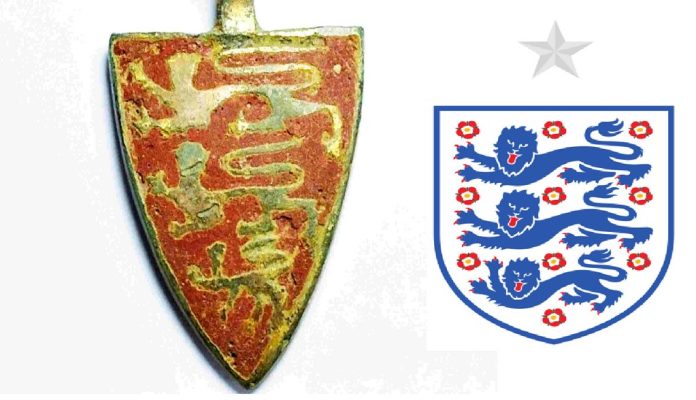
Archeologists uncovered an ancient 12th century pendant resembling the England National team soccer badge ahead of the first European Championships Final in the women’s team’s history.

The 920-year-old relic, which bears a striking resemblance to the iconic national team’s crest, was excavated from a field in Wormleighton, Warwickshire.

It depicts three golden lions on a field of red and was discovered at a site that experts believe would have been an Iron Age or Romano British settlement.

As if in premonition, days after the find was recovered, the “Lionesses” were victorious against national arch-rivals Germany, winning 2-1.

With the score tied 1-1 after normal time, Chloe Kelly scored in the 110th minute to seal the first major trophy in English national football for 56 years.

The Sun newspaper ran the headline “Move over fellas, it’s home.”

CHECK OUT: Archaeologists Discover Mighty Queen’s Seat of Medieval Power in a Lost Monastery in England

“You have all set an example that will be an inspiration for girls and women today, and for future generations,” said the Queen.

Back in Warwickshire, historians say it’s likely that the pendant would have decorated a horse’s harness in medieval England, adding that the form of heraldry associated with the arms of England was used by the Crown between 1189 and 1340.

– Taken from official Facebook page.

Before this, William the Conqueror used two lions on a red background as his coat of arms and brought the symbol to the English throne.

It was Henry II who first used three lions on a red background, adding an extra lion when he married Eleanor of Aquitaine, possibly to represent his marriage into the family.

SIMILAR: Men on Norway’s Soccer Team Take Wage Cut So Women Players Earn Equal Pay (They Already Win More)

From this point onwards, the Three Lions would remain the symbol of the crown of England in the United Kingdom’s Royal Coat of Arms.

King Henry VII created the Tudor Rose, having ended the War of the Roses in 1485, and ten red roses still adorn the national teams’ crests today.

SHARE This Historic News… 

Quarter-Million Pounds of Plastic Cleared From Great Pacific Garbage Patch in Dutch Milestone

The Ocean Cleanup
The Ocean Cleanup

Last year, wiz kid Boyan Slat announced that “The Great Pacific Garbage Patch can now be cleaned,” after a prototype cleaning system proved successful.

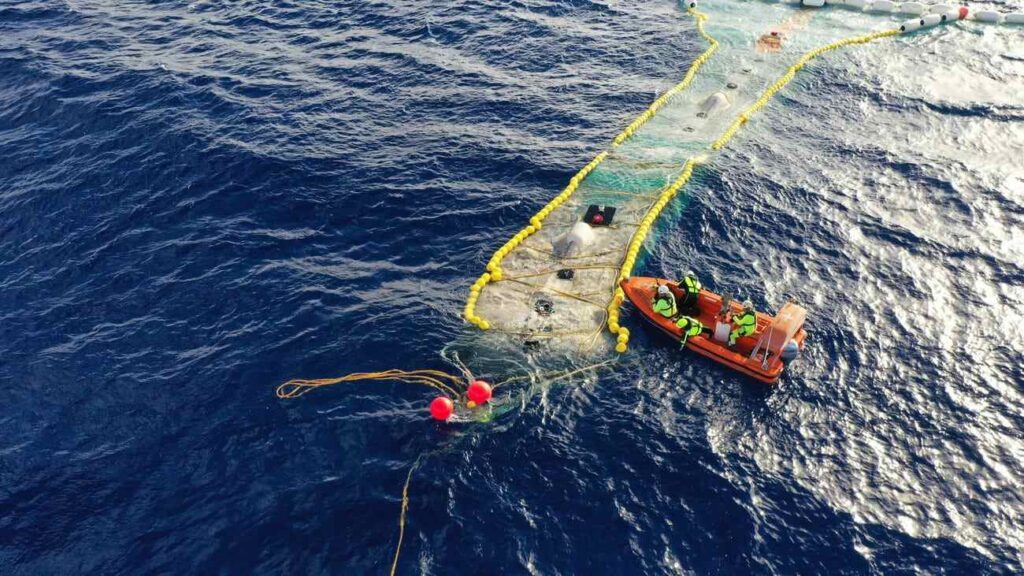
Since that deployment in August 2021, System 02 (or “Jenny”) has now collected 220,000 pounds (101,353 kg) of plastic over 45 extractions, sweeping an area of ocean of over 3,000km2 comparable to the size of Luxembourg or Rhode Island.

“Added to the 7,173 kg of plastic captured by our previous prototype systems, The Ocean Cleanup has now collected 108,526 kg of plastic from the “GPGP”—more than the combined weight of two and a half Boeing 737-800s, or the dry weight of a space shuttle,” Slat wrote on his website.

According to a 2018 study organized by The Ocean Cleanup to map the GPGP, the total amount of accumulated plastic is around 79,000,000 kg, or 100,000,000 kg if one includes exterior areas.

“Thus, if we repeat this 100,000 kg haul 1,000 times—the Great Pacific Garbage Patch will be gone”.

CHECK OUT: UPDATE: Plant Opens to Change the Recycling Game by Breaking Down Plastic Bottles With Enzyme From Leaves

While that’s not particularly encouraging since that 100,000 kilograms were extracted over a year, meaning 1,000 years would be needed to clean the GPGP, Slat has better ideas.

“System 03, which is expected to capture plastic at a rate potentially 10 times higher than System 002 through a combination of increased size, improved efficiency, and increased uptime, will be starting soon,” Slat said.

The idea with System 03 will be to go big—and to remove the need for support vessels, thusly reducing the cost of each ton of plastic removed as the support vessels are the highest input cost.

KEEP READING: Dutch Guy Famous for Cleaning Up Pacific Garbage Patch is Now Clearing the World’s Rivers Too

The capture area is nearly two miles in total, and despite the fact that it’s essentially a net, the capture of fish or other marine life remains less than a quarter of a percentage point of the total haul.

Slat, despite his humanitarian brilliance, seems to receive his fair share of criticism, but in a recent Instagram post, he helps us understand just exactly how critical the work he is doing will be to the future of the oceans.

CATCH Your Friends Attention With Some Positive News For A Change…

“If you think adventure is dangerous, try routine. It is lethal.” – Paulo Coelho

Quote of the Day: “If you think adventure is dangerous, try routine. It is lethal.” – Paulo Coelho

Photo by: Takumi Yoshida, CC license

With a new inspirational quote every day, atop the perfect photo—collected and archived on our Quotes page—why not bookmark GNN.org for a daily uplift?

Large Study Suggests Doing Chores May Be Linked to a 21% Reduced Risk For Alzheimer’s Disease

Credit: CBC and Cade Martin
Photo by joeyz51, CC license

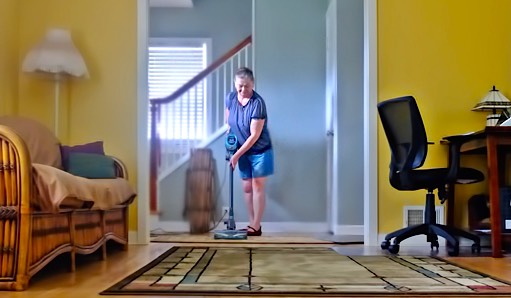
Cooking, cleaning, and gardening may be linked to reducing your risk for developing Alzheimer’s by more than one-fifth (21%), according to new research.

The study that looked at more than a half-million Brits also found the biggest protective activity to be regular brisk walks or bike rides, which were linked to a 35 percent reduction in the onset of the disease.

The other vital factor was meeting up with family and friends, which was associated with a 15 percent reduced risk.

The study looked at the effects of these activities, as well as mental activities and use of electronic devices in people both with and without higher genetic risk for dementia.

“Many studies have identified potential risk factors for dementia, but we wanted to know more about a wide variety of lifestyle habits and their potential role in the prevention of dementia,” said study author Huan Song, MD, PhD, of Sichuan University in Chengdu, China. “Our study found that exercise, household chores, and social visits were linked to a reduced risk of various types of dementia.”

RELATED: Sunshine Could Ward Off Dementia and Strokes: First-Ever Direct Link to Vitamin D Found

The study involved 501,376 people from a UK database without dementia with an average age of 56.

Participants filled out questionnaires at the beginning of the study, including one on physical activities. They were asked how often they participated in activities such as climbing a flight of stairs, walking, and participating in strenuous sports. They were also asked about household chores, job-related activities, and what kind of transportation they used, including walking or biking to work.

Participants completed another questionnaire on mental activities. They were asked about their education level, whether they attend adult education classes, how often they visit with friends and family, visit pubs or social clubs or religious groups, and how often they use electronic devices such as playing computer games, watching TV, and talking on the phone.

POPULAR: This Fruit Could Help Improve Memory and Ward Off Dementia, Study Says

Additionally, participants reported whether they had any immediate family members with dementia. This helped researchers determine if they had a genetic risk for Alzheimer’s disease. Study participants were followed for an average of 11 years. At the end of the study, 5,185 people had developed dementia.

After adjusting for multiple factors such as age, income, and smoking, researchers found that most physical and mental activities studied showed links to the risk of dementia. Importantly, the findings remain after considering the high correlations and interactions of these activities.

People who were highly engaged in activity patterns including frequent exercises, household chores, and daily visits of family and friends had 35%, 21%, and 15% lower risk of dementia, respectively, compared to people who were the least engaged in these activity patterns.

MORE: Cannabis Could Hold the Key to Preventing Neurodegenerative Diseases Like Parkinson’s and Alzheimer’s

“Our study has found that by engaging more frequently in healthy physical and mental activities people may reduce their risk of dementia,” Song said. “More research is needed to confirm our findings. However, our results are encouraging that making these simple lifestyle changes may be beneficial.”

Researchers also looked at dementia incidence rates by identified activity patterns. The rate in people who exercised frequently was 0.45 cases for every 1,000 person-years compared to 1.59 for people who rarely exercised. (Person-years take into account the number of people in a study as well as the amount of time spent in the study.) Those who frequently did household chores had a rate of 0.86 cases for every 1,000 person-years compared to 1.02 for people who rarely did household chores. People who visited family daily had a rate of 0.62 cases for every 1,000 person-years compared to 0.8 cases for those who only visited friends and family once every few months.

ALSO: Coffee and Tea Drinking May be Associated With Reduced Rates of Stroke and Dementia

The researchers found that all participants benefited from the protective effect of physical and mental activities, whether or not they had a family history of dementia.

A limitation of the study was that people reported their own physical and mental activity, so they may not have remembered and reported these activities correctly.

The research, published this week in Neurology, the medical journal of the American Academy of Neurology, was supported by National Natural Science Foundation of China, West China Hospital, Sichuan University, and National Clinical Research Center for Geriatrics.

ENCOURAGE More Activity By Sharing This News on Social Media…

Imperial Moth Spotted With Name ‘Anna’ Spelled Out on its Back Below a Face

PIC FROM Kennedy News and Media (PICTURED: REAGAN LEWALLEN, 25, WAS STUNNED TO SPOT A GIRL'S FACE AND THE NAME 'ANNA' APPEAR ON A MOTH'S BACK) A trainee dog groomer was stunned to spot a girl's face and the name 'Anna' appear on a MOTH'S back - believing it to be a female ghost communicating through the insect. Reagan Lewallen, from Senoia, Georgia, US, did a double-take when she let her pal's dog out into the garden while house sitting and spotted the huge five-inch Imperial Moth sunning itself last Sunday [July 24th]. On closer inspection the 25-year-old saw yellow markings on its brown back that perfectly spelled out 'Anna' underneath an eerie-looking face complete with pigtails. DISCLAIMER: While Kennedy News and Media uses its best endeavours to establish the copyright and authenticity of all pictures supplied, it accepts no liability for any damage, loss or legal action caused by the use of images supplied and the publication of images is solely at your discretion. SEE KENNEDY NEWS COPY - 0161 697 4266
REAGAN LEWALLEN via KENNEDY NEWS / SWNS

Put this in your file called, Mother Nature Did WHAT?

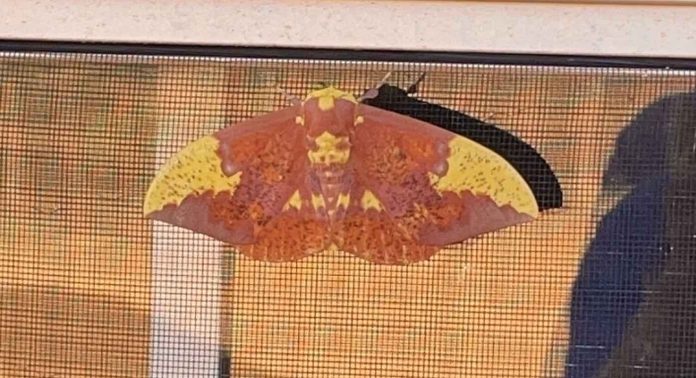
A 25-year-old woman was stunned to spot a face and the name ‘Anna’ appearing on a moth’s back.

Reagan Lewallen did a double-take when she let her friend’s dog out into the yard while house-sitting and spotted the huge five-inch imperial moth sunning itself last Sunday.

She noticed yellow markings on its brown back that perfectly spelled out ‘Anna’ underneath an eerie-looking face.

Reagan said she got goosebumps when she spotted the face and name on the bug’s back, whipping out her phone to take a picture.

She sent it to her mom who said she could see a little girl with pigtails.

Reagan is convinced that the spooky sight is a sign from a spirit called Anna reassuring people that she’s ok in the afterlife.

After sharing the picture on social media, the post racked up thousands of shares and comments.

People began tagging friends named Anna and commenting about the face’s resemblance to famous people like Charles Manson, Jimi Hendrix, Bob Marley, and Jesus.

RELATED: 9 Years After Mom’s Death, Man Has Amazing Encounter With Yellow Butterfly Right When He Needed It

The natural design of any imperial moth (Eacles imperialis) makes it somewhat easy to see a face in many of them, but the well-proportioned letters, ANNA, are more remarkable.

Reagan, who lives in Senoia, Georgia, says, “I’m the kind of person that if I see a cool bug, a cool tree or the sky looks pretty I’ll stop and take a picture.”

“I’ve seen this kind of moth before but nothing like that, nothing with a face on it and a name.

LOOKSmithsonian Says These Moths Are So Gorgeous, They Put Butterflies to Shame:

“Just the fact that it was spelled out so perfectly, I was like ‘oh my goodness I’ve never seen anything so crazy’, I got goosebumps.”

Know Any Anna Who Needs to See This? Share on Social Media…

How 14-Year-old Philo Farnsworth’s Tinkering Brought the Moon Landing to Your Living Room

NASA
NASA

14-year-old Philo Farnsworth wasn’t looking up at the sky while plowing the field at his father’s farm in Rigby, Idaho. He was looking down at the straight furrows that coursed over the earth. That’s when he had an epiphany.

The same way the plow went back and forth over the field, an image could be scanned electronically and then transmitted line by line, much like furrows in a field. It was a vision of the first transmittable TV image.

Philo was a curious boy and was often lost in thought. When he was 12 years old, he was delighted to find that the farmhouse his family moved into was wired with electricity. He also discovered other treasures in the house: a cache of electronics magazines, a burned-out electric motor, and plenty of bits and pieces to tinker with.

He fixed the motor and converted his mother’s hand-powered washing machine into an electric-powered one.

At 14, he showed his high school teacher a handful of sketches of an electronic television system inspired by the furrows in the field. Encouraged by his science teacher, Philo covered several blackboards with diagrams.

After Philo’s father died when he was in high school, the boy went to work supporting his siblings and mother while keeping up his studies. He started a radio repair business, but it failed.

He briefly attended college, but his mind was on television—and so he dropped out and began looking for somebody to fund his ideas. That opportunity came, and he traveled to Berkeley, California, with his new bride Pem to set up shop together.

RELATED: One Man Set Out to Make the Perfect Pasta Shape, And it’s So Popular That Orders are Backed Up for Months

The TV tube Philo developed would become the standard in broadcasting. Yet Philo Farnsworth spent years defending his patent and rebuilding his business after an economic crash.

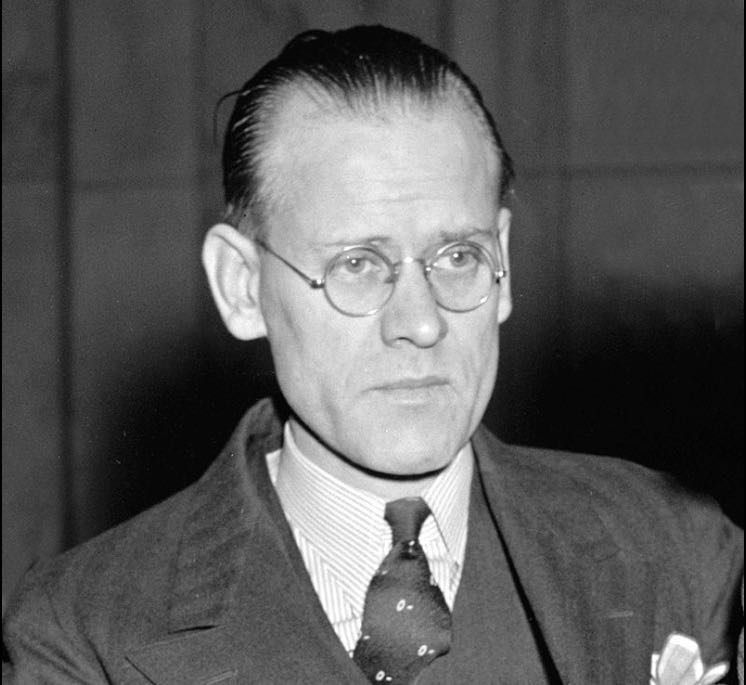
33-year-old Philo Farnsworth

Like all of us, he had his share of challenges—perhaps more—but he kept pushing forward and registered hundreds of patents.

Finally, on July 21, 1969, Neil Armstrong stepped out of Apollo 11 onto the moon’s surface in an area called the Sea of Tranquility.

LOOK: Teen Invents Clever Fire Extinguisher to Save Your Home When You’re Away – and He’s Donating All the Profits

Philo Farnsworth was sitting in his living room with his wife Pem, watching the live feed — the image transmitting quickly, row by row like the furrows in a field. He turned to her and said, “Pem, this has made it all worthwhile.”

(By The Foundation for a Better Life)

SHARE the Inspiration For Dreaming Big on Social Media…
“Learn to see things in the right proportions… great things great and small things small.” – Corrie Ten Boom

Quote of the Day: “Learn to see things in the right proportions… great things great and small things small.” – Corrie Ten Boom

Photo by: Sarah Kilian

With a new inspirational quote every day, atop the perfect photo—collected and archived on our Quotes page—why not bookmark GNN.org for a daily uplift?

Sweet Dog Was Born With a Defect That Makes Her Look Permanently Surprised

Lieschen O'Connor / SWNS
Lieschen O’Connor / SWNS

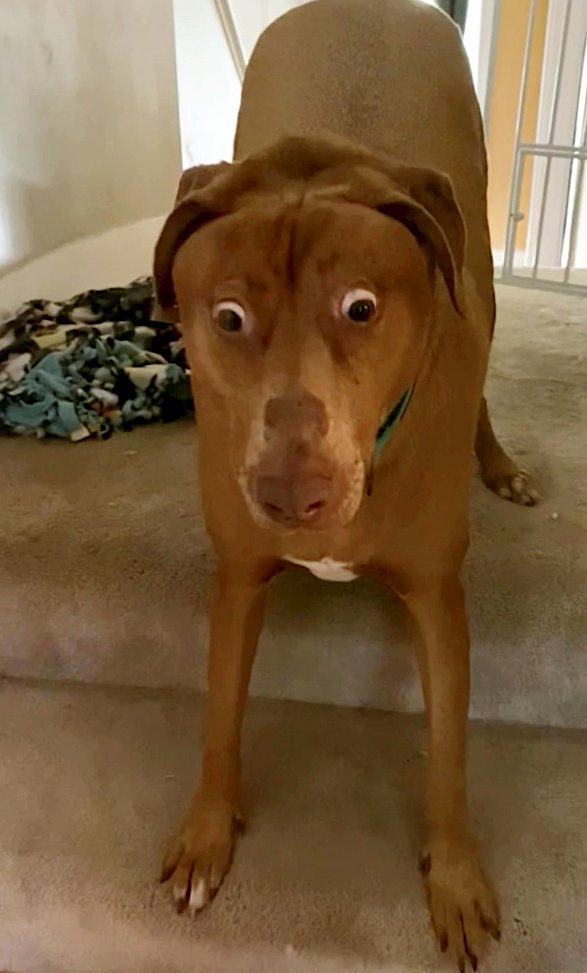
Meet Belle, whose doctor diagnosed her with a birth defect that makes her look permanently surprised.

The adorable mix of doberman and cattlehound was born with the muscles in her head stretched back, leaving her looking wide-eyed at all times.

Lieschen O’Connor adopted Belle in 2017 from Lawrence Humane Society, an organization that provides care for homeless and abused animals.

Belle’s condition doesn’t cause her any pain but her 38-year-old mom regularly needs to apply eye drops as they often get dry.

The dog’s unique look has won her over 160,000 followers on TikTok.

“Her expressions make my heart swell,” said one fan. Another called her the cutest dog on TikTok. “I love her so much”.

LOOK: Family Left Stunned When Their Dog Escaped–Only to Return Later With a Ribbon From a Dog Show

Lieschen O’Connor / SWNS

Lieschen, a 38-year-old who lives in Tyler, Kansas, says, “Belle is extremely sweet and a little goofy.”

Lieschen O’Connor / SWNS

“If dogs could laugh, Belle would definitely laugh a lot!”

WATCH Stray Dog Become a Fierce Crossing Guard for These Children Every Day

SHARE This One-of-a-Kind Doggy Smile With Friends on Social Media…

Watch a Drone Save a 14-Year-old From Drowning in Powerful Spanish Current

General Drones

A pioneering drone lifeguard service rolled out across Spanish beaches has saved the life of a 14-year-old boy as he struggled against a powerful current.

General Drones supplies 30 surf rescue drones with operators to lifeguard stations across 22 beaches along Spain’s coast.

The company released a compelling video of the recent rescue in Valencia.

It shows the drone dropping a life vest to the exhausted teen, providing valuable assistance until the jet-ski could arrive with a lifeguard.

They told Reuters, “Because of the heavy waves it was a complicated maneuver, but we finally managed to give him the vest and he could float until the lifeguards reached him.”

RELATED: Drone Helps Save the Life of a 71-Year-old Man Who Has Cardiac Arrest While Shoveling Snow

Watch the real-time video below… (Note: GNN has no affiliation with any ads displayed)
ALSO SEE: Man Brings His Heat-Sensing Drone to Help Find Missing Boy at 1:50 AM

FLY THIS to Social Media and Rescue Your Friends From Hopelessness…

Delaware Will Install Free Solar Panels For Low-income Residents and Paying 70% For Moderate-incomes

File photo by Jeremy Bezanger

A new two-year pilot program launched this month will spread the benefits of solar power to Delaware residents who otherwise would not be able to afford installing the green energy.

The Solar Pilot Program from the Delaware Department of Natural Resources and Environmental Control seeks to test future expansion of photovoltaic systems into low- and moderate-income populations, which have been underserved in the U.S. by existing renewable energy assistance and tax credit programs.

Low-income residents can get an installation of up to 4 kilowatts with no out-of-pocket costs. For moderate-income residents, the program covers 70 percent of the cost for up to 6 kilowatts, with residents paying the remaining 30 percent.

Low-income households must first apply through DNREC’s Weatherization Assistance Program (at 302-504-6111), which helps renters and homeowners cut their energy bills.

Canary Media reports that low credit scores are not going to effect eligibility, and households will qualify as low-income if they live at or below 200 percent of the federal poverty guidelines. “For a family of three, a total income of $46,060 or less qualifies them for free solar. The thresholds for moderate-income families are the median incomes for different counties.”

RELATED: ‘Radical’ Solar Breakthrough Allows Energy to Now Be Stored for Up to 18 Years, Say Scientists

Moderate-income households must contact one of three approved solar contractors—CMI Solar & Electric, KW Solar Solutions, or Clean Energy USA. The homeowner choses one of the participating contractors, who then sends the application for the program to the agency.

The experiences logged during the two-year pilot program by the DNREC Division of Climate, Coastal and Energy will be used to develop a statewide solar program.

LOOK: Solar Panels That Make Electricity at Night are Finally Here – And They’re Cheap and Don’t Need Batteries

SHINE Some Good Government News on Social Media for Those in Delaware…