










All News - Page 381 of 1715 - Good News Network
Home Blog Page 381

Scientists Rewind the Age of Skin Cells by 30 Years – And Others Nearby Become More Youthful Too

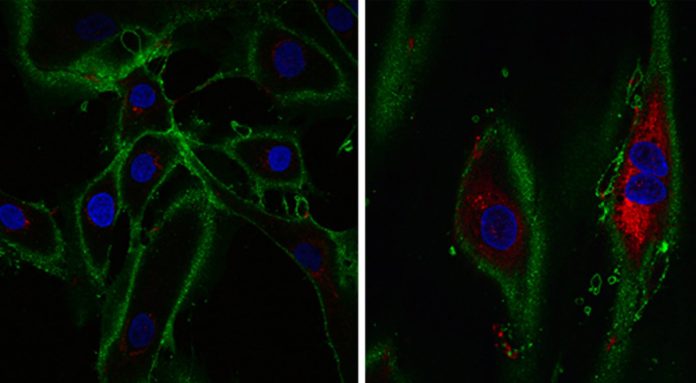
Reprogrammed cells (right) with collagen production in red–by Babraham Institute

Researchers in the UK have developed a method to ‘time jump’ human skin cells by 30 years, turning back the aging clock for cells without losing their specialized function.

The epigenetics research program has been able to partly restore the function of older cells, as well as rejuvenating the molecular measures of biological age in other cells.

While in the early stages of exploration, this breakthrough from the Babraham Institute could revolutionize regenerative medicine.

What is regenerative medicine?

As we age, our cells’ ability to function declines and the genome accumulates marks of aging. Regenerative biology aims to repair or replace cells including old ones. One of the most important tools in regenerative biology is our ability to create ‘induced’ stem cells. The process is a result of several steps, each erasing some of the marks that make cells specialized. In theory, these stem cells have the potential to become any cell type, but scientists aren’t yet able to reliably recreate the conditions to re-differentiate stem cells into all cell types.

Turning back time

The new method, based on the Nobel Prize winning technique scientists use to make stem cells, overcomes the problem of entirely erasing cell identity by halting reprogramming part of the way through the process. This allowed researchers to find the precise balance between reprogramming cells, making them biologically younger, while still being able to regain their specialized cell function.
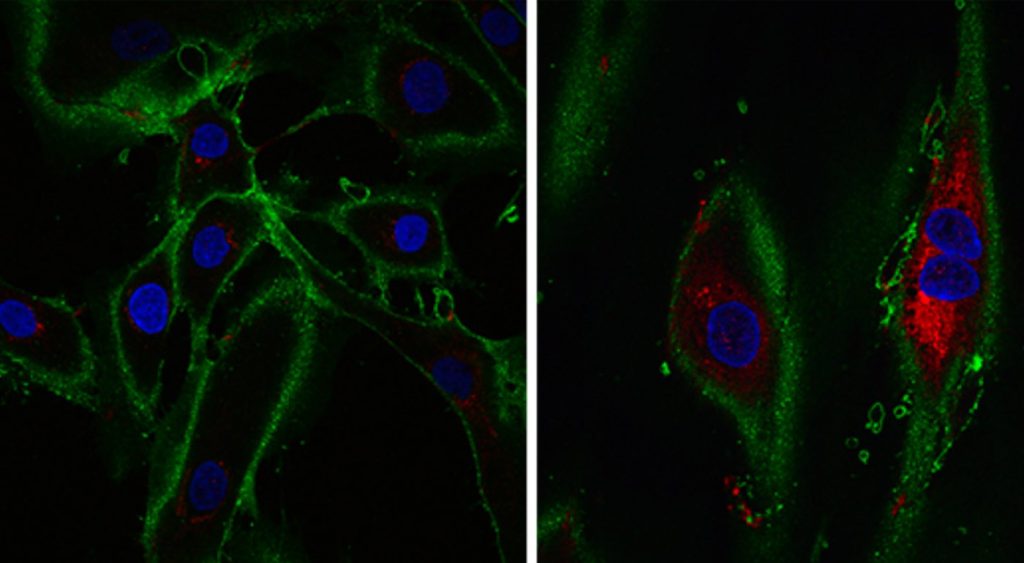
Reprogrammed cells (right) show the collagen production in red. – Babraham Institute

CHECK OUT: The Number of Healthy Years a Person Lives is Increasing, on Average

In 2007, Shinya Yamanaka was the first scientist to turn normal cells, which have a specific function, into stem cells which have the special ability to develop into any cell type. The full process of stem cell reprogramming takes around 50 days using four key molecules called the Yamanaka factors. The new method, called ‘maturation phase transient reprogramming’, exposes cells to Yamanaka factors for just 13 days.

LOOK: 30 Minutes of Lifting Weights, Push-ups or Yard Work Weekly May Cut Risk of Death By 20%

At this point, age-related changes are removed and the cells have temporarily lost their identity. The partly reprogrammed cells were given time to grow under normal conditions, to observe whether their specific skin cell function returned. Genome analysis showed that cells had regained markers characteristic of skin cells (fibroblasts), and this was confirmed by observing collagen production in the reprogrammed cells.

Age isn’t just a number

To show that the cells had been rejuvenated, the researchers looked for changes in the hallmarks of aging. As explained by Dr Diljeet Gill, a postdoc in Wolf Reik’s lab at the Institute who conducted the work, “Our understanding of aging on a molecular level has progressed over the last decade, giving rise to techniques that allow researchers to measure age-related biological changes in human cells. We were able to apply this to our experiment to determine the extent of reprogramming our new method achieved.”

Researchers looked at multiple measures of cellular age. The first is the epigenetic clock, where chemical tags present throughout the genome indicate age. The second is the transcriptome, all the gene readouts produced by the cell. By these two measures, the reprogrammed cells matched the profile of cells that were 30 years younger compared to reference data sets.

RELATED: Resetting Clock on Aging Cells Safely Reversed Signs of Decline in Mice

The potential applications of this technique are dependent on the cells not only appearing younger, but functioning like young cells too. Fibroblasts produce collagen, a molecule found in bones, skin tendons and ligaments, helping provide structure to tissues and heal wounds.

The rejuvenated fibroblasts produced more collagen proteins compared to control cells that did not undergo the reprogramming process. Fibroblasts also move into areas that need repairing. Researchers tested the partially rejuvenated cells by creating an artificial cut in a layer of cells in a dish. They found that their treated fibroblasts moved into the gap faster than older cells. This is a promising sign that one day this research could eventually be used to create cells that are better at healing wounds.

In the future, this research, which was published in eLife, may also open up other therapeutic possibilities; the researchers observed that their method also had an effect on other genes linked to age-related diseases and symptoms. The APBA2 gene, associated with Alzheimer’s disease, and the MAF gene with a role in the development of cataracts, both showed changes towards youthful levels of transcription.

The mechanism behind the successful transient reprogramming is not yet fully understood, and is the next piece of the puzzle to explore. The researchers speculate that key areas of the genome involved in shaping cell identity might escape the reprogramming process.

MORE: Researchers Find New Strategy for Preventing Clogged Arteries

Diljeet concluded, “Our results represent a big step forward in our understanding of cell reprogramming. We have proved that cells can be rejuvenated without losing their function and that rejuvenation looks to restore some function to old cells. The fact that we also saw a reverse of aging indicators in genes associated with diseases is particularly promising for the future of this work.”

Professor Wolf Reik, a group leader in the Epigenetics research program who has recently moved to lead the Altos Labs Cambridge Institute, said, “This work has very exciting implications. Eventually, we may be able to identify genes that rejuvenate without reprogramming, and specifically target those to reduce the effects of aging. This approach holds promise for valuable discoveries that could open up an amazing therapeutic horizon.”

Source: Babraham Institute

DON’T Let Good News Age; Share This Story…

“Love alone is not enough. Without imagination, love stales into sentiment, duty, boredom.” – James Hillman

Quote of the Day: “Love alone is not enough. Without imagination, love stales into sentiment, duty, boredom.” – James Hillman

Photo by: Brett Meliti

With a new inspirational quote every day, atop the perfect photo—collected and archived on our Quotes page—why not bookmark GNN.org for a daily uplift?


“Love alone is not enough. Without imagination, love stales into sentiment, duty, boredom.” – James Hillman

Quote of the Day: “Love alone is not enough. Without imagination, love stales into sentiment, duty, boredom.” – James Hillman

Photo by: Brett Meliti

With a new inspirational quote every day, atop the perfect photo—collected and archived on our Quotes page—why not bookmark GNN.org for a daily uplift?


Ed Sheeran Leads Singalong at English Pub, Pours Pints for Delighted Locals (WATCH)

Ed Sheeran in pub – SWNS

Ed Sheeran stunned pub-goers when he turned up at an inner-city Birmingham pub and started pulling pints and having a sing-a-long with customers.

The 31-year-old singer left revelers gobsmacked when he appeared without any security at The Roost in Small Heath, Birmingham on Sunday.

Punters said Ed happily joined in a game of pool as he mingled with the crowds and enjoyed a pint with rapper pal Jaykae.

Cell phone footage shows the Shape Of You star clutching a beer and enjoying a singalong around the pool table to No Games by Serani.

He can also be seen pulling pints behind the bar wearing a North Face jacket and joking with the manager, “You’re paying me.”

Pub manager Ian Connors, a dad-of-two, said, “It was a bit crazy.

RELATED: Tom Hanks Photo Bombs Another Bride, Making Best Wedding Photos Ever: ‘We All Lost It’

“He is good pals with Jaykae, who sometimes comes in here, and he called me up and said can I bring someone along.

SWNS

“We were having a pool tournament last night and we had a DJ on so it was pretty busy and I said of course bring whoever you like.

“All of a sudden, this guy walks in and everybody starts going ‘Is that Ed Sheeran?’ We were thinking ‘surely not’.

“We couldn’t understand what a megastar like him would be doing in a pub in Small Heath.

MORE: Gordon Ramsay Shocks School Cafeteria Manager Who Called in to Talk Show Asking For Substitute Chef For the Day

“But he was brilliant, really laid-back and he mingled with customers. He was just a gentleman. Really down-to-earth and was having a good laugh.

“I’ve spoken to Jaykae to check they were happy with us sharing the videos because they turned up with no security.

“He checked with Ed and they were fine with it, so it shows what type of man he is that he’s happy to give our little pub in Brum some publicity.

“We’re still in a bit of shock to be honest, this is the last place you’d expect him to turn up.

“But he was fantastic with everybody and it was night everyone will certainly remember.”

(WATCH the video for this story below.)

SHARE the Shape of This Fun Story With Friends…

Preserved by Students for Years, WWII Internment Camp Becomes National Park

By rocbolt / licensed under CC BY-NC 2.0
Rocbolt; CC license

A Japanese-American interment camp from the Second World War in Colorado, preserved for years by local students, has been folded into the care of the National Park Service.

As a new National Historic Site, the Amache Internment Camp is now part of the Service’s commitment to tell the entire story of American history, good and bad.

But the real story lies in the work of the Amache Preservation Society (APS), a group of volunteer students from the local school district of Granada RE1, in southeast Colorado, led for 30 years by John Hopper.

A social studies teacher in 1993, Hopper, who doesn’t have Japanese ancestry, was teaching some “really bright students” who turned a one-time class project speaking with a survivor of the camp, whom Hopper’s family knew, into an-always operational preservation society, and focused on giving class presentations, operating a museum, and maintaining the site—a large collection of government-issue barracks where thousands of innocent Japanese Americans were detained.

“It is a heavy, heavy topic, especially when you talk about civil liberties,” Hopper told Christian Science Monitor. “But that’s part of my job I enjoy talking about—needs to be talked about.”

The APS works on presentations to other schools; in recent years it also began organizing trips to Japan to stay with host families and do their presentations in Japanese high schools.

RELATED: Human Footprints Found in New Mexico Are 23,000 Years Old – Long Before the Ice Age Glaciers Melted

“I can’t think of any group that does more for Amache,” Calvin Taro Hada, an Amache descendant and Japanese community leader, told CS Monitor.

In 2006, Amache was designated a historic landmark, and last month, President Biden designated the camp a National Historic Site—announcing the intention to transfer responsibility and ownership of the town of Granada to the National Park Service.

MORE: Biden Restores National Monuments Shrunk Under Trump

Though Hopper is now Dean of Students and not in the classroom, students from the same school still run tours of the site, mow the lawns, and even pursue occasional excavations under the supervision of the University of Denver.

“It is our solemn responsibility as caretakers of America’s national treasures to tell the whole story of our nation’s heritage for the benefit of present and future generations,” said National Park Service Director Chuck Sams. “The National Park Service will continue working closely with key stakeholders dedicated to the preservation of Amache, [including the APS…] to preserve and interpret this significant historic site to the public.”

PRESERVE the Positive Parks News; Share This Story…
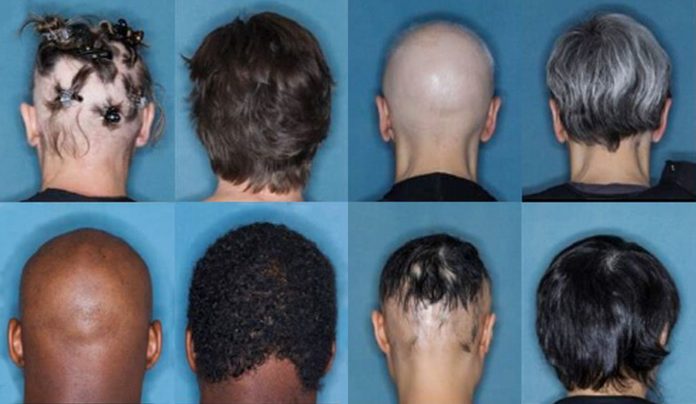
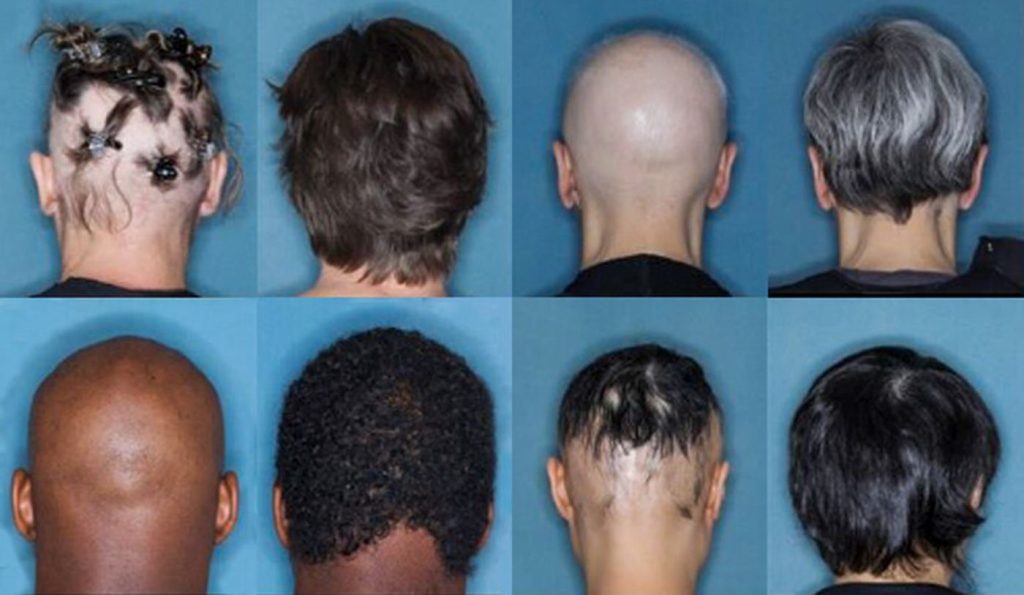
New Treatment Helps Alopecia Patients Regrow Their Hair

Before and after images for participants who received 36 weeks of treatment for alopecia areata with baricitinib yalenews released
Before and after images for participants who received 36 weeks of treatment for alopecia areata with baricitinib/ Yalenews 

A new Yale study shows that one in three patients with a severe skin disease were able to regrow hair after being treated with a common arthritis drug.

The study is based on Phase 3 clinical trials using baricitinib, a Janus kinase (JAK) inhibitor, to treat alopecia areata, an often disfiguring skin disease characterized by rapid loss of scalp hair, and sometimes eyebrows and eyelashes.

Phase 3 clinical trials are the final testing hurdle before a new treatment can be considered for U.S. Food and Drug Administration (FDA) approval.

“This is so exciting, because the data clearly show how effective baricitinib is,” said Dr. Brett King, an associate professor of dermatology at the Yale School of Medicine and lead author of the new study “These large, controlled trials tell us that we can alleviate some of the suffering from this awful disease.”

Alopecia areata is an autoimmune disorder in which the body’s immune system attacks hair follicles. More than 200,000 new cases emerge each year in the United States. Although alopecia areata can develop in patients of any age, it typically occurs in people under the age of 40.

There is currently no FDA-approved treatment for the disease.

MORE: Good News for Coffee Lovers: Daily Coffee May Benefit the Heart

For the new study, King and his colleagues conducted two large, randomized trials involving a total of 1,200 people. The participants were adults with severe alopecia areata, who had lost at least half of their scalp hair; many had lost all of their scalp hair.

For 36 weeks, participants were given a daily dose of either 4 milligrams of baricitinib, 2 milligrams of baricitinib, or a placebo. One-third of the patients who received the larger dose grew hair back.

The researchers said baricitinib thwarts the disease by disrupting the communication of immune cells involved in harming hair follicles. Baricitinib and other JAK inhibitors are routinely used to treat autoimmune forms of joint disease.

“Alopecia areata is a crazy journey, marked by chaos, confusion, and profound sadness for many who suffer from it,” King said. “It will be incredible to have a medicine to help people emerge on the other side, normalcy restored, recognizable again to themselves and those around them.”

LOOK: Scientists Create Algorithm That Uses Routine Eye Scans to Identify Heart Attack Risk—With Accuracy of 70%-80%

Co-authors of the study included researchers from the Kyorin University Faculty of Medicine, Seoul National University College of Medicine, Hebrew University of Jerusalem, Stanford University, the University of California-Irvine, the University of Minnesota, Eli Lilly and Company, and Sinclair Dermatology.

The results of the study were made public during the annual meeting of the American Academy of Dermatology. For the past decade, King has developed methods for using JAK inhibitors to treat a variety of skin diseases—including eczema, vitiligo, granuloma annulare, sarcoidosis, and erosive lichen planus.

King noted that the clinical trials involving baricitinib are ongoing, which will enable researchers to assess the long-term effectiveness and safety of the treatment.

This research has been published in the New England Journal of Medicine.

Source: YaleNews

SHARE This Hopeful News With Others Who’d Love to Know It…

Research Suggests Mushrooms Talk to Each Other With a Vocabulary of 50 ‘Words’

Adege, Pixabay

For people wanting their minds blown, the kingdom of fungi is a never-ending box of tricks.

Mycologists studying the underground filaments of fungi are observing electrical signals similar to a nervous system: a normal phenomenon, except that they found the signals were remarkably similar to human language.

When filaments called ‘hyphae’ of a wood-digesting fungal species discover a bit of wood to munch on underground, the hyphae begin to light up with “spikes” of electrical signals that reach out to the hyphae of other individuals, and even trees.

“Spikes of electrical potential are typically considered to be key attributes of neurons, and neuronal spiking activity is interpreted as a language of a nervous system,” wrote Professor Andrew Adamatzky from the University of the West of England, in a paper he published on the investigations. “However, almost all creatures without nervous system produce spikes of electrical potential.”

To see what characteristics these electrical impulse spikes share with nervous system language of other lifeforms, Adamatzky put tiny electrodes into pieces of material, feeding on which were four species: enoki, split gill, ghost, and caterpillar fungi.

Compared to humans

The authors set the electrical spikes against a series of human linguistic phenomena that were used to successfully decode part of the carved language of the Picts, the Bronze Age people of Scotland. The average length of a human-expressed vowel is between 300 and 70 milliseconds, and so they assumed that if there was a 0 millisecond break between spikes, that was part of the same “word.”

CHECK OUT: Dutch Man Invents Coffin That Turns Bodies Into Mushrooms: ‘We are nutrients, not waste’

C. militaris fungi had trains of electrical spikes of an almost identical length to English words, while split gill fungi spikes were even more closely identical to the average word length in the Greek language. Around fifty ‘words’ could be identified based on repetition.

“Assuming that spikes of electrical activity are used by fungi to communicate and process information in mycelium networks, we group spikes into words and provide a linguistic and information complexity analysis of the fungal spiking activity,” writes Adamatzky. “We demonstrate that distributions of fungal word lengths match that of human languages.”

RELATED: Eating Mushrooms a Few Times a Week Could Dramatically Reduce Dementia Risk, Says 6-Year Study

The split gill fungus formed the most complex “sentence structures,” and Professor Adamatzky suggested that the most likely purpose for this electrical dialogue is to keep integrity between the parts of the mycelium. Mycelia makes up more than 90% of the total biomass of fungi, and the filaments can stretch for hundreds of feet, connecting trees, other plants, and other fungi, so keeping the mycelia integrated, Adamatzky said, could be similar to the way wolves howl to keep all members of the pack integrated.

Some scientists are skeptical that the research was done looking for ‘language’, suggesting that this puts a shroud of exaggeration and overexcitement about the findings.

MORE: Student Treks to Yellowstone and Finds Bacteria That Eats Pollution and ‘Breathes’ Electricity

To his credit, Adamatzky explained to the Guardian that it could be simply that the electrically-charged tips of hyphae were just creating electromagnetic reactions as they explore the forest underground.

It’s not the first piece of science that suggests life outside Animalia communicate with language. Tree scientist Peter Wohlleben believes trees produce scents instead of words, and that soon a computer will be able to detect and attach purposes to the scents, and translate them into words.

BE the ‘Fun Guy’ on Those News Feeds; Share This Story…

“Listening is being able to be changed by the other person.” – Alan Alda

Quote of the Day: “Listening is being able to be changed by the other person.” – Alan Alda

Photo by: saeed karimi

With a new inspirational quote every day, atop the perfect photo—collected and archived on our Quotes page—why not bookmark GNN.org for a daily uplift?


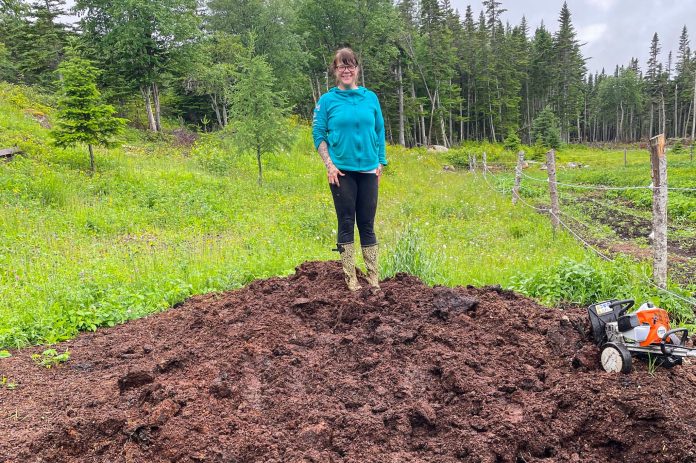
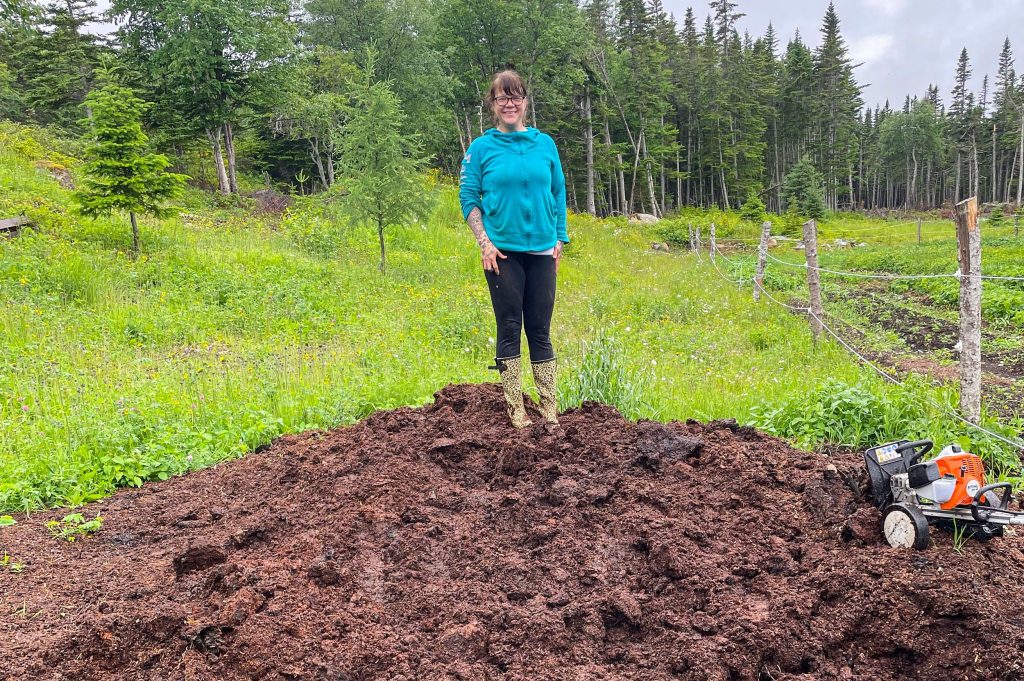
Leaving No Molecule Behind: ‘Landfill of the Future’ Turns Farming Waste Into Soaps, Compost, and Candles

Janice Saunders with 3F Waste Recovery compost; 3F Waste Recovery

Among sparsely populated communities in Newfoundland, a landfill for the future—where every molecule is accounted for and reused—is steadily growing its portfolio of circularly produced goods that utilize waste from the island’s forests, farms, and fisheries.

For clients, it’s just like any other landfill. They can go and dump whatever amount of biological waste that they have from their operations, and then drive off without ever needing to think about it again.

But for investors, for consumers, and for the world, 3F Waste Recovery is anything but ordinary.

“3F is founded on the principle that every molecule that comes through our door, we want to have an application for it,” Founder Ben Wiper explains to Hakai Magazine. “My vision is the landfill of the future—where producers can take anything they haven’t processed, to break it down into a form that has a function.”

Science has moved us into an increasingly molecularized world. It’s common to hear businesses accounting for things like protein or CO2, as if they’re counting assets, expenditures, or cash flow.

RELATED: Amazon Joins the U.S. Department of Energy and MIT to Tackle Plastic Waste With New Science

When a company has the technology to turn practically all kinds of biological waste into valuable consumer products, this accounting method becomes even more extreme. Every unit of lignin not burnt from a tree means one more unit of lignin needed from a tree that hasn’t been felled. Every unit of cod skin placed in a landfill is one more unit of cod skin needed from a living cod.

Guts to gold

3F Waste Recovery

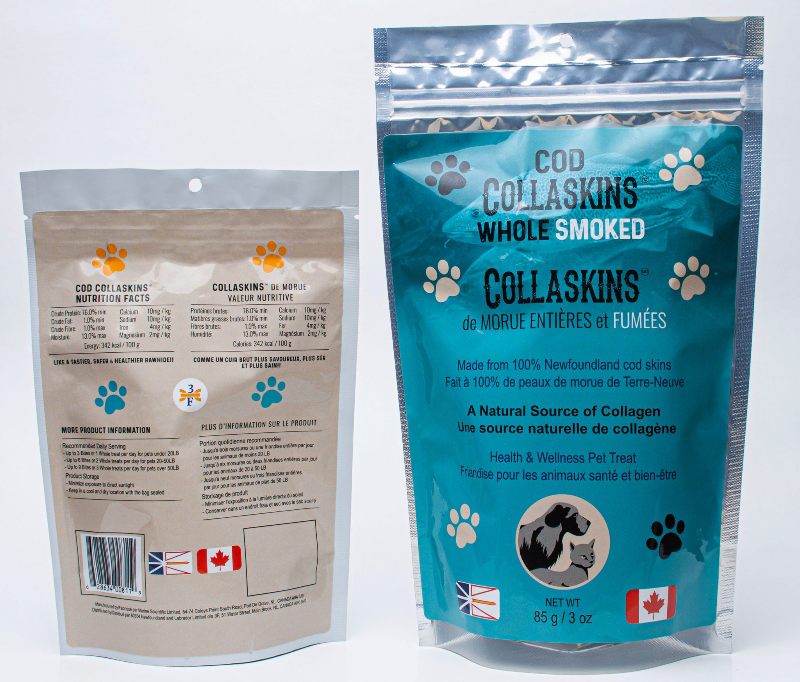
With the island’s natural refuse, 3F makes cod skin marine collagen supplements, processed cod pet treats, nitrogen-rich fish compost, processed cod cosmetic compounds, raw tallow from moose, cow, and sheep for candle and soap making, sheep wool insulation, sheep wool stuffing for duvets and beds, sheep wool/cardboard slug repellent for gardens, moose tallow soaps, smoked moose pet treats, moose and cow bone pet treats, and lanolin wool wax water repellent and lubricant.

From the island’s forestry sector come wood pellets for grills, and wood briquettes for charcoal grills. The pellets are a blend of sawdust and cardboard, and began the island’s first cardboard recycling program.

In 2021 alone the company debuted six new product lines.

Ever keen on expanding the list of products and materials produced from byproducts, 3F enjoys the support of dozens of scientists and other collaborators across the academic and private sectors.

MORE: General Electric Produces Its First 100% Recyclable Wind Turbine That Can be Reconstructed as It Ages

In a special feature on 3F in Hakai, founder Ben Wiper explains he was pushed by investors into trying to focus on a few products first.

Wiper declined the advice, saying that unless he could act as landfill, suppliers wouldn’t utilize his services. Instead he flipped the script, encouraging investors to back aspects of the operation they were interested in, whether that be pet treats, wool products, pharmaceuticals, or anything else he’s producing.

In a collaborative report led by Smart Prosperity Institute, a thinktank embedded in the University of Ottawa, 3F was identified among 200 circular economy startups as one of the most promising, and the company is looking to close a multi-million dollar deal for its line of various pet treats, which will add 40 more rural full-time jobs in Newfoundland, and maybe allow Wiper and the other higher-ups in the company to finally stop having to go and collect the cod heads, sheep wool, sawdust, and composted animals themselves.

DON’T WASTE the Good News; Share It With Pals…

U.S. House Passes Bill to Cap Insulin Cost at $35 Per Month

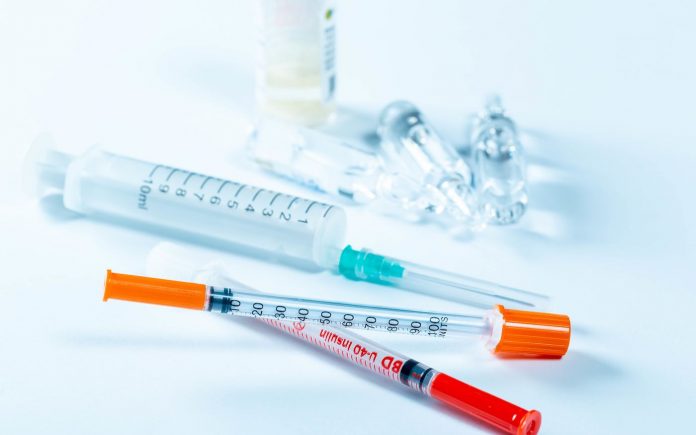
Regular insulin and a syringe from ampoules and vials of medicines

The U.S. House of Representatives has passed the Build Back Better Act, which includes the most sweeping nationwide measure to date to limit out-of-pocket co-pays for insulin.

The national co-pay cap, which ADA has aggressively promoted, would apply to Medicare beneficiaries, individuals on commercial insurance, and those covered by other group health plans.

The House-passed legislation creates an out-of-pocket co-pay limit of $35 per month for insulin.

In the days before the House vote, nearly 15,000 American Diabetes Association advocates contacted their representatives through the ADA’s Engagement Platform to urge support for co-pay caps and for allowing the government to negotiate drug prices with manufacturers.

Until now, the diabetes community has felt the impact of the steep rise in the average cost of insulin, the price of which nearly tripled between 2002 and 2013. As a result of high costs, one in four insulin-dependent Americans reports needing to ration their insulin. “This vote is a victory for millions of Americans facing unaffordable insulin and hope for lowering other drug costs. House leaders have taken a bold and urgent step this week,” said Lisa Murdock, Chief Advocacy Officer for the ADA.

New hope

In the run-up to House consideration of the insulin co-pay cap, the ADA led efforts around the country to advocate for co-pay caps that have been enacted in 20 states and the District of Columbia. “These states paved the way for this week’s historic action in the House,” said Murdock. “We thank those members of the House of Representatives who supported a national insulin co-pay cap, building on the efforts of state leaders before them. Together, these leaders are working to ensure that millions of people with diabetes will be able to afford their insulin and will not have to skip doses or ration because they don’t have enough money to pay for this life-saving drug.”

RELATED: A New Stem-Cell Treatment Looks to Have Cured a Man of Type 1 Diabetes

The bill provides other key benefits for people with diabetes. These include extending increased health insurance premium tax credits—which were created through the Affordable Care Act and increased through more recent COVID-19 relief legislation— as well as increased funding for states to offset the cost of running Medicaid programs.

MORE: ‘Artificial Pancreas’ is Revolutionizing Diabetes Treatment: ‘I never dreamed this would be developed in my lifetime’

ACA plans and Medicaid have become especially important to people with diabetes who have been disproportionately affected, economically and through adverse health impacts, by the COVID-19 pandemic. These gap coverage measures are critical for the diabetes community, who relies on these plans to afford their insulin, devices and supplies.

“We now urge the Senate, as it considers the Build Back Better legislation, to move forward with a measure that also adopts these critical provisions that can make insulin more affordable, and health coverage more accessible, to 34 million people living with diabetes today,” Murdock said.

The proposal is expected to be on the floor soon after Easter. According to ABC, “Republicans have largely opposed the measure and refer to the bill as ‘government priced fixing’ that could lead to higher premiums for customers and exorbitant costs for insurers.” However, the Senate is made up of a majority of Democrats, which could pass the Bill.

Source: American Diabetes Association

SHARE the Positive; Share This Story on Your Social Channels…

Stolen 22 Years Ago, Two Priceless Charles Darwin Notebooks Mysteriously Returned in Pink Gift Bag

darwin notebook released cambridge university library

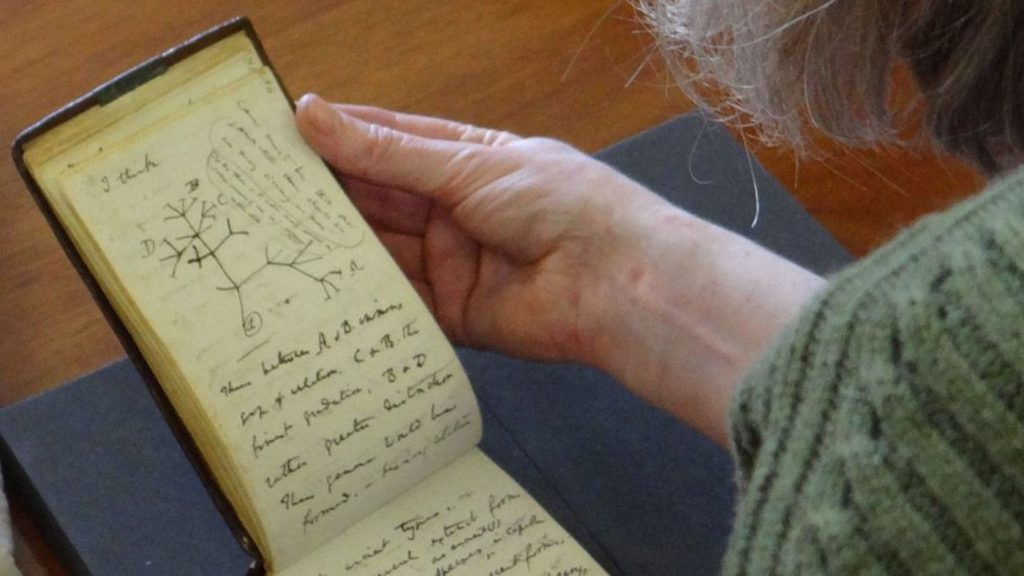
On two leather and copper-bound field notebooks, Charles Darwin jotted down a variety of musings that formed his theory of evolution. Held at Cambridge University Library for decades, in the year 2000 they were stolen.

22 years later, as mysteriously as they disappeared, they were returned—bound in saran wrap in exactly the same condition as they left, and in the same archive box, though this time it was placed inside a pink gift bag and left outside the librarian’s office.

Inside, the box was wrapped in parcel paper with a note from the individual, uncaught by CCTV cameras. It read, “Librarian / Happy Easter / X.”

Cambridge University Library

“My sense of relief at the notebooks’ safe return is profound and almost impossible to adequately express,” said Librarian Dr. Jessica Gardner, who found them outside her offices on the 4th floor landing of the university library building. “Along with so many others all across the world, I was heartbroken to learn of their loss and my joy at their return is immense.”

A Cambridgeshire Police spokesman said, “We share the university’s delight that these priceless notebooks are now back where they belong. Our investigation remains open and we are following up some lines of inquiry. We also renew our appeal for anyone with information about the case to contact us.”

Whodunit

An intriguing, and now slightly less-tragic heist, the notebooks were lifted after an internal request to remove them from the Library’s strongroom for photographs. Two months later during routine inspections, they were found to be missing, and after combing through the 10 million unit-archive, the police concluded they had probably been stolen.

MORE: Metal Detector Left Him Stunned After Unearthing Ancient Ring Belonging to the Sheriff of Nottingham.

The books essentially contain the thoughts and observations Darwin was making as he worked out his theory of evolution. One page includes the “Tree of life,” a spindly sketch of a tree with each branch marking different lineages of animals and plants that helped him visualize the concept he was formulating.

Cambridge University Library

About 15 months ago, Gardner wrote an impassioned plea, widely shared on social media, for the notebooks to be returned. The short space of time between then and their recovery, she admits, could be related.

When they did arrive, Gardner was forced to wait an agonizing five days to remove them from the plastic wrap, during which police inspected them. After they were opened a team from the Library set out to verify their authenticity.

LOOK: Robotic Dog Designed in Boston Patrols the Ruins of Pompeii to Help Preserve Relics

“Darwin uses different types of ink in the notebooks,” explains Prof. Secord, Director of the Darwin Correspondence Project, and one of the on-hand academics with experience of the notebooks. “For example, on the famous tree of life page, there is both a brown ink and also a grey ink. Those kind of changes are quite difficult to forge convincingly.”

“You can see the tiny bits of copper that are coming off where the hinges are located,” he told the BBC. The paper type is the right sort of paper.”

Cambridge University Library

They will be returned to the strongroom, hopefully with changed locks, and kept there until July 9th when they will be displayed as part of an exhibit called “Darwin in Conservation.”

(WATCH the BBC video for this story below.)

SHARE This Amazing Return on Social Media…

Latest Science Shows How to Reduce Loneliness

Free time is sometimes idealized, but research shows free time can sometimes be unhealthy by increasing loneliness. A new Penn State study demonstrated that engaging in meaningful, challenging activities during free time can reduce people’s loneliness and increase their positive feelings.

An international team of researchers including John Dattilo—professor of recreation, park, and tourism management at Penn State—has been studying how to increase leisure and reduce loneliness during the pandemic among both international college students and older adults.

Across two different studies, the researchers found that people who had meaningful, challenging experiences were less lonely—even when higher levels of social contact and support were not available.

“There is a well-known saying: ‘Time flies when you are having fun,'” said Dattilo. “The unspoken corollary is that time drags when you are bored. Our research shows that both of these ideas are true. By engaging in meaningful activities during free time that demand focus, people can reduce loneliness and increase momentary happiness.”

Loneliness and the pandemic

Despite—or perhaps in part because of—technology that can connect people anywhere at any time, previous research has shown that loneliness has increased over recent decades.

Loneliness touches people of all ages, from children to young adults to older adults. The COVID-19 pandemic, which caused many people to alter their social behavior to prevent the spread of disease, exacerbated the problem of loneliness around the world.

RELATED: Anxiety Can Be a Habit – Which Means We Can Stop it, If We Know How

“Loneliness is very connected to our health,” Dattilo explained. “Psychological, emotional, and cognitive health are all challenged when people are lonely. Loneliness is associated with depression and other mental health challenges.”

“Troublingly,” continued Dattilo, “there is a loneliness epidemic. And while the COVID-19 pandemic has increased loneliness for many people, the silver lining is that the pandemic has also exposed the scope of the loneliness problem. Anything we can do as a society to reduce loneliness should improve health and happiness for people everywhere.”

In a new article that appears in Leisure Sciences, the researchers explored loneliness among international university students in Taiwan. The same research team also published an article about reducing loneliness among nursing home residents late in 2021.

Prior research has shown that loneliness among international university students is common around the world. International students are removed from their social networks and live in a different culture, often one that speaks a different language. Typically, international students can prevent loneliness by participating in social activities to receive ‘social support,’ the sense that they are cared for by the people with whom they socialize. During the pandemic, however, many group-based activities and social gatherings have been cancelled or prohibited.

Additionally, the researchers identified that the online social opportunities that became available in the pandemic may be less accessible to international students because of language and cultural differences.

Flow reduces loneliness

According to the researchers, reduced loneliness is associated with engaging in enjoyable activities that require both concentration and skill.

CHECK OUT: Volunteers Are Soothing Senior Loneliness, Giving Free Rides on ‘Couch Bikes’ Worldwide – Find One Near You

“When people become engrossed in what they are doing, they enter a state that is called ‘flow,'” Dattilo explained. “Flow can be achieved by engaging in mental or physical activities that we value and that require us to concentrate fully to use our skills.”

For people to achieve a state of flow, an activity must require a good deal of their skill but not be so difficult that it seems impossible. Additionally, it must demand concentration to execute and be meaningful to the participant. Artistic endeavors like playing the piano or painting can induce flow. So can physical activities like skiing or chopping wood, along with mental tasks like writing or storytelling. What induces flow differs from person to person based on individual skills and values.

“When we enter a state of flow, we become absorbed and focused, and we experience momentary enjoyment,” Dattilo continued. “When we leave a state of flow, we are often surprised by how much time has passed.”

People with extensive free time—like college students who are locked down during a pandemic, or people who live in a nursing home—can achieve flow when they engage in activities they find to be meaningful. In this way, time passes quickly for them, their life has meaning, and their experience of loneliness is reduced, according to the researchers.

MORE: Researchers Highlight the Silver Linings of the Pandemic Identified During Large Survey

Social support from friends and acquaintances is a primary way that people reduce loneliness. For many people, however, obtaining adequate social support can be challenging. Though the researchers found that students with high levels of social support were less lonely, they found that flow was even more important to reducing loneliness. Helping people achieve flow can reduce loneliness in situations where social support is insufficient. More importantly, it can reduce loneliness for people in any situation.

Encouraging flow for everyone

Some activities never induce flow, while other activities may or may not, depending on the individual. According to Dattilo, there is nothing wrong with watching television, but, typically, it does not help people enter a state of flow because they are unlikely to experience any challenges. Additionally, different people find different activities meaningful and enjoyable. Nursing home residents are unlikely to enjoy playing bingo if they did not enjoy similar games when they were younger, said Dattilo.

“Learning which activities might enable someone to enter a state of flow requires asking questions and listening,” said Dattilo. “People tend to thrive on healthy engagement and challenge. My collaborators and I hope that this research will help people live fuller, happier, healthier lives.”

Source: Penn State

HELP Good News Flow; Share This Story…

Livin’ Good Currency – Ep 6: Peter Samuelson’s Star Power is Funneling Hollywood Money into Hospitals

The Lesson: The stereotype of the Hollywood producer is one of self-involvement, packed schedules, and rudeness. By definition however, producers know how to make things happen, and in the case of Peter Samuelson, that’s involved 25 films, but also 5 separate charities that work in children’s hospitals and foster care organizations providing psycho-neuro-immunology, dream-making, and improving education outcomes.

Notable Excerpt: “He (Steven Spielberg) said, ‘well if we’re going to raise money, maybe I should give some money,’ and I said, ‘I think that’d be very good, you’re the chairman so I think that’d be excellent thank you for suggesting that.’ He said, ‘what do you think I should give?’ I said ‘I have no idea. Furthermore if I had an idea ,there’s no way that I’m telling Steven Spielberg what he should give to charity.’ He said ‘You can’t leave until you give me a number,’ so it was like a face off.”

The Guest: Holding an MA from Cambridge, Peter Samuelson is a public speaker, lecturer film producer of 25 movies including The Libertine, and Arlington Road, and make-things-happen-man behind five major charities, Starlight, Starbright World, First Star, AspireLabs, and Edar.

The Podcast: Livin’ Good Currency explores the relationship of time to our lives. It gives a simple, straight-forward formula that anyone can use to be present in the moment—and features a co-host who knows better than anyone the value of time (see below). How do you want to spend your life? This hour can inspire you, along with upcoming guests, to be sure you are ‘Livin’ Good Currency’ and never get caught running out of time.

The Hosts: Good News Network fans will know Tony (Anthony) Samadani as the co-owner of GNN and its Chief of Strategic Partnerships. Co-host Tobias Tubbs was handed a double life sentence without the possibility of parole for a crime he didn’t commit. Behind bars, he used his own version of the Livin’ Good Currency formula to inspire young men in prison to turn their hours into honors. An expert in conflict resolution, spirituality, and philosophy, Tobias is a master gardener who employs ex-felons to grow their Good Currency by planting crops and feeding neighborhoods.

Subscribe to the Pod:  On iTunes… On Spotify… On Amazon Music… Or Google Play.

“Be like water making its way through cracks… Adjust to the object, and you shall find a way around or through it.” – Bruce Lee

Quote of the Day: “Be like water making its way through cracks… Adjust to the object, and you shall find a way around or through it.” – Bruce Lee

Photo by: Anvesh Uppunuthula

With a new inspirational quote every day, atop the perfect photo—collected and archived on our Quotes page—why not bookmark GNN.org for a daily uplift?


Solar Panels That Make Electricity at Night are Finally Here – And They’re Cheap and Don’t Need Batteries

About 750 million people in the world do not have access to electricity at night. Solar cells provide power during the day, but saving energy for later use requires substantial battery storage.

Researchers from Stanford University constructed a photovoltaic cell that harvests energy from the environment during the day and night, avoiding the need for batteries altogether. The device makes use of the heat leaking from Earth back into space—energy that is on the same order of magnitude as incoming solar radiation.

“You want the thermoelectric to have very good contact with both the cold side, which is the solar cell, and the hot side, which is the ambient environment,” said author Sid Assawaworrarit. “If you don’t have that, you’re not going to get much power out of it.”

At night, solar cells radiate and lose heat to the sky, reaching temperatures a few degrees below the ambient air. The device under development uses a thermoelectric module to generate voltage and current from the temperature gradient between the cell and the air. This process depends on the thermal design of the system, which includes a hot side and a cold side.

The team demonstrated power generation in their device during the day, when it runs in reverse and contributes additional power to the conventional solar cell, and at night.

The setup is inexpensive and, in principle, could be incorporated within existing solar cells. It is also simple, so construction in remote locations with limited resources is feasible.

RELATED: California Erects Solar Panels Over Canal to Save Huge Supply of Water From Evaporation

“What we managed to do here is build the whole thing from off-the-shelf components, have a very good thermal contact, and the most expensive thing in the whole setup was the thermoelectric itself,” said author Zunaid Omair.

Sid Assawaworrarit

Using electricity at night for lighting requires a few watts of power. The current device generates 50 milliwatts per square meter, which means lighting would require about 20 square meters of photovoltaic area.

MORE: Wind And Solar Generated a Record 10% of the World’s Power in 2021 – Victory for Paris Agreement

“None of these components were specifically engineered for this purpose,” said Shanhui Fan, author of the paper published in Applied Physics Letters. “So, I think there’s room for improvement, in the sense that, if one really engineered each of these components for our purpose, I think the performance could be better.”

The team aims to optimize the thermal insulation and thermoelectric components of the device. They are exploring engineering improvements to the solar cell itself to enhance the radiative cooling performance without influencing its solar energy harvesting capability.

POWER Up the Good News—Share This Story on Social Media… 

Opium Production Ceases as Communities in Mexico’s Golden Triangle Turn to Forestry

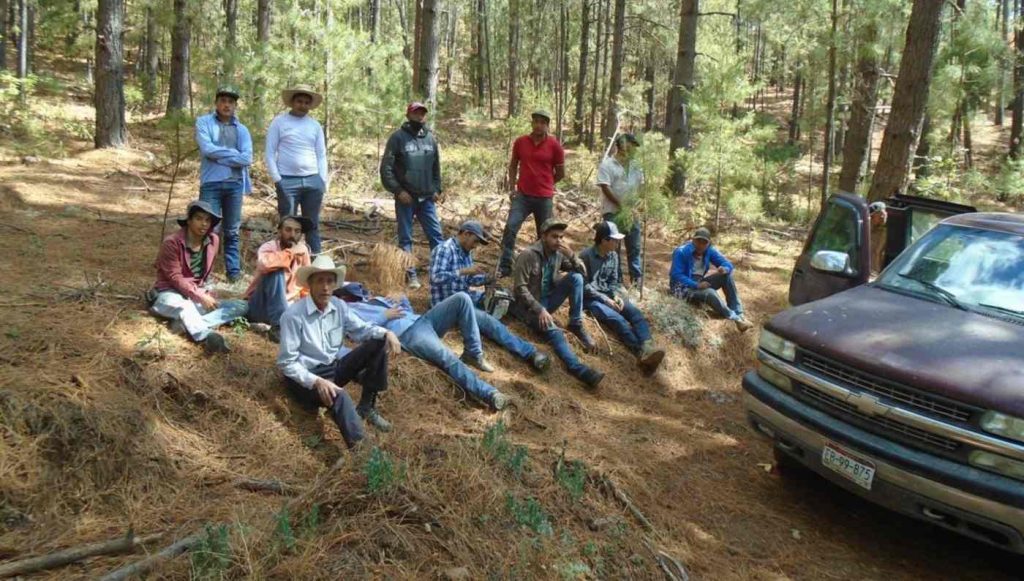
A group of community workers from the Ejido Santa Ana rest after a day working in the forest. Image courtesy of UCDFI Topia, S.C. released
UCDFI Topia, S.C.

An area famous for cropping narcotics and cannabis has changed its moniker from the Golden Triangle of Opium to the Golden Triangle of Sustainable Forestry.

It’s a shift four decades in the making, as the residents of four communities in the hilly, forested northern part of the state of Durango decided they wanted to secure a more sustainable future for themselves.

Durango state is one of Mexico’s great timber producers, contributing 70 million cubic feet to the national industry. Since the 1970s, the four communities of the Tamazula municipality have used their hills, richly forested with various species of conifers, as a forestry resource—calling themselves The Foresters of Northern Tamazula.

A study by The Food and Agriculture Organization of the United Nations highlights Durango as “one of the most important Mexican states with regards forest production and the conservation of natural resources,” and the more these resources can be developed, the greater the incentives become to move away from Tamazula’s narcotrafficker past. At the moment, the foresters of the mountains there make around U.S. minimum wage.

Reporting on this budding industry is Claire Storey at Mongabay, who spoke with a forestry engineer for UCDFI Topia, a community forest management organization, named Carlos Zapata Pérez.

RELATED: City Trees and Soil Are Sucking More Carbon Out of the Atmosphere Than We Thought

“When we initially began providing them with technical assistance, we saw the situation [the strong presence of crops destined for drug production] and made a real effort to convince them to move away from growing narcotics,” Zapata told Mongabay. “We told them their forest was an important resource because it could offer them many benefits, eco-systemic services, for example.”

Over 40 years, UCDFI Topia has helped the communities of Tamazula to create a community-powered, community-benefited forest management model. Their tree nurseries have produced more than a million conifers, and the economic ends of their labor sustains 10,500 families.

MORE: Genetic Lineage of Thousand-Year-Old Oak Trees Seed an Experimental ‘Super Forest’

Today, a thousand families still live off this forestry system. They maintain the highest certification in Mexico for sustainable forestry, and this has helped lift the municipality off the state’s poverty list.

While Tamazula remains remote, semi-isolated, and rugged, the residents speak proudly of what they’ve built, and the victories over the ‘Golden Triangle’ stigma which they’ve won.

GROW the Good News From the Forest; Share This Story…

Man Wins 200 Million on the Lottery and Donates Almost All of It to Save the Earth

EuroMillions_tickets cc license wikimedia commons Magnus D

€200,000,000: That’s how much an anonymous Frenchman won in the Euromillions jackpot lottery last week, and almost the sum total of how much he gave towards the preservation of tropical rainforest in West Africa, and forests in his native country.

The lucky winner established the Anyama Endowment Fund, named after a town in Côte d’Ivoire where it’s understood he spent a lot of time, and to it his winnings will go for “the protection and revitalization of forests, the preservation and regeneration of biodiversity and the support of family caregivers.”

“I only played during large jackpots, for one purpose: to devote most of this sum to the creation of a foundation,” he wrote in an open letter on the Fund’s website.

“During my life, I have witnessed in Côte d’Ivoire the incessant passage of trucks loaded with trees cut in the forests of Burkina Faso,” he told Le Parisien.

“We have never seen an initiative of this size, but there again, we have rarely seen such high winnings,” said an operator of the French National Lottery. “Often, these things go hand-in-hand.”

MORE: MacKenzie Scott Donates $436 Million to Habitat for Humanity, Continuing Her Giving Spree Since Divorce

Indeed it was the second-largest jackpot in the lottery’s history. The winner is only known to be a retiree in the south of France, who wants to spread the message that humans can preserve the natural environment if we want to—and that giving makes people more happy than having.

RELATED: Professor Gets a Cardboard Box Filled With $100 Bills Mailed Anonymously to Help His Students

“Above all, it is the expression of a conviction that I want to share with as many people as possible: giving makes people happy, and constitutes a tremendous lever for transforming indignation into concrete and useful actions,” the man said, according to Euro News.

Featured image: Magnus D, CC license

SHARE This Story of True Philanthropy With Others…

Dengue Detection Smartphone Tech Offers Hope For Low-Cost Testing on Par With Labs

University of Reading, CC license

Accurate home testing could be used for a wider range of illnesses, as new research shows the capability of smartphone-powered tests for Dengue Fever.

Biomedical technology researchers from the University of Reading used a new diagnostic kit called Cygnus to detect Dengue Fever with significantly improved rates over lateral flow testing kits.

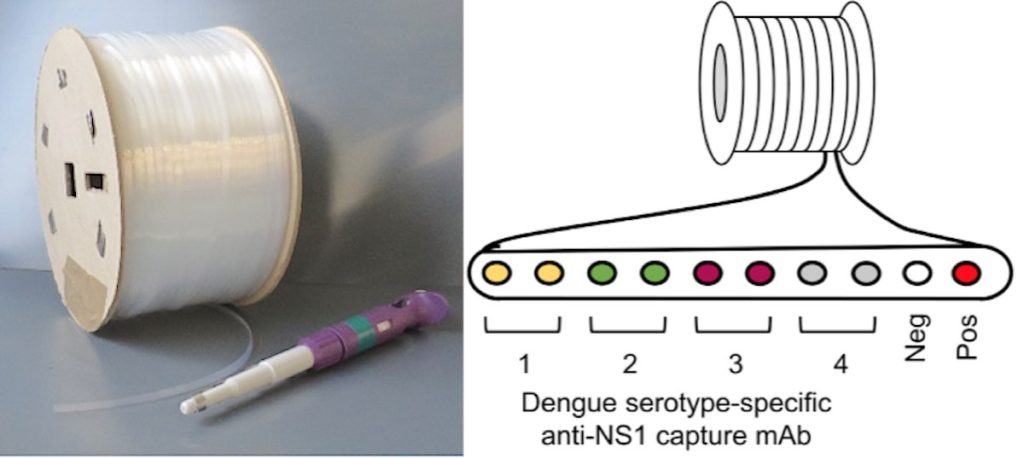
Working with academics and clinicians in Thailand, the team trialed the tests alongside already established alternatives in and found the new tests showed 82% clinical sensitivity, beating lateral flow testing (74% sensitivity) and matching hospital-based lab diagnostics (83% sensitivity). At the same time, these devices make 10 measurements allowing us to identify which of the four different dengue virus types caused the infection.

Dr Sarah Needs, Postdoctoral Research Associate in Microfluidic Antimicrobial Resistance Testing from the University of Reading is lead author of the paper.

Dr Needs said, “The paper shows exciting potential for the use of the microfluidic ‘lab on a strip’ tests that can used in conjunction with a smartphone and are more powerful than LFT testing in this case. As well as being cheap to produce, the lab on a strip technology allows users to test many different targets at once in one single sample, so it could be useful to detect multiple diseases not just one.

Lab on a strip

The new diagnostic test developed for the research uses ‘lab on a strip’ technology, which performs 10 or more tests a very small amount of liquid sample (such as blood, urine or saliva).

RELATED: 30 Minutes of Lifting Weights, Push-ups or Yard Work Weekly May Cut Risk of Death By 20%

The tests developed for the research were specifically developed to detect Dengue Fever, which affects an estimated 400m cases each year. While most cases are mild, dengue infections can lead to significant complications and can be fatal. Dengue can be most severe in children and is a serious health challenge facing half the global population.

Dr Alexander Edwards, Associate Professor in Biomedical Technology at the University of Reading co-created the lab on a strip technology.

MORE: Good News for Coffee Lovers: Daily Coffee May Benefit the Heart

Dr Edwards said, “While some people might only recently learned of the trade-offs between home vs lab testing following Covid-19, in many parts of the world rapid lateral flow tests are used for a range of illnesses including dengue.’

“With the Cygnus concept, we are tackling the biggest hurdle for home testing. How do you make something portable that can be cheaply mass produced while still matching laboratory test performance? By designing the microfluidic lab on a strip using mass-production melt-extrusion it is possible to scale up production and produce hundreds of thousands of tests. By recording results with smartphones, which are becoming ubiquitous, we have designed something that could be revolutionary for healthcare.”

This paper has been published in PLOS Neglected Tropical Diseases.

Source: University of Reading

SHARE This Story With Friends Who’ll Love to See It…

“Worrying is only praying for stuff you don’t want.” – Mildred Richards

By Nathan Dumlao

Quote of the Day: “Worrying is only praying for stuff you don’t want.” – Mildred Richards

Photo by: Nathan Dumlao

With a new inspirational quote every day, atop the perfect photo—collected and archived on our Quotes page—why not bookmark GNN.org for a daily uplift?


Homeless Dog That Comforted Troops is Being Transported to America to Live With One of the Soldiers

SWNS
SWNS

A homeless dog that brought comfort to U.S. soldiers overseas will now get a chance to live the cozy life in America with one of those soldiers.

The three-year-old mixed breed became like family to Sergeant K. and his Army unit in Kosovo last year, after they found him looking for food around their base.

His daily visits and wagging tail soon became the highlight of their day, delivering comfort to those far from home.

Sgt. Kelsey bonded with the pooch he named Duke and wanted to get him to a better life, out of danger.

The staff at the New York-based charity Paws of War promised to help, so Duke and the sergeant could be together once more.

But, before Duke could find his forever home in the US, disaster struck. He stopped showing up at the base.

Soldiers searched for him for several days, had no luck, and feared the worst. When they finally found him, they discovered he had been shot, was bleeding badly, and was severely dehydrated.

Paws of War sent out an emergency vet team to save Duke’s life.

The nonprofit’s overseas rescue partner, The Alamal Foundation, provided foster care for Duke while he healed. The pup spent six months recovering and eventually rebuilt his muscle strength to the point he was able to walk again.

LOOK: 2-Legged Pup Rescued From Afghanistan Makes Most Amazing Recovery: ‘He’s full of joy’

Paws of War / SWNS

Recently, Sgt. Kelsey got a message from Dereck Cartright, a veteran and logistics coordinator for Paws of War.

“We are thrilled to be able to tell you that after months of healing and rehabilitation, Duke has made a tremendous recovery. He is ready for the next part of his journey.”

The lucky canine is projected to be reunited with Sgt. Kelsey this month.

“The entire Army unit is so excited that Duke is coming home,” said Sgt. Kelsey. “This is the moment we’ve prayed for.”

Staff at The Alamal Foundation threw Duke a farewell party, attended by everyone who assisted in his rehabilitation.

POPULAR: Guys Write Letter to Neighbor Asking to Play With Their Pup, And Get Letter Back From the Dog

Paws of War launched a fundraising campaign to help cover the cost of Duke’s flight to the U.S, as well as his lifetime medical care.

“We are happy to help them with this mission and hope that many people in the community will want to support it as well. We can’t do it without their support.”

SHARE Duke’s Sweet Story With Dog Friends on Social Media…