Quote of the Day: “It is very hard to say the exact truth, even about your own immediate feelings—much harder than to say something fine about them which is not exactly true.” – George Eliot
Photo by: Radek Kilijanek
With a new inspirational quote every day, atop the perfect photo—collected and archived on our Quotes page—why not bookmark GNN.org for a daily uplift?
A group of high school seniors teamed up with a clever TikToker to give a retired Kindergarten teacher a tearful surprise.
Mrs. Hamilton retired from her job as a teacher years ago, but it’s clear she made a big impact as an educator.
When her last class of Kindergarten students were all grown up and ready to graduate cap-and-gown, Hamilton’s daughter Kim organized for them to throw a surprise that racked up 3.2 million views on TikTok.
“Hey! Congratulations. That’s cool,” the teacher said when she spotted a former student from her porch. “What’s going on?”
The one student quickly became a dozen, as they emerged from bushes, behind obstacles, and all approached their first school teacher.
“Oh my gosh. Did you know this was happening?” she asked her daughter, who was recording. “Oh my gosh, I love you all. Oh my gosh, you’re all just gorgeous.”
The video touched the hearts of teachers tuning in, with one person writing “proof they never stop being our kids after they leave us.”
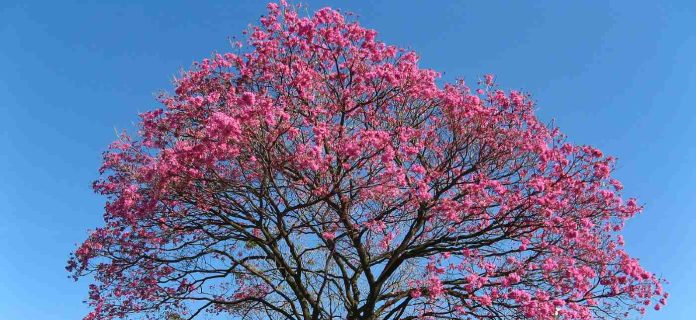
lapacho tree cc license wikimedia commons mauroguanandi
Mauroguanandi, CC license
Compounds from a Brazilian tree bark can now be used to treat acute myeloid leukaemia after a new technique that delivers it straight into the cancer cell.
The disease has a survival rate of around 20% after five years, and there is a high occurrence of relapse.
Caused by an abnormal increase in the number a type of immature blood cells, it is an aggressive cancer and the most common form of acute leukaemia in adults.
Scientists identified a compound from the bark of the lapacho tree called β-lapachone which controls the increase in the number of cells involved with cancer, however it was toxic to other cells as well.
“It’s important to find new therapeutic strategies for acute myeloid leukemia,” Professor Gonçalo Bernardes, a reader in Chemical Biology and a Royal Society University Research Fellow and a Fellow of Trinity Hall College, Cambridge said. “There are a lot of natural compounds with medicinal value that can’t be used as therapies at the moment due to toxicity and negative effects in healthy cells.
“In our work, we used these natural compounds and modified them in a way that controls their negative effects and allows us to take advantage of their therapeutic value.”
The team modified the compound to shield the body from its negative effects until it is delivered to the heart of the cancer cell.
“The compound that we explored in this study, called β-lapachone, is a promising drug to treat leukaemia, but its reactive properties could have undesirable effects,” Prof Bernardes who is also group leader at the Instituto de Medicina Molecular (iMM) and co-leader of the study added.
“In this work, we combined two strategies to minimise the negative effects of the compound.
“On one side, we added a chemical group to this compound that protects from its reactive properties. It acts like a mask that covers the toxicity of the drug.
“This mask is released in a more acidic environment, that corresponds to the interior of cells.
“This leads to our second strategy. We attached the modified compound to a protein, an antibody, that delivers it directly to the interior of cancer cells.”
The chemistry that was developed in this study, published in the journal Nature Chemistry, can be used for other valuable natural compounds, enabling the use of compounds with therapeutic potential that were previously inappropriate for medicinal use.
“Cancer cells have certain marks that tell them apart from healthy cells,” Dr Ana Guerreiro, co-second author of the study, added. “In acute myeloid leukaemia we know that one of these specific markers, called CD33, is present in the cancer cells.
“We attached our natural product to an antibody that binds specifically to this CD33.
“This allows the drug to go through the body without damaging any healthy cells and when the antibody encounters the cancer cell, it binds to the CD33 marker and delivers the drug.
“At this moment it will turn into its active and toxic form, killing the cancer cell.”
SHARE the Hope; Share The Results of This Cancer Study…
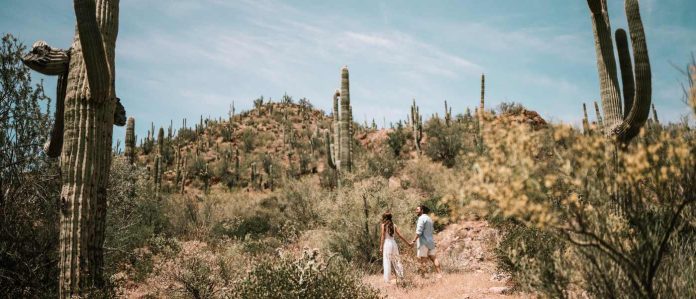
Desert dwellers know it well: the smell of rain and the feeling of euphoria that comes when a storm washes over the parched earth.
That feeling, and the health benefits that come with it, may be the result of oils and other chemicals released by desert plants after a good soaking, new research suggests.
“The Sonoran Desert flora is one of the richest in the world in plants that emit fragrant volatile oils, and many of those fragrances confer stress-reducing health benefits to humans, wildlife and the plants themselves,” said Gary Nabhan, a research social scientist at the UArizona Southwest Center and the Kellogg Endowed Chair in Southwestern Borderlands Food and Water Security.
Nabhan is lead author of two new studies that explain how volatile organic compounds that evolved to protect plants from damaging solar radiation, heat waves, drought stress, and predatory animals may also have health benefits for humans.
A familiar fragrance
Nabhan was inspired to investigate the health benefits of desert fragrances after learning about “forest bathing,” an ancient practice that originated in the coniferous forests of eastern Asia and involves spending time in nature to help reduce stress and improve overall well-being.
At first, Nabhan was disappointed by the fact that the nearest forests to him are thousands of feet high in the Catalina Mountains, which reach their highest point about an hour-and-a-half drive from central Tucson.
“But then I thought, some of those same compounds are found in desert plants,” Nabhan said, “and we know we have tremendous fragrances at certain times of the year, especially right after the thunderstorms of the monsoon.”
The Southwest monsoon season typically runs from June 15 to Sept. 30. About half of the region’s average annual rainfall occurs over the course of those three-and-a-half months.
Nabhan and his collaborators—Eric Daugherty, a former intern at the Southwest Center, and Tammi Hartung, a co-owner of Desert Canyon Farm in Canyon City, Colorado— identified 115 volatile organic compounds in 60 species of plants in the Sonoran Desert that are released immediately before, during and after rain. Of these, 15 have been shown in past studies to offer tangible health benefits.
“The fragrant volatile organic compounds from desert plants may in many ways contribute to improving sleep patterns, stabilizing emotional hormones, enhancing digestion, heightening mental clarity and reducing depression or anxiety,” Nabhan said.
“Their accumulation in the atmosphere immediately above desert vegetation is what causes the smell of rain that many people report. It also reduces exposure to damaging solar radiation in ways that protect the desert plants themselves, the wildlife that use them as food and shelter, and the humans who dwell among them.”
Many desert plants produce more volatile oils during the summer to protect themselves from harsh conditions, Nabhan said.
“The production of the oily compounds is happening during the extreme droughts and severe heat waves, but they remain on the leaves until we get the onset of the summer rains,” Nabhan said.
“We used to think that during the summer rains, those oily and gummy substances were washed off and into the air, but now there’s some evidence that with humidity and the fierce winds that we get with the onset of the rain, they’re released into the atmosphere even before the rain actually falls and contribute to that incredible surge of anticipation that you feel right before the first raindrop of a thunderstorm. From there, they travel into our lungs and into our bloodstream within minutes.”
The creosote bush is one of the most iconic plants in the Sonoran Desert and is often cited as the plant that gives the desert its familiar smell when it rains. One of the healing compounds that contributes to creosote’s familiar smell is trans-caryophyllene, which actually comes from a fungus that lives inside the plant rather the plant itself, Nabhan said.
Fragrance gardens for healing
John Fowler
Armed with his knowledge of desert plants, Nabhan is part of an initiative to create fragrance gardens to promote healing and well-being around the Southwest.
In March, Nabhan and his colleagues installed one such garden at the Sonoran Desert Inn and Conference Center in Ajo, Arizona. By late fall, they’d like to complete another at the base of Tumamoc Hill, where many people go to exercise outdoors. The hill’s proximity to Carondelet St. Mary’s Hospital makes it an even more strategic location, said Nabhan, who envisions patients and their families reaping the health benefits of the garden.
“I would like to see these fragrance gardens around every hospital, community clinic and bed and breakfast—wherever anyone comes to heal, relax and recreate,” Nabhan said. “These public gardens will not only produce nutritious foods, but offer residents, out-of-town guests and hikers a powerful opportunity to sense how the desert smells like rain.”
40th anniversary of Nabhan’s book “The Desert Smells Like Rain”
This summer, Nabhan is celebrating four decades since the release of his book The Desert Smells Like Rain: A Naturalist in O’odham Country. A 40th anniversary edition of the book includes a new preface from Nabhan with thanks to the Tohono O’odham people who shared with him their traditional knowledge that offered valuable insights into climate change and biodiversity.
The book explores how to respect nature and talks about what “transplants” to the desert— like Nabhan himself, who moved to Arizona in 1972 after spending his childhood in Indiana—can learn from the Tohono O’odham people, as longtime residents of the Sonoran Desert.
“These papers and the re-release of the book brought me full circle, returning me to a pivotal moment in my life when I first came to the desert,” Nabhan said.
Early in his career, Nabhan worked part time with a program called Arizona Writers on the Road, which gave him the opportunity to teach writing to young students on the Tohono O’odham reservation. As part of an assignment one day, he asked the students what the desert smelled like to them.
“One 8-year-old boy said that the desert smells like rain, and I thought that was the most beautiful thing I’ve ever heard. That became the title of my first book, and I’m not only so grateful to that child, but I’m also grateful to the O’odham communities I worked with later, because they taught me more about the desert than I could ever teach them as a scientist,” Nabhan said. “So, to me, ‘the desert smells like rain’ is an expression of gratitude to a community.”
Eating oily fish like mackerel or salmon could slash your risk of developing Alzheimer’s disease by nearly 50 percent, a new study has revealed.
Scientists found that people with high levels of omega-3 DHA in their blood were at 49 percent lower risk of getting the debilitating brain condition.
This was particularly true for those carrying the ApoE4 gene which doubles the chances of getting Alzheimer’s.
Study authors from the Fatty Acid Research Institute (FARI) in the US said their results could lead to a cheap, low-risk way to save billions in treatment.
The research took place within the Framingham Offspring Cohort and included 1,490 people aged 65 or over who did not have Alzheimer’s.
Researchers examined the association of red blood cell marine omega-3 docosahexaenoic acid (DHA) with Alzheimer’s Disease while also testing for interaction with ApoE4 gene carriership.
There are three types of Omega-3, DHA and Eicosapentaenoic acid (EPA) both found particularly in oily fish, and alpha-linolenic acid (ALA) found in plants which is not as good for you.
The study said that providing extra dietary Omega-3 DHA could slow the onset of the disease.
If those with the lowest levels were to reach those with the highest, they would gain an extra 4.7 years free of Alzheimer’s.
Study author Dr. Aleix Sala-Vila said: “The risk for Alzheimer’s disease in the highest DHA fifth was 49% lower compared with the lowest fifth.
“Delaying Alzheimer’s disease by five years leads to 2.7 additional years of life, and 4.8 additional Alzheimer-free years for an individual who would have acquired Alzheimer’s.
Although only observational, the findings published in the journal Nutrients support similar findings in the original Framingham Heart Study 15 years ago.
President of FARI, and senior author Dr. William Harris, said: “Most interestingly, 15 years ago similar findings were reported in the parents of the individuals who were the focus of this present investigation with a 47 percent in the risk of developing all-cause dementia.
“Similar findings a generation apart in a similar genetic pool provide considerable confirmation of this DHA-dementia relationship.”
SHARE a Portion of the Good News; Share This Story…
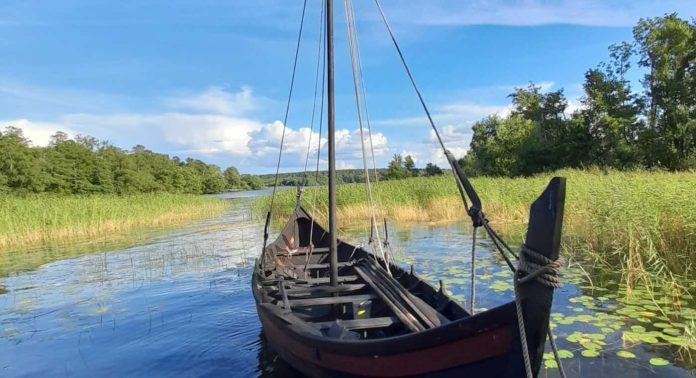
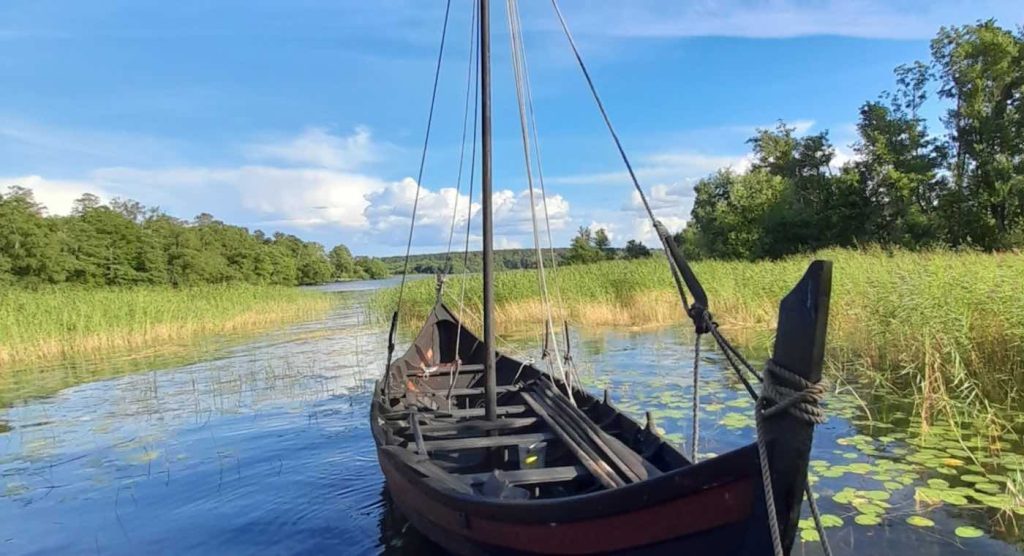
Replica Viking boat at Birka. By Sven Isaksson / Stockholm University's Archaeological Research Laboratory
Replica Viking boat at Birka. By Sven Isaksson / Stockholm University’s Archaeological Research Laboratory
Archeologists from Stockholm have located a unique Viking Age shipyard site at Birka. The discovery challenges previous theories about how the maritime activities of the Viking Age were organized.
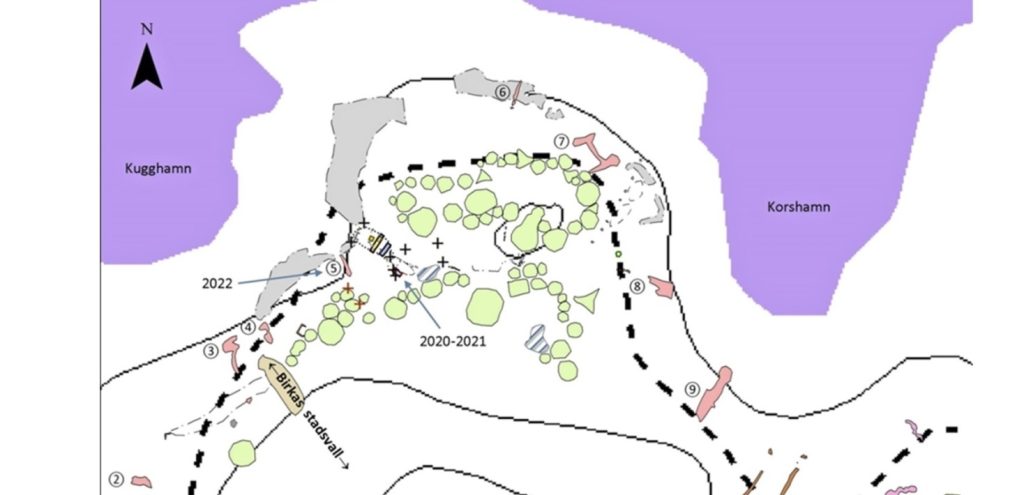
The site consists of a stone-lined depression along what had been the shore at that time, and a series of wooden slides for launching boats. Finds include large quantities of both unused and used boat rivets, whetstones made from slate, and woodworking tools.
“A site like this has never been found before, it is the first of its kind, but the finds convincingly show that it was a shipyard,” says Sven Isaksson, Professor of Archeological Science at Stockholm University, and project lead.
“The finds of artifacts from the area shows with great clarity that this is where people have served their ships,” he added. (See the site in the video below.)
Birka has long been a treasure trove of insight into the Viking Age, and the former trading post on the island of Björkö in Lake Mälaren has been recognized as a World Heritage Site.
Previous investigations have observed several of the remains before, but it’s through the latest finds that it has become possible to take a comprehensive view.
“Through systematic survey, mapping and drone investigations, we can now show that Birka, in addition to the urban environment, also has a very rich maritime cultural landscape with remains of everything from jetties to boat launches and shipyards,” says Isaksson, who works at the University’s Archeological Research Laboratory.
Jetty or boat landing remains in pink – Sven Isaksson / University of Stockholm Archeology Research Laboratory
Ships and shipping are characteristic of the Viking Age in the Nordic countries, both for warfare and for trade. One expression of Viking Age long-distance trade is the city-like trading posts that sprang up in the Nordic countries at the time.
“It’s not just about the first urban environments, but shows an intensive exchange of trade goods and ideas between people,” says Sven Kalmring, Isaksson’s partner on the project.
Findings raise new questions
The town ramparts around Birka functioned not only as a defense, but also as a legal, economic and social boundary.
Previous investigations of harbor facilities in Birka have mostly been carried out inside the town rampart, in the area known as the Black Earth harbor area, and below the so-called Garrison. The shipyard, in an area called Kugghamn, is located instead outside of the walls.
In order to secure source material that can add nuance to the knowledge of Birka’s maritime cultural landscape, the archeological investigations are continuing. Among other things, separate excavations are beginning in a similar site—the remains of a boat landing located outside the town rampart.
Another question the archeologists are trying to answer is who was allowed to dock where.
“Could anyone land anywhere, or did it matter if it was inside or outside the town rampart? There is much to ponder here. But for us, the investigation doesn’t end with the fieldwork, we continue in the lab. By using analytical laboratory techniques, we get more information out of the fragmentary source material than is otherwise possible,” says Isaksson.
RAID Your Friends’ Social Media Feeds With This Viking-Age Discovery…
The government of Thailand just removed cannabis from its list of narcotic substances, which they hope will benefit the tourism and pharmaceutical industries.
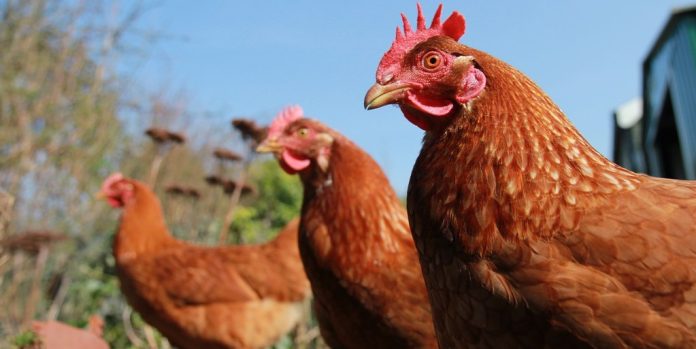
Chickens could end up being the major beneficiary of the relaxation, as scientists in Chiang Mai have begun testing to see if cannabis could replace antibiotics in commercial farming.
Their findings, which have not yet been published, are that cannabis-supplemented chickens on an organic chicken farm suffered from fewer cases of avian bronchitis, and the quality of meat was judged to be superior, based on the amino acid and lipid profiles, as well as its tenderness, compared with non-supplemented chickens.
It all started when Ong-ard Panyachatiraksa, a farm owner in the north of the country licensed to grow medical cannabis, was trying to brainstorm what to do with all the extra leaves from the cannabis plants. He started giving them to his chicken brood, and then invited scientists to have a look.
Mass-use of antibiotics in commercial chicken production, is, just like in hospitals and schools, leading to the rise in antibiotic-resistant pathogens. The cannabis would offer a different avenue of biological support, without contributing to the already rampant problem.
The scientists from Chiang Mai University found, after studying 1,000 of Ong-ard’s chickens, that cannabis could help reduce farmers’ dependence on antibiotics, according to research lead Chompunut Lumsangkul, an assistant professor at the University’s department of animal and aquatic sciences.
Their working hypothesis is that the cannabis could be improving the chickens’ gut health. One of the major communicators with the immune system, a healthy, flourishing gut microbiota is key to staying fit for all lifeforms.
While it doesn’t necessarily mean the gut microbes, or cannabinoids are killing bacteria and viruses that cause salmonella or avian flu, a healthier, fitter chicken can better defend against those with its innate immune system.
CB2 receptors cover many cells in animals. These receive cannabidiol, or CBD, which interacts with the immune-system. This was shown to increase protection against viral infection and replication COVID-19 better than the vaccine in some cases, as well as effectively reversing the overreaction from the immune system itself that was the leading cause of death in COVID-19 infections, the so-called “cytokine storm.”
With no trace of THC or CBD in the chicken meat, the chickens that have been fed with cannabis will sell for a higher price at the farm’s restaurant, reports the Guardian. Chicken generally sells for 60 baht ($1.60) per kg, he said, but his would go for double.
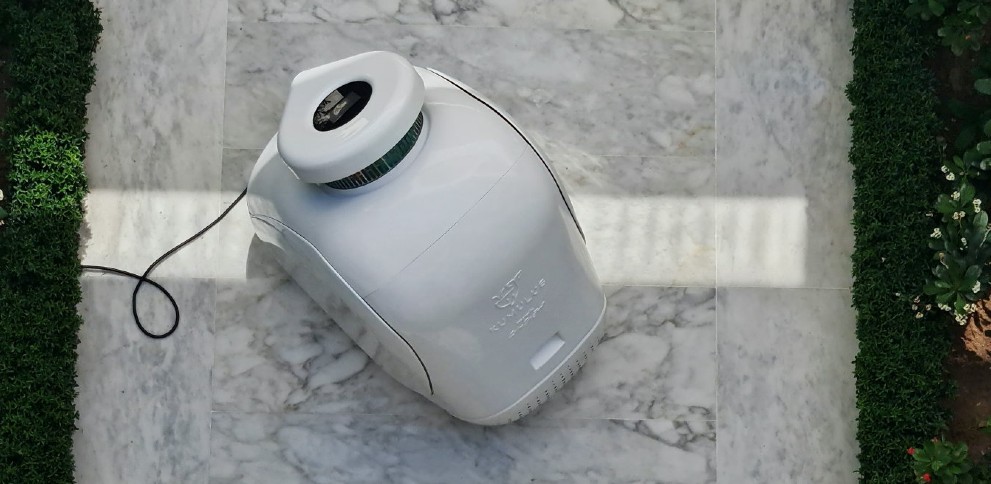
A tech start-up has developed a product that allows safe drinking water to be refined from vapor in the air.
Kumulus designed and produced the product, which is able to ‘produce 20 to 30 liters of healthy drinking water per day’.
It is able to refine the water vapor in the air and put it through a system that kills any harmful bacteria.
The drinking water is collected in a small reservoir and is then ready to be safely consumed.
The company believes that access to safe drinking water should not be a luxury and is a right to all human beings on Earth.
Kumulus’ machines are designed to be fully autonomous meaning that when fully operational they can be transported, set up, and maintained easily across the globe. (See the video below)
CEO Iheb Triki is seen in the footage explaining how a prototype of the product works and giving an overview of each part’s function.
“The Kumulus technology is a replication of the dew effect and condensation of water from the air,” a Kumulus spokesperson said. “Humid air is drawn into the machine and passes through a particle filter then goes through a cooling process that causes droplets of water to appear in the collector.
“The dry air is now pushed out of the machine, while the water collected gets filtered multiple times to ensure the absence of any particles or bacteria and then gets mineralized and saved in the water reservoir, ready to be served on demand.”
The company has an ongoing mission to give the whole world access to drinking water and plans on further developing ideas to replace current systems that are already in place.
“We aim to provide everyone with their own sustainable and autonomous source of drinking water,” a spokesperson added.
“Currently, we are targeting locations that have access problems with a solution that brings fresh water to their hands. In the future, we aim to provide the Kumulus technology as a more sustainable and economical alternative to the solutions currently present in the market.”
Watch the machine at work, in this Reuters video…
CAPTURE and Share This Story of Real Innovation With Friends…
An innovative light-activated therapy could help detect and treat an aggressive brain cancer type, a new study shows.The ‘photoimmunotherapy’ combines a special fluorescent dye with a cancer-targeting compound, which together boosts the body’s immune response.
In studies in mice, the combination was shown to improve the visibility of cancer cells during surgery and, when activated by near-infrared light, to trigger an anti-tumor effect.
The treatment, studied by an international team of researchers from the The Institute of Cancer Research and the Medical University of Silesia could ultimately help surgeons to remove brain cancers like glioblastoma more effectively, and boost the body’s response to cancer cells that remain after surgery.
Lighting-up brain cancer
Glioblastoma multiforme, also known as GBM, is one of the most common and aggressive types of brain cancer. New ways to improve surgery could help patients live for longer.
Surgeons often use a technique called Fluorescence Guided Surgery to treat diseases like glioblastoma and other brain cancers, which uses dyes to help identify the tumor mass to be removed during surgery.
But due to these tumors growing in sensitive areas of the brain like the motor cortex, which is involved in the planning and control of voluntary movements, glioblastoma surgery can leave behind residual tumor cells that can be very hard to treat—and which mean the disease can come back more aggressively later.
The new research builds on Fluorescence Guided Surgery using a novel technique called photoimmunotherapy (PIT).
This treatment uses synthetic molecules called ‘affibodies’—small proteins engineered in the lab to bind with a specific target with high precision.
In this study, the researchers combined an ‘affibody’ created to recognise a protein called EGFR—which is mutated in many cases of glioblastoma—with a fluorescent molecule called IR700, which is used in surgery.
Shining light on these compounds causes the fluorescent dye to glow, highlighting microscopic regions of tumors left in the brain, while switching to near-infrared light triggers anti-tumor activity that kills tumor cells.
Offering new hope for brain cancer
The researchers tested this combined molecule, or ‘conjugate’—known scientifically as ZEGFR:03115-IR700—in mice with glioblastoma. They could see the cancer-targeting compound fluorescing in the brain tumours during surgery, just one hour after administration.
Shining near-infrared light on the tumour cells then activated the anti-tumour effect of the compound, killing cancer cells: scans of mice treated with the compound showed distinct signs of tumour cell death compared with untreated mice.
Photoimmunotherapy also triggered immune responses in the body that could prime the immune system to target cancer cells, so the treatment could help prevent glioblastoma cells from coming back after surgery.
As well as being a possible future treatment for glioblastoma, the approach used for ZEGFR:03115-IR700 could also be adapted against other targets in other forms of cancer, using new affibody molecules.
Researchers at the ICR are now also studying the treatment in the childhood cancer neuroblastoma. That’s hopeful news indeed.
Quote of the Day: “Shouldn’t the distance between impossible and improbable be widened?” – Luke Johnson
Photo by: Kristopher Roller
With a new inspirational quote every day, atop the perfect photo—collected and archived on our Quotes page—why not bookmark GNN.org for a daily uplift?
The Lesson: There’s no place in the structure of a business where someone should be exempt from help, vulnerability, and failure. Whereas some people coach and write about how to crush vulnerability, prevent failure, or avoid help, Deborah Riegel, who writes, speaks and consults with the biggest firms and biggest journals, helps people understand that utilizing lived experience, and available help, can provide a better foundation for success in the work place, team cohesion, and work-life balance.
Notable Excerpt: “I helped found the Univ. of Michigan’s first improv comedy troupe, and so I was able to take the background I had in preparing for a presentation and then mix it with ‘well what do you do if you can’t prepare?’ So that theme of helping people think about preparing and helping people have sort of a scaffolding for what to do when you can’t prepare, has been a through-line of my professional career since I was 17, and I’m now 50.”
The Guest: Deborah Grayson Riegel is a keynote speaker, executive coach, and consultant who has taught leadership communication for Wharton Business School, Duke Corporate Education, Columbia Business School’s Women in Leadership Program, and the Beijing International MBA Program at Peking University. She writes for Harvard Business Review, Inc., Psychology Today, Forbes, and Fast Company, and has been featured in Bloomberg Businessweek, The Wall Street Journal, and The New York Times. She is the author of “Go to Help: 31 Strategies to Offer, Ask for, and Accept Help” and “Overcoming Overthinking: 36 Ways to Tame Anxiety for Work, School, and Life” and consults and speaks for clients including Amazon, BlackRock, Google, KraftHeinz, PepsiCo, and The United States Army.
The Podcast: Livin’ Good Currency explores the relationship of time to our lives. It gives a simple, straight-forward formula that anyone can use to be present in the moment—and features a co-host who knows better than anyone the value of time (see below). How do you want to spend your life? This hour can inspire you, along with upcoming guests, to be sure you are ‘Livin’ Good Currency’ and never get caught running out of time.
The Hosts: Good News Network fans will know Tony (Anthony) Samadani as the co-owner of GNN and its Chief of Strategic Partnerships. Co-host Tobias Tubbs was handed a double life sentence without the possibility of parole for a crime he didn’t commit. Behind bars, he used his own version of the Livin’ Good Currency formula to inspire young men in prison to turn their hours into honors. An expert in conflict resolution, spirituality, and philosophy, Tobias is a master gardener who employs ex-felons to grow their Good Currency by planting crops and feeding neighborhoods.
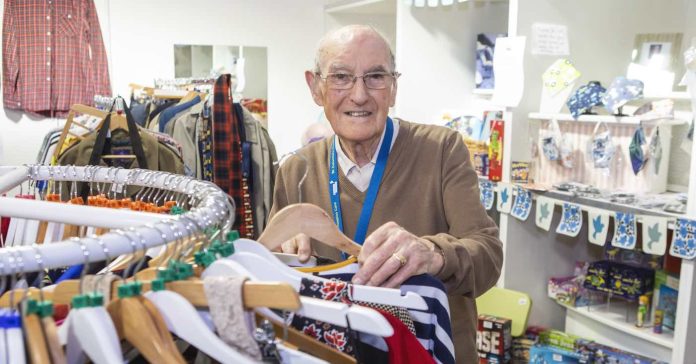
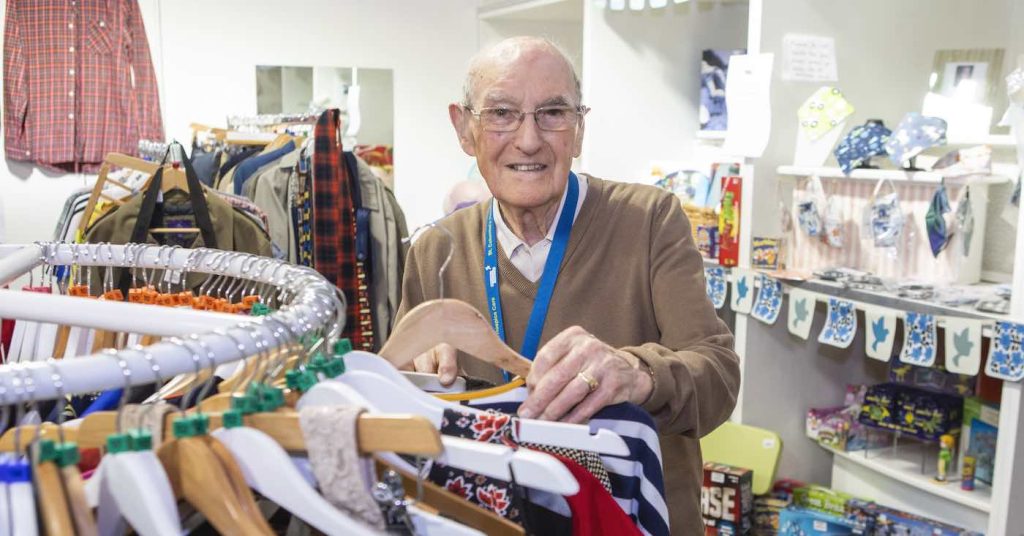
A dedicated charity shop volunteer spends 12 hours a week commuting to and from work— despite being 100 years old.
David Flucker celebrated his centennial birthday this week, but still went into work the next day, as usual, at the St. Columba’s Hospice shop in Edinburgh, Scotland.
David spends four hours traveling roundtrip to the shop—which he does regardless of the Baltic weather.
The sprightly widower started working in the charity shop after he was diagnosed with prostate cancer and spent two weeks being cared for by the Hospice. He just wanted to pay it forward for the kindness he received.
“It is a wonderful feeling to be doing something,” said the senior, who lives in Balgreen, Edinburgh.
“It is two buses and a 20 minute walk to get to the shop, at least two hours,” he explained. “I work three days a week, Thursday, Friday and Saturday, which are the busiest days.
The grandfather-of-seven says the shop in Ocean Terminal gets a lot of donations, and he checks them all out to see if they’re OK.
“We get a lot of toys, books, jigsaw puzzles. We have got to check them all over.”
But what he loves the most is the social aspect of his work—when people “come in just to chat.”
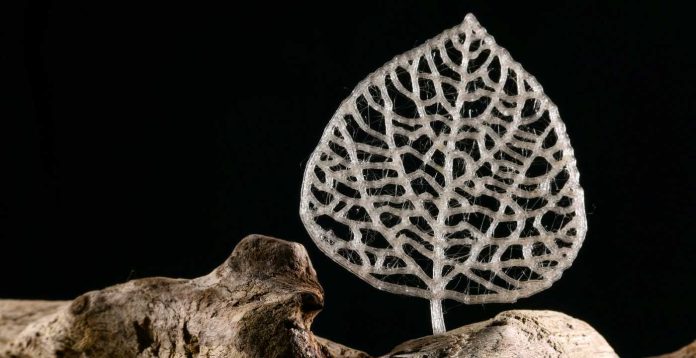
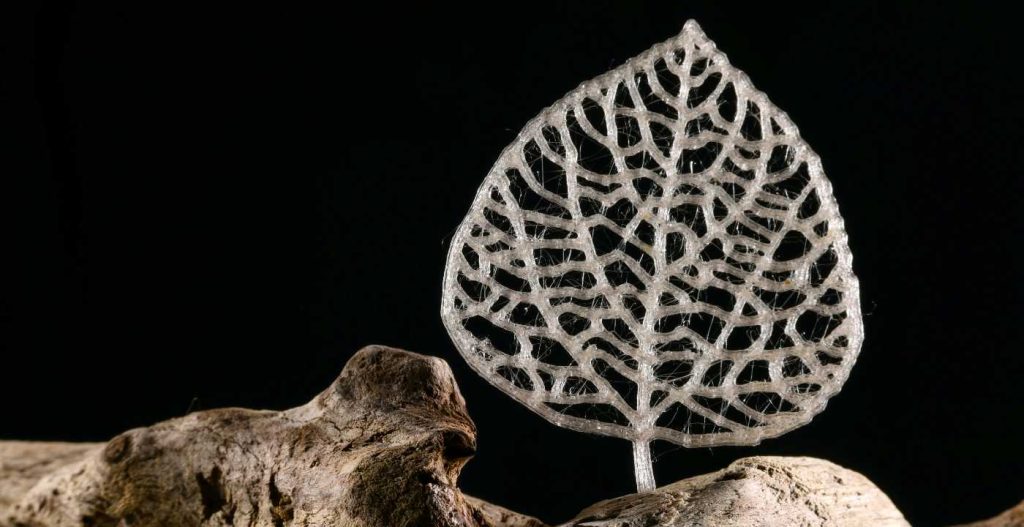
A new type of plastic made directly from organic plant waste has been created by scientists.
The new material is easy to make and could be used in everything from packaging and textiles to medicine and electronics.
The researchers in Switzerland have already used the technique to make packaging films, fibres that can be spun into clothes or other textiles and filaments for 3D printing.
Conventional plastic is so widespread because making it combines low cost, heat stability, mechanical strength, processability, and compatibility, the researchers say.
Until now, few if any alternative plastics have managed to match or surpass conventional plastic on these metrics, which is vital if they are to be used more widely.
To make the plastic, scientists ‘cooked’ wood and other non-edible plant materials in inexpensive chemicals to make a plastic precursor.
The sugar structure stays intact within the molecular structure of the plastic, making the chemistry much cheaper than other types of alternative plastic.
Back in 2016, the researchers found out that if they added an aldehyde chemical they could stabilize parts of the plant material to avoid their destruction during extraction. But now, instead of formaldehyde they are using glyoxylic acid, a solid organic compound that occurs naturally and is used in industry.
The team could simply clip ‘sticky’ groups onto both sides of the sugar molecules, which allowed them to act as plastic building blocks.
Using this simple technique, they could convert up to a quarter of the weight of agricultural waste, or 95 per cent of purified sugar into plastic.
“The plastic has very exciting properties, notably for applications like food packaging,” Professor Jeremy Luterbacher from the Swiss Federal Institute of Technology, who created the plastic, said.
“What makes the plastic unique is the presence of the intact sugar structure.
“This makes it incredibly easy to make because you don’t have to modify what nature gives you, and it is simple to degrade because it can go back to a molecule that is already abundant in nature.”
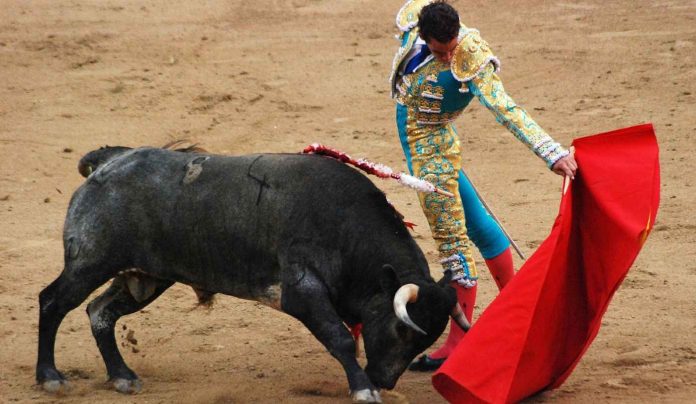
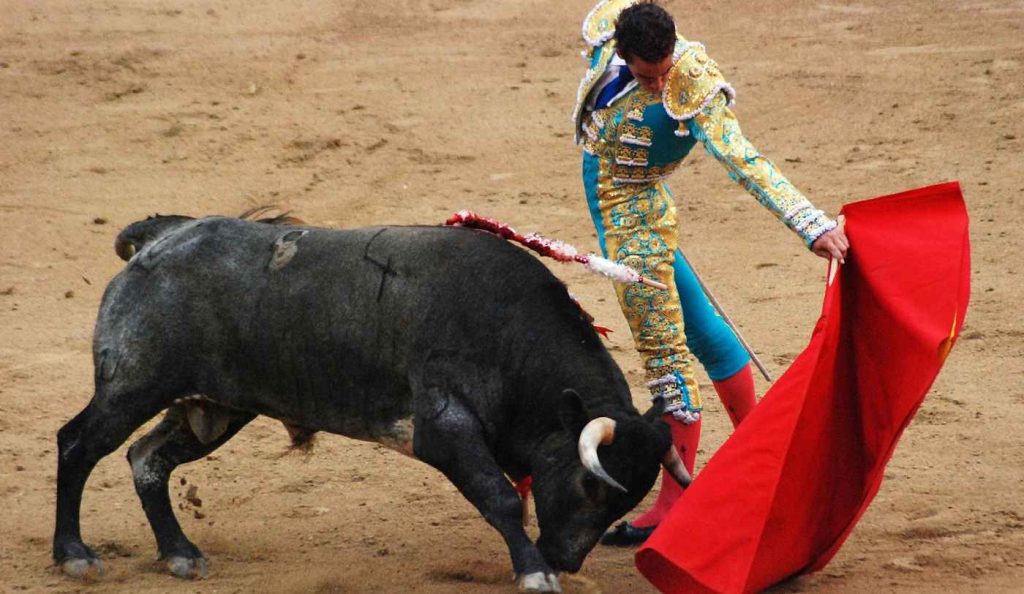
Bullfighting is a romantic Spanish tradition that is said to be a tragedy ballet between the man and the bull. However richly that culture is ingrained in the traditions and histories of Spain, and by extension, Mexico, there’s no escaping the fact that for the bulls, who almost always lose the “fight,” it’s just a tragedy, without any romance.
For that reason, a majority of Mexican citizens recently polled supported a total moratorium on bullfighting in Mexico because the “animals are subject to mistreatment and cruelty that result in their death,” according to the Mexican assembly’s Animal Welfare Commission.
Bullfighting organizations have said they will appeal and contest the ban in Mexico City, however a higher court has already upheld a ban ruling against an appeal. Four states have already totally banned bullfighting, which historians believe may have passed the half-millennial anniversary in the country last year.
ABC news reports that a judge originally decreed a temporary ban in May, based on complaints that bullfights violated resident’s rights to a healthy environment free from violence. The decision will now be made on whether or not the ban should be permanent.
Currently, La Plaza Mexico in the capital is the world’s largest bullfighting venue, where matadors, toreadors, and picadors attempt to evade the fury of the bull, while repeatedly stabbing it with slightly-chemically-treated javelins to slowly weaken the animal before the toreador can finish it off with a thrust of his sword.
Throughout history, the peoples of the Mediterranean and Mesopotamia have been fascinated with antagonizing uncastrated male bovines. In ancient Mycenae, the “bull leapers” fresco dates this tradition back at least 3,400 years. Along with the Running of the Bulls in Pamplona, the Spanish brought about bullfighting at least as early as 1128 CE, when the general El Cid was said to be exceptional.
The bullfight we know today, done on foot with the red curtain, was first held at the turn of the 19th century, by Francisco Romero, in Ronda, Spain.
Bullfighting advocates say that it’s a kind of shared or intangible world heritage.
In the documentary Gored,about one of the most famous of recent matadors, advocates say the tragedy about the “ballet” between the bull and the matador, which ends at the thrust of a sword, is that the matador loves the animal, and that in order for the show—bordering on a ritual, to be executed perfectly, the matador in fact must love the bull with all his heart. Therefore when it ends, there is chiefly sorrow for him.
Perhaps it’s correct then that the tradition itself, like the bull, and the ballet, ends.
SPREAD This Good News in the Name of Animal Welfare Far and Wide…
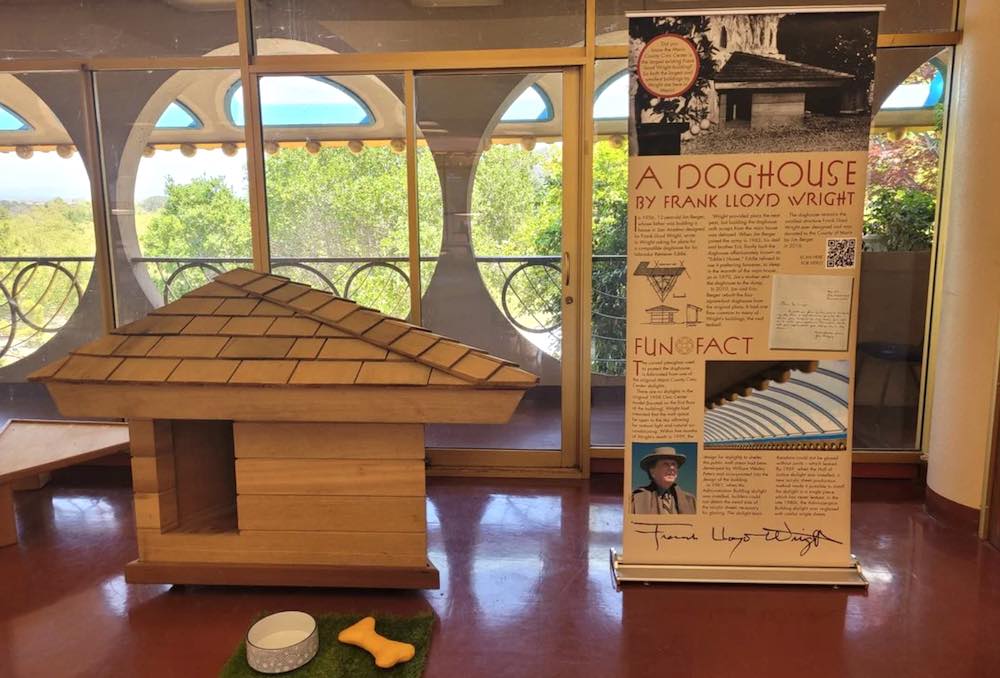
Letter received by Frank Lloyd Wright, asking him to design a dog house – Courtesy of Marin County Civic Center
Letter received by Frank Lloyd Wright, asking him to design a dog house – Courtesy of Marin County Civic Center
Designer of some of the most celebrated buildings in American history—including Falling Water and the Guggenheim Museum—Frank Lloyd Wright, as it turns out, helped fulfill the housing needs of other animals too.
In 1956, a 12-year-old boy asked the famous architect if—seeing as he was already designing a house for his family, the Bergers—the great designer wouldn’t be troubled to include a dog house to go with it.
Penning a reply, Wright said building a dog house for Eddie the Labrador retriever was an “opportunity,” but that on account of a packed schedule, young Jim Berger would have to wait about 18 months.
Marin County Civic Center
Jim was the son of Robert and Gloria, who had recently contracted Wright to build them one of his “Usonian style” homes for the American family.
Just as he had intended, Wright got around to the “opportunity” and provided plans for the four-square-foot doghouse the next year, written on the back of an envelope and at no charge.
The triangular structure was designed in keeping with the main house and included signature Wright details, such as the low-pitched roof with exaggerated overhang. Wright even suggested that Jim use scrap pieces of Philippine mahogany and cedar left over from the home’s original construction.
The youth never got around to building it, but eventually his brother and father built the doghouse, only to find that Eddie never used it and preferred to sleep inside where it was warmer. The roof leaked too, which was somewhat typical of Wright’s work. This led Jim’s mother Gloria to toss the thing in the landfill.
Doghouse designed by Wright in new exhibit / Marin Civic Center
But in 2010, the documentary Designed by Frank featured Jim and his brother rebuilding the doghouse according to the original plans, and, after they were finished, they donated it to Marin County for display at another of Wright’s buildings, the Marin County Civic Center.
Displayed only briefly, it was placed in storage in 2016, but the people who saw it never forgot, and so as of late May, the smallest building he ever designed is now on permanent display inside the largest existing building he ever designed.
Marin County Civic Center – copyright GWC
“The people love it,” Libby Garrison of the Marin County Department of Cultural Services, told the Marin Independent.
“We are a pet-loving community and I think it’s an intimate kind of lovely building and I feel like it tells a bigger Frank Lloyd Wright story. The doghouse adds further dimension to Frank Lloyd Wright in Marin County, and it’s a fun family story.”
SHARE This Fab Story of True Generosity With Chums…
Quote of the Day: “A shower can bestow a temporary taste of being born again. It’s fine to have one for that purpose alone with no further justification.” – William Sebrans
Photo by: Laura Marques
With a new inspirational quote every day, atop the perfect photo—collected and archived on our Quotes page—why not bookmark GNN.org for a daily uplift?
Dyslexia has affected some of history’s greatest minds—including Leonardo da Vinci, Albert Einstein, Pablo Picasso, and Sir Stephen Hawking.
The list also includes billionaire entrepreneurs—like Sir Richard Branson and Steve Jobs—who’ve built some of the world’s top companies, like Virgin and Apple.
Now scientists have discovered that people with dyslexia have special skills. They are better at solving problems and adapting to challenges.
Such skills enabled our species to survive, and could hold the key to tackling climate change.
Those with dyslexia (a common learning disability) actually specialize in exploring the unknown.
The findings published in the journal Frontiers in Psychology have implications both at the individual and societal level.
“The deficit-centered view of dyslexia isn’t telling the whole story,” said lead author Dr. Helen Taylor, of the University of Cambridge. “This research proposes a new framework to help us better understand the cognitive strengths of people with dyslexia.”
It is estimated that one-in-five have the condition. It mainly causes problems with reading, writing and spelling.
Other Celebrities
Celebrities known to have dyslexia range from Walt Disney and John Lennon to Jamie Oliver and Keira Knightley.
George Washington, Abraham Lincoln, and John F. Kennedy left an indelible mark on the world as presidents of the United States—regardless of their spelling ability.
“We believe the areas of difficulty experienced by people with dyslexia result from a cognitive trade-off between exploration of new information and exploitation of existing knowledge,” added Dr. Taylor.
“The upside is an explorative bias that could explain enhanced abilities observed in certain realms like discovery, invention and creativity.”
It is the first study to look at dyslexia from an evolutionary perspective, shedding fresh light on its prevalence among high achievers.
“Schools, academic institutes and workplaces are not designed to make the most of explorative learning,” insists Taylor. “But we urgently need to start nurturing this way of thinking to allow humanity to continue to adapt and solve key challenges.”
Dyslexia is found in up to 20% of the general population irrespective of country, culture, and world region.
It is defined by the World Federation of Neurology as “a disorder in children who, despite conventional classroom experience, fail to attain the language skills of reading, writing and spelling commensurate with their intellectual abilities.”
The study is based on a theory of evolution called “complementary cognition” which suggests humans evolved to specialize in different but supportive ways of processing information. Combining these abilities enables us to achieve more than the sum of parts—increasing creativity.
For example, if you eat all the food you have, you risk starvation when it’s all gone. But if you spend all your time exploring for food, you are wasting energy you don’t need to waste. We must ensure a balance between ‘exploitation’ of known resources with exploration of new resources to best survive.
Exploration refers to activities that involve experimentation, discovery, and innovation, which dyslexia enhances.
Exploitation is concerned with using what’s already known including refinement, efficiency, and selection—and this includes tasks such as reading and writing.
“It could also explain why people with dyslexia appear to gravitate towards certain professions that require exploration-related abilities such as arts, architecture, engineering and entrepreneurship,” Taylor said.
Educators, academics and policy makers consider people with dyslexia as having a developmental disorder. But its ubiquity suggests they have an advantageous form of cognition passed on to us from our ancestors over thousands of generations.
The results align with evidence from several other fields. An explorative bias in such a large proportion of the population indicates our species evolved during a period of high uncertainty and change.
Collaboration between people with different abilities might have aided the exceptional capacity of our species to adapt.
SHAER This Inspiring Study With Aspiring Friends on Social Media…
Salvation Army Food Waste Program with Feeding San Diego
Salvation Army Food Waste Program with Feeding San Diego
A unique collaboration between a trio of organizations in San Diego, California, reached a milestone in providing food and employment to those who need it most.
They also rescue perfectly-viable food that would’ve otherwise ended up in the landfill, while serving up a creative model that could be replicated across the country.
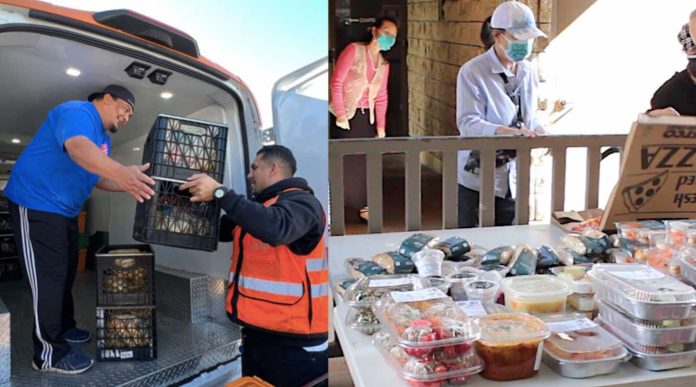
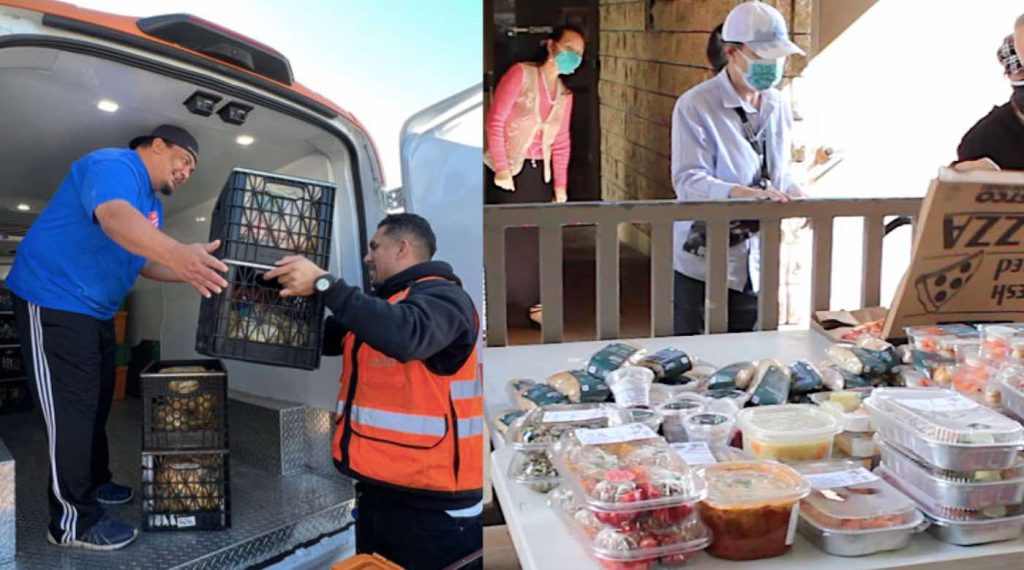
With funding from the Lucky Duck Foundation, The Salvation Army hires residents of its homeless shelter and trains them to be food rescue route drivers, who then operate routes for Feeding San Diego to pick up tasty food before it’s wasted.
The heartwarming partnership hit a milestone in June, announcing it had saved more than half a million pounds of food so far (227,000 kg), and every one of The Salvation Army residents who has participated in the program has secured full-time employment and is still housed.
Daniel Rocha who had been homeless for nine months jumped at the job opportunity to be a route driver. He picks up the food three times per week from grocery stores, like Costco and Vons, from Starbucks, and Amazon warehouses, among other businesses.
The food is then distributed to those in need—often to the residents back at The Salvation Army shelter.
Children have been spending more and more time in front of screens—and whether it has a negative impact on their well being is being hotly debated.
Researchers in Sweden have now studied how the screen habits of U.S. children correlates with their intelligence, and how it develops over time.
The study found that children who spent an above-average time playing video games increased their intelligence more than the average, while TV watching or social media had neither a positive nor a negative effect.
Over 9,000 boys and girls in the USA participated in the study. At the age of nine or ten, the children performed a battery of psychological tests to gauge their general cognitive abilities (intelligence). The children and their parents were also asked about how much time the children spent playing video games, watching TV or videos, and scrolling on social media.
In a follow-up two years later, over 5,000 of the children were asked to repeat the psychological tests. This enabled the researchers from Karolinska Institute and Vrije University Amsterdam to study how the children’s performance on the tests varied from the first testing session to the other, and to control for individual differences in the first test. They also controlled for genetic differences that could affect intelligence and differences that could be related to the parents’ educational background and income.
The average child in the study spent 2.5 hours a day watching TV, half an hour on social media and 1 hour playing video games.
The results showed that those who played more games than the average increased their intelligence between the two measurements by approximately 2.5 IQ points more than the average. No significant effect was observed, positive or negative, of TV-watching or social media.
“We didn’t examine the effects of screen behavior on physical activity, sleep, wellbeing or school performance, so we can’t say anything about that,” says Torkel Klingberg, professor of cognitive neuroscience at the Department of Neuroscience, Karolinska Institute.
“But our results support the claim that screen time generally doesn’t impair children’s cognitive abilities, and that playing video games can actually help boost intelligence. This is consistent with several experimental studies of video-game playing.”
Intelligence is not constant
The results are also in line with recent research showing that intelligence is not a constant, but a quality that is influenced by environmental factors.
“We’ll now be studying the effects of other factors and how the cognitive effects relate to childhood brain development,” says Torkel Klingberg.
One limitation of the study, published in the journal Scientific Reports, is that it only covered U.S. children and did not differentiate between different types of video games, which makes the results difficult to transfer to children in other countries with other gaming habits. Also, the accuracy of screen time and habits could not be confirmed since they were self-reported by families.