










All News - Page 384 of 1715 - Good News Network
Home Blog Page 384

Your Inspired Weekly Horoscope From Rob Brezsny: A ‘Free Will Astrology’

Our partner Rob Brezsny provides his weekly wisdom to enlighten our thinking and motivate our mood. Rob’s Free Will Astrology, is a syndicated weekly column appearing in over a hundred publications. He is also the author of Pronoia Is the Antidote for Paranoia: How All of Creation Is Conspiring To Shower You with Blessings. (A free preview of the book is available here.)

Here is your weekly horoscope…

FREE WILL ASTROLOGY – Week of April 1, 2022
Copyright by Rob Brezsny, FreeWillAstrology.com

ARIES (March 21-April 19):
In 1904, it wasn’t illegal to use performance-enhancing drugs during Olympic competitions. Runner Thomas Hicks took advantage of this in the marathon race. The poison strychnine, which in small doses serves as a stimulant, was one of his boosters. Another was brandy. By the time he approached the finish line, he was hallucinating and stumbling. His trainers carried him the rest of the way, and he was declared the winner. I recommend you make him your inspirational role model in the coming weeks. How might you cheat to gain a great victory? APRIL FOOL! I Lied. While it’s true that a meaningful triumph is within your reach, you’re most likely to achieve it by acting with total integrity, following the rules, and imbibing no stimulating poisons.

TAURUS (April 20-May 20):
Science fiction aficionado Wil Wheaton suggests that all of us should have the following: 1. a nemesis; 2. an evil twin; 3. a secret headquarters; 4. an escape hatch; 5. a partner in crime; 6. a secret identity. Dear Taurus, I have doubts that you possess any of these necessities. Please embark on intensive efforts to acquire all of them. Your deadline is April 21. APRIL FOOL! I half-lied. There’s no way you could add all those things to your repertoire in such a short time. See if you can at least get a secret identity and a partner in crime. It’s time to have wicked fun as you add to your potency and effectiveness.

GEMINI (May 21-June 20):
“I hate being on my best behavior,” wrote Gemini author Colleen McCullough. “It brings out the absolute worst in me.” In the coming weeks, I hope you avoid the danger she describes. Don’t be on your best behavior! Emulate Gemini filmmaker Clint Eastwood, who said, “I tried being reasonable, but I didn’t like it.” APRIL FOOL! I lied. Here’s the real truth: Being kind and generous and reasonable will be your secret weapon in the next three weeks. Doing so will empower you to make interesting and unforeseen progress.

CANCER (June 21-July 22):
A Tumblr blogger named Alyssa complains, “I’m still peeved that I can’t fly or set things on fire with my mind.” You might share that feeling, Cancerian. But here’s the good news: I predict that you could soon acquire, at least temporarily, the power to fly and set things on fire with your mind. Use these talents wisely, please! APRIL FOOL! I lied. In fact, you probably won’t be able to fly or set things on fire with your mind anytime soon. However, you may acquire other superpowers that are only slightly less fantastic. For example, you could change the mind of an ally who has been ridiculously stubborn. You could uncover a big secret that has been hidden. You could mend a wound you thought would never heal. Any other superpowers you need right now?

LEO (July 23-Aug. 22):
I suspect that only a Leo would say what Leo filmmaker Stanley Kubrick once asserted: “You know, it’s not absolutely true in every case that nobody likes a smart ass.” In accordance with astrological omens, I authorize you to prove his assertion. Be the kind of smart ass that people like. APRIL FOOL! I’m half-joking. The truth is, I hope you will be the kind of smart ass that people absolutely adore and get inspired by.

VIRGO (Aug. 23-Sept. 22):
In honor of your arrival in the most lyrical and soulful phase of your cycle, I offer you advice from poet Richard Jackson: “The secret is to paint your own numbers on the clock, to brush away those webs that cover the wild country of the soul, to let your star hover between the flowers of the moon and the flowers of the sun, like words you have never spoken yet always hear.” APRIL FOOL! I partially lied. I don’t think you should paint your own numbers on the clock. But the rest of what Jackson said is totally applicable and useful for you.

LIBRA (Sept. 23-Oct. 22):
“I want excitement,” declared Libra novelist F. Scott Fitzgerald, “and I don’t care what form it takes or what I pay for it, so long as it makes my heart beat.” In the coming weeks, I hope you will make that statement your motto. APRIL FOOL! I half-lied. While I do foresee you being able to gather a wealth of excitement, I hope you won’t be as extreme as Fitzgerald in your pursuit of it. There will be plenty of opportunities for excitement that won’t require you to risk loss or pay an unwelcome price.

SCORPIO (Oct. 23-Nov. 21):
“If you can’t make fun of yourself, you don’t have a right to make fun of others,” said comedian Joan Rivers. I agree! So if you are feeling an irresistible urge to mock people and fling sarcasm in all directions, please prepare by first mocking yourself and being sarcastic toward yourself. APRIL FOOL! I lied. I will never authorize you to make fun of others. Never! In the coming weeks, I hope you’ll do the opposite: Dole out massive doses of praise and appreciation toward everyone. To prepare, dole out massive doses of praise and appreciation toward yourself.

SAGITTARIUS (Nov. 22-Dec. 21):
In the traditional opera performed in China’s Sichuan province, magical effects were popular. One trick involved characters making rapid changes of their masks. The art was to remove an existing mask and don a new one with such speed that the audience could not detect it. An old master, Peng Denghuai, once wore 14 different masks in 24 seconds. This is an antic I think you should imitate in the coming days. The more frequently you alter your persona and appearance, the more successful and popular you’ll be. APRIL FOOL! I half-lied. I recommend that you gleefully experiment with your image and exuberantly vary your self-presentation. But don’t overdo it.

CAPRICORN (Dec. 22-Jan. 19):
A nutritionist named Mark Haub decided to try losing weight by eating only sugary treats. For 10 weeks, he snacked on junk food cakes, cookies, and sweet cereals. By the end, he had lost 27 pounds. In accordance with astrological omens, I suggest you try the metaphorical equivalents of this project. For instance, work on deepening your relationships by engaging your allies in shallow conversations about trivial subjects. Or see if you can enhance your physical fitness by confining your exercise to crossing and uncrossing your legs as you sit on the couch watching TV. APRIL FOOL! I lied. Here’s your real horoscope: For the next four weeks, take better care of your body and your relationships than you ever have before in your life. Make it a point to educate yourself about what that would entail, and be devoted in providing the most profound nurturing you can imagine.

AQUARIUS (Jan. 20-Feb. 18):
Aquarius-born Giordano Bruno (1548–1600) was bravely heretical in his work as a philosopher, poet, mathematician, and friar. He angered the Catholic Church with his unorthodox views about Jesus and Mary, as well as his belief in reincarnation, his practice of occult magic, and his views that there are other stars besides our sun. Eventually, the authorities burned him at the stake for his transgressive ideas. Beware of a similar outcome for expressing your unusual qualities! APRIL FOOL! Luckily, no punishment will result if you express the rich fullness of your idiosyncrasies in the coming weeks. I’m happy about that, since I’m encouraging you to be as eccentrically yourself as you want to be.

PISCES (Feb. 19-March 20):
Life is too complicated to accurately comprehend. There’s too much to know! It’s impossible to make truly savvy and rational decisions. Maybe the best strategy is to flip a coin or throw the dice or draw a Tarot card before doing anything. APRIL FOOL! While it’s a fact that life is too complex for our conscious minds to fully master, we have massive resources available on subconscious and superconscious levels: our deep soul and our higher self. Now is an excellent time to enhance your access to these mother lodes of intelligence.

WANT MORE? Listen to Rob’s EXPANDED AUDIO HOROSCOPES, 4-5 minute meditations on the current state of your destiny — or subscribe to his unique daily text message service at: RealAstrology.com

(Zodiac images by Numerologysign.com, CC license)

SHARE The Wisdom With Friends Who Are Stars in Your Life on Social Media…

The Newest Cadbury Bunny is… a Therapy Dog Named Annie Rose!

Cadbury
Lori R.

Drumroll please…the votes are in, and America has chosen an adorable dog as the winner of the fourth-annual Cadbury Bunny Tryouts.

Annie Rose will star in this year’s Cadbury Clucking Bunny commercial and will take home a $5,000 cash prize, along with plenty of bragging rights for when she visits local nursing homes in her home state of Ohio.

An English Doodle, Annie Rose is used to being in the spotlight. She loves bringing smiles to the faces of seniors—so much so that not even a global pandemic can stop her. When COVID-19 restrictions meant no visitors at nursing homes, Annie Rose didn’t give up. Instead, she dressed up, strutting her stuff outside the nursing home windows.

“We can’t thank everyone enough for voting, especially her doodle families and friends who went over and beyond,” said Lori R., Annie Rose’s owner. “Our community rallied behind and supported her just as she has for them for years as a therapy dog.”

“All of us are still shocked by the news but can’t wait to get Annie Rose those iconic Cadbury Bunny ears.”

Together, the Cadbury team and this year’s judges, made up of all three previous winners, including Betty the Frog, narrowed down the top 10 finalists before turning it over to America to ultimately decide the winner.

LOOK: Photographer Takes Hilarious Pictures of Dogs Catching Cheese to Raise Money for Charity

Cadbury

Cadbury also donated $20,000 to The American Society for the Prevention of Cruelty to Animals (the ASPCA).

After receiving thousands of votes from fans across the country, Annie Rose is putting her bunny ears back on and joining the Cadbury Hall of Fame.

WATCH: Sneaky German Shepherd Steals a Baby’s Pacifier And Gets Caught on Camera

“From cats and dogs to sugar gliders and hedgehogs, cuteness and creativity was not in short supply when it came to this year’s finalists,” said Cadbury.

SEND This Cuteness Overload to Doodle-Lovers on Social Media…
Company’s Innovative Smart Beehive Gets $80 Million in Funding to Save Bees From Any Hazard

Beewise
Beewise

Across the world, people and governments are banning pesticides and planting more pollinator-friendly flowers to boost bee populations naturally.

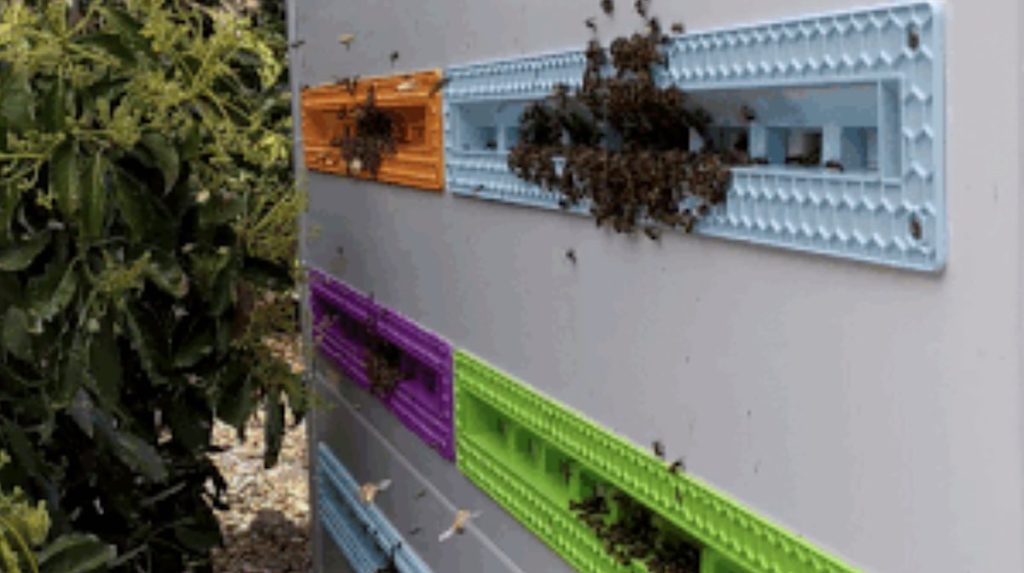
Now farmers and beekeeers also have a way to protect bee colonies that are crucial for growing crops, by using robotic hives that protect pollinators from any hazard.

The traditional hive most commonly used in the world today (the Langstroth box) was designed by humans about 150 years ago. Most people are so used to them they mistakenly confuse them with bees’ natural habitat.

By completely redesigning the beehive, a company called Beewise was able to address many of the inefficiencies of the box and significantly improve bees’ well-being and life longevity.

Their mission to save bees recently received an $80 million funding boost for their autonomous hive.

Utilizing 24/7 monitoring and smart technology that significantly increases pollination capacity and honey production, Beewise’s proprietary robotic beehive, the Beehome, seamlessly detects threats to a honeybee colony such as pesticides and the presence of pests and immediately defends against them.

Its automatic robotic system responds to threats in real time and requires no human intervention. To reverse the trend of colony collapse, Beehomes are thermally regulated, and can provide protection from fires, flooding, and Asian Wasps (murder hornets). The hive even feeds the honeybees when local food supply is not available.

In a statement, the company says, “Beehome reduces bee mortality by 80%, resulting in increased yields of at least 50%, while eliminating approximately 90% of manual labor when compared to traditional beehives.”

Beewise currently manages more than seven billion bees, which equates to 25,000 acres of pollinated crops. Through the Beehome device, the Israeli startup says it has saved over 160 million bees over the course of the last 12 months.

RELATED: Bees Have a New, Lifesaving ‘Vaccine’ to Make Them Immune to Pesti-Side Effects

“We are deploying precision robotics in tandem with the world’s most innovative technologies including AI and computer vision in order to save the bees,” stated Saar Safra, CEO of Beewise.

He says that with thousands of orders placed in the U.S. in just the last few months, their new funding will allow Beewise to meet the market demand through increased manufacturing.

Beewise also unveiled a new lighter-weight Beehome—32% smaller and 23% more cost-effective to transport—which increases hive mobility, enabling farmers to effortlessly care for millions of bees and ensure seasonal crop pollination.

CHECK OUT: Bee Expert Finds 800,000 Wild Honeybees Thriving in Ancient English Forest, Now Naturalists are Buzzing With Hope

While the rest of the market treats threats from Varroa mites with chemicals, Beewise’s revolutionary solution uses a chemical-free, heat, and robotics approach to achieve 99.7% success rate. The robot heats frames to a point where it harms the pests (Varroa) but does not harm the bees’ brood. Watch the video below to see how it works.

The Beehome’s automated feeding system “significantly increases bee colonies’ survival rate over winter when food sources are scarce—and the monitoring is powered by solar panels and small batteries, all run by an app.

Every Beehome can house 24 full-fledged colonies in an 8-foot x 6-foot box and costs $400 per month, on top of a delivery fee. The boxes are GPS-protected, so the owner always knows where it is. There is also an automatic alert to the beekeeper if Beehome is being moved.

WATCH: Woman Saves Bees By Rescuing Hives From Old Buildings With Her Bare Hands

“Beewise impressed us as the only solution addressing every complex issue that is contributing to the collapse,” stated Daniel Aronovitz, Principal at Insight Partners, one of the funders. “Not only have we funded a company with a fantastic business model; it also addresses one of the biggest challenges our planet is facing. We at Insight couldn’t be more excited.”

The company is currently serving the North American market but hopes to provide, eventually, the same protection for commercial beekeepers worldwide.

CREATE Some Buzz For Bee Lovers By Sharing on Social Media…

“I’m just moving clouds today; tomorrow I’ll try mountains.” – Ashleigh Brilliant

Quote of the Day: “I’m just moving clouds today; tomorrow I’ll try mountains.” – Ashleigh Brilliant

Photo by: 30daysreplay Social Media Marketing

With a new inspirational quote every day, atop the perfect photo—collected and archived on our Quotes page—why not bookmark GNN.org for a daily uplift?


Scientists Discover a Quantum Imprint Within Black Hole’s Gravity That Finally Resolves Hawking’s Paradox

Black hole illustration by Alain r (CC license on Wikipedia)
Black hole illustration; Alain r, CC license

An international team of physicists from the US, UK, and Italy, have co-authored two papers that finally resolve a problem confounding scientists for nearly half a century.

With new calculations they have demonstrated that black holes have a gravitational field at the quantum level which encodes information about how they were formed. It is the missing key to Stephen Hawking’s paradox when he suggested there was no remnant of their past.

“It turns out that black holes are in fact good children, holding onto the memory of the stars that gave birth to them,” said Xavier Calmet, professor of theoretical physics at the University of Sussex.

Paradox solved

In the 1960s, eminent physicist John Archibald Wheeler expressed the fact that black holes are lacking any observable features beyond their total mass, spin, and charge with the phrase “black holes have no hair.” This is known as the no-hair theorem.

Having demonstrated that black holes do in fact have this additional characteristic, in their first collaborative paper Professor Stephen Hsu, Calmet, Folkert Kuipers, also of the University of Sussex, and Roberto Casadio of the University of Bologna have labelled their discovery as ‘quantum hair from gravity,’ in a nod to Wheeler’s phrase.

“Black holes have long been considered the perfect laboratory to study how to merge Einstein’s theory of general relativity with quantum mechanics,” Calmet explained. “It was generally assumed within the scientific community that resolving this paradox would require a huge paradigm shift in physics, forcing the potential reformulation of either quantum mechanics or general relativity.

“What we found—and I think is particularly exciting—is that this isn’t necessary,” Calmet continued. “Our solution doesn’t require any speculative idea, instead our research demonstrates that the two theories can be used to make consistent calculations for black holes and explain how information is stored without the need for radical new physics.”

Using mathematical methods developed over the past 10 years to perform calculations in quantum gravity, the scientists have shown explicitly that matter that collapses into a black hole leaves an imprint in the gravitational field of the black hole when quantum gravitational corrections are taken into account. This imprint is what the scientists refer to as ‘quantum hair.’

CHECK OUT: Astronomers Discover a New Type of Star Covered in Helium Burning Ashes

Specifically, they compared gravitational fields of two stars with the same total mass and radii but different compositions. At the classical level, the two stars have the same gravitational potential, but at the quantum level, the potential depends on the star composition. When the stars collapse into black holes, their gravitational fields preserve the memory of what the stars were made of and lead to the conclusion that black holes do have hair, after all.

“The concept of a causal or event horizon is central to the notion of a black hole,” Hsu explained. “What is behind the horizon cannot, in classical physics, influence the exterior. We showed that there are intricate entanglements between the quantum state of the matter behind the horizon (inside the hole) and the state of gravitons outside. This entanglement makes it possible to encode quantum information about the black hole interior in Hawking radiation that escapes to infinity.”

RELATED: Artist’s Painting is the First to Be Curated on the Moon: ‘It Will Last Forever’

It’s in their follow-up paper, published in a separate journal, Physics Letters B, that Calmet and Hsu show that their ‘quantum hair’ resolves Hawking’s Black Hole Information Paradox, which arose from Professor Stephen Hawking’s suggestion in 1976 that, as they evaporate and emit thermal radiation, black holes destroy information about what had formed them. This appeared to violate a fundamental law of quantum mechanics which states that any process in physics can be mathematically reversed.

MORE: Key Building Block For Life Discovered on a Planet 444 Light-Years Away

The scientists’ ‘quantum hair’, however, provides the mechanism by which information is preserved during the collapse of a black hole and as such resolves one of modern science’s most famous quandaries.

“As we know from Einstein, gravitational forces arise from the very geometry of spacetime itself,” Hsu said. “Hence, when we quantize gravity, we expect to discover new things about quantum spacetime. In this case, we learn that the Hawking radiation from a black hole is entangled with the quantum state of spacetime itself!”

This work appears in the journal Physical Review Letters, and in Physics Letters B.

Source: Michigan State University

SHARE This Far Out News on Those Social Feeds of Yours…

Robotic Dog Designed in Boston Patrols the Ruins of Pompeii to Help Preserve Relics

Pompeii Archaeological Park

The archeological site of Pompeii is employing a pair of robots to help monitor the state of preservation of ancient structures, and to gather information underground where it’s too dangerous or precarious for humans to go.

A robotic pooch built by Boston Dynamics to help archeologists in many ways, SPOT will spend most of the days wandering around Pompeii identifying structural and safety issues.

Pompeii is a delicate site, and in 2013 UNESCO almost placed it under the list of World Heritage Sites in Danger.

Not only are the ruins in need of constant monitoring for various forms of degradation, but over the years it’s also been lousy with graverobbers, or tombaroli who skip the line to visit the site and opt for digging long tunnels underneath Pompeii to unearth artifacts to sell to the global antiquities market.

“Today, thanks to collaboration with high-tech companies and in the wake of these successful experiments, we wish to test the use of these robots in the underground tunnels that were made by illegal excavators and which we are uncovering in the area around Pompeii,” said Pompeii Director General Gabriel Zuchtriegel.

MORE: ‘Roomba of the Sea’ is Vacuum Company’s New Robotic Weapon to Combat Lionfish Invasion

“Often the safety conditions within the tunnels dug by graverobbers are extremely precarious, as a consequence of which the use of a robot could signify a breakthrough that would allow us to proceed with greater speed and in total safety.”

Pompeii Archaeological Park

SPOT’s eyes in the sky are provided by Leica BLK2FLY, a laser-scanning drone that hovers around producing detailed 3D images of the entire 163-acre site, allowing restoration experts an unparalleled view of all the buildings and strata.

RELATED: Hollywood Drones Are Being Repurposed to Study the Amazon Rainforest Like Never Before

These images can be used to find new tunnels, potential new excavation sites, and areas of danger where existing structures or ground layers may be at risk.

(WATCH the video for this story below.)

SHARE This Story of ‘New Meets Old’ From Italy…

Friendship Between Species: First-Time Report of Wild Dolphin Changing its Language for Harbor Porpoises

common dolphin wikimedia commons cc license Ed Dunens
Common dolphin; Ed Dunens, CC license

A dolphin that lives alone among harbor porpoises has been found to change its vocalization in an attempt to pick up the langue of its neighbors.

This has never been confirmed in the wild before, but must be taking place since the dolphin has completely abandoned its normal sounds for the porpoises’ clicks—even when she’s completely alone.

It may be that Kylie, a common dolphin in the Firth of Clyde, Scotland, isn’t trying to talk to the porpoises, but that she identifies as one. After all, she often lives alone in the Firth, and biologists believe she may have been separated from her natal pod during a storm.

One such biologist is David Nairn, working at the research, education, and advocacy program Clyde Porpoises. Nairn towed a hydroacoustic microphone behind his sailing yacht to capture multiple audio recordings between Kylie the dolphin and her porpoise neighbors.

“While harbor porpoises basically produce one type of sound: highly stereotyped high-frequency clicks, common dolphins have a wide repertoire, emitting clicks as well as whistles,” writes Mel Constentino, a bioacoustics expert at the Center for Ultrasonic Engineering at the Univ. of Strathclyde, Glasgow.

RELATED: Climate-Resilient Coral Offers Hope to World’s Reefs, Able to Cope With 2ºC of Global Warming

Constentino was able to study Nairn’s recordings and publish a paper on them last year.

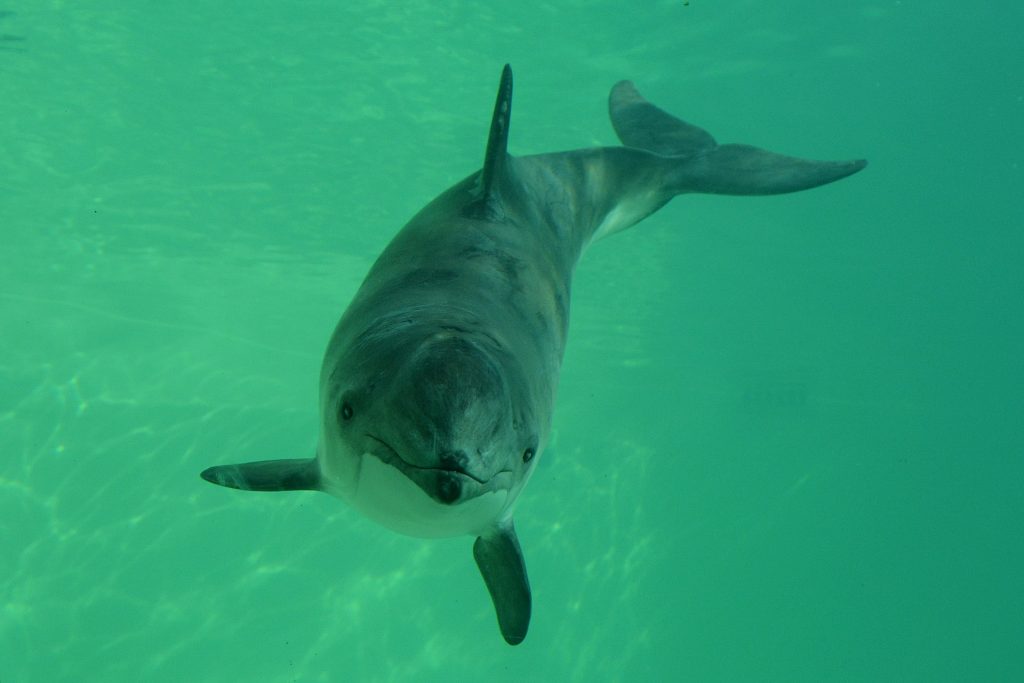
Harbor porpoises exclusively talk in narrow-band high frequency clicks at a pitch six-times higher than the highest pitch humans can hear: around 130 kilohertz. Dolphins have a variety of lower frequency sounds, and also whistles. Only the thing is Kylie never whistles, even when alone.

Harbor porpoise; Ecomare:Salko de Wolf – Ecomare, CC license

“The results are tantalizing,” dolphin expert Denise Herzing told National Geographic. “What’s really telling is that Kylie doesn’t make any whistles, because dolphins always make whistles and porpoises never do.”

Not all of Kylie’s clicks reach 130 kilohertz: some are much higher and others lower, suggesting that perhaps she’s attempting to communicate. Herzing offers the insight that she is making an attempt to communicate which the porpoises probably recognize.

Almost more striking than the communication is the position Kylie enjoys in the porpoise circles. Some of the females bring their calves to interact and meet Kylie, and the young ones even swim with her “in echelon,” a marine mammal term for the position just behind the pectoral fin, and the equivalent of being carried.

MORE: Dolphins Have a Musical Social Media: Whistling Helps Them Bond With Friends at a Distance – and Increases Offspring

Furthermore, Nairn says some of the males have tried to mount her, adding in the most Scottish of dialogue “I would even say she courts, aye.” GNN reported earlier this year on an orphan narwhal that has been adopted by a pod of beluga whales that swim regularly down the St. Lawrence River in Canada.

In the same way, it’s been proven a narwhal-whale hybrid has existed before. The anatomical structure of a porpoise and dolphin make a “dorpoise” theoretically plausible, but it’s never been confirmed.

From all this we can deduce that cetaceans, the family which include all these marine mega-mammals, is a very loving one.

SHARE This Sweet Story of Animal Friendship With Pals…

As the Pandemic Got Worse, Americans Donated More Generously Than Ever – to Record Levels

Individuals in the USA showed greater financial generosity when under threat from COVID-19, according to new research.

The researchers used the world’s largest tracker of financial charity from the years leading up to and then proceeding into the pandemic, while also conducting controlled experimental games. Both inquiries found that the pandemic made Americans more generous with their capital.

Lead author Ariel Fridman and colleagues examined the relationship between the presence of threat from COVID-19 and generosity, first using a dataset, provided by Charity Navigator, the world’s largest independent charity evaluator. This first dataset consisted of actual charitable-giving data spanning July 2016 through December 2020, and contained various information on 696,942 individual donations.

This dataset found that 78% of U.S. counties with a COVID-19 threat increased the total amount donated in March 2020 compared to March 2019. Even more encouraging, the charitable amounts increased the most when the degree of danger from the virus was highest: 32.9% under high threat vs 28.5% under medium threat compared to no threat.

The second data set of 1,000 people came from a controlled experiment using the “dictator game” in which one player (the dictator) receives $10 and makes a unilateral decision on how to divide it between themselves and a stranger.

Normally, across the many uses of this game in social science research, the dictator almost always gives a portion of it to the stranger, but evaluated over the same timespan as the Charity Navigator dataset, Fridman et al. found that dictators were almost 10% more generous with their $10 stake after COVID-19 arrived in the individual’s country.

RELATED: NBA Basketball Star Donates Full Salary This Season to Build Hospital in DR Congo to Honor Father

Like in the first finding, the participants who got to be the dictator gave away the most money if they lived in an area with a high threat level compared to when the threat level was low.

Perhaps even more encouraging, amounts given had nothing statistically to do with the age, or political affiliation of the people involved. Furthermore, the authors note it was the first-ever extended duration use of the dictator game to monitor charitable habits.

The findings are consistent with those of the recently-made Most Thoughtful Societies Index. GNN reported that this index found that the USA ranked highest in the world for compassion in society, and internationally-bound private charitable contributions.

“The increased generosity observed across both datasets is particularly intriguing in light of
expert predictions, based on historical data, that the economic downturn caused by the pandemic would lead to reduced giving, and the fact that a record-high majority of Americans reported a worsening financial situation during the same period,” the authors say.

MORE: MacKenzie Scott Donates $436 Million to Habitat for Humanity, Continuing Her Giving Spree Since Divorce

“Prior work suggests that when people experience such financial scarcity, they may
engage in extreme, even immoral, behaviors to acquire financial wealth. Yet analyses of both our datasets clearly shows that in this particular circumstance, individuals were, on average, more willing to part with their financial resources.”

“Amidst the uncertainty, fear, and tragedy of the pandemic, we find a silver lining: people became more financially generous toward others.”

This research has been published in Nature.

SHARE the Generosity; Share This Story..

“Don’t wait for someone to bring you flowers. Plant your own garden and decorate your own soul.” – Luther Burbank

Quote of the Day: “Don’t wait for someone to bring you flowers. Plant your own garden and decorate your own soul.” – Luther Burbank

Photo by: Bonnie Kittle

With a new inspirational quote every day, atop the perfect photo—collected and archived on our Quotes page—why not bookmark GNN.org for a daily uplift?


Methane-Eating Bacteria Converts Greenhouse Gas to Fuel (And Could Clean-up Fracking Sites)

Northwestern University

Methanotrophic bacteria consume 30 million metric tons of methane per year and have captivated researchers for their natural ability to convert the potent greenhouse gas into usable fuel. Yet we know very little about how the complex reaction occurs, limiting our ability to use the double benefit to our advantage.

By studying the enzyme the bacteria use to catalyze the reaction, a team at Northwestern University now has discovered key structures that may drive the process.

Their findings ultimately could lead to the development of human-made biological catalysts that convert methane gas into methanol.

“Methane has a very strong bond, so it’s pretty remarkable there’s an enzyme that can do this,” said Northwestern’s Amy Rosenzweig, senior author of the paper. “If we don’t understand exactly how the enzyme performs this difficult chemistry, we’re not going to be able to engineer and optimize it for biotechnological applications.”

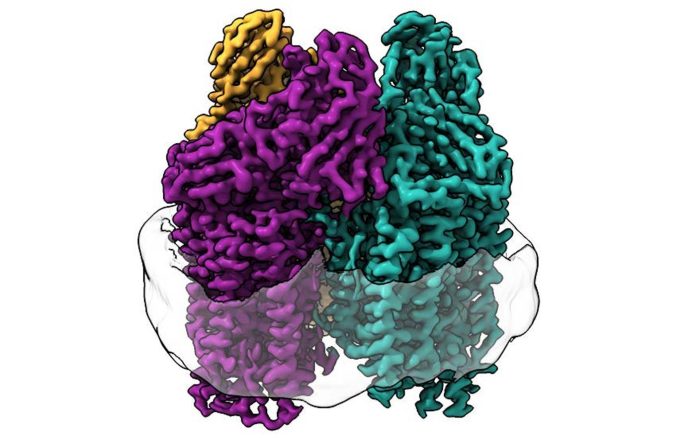
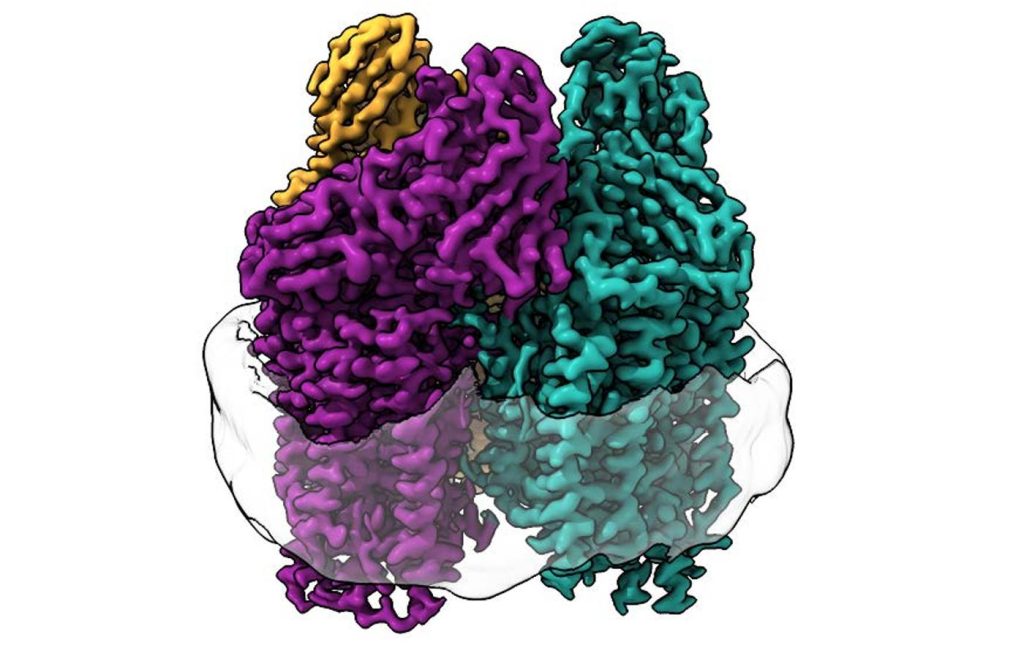
The enzyme, called particulate methane monooxygenase (pMMO), is a particularly difficult protein to study because it’s embedded in the cell membrane of the bacteria.

Typically, when researchers study these methanotrophic bacteria, they use a harsh process in which the proteins are ripped out of the cell membranes using a detergent solution. While this procedure effectively isolates the enzyme, it also kills all enzyme activity and limits how much information researchers can gather—like monitoring a heart without the heartbeat.

MORE: This Vending Machine Refills Cleaning Products—Reining in Plastic And Saving You Money

In this study, the team used a new technique entirely. Christopher Koo, the first author and a Ph.D. candidate in Rosenzweig’s lab, wondered if by putting the enzyme back into a membrane that resembles its native environment, they could learn something new. Koo used lipids from the bacteria to form a membrane within a protective particle called a nanodisc, and then embedded the enzyme into that membrane.

“By recreating the enzyme’s native environment within the nanodisc, we were able to restore activity to the enzyme,” Koo said. “Then, we were able to use structural techniques to determine at the atomic level how the lipid bilayer restored activity. In doing so, we discovered the full arrangement of the copper site in the enzyme where methane oxidation likely occurs.”

The researchers used cryo-electron microscopy (cryo-EM), a technique well-suited to membrane proteins because the lipid membrane environment is undisturbed throughout the experiment. This allowed them to visualize the atomic structure of the active enzyme at high resolution for the first time.

MORE: BeyondPlastic Awards For Innovative Packaging: Bags that Melt When Boiled and Sustainable Toothpaste Tube

“As a consequence of the recent ‘resolution revolution’ in cryo-EM, we were able to see the structure in atomic detail,” Rosenzweig said. “What we saw completely changed the way we were thinking about the active site of this enzyme.”

Rosenzweig said that the cryo-EM structures provide a new starting point to answer the questions that continue to pile on. How does methane travel to the enzyme active site? Or methanol travel out of the enzyme? How does the copper in the active site do the chemical reaction? Next, the team plans to study the enzyme directly within the bacterial cell using a forefront imaging technique called cryo-electron tomography (cryo-ET).

RELATED: These Scientists Are Fighting Ocean Plastic With Biodegradable Flip Flops Made From Algae

If successful, the researchers will be able to see exactly how the enzyme is arranged in the cell membrane, determine how it operates in its truly native environment and learn whether other proteins around the enzyme interact with it. These discoveries would provide a key missing link to engineers.

Potential to clean up oil spills

“If you want to optimize the enzyme to plug it into biomanufacturing pathways or to consume pollutants other than methane, then we need to know what it looks like in its native environment and where the methane binds,” Rosenzweig said. “You could use bacteria with an engineered enzyme to harvest methane from fracking sites or to clean up oil spills.”

This research has been published in the in the journal Science. 

Source: Northwestern University

SHARE This Breakthrough Research; Share the Hope…

British Man Can Fill Up His Gas Tank For Less Than $10

SWNS
SWNS

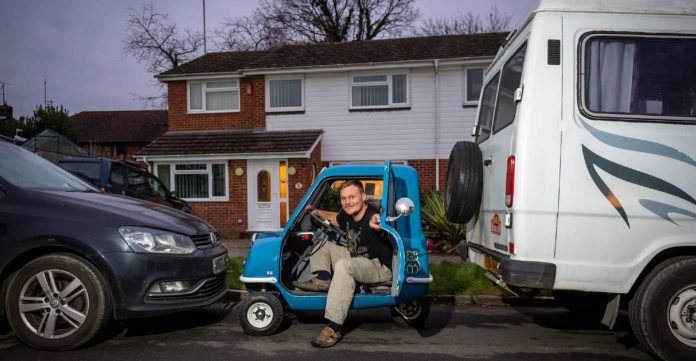
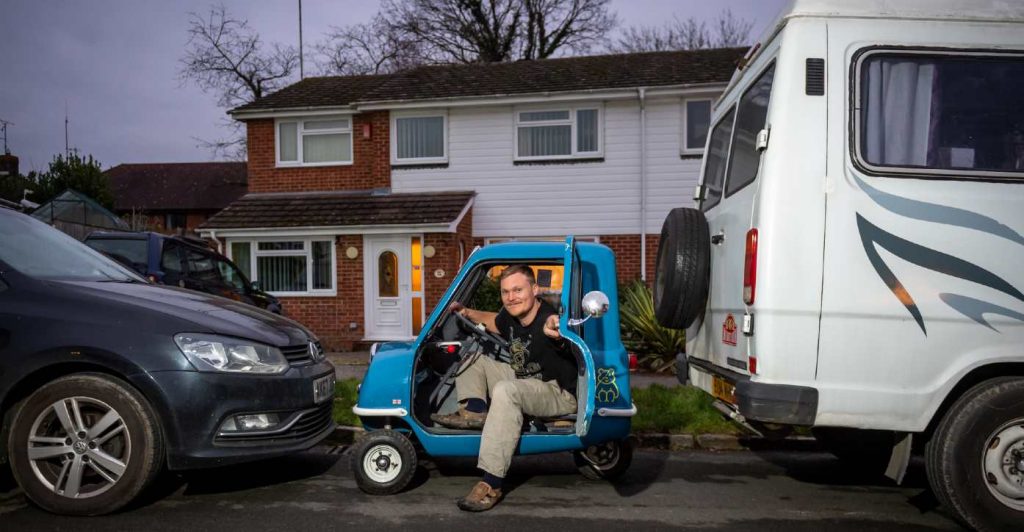
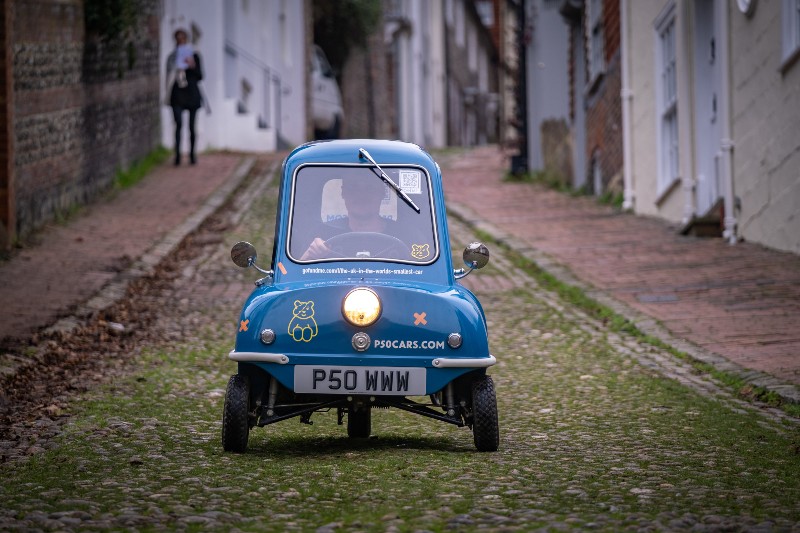
Meet the man with Britain’s lowest fuel bill as he drives the world’s smallest car, which costs just £7 ($9) to fill up.

Alex Orchin is seen buzzing round his village on his daily chores in his quirky blue Peel P50.

The 5ft 11ins (180 meter) car enthusiast drives around in the tiny motor, posting letters and filling up with fuel.

The car is just 134cm (53 inch) long, 98cm (39 inch) wide, and 100cm (39 inch) high and has a five-litre (1.3 gallon) gas tank.

Eccentric Alex, who’s 31 years old, is an avid motoring collector who loves driving around in the tiny three-wheeler.

He says he became obsessed with the cars since watching Jeremy Clarkson drive one on Top Gear.

Last year he drove the length of the UK in the car, which has a top speed of just 23mph (37/kmh). Latest pictures show him running errands in the tiny motor.

RELATED: A Flying Car Just Got Certified as Airworthy to Fly

Alex said, “I have always had an interest in old, vintage, and unusual cars since I was a kid. No-one in my family was into it. It was a bit of a random obsession I used to be a chauffer for vintage cars and have had a 1914 Model T and a 1968 Morris Minor too.

“I got fixated on this idea of having a P50 just because it was so tiny, but when I saw an original was £100,000 ($131,000) it kind of killed it off.

“But about four years ago I bought one of the newer ones from the Isle of Man, so I’m only the second owner. The car always gets attention—it is quite staggering because to me it’s just a tiny car.’

“It’s much smaller than you think it is—everyone says that when they see the car in person. I can fit a shopping bag down the left of the car by the handbrake, but nothing else”.

His car, a P50, was first made on the Isle of Man in the 1960s and in 2010 the model was named the smallest production car ever built in the book of Guinness World Records.

The vehicle was built in 2017, but is based on the original design from the first production models in the 1960s.

SWNS

The mini-motor allows Alex comfortable journeys to and from his home in Wivelsfield in  Sussex.

Alex started his 1,488-mile (2,395-km) journey from John O’Groats on November 13 and arrived in Land’s End on December 4.

MORE: Volkswagen Gets A Lot of Buzz Premiering Their New Electric Throwback Bus – the ID. Buzz (LOOK) 

He was just in time for his three-week goal, and raised over £11,000 ($14,464) for Children in Need.

Alex said, “I’ve owned a lot of cars and none of them get as much attention as this one. Normally if I pull up in a Morris Minor it is car people and enthusiasts that want to come and talk with me. But my Peel P50 attracts absolutely everyone, including people who aren’t interested in cars.

SWNS

“They think it’s so hilarious and children love it! The under-ten-year-olds especially go mad for it.”

You can visit Alex’s Youtube channel Forward to The Past here to see more on his tiny car obsession.

RIDE This Awesome Ride Over to Curious Chums…

Dozens of J.R.R. Tolkien’s Paintings and Maps Are Now Online to Inspire Adventure

© The Tolkien Estate Limited (Fair Use, cropped)

Reprinted with permission from World At Large, a news website of nature, science, health, politics, and travel. 

© The Tolkien Estate Limited, Fair Use

To create his fictional world of Middle-Earth, English author J.R.R. Tolkien used nearly every creative tool at man’s disposal, be it calligraphy, cartography, prose, poetry, or painting.

To grease the gears of his mind so as to churn out the endless layering and details typical of the novels and appendixes, Tolkien often turned to ink and graphite, and many of his sketches and paintings are available to view on the recently-updated section on the Tolkien Estate website.

Enduring audience members can also enjoy images and paintings done outside of his work on Middle-Earth, as well as audio clips and other documents related to his personal life and efforts as a mapmaker, calligrapher, and artist.

Debuting on February the 26th, the date at the beginning of the second book of The Lord of the Rings at which the Fellowship of the Ring was broken after the death of Boromir, the new website also includes paintings done for his four children, for whom the stories which became The Hobbit and Lord of the Rings were first made.

Further illustrations were included from his work on The Silmarillion, which very much like the book, take on a much-deeper element of myth, with wild-colors blending with scenery that melds into image in the background as if from a half-remembered dream.

CHECK OUT: Michigan High School Lets Seniors Dress in Costume for School ID Photos – And They Are Fantastic

The new audio section is also particular striking. “Tolkien was first introduced to a tape-recorder by his friend George Sayer in 1952,” the estate details. “He was so impressed with the sound quality that he sat down and read out passages from his manuscript of The Lord of the Rings”.

The man who became a god

Not only because he created an entire universe (albeit with extensive help from other mythologies) but because he created perhaps the most beloved and revered such universe in literary history.

Tolkien became a man in perhaps the worst single moment in history to do so, around 1914, at the dawning of World War I.

“In those days chaps joined up, or were scorned publicly,” he wrote in a letter to his son Christopher later in life. “It was a nasty cleft to be in for a young man with too much imagination and little physical courage”.

RELATED: Photographer Captures the Incredible Peak of a Meteor Shower as Sparks Are Seen Shooting Across the Night Sky

He was a junior officer at the Battle of the Somme, one of the bloodiest of the war. Catching trench fever, he was shipped back to England just days before nearly every young man in his battalion was killed during an attack. Talk about a Hobbit’s luck.

He wrote The Hobbit in the 1930s, after which it became so tremendously popular that public urging convinced him to write more about the quaint little people who live under the hills.

“In spite of the darkness of the next five years [World War II] I found that the story could not now wholly be abandoned and I plodded on, mostly by night,” he recalled in a foreword to the Fellowship of the Ring, wherein he also details how more and more as he continued advancing the story, he felt more and more strongly that he needed to retro-march, towards what he called “the Elder Days,” referring to the tales which would become The Silmarillion.

MORE: Incredible Cave Paintings 8 Miles-Long Revealed Deep in Amazon Forest: The Sistine Chapel of Ancients

Tolkien created parts of the Middle-Earth universe in different batches in different parts of his life, often jumping around. Paintings, maps, and calligraphy from the languages he invented were sometimes made years before or after his novels’ publication, and other times they were done alongside the words which the book contains to describe what he was illustrating.

The maps are also typical of the man. Growing outward from theaters of action in the books, sometimes to such richness as they had to be joined to other sheets of cartography paper with brown packing tape.

SHARE These Beautiful Illustrations With Your Pals…

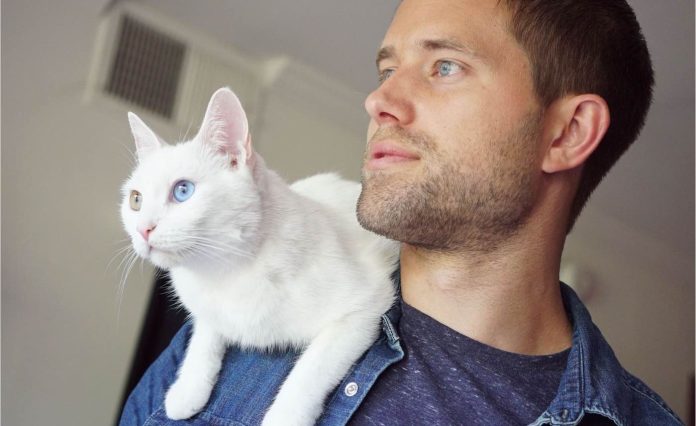
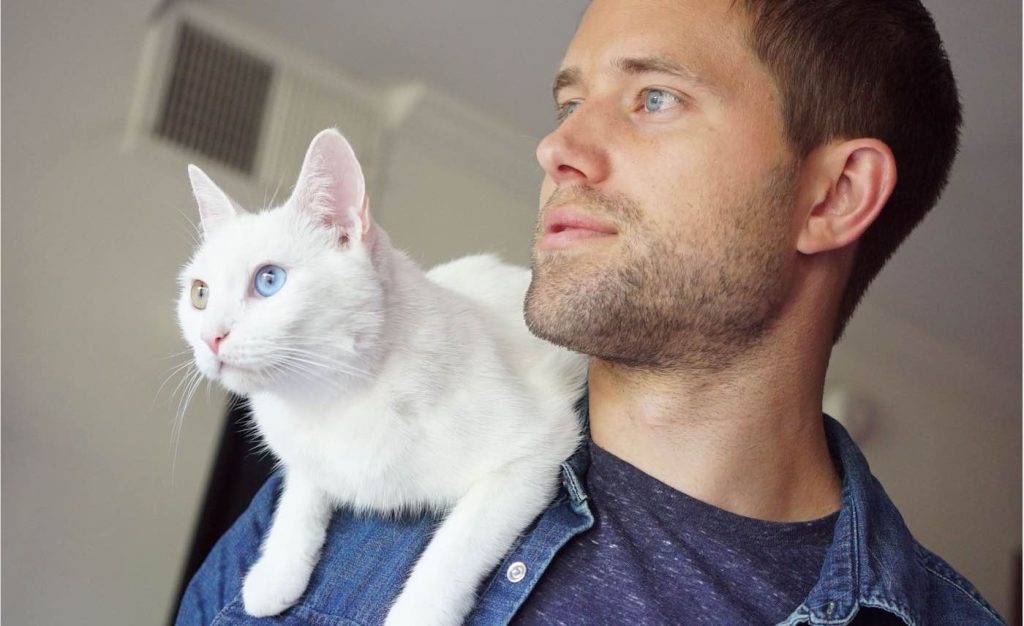
Watch the Love Between Men and Their Cats in New Film Purr-fect for Home Viewing With Your Pet

nfluencer Nathan Kehn with Princess by Mye Hoang - CAT DADDIES released

“When a man loves cats, I am his friend and comrade without further introduction,” — Mark Twain.

Nathan Kehn with Princess by Mye Hoang; CAT DADDIES

How much can a cat mean to a man? As it turns out, nearly everything, in the case of David Giovanni, a homeless immigrant and “cat daddy” living on the streets of New York City.

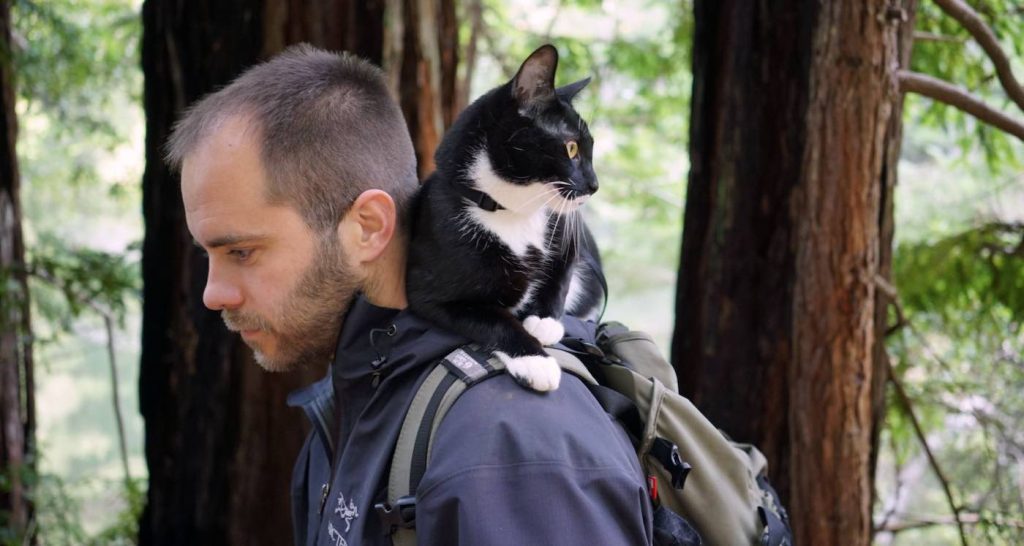
His struggle to hold onto his cat Lucky during the COVID-19 pandemic is the heart-wrenching subject of a new film Cat Daddies that explores modern masculinity through the lives of eight unique male cat owners.

The idea arose after director Mye Hoang noticed a softening of her husband after the pair adopted their first cat: a change deep down that was hard to understand. Taking to Instagram, she found a number of men hopelessly devoted to doting on their furry friends, and wanted to find out more; to document the changing conditions of masculinity in society.

But as COVID threw the country into disarray, and Giovanni went from being homeless, to homeless during a pandemic, to homeless in a pandemic with a life-threatening cancer diagnosis, the film took on a more heartfelt direction and focused on the inestimable value of the companionship of the cat in our lives.

Different daddies

Jeff Judkins and Zulu by Mye Hoang; CAT DADDIES

An actor/influencer, a truck driver, a school teacher, a firefighter, a software engineer, a police officer—these men lead very different lives and can be found all over the country.

RELATED: Cat Steals So Many Items From UK Neighbors She Set-Up a Klepto-Cat Box So They Can be Reclaimed

Yet they’re united in the love for their cats. An experienced directing/producing team captured how each and every cat proved the catalyst for something special and unique in their companions’ lives, from adventure, to comfort, to a feeling of purpose.

“It’s about being ok for men to show their compassionate and vulnerable side and how that should all be part of the definition of strength and leadership,” said Hoang in an interview. “Cats promote caring for others, both animal and man. Now during a pandemic, we know very plainly how pets contribute to our mental health and wellbeing. In the end, this is a film about taking care of each other.”

“This little creature saved my life,” says Giovanni in the film, having gone through unimaginable difficulty alongside a stray cat he adopted, and which also adopted him.

Cat Daddies has picked up five major awards on the independent film circuit, and made its premier in New York on March 30th.

Interested movie-goers can write their cinemas and alert them to Cat Daddies to try and get them to have a screening, or they can watch through an online screening that will raise money for cat shelters.

MORE: Cats and Dogs May Protect Owners From Memory Loss in Later Life, Study Finds

The first online screening will premier on April 9th at 7:30PM EST (4:30pm PDT), with all proceeds from the $20 tickets going to Flatbush Cats, a rescue shelter operated by one of the cat dads in the film.

The second will be in Long Beach CA at the Art Theater on April 16th. Proceeds will go to Long Beach’s first and only kitten nursery: Little Lion Foundation. The screening will be followed by a Q&A with the filmmakers.

(WATCH the video for this story below.)

SHARE This Purr-Fect News With Your All Your Pals…

“Those who attempt to act and do things for others… without deepening their own self-understanding, integrity, and capacity to love, will not have anything to give others.” – Thomas Merton

Quote of the Day: “Those who attempt to act and do things for others or for the world without deepening their own self-understanding, freedom, integrity and capacity to love, will not have anything to give others.” – Thomas Merton [shortened in the version above for space] (#StandingWithChris)

Photo by: William Farlow

With a new inspirational quote every day, atop the perfect photo—collected and archived on our Quotes page—why not bookmark GNN.org for a daily uplift?


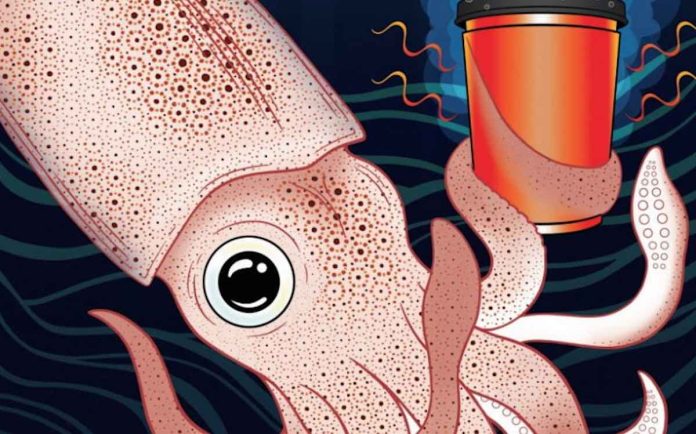
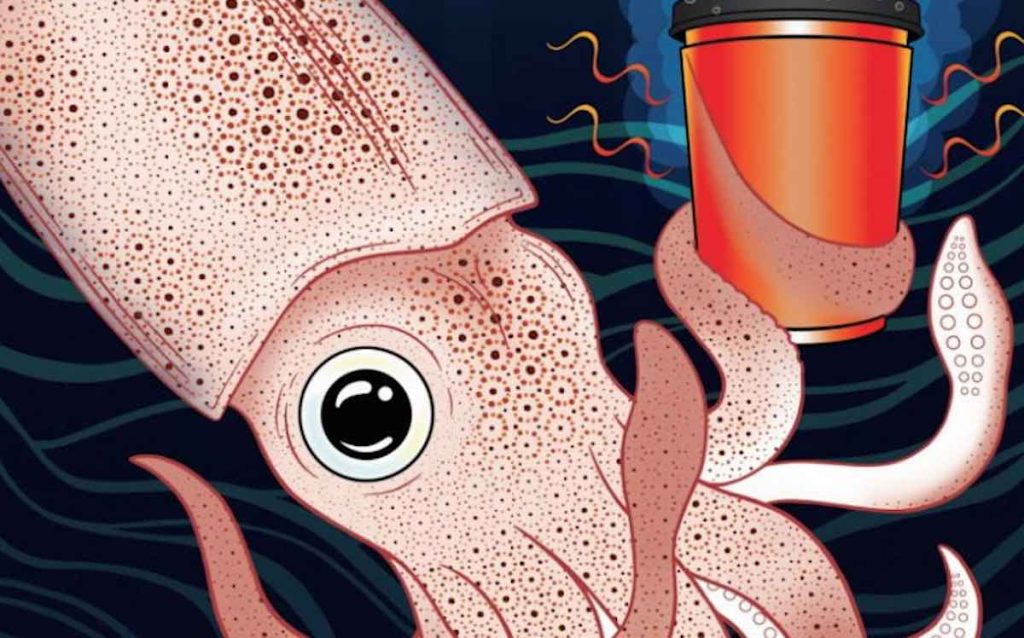
Cup Cozy Inspired by a Squid’s Skin Will Keep Your Hands Cool and Your Coffee Hot – And it’s Sustainable

Melissa Sung - University of California Irvine (UCI News)
Melissa Sung – University of California Irvine (UCI News)

In the future, you may have a squid to thank for your coffee staying hot on a cold day. Drawing inspiration from cephalopod skin, engineers at the University of California, Irvine invented an adaptive composite material that can insulate beverage cups, restaurant to-go bags, parcel boxes and even shipping containers.

The innovation is an infrared-reflecting metallized polymer film developed in the laboratory of Alon Gorodetsky, UCI associate professor of chemical and biomolecular engineering.

Gorodetsky and his team members describe a large-area composite material that regulates heat by means of reconfigurable metal structures that can reversibly separate from one another and come back together under different strain levels.

The invention will go easy on the environment due its environmental sustainability, said lead author Mohsin Badshah, a former UCI postdoctoral scholar in chemical and biomolecular engineering. “The composite material can be recycled in bulk by removing the copper with vinegar and using established commercial methods to repurpose the remaining stretchable polymer,” he said.

“The metal islands in our composite material are next to one another when the material is relaxed and become separated when the material is stretched, allowing for control of the reflection and transmission of infrared light or heat dissipation,” said Gorodetsky. “The mechanism is analogous to chromatophore expansion and contraction in a squid’s skin, which alters the reflection and transmission of visible light.”

RELATED: Solar Panels Built From Waste Crops Can Make Energy Without Direct Light

Chromatophore size changes help squids communicate and camouflage their bodies to evade predators and hide from prey. Gorodetsky said by mimicking this approach, his team has enabled “tunable thermoregulation” in their material, which can lead to improved energy efficiency and protect sensitive fingers from hot surfaces.

A key breakthrough of this project was the UCI researchers’ development of a cost-effective production method of their composite material at application-relevant quantities. The copper and rubber raw materials start at about a dime per square meter with the costs reduced further by economies of scale, according to the paper. The team’s fabrication technique involves depositing a copper film onto a reusable substrate such as aluminum foil and then spraying multiple polymer layers onto the copper film, all of which can be done in nearly any batch size imaginable.

“The combined manufacturing strategy that we have now perfected in our lab is a real game changer,” said Gorodetsky. “We have been working with cephalopod-inspired adaptive materials and systems for years but previously have only been able to fabricate them over relatively small areas. Now there is finally a path to making this stuff roll-by-roll in a factory.”

The developed strategy and economies of scale should make it possible for the composite material to be used in a wide range of applications, from the coffee cup cozy up to tents, or in any container in which tunable temperature regulation is desired.

MORE: Forget Harry Potter’s Cloak, a Real-Life Invisibility Shield is Taking Orders on Kickstarter

The team conducted universally relatable coffee cup testing in their laboratory on the UCI campus, where they proved they could control the cooling of the coffee. They were able to accurately and theoretically predict and then experimentally confirm the changes in temperature for the beverage-filled cups. The team was also able to achieve a 20-fold modulation of infrared radiation transmittance and a 30-fold regulation of thermal fluxes under standardized testing conditions. The stable material even worked well for high levels of mechanical deformation and after repeated mechanical cycling.

“There is an enormous array of applications for this material,” said Gorodetsky. “Think of all the perishable goods that have been delivered to people’s homes during the pandemic. Any package that Amazon or another company sends that needs to be temperature-controlled can use a lining made from our squid-inspired adaptive composite material. Now that we can make large sheets of it at a time, we have something that can benefit many aspects of our lives.”

This research is published in Nature Sustainability. 

(WATCH the video for this story below.)

Source: UCI

SHARE This Fresh Cup of Good News on Social…

Simple Breakthrough Skin Treatment For ‘Butterfly Children’ is Pending FDA Approval After Excellent Trial Results

Skin epidermolysis bullosa – by Mostafameraji (CC license, Wikimedia)
Mostafameraji, CC license

A legitimate quality-of-life enhancing treatment is now available for a class of patient for whom treatments come few and far between.

These patients are sometimes called “butterfly children,” as they are born with a disease that prevents their skin cells from coding certain proteins, resulting in a skin organ so delicate that the slightest touch can cause it to rupture and blister for months.

A DNA-coding skin cell represents a genetic therapy option for those suffering from this disease, known scientifically as epidermolysis bullosa (EB). When a few drops were applied onto a wound, which under normal conditions of EB might never heal, a trial in nine human patients found substantial improvement.

The gel is known as B-VEC, and consists of the non-replicating shell of a Herpes Type 1 virus that’s been engineered to carry the genetic codes to make a protein called collagen VII. The lack of a strong fibral anchor—or component for anchoring different layers of the skin and internal organs together—resulting from an inability to produce collagen VII is the primary mutation that causes EB.

In phase 1 and 2 trials on mice and then on humans, goals for wound surface area reduction, time to wound closure, and duration of wound closure post treatment following B-VEC application were all met, and the parent pharmaceutical company, Krystal Biotech, is now seeking to jump Phase III trials since efficacy was already demonstrated. They are seeking regulatory approval directly to ensure the gel can be available for suffering children as soon as possible.

New hope

No side effects in the trials were reported. Herpes is extremely difficult to detect, which makes it an excellent vector for gene therapies, as host immune responses are very rarely triggered. While it seems strange to heap praise on Herpes, it’s not only difficult to detect, but one of the only genetic therapy deliver vectors that can hold the large biological computer file that codes for collagen VII.

MORE:   Nigerian Mom Designs Solar-Powered Cribs That Put an End to Baby Jaundice Disease

The gel had to be spread by a bandage to prevent further skin damage, and the patients were treated every 1 to 3 days, for 25 days. In all but one patient, the wounds were healed 3 months after treatment, and didn’t reopen. Compared to placebo, the wounds healed better and stayed shut longer.

RELATED: Self-Compassion Is Actually Good for Your Heart Health

“It’s not a permanent cure, but it’s a way to really keep on top of the wounds,” study lead and Director of the Blistering Disease Clinic at Stanford Health Care Dr. Peter Marinkovich said in a statement. “It significantly improves patients’ quality of life.”

Since the phase II results were published, Markinovich also revealed the positive results of second, larger trial of the gel at the 2022 American Academy of Dermatology Annual Meeting in Boston, Mass.

Since EB is not limited to the skin, but also affects internal organs subject to friction against others like the esophagus, corneas, and anus, Markinovich is launching a trial to test an endogenous form of the gel to treat these injuries while Krystal seeks approval from the FDA.

SHARE the Delicate Wings of Hope; Share This Story…

10-Year-old Finds Medieval Priory Seal Within Minutes of Using Metal Detector and Gets $5,000 For it

SWNS
SWNS

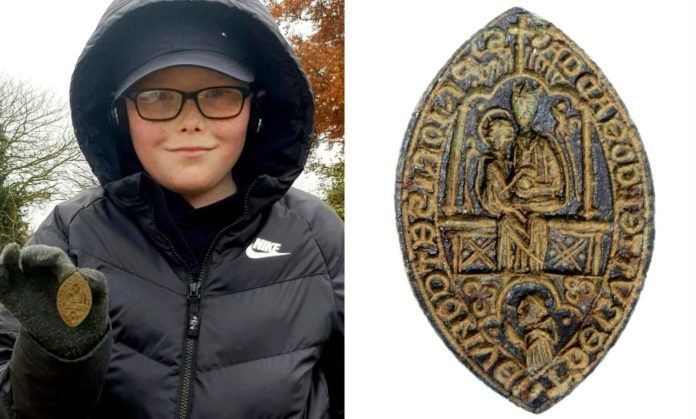
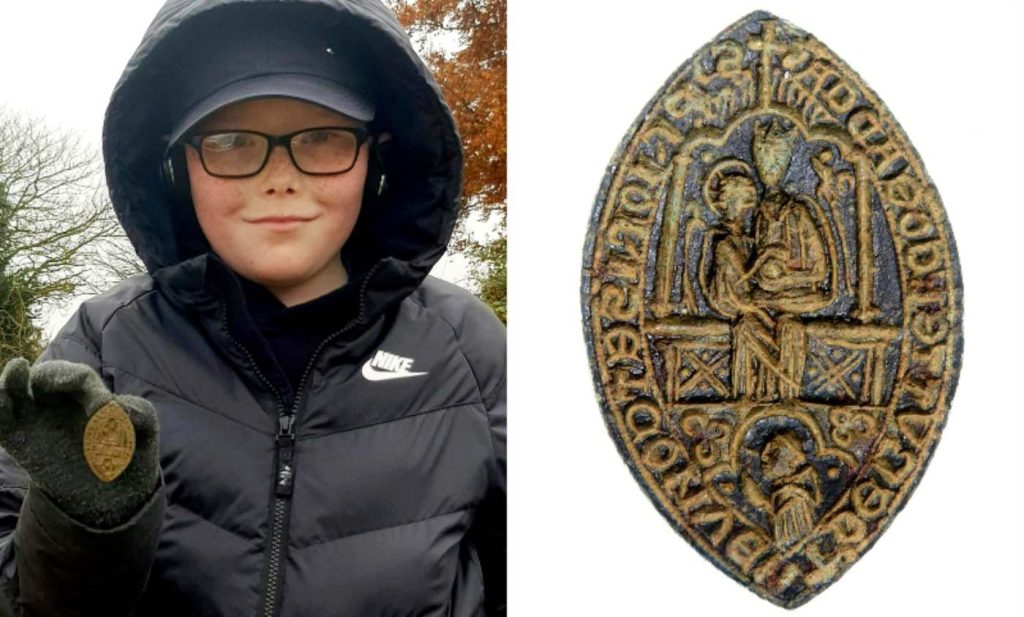
A ten-year-old boy who found an 800-year-old medieval priory seal matrix with his metal detector has raked in a small fortune after it sold for £4,000 ($5,239).

George Henderson was with his dad Paul when he stumbled across the ancient oval seal during a charity dig last November.

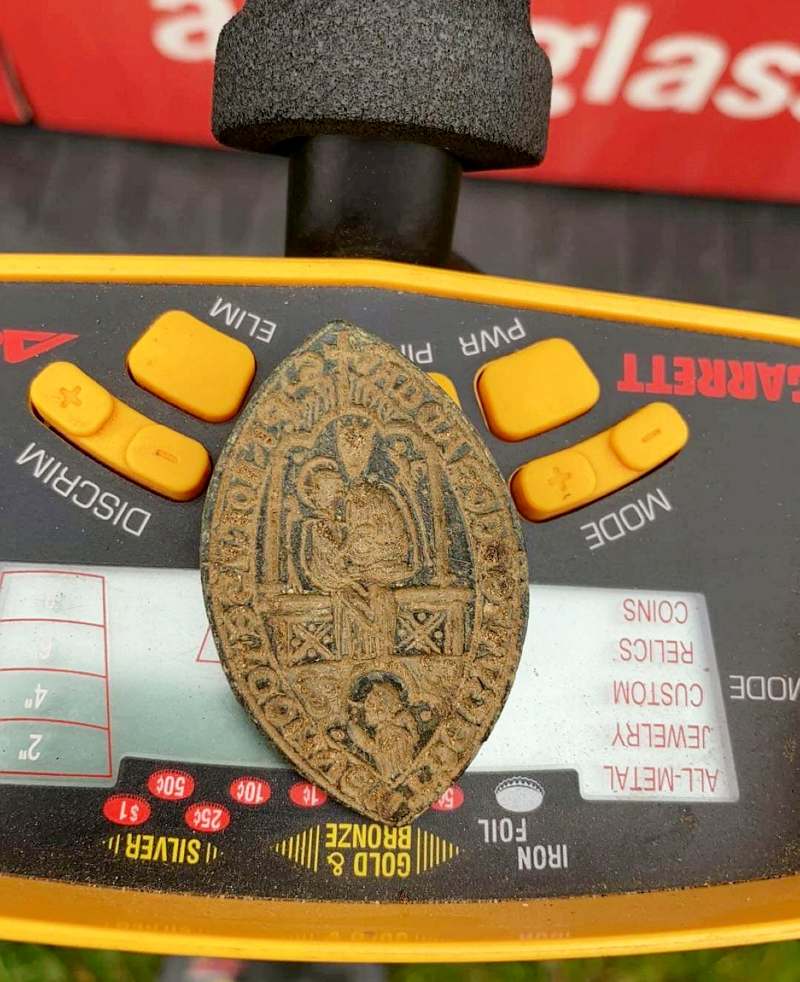
The pair had been scouring a field in Woodbridge, Suffolk for just ten minutes when George uncovered the 13th-century copper alloy artefact five inches below the ground.

It displays the Virgin Mary and Child with a Latin seal which translates to Seal of the Priory and Convent of Butley, of Adam, Canon Regular.

The relic, which was used by priests centuries ago, went under the hammer at Hansons Auctioneers in Etwall in Derbyshire on Thursday where it sold to a private UK buyer.

The proceeds will now be shared between lucky finder George and the farmer whose land the treasure was discovered on.

Dad Paul, a windscreen fitter from Sutton-in-Ashfield in Nottinghamshire said his son’s discovery had beaten anything he had found during his years of metal detecting.

SWNS

He added, “The seal’s historical importance rather than value is what’s important to both me and George. It’s the most exciting find either of us have ever made.

“George has been metal detecting on and off since the age of five but he doesn’t always come out with me. He’s found one or two interesting things over the years.

MORE: Ancient Tomb Found Beneath Notre Dame is ‘Remarkable Scientific Discovery’ of Sealed Sarcophagus

“He knew the seal was special when he dug it up but he didn’t know what it was. I did. I knew it was a medieval seal matrix.

“What I didn’t know then was how unusual or valuable it was.

“George was laidback about it at first but, as the day wore on, people kept asking to look at it and he got more excited.

SWNS

“He seems to be better at making important finds than me. Having said that, there have been plenty of times when he’s come back with nothing.

“I always tell him to keep at it, and he got his reward.”

George, whose find was designated as of ‘Regional Importance’ on the PAS (Portable Antiquities Scheme) database, said, “I’m happy I discovered it.”

The area where it was found is connected to Butley Priory, a religious house for canons founded near Woodbridge in 1171. Adam served as its prior from 1219 to 1235.

The priory remained in use until 1538 as a religious base for priests and was a site dedicated to the Blessed Virgin Mary.

The Madonna figure on the seal would have been pressed into wax to seal official correspondence.

RELATED: British Museum Unveils Ancient Artifacts Illuminating the World of Stonehenge in New Exhibit

Depictions of the Madonna and Child were popular at the time ,as the Virgin Mary was the subject of great devotion.

Adam Staples, a consultant valuer at Hansons Auctioneers, said, “This is an exceptional find for any metal detectorist to make but to discover something like this when you’re only ten is astounding.

“George must have the Midas touch. I hope it will inspire him to keep metal detecting and unearthing more history.”

SHARE This Fascinating Find From the Priory…

Genetic Lineage of Thousand-Year-Old Oak Trees Seed an Experimental ‘Super Forest’

Oak_trees_at_Blenheim_Palace_Dave S CC license wikimedia commons
Oak trees at Blenheim Palace; Dave S, CC license

Oaks with lives stretching back to the founding of modern England are being utilized to create “super forests” that support a new quality-over-quantity reforestation strategy.

The trees, the oldest of which is thought to be 1,046 years old, contain the genetic lineage of multiple shifts in Earth’s climate, and untold episodes of disease, pests, fires, and more, and are thought to be able to pass that information on through their acorns.

At Blenheim Palace and Estates in Oxfordshire, nature has a special role in even a developed area of the country like the southeast. GNN reported last year that a bee expert found 800,000 native honey bees spread across dozens of hives from a species once thought extinct, all sheltering in trees on Blenheim’s measly 400 acres.

Even more remarkably, those 400 acres, which are the subject of a major rewilding project, also contain the largest concentration of ancient oak trees anywhere in Europe. Blenheim recently received a grant from the British government of £1 million ($1.3 milllion) to plant 270,000 trees across nine separate locations totaling around 250 acres near the rivers Dorn and Glyme—part of Boris Johnson’s plan to increase the environmental resiliency and richness of rural areas by paying landowners to plant and maintain forests with public access.

Blenheim Palace has a chief forester, and a tree nursery for bringing up the descendants of its timeless residents. 2020 was a “mast year” for acorns, the term for a bumper crop in forestry science.

RELATED: City Trees and Soil Are Sucking More Carbon Out of the Atmosphere Than We Thought

The seedlings are currently turning into saplings, and the slow-growing hardwoods will form the anchors of a new method of reforestation, dubbed by the media as “super forests.”

Super-foresting

After it became clear in the early 2000s that there was a potential to mitigate humanity’s impact on CO2 emissions by planting trees, enormous projects were launched all over the world. However many of them were short-sighted, and involved essentially corn or rice mono-cropping, only with trees instead.

CHECK OUT: Ancient Trees Have Incredible Lifespans That Also Help Keep The Surrounding Forests Alive

Now, a new concept of reforestation involves combining species of deciduous and coniferous trees—together with native ground cover and shrubs—to create a diverse mosaic of native vegetation that looks far more like the forests that covered England when the Blenheim oaks were yet young.

The Blenheim project along the Dorn and Glyme will involve no fewer than 27 tree species. Conifers will soak up carbon more rapidly, while a mixture of hard and soft broad-leaf trees will host hundreds of species of insects, birds, and fungi. Parkland trees will line the borders of the forests and provide valuable timber to help the forests pay their own way.

“If we can say, look—there is a model that works both financially and from an asset value perspective, then this hopefully will encourage others to follow at scale,” Forester Nathan Fall, who works on the project, told the BBC.

MORE: Living Near a Leafy Green Park Cuts the Risk of a Stroke for 3.5 Million People

The Blenheim oak saplings will become the most important part of the puzzle. They will provide the forests with teachers and knowledge, for contained within the genetic material of ancient trees, it was recently shown, lies the information whole forests need to stay resilient and long-lived, and to overcome climatic shifts and disease.

The number of these ancient trees in a forest biome tends to correlate with the resilience of that ecosystem, and the fewer there are, the more often the forest suffers massive damage from environmental effects. Blenheim hopes their oak saplings can grow to fill this role in the super forests.

They will be planted in at the entrances and in groves to create nurseries and classrooms where they can grow to support each other, and the forest at large.

Currently, some of the oaks are already in the ground, alongside sycamores, lime, and hornbeams, but the forest will need several decades before it’s really rocking and rolling.

GROW the Good News For All to See; Share This Story…

“Moderate strength is shown in violence, supreme strength is shown in levity.” – G.K. Chesterton

Quote of the Day: “Moderate strength is shown in violence, supreme strength is shown in levity.” – G.K. Chesterton (#StandUpWithChris)

Photo by: JoshSpoon, CC license

With a new inspirational quote every day, atop the perfect photo—collected and archived on our Quotes page—why not bookmark GNN.org for a daily uplift?


Guess Who’s Curating New Exhibit at Baltimore Museum of Art? Their Staff of Security Guards

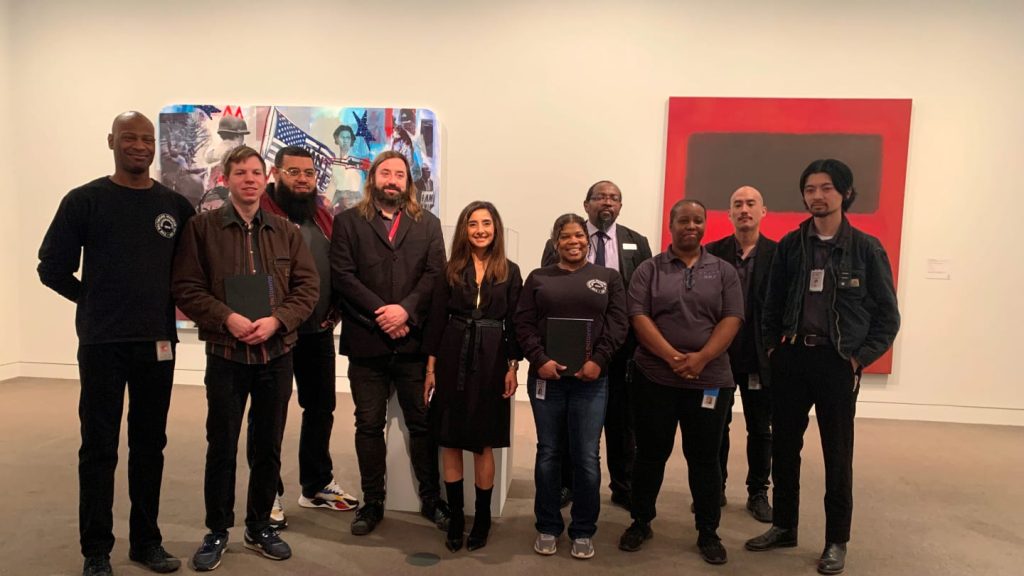
Security guard and guest curator Alex Lei Winslow Homer's painting, Waiting for an Answer (1872). released The Baltimore Museum of Art
The Baltimore Museum of Art

The security guards at the Baltimore Museum of Art get asked a lot in an average day: “Where’s the bathroom,” “Where’s the Impressionist wing,” or “How do I get back to the lobby?” are all standard.

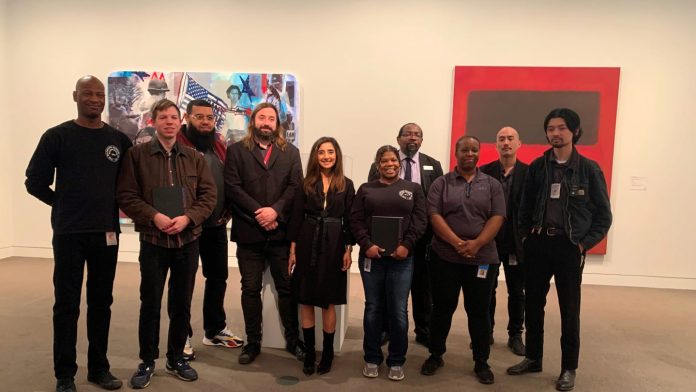
So when their bosses asked them, “Which pieces of art were the most meaningful to you?” It was a change of pace for the 47-strong security team, but one they took to like a gaggle of artistic geese to water.

Guarding the Art is a special exhibition at the BMA curated entirely by the security detail. 17 members were each asked to select three pieces that they wanted to exhibit, and over the early days of the pandemic they were tutored on how to curate, set lighting, and write placards.

Guarding the Art was first imagined back in February 2020 when BMA trustee Amy Elias and Chief Curator Asma Naeem were talking over dinner about how to get the security guards more involved, and how to get different perspectives into the museum.

What they found is that the team had more than enough love, curiosity, and knowledge of the art profession to curate an entire exhibition.

With 95,000 pieces in the museum’s collection, and only 1,800 on display at any given period, it’s no wonder the men and women who spend all day looking at them did an excellent job.

RELATED: The Inspiring Story of The Parkinson’s Painter Who Finally Followed His Dream

“Our guards are always looking at the art and listening to people as they talk about the art,” Naeem told the Washington Post. “People enjoy talking to them, and their education is really a ‘hands on’ gallery experience. We wanted to see things from their perspective.”
“There are certainly pieces of art that haven’t been seen in decades,” she said, noting the 95,000-piece collection. “That’s part of what makes all of this so fascinating.”

A different perspective

Among guard Alex Lei’s three chosen works was Winslow Homer’s Waiting for an Answer (1872). He stated of the painting, “it’s strangely reflective of the experience of being a guard — a job mostly made up of waiting.”

Waiting for an Answer (1872), The Baltimore Museum of Art

“I’ve always thought that these are the best moments to create conversation among visitors, where we can have a commonality already,” said another guard, Rob Kempton, who selected two abstract paintings, Interior ‘The Creek’ and Evening Glow, as they were paintings he often felt drawn to.

MORE: Wildlife Photographer Captures Charming Portraits of the Creatures That Visit Her Garden

“I hope that visitors come away from this with a new experience, and that they’re sort of challenged and inspired by seeing such disparate objects in conversation with each other,” he told CNN.

CHECK OUT: Wes Anderson Designed a Luxury Train Car – and It Looks Like Something Out of His Movies

“It’s a simple idea,” Naeem said of the exhibition. “But it’s asking some very profound questions about who is art for? Who are museums for? Who gets to talk about the arts? Who holds the knowledge? Are there other kinds of people who have knowledge about art that we want to be hearing from? And the answer is: Yes, absolutely.”

The exhibit runs from now until mid-July.

FOR the Love of Art; Share This Story From Baltimore With Your Friends…