All News - Page 386 of 1724 - Good News Network
Home Blog Page 386

Pioneering Scientists Find Evidence of How Exercise Counters Diabetes Damage

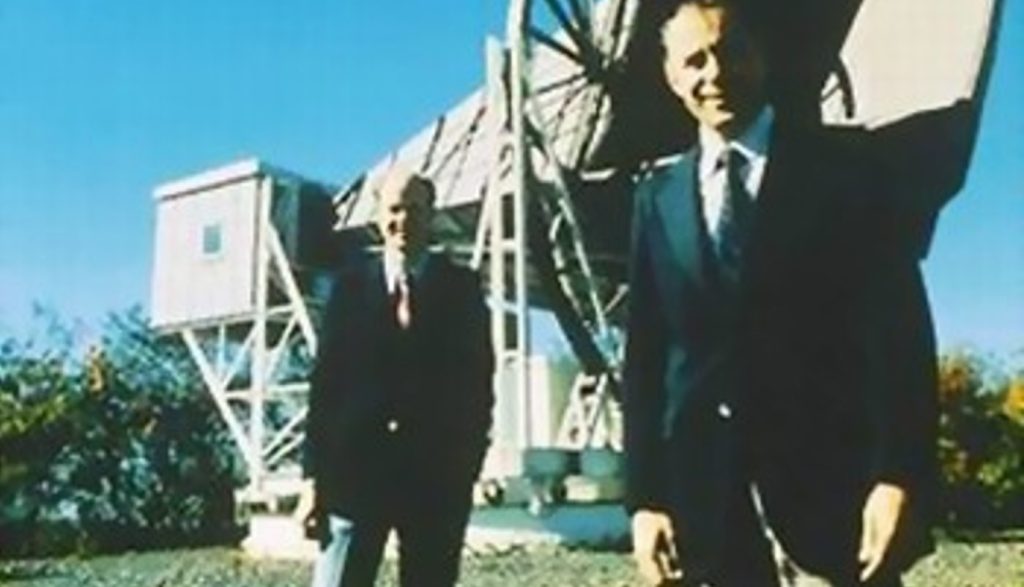
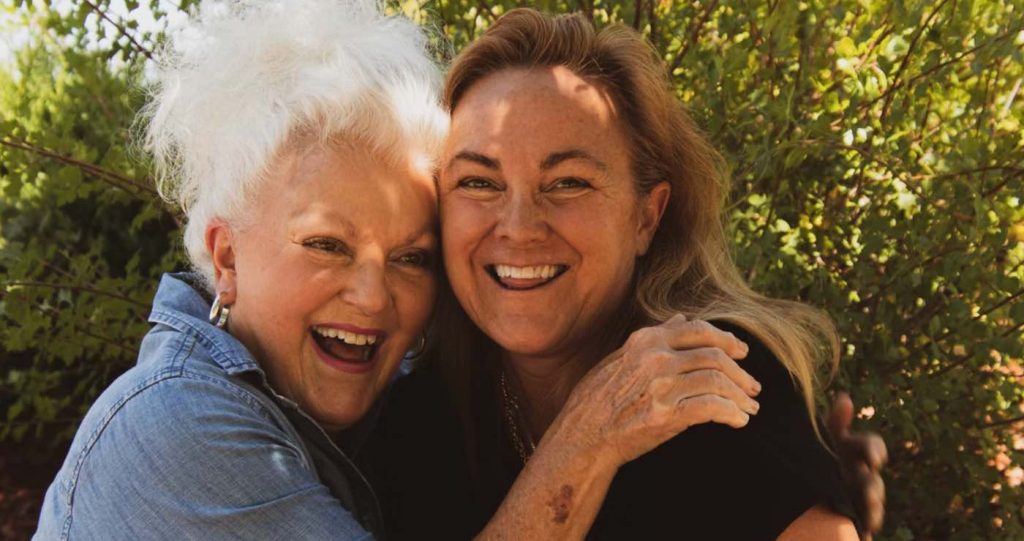
Dr. Masuko Ushio Fukai (left) and Tohru Fukai – Medical College of Georgia

Exercise can counter the damage of diabetes by activating a natural system we have to grow new blood vessels when existing ones are ravaged by this disease, says new research.

According to the CDC, one in 10 Americans have diabetes, which not only damages existing blood vessels, it hinders our innate ability (called angiogenesis) to grow new ones in the face of disease or injury, report scientists at the Vascular Biology Center at the Medical College of Georgia.

Now we have the first evidence that in the face of diabetes, even one 45-minute session of moderate intensity exercise enables more exosomes—sub-microscopic packages filled with biologically active cargo—to deliver directly to those cells more of the protein, ATP7A, which can set angiogenesis in motion.

“Not unlike the most sophisticated and efficient delivery services we have all come to rely upon, particularly during the pandemic, what exosomes carry depends on where they come from and where they are headed,” says Dr. Tohru Fukai, MCG vascular biologist and cardiologist.

While he and co-author Dr. Masuko Ushio-Fukai are not yet certain of the origin of these helpful exosomes, it’s clear that one place they deliver is to endothelial cells, which line our blood vessels and are essential to new growth.

RELATED: New Stem-Cell Treatment Looks to Have Cured a Man of Type 1 Diabetes

In both an animal model of type 2 diabetes and a handful of healthy 50-something-year-olds, two weeks of volunteer running on a wheel for the mice and that one cardio session for the humans increased levels of ATP7A in the exosomes that attached to endothelial cells.

At that point, the activity did not significantly impact the weight of the mice, the scientists note, but it did also increase a marker of endothelial function and factors like, vascular endothelial growth factor, needed for angiogenesis.

Exercise also increased the amount of the powerful, natural antioxidant extracellular superoxide dismutase, or SOD3, but it’s the heavier payload of ATP7A, which is also known to deliver the essential mineral copper to cells, that is key to making good use of the SOD3 present, Ushio-Fukai says.

POPULAR: ‘Artificial Pancreas’ is Revolutionizing Diabetes Treatment: ‘I never dreamed this would be developed in my lifetime’

SOD3, is an important natural antioxidant produced by vascular smooth muscle cells in the walls of blood vessels as well as skeletal muscle cells, which helps us maintain healthy levels of reactive oxygen species, or ROS. ROS is a natural byproduct of our use of oxygen that is an important cell signal, enabling a variety of functions. But in diabetes, high blood sugar levels result in high ROS levels that instead hinder important normal functions.

The Fukais have shown that ATP7A levels are reduced in diabetes. They also now have some of the first evidence that exosomes circulating in the plasma of sedentary animal models of type 2 diabetes actually impair angiogenesis when placed in a dish with human endothelial cells, as well as in an animal model of wound healing.

The scientists suggest that synthetic exosomes, already under study as drug-delivery mechanisms, could one day work as an “exercise mimetic” to improve patients’ ability to grow new blood vessels when diabetes has damaged their innate ability.

In fact, they have already generated exosomes in which SOD3 is over-expressed and found improved angiogenesis and healing in a mouse model of diabetes.

POPULAR: Stem-Cell Based ‘Cure’ for Type-1 Diabetes Draws Nearer, With FDA Trials Launched

The way it’s supposed to work is SOD3 is naturally silenced in endothelial cells, so they must get it from other cells, notes Ushio-Fukai, hence the importance of exosome delivery. SOD3 must then bind to endothelial cells at its natural spot called the heparin-binding domain, and the copper transporter ATP7A must be present to enable SOD3 to be active there, Fukai says. Both ATP7A and the binding site are key, Fukai notes. For example, when they removed the binding site from the endothelial cells, which can happen in nature, the benefits were lost.

Once on the scene and active, SOD3 converts the ROS superoxide into hydrogen peroxide, or H2O2, another signaling ROS that helps support normal endothelial cell function. The Fukais have reported that in human endothelial cells, over-expressing SOD3 promotes angiogenesis by increasing H2O2.

LOOK: Standing More Often May Help Prevent Chronic Diseases Like Type 2 Diabetes, Researchers Say

A copper connection also runs throughout this process as endothelial cells regularly use a lot of copper, and ATP7A, known to transport the essential mineral that we consume in foods like nuts and whole grains, is dependent on copper itself.

Physical exercise, like running or walking on treadmill, prompts muscles to contract which in turn prompts release of exosomes into the blood.

When Fukai was a postdoc in the Emory University Section of Cardiology he was part of the research group that was the first to show that exercise increases SOD3 activity, which decrease with age and with some disease states like diabetes and hypertension.

The study was published in the Journal of the Federation of American Societies for Experimental Biology.

GNN is Featured in Major Exhibit on Compassion in One of America’s Favorite Museums

On the Inner Harbor in downtown Baltimore sits one of the most unforgettable museums you’ll ever visit, and now you can see GNN’s work featured in an exhibit inspired by the Dalai Lama.

Voted #2 in a recent USA Today poll of favorite art museums in the country, the American Visionary Art Museum was also designated as the official national museum for self-taught and intuitive artistry by an act of Congress..

Because the eclectic exhibits will stimulate anyone’s creativity, Travel & Leisure magazine called the Maryland museum a Top-10 Place to See Before You’re 10.

But all ages will be inspired by this year’s major exhibit, ‘Healing & The Art of Compassion’, in which GNN founder Geri Weis-Corbley was featured as a ‘Good News Hero’.

The theme of this original year-long exhibition, which runs through September 4th, was inspired in good part by a request from the Dalai Lama and features the works of 22 visionary artists—alongside the scientific research, global folk wisdom, and humor—which highlight the two forces of good in any society.

RELATED: Want Students to Do Better in Class? Take Them on Culturally Enriching Field Trips, says Study

“AVAM’s mega-exhibition focuses public attention on two sibling essential powers—healing and compassion—twin forces for greater good sorely in need today,” writes the museum’s main curator, director, and founder, Rebecca Hoffberger. “Clearly defining compassion, how it operates as a healing force in our own lives, within our own families, our communities, in social welfare, monetary, and justice systems, is at the heart of this uplifting exhibition’s premise and purpose.”

Geri with GNN co-owner Anthony Samadani

It is the swan song exhibit for Hoffberger, who is set to retire after 30 years of work on her Visionary Art Museum, which opened in 1995. She asked the GNN founder for a list of her best headlines about compassion and healing—four of which appear in the exhibit:

Geri Weis-Corbley selfie in one of the sculpture gardens with Rebecca Hoffberger
  • A mother who forgives and adopts the killer of her only son after his incarceration.
  • A Canadian police officer who goes undercover posing as a vulnerable elder in a wheelchair to catch would-be thieves, and instead finds people trying to help him at every turn.
  • In India, where the birth of girls can bring a heavy burden on poor families to provide a dowry, one man instigated a program to plant 111 trees for every baby girl born, as well as a collective fund for their dowry obligation. A vast forest now yields fruit and stands in testament to his kindness and celebration of the village girls.
  • California parents launch a charity in memory of their daughter who had traveled to South Africa to help one of the poorest village, but then was murdered. Their wish to continue her good work, eventually involved even the men who caused her death in a mutually redemptive healing and jobs program.

Hoffberger told us in an email, “Many may say, ‘How nice’ about your work, but I think there are so many good and healthful reasons that your Good News Network is actually an imperative.”

The Washington Post once wrote that “the best museum in D.C. is in Baltimore,” recommending the AVAM, which is 30 minutes to the north and attracts 115,000 people annually.

So, next time you are in DC, Maryland, or Northern Virginia, plan your visit to 800 Key Highway and check out the cylindrical building with the gorgeous sculpture gardens and mosaic tile exterior (below) designed and installed by former felons—just one of the many ‘visionary’ accomplishments of this compassionate, mighty museum.

SHARE This Great Recommendation for an Art Museum on Social Media…

Hundreds of US Cities Composting Their Food Waste Helps Farmers and Cuts Tons of Emissions

Recology
Recology

Last week, new water restrictions issued for millions of residents of Southern California highlighted the need to make agriculture more efficient—and a new statewide composting mandate is providing the solution.

California leads the nation in food production, which requires a lot of water, and now because they became the second state in the nation after Vermont to make large-scale composting required by law means we can have our produce ‘cake’ and eat it, too.

Compost Awareness Week, which begins today, may sound superficial, but we need to know that farms can grow up to 40 percent more food in times of drought when they use compost—and when citizens dump their coffee grounds and banana peels into a bin for pick up, they are feeding the soil, while guarding against water shortages.

City composting programs produce thousands of truckloads of finished compost that go onto farms, orchards, and vineyards, creating a natural sponge that attracts and retains moisture. Not only that, the recycling loop is combatting global warming.

Food waste makes up nearly 20% of the stuff in our landfills. When that food decomposes, it releases methane; tens of times more potent than carbon dioxide, it’s one of the main greenhouse gasses fueling the climate crisis, and landfills are the third-largest source of methane emissions in the U.S.

RELATED: New Enzyme Discovery is Another Leap Towards Dissolving Plastic Waste With ‘Amazing Efficiency’

More than 200 cities across the country, and many universities, have followed San Francisco’s lead and implemented curbside collection of food scraps for composting. In compliance with the new law—(SB 1383) requiring California cities to reduce landfilling of compostable materials by 75 percent by 2025—cities up and down California are establishing curbside programs that provide bins for food scraps, sticks, and leaves, so they can be turned into ‘black gold’ compost for farmers.

San Francisco-based Recology, an employee-owned company with a workforce of 3,800 operates 8 composting facilities in California, Oregon, and Washington serving nearly 150 communities. In 2020 alone, they recycled over 810,000 metric tons of organic waste, including food scraps and yard trimmings.

“This program gives individuals, communities and entire municipalities a way to do something very useful to help slow climate change—and to help get carbon out of the atmosphere and back into the soil where it belongs,” said Recology’s Robert Reed.

POPULAR: Plant Opens to Change the Recycling Game by Breaking Down Plastic Bottles With Enzyme From Leaves

San Francisco’s pioneering food scrap collection program, which was maligned as something that would never work, created momentum for the statewide program.

“We started collecting food scraps separately from other trash in 1996,” Reed told GNN. “At the time, executives at the largest garbage companies were quoted in the trade press saying the San Francisco program had never been tried and would not work. They said our trucks would leak and our new program would fail.”

“In fact, our program worked and continues to work extremely well. San Franciscans have embraced curbside composting of food scraps together with sticks and leaves more than any other city in the country.”

CHECK OUT: 60+ Major Companies Sign ‘Radical’ Deal to Dramatically Reduce Plastic Waste in Just 4 Years

That citywide green-bin program has diverted 2.5 million tons of compostable material from the landfill, which not only saved landfill space and eliminated thousands of tons of methane emissions, but also helped local farms grow more healthy (and tasty) food, using less water and less fertilizer.

“Soil is a living, breathing biomass. So, anything we can do to enhance the improvement of soil is going to improve the water-holding capacity and the water efficiency capacity that is wicked through the plant’s roots,” said agronomist Ed Davis of S&E Organics based in Bakersfield, California. “It also feeds rather than depletes the billions of microorganisms that make soil good for growing.”

Methane generated in landfill vs in compost

Landfill food scraps get buried under dirt, decomposing in an airless environment, while any composting process makes sure those microbes receive air and water, which does generate methane, but far less than would occur at a landfill. However, Recology captures the gasses generated at key stages of the composting process, rerouting them to a series of biofilters, which cut their methane emissions by more than 80 percent.

Delegations from 135 counties have traveled to San Francisco to view this program firsthand, which was implemented later at UC Berkeley and UC Davis, in Marin County and 11 cities in San Mateo County. Even the San Francisco Giants baseball stadium works with Recology toward a goal of Zero Waste.

LOOK: California Erects Solar Panels Over Canal to Save Huge Supply of Water From Evaporation

Oakland, San Jose, and Palo Alto have followed SF’s lead, as has Napa. The state capitol of Sacramento will go live with its curbside composting on July 1.

Recology helped Austin, Texas, prepare their plan for curbside food scrap collection—and also advised officials in Paris, France, to implement a program in two districts.

Other cities adopting the trend—Portland, Seattle, Denver and Boulder, St. Paul and Minneapolis, Baltimore, Anchorage, Eugene, Cambridge, and Ann Arbor, Michigan—prove this is a win-win-win for our landfills, farmers, and the planet.

WATCH the news report about Recology below…

Don’t Scrap This Story! Spread the Awesomeness on Social Media…

Two in Three U.S. Business Owners Believe They’re Currently Living the American Dream

The ‘American Dream’ isn’t dead according to small business owners—65% of whom believe they currently are living it.

A new survey of 1,000 small business owners in the United States showed that respondents are focused on helping their businesses thrive—and 71% say that the “new” American dream can be achieved through sacrifice, risk-taking and hard work.

83 percent of the entrepreneurs said being “financially comfortable” aligns most with their definition of the ‘American Dream’.

32% of those polled agree that being self-made and providing for their families are rewards enough in themselves, but they know it takes time.

The survey, conducted by OnePoll and commissioned by Xero, a global small business platform, found that nearly half of business owners said they have a four-to-five-year plan to reach their personal goals.

RELATED: 73% of These Women Who Started Businesses During Pandemic Say It’s Easier Than Ever to Be Successful

Three in five hope to expand their stores into a chain, but only 25% have a physical store without an online e-store.

More than a third (36%) said they currently own both a physical and online store and 20% strictly do business online.

Respondents also shared the financial goals they have set for themselves and their businesses. 40% are working toward giving their employees health and retirement benefits, and 34% are focused on the goal of paying their employees more.

CHECK OUT: The Small Victories That Make a Huge Difference in Our Daily Lives

“Small businesses are the engine of the U.S. economy,” said Xero U.S. manager Ben Richmond.

“Connecting the different elements of business management by using technology can help owners be in control of their goals and focus on the passion that got them into business in the first place.”

TOP 5 FINANCIAL GOALS SMALL BUSINESS OWNERS HAVE

Giving their employees health/retirement benefits – 40%
Having enough money to play with – 36%
Paying their employees more – 34%
Paying off their mortgage – 34%
Negotiating their business’ lease – 34%

“I have observed dreams and visions carefully, and am certain that the imagination has some way of lighting on the truth that reason has not.” – Yeats

Quote of the Day: “I have observed dreams and visions carefully, and am certain that the imagination has some way of lighting on the truth that reason has not.” – William Butler Yeats

Photo by: Jr Korpa

With a new inspirational quote every day, atop the perfect photo—collected and archived on our Quotes page—why not bookmark GNN.org for a daily uplift?

Sci-fi Selfie: Social Media Giant Creates Selfie Camera That Flies Around Your Head

Snapchat
Snapchat

A social media giant has created a selfie camera—and it can fly around your head and follow you around.

Snapchat, which has millions more active daily users than Twitter, has unveiled Pixy, a miniature drone they’ve dubbed “your friendly flying camera.”

The $230 device can take-off from your hand and follow any of four preset flight paths, including floating, orbiting, and following wherever you lead.

During the launch on Thursday April 28 the American company said they first created Snapchat as a new way to use your camera for self-expression and communication.

“Today, we’re bringing it to new heights with a flying camera called Pixy.”

Described as “a pocket-sized, free-flying sidekick”, the firm says Pixy can find its way back to your hand, landing gently at the end of the flight.

LOOK: Real Harry Potter’s Cloak, a Real-Life Invisibility Shield is Now Taking Orders

Though they designed Pixy to be a companion to Snapchat, it can be used with “any other platform”, although videos from flights are wirelessly transferred and saved into Snapchat Memories.

From there, you can use Snapchat’s editing tools, ‘Lenses, and Sounds’ to customize what you capture.

Pixy by Snapchat

The knob on top of the tiny ‘quadcopter’ lets you select what type of photo or video you want.

The mini-drone relies on computer vision and object recognition technology to identify people’s faces and bodies, which allows it to follow or “orbit” or land back in the palm of your hand.

CHECK OUT: New Concept Lets Elon Musk’s Cybertruck Drive on Water

“With a few taps, you can automatically crop into portrait and apply quick Smart Edits, like Hyperspeed, Bounce, Orbit 3D and Jump Cut.”

Currently Pixy is only available for purchase (on Pixy.com) in the U.S. and France.

WATCH the Pixy in action…

FLY This Fascinating News to Friends on Social Media…

Adorable Dash-cam Video Shows Father and 6-yo Belting Out Sinatra’s ‘Me & My Shadow’

A video of a father and his young son nailing a Frank Sinatra cover while driving in the car will make your day, if you’ve never seen the viral video.

Archie was only six years old when this dash-cam footage was shared by his mother and talented 36 year old dad, Matthew Clayton.

From Faversham, Kent, in England, they recreated the famous duet featuring Sammy Davis Jr. and Sinatra performing Me & My Shadow.

Matt called it “a lovely car ride.”

For over 30 years, Matt has been performing in stage cabaret, musical theatre, and concert productions across South East England, sharing his glitzy and charismatic musical style reminiscent of the 1950’s.

WATCH: Banjo Player Serenades a Fox in Colorado – Watch It Come Back for an Encore

See the adorable video below – and find him on Facebook, here.

SHARE the Nostalgia and Guaranteed Smiles With Friends on Social Media…

Secrets of Humpback Whales: Scientists Record 600 Different Calls at Sea Including Some Never Heard Before

Swanson Chan
Swanson Chan

Sounds made by humpback whales—including a previously unknown call—have given researchers a glimpse of their lives in the high seas.

Scientists recorded the sounds hundreds of miles west of South Africa at the Vema Seamount in the Atlantic Ocean.

The “whup” and “grumble” calls captured suggest this location could be an important stop on the whales’ migration to polar feeding grounds.

Whale sounds are categorized into continuous “song” and shorter “non-song” calls. The study recorded 600 non-song calls over 11 days.

These included an “impulsive sound”—dubbed “gunshot” by the researchers— that has never been recorded before. Until now, impulsive gunshot sounds had only been associated with other baleen whale species, notably right whales, and bowhead whales which do not inhabit the region.

The most common whale call detected was the “whup”. The “whup” is known to be used between mother-calf pairs as a contact call that helps them locate each other while moving southward after the breeding season.

POPULAR: A Pod of Whales Adopted a Young Stray Narwhal – and They May Have Little ‘Narwhales’

Humpbacks also “whup” while feeding.

The research team from the universities of Stellenbosch (South Africa) and Exeter (UK), and Greenpeace Research Laboratories, used moored hydrophones to record the whales.

They said their study, published in the journal JASA Express Letters, highlights the importance of current negotiations over a UN treaty to govern the high seas.

“50 years ago, governments came together to turn around the fate of humpback whales,” said Dr. Kirsten Thompson, of the University of Exeter.

“Now they have a chance to secure the progress already made and protect the high-seas habitats that whales rely on.

RELATED: Zero Humpbacks Off Seattle Coast 25 Years Ago – Now 500 Return With Record Number of Calves

They are advocating for a coherent and connected network of Marine Protected Areas across our oceans to ensure seamounts like Vema are protected. A seamount is an underwater mountain with steep sides rising from the seafloor, formed by volcanic activity.

The area around the Vema Seamount was heavily overfished after its discovery in 1959, but it is now closed for fishing and is recognized as a vulnerable marine ecosystem due to its unique biodiversity.

WATCH: Friendly Humpback Whale Gives Woman the Experience of a Lifetime

Will McCallum, Head of Oceans at Greenpeace, said a UN treaty is currently under negotiation, called the Marine Biodiversity of Areas Beyond National Jurisdiction, which would provide a framework for creating a network of Marine Protected Areas to cover 30% of the high seas.

“Once upon a time, the high seas were thought of as barren,” he said. “Ground-breaking research like this shows they are teeming with life.”

CALL Your Friends With an Impulsive Sound to Share This on Social Media…

Your Inspired Weekly Horoscope From Rob Brezsny: A ‘Free Will Astrology’

Our partner Rob Brezsny provides his weekly wisdom to enlighten our thinking and motivate our mood. Rob’s Free Will Astrology, is a syndicated weekly column appearing in over a hundred publications. He is also the author of Pronoia Is the Antidote for Paranoia: How All of Creation Is Conspiring To Shower You with Blessings. (A free preview of the book is available here.)

Here is your weekly horoscope…
FREE WILL ASTROLOGY – Week of April 30, 2022
Copyright by Rob Brezsny, FreeWillAstrology.com

TAURUS (April 20-May 20):
“Imagining anything is the first step toward creating it,” wrote author and activist Gloria Steinem. “Believing in a true self is what allows a true self to be born,” she added. Those are excellent meditations for you to focus on right now, Taurus. The time is ripe for you to envision in detail a specific new situation or adventure you would like to manifest in the future. It’s also a perfect moment to picture a truer, deeper, more robust version of your beautiful self—an expanded version of your identity that you hope to give birth to in the coming months.

GEMINI (May 21-June 20):
Gemini author William Butler Yeats won a Nobel Prize for Literature, so I conclude he had considerable talent and wisdom. But he cultivated interests and ideas that were at variance with most other literary figures. For example, he believed fairies are real. He was a student of occult magic. Two of his books were dictated by spirits during séances. In the coming weeks, I invite you to draw inspiration from his versatile repertoire. Welcome knowledge in whatever unusual ways it might materialize. Be eager to accept power and inspiration wherever they are offered. For inspiration, here’s a Yeats’ quote: “I have observed dreams and visions very carefully, and am certain that the imagination has some way of lighting on the truth that reason has not, and that its commandments, delivered when the body is still and the reason silent, are the most binding we can ever know.”

CANCER (June 21-July 22):
You know what’s always good for your well-being? Helping people who are less fortunate and less privileged than you. To enhance your health, you can also fight bigotry, campaign against the abuse of animals, and remedy damage to the natural world. If you carry out tasks like these in the coming weeks, you will boost your vigor and vitality even more than usual. You may be amazed at the power of your compassion to generate selfish benefits for yourself. Working in behalf of others will uplift and nurture you. To further motivate you, here are inspirational words from designer Santiago Bautista: “I am in love with all the gifts of the world, and especially those destined for others to enjoy.”

LEO (July 23-Aug. 22):
“There is a moment in each day that Satan cannot find,” wrote author and artist William Blake. Here’s how I interpret his poetic words: On a regular basis, you become relatively immune from the debilitating effects of melancholy, apathy, and fear. At those times, you are blessed with the freedom to be exactly who you want to be. You can satisfy your soul completely. In the next six weeks, I suspect there will be more of these interludes for you than usual. How do you plan to use your exalted respite from Satan’s nagging?

VIRGO (Aug. 23-Sept. 22):
Poet Louis Little Coon Oliver (1904–1991) was a member of the indigenous Mvskoke people. He declared, “I do not waste what is wild.” That might mean something different for him than what it would mean for you, but it’s an excellent principle for you to work with in the coming weeks. You will have more access than usual to wildness, and you might be tempted to use it casually or recklessly. I hope that instead you harness all that raw mojo with precision and grace. Amazingly, being disciplined in your use of the wildness will ensure that it enriches you to the max and generates potent transformative energy.

LIBRA (Sept. 23-Oct. 22):
I suspect you will have the skills of an acrobat in the coming weeks—at least metaphorically. You will be psychically nimble. Your soul will have an exceptional ability to carry out spry maneuvers that keep you sane and sound. Even more than usual, you will have the power to adjust on the fly and adapt to shifting circumstances. People you know may marvel at your lithe flexibility. They will compliment you for your classiness under pressure. But I suspect the feats you accomplish may feel surprisingly easy and breezy!

SCORPIO (Oct. 23-Nov. 21):
A Tumblr blogger named Af-70 gives copious advice. From his wide selection of wise counsel, I have selected six tips that are right for your needs in the coming weeks. Please study the following counsel. 1. “Real feelings don’t change fast.” 2. “Connect deeply or not at all.” 3. “Build a relationship in which you and your ally can be active in each other’s growth.” 4. “Sometimes what you get is better than what you wanted.” 5. “Enjoy the space between where you are and where you are going.” 6. “Keep it real with me even if it makes us tremble and shimmer.”

SAGITTARIUS (Nov. 22-Dec. 21):
Consider putting a sign on your door or a message on your social media that says something like the following: “I’ve still got some healing to do. While I’m making progress, I’m only partway there. Am open to your suggestions, practical tips, and suggestions for cures I don’t know about.” Though the process is as yet incomplete, Sagittarius, I am proud of how diligent and resourceful you have been in seeking corrections and fixes. My only suggestions: 1. Be bold about seeking help and support. 2. Be aggressive about accessing your creativity. Expand your imagination about what might be therapeutic.

CAPRICORN (Dec. 22-Jan. 19):
“To uncover what is hidden in my soul might take me a week or two,” my friend Allie told me. I told her she would be lucky if her brave and challenging exploration required such a short time. In contrast, some people I know have spent years trying to find what is buried and lost in their souls: me, for instance. There was one period of my life when I sought for over a decade to find and identify the missing treasure. According to my astrological analysis, you will soon enjoy multiple discoveries and revelations that will be more like Allie’s timeline than mine: relatively rapid and complete. Get ready! Be alert!

AQUARIUS (Jan. 20-Feb. 18):
A Thai cook named Nattapong Kaweenuntawong has a unique method for cooking the soup served in his Bangkok restaurant. At the end of each night, he saves the broth for use the next day. He has been doing that daily for 45 years. Theoretically, there may be molecules of noodles that were originally thrown in the pot back in 1977. In accordance with current astrological omens, I urge you to dream up a new tradition that borrows from his approach. What experience could you begin soon that would benefit you for years to come?

PISCES (Feb. 19-March 20):
Pisces-born Casimir Pulaski (1745–1779) was a Polish nobleman and military commander. As a young man, he fought unsuccessfully to free Poland from Russian domination. Driven into exile, he fled to America, arriving during the Revolutionary War with Britain in 1777. General George Washington was impressed with Pulaski’s skills, making the immigrant a brigadier general. He distinguished himself as a leader of American forces, exhibiting brilliance and bravery. For that excellence, he has been honored. The coming months will be a favorable time to question and revise your understanding of your ‘hero’ identity.

ARIES (March 21-April 19):
I recommend you adopt a limitation that will enable you to claim more freedom. For example, you could de-emphasize your involvement with a lukewarm dream so as to liberate time and energy for a passionate dream. Or you could minimize your fascination with a certain negative emotion to make more room for invigorating emotions. Any other ideas? You’re in a phase when increased discipline and discernment can be liberating.

WANT MORE? Listen to Rob’s EXPANDED AUDIO HOROSCOPES, 4-5 minute meditations on the current state of your destiny — or subscribe to his unique daily text message service at: RealAstrology.com

(Zodiac images by Numerologysign.com, CC license)

SHARE The Wisdom With Friends Who Are Stars in Your Life on Social Media…

“If I had asked people what they wanted, they would have said faster horses.” – Henry Ford

Quote of the Day: “If I had asked people what they wanted, they would have said faster horses.” – Henry Ford

Photo by: Johnathan Ciarrocca

With a new inspirational quote every day, atop the perfect photo—collected and archived on our Quotes page—why not bookmark GNN.org for a daily uplift?

Widow Finds Late Husband’s Wedding Ring Under Apple Tree – 35 Years After He Lost It

SWNS
SWNS

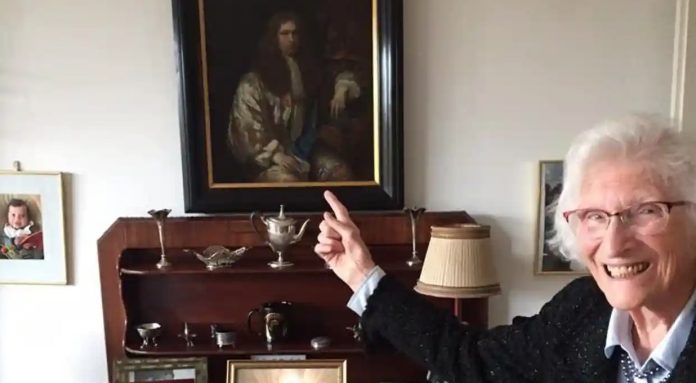
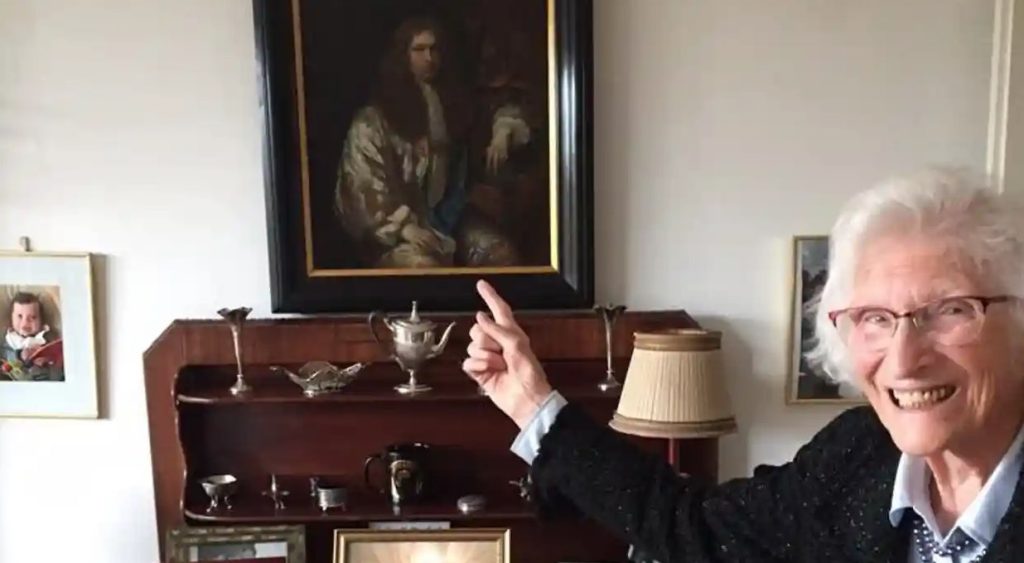
A 90-year-old has found her late husband’s wedding ring under an apple tree—35 years after he lost it in their garden.

Ann Kendrick says Peter, who passed away 22 years ago, lost his band while working in their back garden in Looe, Cornwall in 1987.

The mother-of-seven discovered the ring on Saturday, 23 April when she was clearing around the base of an apple tree.

She said she was “very excited” to find the ring and added that her husband would have been “as surprised as her.”

“It didn’t look at all like a wedding ring,” Ann told the BBC, “it looked like a dirty piece of bent metal. I looked at it and thought ‘no, it couldn’t be’. I was really quite excited. When I was telling a friend about it I got a bit choked up.”

SWNS

Ann’s 57-year-old son Bob Kendrick runs a restaurant near his home in Dartmouth, Devon.

RELATED: Family’s New Puppy is Seriously a Golden – After Digging Up Rare Coins Worth $8k

He said, “Mum was very emotional and over the moon. It wasn’t the first thing that went missing—he used to lose all sorts of things.”

SWNS

Mrs Kendrick said she will get the ring repaired and she’ll wear it as a necklace in memory of her late husband—a sweet tribute indeed.

SHARE This Lucky Find With Your Social Media Buddies…

MIT’s New Paper Thin Speakers Can Cover Any Surface to Turn Your Room Into a Concert Hall

Felice Frankel, MIT

MIT engineers have developed a paper-thin loudspeaker that can turn any surface into an active audio source.

This thin-film loudspeaker produces sound with minimal distortion while using a fraction of the energy required by a traditional loudspeaker. The hand-sized loudspeaker the team demonstrated, which weighs about as much as a dime, can generate high-quality sound no matter what surface the film is bonded to.

To achieve these properties, the researchers pioneered a deceptively simple fabrication technique, which requires only three basic steps and can be scaled up to produce ultrathin loudspeakers large enough to cover the inside of an automobile or to wallpaper a room.

Used this way, the thin-film loudspeaker could provide active noise cancellation in clamorous environments, such as an airplane cockpit, by generating sound of the same amplitude but opposite phase; the two sounds cancel each other out.

The flexible device could also be used for immersive entertainment, perhaps by providing three-dimensional audio in a theater or theme park ride. And because it is lightweight and requires such a small amount of power to operate, the device is well-suited for applications on smart devices where battery life is limited.

“It feels remarkable to take what looks like a slender sheet of paper, attach two clips to it, plug it into the headphone port of your computer, and start hearing sounds emanating from it. It can be used anywhere. One just needs a smidgeon of electrical power to run it,” says Vladimir Bulović, the Fariborz Maseeh Chair in Emerging Technology and senior author of the paper—who wrote it with Jinchi Han, a ONE Lab postdoc, and co-senior author Jeffrey Lang, the Vitesse Professor of Electrical Engineering.

A new approach

Felice Frankel, MIT

A typical loudspeaker found in headphones or an audio system uses electric current inputs that pass through a coil of wire that generates a magnetic field, which moves a speaker membrane, that moves the air above it, that makes the sound we hear. By contrast, the new loudspeaker simplifies the speaker design by using a thin film of a shaped piezoelectric material that moves when voltage is applied over it, which moves the air above it and generates sound.

Most thin-film loudspeakers are designed to be freestanding because the film must bend freely to produce sound. Mounting these loudspeakers onto a surface would impede the vibration and hamper their ability to generate sound.

LOOK: Robotic Dog Designed in Boston Patrols the Ruins of Pompeii to Help Preserve Relics

To overcome this problem, the MIT team rethought the design of a thin-film loudspeaker. Rather than having the entire material vibrate, their design relies on tiny domes on a thin layer of piezoelectric material which each vibrate individually. These domes, each only a few hair-widths across, are surrounded by spacer layers on the top and bottom of the film that protect them from the mounting surface while still enabling them to vibrate freely. The same spacer layers protect the domes from abrasion and impact during day-to-day handling, enhancing the loudspeaker’s durability.

To build the loudspeaker, the researchers used a laser to cut tiny holes into a thin sheet of PET, which is a type of lightweight plastic. They laminated the underside of that perforated PET layer with a very thin film (as thin as 8 microns) of piezoelectric material, called PVDF. Then they applied vacuum above the bonded sheets and a heat source, at 80 degrees Celsius, underneath them.

MORE: French Town to Light its Streets With Bacteria Luminescence That Needs No Electricity

Because the PVDF layer is so thin, the pressure difference created by the vacuum and heat source caused it to bulge. The PVDF can’t force its way through the PET layer, so tiny domes protrude in areas where they aren’t blocked by PET. These protrusions self-align with the holes in the PET layer. The researchers then laminate the other side of the PVDF with another PET layer to act as a spacer between the domes and the bonding surface.

CHECK OUT: Munich’s First Solar Bus Technology Will Hit the Road to Reduce Emissions and Pollution

“This is a very simple, straightforward process. It would allow us to produce these loudspeakers in a high-throughput fashion if we integrate it with a roll-to-roll process in the future. That means it could be fabricated in large amounts, like wallpaper to cover walls, cars, or aircraft interiors,” Han says.

High quality, low power

The domes are 15 microns in height, about one-sixth the thickness of a human hair, and they only move up and down about half a micron when they vibrate. Each dome is a single sound-generation unit, so it takes thousands of these tiny domes vibrating together to produce audible sound.

An added benefit of the team’s simple fabrication process is its tunability—the researchers can change the size of the holes in the PET to control the size of the domes. Domes with a larger radius displace more air and produce more sound, but larger domes also have lower resonance frequency. Resonance frequency is the frequency at which the device operates most efficiently, and lower resonance frequency leads to audio distortion.

Once the researchers perfected the fabrication technique, they tested several different dome sizes and piezoelectric layer thicknesses to arrive at an optimal combination.

They tested their thin-film loudspeaker by mounting it to a wall 30 centimeters from a microphone to measure the sound pressure level, recorded in decibels. When 25 volts of electricity were passed through the device at 1 kilohertz (a rate of 1,000 cycles per second), the speaker produced high-quality sound at conversational levels of 66 decibels. At 10 kilohertz, the sound pressure level increased to 86 decibels, about the same volume level as city traffic.

RELATED: Startup Designs Prefab Facades That Turn Energy-Sucking Buildings Into Power Providers

The energy-efficient device only requires about 100 milliwatts of power per square meter of speaker area. By contrast, an average home speaker might consume more than 1 watt of power to generate similar sound pressure at a comparable distance.

Because the tiny domes are vibrating, rather than the entire film, the loudspeaker has a high enough resonance frequency that it can be used effectively for ultrasound applications, like imaging, Han explains. Ultrasound imaging uses very high frequency sound waves to produce images, and higher frequencies yield better image resolution.

The device could also use ultrasound to detect where a human is standing in a room, just like bats do using echolocation, and then shape the sound waves to follow the person as they move, Bulović says. If the vibrating domes of the thin film are covered with a reflective surface, they could be used to create patterns of light for future display technologies. If immersed in a liquid, the vibrating membranes could provide a novel method of stirring chemicals, enabling chemical processing techniques that could use less energy than large batch processing methods.

“We have the ability to precisely generate mechanical motion of air by activating a physical surface that is scalable. The options of how to use this technology are limitless,” Bulović says.

The research is published in IEEE Transactions of Industrial Electronics.

Source: MIT

TURN UP the Volume on Good News; Share This Story…

Congolese Nun Overcomes Blackouts by Becoming Electrician to Create Hydroelectric Plant

Rumble
Rumble

Occasionally swapping sandals for wading boots, but keeping their veils tucked under their hard hats, a group of Congolese nuns has been trained in electrical engineering to keep the town’s hydroelectric running smoothly.

Powering a convent, a church, two schools, and a clinic, Sister Alphonsine Ciza’s work on the local mini hydroelectric plant is both free and vital for the city of Miti in the Democratic Republic of the Congo.

Ciza and some of her sisters were sent by their convent to study electrical engineering.

“The convent needed a technician, someone who could help,” Ciza told Reuters. “In me they saw in me the talent of electrical engineering so they offered me the opportunity to go and study.”

What they saw was a young nun repeatedly sticking her head and fingers into the convent’s electricity problems, often with the end result of fixing them.

With power disruptions all too normal in the city of 300,000 people, Ciza began to raise money in 2015 for a more reliable system—that means kids can now learn important computer skills on computers, rather than through books.

MORE: Dutch Visionary Helps Refugee Camp Recycling All of its Plastic Trash into New Products

“Previously, power often only came on at night, when children were no longer in school,” said headmistress Mweze Nsimire Gilberte. “Having our own turbine has been a great relief.”

(WATCH the video for this story below.)

SHARE This Story From the Congo With Friends…

Spectacular Aquariid Meteor Shower This Week – See Dozens of Shooting Stars Per Hour

Channone Arif, CC license

There’s an excellent chance to watch a meteor shower in the pre-dawn hours next week.

From May 4th, 5th, and 6th, at a few hours past midnight in the Northern Hemisphere, go outside in a dark area away from artificial lights and look to the south. The Eta Aquariid meteor shower could reveal as many as 20-30 meteors per hour.

In the Southern Hemisphere, look essentially straight up, and you should be able to see about forty meteors per hour. In fact, Earthsky say it’s the best shower to see south of the Equator.

In astronomy, a meteor shower has a “radiant,” which is the word used to identify the place in the sky from which the meteors seem to emerge. This shower is called the Eta Aquariid as the radiant is from a star called Eta Aquarii, which makes up the “Water Jug” of the constellation Aquarius the Water-Bearer. For those in the Northern Hemisphere, it should be to the south, rising higher as the dawn nears, while in the south it should be more or less above one’s head.

The fact that the meteors seem to be radiating from Aquarius gives the shower only its name, as the constellation is 170 light years away, i.e. an irrelevant amount of trillions of miles, while the meteors themselves burn up just 60 miles above the Earth.

MORE: 900-Year-old Mystery That Puzzled Stargazers is Now Solved – It’s A ‘Zombie’ Star

You don’t necessarily need to locate the radiant to see shooting stars, but it’s good to do not only to get a sense of the cosmic environment—it also stops you needing to constantly scan the sky worrying you’ll miss a star.

RELATED:  Watch a Stunning Solar Eclipse on Mars in Video Captured By NASA’s Perseverance Rover

Last April, the spectacular Lyrid meteor shower was obscured by a full moon. This year on May 9th, the moon will be a waxing crescent that dips below the horizon in pre-dawn, meaning in the days before there will be plenty of darkness to see the Eta Aquariids. Enjoy the show.

Featured image: Channone Arif, CC license

SHARE the Far Out News With Friends You’d Love to Stargaze With…

“I believe while I tremble; I trust while I weep.” – Charlotte Bronte

Quote of the Day: “I believe while I tremble; I trust while I weep.” – Charlotte Bronte

Photo by: Milan Popovic

With a new inspirational quote every day, atop the perfect photo—collected and archived on our Quotes page—why not bookmark GNN.org for a daily uplift?

Ukrainian Refugees Find Comfort in Italy From Unlikely Source – A Bunch of Lawyers

Mara Braghini, who volunteered to represent several Ukrainian children arriving in Italy.

Ukrainians fleeing across the border to Poland have found an unlikely yet devoted group of supporters in the form of a north Italian law practice.

It’s not a characteristic that one immediately associates with lawyers—free labor—but whether it’s driving through the night to personally bring people to temporary homes or volunteering to legally-represent refugees needing integration into society, Studio Legale in the city of Varese is a credit to the profession.

Andrea Boni helps unload supplies he brought from Italy to Ukraine

In the sagas of the Icelanders, we can read that no-one played a more critical role, and no-one was more respected in Viking-Age society, than lawyers.

Avv. (attorney-at-law) Andrea Boni is a kind fellow, but doesn’t have a long history of volunteering. But just ten days after the Russia-Ukraine war began, he jumped in a van and drove from Lombardy to Przemyśl, the Polish town on the border with Ukraine.

“We left on the 6th [of March] with an organization from the parish Almavera near Varese,” Boni told GNN. “The parish had a contact in an association in the camp near the border with Ukraine. We had different things we were bringing—food, medicine, clothing, and there were around 15 people ready to come here in Italy. They already had referrals for where they could go.”

MORE: Ukrainian Refugees Move Into Medieval Irish Castle Owned by Good Samaritan

Boni had witnessed a refugee camp from the Lebanon War in the 1980s, but that was the extent of his experience with relief efforts.

“I remember the human tragedy,” he said. “I never thought I would do something of the sort, to go into a refugee camp for people escaping from war.”

“I tried to put myself in their position. I thought, ‘What would I want if it were my family?’” he said.

No sleep ’til Przemysl

Neighborly conduct

Northern Italy is a part of the country where immigration from eastern Europe is common. It’s just a short boat ride from Albania, and those from the former Soviet republics need only cross through Slovenia (a country about half the size of Switzerland) to arrive in Veneto. Like many people here, Boni was struck by the near-ness of the conflict.

“This war is really close, and we can see it on the television in real time. It’s 1,600 kilometers away, yes, but it’s Europe. It’s your home,” he told GNN. “So I didn’t think even for a moment: ‘It’s 1,600 kilometers, it’s 20 hours travel, should I go, shouldn’t I?’ No. We left immediately because it was the right thing to do.”

RELATED: Vancouver Couple Converts Their Huge Resort Property into a Ukrainian Refugee Home for Dozens

Boni left with two vans loaded with supplies, and drove 20 hours through Austria, the Czech Republic, and through Poland to Przemyśl where a shopping mall has been turned into a shelter for those arriving via train.

He was expecting 15 people, but when he reached the mall only three had arrived. Since Russia had struck targets in the vicinity of the railways, service had been temporarily suspended to protect people fleeing the country. Nine were unable to leave, but a separate group of three, a mother and two children, had been able to take a train to Budapest.

“So we left for Budapest, arrived at the station, and found them. Then we came back to Italy.”

CHECK OUT: Danish Company Creates Children’s Book to Make Ukrainian Refugees Feel at Home – And it’s Adorable (LOOK)

Since his intervention, Boni has already returned along the same route for a second trip, while the family he brought back have settled in the city of Varese, about fifty minutes outside of Milan, where he practices.

Mara Braghini, who volunteered to represent several Ukrainian children arriving in Italy.

Helping Viacheslav

The courts of Varese and Milan are trying to do what they can to quickly and seamlessly integrate Ukrainians minors into society. They needed volunteers to act as representatives of refugees to ensure they have access to the opportunities insured to them by EU refugee law.

Avv. Mara Braghini, who practices in the same firm as Boni, immediately volunteered.

“Some weeks ago the Child Court of Milan nominated me the representative of this 16-year-old Ukrainian guy, Viacheslav,” Braghini told GNN. “He left Ukraine after his mom and little brother. He wanted to stay with his father, but his father decided to volunteer to fight.”

With the help from an association called Us with You, Viacheslav arrived Lombardy in March.

“They arrived here after a long bus ride at 5:00 in the afternoon, and the group called a woman who had volunteered to host him named Patrizia, and said, ‘Okay they are here, he needs you,'” says Braghini, who offered to help another child named Yulia, who is staying next door to Viacheslav’s host family.

MORE: Strangers are Leaving Strollers, Diapers, and Toys at the Border for Ukrainian Refugee Moms (LOOK)

“She speaks English fortunately, so it’s easier to speak with her, but with Viacheslav it’s not so easy but we’ve had some good moments,” she adds. “I told (Yulia’s family) if they have any difficulties, if they have any problems, I will be there to help them.”

“At the moment he’s in school, and there’s an old teacher who speaks Ukrainian and who can help them with their Italian,” she says. “I saw the difference in Viacheslav with respect to the first time I met him ten days ago, he speaks quite well. He told me and Patrizia that he’d love to stay in Italy, which isn’t something common among Ukrainians because they usually want to go back to their families.”

At the time of writing, Viacheslav has acclimatized very well.

There are two other lawyers at Studio Legale, both of whom pitched in financially to fill up Boni’s vans with supplies.

In Italy, lawyers are always addressed as “Avvocato,” which is like being called “doctor,” or “officer.” Many believe the Italian Bar exam is the hardest in Europe. They are always addressed in the formal tense—the equivalent of referring to someone in English as “the Gentleman,” or “the Madame.”

People like Mara and Andrea are a credit to the fundamental humanity of their ancient profession.

SHARE This Story of True Generosity in Northern Italy…

Editor’s note: This story has been altered to correct the name of the group that brought Viacheslav to Italy. 

Two-Thirds of Americans are More Interested in Staycations This Year to Feel Nostalgia

By Anders Nielsen
By Anders Nielsen

Three out of five Americans think they’ve wasted their summer if they haven’t traveled anywhere, according to a new poll.

The poll, which surveyed 2,000 adults, revealed that 58% are either planning a summer vacation or already have one in place for this year.

Meanwhile, the average respondent took about four different vacations per year when they were a kid.

So it’s no surprise that more than two in five (42%) identified vacations as their favorite type of trip as a child, more so than family visits (41%) and school field trips (35%).

Conducted by OnePoll on behalf of Roadpass Digital, the survey asked respondents to explore how their past childhood travels might inform their current plans.

Today, almost two-thirds (63%) of respondents are more interested in planning “staycations”—trips that are closer to home—than they were a few years ago.

MORE: World’s Biggest Treehouse Resort Opening Near U.S. National Park is Gorgeous –LOOK

This could be because of issues that weren’t at the forefront of people’s minds during previous years—like uncertainty surrounding the pandemic (59%) and overcrowding (55%), which respondents cited as concerns for this upcoming summer.

Another 63% said they are looking to travel more within their home state during the summer than other seasons, possibly due to similar worries.

Whether in their home state or not, 68% have fond memories of going on summer vacation as a kid, and 71% say they enjoy the nostalgia that comes with revisiting childhood vacation destinations.

Three in five would consider returning to those destinations, but only if they could plan the trip differently.

The biggest changes: more than half (51%) would change the length of their stay, and 42% would opt for a different method of travel than they took with their parents when they were a child.

RELATED: He Quit His Job to Offer Scottish Highland Trips in New York School Bus – A ‘Hostel on Wheels’

In fact, two-thirds of respondents overall said they prefer to use different methods of travel than their parents or guardians did on family trips.

“With so much beauty in North America, it’s no surprise that Americans are creating memories in their own backyards,” said Steven Hileman, Roadtrippers spokesperson. “Because the data shows nostalgia is a powerful factor when it comes to making travel decisions, we can see how today’s travelers are reinventing the age-old American pastime of road trips to fit their flexible lifestyles.”

Almost half (48%) of respondents are planning to drive to their destination this summer— perhaps because they seem more concerned about plane ticket prices (67%) than they are gas prices (59%).

Only 10% of respondents feel less concerned about travel costs than their parents were in the past, and 53% actually reported feeling more concerned instead.

LOOK:  Out of Ideas For Entertaining the Kids? Here’s Some FREE Family Fun to Try While on Vacations

Fifty-four percent expressed concern about lodging for their upcoming summer trips, and 57% would consider booking an RV, camper, overnight train or other transportation method that doubles as lodging.

In fact, 58% of respondents are more interested in going on road trips now compared to when they were a kid.

“Despite higher fuel prices, people are still getting on the road,” said Mona Kishore, Campendium spokesperson. “Other studies show that traveling by RV is a more affordable way to travel, especially for young families and those with pets. Additional data shows that more young adults are purchasing RVs now than ever.”

HELP Good News Travel Far and Wide; Share This Story…

Hadron Super Collider Reboots After 3 Years And Immediately Breaks World Record

Photo by Maximilien Brice, CC license
Large Hadron Collider by Maximilien Brice, CC license

The world’s largest and most powerful particle accelerator has restarted after a break of more than three years for maintenance, consolidation and upgrade work.

On April 22, two beams of protons circulated in opposite directions around the Large Hadron Collider’s 27-kilometre ring at their injection energy of 450 billion electronvolts (450 GeV).

“These beams circulated at injection energy and contained a relatively small number of protons. High-intensity, high-energy collisions are a couple of months away,” says the Head of CERN’s Beams department, Rhodri Jones. “But first beams represent the successful restart of the accelerator after all the hard work of the long shutdown.”

“The machines and facilities underwent major upgrades during the second long shutdown of CERN’s accelerator complex,” says CERN’s Director for Accelerators and Technology, Mike Lamont. “The LHC itself has undergone an extensive consolidation programme and will now operate at an even higher energy and, thanks to major improvements in the injector complex, it will deliver significantly more data to the upgraded LHC experiments.”

Pilot beams circulated in the LHC for a brief period in October 2021. However, the beams that circulated today mark not only the end of the second long shutdown for the LHC but also the beginning of preparations for four years of physics-data taking, which is expected to start this summer.

RELATED: Nuclear-Fusion Reactor in UK Smashes Energy Record in Ambitious Power Bid, ‘Really, Really Impressive’

Until then, LHC experts will work around the clock to progressively recommission the machine and safely ramp up the energy and intensity of the beams before delivering collisions to the experiments at a record energy of 13.6 trillion electronvolts (13.6 TeV).

This third run of the LHC, called Run 3, will see the machine’s experiments collecting data from collisions not only at a record energy but also in unparalleled numbers.

CHECK OUT: Scientists Achieve Milestone in Self-Sustaining Fusion Energy, Burning Plasma in U.S. Experiments for First Time

The ATLAS and CMS experiments can each expect to receive more collisions during this physics run than in the two previous physics runs combined, while LHCb, which underwent a complete revamp during the shutdown, can hope to see its collision count increase by a factor of three. Meanwhile, ALICE, a specialized detector for studying heavy-ion collisions, can expect a fifty times increase in the total number of recorded ion collisions, thanks to the recent completion of a major upgrade.

MORE: The Perfect Energy Source Is Already Here – Endless Geothermal Is Poised for Release From Deep in the Earth

The unprecedented number of collisions will allow international teams of physicists at CERN and across the world to study the Higgs boson in great detail and put the Standard Model of particle physics and its various extensions to the most stringent tests yet.

Other things to look forward to in Run 3 include the operation of two new experiments, FASER and SND@LHC, designed to look for physics beyond the Standard Model; special proton–helium collisions to measure how often the antimatter counterparts of protons are produced in these collisions; and collisions involving oxygen ions that will improve physicists’ knowledge of cosmic-ray physics and the quark–gluon plasma, a state of matter that existed shortly after the Big Bang.

Source: CERN

(WATCH the video for this story below.)

SHARE This Breakthrough Story Far and Wide…

One-eyed Cat Missing For 5 Years Shows Up on Offshore Oil Rig Baffling Owners

Scottish SPCA
Scottish SPCA

A five-year odyssey for a cat named Dexter seems to have finally come to an end, after a long, covert stay at a prison was interrupted by his arrival onboard an offshore oil rig, which finally resulted in a call to animal services.

The cat was a regular “well-loved” hangabout at Her Majesty’s Prison Grampian in Peterhead, Scotland, where staff used to “fuss over” him and even gave him the nickname One-eyed Joe.

Then a most unexplainable thing happened: One-eyed Joe somehow ended up in a shipping container a mile-and-a-half away at the town’s port, before being shipped onto an offshore oil rig, where workers “ran away frightened” after the all-black cat jumped out of the container.

After filling out an incident card, (which must have been humorous) the staff aboard the rig took to Joe most kindly, who was now quite comfortable with living alongside the rig workers. According to The National, he was “spoiled rotten” during his time there.

Eventually though, someone called the Society for the Prevention of Cruelty to Animals (SPCA) in Aberdeen, who retrieved Joe after the cat had been flown off the rig on a helicopter—a remarkable feat considering how hard it is normally just to get a cat into a carrier.

RELATED: Watch the Love Between Men and Their Cats in New Film Purr-fect for Home Viewing With Your Pet

“We were alerted to an incident of a cat being found in a shipping container offshore,” Aimee Findlay, a Scottish SPCA animal rescue officer, said in a statement. “We’ve no idea how the cat ended up there, but attended the heliport to collect him.”

One-eyed Joe was microchipped, and upon scanning the staff learned his name was actually Dexter, and that his owner had lost the cat five years ago.

MORE: 9-Year-old’s Lemonade Stand Raises $2,000 For Shelter Cats After He Saw They Had No Toys

“We are so glad that he was well looked after for the time he was missing but we’re even more delighted to be able to reunite him with his original owner, thanks to his microchip being up to date,” Findlay said.

SHARE the Wild News of Dexter’s Nine (Or, So Far, Three?) Fortuitous Lives…

“What you DO is what matters, not what you think or say or plan.” – Jason Fried

Quote of the Day: “What you DO is what matters, not what you think or say or plan.” – Jason Fried

Photo by: @Morshanik (Mor Shani)

With a new inspirational quote every day, atop the perfect photo—collected and archived on our Quotes page—why not bookmark GNN.org for a daily uplift?