












All News - Page 391 of 1734 - Good News Network
Home Blog Page 391

Deaf-Blind Communities Have Created a New Language of Touch

Growing for years out of a special group of humans in Washington state, a new human language—pro-tactile ASL, has gained recognition.

Born from the spirit of human connection, those who can neither see nor hear use another person’s body as the canvass on which to communicate a nearly infinite-number of ideas, feelings, or just an old-fashioned chin-wag.

Verbally communicating humans use all kinds of additional sensory signals to aid the listener in understanding, such as making faces or hand gestures, but directly touching them, especially on the face or thigh, is reserved only for the closest human connections.

It can be strange, sometimes, for those speaking in American Sign Language (ASL) to see the literalness of certain signs—where a speaker might say “jolly” to cleverly disguise their true intention of describing a man’s waist size, ASL don’t have that luxury, and often have to sign a spade as a spade.

But for those who can neither hear nor see, language becomes even more stripped of its societal layers, and in a way becomes even more human.

MORE: Deaf Sheepdog Returns to Herding Her Flock After Learning ‘Sign Language’

In a first-hand encounter with a DeafBlind American, Katherine Ellen Foley, writing for Quartz, reported that the gentlemen using pro-tactile ASL explained through an ASL interpreter, “it’s the same concept as learning any other language, it’s just connecting with the group of people whose language you want to learn.”

The example Foley gives is “I climb a tree,” in which the signer literally takes your arm, and does the sign for walking up the arm as if it’s a tree. For lollipop, it’s quite the same, only with a closed fist for the candy part. While that may be difficult to interpret, a deaf ASL interpreter explained that in all languages, context is key.

While a closed fist at the end of a forearm could represent many things, from a hammer to a lollipop, the context of the sentence will steer speakers and signers towards the appropriate inference; just as in English we can detect from the other words in a sentence whether a speaker is saying “fair” or “fare.”

RELATED: Orchestra Allows Deaf People to ‘Hear’ Beethoven Through Touch – Much Like the Maestro Did

There may be as many as 50,000 people in America who are blind and deaf, and the new language is catching on. A business called Tactile Communications is providing necessary training in a linguistically and culturally appropriate setting in order to promote the autonomy of DeafBlind people. In 2016, their language, which arose spontaneously entirely among their own community, was showcased at the White House.

Communication is not just the domain of words and mouth sounds—it’s a form of understanding between humans. Returning to that core principle helped the pro-tactile system grow.

CHECK OUT: There Are Now 100 New Sign Language Terms for Scientific Words Thanks to This Deaf Student

The founder of Tactile Communications, Jelica Nuccio, set up communication environments without the crutch of interpreters to help ensure the skill was born of a symbiosis between necessity and invention. And it’s already making a huge difference to the lives of people across the country.

(WATCH the Christian Science Monitor video for this story below.)

Touch Others With This Inspiring Story; Share It On Social Media…

“The future glides into us, so as to remake itself within us, long before it occurs.” – Rainer Maria Rilke

Quote of the Day: “The future glides into us, so as to remake itself within us, long before it occurs.” – Rainer Maria Rilke

Photo by: Johannes Plenio

With a new inspirational quote every day, atop the perfect photo—collected and archived on our Quotes page—why not bookmark GNN.org for a daily uplift?

X-Ray Explosion of a White Dwarf Star Captured for the First Time

FAU illustration; Annika Kreikenbohm

When stars like our Sun use up all their fuel, they shrink to form white dwarfs. Sometimes such dead stars flare back to life in a super hot explosion and produce a fireball of X-ray radiation.

A research team has now been able to observe such an explosion of X-ray light for the very first time.

“It was to some extent a fortunate coincidence, really,” explains Ole König from the Astronomical Institute at FAU. “These X-ray flashes last only a few hours and are almost impossible to predict, but the observational instrument must be pointed directly at the explosion at exactly the right time,” explains the astrophysicist.

The instrument in this case is the eROSITA X-ray telescope, which is currently located one and a half million kilometers from Earth and has been surveying the sky for soft X-rays since 2019.

On July 7, 2020 it measured strong X-ray radiation in an area of the sky that had been completely inconspicuous four hours previously. When the X-ray telescope surveyed the same position in the sky four hours later, the radiation had disappeared. It follows that the X-ray flash that had previously completely overexposed the center of the detector must have lasted less than eight hours.

X-ray explosions such as this were predicted by theoretical research more than 30 years ago, but have never been observed directly until now. These fireballs of X-rays occur on the surface of stars that were originally comparable in size to the Sun before using up most of their fuel made of hydrogen and later helium deep inside their cores.

RELATED: Scientists Figure Out the Origin of Splendid Dunes on Jupiter’s Icy Moon

These stellar corpses shrink until “white dwarfs” remain, which are similar to Earth in size but contain a mass that can be similar to that of our Sun. “One way to picture these proportions is to think of the Sun being the same size as an apple, which means Earth would be the same size as a pin head orbiting around the apple at a distance of 10 meters,” explains Jörn Wilms.

Stellar corpses resemble gemstones

On the other hand, if you were to shrink an apple to the size of a pin head, this tiny particle would retain the comparatively large weight of the apple. “A teaspoon of matter from the inside of a white dwarf easily has the same mass as a large truck,” Jörn Wilms continues. Since these burnt out stars are mainly made up of oxygen and carbon, we can compare them to gigantic diamonds that are the same size as Earth floating around in space. These objects in the form of precious gems are so hot they glow white. However, the radiation is so weak that it is difficult to detect from Earth.

CHECK OUT: NASA Develops ‘Lunar Backpack’ to Aid New Moon Explorers

Unless the white dwarf is accompanied by a star that is still burning, that is, and when the enormous gravitational pull of the white dwarf draws hydrogen from the shell of the accompanying star.

“In time, this hydrogen can collect to form a layer only a few meters thick on the surface of the white dwarf,” explains FAU astrophysicist Jörn Wilms. In this layer, the huge gravitational pull generates enormous pressure that is so great that it causes the star to reignite. In a chain reaction, it soon comes to a huge explosion during which the layer of hydrogen is blown off. The X-ray radiation of an explosion like this is what hit the detectors of eROSITA on July 7, 2020 producing an overexposed image.

MORE: Black Hole at the Heart of Our Own Galaxy is Pictured For First Time

“Using the model calculations we originally drew up while supporting the development of the X-ray instrument, we were able to analyze the overexposed image in more detail during a complex process to gain a behind the scenes view of an explosion of a white dwarf, or nova,” explains Jörn Wilms.

According to the results—published in the journal Nature—the white dwarf has around the mass of our Sun and is therefore relatively large. The explosion generated a fireball with a temperature of around 327,000 degrees, making it around sixty times hotter than the Sun.

Since these novae run out of fuel quite quickly, they cool rapidly and the X-ray radiation becomes weaker until it eventually becomes visible light, which reached Earth half a day after the eROSITA detection and was observed by optical telescopes.

“A seemingly bright star then appeared, which was actually the visible light from the explosion, and so bright that it could be seen on the night sky by the bare eye,” explains Ole König. Seemingly “new stars” such as this one have been observed in the past and were named “nova stella,” or “new star” on account of their unexpected appearance.

Since these novae are only visible after the X-ray flash, it is very difficult to predict such outbreaks and it is mainly down to chance when they hit the X-ray detectors. “We were really lucky,” says Ole König.

(WATCH the short explainer video for this story below.)

Source: Friedrich-Alexander-Universität Erlangen-Nürnberg

SHARE the Far Out News With Other Fans of the Cosmos…

Scientists Link 5 Bacteria Types to Aggressive Prostate Cancer, Potentially Revolutionizing Treatment

Researchers have found a link between bacteria and aggressive forms of prostate cancer.

The University of East Anglia scientists identified five types of bacteria which were common in urine and tissue samples from men with aggressive prostate cancer.

It is hoped that these findings could help pave the way for treatments that could target these particular bacteria and slow or prevent the development of aggressive disease.

“We already know of some strong associations between infections and cancer,” Project lead Prof Colin Cooper, from UEA’s Norwich Medical School, said. “For example, the presence of Helicobacter pylori bacteria in the digestive tract can lead to stomach ulcers and is associated with stomach cancer, and some types of the HPV virus can cause cervical cancer.

“We wanted to find out whether bacteria could be linked to the way prostate cancer grows and spreads.”

“While prostate cancer is responsible for a large proportion of all male cancer deaths, it is more commonly a disease men die with rather than from,” Dr Jeremy Clark, also from UEA’s Norwich Medical School, explained. “And little is known about what causes some prostate cancers to become more aggressive than others. We now have evidence that certain bacteria are involved in this and are part of the puzzle.”

The team worked with colleagues at the Norfolk and Norwich University Hospital, the Quadram Institute, and other collaborators to analyze urine or tissue samples from more than 600 patients with or without prostate cancer. And they developed methods of finding the bacteria associated with aggressive prostate cancer.

RELATED: New Prostate Cancer Test Makes Diagnosis from Urine in 20 Minutes With Near 100% Accuracy, Researchers Say

“To detect the bacteria, we used many different approaches including whole genome sequencing of the tissue samples, a method which is being used increasingly as we transition into an era of genomic medicine,” Dr Rachel Hurst, first author of this work and also from UEA’s Norwich Medical School, said. “When tumor samples are sequenced, DNA from any pathogens present are also sequenced, making it possible to detect bacteria.

“We found several types of bacteria associated with aggressive prostate cancer, some of which are new types of bacteria never found before.”

Two of the new bacteria species found by the team have been named after two of the study’s funders—Porphyromonas bobii, after the The Bob Champion Cancer Trust and Varibaculum prostatecancerukia, after Prostate Cancer UK.

The set of bacteria found by the team include Anaerococcus, Peptoniphilus, Porphyromonas, Fenollaria, and Fusobacterium. All of these are anaerobic, which means they like to grow without oxygen present.

“When any of these specific anaerobic bacteria were detected in the patient’s samples, it was linked to the presence of higher grades of prostate cancer and more rapid progression to aggressive disease,” Dr Hurst said. “We also identified potential biological mechanisms of how these bacteria may be linked to cancer.

MORE: Prostate Cancer Breakthrough: Protein That Stops Tumor Growth is Discovered

“Among the things we don’t yet know is how people pick up these bacteria, whether they are causing the cancer, or whether a poor immune response permits the growth of the bacteria.

“But we hope that our findings and future work could lead to new treatment options, that could slow or prevent aggressive prostate cancer from developing. Our work could also lay the foundations for new tests that use bacteria to predict the most effective treatment for each man’s cancer,” she added.

A revolutionary discovery for men’s health

The team also noted that many bacteria are beneficial to human life and it is not a simple matter to remove the harmful bacteria without removing the protection provided by the good bacteria.

“Knowing when we can watch and wait or whether we need to start treatment is a major challenge for people with prostate cancer. If we can target aggressive cancers while sparing others from unnecessary treatment it will dramatically improve the way we manage this disease,” Prof Daniel Brewer, from UEA’s Norwich Medical School and a visiting worker at the Earlham Institute, noted. “There seems to be a clear link between these bacteria and the way the cancer is behaving. We need to understand this relationship in more detail but it’s a major step towards developing a cheap and quick test that could guide treatment decisions.”

WATCH: Color-Changing Inks Can Be Printed onto Clothing to Warn the Wearer About Potential Health Issues

“This research exemplifies the Norwich Research Park’s multidisciplinary approach to studying infection,” Collaborator Prof John Wain from the Quadram Institute said. “The link between bacterial growth and cancer is not always straight forward and working with the cancer group at the Norwich Medical School has allowed us to demonstrate a possible link between bacteria living in the prostate and severe forms of prostate cancer.

“By combining advanced computational analysis of DNA sequence data from the urine of patients with an in depth understanding of cancer biology and the ability to characterize new species of bacteria we were able to show an association between the presence of several bacteria and progression to an aggressive form of prostate cancer.

“This will now enable further work to determine if there are causal relationships between microbes and cancer.”

LOOK: Simple New Blood Test For Prostate Cancer Determines Presence and Stage of Cancer With 99% Accuracy

“This is an exciting discovery that has the potential to truly revolutionize treatment for men,” Dr Hayley Luxton, Research Impact Manager at Prostate Cancer UK, stated of the research, published in the journal European Urology Oncology.

“We currently have no way of reliably identifying aggressive prostate cancers, and this research could help make sure men get the right treatment for them. If the team can demonstrate that these newly-identified bacteria can not only predict, but actually cause aggressive prostate cancer, for the first time we may actually be able to prevent prostate cancer occurring. This would be a huge breakthrough that could save thousands of lives each year.

Source: UEA 

SHARE the Hope; Share This Breakthrough Prostate Research…

Students Create Edible Tortilla Tape to Keep Your Wraps Wrapped

SWNS

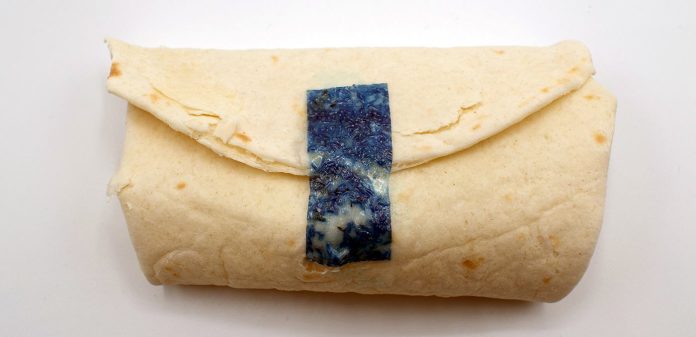
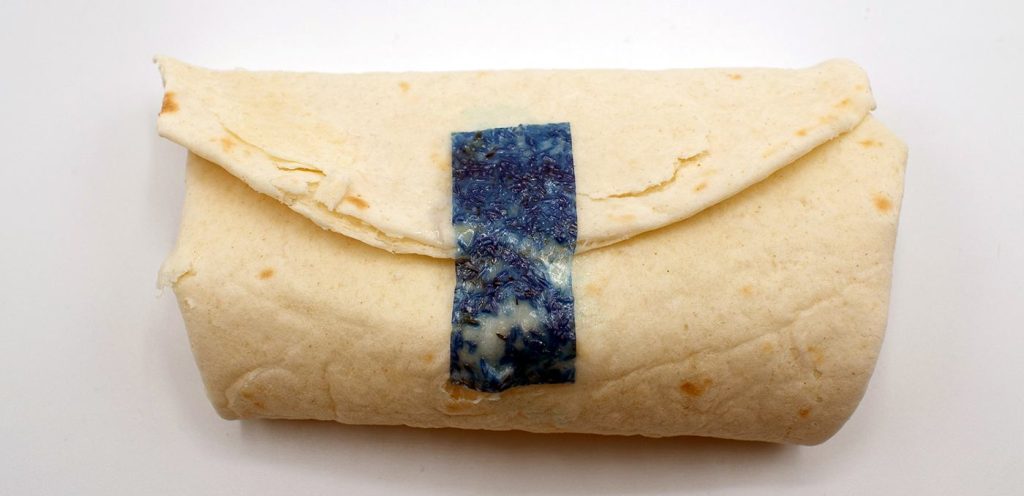
Messy burritos could be a thing of the past—thanks to a new edible food tape.

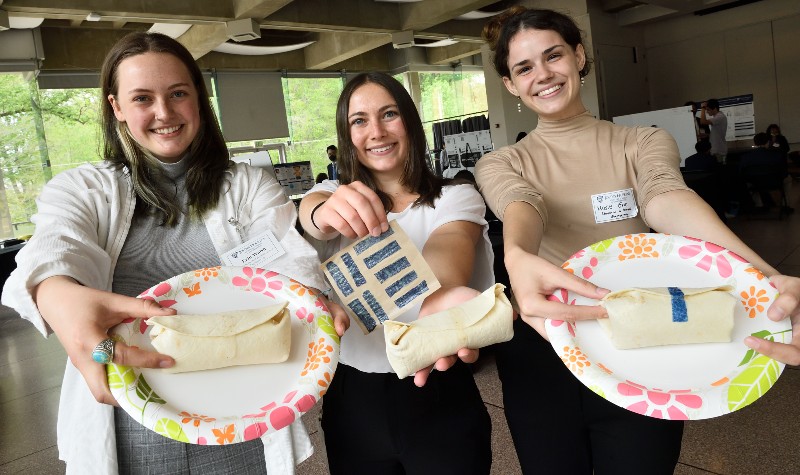
Inspired by their own experiences with sloppy lunches, students at Baltimore’s Johns Hopkins University have created Tastee Tape, an edible adhesive.

It comprises of “a food-grade fibrous scaffold and an organic adhesive” that ensures the ingredients in your wrap are kept tucked tightly inside during cooking and consumption.

The tape can be applied to any food, including tortillas, tacos, and gyros.

“First, we learned about the science around tape and different adhesives, and then we worked to find edible counterparts,” said Tyler Guarino, who teamed up with fellow engineering seniors Marie Eric, Rachel Nie, and Erin Walsh on the project.

The team of chemical and biomolecular engineering students at Whiting School of Engineering tested a “multitude” of ingredients and combinations before settling on a final recipe, which is edible, safe, and has the tensile strength you can trust to hold together a fat burrito.

SWNS

Because they are applying for a patent, team members declined to disclose their secret formula.

“What I can say is that all its ingredients are safe to consume, are food grade, and are common food and dietary additives,” Guarino said.

MORE: Morel Mushrooms Have Finally Been Reliably Cultivated Indoors For the First Time

Months spent prototyping resulted in rectangular strips measuring half an inch by two inches. These come affixed to sheets of waxed paper. To use, simply remove a strip from the sheet, wet thoroughly to activate, and apply to your lunch, dinner, or favourite snack.

The team members put their invention to the test on “too many burritos to count,” but are confident in the quality of their product.

“Tastee Tape allows you to put full faith in your tortilla, and enjoy your meal, mess-free,” Guarino said.

SWNS

The innovation was showcased at Whiting School of Engineering’s Design Day, in which more than 400 students from across all nine of the Engineering school’s academic departments, as well as its Center for Leadership Education, participate.

RELATED: What Your Candy Preferences Say About Your Personality

After two years in a virtual format necessitated by the COVID-19 pandemic, this year’s event was able to be held in person on campus.

“Design Day is an exciting landmark in our students’ journeys from studying engineering in the classroom and laboratory to becoming practicing engineers heading out to make a lasting and positive impact on our world,” says Ed Schlesinger, dean of the Whiting School.

One of the hallmarks of Design Day is the opportunity it gives students to work closely with faculty members and clinical researchers from across Johns Hopkins institutions, as well as with industry and other sponsors from throughout the Mid-Atlantic region.

UNWRAP the Good News For Other Foodies; Share This Story…

World’s First Ocean-Assisted Carbon Removal Plant Launched in Hawaii

Heimdal
Heimdal

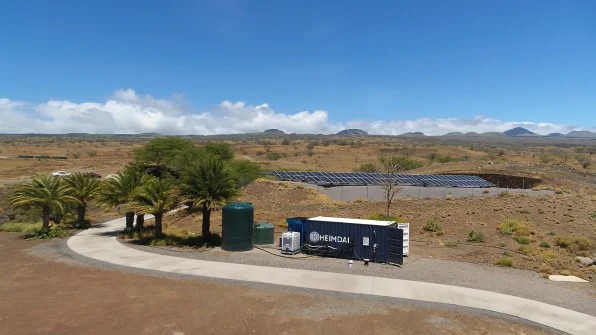
A company in middle of the Pacific has created a unique system that takes advantage of existing infrastructure to pull carbon from the ocean.

The advantage of taking carbon out of the ocean is simple—it holds more carbon in less space than in the air. Furthermore, plenty of machinery already pulls water out of the ocean—desalination plants for example—so it’s a simple matter of connecting the device held in a shipping container to existing systems.

In this case, the Hawai’i-based company Heimdal is taking advantage of the 50th state’s desalination plants on the Big Island.

Once seawater is pumped up into the Heimdal V1, it uses electrolysis to separate hydrogen and oxygen from the carbon-based acids that are warming the sea.

The purified seawater is returned to the ocean sans carbon, and the separated acids are sold as hydrochloric acid—a common manufacturing and laboratory compound that’s produced in factories to satisfy a 20-million-tons-per-year world market.

“When the excess acidity is removed from the ocean, it shifts how CO2 exists back to how it was pre-Industrial Revolution,” Erik Millar, co-CEO of Heimdal, told Fast Company.

RELATED: Scientists Engineer Bacteria to Eat CO2 and Release Valuable Acetone and Isopropyl That are Carbon-Negative

“This moves it away from being carbonic acid, which causes ocean acidification, and toward bicarbonate and carbonate. These are stable forms of mineralized carbon dioxide that make their way down to the ocean floor, where they are stored for more than 100,000 years.”

Heimdal

Breaking the cycle

Key to understanding why carbon in the oceans affects global temperatures is their place in the global carbon cycle. Climate systems are constantly transferring carbon molecules in and out of the soil, around in the atmosphere, and down into the sea.

The oceans have now taken on a third of the all CO2 pumped into the atmosphere, making them warmer and more acidic. Carbon in the ocean will eventually return to the atmosphere, and so withdrawing it while it’s contained in a denser solution (water) means humans call pull more of it out, and at a faster rate.

MORE: City Trees and Soil Are Sucking More Carbon Out of the Atmosphere Than We Thought

To that end, each Heimdal, deployed in its shipping container, can pull 1,000 tons of carbon out of the ocean per year at just a fraction of the cost of air-capture methods. At its current prototype, Heimdal pulls carbon out of the sea at around $475 per ton, but future plants should manage 5,000 tons a year±and for less than $200 per ton.

If industry interests in buying carbon offsets continue as they have, Heimdal predicts they could be managing five million per year in just five years’ time.

SHARE the Good Green News From the Big Island With Friends…

“Remember that you will never reach a higher standard than you yourself set.” – Ellen G. White

Quote of the Day: “Remember that you will never reach a higher standard than you yourself set.” – Ellen G. White

Photo by: Zac Durant

With a new inspirational quote every day, atop the perfect photo—collected and archived on our Quotes page—why not bookmark GNN.org for a daily uplift?

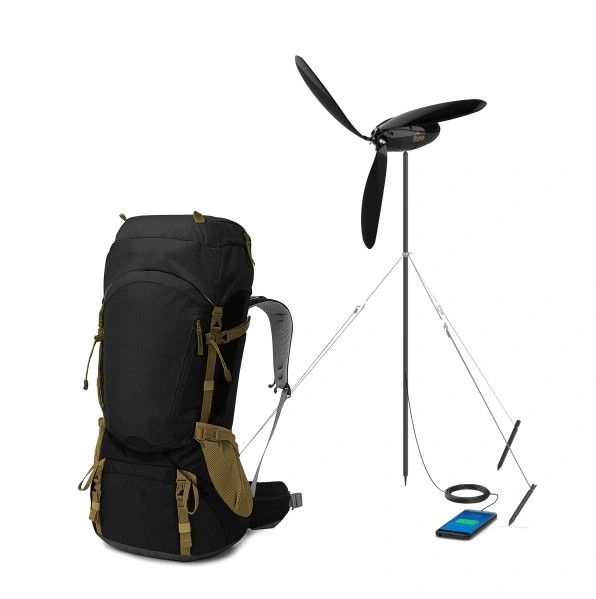
Portable Wind Turbine Fits in Your Backpack to Charge All Your Electronics – And Only Adds 3 Lbs

Shine / Kickstarter video
Aurea Technologies

Meet the portable wind turbine for campers, RVers, backpackers, wilderness researchers, or anyone who needs a bit of USB power in the great outdoors.

Weighing three pounds, or just under 1.5 kilos, Shine was launched via Kickstarter last year, and on Indiegogo last week, and has already raised over $355,000 ($275,000 CAD) in the latest round of crowdfunding.

Aurea Technologies

To use Shine, you simple deploy a tripod and stick it into the ground with tensioning cables, and then mount the turbine on top, plugging your device into the underbelly where it can receive up to 40 watts.

Because the turbine spins into the wind, it doesn’t matter from which direction the breeze is coming. Power will always be produced.

Shine is manufactured by Aurea Technologies based out of Nova Scotia, who paid meticulously close attention to materials and design to get the weight of the device down to as little as possible. If you’ve ever met a serious backpacker and got them talking about weight and space saving, you’ll have heard all about why that matters.

Necessitating a battery that takes up a third of the weight, the other components had to be seriously light—including turbine blades made from polycarbonate reinforced plastic, which fold out from the body, and an aluminum tripod.

Shine / Kickstarter video

MORE: Carbon-Negative Plant Opens in Turkey Turning Algae Into Bio-Jet Fuel and So Much More

Aurea decided to pivot from their original plans of making miniature turbines that could be built into building facades. Interested campers and adventurers can preorder now at “40% off retail”, buying one for $324 ($418 CAD) with an estimated shipping date of October 2022.

POWER UP Inspiration for Future Backpacking Trips—Share This Story…

Diving Heroes Find Woman’s 100-Year-old Wedding Ring After it Flew Off her Finger Into a River

SWNS
SWNS

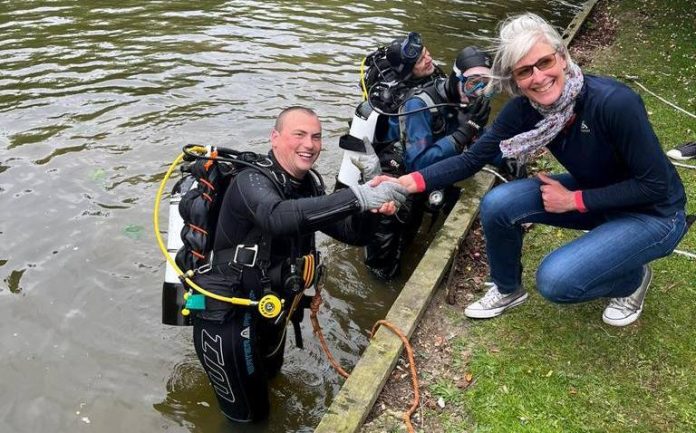
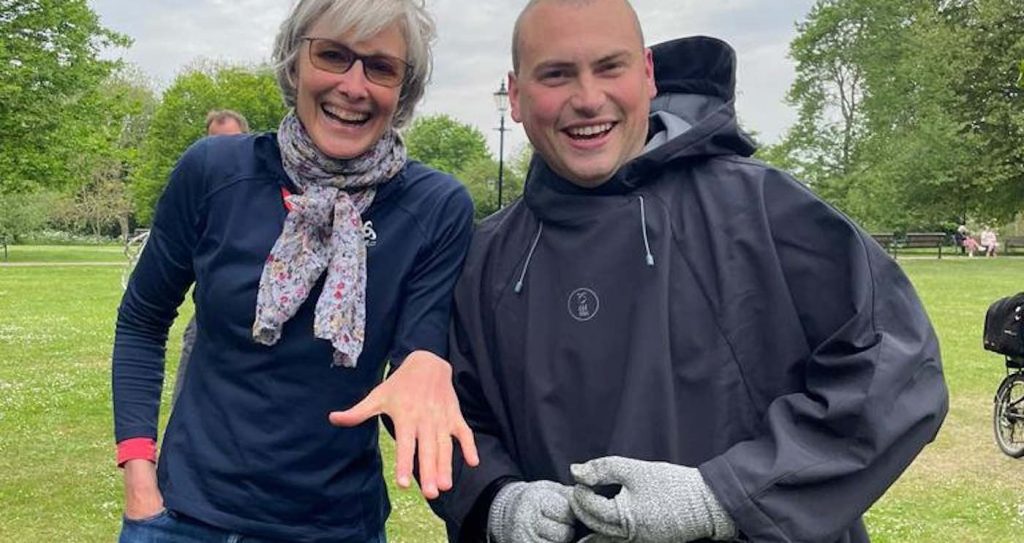
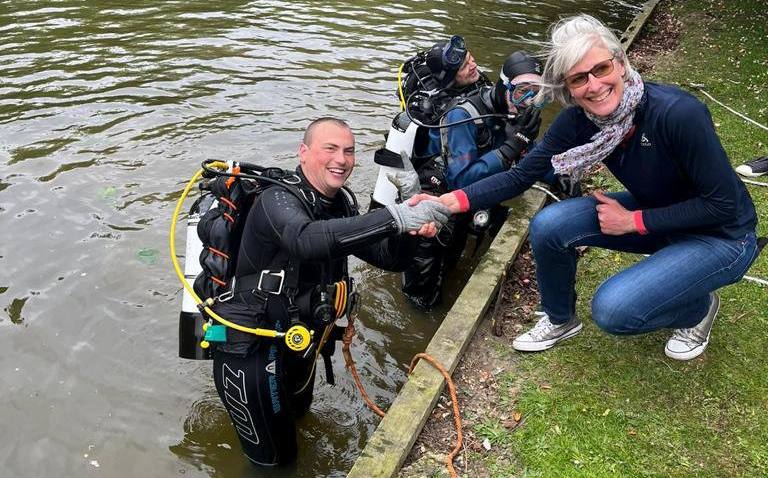
A team of scuba diving heroes have reunited a grateful woman with her lost antique wedding ring after it flew off her finger—and into a river.

Emma Lyon was watching a regatta from the banks of the River Great Ouse last Saturday when the 100-year-old jewelery flew into the water.

The gold wedding ring had belonged to her grandmother, and Emma was devastated when it quickly disappeared from sight.

She contacted Bedford Scuba Divers the following day after a friend suggested they could help, and couldn’t believe how quickly they responded to her plea.

By Monday evening, a team of divers had found the ring and handed it back to Emma.

MORE: Watch the Rescue Moment for Little Dog Trapped Down a Hole And Missing For Days

She naturally took the whole crew out for a thank you drink at a local pub afterwards, saying,  “The divers were absolutely amazing!

SWNS

“My grandmother died in 2000, aged 100. She worked at a corn merchant on Caldwell Street and would sometimes get up early and take the family’s punt out on the river before work.

RELATED: Metal Detector Left Him Stunned After Unearthing Ancient Ring Belonging to the Sheriff of Nottingham

“I did think that if we couldn’t find the ring, it had ended up in a fitting resting place.

“I am just so, so grateful to everyone from the scuba club who gave up their evening to help out and cannot believe [they were] able to find it. It was a total miracle.”

SHARE This Lucky Find With All Your Friends of Good Fortune…

New Hope for Reversing Acute Leukemia Patients’ Resistance to Treatment

AML leukemia CC license wikimedia commons Dr. Lance Liotta Laboratory
Dr. Lance Liotta Laboratory, CC license

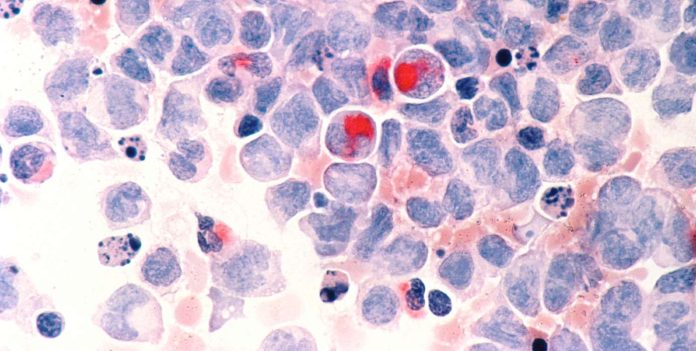
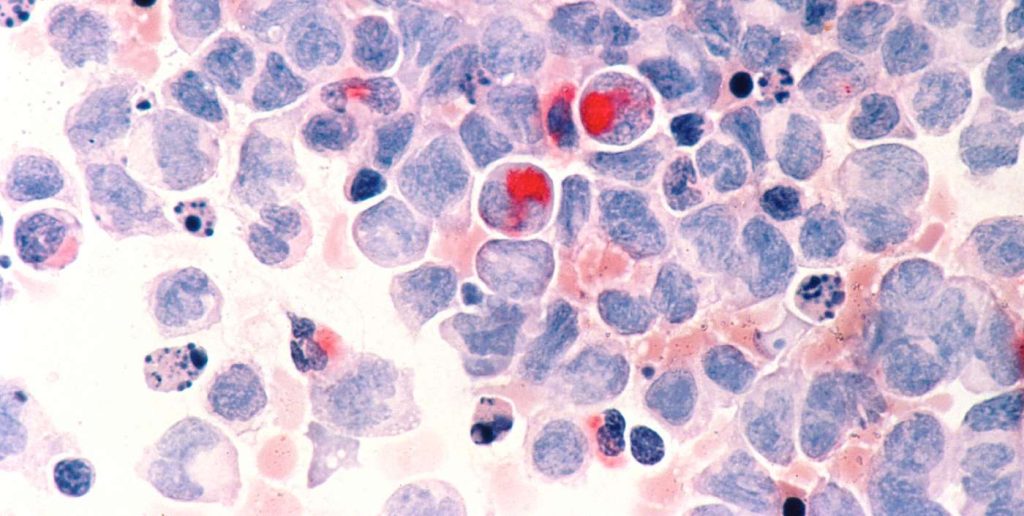
Scientists have made a significant breakthrough in overcoming drug resistance in acute myeloid leukemia, a rare and devastating blood cancer.

In a new study, researchers from the University of South Australia and SA Pathology’s Centre for Cancer Biology describe how they have discovered a way to suppress a specific protein that promotes resistance to drugs commonly used to treat acute myeloid leukemia (AML) patients.

Professor Stuart Pitson, one of the lead authors of the study, says the finding could revolutionize the treatment of AML, a disease that has claimed the lives of professional golfer Jarrod Lyle, high-profile American journalist Nora Ephron, and filmmaker Lynn Shelton.

This cancer of the blood and bone marrow is characterized by an overproduction of cancerous white blood cells called leukaemic blasts.

Prof. Pitson says these cells crowd out normal white blood cells, which then can’t do their usual infection-fighting work, thereby increasing the risk of infections, low oxygen levels, and bleeding.

READ: Doctors Say Cancer Patients Cured a Decade After Immune Cell Therapy at University of Pennsylvania

SA Pathology haematologist Associate Professor David Ross says many AML patients initially respond to Venetoclax, a new therapy for AML recently listed on the PBS, but over time AML cells become resistant to it.

Using a large biobank of patient-donated AML biopsies and world-leading advanced pre-clinical models, the CCB researchers demonstrated that by modulating lipid metabolism in the body, a protein called Mcl-1 is inhibited in AML cells—the protein that facilitates drug resistance.

“This process makes AML cells exquisitely sensitive to Venetoclax, while leaving the normal white blood cells unaffected,” SA Pathology researcher and co-lead author, Associate Professor Jason Powell says.

MORE: Experimental Treatment in Spain Puts 18 Cancer Patients in Complete Remission

The CCB team is now working hard to optimize drugs targeting this pathway to take into clinical trials for AML patients.

“For most people with AML, the chances of long-term survival are no better now than they were last century,” Assoc. Prof. Ross says.

“Now, we have a chance to remedy that. New treatments that prevent Venetoclax resistance have the potential to prolong survival, or even increase the chances of a cure in a disease for which improved outcomes are desperately needed.”

This study has been published in the world-leading hematology journal Blood.

Source: University of South Australia

SHARE This Breakthrough Good News Story With Others… 

Dog Sneaks Into Couple’s Home and Snuggles Her Way Into Their Bed During Storm

Julie Johnson
Julie Johnson

It could have been that a door was left ajar, or maybe a window, Julie Johnson from Tennessee isn’t sure; all she knows is that somehow, someway—a stranger was able to freely enter her house one night.

This stranger however wasn’t trying to steal, but only to snuggle. A brown bull terrier with a golden heart and silent feet crept into the Johnsons’ house, jumped right into bed next to Julie and her husband Jimmy, and went to sleep, head on the pillows.

“You could see light coming into our curtains in our bedroom and I feel my husband not just roll over, but kind of startled, like almost a jump roll over and it woke me up,” Julie told NPR. “And in a quiet but stern voice, he said, ‘Julie, whose dog is this?'”

Despite the startle, in such a situation, it didn’t take long for Jimmy and Julie to realize the intruder meant them no harm, and was just “100% content being there.”

How Nala the dog managed to enter their house without disturbing or garnering the attention of Jupiter, Hollis, and Zeppelin, the three dogs who normally sleep alongside the couple, the Johnsons will never know, and it must have made for an interesting chit-chat over morning coffee.

Julie took to Facebook to see if she could locate the dog’s owners, posting a variety of selfies she took with the pup.

Julie Johnson

Not long after, Nala’s owners contacted them to explain she had slipped out of her collar on a walk the day before just ahead of a serious thunderstorm.

She had escaped into the woods, and between the four dog parents, the working theory arose that Nala had entered the Johnsons’ house out of fear of the thunder and lighting.

MORE: Zeus is the World’s Tallest Dog – Because Everything’s Bigger in Texas

“Our overly friendly pup, Nala, has hit an all-time record for ignoring personal space and added yet another trick to her long list of Houdini acts,” Cris Hawkins, one of Nala’s owners, wrote on Facebook.

RELATED: Tiny Bomb-Sniffing Jack Russell is a National Hero, Sporting a Presidential Medal

“Shame [on] Nala for somehow breaking into a stranger’s house and invading their personal space. Thankfully, the couple thought it was hilarious and they aren’t even mad about it.”

Nala on the left with her three new friends; Julie Johnson

Since the incident, the four pooches have had playdate in the park, celebrating their new, and entirely accidental friendship.

RAISE a Paw For This Fun Story; Share It With Pals…

“The more we see the beauty in ‘starting small,’ the more we empower ourselves to get started at all.” – Supriya Mehra

Quote of the Day: “The more we see the beauty in ‘starting small,’ the more we empower ourselves to get started at all.” – Supriya Mehra

Photo by: Sincerely Media

With a new inspirational quote every day, atop the perfect photo—collected and archived on our Quotes page—why not bookmark GNN.org for a daily uplift?

Bears Topped the List of Americans’ Favorite Children’s Books – How Well Did Yours Do?

More than half (54%) of Americans say they transport themselves back to their childhoods by reading the books they loved as kids—including 62% of people over 77 years old.

A new survey asked 2,000 U.S. adults about their favorite picture books in childhood and found that Stan Berenstain’s The Berenstain Bears books came out on top with 31%.

Other popular picks included The Giving Tree by Shel Silverstein (30%), The Tale of Peter Rabbit by Beatrix Potter (30%), and Goodnight Moon by Margaret Wise Brown (29%).

In the realm of chapter books, respondents cited Alice’s Adventures in Wonderland by Lewis Carroll (24%), Little House on the Prairie by Laura Ingalls Wilder (23%), and Charlie and the Chocolate Factory by Roald Dahl (22%).

Conducted by OnePoll on behalf of ThriftBooks, the survey also found that half (50%) still claim to remember every line from their favorite children’s book, with millennials the most likely to say so (56%).

When asked which kid’s books they’ve picked up again in adulthood, people named Beauty and the Beast, the Harry Potter series by J. K. Rowling, The Cat in the Hat by Dr. Seuss and Charlotte’s Web by E. B. White, among others.

MORE: Students Write Adorable Letters on Behalf of Shelter Animals to Boost Adoptions – And it Worked

Relatable characters that stuck with readers included Encyclopedia Brown, Harry Potter, Peter Pan, Frodo Baggins, Nancy Drew, and Pippi Longstocking.

“Adventurous” (52%) and “kind” (50%) were the book character traits people related to most.

Men were more likely than women to relate to generous characters (42% vs. 32%). Meanwhile, millennials were much more likely than Gen X to relate to characters who are brave (52% vs. 38%), generous (45% vs. 29%), and loyal (47% vs. 33%).

What did people love most about reading books as a child? Imagining the fictional characters and worlds were real (42%), getting lost in the story (35%), and looking at the artwork (35%).

Books have also taught many a valuable life lesson. According to respondents, the most important of these were to “always be friendly,” that “every living thing has feelings,” to “laugh at your mistakes,” and “to be true to yourself and not be swayed by social pressure.”

More than seven in 10 (73%) said their parents read to them each night when they were kids, with the average respondent listening to five books a night.

RELATED: Want Students to Do Better in Class? Take Them on Culturally Enriching Field Trips

And according to 69%, reading books as a child helped them learn to appreciate literature more in adulthood.

“Books clearly play an important role during the childhood years and have a lasting effect into adulthood.”

BEST MOMS IN CHILDREN’S LITERATURE

Ma Ingalls from Little House on the Prairie by Laura Ingalls Wilder – 33%
Marmee from Little Women by Louisa May Alcott – 29%
Molly Weasley from the Harry Potter series by J. K. Rowling – 29%
Charlotte from Charlotte’s Web by E. B. White – 29%
Dr. Kate Murry from A Wrinkle in Time by Madeleine L’Engle – 28%
Raksha from The Jungle Book by Rudyard Kipling – 28%
Mrs. Quimby from the Ramona series by Beverly Cleary – 28%

OPEN Up Those Nostalgic Memories; Share This Poll…

LEGO Brings Van Gogh’s Most Famous Painting Into the Third Dimension With 2,316 Fan-Designed Bricks

LEGO
LEGO

Always keeping an eye on its more mature fans, LEGO is preparing to release a set of Dutch painter Vincent Van Gogh’s great work, Starry Night. 

But rather than forming a flat mosaic of bricks to make that most famous of images, Truman Cheng, a 25-year-old PhD student from Hong Kong, built the whole scene as Van Gogh would have viewed it—with the moon, the town, and the clouds made three-dimensional.

The result is Starry Night in 3D, complete with a little LEGO Minifigure of Van Gogh with a paintbrush, easel, and pallet, to be produced in partnership with the Metropolitan Museum of Art—where the original painting has been housed since 1935.

Cheng submitted the idea through LEGO Ideas, which allows fans to submit their own concepts for a set, and which has included intricately made additions to Star Wars and Harry Potter sets.

Cheng relied on making the painting 3D to emulate Van Gogh’s brushstrokes, and to lend to the moon and clouds that famous swirling effervescence they possess.

The little LEGO painter can be attached to the frame to make it look like he’s painting from where he might have been standing.

LEGO

Alternatively, because a frame of LEGO bricks is part of the—it can be hung on the wall like a normal painting.

LEGO

LEGO almost went bankrupt in the 2000s after some poor product launches, but was saved by the steady devotion of the first adults who grew up with LEGO.

Afterwards, the Danish company forever kept their over-21 crowd in their thoughts, providing different sets that were more complicated, that could be combined with electronic components, or that were particularly beautiful.

MORE: LEGO Unveils First Brick Prototype Made from Recycled Plastic –Watch Their ‘Clutch Strength’ and Smash Testing

For the current phase of nostalgia that American culture has wrapped itself around, LEGO has produced sets like the diner from Seinfeld, and other sets from popular ’90s television shows.

RELATEDLEGO Converts Their Instruction Manuals into Audio and Braille, Inspired by Blind Man

The 2,316 pieces Starry Night will be available from LEGO at $169.00.

PAINT Those Feeds With the Updated Beauty of These Swirling Skies…

Editor’s note: This story has been altered to correct the number of bricks in the set. 

Number of Greater One-Horned Rhinos Reaches New High – Up From Just 100 Individuals

IRF
(c) WWF Nepal

Confirmation from India came this week hailing a conservation success story for the greater one-horned rhino.

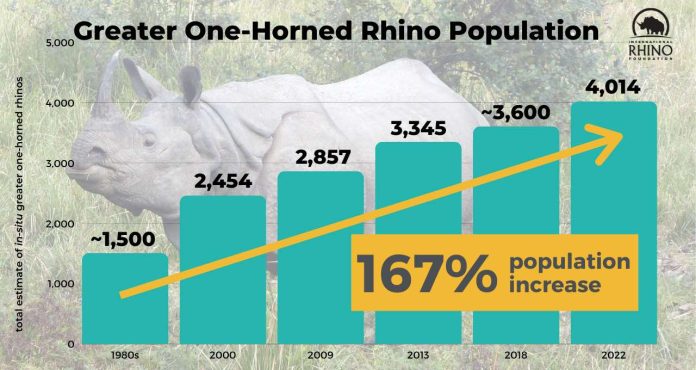
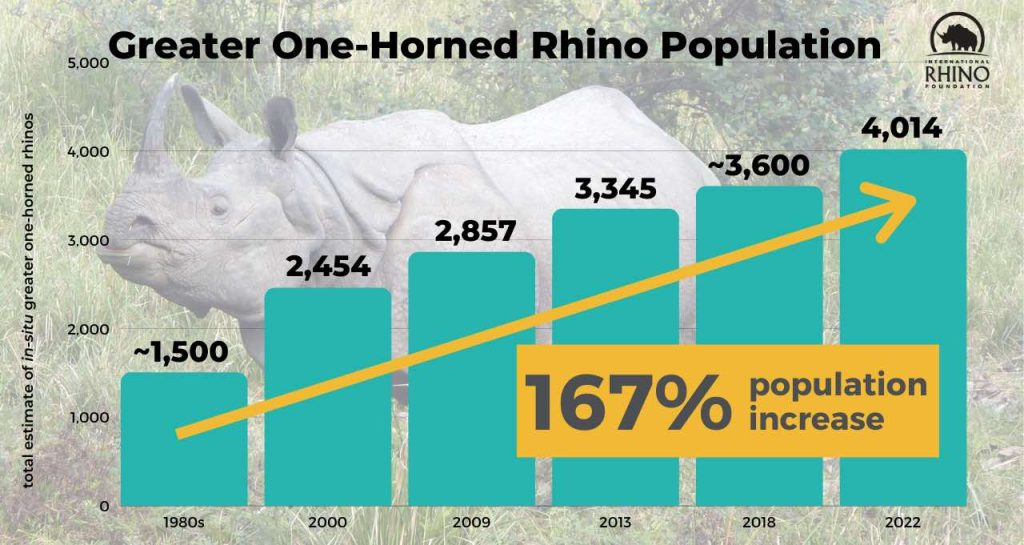
The International Rhino Foundation announced the milestone, reporting that the population now numbers 4,014 individuals—up from just 100 individuals 50 years ago.

The government of Assam, the state in India that is home to 70% of the population, just completed its biannual rhino census, saying the greater one-horned rhino total has increased by 274 rhinos since the last count.

Helped by a baby boom during the pandemic when many protected areas were closed to visitors, Nepal is the only other country where the species exists.

“For an animal that was once perilously close to extinction, numbering fewer than 100 individuals, this recovery is truly remarkable,” said the IRF in a fundraising plea.

Thanks to strict protection and conservation measures enacted by regional and national-level governments in India and Nepal, the greater one-horned rhino’s recovery provides a blueprint of hope for other rhino species.

The population is growing because the governments of India and Nepal have given rhinos the space they need to breed, while also preventing poaching deaths. Over the past three years, the government of Assam has more than doubled the area of Kaziranga National Park (home to the world’s largest greater one-horned rhino population) from 430 square kilometers to 1,040.

RELATED: Tiny New Species of Chocolate Frog is Discovered After Scientists Follow its Unique ‘Beep’ Sound

“The overall growth in population size is indicative of ongoing protection and habitat management efforts by protected area authorities, despite challenging contexts these past years,” said Ghana Gurung, Country Representative of WWF Nepal.

Earlier this year, it announced plans to increase Orang National Park by about 200 square km. With NGO partners, including the International Rhino Foundation, the government of Assam initiated translocation of rhinos within protected areas of Assam to give rhinos more room to breed. All rhino bearing protected areas are also closed to visitors during breeding season.

MORE: ‘Comical-Looking’ Bat Thought to Be Extinct is Found Again After 40 Years in Dense Rainforest

IRF also works with local NGOs—Aaranyak (in India) and The National Trust for Nature Conservation (in Nepal)—to control invasive plant species and assist native grasses to recover rhinos’ shrinking habitats. The end result of all of these programs is more space for rhinos and more rhino babies being born.

IRF

At the same time they’re expanding rhino habitats to increase population growth, the two Asian governments are also prioritizing rhino protection and enforcement of wildlife crime laws to reduce deaths.

IRF supports them by purchasing vehicles and equipment needed for anti-poaching patrols and providing training for forest guards and other law enforcement officers on wildlife law, crime scene investigation, evidence collection and case preparation.

SHARE The Baby Boom News With Rhino Lovers on Social Media…

Groundbreaking New Study Finds Possible Explanation for SIDS

Sudden Infant Death Syndrome (SIDS) may soon be a thing of the past, thanks to a world-first breakthrough.

Researchers at at The Children’s Hospital at Westmead have identified Butyrylcholinesterase (BChE) as the first biochemical marker that could help detect babies more at risk of Sudden Infant Death Syndrome (SIDS) while they are alive.

The study analyzed BChE activity in 722 Dried Blood Spots (DBS) taken at birth as part of the Newborn Screening Program, using only samples parents approved for use in de-identified research. BChE was measured in both SIDS and infants dying from other causes and each compared to 10 surviving infants with the same date of birth and gender.

Led by Dr Carmel Harrington, study lead and Honorary Research Fellow at CHW, who lost her own child to SIDS 29 years ago, the study found BChE levels were significantly lower in babies who subsequently died of SIDS compared to living controls and other infant deaths.

BChE plays a major role in the brain’s arousal pathway and researchers believe its deficiency likely indicates an arousal deficit, which reduces an infant’s ability to wake or respond to the external environment, causing vulnerability to SIDS.

LOOK: Pregnant Mom Saves Unborn Baby’s Life By Rushing to Hospital Despite Showing No Warning Signs: ‘It was Instinct’

Dr Harrington says the findings are game-changing.

“Babies have a very powerful mechanism to let us know when they are not happy. Usually, if a baby is confronted with a life-threatening situation, such as difficulty breathing during sleep because they are on their tummies, they will arouse and cry out. What this research shows is that some babies don’t have this same robust arousal response,” Dr Harrington said.

“This has long been thought to be the case, but up to now we didn’t know what was causing the lack of arousal. Now that we know that BChE is involved we can begin to change the outcome for these babies and make SIDS a thing of the past.”

SIDS is the unexplained death of an apparently healthy infant less than one year of age, during a period of sleep.

The incidence of SIDS has been more than halved in recent years due to public health campaigns addressing the known major risk factors of prone sleeping, maternal smoking, and overheating. However, the rate of SIDS remains high, contributing to almost 50 per cent of all post-neonatal deaths in Western countries and responsible for two infant deaths in Australia every week.

RELATED: Babies Use Kissing and Sharing Their Food as Signals to Interpret Their Social World, Says New Study

After losing her son, Damien, to SIDS, Dr Harrington has dedicated her career to finding answers for the condition, supporting much of her research through her crowd-funding campaign, Damien’s Legacy. She says these results not only offer hope for the future, but answers for the past.

“An apparently healthy baby going to sleep and not waking up is every parent’s nightmare and until now there was absolutely no way of knowing which infant would succumb. But that’s not the case anymore.”

“This discovery has opened up the possibility for intervention and finally gives answers to parents who have lost their children so tragically. These families can now live with the knowledge that this was not their fault,” Dr Harrington said.

While these findings do offer some hope for the future, parents are strongly encouraged to continue following safe sleeping practices including placing babies on their backs to sleep, keeping their head and face uncovered during sleep and ensuring a safe sleeping environment in both the day and night.

MORE: UK’s Most Premature Twins Finally Go Home 5 Months After Being Given 0% Chance of Survival

The next steps for researchers is to begin looking at introducing the BChE biomarker into newborn screening and develop specific interventions to address the enzyme deficiency. It is expected this will take around five years to complete.

“This discovery changes the narrative around SIDS and is the start of a very exciting journey ahead. We are going to be able to work with babies while they are living and make sure they keep living,” Dr Harrington said.

This study has been published by The Lancet’s eBioMedicine.

Source: The Sydney Children’s Hospital Network

SHARE the Medical Breakthrough With Others…

“Stop insisting on clearing your head. Clear your heart instead.” – Charles Bukowski

Quote of the Day: “Stop insisting on clearing your head. Clear your heart instead.” – Charles Bukowski

Photo by: Aleksandra Sapozhnikova

With a new inspirational quote every day, atop the perfect photo—collected and archived on our Quotes page—why not bookmark GNN.org for a daily uplift?

Livin’ Good Currency Ep. 10: Dominic Kalms on Bringing the E-Commerce Revolution to Philanthropy

The Lesson: If someone wants to start an e-commerce platform to sell goods or services online, there are literally thousands of tools ranging from simple drag-and-drop interfaces that the biggest luddite could use, to the most comprehensive panoply of features for enterprise-level operations. But for charitable or non-profit work, even though the market cap and market velocity are similar, the tools just aren’t there. Dominic Kalms has built several platforms capable of allowing people to set up a non-profit project for whatever social good they’re trying to achieve, as easy as using Shopify.

Notable Excerpt: “There’re 1.7 million non-profits, and starting a non-profit is hard. The average cost—labor and time is very prohibitive, I mean you’re talking $20,000-plus, average, to start a non-profit. To get the IRS to approve a non-profit, that’s 6-8 months, on average, and if you want to be compliant across the federal, state, and local jurisdictions across the United States, there are over 200 documents that need to be filed. So I thought to myself ‘there’s got to be a better way,’ so what I did with GVNG is I raised a round of venture capital financing and we built a digital one touch solution for instantly launching, running and managing your own non-profit project, or donor-advised fund. Over the last 5 years we’ve powered thousands and thousands and thousands of non-profit projects, we’ve processed millions of dollars of non-profit capital through our system.

The Guest: Dominic Kalms is a venture backed entrepreneur and philanthropist with an expertise in financial tech, charity and non-profits. He has created two revolutionary philanthropic platforms, B Generous, and GVNG, a venture-backed platform that facilitates the creation of instant charitable giving accounts. He has raised over $50 million in venture and philanthropic capital during his career, but is also a public speaker of a Tedx Talk, and a long list of global forums on philanthropy on Nexus Global Summit, or TechCruch’s Global Ventures Summit.

The Podcast: Livin’ Good Currency explores the relationship of time to our lives. It gives a simple, straight-forward formula that anyone can use to be present in the moment—and features a co-host who knows better than anyone the value of time (see below). How do you want to spend your life? This hour can inspire you, along with upcoming guests, to be sure you are ‘Livin’ Good Currency’ and never get caught running out of time.

The Hosts: Good News Network fans will know Tony (Anthony) Samadani as the co-owner of GNN and its Chief of Strategic Partnerships. Co-host Tobias Tubbs was handed a double life sentence without the possibility of parole for a crime he didn’t commit. Behind bars, he used his own version of the Livin’ Good Currency formula to inspire young men in prison to turn their hours into honors. An expert in conflict resolution, spirituality, and philosophy, Tobias is a master gardener who employs ex-felons to grow their Good Currency by planting crops and feeding neighborhoods.

Subscribe to the Pod:  On iTunes… On Spotify… On Amazon Music… Or Google Play.

Zeus, the World’s Tallest Dog, is Big as Texas (LOOK)

Guinness World Records

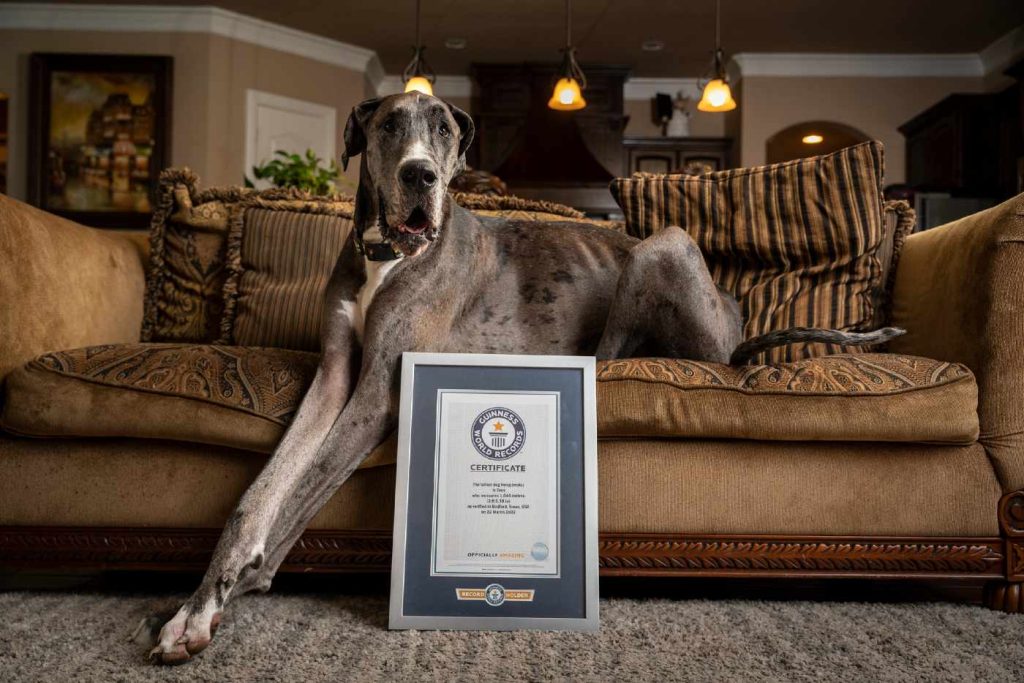
Zeus of Texas is now officially the world’s tallest dog, measuring an impressive 3 feet 5.18 inches tall.

Guinness World Records

The two-year-old Great Dane officially achieved the title on March 22, 2022, after his record-breaking height was measured and confirmed by his vet. 

“Ever since I was a little girl, I wanted a Great Dane named Zeus,” said Brittany Davis. Her dream became reality when her brother gifted eight-week-old Zeus to the Davis family.

She said, “At first, we were nervous about having such a large dog, but we fell in love with him and here we are!”

Zeus shares his home with three miniature Australian shepherds, as well as a cat. While he reportedly loves all his siblings, his best friend is the miniature Australian shepherd, Zeb.

Nothing, not even their vast height difference gets in the way of their playtime and bonding. 

MORE: Florida Chihuahua is World’s Oldest Living Dog Setting Guinness Record

According to Guinness World Records, “Zeus loves walking with his human brother and sleeping by his window in his chair.

He loves visiting the Dallas Farmers Market where he is always the center of attention. Vendors greet him by name and offer up extra treats; he’s a local celebrity!”

Guinness World Records

Known to be laidback, a little stubborn, and for loving everybody he meets, Davis commented that, “He is only naughty when he wants to take food off the counter or steal the baby’s pacifier.” 

Guinness World Records

She says when people see Zeus, they often comment on his size, even asking things like, “Can I ride him? Does he have a saddle?” 

Guinness World Records

To be fair, we can see why.

BOW (Wow) for the Good News; Share It With Pals…

Scientists Power a Computer Using Only Algae and Daylight to Make the Electricity

University of Cambridge; Paulo Bombelli

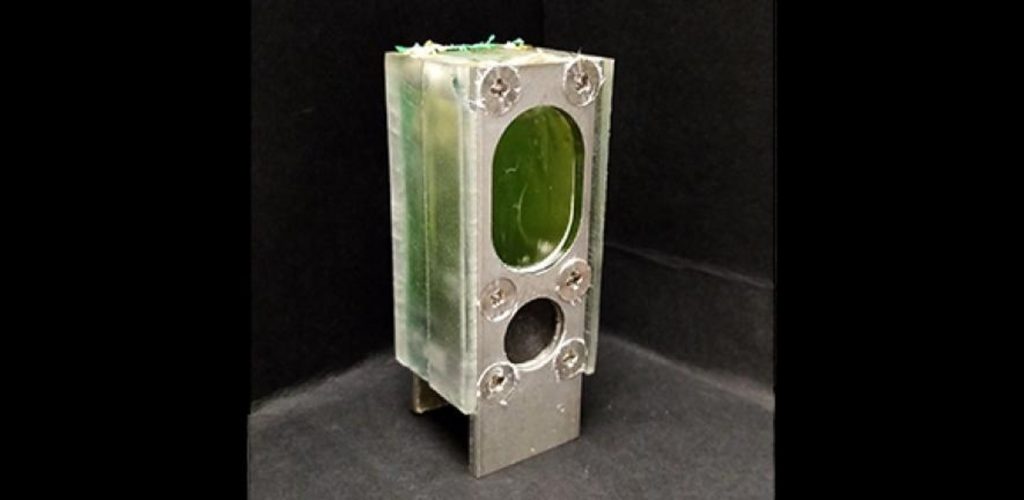
Researchers have used a widespread species of blue-green algae to power a microprocessor continuously for a year—and counting—using nothing but ambient light and water.

Their system has potential as a reliable and renewable way to power small devices.

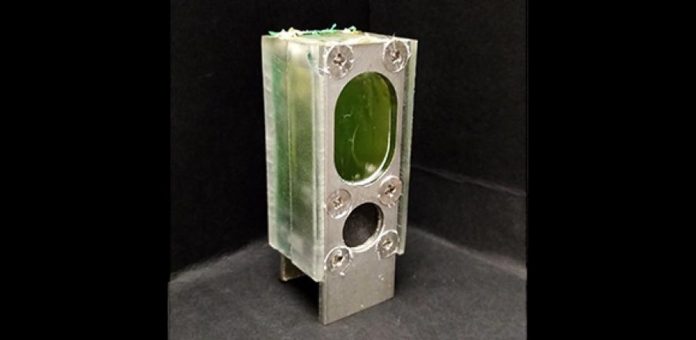
Comparable in size to an AA battery, the system contains a type of non-toxic algae called Synechocystis that naturally harvests energy from the sun through photosynthesis. The tiny electrical current this generates then interacts with an aluminium electrode and is used to power a microprocessor.

The system is made of common, inexpensive, and largely recyclable materials. This means it could easily be replicated hundreds of thousands of times to power large numbers of small devices as part of the Internet of Things.

The researchers say it is likely to be most useful in off-grid situations or remote locations, where small amounts of power can be very beneficial.

CHECK OUT: The Perfect Energy Source Is Already Here – Endless Geothermal Is Poised for Release From Deep in the Earth

“The growing Internet of Things needs an increasing amount of power, and we think this will have to come from systems that can generate energy, rather than simply store it like batteries,” said Professor Christopher Howe in the University of Cambridge’s Department of Biochemistry, joint senior author of the paper.

LOOK: These Solar Panels Also Pull in Water Vapor to Grow Crops in the Desert

He added, “Our photosynthetic device doesn’t run down the way a battery does because it’s continually using light as the energy source.”

A new method

In the experiment, the device was used to power an Arm Cortex M0+, which is a microprocessor used widely in Internet of Things devices. It operated in a domestic environment and semi-outdoor conditions under natural light and associated temperature fluctuations, and after six months of continuous power production the results were submitted for publication.

RELATED: This Portable EV Charger is a Game-Changer For Drivers Who Need to Plug-in

“We were impressed by how consistently the system worked over a long period of time—we thought it might stop after a few weeks but it just kept going,” said Dr Paolo Bombelli in the University of Cambridge’s Department of Biochemistry, first author of the paper.

The algae does not need feeding, because it creates its own food as it photosynthesizes. And despite the fact that photosynthesis requires light, the device can even continue producing power during periods of darkness. The researchers think this is because the algae processes some of its food when there’s no light, and this continues to generate an electrical current.

MORE: Carbon-Negative Plant Opens in Turkey Turning Algae Into Bio-Jet Fuel and So Much More

The Internet of Things is a vast and growing network of electronic devices—each using only a small amount of power—that collect and share real-time data via the internet. Using low-cost computer chips and wireless networks, many billions of devices are part of this network—from smartwatches to temperature sensors in power stations. This figure is expected to grow to one trillion devices by 2035, requiring a vast number of portable energy sources.

The researchers say that powering trillions of Internet of Things devices using lithium-ion batteries would be impractical: It would need three times more lithium than is produced across the world annually. And traditional photovoltaic devices are made using hazardous materials that have adverse environmental effects.

The study is published in the journal Energy & Environmental Science.

Source: University of Cambridge

POWER Up the Good News; Share This Research From Cambridge…