














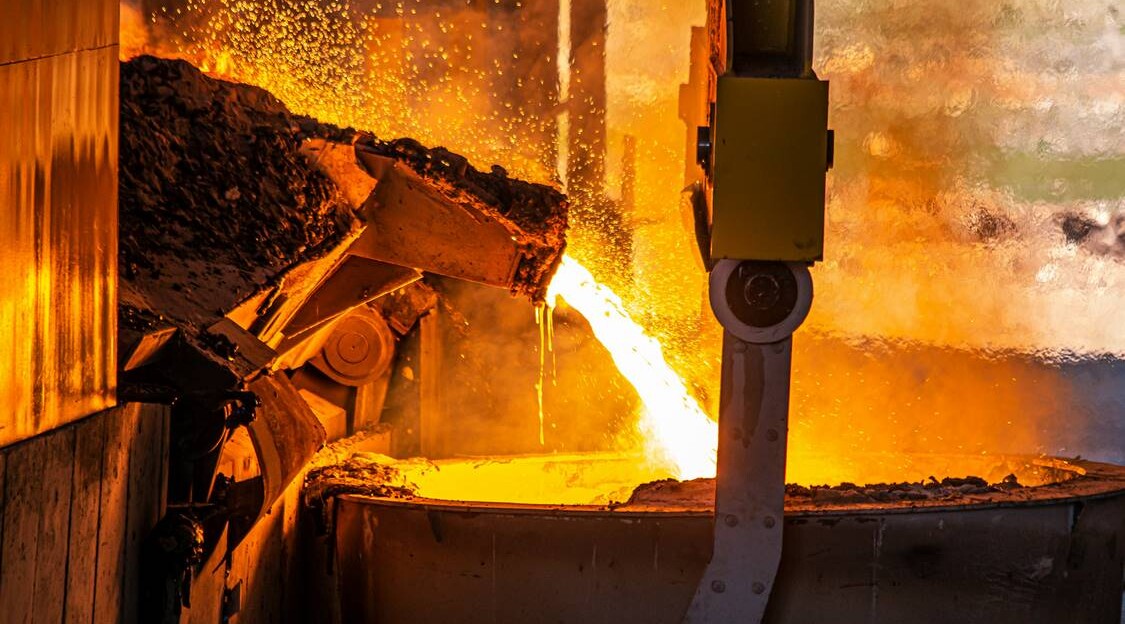
Most industrial processes need heat, and most heat comes from burning fossil fuels, but armed with €400 million in grants, the European Commission is hoping to change that.
The commission has just seen the successful launch of its “industrial heat decarbonization project” auction, where it accepted 65 different projects presented from 10 different EU countries.
The proposals revolve around how to decarbonize the production of intense heat in industry, and involved such technologies as geothermal heat, plasma cutting, solar concentration, electromagnetic and dialectic heating, and heat pumps.
The proposals came from many of the largest manufacturing sectors, including paper and wood pulp, pharmaceuticals, ceramics, glass, iron and steel, construction materials, food and beverages, and textiles.
A total of €1.4 billion were requested through the grant application mechanism, according to PV Magazine, some 300% more than the commission had in its budget. Firms from Austria, Belgium, Portugal, Czechia, Slovenia, Denmark, Hungary, France, Germany, and Spain saw their proposals accepted.
By the numbers, if all proposed technologies succeed and are developed to nameplate capacity, it would hypothetically result in savings of heat equal to 1.5 billion cubic meters of natural gas burning over 5 years, saving 6.6 million tons of CO2 over 10 years, and generate 16.3 terawatt hours of heat.
Heat is a big topic these days as for the 4th summer in a row, a heat dome currently roasts most of continental Europe right as summer travel season begins.
“Waste heat” is a term used in urban planning and infrastructure that describes radiative heat from industry spilling out into the surrounding built environment and ratcheting up temperatures already sitting near records.
YOU MAY ALSO LIKE: Microsoft Campus Set to Use Geothermal Energy to Heat/Cool Millions of Sq Ft. of Office Space
Some cities, like Germany’s Hamburg, or Finland’s Varanto, are looking at waste heat as a product that needs to be responsibly disposed of.
Last July, GNN reported that the Aurubis copper smelter in Hamburg which produces 400,000 tons of pure copper every year, now channels the radiative heat down into a nearby heating system that provides hot water for around 28,000 homes and buildings, and saves 120,000 tons of CO2 per year.
MORE HEAT EXCHANGE IDEAS: Refrigerator-Sized Data Center Transfers Its Heat to English Swimming Pool, Saving Thousands in Energy Costs
In Varanto, a city-wide thermal exchange heating system will take waste heat from data centers and home heat exchangers like heat pumps and store it in water which is then pumped deep underground into a massive cavern. There, it remains hot until the frigid Finish winter, when it’s brought back up to the surface to decarbonize home heating.
SHARE These Projects For A Decarbonized Future In Industry…