Perhaps the least-debated of all environmental dangers, unrecycled electronic waste is piling up around the world at alarming rates.
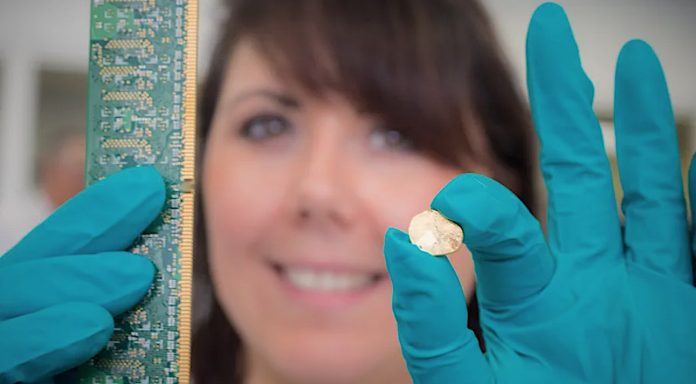
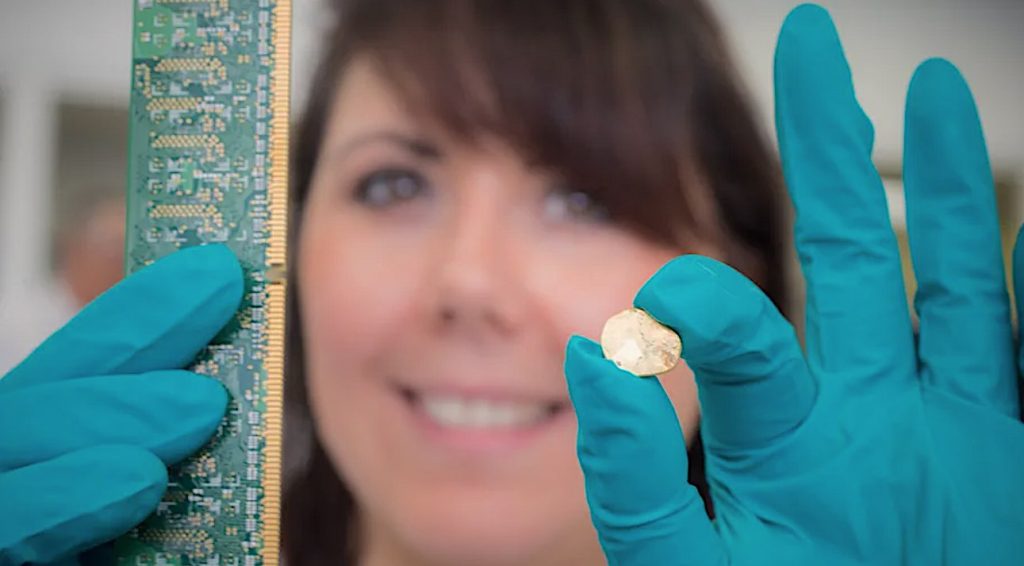
Inside every laptop and smartphone is an electronic circuit board—and gold is used as an insulator and a conductor of sensitive components.
Now, the British Royal Mint has placed this gold at the center of its sustainability strategy going forward. The mint is using a patented new chemistry—created by Canadian-based Excir—to recover and reuse the gold, and other metals, within these old circuit boards.
“We estimate that 99% of the UK’s circuit boards are currently shipped overseas to be processed at high temperatures in smelters,” said Sean Millard, Chief Growth Officer at The Royal Mint. “This approach is revolutionary and offers huge potential to reuse our planet’s precious resources, reduce the environmental footprint of electronic waste and create new jobs.”
The unique chemistry is capable of recovering almost 100% of the precious metals contained within electronic waste—selectively targeting the metal in seconds. However it is biodegradable, and has negligible impact on the environment.
Construction of a new plant in South Wales should be completed this year, and will be up and running in 2023—and capable of processing 90 tons of circuit boards every week, while producing hundreds of kilograms of gold.
Britain's Royal Mint is building a plant to process electronic waste such as mobile phones and laptops, reclaiming gold and other precious metals pic.twitter.com/t5W2FbyRQ7
A new 100% recycled gold investment fund that’s also Green
For at least 4,000 years, societies have seen the value in basing monetary exchange systems on gold. It allows a great amount of value to be stored in a very small object, and ancient metalsmiths found it was flexible, could never be contaminated with lesser metals, and could easily be melted down and reused.
From investing your dollars in public solar energy companies to literally buying shares of carbon offset programs in the carbon market, there are a lot of ways of trying to ensure your green stays green.
The Royal Mint is now looking at the precious metals market to offer greener investing solutions, developing a 100% recycled gold ETF.
Partnering with Quintet Private Bank, the Mint is releasing a physical gold commodity ETF on the London Stock Exchange under the ticker RMAU. This fund will represent shares of bars made entirely from surplus or upcycled gold used in the minting process—and never gold that’s been extracted from conflict zones, or by extractive, emissions-heavy mining.
It’s impossible to know if a bar or coin owned today came from mining or from a recycled source, and normally the Mint’s surplus gold would be sold to third-parties to produce things like circuit boards or dental crowns.
Now, however, the Mint is guaranteeing that all weight and shares of RMAU come from recycled gold.
Launching on the Italian, French, and German stock exchanges, there is currently no plan for introducing it on American exchanges, and thus an international broker would be required to purchase it from the States.
TURN Those News Feeds Gold With Good News; Share This…
Parkinson’s disease is a neurodegenerative disorder characterized by the destruction of a specific population of neurons: the dopaminergic neurons.
The degeneration of these neurons prevents the transmission of signals controlling specific muscle movements and leads to tremors, involuntary muscle contractions or balance problems characteristic of this pathology.
A team from the University of Geneva (UNIGE) has investigated the destruction of these dopaminergic neurons using the fruit fly as study model. The scientists identified a key protein in flies, and also in mice, which plays a protective role against this disease and could be a new therapeutic target.
Apart from rare forms involving a single gene, most Parkinson’s cases result from an interaction between multiple genetic and environmental risk factors. However, a common element in the onset of the disease is a dysfunction of mitochondria in dopaminergic neurons. These small factories within cells are responsible for energy production, but also for activating the cell’s self-destruct mechanisms when damaged.
The laboratory of Emi Nagoshi, Professor in the Department of Genetics and Evolution at the UNIGE Faculty of Science, uses the fruit fly, or Drosophila, to study the mechanisms of dopaminergic neuron degeneration. Her group is particularly interested in the Fer2 gene, whose human homolog encodes a protein that controls the expression of many other genes and whose mutation might lead to Parkinson’s disease via mechanisms that are not yet well understood.
In a previous study, this scientific team demonstrated that a mutation in the Fer2 gene causes Parkinson’s-like deficiencies in flies, including a delay in the initiation of movement. They had also observed defects in the shape of the mitochondria of dopaminergic neurons, similar to those observed in Parkinson’s patients.
Protecting neurons
Since the absence of Fer2 causes Parkinson’s disease-like conditions, the researchers tested whether—on the contrary—an increase in the amount of Fer2 in the cells could have a protective effect. When flies are exposed to free radicals, their cells undergo oxidative stress which leads to the degradation of dopaminergic neurons. However, the scientists were able to observe that oxidative stress no longer has any deleterious effect on the flies if they overproduce Fer2, confirming the hypothesis of its protective role.
“We have also identified the genes regulated by Fer2 and these are mainly involved in mitochondrial functions. This key protein therefore seems to play a crucial role against the degeneration of dopaminergic neurons in flies by controlling not only the structure of mitochondria but also their functions,” explains Federico Miozzo, researcher in the Department of Genetics and Evolution and first author of the study.
A new therapeutic target
To find out whether Fer2 plays the same role in mammals, the biologists created mutants of the Fer2homolog in mouse dopaminergic neurons.
As in the fly, they observed abnormalities in the mitochondria of these neurons as well as defects in locomotion in aged mice. “We are currently testing the protective role of the Fer2 homolog in mice and results similar to those observed in flies would allow us to consider a new therapeutic target for Parkinson’s disease patients,” concludes Emi Nagoshi.
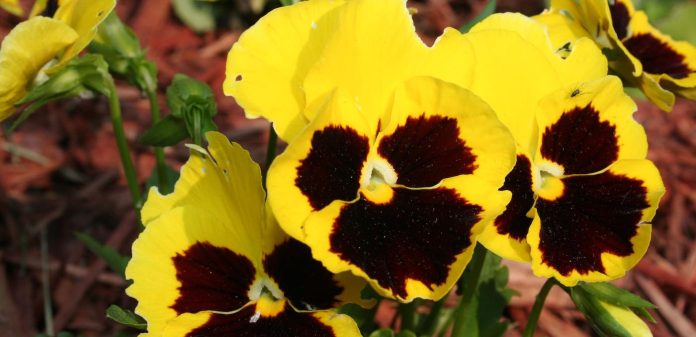
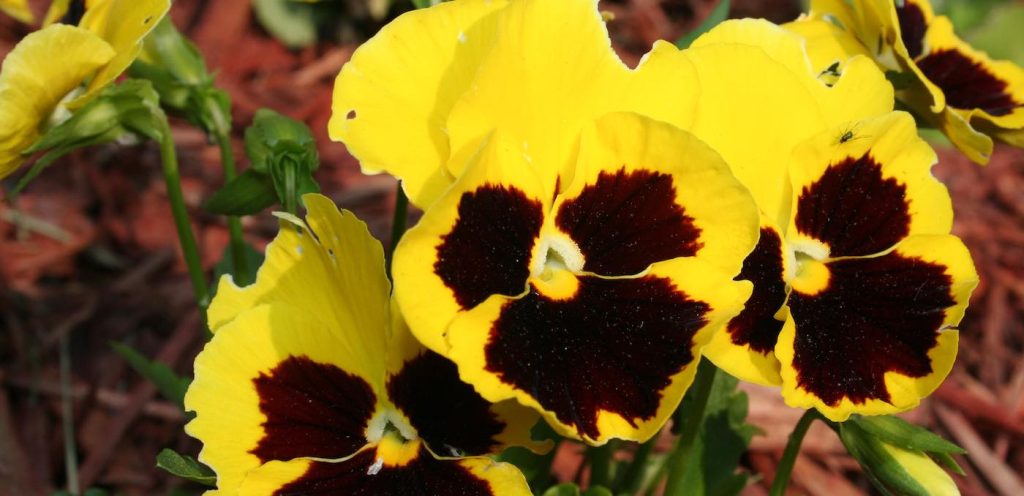
Quote of the Day: “The first blooms of spring always make my heart sing.” – S. Brown
Photo by: Bryan Young
With a new inspirational quote every day, atop the perfect photo—collected and archived on our Quotes page—why not bookmark GNN.org for a daily uplift?
If you want to boost your mood, combine your daily apple with some leafy greens, while mixing grapes with onion can lower your blood pressure, according to diet experts.
Rob Hobson, a registered nutritionist with a special interest in food science has revealed the food combinations that can super-boost your health, as well as being healthy on their own.
Having a fish curry, which combines both turmeric and oily fish, can create a powerful anti-inflammatory—while eating a banana together with yogurt can improve your bone health and help with gut bacteria.
Olive oil helps the human body to absorb the vitamin A found in tomatoes and red peppers, which is required for healthy skin and eyes.
While black grapes, rich in polyphenol antioxidant catechin, help to prevent cardiovascular disease, cancer, and neurological disorders, and together with onion can inhibit blood clots and boost cardiovascular health.
Other health-boosting food combinations include garlic and honey, which can help with upper respiratory tract infections, and almonds and berries which can help prevent heart disease.
But a study of 2,000 adults found 21 percent have little or no understanding of vitamins and minerals and their role within their body.
Rob Hobson, speaking on behalf of supplement brand Healthspan, which commissioned the research, said: “We thrive on synergies and many of us create them in our lives without even knowing we are doing them.
“From a biological point of view the body needs synergies to function properly.
“Food synergy is defined by the way in which certain foods and the nutrients they contain work together to offer health benefits stronger than the individual foods alone.
“So, sometimes simply combining two items can supercharge the impact it has on your health.
“While the foods may have their own individual health benefits, this can be even greater when mixing them together as they can help the other one to better do its job.
“Our diet is hugely important for our health and paying more attention to what we eat, and how we combine foods, can be really beneficial and these can then be harnessed to target specific conditions such reducing inflammation, managing diabetes and heart disease or dealing with symptoms of the menopause.”
SWNS
The study also found 54 percent of adults are unaware that combining different foods can benefit their health, and 31 percent never think about mixing foods together to get more out of them.
Yet, 54 percent think their diet is missing key vitamins or nutrients, with 39 percent blaming this on not knowing what vitamins and minerals are in different foods.
Another 36 percent put it down to not knowing what nutrients they need.
Vitamin D (38 percent), iron (33 percent) and vitamin C (31 percent) are among the nutrients people are most likely to think they are lacking.
As a result, 56 percent of adults currently take a supplement, with 46 percent of those taking vitamin D and 35 percent consuming a general multivitamin.
But 44 percent make no effort to ensure they get the right amount of vitamins every day, despite 80 percent believing someone’s health can be managed by what they eat.
It also emerged people believed a lack of vitamins and minerals had left 46 percent suffering with a health issue.
Although just 32 percent of those polled, via OnePoll, are confident they would know the signs they are deficient in certain vitamins and minerals.
Dr Sarah Brewer, a medical director working with Healthspan, said, “Food should always be first but cleverly combining combinations of vitamins and minerals in supplements can also play a role in supporting our health.”
10 SUPER MEALS TO IMPROVE YOUR HEALTH WITH FOOD SYNERGY, ACCORDING TO ROB HOBSON
SWNS
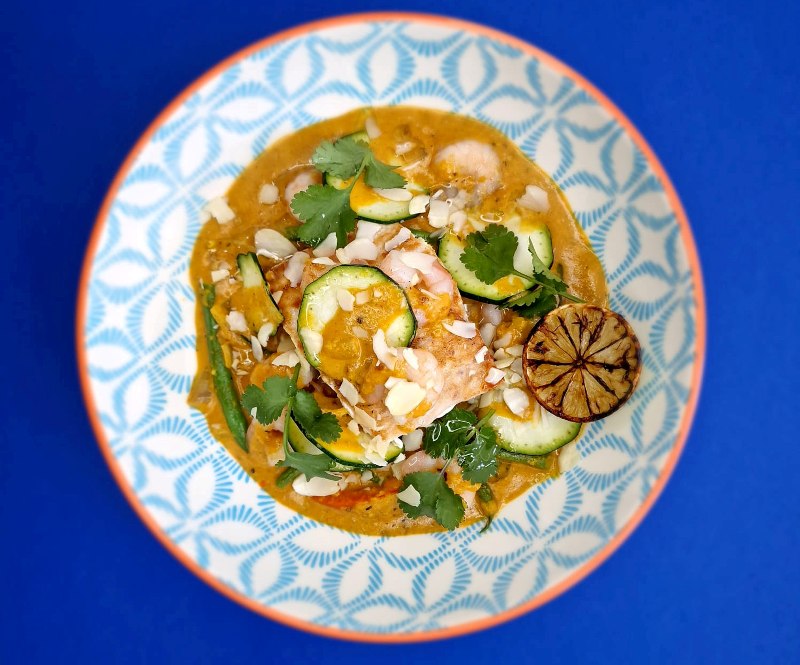
1. Salmon, prawn and almond curry
Helps with: Reducing inflammation in the body which is at the root of all chronic diseases
This fish curry is loaded with omega 3 fatty acids found in salmon and curcumin which is the active compound found in turmeric. Together, this food synergy can amplify the anti-inflammatory effects of the individual nutrients alone. Reducing inflammation in the body can help to reduce the risk of many chronic diseases including those of the heart.
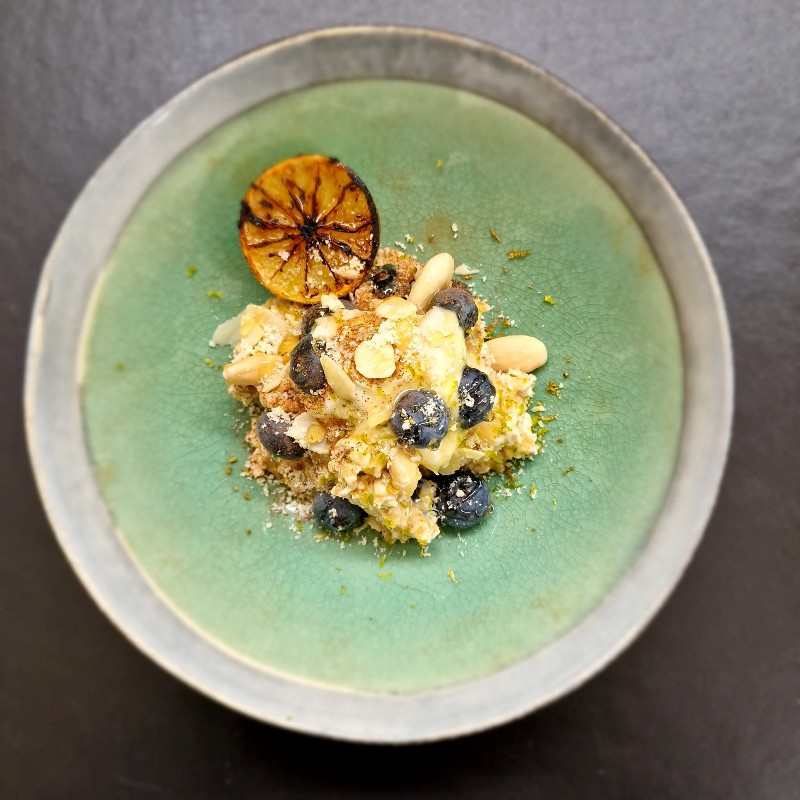
2. Overnight oats topped with almonds and berries
Helps with: Heart disease
Food synergy: Almonds (flavonoids) with foods rich in vitamin C (berries)
Almond skin contains flavonoids that act as powerful antioxidants in the body. In combination with vitamin C found in foods such as berries, this combination has been shown to help reduce the oxidation of LDL cholesterol. The oxidation of LDL cholesterol is now considered a key factor in the development of heart disease.
3. Tomato, avocado, and basil salad dressed with olive oil
Helps with: Heart health, prostate health
Food synergy: Foods high in lycopene (tomatoes) + olive oil
Lycopene is an antioxidant that has been linked to reducing the risk of heart disease. This plant compound has also been associated with an improvement in prostate health. Tomatoes are the richest source of lycopene which is aided in its absorption when combined with fat such as olive oil. Olive oil possesses many health benefits to support good heart health including reducing inflammation and increasing HDL cholesterol.
4. Breakfast smoothie made with probiotic yogurt and banana
Helps with: Healthy microbiota, bone health
Probiotic yogurt delivers beneficial bacteria such as Lactobacillus to the gut. Maintaining a balance of food to bad bacteria is essential for a healthy microbiota. This is important as the gut is where food is broken down and nutrients are absorbed and delivered around the body. Gut health is also closely linked to immunity. The addition of bananas adds prebiotics (inulin) to the mix. These indigestible fibres are fermented by bacteria in the gut – essentially, they are helping to feed the bacteria in your gut helping it to flourish.
5. Blue cheese and grape salad (include red onions)
Helps with: Heart health, blood pressure (circulation)
Food synergy: Black grapes (catechin) + onions
Black grapes are rich in polyphenol antioxidant catechin, which helps to prevent cardiovascular disease, cancer, and neurological disorders and in weight management. Together, onion and grapes inhibit blood clots and boost cardiovascular health. Studies have shown that this combination helps to improve cardiovascular protection by improving circulation.
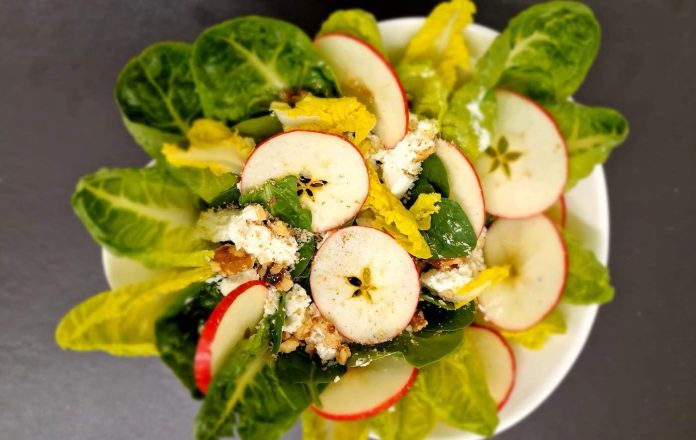
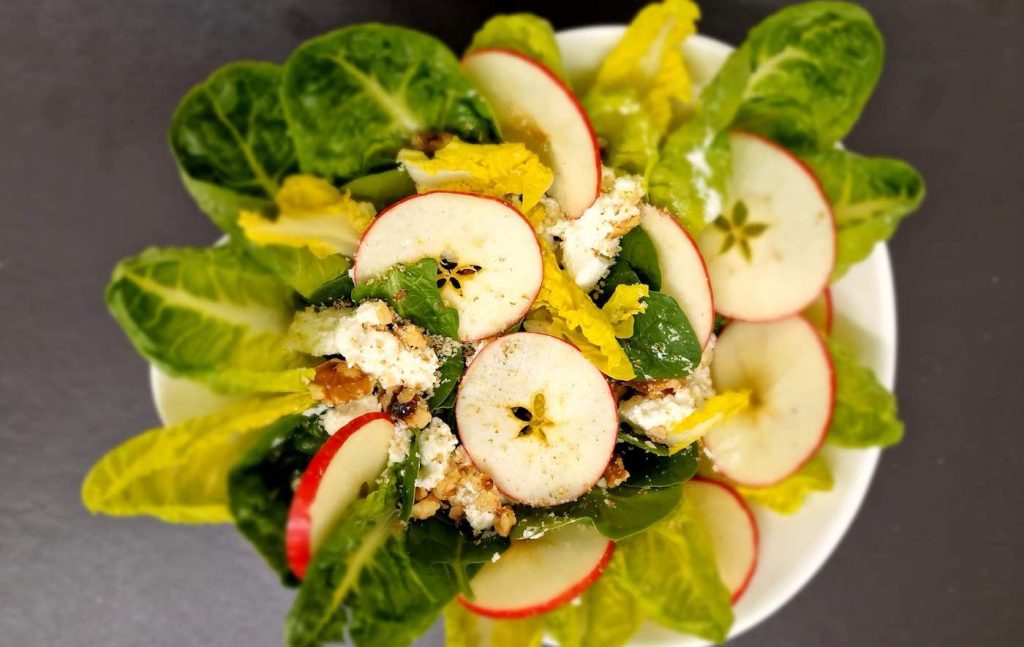
6. Apple, walnut, and spinach salad
Helps with: Cognitive function and mood
Food synergy: Apples (flavonoids) + green leafy vegetables (spinach, kale, rocket) – dietary nitrate
Apples and green leafy vegetables – Apples are rich in flavonoids, and green leafy vegetables are rich in dietary nitrate. Studies reveal that combination of flavonoids and nitrate could increase nitrous oxide production. The increase in nitrous oxide following consumption of flavonoids and dietary nitrate could improve cognitive function and mood. Beetroot is also high in dietary nitrates.
7. Paprika and turmeric chicken (spice rub includes black pepper)
Helps with: Joint health
Food synergy: Black pepper (piperine) + turmeric (curcumin)
The active ingredient in turmeric is called curcumin and it has been widely researched for its anti-inflammatory properties. Curcumin is difficult to absorb in the body but in combination with black pepper its absorption is magnified. The active ingredient in pepper is called piperine which is responsible for this absorptive effect.
8. Black bean chili (includes red peppers)
Helps with: Iron deficiency anaemia
Food synergy: black beans (iron) + red peppers (vitamin C)
Iron deficiency is the most common nutrient deficiency across the globe. Non-haem iron from plant foods is less easily absorbed in the body. It is widely understood that non-haem iron is more readily absorbed in the presence of vitamin C. Plant source of iron include beans, pulses, lentils, dark green leafy vegetables, nuts and dried fruit. Red peppers are the richest dietary source of vitamin C but others include berries, broccoli, citrus fruits and potatoes.
9. Ginger and turmeric salad dressing (includes honey and garlic)
Helps with: Upper respiratory tract infections
Food synergy: Garlic (phenols) + honey
Garlic and honey are often cited as being singularly antibacterial. However, research shown that in combination they have a greater ability to reduce the growth of pathogenic bacteria which is due to the synergistic action of phenols and fatty acids found in the foods. It has also been suggested that in combination these two foods may be a useful alternative treatment for upper respiratory tract infections or can be used alongside pharmaceutically prescribed antibiotics.
10. Tomato, avocado, and chickpea salad dressed with olive oil
Helps with: Heart health, prostate health
Food synergy: Foods high in lycopene (tomatoes) + olive oil.
Lycopene is an antioxidant that has been linked to reducing the risk of heart disease. This plant compound has also been associated with an improvement in prostate health. Tomatoes are the richest source of lycopene which is aided in its absorption when combined with fat such as olive oil. Olive oil in itself possesses many health benefits to support good heart health including reducing inflammation and increasing HDL cholesterol.
After an art thief stole six Belgian tapestries from a church in Spain, it took years for them to be recovered.
One of them, which came back with an infuriating new feature—a two-foot by two-foot square cut away from the bottom left corner—has finally been restored decades later, thanks to help from none other than the thief who brandished the scissors.
René Alphonse van der Berghe is sometimes known by another name: Erik the Belgian. A notorious art thief, “The Belgian” stole thousands of pieces throughout his career. Recently-deceased in his adopted country of Spain, Van der Berghe graced several newspapers with candid interviews, in which it must be said he reported several different totals for numbers of heists conducted and number of artworks lifted.
However, regarding the theft from the church in the remote town of Castrojeriz, Van der Berghe made off single-handedly with six tapestries woven in the 17th century depicting the liberal arts and the muses, the largest of which was 13 by 20 feet. Two years later, Van der Berghe turned himself in, and eventually aided in negotiating the return of thousands of the works he stole.
The missing square of the tapestry, depicting a cherub, was not returned in those years, and would remain apart for four decades until a Spanish investigator named Ángel Alcaraz took interest in the matter while working with the national police on a research report about art theft.
Seeing that Van der Berghe had returned the tapestries, Alcaraz contacted the thief’s lawyer to see if he had any leads on where the small square could be recovered.
The missing piece, courtesy of the Archdiocese of Burgos
Information regarding its whereabouts led to it being found shortly after, and a ceremony was held in which it was turned over to the Bishop of Burgos who oversees the Castrojeriz church.
“If heaven should lack one angel it would be a lesser heaven,” said Alcaraz at a press conference, according to a translation from Sam Jones at the Guardian. “And if this tapestry had lacked this little angel, it wouldn’t be the same tapestry. Today we are giving back to Castrojeriz something that should never have gone in the first place.”
The chief thief passed away in his home city of Malaga in 2020 at the age of 81, survived by five children he had with seven wives, one of which was his lawyer.
He never committed a robbery with violence, believing it tainted the art thus stolen, and spent his final years painting, resting easy knowing that the police never caught him.
SHARE The Story of This Tapestry’s Great Escape—And Return…
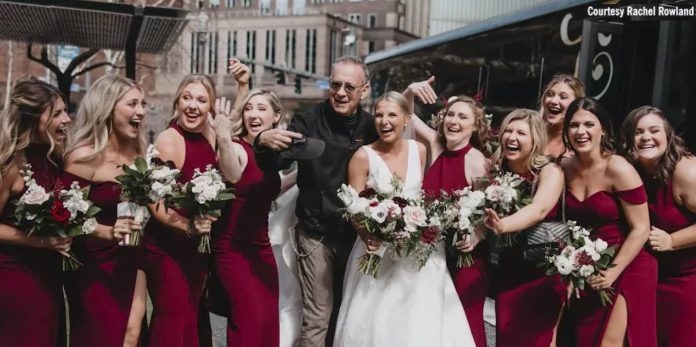
With all the subtlety of a wet blanket thrown over a campfire, Tom Hanks recently photobombed a bridal party in Pittsburgh.
“Hi, I’m Tom Hanks, I would love to get a photo with you,” said the A-lister after he spotted bride Grace Gwaltney all in white outside of the Fairmont Hotel.
“We all lost it,” wedding photographer Rachel Rowland told RCRA. “The bridesmaids shuffled out of the limo, and he posed with photos and congratulated everyone, and then as fast as he popped in, he was gone. It was just so sweet and fun!”
“You see him and then he starts speaking and he was like, ‘You look so beautiful. I’m so happy for you,'” recounts Gwaltney. “He was talking in my ear, I was thinking of Toy Story.”
Rita Wilson, Hanks’ longtime wife also jumped in for pictures with the bridal party before it sped off to Carnegie Music Hall for the ceremony, during which Gwaltney took the opportunity when she and her groom Luke were standing back-to-back during prayer to sneak in “I just met Tom Hanks.”
This isn’t the first time Hanks has photobombed a wedding party. Encountering Diciembre and Tashia Farries who had just tied the knot on the beach by Santa Monica last October, he simply walked up and asked for photos.
“We see a guy walking through the crowd and initially I’m like, ‘Who’s this guy getting in our pictures?'” 37-year-old Tashia told People at the time. “And we hear everyone like, ‘Wait, is that Tom Hanks?'”
(WATCH the video for this story below.)
SAY ‘I do’ to Fun Stories Like This One; Share This Story…
Probiotic bacteria (green) is engineered to evade immune system (macrophage, transparent) CREDIT: Tal Danino Lab-Columbia Engineering via SWNS
Probiotic bacteria (green) is engineered to evade immune system (macrophage, transparent) CREDIT: Tal Danino Lab-Columbia Engineering via SWNS
An ‘invisibility cloak’ for cancer drugs has been developed by scientists.
It hides ‘good bacteria’ from the immune system, enabling them to reach tumors undetected.
The masked probiotic could revolutionize therapy. In experiments, it wiped out diseased cells in mice.
It is hoped the technique will work even better in humans, who are 250 times more sensitive to bacteria.
Biomedical engineer Professor Tal Danino said, “What is really exciting about this work is we are able to dynamically control the system.
“We can regulate the time bacteria survive in human blood, and increase the maximum tolerable dose.
“We also showed our system opens up a new bacteria delivery strategy in which we can inject bacteria to one accessible tumor, and have them controllably migrate to distal tumors such as metastases, cancer cells that spread to other parts of the body.”
Infection fighting T cells sometimes fails to distinguish friend from foe. The genetically engineered “microbial encapsulation system” solves this.
In nature, bugs protect themselves from attack with a coating of sugary polymers known as capsular polysaccharides, or CAP.
Tetsuhiro Harimoto, a PhD student in the lab, said, “We have shown proof of concept in mouse models.
“But given that humans are 250 times more sensitive to bacterial toxins than mice, we expect our results may have an even bigger effect on human patients than on mice.”
He explained, “We hijacked the CAP system of a probiotic E. coli strain Nissle 1917.
“With CAP, these bacteria can temporarily evade immune attack. Without CAP, they lose their encapsulation protection and can be cleared out in the body. So we decided to try to build an effective on/off switch.”
They named it iCAP (inducible CAP), tweaking the structure with a protein called IPTG that programs and alters the E. coli cell surface.
The team at Columbia University, New York, changed how long it survived in human blood, by tuning amounts of the small molecule.
Bacteria-based immunotherapy is a growing area of interest in cancer research – with a wave of techniques being explored today.
But the alternative approach faces a number of challenges. Unlike traditional drugs, they are alive and can proliferate within the body.
They are also detected by the body’s immune system as foreign and dangerous, causing high inflammatory response.
Too much means high toxicity due to over-inflammation or rapid bacteria elimination. Too little means no therapeutic efficacy.
Dr Jaeseung Hahn said, “In clinical trials, these toxicities have been shown to be the critical problem, limiting the amount we can dose bacteria and compromising efficacy. Some trials had to be terminated due to severe toxicity.”
The mouse tumor models showed iCAP increased the maximum tolerable dose tenfold thanks to the bacteria dodging immune cells.
Over time, the invisibility cloak disappeared meaning the bacteria was eliminated in other parts of the body without side effects.
In further tests, the system was engineered to produce an anti-tumor drug.
Bowel and breast cancers shrank significantly more in lab rodents compared to a control group.
There are more than 80 different types of CAP that exist just for E. coli and even more for other bacteria species that could be engineered using similar approaches.
In addition, CAP is not the only molecule that bacteria have on their surface, and other molecules could be controlled in a similar fashion.
What is more, other control systems such as biosensors could be used to autonomously control surface properties of therapeutic bacteria.
Mr Harimoto said, “While there is a good deal of laboratory research showing various ways to engineer microbes, it is very difficult to apply these powerful therapies to a complex animal or human body.
Added Prof Kam Leong, “Bacterial cancer therapy holds unique advantages over conventional drug therapy, such as efficient targeting of the tumor tissue and programmable drug release. Potential toxicity has been limiting its full potential.
“The cloaking approach presented in this study may address this critical issue.”
Quote of the Day: “Where flowers bloom so does hope.” – Lady Bird Johnson (Happy Spring!)
With a new inspirational quote every day, atop the perfect photo—collected and archived on our Quotes page—why not bookmark GNN.org for a daily uplift?
The strongest part of a tree lies not in its trunk or its sprawling roots, but in the walls of its microscopic cells.
A single wood cell wall is constructed from fibers of cellulose—nature’s most abundant polymer, and the main structural component of all plants and algae. Within each fiber are reinforcing cellulose nanocrystals, or CNCs, which are chains of organic polymers arranged in nearly perfect crystal patterns. At the nanoscale, CNCs are stronger and stiffer than Kevlar. If the crystals could be worked into materials in significant fractions, CNCs could be a route to stronger, more sustainable, naturally derived plastics.
Now, an MIT team has engineered a composite made mostly from cellulose nanocrystals mixed with a bit of synthetic polymer. The organic crystals take up about 60 to 90 percent of the material—the highest fraction of CNCs achieved in a composite to date.
The researchers found the cellulose-based composite is stronger and tougher than some types of bone, and harder than typical aluminum alloys. The material has a brick-and-mortar microstructure that resembles nacre, the hard inner shell lining of some molluscs.
The team hit on a recipe for the CNC-based composite that they could fabricate using both 3D printing and conventional casting. They printed and cast the composite into penny-sized pieces of film that they used to test the material’s strength and hardness. They also machined the composite into the shape of a tooth to show that the material might one day be used to make cellulose-based dental implants—and for that matter, any plastic products—that are stronger, tougher, and more sustainable.
“By creating composites with CNCs at high loading, we can give polymer-based materials mechanical properties they never had before,” says A. John Hart, professor of mechanical engineering. “If we can replace some petroleum-based plastic with naturally-derived cellulose, that’s arguably better for the planet as well.”
Gel bonds
Each year, more than 10 billion tons of cellulose is synthesized from the bark, wood, or leaves of plants. Most of this cellulose is used to manufacture paper and textiles, while a portion of it is processed into powder for use in food thickeners and cosmetics.
In recent years, scientists have explored uses for cellulose nanocrystals, which can be extracted from cellulose fibers via acid hydrolysis. The exceptionally strong crystals could be used as natural reinforcements in polymer-based materials. But researchers have only been able to incorporate low fractions of CNCs, as the crystals have tended to clump and only weakly bond with polymer molecules.
Hart and his colleagues looked to develop a composite with a high fraction of CNCs, that they could shape into strong, durable forms. They started by mixing a solution of synthetic polymer with commercially available CNC powder. The team determined the ratio of CNC and polymer that would turn the solution into a gel, with a consistency that could either be fed through the nozzle of a 3-D printer or poured into a mold to be cast. They used an ultrasonic probe to break up any clumps of cellulose in the gel, making it more likely for the dispersed cellulose to form strong bonds with polymer molecules.
They fed some of the gel through a 3-D printer and poured the rest into a mold to be cast. They then let the printed samples dry. In the process, the material shrank, leaving behind a solid composite composed mainly of cellulose nanocrystals.
“We basically deconstructed wood, and reconstructed it,” Rao says. “We took the best components of wood, which is cellulose nanocrystals, and reconstructed them to achieve a new composite material.”
Tough cracks
Interestingly, when the team examined the composite’s structure under a microscope, they observed that grains of cellulose settled into a brick-and-mortar pattern, similar to the architecture of nacre. In nacre, this zig-zagging microstructure stops a crack from running straight through the material. The researchers found this to also be the case with their new cellulose composite.
They tested the material’s resistance to cracks, using tools to initiate first nano- and then micro-scale cracks. They found that, across multiple scales, the composite’s arrangement of cellulose grains prevented the cracks from splitting the material. This resistance to plastic deformation gives the composite a hardness and stiffness at the boundary between conventional plastics and metals.
Going forward, the team is looking for ways to minimize the shrinkage of gels as they dry. While shrinkage isn’t much of a problem when printing small objects, anything bigger could buckle or crack as the composite dries.
“If you could avoid shrinkage, you could keep scaling up, maybe to the meter scale,” Rao says. “Then, if we were to dream big, we could replace a significant fraction of plastics, with cellulose composites.”
The research team’s results are published in the journal Cellulose.
Road sign for the toad patrol at the west end of Church Road, Ham. See SWNS story SWNNtoads. A 400 metre stretch of road in London has been completely closed for more than three weeks to allow toads to cross in safety to ponds where they breed. Part of Church Road in Ham near Richmond, in South West London will be blocked to motorists until the start of next month so the creatures don’t get squished on their annual migration. ‘Toad patrol’ volunteers man the road, which meanders through a leafy stretch of Richmond Park, at night but the road remains blocked off all day. Few locals appear to have seen any toads or many volunteers but this did not stop them heaping praise on the ‘very British’ idea locals say can be found ‘only in England’.
SWNS
A stretch of road in London has been closed to traffic for more than three weeks to allow toads to cross in safety to ponds where they breed.
A 400-meter (1,300-foot) section of Church Road in Ham, near Richmond is blocked to motorists until the start of April so the creatures don’t get squished on their annual migration.
‘Toad patrol’ volunteers man the road—which meanders through a leafy stretch of Richmond Park—at night, but the road remains blocked off all day. And locals have been heaping praise on the conservation initiative.
The charity Froglife, which is responsible for recruiting volunteers, says the road, which is one of many across Britain that take part in the eco-conscious project, is among just a handful that remain completely blocked off to traffic.
The closure began on March 7, and is due to remain in place until April 1.
A council road traffic order has been issued to block the road.
SWNS
Part of it reads, “The road closure is intended to allow the toads to cross the carriageway unharmed and to eliminate the risk of accidents if drivers were to be
distracted by the presence of these creatures in their path.”
Richmond Council began sealing off the street in 2010 after worried locals wrote to council bosses to warn that creatures were being killed on their annual migration from hibernation to ponds where they breed.
It has become a source of amusement among locals.
They say it is not too disruptive as the road is normally quiet, has few houses along it, and the diversion is not painfully long.
But an earnest sign warning drivers ‘road closed for migrating toads—toad patrol volunteers on the road’ has not stopped passers-by poking fun at it.
A steady stream of walkers has been stopping to take pictures to share with friends.
Retired IT manager Robert Brown, who lives in Richmond, said, “I think it is fantastic. To have that amount of consideration for toads I think is incredible. I have never actually seen any toads and only once saw someone we thought might be a volunteer, but I think it is great… It is a very British thing to do.”
Retired customer services advisor Dorris Watt, from Ham, said, ‘’I think it is a good idea to protect the toads. This is not a road you desperately need to drive down and it has gone on without causing any complaints.
“Only people from outside the area would complain if they can’t park. The toads live here, don’t they, so it’s their right of way?’”
From charities and governments, to celebrities and everyday people, millions are pitching in to ease the burden for fleeing or sheltering Ukrainians. In turn, they’re inspiring the world with their generosity and strength.
We searched the internet to find heartwarming positive stories about Ukraine, and hope they will be an antidote to the daily barrage of reports about the pain and hardship.
1) Dog Company Delivers Tons of Food for Ukrainian Pooches
SWNS
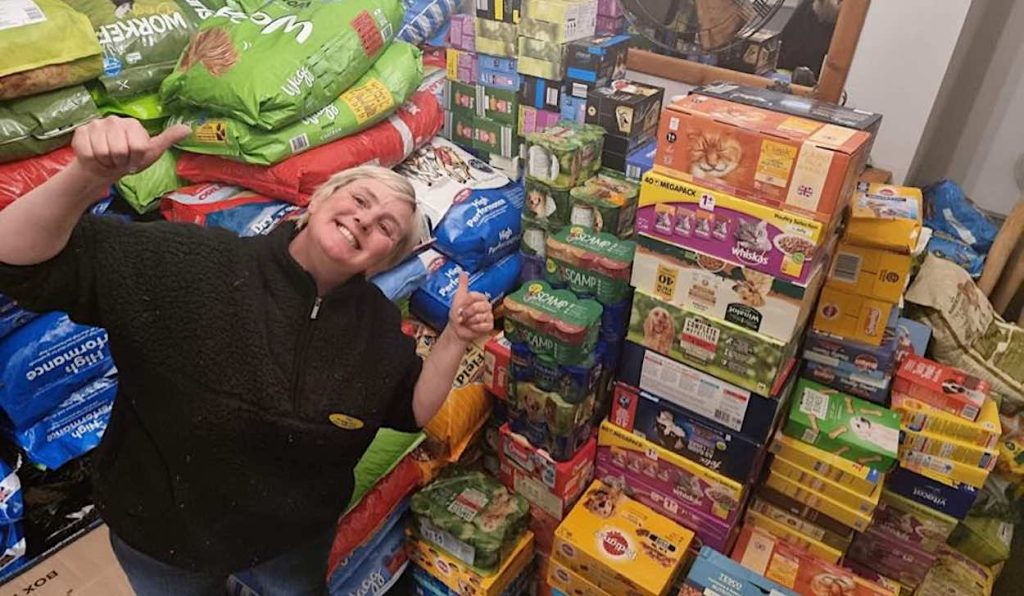
A dog transport company is helping to feed pooches in war-torn Ukraine after collecting nearly 11,000 pounds worth of food (5,000kg).
Daisybrook International Pet Transport was inundated with 300 bags of dog food and other donations from around the UK, and the Staffordshire company has dropped off the supplies at the Polish border, with owner Matthew Hunt delivering it in their specialized dog van, crammed to the roof with food—and with plans to make the trip once a week.
2) David Beckham Hands Over Instagram Account to Ukrainian Doctor
English soccer has turned been turned on its head over the war in Ukraine—with the British government sanctioning the Russian billionaire owner of Chelsea FC, the third best team in the country. Now David Beckham, legend of Manchester United, gave control of his Instagram account with more than 71 million followers to Iryna, the head of the regional perinatal center in Kharkiv.
3) Ukraine Joins European Power Grid, Ending Its Dependence on Russia
Mary, CC license
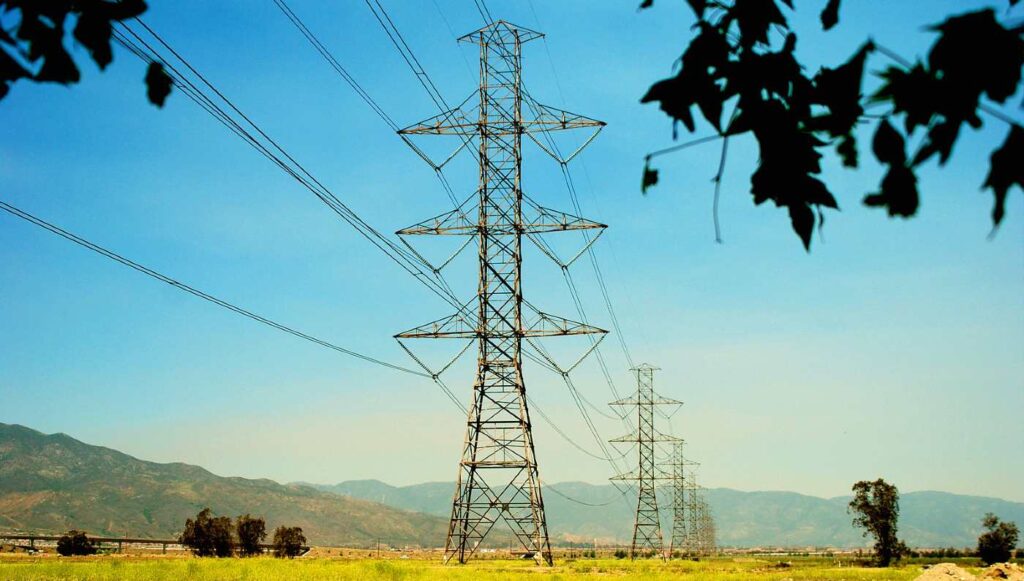
Belgium-based utilities company ENTSO-E connected the Ukrainian electrical grid to a largely-distributed system stretching across most of Europe, allowing it to end dependence on Russian power stations.
“This step will give Ukraine the opportunity to receive electricity if (Russia) continues to destroy our power infrastructure, and thus to save our power system,” said Volodymyr Kudrytskyi, who chairs the management board of Ukraine’s grid operator Ukrenergo. “We are sincerely grateful to our European partners for their great support and assistance during these difficult times.”
As well as reducing dependence on coal as a nice bonus, Ukraine could export nuclear power to elsewhere in Europe, which Brussels sees as a win-win.
4) Celebrity Chef Cooking For Free For Thousands on Ukrainian Border
José Andrés, the founder of World Central Kitchen, set up an emergency relief kitchen in the town of Przemyśl—just several miles from the border with Ukraine that is receiving tens of thousands of refugees every day. In twelve massive paella pans and twelve large ovens, they are cooking hundreds of thousands of meals.
A warehouse in L’viv, in the west of Ukraine, is shipping trucks of these meals to cities further east like Odessa and Mykolayiv. To date they’ve served one million meals.
5) Hero vet is crossing into Ukraine to rescue trapped animals
SWNS
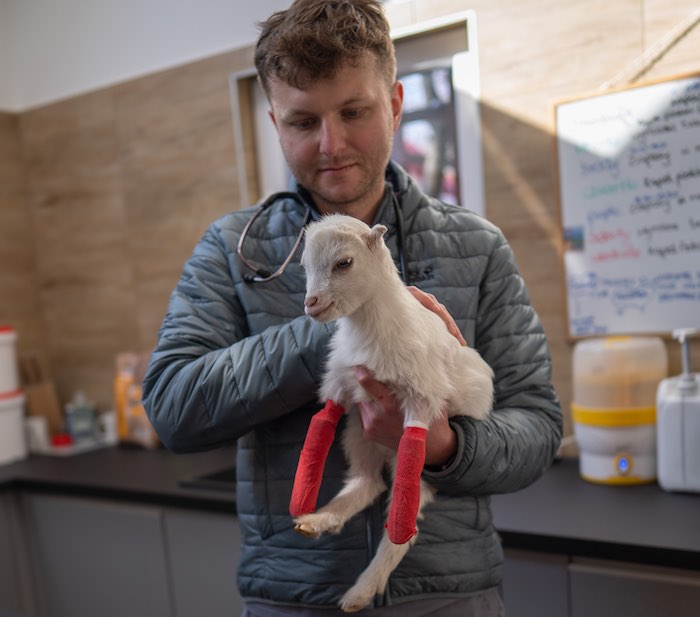
32-year-old Polish veterinarian Jakub Kotowicz launched a rescue trip into the war zone last week and has since rescued around 200 cats and 60 dogs from L’viv, in three convoys.
Now being cared for in his veterinary clinic are the rescued animals, including a pygmy goat with diseased legs and a large Sphinx cat who loves to cuddle. Jakub plans to keep the two-month-old pygmy goat kid, named Sasha, who shares a soft bed with two Chihuahuas, as part of his service with ADA Foundation. Jakub founded the animal rescue charity when he was 17, and runs a no-kill animal shelter in Przemysl, Poland, just 30 minutes from the border with Ukraine.
People can donate in dollars here, or in euros here.
6) Celebrities Donate Millions to Help Ukrainians
A number of A-listers have used their fortunes and their platforms to support relief for Ukrainians.
J.K. Rowling has pledged to match every pound sterling up to £1 million ($1.3 million) in donations to Lumos, a charity that’s focused on helping children in the war zones.
I will personally match donations to this appeal, up to £1m. Thank you so, so much to all who’ve already donated, you’re enabling @lumos to do crucial work for some of the most vulnerable children in Ukraine. https://t.co/XK8yTtB1nl
Mila Kunis and Aston Kutcher have pledged $3 million from their film and TV fortunes towards a GoFundMe drive with a target of $30 million. “While my family came to the United States in 1991, I was born in Chernivtsi, Ukraine, in 1983,” Kunis wrote on the GoFundMe page.
Last week they passed their goal, exceeding it by $4 million.
Another celebrity couple helping out is Blake Lively and Ryan Reynolds, who tweeted that they would personally match any donation towards helping Ukrainian refugees up to $1 million.
In 48 hours, countless Ukrainians were forced to flee their homes to neighboring countries. They need protection. When you donate, we’ll match it up to $1,000,000, creating double the support.⬇️ https://t.co/xCFL1Lptuwhttps://t.co/CHp48E1KLQ
7) Russia-Ukrainian Chef Duo Host Dinner-Fundraiser for UNICEF
Monika Grabkowska
Ukrainian chef Olia Hercules and Russian chef Alissa Timoshkina, long-time colleagues living in London, have started the Cook for Ukraine moment, which is encouraging restaurants to add small extra charges as a way to contribute a bit of sales to UNICEF’s work helping children in and out of Ukraine.
“Cook for Ukraine are hosting an event at The British Library theatre on 22 March to help raise awareness for the incredible food of Ukraine, and how it crosses many borders and communities,” Euronews writes. The fundraiser has already made £280,000 ($371000).
8) Italian Government Announces It will Rebuild the Mariupol Theater
Italy’s culture minister, Dario Franceschini, tweeted that a proposal introduced in parliament has passed to use Italian government funds to rebuild the destroyed theater in the city of Mariupol.
He noted that “Theaters of all countries belong to the whole of humanity.”
Italy is ready to rebuild the Theatre of #Mariupol. The cabinet of Ministers has approved my proposal to offer #Ukraine the resources and means to rebuild it as soon as possible. Theaters of all countries belong to the whole humanity #worldheritagepic.twitter.com/FPictnEloy
Monday was International Day of Forests, a perfect moment for taking a walk under your local trees and reading a roundup of forest victories from around the world.
This year notes a turning tide in the global awareness of the value of trees. In several regions of the world, there are more acres of forest than there have been in the past 100 years: in Europe for example.
In other cases, reforestation stemming from a conscious change in attitudes towards conservation is now equal to existing deforestation in some of the most threatened areas, for example in Brazil’s Atlantic Forest biome.
The recent meeting of the parties to the Paris Climate Accords have given rise to an international agreement between two dozen countries to end deforestation this decade. Locally-speaking, regional victories drive these global trends, and these movements will certainly go a long way to making every future International Day of Forests even more special because of what has been saved.
In the U.S., Oregon lawmakers just passed legislation to conserve 81,544 acres (33,000 hectares) of the Elliott State Forest, protecting it against logging and future threats. The site contains significant old-growth forest and supports 20% of the wild Oregon Coast coho salmon population.
As part of a partnership between the Defense, Interior, and Agriculture departments of the U.S., 11,000 square miles (around 3 million hectares) of farms, forests, and wildlife habitat around Eglin Air Force Base will be protected, together with the help of non-profit conservationists and landowners, to create a unique mosaic of land systems called the Northwest Florida Sentinel Landscape.
Down under, landmark legislation in Western Australia will end native logging and secure 1,544 square miles (400,000 hectares) of one of the most diverse native forests on Earth. Activists have campaigned for decades to protect these forests, containing rare tingle, jarrah, karri, marri, tuart, and wandoo trees found nowhere else on the planet, which had been increasingly depleted by logging.
“We’re going to stop logging in our native forests… to preserve these beautiful, magnificent, wonderful areas for future generations of West Australians,” WA Premier Mark McGowan said, allegedly stunning green party members and protestors alike.
In South America, the Gordon and Betty Moore Foundation has allocated an additional $300 million toward the Andes-Amazon Initiative to continue biodiversity and forest conservation efforts in the region until 2031.
To date, the initiative has been successful in conserving 1.5 million square miles (400 million hectares) or about half the size of Brazil itself, since its establishment in 2003. New targets include ensuring that 38,000 square miles (100 million hectares) of freshwater and forest ecosystems—as well as Indigenous and local communities’ lands—are effectively managed.
Quote of the Day: “I may not be totally perfect, but parts of me are excellent.” – Ashleigh Brilliant
Photo by: Callum Shaw
With a new inspirational quote every day, atop the perfect photo—collected and archived on our Quotes page—why not bookmark GNN.org for a daily uplift?
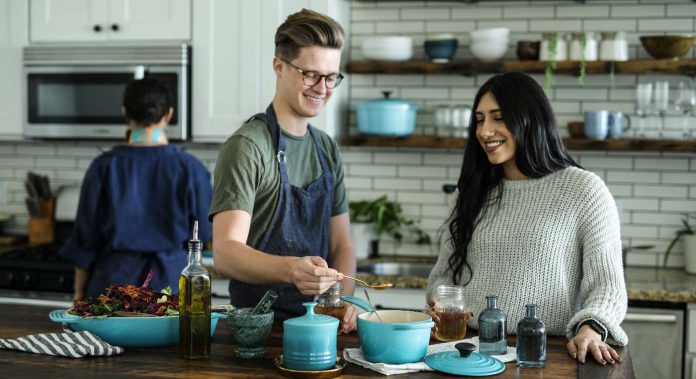
In a large study in Australia, a seven-week cooking class was found to significantly improve mental health and well-being, physical health markers, confidence and life satisfaction—as well as the ability to change eating habits.
These changes were not only seen in both men and women, but regardless of whether any increase in understanding of nutrition and the risks of obesity was obtained during the course.
It suggests that simply by returning to home-cooked meals, society could greatly improve the overall health condition of its citizens.
The story of the decline in physical and mental health in the western world is well known. An emphasis on work and study leads to the consumption of less nutritious food, which has exploded in availability as the decades have advanced.
67% of all Australians are overweight or obese, the recently-published paper reveals, a figure which is nearly applicable to the American population.
An international team of researchers aimed to investigate if a course of seven, 90-minute cooking classes could improve health outcomes by restoring confidence in people’s ability to cook for themselves at home.
“The intervention involved participation in weekly cooking sessions… delivered by a nutrition professional from the fully equipped JMOF mobile kitchen,” the study reads.
“The 90-min hands-on cooking session used a new recipe each week to scaffold learning of skills and knowledge about nutritious foods, to enable increased cooking confidence, skill development and food literacy knowledge. In addition, the participants were taught knife handling skills and were given tips and advice about healthy options for how to boost flavor and create dishes using fresh foods to replace pre-prepared ingredients. Food-budget planning, kitchen economy and reduction of food waste were also covered.”
Something deeper
The study details that many researchers have imagined that food literacy is linked to higher education, higher incomes, and value of real estate: i.e. that only rich white folks understand why cooking with vegetables is advantageous from a health perspective.
In this large and diverse population sample, consisting of many education and income levels, no socio-economic factor drove the desire to learn from—or the benefits from participating in—a home-cooking class. The authors report similar incidents in three other published trials of a similar kind.
Six months after the classes, the participants, 32% of whom had scores for general health, mental health, and subjective vitality lower than the national average, all reported significant improvements.
A limitation of the study, the authors note, could be that as the class was a group activity, it was simply the result of doing something constructive together with other people that resulted in the benefits.
However, as the improvements in mental and physical well-being were observed months after the classes concluded, one can suppose it’s due more to the deployment of the knowledge gained in the kitchen over the subsequent weeks—and perhaps even the juxtapositions of more time with family and friends over cooked meals.
SERVE UP a Portion of the Good News by Sharing This Story…
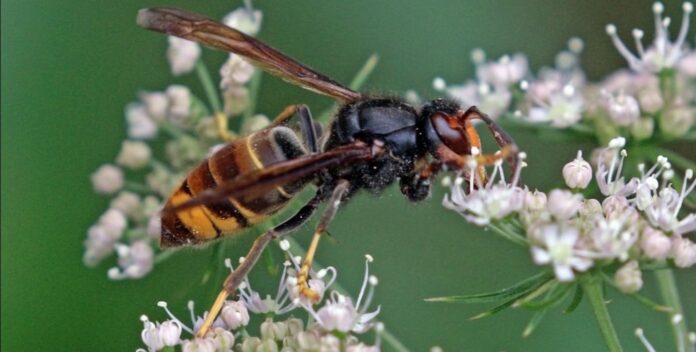
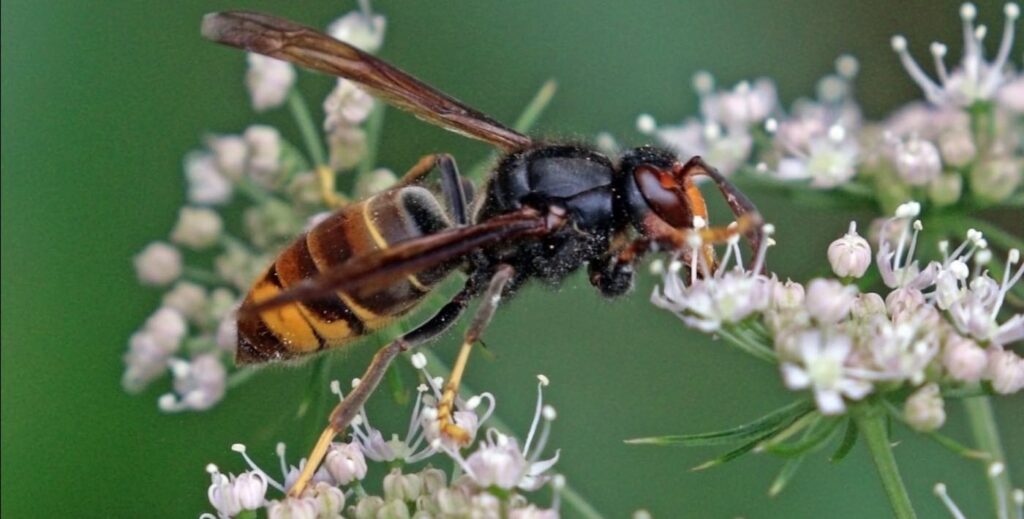
Asian hornet (Vespa velutina), by Charles J. Sharp – CC license
Asian hornet (Vespa velutina)/ Charles J. Sharp, CC license
Sex pheromones could help stop ‘murder hornets’ from invading the UK and elsewhere and wreaking havoc, according to a new study.
The stimulating odors produced by a hornet queen can be used as bait to trap and track the invasive insects, say scientists.
Asian giant hornets, more commonly known as murder hornets, have been spreading across parts of North America and Europe.
While their nickname is misleading, they are threatening bee populations along with millions of pounds worth of crops.
Honey bees, some of the world’s most important pollinators, have few defences against these destructive insects, which can quickly destroy an entire colony.
So far, coming up with a solution to eliminate them has proven challenging, and even knowing where to look for them is tricky.
But now scientists in the United States have come up with a cunning plan to map their movements and end the invasion.
Study author Professor James Nieh at the University of California, San Diego said, “My usual plea is that people should stop calling them ‘murder hornets’ because they are large and perhaps frightening but not truly murderous.
“They are amazing social insects, but they don’t belong in North America and harm our critical bee populations, so we should remove them.”
Three of the major chemicals found in the giant hornet queen’s sex pheromone were identified by the researchers, including hexanoic, octanoic, and decanoic acid.
They then captured male hornets by laying traps near their nests and places where they typically reproduce.
The hornets’ brain activity and antennae were highly sensitive to the pheromone, the researchers found.
These compounds found in the queen’s pheromone could easily be purchased and deployed in the field immediately.
Professor Nieh said, “The males are drawn to the odors of the females since they typically mate with them near their nests.
“In two field seasons we were able to rapidly collect thousands of males that were attracted to these odours.”
The researchers are hoping to test their traps in more field locations to see whether they can chemically attract hornets over distances of a kilometre or more.
Professor Nieh said, “Because these pheromone-based traps are fairly inexpensive I think they could be readily deployed for sampling across a large geographic range.
“We know where they have been found, so the big question is whether they are expanding. Where is that invasion front?”
How Asian giant hornets, known scientifically as Vespa mandarinia, first came to North America has remained a mystery, but they have been documented in British Columbia and Washington state.
Models suggest they could rapidly spread across Washington, Oregon, and possibly the eastern United States.
Rather than patent their discovery, the researchers have published their findings in the hope it will help document the hornet’s spread.
Where and how rapidly they are spreading could be mapped using predictive models once more traps have been deployed.
Professor Nieh said, “We hope that others, especially in invaded areas, will take the protocol we have established and test this method.
“We’ve described the chemical blends needed for these traps, which could reduce the number of males available to mate with females to help depress the population but primarily would help us figure out where they are.”
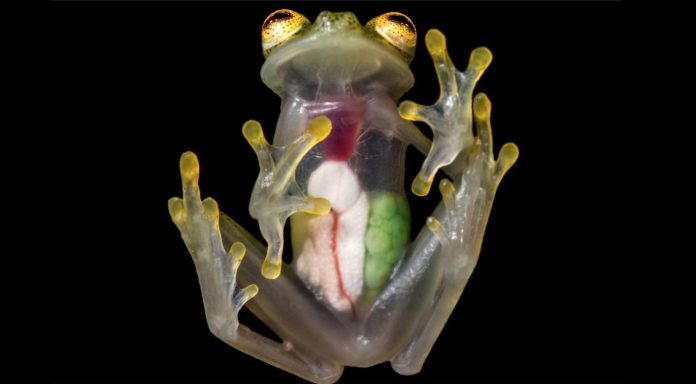
By Jaime Culebras, study co-author / Andean Condor Foundation
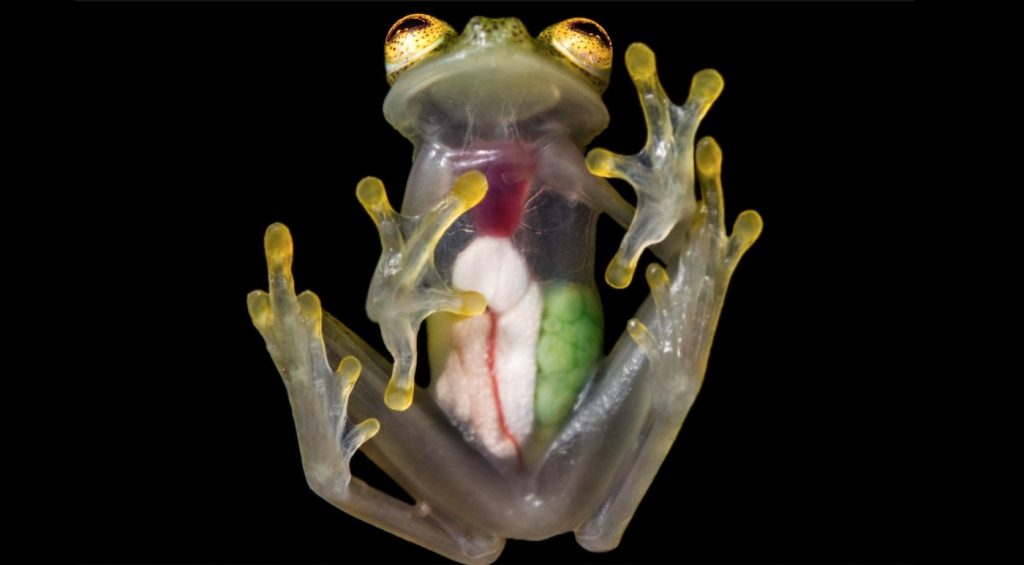
By Jaime Culebras, study co-author / Andean Condor Foundation
Two new species of glass frog were found living in the same 6,200-acre reserve, showing just how much is yet to be discovered in the tropical Andes.
At first seeming perfectly identical to each other, the frogs were actually found to have very large differences on a genetic level, as well as different calls.
The newly-discovered hyalinobatrachium mashpi lives on the southern side of the Guayllabamba river valley, which separates its territory from that of another frog species, hyalinobatrachium nouns.
When biologist Juan M. Guayasamin and his companions entered the Guayllabamba area looking for species of glass frogs, they found several specimens that seemed to have all the same features.
They were both see-through, displaying their heart, liver, and GI-tract proudly through their translucent bellies.
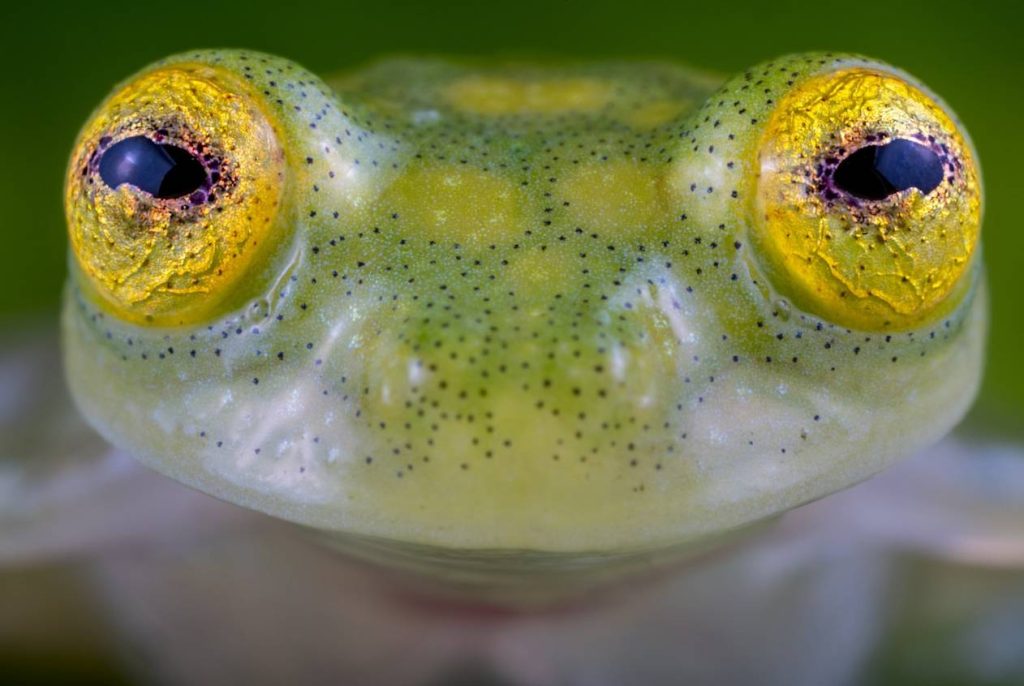
Beyond that, they had the same speckled patterns on their lime-green backs, and the same miniscule size of two centimeters.
It was only back at the lab when Guayasamin and the rest of the research team were sequencing the DNA of the new frogs into the glass frog genetic database that they realized they were dealing with two totally unique species.
Jaime Culebras, study co-author / Andean Condor Foundation
“What we are thinking is that the valley has kept these frogs from mixing with each other,” Guayasamin told National Geographic, noting that the two groups were found living merely 13 miles from one another. “When you have populations separated by a geographic barrier, you start having an accumulation of mutations in each group, and in time, they become genetically different.”
Northwest Ecuador is a place of such extraordinary biological diversity. It contains a South American biome known as the tropical Andes Mountains, which astonishingly contains twice as many amphibians as in the whole of the Amazon Rainforest. One of the reasons for this is that the Amazon Basin is actually rather flat.
A vertical world with numerous topographical barriers to the movement of species like the small glass frog, means the mountains offer far more isolation than the lowlands.
Jaime Culebras, study co-author / Andean Condor Foundation
“The topography here is quite complex, with many unexplored niches and hard-to-reach areas, so endemism is very high,” an Ecuadorian herpetologist not involved with the discovery told Nat Geo.
A Swedish shipwright has unveiled successful tests for a new fully-electric hydrofoil speed boat which it says will change the face of recreational boating forever.
The C-8, by Candela, can do 20 knots of speed and accommodate a half-dozen passengers while eliminating fuel leaks, motor noise, wake, and expensive trips to the fuel dock.
Electric boating has been far behind electric cars as a result of the far-denser resistance encountered when a vehicle attempts to push its way through water as compared to air.
Using hydrofoils to lift the C-8 out of the water, that most critical roadblock is avoided, resulting in 80% less energy consumption per knot traveled than an internal-combustion engine boat.
This allowed Candela to mount an electric motor and battery pack as the form of thrust and actually deliver range and speeds comparative to a fossil-fuel speed boat.
Candela has designed C-8 to fit right into the industry options. Capable of being mass produced at 400 units per year, the C-8 prices in at €290,000, equal or in some cases lower than other fossil-fuel speed boats in its size class of 28 feet (8.5 meters).
The C-POD motor is rated for 3,000 hours of service-free use, which is equivalent to 50–100 years of a person’s average recreational boating time, reports Clean Technica, adding that after being unveiled in February, its 100 preorders mean it outsold almost all other conventional speed boats of its size.
“It’s basically free boating, and hassle-free boating, for the first time in history,” says company founder Gustav Hasselskog.
The boat sleeps two kids and two adults, while the above deck cockpit has room for eight people.
“Candela C-8 is designed to do away with all the bad aspects of powerboating: no slamming, no harmful wake, no pollution, no maintenance, no noise, and no more expensive trips to the fuel dock,” Candela’s head of PR, Mikael Mahlberg told Clean Technica. “It’s just a smooth, silent, and fun ride. After the first ride last week, it’s clear we’re right on target. This will be a pivotal moment for electric boats.”
(WATCH the video for this story below.)
SPEED UP Knowledge of the Good News; Share This Innovation…
The Lesson: Investing in people is investing in the future. Putting money behind women-led companies can lead to great financial returns, and even better social ones. Better still, investing in early-stage companies led by minorities or women builds a power base where before there wasn’t one.
Notable Excerpt: “I’m really proud also, [that] we picked our bucket and we said women. And because we said women, instead of this traditional Silicon Valley road where these kids come from Harvard or Stanford, we started getting companies from all across the country, all different backgrounds, we have 50% minority-led companies, and we look at age, race, and gender in terms of every founding team, and when you invest in those early stages, that’s when you can make the change.”
The Guest: Jesse Draper is a mother of three and General Partner of Halogen Ventures, a financial management company that allows investors to grow their financial, cultural, and spiritual capital by backing funds which diversify along lines of gender, race, and age. Their portfolio consists of 70 companies with an emphasis on female leadership and consumer technologies, and have seen strong returns over short periods.
The Podcast: Livin’ Good Currency explores the relationship of time to our lives. It gives a simple, straight-forward formula that anyone can use to be present in the moment—and features a co-host who knows better than anyone the value of time (see below). How do you want to spend your life? This hour can inspire you, along with upcoming guests, to be sure you are ‘Livin’ Good Currency’ and never get caught running out of time.
Livin’ Good Currency cohosts Tony Samadani and Tobias Tubbs
The Hosts: Good News Network fans will know Tony (Anthony) Samadani as the co-owner of GNN and its Chief of Strategic Partnerships. Co-host Tobias Tubbs was handed a double life sentence without the possibility of parole for a crime he didn’t commit. Behind bars, he used his own version of the Livin’ Good Currency formula to inspire young men in prison to turn their hours into honors. An expert in conflict resolution, spirituality, and philosophy, Tobias is a master gardener who employs ex-felons to grow their Good Currency by planting crops and feeding neighborhoods.
Quote of the Day: “Too many people miss the silver lining because they’re expecting gold.” – Arthur Yorinks
Photo by: Rowan Heuvel
With a new inspirational quote every day, atop the perfect photo—collected and archived on our Quotes page—why not bookmark GNN.org for a daily uplift?
A business graduate is taking tourists on adventure trips amidst the Scottish Highlands – in a New York school bus.
The 24-year-old came up with the idea after watching Expedition Happiness on Netflix, about a couple traveling across North America in a refurbished school bus.
Angus Luff, who graduated in 2019, quit his job as a management consultant in Leicester, England, to live out his dream of creating the hostel on wheels.
He only worked in his job for three months before he decided, ‘I don’t want to do this’.
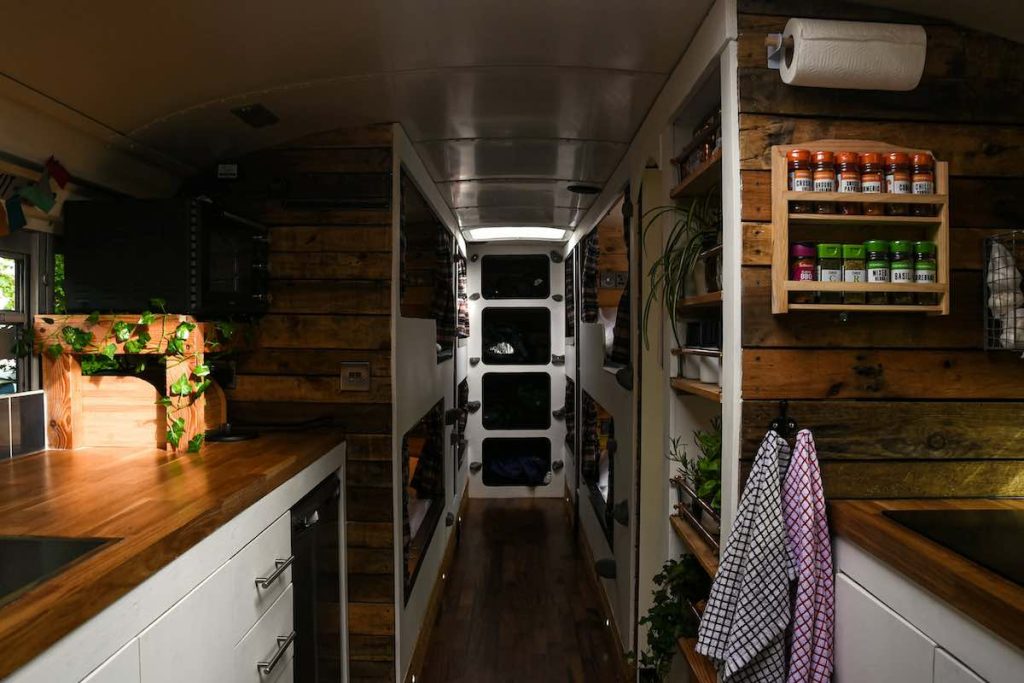
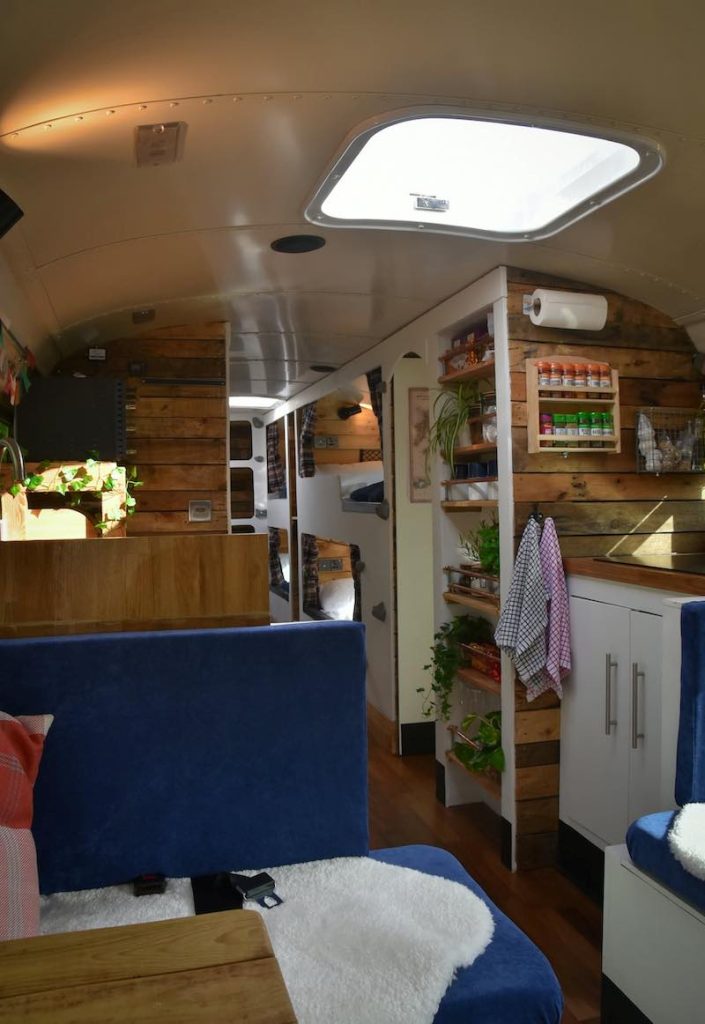
Dubbed ‘The Bonnie Camper’, the bus has been converted into a ‘glamping’ RV mobile home, with beds, seating areas, and a kitchen, for up to six people.
He hosts road trips across the Highlands, arranging outdoor activities like hiking, cycling, kayaking, and swimming in lakes along the way.
Serving as the tour guide, Angus does all the driving, cooking, and cleaning, before pitching a tent outside to give the guests full privacy in the bus.
The 1999 model vehicle was originally used to take students to and from school in New York. He bought it in 2019, and had it shipped over from the US.
“The buses are so iconic,” said the Edinburgh entrepreneur. “I think it’s the novelty of the school bus—it’s very rare you see them in real life.”
The Bonnie Camper – SWNS
He used lockdown to refurbish the bus, stripping it and furnishing it with the help of his dad—making sure it met UK regulations.
Angus then earned his HGV driving license and tried out his tour on friends before setting out on his first money-making trip in June, 2021. “It was great fun, everyone loved it.”
“Everyone’s always beeping and waving at us. You feel like a celebrity.
“It was amazing, I had a group of four women from London come up and hired it out privately.
“I love seeing people’s reaction to the bus, they get so excited.”
The Bonnie Camper – SWNS
The five day tour costs £595 ($780) per person and includes all the activities and food.
“I host the whole week and organize whisky tasting tours, hiking, mountain biking, watersports, and stops at local bars and pubs.”
“There’s no other company that does something similar in the UK.
With its high vantage point and large windows, the school bus is a unique way to experience some of Scotland’s most rugged and beautiful scenery. It even has a sunroof.
The Bonnie Camper – SWNS
“It’s a completely different viewpoint of everything,” he says. “You are quite engrossed in all the landscapes.
The Bonnie Camper – SWNS
This year he will also be trying individual bookings, where people can just book themselves a spot on the bus and take part in the activates for a tour group.
Travelers board the bus in Edinburgh, where Angus keeps the bus, before driving to the Cairngorms, then on to Glencoe, and arriving back by way of Stirling.