For those one or two of you in the audience who grew up watching Swiss Family Robinson, a new resort in Tennessee will jump to the top of your destination list.
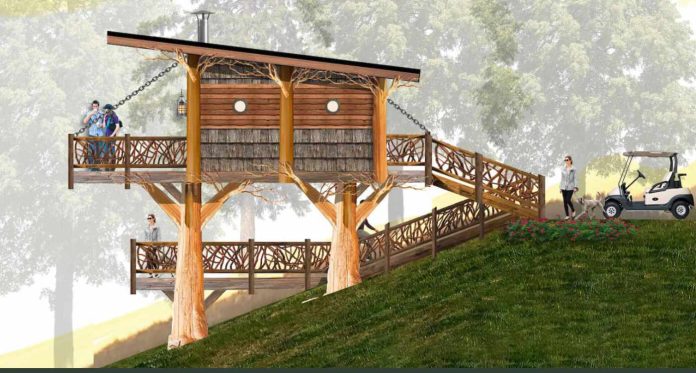
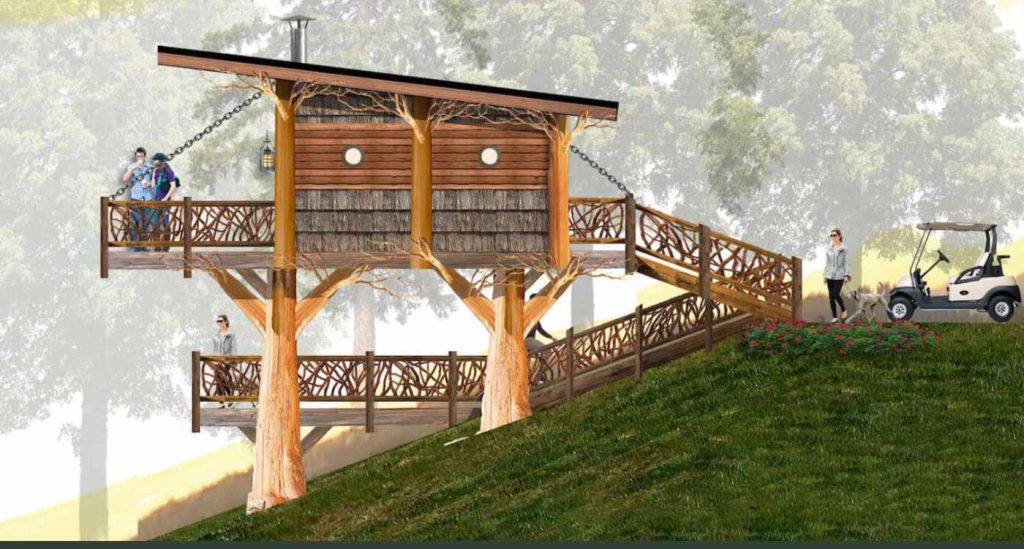
130 tree houses are slated to be built over the next few years in the woods near Great Smokey Mountains National Park, representing the largest tree house resort on earth.
Called Sanctuary Treehouse Resort, the idea came when an inter-generational, entrepreneurial Tennessee family called the Jensens decided that since their children were all grown up, they would rent out their childhood tree fort as such things were becoming popular glamping opportunities.
Once they saw how popular it was becoming, they decided to turn 40 acres into the largest collection of tree houses and forts in the world.
There are plans for three types of treehouse rentals: Tree Fort, Tree Fort Double, and The Luxe. Tree Fort will accommodate 2-6 guests and feature unique amenities such as a spiral slides. Doubles will feature unique ways to link the rooms mounted on different trees, such as rope bridges, and even drawbridges.
The Jensens are working with a mountain-modern architecture firm called MossCreek designs to fulfill their dreams. The first group of apartments will be ready and available for rental by the end of summer 2022, and each year will feature a few more until the resort is finally completed.
For visiting employee groups and conferences, sections of the forest floor will be turned into enchanted woods filled with lights and amenities for such group activities.
“We are cultivating a unique resort like no other anywhere for guests to stay, play, and retreat for a one-of-a-kind experience,” said Amanda and Brian Jensen, the heads of the family told Travel and Leisure.
“We hope to provide our guests with lasting memories, breathtaking views, and customizable options to leave them with a desire to come back and stay with us year after year.”
If this wasn’t an excellent-enough idea for a vacation with the kids, every spring in the Great Smokey Mountains, a lottery is held to win one of 800 parking passes to witness one of the largest gatherings of fireflies in the country.
Combining an enchanted forest with a treehouse apartment and watching a “life-changing” natural light show sounds like the experience of a lifetime.
(WATCH the video for this story below.)
SHARE This Story With Friends Who’d Love to Visit This Resort Up High…
Quote of the Day: “Anybody who has survived his childhood has enough information about life to last him the rest of his days.” – Flannery O’Connor
Photo by: Janko Ferlič
With a new inspirational quote every day, atop the perfect photo—collected and archived on our Quotes page—why not bookmark GNN.org for a daily uplift?
As millions of Ukrainian women and children take refuge in other European nations, one inspiring act of kindness by workers at a Denmark office of Mediabrands Content Studio is warming hearts and going viral.
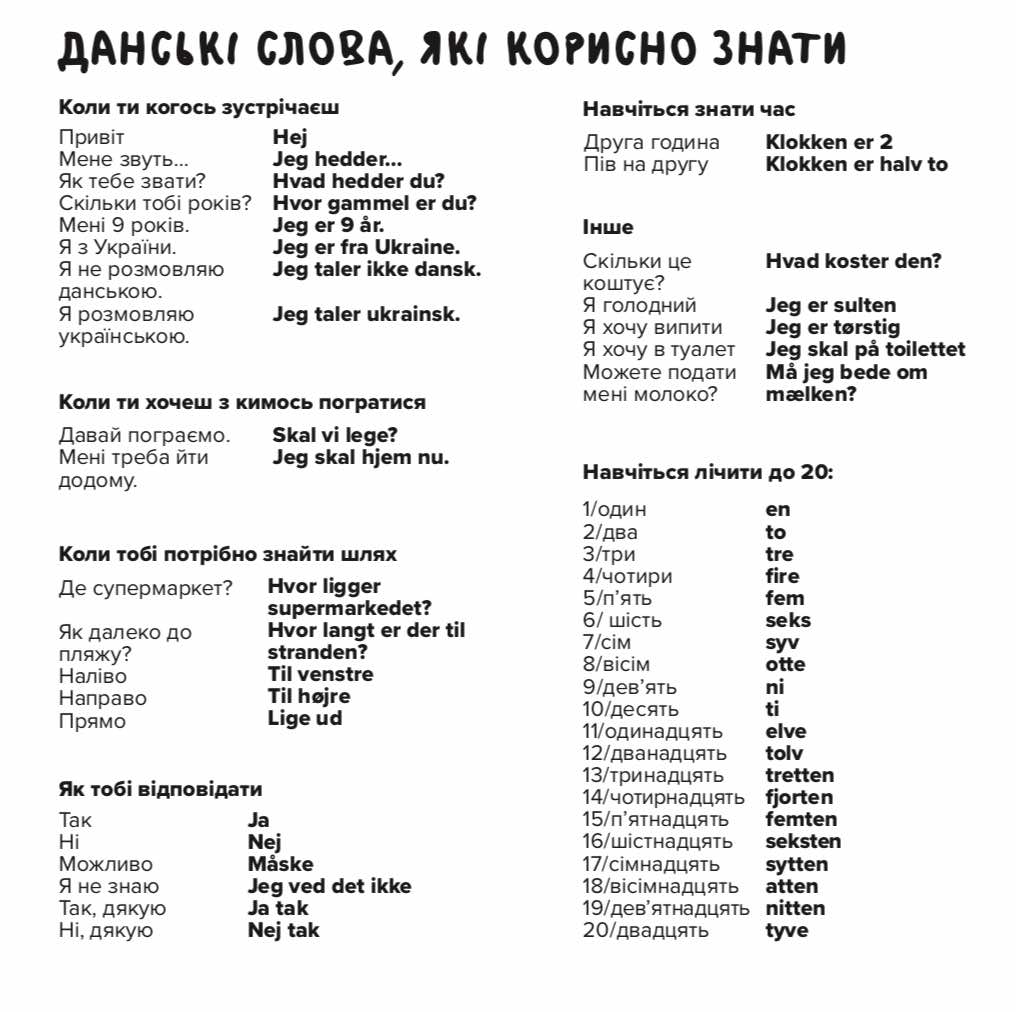
With Denmark already haven taken in thousands of refugees, the Mediabrands branch was inspired to write and create a free children’s book for Ukrainian-speakers called “Welcome to Denmark”.
The charming booklet introduces refugees to the country, while highlighting the cultural similarities of the two cultures, to help make the new refugees feel safer and more at ease.
The publishing team was thrilled to be connected with a Ukrainian female refugee who agreed to translate the copy.
20,000 copies were printed, and the book’s availability was announced through social media, hoping people or local organizations might be able to use them.
72 hours later, all 20,000 copies were distributed. Their office was inundated with requests, so 20,000 more are currently being printed. [UPDATE: Following this GNN article’s publication, the company said they’ve received a total of 100,000 orders.]
Queries came in from Danish train, bus, and ferry companies that want to give them to newly arriving Ukrainian passengers. At the same time, it acts as a mini-phrasebook that can make it easier to make friends and understand many new things around them.
After reading the beautiful text below—translated into English—and seeing some of the lovely drawings, maybe more European countries will be inspired to create their own books for refugees.
American company, Mediabrands Content Studio
What is Denmark?
Denmark is a small kingdom with only 5.8 million inhabitants, located approx. 1,250 km. from Ukraine. Although we are the oldest kingdom in the world, we have no king. Our queen is Her Majesty Margrethe the 2nd, but she does not decide so much. In Denmark, we all decide equally, and therefore there is room to be exactly who you want to be. Welcome!
We have much in common…
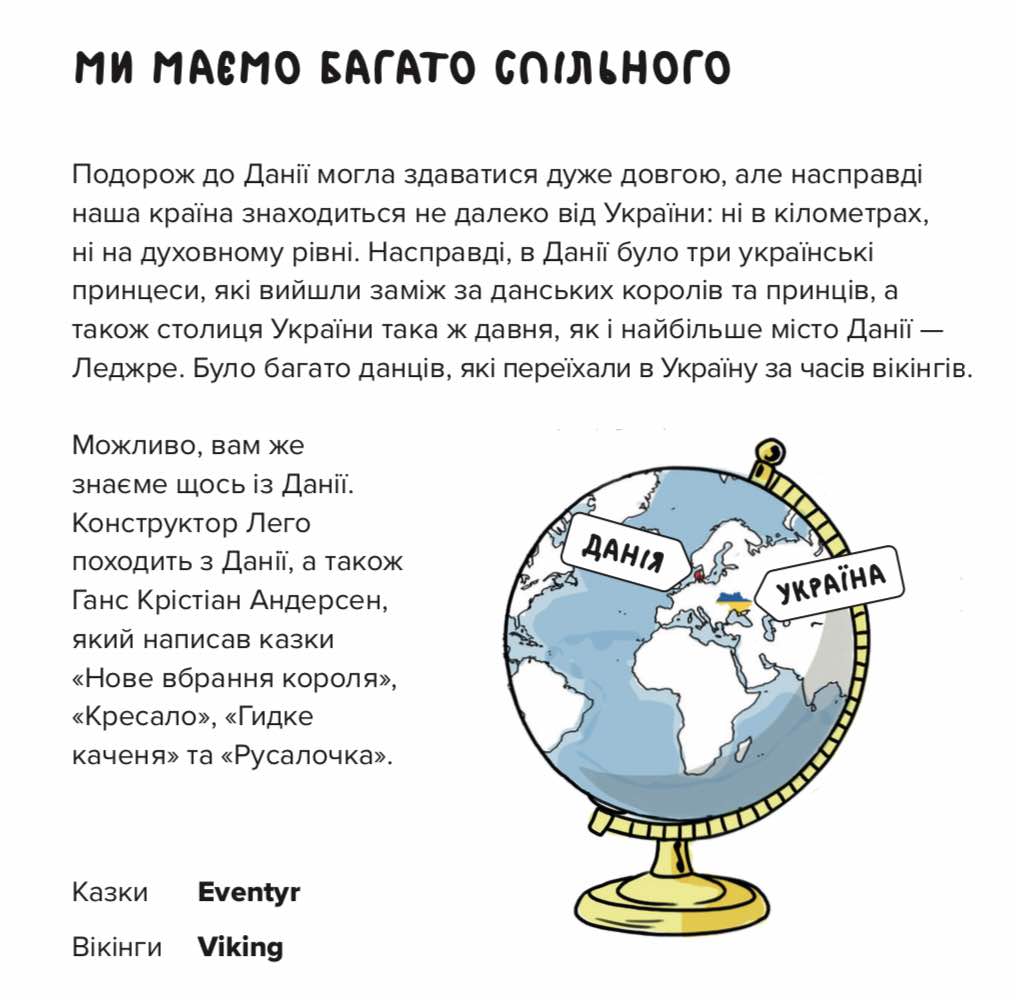
The trip to Denmark may feel long, but Denmark is not too far from Ukraine. Neither in distance nor in spirit. In fact, there are as many as 3 Ukrainian princesses who have been married to Danish kings and princes, and the capital of Ukraine is as old as Lejre – one of Denmark’s largest Viking cities. There were also many Danes who moved to Ukraine in the Viking Age.Maybe you already know something from Denmark. LEGO bricks come from here, and Hans Christian Andersen, who wrote fairy tales such as The Emperor’s New Clothes, The Ugly Duckling, and The Little Mermaid.
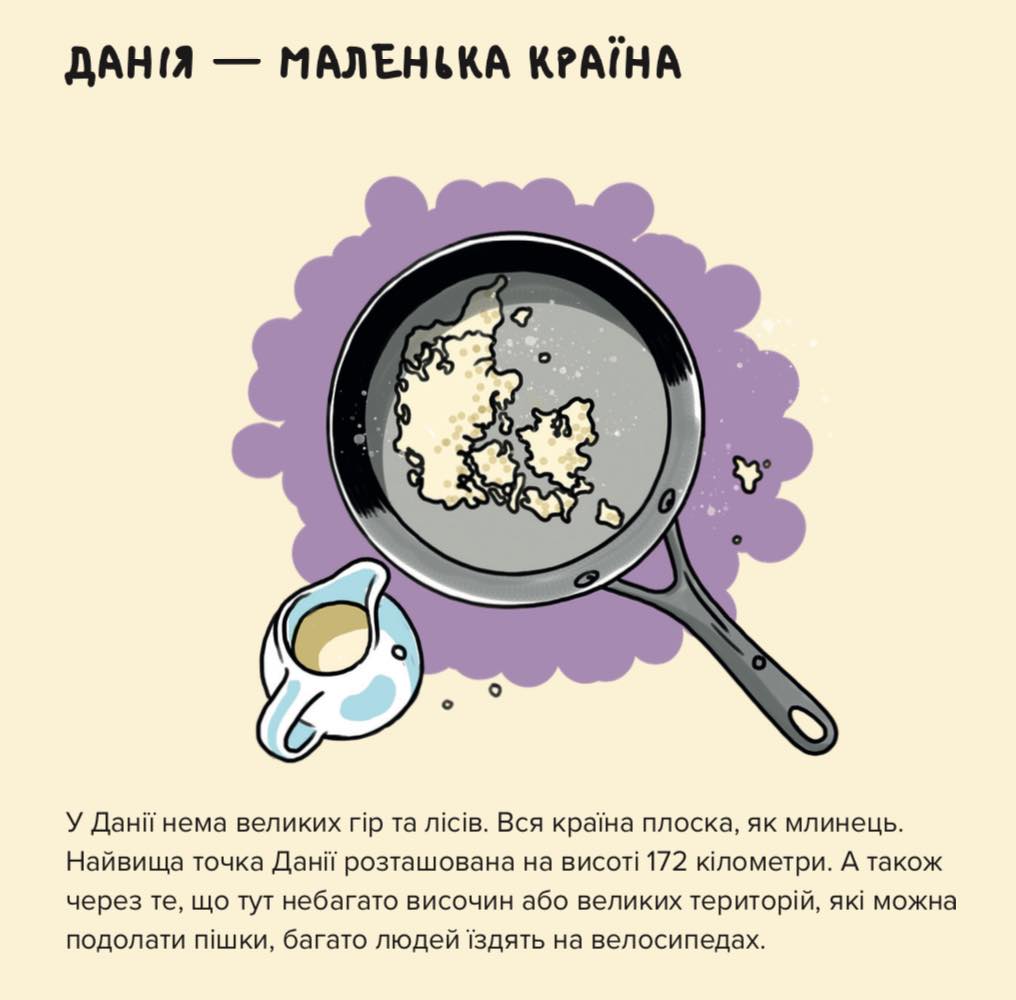
In Denmark there are no mountains or large forests. The whole country is flat as a pancake. The highest point in Denmark is only 172 meters high, and because here there are neither steep nor large distances to cross, there are many who cycle in Denmark.
In Denmark, we are very proud of our coasts. It is our wilderness, and although we are a very small country, we have the 16th longest coastline in the world. No matter where you are in Denmark, you are never more than 52 km from the sea, and everyone has the right to be on the beaches and swim in the water. We also have many small forests that are completely light green in the spring. Everyone must be there. In many places there are campfires and shelters that you are welcome to use. And you are welcome to take firewood from the forest floor.
Children in Denmark…
There are many children living in Denmark, and we take good care of each other. Children in Denmark go to kindergarten if they are under 6, and to school if they are over. In kindergarten, the children play and learn to be with other children. In school, they learn to read and count and to speak other languages. There are only 6 million in the world who speak Danish. The Danish language is famous for being a bit difficult. Our letters are different from the ones you are used to. And in addition, we have three extra letters called Æ, Ø and Å, which sound funny. The hardest thing to say in Danish is ‘red porridge with cream’, but until you have learned to say it, you can enjoy eating it.
Do you want to play?
When the children are free from school, they go to sports or go out and play. There are
many children in Denmark who play either football, handball or ride skateboards and
scooters. Many people also like to play on computers. Even if you can not speak Danish, you can easily join. Sport is the same across borders, and a smile means the same thing in all languages.
We eat this in Denmark…
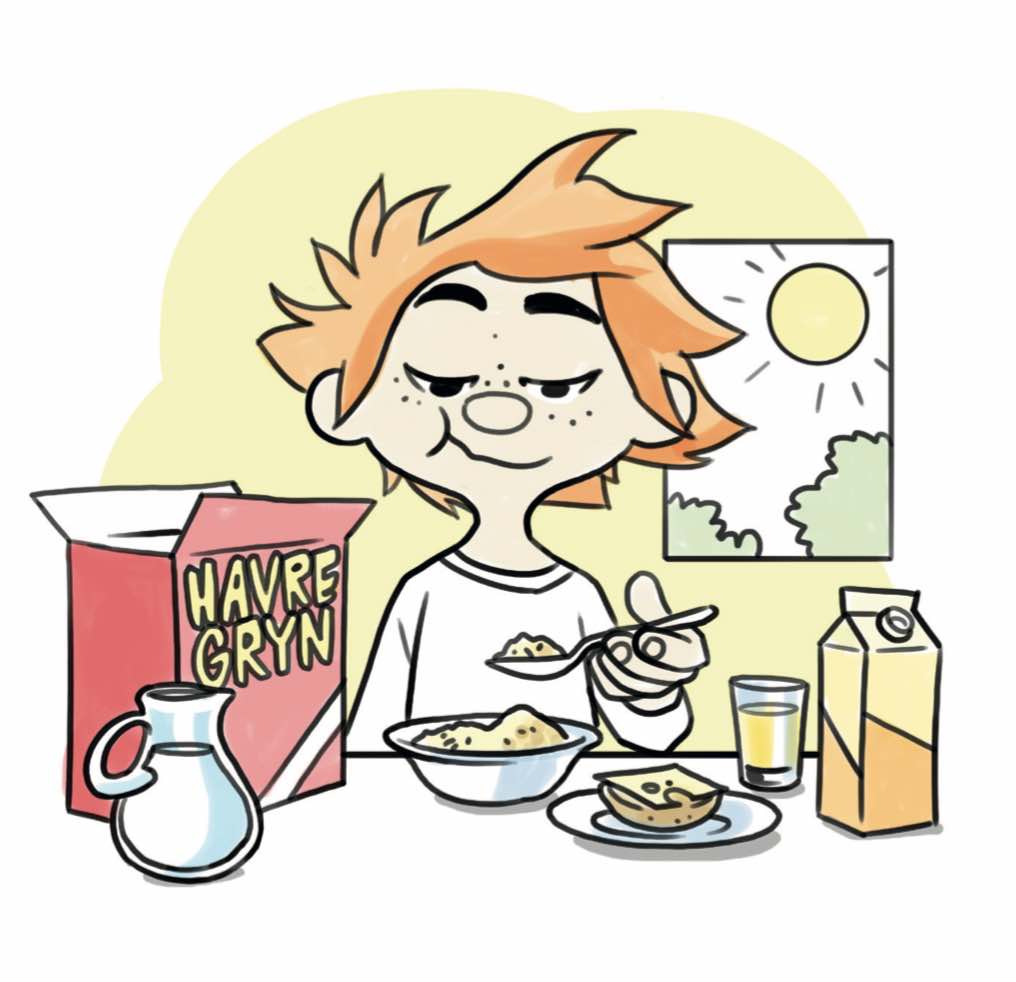
We love eating oatmeal with milk or a bun with cheese for breakfast. Sometimes we also get pastry, but it’s mostly on the weekends. For lunch, we often eat sandwiches or rye bread with different cold cuts such as. eggs, sausage or liver pate. Rye bread is very common in Denmark. Tonight we eat food from all over the world, especially pasta and pizza. But there are also popular Danish dishes, such as meatballs or ground beef with boiled potatoes.
We talk a lot about the weather
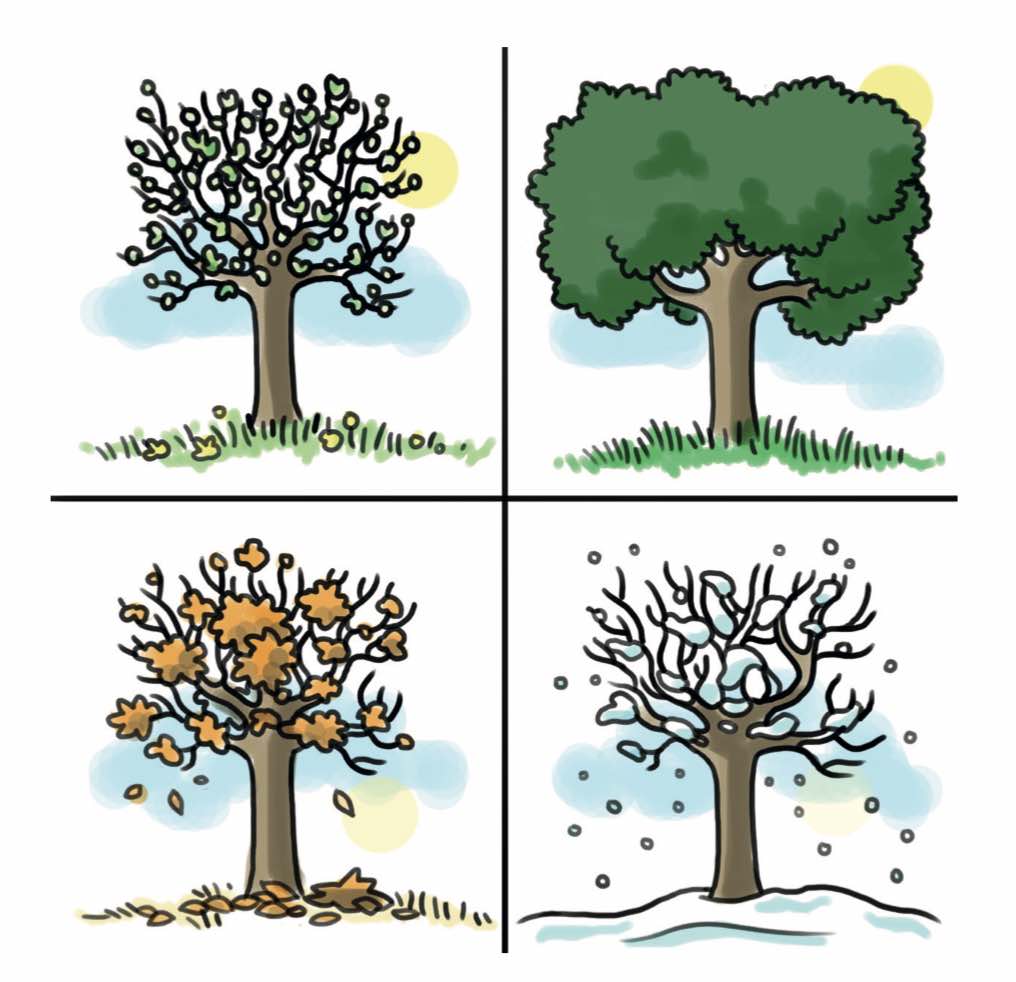
In Denmark, the weather changes often and that is why we always talk about it. In the
spring, everything grows out, and even though it’s cool, everyone is looking forward to summer. Therefore, we go outside as soon as the sun shines. In the summer, Denmark really comes to life. Everyone meets in parks, cafes and on the beach. It can get very hot in the summer, but it also rains a lot. In the fall, when everything turns orange and the leaves fall from the trees, it is often windy weather. It is very beautiful, but many Danes go inside and meet for coffee and coziness. But there are also many who are outside cooking over a campfire or something. In winter it is cold and wet. Sometimes it snows, and then you can sled, build snowmen or do snowball fights.
We like cozy…
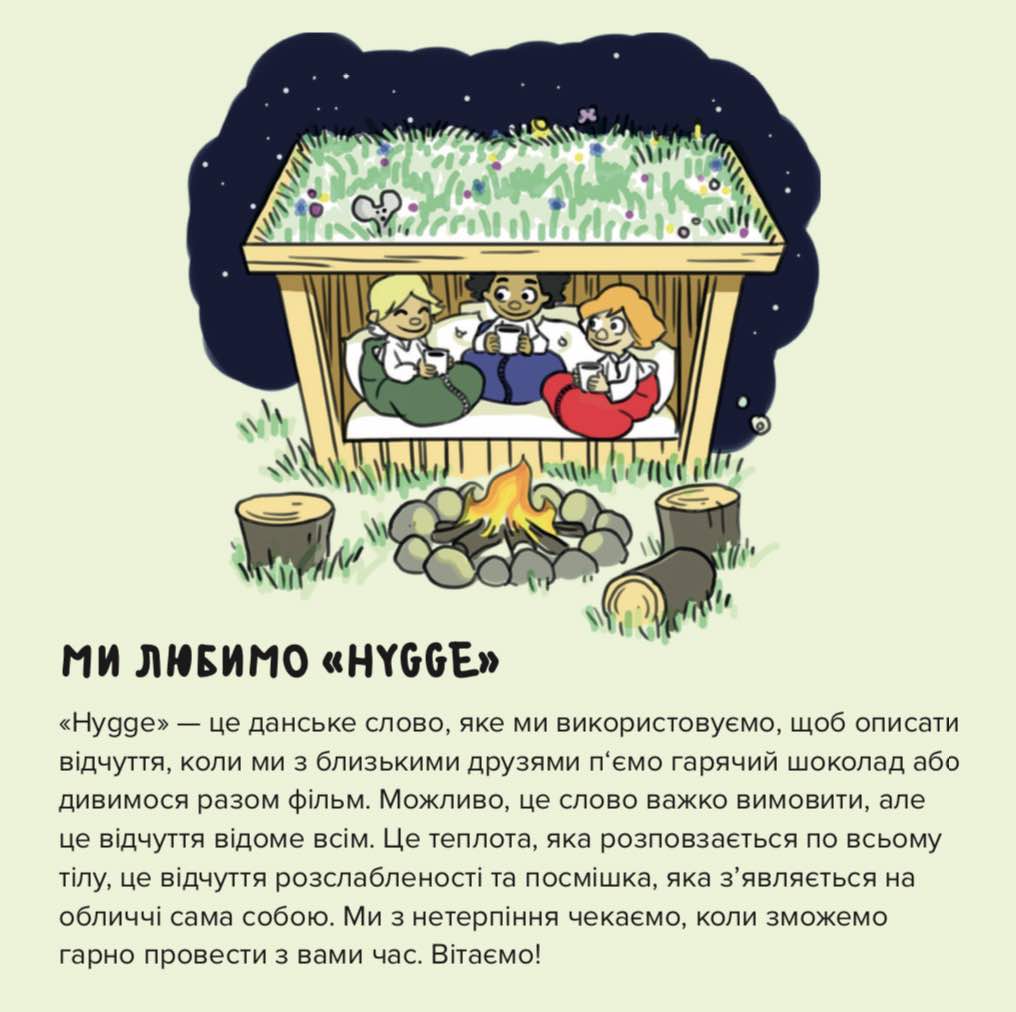
Cosiness is a Danish word that we use about the feeling you get when you are with good
friends, drink hot cocoa or watch TV together. It may be a little hard to say, but we all know the feeling. It is the heat that spreads in the stomach. The calm that falls over us. The smile that finds its way to the face. We look forward to having fun with you and your family. Welcome!
SHARE the Inspiring Danish Kindness on Social Media…
A short-handed school cafeteria manager called into a BBC Radio 2 talk show asking for help in her kitchen—and everyone was stunned by what happened next.
Tina Clarke had been listening to celebrity chef Gordon Ramsay talk about his latest TV show, Future Food Stars.
Tina told the host Vernon Kay she was “cooking on her own” at Edward Peake Middle School. One of her cooks was out sick and the alternate staff member was unavailable after testing positive for COVID.
Tina then cheekily asked for Ramsay to come help her in the kitchen later today, when she needed to prepare school meals for 300 pupils.
Tina told the radio show: “I’m cooking here on my own, I work in a school kitchen and my chef has gone off sick and I have another one off with covid, and I just wondered if Gordon would help me today and give me a hand?”
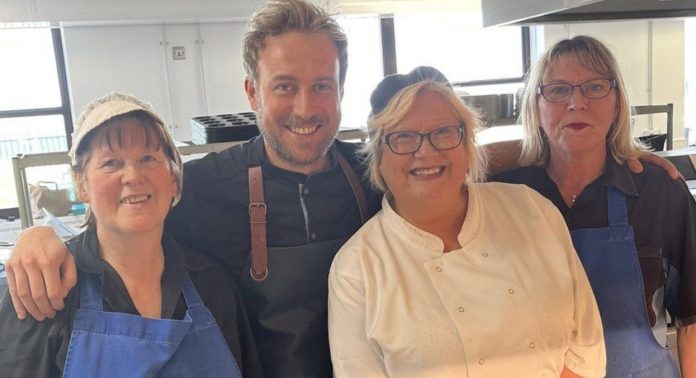
Ramsay had to decline—but he sent one of his chefs, Rob Roy Cameron, directly to Bedfordshire to assist.
Tina was nervous about what school officials would say.
But, the head teacher, Miss Linington, welcomed Rob Roy into the kitchen, which “sent a huge buzz around the school”.
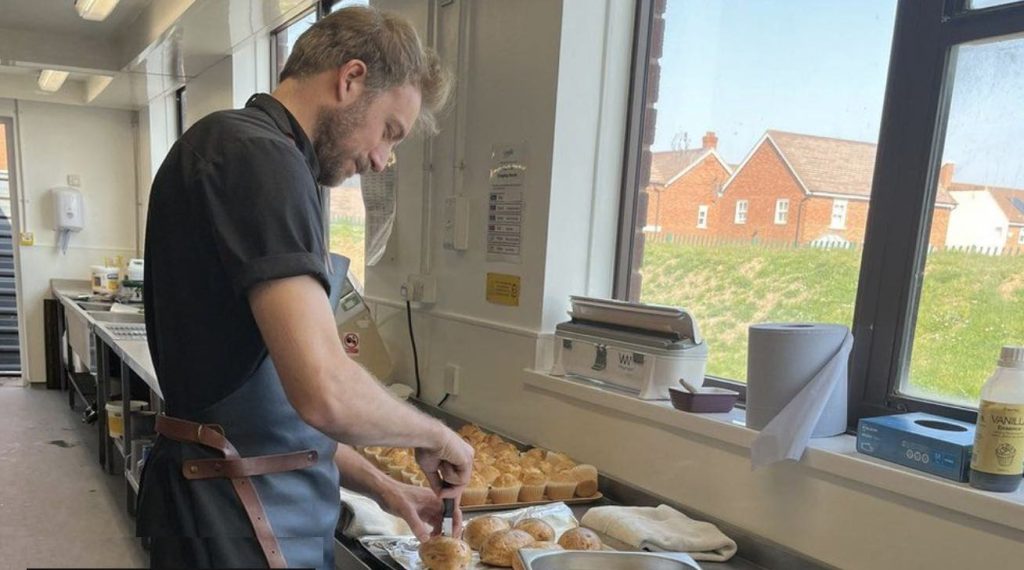
He was put to work straight away making cauliflower cheese for the Church of England school that teaches pupils in Year 5 to Year 8, according to BBC News.
Tina told them, ‘his food tasted “amazing” even though he was not allowed to use salt—to his shock.’
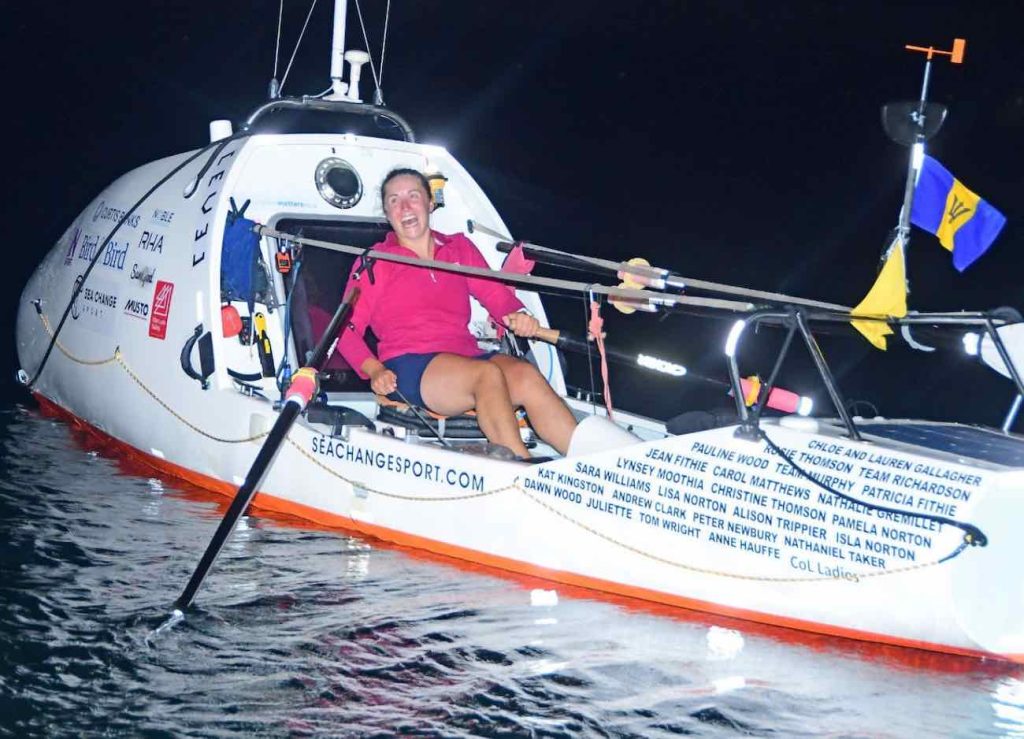
A London lawyer has set a new world record for the fastest ever female solo row across the Atlantic in an effort to “show women and girls anything is possible.”
Victoria Evans rowed into Barbados on Thursday aboard her 22-foot-long rowing boat (7m), after 40 days at sea.
The 35-year-old began her race in the Canary Islands on February 11 with no idea that she would slash the current standing World Record by nine days.
The journey also raised money for the UK charity Women in Sport.
“Taking on this epic challenge was about driving positive change, inspiring others and using the achievement as a platform to progress the narrative about women in sport,” said Evans at the finish line, where she was welcomed by friends and family who travelled from the United Kingdom.
In total, Victoria rowed 2,559 nautical miles in a world-record time of 40 days and 19 hours, smashed the previous record of 49 days and 7 hours.
Victoria, who had never rowed before, spent three years training for the challenge, gaining the required qualifications and preparing to get seaworthy.
According to ExplorersWeb, she rowed 12 to 14 hours a day to become the fastest of the 11 women who have successfully crossed the Atlantic from east to west.
“A solo expedition is about so much more than one person.
“Completing the crossing is just the start of this work… I can use this experience to show that we are capable of anything.”
Victoria is the founder of Sea Change Sport, and her adventure has raised £24,000 for Women in Sport, a charity that aims to give every woman and girl the chance to transformational and lifelong benefits of sport.
“How mind-boggling to be at sea with sharks and dolphins for company and to overcome such massive obstacles to reach the finish line?” said the CEO of Women in Sport, Stephanie Hilborne.
ROW This Achievement Over to Women and Girls on Social Media…
Are you a skilled botanist or weed killer? A new quiz could help you to find out which plants match your personality, giving you results that could help choose your next leafy roommate.
The series of questions were created to help those who struggle to keep a plant alive but hope to acquire a green thumb in the future.
Developers worked with gardening guru, Kate Turner, to reveal the perfect plant pairing based on their unique qualities—taking into consideration personality traits such as whether they’re caring, busy, outgoing, or love a challenge.
The quiz comes after a survey of 2,000 adults found more than a fifth (22 percent) find it difficult to keep plants alive, despite 60 percent feeling more relaxed when they’re surrounded by them.
As a result, 77 percent would like to have more knowledge on what plants suit their persona and lifestyle the best.
The research, commissioned by Miracle-Gro, found that around half of respondents feel productive when in the presence of plants, and report a positive impact on their mental health.
But when it comes to buying a new plant, most people base their choice on how easy they are to care for (56%), how colorful they are (47%) and how big they get (39%).
“It’s clear that we love plants, both indoors and out, but we often struggle with keeping them alive,” said Turner.
It’s easy to assume all plants need the same care, but they can differ greatly, which often leads to mistakes and sad looking leaves. More than half of adults admitted to killing an average of five houseplants. Overwatering was the most common cause, while 41 percent believe they didn’t water them enough.
The fun, informative quiz was created for these people to easily match their lifestyle with suitable plants.
“There’s something for everyone whether they’re a night owl, a home worker, or a parent.”
The poll also revealed that most people are familiar with the benefits of plants, including improving the air quality, but half of those surveyed via OnePoll would like to learn more about looking after different plants.
Two-thirds of those polled currently own an average of six houseplants each, but 47 percent would like to own more greenery.
“As plants vary so much in terms of the level of care required, there truly is a perfect plant for every person, whether you’re particularly busy and forgetful, or have the time to care for the more delicate varieties.
Amazon.com has joined the international BOTTLE consortium to develop the technologies needed to reduce plastic pollution through innovation in materials and recycling.
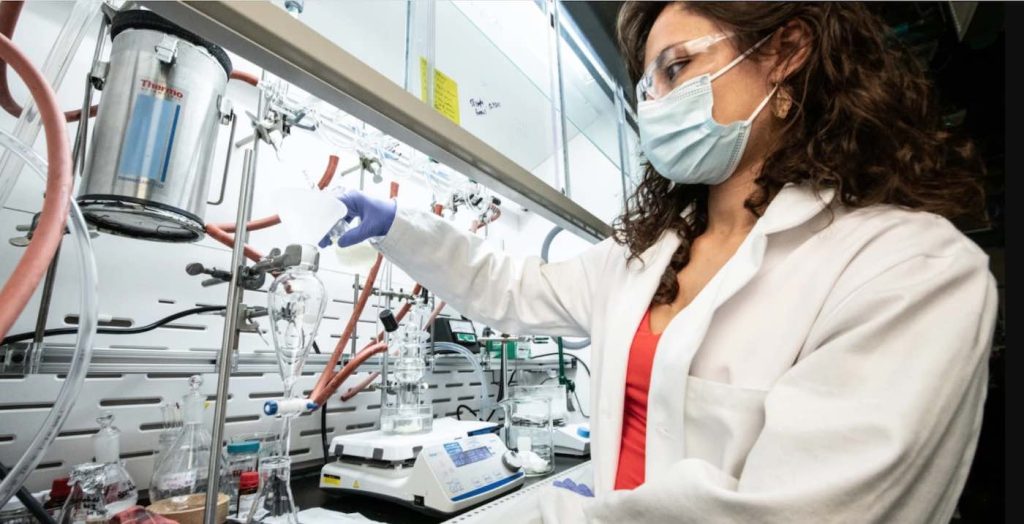
Imagine a new technology that breaks down existing plastic materials to create a new, innovative type of material. This new material could then be broken down more easily when recycled—and even biodegrade in natural environments.
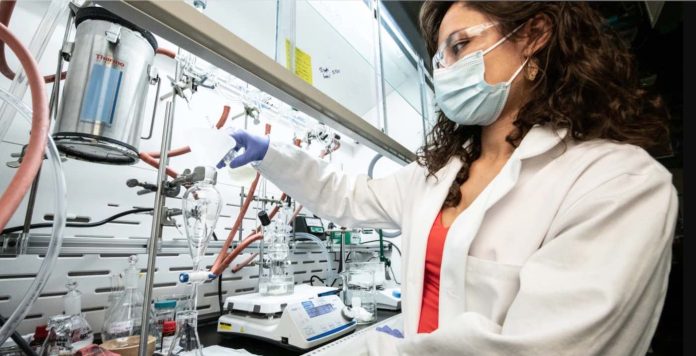
That scenario does not have to be imaginary. In fact, it is the mission of a research initiative under the U.S. Department of Energy, launched in 2020 to bring these new technologies and materials to life. BOTTLE stands for “Bio-Optimized Technologies to keep Thermoplastics out of Landfills and the Environment.” The consortium, led by the National Renewable Energy Laboratory, has brought together cutting edge talent from both the public and private sectors—now including Amazon.
Amazon has joined to speed up its progress in developing chemical upcycling. The research collaboration is a way of handling today’s plastics and ensuring tomorrow’s plastics are recyclable by design.
“Finding a way to better recycle single-use plastics while reducing and ultimately eliminating their use is a grand challenge of our time, and we’re committed to pursuing scientific advancement to this end,” said Gregg Beckham, BOTTLE’s CEO and a senior research fellow at the NREL. “With Amazon’s innovation expertise, we’re excited to work together to find solutions that have the potential to have vast, positive impacts.”
As part of the consortium, Amazon’s growing team of materials scientists and experts hopes to develop technologies and materials that will enable the full life cycle of plastics to be net-zero carbon. Amazon’s team will work with the consortium to create new energy-efficient technology that will break down different kinds of plastics and turn them into valuable materials that can be used to make the same types of plastics or new plastics. In cases where the materials don’t make it back into the recycling stream, the molecular structure of the new materials will be designed to biodegrade in natural environments.
This research is another step in Amazon’s efforts to eliminate or reduce packaging waste. As of 2021, Amazon had reduced the outbound weight of packaging per shipment by 36%, a total of one million tons, while increasing the use of recyclable materials.
“In partnership with BOTTLE, we plan to make significant progress in developing new technologies and materials that will lead to less material in landfills and more back into the circular economy,” said Alan Jacobsen, principal materials scientist at Amazon.
Amazon Aware, for instance, is a new line of everyday essentials, such as a bathroom counter and towel rack, all designed and made from materials such as recycled polyester.
Today, the most commonly used plastics are polyolefins, which include polyethylene (plastic film and sheeting) and polypropylene (thermoplastics formed into shapes), both of which are commonly used in packaging. Recently, Raoul Meys and collaborators published an article in Science describing the feasibility of achieving net-zero, or even net-negative, carbon emissions for the full life cycle of these and other existing conventional plastics.
The research by Meys and team shows a challenging yet feasible path toward net-zero carbon emissions for plastic.
Effecting that shift is a daunting task, but the movers-and-shakers who are partners in the BOTTLE consortium include scientists from UK’s Portsmouth University’s Centre for Enzyme Innovation, the Los Alamos National Laboratory, Oak Ridge National Laboratory, SLAC National Accelerator Laboratory, Argonne National Laboratory, MIT, and Colorado State, Montana State and Northwestern Universities.
Moreover, knowing that Amazon started out as an online bookstore serving customers out of a garage provides hope that even daunting tasks are achievable.
“We’re committed to using our size and scale to reduce and eliminate our use of materials and find new ones that can be applied to our operations and other industries around the world.”
DELIVER This Great News to Eco-Friends on Social Media…
Quote of the Day: “Youth is a gift of nature, but Age is a work of art.” – Stanislaw Jerzy Lec
Photo by: Inga Shcheglova
With a new inspirational quote every day, atop the perfect photo—collected and archived on our Quotes page—why not bookmark GNN.org for a daily uplift?
Living near a leafy green area cuts your risk of a stroke, scientists have found.
Their research shows that people who live less than 328 yards from a green space (300 meters) are at 16 percent lower risk from a stroke.
“People who are surrounded by greater levels of greenery at their place of residence are protected against the onset of stroke,” said study co-author Dr Carla Avellaneda.
The findings indicate there is a clear relationship between levels of pollutants in the atmosphere and the risk of having a stroke.
For every ten micrograms per cubic meter of nitrogen dioxide in the air, the risk increases by 4%—and every extra cubic microgram of soot in the air raises the risk by 5%. Both of these are linked to car traffic.
These risks are across the board—unaffected by your age, smoking habits, or socioeconomic factors.
In contrast, having an abundance of green spaces near your home cuts your risk from a stroke by up to 16%.
For the study, the team analyzed the exposure of 3.5 million people in Catalonia, Spain, to the atmospheric pollutants. The collaboration—led by the Hospital del Mar Medical Research Institute and the local governing Catalan Health Quality and Assessment Agency—used geographic referencing and designing models to measure exposure to the nitrogen dioxide and soot, using population data.
Everyone they looked at was an adult who had not suffered a stroke before the study began.
The researchers say that, in light of their findings published in the journalEnvironment International, recommendations about the levels of nitrogen oxide and fine particulate matter in the atmosphere deemed ‘safe’ by the European Union should be tightened.
Living near lots of leafy land is believed to help people exercise, reduce stress, and help people socialize with friends.
“Despite compliance with the levels set by the European Union, we are faced with the paradox that there is still a health risk, such as the one we identified in this study, where there is a direct relationship between exposure to pollutants in our environment and the risk of suffering a stroke,” said the study’s lead author Dr Rosa Maria Vivanco.
Boston researchers have found that trees and soils on the outermost edges of urban wooded areas and city parks may also play a greater role in fighting climate change than previously imagined, so cities of all sizes should continue planting more trees.
SHARE The Good News With City Dwellers on Social Media…
Scientists who helped pioneer the use of enzymes to eat plastic have taken an important next step in developing nature-based solutions to the global plastics crisis.
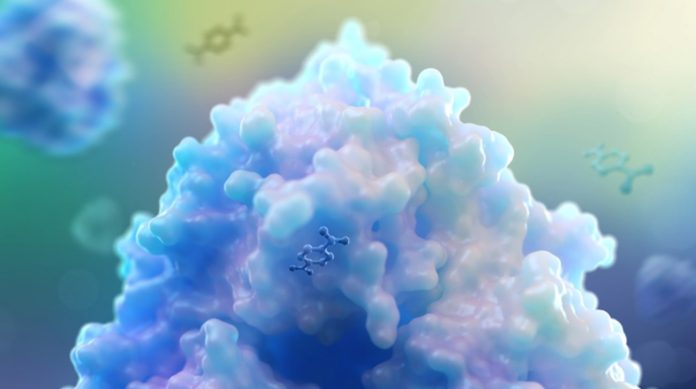
They have characterized an enzyme that has the remarkable capacity to break down terephthalate (TPA)—one of the chemical building blocks of polyethylene terephthalate (PET) plastic, which is used to make single-use drinks bottles, clothing and carpets.
The research was co-led by Professor Jen DuBois of Montana State University, and Professor John McGeehan from the University of Portsmouth in England.
In 2018, McGeehan led the international team that engineered a natural enzyme that could break down PET plastic. The enzymes (PETase and MHETase) break the PET polymer into the chemical building blocks ethylene glycol and TPA.
This new research, published in the peer-reviewed publication, Proceedings of the National Academy of Sciences, describes the next steps, specifically for managing TPA.
“While ethylene glycol is a chemical with many uses—it’s part of the antifreeze you put into your car, for example—TPA does not have many uses outside of PET, nor is it something that most bacteria can even digest,” said Professor DuBois. “However, the Portsmouth team revealed that an enzyme from PET-consuming bacteria recognizes TPA like a hand in a glove.”
Her team at MSU then demonstrated that this enzyme, called TPADO, breaks down TPA and pretty much only TPA, with “amazing efficiency”.
“The last few years have seen incredible advances in the engineering of enzymes to break down PET plastic into its building blocks,” said Professor McGeehan, who is the Director of Portsmouth University’s Centre for Enzyme Innovation.
“This work goes a stage further and looks at the first enzyme in a cascade that can deconstruct those building blocks into simpler molecules. These can then be utilized by bacteria to generate sustainable chemicals and materials, essential making valuable products out of plastic waste.”
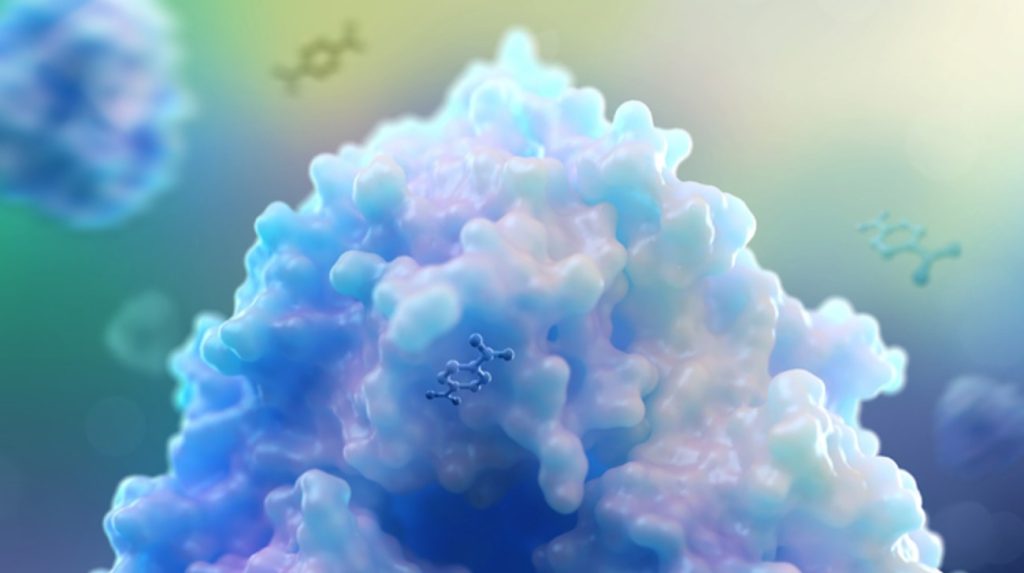
Using a powerful X-ray, they were able to generate a detailed 3D structure of the TPADO enzyme, revealing how it performs this crucial reaction.
“This provides researchers with a blueprint for engineering faster and more efficient versions of this complex enzyme,” says McGeehan.
With more than 400 million tons of plastic waste produced each year, it is hoped this work will open the door to improve bacterial enzymes, such as TPADO. This will help tackle the challenge of plastic pollution and develop biological systems that can convert waste plastic into valuable products naturally.
The study was undertaken as part of the BOTTLE Consortium, an international collaboration between the US and UK, bringing together researchers from across a wide range of scientific areas to tackle plastic recycling and upcycling.
UPCYCLE This Breakthrough News With Eco-Friends on Social Media…
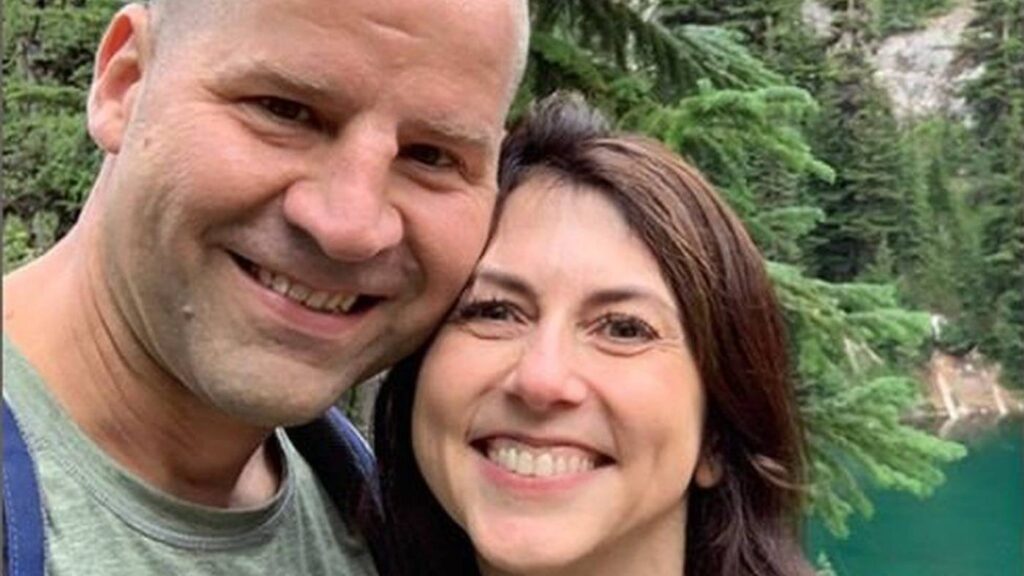
Philanthropist MacKenzie Scott, the ex-wife of Amazon founder Jeff Bezos, has donated $436 million to Habitat for Humanity.
Calling it a “transformational donation”, Jonathan Reckford, CEO of Habitat for Humanity International, said:
“This incredibly generous gift will allow us to dramatically increase capacity and implement programs that will have a multi-generational impact on communities around the U.S. and our global mission for many years to come.”
Ms. Scott has given away $8 billion in the past two years to hundreds of charities, after a divorce from Jeff Bezos left her with 4% of Amazon’s shares. She has signed the Giving Pledge, through which many billionaires have promised to donate more than half their wealth.
84 Habitat affiliates in the U.S. will receive the bulk of the donation, while the International nonprofit will use its $25 million portion to fundamentally increase the supply of affordable housing, and advocate for policy proposals and legislation that enable access to affordable housing through its Cost of Home campaign.
Funding also will be used to advance research and measurement efforts to identify best practices in areas such as preserving home affordability and housing innovation, and to explore how new and existing programs lead to better outcomes for individuals and families.
Additionally, the unrestricted gifts support the nonprofit’s global work through the organization’s tithe program. U.S. Habitat organizations tithed nearly US$14 million to support Habitat’s work around the world last year, and the Tithe International Disasters Fund has already committed $200,000 in support of Habitat’s initial response to refugees fleeing Ukraine.
Since its founding in 1976, the Christian housing organization, for which former US president Jimmy Carter has provided countless days of manual labor with his hammer, has expanded to all 50 states in the U.S. and in more than 70 countries.
Families and individuals who need a hand-up partner with Habitat to build or renovate their own homes alongside volunteers—and they always pay an affordable mortgage, which helps to build more housing for others.
FREE WILL ASTROLOGY – Week of March 26, 2022
Copyright by Rob Brezsny, FreeWillAstrology.com
ARIES (March 21-April 19):
The Carib people from Surinam quote their mysterious Snake Spirit as follows: “I am the force of the spirit of the lightning eel, the thunder ax, the stone. I am the force of the firefly; thunder and lightning have I created.” I realize that what I’m about to say may sound far-fetched, but I suspect you will have access to powers that are comparable to the Snake Spirit’s in the coming weeks. In fact, your state of being reminds me of how Aries poet Marge Piercy expressed her quests for inspiration: “When I work, I am pure as an angel tiger, and clear is my eye and hot my brain and silent all the whining grunting piglets of the appetites.”
TAURUS (April 20-May 20):
“It’s always too early to quit,” wrote cheerful author Norman Vincent Peale, who first popularized the idea of “positive thinking.” I’m an optimistic person myself, but I think his advice is excessively optimistic. On some occasions, it’s wise to withdraw your energy from a project or relationship you’ve been working on. Struggling to find relevance and redemption may reach a limit. Pushing ever onward might be fruitless and even harmful. However, I don’t think that now is one of those times for you, Taurus. According to my reading of the astrological omens, it is too early for you to quit.
GEMINI (May 21-June 20):
“You can be as earnest and ridiculous as you need to be, if you don’t attempt it in isolation.” So says author Barbara Kingsolver. She adds, “The ridiculously earnest are known to travel in groups. And they are known to change the world.” In my view, this is perfect advice for you right now. If you and the members of your crew focus on coordinating your efforts, you could accomplish blazing amazements in the coming weeks. You may solve riddles that none of you has been able to decipher alone. You can synergize your efforts in such a way that everyone’s individual fate will be lifted up.
CANCER (June 21-July 22):
About 200 years ago, poet William Wordsworth wrote, “Every great and original writer must himself create the taste by which he is to be relished.” Now I’ve come up with a variation on that wisdom: “Every great and original soul must herself create the taste by which she is to be understood and appreciated.” That’s what I hope you will work on in the coming weeks, Cancerian: fostering an ambiance in which you can be even better understood and appreciated. You now have extra power to teach people how to value you and get the best out of you.
LEO (July 23-Aug. 22):
“I hate housework!” complained comedian Joan Rivers. “You make the beds, you do the dishes, and six months later you have to start all over again.” I wish I could give you a six-month reprieve from having to attend to those chores, Leo. In fact, I’d love it if I could permanently authorize you to avoid all activities that distract you from thinking big thoughts and feeling rich emotions and pursuing expansive adventures. But I’m afraid I can only exempt you from the nagging small stuff for just the next three weeks or so—four, tops. After that, you’ll have to do the dishes and make the beds again. But for the foreseeable future: Focus your energy on thinking big thoughts and feeling rich emotions and pursuing expansive adventures!
VIRGO (Aug. 23-Sept. 22):
A British plumber named Kev Crane worked for weeks to install a new bathroom at a private home. As he toiled, he passed the time by singing his favorite songs. He didn’t know that the homeowner, Paul Conneally, was the owner of a music label. So he was surprised and delighted when Conneally offered him a deal to record an album in the label’s studio. There may be a comparable development in your life during the coming weeks, Virgo. You could be noticed in new ways for what you do well. Your secret or unknown talents may be discovered or revealed. You might get invitations to show more of who you really are. Be alert for such opportunities.
LIBRA (Sept. 23-Oct. 22):
It’s the start of the Listening Season for you Libras. I propose a full-on celebration of listening: a three-week Holiday of Paying Close Attention to Important and Interesting Words Being Said in Your Vicinity. Make yourself a magnet for useful revelations. Be alert for the rich information that becomes available as you show the world you would love to know more of its secrets. For inspiration, read these quotes. 1. You cannot truly listen to anyone and do anything else at the same time. —M. Scott Peck. 2. Learn to listen. Opportunity sometimes knocks very softly. —my friend Jenna. 3. Listening is being able to be changed by the other person. —Alan Alda. 4. If you want to be listened to, you should put in time listening. —Marge Piercy. 5. Listening is a magnetic and strange thing, a creative force. When we are listened to, it creates us, makes us unfold. —Karl A. Menninger.
SCORPIO (Oct. 23-Nov. 21):
“Worry doesn’t count as preparation,” writes author Lily Akerman. That sounds wise, but I don’t think it’s true in all cases. At its best, worrying may serve as a meditation that helps us analyze potential problems. It prompts us to imagine constructive actions we might take to forestall potential disruptions—and maybe even prevent them from erupting into actual disruptions. I bring these thoughts to your attention, Scorpio, because now is an excellent time to engage in this kind of pondering. I declare the next three weeks to be your Season of Productive Worrying.
SAGITTARIUS (Nov. 22-Dec. 21):
If I had my way, you’d be a connoisseur of kisses in the coming weeks. You’d make it your intention to expand your repertoire of kissing styles and ask willing partners to do the same. You would give and receive unwieldy kisses, brave kisses, and mysterious kisses. You would explore foolish, sublime kisses and sincere but inscrutable kisses and awakening kisses that change the meaning of kisses altogether. Are you interested in pursuing this challenge? It will be best accomplished through unhurried, playful, luxurious efforts. There’s no goal except to have experimental fun.
CAPRICORN (Dec. 22-Jan. 19):
“Anybody who has survived his childhood has enough information about life to last him the rest of his days,” wrote author Flannery O’Connor. Her observation may be a bit of an exaggeration, but not much. And I’m offering it to you now, as you begin a phase when you can glean many new teachings about your childhood—insights that could prove handy for a long time to come. I encourage you to enjoy a deep dive into your memories of your young years. They have superb secrets to divulge.
AQUARIUS (Jan. 20-Feb. 18):
“Creativity is the power to connect the seemingly unconnected,” said author William Plomer. I agree with that. And I’m pleased to let you know that in the coming weeks, you will have more of this power to connect than you’ve had in a long time. I hope you will use it to link your fortunes to influences that inspire you. I hope you will wield it to build bridges between parts of your world that have been separate or alienated until now. And I hope you will deploy your enhanced capacity for blending and joining as you weave at least one magnificent new creation.
PISCES (Feb. 19-March 20):
“I use my intelligence to discover more ways of appreciating you,” author Piscean Anaïs Nin told her lover Henry Miller. In the coming weeks, I recommend you activate a similar ambition. Now is a time when you can enhance your close relationships with important allies by deepening your insight into them. What magic is at play within them that you haven’t fully recognized before? How could you better see and understand their mysteries? PS: You may be pleased when your deepening vision of them prompts them to extend the same favor toward you.
WANT MORE? Listen to Rob’s EXPANDED AUDIO HOROSCOPES, 4-5 minute meditations on the current state of your destiny — or subscribe to his unique daily text message service at: RealAstrology.com
Quote of the Day: “Let everything happen to you. Beauty and terror. Just keep going. No feeling is final” – Rainer Maria Rilke
Photo by: kilarov zaneit
With a new inspirational quote every day, atop the perfect photo—collected and archived on our Quotes page—why not bookmark GNN.org for a daily uplift?
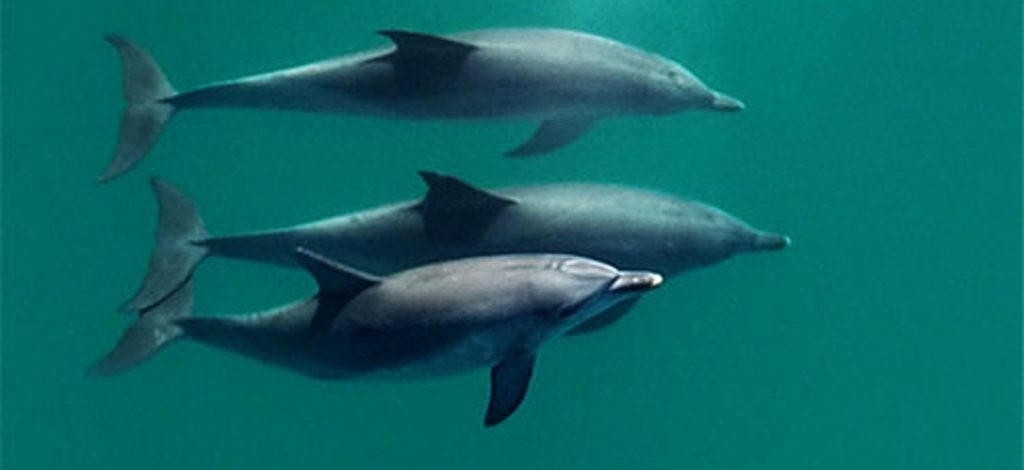
Male dolphins boost their social lives by whistling to each other at a distance, according to new research.
The high pitched sound tells others they are present and wish to make contact. It helps the marine mammals maintain key community ties, say scientists, describing the rarest type of social organization in the animal kingdom.
And, now, reports Science.org, researchers report this male bonding has a big evolutionary payoff: Dolphins with the strongest buddy bonds actually father more offspring.
Comparing genetic data collected from these males, an evolutionary biologist at the University of New South Wales, Sydney, determined that males who had the strongest social bonds and were friends with all members of their alliance had the most offspring.
Lead author Emma Chereskin of the University of Bristol says, “By forming strong alliances with others, males can influence their own reproductive success in a way that wouldn’t be possible as single individuals.”
“As the number of close social relationships increases, so too do the demands on the time and space available for relationship maintenance through physical contact.”
“We wanted to know how they maintained multiple alliance relationships in large groups.”
Language evolved to support long-distance social bonding. They are also known to use physical contact, such as gentle petting, to connect with strongly-bonded friends.
The international team analyzed nine years of data from a dolphin population in Shark Bay, Western Australia. The findings published in Current Biology, shed fresh light on how they reinforced and maintained valuable alliances—which can endure for decades
Ms. Chereskin and colleague tracked groups of affiliated males, documenting their physical and acoustic behavior. It enabled them to identify the different ways they bonded with each other and formed concepts of ‘team membership’.
Senior author Dr Stephanie King, also from Bristol, said, “We found within the core dolphin alliances, strongly bonded allies engaged in more affiliative contact behavior, such as petting and rubbing, while weakly bonded allies engaged in more whistle exchanges.
Inhabiting seas worldwide, bottlenose dolphins are renowned for their intelligence and mimicry. In some areas, they also cooperate with local fishermen by driving fish into their nets and eating the fish that escape.
They have sharp eyesight but use echolocation to explore and search out prey when visibility is limited. And they also communicate through pulsed sounds, clicks, and body language.
CLICK on the Good News to Share It With Marine-Loving Friends…
Sam Ron (left) and Jack Waksal (right) – Red Banyan
Sam Ron (left) and Jack Waksal (right) – Red Banyan
Those who say there’s no such thing as destiny need to meet Jack Waksal and Sam Ron, victims who met during the Holocaust, and who met again 79 years later in South Florida.
Having endured slave labor shoulder to shoulder in the Pionki Labor Camp in Poland, the two were separated after Waksal escaped into the forest, and Ron was moved to a different camp that was ultimately liberated.
Neither knew the other had survived, until Waksal attended a United States Holocaust Memorial Museum’s South Florida Dinner last Sunday, and found his old camp comrade to be the guest speaker. Introduced by his former name of Shmuel Rakowski, Waksal felt as if he was seeing a fraternal brother.
“He jumped off the seat and came running over to my seat and says you’re my brother, I was very emotional, I’m normally not a very emotional guy,” Ron explained, according to NBC Miami.
Just teenagers at the time of their imprisonment, the two managed to both immigrate to the United States, specifically to Ohio, where they both lived for 40 years unaware of each other’s existence before eventually moving to South Florida.
“We were pushing coal to the oven to make heat to make power, and Jack said he worked at the same place!” Ron said of their time in the camp, according to CBS. “Hard work, bad conditions, cold, hunger, hundreds of people died. It wasn’t uncommon to wake up in the morning and find the person next to you cold.”
Despite living 40 miles apart, the two men are determined to keep the survivor’s flames burning, and fill in the massive gap of years with life stories. Ron occasionally makes appearances at schools to teach young people about his experiences.
“I try to teach them not to hate, and to have a lot of hope and believe in yourself, this is what I did, this is how I survived because I believe in myself,” Ron said.
Ari Odzer, reporting for NBC, says succinctly of the pair, that they revenged themselves against Adolf Hitler: by living long successful lives and having children, grandchildren, and great-grandchildren.
A new report shows that the percentage of jobs in the U.S. that fall under the category “green” has increased over the last 50 years to 9 million, or 6% of the total workforce.
This number is not only set to exponentially rise to 24 million, or 14% of total workforce over the next 10 years, but is already underestimated in most private and public employment data.
The report was prepared by Working Nation, a non-profit aimed at educating people about job trends to help influence positive outcomes for the workers of the future.
Using a simple definition for “green economy” and “green jobs” gave Working Nation a metric that was neither on the high end or low end of existing job count estimates, and one that matched other metrics used in inter-industry job tracking reports.
Most green jobs in the green economy, the report found, are actually quite typical jobs that don’t represent actual solar-panel installation, for example—but often fall under roles in, say, accountancy or engineering, for green economy firms or production.
The future of the green economy in the report was all the more striking. Two separate research/data collection/data analysis services prepared forecasts of the green economy under the parameters set by Working Nation and found that the green economy over the next eight years will grow at sixteen times the nationwide job creation rate.
They also found that investments in the green economy disproportionately create more jobs in professional, scientific, and technical services than the U.S. average.
Report contributor Roger Bezdek believes this information can offer critical support for garnering interest in greater involvement and investment in the green economy.
“I feel very good about the results,” Bezdek told GNN. “My major concern is being able to communicate this critical information to legislators, policy-makers, and decision-makers— and to the general public.
SHARE the Good Green News With Pals on Social Media…
The number of healthy years a person lives is, on average, increasing even for people with common chronic conditions, according to a new study.
There have been advances in healthcare over recent decades that mean many people with chronic health conditions are living longer.
In the new study, researchers wanted to determine whether this extension to life involves an increase in years with or without disability. The team analyzed data from two large population-based studies of people aged 65 or over in England.
The studies, the Cognitive Function and Aging Studies (CFAS I and II) involved baseline interviews with 7,635 people in 1991-1993 and with 7,762 people in 2008-2011, with two years of follow-up in each case.
For both healthy people and those with health conditions, the average years of disability-free life expectancy (DFLE) increased from 1991 to 2011. Overall, men gained 4.6 years in life expectancy (95% CI: 3.7—5.5 years, p<0.001)) and 3.7 years in DFLE (95% CI: 2.7— 4.8, p<0.001)). Men with conditions including arthritis, coronary heart disease, stroke and diabetes gained more years in DFLE than years with disability. The greatest improvements in DFLE in men were seen for those with respiratory difficulties and those living post-stroke.
Between 1991 and 2011, women experienced an increase in life expectancy at age 65 years of 2.1 years (95% CI: 1.1- 3.0 years, p<0.001), and an increase in DFLE of 2.0 years (95% CI: 1.0— 2.9 years, p<0.001).
Similar to men, most improvement in life expectancy for women with long-term conditions was in disability-free years. However, women with cognitive impairment experienced an increase in life expectancy with disability (1.6 years, 95% CI: 0.1—3.1, p=0.04) without any improvement in DFLE.
Men with cognitive impairment experienced only a small increase in DFLE (1.4 years, 95% CI: -0.7—3.4, p=0.18) with an increase in life expectancy with disability that was comparable in magnitude (1.4 years, 95%CI: 0.2-2.5, p=0.02).
Therefore, at age 65, the percentage of remaining years of life which were spent disability-free decreased for men with cognitive impairment (difference CFAS II—CFAS I: -3.6%, 95% confidence interval (CI): -8.2—1.0, p=0.12) and women with cognitive impairment (difference CFAS II—CFAS I: -3.9%, 95% CI: -7.6—0.0, p=0.04).
“While these findings are mostly positive, we found an increase in the percentage of remaining years spent with disability for men and women with cognitive impairment. Given cognitive impairment was also the only long-term condition where prevalence decreased this is a cause for concern and requires further investigation,” the authors say.
Source: PLOS; Featured image: Maria Magdalens, CC license
Quote of the Day: “All experience is an enrichment, rather than an impoverishment.” – Eudora Welty
Photo by: Michael Dziedzic
With a new inspirational quote every day, atop the perfect photo—collected and archived on our Quotes page—why not bookmark GNN.org for a daily uplift?
Neanderthals might hold clues as to why modern humans suffer lower back pain, according to a new study.
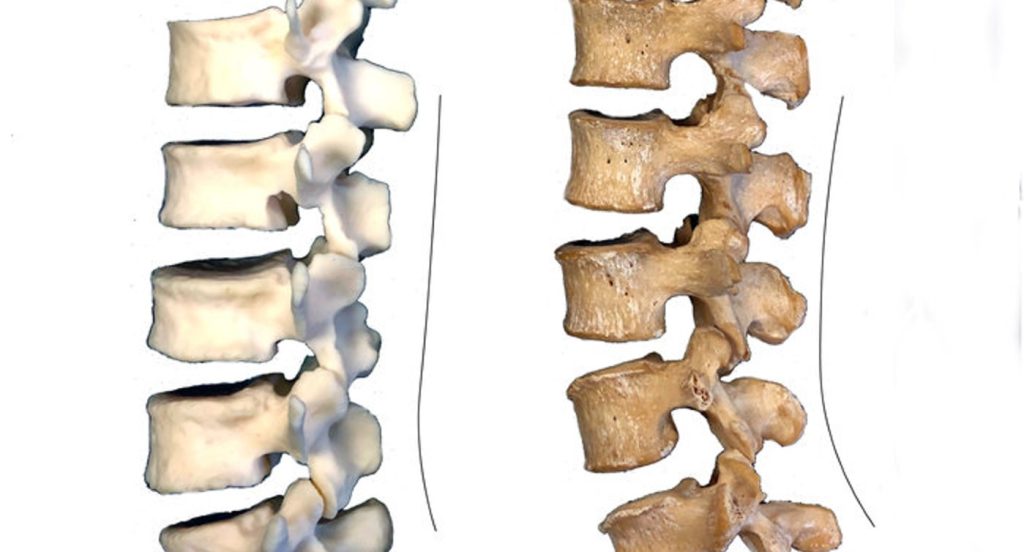
Their backbones show that much pain suffered today is from less physical activity, bad posture, and the use of furniture.
Back pain can be first identified in humans after the turn of the industrial era in the late 19th century when most jobs went from agriculture and high-activity to sitting down.
Spine analysis previously assumed that our pre-modern day human ancestors had different spines due to evolution.
But researchers examining intact spines from across the centuries have found that actually spines stayed the same mostly up until the death of Queen Victoria.
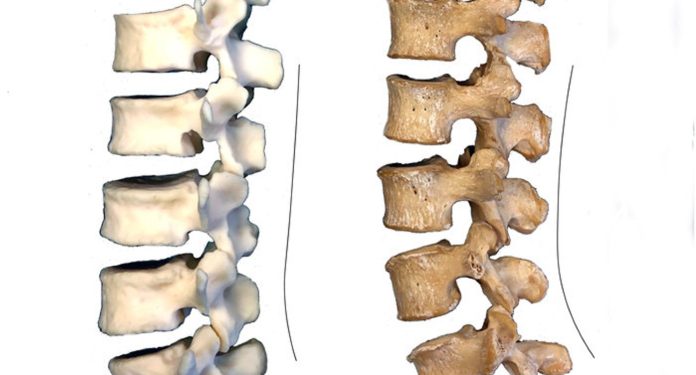
Following this the spine’s curvature changes which is caused in part, by a ‘wedging’, of vertebrae and the intervertebral discs – the softer material between the vertebrae. ‘
Researchers examined more than 300 spines of pre-industrial and post-industrial spines of male and female humans from around the world.
Overall, they found that spines in post-industrial people showed more lumbar wedging than did those in pre-industrial people.
Moreover, Neanderthals’ spines were significantly different from those in post-industrial people but not from pre-industrial people.
Notably, the scientists found no differences linked to geography within samples from the same era.
Dr Scott Williams, an Associate Professor at New York University, said: “Neanderthals are not distinct from modern humans in lumbar wedging and therefore likely possessed curved lower backs like we do.
“However, over time, specifically after the onset of industrialization in the late 19th century, we see increased wedging in the lower back bones of today’s humans—a change that may relate to higher instances of back pain, and other afflictions, in postindustrial societies.
“A good part of this perspective derives from the wedging of Neanderthals’ lumbar, or lower, vertebrae—their spines in this region curve less than those of modern humans studied in the US or Europe.
“Past research has shown that higher rates of low back pain are associated with urban areas and especially in ‘enclosed workshop’ settings where employees maintain tedious and painful work postures, such as constantly sitting on stools in a forward leaning position.
Dr Williams added: “A pre-industrial vs. post-industrial lifestyle is the important factor. Lower back curvature is made up of soft tissues (i.e., intervertebral discs), not just bones, so it cannot be ascertained that Neanderthals’ lumbar lordosis differed from modern humans.
“The bones are often all that is preserved in fossils, so it’s all we have to work with.“Diminished physical activity levels, bad posture, and the use of furniture, among other changes in lifestyle that accompanied industrialization, resulted, over time, in inadequate soft tissue structures to support lumbar lordosis during development.
“To compensate, our lower-back bones have taken on more wedging than our pre-industrial and Neanderthal predecessors, potentially contributing to the frequency of lower back pain we find in post-industrial societies.”
The study was published in the journal PNAS Nexus.
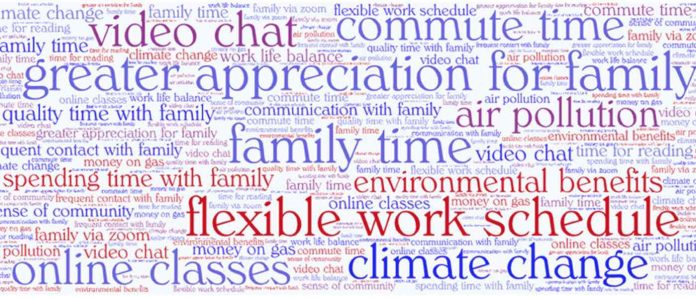
Word cloud of pandemic silver linings study - BioTex
Human beings, despite our predilection for drama, are exceptionally resilient creatures, and able to find the silver lining in almost everything.
A recent study queried the American population to find out what they consider to be the upsides of the pandemic.
A multi-disciplinary team from Harvard and Stanford conducted interviews of 3,113 participants over the seven-month period from March to September 2020.
The scientists found many things in the responses, for example that the pandemic itself didn’t often change this sample of America’s average weekly sentiment on life, and that the times when the people did find themselves down in the dumps correlated with other events such as the death of George Floyd and Ruth Bader Ginsberg.
Using statistical analysis, the researchers grouped words and themes together to find the most common silver linings amid the storm of covid waves and daily death counts.
Number one, reported by 46% of participants, was quality time with loved ones, including “The kids are helping around the house more, I’m in touch with my family who live far away,” or, “My husband and I take more walks, resulting in more time together.”
The second more-recognized silver lining was “life slowed down, I could do things calm without FOMO.” They also noted that because life was slower, they could get closer to God, pursue low-cost hobbies merely for fun, and find time for self-introspection.
Number three was community coming together, not just in terms of the local community in which the participant was a member, but seeing communities come together all over the world.
The other six themes, reported by between 8-12% of participants, and included the benefits of having a more flexible working schedule, or outright working from home, developing greater health literacy, and feelings of gratitude.
“Reflecting on silver linings may help people better recognize the external protective factors in their lives—such as having strong relationships with family or friends—or their own internal protective factors—such as having dispositional mindfulness or practicing gratitude,” the authors note.
“The process of identifying benefits may be helpful because it helps orient people to the presence of protective factors in their lives, which are ‘skills, strengths, or resources that can help them deal more effectively with stressful events’ that serve as psychological buffers that protect individuals from the potential harms of adverse situations.”