All News - Page 407 of 1734 - Good News Network
Home Blog Page 407

Resetting Clock on Aging Cells Safely Reversed Signs of Decline in Mice

Age may be just a number, but it’s a number that often carries unwanted side effects, from brittle bones and weaker muscles to increased risks of cardiovascular disease and cancer. Now, scientists at the Salk Institute have shown that they can reverse the aging process in middle-aged and elderly mice, leading to a variety of benefits.

The technique works by partially resetting their cells to more youthful states, which impact skin, eyesight, muscles, and the brain.

“We are elated that we can use this approach across the life span to slow down aging in normal animals. The technique is both safe and effective in mice,” says co-corresponding author Juan Carlos Izpisua Belmonte, professor in Salk’s Gene Expression Laboratory.

When injured, the youthful skin of the treated mice had a greater ability to heal and was less likely to form permanent scars.

Both the kidneys and blood of treated animals more closely resembled epigenetic patterns seen in younger animals.

RELATED: Molecule Combo Actually Reverses Arthritis in Human Cartilage, Says ‘Exciting’ New Study

As organisms age, it is not just their outward appearances and health that change; every cell in their bodies carries a molecular clock that records the passage of time. Cells isolated from older people or animals have different patterns of chemicals along their DNA—called epigenetic markers. Scientists know that adding a mixture of four reprogramming molecules—Oct4, Sox2, Klf4 and cMyc, also known as ‘Yamanaka factors’—to cells can reset these epigenetic marks to their original patterns.

Scientists have used this approach in experiments to improve the function of other tissues like the heart, brain, and eyesight.

At Salk, they tested three groups of mice at varying ages equivalent to humans being 35, 50 and age 80, and found after seven or 10 months, the mice resembled younger animals in both appearance and ability.

CHECK OUT: Fountain-of-Youth Pill Could Be on Horizon After Scientists Dramatically Extended Longevity in Mice Using Flavanoid

This youthfulness was observed in the animals treated with the Yamanaka factors for seven or 10 months, but not the animals treated for just one month. What’s more, when the treated animals were analyzed midway through their treatment, the effects were not yet as evident. This suggests that the treatment is not simply pausing aging, but actively turning it backwards—although more research is needed to differentiate between the two.

Metabolism remained stable showing no form of age. Furthermore, there were no blood cell alterations or neurological changes in the mice that received the treatment, and no cancers or other health problems in any of the groups.

“At the end of the day, we want to bring resilience and function back to older cells so that they are more resistant to stress, injury and disease,” says co-author Dr Pradeep Reddy, of the Salk Institute.

POPULAR: 4 Common Medicines Have Reversed Alzheimer’s in Mice

“In addition to tackling age-related diseases, this approach may provide the biomedical community with a new tool to restore tissue and organism health by improving cell function and resilience in different disease situations, such as neurodegenerative diseases.”

The study, published in the journal Nature Aging, shows that, at least in mice, “there’s a path forward to achieving that.”

YOU ARE Not Getting Any Younger… SHARE This on Social Media..

Your Inspired Weekly Horoscope From Rob Brezsny: A ‘Free Will Astrology’

Our partner Rob Brezsny provides his weekly wisdom to enlighten our thinking and motivate our mood. Rob’s Free Will Astrology, is a syndicated weekly column appearing in over a hundred publications. He is also the author of Pronoia Is the Antidote for Paranoia: How All of Creation Is Conspiring To Shower You with Blessings. (A free preview of the book is available here.)

Here is your weekly horoscope…

FREE WILL ASTROLOGY – Week of March 19, 2022
Copyright by Rob Brezsny, FreeWillAstrology.com

PISCES (Feb. 19-March 20):
“Never underestimate the wisdom of being easily satisfied,” wrote aphorist Marty Rubin. If you’re open to welcoming such a challenge, Pisces, I propose that you work on being very easily satisfied during the coming weeks. See if you can figure out how to enjoy even the smallest daily events with blissful gratitude. Exult in the details that make your daily rhythm so rich. Use your ingenuity to deepen your capacity for regarding life as an ongoing miracle. If you do this right, there will be no need to pretend you’re having fun. You will vividly enhance your sensitivity to the ordinary glories we all tend to take for granted.

ARIES (March 21-April 19):
Singer, dancer, and comedian Sammy Davis Jr. disliked the song The Candy Man, but he recorded it anyway, heeding his advisors. He spent just a brief time in the studio, finishing his vocals in two takes. “The song is going straight to the toilet,” he complained, “pulling my career down with it.” Surprise! It became the best-selling tune of his career, topping the Billboard charts for three weeks. I suspect there could be a similar phenomenon (or two!) in your life during the coming months, Aries. Don’t be too sure you know how or where your interesting accomplishments will arise.

TAURUS (April 20-May 20):
I love author Maya Angelou‘s definition of high accomplishment, and I recommend you take steps to make it your own in the coming weeks. She wrote, “Success is liking yourself, liking what you do, and liking how you do it.” Please note that in her view, success is not primarily about being popular, prestigious, powerful, or prosperous. I’m sure she wouldn’t exclude those qualities from her formula, but the key point is that they are all less crucial than self-love. Please devote quality time to refining and upgrading this aspect of your drive for success.

GEMINI (May 21-June 20):
“I’m not fake in any way,” declared Gemini actor Courteney Cox. On the face of it, that’s an amazing statement for a Gemini to make. After all, many in your tribe are masters of disguise and shapeshifting. Cox herself has won accolades for playing a wide variety of characters during her film and TV career, ranging from comedy to drama to horror. But let’s consider the possibility that, yes, you Geminis can be versatile, mutable, and mercurial, yet also authentic and genuine. I think this specialty of yours could and should be extra prominent in the coming weeks.

CANCER (June 21-July 22):
“Sometimes I prayed for Baby Jesus to make me good, but Baby Jesus didn’t,” wrote author Barbara Kingsolver about her childhood approach to self-improvement. Just because this method failed to work for her, however, doesn’t mean it won’t work for others. In saying that, I’m not implying you should send out appeals to Baby Jesus. But I suggest you call on your imagination to help you figure out what influences may, in fact, boost your goodness. It’s an excellent time to seek help as you elevate your integrity, expand your compassion, and deepen your commitment to ethical behavior. It’s not that you’re deficient in those departments; just that now is your special time to do what we all need to do periodically: Make sure our actual behavior is in rapt alignment with our high ideals.

LEO (July 23-Aug. 22):
Leo classicist and author Edith Hamilton specialized in the history of ancient Greece. The poet Homer was one of the most influential voices of that world. Hamilton wrote, “An ancient writer said of Homer that he touched nothing without somehow honoring and glorifying it.” I love that about his work, and I invite you to match his energy in the coming weeks. I realize that’s a lot to ask. But according to my reading of the astrological omens, you will indeed have a knack for honoring and glorifying all you touch.

VIRGO (Aug. 23-Sept. 22):
Blogger Starhawk reminds us that “sexuality is the expression of the creative life force of the universe. It is not dirty, nor is it merely ‘normal’; it is sacred. And sacred can also be affectionate, joyful, pleasurable, passionate, funny, or purely animal.” I hope you enjoy an abundance of such lushness in the coming weeks, Virgo. It’s a favorable time in your astrological cycle for synergizing eros and spirituality. You have poetic license to express your delight about being alive with imaginative acts of sublime love.

LIBRA (Sept. 23-Oct. 22):
English poet John Milton coined the phrase “silver lining.” It has become an idiom referring to a redemptive aspect of an experience that falls short of expectations. Over 350 years later, American author Arthur Yorinks wrote, “Too many people miss the silver lining because they’re expecting gold.” Now I’m relaying his message to you. Hopefully, my heads-up will ensure that you won’t miss the silver lining for any reason, including the possibility that you’re fixated on gold.

SCORPIO (Oct. 23-Nov. 21):
“This is the most profound spiritual truth I know,” declares author Anne Lamott. “That even when we’re most sure that love can’t conquer all, it seems to anyway. It goes down into the rat hole with us, in the guise of our friends, and there it swells and comforts. It gives us second winds, third winds, hundredth winds.” Lamott’s thoughts will be your wisdom to live by during the next eight weeks, Scorpio. Even if you think you already know everything there is to know about the powers of love to heal and transform, I urge you to be open to new powers that you have never before seen in action.

SAGITTARIUS (Nov. 22-Dec. 21):
Witty Sagittarian author Ashleigh Brilliant has created thousands of cheerful yet often sardonic epigrams. In accordance with current astrological omens, I have chosen six that will be useful for you to treat as your own in the coming weeks. 1. “I may not be totally perfect, but parts of me are excellent.” 2. “I have abandoned my search for truth and am now looking for a good fantasy.” 3. “All I want is a warm bed and a kind word and unlimited power.” 4. “Do your best to satisfy me—that’s all I ask of everybody.” 5. “I’m just moving clouds today, tomorrow I’ll try mountains.” 6. “A terrible thing has happened. I have lost my will to suffer.”

CAPRICORN (Dec. 22-Jan. 19):
“All experience is an enrichment rather than an impoverishment,” wrote author Eudora Welty. That may seem like a simple and obvious statement, but in my view, it’s profound and revolutionary. Too often, we are inclined to conclude that a relatively unpleasant or inconvenient event has diminished us. And while it may indeed have drained some of our vitality or caused us angst, it has almost certainly taught us a lesson or given us insight that will serve us well in the long run—if only to help us avoid similar downers in the future. According to my analysis of your current astrological omens, these thoughts are of prime importance for you right now.

AQUARIUS (Jan. 20-Feb. 18):
“Life swarms with innocent monsters,” observed poet Charles Baudelaire. Who are the “innocent monsters”? I’ll suggest a few candidates. Boring people who waste your time but who aren’t inherently evil. Cute advertisements that subtly coax you to want stuff you don’t really need. Social media that seem like amusing diversions except for the fact that they suck your time and drain your energy. That’s the bad news, Aquarius. The good news is that the coming weeks will be a favorable time to eliminate from your life at least some of those innocent monsters. You’re entering a period when you’ll have a strong knack for purging “nice” influences that aren’t really very nice.

WANT MORE? Listen to Rob’s EXPANDED AUDIO HOROSCOPES, 4-5 minute meditations on the current state of your destiny — or subscribe to his unique daily text message service at: RealAstrology.com

(Zodiac images by Numerologysign.com, CC license)

SHARE The Wisdom With Friends Who Are Stars in Your Life on Social Media…

“Sometimes, being true to yourself means changing your mind.” – Vera Nazarian

Credit: Shad Meeg

Quote of the Day: “Sometimes, being true to yourself means changing your mind.” – Vera Nazarian

Photo by: Shad Meeg

With a new inspirational quote every day, atop the perfect photo—collected and archived on our Quotes page—why not bookmark GNN.org for a daily uplift?

Researchers Make ‘Giant Leap’ to Produce Affordable Renewable Hydrogen

An Australian company has invented a totally new electrolyzer to expand use of hydrogen fuel, which they say represents the first real revolution in the technology in 200 years.

Separating water into hydrogen gas and oxygen through electrical current, known as “electrolysis,” is both the chief method behind green hydrogen energy, and expensive and inefficient.

Yet for long-haul trucking, steel manufacturing, and more, hydrogen could be the only input available in green energy’s arsenal to replace petroleum products. The Swedish company SSAB is already making steel a bit greener by using hydrogen power to replace coal as a carbon input.

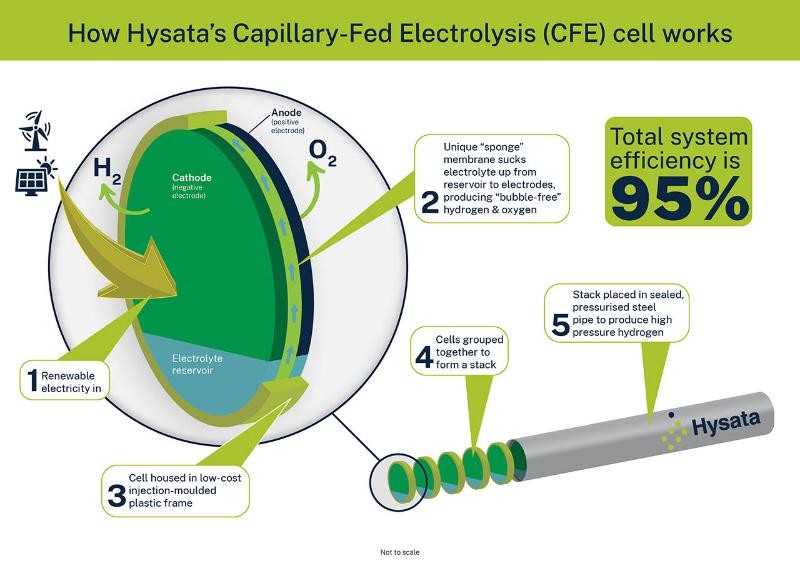
The Australian firm Hysata has changed the design of the major component to make the cost of pure hydrogen fuel competitive with fossil fuels by decreasing the heat and resistance generated through separating hydrogen.

“What we did differently was just to start completely over and to think about it from a very high level,” Gerry Swiegers, Hysata’s chief technology officer and a professor at the Univ. of Wollongong, New South Wales, told the Guardian. “Everyone else was looking at improving materials or an existing design.”

RELATED: Scientists Develop Breakthrough Method for Recycling Industrial Plastics at Room Temperature in 20 Minutes

In a scientific paper, published in Nature, demonstrating their new electrolyzer’s potential, they first outline the problem with the old ones—namely that even state-of-the-art water electrolyzers typically require ~53  kilowatt-hours of electricity to produce 1 kg of hydrogen, which contains 39.4 kWh of energy: a deficit of ~12.

Bubble Trouble

University of Wollongong

Before we can understand why that deficit exists, it bares a short explanation of how these devices work.

An electrolyzer consists of an anode and a cathode separated by a sponge-like membrane. H2O is sent into the anode, where its electrons are stripped and turned into electricity, powering whatever it’s connected to. Its positively charged protons then cross through the membrane into the cathode, where oxygen is pulled into. There, the protons, reunited with their electrons post-electricity harvest, combine with the oxygen to form water and heat: the only emissions.

MORE: Solar Panels Built From Waste Crops Can Make Energy Without Direct Light

Where Hysata break from long tradition is that in their electrolyzer’s circular shape, the hydrophilic membrane sits immersed only a little in an electrolyte reservoir in the same place as where the water enters. The membrane continuously pulls up the water and the electrolyte in steady amounts that allow electrolysis to occur without the formation of hydrogen gas bubbles typical of electrolyzers which house the anode and cathode entirely within the hydrogen reservoir.

These gas bubbles block physical access to the catalyst on the anode and cathode, reducing efficiency. The elimination of the gas bubble problem results in Hysata’s efficiency rate of 95%, or 41.5 kWh per kilogram of hydrogen.

Hysata aren’t just scientists however, and the economics of their electrolyzer make sense. The membranes are easy to manufacture and the process can be automated at scale.

The International Renewables Energy Agency set a target of 2050 to invent new methods of electrolysis that will reduce the kWh required per kilogram produced to 42. Hysata are now the only entity on Earth to have achieved that, and if a long-haul trucking sector required 1 million tons of hydrogen per year, generating that with Hysata’s technology would save $3 billion.

GREEN UP Those News Feeds With the Good News…

Strangers are Leaving Strollers, Diapers, and Toys at the Border for Ukrainian Refugee Moms (LOOK)

GMA on YouTube
GMA/YouTube

An image recently shared around social media of empty strollers on a Polish rail border crossing has inspired a mountain of donations for Ukrainian refugees.

Now at Przemyśl Station, women, children, and infants fleeing the war are being greeted by mountains of clothes, stuffed animals, strollers, diapers, and more after they step off the train.

ABC reports that the number of spare carriers and strollers from Polish mothers have been particularly inspiring, with many donators leaving handwritten notes behind, with words of support.

“We see on the television and hear on the radio what happened, and we say ‘okay we can help,'” one Polish mother and volunteer told ABC.

The effort has become more organized over the weeks, which CNN details has spread like wildfire mostly by word of mouth. The Medyka border crossing from Ukraine involves taking a train to Przemyśl Station, which has become the center of the relief effort.

RELATED: Ukraine Receives Truckload of Starlink Terminals From Elon Musk For Uninterrupted Internet

The rooms of the train station are now being transformed from waiting rooms into warehouses, for food, diapers, and clothes.

MORE: UPDATE: Airbnb and its Community Raise More Than $40 Million and Offers 150,000 Temp-Homes for Ukraine

Beyond the station, people from across Europe have been seen waiting in cars offering to drive incoming refugees to wherever they have relations, or a place to stay.

(WATCH the GMA video for this story below.)

PASS ON the Generosity; Share This Story…

Video-Game-Based Stroke Therapy is as Effective as In-Person Rehab

MU
MU

After a stroke, patients may lose feeling in an arm or experience weakness and reduced movement that limits their ability to complete basic daily activities.

Traditional rehabilitation therapy is very intensive, time-consuming, and can be both expensive and inconvenient, especially for rural patients travelling long distances to in-person therapy appointments.

That’s why a team of researchers, including one at the University of Missouri, utilized a motion-sensor video game, Recovery Rapids, to allow patients recovering from a stroke to improve their motor skills and affected arm movements at home while checking in periodically with a therapist via telehealth.

The researchers found the game-based therapy led to improved outcomes similar to a highly regarded form of in-person therapy, known as constraint-induced therapy, while only requiring one-fifth of the therapist hours. This approach saves time and money while increasing convenience and safety as telehealth has boomed in popularity during the COVID-19 pandemic.

“As an occupational therapist, I have seen patients from rural areas drive more than an hour to come to an in-person clinic three to four days a week, where the rehab is very intensive, taking three to four hours per session, and the therapist must be there the whole time,” said Rachel Proffitt, assistant professor in the MU School of Health Professions.

“With this new at-home gaming approach, we are cutting costs for the patient and reducing time for the therapist while still improving convenience and overall health outcomes, so it’s a win-win. By saving time for the therapists, we can also now serve more patients and make a broader impact on our communities.”

MORE: Coffee and Tea Drinking May be Associated With Reduced Rates of Stroke and Dementia

Traditional rehab home exercises tend to be very repetitive and monotonous, and patients rarely adhere to them. The Recovery Rapids game helps patients look forward to rehabilitation by completing various challenges in a fun, interactive environment, and the researchers found that the patients adhered well to their prescribed exercises.

“The patient is virtually placed in a kayak, and as they go down the river, they perform arm motions simulating paddling, rowing, scooping up trash, swaying from side to side to steer, and reaching overhead to clear out spider webs and bats, so it’s making the exercises fun,” Proffitt said. “As they progress, the challenges get harder, and we conduct check-ins with the participants via telehealth to adjust goals, provide feedback and discuss the daily activities they want to resume as they improve.”

Nearly 800,000 Americans have a stroke each year according to the CDC, and two-thirds of stroke survivors report they cannot use their affected limbs to do normal daily activities, including making a cup of coffee, cooking a meal or playing with one’s grandchildren.

RELATED: In Learning to Use Her Left Hand Following a Stroke 60-Year Old Chen Lie Discovers She’s an Expert Painter

“I am passionate about helping patients get back to all the activities they love to do in their daily life,” Proffitt said. “Anything we can do as therapists to help in a creative way while saving time and money is the ultimate goal.”

This research was recently published in eClinicalMedicine, an open-access journal from The Lancet.

Source: University of Missouri

SHARE This Hopeful News With Friends…

Endangered Baby Rhino Born in a Czech Zoo is Named After Kyiv (PHOTOS)

rhino Safari Park Dvůr Králové facebook social media embed 2
Dominika Stempa; Safari Park Dvůr Králove/Facebook 

A baby rhino named “Kyiv” in honor of the Ukrainian defenders was born in a Czech zoo exactly a week after Russia began its invasion of the country.

Belonging to the Eastern black rhinoceros subspecies, Kyiv’s birth is another success for one of the few zoos in the world with a successful breeding program for these rare rhinos.

Kyiv is the 47th rhino of this critically endangered subspecies born in the Dvur Kralove Zoo since they received their first one back in 1971, and the first one born in about four years.

Safari Park Dvůr Králove/Facebook 

The young rhino’s mother, Eva, has been taking extremely good care of him and is very calm, even allowing some of her milk to be taken for the feeding of other youngsters, per an update from the zoo itself.

Sans horn, the little one is nevertheless growing fast—2.2 pounds per day usually.

MORE: ‘Comical-Looking’ Bat Thought to Be Extinct is Found Again After 40 Years in Dense Rainforest

AP reports that Kyiv is one of four baby rhinos of this species born so far this year.

Safari Park Dvůr Králove/Facebook 

The zoo’s animals have, over the years, been transferred to other zoos to help genetic diversity of other breeding programs, and nine of their rhinos have been reintroduced into the wilds of Rwanda and Tanzania, and have since reproduced there.

RELATED: Tiny New Species of Chocolate Frog is Discovered After Scientists Follow its Unique ‘Beep’ Sound

The latest update to the IUCN’s Red List found that the rhino numbers are increasing faster than they are decreasing.

Furthermore, the population remains largely intact, with animals able to reach each other easily, and there is a normal percentage of healthy mature animals among them.

GROW the Good News; Share This Story With Chums…

“True piety” is “loving one’s destiny unconditionally.” – Isak Dinesen

Quote of the Day: “True piety” is “loving one’s destiny unconditionally.” – Isak Dinesen

Photo by: Brunno Tozzo

With a new inspirational quote every day, atop the perfect photo—collected and archived on our Quotes page—why not bookmark GNN.org for a daily uplift?

Tiny Marine Microbe ‘Could Turn Out to be Secret Weapon in Battle Against Climate Change’

SWNS
SWNS

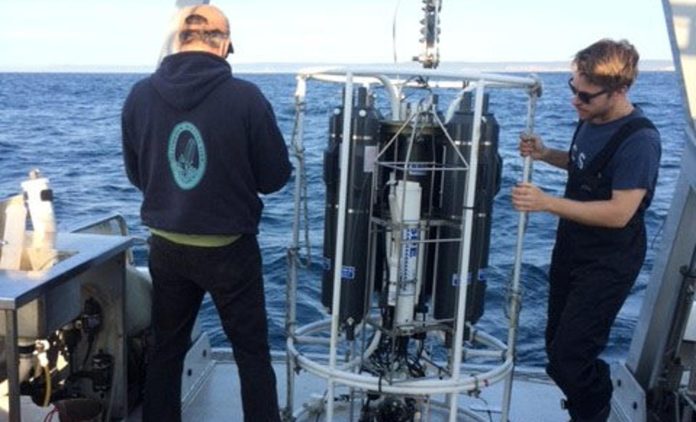
A tiny marine microbe which could turn out to be a ‘secret weapon’ in the battle against climate change has been discovered.

The single-celled microbe has potential to absorb carbon naturally, even as oceans become warmer and more acidic, say scientists.

It is abundant around the world and can photosynthesize as well as hunt and eat prey.

The tiny organism, discovered by researchers in Sydney, Australia, secretes a carbon-rich exopolymer that attracts and immobilizes other microbes.

Then it eats some of the prey trapped inside before emitting the mucus-like, carbon-rich substance.

Once other microbes are trapped inside it, it becomes heavier and sinks, pumping carbon back into the oceans.

RELATED: City Trees and Soil Are Sucking More Carbon Out of the Atmosphere Than We Thought

Marine microbes govern the natural environment through a range of processes, including the vertical export and sequestration of carbon, which ultimately regulates the world’s climate.

While the role of plankton in helping store carbon dioxide is well understood, the role of other microbes in this process is less well known about, the scientists say.

This is especially true for organisms that can photosynthesize and eat other organisms.

They say their findings are hugely significant for how we see the ocean balancing carbon dioxide in the atmosphere.

It is estimated that the species, christened prorocentrum cf. balticum, has the potential to sink 0.02-0.15 gigatons of carbon each year.

Experts believe that, to meet climate goals, 10 gigatons of carbon dioxide will need to be removed from the atmosphere every year from now until 2050.

The findings imply there is more potential for carbon sinking in the oceans than it was previously believed, and that the seas could capture carbon in unexpected places.

The process could form part of a nature-based way of enhancing carbon capture in the ocean.

Lead study author Dr Michaela Larsson said, “Most terrestrial plants use nutrients from the soil to grow, but some, like the Venus flytrap, gain additional nutrients by catching and consuming insects.

LOOK: First Coral IVF Babies on Great Barrier Reef Have Produced Next Generation

“Similarly, marine microbes that photosynthesize, known as phytoplankton, use nutrients dissolved in the surrounding seawater to grow.

“However, our study organism, prorocentrum cf. balticum, is a mixotroph, so is also able to eat other microbes for a concentrated hit of nutrients, like taking a multivitamin.

“Having the capacity to acquire nutrients in different ways means this microbe can occupy parts of the ocean devoid of dissolved nutrients and therefore unsuitable for most phytoplankton.”

The study’s senior author Professor Martina Doblin said, “This is an entirely new species, never before described in this amount of detail.

“The implication is that there’s potentially more carbon sinking in the ocean than we currently think, and that there is perhaps greater potential for the ocean to capture more carbon naturally through this process, in places that weren’t thought to be potential carbon sequestration locations.

MORE: Climate-Resilient Coral Offers Hope to World’s Reefs, Able to Cope With 2ºC of Global Warming

“The natural production of extra-cellular carbon-rich polymers by ocean microbes under nutrient-deficient conditions, which we’ll see under global warming, suggest these microbes could help maintain the biological carbon pump in the future ocean.

“The next step before assessing the feasibility of large-scale cultivation is to gauge the proportion of the carbon-rich exopolymers resistant to bacteria breakdown and determine the sinking velocity of discarded mucospheres.

“This could be a game changer in the way we think about carbon and the way it moves in the marine environment.”

The findings were published in the journal Nature Communications.

SHARE This Hopeful Marine News With Your Mates…

Carbon-Negative Plant Opens in Turkey Turning Algae Into Bio-Jet Fuel and So Much More

biorefinery makes bio-fuel from algae released-İMBİYOTAB Bogazici University
İMBİYOTAB Bogazici University

Europe’s first large-scale biorefinery for turning algae into fuels and feedstocks has been completed on the Black Sea shore of Istanbul.

Set to head up a new “bio-economy,” the refinery, powered entirely by wind energy, will turn microalgae and macroalgae species into carbon-negative jet fuel, feedstocks, supplements, and fertilizers.

They are carbon negative because algae absorbs CO2 as plants do, but far faster and in much greater amounts than woody plants like trees. Once processed into products, more of that carbon pulled from the atmosphere remains imprisoned than is released during production, hence it being carbon negative.

The project was funded in partnership by the government of Turkey and the European Union, and is just one of a number of initiatives dubbed Project INDEPENDENT. The biorefinery, located at Boğaziçi University’s Sarıtepe Campus, can process 1,200 tons of algae per year.

Reporting on the refinery says that the algae will be used to produce jet fuel that, when mixed with 5-10% fossil fuels, will power a flight leaving Istanbul by the end of the year.

The plant of 1,000 uses

İMBİYOTAB Bogazici University

The coconut palm is sometimes called the tree of 1,000 uses, well algae is certainly the plant of 1,000 uses. Algae-based supplements have been trialed in both Brazil and Australia as ways to diminish the methane emissions from ruminant grazers like cows and sheep.

Algae, as Project INDEPENDENT details, also can be used to absorb phosphorus and nitrogen: two normal and important agricultural inputs that due to topsoil erosion from industrialized farming have greatly polluted freshwater and coastal resources.

POPULAR: Canadian Startup to Build $400M UK Plant to Harness Nuclear Fusion in Entirely New Cost-Effective Way

Algae is eaten as a vegetable in many parts of the world. Wakame and nori especially, are delicious, and as far as carb stocks go, they are far more nutritious than grains.

Algae supplements are also excellent chelators, or compounds which attract and dispose of heavy metals in the blood, such as cadmium, lead, mercury, and excess levels of less harmful metals. Other benzine-based particulates such as polycyclic aromatic hydrocarbons, which can be released from the burning of fossil fuels in power plants, car engines, or fireplaces, can also be taken up by algae-sourced chemicals like spirulina and chlorella before being excreted in the urine.

LOOK: This Plant-Based Jet Fuel Can Reduce Emissions by 68% – Without Displacing Crops

Lastly, synthetic fertilizers are produced with large amounts of CO2 emissions contributions to the agriculture sector.

Non-synthetic fertilizer often comes from fish or shellfish waste like oyster shells, being that they’re rich in nitrogen. Producing fertilizer with algae produced in a carbon negative biorefinery could revolutionize the sector, and return attention of legislatures and environmentalists to the real sources of emissions in the world, namely transport, energy, and manufacturing.

(WATCH the video for this story below.)

POWER the Progress by Sharing With Green Friends on Social Media…

UPDATE: Airbnb and its Community Raise More Than $40 Million and Offers 150,000 Temp-Homes for Ukraine

By Mayur-gala

GNN reported earlier this month that from March 2nd to March 3rd, people from around the world booked 61,000 nights in Ukrainian cities via Airbnb, likely not one ever planning to check-in, or reschedule.

It was part of a creative social media campaign to channel funds into besieged cities where something like aid drops or supply trucks can’t reach, and saw $1.9 million raised for Ukrainians in just 48 hours.

Since that day, booking of Airbnbs across Ukraine has continued, with 434,000 rooms reserved and $15 million raised.

“We are so humbled by the inspiring generosity of our community during this moment of crisis,” said Haven Thorn, a company spokesperson. The company’s CEO also responded on Twitter.

Apart from this clever fundraising, the past two weeks have seen Airbnb.org, the business’s non-profit wing, receive more than $5.2 million in small-dollar, direct donations from a total of more than 59,000 individual donors across 92 countries.

Airbnb was also quick to announce it would be setting up temporary housing for 100,000 Ukrainian refugees across Europe and North America.

MORE: Former Marine Drove 1,000 Miles to Ukraine Border in Minibus Loaded with Supplies, Toys, and Blankets for Refugees

Airbnb hosts have answered this generosity with their own, and more than 21,000 individuals have signed up to open their Airbnb-listed properties to Ukrainians, including 14,000 across Europe and 4,000 in the U.S.

The Utah Jazz Foundation is also partnering with Airbnb.org to provide more than 32,200 nights of temporary housing to refugees fleeing Ukraine, a number representing exactly 200% of the capacity of their Vivint Arena home stadium.

“I cannot begin to express my thanks to the Utah Jazz Foundation for their support of Airbnb.org’s work,” said Joe Gebbia, Airbnb co-founder and chairman of Airbnb.org.

RELATED: Ukraine Receives Truckload of Starlink Terminals From Elon Musk For Uninterrupted Internet

In order to ensure a more comfortable stay, and to place less strain on their clients, a total of $16,625,000 has been contributed to an aid fund to help pay for these refugees’ lodgings, food, and other necessities by Airbnb employees and its co-founders, one of whom appeared on Ellen DeGeneres to announce an additional $10 million matching donation.

They said they were inspired by the reaction from their community and wanted to do their part.

Airbnb hosts that want to help need only register on the Airbnb.org Help Ukraine page.

SHARE This Inspiring Story From Ukraine With Others…

Doomed Ship of Gold’s Ghostly Portrait Gallery is Finally Unveiled After Surviving for a Century on Sea Floor

SS Central America/National Maritime Museum

In 1857, a steam boat was going down in a storm off the coast of South Carolina. Loaded with more gold than had ever been placed onto a boat, the passengers chose to take photographs of family and loved ones before taking their chance with Davy Jones.

Thank to a recent expedition, dozens of these 150-year-old glass pane photographs have been recovered, putting a face on the SS Central America‘s unfortunates.

If the Titanic was the “Ship of Dreams,” Central America was the “Ship of Gold,” and of her 425 lost souls, most were miners returning from California gold fields wealthy beyond their wildest dreams.

Dr. Sean Kingsley, a British maritime archaeologist, was financed by private investors who have been trying to recover the treasure for more than 30 years, to dive down a mile and a half off the coast of South Carolina and retrieve what he could.

He partnered with Odyssey Marine Expeditions to make the dive, and the Kingsley co-wrote a paper on the discovery with an Odyssey scientist.

These tintype photos—daguerreotypes and ambrotypes—are kinds of wet collodion photography, and consist of panes of glass coated in chemicals. Ambrotypes produced a negative image that could be seen in front of black material, while daguerreotypes produced positive images visible when backlit.

“When you look at the actual faces of people, it takes you right there. You are looking at folks who lived it, and they’re just like us, although the clothing and fashions have changed,” Dr. Kingsley told The Guardian.

RELATED: Stunning 2,000-Year-old Glass Bowl is Still Flawless After Archaeologists Dig it Up in Netherlands

One individual he called the ‘Mona Lisa of the Depths’ is a young woman whose image is startlingly, almost eerily preserved. She stands with a quarter-smile, bare shoulders, swathed in jewels and lace.

The wreck and the tintypes are there to be seen in the magazine managed and published by Dr. Kingsley called Wreckwatch.

MORE: British Museum Unveils Ancient Artifacts Illuminating the World of Stonehenge in New Exhibit

“This is the largest cache of early photographs found at sea, and unpublished until now. It’s a once-in-a-lifetime experience to actually see faces from the deep,” he said.

153 people are believed to have survived; mostly women and children who filled up the lifeboats. Of the other 425, The Wreckwatch review includes the words of one survivor.

“A great many of the passengers were miners, having considerable sums of gold about them, the product of years of toil. But the love of gold was forgotten in the anxiety and terror of the moment and many a man unbuckled his gold-stuffed belt and flung his hard-earned treasure upon the deck, some hoping to lighten their weight, and thus more easily keep themselves afloat, while others threw it away in despair, thinking there was no use for it in the watery grave they were going to.”

SHARE This Story From South Carolina in Those Social Feeds…

“Whether I drink often or just once in a while; I’m always sure to raise a glass to the dear old Emerald Isle.” – Pat Maloney

Quote of the Day: “Whether I drink often or just once in a while; I’m always sure to raise a glass to the dear old Emerald Isle.” – Pat Maloney (Happy St. Patrick’s Day!)

Photo by: (above) Jeff Hart, CC license; (below) Grafvision, Fotolia license

With a new inspirational quote every day, atop the perfect photo—collected and archived on our Quotes page—why not bookmark GNN.org for a daily uplift?

by Grafvision – Fotolia

Good News Gurus Podcast Returns! Season 3, Ep.1

Geri and Anthony return to podcasting, talking about changes for GNN, a new podcast called Livin’ Good Currency, and our favorite good news stories of the week… Recorded on March 11, 2022.


REVIEW and Subscribe to the show on iTunes—or Podbean, or on Spotify.

SIGN UP for the Good News Morning Jolt email: gnn.to/jolt

Climate-Resilient Coral Offers Hope to World’s Reefs, Able to Cope With 2ºC of Global Warming

When marine biologists subjected two of the most common coral species to a +2°C aquarium for two years, mother nature showed she may just have a trick or two yet up her sleeves.

Keeping the planet from warming 2°C over the next thirty years has become somewhat of a mantra, especially when it comes to discussing vulnerable coral reefs in warming oceans, but the new experiment sheds light on potential adaptations scientists hadn’t foreseen.

Planning the longest coral resilience experiment ever done, coral expert Rowan McLachlan and her colleagues used a hammer and chisel to take samples of common corals from the reefs around Oahu, Hawai’i.

Rice coral, finger coral, and lobe coral were then transported into a 35-gallon aquarium on Coconut Island filled with sand, rubble, fish, and plankton, before being left outside to experience similar weather conditions as they would if they were under water.

Porites compressa (finger coral) and Porites lobata (lobe coral) had the highest survivorship and coped well under future ocean conditions with positive calcification and increased biomass, maintenance of lipids, and the capacity to exceed their metabolic demand through photosynthesis and heterotrophy,” McLachlan et al. wrote in their corresponding paper on the experiment, published in Nature.

LOOKSpectacular Coral Event This Year Spawns Hope –And Billions of Babies For Great Barrier Reef (LOOK)

“We saw this long-term arc where you see stress responses, but after long enough there was acclimatization,” Andréa Grottoli, a coral biogeochemist at Ohio State who was senior author of the paper, told National Geographic. “They weren’t just struggling. Two of the three species were doing really well.”

Interestingly, reef monitors in Hawai’i also told National Geographic that the experiment jived with what they are observing in the corals around the islands, adding that if they can be protected from pollution and other man-made disturbances, they should be able to survive in the coming decades.

MORE: Scientists Find Giant Pristine Coral Reef Undiscovered Near Tahiti, With Clues There Are More

It’s good news for reefs around the world, since lobe coral is a pioneer species, and often the first kind of coral to begin building a reef. Finger coral too is not only found in Hawai’i but throughout the reefs in the Indian and Pacific Oceans.

They could act as decent species for coral reef restoration projects, a yet-unexplored potential way to mitigate coral loss by actively expanding their populations, an option that a decade ago would probably not have been taken, Grottoli admits.

GROW the Good News; Share This Story…

500% Boom in Numbers of Eggs Laid By Breeding Green Sea Turtles

FWC Fish and Wildlife Research Institute - CC license
FWC Fish and Wildlife Research Institute – CC license

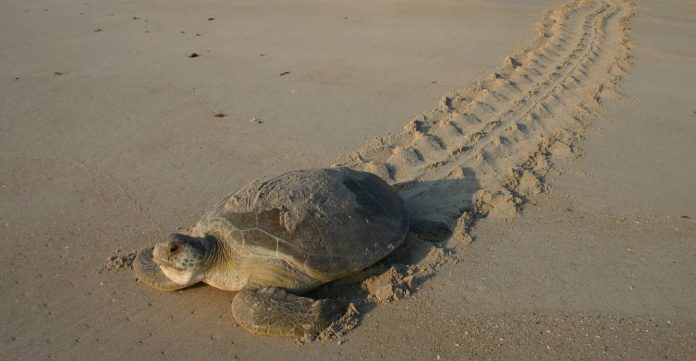
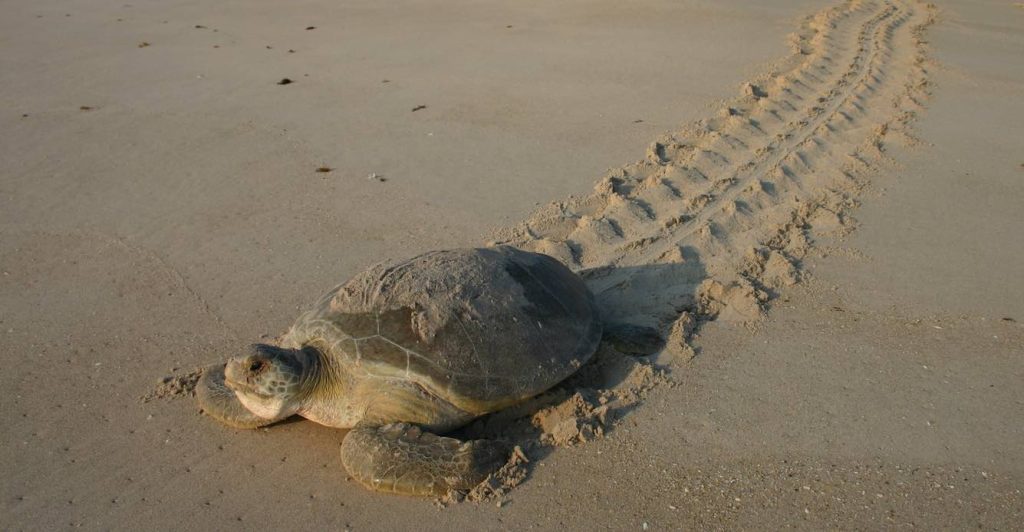
A breeding ground for green turtles has seen a 500 percent boom in the numbers of clutches of eggs laid since hunting them was banned.

Scientists say the great conservation success story shows how numbers can slowly recover after killing the turtles was outlawed on Aldabra Atoll in the Seychelles in 1968.

Back thenm around 2,000-3,000 clutches of eggs were laid a year—a figure that stands at 12,000-15,000 in the last data from 2019.

And with Aldabra’s turtle population still being well below estimated pre-exploitation population numbers, the increase is likely to continue.

A team from Exeter University analyzed the figures provided by researchers from the Seychelles Islands Foundation.

RELATED: Rare Turtles Known For Their Permanent Smiles Saved From Extinction in Myanmar

Study lead author Adam Pritchard, from the Centre for Ecology and Conservation on Exeter’s Penryn Campus in Cornwall, said, “Green turtles have suffered massive historical population declines due to intensive harvesting of nesting females

“Aldabra Atoll was the first green turtle nesting site to be protected in the Western Indian Ocean, with a ban on turtle capture in 1968, followed by continued long-term monitoring by Seychelles Islands Foundation researchers.”

Professor Brendan Godley, who helped supervise the research, added, “It’s been an honour to support the analysis of the decades of work by the Seychelles team.

“The ongoing population increase of Aldabra’s green turtles is testament to long-term protection, and offers some clear evidence of the fact that we can be optimistic about marine conservation, well enacted.”

The study’s results reveal that green turtle clutches have increased at Aldabra by 2.6% per year overall, with the greatest increase at Settlement Beach on Picard, where exploitation of nesting females was historically the most intense.

MORE: New Technology for Saving Endangered Sea Turtles Uses Decoy GPS Eggs to Catch Poachers – And it Works

Cheryl Sanchez, co-author of the study, published in the journal Endangered Species Research, who is currently doing a PhD on Aldabra’s turtles, said, “This study demonstrates the importance of long-term monitoring, which is often seen as less glamorous and valuable than targeted research.

“It has taken decades of tireless commitment to collect the data to confirm this increase, and the foresight to protect the nesting population before it was too late.

“Aldabra’s green turtles should continue to be an incredible conservation success story that we can follow for decades to come.”

The study’s figures confirm Aldabra as the second-largest monitored green turtle rookery in the region.

The research also shows the considerable contribution of Aldabra to regional green turtle numbers and clearly demonstrates the benefits of long-term protection and monitoring.

HATCH The Good News By Sharing It With Your Friends On Social Media…

30 Minutes of Lifting Weights, Push-ups or Yard Work Weekly May Cut Risk of Death By 20%

– NeONBRAND

A meta-analysis of more than half a million people has shown that a truly bare minimum of strength training can confer enormous benefit.

Researchers in Japan discovered that 30-60 minutes per week of muscle strengthening activities such as yoga, lifting weights, or gardening can reduce the risk of death from all causes by 10-20%.

When combined with aerobic exercise such as running, cycling, or swimming, this benefit was seen to rise to the 40 percentiles.

16 studies were looked at in the analysis. They consisted of more than half-a-million healthy adults being monitored for a period of at least twi years. The age range went from 18-97, and the monitoring period from 2-25 years.

All-cause mortality was looked at separately from heart disease and cancer, both of which tended to fall between 10-20%.

Reporting on the findings, published in the British Journal of Sports Medicine, the Guardian noted that muscle strengthening activity doesn’t have to involve grunting over kettle and bar bells, but carrying children long enough, pushing a wheelchair, carrying shopping bags, heavy gardening, doing body weight exercises like pushups, squats, or sit-ups, or working with resistance bands.

MORE: Lifting Weights for Just Three Seconds a Day Helps Our Muscles Grow, According to Scientists

There was an L-shaped curve, showing that extending strength training by more than an hour slowly tapered off its effectiveness in fighting disease and mortality rates. Moderate to intense physical activity is already recommended at about 150 minutes per week, a generally-recognized minimum to build and maintain healthy skeleto-muscular function.

Extending strength training beyond 60 minutes per week has other health benefits not-related to death, heart disease, and cancer.

RELATED: Intensive Exercise the ‘Best Way to Alleviate Symptoms of Chronic Anxiety Without Drugs or Therapy’

It increases BDNF, a neurotransmitter in the brain key for proper hormonal function and memory, it clears stress hormones while releasing endorphins, fights off the onset of Alzheimer’s, Parkinson’s, and other neurodegenerative diseases, it builds lean muscle mass, which itself is a predictor for disease, morbidity, and injury risk, and more.

The authors recognized limitations of the study, mainly that it relied on data from English-speaking countries. Greater diversity of participants would better flush out the research.

KEEP Those News Feeds Active; Share This Story…

White Tufted Sea Creatures Among the Winners in This Underwater Photography Contest

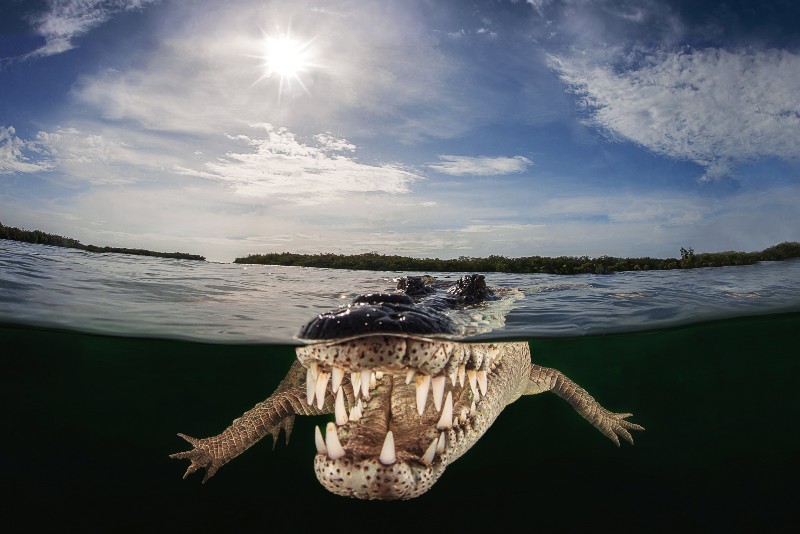
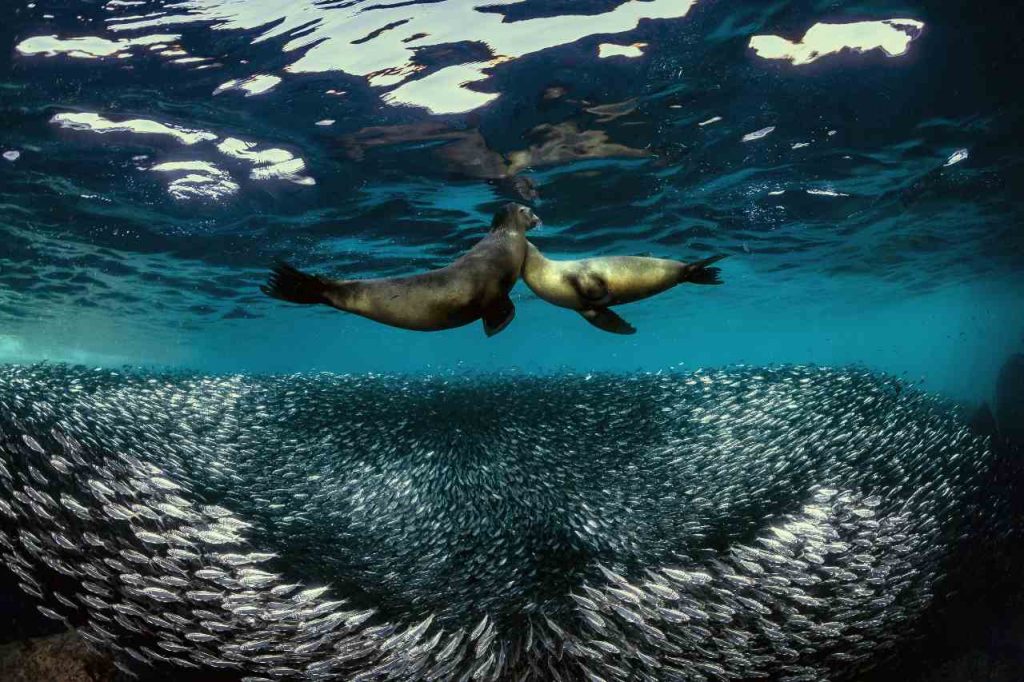
EMBARGOED UTIL 00.01 GMT MON MARCH 14 Bronze medal macro - White tufted worms by Michal Štros from the Czech Republic. See SWNS story SWNNunderwater. From a crocodile's toothy grin to a pouting fish the size of pea some of the best underwater pictures in the world have been revealed in a top competition. More than 1,200 pictures were entered for the 2021 underwaterphotography.com contest across 10 categories - from macro to sharks. The winner of the gold medal in the over/under category is this smiling crocodile in Cuba by Italian Massimo Giorgetta taken in Garden of the Queen, a protected area on an archipelago on the south of the island.Fellow Italian Raffaele Livornese won the wide angle/marine life category with this beautifully composed shot of two sealions playing whilst hunting on a school of sardines.

From a crocodile’s toothy grin to a pouting fish the size of pea, some of the world’s best underwater pictures have been revealed in a top competition.

More than 1,200 pictures were entered for the 2021 underwaterphotography.com contest across 10 categories, from Macro Photography to Sharks.

The winner of the gold medal in the Over/Under category is this smiling crocodile in Cuba by Italian Massimo Giorgetta, taken in Garden of the Queen, a protected area on an archipelago on the south of the island.

SWNS

Fellow Italian Raffaele Livornese won the Wide Angle/Marine Life category with this beautifully composed shot of two sea lions playing whilst hunting on a school of sardines in La Paz, Mexico.

SWNS

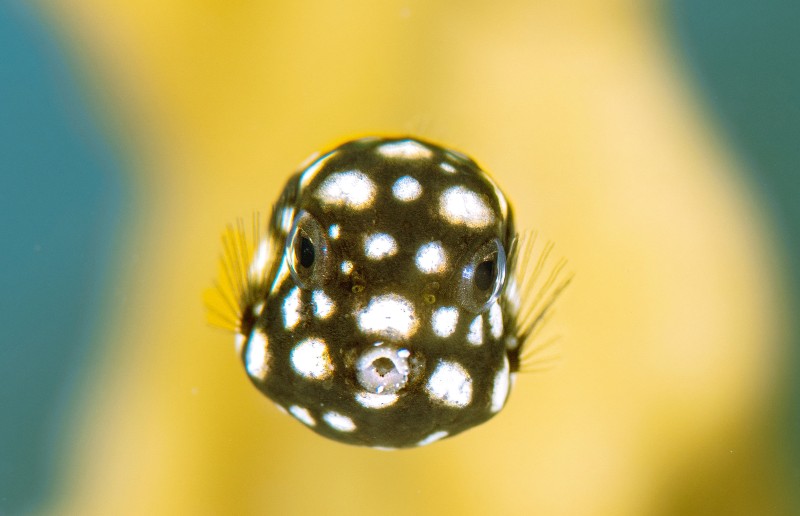
This tiny juvenile pouting trunkfish was only the size of a pea but snapper Leslie Howell from the US bagged a bronze in the Macro-Swimming category.

SWNS

She said, “This juvenile trunkfish was about the size of a pea. It was pretty active, darting in and out of the coral head, but it finally settled down enough for me to get this shot head on.”

RELATEDSee the Stunning Winners of the Northern Lights Photographer of the Year Competition

No underwater photo competition would be complete without a good shark and a Great Hammerhead at Tiger Bay, Bahamas by German Reinhard Arndt was enough to bag him a gold medal.

But there was still beauty to be had in the tiny as these delicate white tufted worms billowing in the current got a bronze in the macro not swimming category for Czech Republic snapper Michal Štros.

White tufted worms by Michal Štros, SWNS

Website owner Tal Mor, who runs the competition, said, “It has been a difficult couple of years for dive and travel, yet the competition has still received a total of 1,283 entries.

“This photography contest is the longest running and one of the most prestigious online. A panel of judges select the best images entered in an online photo contest from the previous year.

“Gold, silver, and bronze medals are awarded for the top three from each category in order of merit.

SWNS

“Many other internationally acclaimed photographers have launched their photo careers here over the years.

POPULARSee the Incredible Images in the Wildlife Photographer of the Year Contest – And Vote on the Peoples Choice Award

“The judges comprise of industry professionals. They are unpaid, non-affiliated, and, of course, cannot enter themselves.”

SEND Some Ocean Beauty to Friends by Sharing on Social Media…

“I started to trust… Just because I didn’t know how to “fix” my life, didn’t mean I wouldn’t be led.” – Tama Kieves

Ian Britton, CC license

Quote of the Day: “I started to trust… Just because I didn’t know how to “fix” my life, didn’t mean I wouldn’t be led.” – Tama Kieves

Photo by: Ian Britton, CC license

With a new inspirational quote every day, atop the perfect photo—collected and archived on our Quotes page—why not bookmark GNN.org for a daily uplift?

Ian Britton, CC license

Two-Thirds of Brits Love The Mood Boost They Get When Doing Something Eco-Friendly

Two-thirds of Brits admit to loving the mood boost they get when doing something environmentally conscious, according to a new survey.

A poll of 2,000 adults found they take pride when buying products that reduce their impact on the environment, and when washing out tubs to reuse them—as well as disposing of food waste in their very own compost bin.

Half also get a buzz from taking a ‘bag for life’ to the shops with them, while spirits are lifted for one in three when ditching single-use wipes in favor of reusable ones.

And two in five are making more effort to visit zero-waste shops to refill old bottles and pots with produce, instead of buying it in packaging.

The survey was commissioned by household cleaning brand Ecover to mark the launch of the Ecover Refillery—a reused petrol station fighting plastic waste with refills.

MORE: 75% of People Worldwide Want Single-Use Plastics Banned, According to New Global Survey

Tom Domen, Ecover’s global head of long-term innovation, said, “A small change can make a big difference.

“The simple act of refilling a plastic bottle can make you feel good, while also reducing the amount of plastic waste sent to landfill.

“That’s why we urge you to choose to reuse and join the ‘refillution’ by opting for refillable, reusable household products where you can use the packaging over and over and over.”

RELATED: The Small Victories That Make a Huge Difference in Our Daily Lives

The poll also found 41 percent think the government should be doing more to make refilling as accessible as recycling.

And one in five want to make refilling their products and pantries a priority for the year ahead.

In fact, over half (53 percent) would use ‘refill’ shops more if they had one closer to home, while more refillable stations in mainstream supermarkets would make 62 percent more likely to reuse rather than recycle.

But millions of Brits are already making valuable swaps—including refilling water bottles, reusable coffee cups, and opting for reusable bags.

Ecover’s Tom Domen added, “Refill stations are becoming increasingly common across the country, and a simple search will tell you where your local store is.

“By the end of 2022, we aim to help people refill their Ecover bottles over three million times in the UK—which would be the equivalent of one refill every 10 seconds.

“Just remember that plastic can last a lifetime, so let’s all put it to work.”

The Ecover Refillery will be open to the public for two days:23rd March (10am – 7pm) and 24th March (9am – 7pm), at 69 Borough Road in London.

TOP 20 ENVIRONMENTALLY FRIENDLY ACTIVITIES TO PUT BRITS IN A GOOD MOOD:

1. Taking a reusable bag shopping
2. Turning lights off when not in use
3. Reusing food leftovers
4. Washing out plastic containers and recycling them
5. Turning things off at the socket when not in use
6. Using a reusable water bottle
7. Turning down the heating/using the heating less often
8. Washing out packaging/ plastic bottles to reuse them
9. Cycling or walking instead of driving somewhere
10. Washing clothes at 30 degrees
11. Using a food container instead of clingfilm or foil
12. Using reusable cloths instead of single-use wipes
13. Eating less meat
14. Washing clothes less often
15. Disposing of food waste in compost
16. Upcycling or repairing items and clothes to give them a second life
17. Shopping for plastic packaging-free fruit and/or veg
18. Buying second-hand items
19. Buying eco-friendly products
20. Putting leftover food into a compost bin

SHARE the Good Green News With Eco-Minded Pals…