Quote of the Day: “Do not give way to useless alarm; though it is right to be prepared for the worst, there is no occasion to look on it as certain.” – Jane Austen (Pride and Prejudice)
Photo: by Alexei Maridashvili
With a new inspirational quote every day, atop the perfect photo—collected and archived on our Quotes page—why not bookmark GNN.org for a daily uplift?
Tomorrow, on October 16th, NASA will launch the Lucy Mission into space—it will set a course for the Trojan Asteroids, with the aim of uncovering the earliest histories of our solar system.
Thought to contain the unused remains of the outer planets, the Trojans sit in two separate clouds called L4 and L5 around the same orbit as Jupiter.
Throughout its twelve-year mission, Lucy will make stops to eight different asteroids to study how, and of what, they are made.
Launching from Cape Canaveral, Florida aboard an Atlas V rocket, Lucy took its name from the fossilized ancestor on Earth that gave us insights into human evolutionary history, which, believe it or not, took its name from the Beatles song Lucy in the Sky with Diamonds. (The song was reportedly played loudly and repeatedly in the expedition camp all evening after the excavation team’s first day of work recovering the Lucy fossil.)
That piece of trivia was all the more special when Ringo Starr himself sent the Lucy team a special message of congratulations as launch day finally approached.
A historic mission
“Just like the Lucy fossil transformed our understanding of hominid evolution, the Lucy Mission will transform our understanding of Solar System evolution,” said Cathy Olkin, Dep. Principal Investigator on the Lucy team, on a recent interview with Planetary Radio.
No other space mission in history will have been launched to as many different destinations in independent orbits around our sun. Lucy will show us, for the first time, the diversity of the primordial bodies that built the planets nearest us.
NASA
The journey will take place, incredibly, without any thruster engine onboard, using only orbits, a little bit of solar-powered propulsion, but mainly through the use of Earth’s own gravity.
There will be two rotations of the Earth that will act like the winding of a sling; a necessity to reach the outer solar system. This maneuver will be replicated a third time as the craft returns to Earth on its way to the second cloud of asteroids as part of its final destination, in total meandering four billion miles over its mission lifespan, utilizing two massive solar-panel wings to keep its instruments going.
A weekend on The Trojans
The Jupiter Trojans, also known as simply the Trojans, are a group of asteroids thought to represent leftover raw materials from the formation of the outer planets of Jupiter, Saturn, Uranus, and Neptune, or the shattered remains of planetesimals that were caught in the orbit of Jupiter as the gas giant entered its final stage of formation, though the latter theory has been confronted with major problems.
An interesting feature from what we know of the Trojans are that from object to object, their surface composition varies wildly, suggesting they came from different regions of the system and arrived at the orbit where they sit today, potentially due to gravitational attraction by Jupiter and Saturn as they migrated into their current orbits.
“These objects haven’t really changed much from when the planets assembled themselves,” said Hal Levison, Principal Investigator on the Lucy team. “As a result, by studying them we can figure out the physical conditions of the early solar system, as well as how the planets grew and how they moved around early on.”
Little is known about the minerals or materials contained within around 9,000 asteroids greater than 2km across that float in the L5 and L4 Swarms. The largest ones are all named after characters in the Saga of Troy, such as Hektor, Patroclus, Agamemnon, Achilles, and Mentor, which are the five largest.
NASA
Lucy will visit Eurybates and its tiny moonlet Queta in the L5 Swarm, along with Polymele, Leucus, and Orus (if anyone is wondering where they’re getting all these names, just check out Book 2 Line 7 of The Iliad) before crossing back across the solar system to the L4 Swarm and visiting Patroclus, which at 60 miles in diameter is the third-largest of all the Trojans, and its binary object Menoetius.
To study and photograph the Trojans, Lucy is bringing a spectrometer, which generates images of different colors based on what molecules the photographed object is made of—a powerful black and white camera like the one found on the Hubble Space Telescope, and a thermal imager.
For the super-space enthusiasts, early birds, or those at much later time zones, a live-stream on the NASA website of the Lucy launch will begin streaming at 5:AM EST.
Humanity will have to sit tight until the election cycle after next kicks up before pictures of Lucy’s quarry begin to arrive back home, but fortunately there will be dozens of other missions and discoveries to keep us occupied by then, not least from Perseverance and the soon-to-launch James Webb Space Telescope.
(WATCH the video for this story below.)
LAUNCH This Story Into Those Far Out News Feeds Now…
Aging takes a toll on the body and on the mind. For example, the tissue of aging human brains sometimes develops abnormal clumps of proteins that are the hallmark of Alzheimer’s disease. How can you protect your brain from these effects?
Researchers at Rush University Medical Center have found that older adults may benefit from a specific diet called the MIND diet even when they develop these protein deposits, known as amyloid plaques and tangles. Plaques and tangles are a pathology found in the brain that build up in between nerve cells and typically interfere with thinking and problem-solving skills.
Developed by the late Martha Clare Morris, ScD, who was a Rush nutritional epidemiologist, and her colleagues, the MIND diet is a hybrid of the Mediterranean and DASH (Dietary Approaches to Stop Hypertension) diets. Previous research studies have found that the MIND diet may reduce a person’s risk of developing Alzheimer’s disease dementia.
Now a study has shown that participants in the study who followed the MIND diet moderately later in life did not have cognition problems.
“Some people have enough plaques and tangles in their brains to have a postmortem diagnosis of Alzheimer’s disease, but they do not develop clinical dementia in their lifetime,” said Klodian Dhana, MD, PhD, lead author of the paper and an assistant professor in the Division of Geriatrics and Palliative Medicine in the Department of Internal Medicine at Rush Medical College.
“Some have the ability to maintain cognitive function despite the accumulation of these pathologies in the brain, and our study suggests that the MIND diet is associated with better cognitive functions independently of brain pathologies related to Alzheimer’s disease.
Better brain functioning
In this study, the researchers examined the associations of diet—from the start of the study until death—brain pathologies and cognitive functioning in older adults who participated in the Rush Alzheimer’s Disease Center’s ongoing Memory and Aging Project, which began in 1997 and includes people living in greater Chicago. The participants were mostly white without known dementia, and all of them agreed to undergo annual clinical evaluations while alive and brain autopsy after their death.
The researchers followed 569 participants, who were asked to complete annual evaluations and cognitive tests to see if they had developed memory and thinking problems. Beginning in 2004, participants were given an annual food frequency questionnaire about how often they ate 144 food items in previous year.
Using the questionnaire answers, the researchers gave each participant a MIND diet score based on how often the participants ate specific foods. The MIND diet has 15 dietary components, including 10 “brain-healthy food groups” and five unhealthy groups—red meat, butter and stick margarine, cheese, pastries and sweets, and fried or fast food.
To adhere to and benefit from the diet, a person would need to eat at least three servings of whole grains, a green leafy vegetable and one other vegetable every day—along with a glass of wine—snack most days on nuts, have beans every other day or so, eat poultry and berries at least twice a week and fish at least once a week. A person also must limit intake of the designated unhealthy foods, limiting butter to less than 1 1/2 teaspoons a day and eating less than a serving a week of sweets and pastries, whole fat cheese, and fried or fast food.
G. steph rocket
Based on the frequency of intake reported for the healthy and unhealthy food groups, the researchers calculated the MIND diet score for each participant across the study period—the results of which were published in the Journal of Alzheimer’s Disease. An average of the MIND diet score from the start of the study until the participant’s death was used in the analysis to limit measurement error. Seven sensitivity measures were calculated to confirm accuracy of the findings.
“We found that a higher MIND diet score was associated with better memory and thinking skills independently of Alzheimer’s disease pathology and other common age-related brain pathologies. The diet seemed to have a protective capacity and may contribute to cognitive resilience in the elderly,” Dhana said.
“Diet changes can impact cognitive functioning and risk of dementia, for better or worse,” he continued. “There are fairly simple diet and lifestyle changes a person could make that may help to slow cognitive decline with aging, and contribute to brain health.”
Microsoft has agreed to take long hard look at reforming their spare parts and technical support branches to make it more easy for their customers to repair Microsoft products at home.
The move is being described as a “first of its kind victory,” as Microsoft becomes the only major company to bow to the whims of a shareholder resolution regarding the “right-to-repair,” a consumer-driven movement in reaction to many products, from cars to coffee makers, gradually becoming less-accessible to at-home repairs.
Lodged by the non-profit organization As You Sow, the shareholder resolution stated: “Microsoft is a corporate leader in pledging to take substantial action to reduce climate emissions; yet our Company actively restricts consumer access to device reparability, undermining our sustainability commitments by failing to recognize a fundamental principal of electronics sustainability: that overall device environmental impact is principally determined by the length of its useful lifetime.”
Consumer electronic waste is contributing an enormous amount of non-recyclable material into landfills, and a principal driver of that can be summed up by the image of your dad pulling up the hood on a car made in the ’90s, compared to the image of the engine block on your own car today: a hand holding a wrench could reach any component in the former, while in the latter almost nothing can be accessed.
Companies like Apple pioneered telecommunication products that by design were nearly impossible to maintain or repair alone, and Microsoft is largely onboard with that production angle.
Research has shown that most of the emissions associated with the life-cycle of something like a smartphone comes during the production.
E-Waste Monitor finds that expensive or unaccommodating repair processes, short life-cycles, and lower prices, incentivize consumers to save precious time by simply buying a replacement rather than repairing existing items.
After getting the shareholders on board, As You Sow got Microsoft to pledge to hire an independent investigation to study the effects of its restrictive repair policy on e-waste and sustainability, and to make new parts and documentation available beyond its authorized repair network by the end of 2022, in alignment with the report’s findings.
Microsoft responded to a request for comment by Grist, who reported on the resolution, saying “As You Sow asked us to investigate the connections between our sustainability commitments and device reparability. It was a productive discussion, and we have agreed to undertake that important study, the results of which will be used to guide our product design and plans for expanding device repair options for our customers.”
There’s a lot more than just preventing e-waste and emissions inherent in the right-to-repair, it allows young consumers to build life or trade skills and gives them a sense of responsibility. It can help low-income earners save money, and it allows for knowledgeable consumers to customize or alter products to suit their needs.
SHARE This Hopeful ‘Right to Repair’ News With Your Pals…
If you have a population of the world’s most endangered tiger in your country, what’s the best way to ensure your grandchildren can see them in the wild? Creating a national park twice the size of Yellowstone is a great place to start.
That’s what China did, and it worked. Recent population censuses on the critically-endangered Amur tiger (Panthera tigris altaica), which included camera trap footage, have shown 55 individuals prowl the four forested nature reserves in the country’s frigid northeast.
In 2016, with Amur tiger and leopard numbers nail-bitingly low, China established the Northeast Tiger Leopard National Park, the largest tiger reserve on Earth at 5,800 square miles (15,000 square kilometers).
Population surveys from 2013-2018 which included the area within the park and other nearby reserves estimated that the northeast of China could sustain a population of 310 tigers. Huge ranges of unbroken habitat are, unfortunately, necessary to sustain large cold-weather cats. But the researchers note that based on the steps already taken by the government, such a goal is achievable.
It would have been a mighty strange thing for China to exist without the tiger. They have a “year of the tiger.” The tiger has been depicted repeatedly in embroidery, porcelain, imperial sculpture, and painting for thousands of years. One of the many animal forms of Kung Fu is tiger. As a cultural icon, protections afforded to the tiger have the added benefit of protecting much larger ecosystems containing animals that don’t necessarily need as much space as the majestic cats.
The northeast of China has been dominated by heavy industry for decades, but shifts away from coal and timber harvesting is starting to change the land-use and demographics of the region.
Increased availability of prey species, a recommendation made by the surveyors, could be another positive knock-on effect of increased tiger conservation in China, and would not only bolster the natural processes of the ecosystem, providing food for tigers, leopards and carrion birds, but also help to create greater natural stability, as a forest bereft of herbivores is impeded from its optimal health.
Furthermore, the greater the numbers of game species for the tigers, the few cattle and dogs they will eat, a problem that has hindered their recovery in some regions.
“Persistent efforts to protect tigers have paid off,” Dale Miquelle, director of the Wildlife Conservation Society in Russia, another nation that has facilitated an Amur tiger rebound, told Mongabay. “Change has not come quickly, but there has been slow, steady progress, and we see there are great opportunities for even more recovery.”
Next year will be the Chinese Year of the Tiger, and world efforts to double the number of tigers in the wild came quite close to succeeding, with China, India, Nepal, Russia, even Myanmar and Malaysia, all experiencing growth in the number of tigers. Over a ten-year period, Russia’s policies led to a 100-cat growth in the numbers of Amur tigers in their far-eastern region.
The “TX2” Initiative was described as the most ambitious conservation project ever undertaken, and while 6,000 tigers proved to be overly ambitious, million of acres of habitat were created, and populations grew by 1,000 tigers or more during the decade.
HELP Good News Roar—Share This Story on Social Media…
As much as a third of the world’s population does not have access to clean drinking water, according to some estimates, and half of the population could live in water-stressed areas by 2025. Finding a solution to this problem could save and improve lives for millions of people, and it is a high priority among scientists and engineers around the globe.
Scientists and engineers at The University of Texas at Austin have created a hydrogel tablet that can rapidly purify contaminated water. One tablet can disinfect a liter of river water and make it suitable for drinking in an hour or less.
“Our multifunctional hydrogel can make a big difference in mitigating global water scarcity because it is easy to use, highly efficient and potentially scalable up to mass production,” said Guihua Yu, an associate professor in the Cockrell School of Engineering’s Walker Department of Mechanical Engineering and Texas Materials Institute.
Today, the primary way to purify water is to boil or pasteurize it. But that takes energy, plus a lot of time and work. That isn’t practical for people in parts of the world without the resources for these processes.
The special hydrogels generate hydrogen peroxide to neutralize bacteria at an efficiency rate of more than 99.999%. The hydrogen peroxide works with activated carbon particles to attack essential cell components of bacteria and disrupt their metabolism.
The process requires zero energy input and doesn’t create harmful byproducts. The hydrogels can easily be removed, and they don’t leave any residue.
In addition to purifying water on their own, the hydrogels could also improve a process that has been around for thousands of years—solar distillation, the use of sunlight to separate water from harmful contaminants via vaporization.
University of Texas at Austin
Solar distillation systems often run into issues of biofouling, the accumulation of microorganisms on equipment that causes it to malfunction. The bacteria-killing hydrogels can prevent this from happening.
“A highly vigilant graduate student, Youhong Guo, discovered these hydrogels unexpectedly while doing something else, that is purification of water with sunlight,” said Keith Johnston, a professor in the McKetta Department of Chemical Engineering who co-led the project.
The team—whose work was published in the journal Advanced Materials—is working to improve the hydrogels by increasing the different types of pathogens and viruses in water that they can neutralize. And the team is also in the process of commercializing several prototypes.
Scaling up the hydrogels would be straightforward, the researchers say. Materials for making them are inexpensive, and the synthesis processes are simple and remain that way at large scales. And they can easily control the shape and size of the hydrogels, making them flexible for different types of uses.
Quote of the Day: “Any sufficiently advanced technology is indistinguishable from magic.” – Arthur C. Clarke
Photo: by Ramón Salinero
With a new inspirational quote every day, atop the perfect photo—collected and archived on our Quotes page—why not bookmark GNN.org for a daily uplift?
A loving son surprised his mom on her 64th birthday by getting the entire carriage on the London underground to join him in singing Happy Birthday.
Rob Burke and his girlfriend Cat were traveling with his mother Jackie on the Bakerloo line as they headed out to celebrate her birthday.
He decided to give his mother a sweet, yet slightly embarrassing, surprise by announcing to the carriage it was her big day and asking the passengers to sing to her.
The other passengers were more than happy to oblige and erupt into song.
Rob said, “I wanted to embarrass my mom and catch it on camera. My girlfriend Cat suggested it when we were walking onto the train carriage.
Oyster muhsrooms grown in coffee grounds, phạm Lộc
Mushrooms have been making headlines due to their many health advantages. Not only do they lower one’s risk of cancer and premature death, but new research led by Penn State College of Medicine also reveals that these superfoods may benefit a person’s mental health.
Penn State researchers used data on diet and mental health collected from more than 24,000 U.S. adults between 2005 and 2016. They found that people who ate mushrooms had lower odds of having depression.
According to the researchers, mushrooms contain ergothioneine, an antioxidant that may protect against cell and tissue damage in the body. Studies have shown that antioxidants help prevent several mental illnesses, such as schizophrenia, bipolar disorder, and depression.
“Mushrooms are the highest dietary source of the amino acid ergothioneine—an anti-inflammatory which cannot be synthesized by humans,” said lead researcher Djibril Ba, who recently graduated from the epidemiology doctoral program at the College of Medicine. “Having high levels of this may lower the risk of oxidative stress, which could also reduce the symptoms of depression.”
White button mushrooms, which are the most commonly consumed mushroom variety in the U.S., contain potassium, which is believed to lower anxiety. In addition, certain other species of edible mushrooms, especially Hericium erinaceus, also known as Lion’s Mane, may stimulate the expression of neurotrophic factors such as nerve growth factor synthesis, which could have an impact on preventing neuropsychiatric disorders including depression.
According to the researchers, college-educated, non-Hispanic white women were more likely to eat mushrooms. The average age of surveyed participants was 45, and the majority (66%) were non-Hispanic white people. The investigators observed a significant association between mushroom consumption and lower odds of depression after accounting for socio-demographics, major risk factors, self-reported diseases, medications, and other dietary factors. They said, however, that there was no clear additional benefit with relatively high mushroom intake.
“The study adds to the growing list of possible health benefits of eating mushrooms,” said Joshua Muscat, a Penn State Cancer Institute researcher and professor of public health sciences.
The team conducted a secondary analysis to see if the risk of depression could be lowered by replacing a serving of red or processed meat with a serving of mushrooms each day. However, findings show that this substitution was not associated with lower odds of depression.
The researchers noted some limitations that could be addressed in future studies. The data did not provide details on the types of mushrooms. As a result, the researchers could not determine the effects of specific types of mushrooms on depression. Food codes issued by the U.S. Department of Agriculture were used to determine mushroom intake; therefore, some entries may have been misclassified or inaccurately recorded.
Prior to this research—published in Journal of Affective Disorders—there have been few studies to examine the association between mushroom consumption and depression, and the majority have been clinical trials with fewer than 100 participants. The researchers said this study highlights the potential clinical and public health importance of mushroom consumption as a means of reducing depression and preventing other diseases. See you in the grocery aisle—or the nearest foraging patch?
The bride is 97. The groom is 98. The couple has been married for 77 years, and thanks to some very special folks who helped them celebrate their recent anniversary, they were finally treated to some very special wedding memories they missed out on all those years ago.
The Kings have become like family to the staff of the St. Croix Hospice who serve as caretakers for the elderly pair in their Oelwein, Iowa home. With a big anniversary coming up, their caregivers wanted to do something special to commemorate the occasion—and knowing something of the couple’s history, they came up with a perfect plan.
When Frankie and Royce King took their vows on September 16, 1944, the world was a very different place. America and its allies were steadfastly battling the Axis Powers as World War II dragged on. Royce was in the U.S. Air Force awaiting final orders to ship out, but before he was deployed overseas, he and his high school sweetheart, Frankie, were determined to take their vows.
The simple church ceremony was small and no-frills. Rather than a lace gown, Frankie wore a suit.
There was no photographer on hand to record the vows.
Two days later, Royce was on his way to take up duties as a carrier pilot with a regular flight path that took him over the Himalayas.
What Frankie and Royce’s wedding lacked in splendor, their life together has more than made up for. Two kids, four grandkids, and several great-grandkids later, the Kings’ marriage is still going strong.
The love they share with each other is something that’s only rivaled by the kindness they’ve spent a lifetime spreading throughout their community.
Sue Bilodeau
For the anniversary festivities, the St. Croix crew pulled out all the stops. As one staff member played Big-Band era tunes on his sax and another snapped photo upon photo, Frankie, garbed in a lovely 1940s-era wedding gown and a brand-new ’do, was led through a flower-covered archway to where Royce, in full Air Force uniform, awaited her.
“Absolutely no shame in the fact that I had a hard time keeping it together behind the lens,” photographer Hilary Michelson posted to Facebook. “I work for St. Croix Hospice full-time while doing photography on the side. I am passionate about both of my jobs and it made my heart so incredibly full to see them intertwined last week.”
The Kings’ daughter, Sue Bilodeau, who was on hand to help her parents celebrate is now putting together a photo album of cherished memories for them. “It was definitely one of the most special things ever,” she told The Washington Post. “When Mom mentioned she didn’t have time to plan a big wedding and didn’t have a photographer, the St. Croix staff members worked together to make sure they could get their special day.”
For anyone who doesn’t believe true love can last a lifetime, Bilodeau says they only have to look to the example set by parents to be proved wrong. As she told the Post, “Together they demonstrate that a great love takes kindness and perseverance.”
Rather than build depressing warehouses outside of town, a company is rethinking self-storage by flipping buildings shuttered during the pandemic into miniature storage spaces.
In this way the startup, called Stuf, is turning one industry’s problem into another’s solution, offering the landlords of dozens of empty offices, stores, and other buildings a way to utilize empty real estate and avoid dead-weight losses.
The legendary comedian George Carlin once said in an iconic bit, “I’m just tryna’ find a place for my stuff—you know how important that is—that’s the whole meaning of life isn’t? Trying to find a place for your stuff.”
He would go on to comment” “Imagine that, there’s a whole industry based on keeping an eye on your stuff.”
Stuf has locations in LA, San Francisco, Oakland, and NYC, with plans to expand to Boston, Chicago, and D.C. They take over empty buildings, like garage space, offices, basements, and install largely automated steel storage units in as little as three weeks.
Their first such building in Brooklyn was a 1,500 square foot restaurant that played host to several failed concepts. The largely windowless brick storefront was painted over with a colorful mural, and within five months was at 90% capacity. In August they opened their second location in San Francisco, at ten-times the space.
“It’s really a different model than traditional self-storage operators, who typically will buy land, [and] do ground-up development,” said the founder and CEO Katharine Lau, in an interview with Yahoo Finance.
“It’ll take years to get up and running, whereas we can get up and running in a matter of weeks. So we’re excited to turn these basements, these garages that currently generate $0 into a thriving business and share that with landlord partners.”
During this years-long period of 0-1% interested rates, the borrowing costs for real estate developers has remained ultra-low. When the pandemic arrived, real estate prices began to climb, even as offices closed down and never reopened as managers discovered the cost savings of telecommuting.
The last time such an malinvestment bubble burst it was 2006-07, and it was so large it blew out real estate markets in other countries as well. In addition to giving customers in major cities access to storage within walking distance of their house, Stuf is offering a soft-landing to some over-burdened landlords.
It’s maybe no surprise then that Stuf already has 40 deals waiting to be closed for sites across the country.
Stuf
“Before Stuf moved in, our basement was underutilized,” states Westlake Realty Asset Manager, Jeffrey Bak. “Now our building has tech-enabled storage that is both welcoming and easy to access, and our tenants are actually using it via Stuf. We believe this is a new and unique amenity that office owners will benefit greatly from.”
It’s not all about pandemic-induced opportunity. Lau, who has already had a career as an asset manager and investment analyst at Prudential, has an admitted fascination with empty or under-utilized space.
“Many spaces that we’ve looked at have been vacant for years, if not decades,” she told Fast Company. “These are spaces that I’ve been looking at for 10 or 15 years and have been kind of obsessed with. So I finally did something about it.”
UNBOX a Little Good News and Share This Story With Your Best Buds…
A spray-on treatment for asphalt roads aims to curb both their contribution to the urban island heat effect, and stop them from breaking so easily.
Based on titanium-dioxide, it not only reflects and scatters away sunlight and ultraviolet light, keeping the surface of sidewalks and roads cooler, but it also creates a chemical reaction when exposed to sunlight that clears away airborne pollutants.
Even considering these two qualities, the product itself, while still in development, is being marketed as a “road rejuvenator” and is meant to help asphalt retain its flexibility and prevent it from cracking over its lifespan.
Pavement Technology has been trialing their titanium dioxide spray alongside Texas A&M University, to whom they’re sending samples of air quality taken alongside road core samples from asphalt treated with their spray.
Early results are promising, and the company claims a one mile-stretch of road treated with their road rejuvenator reduced levels of nitrogen oxide (NOx) by 30% to 40% in the surrounding air, or the equivalent of a 20-acre park.
Titanium dioxide is commonly found in sunscreens, as it’s effective at reflecting sunlight.
Black tarmac and concrete buildings all packed closely together creates the now-infamous urban island heat effect, where the sun heats these surfaces up during the day, and they in turn radiate that heat outward towards everyone and everything, and prevent cities from cooling down in the evening.
Depending on the size, density, and climate in the city, this can raise average daily temperatures by anywhere from 4°F in a city like Adelaide to 14°F in one like Singapore. As a compliment to green spaces and green rooftops which effectively disperse heat, the two could be used in tandem to largely cancel out the urban island heat effect.
Beyond that, the spray replaces maltenes in the road—compounds found in the black oily bitumen component of asphalt, which keeps the roads working for longer.
This not only reduces the emissions needed for road repairs and the heavy machinery they rely on, but also the emissions from traffic slowdowns related to roadwork, a boon which commuters into any metropolitan area can celebrate.
PHOTO CREDIT: Neil Kremer, CC License
Drive the Innovative News Over to More Social Feeds…
Quote of the Day: “People mostly have it backward. They think they live by what they want. But really what guides them is what they’re afraid of—what they don’t want.” – Khaled Hosseini (Afghan-American novelist)
Photo: by Ivan Bandura
With a new inspirational quote every day, atop the perfect photo—collected and archived on our Quotes page—why not bookmark GNN.org for a daily uplift?
Oral squamous cancer cell (white) being attacked by two cytotoxic T cells (red) – Credit: NIH
Oral squamous cancer cell (white) being attacked by two cytotoxic T cells (red), NIH
From “positive trends in survival” to “completely eradicated,” the results from a phase III cancer trial has oncologists and patients in the UK excited.
An innovative combination of two immunotherapy drugs were shown to extend the life of patients with metastatic or relapsed head and neck cancer without forcing them to endure extreme chemotherapy.
Around 12,000 people in the UK are diagnosed with head and neck cancer per year, often at a late stage. In the U.S. in 2018, it was 46,000 and climbing.
While not baring statistically significant findings, the trial, funded by pharma firm Bristol Myers Squibb and conducted at the Royal Marsden NHS Foundation, led to at least one miraculous recovery.
After 77-year-old Barry Ambrose, from Bury St. Edmunds, was diagnosed with throat cancer in 2017, which had also spread to his lungs, he was told by his local hospital that palliative care was his only option. After hearing about the trial, he took part, and after eight months his cancer completely disappeared.
“When the research nurses called to tell me that, after two months, the tumor in my throat had completely disappeared, it was an amazing moment, Barry recounts in a statement. “While there was still disease in my lungs at that point, the effect was staggering. In fact, I was doing so well on the trial I was allowed to pause it in November 2018 to go on a Caribbean cruise with my wife.”
Kinder smarter treatments
The drugs nivolumab and ipilimumab didn’t always lead to cures like in Ambrose, but conferred upon late-state head and neck cancer patients on average three more months of side-effect free survival, when compared with traditional chemotherapy, a result that while not statistically significant, is clinically relevant by all measures.
The average survival time was 17 months, the longest ever-achieved in late-stage head and neck cancer patients.
“Our trial shows the immunotherapy combination achieved the longest median overall survival ever seen in patients with relapsed or metastatic head and neck cancer,” said Professor Kevin Harrington, a Consultant Clinical Oncologist at Royal Marsden who helped organized the trial.
“We will need to do longer follow-up to see whether we can demonstrate a survival benefit across all patients in the trial.”
Furthermore, the lack of extreme chemotherapy, and the often debilitating side-effects like nausea, tiredness, and difficulty breathing, means patients got to at least make a go of living their life to the fullest while they had the time.
“Immunotherapies are kinder, smarter treatments that can bring significant benefits to patients with advanced head and neck cancer—for example, by sparing them some of the difficult side effects of chemotherapy,” said Professor Kristian Hellin, Chief Executive of The Institute of Cancer Research, London.
“These are promising results and demonstrate how we can better select the patients who are most likely to benefit from immunotherapy treatment.”
“When I was told about the trial by Professor Harrington, I didn’t hesitate to join—what did I have to lose? It turned out to be a lifeline,” said Ambrose. “Although I had to make bi-weekly trips from Suffolk to the hospital for the treatment, I had virtually no side effects and was able to carry on as normal doing the things I love—sailing, cycling, and spending time with my family.”
SHARE This Groundbreaking Research On Social Feeds…
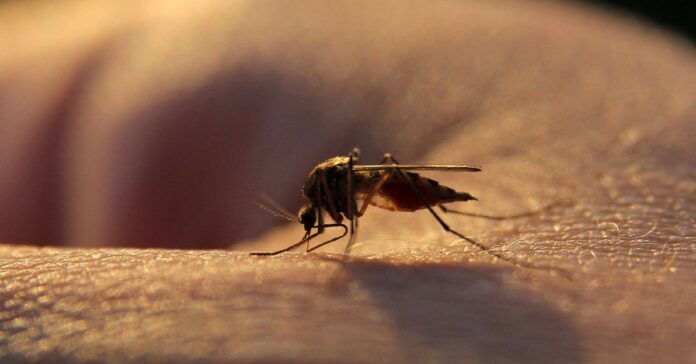
In a first for the Southern Hemisphere, researchers have shown a bacteria can successfully sterilize and eradicate the invasive, disease-carrying Aedes aegypti mosquito which is responsible for spreading dengue, yellow fever, and Zika.
The breakthrough could support the suppression and potential eradication of Aedes aegypti worldwide.
The landmark trial involved releasing three million male Aedes aegypti mosquitoes in Northern Queensland, sterilized with bacteria called Wolbachia, across three trial sites over a 20-week period during the summer of 2018.
The sterile male insects search out and mate with wild females, preventing the production of offspring.
Scientists returned the following year and found one of the trial sites, Mourilyan in Queensland, was almost devoid of mosquitoes.
The trial was an international collaboration between Australia’s national science agency CSIRO, University of Queensland (UQ), Verily Life Sciences, QIMR Berghofer Medical Research Institute and James Cook University (JCU).
CSIRO Chief Executive Dr Larry Marshall said the organization was proud to build on a 100-year legacy of protecting Australia and Australians.
“The creation of our Health and Biosecurity team back in 2016 meant we were prepared for COVID-19, and that preparation is paying off across other biosecurity threats like mosquitos which spread some of the world’s most serious diseases,” Dr Marshall said.
“Over 40 per cent of humans suffer from mosquito-spread diseases, so it’s an opportunity for Australia to develop environmentally-friendly mosquito control tools to tackle current and future mosquito incursions.
“By working with Australian and international partners we can tackle two of Australia’s greatest challenges at once—health and security—with breakthrough research translated into effective global export solutions.
“CSIRO is leveraging great Australian science to create new technologies to make this approach more cost effective and suitable for the climates of less developed countries that suffer most from mosquito-borne viruses, strengthening and protecting our region.”
JCU Adjunct Professor Scott Ritchie said the Wolbachia trial was a successful international collaboration which saw contemporary science working together with cutting-edge technology, to help eliminate the dengue-carrying Aedes aegypti mosquito.
“It was a hugely successful project. We reared the three million male Aedes aegypti mosquitoes needed for the trial in the insectary at James Cook University in Cairns,” Prof Ritchie said.
Verily Product Manager, Nigel Snoad, said community engagement was also essential to success of the project.
“It was a huge achievement by the joint team to setup and operate the mosquito rearing, sorting and release systems, and develop strong community engagement and support,” Mr Snoad said.
“We were proud of the work we were able to do in collaboration with the CSIRO, James Cook University and the local community. The ongoing suppression after releases stopped is an important result, indicating that sustained impact is feasible for this disease vector.”
CSIRO scientist and UQ Associate Professor, Nigel Beebe, said the trial—published in PNAS—demonstrates this technique is robust and capable of effectively suppressing mosquito populations.
“When we surveyed the sites the following year, we were very encouraged to see the suppression still in effect, with one of our most productive towns for Aedes aegypti almost devoid of this mosquito with a 97 per cent reduction across the following season.
“One year on, the mosquito population at the second trial site remained substantially suppressed, while the population fully recovered at the third site.
“We are currently investigating the differences observed in the following mosquito season as they are incredibly informative in further developing this technology and in modelling how we could remove this exotic virus-transmitting pest in other locations worldwide.”
The technique can also be used to remove the virus-transmitting Asian tiger mosquito, Aedes albopictus, that has now established at Australia’s doorstep in the Torres Strait Islands.
Techniques from the trial are being used to support CSIRO-led mosquito suppression programs in French Polynesia and the Hunter region in New South Wales, Australia.
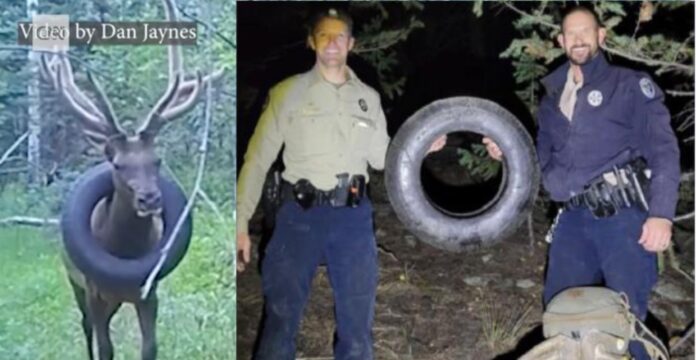
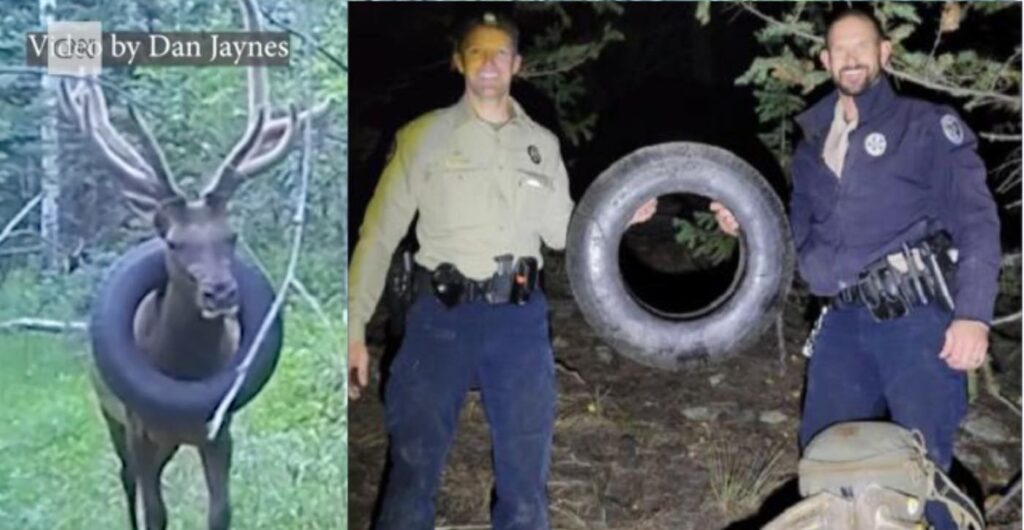
An equal parts comedy and tragedy in the Colorado mountains finally gave to an end, after a young bull elk who had a car tire dangling around his neck for two years was finally set free.
Tracking the elk for two years but never managing to get close enough to tranquilize the animal, Colorado Parks and Wildlife authorities cornered the four year-old bull at around 8:00 p.m. last Saturday.
Despite first seeing the animal two years ago, trail cam footage clearly showed the tire wasn’t affecting the animal’s ability to eat or drink. Still, fear of the tire becoming tangled in branches, or worse, in the antlers of another elk during the rut, continuously drove Parks and Wildlife staff to try and remove it.
Following a call from a resident who had seen the bull in their neighborhood, Wildlife officers Dawson Swanson and Scott Murdoch responded to what would be the last of four attempts to help the animal.
“I am just grateful to be able to work in a community that values our state’s wildlife resource,” Swanson said. “I was able to quickly respond to a report from a local resident regarding a recent sighting of this bull elk in their neighborhood. I was able to locate the bull in question along with a herd of about 40 other elk.”
The saga of the bull elk with a tire around its neck is over. Thanks to the residents just south of Pine Junction on CR 126 for reporting its location, wildlife officers were able to free it of that tire Saturday.
They had to get within close range to successfully find their mark with the tranquilizer. The ten-pointer, weighing over 600 pounds, regretfully had to lose one of his magnificent antlers in order to slip the tire off from around his neck, as the steel-bead reinforcements were too much for their small electric saw.
“We would have preferred to cut the tire and leave the antlers for his rutting activity, but the situation was dynamic and we had to just get the tire off in any way possible,” said Officer Murdoch. Inside the tire they found 10 pounds of debris which had fallen into the air crevice. While causing minimal impediment to the animal’s life, as observed from its size and health, the ring of the tire had begun to wear away on the elk’s neck.
“The hair was rubbed off a little bit, there was one small open wound maybe the size of a nickel or quarter, but other than that it looked really good,” Murdoch said of the bull’s neck. “I was actually quite shocked to see how good it looked.”
This bull elk has spent the past couple of years traveling back and forth between Park and Jefferson Counties. He would disappear for long periods of time, particularly in the winter, and was acting as expected from a wild animal, not wanting to be around human presence.
“The saga of this bull elk highlights the need for residents to live responsibly with wildlife in mind,” the Department stated in a news release. “Wildlife officers have seen deer, elk, moose, bears, and other wildlife become entangled in a number of man-made obstacles that include swing sets, hammocks, clothing lines, decorative or holiday lighting, furniture, tomato cages, chicken feeders, laundry baskets, soccer goals or volleyball nets, and yes, tires.”
RESCUE This Happy Ending For Your Mates—Share This Story on Social Media…
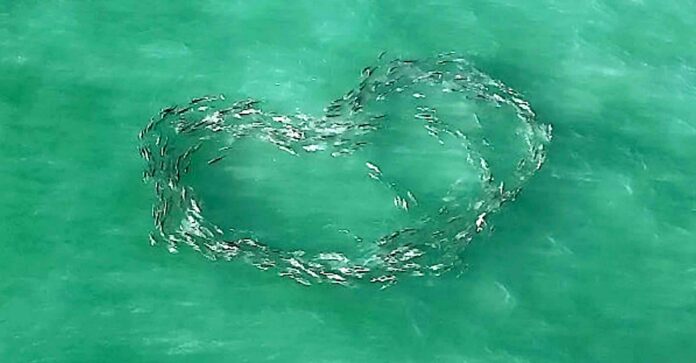
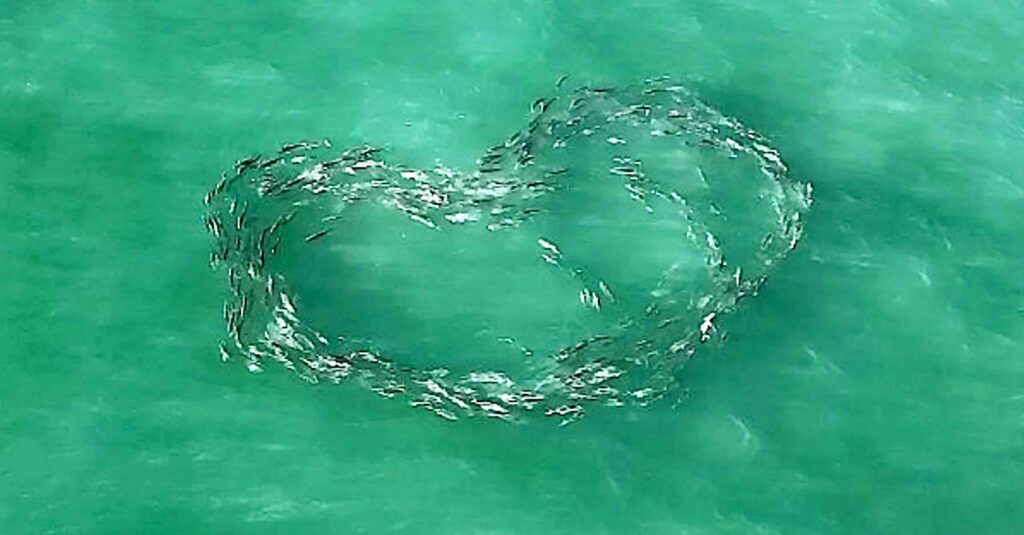
Stunning aerial footage has captured a school of fish moving through the sea in the shape of a perfect love heart.
The group of Crevalle Jack reflect the sunshine as they move together in a Cupid shape before morphing into a swirling ring.
The clip is reminiscent of the moonfish in Pixar’s Finding Nemo that make a series of swirling, ethereal shapes to talk with Marvin the clownfish.
Local restaurant owner, 47-year-old Paul Dabill spotted the fish while flying his DJI Mavic Air 2 drone just off Juno Beach in Palm Beach County, Florida.
Paul said, “I was looking for mullet, this time of year is the fall mullet migration.
“There were no mullet at the beach this day, however I found the school of Jack Crevalles instead.
Tom Cruise, MTV Live; CC license/Astronaut, Russia Channel One
Tom Cruise, MTV Live; CC license/Astronaut, Russia Channel One
Russia has a history of beating us Yankees into space, and along with being the first to send a dog, man, and woman into the arms of the final frontier, they just became the first nation to send an actress and film crew up there.
Slated for two weeks of filming aboard the International Space Station (ISS), actress Yulia Peresild and director Klim Shipenko become the first humans to film part of a feature-length film in space, beating out poor old Tom Cruise, who since 2020 had made his intentions to film a movie aboard the ISS clear enough to NASA.
The Challenge will be a big-budget Russian blockbuster based on the story of a top surgeon (Peresild) who is called upon to ascend to the Russian-module of the ISS for an emergency procedure.
A Soyuz rocket departed the Earth at 4:55 a.m. on October 5th from the Baikonur Cosmodrome in Kazakhstan, and arrived three hours later carrying Ms. Peresild, Mr. Shipenko and their experienced astronautical guide, Anton Shkaplerov.
After an automated docking procedure had to be aborted due to what a translator described deliciously as “ratty comms” to the New York Times, Shkaplerov brought the Soyuz craft in manually.
“I still feel that it’s all just a dream and I am asleep,” said Peresild, opening the hatch and floating into the space laboratory. “It is almost impossible to believe that this all came to reality.”
The pair will gather around 35 minutes of footage before departing on the 17th of October, leaving Shkaplerov behind to work.
After the film launches on Russia’s Channel One, an inevitable reality series is planned to follow.
Space filming
While many films certainly feature space, The Challenge will be the first feature-length fiction to be filmed on the ISS. Other filming for documentary purposes has been conducted before; just recently The Wonderful, which features a collection of the stories of astronauts aboard the ISS, was released worldwide.
In May 2020, former NASA Administrator Jim Bridenstine announced that he and NASA “are excited to work with Tom Cruise on a film aboard the Space Station,” adding that “We need popular media to inspire a new generation of engineers to make NASA’s plans a reality.”
NASA is excited to work with @TomCruise on a film aboard the @Space_Station! We need popular media to inspire a new generation of engineers and scientists to make @NASA’s ambitious plans a reality. pic.twitter.com/CaPwfXtfUv
In September 2020, it was announced that Cruise and Director Doug Liman had booked a flight on a SpaceX rocket headed for the ISS in October 2021. Ever eager for a space-race, Russian Channel One and a film studio called Yellow, Black, and White jointly announced with the Russian space agency Roscosmos their own plans for a space movie.
While Peresild and Shipenko will be set to come down soon, Cruise’s October launch plans are still up in the air. Universal Studies were reportedly ready to lay down $200 million to make the movie happen, but having only just finished filming Mission Impossible 7, it would seem a real impossible mission to make the SpaceX flight with everything ready for filming.
If Tom Cruise needs a bright side to look on, it’s that the last time Russia and the U.S. had a first-to space race, Russia got into space first, but the U.S. got to the Moon.
Mission Impossible 8 anyone?
(WATCH the Guardian video for this story below.)
SHARE This Far Out Space Race Story With Everyone…
Quote of the Day: “The thought that life could be better is woven indelibly into our hearts and our brains.” – Paul Simon, Lyric from Train In The Distance (turns 80 today)
Photo: by Daniel Mirlea
With a new inspirational quote every day, atop the perfect photo—collected and archived on our Quotes page—why not bookmark GNN.org for a daily uplift?
A Minnesota high schooler with a passion for disabled animals has made giving them mobility her mission. Two years ago, after studying some YouTube tutorials followed by a process of trial and error, 16-year-old Shaine Kilyun embarked on the enterprise of making hand-crafted pet wheelchairs for animals in need.
More than mere creature comfort, the mobility devices Kilyun manufactures in her spare time are changing furry lives for the better, and even saving animals that might otherwise be put down.
“I just love animals, and I wanted to make a difference somehow,” Kilyun told FOX-9. she said. “I’ve saved a few lives, and I really hope to save more.”
Since launching Wheelies Dog and Cat Wheelchairs that offers “custom, handmade, and low-cost wheelchairs for specially-abled dogs, cats & pets,” Kilyun has only charged for the cost of her materials.
The savings are often substantial—$300 for one of her creations, versus $1,000 for similar devices for large-breed dogs from more traditional sources.
To date, the tireless teen has put together close to a dozen front-support, full-support, and back-support models, depending on the animal’s particular needs and has designed mobility devices for everything from a tiny Chihuahua in Ohio to a Great Dane in Oregon.
In addition to dogs and cats, she’s also come up with a one-of-a-kind locomotion aid for a hedgehog. Next on her drawing board? A purpose-built duck-mobile.
As was her hope from the beginning, Kilyun has expanded her outreach to include shelter pets. She met one of her latest clients, Scooter, a paraplegic pup who came to the U.S. from Saudi Arabia via the Home For Life Animal Sanctuary, an organization that offers a chance for life to pets that might be considered unadoptable.
Lisa Leverdiere, who works with the nonprofit, notes that in times like these when it’s difficult to raise money, Kilyun’s efforts are especially appreciated.
Kilyun is determined to keep up the good work, and while times may be hard, she says she’s thrilled by the generous folks who are still willing to contribute financial help to cover her costs. “A lot of people have reached out and donated, which is just incredible,” she told FOX-9.
If you’d like to help give a dog, cat (or duck) a new “leash on life,” donations can be made via Zelle to [email protected].
(WATCH the video for this story below.)
SHARE This Great Teen’s Story With Your Animal-Loving Chums…