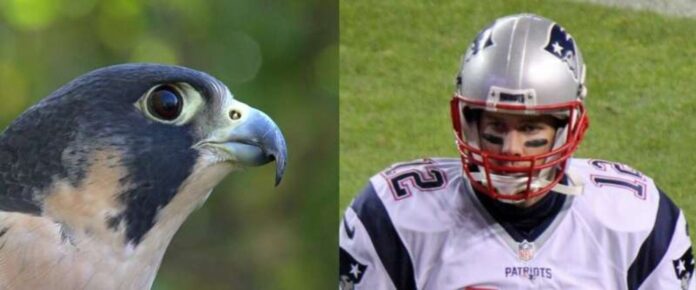
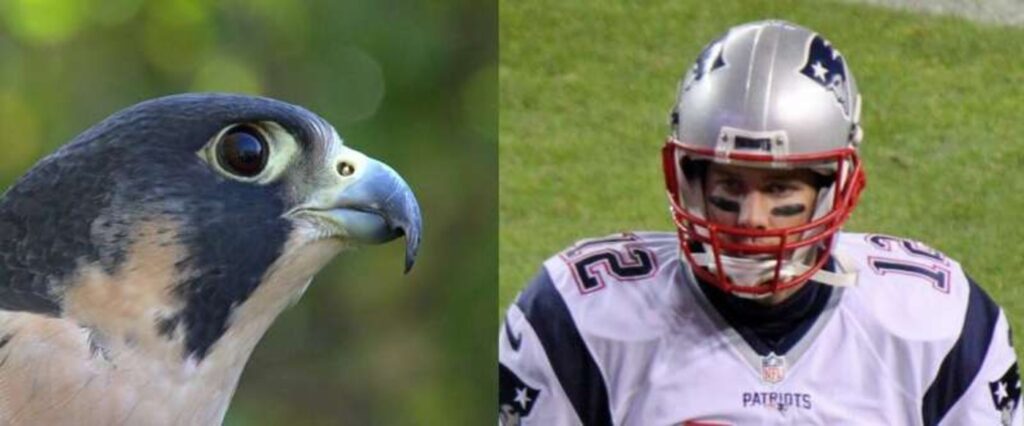
Dark ‘eyeliner’ feathers of peregrine falcons act as sun shields to improve the birds’ hunting ability, a new scientific study suggests.
Scientists have long speculated that falcons’ eye markings improve their ability to target fast-moving prey, like pigeons and doves, in bright sunlight.
Now research suggests these markings have evolved according to the climate; the sunnier the bird’s habitat, the larger and darker are the tell-tale dark ‘sun-shade’ feathers.
The distinctive dark stripes directly beneath the peregrine falcon’s eyes, called the malar stripe or ‘moustache’, likely reduce sunlight glare and confer a competitive advantage during high-speed chases. It’s an evolutionary trait mimicked by some top athletes who smear dark makeup below their eyes to help them spot fast-moving balls in competitive sports.
Until now, there had been no scientific study linking solar radiation levels to the dark ‘eyeliner’ plumage, which is common to many other falcon species.
The scientists used photos of peregrine falcons from around the world posted on the web by bird watchers and scored the size of the malar stripe for each bird.
They then explored how these malar stripes varied in relation to aspects of the local climate, such as temperature, rainfall, and strength of sunlight.
The study, published in the journal Biology Letters, was conducted by researchers from the University of Cape Town (UCT) and the University of Witwatersrand in South Africa.
It involved comparing malar stripe characteristics, including width and prominence, of individual peregrine falcons, by using over two thousand peregrine photographs stored in online citizen science libraries.
Researchers examined samples from 94 different regions or countries. Results showed that peregrine falcon malar stripes were larger and darker in regions of the world where sunlight is stronger.
“The solar glare hypothesis has become ingrained in popular literature, but has never been tested empirically before,” said Michelle Vrettos, an MSc student from UCT who carried out the research.
Vrettos added: “Our results suggest that the function of the malar stripe in peregrines is best explained by this solar glare hypothesis.”
Associate Professor Arjun Amar from the UCT FitzPatrick Institute, who supervised the research, said: “The peregrine falcon represents the ideal species to explore this long-standing hypothesis, because it has one of the most widespread distributions of all bird species, being present on every continent except Antarctica—it is therefore exposed to some of the brightest and some of the dullest areas around the globe.”
Amar added: “We are grateful to all the photographers around the world that have deposited their photos onto websites. Without their efforts this research would not have been possible.”
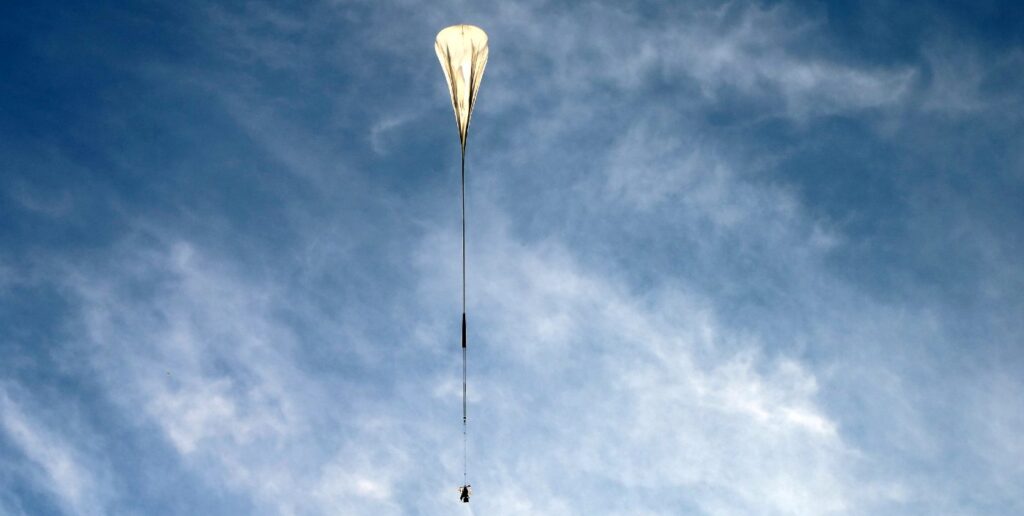
The world’s biggest balloon, the size of a soccer stadium, is to be sent to the edge of space.
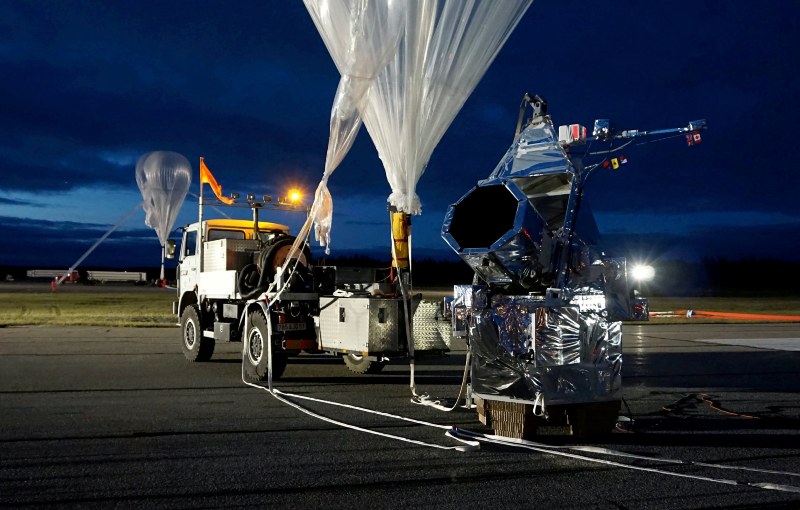
The instrument—named Superpressure Balloon-borne Imaging Telescope, or SuperBIT—will fly above 99.5% of Earth’s atmosphere next April and will carry a wide field telescope to rival Hubble, but at a fraction of the cost. That’s according to the British scientists behind the ambitious project.
SuperBIT will study dark matter, the invisible ‘glue’ that makes up 80 percent of all the stuff in the universe, which astronomers map by the way it bends rays of light, in a technique known as gravitational lensing.
Professor Richard Massey of Durham University, said: “Cavemen could smash rocks together to see what they’re made of. We are going to use SuperBIT to look for the ‘crunch’ of dark matter. It is the same experiment. You just need a space telescope to see it.”
A collaboration between NASA, the Canadian Space Agency, Durham, Toronto, and Princeton universities, SuperBIT cost £1.5 million ($2 million) to build compared to the £3.6 billion ($5 billion) for NASA’s Hubble.
And the international team are confident SuperBIT’s high-resolution images will be just as impressive.
Light from a distant galaxy can travel for billions of years before reaching our telescopes. In the final fraction of a second, it has to pass through Earth’s swirling, turbulent atmosphere—and our view of the universe becomes blurred. Observatories on the ground are built at high altitude sites to overcome some of this. But only placing a telescope in space fully escapes the effect. SuperBIT changes that.
It has a mirror half a meter in diameter and is carried to an altitude of almost 25 miles (40km) by the huge helium balloon. The mission will also be much less expensive than a typical machine-based alternative, and doesn’t take as long to plan.
SWNS
A final test flight in 2019 demonstrated the telescope’s extraordinary pointing stability. And NASA recently developed ‘superpressure’ balloons that can contain helium for months.
In April 2022, SuperBIT will take off from Wanaka on New Zealand’s South Island—carried seasonally stable winds.
It will circumnavigate the Earth several times, imaging the sky all night, then using solar panels to recharge its batteries during the day.
Mohamed Shaaban, a PhD student at the University of Toronto, said: “New balloon technology makes visiting space cheap, easy, and environmentally friendly.
“As well as building a space telescope, our team has successfully tested all sorts of electronic and mechanical systems that could be used in future satellites.”
Its relatively cheap cost could even make it possible in the future to have a fleet of space telescopes offering time to astronomers around the world.
One thing the instrument will test is whether dark matter slows down during collisions. No particle colliders on Earth can accelerate dark matter. But this is a key signature predicted by theories that might explain recent observations of strange-behaving sub-atomic particles called muons.
SHARE This Far-Out News With Pals on Social Media…
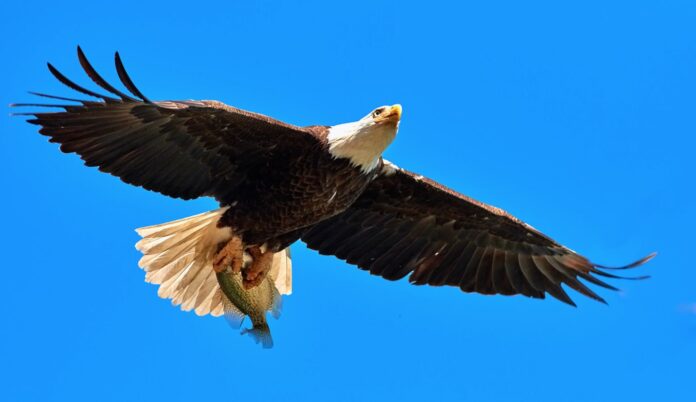
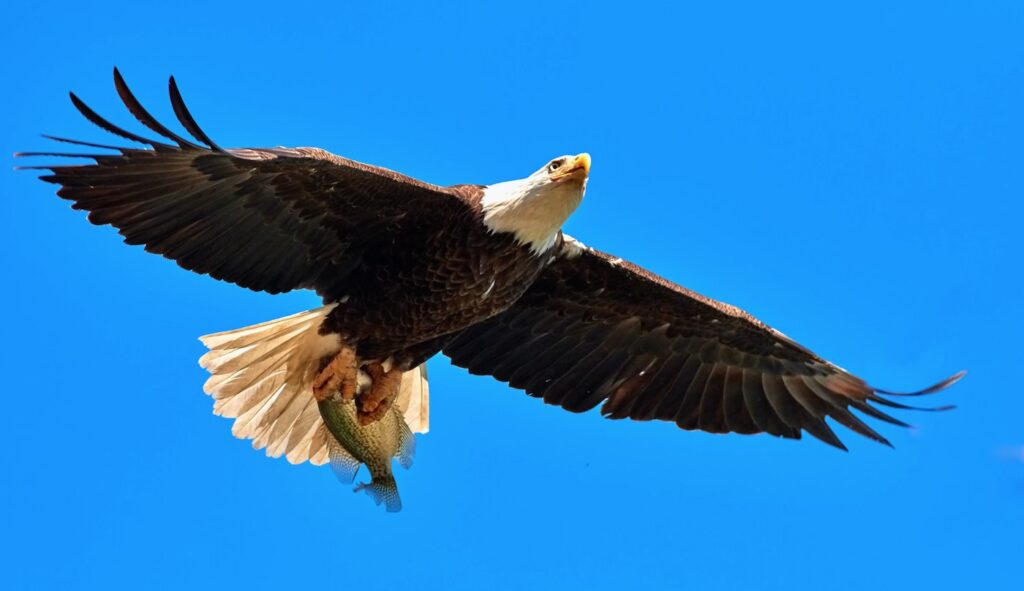
Quote of the Day: “If you run with wolves, you will learn how to howl. But, if you associate with eagles, you will learn how to soar to great heights.” – Colin Powell
Photo: by Jongsun Lee
With a new inspirational quote every day, atop the perfect photo—collected and archived on our Quotes page—why not bookmark GNN.org for a daily uplift?
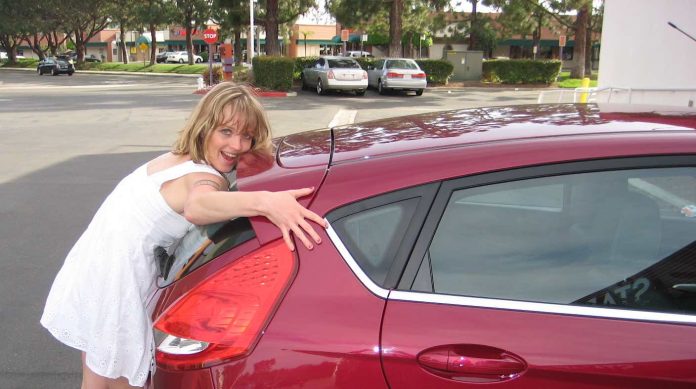
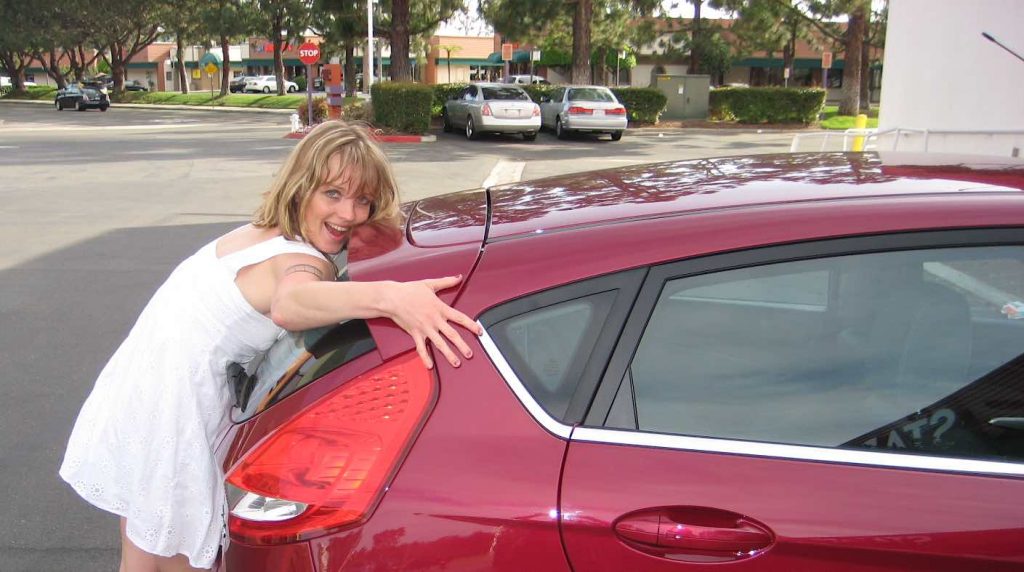
Americans have a nostalgic appreciation for their car since the pandemic, according to a new poll—and it’s no wonder. 40% of them have experienced epiphanies or “eureka” moments while sitting in those cars.
Olga Kay, CC license, via Flickr
A survey of 2,000 American drivers and car owners explored the relationships that people have with their vehicles.
It found that there’s no shortage of life-altering moments happening behind 2-or-4 doors, from making a commitment to positive change to coming up with a business idea or figuring out an invention.
The survey, conducted by OnePoll, was commissioned by Metromile, a digital insurer: “While many Americans reduced their driving during the pandemic, our study shows that cars remain an essential part of our lives.”
The study also showed that cars had become extensions of one’s home—operating as everything from a de facto office to a video call studio for work.
48% said their car is a perfect space to talk to themselves, a perfect place to cry (42%), to shop online (37%), or to take a photo of themselves (21%).
The study also revealed the type of conversations respondents have had in their cars. The average driver said they’ve had at least six awkward talks in their car. More specifically, 46% said they’ve experienced some of the worst moments of their lives in their car.
But, many people view their vehicles as a refuge, with 40% of respondents saying that their vehicle is the only space they have to themselves.
58% said they’ve had some of the best moments of their lives sitting inside their ride—and two of every five people surveyed said they are ready to hit the open road again.
MOST INTERESTING EPIPHANIES THAT PEOPLE HAD IN CARS
Figured out a great chess move
Came up with an invention
Figured out how to make amends to my best friend after an ugly argument
Realized how to tell something important to someone
Encountered a spirit
Realized that I need to love more and show it
Figured out how to make a bookcase that lights up with motion
Caught someone in a lie
Realized I could invest the money I spend on fast food
Found the best way to get rid of a pimple
Realized that frogs are amphibians and not reptiles
Found a road behind Mount Diablo in Concord, California
After the COVID-19 pandemic and cancer delayed a young couple’s wedding day twice, the third time will surely be a ‘lucky’ charm, thanks to an innovative robotic surgery.
The Christie cancer center
Paul Hutchinson is tying the knot with fiancée Lisa Bamforth at St. John’s church in Lancashire today following an innovative procedure performed at a Manchester cancer center, The Christie.
Thought to be the first of its kind in the UK, it allowed the groom diagnosed with testicular cancer to make it to the church—finally.
The traditional treatment for his cancer which spread to his abdominal lymph nodes, would have involved major abdominal surgery necessitating intensive care, a seven day stay in hospital and a recovery time of several months.
Paul was considered a good candidate for the pioneering robotic treatment which involves keyhole surgery, directed by a surgeon and performed by the intricate robotic machinery.
His hospital stay of just 48 hours and a home recovery of just a few weeks let Paul prepare for the big day with his fiancée and his two daughters.
“I genuinely didn’t think we could go ahead with the wedding as I was convinced I would not be well enough,” Paul told The Christie. “The incredible robotic operation has dramatically reduced my recovery time and left me feeling fit and well.”
The veteran can also get back to his job as an engineer within weeks—making a honeymoon the only other consideration.
Lisa says she fought back the tears when the surgeon rang to tell her about the procedure’s success.
“I am so relieved that Paul’s surgery is complete and that he had the opportunity to be treated in this incredible way. The news that he needed this operation, after successfully undergoing chemotherapy and surgery in 2014, came completely out of the blue and we thought we would have to cancel the wedding again.
“It is going to be the most special day ever and can’t wait to celebrate at the reception with our family and friends.”
“This will be actually be our third attempt at getting married as COVID has played its part in us having to rearrange everything.”
Aziz Gulamhusein, consultant urological and robotic surgeon at The Christie, said: “This was a first for The Christie as we engaged our state of the art robotic equipment to aid us with the precision required for an intricate procedure as needed for Paul’s cancer.”
“To be involved in such a highly specialized procedure using the latest technology is an amazing achievement for the team.”
Retroperitoneal lymph node dissection for metastatic testicular cancer is a commonly performed procedure at The Christie. Due to the position of these lymph nodes deep within the abdomen, the operation is traditionally done via a large open incision with the associated side effects.
The Christie has one of the largest robotic centres in the UK and the aim is to use that experience and expertise to allow more patients to potentially undergo this minimally invasive surgery to treat metastatic testicular cancer. The robot offers a highly magnified, 3D view with intricate instrument dexterity to ensure careful removal of cancerous nodes whilst preserving nerves and offering an enhanced recovery with much shorter convalescence.
How does the world’s fastest blind man run 100 meters in under 11 seconds without the ability to see a starting block, lane, or curvature of the track? A new documentary called Untethered provides the moving answer.
By Jasmine Safaeian
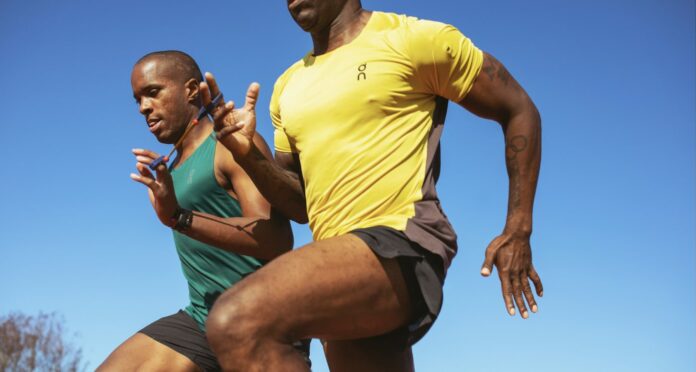
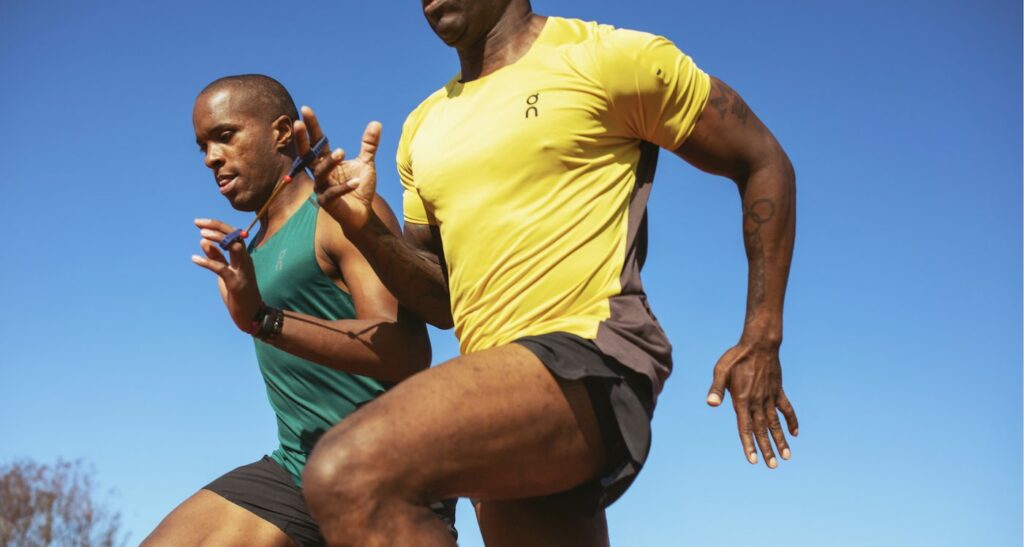
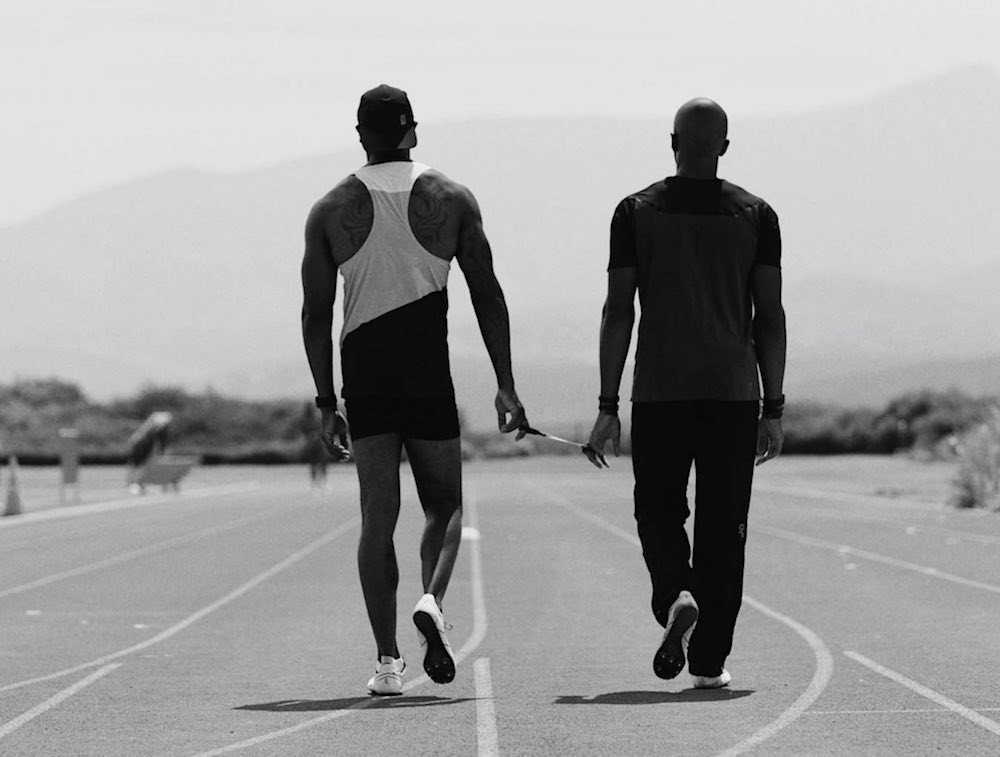
After being diagnosed with Kawasaki disease as a toddler, David Brown was robbed of his sight by the time he was 13. A natural athlete, David eventually found a running guide to partner with—and became the Paralympic champion and world-record holder in 2014 as the only blind person ever to run the 100-meter in under 11 seconds.
The 30-minute film portrays the unique brotherhood that Brown formed with Jerome Avery, while the two were ‘tethered’ in training for 15 years. Their inspiring story of companionship and abiding trust transcends the world of sport.
When David ran the world-record race with Jerome seven years ago, they were connected by an eight-inch cord. In the new film, you can see how it had been cut in half—to just four-inches—as their partnership and trust evolved with almost perfect synchronicity.
Written by award-winning creative director Andy Fackrell, Untethered was filmed in the run-up to the Paralympic Games in Tokyo, which will be the first time that Brown will be untethered from his long-time running companion, after Jerome was injured in early 2021.
“Being able to let go of all fears when deprived of sight and have faith in another human being, David puts his complete confidence in Jerome and strives to live without restraint,” says Feliciano Robayna, Head of Sports Marketing for On, the Swiss company that made the film.
Jasmine Safaeian
“When you see Jerome and I run, it’s like one person,” says David.
“I hope people can relate to Untethered when they see it and maybe even gain greater understanding of Paralympic sport when they watch the competitions at Tokyo this year.”
The fact that Avery will not be running alongside David on September 1 in Tokyo, makes the film and its title even more compelling.
Now, the star sprinter becomes ‘Untethered’ to his longtime running guide, after training with a new one.
Untethered features two headline entertainers, who surprise David for conversations in New York City, as well as an interview with his mother, Francine Brown, who recounts a 500-word winning essay that allowed him to attend the 2008 Paralympic Games in Beijing—and propelled his athletic career forward.
Produced by an award-winning creative team assembled by On, and with music by BAFTA nominated composer, Peter Raeburn, the film can now be viewed at UntetheredFilm.com.
WATCH the inspiring trailer…
Tether Your Friends to Some Olympic Inspiration—Share This on Social Media!
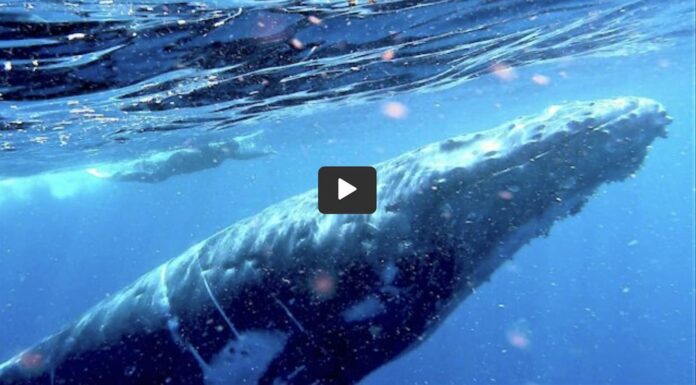
Their massive bodies dwarf our own, but they seem to know their own strength, as there are many cases of whales intentionally showing their gentle side by avoiding inflicting injury.
This very lucky swimmer was visited by a playful male humpback, who seemingly was rolling over for a belly rub.
Quote of the Day: “The only limits for tomorrow are the doubts we have today.” – Pittacus Lore, The Power of Six
Photo: by Timothy Meinberg
With a new inspirational quote every day, atop the perfect photo—collected and archived on our Quotes page—why not bookmark GNN.org for a daily uplift?
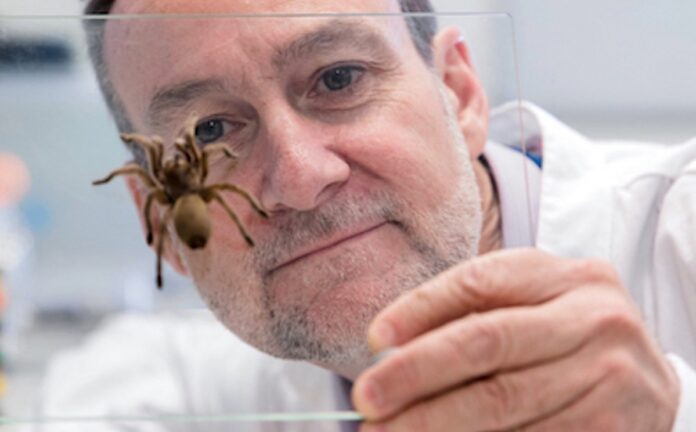
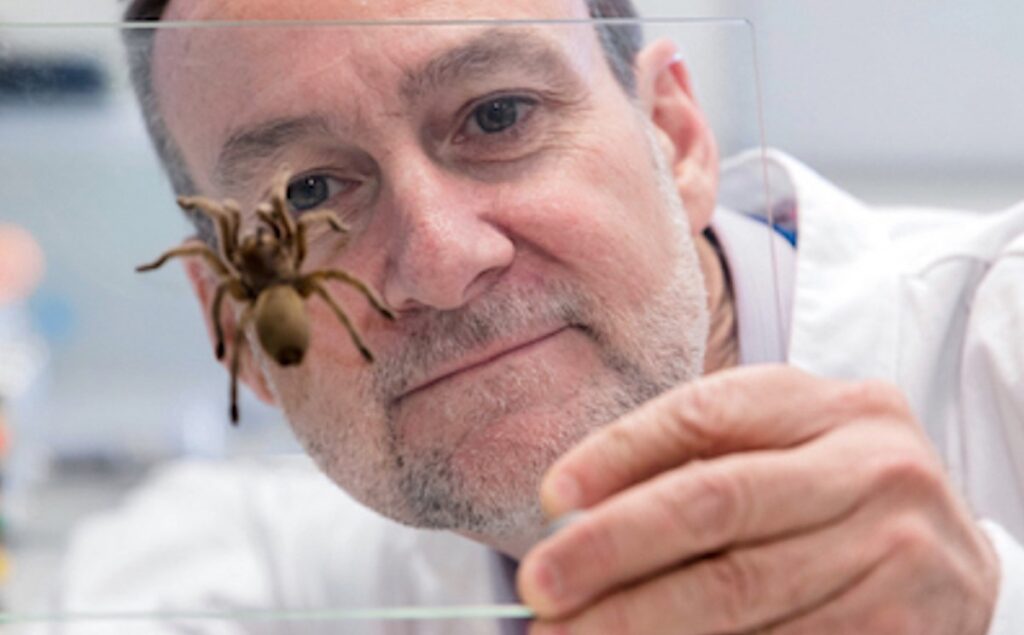
Australian researchers discovered a potentially life-saving treatment for heart attacks inside a very unlikely source–the venom of one of the world’s deadliest spiders.
Victor Chang Cardiac Research Institute
A drug candidate developed from a molecule found in the venom of the Fraser Island (K’gari) funnel web spider can prevent damage caused by a heart attack, as well as extend the life of donor hearts for organ transplants.
The discovery was made by a team led by Professor Peter Macdonald from the Victor Chang Cardiac Research Institute in Australia and colleagues at The University of Queensland.
Macdonald said this incredible result had been decades in the making:
“This will not only help the hundreds of thousands of people who have a heart attack every year, it could also increase the number and quality of donor hearts, which will give hope to those waiting on the transplant list.”
Dr Palpant, from UQ’s Institute for Molecular Bioscience (IMB), said the drug candidate worked by stopping a ‘death signal’ sent from the heart in the wake of an attack.
“After a heart attack, blood flow to the heart is reduced, resulting in a lack of oxygen to heart muscle. The lack of oxygen causes the cell environment to become acidic, which combine to send a message for heart cells to die.”
“Despite decades of research, no one has been able to develop a drug that stops this death signal in heart cells, which is one of the reasons why heart disease continues to be the leading cause of death in the world.”
Dr. Palpant tested the drug candidate, a protein called Hi1a, using beating human heart cells exposed to heart attack stresses to see if the drug improved their survival.
“The Hi1a protein from spider venom blocks acid-sensing ion channels in the heart, so the death message is blocked, cell death is reduced, and we see improved heart cell survival.”
There are currently no drugs in clinical use that prevent the damage caused by heart attacks.
“The survival of heart cells is vital in heart transplants—treating hearts with Hi1a and reducing cell death will increase how far the heart can be transported and improve the likelihood of a successful transplant,” said Macdonald.
“Usually, if the donor heart has stopped beating for more than 30 minutes before retrieval, the heart can’t be used – even if we can buy an extra 10 minutes, that could make the difference between someone having a heart and someone missing out. For people who are literally on death’s door, this could be life-changing.”
The small protein in the venom of this spider was shown to markedly improve recovery from stroke, “amazingly reducing damage to the brain even when it is given up to eight hours after stroke onset,” said UQ Professor Glenn King.
“For heart attack victims, our vision for the future is that Hi1a could be administered by first responders in the ambulance, which would really change the health outcomes of heart disease.”
This would particularly important in rural and remote areas where patients are far from hospitals—when every second counts.
This could also allow donor hearts to be transported over longer distances and therefore increasing the network of available donors and recipients.
Dr. Sarah Scheuer says their research, published in the journal Circulation, initially just looked just at the effect of venom but moved down a whole new path of discovery when they identified a specific pathway that played a key role in damaging the heart tissue after oxygen loss.
“We found that an acid-sensing ion channel played a significant role in causing injury to the heart. By blocking that channel, we were able to prevent some of the injury that usually occurs.”
The protein has been tested in human heart cells, and the team is aiming for human clinical trials, for both stroke and heart disease, to begin within two to three years, possibly leading to a new way of reversing the damage from heart attacks by using a potent, spider-derived antidote.
FREE WILL ASTROLOGY – Week beginning August 6, 2021
Copyright by Rob Brezsny, FreeWillAstrology.com
LEO (July 23-Aug. 22):
The next two months will be a propitious time for you and your intimate allies to grow closer by harnessing the power of your imaginations. I urge you to be inventive in dreaming up ways to educate and entertain each other. Seek frisky adventures together that will delight you. Here’s a poem by Vyacheslav Ivanov that I hope will stimulate you: “We are two flames in a midnight forest. We are two meteors that fly at night, a two-pointed arrow of one fate. We are two steeds whose bridle is held by one hand. We are two eyes of a single gaze, two quivering wings of one dream, two-voiced lips of single mysteries. We are two arms of a single cross.”
VIRGO (Aug. 23-Sept. 22):
Virgo spiritual author Don Miguel Ruiz urges us not to take anything personally. He says that if someone treats us disrespectfully, it’s almost certainly because they are suffering from psychological wounds that make them act in vulgar, insensitive ways. Their attacks have little to do with what’s true about us. I agree with him, and will add this important caveat. Even if you refrain from taking such abuses personally, it doesn’t mean you should tolerate them. It doesn’t mean you should keep that person in your life or allow them to bully you in the future. I suspect these are important themes for you to contemplate right now.
LIBRA (Sept. 23-Oct. 22):
“People who feel deeply, live deeply, and love deeply are destined to suffer deeply,” writes poet Juansen Dizon. To that romanticized, juvenile nonsense, I say: NO! WRONG! People who feel and live and love deeply are more emotionally intelligent than folks who live on the surface—and are therefore less fragile. The deep ones are likely to be psychologically adept; they have skills at liberating themselves from the smothering crush of their problems. The deep ones also have access to rich spiritual resources that ensure their suffering is a source of transformative teaching—and rarely a cause of defeat. Have you guessed that I’m describing you as you will be in the coming weeks?
SCORPIO (Oct. 23-Nov. 21):
Professor of psychology Ethan Kross tells us there can be healthy, creative forms of envy. “Just as hunger tells us we need to eat,” he writes, “the feeling of envy could show us what is missing from our lives that really matters to us.” The trick is to not interpret envy as a negative emotion, but to see it as useful information that shows us what we want. In my astrological opinion, that’s a valuable practice for you to deploy in the coming days. So pay close attention to the twinges of envy that pop into your awareness. Harness that volatile stuff to motivate yourself as you make plans to get the very experience or reward you envy.
SAGITTARIUS (Nov. 22-Dec. 21):
Poet Walt Whitman bragged that he was “large.” He said, “I contain multitudes.” One critic compared him to “a whole continent with its waters, with its trees, with its animals.” Responding to Whitman, Sagittarian poet Gertrud Kolmar uttered an equally grandiose boast. “I too am a continent,” she wrote. “I contain mountains never-reached, scrubland unpenetrated, pond bay, river-delta, salt-licking coast-tongue.” That’s how I’m imagining you these days, dear Sagittarius: as unexplored territory: as frontier land teeming with undiscovered mysteries. I love how expansive you are as you open your mind and heart to new self-definitions. I love how you’re willing to risk being unknowable for a while as you wander out in the direction of the future.
CAPRICORN (Dec. 22-Jan. 19):
Poet Ezra Pound wrote a letter to novelist James Joyce that included the following passage: “You are f**king with my head, and so far I’ve been enjoying it. Where is the crime?” I bring this up, Capricorn, because I believe the coming weeks will be prime time for you to engage with interesting souls who mess with your head in enjoyable ways. You need a friendly jolt or two: a series of galvanizing prods; dialogs that catalyze you to try new ways of thinking and seeing; lively exchanges that inspire you to experiment.
AQUARIUS (Jan. 20-Feb. 18):
Blogger Mandukhai Munkhbaatar offers advice on the arts of intimate communion. “Do not fall in love only with a body or with a face,” she tells us. “Do not fall in love with the idea of being in love.” She also wants you to know that it’s best for your long-term health and happiness if you don’t seek cozy involvement with a person who is afraid of your madness, or with someone who, after you fight, disappears and refuses to talk. I approve of all these suggestions. Any others you would add? It’s a favorable phase to get clearer about the qualities of people you want and don’t want as your allies.
PISCES (Feb. 19-March 20):
I gave my readers homework, asking them to answer the question, “What is your favorite rule to break?” In response, Laura Grolla sent these thoughts: “My favorite rule to break is an unwritten one: that we must all stress and strive for excellence. I have come up with a stress-busting mantra, ‘It is OK to be OK.’ In my OKness, I have discovered the subtle frontier of contentment, which is vast and largely unexplored. OKness allows me not to compete for attention, but rather to pay attention to others. I love OKness for the humor and deep, renewing sleep it has generated. Best of all, OKness allows me to be happily aging rather than anxiously hot.” I bring this to your attention, Pisces, because I think the coming weeks will be a favorable time for you to investigate and embody the relaxing mysteries of OKness.
ARIES (March 21-April 19):
Filmmaker Federico Fellini had an unexpected definition of happiness. He said it was “being able to speak the truth without hurting anyone.” I suspect you will have abundant access to that kind of happiness in the coming weeks, Aries. I’ll go even further: You will have extra power to speak the truth in ways that heal and uplift people. My advice to you, therefore, is to celebrate and indulge your ability. Be bold in expressing the fullness of what’s interesting to you.
TAURUS (April 20-May 20):
“Look for a long time at what pleases you, and longer still at what pains you,” wrote the novelist Colette. What?! Was she making a perverse joke? That’s wicked advice, and I hope you adopt it only on rare occasions. In fact, the exact opposite is the healthy way to live—especially for you in the coming weeks. Look at what pains you, yes. Don’t lose sight of what your problems and wounds are. But please, for the sake of your dreams, for the benefit of your spiritual and psychological health, look longer at what pleases you, energizes you, and inspires you.
GEMINI (May 21-June 20):
If you deepen your affection for butterflies and hummingbirds, I will love it. If you decide you want the dragonfly or bumblebee or lark to be your spirit creature, I will approve. You almost always benefit from cultivating relationships with swift, nimble, and lively influences—and that’s especially true these days. So give yourself full permission to experiment with the superpower of playful curiosity. You’re most likely to thrive when you’re zipping around in quest of zesty ripples and sprightly rhythms.
CANCER (June 21-July 22):
Life is showing you truths about what you are not, what you don’t need, and what you shouldn’t strive for. That’s auspicious, although it may initially feel unsettling. I urge you to welcome these revelations with gratitude. They will help you tune in to the nuances of what it means to be radically authentic. They will boost your confidence in the rightness of the path you’ve chosen for yourself. I’m hoping they may even show you which of your fears are irrelevant. Be hungry for these extraordinary teachings.
WANT MORE? Listen to Rob’s EXPANDED AUDIO HOROSCOPES, 4-5 minute meditations on the current state of your destiny — or subscribe to his unique daily text message service at: RealAstrology.com
Quote of the Day: “You don’t have to see where you’re going, you don’t have to see your destination or everything you will pass along the way. You just have to see two or three feet ahead of you.” – Anne Lamott
Photo: by Brian Mann
With a new inspirational quote every day, atop the perfect photo—collected and archived on our Quotes page—why not bookmark GNN.org for a daily uplift?
A NASA instrument on the International Space Station is uniquely positioned to provide firefighters with valuable intel regarding wildfire progression and hotspots over time.
NASA/JPL-Caltech
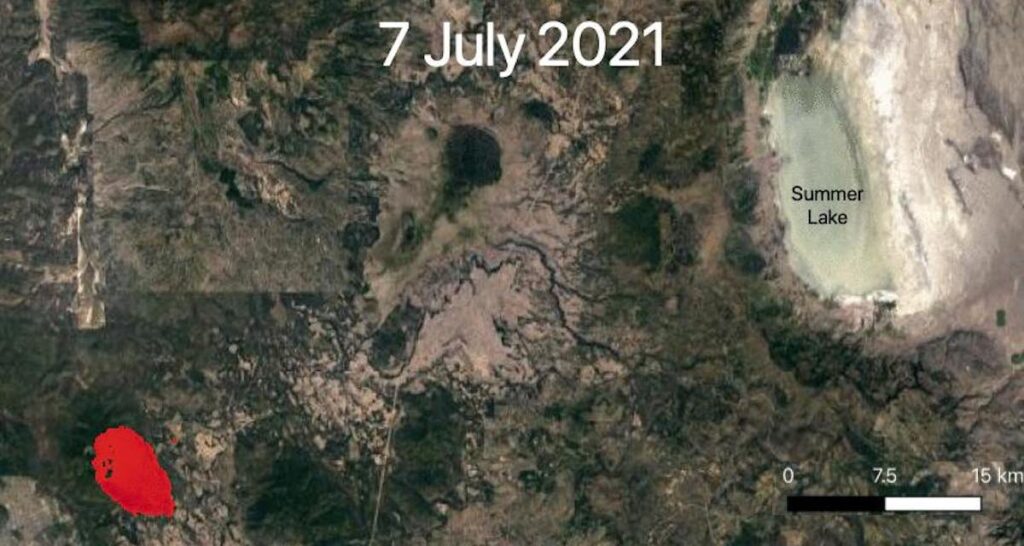
Data from the thermal maps produced by ECOSTRESS has helped frontline responders contain about 53% of the Bootleg Fire in southern Oregon, which two weeks ago was the largest wildfire burning in the U.S.
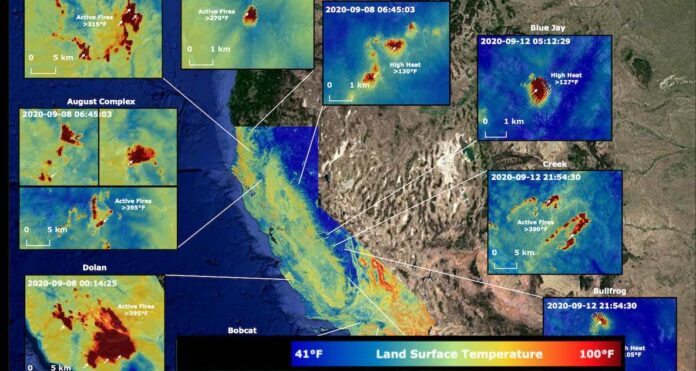
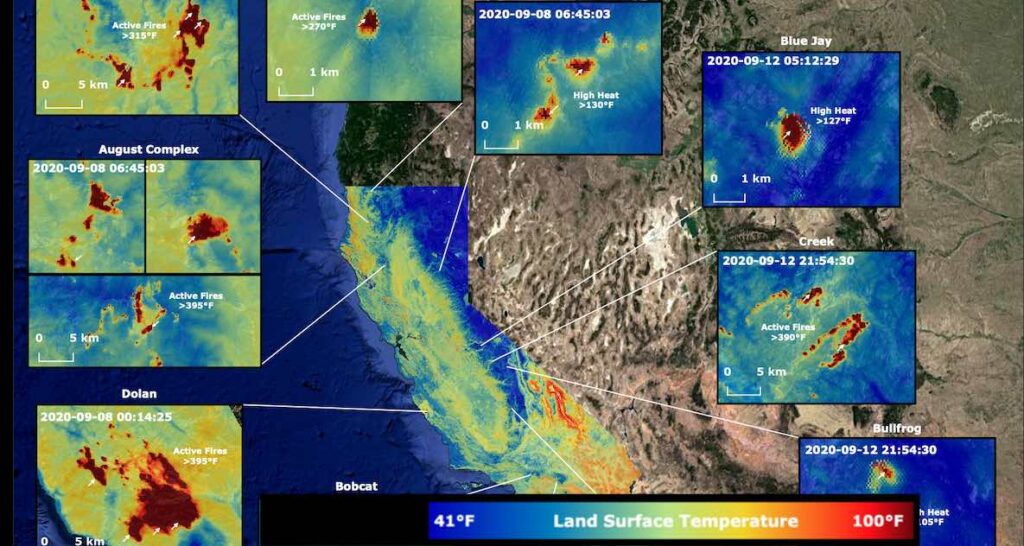
ECOSTRESS —ECOsystem Spaceborne Thermal Radiometer Experiment on Space Station— is measuring surface temperature from the vantage point of space, with the ability to observe fires at a high spatial resolution (around 70 meters), making it ideal for tracking fires.
Researchers on the RADR-Fire team at Pacific Northwest National Laboratory have been experimenting with ECOSTRESS data as part of a new tool now being implemented for first responders like the U.S. Forest Service.
In one instance, ECOSTRESS was tracking the movement of the Bootleg Fire and identifying its proximity to critical infrastructure. Areas in red represent the hottest pixels ECOSTRESS can detect. The extreme heat in the red areas indicate the fire front, or where resources are most needed.
The capabilities of ECOSTRESS are unique. Most satellites don’t have high-enough resolution to track the fine line of the fire front, but when they do achieve higher resolution than ECOSTRESS, they require 5–16 days to return to the same area again, while the space station crosses overhead twice in one day.
More than 7,000 personnel at the end of July were involved in the wildfire response to the two fires. Although they have a variety of tools at their disposal, the use of spaceborne high-resolution data like that provided by ECOSTRESS serves as a good example of the versatility and real-world impact satellite data can provide.
Target has made it easier for U.S.-based team members to get their degrees starting this fall.
With a new debt-free education assistance benefit, more than 340,000 full-time and part-time employees at stores, distribution centers, and headquarters locations will have access to free undergraduate and associates degrees, certificates, bootcamp programs, textbooks, and fees (and lots more)— with no out-of-pocket costs required.
Target’s partnering with education and upskilling platform Guild Education to provide easy access to more than 250 business-aligned programs from over 40 schools, colleges, and universities.
Target will provide direct payments to their academic institution of up to $5,250 for non-master’s degrees.
It will also fund advanced degrees within the network of schools, paying up to $10,000 annually for master’s programs.
To make it happen, Target is investing $200 million in the program over the next four years to help eliminate student debt for its team—as part of its Target Forward sustainability strategy commitment to promote access to education.
“A significant number of our hourly team members build their careers at Target, and we know many would like to pursue additional education opportunities.” says Melissa Kremer, chief human resources officer of Target in a statement. “We don’t want the cost to be a barrier for anyone, and that’s where Target can step in to make education accessible for everyone.”
What’s on the syllabus
Team members will have a range of options, including courses for high school completion, college prep, and English language learning as well as select certificates, certifications, bootcamps, associate, and undergraduate degrees.
With schools, colleges, and universities like the University of Arizona, Oregon State University, and historically Black colleges and universities like Morehouse College and Paul Quinn College to choose from, there will be plenty of opportunity to find something that fits staff members’ interests, schedules, and career goals.
For worker looking to continue their education in a master’s program or other field of study in the curated network of schools, Target will provide direct payments to their academic institution to reduce the burden of up-front, costly tuition payments.
Target also raised its starting wage to $15 per hour for all U.S. team members last year.
EDUCATE Your Friends With the Good News—Share This Story…
Drinking and driving don’t mix when the alcohol is inside the driver, but what if the leftover dregs from a whiskey distillery could replace the fuel inside the tank?
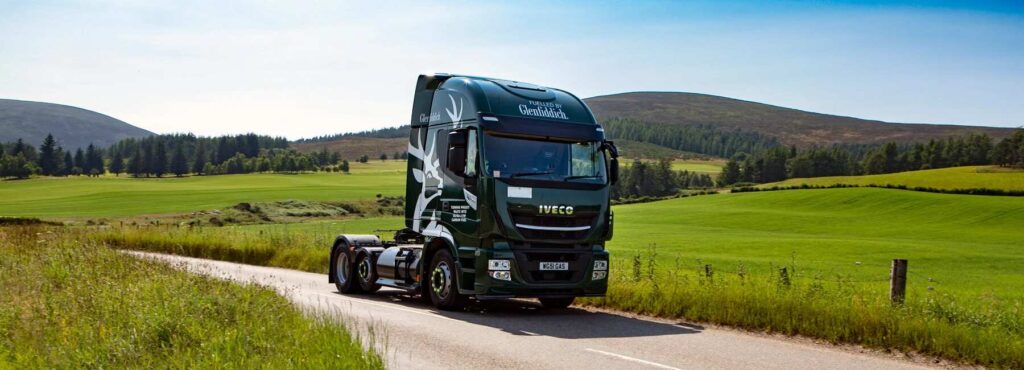
Whiskey is a potent potable that’s fueled many things—rebellion, imagination, and some pretty epic hangovers. Now, it is powering the huge tractor-trailer trucks that deliver the Glenfiddich Scotch itself.
A fleet of low-carbon trucks powered by biomethane will be soon carrying Scotland’s iconic whiskey, thanks to a partnership between Glenfiddich and a sustainable transportation company.
According to the company, IVECO, their natural process is simple: Distillery waste materials are run through an anaerobic digester.
As they break down, gases are emitted and harvested. After a final cleaning process, the resulting product is a low-carbon, low-particulate biofuel.
“It has taken more than a decade for Glenfiddich to become the first distillery to process 100% of its waste residues on its own site, then to be the first to process those residues into biogas fuels to power its trucks, and finally to be the first to install a biogas truck fueling station,” said Kirsty Dagnan, from the distillery’s Dufftown facility, in a statement.
Glenfiddich
It’s estimated that every green and white “Fuelled by Glenfiddich” truck on the road will displace up to 250 tons of CO2 every year.
In addition to producing eco-friendly petrol, the distillery is using the leftover solids from the fuel processing as fertilizer in the fields used to grow barley, the main ingredient in whiskey.
As an added bonus, not only do these twice-over leftovers enrich the soil, they actually draw CO2 away from the atmosphere.
According to figures forecast by Glenfiddich’s parent company, William Grant & Sons, when compared to diesel and other fossil fuel alternatives, their innovative “closed-loop system” is set to cut annual greenhouse gas emissions by up to 99%—an equivalent environmental impact of planting 4,000 trees every year.
A hospital presented its new born babies with tiny hand-crocheted Olympian outfits and gold medals.
Staff at Saint Luke’s Health System in Kansas City even decided to celebrate the Tokyo 2020 opening ceremony by passing a plastic ‘torch’ around the babies in their care.
SWNS
The mini-Team USA ‘athletes’ wore handcrafted swimming, weightlifting, boxing, basketball, gymnastics, and tennis kits for their photoshoot.
The crocheted swimsuit accompanied an adorable swimming hat and goggles, while the weightlifting baby joined weight class 7lb 6oz with their tiny dumbbell.
Around 20 medals gold medals were also made by nurse Stephanie Peterson who works at the Missouri hospital.
SWNS
She spent about two hours on the infants’ medals to celebrate “how amazing they are for coming into this world.”
“Delivering during COVID is hard,” she said, and it’s nice to be celebrated. Everybody wants to win a gold medal.
SWNS
‘The crowds’—aka the tots’ families—were invited to cheer on their athlete in the special ceremony and photoshoot, and even got to take the outfit home with them to keep.
SWNS
KIT OUT Friends’ Feeds in This Sweet Story—Share It On Social Media…
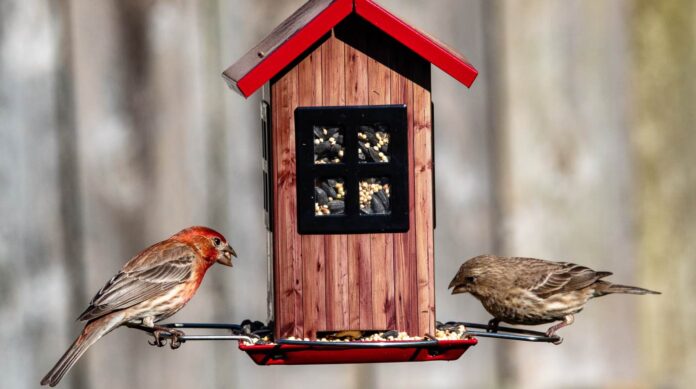
Oregon State University researchers have some good news for the well-meaning masses who place bird feeders in their yards: The small songbirds who visit the feeders seem unlikely to develop an unhealthy reliance on them.
“There’s still much we don’t know about how intentional feeding might induce changes in wild bird populations, but our study suggests that putting out food for small birds in winter will not lead to an increased dependence on human-provided food,” said Jim Rivers, an animal ecologist with the OSU College of Forestry.
Around the globe each year, hundreds of millions of people put out food for wildlife, including 50 million in the United States alone, driving a $4 billion industry based on food, feeders, and other accessories.
But the popular pastime has long raised concerns about making animals dependent on human-provided food—especially during wintertime and other parts of the annual cycle that require animals to expend a lot of energy.
“The extensive and widespread nature of people intentionally feeding wildlife can have unintended consequences for free-ranging animal populations, and those consequences are best documented in birds,” Rivers said.
“On the negative side, it can facilitate disease transmission, restructure local communities, and alter migration behavior, for example. There’s even evidence that it can lead to changes to birds’ bill structure. On the other hand, it can also have positive effects, such as enhanced body condition, wintertime survival, and reproductive output.”
Bird feeding is especially popular in the northern latitudes, particularly during winter, when cold, stormy weather and minimal daylight reduce the time that birds have for locating natural foods. But not much is known, Rivers said, about whether birds become reliant on the feed their human friends toss out for them.
“The only manipulative experiment to test that, using the black-capped chickadee, was 30 years ago,” he said. “It found no reductions in apparent survival after removal of bird feeders that had provided supplemental food in winter for 25 years, leading to the conclusion that bird feeding did not promote feeder dependency.”
Skyler Ewing
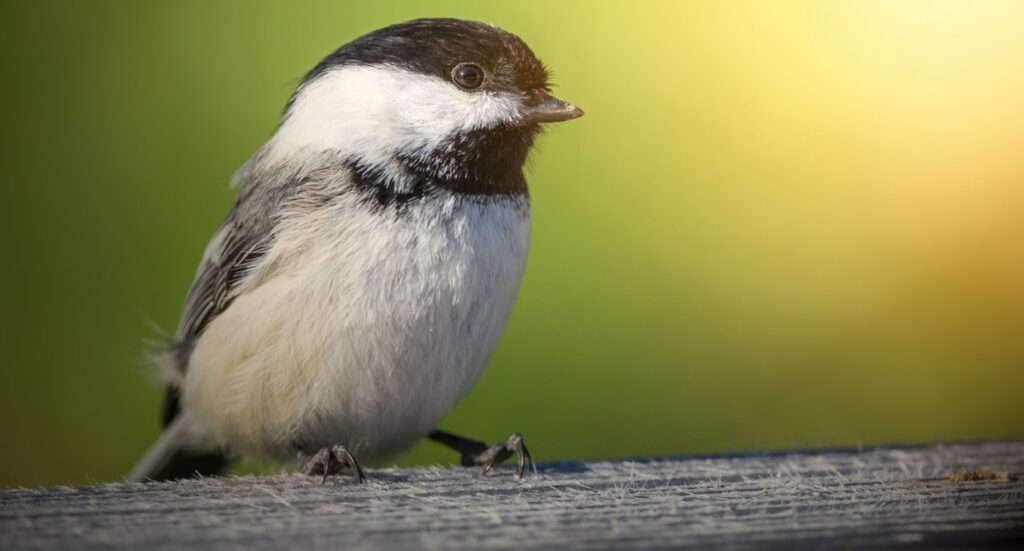
Rivers and colleagues studied the feeder use habits of 67 black-capped chickadees subjected to one of three flight-feather-clipping treatments: heavy clipping, light clipping or, as the control, no clipping. Experimental removal of primary flight feathers is an established technique for altering wing loading and increasing the energy costs of flight, Rivers said.
The birds were tagged with RFID chips, and 21 bird feeders along a 3.2 kilometer riparian zone were filled with sunflower seeds and equipped with chip readers to measure feeder visits by tagged birds.
Scientists chose the chickadee because it is a small songbird (it weighs less than half an ounce) that frequents bird feeders during winter throughout its range; has high daily energy requirements; and typically takes one seed at each feeder visit, allowing for a clear measure of feeder visitation rate.
“It’s an ideal species for evaluating how energetic challenges lead to behavioral changes in feeder use during winter,” Rivers said. “Our study found that the experimentally handicapped chickadees, those experiencing elevated flight costs, did not increase their rates of visitation to the feeders.”
Instead, feather-clipped birds actually decreased their feeder use for a couple of weeks— possibly to reduce exposure to predation—but after that used the feeders at levels similar to the unclipped control birds. The researchers looked at number of feeder visits, number of feeders used and timing of feeder visits and found little difference between clipped and non-clipped chickadees.
“Feather-clipped chickadees reducing their use of feeders relative to control birds suggests that foods in the environment—like seeds, berries and small invertebrates—were sufficiently available to compensate for increased flight costs and allowed them to cut back on feeder use,” Rivers said.
“It’s clear that the chickadees in our study did not increase their visitation rates nor did they increase their reliance on supplemental feed during a period when they might have benefited from it the most.”
Findings from the research, which looked at black-capped chickadees outfitted with radio frequency identification tags, were published in the Journal of Avian Biology.
Quote of the Day: “People have only as much liberty as they have the intelligence to want and the courage to take.” – Emma Goldman
Photo: by Victor Rodriguez
With a new inspirational quote every day, atop the perfect photo—collected and archived on our Quotes page—why not bookmark GNN.org for a daily uplift?
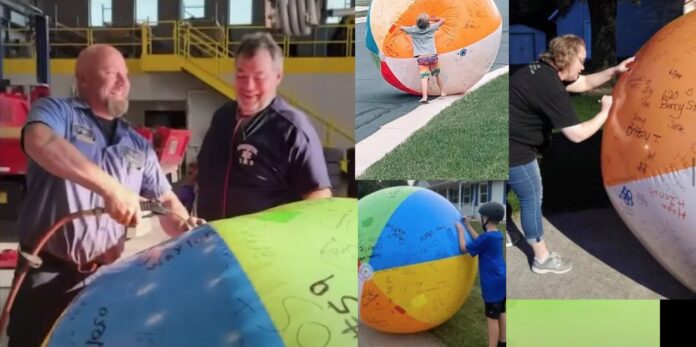
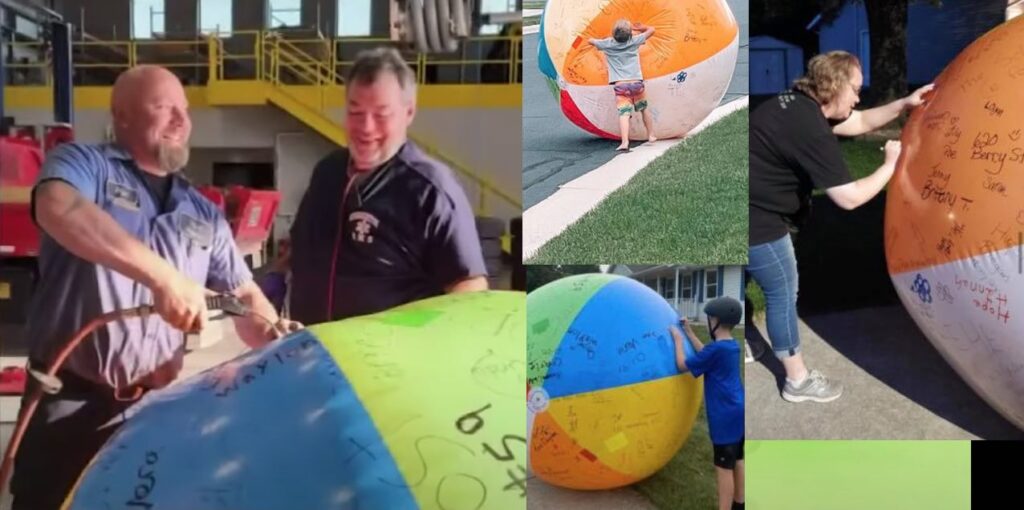
A giant beach ball has attracted a devoted cult of followers this summer in Stoughton, Wisconsin, after the unusual new mascot rolled into town.
The errant inflatable, since dubbed ‘Roly Poly Ole’, escaped the confines of its yard, and soon became a source of entertainment, a Where’s Waldo of behemoth beach balls, bringing spontaneous happiness wherever it appeared.
Ole’s excursion as a neighborhood goodwill ambassador began as a fluke.
“Honestly it started as misplaced. Someone on the Stoughton Facebook page reached out asking if someone was missing a huge beach ball because there was one that had blown to the end of a road. And that’s literally how it started,” Instagrammer Katherine Marshall Kartman told 98.1 KHAK.
From there, people started spontaneously signing it, and moving it to different streets.
Like a colossal colorful tumbleweed Ole has rolled from thoroughfare to thoroughfare, making friends wherever he goes, collecting signatures and smiles. There’s even a map on the town’s private FB Group to show its current location.
Katherine Marshall Kartman wrote on Instagram: “The Stoughton Community Beach Ball greeted us first thing this morning by rolling up onto our driveway 😄🙃😜. Thanks to the Davie family for helping it get a good nights sleep…We all signed it and then sent it on its merry way, traveling north down Hilldale. Keep it rolling! #stoughtonbeachball”
Katherine Marshall Kartman
Ole has run into trouble a few times, like springing a leak and losing serious amounts of vital air. But, city residents like Fire Chief Josh Ripp have stepped in with patches and pumps to repair the damage, filling him back up again and sending it along for the next leg of an ongoing adventure.
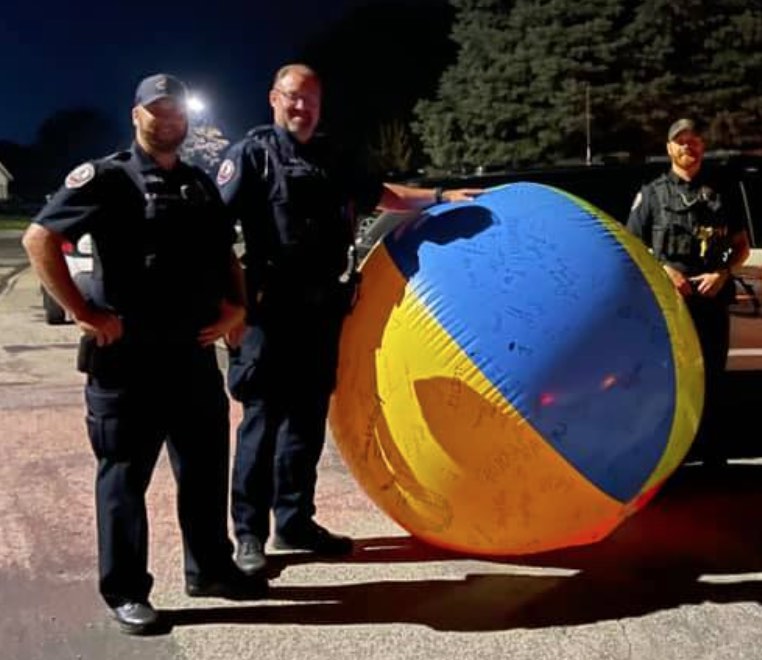
Stoughton Police officers have signed the ball, too, after finding it one night and jokingly calling it a “neighborhood prowler” on their FB page.
Stoughton Police Department – FB
Since beach balls have a notoriously short lifespan, it’s likely the original Ole will likely be retired at the end of the season, but the jaunty orb has been such a hometown hit, there’s talk of making the “Ole Crawl” an annual event.
And the growing suburban legend is spreading, with copycat inflatables now rolling down the streets of nearby communities that decided they want to play, too.
Inspire Friends to Start Bouncing a Ball Around Their Town… Share This on Social Media!
When it comes to communication, the internet offers instant gratification. By their very nature, handwritten letters are more permanent. Letters create a tangible connection to the people, places, and events of the past. Ironically, when the links of that chain break, it seems the easiest way to repair them is with the speedy tools of the world wide web.
Liverpool native Lance Corporal William Swift enlisted at the onset of WWI in 1914. He and his brothers in arms of the King’s Own Royal Lancaster Regiment were sent to France in 1916. After taking part in the Battle of the Somme, at age 19, Swift perished at the Battle of Arras.
But Swift inadvertently left something behind while stationed at Noeux-les Mines after the Battle of the Somme.
During building renovations more than a century later, a school teacher unearthed letters to Swift from his family; they were found beneath the floorboards of the soldier’s former billet.
The letters were taken into the care of Mathilde Bernardet, a historian with the Memorial 14-18 museum at Notre Dame De Lorette.
As reported by the BBC, Bernardet classified the deeply moving missives as “simple letters, sent by parents who care about their son. The letters are full of support. The mum says she misses her son—she hopes he is doing well, keeping well and that she trusts in him… It’s full of love really.”
Knowing the poignant ending to the Lance Corporal’s story, Bernardet and her colleagues became determined to find Swift’s living relations and return the correspondence to his family.
However, the hunt for Swift’s relatives proved more difficult than anticipated. Months of research turned up no leads.
With traditional means exhausted, the historian took the search to social media. The results from her Facebook plea for pertinent information were, if not instantaneous, pretty darn close.
“In less than four hours, the post had been shared a few thousand times and we had [found] a few connections to the family,” Bernardet told BBC.
Lance Corporal William Swift may not have made it home to Liverpool all those many years ago, but thanks to the efforts of a determined historian and some timely help from the internet, his letters will—and that long-broken chain connecting past, present, and future is now restored for generations to come.
SHARE This Sweet Story of Finding Family With Pals…
This article was first published on Mongabay and has been re-printed with permission.
Half a decade ago, the curiosity of a 10-year-old boy helped ignite a love affair with birds that have swept up his village and helped bolster support for the protection of migratory raptors passing through the southern Philippines.
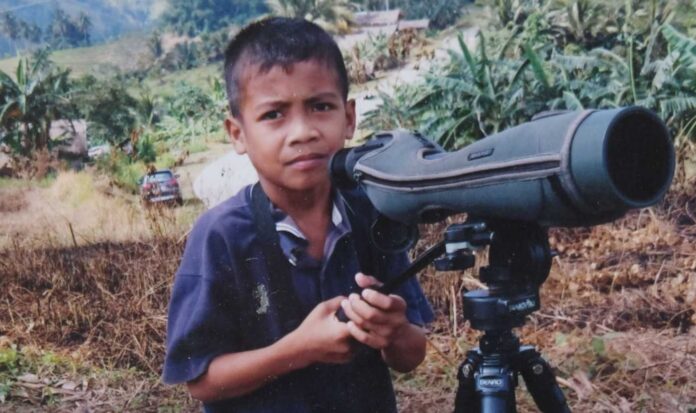
It all started when Joriden Ligoyligoy saw a group of strangers scanning the sky with binoculars from atop a hill in his village of Rio del Pilar, near the southernmost tip of Sarangani province on the island of Mindanao.
With the curiosity of a child’s mind, Ligoyligoy climbed the hill to find out what they were doing. To his delight, the strangers, who introduced themselves as birdwatchers, allowed him to peek through their powerful telescope and binoculars. The boy was awed to see a close-up of what he was told were raptors, or birds of prey, coming from China and Taiwan, among other countries.
With one peep through the scope, Ligoyligoy was hooked. “These migrating raptors are a sight to behold,” says Ligoyligoy, now 15 years old. “They take away my stress. I enjoyed watching these mighty birds.”
Since that day five years ago, if he’s not doing household chores or running odd errands to help support his poor family, Ligoyligoy volunteers as a watcher in the annual raptor monitoring alongside members of Raptorwatch Network Philippines and officials from the Sarangani provincial government. Ligoyligoy, who is in the ninth grade, can identify the raptors, known locally as langgam, passing through the village like they’re his best buddies, earning him the moniker the Raptor Boy of Sarangani.
Before he became the local poster boy for raptor watching, Ligoyligoy says he used to hunt birds using a slingshot in his mountainous village for fun or food. But the chance encounter with the birdwatchers shifted his mentality.
Now, in addition to appealing to his fellow youths in his neighborhood to stop hunting birds, he also rallies the community members to refrain from cutting trees in the mountains to protect the roosting sites of the migratory birds. “We need to protect these raptors because they are helpful in eradicating pests in the farms like destructive insects and rats,” Ligoyligoy tells Mongabay.
Tracking the raptors
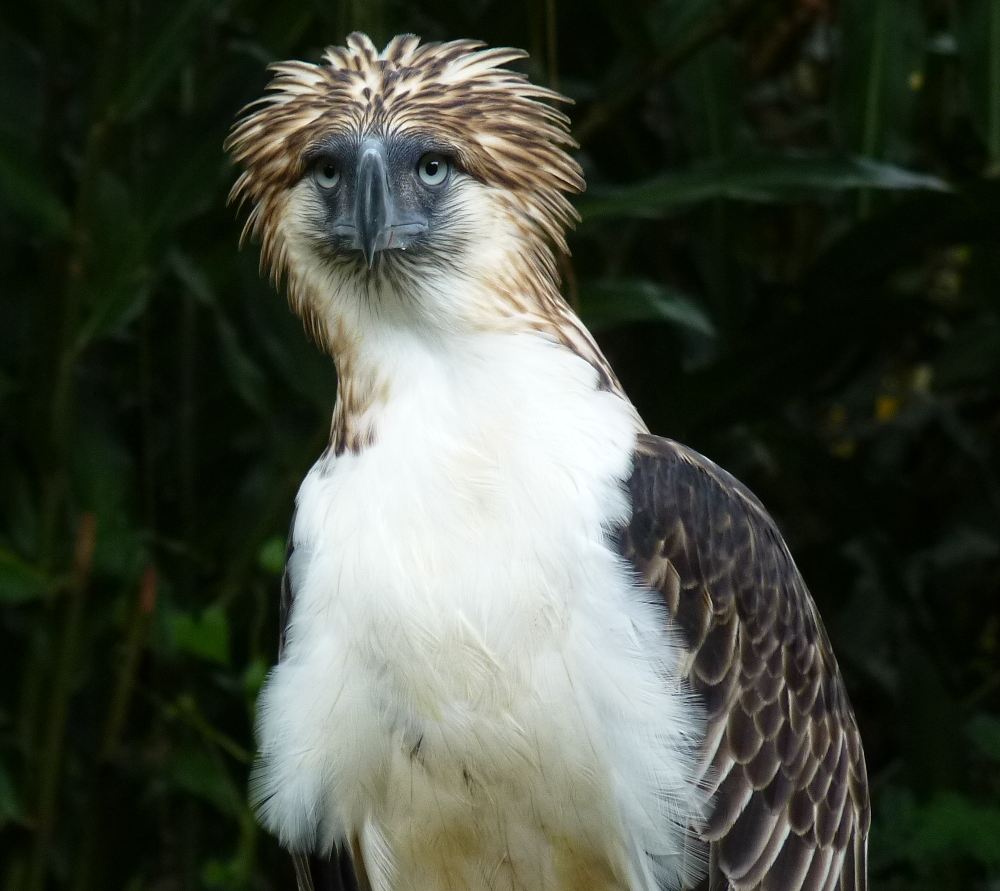
Philippine eagle; The Wandering Angel – Angry Bird!/CC license
While there have been extensive studies conducted on the endangered endemic Philippine eagle (Pithecophaga jefferyi), one of the world’s largest raptors, there’s a dearth of study on the birds of prey passing through the Philippines during their seasonal migrations.
Since it began investigating the raptors’ migration routes in 2013, Raptorwatch Philippines has established five study areas along the birds’ flyways, from Luzon in the north down to Mindanao in the south.
One of those sites is Sarangani Raptor Hill at Rio del Pilar, recognized as a pit stop for migratory birds. The research site was established in 2016 by Raptorwatch Philippines in partnership with the Sarangani provincial government’s Environmental Protection and Conservation Center (ECPC). The Japanese Society for the Preservation of Birds (JSPB) and the Asian Raptor Research and Conservation Network (ARRCN) also helped in the conservation of the raptors’ flyway.
In collaboration with the Sarangani provincial government, the conservation groups have established a database of migratory raptors in Glan, the municipality in which the village of Rio del Pilar is located. Monitoring is usually done from September to October, when the birds travel south from their breeding grounds in Russia, China, Japan and Taiwan to reach the warmer climates of the Philippines and Indonesia. (In March and April, the birds make their return migration north.)
In the past five years, researchers at Sarangani Raptor Hill have documented hundreds of thousands of raptors flying south. Two mountains near the observatory station, Mount Taltak and Mount Gulo, have been identified as roosting sites for these migratory birds.
Lawyer Alex Tiongco, head of Raptorwatch Philippines and colleague Teresa Cervero have documented at least 10 purely migratory species as well as five migratory species that have sedentary populations in the Philippines.
During their count last year, the ECPC spotted 111,664 raptors. The count included 109,874 Chinese sparrowhawks (Accipiter soloensis); 1,784 gray-faced buzzards (Butastur indicus); three western ospreys (Pandion haliaetus); and a crested honey buzzard (Pernis ptilorhynchus). None of these species is considered threatened on the IUCN Red List. The 2020 count was low due to bad weather stemming from the at least seven typhoons that hit the Philippines during the monitoring period, says Roy Mejorada, a veterinarian at the Sarangani ECPC. But prior to that, the numbers showed a rising trend.
In 2019, the total raptor count was 161,719; up from 106,685 in 2018, 132,945 in 2017, and 78,817 in 2016.
The increase in Glan’s raptor visitors could be attributed to the increase in the community’s awareness in conserving the raptors, Mejorada says. While the five-year monitoring program ended on Oct. 31, Mejorada says they are hoping to get continued or new sponsorships to sustain the study.
Protecting the predators
Tiongco says raptors are natural indicators of the health of the environment. They sit atop the food chain, thus their health depends on the health of the whole ecosystem they live in, the ARRCN said in a briefer. Declines in their populations can indicate a problem in the specific ecosystem that raptor species depend upon or visit, it added.
Raptors are also beneficial to human food security and livelihoods.
“These raptors are natural predators,” Tiongco tells Mongabay. “If their population will decrease, the population of farm pests along their migratory path will increase as a result of the disruption, affecting agricultural productivity and the livelihood of the people.”
During their initial discovery of Sarangani Raptor Hill more than five years ago, curious schoolchildren would join Tiongco and his team up on the hill. The team took the opportunity to educate the youngsters on the importance of the raptors. As the days passed, the children brought their friends and parents and spread the word to other community members, Tiongco recalled during an international webinar on raptor migration organized by Udayana University in Bali, Indonesia, on October 31 2020.
Eventually, Tiongco says, the team conducted “education caravans” involving youths and students to raise awareness about the migratory raptors and their vital role in the environment.
“Our little monitoring venture became a major town affair,” Tiongco says, noting that provincial governors and municipal mayors and their department heads lauded their initiative and some even joined raptor-watching events organized by the group.
As part of the efforts to protect the roosting sites of both the migratory raptors and resident species such as brahminy kites (Haliastur indus) and serpent eagles, Mejorada noted the ECPC, Raptorwatch Philippines, JSPB and ARRCN had launched a reforestation project in the area involving community members in 2018.
The reforestation project was designed to support the health or augment the incomes of community members, Mejorada says. That’s why they planted fruit-bearing trees such as langka (jackfruit), guyabano (soursop), marang (Artocarpus odoratissimus), santol (cotton fruit), and atis (sugar apple or sweetsop), among others.
The community members also planted hardwood species such as narra, mangium and apitong that, as part of the agreement, should not be cut down when they mature, Mejorada says.
In 2018, the USAID-funded project Protect Wildlife also conducted an education and awareness campaign for community members on the conservation of raptors.
In 2018 and 2019, the locality, which is popular among local tourists for its fine white-sand beaches, celebrated the raptor festival at Sarangani Raptor Hill.
Last year’s event was canceled due to the COVID-19 pandemic, but in April 2020, the municipal government of Glan approved an ordinance declaring every September to October as “Langyaw Langgam Festival” (Raptor Festival), signaling its willingness to continue the efforts to conserve the flyway of the migratory birds.
According to the ordinance, the birds constitute a major potential ecotourism draw for the municipality, thus making it important to increase awareness and promote environmental conservation among local communities. The new law also prohibits the hunting, killing or possession of a migratory bird, and the taking or destruction of eggs or nests. Violators are subject to fines of 1,000 to 2,500 pesos ($20 to $50), community service of three to five days, or imprisonment of up to six months.
To encourage vigilance, the person reporting an alleged violation is eligible to receive 40% of the fine amount, with the rest split equally between the village and municipal governments. The ordinance also appropriates 150,000 pesos ($3,000) annually for activities or programs related to the raptor festival.
In Glan, Tiongco says hunting is not much of a problem, but convincing community members of the need to protect the migratory birds’ roosting sites is more of a challenge. “By and large, the community wasn’t aware that these raptors are from other countries until five years ago,” ECPC’s Mejorada says. “They don’t know that they are part of the migratory path of these birds.”
Tiongco says he is confident the birds will continue to fly across the Philippines during the migratory season with the support shown by local governments, communities and other stakeholders along the raptors’ flyway. Raptorwatch Philippines and its partners across Asia will continue to educate the public on the importance of conserving the raptors, he says.
Part of the scheme of things
While international support is important, Tiongco says local communities must always be at the core of raptor conservation efforts because they are familiar with the flight behavior of the birds, and because these communities are the ones that will either be adversely affected or benefit from the destruction or protection of the environment.
In the village of Rio del Pilar, conservation awareness of the migratory raptors appears to have taken root among community members, including religious authorities.
Vilma Payon, a local pastor with the Philippine General Council of the Evangelical Church of God, says she reminds her flock about the need to protect the environment, including the migratory birds, during Sunday sermons.
61-year-old Payon is also the grandmother of Joriden Ligoyligoy, the “raptor boy”; she says humans and other living beings suffer when the environment is destroyed or degraded. To get the message clearly and easily across to young churchgoers that they need to protect the migratory birds, she says she uses the mother-child relationship as an illustration.
“When a child is lost, the mother will often exhaust all means to find the child. So if you take away the baby birds from the nest, the mother will look for them and get hurt if they can’t be found,” Payon says.
She says the sermon works: the children ask their peers or even older folk to release birds they’ve captured. “Every living thing is a creation of God,” Payon tells Mongabay. “We need to protect them because they have a purpose in the scheme of things on Earth.”