Colorado is working hard to ensure mental health support is there for young people struggling in the pandemic.
Bill 21-1258 was introduced to the House last week—and would provide people under 19 with free therapy sessions if needed.
With kids facing increased isolation and instability because of COVID-19, a program to help youth get through this difficult time is necessary—says the bipartisan bill, noting that the Colorado crisis service hotline has experienced a 30% increase in calls and texts since last spring.
According to The Colorado Sun, the bill “represents one of the most aggressive behavioral health initiatives in Colorado history” and is on a “fast-track to passage.”
This matters. Before the pandemic, Colorado ranked in the bottom 10 half of states for prevalence of mental illness and access to care.
“If we can get that [mental health support] to every kid in Colorado?” state Rep. Dafna Michaelson Jenet told The Colorado Sun, it will be a “game-changer.” Of that we have no doubt.
SHARE This Hopeful Bill From Colorado With Friends…
A COVID-19 patient in Japan has received the world’s first lung transplant from living donors.
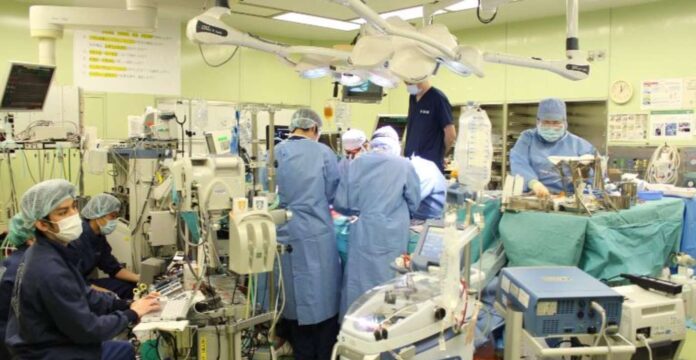
Receiving transplant lung tissue from her son and husband, the patient underwent an 11-hour operation at Kyoto University Hospital to receive her transplant last Wednesday.
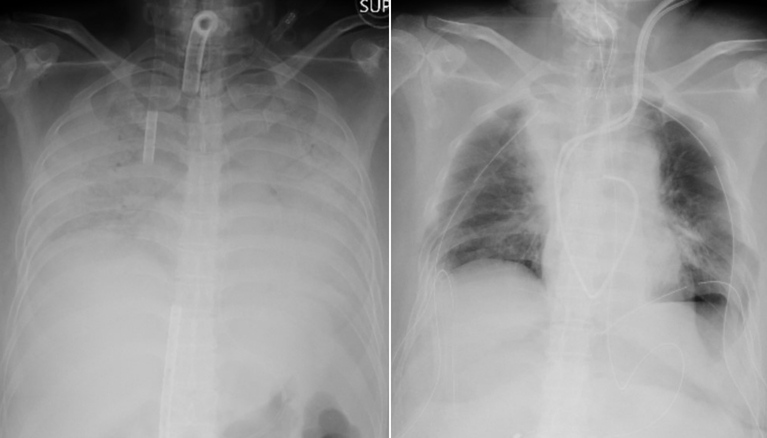
Before (L) and after (R) the operation. The dark areas show where lung tissue has been transplanted. Kyoto University Hospital
The woman who underwent the operation contracted COVID-19 late last year. According to Kyoto University Hospital, she spent months on a life support machine acting as an artificial lung, because hers had become no longer functional. It’s expected that she’ll recover from last week’s operation within months.
As is the case around the world, waiting lists for lung transplants from organ donors who have passed away are very long in Japan.
Dr. Hiroshi Date—who led the operation—said in a statement that the success of this transplant from living donors can provide optimism among others suffering severe lung damage caused by the virus. “I think there is a lot of hope for this treatment in the sense that it creates a new option,” the thoracic surgeon said to Kyodo News.
(WATCH the Nippon TV News 24 Japan story about the operation below.)
Featured image: Kyoto University Hospital
SHARE This Positive Story With Others on Social Media…
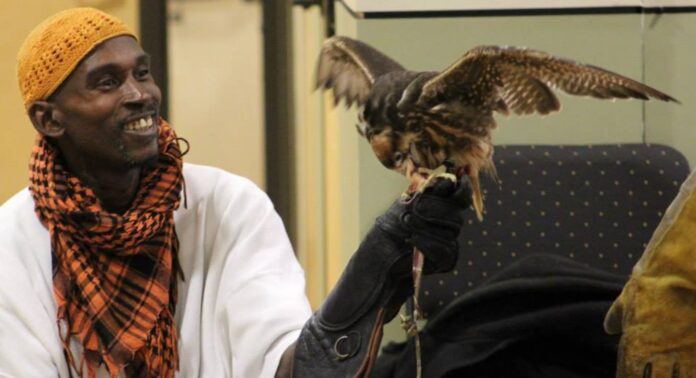
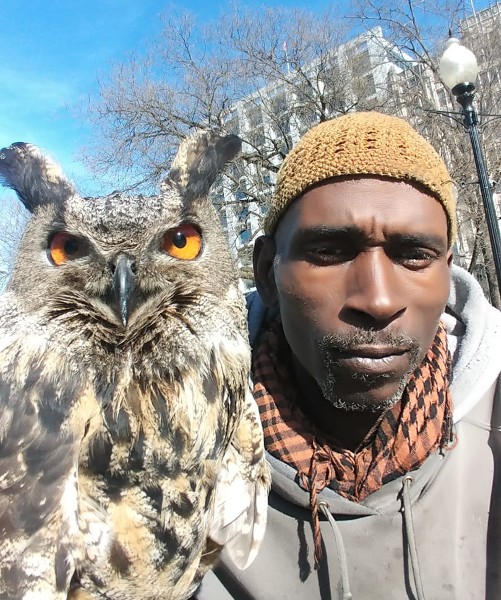
In spending his twenties dealing drugs in southeast Washington D.C. during the crack epidemic, Rodney Stotts would be the last person one would imagine as being interested in falconry.
The ancient sport of capturing juvenile raptors and helping them survive to adulthood when they can take care of themselves, falconry mirrors his own experiences on the street, and it informs Stotts’ mission to help at-risk youth in low economic areas avoid the kind of life that nearly ruined his own.
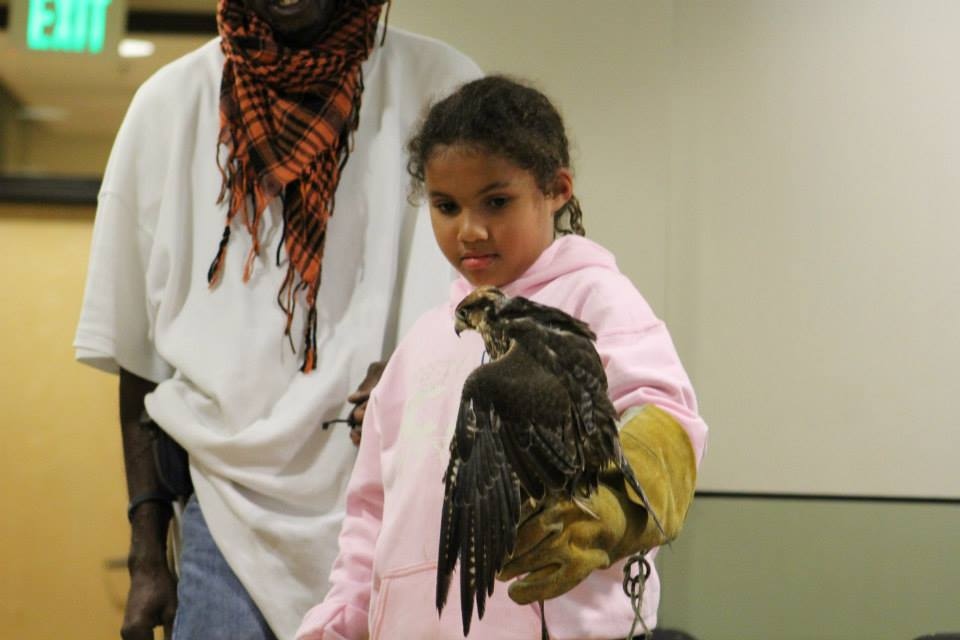
His non-profit, Rodney’s Raptors, helps kids in various institutions, schools, and who take Rodney’s own falconry program, to open their minds to the possibilities of what life can offer.
As holder of a master falconry license, Rodney is permitted to capture juvenile birds of prey, including falcons, hawks, eagles, ospreys, and owls, and raise them in captivity, as well as to rehabilitate avians that get injured by collisions with power lines, buildings, and other modern obstacles, and birds that fall from their nests as fledglings.
Part of this is because being a bird of prey is dangerous, and juveniles often die before they reach maturity.
Perhaps the power of seeing a hawk or falcon come at a whistle and land on Stotts’ glove affects the kids in his program only as much as seeing that it’s Stotts holding the glove in the first place, who told WUSA9that he is one of only 30 Black falconers in the whole of the United States’ 320 million-strong population.
After landing in jail for 5 months during his drug-dealing years, Stotts knew that a person can only be described by his mistakes if he keeps on making them, and therefore he had to change.
In need of a pay stub to seal the deal on an apartment rental, Stotts took a job at the Earth Conservation Corps (ECC) which at the time was working to clean up the Anacostia River. It was through the ECC that Stotts first fell in love with animals, including raptors, since the group’s founder was a falconer himself.
“The first time I held a bird, period, it took me somewhere else,” Stotts, who was the subject of a documentary called The Falconer, told Christian Science Monitor. “As I was changing from working with the birds and everything and seeing myself change, I couldn’t go back to doing anything else.”
Now he is the caretaker of four Harris’ hawks and one red-tailed hawk on a seven-acre farmhouse in Charlotte Court House, Virginia, where each bird lives in its own 512-cubic feet aviary, and where he also keeps horses. The location is accessible for schools making trips and two separate nearby institutions: the New Beginnings Youth Development Center, a youth rehabilitation facility, and Capital Guardian Youth Challenge Academy, a military school for at-risk students in Washington high schools.
“The raptors we have are all non-releasable birds, meaning they can never hunt, so if you look at a young person who’s locked up and [whose] basically future is determined because of a few mistakes that they made early on, you start looking at it like a bird,” Stotts said to WUSA9. “They’re injured for life, just like the youth.”
His own falconry program teaches kids how to work and care for the birds, and upon its completion they receive a certificate of qualification for entry-level vet skills, a potentially powerful motivator, and one which may help set them on the path towards a career in nature.
The world needs people like Rodney Stotts, who break molds, boundaries, and show people that there’s no predetermined path for anyone.
(WATCH the video about Rodney below.)
FLY This Story of Positivity Over to Your Pals on Social Media…
A group of art historians has discovered the exact location where Vincent van Gogh painted his final masterpiece before his death in 1890.
When Wouter van der Veen, scientific director of the Institut van Gogh, found an early 20th-century postcard featuring a scene including tree trunks and roots growing on a hillside, he immediately sent it to a pair of senior researchers at the Van Gogh Museum.
Based on Van Gogh’s working habits and the comparative study of the famous Tree Roots painting beside the postcard, the experts concluded it’s ‘highly plausible’ that the correct location had been identified.
Wouter van der Veen said in a statement: “The sunlight painted by Van Gogh indicates that the last brush strokes were painted towards the end of the afternoon, which provides more information about the course of this dramatic day ending in his suicide.”
Teio Meedendorp from the Van Gogh Museum explained: “That this is his last artwork renders [the discovery] all the more exceptional, and even dramatic.
“He must often have passed by the location when going to the fields stretching out behind the castle of Auvers, where he painted several times during the last week of his life and where he would take his own life.”
Vincent van Gogh, Tree Roots (1890). Courtesy of the Van Gogh Museum, Amsterdam, and the Vincent Van Gogh Foundation.
Last spring, Van der Veen was actually able to travel to the site to verify his theory. The site is 150 meters from the Auberge Ravoux, the inn in Auvers-sur-Oise where Van Gogh stayed the last 70 days of his life.
The Institut van Gogh, in co-operation with the local authorities, has erected a protective wooden structure to safeguard the site and allow for visits by the public.
Those who visit the peaceful town to follow in the footsteps of Van Gogh can now add another moving experience to their journey: Standing at the exact place where Van Gogh’s paintbrush last touched the canvas.
Quote of the Day: “There are no limits to what you can accomplish, except the limits you place on your own thinking.” – Brian Tracy
Photo by: Harry Shelton
With a new inspirational quote every day, atop the perfect photo—collected and archived on our Quote of the Day page—why not bookmark GNN.org for a daily uplift?
When it comes to “where babies come from” some tales of impending parenthood can be pretty farfetched: babies delivered via stork, tots turning up under cabbage leaves, infants arriving on the subway.
But as hard as it might be to believe, that last one’s true—at least in part.
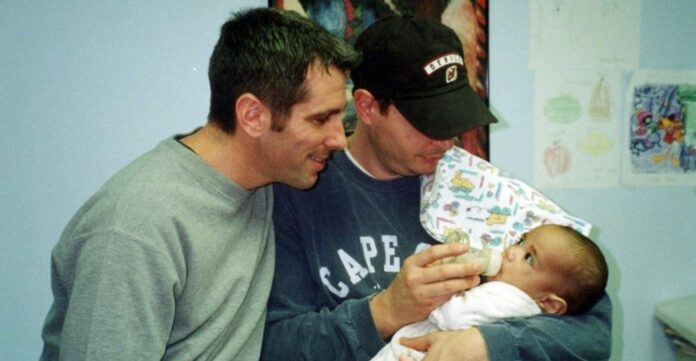
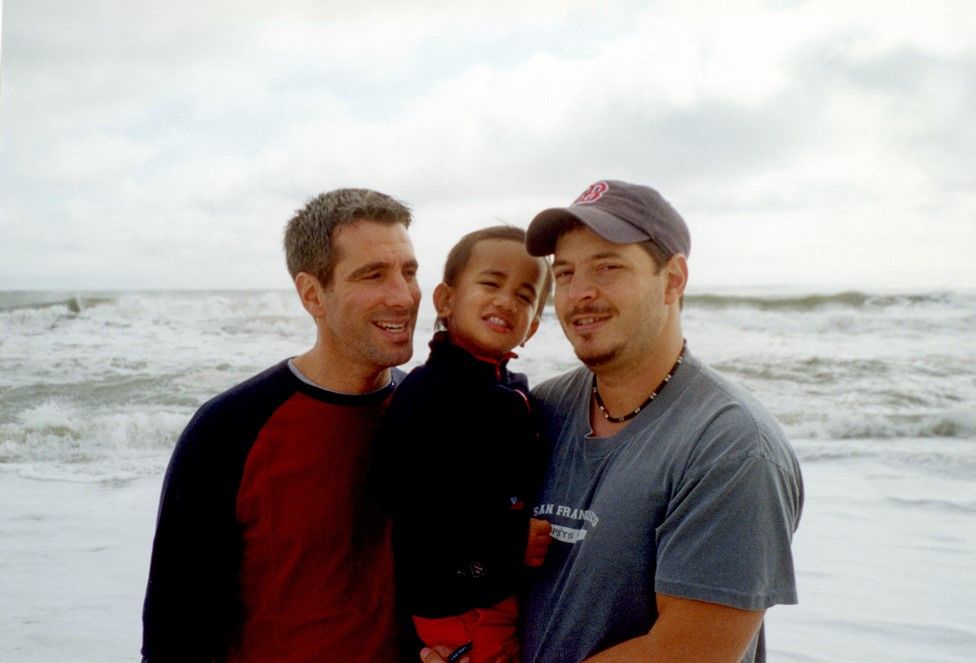
In August of 2000, Danny Stewart was rushing to make dinner date with his partner, Pete Mercurio, and was running late when he spied a suspicious bundle on a New York City subway platform. Thinking at first that it was just a doll, Stewart hurried on—until something caught his eye.
The doll wasn’t a doll at all. It was a baby boy—a newborn, with the remnants of an umbilical cord still attached.
While cell phone technology wasn’t new a couple of decades ago, it still wasn’t ubiquitous back then. So Stewart was forced to seek out a payphone on the street to alert the police of his find.
After going back to check on the baby, he made a second trip to the phone to alert his partner. Mercurio was out the door in a flash, arriving just moments after the cops had taken the baby into their custody.
“I remember turning to Danny and saying to him on the sidewalk as the police car was driving away, ‘You know, you’re going to be connected to that baby in some way for the rest of your life,’” Mercurio recalled to the BBC.
Peter Mercurio
“Danny was like, ‘What do you mean?’ I said, ‘Well, eventually, this child is going to learn of the night he was found and he may want to find the person who discovered him. Maybe there’s a way that we can find out where he ends up and send a birthday gift every year on this date?’”
Stewart and Mercurio were both in their early thirties, and neither had any plans to start a family at that point, but fate had other ideas. While they didn’t know it yet, the abandoned baby was soon to become a permanent fixture in their lives.
In December, Danny was asked to attend a hearing in family court to offer testimony on how he’d first found the infant. At the end of the procedure, the judge shocked him by asking if he’d be interested in adopting the little boy.
He shocked himself—and Mercurio—by saying yes.
It was a decision that initially caused major dissension in their relationship. The couple admits the situation almost broke them up, but eventually, Mercurio found himself committed to bringing home the baby as well.
In addition to having the authority to speed up the adoption process, Mercurio believes the judge also showed keen insight that day.
Peter Mercurio
“[She] said that all babies needed a connection to somebody. And so when Danny was testifying in the courtroom about finding the baby, in her mind his most serious connection in the world was to Danny, so why not just ask him?” Mercurio told the BBC. “It was almost as simple as that. She saw a connection that was already made, and had a hunch that it would be the right connection.”
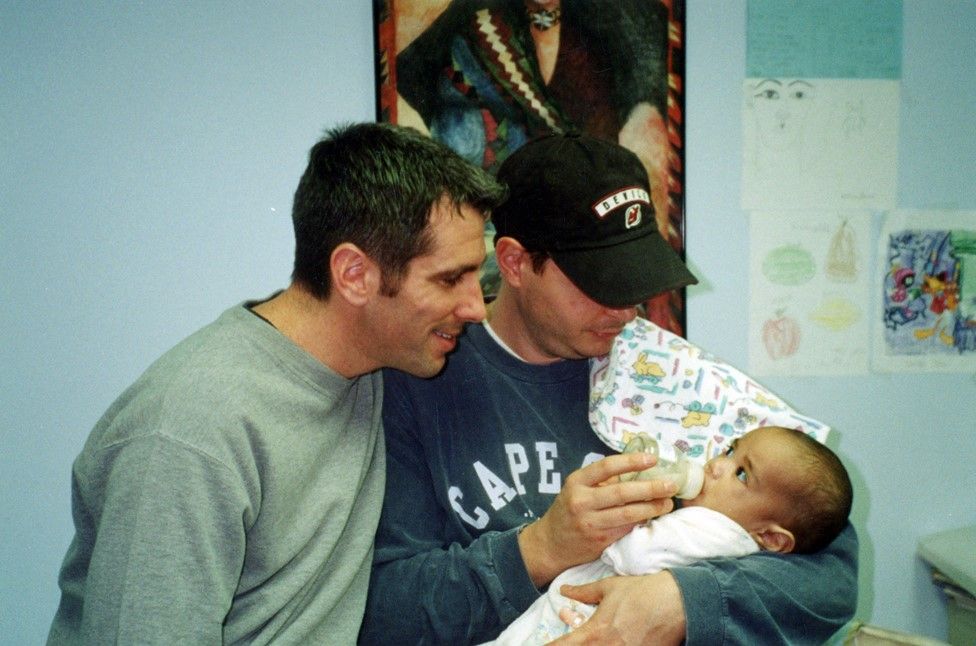
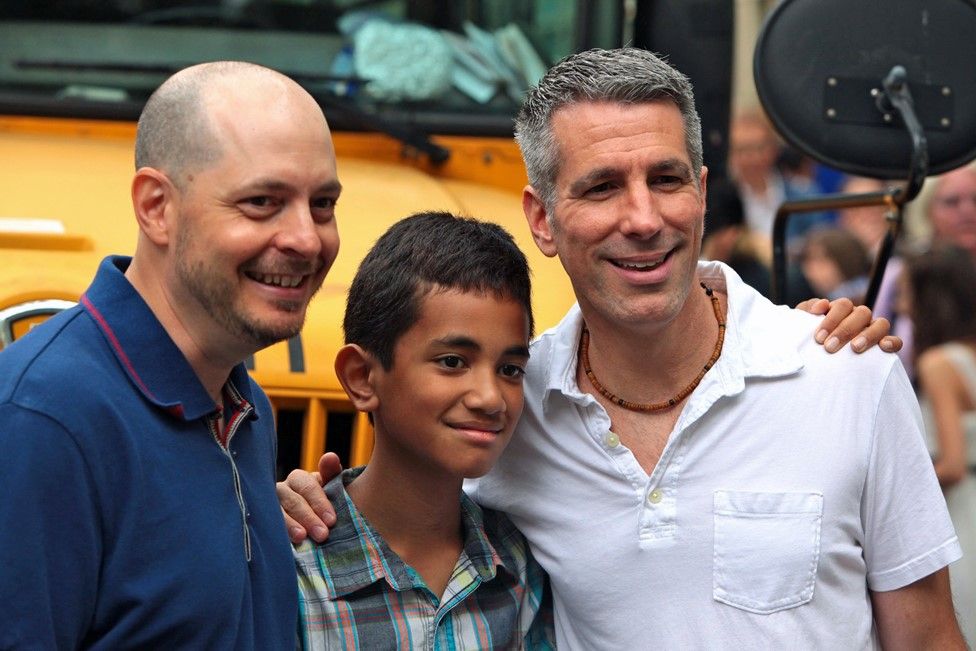
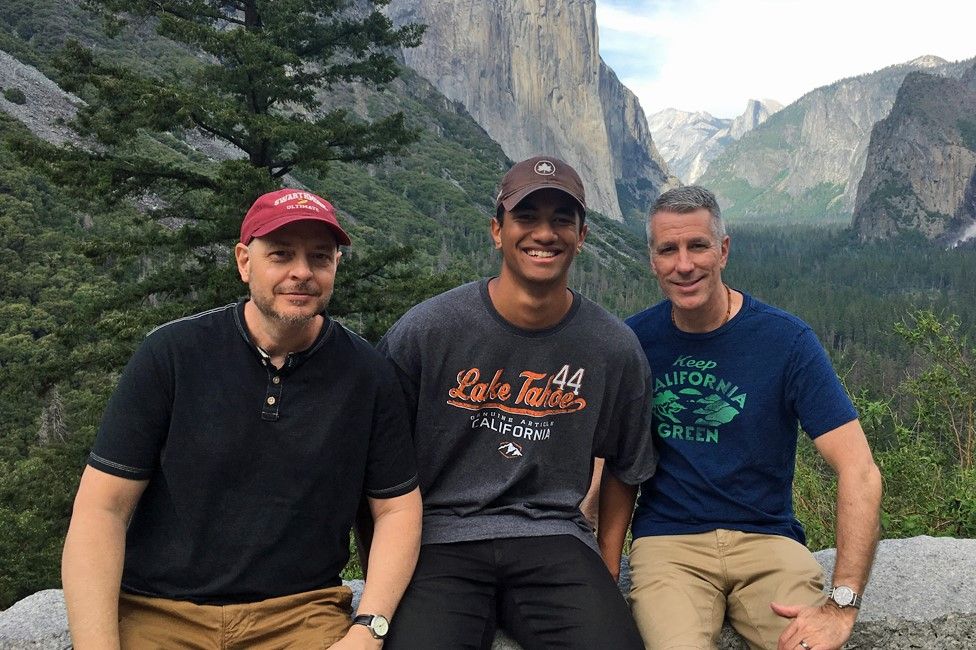
The baby boy, whom the couple named Kevin—in honor of a stillborn sibling Mercurio’s parents lost when he was a child—was given into their care just prior to the Christmas holidays. Now 20, he’s been with them ever since.
Peter Mercurio
In 2011, when gay marriage became legal in New York, it was Kevin who asked if the judge responsible for his adoption might be willing to perform his parents’ wedding ceremony. She was only too happy to officiate.
While traditionally the vows come before a baby, even when a baby comes before the vows—and was found on a New York City subway platform to boot—as Kevin and his two dads can tell you, the true meaning of family isn’t bound by convention, it’s defined by love.
SHARE This Sweet Story With Your Pals Who’d Love Some Good News…
North Carolina-based writer Judy Cole has a new rom-com murder mystery debuting at Amazon: And Jilly Came Tumbling After (from Red Sky Presents).
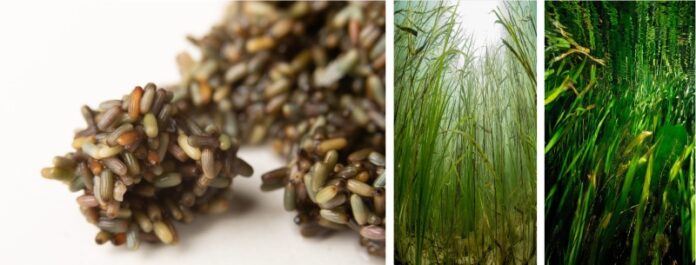
A three-Michelin-star chef in Spain has discovered that sea grass, a diminutive and little-loved marine plant, produces what is in effect, rice.
Aponiente/Álvaro Fernández
His adoption of this grain into cooking techniques is now simply one part of his mission to repair sea grass ecosystems around the world—which he says could serve to not only stop the warming of the planet, but feed it as well.
Ángel León is famous for his innovative seafood, and combining his love of the sea with his knowledge of its often unlooked-for bounty recently secured a third Michelin star for his restaurant Aponiente, and propelled him to gastronomic stardom in his country of Spain.
While the Bay of Cádiz where he lives always had waving green arms of sea grass (eelgrass to be specific) lining its shore, his rise to culinary greatness has counter-tracked a gradual decline in sea grass coverage, going along with a global decline in sea grass habitat that struggles to survive human activity and warming seas.
With his discovery, noted by the Guardian as only the second documented case of eating sea grass grains, León hopes it will lead to a complete revolution in how we look at our shorelines—that they might become “marine gardens.”
A superfood and superhero
Aponiente/Álvaro Fernández
GNN has reported on the amazing nature of sea grass both as an absorbent of carbon and a habitat maker, specifically that it can capture carbon 32x faster than a rainforest. The potential of adding a superfood grain to its portfolio screams out for restoration of sea grass meadows around the world.
And it is truly a superfood. Beginning in 2017, León started conducting tests on the small green grains of “sea rice” with the University of Cádiz—which he noticed emerging from the plant one day. They found it to be gluten-free and containing 50% more protein than normal rice, as well as containing rich amounts of omega-6 and omega-9 fatty acids.
Their research led to a pilot study on the cultivation of eelgrass as a crop, through three separate plots totaling a little less than an acre of salt marsh.
It wasn’t until the plants bore their grains, 18 months later, that León realized he had not even tried them. Perhaps they would have a foul taste, he wondered nervously, according to the Guardian.
Nevertheless, like many unwanted parts of the sea and its creatures which León has successfully integrated into his cuisine, he subjected the green-yellow rice grains to a battery of different preparations.
“It’s interesting. When you eat it with the husk, similar to brown rice, it has a hint of the sea at the end,” said León. “But without the husk, you don’t taste the sea.”’
León hopes that the success of the rice as a potential foodstuff, the lack of pesticides and fertilizer used during its growth, as well as the fact that its nutritional quality makes up for a yield smaller than its terrestrial counterpart, will drive countries and organizations forward to cultivating it on a massive scale—regenerating ocean ecosystems, capturing humanity’s carbon, and filling our bellies.
Aponiente
“We have challenged ourselves to create the world’s first and only specialized R&D center for the cultivation of marine vegetation,” reads Aponiente’s presentation on their website.
“The goal is to continue researching this marine grain, as it may hold the key to mitigating the effects of climate change. We also aim to restore aquatic ecosystems, develop future marine crops that until now have been cultivated only on land, and work toward making the ‘ocean garden’ a reality.”
SHARE The Good Seagrass News With Friends on Social Media…
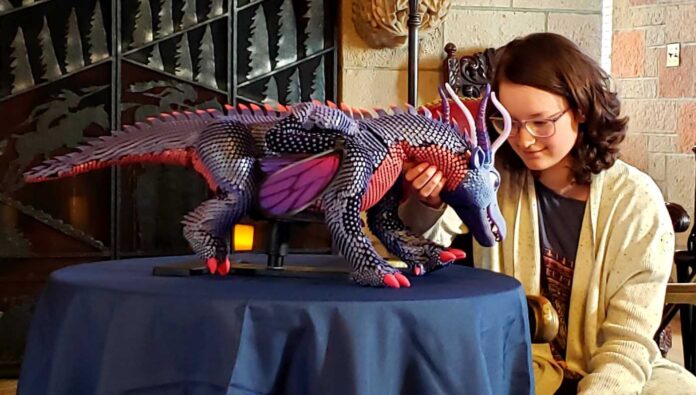
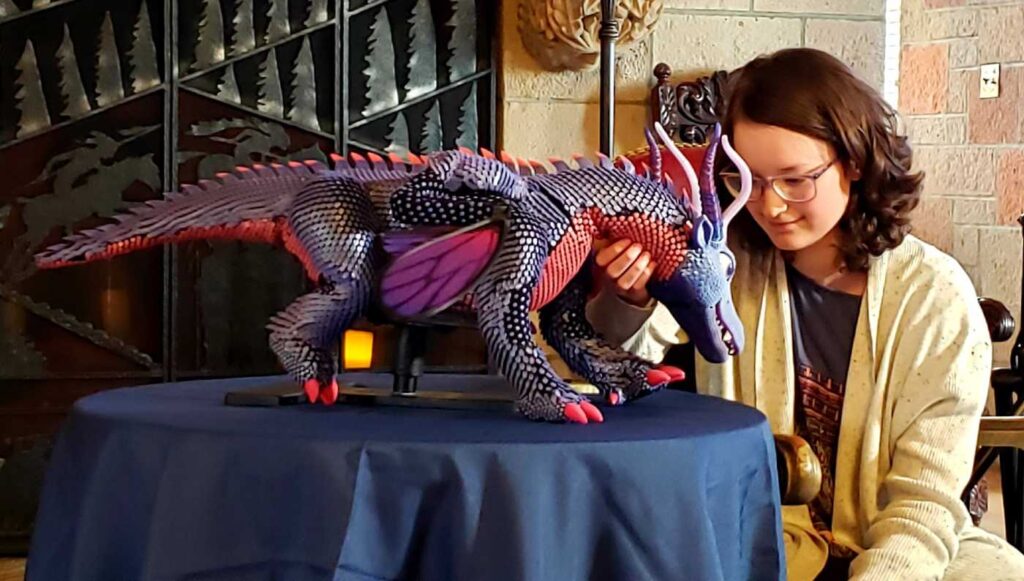
An out-of-the-ordinary request made to the Make-a-Wish Foundation saw a teenage cancer survivor get a trip to a medieval castle to train a dragon.
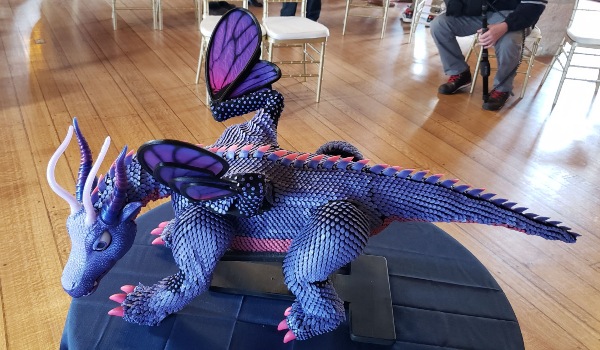
Belle Cress was even able to take the dragon home with her, since it was built and designed specifically to respond to her touch, face, and voice.
Make-A-Wish Foundation
Make-a-Wish Denver teamed up with Arrow Electronics to create the robotic dragon, which Belle named “Dusk,” after the 14-year-old battled back from a rare form of bone cancer called osteosarcoma, for which she required several surgeries and 10 months of intensive chemotherapy.
“Excited … like a feeling that I can’t really explain in my chest … sort of nervous.. excited,” Belle said to CBS, recounting the magic meeting. “I’ve loved dragons ever since I can remember,” she said.
The initial meeting took place in virtual reality courtesy of a video created by emergeStudios, which transported Belle to a fantastical place far, far away from where she first laid eyes on her dragon. After removing the VR headset, Dusk was there by her side in the Cherokee Ranch castle in Colorado—a modern construction of 15th-century castle building techniques.
Consisting of individually printed 3D scales, 26 motors, and several computer boards, it’s a marvel of engineering and robotics. Dusk has the ability to see and recognize Belle’s face, respond in different ways to touch, and freely express itself with dragon-like movements such as stretching its marvelous wings.
Make-A-Wish Foundation
“Why we’re building a robotic dragon for just one kid, is because it’s for just one kid,” says Victoria Pea, the project manager at Arrow. “We want her to be happy, and if a robotic dragon is going to make her happy I say ‘why not build it?'”
Make-a-Wish has been steaming ahead during COVID-19, not allowing the pandemic-sized radar blip distract them from completing 8,800 wishes from kids across the States.
(MEET Belle and her dragon in the video below.)
BREATHE Good News Fire in Your Friends’ News Feeds—Share This Story….
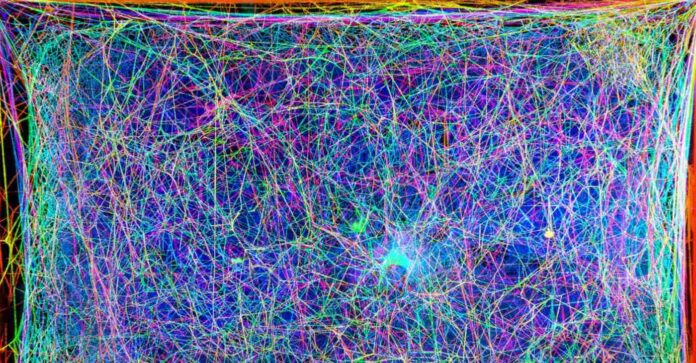
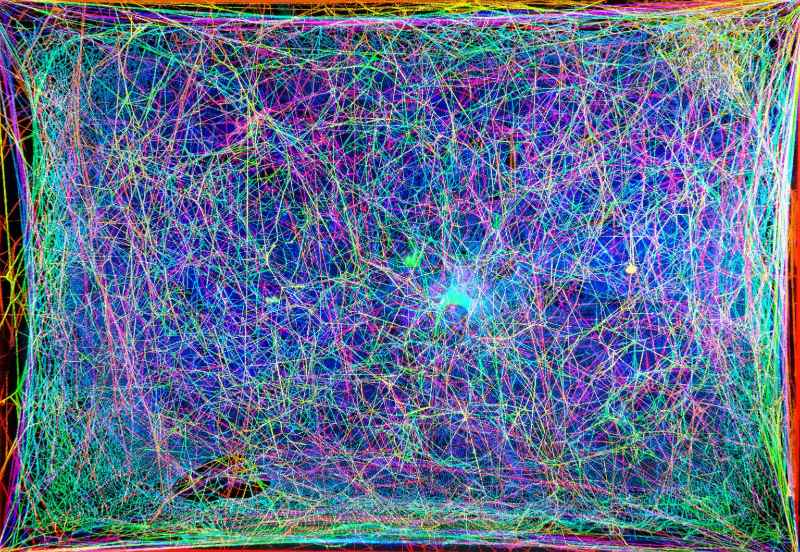
Cross-sectional images shown in different colors of a spider web, combined in a 3D image/Isabelle Su and Markus Buehler
Spiders are master builders, expertly weaving strands of silk into intricate 3D webs that serve as the spider’s home and hunting ground.
If humans could enter the spider’s world, they could learn about web construction, arachnid behavior, and more.
Yesterday, scientists reported that they have translated the structure of a web into music, which could have applications ranging from better 3D printers to cross-species communication and otherworldly musical compositions.
“The spider lives in an environment of vibrating strings,” says Markus Buehler, Ph.D. at MIT, the project’s principal investigator, who is presenting the work. “They don’t see very well, so they sense their world through vibrations, which have different frequencies.” Such vibrations occur, for example, when the spider stretches a silk strand during construction, or when the wind or a trapped fly moves the web.
Buehler, who has long been interested in music, wondered if he could extract rhythms and melodies of non-human origin from natural materials, such as spider webs. “Webs could be a new source for musical inspiration that is very different from the usual human experience,” he says.
In addition, by experiencing a web through hearing as well as vision, Buehler and colleagues at the Massachusetts Institute of Technology (MIT), together with collaborator Tomás Saraceno at Studio Tomás Saraceno, hoped to gain new insights into the 3D architecture and construction of webs.
With these goals in mind, the researchers scanned a natural spider web with a laser to capture 2D cross-sections and then used computer algorithms to reconstruct the web’s 3D network.
The team assigned different frequencies of sound to strands of the web, creating “notes” that they combined in patterns based on the web’s 3D structure to generate melodies. The researchers then created a harp-like instrument and played the spider web music in several live performances around the world.
The team also made a virtual reality setup that allowed people to visually and audibly “enter” the web. “The virtual reality environment is really intriguing because your ears are going to pick up structural features that you might see but not immediately recognize,” Buehler says. “By hearing it and seeing it at the same time, you can really start to understand the environment the spider lives in.”
To gain insights into how spiders build webs, the researchers scanned a web during the construction process, transforming each stage into music with different sounds. “The sounds our harp-like instrument makes change during the process, reflecting the way the spider builds the web,” Buehler says.
“So, we can explore the temporal sequence of how the web is being constructed in audible form.” This step-by-step knowledge of how a spider builds a web could help in devising “spider-mimicking” 3D printers that build complex microelectronics. “The spider’s way of ‘printing’ the web is remarkable because no support material is used, as is often needed in current 3D printing methods,” he says.
In other experiments, the researchers explored how the sound of a web changes as it’s exposed to different mechanical forces, such as stretching. “In the virtual reality environment, we can begin to pull the web apart, and when we do that, the tension of the strings and the sound they produce change. At some point, the strands break, and they make a snapping sound,” Buehler says.
The team is also interested in learning how to communicate with spiders in their own language. They recorded web vibrations produced when spiders performed different activities, such as building a web, communicating with other spiders or sending courtship signals.
Although the frequencies sounded similar to the human ear, a machine learning algorithm correctly classified the sounds into the different activities. “Now we’re trying to generate synthetic signals to basically speak the language of the spider,” Buehler says. “If we expose them to certain patterns of rhythms or vibrations, can we affect what they do, and can we begin to communicate with them? Those are really exciting ideas.”
(LISTEN to the spider web music below.)
Source: American Chemical Society
SPIN Some Beautiful News for Your Friends—Share This Story…
Homesickness is a malady with only one known cure. Going home. But sometimes the circumstances are against you. When that happens, people can resort to some pretty bizarre schemes to get themselves back where they long to be.
At age 19, an unhappy Brian Robson was working in Melbourne, Australia but sorely pining for his native Wales. He was so eager to get home, in fact, he had himself loaded into a crate so his friends could use Air Mail to get him home to Cardiff.
Back in 1964, Robson had signed on for an assisted immigration program. His expenses were paid by the Australian government and in return, he was committed to a two-year gig with Victorian Railways.
Robson regretted the deal almost immediately, but if he didn’t live up to the contract, he’d be obligated to pay back close to £800 in travel fees spent getting him there.
Not having that kind of money, Robson and two of his work buddies, Paul and John, hatched a “top secret” plan of simply mailing him home.
Paul typed up the appropriate freight paperwork and the trio secured a 3’x 3’ x 2’ wooden crate and made sure it had air holes in it so Robson could breathe.
He curled up inside the box with only a bottle of water, an empty bottle (“for obvious reasons”), a pillow, hammer, flashlight, and a small bag, and thought he was settling in for a 36-hour journey to the UK—but the trio didn’t consider what would happen if the crate were put on the wrong flight.
After nailing the lid closed, his sidekicks marked the box “FRAGILE” and “THIS SIDE UP”— but, as many of our best-laid plans, the box would soon take a major detour.
Robson soon found himself being handled with anything but care. The three-day trip turned into a marathon five-day odyssey, 24 excruciating hours of which, he spent upside down.
As the grueling ordeal wore on, Robson considered calling it quits, but in the end, decided to soldier on. “I played with the idea for a few seconds and convinced myself, Look, you’ve done all this. You cannot embarrass yourself now. You’re going ahead with it and that’s it,” Robson told the host CBC’s As It Happens.
When the mostly-numb Robson finally landed, he thought he was in London, but actually had been routed to Los Angeles, where he shined the beam of his flashlight through the hole, alerting a worker.
Although severely dehydrated and pretty banged up, when he was released from the confines of his crate, Robson was delighted to have survived the journey.
Airport workers wondered what to do in the bizarre situation and called in many U.S. officials, but after hearing Robson’s tale of homesick blues, the teen was quickly sent home—only this time, as a first-class passenger courtesy of Pan American Airline.
“The Americans, the FBI, the CIA, and everything else, they were brilliant. I mean, I fell in love with America, because I’ve never been treated so well,” told Off. “Everybody there really looked after me. And they just thought, Oh, it’s this silly kid getting himself into trouble.”
Once home, Robson’s epic story did receive its share of press, but he refused to reveal the names of his accomplices because he didn’t want to get them in trouble. Now, however, with the debut of a book chronicling his adventures—cleverly called The Crate Escape, now on Kindle and hitting shelves soon—Robson believes that statute of limitations has likely expired on anything criminal, and he’d love to get back together with his old mates to swap tales.
The trouble is, he can’t remember his buddies’ last names, or where they come from in Ireland. He had written to his Irish mates, who were the same age as Robson, but never heard back.
Hopeful for a reunion, he told the BBC, “If I met them again, I’d just like to say that I’m sorry I got them into this and that I missed them when I came back—and I’d like to buy them a drink.”
While shipping yourself home in a crate is certainly not a recommended mode of travel, the same year that Robson was laboring in the Land Down Under, an Australian who was stranded in London pulled off the stunt in reverse.
Following an unsuccessful Olympic tryout, Reg Spiers had his wallet stolen, so enlisted the help of a friend to mail him home. In a slightly larger box than Robson’s, with interior straps to keep him secure, he suffered only one brutal layover in Mumbai, before arriving in Perth 36 hours later.
SHIP This Amazing Story To Your Friends Worldwide on Social Media…
(North Carolina-based writer Judy Cole has a new rom-com murder mystery debuting at Amazon: And Jilly Came Tumbling After, from Red Sky Presents).
Quote of the Day: “Praise will come to those whose kindness leaves you without debt—and bends the shape of things that haven’t happened yet.” – Neil Finn,Faster Than Light
Photo by: Hannah Busing
With a new inspirational quote every day, atop the perfect photo—collected and archived on our Quote of the Day page—why not bookmark GNN.org for a daily uplift?
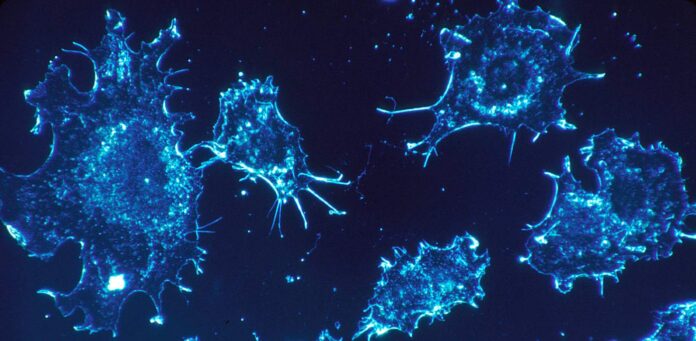
A landmark human trial testing a vaccine that’s designed to help the immune system target brain tumors has shown promising results—and Phase 2 of the trial is now being planned.
According to a Nature article published by the researchers leading the trial, the vaccine was safe for all patients, and showed the hoped-for immune response to cancerous tissue.
Diffuse gliomas are usually incurable brain tumors that spread in the brain and are difficult to remove completely by surgery. Chemotherapy and radiotherapy often only have a limited effect too.
In many cases, diffuse gliomas share a common feature: in more than 70 percent of patients, the tumor cells have the same gene mutation. An identical error in the DNA causes a single, specific protein building block to be exchanged in the IDH1 enzyme. This creates a novel protein structure, known as a neo-epitope, which can be recognized as foreign by the patient’s immune system.
“Our idea was to support patients’ immune system and to use a vaccine as a targeted way of alerting it to the tumor-specific neo-epitope,” explained study director Michael Platten, Medical Director of the Department of Neurology of University Medicine Mannheim and Head of Division at the German Cancer Research Center (DKFZ).
The IDH1 mutation is a particularly suitable candidate here, as it is highly specific to the gliomas and does not occur in healthy tissue. Moreover, the IDH1 mutation is responsible for the development of these gliomas: “That means that a vaccine against the mutated protein allows us to tackle the problem at the root,” Platten added.
Promising preclinical results
Platten’s team had already generated an artificial version of the segment of the IDH1 protein with the characteristic mutation several years ago. This mutation-specific peptide vaccine was able to halt the growth of IDH1-mutated cancer cells in mice. In 2019, Platten was awarded the German Cancer Prize for this discovery.
Encouraged by these results, Platten and a team of physicians decided to test the mutation-specific vaccine for the first time in a phase I study in patients newly diagnosed with a IDH1-mutated glioma.
A total of 33 patients at several different centers in Germany were enrolled in the study. In addition to the standard treatment, they received the peptide vaccine produced by Heidelberg University Hospital and University of Tübingen. The immune response was able to be evaluated in 30 patients, according to the study published in Nature.
The physicians did not observe any serious side effects in any of the patients who were vaccinated. In 93 percent of the patients, the immune system showed a specific response to the vaccine peptide and did so regardless of the patient’s genetic background, which determines the immune system’s important presentation molecules, the HLA proteins.
In a large proportion of the vaccinated patients, the physicians observed “pseudoprogression”, swelling of the tumor caused by a host of invading immune cells.
These patients had a particularly large number of T helper cells in their blood with immune receptors that responded specifically to the vaccine peptide, as single cell sequencing revealed.
“We were also able to demonstrate that the activated mutation-specific immune cells had invaded the brain tumor tissue,” reported Theresa Bunse from DKFZ, who coordinated the immunological analyses for these studies.
The three-year survival rate after treatment was 84 percent in the fully vaccinated patients, and in 63 percent of patients tumor growth had not progressed within this period. Among the patients whose immune system showed a specific response to the vaccines, a total of 82 percent had no tumor progression within the three-year period.
Vaccine concept being pursued
“We cannot draw any further conclusions about the vaccine efficacy from this early study without a control group,” remarked Michael Platten. “The safety and immunogenicity of the vaccine were so convincing that we continued to pursue the vaccine concept in a further phase I study.”
In this follow-on study, the researchers are combining the IDH1 vaccine with checkpoint inhibitor immunotherapy. “Checkpoint inhibitors act as an immune boost. We believe there is a good chance that they can activate the immune cells against the gliomas to an even greater extent.”
The researchers are also preparing a phase II study to examine for the first time whether the IDH1 vaccine leads to better treatment results than the standard treatment alone. “Gliomas are diagnosed in around 5,000 people in Germany every year, of which about 1,200 are diffuse gliomas with an IDH1 mutation. Up to now, we have usually had only limited success in halting tumor progression in these patients. We believe that the IDH1 vaccine offers the potential for developing a treatment that can suppress these tumors more effectively and on a long-term basis,” commented study co-director Wolfgang Wick, Medical Director of the Neurological Clinic of Heidelberg University Hospital and Head of Division at DKFZ.
That’s promising news indeed, and we’ll be sure to keep you updated about further developments stemming from these trials.
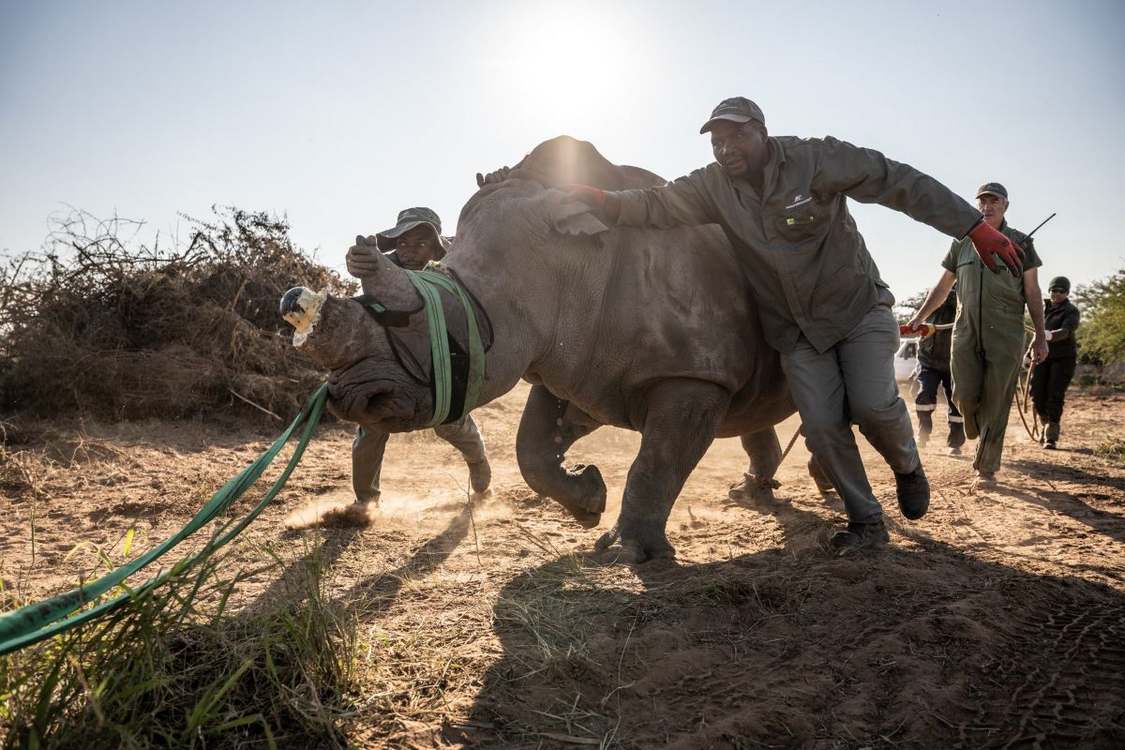
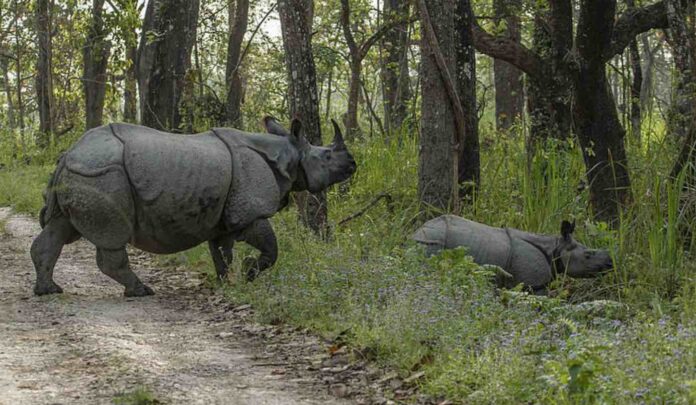
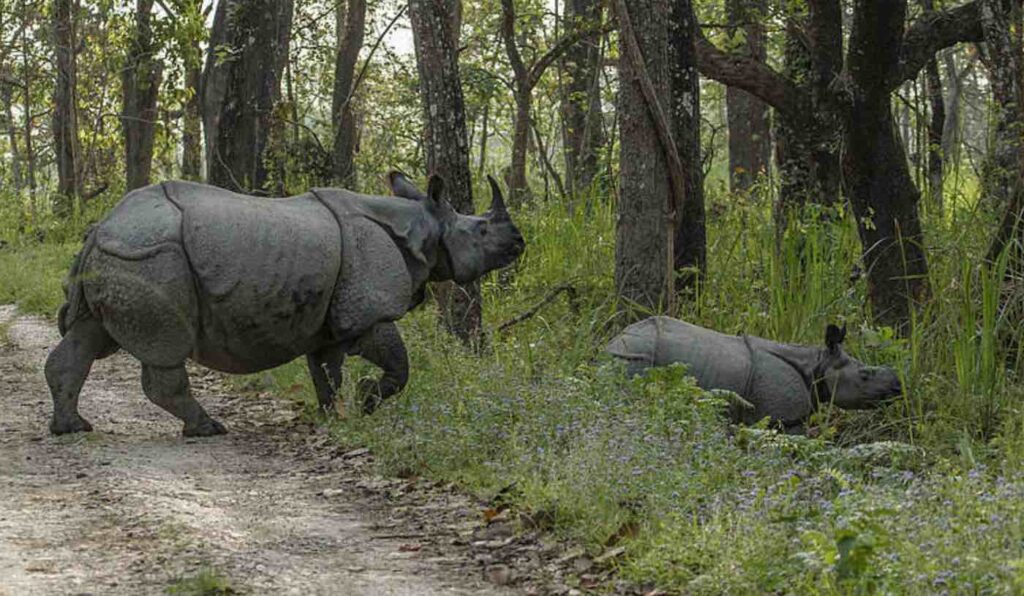
A third country has announced some good news for rhinos this year. Populations of the endangered one-horned rhinoceros in Nepal have increased by 16% over the past six years.
2021 Rhino Count (c) WWF Nepal
The new National Rhino Count 2021 estimates the current number stands at 752 individuals up from 645 in 2015. Rhinos were counted across the country between March 22 and April 10, including within four national parks, including Chitwan.
In the 1960s there were only around 100 left in the country.
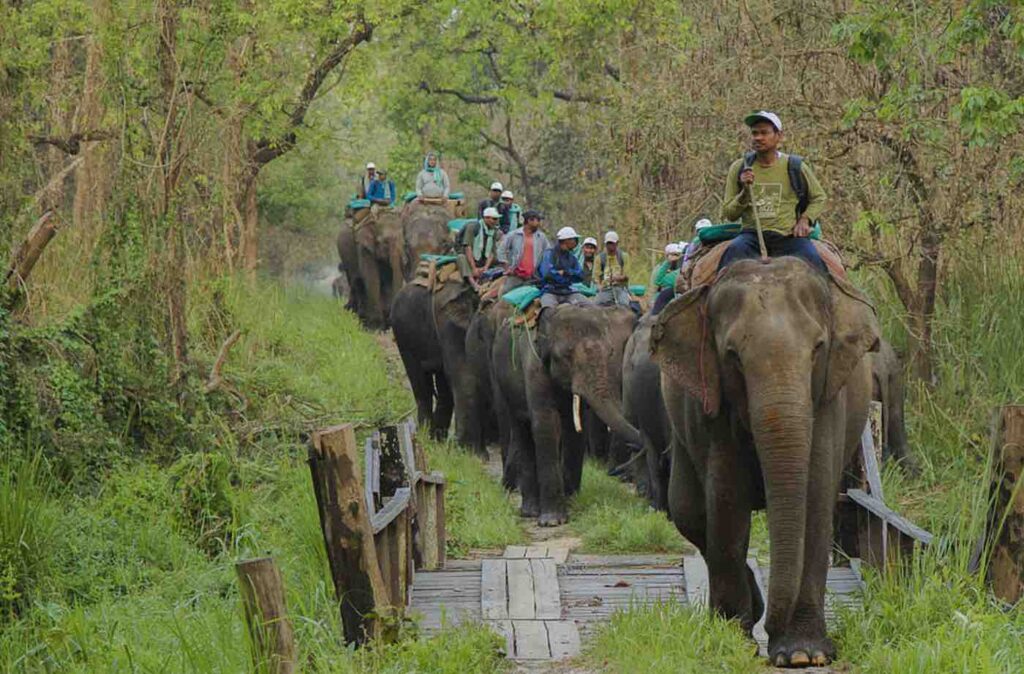
The Department of National Parks and Wildlife Conservation used 57 elephants in their search for rhinos, along with 350 trained personnel who swept the jungle areas to document a species headcount.
During the process, they also collected data on habitat conditions, invasive species in the area, and human activities in the region.
“The overall growth in population size is indicative of ongoing protection and habitat management efforts by protected area authorities, despite challenging contexts these past years,” said Ghana Gurung, Country Representative of WWF Nepal.
They couldn’t have done it without the elephants’ help (c) WWF Nepal
“This achievement is yet another milestone in Nepal’s conservation journey.”
Meanwhile, in Africa, 2020 was a remarkable year for rhino protection in Kenya where not one single rhino lost its horn or its life last year—a feat not achieved since 1999.
And in South Africa, which contains 80% of all African rhinos, 2020 was the sixth consecutive year that rhino poaching incidents dropped in the massive Kruger National Park. Since 2017, deaths have plummeted by 60%.
CELEBRATE This Positive Trend by Sharing the Story on Social Media…
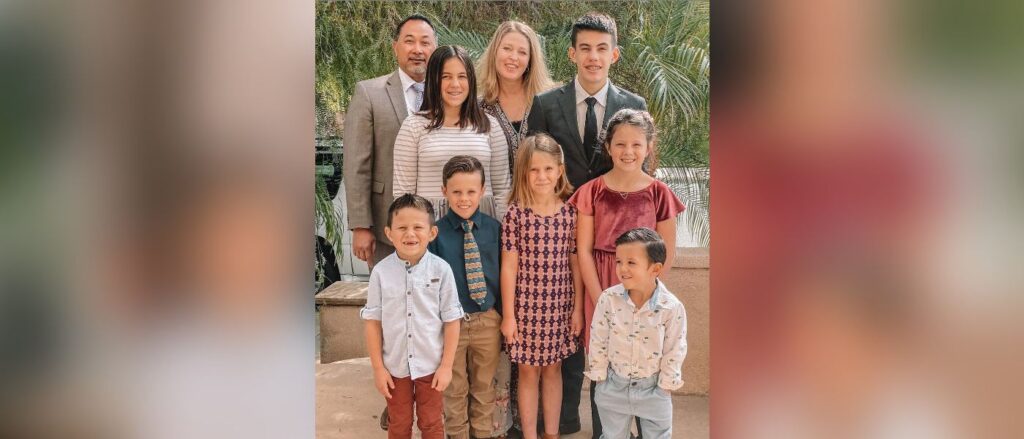
While the prospect of an empty nest is bittersweet, most parents look forward to some uninterrupted couple time when their kids finally fly the coop. But for one California husband and wife, rather than a cozy retirement, they found themselves feathering their nest all over again—with seven adopted kids.
The odyssey began back in January 2019, as Pam Willis was scanning Facebook. She says a post titled ‘Seven Siblings in Need of Forever Home’ “hit her like a ton of bricks.”
The story revealed that after the children’s mother and father perished in a car accident a year earlier, the siblings had been placed in foster care. “In that instant, their sweet smiling faces jumped off of the screen and into my heart,” she posted to Instagram.
Pam tagged her husband Gary on the post. By day’s end it was decided—they wanted to adopt them all.
“We knew deep inside that this mission was being placed before us,” Pam wrote. “If not us, then who? Who would keep them all together? Who would have the space for them? Who would have the time, and the love, and the patience for their trauma? The answer was clear…
“We would. Why else did we have a six-bedroom house that was about to have its last child’s bedroom vacated? Why else would our nest that had raised our first five babies be empty just in time? It was only to make room for our new babies.”
Two months after making initial contact with the foster care agency, Adelino, 15, Ruby, 13, Aleecia, 9, Anthony, 8, Aubriella, 7, Leo, 5, and Xander, 4 were placed with Pam and Gary.
With fears were founded on past experience, feeling truly safe did not come easily to the eldest children. Even prior to losing their parents, their lives had been far from ideal: Their mother and father were sometimes indigent and also struggled with substance abuse. As a result, they were sometimes unable to provide a stable environment for their kids.
“I think it’s so hard to trust when so much has been taken from your life,” Pam Willis told TODAY. “One night, my then-7-year-old came into our room. I asked her, ‘Did you have a bad dream?’ And she replied, ‘No, I just wanted to make sure that you were still here.’”
@second.chance.7/Instagram
The Willises knew it would take time and patience for them to earn the children’s trust but they were willing to do whatever it took. Last August, Pam and Gary made the adoption official.
The virtual ceremony was attended by the couple’s biological children, Matthew, Andrew, Alexa, Sophia, and Sam—whose ages range from 20 to 32. “It was awesome,” Pam told TODAY. “We brought a big TV screen out to the park so everybody could watch and cheer and be safe during COVID. There was so much love.”
Though a second family hadn’t been in their plans, the outcome of the story came as no surprise to the Willises. “They were ours from the minute we saw their faces on the news story,” Pam posted on Instagram.
“If you ask my friends, one moment we were reposting their heart-wrenching news story and calling attention to their plight, the next minute we were meeting them, falling in love, and starting the adoption process… WE are their forever home, and this is our second chance with SEVEN! ❤️”
GET GENEROUS With the Good News—Share This Story…
North Carolina-based writer Judy Cole has a new rom-com murder mystery debuting at Amazon: And Jilly Came Tumbling After (from Red Sky Presents).
Since the pandemic began, churchgoers have mostly been joining virtual Sunday services via Zoom and Facebook Live. Naturally, many have staying in their pajamas or comfy workout clothes to watch. La Verne Ford Wimberly, however, has not been one of those people.
La Verne Ford Wimberly
82-year-old Wimberly has been joining her fellow parishioners at Tulsa’s Metropolitan Baptist Church in Oklahoma in the most glamorous—and colorful—outfits.
Since last spring, the retired teacher has also been posting delightful selfies of her stylish looks on Facebook after each service.
“She never skips a beat with the hats, the clothes and all that beautiful jewelry,” said Robin Watkins, the church’s executive office assistant, to the Washington Post.
Wimberly explained her desire to dress well to the newspaper: “In the 20 years I’ve been going to church there, I’ve always had my little routine that I learned from my mother as a girl… I’d pick out a nice outfit and hat and lay it out the night before, so that I could be prepared and look presentable.”
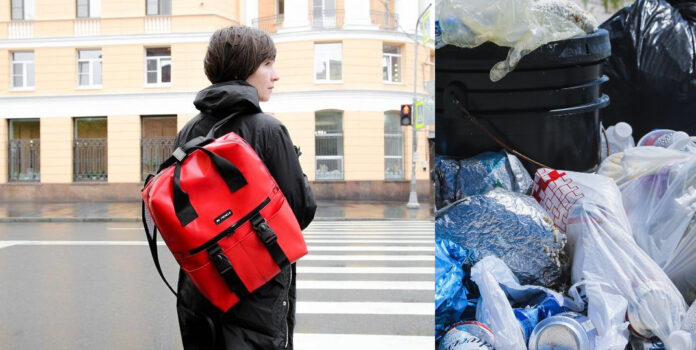
A Russian fashion brand is trying to tackle St. Petersburg’s mountains of garbage by creating an entire supply chain out of them.
99Recycle
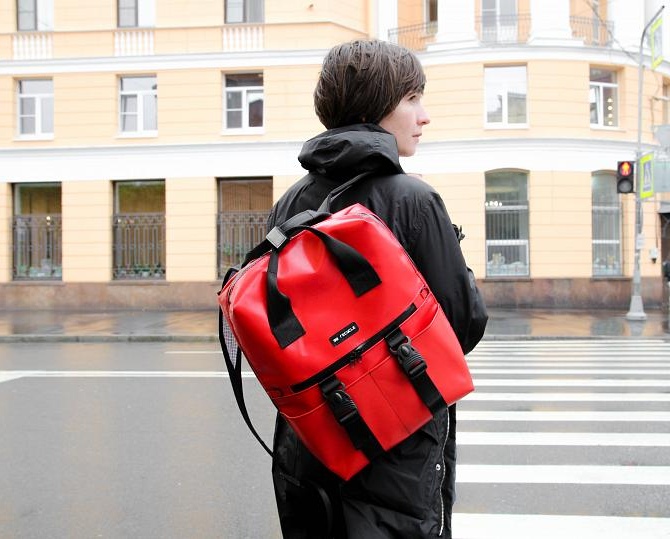
Sifting through the trash mountains, workers collect all kinds of different recyclable materials before turning them into bespoke recycled accessories and school products.
99Recycle won Recycle/Upcycle Project of the Year as part of the 2020 St. Petersburg Awards, and their current roster of goods include pencil and laptop cases, backpacks, bags, and even skateboards and a bicycle.
Sustainability in fashion is becoming a larger and larger concern as the 21st century rolls on, as the industry is one of the single largest and most problematic polluters in our society both by the amount and types of waste produced.
99Recycle utilizes a large 3D printer based on a design used by Hyundai, and which uses recycled plastic as a raw material. They’ve collected over 70 tons of reclaimed plastic so far by working with local recycling non-profits that specialize in collecting certain types of material.
“The process of preparing the materials is more complicated than for ordinary materials. Most of our time is taken up by the preparation, because we need to clean it, to make it even, to select it, to reject some materials,” Olesya Kulik, designer at 99Recycle told Euronews.
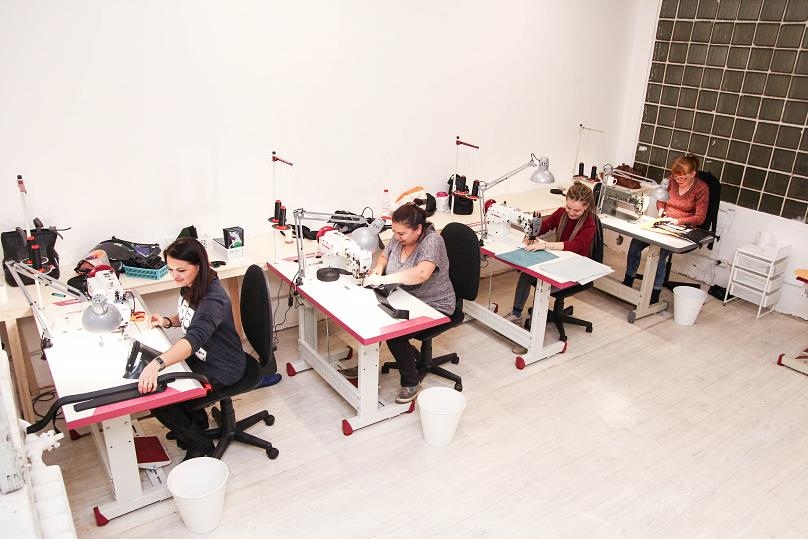
Inside the factory, the 3D printer creates shapes and textiles which are sewn together by hand, meaning that each piece is unique.
99Recycle
Most of the landfills in Russia are substantially larger and more poorly maintained than those elsewhere in Europe, and one in Moscow is 10 stories tall.
Throw-away culture is strong in Russia, and so along with making products for purchase, 99Recycle hosts classes and lectures about sustainability and different ways to recycle, hoping to coach their city out of its bad habits, and like Father Time, grind down the mountains to dust.
UPCYCLE Your Friends’ News Feeds With the Good News—Share This Story…
Quote of the Day: “You don’t have to be great to start, but you have to start to be great.” – Zig Ziglar
Photo by: Liam Pozz
With a new inspirational quote every day, atop the perfect photo—collected and archived on our Quote of the Day page—why not bookmark GNN.org for a daily uplift?
Seismologists at Caltech working with optics experts at Google have developed a method to use existing underwater telecommunication cables to detect earthquakes. The technique could lead to improved earthquake and tsunami warning systems around the world.
A vast network of more than a million kilometers of fiber optic cable lies at the bottom of Earth’s oceans. In the 1980s, telecommunication companies and governments began laying these cables, each of which can span thousands of kilometers. Today, the global network is considered the backbone of international telecommunications.
Scientists have long sought a way to use those submerged cables to monitor seismicity. After all, more than 70 percent of the globe is covered by water, and it is extremely difficult and expensive to install, monitor, and run underwater seismometers to keep track of the earth’s movements beneath the seas.
What would be ideal, researchers say, is to monitor seismicity by making use of the infrastructure already in place along the ocean floor.
Now Zhongwen Zhan, PhD, assistant professor of geophysics at Caltech, and his colleagues have come up with a way to analyze the light traveling through “lit” fibers—in other words, existing and functioning submarine cables—to detect earthquakes and ocean waves without the need for any additional equipment. They describe the new method in the February 26 issue of the journal Science.
“This new technique can really convert the majority of submarine cables into geophysical sensors that are thousands of kilometers long to detect earthquakes and possibly tsunamis in the future,” says Zhan. “We believe this is the first solution for monitoring seismicity on the ocean floor that could feasibly be implemented around the world. It could complement the existing network of ground-based seismometers and tsunami-monitoring buoys to make the detection of submarine earthquakes and tsunamis much faster in many cases.”
The cable networks work through the use of lasers that send pulses of information through glass fibers bundled within the cables to deliver data at rates faster than 200,000 kilometers per second to receivers at the other end, where devices check the state of polarization of each signal to see how it has changed along the path of the cable to make sure that the signals are not getting mixed.
In their work, the researchers focused on the Curie Cable, a submarine fiber optic cable that stretches more than 10,000 kilometers along the eastern edge of the Pacific Ocean from Los Angeles to Valparaiso, Chile.
On land, all sorts of disturbances, such as changes in temperature and even lightning strikes, can change the polarization of light traveling through fiber optic cables. Because the temperature in the deep ocean remains nearly constant and because there are so few disturbances there, the change in polarization from one end of the Curie Cable to the other remains quite stable over time, Zhan and his colleagues found.
However, during earthquakes and when storms produce large ocean waves, the polarization changes suddenly and dramatically, allowing the researchers to easily identify such events in the data.
Currently, it takes minutes for the seismic waves from earthquakes occurring miles offshore to reach land-based seismometers—and even longer for any tsunami waves to be verified. Using the new technique, the entire length of a submarine cable acts as a single sensor for hard-to-monitor locations. Polarization can be measured as often as 20 times per second. That means that if an earthquake strikes close to a particular area, a warning could be delivered to the potentially affected areas within a matter of seconds.
During the nine months of testing reported in the new study, the researchers detected about 20 moderate-to-large earthquakes along the Curie Cable, including the magnitude-7.7 earthquake that took place off of Jamaica on January 28, 2020.
Although no tsunamis were detected during the study, the researchers were able to detect changes in polarization produced by ocean swells that originated in the Southern Ocean. They believe the changes in polarization were caused by pressure changes along the seafloor as powerful waves traveled past the cable. “This means we can detect ocean waves, so it is plausible that one day we will be able to detect tsunami waves,” says Zhan.
Zhan and his colleagues at Caltech are now developing a machine learning algorithm that would be able to determine whether detected changes in polarization are produced by earthquakes or ocean waves rather than some other change to the system, such as a ship or crab moving the cable. They expect that the entire detection and notification process could be automated, adding to the network of land-based seismometers and the buoys in the DART system (Deep-ocean Assessment and Reporting of Tsunamis operated by NOAA).
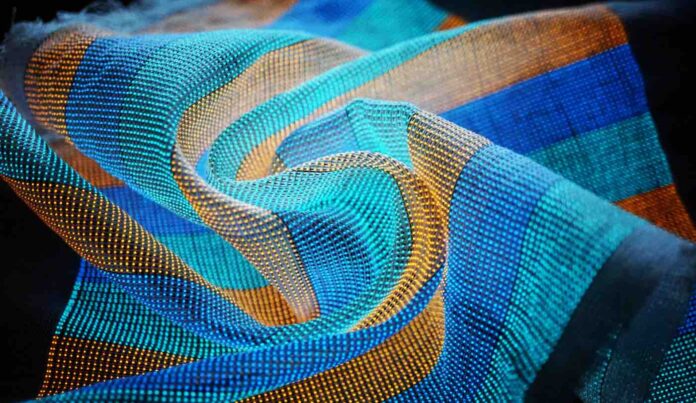
A new fabric developed by a Chinese team of scientists that works like a smartphone could have applications in communications, navigation, healthcare, and safety.
SWNS
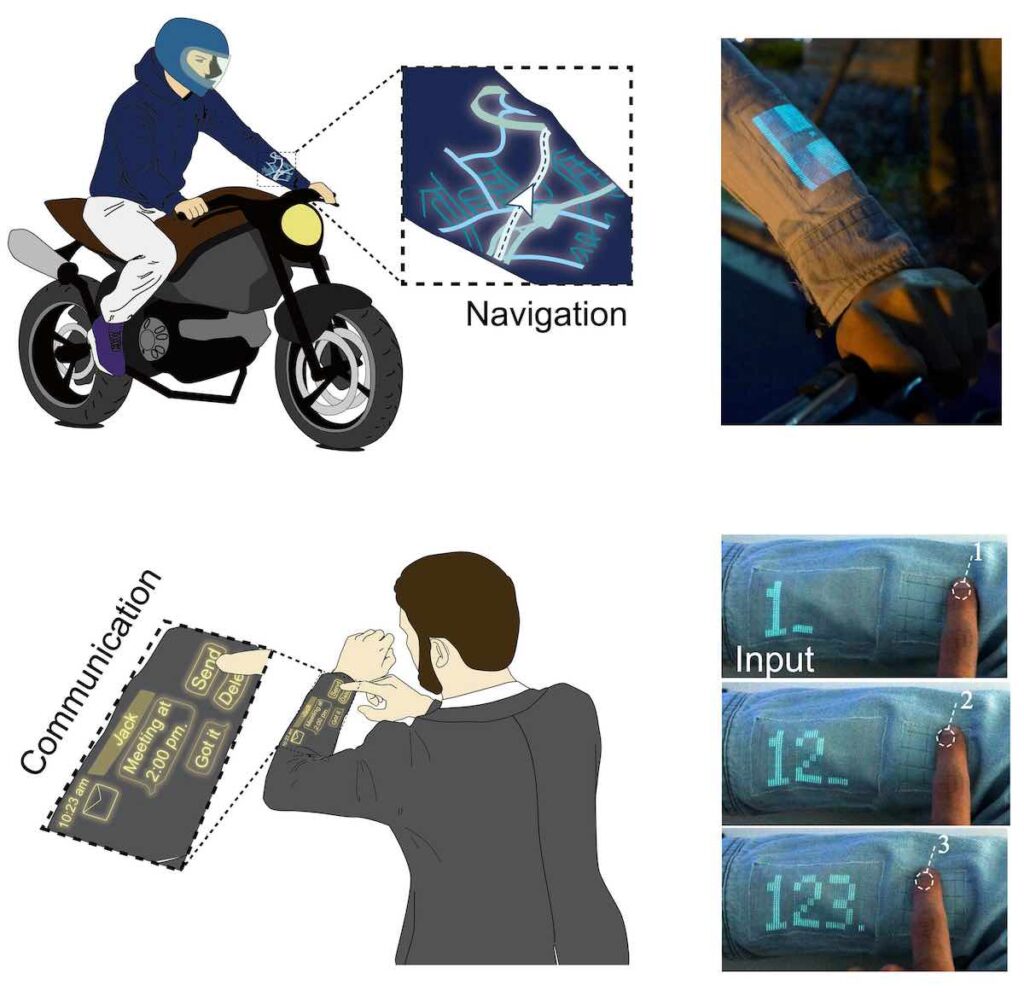
The hi-tech garment could improve safety for cyclists, motorists, and emergency responders. For instance, the brush of a sleeve could display a ‘textile map’ on their arm—in an instant.
The inexpensive material turns a jacket into a touch screen—and could be in the shops by Christmas, according to SWNS news agency.
Powered by solar energy, it combines conductive and luminescent fibers with cotton.
Wearable technology has been promised for years, but creating large displays integrated with functional systems has proved challenging.
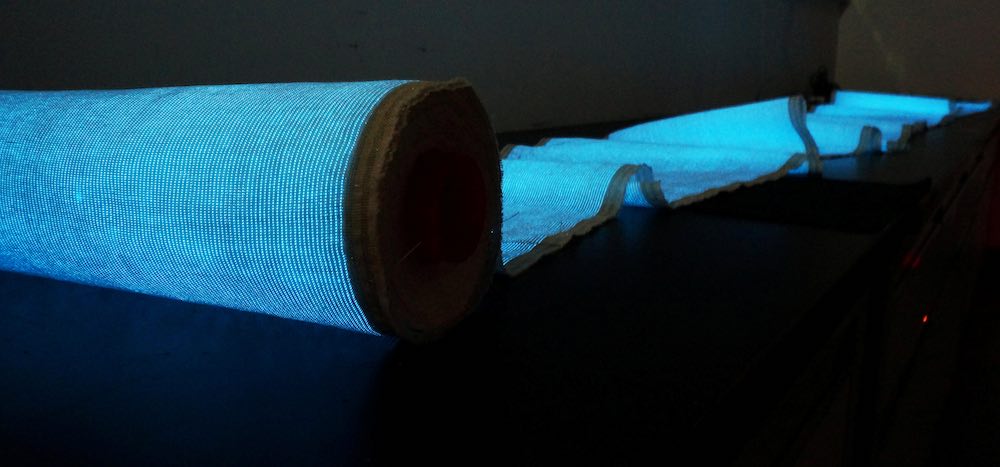
The researchers at Fudan University in Shanghai overcame this issue spectacularly with a display fabric almost 20 feet long and 10 inches wide.
The corresponding author who described the new electronic textile in the journal Nature last month, Professor Huisheng Peng said, “The cloth is flexible, breathable, and durable—making it ideal for the real world.”
“Conventional solid-state materials are not readily compatible with textiles because they struggle to withstand the natural deformation that occurs when fabrics are worn and washed,” said Peng.
“It’s integrated with a touch-sensitive fabric keyboard and power supply that harvests solar energy,” he added.
In experiments, the electronic textile worked as a navigation tool showing an interactive map. It also performed communications by sending or retrieving messages via a Bluetooth connection with a smartphone.
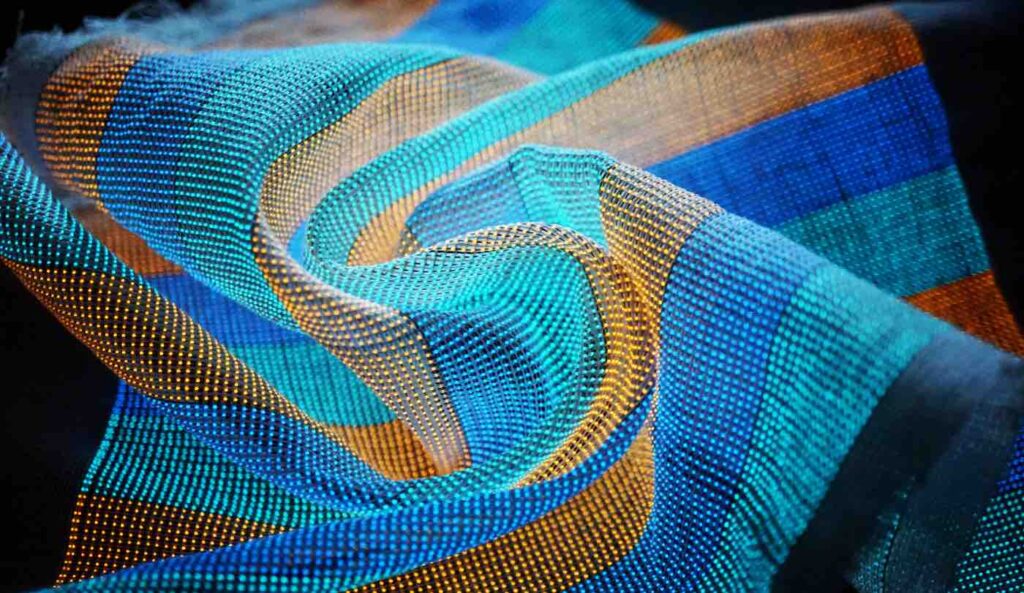
Prof. Peng said the display is produced by illuminating units that form where the conductive and luminescent fibers meet at contact points in the woven fabric.
SWNS via Fudan University
They survived 1,000 cycles of bending, stretching and pressing. Brightness remained after 100 cycles of washing and drying.
With the addition of more applications it’s expected to shape the next generation of electronic communication tools.
They first prepared two kinds of fiber electrodes—one coated with active material and the other transparent and elastic. Then, they weaved them together as yarns to produce the display textile, which is highly flexible and was demonstrated in three typical applications.
“They are not just conceptions. In fact, we can produce such display textiles at large scale with low cost,” said Peng. “We are already providing them to companies. I think they will start to be used this year—at least, no later than next year.”
The potential is vast—both for the public and private sector. Policemen or road workers can wear them at night to be safer.
The team even envisions this being able to convert brain waves into signals on the clothes, which would be useful for people who cannot speak.
PUT Your Hi-Tech Knowledge on Display By Sharing This on Social Media…
More than 60% of Americans say they feel optimistic that the pandemic will end before 2022, and they’re preparing themselves for a better future.
By Irudayam, CC license
A study of 2,000 adults found 58 percent of Americans also said that being at home during the lockdowns has motivated them to focus on self-improvement.
60% of respondents have dedicated their time in quarantine to boosting their appearance, and 52% say they worked on their health, according to the survey commissioned by Vagaro and conducted by OnePoll.
Others were motivated to build their self-confidence (48%), and feel happier with themselves (46%).
Data also showed that many sought self-improvement more recently because they had let themselves go during lockdown (46%). Some of the ways people let themselves go were by gaining weight (60%) or losing touch with family and friends (49%).
Despite these setbacks, fully 62% of people said they feel optimistic that the pandemic will end before 2022.
“With 2020 allowing time for introspection, many will face the post-pandemic world with a new mindset and will want to improve themselves physically, mentally and emotionally,” said Fred Helou, CEO of Vagaro.
WHAT THESE AMERICANS WANT TO IMPROVE ON: Paying more attention to their personal appearance 60%
Having better physical health 58%
Taking better care of their skin 56%
Taking better care of their hair 53%
Taking care of their mental and emotional health 48%
WHAT MOTIVATES THEM TO TAKE BETTER CARE OF THEMSELVES:
To attain better overall health 52%
To build confidence/self-esteem 48%
Better physical appearance 47%
To be happier 46%
To feel like their best self 39%
SHARE the Silver Linings With Your Friends on Social Media…