This week’s news headlines from around the world have brought together another batch of COVID-19 updates that are both positive and noteworthy.
For starters, the number of novel coronavirus deaths in Spain dropped for the fourth consecutive day in a row, which has inspired hope that the nation is now past the peak of their outbreak—especially since the decline marked the lowest recorded number of deaths in a two week curve.
Other European nations have reported some hopeful trends of their own.
In France, the number of COVID-19 fatalities and new daily cases fell by more than 50% over the weekend, according to datasets from Worldometer.
Italy, which has been one of the hardest-hit countries in Europe, has now recorded three straight days of decline in new cases. Additional datasets from Worldometer show that yesterday marked the lowest number of new cases since March 17th—roughly half of the nation’s peak number of new cases which was recorded on March 21st. After several consecutive days of decline, April 5th also marked the lowest number of Italian deaths since March 19th.
Meanwhile, less than two weeks after New Zealand enacted strict nationwide lockdowns, the nation reports that they have not only flattened their curve of cases, they have “squashed it”.
On the US front, New York Governor Andrew Cuomo says that the number of deaths statewide fell for the first time and remained stable for two days, raising hopes for a flattened curve. New hospital admissions also fell across the state from 1,427 on April 2nd to 358 on April 5th, according to Market Watch.
Although national responders are still anxiously anticipating new problems posed by the pandemic during the coming weeks, the nation’s most influential statistical model has predicted that there may be fewer shortages of medical equipment—and fewer deaths—than we may have previously thought.
While authorities remain vigilant in the face of cautious optimism, weather reports are showing positive environmental progress as well.
Following similar reports in China and the US, air pollution is continuing to plummet in countries with social restrictions, such as the UK and India. In New Delhi alone—which has some of the worst air pollution in the world—airborne particulates plunged by 71% in just one week.
Particle pollution in major UK cities have also dropped by as much as one-third—and the rates are expected to fall even further as lockdowns continue.
“These are big changes—pollution levels are the equivalent at the moment of a holiday, say an Easter Sunday,” Professor James Lee from York University and the National Centre for Atmospheric Science told The Guardian about the data.
“And I think we will see an even starker drop off when the weather changes.”
This is just one of many positive stories and updates that are coming out of the COVID-19 news coverage this week. For more uplifting coverage on the outbreaks, click here.
Be Sure And Share The Encouraging News With Your Friends On Social Media…
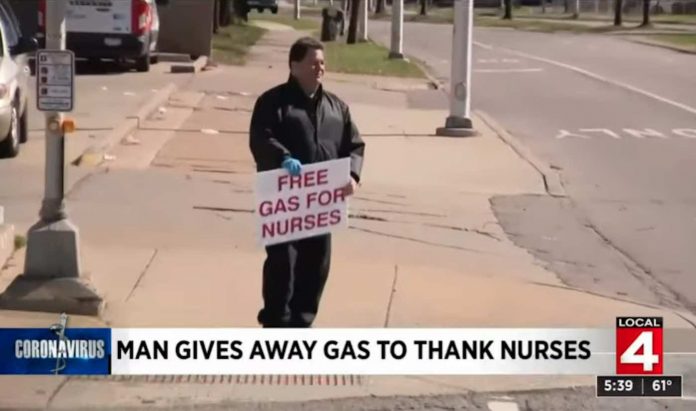
A compassionate Michigan man is being praised for using his savings to buy gas for nurses fighting the novel coronavirus outbreaks.
Last week, Allen Marshall stood on the corner of the Exxon gas station near the Detroit Medical Center holding a sign that read: “Free Gas for Nurses”.
Marshall ended up spending $900 of his own money to fill the tanks of between 50 to 80 vehicles that belonged to medical workers on the hospital’s front lines.
Although Marshall had originally been saving the money to buy himself a knife-sharpening tool, he felt inspired to do something nice for the local hospital staffers after dropping his wife—who is an essential worker—off at her shift with Blue Cross Blue Shield.
“I just love them and I want them to know that,” he told WDIV in the interview below.
After he ran out of money, Marshall continued to stand at the intersection with a new sign that simply read: “Thank You for All You Do!”
However, the story of Marshall’s good deed does not end there; a woman who was identified only as Alana caught word of Marshall’s labor of love and contributed another $200 of her own money to his cause.
This is just one of many positive stories and updates that are coming out of the COVID-19 news coverage this week. For more uplifting coverage on the outbreaks, click here.
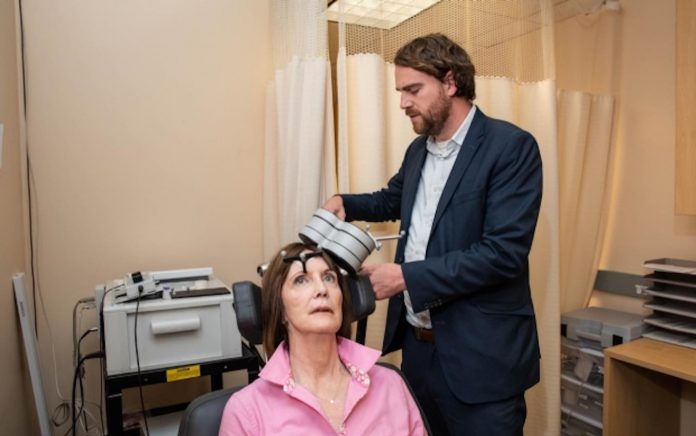
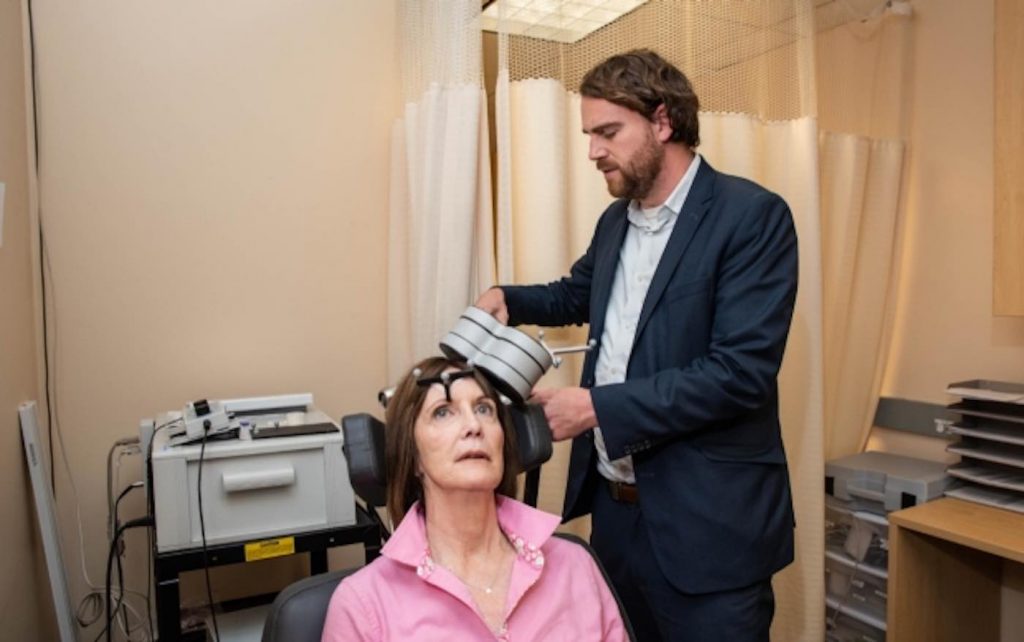
Deirdre Lehman, who suffered from depression, with Nolan Williams, who oversaw a clinical trial of a potential treatment that uses transcranial magnetic stimulation. In this photo, Williams and Lehman demonstrate how a patient is positioned and the equipment is used during the treatment. Photo by Steve Fisch / Stanford University.
A new form of magnetic brain stimulation rapidly relieved symptoms of severe depression in 90% of participants in a small study conducted by researchers at the Stanford University School of Medicine.
The researchers are conducting a larger, double-blinded trial in which half the participants are receiving fake treatment. The researchers are optimistic the second trial will prove to be similarly effective in treating people whose condition hasn’t improved with medication, talk therapy, or other forms of electromagnetic stimulation.
The treatment is called Stanford Accelerated Intelligent Neuromodulation Therapy—or SAINT. It is a form of transcranial magnetic stimulation, which is approved by the Food and Drug Administration for treatment of depression. The researchers reported that the therapy improves on current FDA-approved protocols by increasing the number of magnetic pulses, speeding up the pace of the treatment, and targeting the pulses according to each individual’s neurocircuitry.
Before undergoing the therapy, all 21 study participants were severely depressed, according to several diagnostic tests for depression. Afterward, 19 of them scored within the non-depressed range. Although all of the participants had suicidal thoughts before the therapy, none of them reported having suicidal thoughts after treatment. All 21 participants had previously not experienced improvements with medications, FDA-approved transcranial magnetic stimulation or electroconvulsive therapy.
The only side effects of the new therapy were fatigue and some discomfort during treatment, the study reported. The results were published yesterday on April 6th in the American Journal of Psychiatry.
“There’s never been a therapy for treatment-resistant depression that’s broken 55% remission rates in open-label testing,” said Nolan Williams, assistant professor of psychiatry and behavioral sciences and a senior author of the study. “Electroconvulsive therapy is thought to be the gold standard, but it has only an average 48% remission rate in treatment-resistant depression. No one expected these kinds of results.”
Calming the brain chatter
When 60-year-old Deirdre Lehman woke up the morning of June 30th, 2018, she said she was hit by “a tsunami of darkness.” Lehman had struggled with bipolar disorder all her adult life, but with medications and psychotherapy, her mood had been stable for 15 years.
“There was a constant chattering in my brain: It was my own voice talking about depression, agony, hopelessness,” she said. “I told my husband, ‘I’m going down and I’m heading toward suicide.’ There seemed to be no other option.”
Lehman’s psychiatrist had heard of the SAINT study and referred her to Stanford. After researchers pinpointed the spot in her brain that would benefit from stimulation, Lehman underwent the therapy.
“By the third round, the chatter started to ease,” she said. “By lunch, I could look my husband in the eye. With each session, the chatter got less and less until it was completely quiet.
“That was the most peace there’s been in my brain since I was 16 and started down the path to bipolar disorder.”
In transcranial magnetic stimulation, electric currents from a magnetic coil placed on the scalp excite a region of the brain implicated in depression. The treatment, as approved by the FDA, requires six weeks of once-daily sessions. Only about half of patients who undergo this treatment improve, and only about a third experience remission from depression.
Stanford researchers hypothesized that some modifications to transcranial magnetic stimulation could improve its effectiveness. Studies had suggested that a stronger dose, of 1,800 pulses per session instead of 600, would be more effective. The researchers were cautiously optimistic of the safety of the treatment, as that dose of stimulation had been used without harm in other forms of brain stimulation for neurological disorders, such as Parkinson’s disease.
Other studies suggested that accelerating the treatment would help relieve patients’ depression more rapidly. With SAINT, study participants underwent 10 sessions per day of 10-minute treatments, with 50-minute breaks in between. After a day of therapy, Lehman’s mood score indicated she was no longer depressed; it took up to five days for other participants. On average, three days of the therapy were enough for participants to have relief from depression.
“The less treatment-resistant participants are, the longer the treatment lasts,” said postdoctoral scholar Eleanor Cole, a lead author of the study.
Strengthening a weak connection
The researchers also conjectured that targeting the stimulation more precisely would improve the treatment’s effectiveness. In transcranial magnetic stimulation, the treatment is aimed at the location where most people’s dorsolateral prefrontal cortex lies. This region regulates executive functions, such as selecting appropriate memories and inhibiting inappropriate responses.
For SAINT, the researchers used magnetic-resonance imaging of brain activity to locate not only the dorsolateral prefrontal cortex, but a particular subregion within it. They pinpointed the subregion in each participant that has a relationship with the subgenual cingulate, a part of brain that is overactive in people experiencing depression.
In people who are depressed, the connection between the two regions is weak, and the subgenual cingulate becomes overactive, said Keith Sudheimer, clinical assistant professor of psychiatry and a senior author of the study. Stimulating the subregion of the dorsolateral prefrontal cortex reduces activity in the subgenual cingulate, he said.
To test safety, the researchers evaluated the participants’ cognitive function before and after treatment. They found no negative side effects; in fact, they discovered that the participants’ ability to switch between mental tasks and to solve problems had improved—a typical outcome for people who are no longer depressed.
One month after the therapy, 60% of participants were still in remission from depression. Follow-up studies are underway to determine the duration of the antidepressant effects.
The researchers plan to study the effectiveness of SAINT on other conditions, such as obsessive-compulsive disorder, addiction, and autism spectrum disorders.
Deirdre Lehman, who suffered from depression, with Nolan Williams, who oversaw a clinical trial of a potential treatment that uses transcranial magnetic stimulation. In this photo, Williams and Lehman demonstrate how a patient is positioned and the equipment is used during the treatment. Photo by Steve Fisch / Stanford University.
‘Resilient and stable’
The depression Lehman woke up to almost two years ago was the worst episode she had ever experienced. Today, she said, she is happy and calm.
Since undergoing SAINT treatment, she has completed a bachelor’s degree at the University of California-Santa Barbara; she had dropped out as a young woman when her bipolar symptoms overwhelmed her studies.
“I used to cry over the slightest thing,” she said. “But when bad things happen now, I’m just resilient and stable. I’m in a much more peaceful state of mind, able to enjoy the positive things in life with the energy to get things done.”
Since seniors have been shown to be particularly susceptible to the risks of COVID-19, nursing homes all over the world are taking extra care to keep their elderly residents safe in isolation.
With few activities to keep them occupied, the old Texan residents from The Enclave at Round Rock Senior Living have been waiting out the quarantine in boredom.
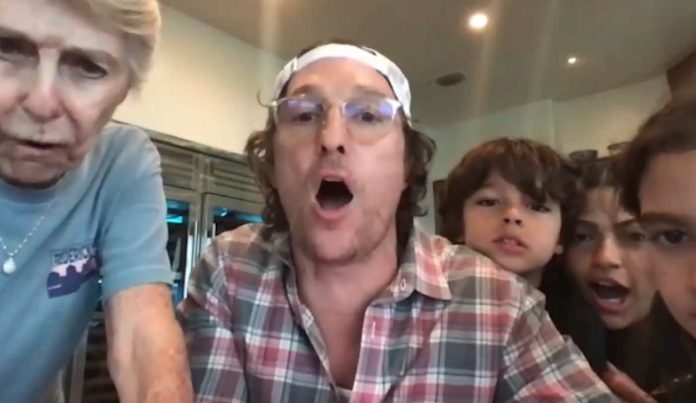
Luckily, Hollywood A-lister and Texas native Matthew McConaughey offered to help keep them entertained earlier this week.
Although The Enclave residents have been trying to get McConaughey to visit their nursing home for several months now, the actor respected the rules of social distancing by hosting some rousing games of bingo over a video livestream.
With his wife and kids watching in delight, McConaughey called out the numbers to the seniors on the conference call until one of the residents got a bingo. As a prize for winning the game, the senior would get to ask McConaughey a question about himself.
Needless to say, the games were a rousing success.
“Our team members can’t interact with the residents the way we normally do, so we have been doing everything possible to uplift them virtually,” senior home sales director Molly Davis told KEYE News. “This was a wish come true!
“The residents absolutely loved seeing Matthew and his family and enjoyed hearing him talk about what he’s doing to get through this crisis. It gave them hope and was the boost that they needed to get through this lonely, challenging time.”
Other social media users have taken pleasure in the virtual bingo games as well; since The Enclave published videos of the games to Facebook on Sunday, they have been viewed more than 100,000 times.
“During a time when we are all working to make lemonade out of lemons, we are so humbled that Matthew took the time to play our favorite game with us,” wrote the nursing home. “As Matthew would say, let’s turn this red light into a green light!”
This is just one of many positive stories and updates that are coming out of the COVID-19 news coverage this week. For more uplifting coverage on the outbreaks, click here.
Alright, Alright, Alright—Be Sure And Share This Sweet Story With Your Friends On Social Media…
Quote of the Day: “Flowers always make people better, happier, and more helpful; they are sunshine, food and medicine to the mind.” – Luther Burbank
Photo: by krystina rogers – public domain, cropped
With a new inspirational quote every day, atop the perfect photo—collected and archived on our Quote of the Day page—why not bookmark GNN.org for a daily uplift?
This college student has been going above and beyond the call of duty to protect people who are deaf or hard of hearing from risking exposure to COVID-19.
Since the world has been struggling to cope with N95 face mask shortages, 21-year-old Ashley Lawrence has been troubled by how the face masks might prevent people with hearing disabilities from communicating.
Because American Sign Language (ASL) speakers rely heavily on lip-reading for grammar, face masks could obscure up to half of a person’s message.
Lawrence, who studies education for the deaf and hard of hearing at Eastern Kentucky University, has been conducting her schooling at home due to the novel coronavirus outbreaks—so she resolved to use her free time in quarantine to make face masks for sign language speakers.
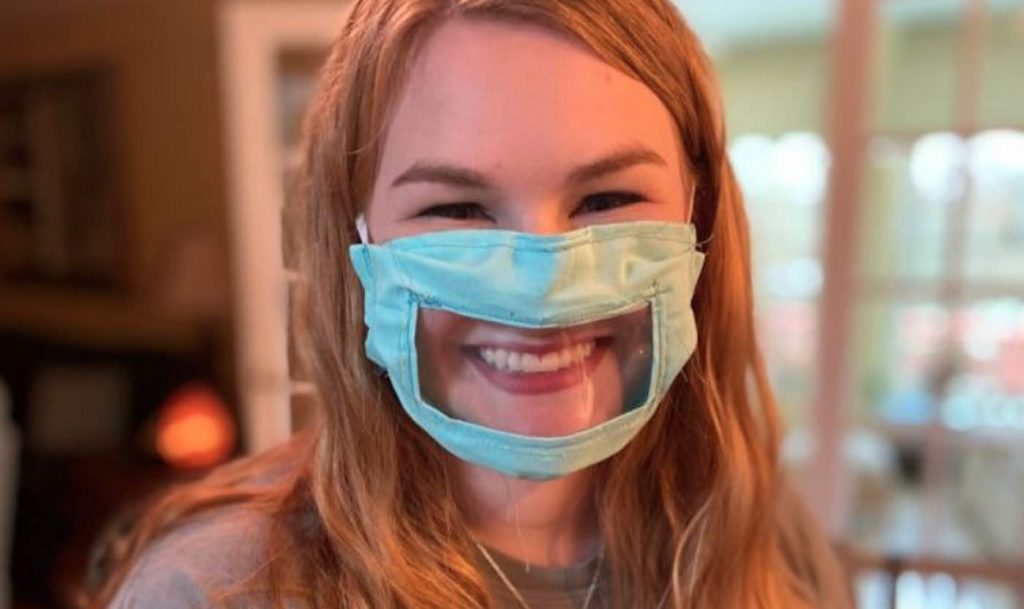
With the help of her mother, Lawrence began sewing face masks with plastic windows over the wearer’s mouth so that ASL speakers could still use lip-reading for communication.
Over the course of the last few weeks, Lawrence has been shipping the masks to dozens of hospitals and deaf individuals for free. She launched a GoFundMe campaign to raise funds for shipping, handling, and materials, but she deactivated the crowdfunding page after she reached her goal of $3,300 in just two days.
Although Lawrence had originally recruited a team of volunteers to make the masks for deaf people in her home community of Woodford County, Kentucky, the determined college student is now working to launch an official Facebook page and website for her newly-dubbed DHH Mask Project as a means of meeting demand for the masks.
Furthermore, Lawrence plans on posting a YouTube DIY instructional video for making the masks by the end of this week. Until then, people can request a set of free masks from Lawrence by emailing her at [email protected].
This is just one of many positive stories and updates that are coming out of the COVID-19 news coverage this week. For more uplifting coverage on the outbreaks, click here.
(WATCH the news coverage below)
Help Your Friends Hear About The Inspiring Initiative By Sharing This To Social Media…
Since people around the world are being urged to stay home and practice social distancing amidst the novel coronavirus outbreaks, more and more people have been searching for sources of entertainment in quarantine.
This “With Google” website and app have made it extraordinarily easy to learn Morse code—and some users have claimed they have picked up the skill in as little as 15 minutes.
For the last eleven years, With Google has featured thousands of digital experiments and online projects for the world to enjoy, a number of which are now being added to a Coping With COVID-19 collection—including the Morse Code app.
The app uses visual cues to associate each letter with its respective sound and code—and it’s totally free to use.
So if you don’t feel like committing the necessary time and effort to learning a foreign language, then maybe Morse code might be the next best thing.
Don’t Hesitate To Share This Cool Resource With Your Friends On Social Media…
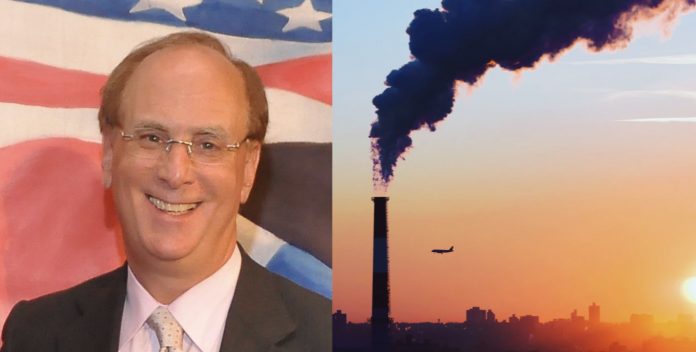
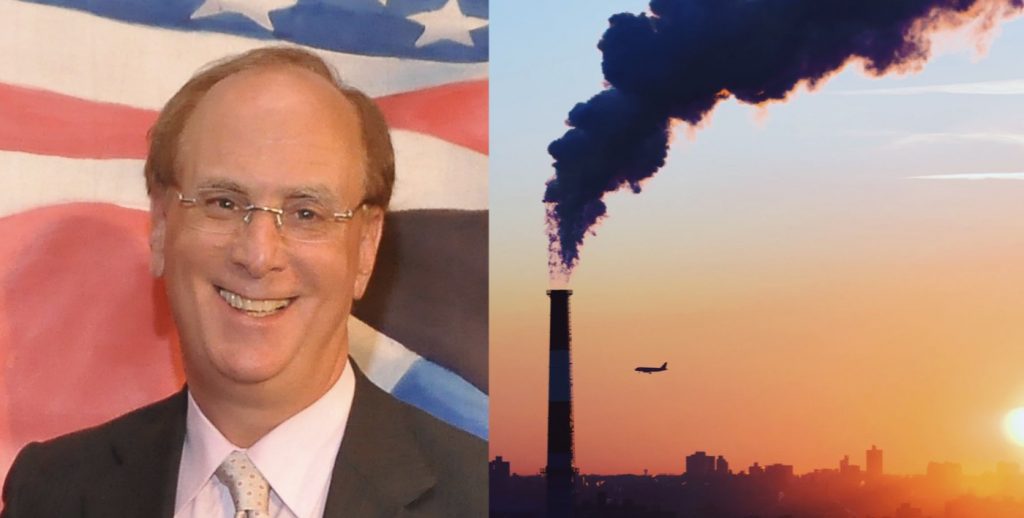
Trillions of dollars are set to be invested in combatting the climate crisis and conserving Earth’s ecosystems thanks to a man named Larry Fink.
Fink is the chairman and CEO of BlackRock, the world’s largest asset management company responsible for the fate of trillions of dollars of other people’s capital.
It is perhaps unsurprising that, as climate change is making many of the world’s markets even more uncertain than usual, Fink has written letters to all the CEOs of companies he invests in informing them that climate change will now become the central tenant of his investment strategy.
“Climate change has become a defining factor in companies’ long-term prospects,” Fink wrote in his letter. “Last September, when millions of people took to the streets to demand action on climate change, many of them emphasized the significant and lasting impact that it will have on economic growth and prosperity—a risk that markets to date have been slower to reflect.”
“But awareness is rapidly changing, and I believe we are on the edge of a fundamental reshaping of finance.”
This warning was bold in the original, and as reported by NPR, BlackRock is not only adjusting their management strategies, but also the relationship with the companies they invest in.
This means that before making investment decisions, BlackRock will require companies to disclose any climate-related risks for their future, as well as plans for how they would operate under limits or constraints that could arise from Paris Agreement targets to keep warming under 2 degrees Celsius.
BlackRock will also dump shares from companies in its portfolios who manage 25% of their wealth from coal production or utilization, which already costs in many places 50-100% more to maintain and manufacture than renewables.
The 67-year-old billionaire also said that throwing BlackRock’s weight around as the world’s largest money management company is not beyond the pale, stating that: “We will be increasingly disposed to vote against management and board directors when companies are not making sufficient progress on sustainability-related disclosures and the business practices and plans underlying them.”
More and more, financial planners and investment companies are moving away from anything that stinks of CO2. This shift in market forces will be a much more powerful catalyst for change than the activism that, to give credit where credit is due, made these shifts possible—and it’s high time too.
The recent meeting of the United Nations’ Intergovernmental Panel on Climate Change left many activists entirely unsatisfied, and many countries, particularly in Southeast Asia, are still pouring money into coal and natural gas-fired plants. Governments have much less interest in a changing climate than, for instance, insurance companies might. Larry Fink knows this, and is pushing a lot of money into goading governments and companies to rethink the future—taking devastating floods and fires, and uncertainty, into the lexicon of their decision-making.
Plant Some Positivity By Sharing The Good News With Your Friends On Social Media…
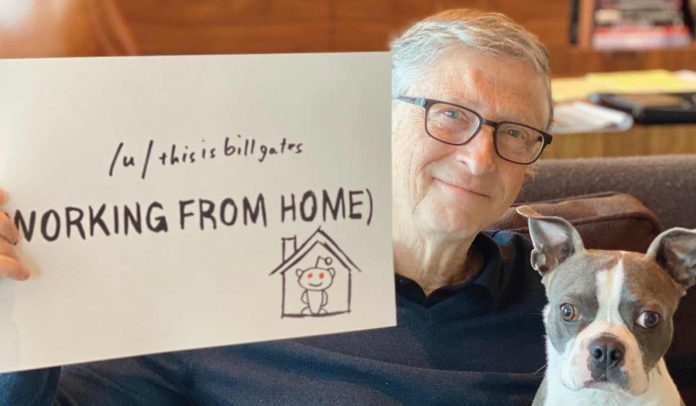
Bill Gates has just announced that he and his foundation are accelerating the COVID-19 response effort by building factories for all seven of the most promising vaccines currently in development—even though only one or two of them will likely be produced.
Gates discussed the initiative during his at-home interview with The Daily Show’s Trevor Noah this week.
“Because our foundation has such deep expertise in infectious diseases, we’ve thought about the epidemic, we did fund some things to be more prepared, like a vaccine effort,” Gates said. “Our early money can accelerate things.”
Despite how building factories for all seven vaccines in development will likely waste billions of dollars in construction costs, Gates says that having facilities ready for any one of the treatments will likely end up saving thousands of lives in the long run.
“Even though we’ll end up picking at most two of them, we’re going to fund factories for all seven, just so that we don’t waste time in serially saying, ‘OK, which vaccine works?’ and then building the factory,” he said.
In an op-ed that was published in The Washington Post last week, Gates added: “To bring the disease to an end, we’ll need a safe and effective vaccine. If we do everything right, we could have one in less than 18 months—about the fastest a vaccine has ever been developed.
“We can start now by building the facilities where these vaccines will be made. Because many of the top candidates are made using unique equipment, we’ll have to build facilities for each of them, knowing that some won’t get used. Private companies can’t take that kind of risk, but the federal government can. It’s a great sign that the administration made deals this week with at least two companies to prepare for vaccine manufacturing. I hope more deals will follow.
“In 2015, I urged world leaders in a TED talk to prepare for a pandemic the same way they prepare for war—by running simulations to find the cracks in the system. As we’ve seen this year, we have a long way to go,” wrote Gates. “But I still believe that if we make the right decisions now, informed by science, data and the experience of medical professionals, we can save lives and get the country back to work.”
This is not the first initiative that The Gates Foundation has taken to combat the novel coronavirus; in early March, the foundation pledged $100 million towards identifying, assessing, developing, and scaling-up treatments for the virus.
This is just one of many positive stories and updates that are coming out of the COVID-19 news coverage this week. For more uplifting coverage on the outbreaks, click here.
(WATCH the interview below) – Feature photo by Bill Gates
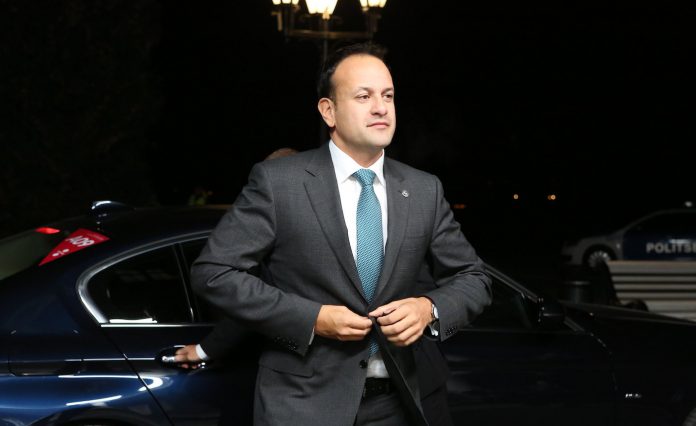
Citizens and news outlets around the world are praising Irish prime minister Leo Varadkar for re-registering as a doctor with the national health service in order to offer an extra hand in fighting the novel coronavirus outbreaks.
Prior to going into politics and being removed from the medical register in 2013, Varadkar reportedly spent seven years working as a junior doctor at St. James’s Hospital and Connolly Hospital in Dublin.
Trained as a general practitioner, Varadkar rejoined the medical register in March so he could offer up his services to the country’s Health Service Executive once a week.
According to Irish broadcaster RTE, part of the prime minister’s work will involve conducting phone assessments in order to free up the work load of hospital front line workers.
“Many of his family and friends are working in the health service. He wanted to help out even in a small way,” said a government spokesperson.
Euronews goes on to say that Varadkar may be the first European Union leader to personally offer his assistance to medical workers fighting the COVID-19 outbreaks.
This is just one of many positive stories and updates that are coming out of the COVID-19 news coverage this week. For more uplifting coverage on the outbreaks, click here.
File photo by Annika Haas (EU2017EE), CC
Be Sure And Share The Inspiring News With Your Friends On Social Media…
Quote of the Day: “A man can be himself only so long as he is alone; and if he does not love solitude, he will not love freedom; for it is only when he is alone that he is really free.” – Arthur Schopenhauer
Photo: by Anton Darius – public domain, cropped
With a new inspirational quote every day, atop the perfect photo—collected and archived on our Quote of the Day page—why not bookmark GNN.org for a daily uplift?
Photo of Trombone Shorty by Jeroen Komen, CC license
The British Academy of Sound Therapy (BAST) has been studying the beneficial effects of listening to music for therapeutic purposes for years.
The new research by BAST, the Music as Medicine project, has tried to identify exactly what kind of music stimulates positive neural responses and how long one must listen before these responses begin to activate.
“Most people hear or actively listen to music every day and as humans we tend to change our playlists based on our mood,” explained the neuroscientists at BAST.
“Music psychologists have proven time and time again, that music can have an effect on our health. So with that in mind, wouldn’t it be great if we could prescribe music to help with certain mood states?”
That’s exactly what they’ve succeeded in doing with Music as Medicine, and some of the results are truly stunning.
In a pre-trial survey of the 7,581 people involved in the project, 89% of the participants said that music was essential to their health and or well-being.
13 minutes was found to be the optimum listening time in the case of music to relax. This kind of music was characterized with a slow tempo, simple melodies and no lyrics, like Weightless, by Marconi Union.
“Our test subjects reported positive benefits including decreased muscle tension, negative thoughts disappearing, feeling peaceful and contented and being able to sleep better,” exclaimed the study.
That’s because 79% had reduced muscle tension, 84% had less negative thoughts, and 82% had a better nights sleep or felt restful & contented.
Music for Happiness
For those, like the GNN founder, who prefer dancing to get their cardio benefits, even less music is scientifically found to bring greater power into your legs and happiness into your mind.
After listening to driving rhythm and fast tempo music with happy lyrical content for just 9 minutes, 89% of participants had improved energy levels, 65% laughed more and/or felt happier, 82% felt able to take on anything or felt more in control of their lives.
Photo of Trombone Shorty by Jeroen Komen, CC license
Music to Process or Release Sadness
Because sadness is very personal, people selected unsurprisingly music with lyrics they connected with. Like listening for relaxation, 13 minutes were found to be enough for optimal benefit.
“Listening to music for sadness caused our listeners to feel a sense of relief, be less overwhelmed, feel more stable and less likely to be triggered by things that reminded them of the issue,” they said.
87% felt more emotionally stable, 84% felt less overwhelmed, a record 91% felt relief & release, while 84% said they came out the other side of their sadness.
While this research may seem like a cool bonus to doing what most of us love to do—listen to music—it’s actually leading to potential therapeutic interventions like this study that used the same tune as Music for Medicine “Weightless” to calm pre-operational anxiety attacks.
The study found that listening to Marconi Union’s track reduced symptoms of anxiety in patients waiting to undergo surgery.
Help Your Friends Hear About The Fascinating News By Sharing It To Social Media…
While Andrew Cuomo marshals New York’s defense against the coronavirus, Massachusetts Governor Charlie Baker has been working to equip metropolitan areas like Boston with the supplies needed for an effective COVID-19 response.
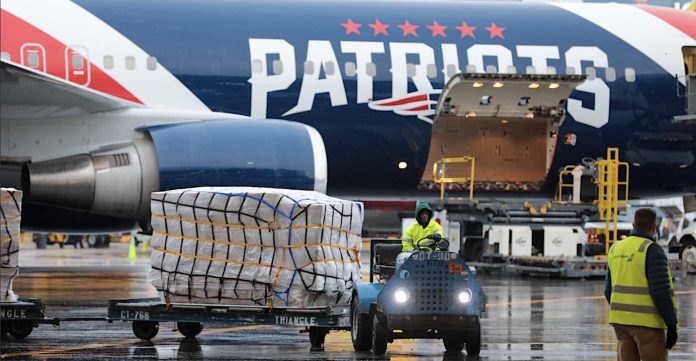
Baker asked the NFL New England Patriots team owner Robert Kraft to use the Super Bowl team’s Boeing 757 to fetch more than a million N95 masks from China—and a second shipment of 500,000 more will be arriving next week.
Perhaps even more inspirational is that, in addition to Massachusetts benefitting, 300,000 masks were also picked up for delivery to New York.
(Such a feat might have been unbelievable if it were a Boston Red Socks plane instead of one belonging to the Patriots—when the NY Yankees are such fierce Boston baseball rivals.)
As of this writing, Massachusetts has logged 11,000 cases of COVID in the state.
Gov. Baker described the endeavor in a tweet as “no days off,” and remarked that the masks would go to frontline health care workers.
For his part, Kraft said that getting the supplies on the plane and back to the states was “probably the most challenging operation our organization and team ever had to do,” according to CNN Thursday night.
Tonight's arrival of a major shipment of N95 masks on the @Patriots' plane was a significant step in our work to get front-line workers the equipment they need.
And its an example of how collaboration and partnership can lead to real solutions during these challenging times. pic.twitter.com/THwofdrTlt
“There was a lot of red tape, but a lot of people cooperated,” he said. “We had three governors. We had a counsel from China, our crew who flew probably more hours than they should have, but they knew how important it was. And, you know, it’s just — it’s like doing your job and never taking time off when something’s really important.”
For the 1.1 million public school students in New York City, life was upended when all classes were closed down to prevent the spread of the coronavirus.
Now, in a never-before-attempted project, children with parents in the medical field have got a place to go during the day, while their parents go to work on the frontlines of the contagion.
The largest school state system in the United States set up “regional enrichment centers” where the 8,000 public school kids can do their school work at spaced-apart desks, eat three hot meals a day, and learn how to protect themselves from COVID-19.
The centers are not only taking in kids of hospital workers, the enrichment centers are helping children whose parents work in essential services, like utility departments, postal services, and grocery stores.
“We’ve never done something like this before,” Miranda Barbot, a spokeswoman for the New York City Department of Education, told The New York Times. “We’ve made these centers available to thousands of families who need them.”
“They’re there for essential workers,” said NY City mayor Bill de Blasio. “So, here’s what it comes down to—so long as the essential worker, if they’ve got a better arrangement, that’s fine. We just need to support them to make sure they can show up and doing the lifesaving work they’re doing.”
In another move to support any of the city’s out-of-school students, the Department of Education is working with Apple to garner 300,000 iPads to lend out to students who don’t have access to an internet-enabled device for remote schooling which was slated to run from March 23rd to April 20th.
Parents who want to take advantage of the iPad borrowing service need only fill out a remote learning device application form on the NYC DOE website.
This is just one of many positive stories and updates that are coming out of the COVID-19 news coverage this week. For more uplifting coverage on the outbreaks, click here.
Be Sure And Share The Heartening News With Your Friends On Social Media…
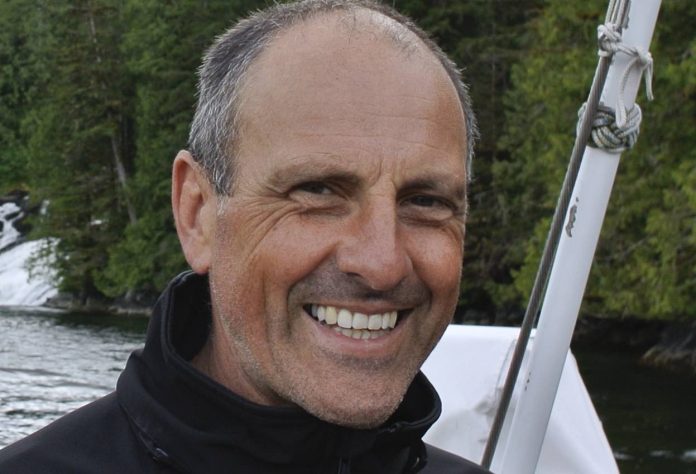
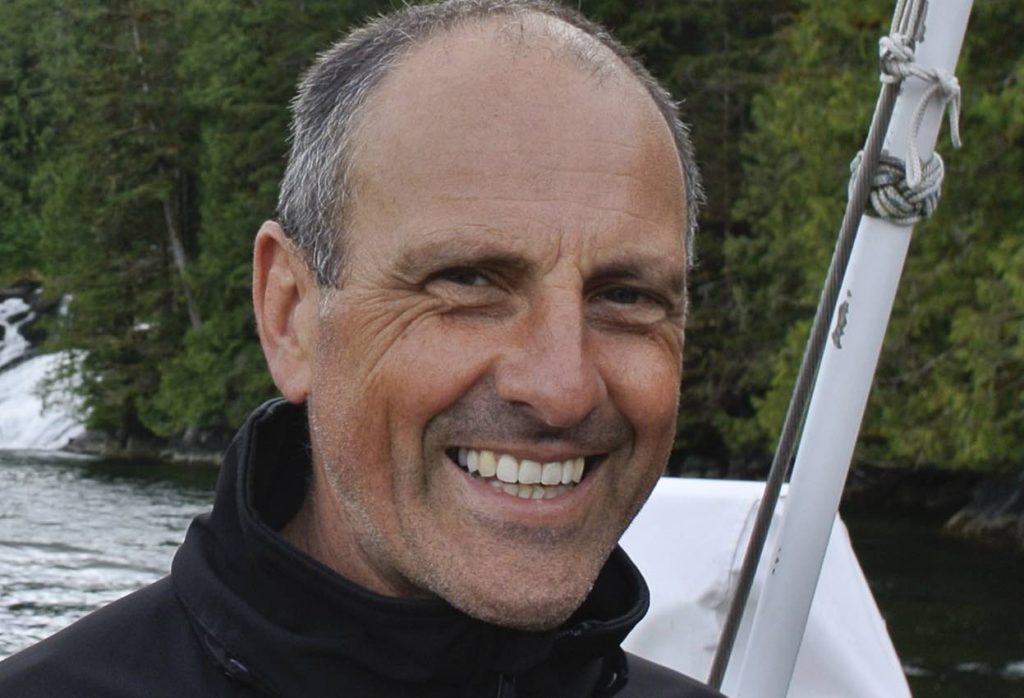
On October 27, 2019, Bert terHart sailed out of Victoria, BC, Canada on his 40′ ocean faring sailboat. His goal? To circumnavigate the globe non-stop, and without the aid of any electronic navigational devices. He hopes to become the first North American to ever complete this type of journey using only a sextant, almanac, pen, paper, and logbook for navigation.
Coincidentally, Bert already has become, literally, the safest person on the planet, bobbing about at sea on a voyage planned long before the COVID-19 pandemic began.
At the time of this writing, April 1, Bert was nearing Australia, two-thirds of the way through his journey. Many battles have been waged and won aboard the Seaburban, including violent weather, emergency repairs, extreme temperatures from roasting to freezing, and moldy food.
Born on the flat prairie of southern Saskatchewan, Bert was raised as far away from any ocean as you can imagine. His Dutch ancestry, however, is rich in sailing tradition, his father, grandfather and great-grandfather were all professional sailors. Jan ter Hart trained his four children in the fine art of sailing during windy summer days on Boundary Dam Lake, a man-made reservoir near Estevan, Saskatchewan, the family’s hometown.
While at sea, he has garnered a following of over 2000+ people watching his journey, day by day, including many Canadian schoolchildren all asking, “Where is Mr. ter Hart now?”
The journey was to have lasted six months, but delays due to extreme weather, requiring sailing many kilometers off course to avoid hurricanes and extreme winds, has stretched the journey to eight months.
During his trip he has been cataloguing information on climate change, which he will pass on to oceanographic scientific research companies—all while maintaining the most rigorous “social distancing” of anyone on Earth.
To be successful as the first North American to achieve this goal, there can be no stopping to disembark at any port. Nine months worth of food, water and supplies had to be brought on board. Including, yes, toilet paper.
The only other passenger on this voyage is Mr. Salty, a stuffed seal, who finds himself in all kinds of trouble aboard ship, and continuously demands higher pay for fewer chores.
Bert’s goal is not so much to be the first to complete a journey of this kind, which will end in San Francisco, but to inspire young people to take hold of their craziest dreams and fashion them into reality.
When asked what advice he would give those of us on land who are dealing with the coronavirus, terHart told GNN, “Self isolation is an opportunity to learn more about oneself. It is rare that we have the time to really examine what it is that we we want to become, and hope to leave behind as a legacy.”
He continued, “These are fundamental questions and need good answers. Our normal lives generally preclude the time necessary to really examine them in detail. This, for some, might very well be that time.”
Quote of the Day: “Life shrinks or expands in proportion to one’s courage.” – Anais Nin
Photo: by Eddi Aguirre – public domain, cropped
With a new inspirational quote every day, atop the perfect photo—collected and archived on our Quote of the Day page—why not bookmark GNN.org for a daily uplift?
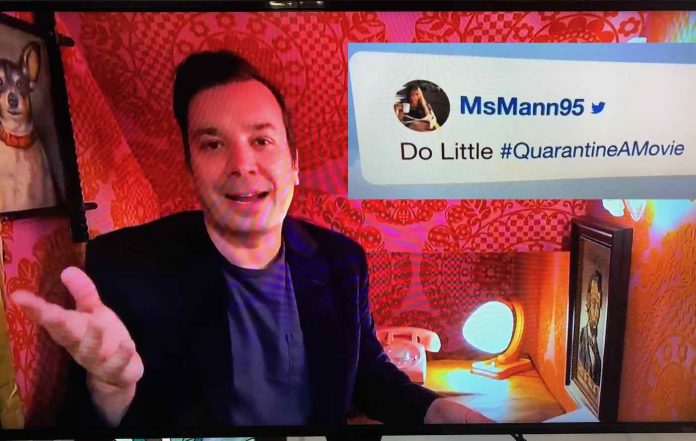
For several weeks, Jimmy Fallon has been broadcasting from his house, producing the Tonight Show At Home Edition, and has been using his 50 million Twitter followers to provide much needed comedy relief during their COVID-19 self-isolation.
Last week, GNN brought you the hilarious results of Fallon’s brilliant fans describing their quarantine in six words—phrases guaranteed to make you laugh like this one, ‘Day one, ate all the snacks.’
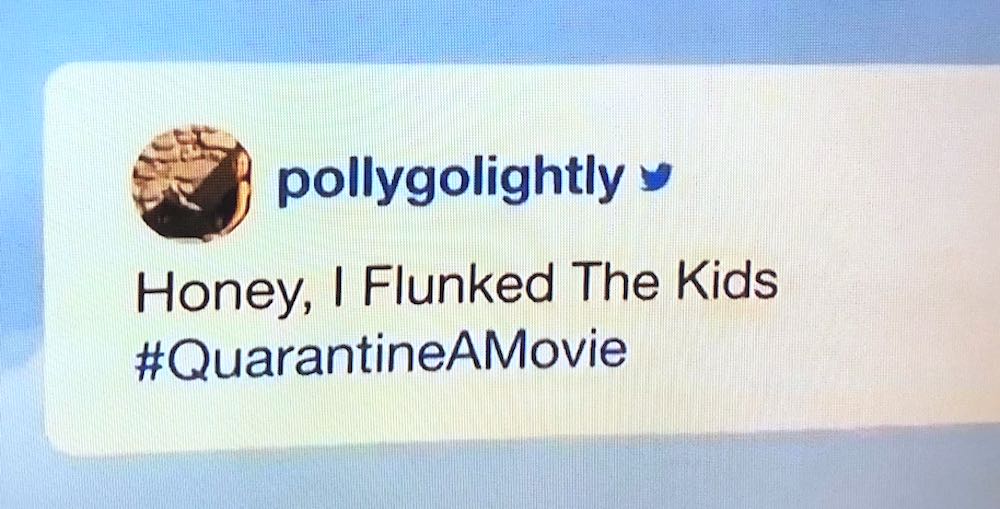
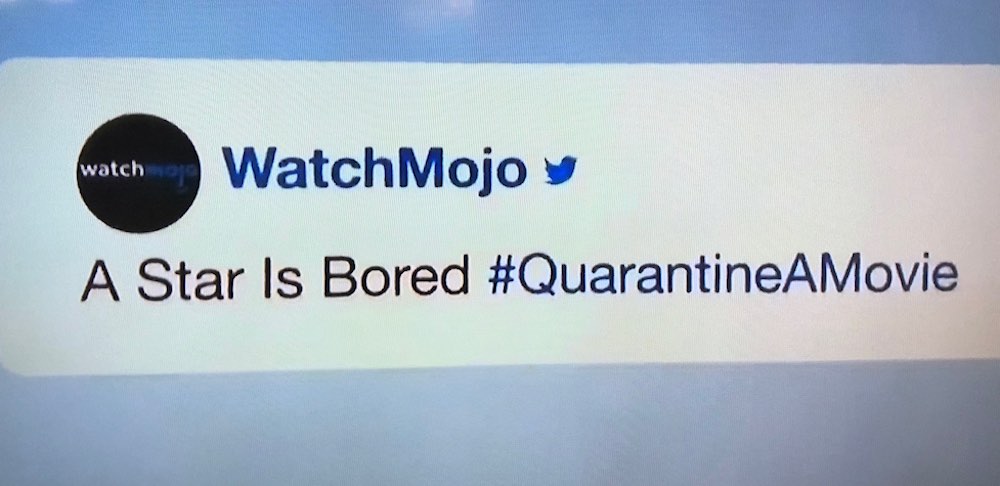
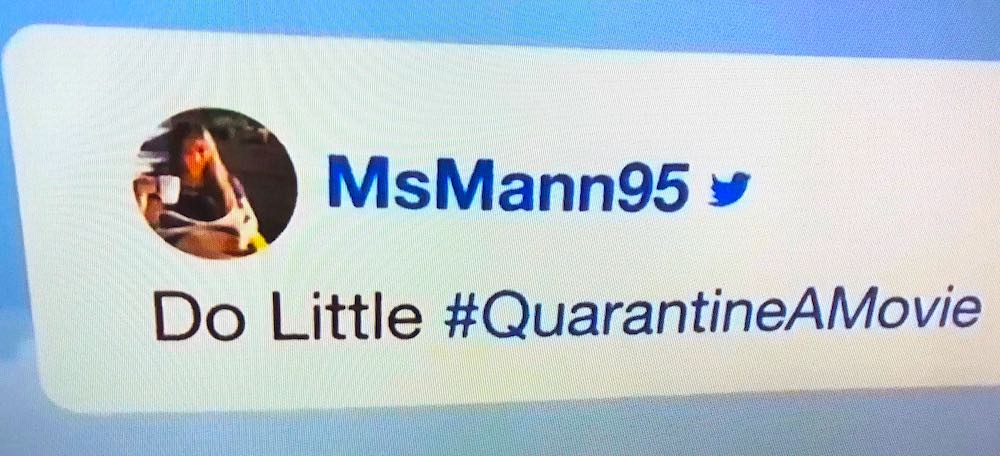
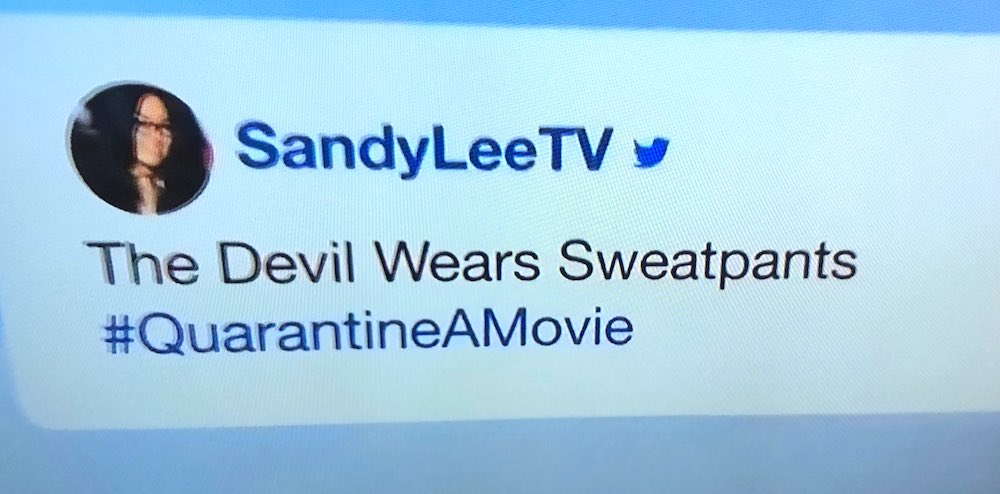
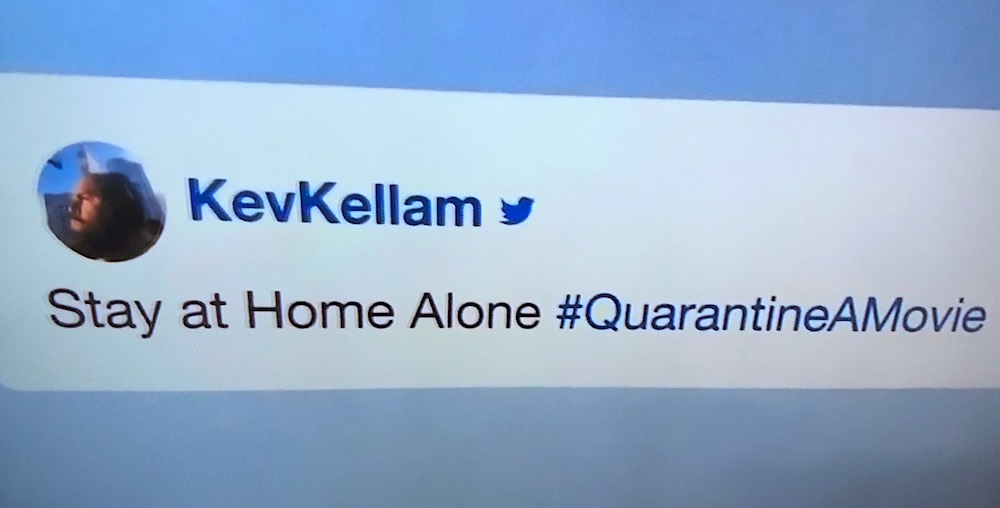
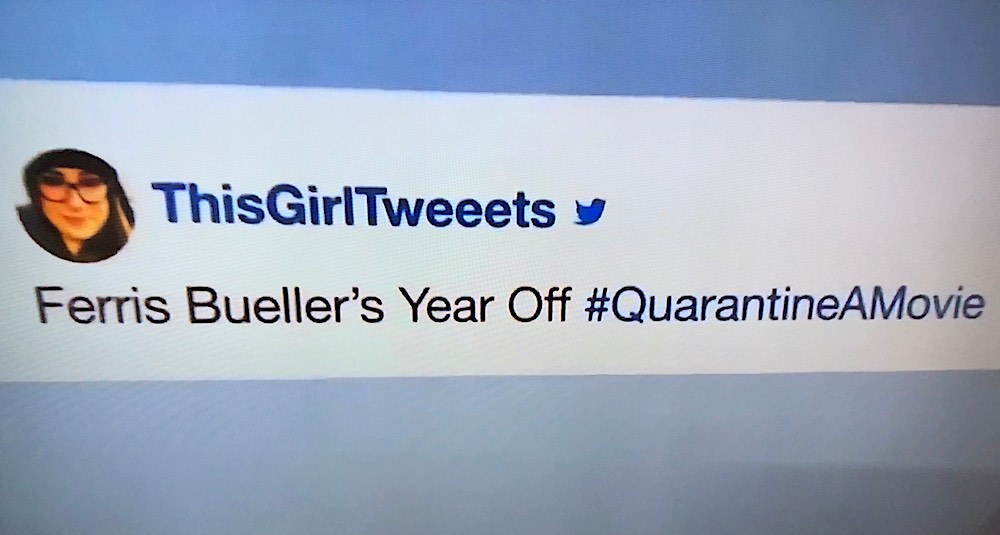
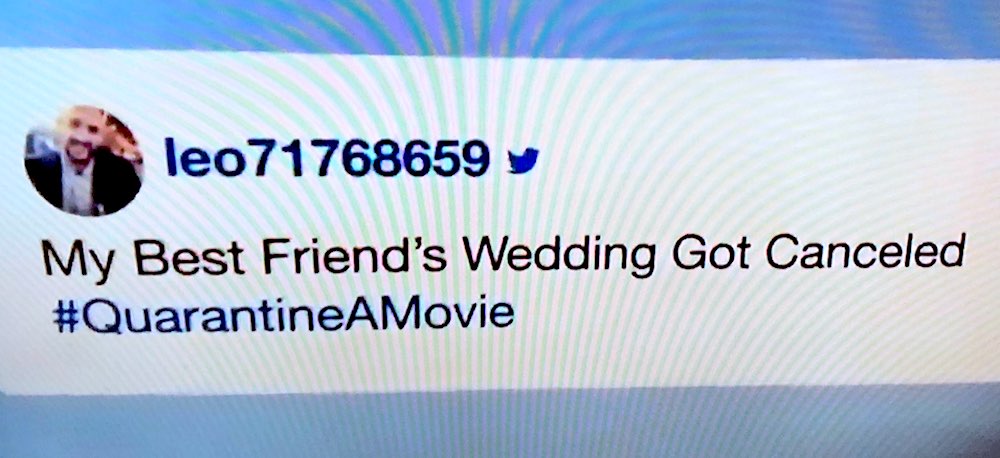
Yesterday, he returned to his ‘Hashtags’ segment asking fans to tweet new movie titles, for sequels made in a quarantine.
@RiepTide1999 kicked off the fun, placing a quarantine on the Johnny Depp film: Edward Washinghands.
@KelownaSteve got straight to the punchline of #QuarantineAMovie, proposing: Don’t Stand By Me.
Here are our favorites:
Honey, I Flunked The Kids
A Star is Bored
Do Little
Avengers: Infinity Conference Calls
Good Will Hunting for Toilet Paper
Gloves, Actually
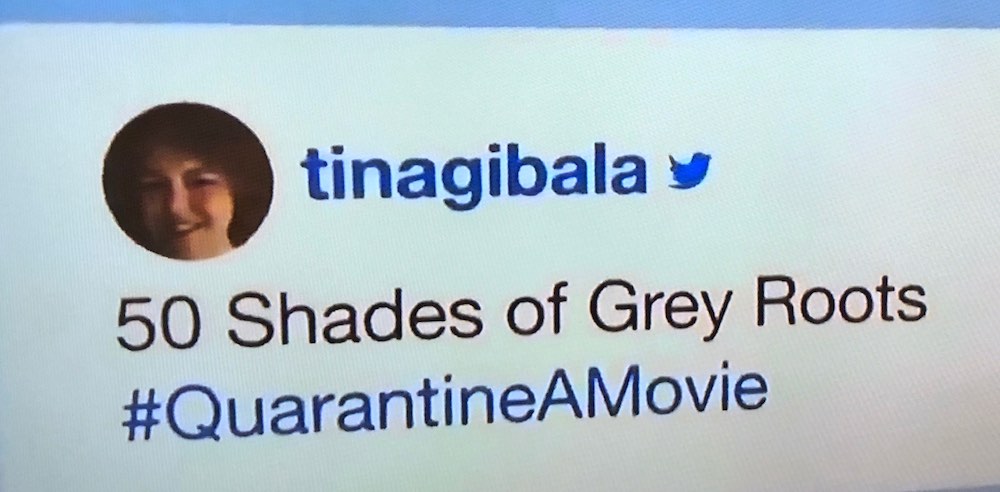
The Devil Wears Sweatpants Stay At Home Along Ferris Bueller’s Year Off My Best Friend’s Wedding Got Canceled… And perhaps, the best one, by @TinaGibala:
50 Shades of Grey Roots (LOL!)
And, after posting this story to Facebook, we were howling over some of the quarantine film sequels that our own GNN fans came up with. Check out these gems:
Lili Wells – Crouching Tiger, Hidden Toilet Paper Rivka Haza– Forrest Grump Colleen Griffin – No One on a Plane and, Fear and Loathing in Quarantine Shawna Gonsuron– Frozen – In Place and, When Harry Met Sally: From A Distance
When Americans started realizing that restaurants and bars were going to be among the worst hit businesses, they started advocating on social media that people buy gift cards from their favorite establishments to keep them in business.
The other folks that need extra compassion are the nurses and doctors working overtime. One creative restaurant in California put the two groups together and offered to deliver via a catering service to the stressed health care workers at Stanford Hospital.
And their business of kindness is booming so much that they were able to rehire restaurant workers for the new take-out service.
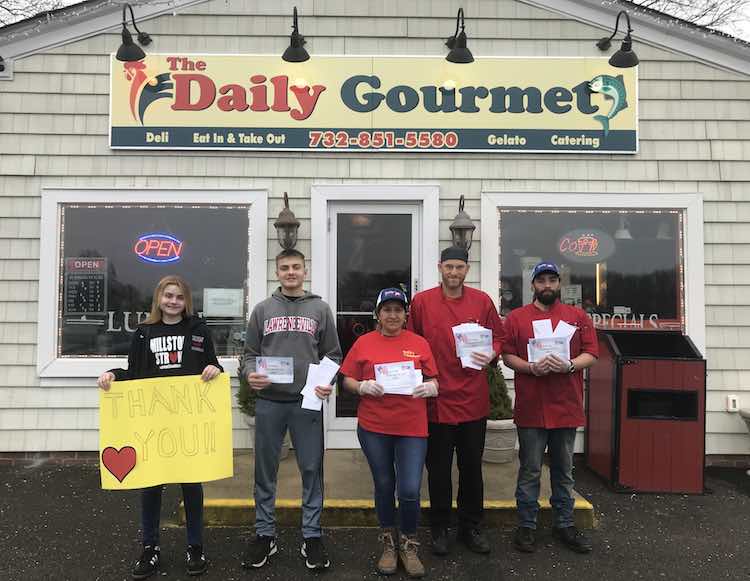
In New Jersey, 16-year-old Drew and 13-year-old Heather Paglia picked up the idea and created a GoFundMe campaign in order to help small businesses—and health care heroes—by purchasing food and gift cards to deliver food to people impacted the most.
One local hospital, CentraState, asked for gift cards so they can pass them on to patients being released from the hospital to provide food for them, to make sure they stay home.
Since launching the crowdfunding page, the siblings have managed to raise more than $2,250—although they hope to garner many more donations in order to reach their $20,000 goal.
Photo by Cindy Paglia
Be Sure And Share The Sweet Idea Of Kindness With Your Friends On Social Media…
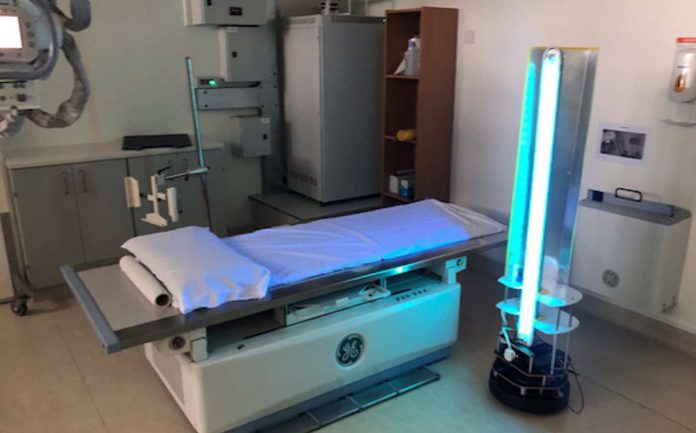
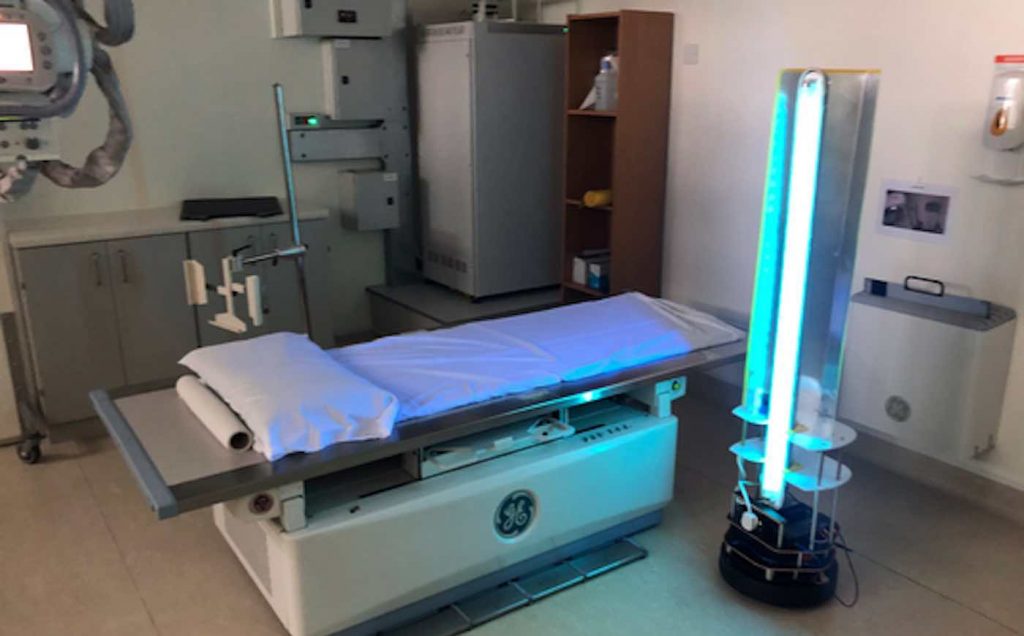
Completely circumnavigating the problem of supply shortages of things like hand sanitizer, Akara Robotics, founded at Trinity College, Ireland, has developed a robot that emits ultraviolet irradiated light to kill viruses, bacteria, and other harmful germs from hospital floors and other surfaces.
Sweetly named Robot Violet, it is clinically proven to kill viruses—and can sanitize an entire hospital room in half the time it would take to do the same task using conventional “deep cleaning” approaches.
The long tubular light looks like one you might see in a warehouse or factory, but it floats around the room as if a Jedi lightsaber were mounted on a Roomba vacuum cleaner.
Violet’s powers come from UVC rays shot at very short wavelengths. These breakdown the DNA in microbes and stop them from being able to replicate and can arrest the spread of germs, ideally including COVID-19, though they are still awaiting test results for the now-infamous virus to see if the robot can officially be relied upon to remove it.
Many surfaces, especially those on various hospital equipment, need to be washed by hand. Inventor Connor McGinn says his robot would greatly enhance this cleaning process, allowing hospitals that are swamped with patients to clean rooms and equipment without any human being present.
Akara Robotics-Twitter
“This system could reduce dependency on the use of chemical-based solutions, which may be effective but requires rooms to be vacated for several hours during sterilization, making them impractical for many parts of the hospital,” McGinn said on Twitter.
While UV rays are damaging to humans, so they cannot be used to sterilize hands or other areas of skin, an onboard AI system automatically shuts off Violet’s light if it detects that someone has moved in front of it.
The petite startup of only 7 people, hope to produce 50 units in the coming weeks—with their first robot possibly ready for duty by Easter.
Here's an early demo of our robot, Violet. It uses UVC light, a clinically proven technology for killing viruses, bacteria and harmful germs. The robot has a range of safety features that allow it to be deployed in high-traffic areas where existing cleaning approaches fall short pic.twitter.com/ianDebIrbv
If estimations about the upcoming COVID-19 curve are accurate, hospitals will need all the innovations like this—and this efficient new respirator invented by James Dyson—to help “flatten the curve” and prevent the spread of COVID-19 within hospital settings.
“We are very happy with the progress we are making,” McGinn told the Irish Times.
This is just one of many positive stories and updates that are coming out of the COVID-19 news coverage this week. For more uplifting coverage on the outbreaks, click here.
CLEAN UP Your Negative News Feed — SHARE the Irish Innovation on Social Media…
This story written by Megan Hall is one of the many heartwarming stories that have been submitted by our devoted readers; if you would like to write your own good news article, click here.
The first surge of rapid response to the COVID-19 pandemic has receded and left necessary social distancing, self-isolation, and quarantine in its wake, with no definite end date in sight. Millions are now facing the effects of loneliness, cabin fever, life in too-close quarters, and asking how they can still find community when told to stay apart.
One neighborhood is responding in a creative and uplifting way: an interactive game of “I Spy” in which people of any age can participate.
Emily Nelson, a resident of the Sunnymede neighborhood in South Bend, Indiana, created this game for St. Patrick’s Day using the neighborhood association’s Facebook group.
She asked residents to tape paper shamrocks to their front windows or draw them in chalk on their driveways—anything that would be visible to kids walking by on the sidewalk—for a shamrock scavenger hunt. Neighborhood kids could tally up how many they spied and post to the Facebook group.
The neighborhood response was tremendous, so Nelson drew up a calendar through mid-April with other themed days, including Disney characters, Mario, hearts for health workers, dinosaurs, and a bunny hunt. To make the outings even more fun, Nelson encouraged the walkers to embrace the themes by dressing in costume.
For any neighbors who didn’t have themed objects, decorations, or chalk to use, another neighborhood resident put together packets of coloring sheets that she could drop off in mail slots as requested.
Photo by Shannon Garvey
Participation has been high. According to Nelson, she and her family saw more than 28 Disney characters posted around the neighborhood on the most recent day, March 21st, including princess dolls and a King Louie from Junglebook.
Even the mailman, according to one resident, took notice and asked about the sudden appearance of Disney items in windows.
Kids are not the only ones who have been excited; neighbor Carolyn Evans wrote to Nelson on the Facebook page, saying “We had a blast looking for characters today! What a fun thing for all of us to do! THANK YOU for putting this in motion and THANK YOU to all of our neighbors who are participating!”
Visiting on front porches, chatting on sidewalks, and playing impromptu football games in the nearby school’s baseball field are some of the usual ways this neighborhood stays close. Now thanks to Nelson’s “I Spy” hunts, grateful community members are a little closer to finding new ways to stay in touch.
Photo by Megan Hall
This is just one of many positive stories and updates that are coming out of the COVID-19 news coverage this week. For more uplifting coverage on the outbreaks, click here.
Help Your Friends Spy This Sweet Story By Sharing It To Social Media…

























 A Star is Bored
 Do Little
 Avengers: Infinity Conference Calls
 Gloves, Actually
 The Devil Wears Sweatpants
 Stay At Home Along
 Ferris Bueller’s Year Off
 My Best Friend’s Wedding Got Canceled… And perhaps, the best one, by @TinaGibala: