All News - Page 70 of 1715 - Good News Network
Home Blog Page 70

People Globally Are Living Better Lives, More Hopeful About the Future: We Know Because They Said So

Pete Alexopoulos, via Unsplash

With civil wars in Myanmar and Sudan, climate change manifestations the world over, instability across the Middle East, and geopolitical tensions abounding in East Asia, Europe, and North America, one would imagine the global population to have a pessimistic outlook on things.

But the annual Gallup Life Evaluation Index found that “men and women, young and old,” consider themselves to be thriving in larger numbers than any other time in the past.

Asked to rank their lives on a scale of 0 to 10, with 4 and below classified as suffering, 5 to 6 as struggling, and 7-10 as thriving, a third of the surveyed population spread across 142 nations described themselves as currently thriving.

Additionally, the outlook on the next 5 years is as high as it’s ever been, with an average score of 7.9.

Unlike metrics of GPD, which predominantly measure economic output and, as a result, capture somewhat the standard of living in a country, self-reported metrics of thriving or suffering can give greater clarity as to exactly whether that wealth is leading to a more prosperous society or not.

“Rates of thriving have risen consistently across demographics. Men and women, young and old, all now rate their lives better than they did in the past,” Gallup wrote in their executive summary.

“As thriving has increased, rates of suffering have inched downward. In 2024, a median of 7% globally were classed as suffering in life, matching the lowest point on record going back to 2007, and significantly lower than a decade ago (12% in 2014).”

MORE ENCOURAGEMENT FOR THE FUTURE: Countries Are Breathing the Cleanest Air in Centuries and Offer Lessons to the Rest of Us

A population-weighted average showed 28% of respondents thriving, down from 33%, affected by more respondents in countries with larger populations.

Declines in thriving seen in some wealthy countries were offset and overrun by increases in Latin America and the Caribbean (45%), East and South Europe (37%), East (34%) and Southeast Asia (32%) and Post-Soviet Eurasia (33%)—all of which have seen steady increases in thriving over time.

12 countries experienced particularly enormous rises in self-reported thriving of 20% or more over the last decade, including 3 in Asia (Mongolia, Vietnam, and Kazakhstan,) 8 in Europe (Lithuania, Estonia, Kosovo, Armenia, Bosnia Herzegovina, Serbia, Hungary, and Slovenia), and Paraguay.

ALSO CHECK OUT: Incredible 60% of Europe’s Electricity Was Powered by Clean Energy in the First Two Months of 2024

Many of the increases in self-reported thriving correlate with the increases in Human Development Index metrics such as average years of child schooling and perceived freedoms. The HDI also happened to rise on average around the world since 2008.

“The world is not short of significant challenges, from climate change to conflicts and technological upheaval,” the Gallup authors wrote. “Yet even against this backdrop, more people across more countries say they are living better lives today and are hopeful for tomorrow, and fewer are suffering.”

BRIGHTEN UP Social Media With These Encouraging Global Trends… 

“Religion and art spring from the same root and are close kin.” – Nathaniel Hawthorne

Quote of the Day: “Religion and art spring from the same root and are close kin.” – Nathaniel Hawthorne

Photo: The Theotokos of Tikhvin, a Russian icon, ca. 1300 – Public Domain / Wikipedia

With a new inspirational quote every day, atop the perfect photo—collected and archived on our Quote of the Day page—why not bookmark GNN.org for a daily uplift?

Good News in History, August 19

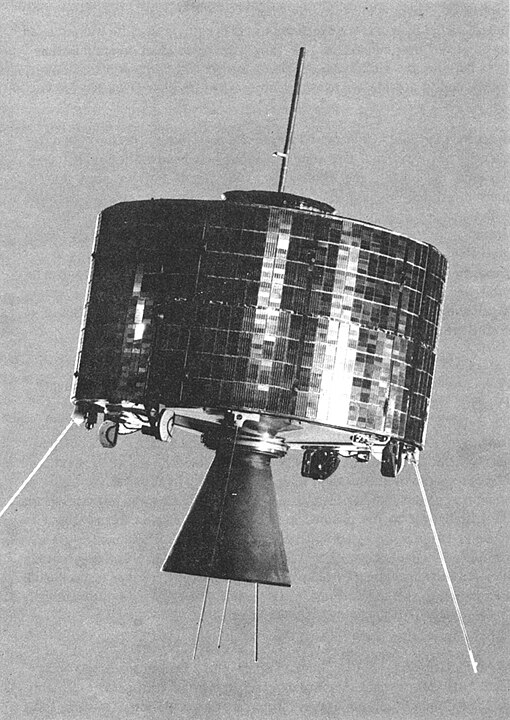
The Syncom 2 satellite - public domain.

61 years ago today, Syncom 3, the first geostationary communication satellite, was launched. Two months later, it would enable live coverage of the 1964 Summer Olympics in Tokyo. It was the third satellite in the Syncom project, which also included the world’s first geosynchronous satellite, Syncom 2. All three are still in orbit. READ more from on this day… (1964)

France Sees a Doubling of Eagle Mating Pairs After Decades of Successful Work

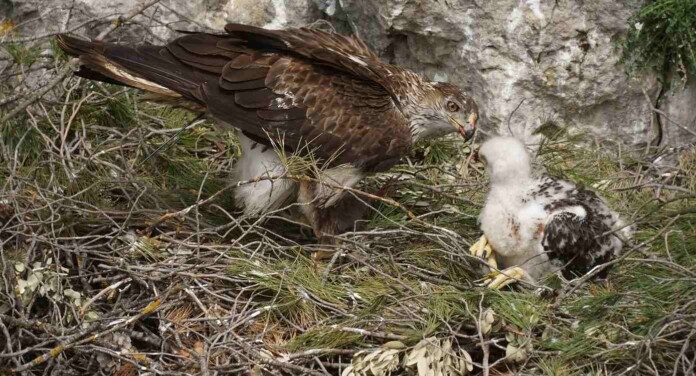
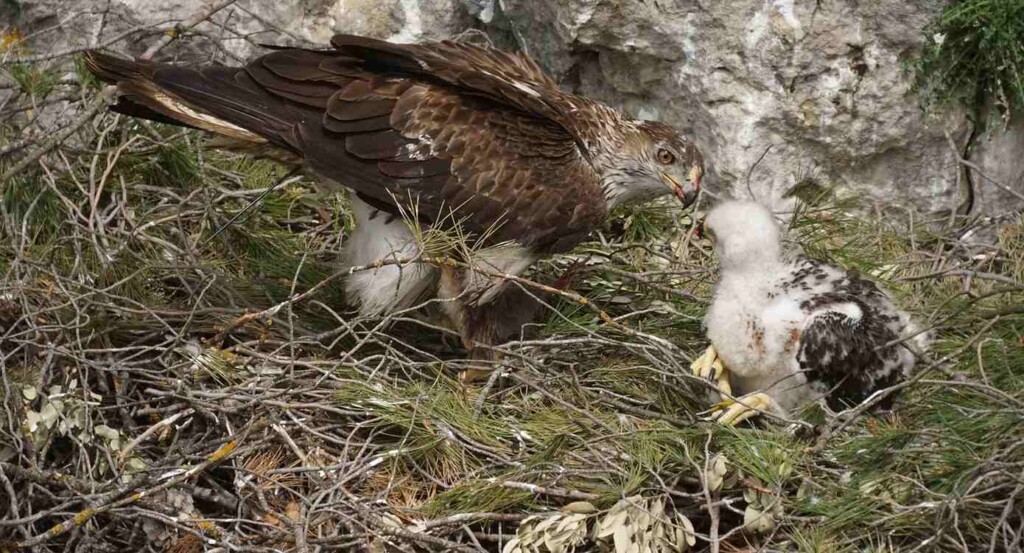
A Bonelli's eagle feeding its chick - credit, Leonardo Fernández Lázaro CC 4.0. BY-SA
A Bonelli’s eagle feeding its chick – credit, Leonardo Fernández Lázaro CC 4.0. BY-SA

51 breeding pairs of Bonelli’s eagles have been recorded in France’s Mediterranean regions, more than double the number recorded in the early 21st century.

Though considered a species of least concern in the world, Bonelli’s eagle is vulnerable in Europe, and threatened in France, where it nests on cliffs and hunts small mammals.

The survey of mating pairs was published on July 28th by the Roussillon Ornithological Group.

In 1999, around 20 breeding pairs returned from their winter migration, representing a population collapse of over 75% from previous highs. The resulting years saw three successive National Action Plans (NAPs) which employed traditional raptor conservation strategies like habitat protection, outreach to hunters, chick tagging, and satellite tracking to boost those numbers back above 50.

The NAPs were organized by the Ministry of Ecology, Sustainable Development, and Energy and led by a collective of naturalist associations and representatives of the hunting world, along with local authorities.

Bonelli’s eagle is one of the smallest of the ‘true’ eagles, or Aquila genus. Despite this, it’s known as a bold and rapacious predator, yet like many birds of prey, mates for life. Named for the Italian naturalist who would catch the type specimen, they inhabit many countries of the world, including those in North Africa and the Indian subcontinent.

YOU CAN’T TAKE THE SKY FROM ME:

The European population is estimated to be between 1,100 and 1,200 pairs according to a BirdLife International survey in 2015, with Spain hosting more than 700 alone. In France, the recovery of their population has seen them reclaim previously abandoned haunts, like the Alpes-du-Haute.

38 of the bonded pairs laid eggs which hatched into 34 chicks, giving hope that the country may reach its original goal of 60.

SHARE This Encouraging Return To France’s Skies For This Small Eagle…

Major Grocery Chain Now Alerting Public When Products Are Marked Down, Reducing Food Waste

An Iceland storefront in the UK - credit, Iceland released
An Iceland storefront in the UK – credit, Iceland released

Starting this month, frozen foods chain Iceland will be partnering with grocery apps to alert UK shoppers across the country every time an item gets a yellow sticker price.

As part of a national food waste reduction program, 900 of Iceland’s stores will participate, with shoppers able to receive notifications on the apps Olio and Gander.

The initiative was successfully trialed in both London and Bristol, and will now span the whole United Kingdom.

“Iceland has always been dedicated to tackling food waste head-on, and extending this partnership with Olio and Gander is another step towards making a real difference,” said Iceland’s director of product, process, and sustainability.

“Not only does this help our customers make their money go further, but it makes a positive change for the planet too.”

Since its launch in 2019, the Gander app has reportedly saved over 39 million items from expiration and being sent to landfills. It too alerts users to discounted items soon to expire.

MORE APPS LIKE THIS: 

Olio, by contrast, works through a network of volunteers to deliver food and supplies close to the sell-by date to communities in need, and will now expand its services to include these yellow sticker notifications.

“Food waste is one of the biggest sustainability challenges of our time,” said Stacey Williams, Gander’s Business Development Director. “By working together, Gander, Iceland and Olio are showing how technology can help retailers reduce waste and support local shoppers in finding great value at the same time.”

SHARE This Really Cool Chance To Save Money On Frozen Foods And Reduce Waste…

Joy and Relief as Lotus Flowers Bloom Again in Kashmiri Lake After Three Decades

The lotus flowers on Wular lake - courtesy of Umar Dar
The lotus flowers on Wular lake – courtesy of Umar Dar

Lotus flowers are blooming again in Kashmir’s historically largest lake, having been freed from the grasp of underwater silt that strangled them for 3 decades.

The lake had already been shrunk dramatically by the conversion of shoreline and connected marshlands to agricultural areas by 1990. But in 1992, catastrophic flooding dumped thousands of tons of sediment into the lake, burying the lotus plant stems.

These stems formed a major part of the local diet, and at the height of its productivity, the cottage industry of harvesting them sustained 5,000 local workers. The stems were cooked and served in several dishes, but the silt ended all of that.

At the turn of the 20th century, Wural Lake spanned 84 square miles, but by 2007 it had diminished to just one-third of that. Willow cultivation along the banks ensured that over-sedimentation of the lake bottom continued. Parts of it become dumping grounds, and more and more of the lake’s fauna vanished.

By 2020, the local communities had had enough. With the taste of the lotus stems having been reduced to a fragment of a memory for the old, and a solemn children’s story to the young, the Wular Conservation and Management Authority (WUCMA) began a de-silting program.

Fed by the Jhelum River and its tributaries, WUCMA focused on controlling and preventing pollution from entering the lake through its flow, before beginning the long, slow, slimy process of dredging the lake.

5 years on, a mindboggling 8 million cubic meters of silt have been removed. The lotus roots that remained dormant all this time emerged, and for the first time in 33 years, the plants are flowering again.

CLEANING UP IN INDIA: City in India Ranks the Cleanest 8 Years in a Row: ‘It Feels as Though You Aren’t in India’

“This is not just the revival of a plant, it’s the resurrection of a cultural ecosystem,” Meera Sharma, a Delhi-based environmentalist, told the Guardian. “When nature heals, it revives everything it once nurtured—livelihoods, traditions, biodiversity. Seeing these flowers bloom again after decades is like watching history breathe.”

KASHMIRI STORIES: Man Revives Iconic Indian Lake by Converting Lake Weed Infestation into Organic Fertilizer Business

While the lake was an important local tourist destination and cultural connection to the land as Sharma says, many are looking forward again to eating their favorite dish: nadru.

“Lotus stem connects our food to the land … now that it’s back, we’re preparing dishes the way our grandmothers did: slow, simple, and full of memory,” Tavir Ahmad, a chef at a local Kashmiri market, told the Guardian’s Tauseef Ahmad and Sajid Raina.

SHARE This Heartwarming Return Of The Most Beautiful Flower To The People…

Outer Space Is the Place for Manufacturing Cancer Drugs, Says Startup Using Crystal Technology

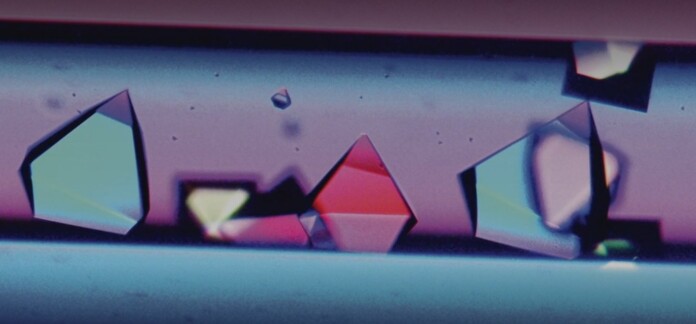
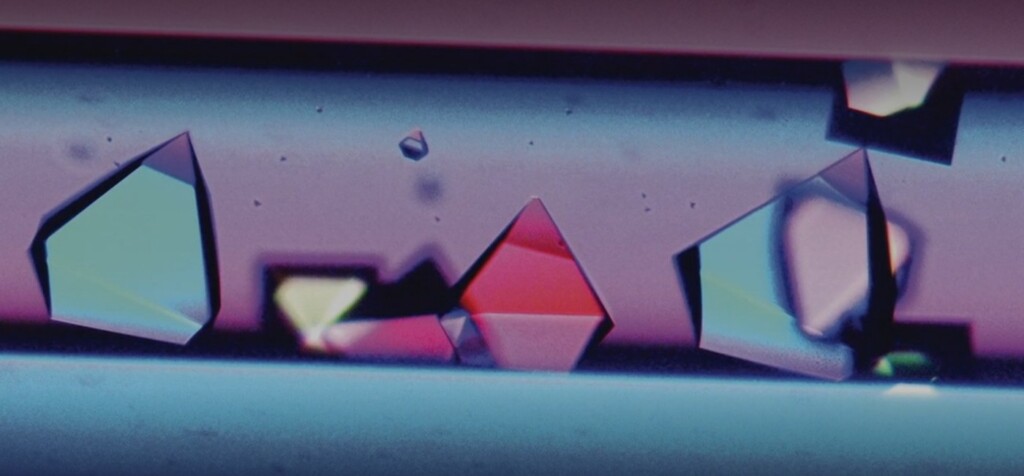
Crystals formed in microgravity - credit, JAXA
Crystals formed in microgravity – credit, JAXA

A UK startup is designing new versions of established cancer drugs to be used routinely at home, saving the patient time and money, as well as floor space in the hospital’s cancer ward.

The only thing is the startup’s manufacturing plant requires rather unique and limited real estate: the International Space Station.

BioOrbit believes that space is the final frontier of drug manufacturing, because of the unique properties that can be achieved while synthesizing drugs in microgravity.

A key factor of at-home cancer drugs would be turning their compounds into more shelf-stable crystal structures. This would allow the drugs to go from being delivered intravenously with a syringe (IV) to an easier, at-home injection method like an subcutaneous epi-pen or Ozempic.

Put in extreme simplicity, the Earth’s gravity interferes with crystal growth by creating defects in their delicate and complex structures, while in microgravity, those defects don’t occur; the whole crystal structure can form and become rigid.

It takes time to form a crystalize structure though, so much time that no comparative microgravity environment on Earth can be used, for example, those utilized to train astronauts. Space is the only option.

There’s been decades of research into the process of “super crystallization,” however, so the technology is ready to ride up to the ISS next month as a demonstration effort.

THE SPACE ECONOMY: World’s First Diamond Battery Could Power Spacecraft and Pacemakers for Thousands of Years

The company’s long-term vision (because you have to have one when working in space) is to have its own space station, where these slow crystallization processes would continually be producing drugs for the at-home delivery market.

The BBC spoke with the founders of BioOrbit last week, available as a video on their website here. 

Let Your Friends Know About The Future Of Drugs Manufacturing: Space… 

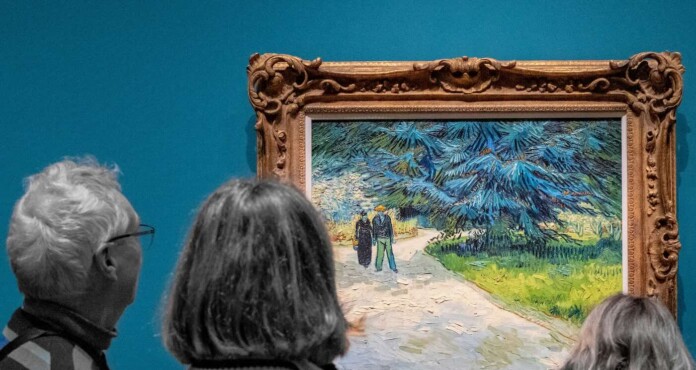
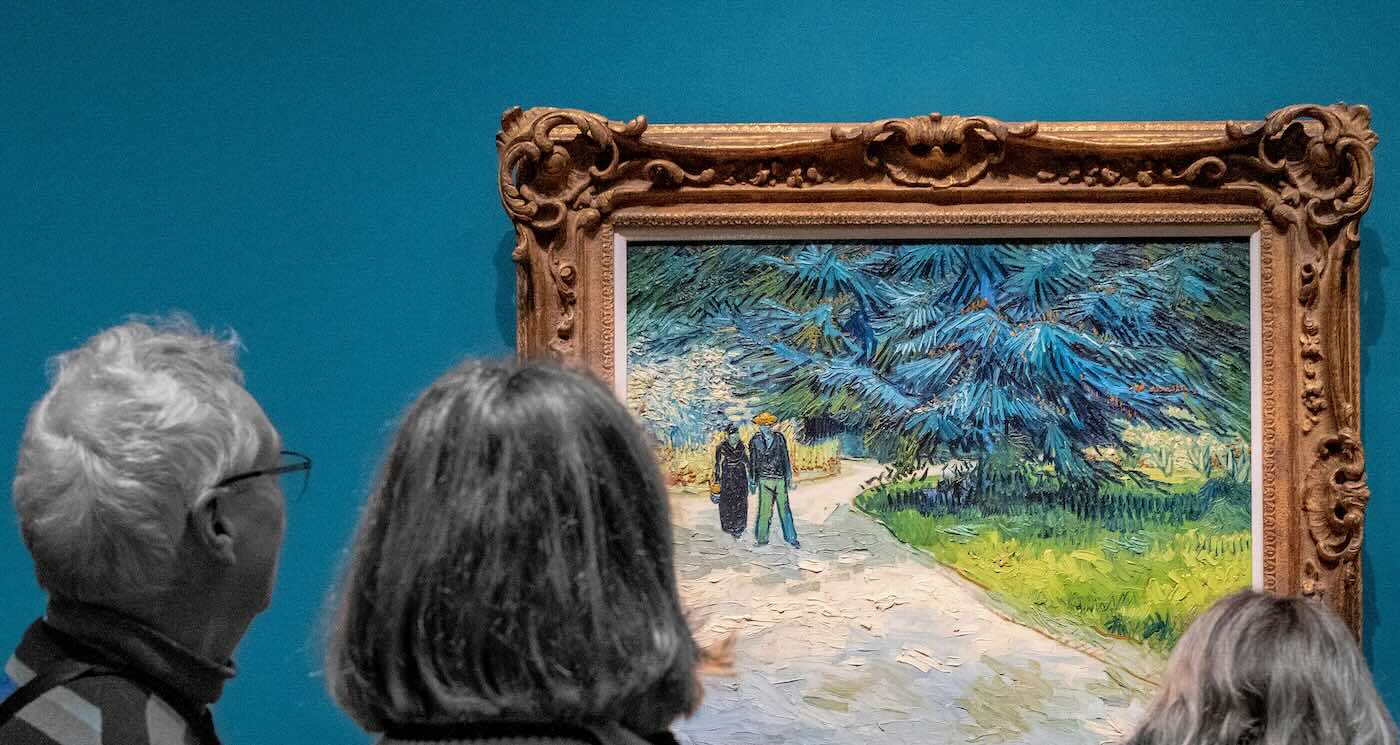
“That’s why people listen to music or look at paintings. To get in touch with that wholeness.” – Corita Kent

By Sung Jin Cho - mbuff

Quote of the Day: “That’s why people listen to music or look at paintings. To get in touch with that wholeness.” – Corita Kent

Photo by: Sung Jin Cho (mbuff)

With a new inspirational quote every day, atop the perfect photo—collected and archived on our Quote of the Day page—why not bookmark GNN.org for a daily uplift?

By Sung Jin Cho – mbuff

Good News in History, August 18

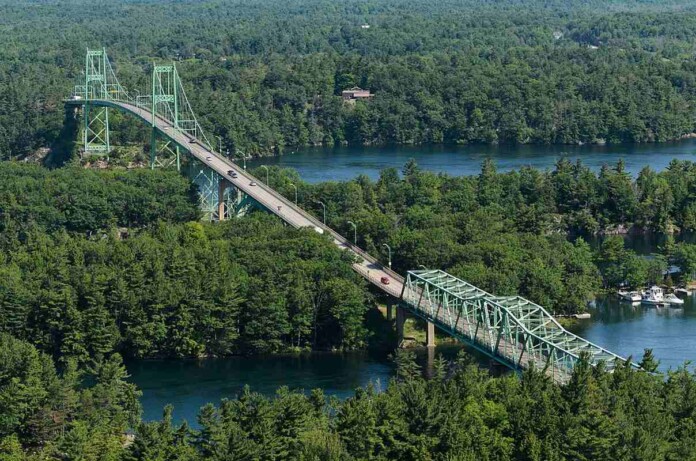
The Thousand Islands Bridge - CC 4.0. King of Hearts

87 years ago today, the Thousand Islands Bridge connecting the US with Canada over the Saint Lawrence Seaway was dedicated by F.D. Roosevelt. The complex contains 5 bridges spanning 8.5 miles, with each bridge section anchored on a separate island in the middle of the waterway. This remarkable feat of engineering took just 16 months to build. One span is a suspension bridge, while another section is a truss bridge, and the two are divided by a stretch supported solely by arches. READ more from this day in history… (1938)

Wallet Lost by a Ford Employee 10 Years Ago Just Turned Up 150K Miles Later Under a Car Hood

- credit, Chad Volk supplied to CBS
– credit, Chad Volk supplied to CBS

A Ford Motor Company employee was reunited with a wallet he lost 10 years ago after a mechanic found it while servicing a car he built.

This charming story comes via Minnesota, where mechanic Chad Volk was replacing the cooling fan on a 2015 Ford Edge, when something that needed to snap in place, simply wouldn’t snap.

“I messed around a little bit and then pulled it back out and the wallet was sitting on a little ledge where it needed to snap down,” Volk told CBS News. “I pulled the wallet out and that’s what it was.”

Inside the brown trifold was a Michigan driver’s license, $15,00, a faded lottery ticket, $275 in Cabella’s gift cards, and a Ford employee ID, going to show that no matter how long you work under hoods and under chassis, you’ve never seen everything, Volk says.

Rewind the clock to Yuletide, 2014, and Richard Guilford was in a bind: he had to wear sweatpants to the Wayne County Ford plant. Lacking trouser pockets he had the wallet in his breast pocket, and while presumably stooping over a new red Edge, the wallet tumbled out.

Guilford wasn’t aware of it until later, when he got his buddies to go look in some of the cars. He guessed it was in, rather than inside, a Flex, not an Edge, an error that doomed the wallet to a long, dark slumber.

Shipped to and sold in Arizona, then resold in Minnesota, 151,000 miles later it arrived in Volk’s auto bay in Lake Crystal where the mechanic of several decades found it and immediately looked Guilford up on Facebook.

“‘Is this your wallet?’ First thing I said was ‘Did you find it in a car?!'” Guilford shared with a laugh.

ALSO SEE: Arizona Teen Returns Lost Wallet Containing $300, Receives Electric Bike He Had Been Saving for

The now-retired “Big Red” as he was affectionately known, was overjoyed to have his wallet returned: for the story if not for the cash.

“It restores your faith in humanity that people will say, ‘Hey, you lost this, I found this, I’m going to get it back to you,'” Guilford said Thursday, adding in wonder how it survived the snow and rain in the Land of 1,000 Lakes, or the heat of a car’s transmission under the Arizona sun.

LOST WALLETS AND THE CRAZY PLACES THEY’RE FOUND: Minnesota Teens Hook Wallet Full of Cash on a Lake Then Return it to Iowa Farmer–WATCH

Ford Motor Company spokesman Said Deep simply asked CBS “can you imagine the odds?”

Cabella’s even said they would honor the gift cards, which for part-time auctioneer Guilford means he can leave the relic of his past totally intact “in his china cabinet,” where he hopes his kids will pull it out and tell their grandkids about their ancestor’s wild, wandering wallet.

WATCH the story below from CBS News… 

SHARE This Wild Lost And Found Saga With Your Friends On Social Media… 

MIT Develops Iron-Iodine Particles, Could Be Used to Fortify Food and Beverages to Help Fight Malnutrition

Chemists at MIT have discovered a way to fortify iodine salt with iron, resulting in a product that, if made widely available, could combat one of the world’s most prevalent nutrient deficiencies.

A bout 2 billion people suffer from iron deficiency, which can lead to anemia, impaired brain development in children, and increased infant mortality. The richest sources are all animal foods, which tend to be more expensive and less available.

Plant sources are more difficult to absorb, and many plants contain phytates that block iron absorption altogether. Challenges with fortifying food staples have long existed with iron, not least because what might be a stable in Papua New Guinea is not a stable in the southern United States.

Attempting to grapple with the problem, MIT researchers have come up with a new way to fortify foods and beverages with iron using small crystalline particles. These particles, known as metal-organic frameworks, could be sprinkled on food, added to staple foods such as bread, or incorporated into drinks like coffee and tea.

“We’re creating a solution that can be seamlessly added to staple foods across different regions,” says Ana Jaklenec, a principal investigator at MIT’s Koch Institute for Integrative Cancer Research, in a release from MIT Press.

“Our goal was to develop something that doesn’t react with the food itself. That way, we don’t have to reformulate for every context—it can be incorporated into a wide range of foods and beverages without compromise.”

Food fortification can be a successful way to combat nutrient deficiencies, but this approach is often challenging because many nutrients are fragile and break down during storage or cooking. When iron is added to foods, it can react with other molecules in the food, giving the food a metallic taste.

In previous work, Jaklenec’s lab has shown that encapsulating nutrients in polymers can protect them from breaking down or reacting with other molecules. In a small clinical trial, the researchers found that women who ate bread fortified with encapsulated iron were able to absorb the iron from the food.

The particles could also be adapted to carry other important minerals such as zinc, calcium, or magnesium. However, one drawback to this approach is that the polymer adds a lot of bulk to the material, limiting the amount of iron or other nutrients that end up in the food.

“Encapsulating iron in polymers significantly improves its stability and reactivity, making it easier to add to food,” Jaklenec said. “But to be effective, it requires a substantial amount of polymer. That limits how much iron you can deliver in a typical serving, making it difficult to meet daily nutritional targets through fortified foods alone.”

To overcome that challenge, study co-author and MIT postdoc Xin Yang came up with a new idea, Instead of encapsulating iron in a polymer, they could use iron itself as a building block for a crystalline particle known as a metal-organic framework, or MOF.

MOFs consist of metal atoms joined by organic molecules called ligands to create a rigid, cage-like structure. Depending on the combination of metals and ligands chosen, they can be used for a wide variety of applications.

ALSO CHECK OUT: Wheat Grown with This Fungus Increased its Essential Mineral Content–a Breakthrough Preparation

“We thought maybe we could synthesize a metal-organic framework with food-grade ligands and food-grade micronutrients,” Yang says. “Metal-organic frameworks have very high porosity, so they can load a lot of cargo. That’s why we thought we could leverage this platform to make a new metal-organic framework that could be used in the food industry.”

Iodized salt has been very successful at preventing iodine deficiency, and as a result is sold around the world. Many efforts are now underway to create “double-fortified salts” that would also contain iron.

Delivering these nutrients together has proven difficult because iron and iodine can react with each other, making each one less likely to be absorbed by the body. In this study, the MIT team showed that once they formed their iron-containing MOF particles, they could load them with iodine, in a way that the iron and iodine do not react with each other.

NUTRIENTS MATTERS: Popping a Daily Multivitamin Could Prevent Cognitive Decline as we Age, Shows Third Study

In tests of the particles’ stability, the researchers found that the iron-iodine MOFs could withstand long-term storage, high heat and humidity, and boiling water.

Throughout these tests, the particles maintained their structure. When the researchers then fed the particles to mice, they found that both iron and iodine became available in the bloodstream within several hours of consumption.

The researchers are now working on launching a company that is developing coffee and other beverages fortified with iron and iodine. They also hope to continue working toward a double-fortified salt that could be consumed on its own or incorporated into staple food products.

MORE IRON SOLUTIONS: To Fortify With Iron, Ingenious Metal Fish Soaked in Soup Provides Nutrition And is Much Cheaper Than Pills

“We are very excited about this new approach and what we believe is a novel application of metal-organic frameworks to potentially advance nutrition, particularly in the developing world,” says Robert Langer, the David H. Koch Institute Professor at MIT who co-lead the research.

The paper on their discovery has been published in the journal Matter.

SHARE This Great News For Combatting Nutrient Deficiency… 

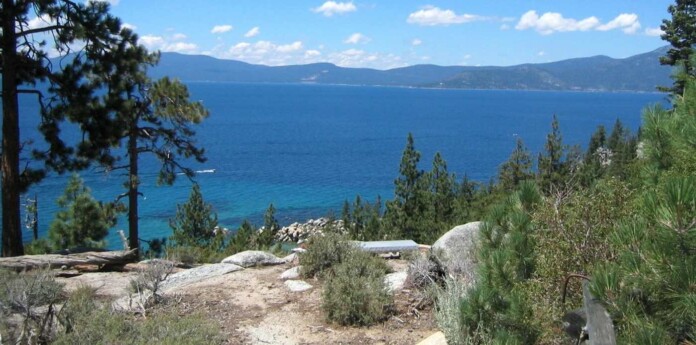
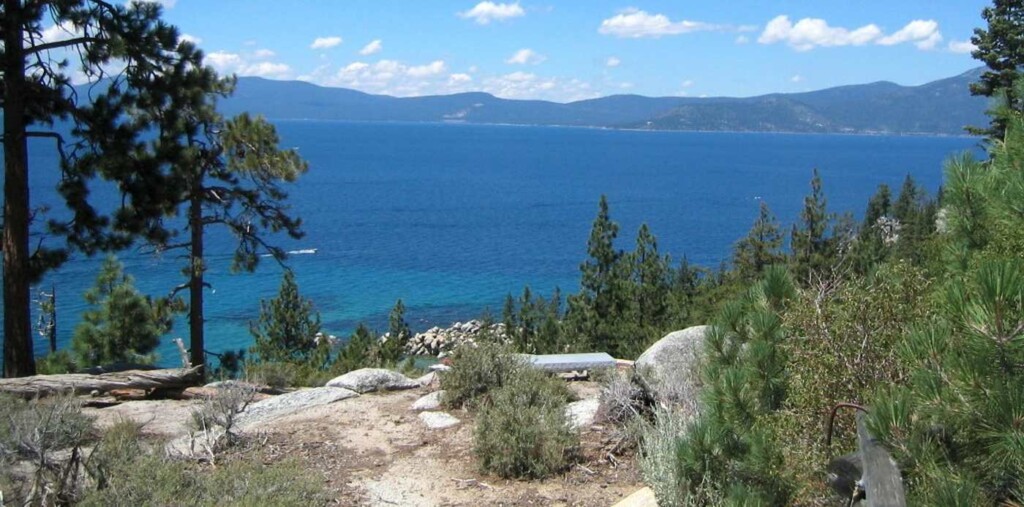
Pollution Efforts in Lake Tahoe Have Cut Sediment and Algae Run-off to Preserve the Water’s Iconic Clarity

Lake Tahoe - CC 2.0. Travis Wise, via Flickr
Lake Tahoe – CC 2.0. Travis Wise, via Flickr

Pollution control efforts kept over 727,000 pounds of fine sediment out of Lake Tahoe, protecting its water clarity and quality.

Revealed in a new California-Nevada environmental report, the efforts will help preserve the lake’s world-famous cobalt-clear water by harmful reducing algae blooms.

The partnership, called the Lake Tahoe Total Maximum Daily Load Program (TMDL Program) is managed by the California Environmental Protection Agency and the Nevada Division of Environmental Protection.

Founded in 2011, the TMDLP’s ultimate goal is the long-term downtrend of pollutants in the lake, such that by 2031 a visitor can see 78 feet down.

The partnership witnessed a 29% reduction in fine-grained sediment, a 23% reduction in phosphorus runoff, and a 17% reduction in nitrogen runoff in 2024 compared to 2023 levels.

Ironically, visibility in the lake was worse in 2024 compared to 2023, and even 2022, despite the higher levels of clarity-reducing particles. For this reason, Tahoe Daily Tribune reports, TMDLP is focusing on long-term trends rather than year to year variation, as it’s shown to be a poor indicator of particulate levels.

While it’s difficult to know for sure whether one is able to see 78 feet down compared to 62 feet down as was possible last year, the 29 dump trucks it would theoretically take to move all the pollutants that didn’t enter the lake offer a much clearer image as to the partnership’s progress.

CLEAN WATER NEWS: From Sewage-Filled Waters to Crystal Blue: Switzerland Rivers and Lakes Offer Hope for Cleaning Up Other Countries

“Protecting Lake Tahoe’s iconic clarity requires long-term commitment, collaboration and innovation,” said Jason Kuchnicki, chief of the Nevada Division of Environmental Protection’s Bureau of Water Quality Planning.

“These results reflect the strength of the bi-state partnership and the dedication of local agencies implementing proven, science-based strategies to reduce pollution at its source. As we continue adapting to new challenges, this program remains a cornerstone of our efforts to safeguard one of Nevada’s—and the nation’s—most treasured natural resources.”

AMERICAN LAKES: After 50 Years, Trout Population Is Restored to Historic Numbers in One of the Largest Lakes in US

Local governments and highway authorities on both sides of the lake are required to reduce the amount of clarity-harming contaminants from reaching the lake. Local industry and businesses can receive credits from the TMDLP based on the success of their own, holistically implemented initiatives, rather than by a top-down, one-size-fits-all approach.

This could include, for example, hiring one of Lake Tahoe’s Candela hydrofoil ferryboats for employee commuting, which would reduce the particulate matter from internal combustion engines.

SHARE This Great Work Keeping Lake Tahoe Clean And Clear… 

The ‘Most Colorful Home in Queens’ Hits the Market for $3 Million in New York City

By Nahid Mollah for SWNS
– credit, Nahid Mollah for SWNS

New York City real estate is famous for many reasons; color not typically among them.

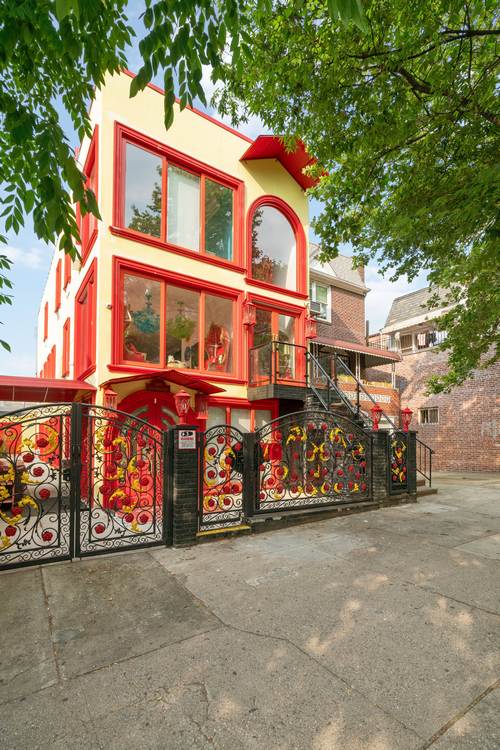
Now though, the “most colorful home in Queens” has hit the market with a $3 million price tag.

– credit, Nahid Mollah for SWNS

Britain’s Southwest News Service reported on the house, located on 36th Avenue, and spoke with the realtor handling the sale of the property.

“In more than two decades of selling homes across Queens, Long Island, Manhattan, and Brooklyn, I’ve had the privilege of marketing many remarkable properties, but this home stands apart,” said Nahid Mollah from Nest Seekers International.

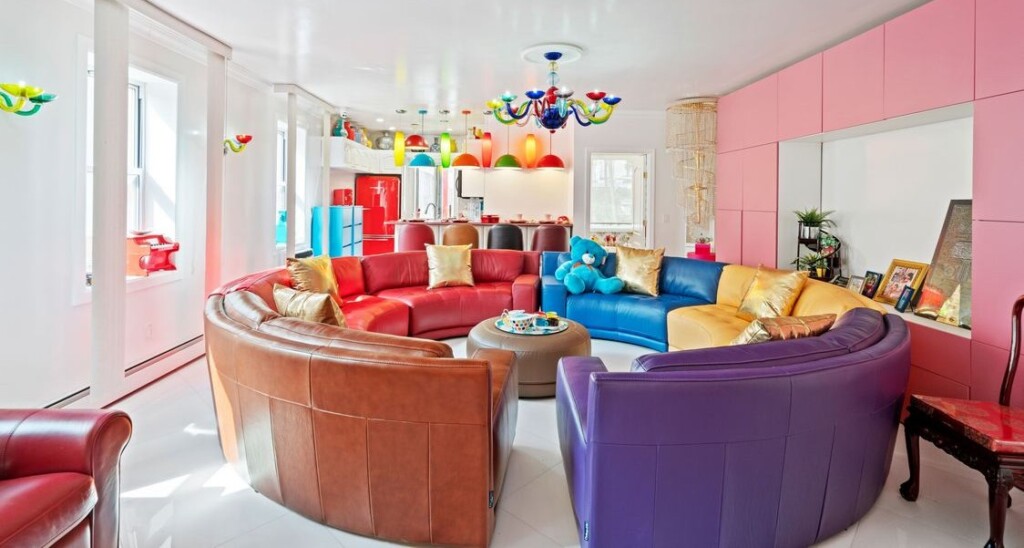
The extravagant six-bedroom, four-bathroom property features floor-to-ceiling windows, hand-selected chandeliers that double as sculptural art, and bold, floral-themed finishes that feel like living in an eternal spring.

As you step through the front door, you immediately step into a candy-colored wonderland. Every room bursting with different colors and themes.

The property, called “Jasmine House” is currently used as a duplex with a third-floor rental.

The listing states the ground level is ideal for a doctor’s office, but is currently a full residential setup.

New owners can convert the ground level into a thriving medical practice or creative studio while enjoying the luxury of a private, custom-designed residence above.

– credit, Nahid Mollah for SWNS

A brick duplex-style home, the property also features a private garage currently used as storage, and a side yard perfect for garden parties or outdoor dining.

“Its design isn’t just different; it’s a true statement piece, crafted with a vision that defies the ordinary,” said Mollah.

“For the buyer who wants more than a home, but a conversation starter, this is a rare find.”

WATCH Mollah tour the property… 

SHARE This Wild Place To Nest In Queens With Your Friends… 

“We may give without loving, but we cannot love without giving.” – Bernard Meltzer

Getty Images for Unsplash+

Quote of the Day: “We may give without loving, but we cannot love without giving.” – Bernard Meltzer

Photo by: Getty Images for Unsplash+

With a new inspirational quote every day, atop the perfect photo—collected and archived on our Quote of the Day page—why not bookmark GNN.org for a daily uplift?

Getty Images for Unsplash+

Good News in History, August 17

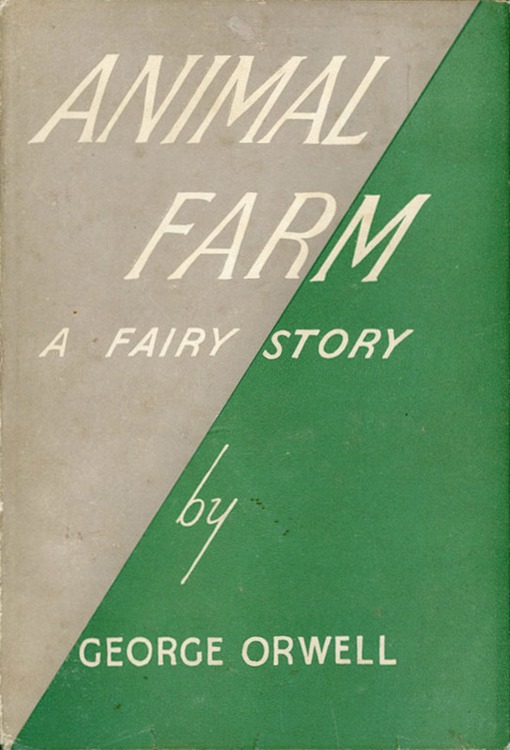
80 years ago today, Animal Farm was published by George Orwell. Though most famous for his seminal dystopian fiction work, Nineteen Eighty-Four, this satirical novella carries similar socio-political allegorical heft. Centered around anthropomorphic farm animals rebelling against their human farmer in hopes to create a society where all animals can be equal, free, and happy away from human interventions, things go wrong in a very human way. READ more about this great book… (1945)

These Trees Survived Hiroshima: Group Plants Their Seeds Worldwide to Preserve Their Memory

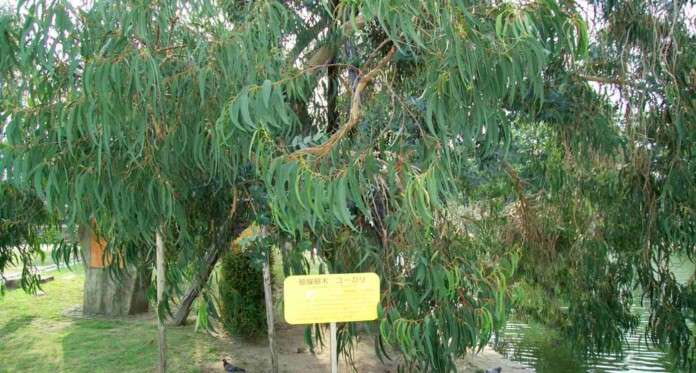
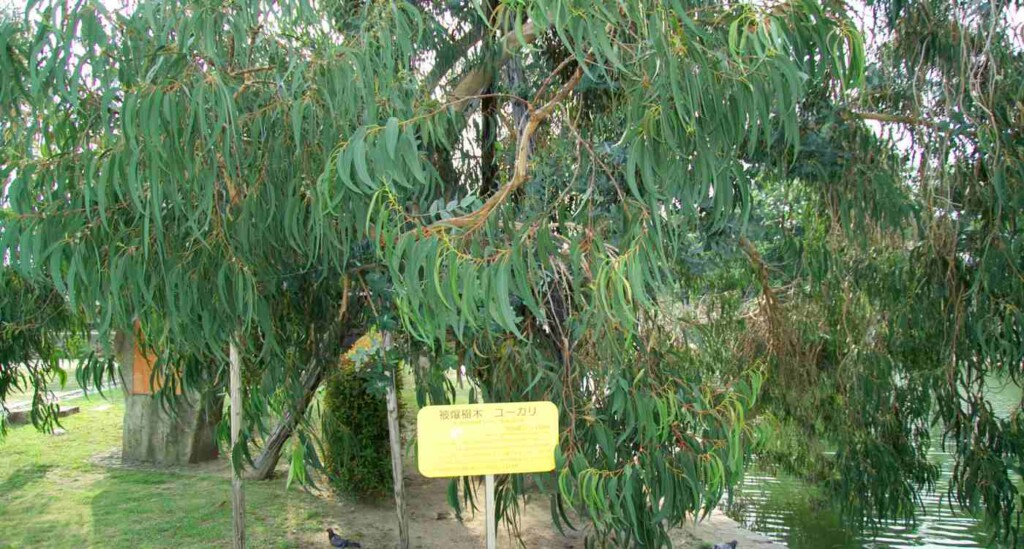
The Hiroshima Castle Eucalyptus, an atomic bomb survivor - public domain
The Hiroshima Castle Eucalyptus, an atomic bomb survivor

In Japan, an organization is planning how to help ensure the Hiroshima and Nagasaki bombings are remembered for thousands of years, rather than hundreds.

Its plan revolves around the hibakujumoku or the A-bomb-surviving trees of Hiroshima.

With the 80th anniversary of the bombings having just concluded, it’s worth taking a moment to learn about the trees that survived one of our nation’s darkest decisions.

The giant fireball that proceeded the detonation of the atom bomb, if it can believed, couldn’t wipe out all the trees in the blast zone. This eucalyptus tree, for example, was only half a mile from the epicenter.

Called Green Legacy Hiroshima (GLH) and launched in 2011, the organization works to cultivate seeds of peace and hope from these woody survivors, and transport them around the world to be planted and raised in memorial peace gardens not unlike the World Peace Pagodas of the inspirational Buddhist leader Fuji Guruji.

When the roots of the idea that would become GLH were first planted, there were 170 hibakujumoku, but like the human A-bomb survivors, called hibakushi, time was beginning to reduce their number.

Some died of natural causes; others were cut down by accident. Organizers Nassrine Azimi and Tomoko Watanabe realized that they had to act faster than they had realized, and so sprouted GLH to try and protect the trees which at that point had no official protection whatsoever.

They were outside the bounds of the UNESCO World Heritage Site that encompasses the bombing site and other related memorial infrastructure, so any protection had to come through awareness raising.

They accomplished this in part by taking GLH global, and as of 2025, 41 countries around the world have received and planted seeds from the hibakujumoku, ensuring their legacy continues, even if they don’t.

GLH is a volunteer project supported by the UN Institute for Training and Research (UNITAR) and out of respect for the fundraising efforts channeled by the stories and advocacy of the hibakushi, the project does not fundraise from the public.

PEACE FIRST:

Part of that awareness raising is the notion of a 1,000-year memorial project, to eclipse the small, year by year anniversaries of today.

“I’ve been taught Hiroshima peace education since I was a kid,” says the Hiroshima native, 27-year-old Mariko Kikuchi, an expert in UNITAR’s Division of Prosperity, “but didn’t know about the trees… It should be more publicized that they are survivors, too.”

MORE SPECIAL TREES: Grove of 100 Giant Trees Discovered in 2019 Are Tallest in the Amazon–and Now Protected by State Park

One of the flagship stories is from a tree closest to the epicenter of the blast: a weeping willow; eerily appropriate for the job. This tree’s trunk was splintered and turned to ash in the explosion, but by 1947, while Hiroshima mayor Shinzo Hamai was surveying the blast damage, he found the trunk had already sprouted again—a sign of hope as he took it.

Later that year, the first annual Hiroshima peace festival was held, and crowds of thousands gathered from around the world. Many of those old photographs feature stoic faces, and behind them in the background stand the hibakujumoku, damaged, but alive and slowly regrowing.

SHARE This Inspiring Story Of Trees And Their Lives With Your Friends…

Scientists Identify a New Manta Ray Species, Just the Third Known in the World

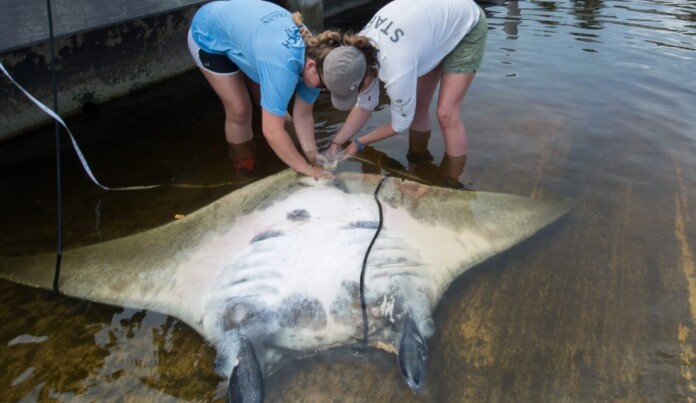
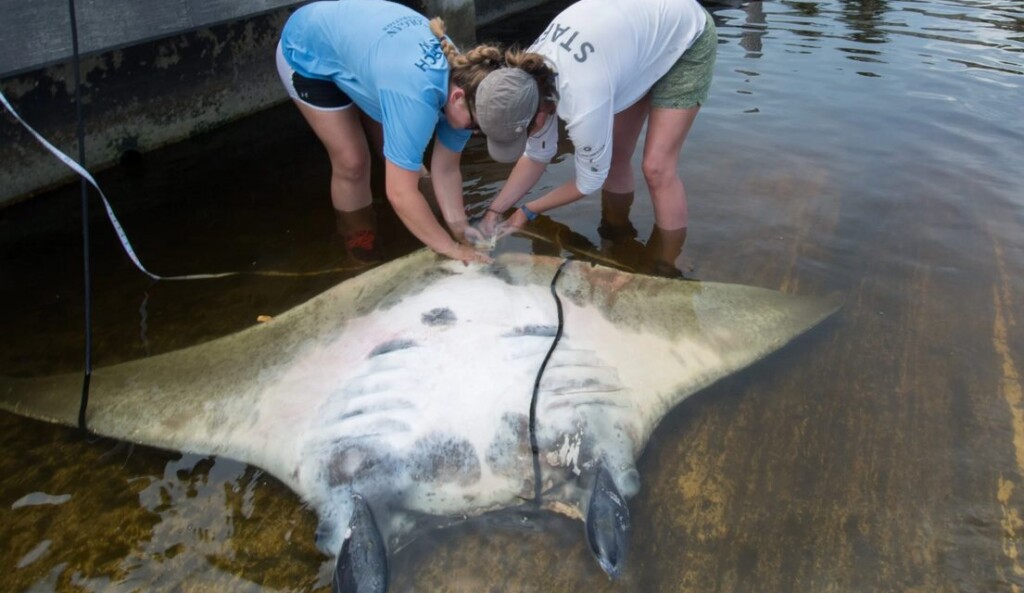
Study co-authors collect measurements from a specimen that would confirm the species' discovery - credit - Bethany Augliere, released via Marine Megafauna Foundation
Study co-authors collect measurements from a specimen that would confirm the species’ discovery – credit – Bethany Augliere, released via Marine Megafauna Foundation

Usually when scientists announce the discovery of a new species, it’s some small brown frog, a gnarly spider in a rainforest you’ll never visit, or a new sea-something.

But Earth still has some curveballs to throw at us—like a new species of manta ray, just the third known in the world.

These large fish belong to the suborder Elasmobranchii, which contains sharks, rays, and skates. Graceful and curious, the genus was thought to just contain two species: the giant oceanic manta (Mobula birostris) and the reef manta (Mobula alfredi).

Dr. Andrea Marshall is the world’s foremost expert on manta rays, and has spent over a dozen years diving with and photographing them. In 2009, it was a landmark paper of her observations that brought about the first separation between the giant and reef mantas, as they had previously been thought to be the same.

At the same time she predicted a third might exist. Since then, she has hand-drawn rays in minute detail from countless photographs, until she could practically differentiate the two species while blindfolded.

So when she was diving with manta rays in Mexico, and a specimen appeared that looked like neither, she knew her prediction had come true. Now she just had to prove it.

“It had taken me 6 years to differentiate the first two species and I knew them inside out at this stage: this manta didn’t look like either of them,” Dr. Marshall said in a statement announcing the discovery on the website of her conservation nonprofit, the Marine Megafauna Foundation.

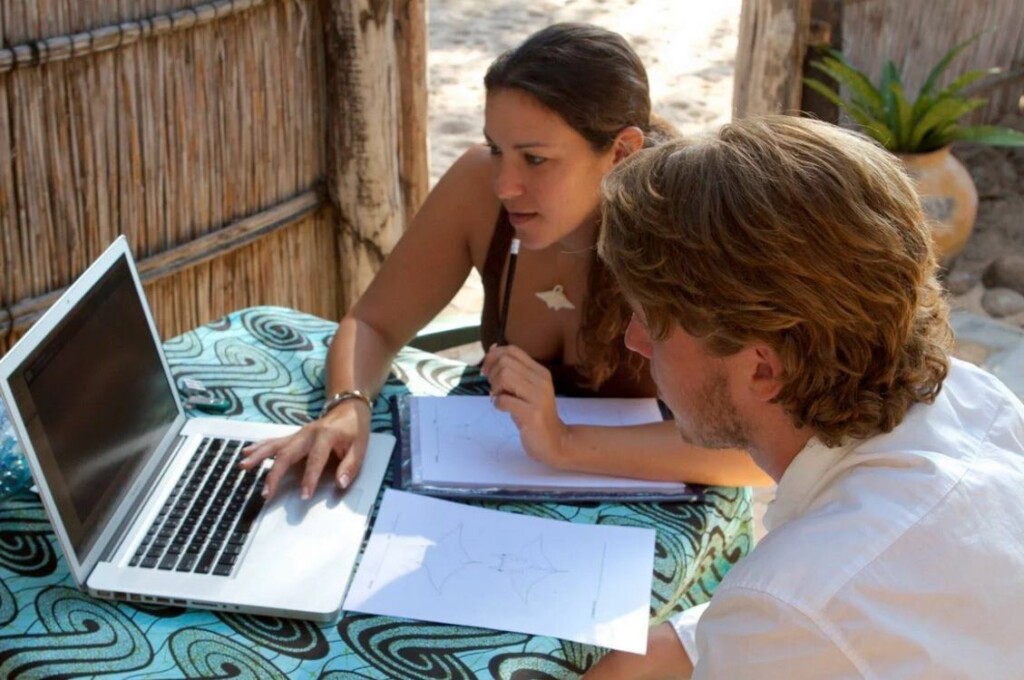
Dr. Andrea Marshall the first person to ever receive a PhD on manta rays – credit, released via Marine Megafauna Foundation

Mobula yarae, named after a mythical mermaid-like figure from Brazilian mythology, can grow as large as 16-20 feet in length—as much as the giant oceanic manta, but so far Dr. Marshall and colleagues have only observed juveniles.

Between 2010 and 2017, she was mostly working with still images trying to detect the differences between this mysterious third manta and the two she knew so well. That period of study ended when a dead individual washed up on a beach, and genetic testing was able to confirm the existence of a third manta.

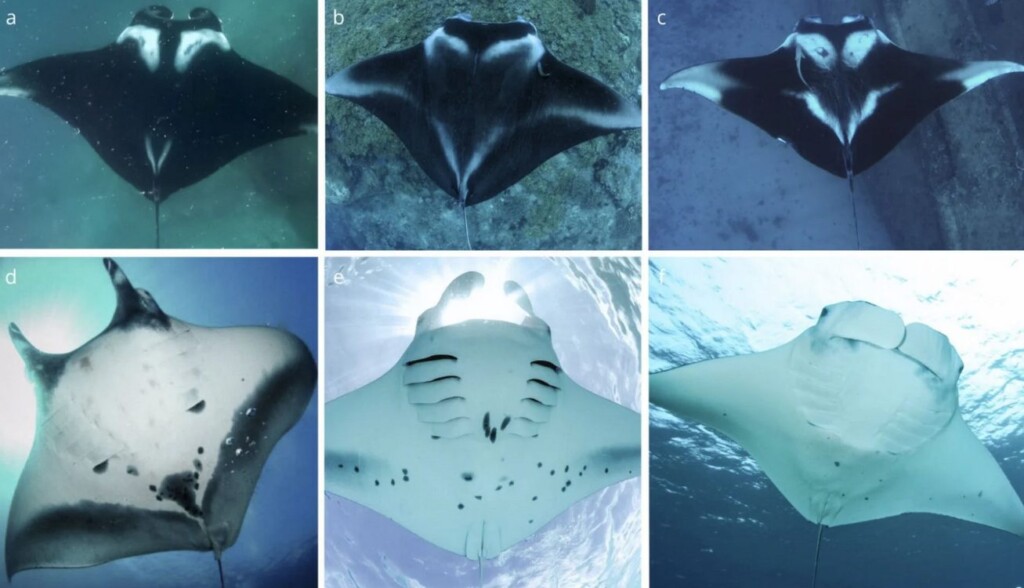
In the study published on the discovery in the journal Environmental Biology of Fishes, Marshall and co-authors share some photographs showing the clear differentiating marks between the three species. M. yarae shows distinct grey wing tips, and a strong, fat, ‘V’ shape on its shoulders.

The other two species have the same markings but to different intensities and placements. Underbelly spots were important as well for identification.

MORE FROM THE SEA: Thriving Ecosystem of Deep-Sea Creatures Discovered After Iceberg Detached Serendipitously from Antarctica

“In 2009, it was one of the largest species discoveries of the last 50 years. It was huge for me as an early career scientist and such a privilege to go through every step of the process. Did I ever expect to do something like that again? Hell no. Not a chance,” Dr. Marshall said on her Instagram. “So it was one of the shocks of my life to jump into the warm waters off the Yucatán in Mexico about a year later and come face to face with what I instantly knew was a third species of manta ray.”

Photo credits – Leo Francini a; Guy Stevens Manta Trust b, e; Rawany Porfilho c; Mauricio Andrade d; and Nayara Bucair f

The discovery of the M yarae, or the Atlantic manta offers scientists a rare glimpse into evolution in action. As one of the most recently evolved lineages of sharks and rays, manta rays provide a window into ongoing speciation, with genetic evidence suggesting M. yarae diverged relatively recently from other manta ray species.

“We’re probably still watching speciation occur!” study co-author Jessica Pate said in the statement. “This species has very recently evolved from the giant manta—it’s rare to see a new species like this, and even rarer to watch the process behind it.”

MORE MARINE LIFE STORIES: First-Known Sighting of a ‘Massive’ Antarctic Squid is Caught on Camera During Nat Geo Expedition

The relatively recent divergence makes the M. yarae particularly valuable for understanding how large marine species adapt and evolve. The species represents evolution in motion, providing insights into the processes that drive biodiversity in marine environments.

“Kids often ask me if, in this day and age, there is really anything left to discover,” wrote Dr. Marshall on Instagram. “I always laugh and end up telling my story, because I am living proof that there is. The only barrier we face is being close-minded and assuming we know it all, when in fact we have barely scratched the surface.”

SHARE This Incredibly Driven And Brilliant Woman And Her Massive Discovery…

Nike Co-Founder Phil Knight Gifts Record $2 Billion to US University for Their Cancer Center

Phil Knight, wife Penny, and Knight Cancer Institute Director Dr. Druker - credit, OSHU, released
Phil Knight, wife Penny, and Knight Cancer Institute Director Dr. Druker – credit, OSHU, released

Co-Founder of Nike Phil Knight has opened his bank account and his heart in order to set a record for the largest charitable gift ever handed to an American university.

$2 billion was given to a cancer institute bearing his name at the Oregon Health & Science University, a gift that will allow the institute to double in size and continue producing lifesaving breakthroughs in cancer diagnosis methods and treatment.

The Sultan of Swoosh is known for giving large philanthropic donations, and in the same way that Nike has impacted and shaped sport, Phil and his wife Penny have supported a revolution in the fight against cancer through that support.

The Knights had previously pledged to donate $500 million to OSHU if it could match that total in fundraising, a pledge which launched the ambitious Knight Cancer Challenge, which amassed donations from all corners and all sectors of America. The resulting $1 billion was used to fund research into early cancer detection screenings, leading to a panoply of blood tests.

Knight Cancer Institute Director Brian Druker, M.D., was the lead developer of Gleevec, a drug that transformed the survival of patients with chronic myeloid leukemia from less than five years to a diagnosis for which a normal lifespan can be expected.

The Knights’ investment of $2 billion was inspired by Dr. Druker’s vision to integrate the benefits of scientific discovery they have supported in the past with unmatched cancer care. This fully integrated cancer care model will expand and accelerate diagnostics, ensure access to innovative clinical trials informed by Knight researchers and simplify the experience for patients and families.

Every patient will have access to a full range of much-needed support resources, including nutritional support, psychological, genetic and financial counseling; symptom management; survivorship care and support; and other complementary therapies.

GENEROSITY AND GIVING: Thank-You Cards Pile Up with Nowhere to Go After School District Receives Anonymous ‘Transformative’ Donation

“Penny and Phil Knight have always challenged us to do what no one else is doing,” Dr. Druker said. “It can seem impossible to navigate the health care system after being diagnosed with cancer. We’re going to change that. We have revolutionized the way we detect and treat cancer. Now we are going to transform the way we care for patients while continuing to develop innovative treatments.”

Lastly, the gift being as large as it is, has given the institute the chance to transform into a self-governed entity within OSHU.

MORE INSPIRING PHILANTHROPY: Charles Barkley Keeps $1M Promise After 2 New Orleans Students Solve Pythagorean Theorem

“We are grateful for the opportunity to invest in the next stage of the Druker-led revolutionary vision of cancer research, diagnosis, treatment, care, and some day, eradication,” the Knights said in a statement. “We couldn’t be more excited about the transformational potential of this work for humanity. We are confident that establishing the Knight Cancer Institute as a self-governed entity within OHSU will help the Knight and OHSU reach these goals.”

SHARE This Brilliant Homegrown Philanthropy With Your Friends… 

Your Weekly Horoscope – ‘Free Will Astrology’ by Rob Brezsny

Our partner Rob Brezsny, who has a new book out, Astrology Is Real: Revelations from My Life as an Oracle, provides his weekly wisdom to enlighten our thinking and motivate our mood. Rob’s Free Will Astrology, is a syndicated weekly column appearing in over a hundred publications. He is also the author of Pronoia Is the Antidote for Paranoia: How All of Creation Is Conspiring To Shower You with Blessings. (A free preview of the book is available here.)

Here is your weekly horoscope…
FREE WILL ASTROLOGY – Week of August 16, 2025
Copyright by Rob Brezsny, FreeWillAstrology.com

LEO (July 23-Aug. 22):
In medieval Europe, pilgrims traveling to the shrine of Saint James in Spain often wore scallop shells. These were badges to signify they were on a sacred path in quest of divinely inspired transformation. The shell also had practical uses. It was a scoop for food and water, underscoring the humility and simplicity embraced by wayfarers on the road. I invite you to acquire and wear your own equivalent of this talisman, Leo. You have begun a new chapter in your self-perception, and life is asking you to proceed without pretense. You don’t need definite answers. You don’t have to rush to the end of the journey. The becoming is the point. I hope you seek out inspirational symbolism and generous companions to help nurture your brave transformations. (PS: Your best conversations may be with people who will lovingly witness your evolution.)

VIRGO (Aug. 23-Sept. 22):
In ancient Greek drama, the peripeteia was a term for the moment when everything turns. The pivot doesn’t happen through force, but through the revelation of what was always true. I see the coming weeks as your peripeteia, Virgo. There may be no fireworks or grand announcements. Just a soft spiraling crackle that signifies a realignment of the system, a cathartic shift of emphases. Confusion resolves. Mysteries solve themselves. You might say, “Oh, yes, now I see: That’s what it all meant.” Then you can glide into the future with a refined and more well-informed set of intentions.

LIBRA (Sept. 23-Oct. 22):
In coastal Portugal, there’s a lighthouse called Farol do Cabo da Roca. Built on a cliff where land ends and the Atlantic Ocean begins, it marks the westernmost edge of continental Europe. We might say it’s a threshold between the known and unknown. I believe you will soon be poised at a metaphorically similar place, Libra. An ending is at hand. It’s not catastrophic, but it is conclusive. And just beyond it are shimmers, questions, and a horizon that’s not fully visible. Your job is to finish your good work, even as you periodically gaze into the distance to see what’s looming.

SCORPIO (Oct. 23-Nov. 21):
I Invite you to channel the spirit of Kali—not in her form as the destroyer, but as the fierce liberator. She has the power to burn away stagnation, neutralize the poison of old lies, and slice through illusion with a sword of compassion—and so do you. I believe you are ready to sever a bond that has secretly (or maybe not-so-secretly) limited you. Don’t be afraid of the emptiness that results. It may appear to be a void, but it will quickly evolve into a fresh sanctuary. Into this newly cleared room, you can pour your strongest longings and most rebellious love. What are the wildest versions of your truths?

SAGITTARIUS (Nov. 22-Dec. 21):
In some early maps of the cosmos, Sagittarius wasn’t just an archer. Your sign was symbolized by a centaur with wings: part horse, part bird, part god. I bring this to your attention because I suspect your own hybrid nature is extra wild and strong these days. A part of you wants to roam, and a part wants to ruminate. A part wants to teach, and a part needs to learn. How should you respond to the glorious paradox? I say, don’t force harmony. Let contradiction become choreography. Maybe liberating joy can arise through a dance between apparent opposites.

CAPRICORN (Dec. 22-Jan. 19):
In Sardinia, there are tombs carved into rock called Domus de Janas—“houses of the fairies.” People once left offerings there to court the help of beings they couldn’t see. They truly believed that fairies are real and can exert effects in this world. In modern times, fewer Capricorns actively consort with invisible presences than any other zodiac sign. But I hope you will take a short break from your usual stance. Mysterious and mythic influences are gathering in your vicinity. You’re being nudged by forces that defy explanation. What do you have to lose? Why not have fun making room to be delighted and surprised by miracles and wonders?
AQUARIUS (Jan. 20-Feb. 18):
Thou shalt embrace the confounding contradictions, Aquarius. That’s the first commandment. Here’s the second commandment: Thou shalt caress the tricky incongruities. Third: Thou shalt whisper endearments to the mysterious ambiguities and invite the mysterious ambiguities to whisper endearments to you. Fourth: Thou shalt rumble and cavort with the slippery paradoxes. Commandment number five: Thou shalt chant spicy prayers of gratitude to the incongruities, paradoxes, contradictions, and ambiguities that are making you deeper and wiser and cuter.
PISCES (Feb. 19-March 20):
In early medieval gardens, there was sometimes a space called the hortus conclusus. It was a walled sanctuary that protected plants and herbs from harsh weather and predation by animals. It comprised a microclimate and provided a private, peaceful space for contemplation, prayer, and study. Sometime soon, Pisces, I would love for you to create your personal equivalent of a hortus conclusus—even if it’s metaphorical. You will harvest maximum benefits from surrounding yourself with extra nurturing. The insights that would come your way as you tend to your inner garden would be gently and sweetly spectacular.

ARIES (March 21-April 19):
Rama is the star of the ancient Hindu epic story, the Ramayana. I love him! He’s one of my favorite legends! His heroic journey isn’t fueled by a greed for power or personal glory. Unlike 90 percent of modern action heroes, he’s not pumped up with anger or a lust for vengeance. Instead, he is animated by a sense of sacred duty. Against all odds, and in the face of bad behavior by weird adversaries, he acts with exemplary integrity and calm clarity. During your upcoming exploits, Aries, I invite you to be inspired by his exalted and unwavering determination. As you proceed, ask yourself, “Is this in rigorous service to my beautiful ideals? Are my decisions and words in alignment with my deepest truths?” Be motivated by devotion as much as by hunger. Aim not just for novelty and excitement, but for generosity of spirit.
TAURUS (April 20-May 20):
In the Mexican festival of La Noche de Rábanos—Night of the Radishes—giant radishes are carved into elaborate altars and scenes. Humble roots become fancy art. I think you’re engaged in a metaphorically similar process, Taurus: sculpting with uncommon materials. Something you’ve regarded as modest—a small breakthrough or overlooked strength—is revealing unexpected value. Or perhaps a previously latent or indiscernible asset is showing you its neglected magic. Celebrate your subtle but very tangible luck. Take full advantage of half-disguised treasures.

GEMINI (May 21-June 20):
In Zen archery, the aim is not simply to hit the target. Instead, it’s to align one’s body, breath, mind, and bow so fully that the arrow releases itself naturally and effortlessly. It shoots itself! I would love for you to adopt this breezy attitude in the weeks ahead, Gemini. See if you can allow an evolving project, relationship, or vision to reach a new maturity, but not through pushy effort. Rather, trust life to bring you the precise guidance exactly when you need it.
CANCER (June 21-July 22):
In ancient Rome, the priestesses known as the Vestal Virgins tended an eternal flame. They never let it be extinguished, not even for a moment. Their devoted focus on nurturing the fire was both a religious practice and a symbol regarded as essential for the well-being, prosperity, and survival of the Roman state. I propose, Cancerian, that you engage in your own version of Vestal Virgin-like watchfulness. Assign yourself the role of being the keeper of a sacred promise or resource. What is it, exactly? Identify this repository of spiritual wealth and dedicate yourself to its sustenance.

WANT MORE? Listen to Rob’s EXPANDED AUDIO HOROSCOPES, 4-5 minute meditations on the current state of your destiny — or subscribe to his unique daily text message service at: RealAstrology.com

(Zodiac images by Numerologysign.com, CC license)

SHARE The Wisdom With Friends Who Are Stars in Your Life on Social Media…

“The cultured person is an artist, an artist in humanity.” – Ashley Montagu 

By Constantinos Kollias (public domain)

Quote of the Day: “The cultured person is an artist, an artist in humanity.” – Ashley Montagu 

Photo by: Constantinos Kollias

With a new inspirational quote every day, atop the perfect photo—collected and archived on our Quote of the Day page—why not bookmark GNN.org for a daily uplift?

By Constantinos Kollias (public domain)