













From Queensland, Australia, comes the story of how a little salt can go a long way to restoring an ecosystem.
Near the area of Mackay, tidal gates and embankments built between 50 and 60 years ago to keep out tides of seawater are being removed by the dozen. It’s reestablishing salt marsh and estuarine ecosystems that humans once spent a fortune trying to eliminate.
As knowledge about the importance of these ecosystems has grown, experts on the ground say, it gradually became clear that it was better to return the land back to its natural state.
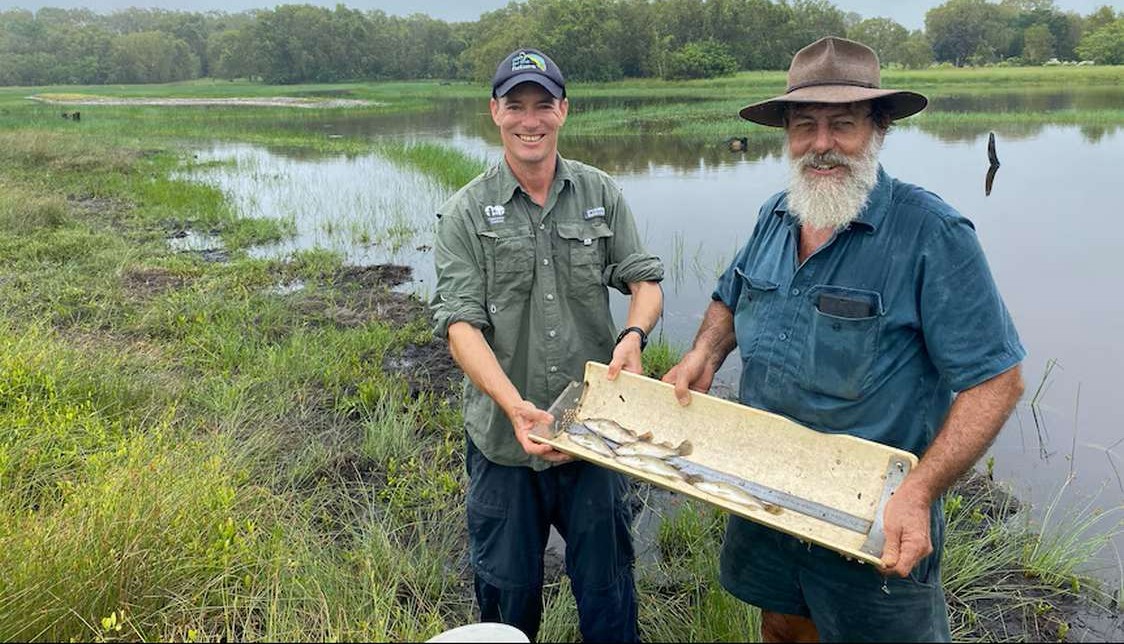
“Mackay’s getting built in and the animals are running out of space,” 60-year-old rancher Christopher Rek told ABC News AU. “I stole from nature by using all my cows and now it’s time to give the land back and let nature do its thing.”
Greening Australia, the Yuwi Indigenous Corporation, the water management company Catchment Solutions, and the state fisheries authority, all took part in helping undo the tidal controls. Catchment Solution contacted Rek to allow them to remove the tidal gates that stopped salt water coming onto his property.
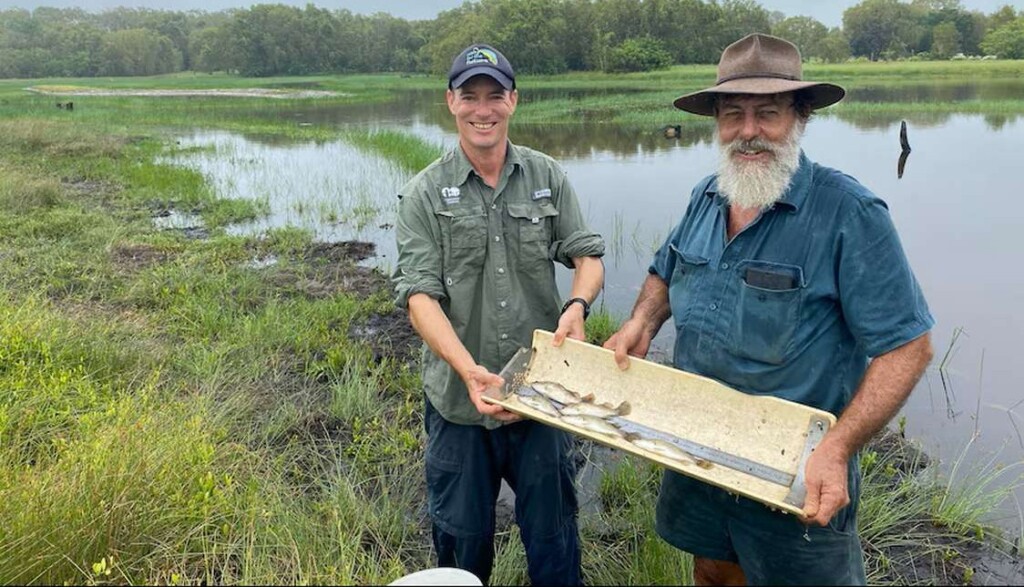
Already, he and fisheries ecologies Matt Moore have recorded juvenile barramundi using the reestablished waterways the tidewater has brought. Before settlement, these brackish waters were key channels that allowed salt-tolerant species to move between the sea and the interior to seek spawning nurseries.
Not only were the habitats important for animals like fish, but for plants like mangroves. Along with the lack of salty water, these globally important trees were outcompeted by an introduced grass species brought to Queensland for use as cattle fodder.
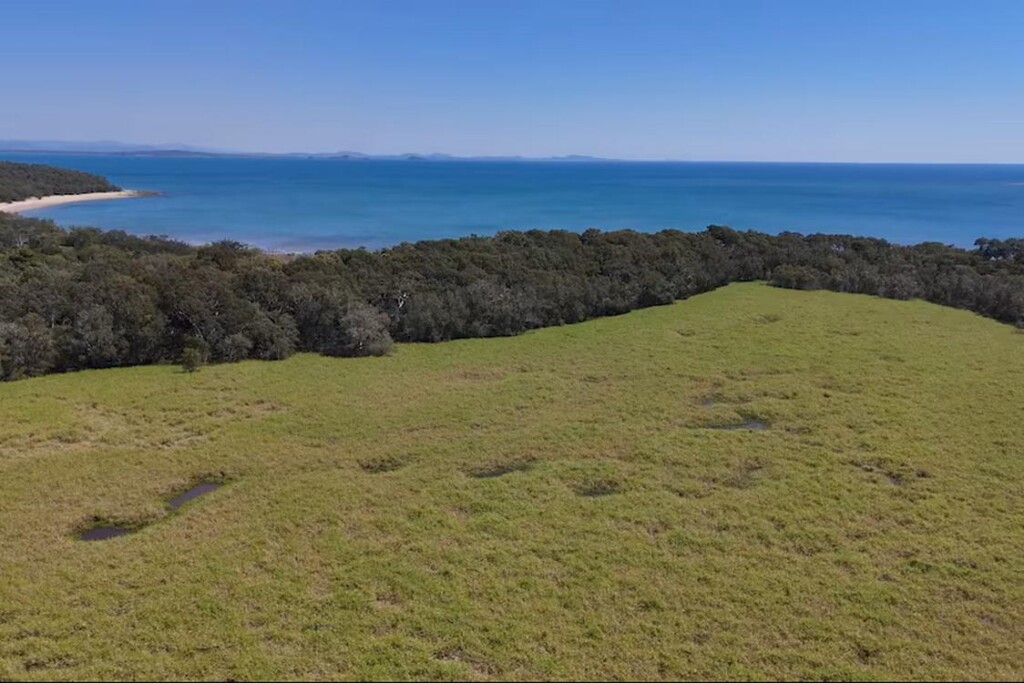
Hymenachne is considered a weed of national significance, but the return of the salt water through a 45-foot-long channel dug through an artificial embankment has already killed off 80% of it in the area around Cape Palmerston National Park.
MORE STORIES LIKE THIS: Over 600 Lakes, Ponds, Reservoirs Restored Across the Whole of India by Divinely-Inspired Nonprofit
At 180-feet in length, the embankment blocked the ocean’s high tide from entering a wide area at the southern boundary of the Yuwi traditional owners native title lands.
Queensland Parks and Wildlife Service and Greening Australia helped the Yuwi dig the channel which restored Neptune’s touch and banished the Hymenachne. Local elders were there to witness the event, which they described as “a very special and spiritual moment.”
QUEENSLAND NEWS: Queensland Declared Drought Free for First Time in Decade: Colors Have Blossomed Out of the Brown
In Mackey alone, there are between 500 and 600 tidal gates, with thousands more located across Queensland, so more work is needed. Inspiring stories like Christopher Rek’s pasture-turned-barramundi-habitat, or the Yuwi reconnecting with their watery world, will hopefully help drive the movement forward.
It’s definitely a worldwide trend: removing dams, restoring natural water movement and displacement. It benefits all manner of ecology and industry alike, and something GNN would expect to continue through the decades to come.
SPLASH This Good Earth Story Over On Your Friends Social Medias…