














Capable of undergoing 120,000 charge cycles and being disposed of anywhere, an experimental new battery design might be thought of as truly state-of-the-art.
To the contrary, the magnesium chloride or calcium chloride electrolytes used to carry the charge between the negative and positive electrodes were quite familiar to the Hong Kong-scientists that designed the battery for a very good reason.
They’re used to make tofu.
Researchers from City University of Hong Kong and their colleagues sought to advance the science of water-based batteries, as they’re safer in society and don’t require hazardous waste disposal.
As China has rapidly become the world leader in electric vehicle and renewable energy productions, the lithium-ion battery has come to permeate the society. As well as powering most phones, computers, and other devices, it’s a glaring, approaching waste problem that will involve the need to process millions of tons of battery waste every year.
That’s a major risk for local environments, both urban and natural, since lithium-ion batteries use flammable solvents as the electrolyte which can catch fire or explode if damaged. These fires can be difficult to extinguish as they aren’t water-based, and it’s why power-banks and portable batteries have been banned on many airlines.
Aqueous, or water-based batteries by contrast, don’t have any component that can catch fire, and so are hypothesized as being more environmentally-friendly. Despite being under development in various ways for over 200 years, however, they’ve never caught on in a big way. While safer, the chosen electrolytes have been either too far to the alkaline or the acidic sides of the pH spectrum, which present a different set of challenges, South China Morning Post reports.
The team from City University needed an electrolyte that was water-based, nontoxic, and neutral in pH level, so they turned to food additives: magnesium chloride or calcium chloride.
NONTOXIC BREAKTHROUGHS: California Vineyards That Once Used Only Toxic Chemicals to Protect Vines Now Use Nesting Owls
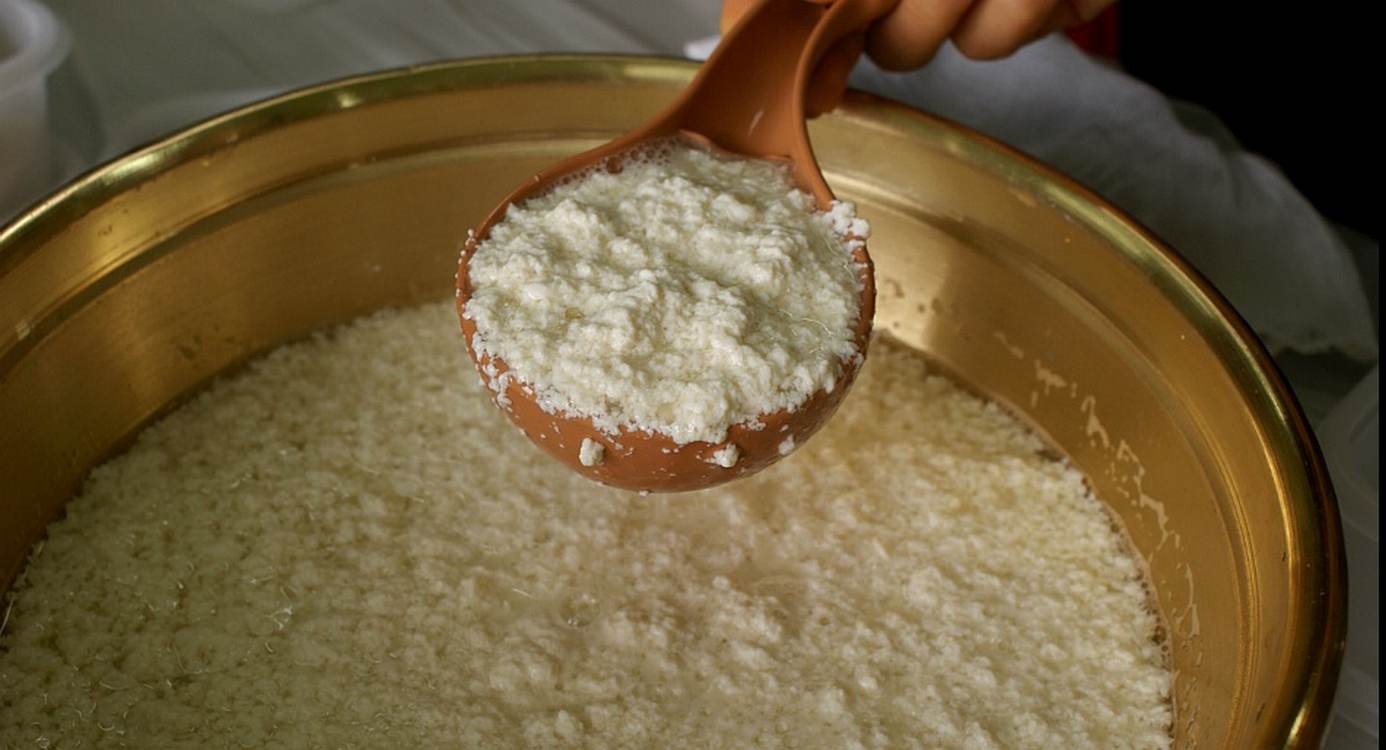
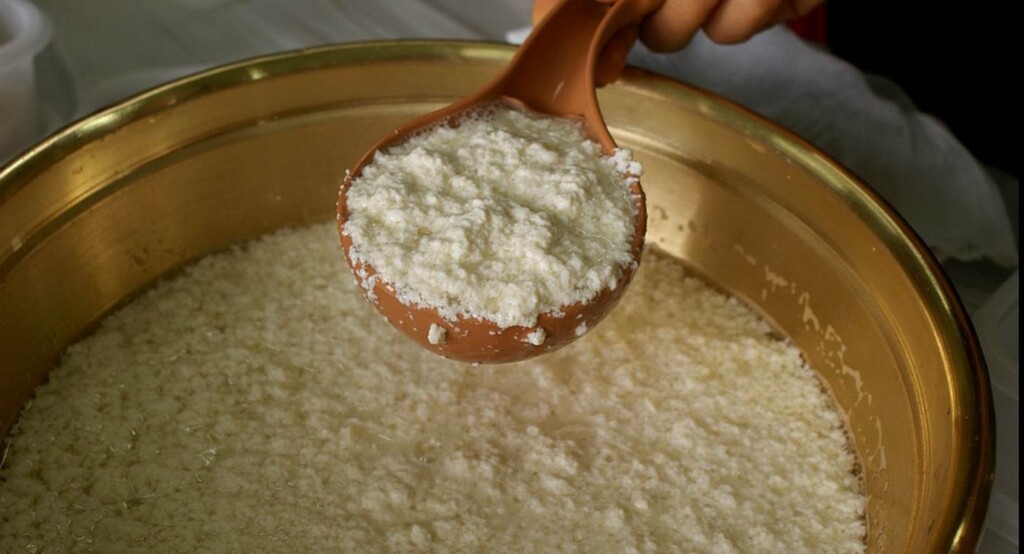
In order to make tofu, soy milk is introduced to brine featuring one of these mineral salts which act as a coagulant to turn the milk into a solid.
“Compared with current aqueous battery systems … our system delivers exceptional long-term cycling stability and environmental friendliness under neutral conditions,” the team said in a paper published in the peer-reviewed journal Nature Communications on February 18th.
MORE BATTERY ADVANCEMENTS: Samsung’s 600-Mile-Range Batteries That Charge in 9 Minutes Ready for Production/Sale Next Year
“As magnesium and calcium are naturally abundant in soil, their presence poses minimal environmental risk,” they added.
“Our findings represent a considerable advancement in the development of neutral electrolyte-compatible negative electrode materials, offering a safer, high-performance, long-lasting and environmentally sustainable energy storage solution.”
SHARE This Delicious Idea Of A Battery For The Future With Your Friends…