

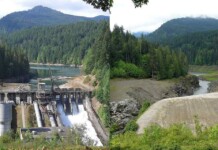









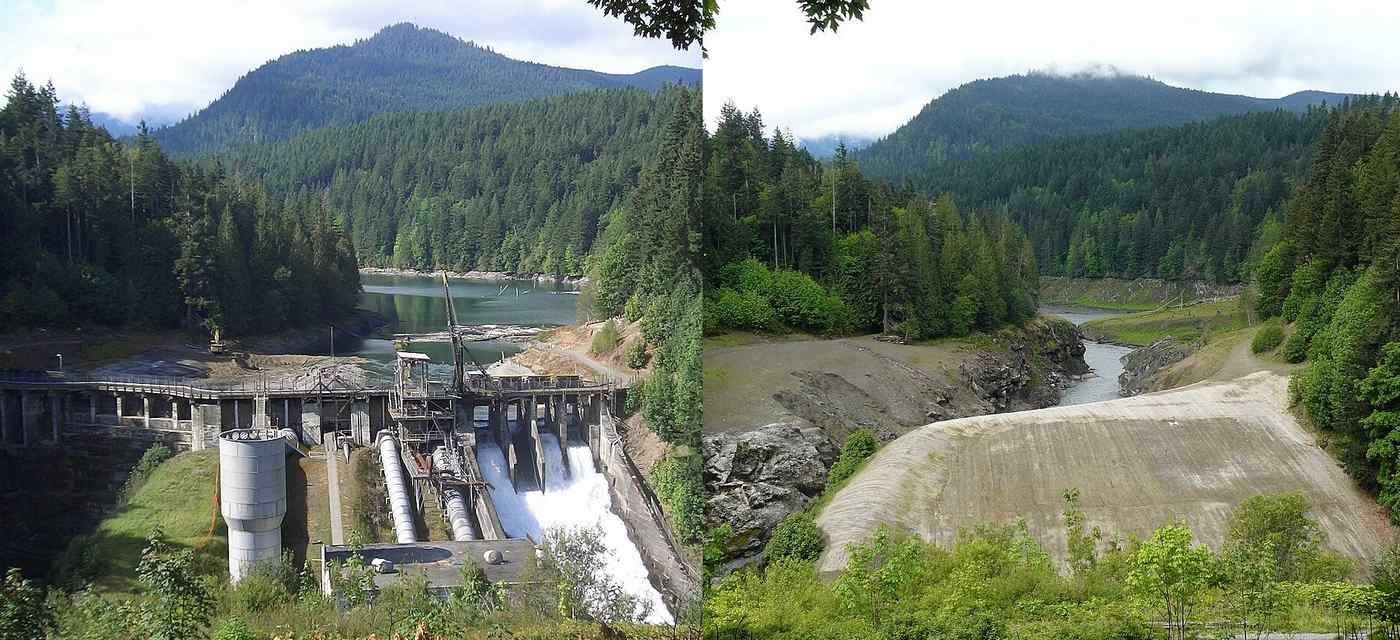
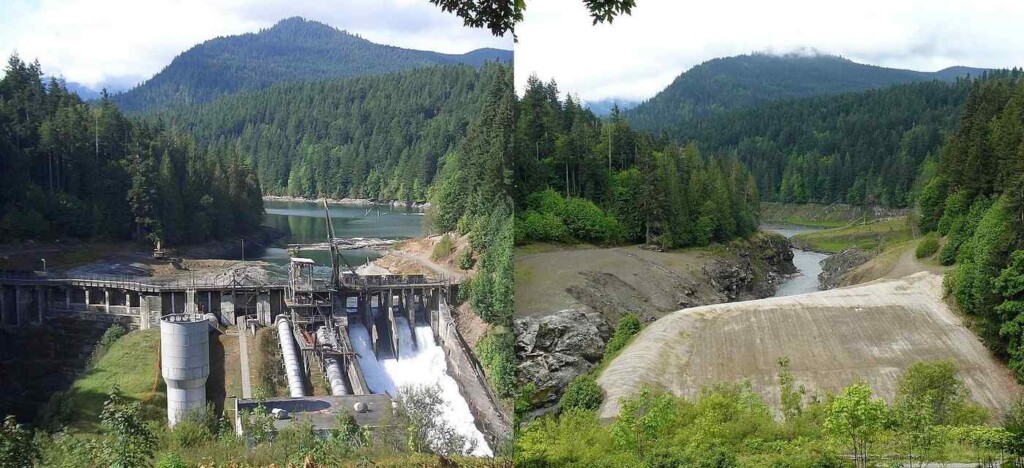
20 years after a Washington state dam was slated for demolition, 1,100 acres of ecosystem along the Lower Elwha River is recovering, having lain muddy and dormant under the dam’s engorged reservoir for more than a century.
And now, 171 years after the land left their hands, and 114 years after it was flooded, the Lower Elwha Klallam tribe is just a signature away from having it all returned to them.
Located along the Elwha between its bridges over state highway 101 and route 112, the large land parcel was drawn up in a federal bill which has passed through both houses of Congress and now awaits executive signature. National Parks Service personnel have already done fieldwork in the area in collaboration with the Lower Klallam tribe, as the parcel would touch the nearby Olympia National Park.
The transfer would in effect reverse the Point No Point Treaty which ceded most of the tribe’s historically-inhabited territory in 1855 for access to education, healthcare, and a guarantee of hunting and fishing rights. The dam, which ruined their fishing livelihoods and flooded their lands, was not part of the agreement.
The flooded acreage includes sites sacred to the Klallam’s memory, among which include historic villages and the spot where elders say their tribe was blessed into existence by the Creator. It also plays home to kingfishers, mountain lions, dippers, bear, possums, and most importantly, salmon.
When the Elwha Dam was built in 1910, it cut the Klallams off from their ancestral way of life as people who lived off the bounty of the river.
“Our land isn’t just land. The river isn’t just the river. The salmon aren’t just salmon,” said Lower Elwha Klallam Tribe Chair Melissa Gilman. “This is part of who we are as people.”
WASHINGTON NEWS: Washington State Protects the Old-Growth Forests of Tomorrow, Creates 77,000 Acres of ‘Legacy Forests’
Like the Klamath River and its eponymous tribe nearby, salmon had lost access to spawning grounds up the Elwha for over a century. The river, whose headwaters form as glacial meltwater among the Olympic Cascades, is vital spawning habitat for chinook salmon and trout.
2026, reports the Seattle Times, which spoke with Klallam tribal members about the potential upcoming land transfer, is the fourth year in a row that tribal members have enjoyed their fishing rights along the river.
TRIBES RECOVERING THEIR LAND: 900 Acres Bordering Yosemite Returned to Tribe That Was Expelled 175 Years Ago
Salmon already appeared within the upper reaches of the nearby Klamath River within a year of the removal of the 4 dams along its course, and with any luck, the Elwha salmon will continue to reclaim their territory, just as the Klallam do the same.
“That last missing piece was the Klallams, the people of the land,” tribe member Vanessa Castle said. “And now that can happen in a way that feels fulfilling and respectful, and that we have a space that we can call home again.”
SHARE This Happy Homecoming A Century In The Making For This Tribe…