












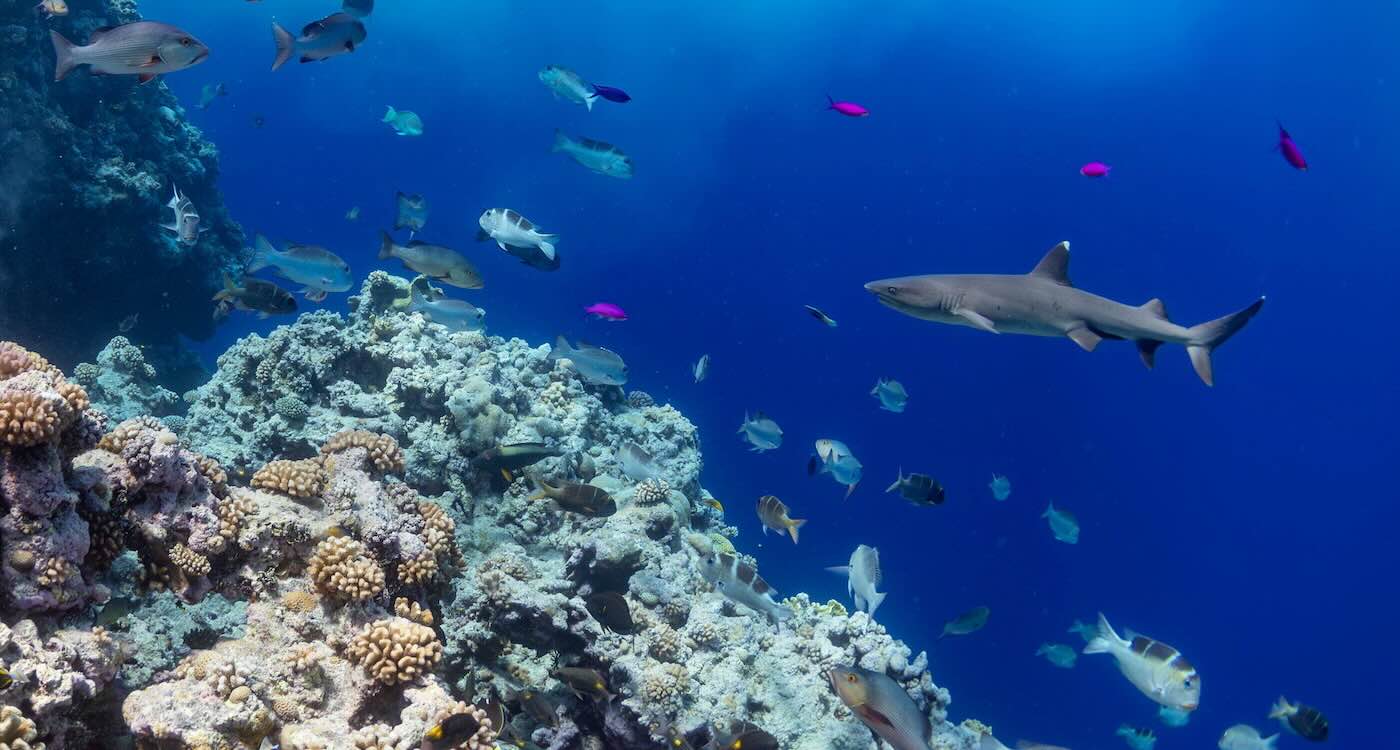
Some of the “very last wild and healthy ecosystems” unblemished by humans have been discovered in the remote atolls of the Pacific Ocean teeming with life.
Scientists wrote in a new study that, although humans have left their mark on virtually every place on the planet, a few very remote islands of coral may be the exceptions.
Researchers described the two coral atolls, Bikar and Bokak, located in the territory of the Marshall Islands, to be some of the most intact ecosystems remaining in the region and perhaps the world.
The two atolls—roughly midway between Hawaii and the Philippines—are now part of a newly created National Marine Sanctuary.
“Bikar and Bokak are not just treasures for the Marshall Islands but for the entire planet, a gift from the community of Utirik Atoll, which has traditionally and vigilantly safeguarded these fragile ecosystems for decades,” said study first author Dr. Alan Friedlander.
Bikar and Bokak are the northernmost atolls in the Marshall Islands, lying around 72 and 239 miles from the nearest inhabited atoll, respectively.
The research team in 2023 began conducting extensive monitoring of local land, sea, and sky ecosystems, assessing sea- and shorebird populations, and vegetation.
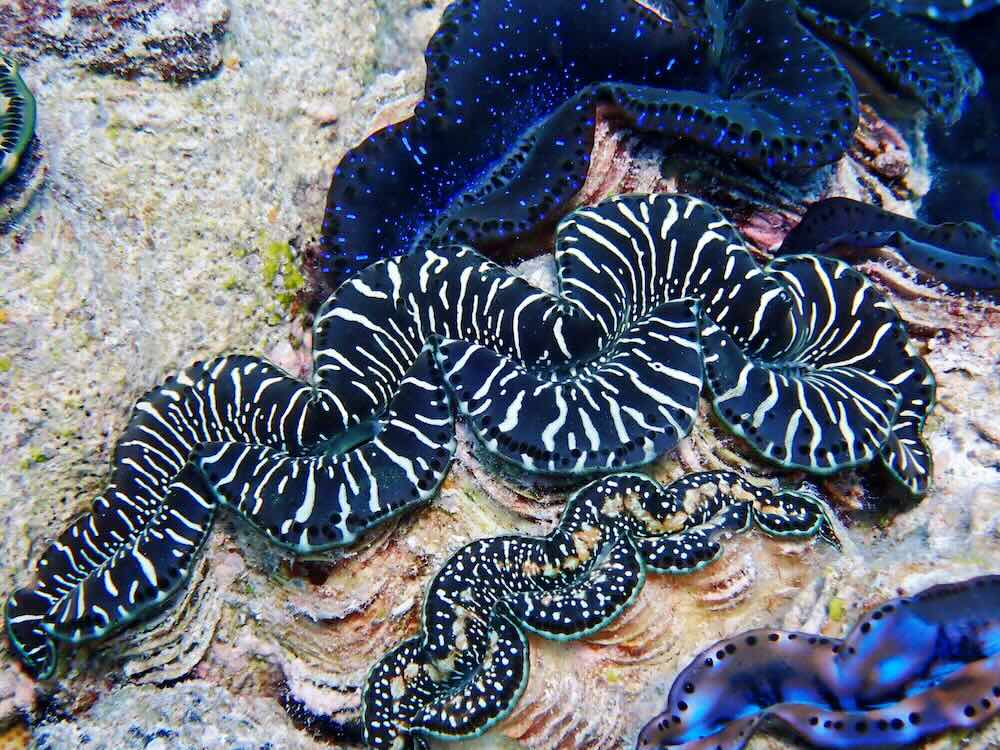
They conducted surveys of turtle nesting, coral reefs and fish assemblages using scuba, underwater video, deep-sea camera deployments, and a submarine.
Dr. Friedlander, a marine ecologist at the University of Hawai’i, says the extensive surveying of the ecosystems offers an unparalleled glimpse into how they function with only minimal human influence.
Two years after the assessment, some 18,500 square miles around the atolls were declared the country’s first national marine sanctuary.
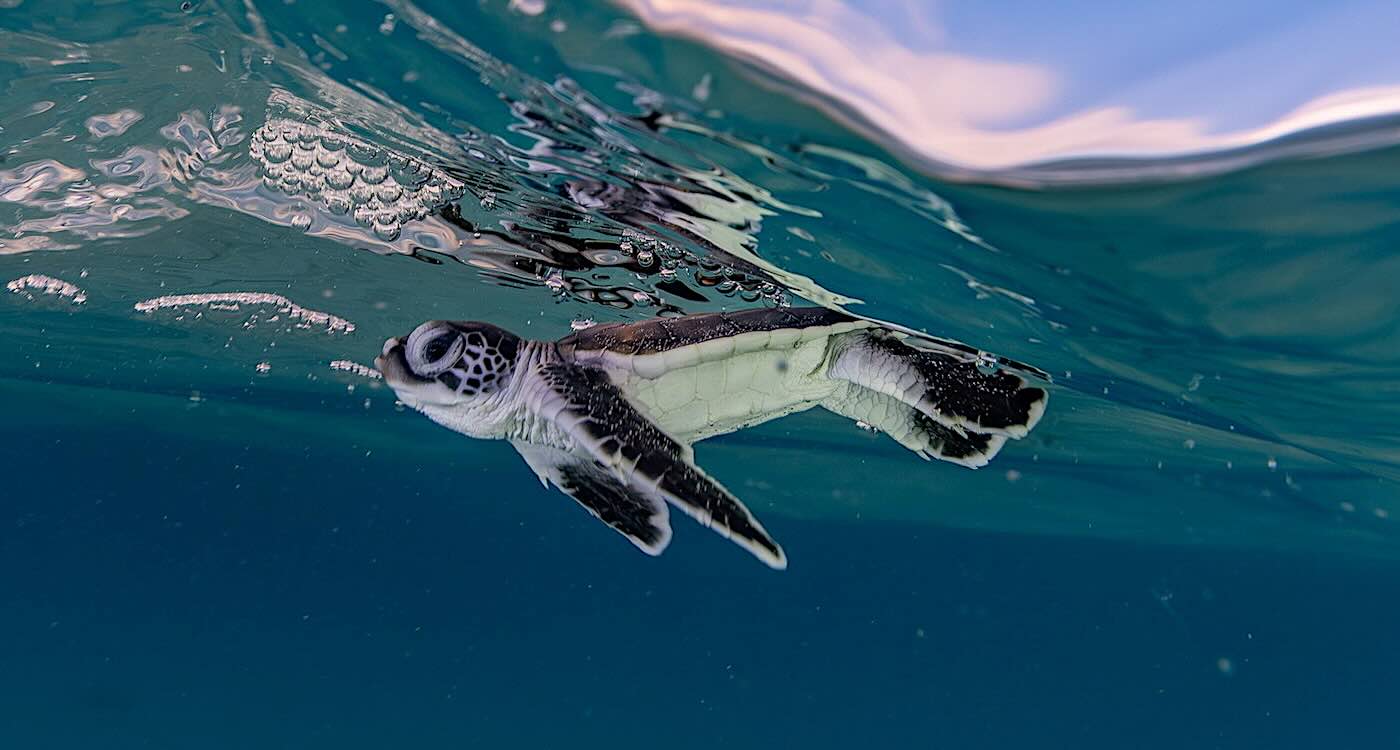
“These atolls have extensive seabird colonies, mature native vegetation, active turtle nesting, high fish numbers with large predators… and surprisingly diverse and poorly-known deep-sea communities.”
For instance, they counted over a dozen breeding seabird colonies, 266 groups of reef fish, 79 groups of deep-sea fishes, and 15 groups of open-water predators—including sharks, jacks, and wahoo.
Fully 14 of the observed groups haven’t previously been recorded in the Marshall Islands, and two might be species new to science.
LOOK AT THESE!
• Rare 1-in-100M ‘Ghost Lobster’ Goes to School to Help Scientists Crack Genetic Mystery–in Time for Halloween
• Coral Reef Long Presumed Dead Is Rediscovered ‘Teeming with Life’ Off Coast of Africa
The study, published in the journal Frontiers in Marine Science, surveyed the atolls during a single point in time to serve as a globally important ecological reference system.
“They are among the best ecological reference systems we have to better understand what we have lost elsewhere and to provide fundamental insights needed for effective conservation and restoration efforts.”
“The Marshall Island government should be applauded for their foresight in protecting these global biodiversity hotspots, where human activity is distant and habitats teem with life.”
SHARE THE SURPRISING BEAUTY With Ocean Lovers on Social Media…